
Business
Euronet director Thomas McDonnell buys $55,138 in company stock




IHF: Healthcare Dashboard For August

A large study led by Stanford Medicine researchers has found that women who used estrogen-only menopausal hormone therapy showed significantly less brain evidence of Alzheimer’s disease at autopsy, along with lower odds of receiving a dementia diagnosis during their lifetimes, offering new pathological evidence in a research area that has produced conflicting findings for decades.
The study, published August 12 in Neurology, the medical journal of the American Academy of Neurology, analyzed data from 21,462 women, drawing on two existing research datasets: the National Alzheimer’s Coordinating Center’s autopsy cohort and the Alzheimer’s Disease Neuroimaging Initiative’s living cohort. Within that population, researchers compared 258 women who reported using estrogen-only hormone therapy against roughly 2,701 women who reported no hormone therapy use.
Women who had used estrogen-only therapy showed 35% lower odds of Alzheimer’s disease pathology in their autopsied brain tissue and 39% lower odds of having ever received a clinical dementia diagnosis, according to the study’s findings. Researchers examined brain tissue directly for amyloid plaques, neurofibrillary tangles and amyloid-plaque density, three hallmark physical changes associated with Alzheimer’s disease, rather than relying solely on cognitive test scores or clinical symptom assessments used in many earlier studies on the topic.
Jennifer Bruno, the study’s lead author and an instructor in psychiatry and behavioral sciences at Stanford, said the direct examination of brain tissue set the research apart from prior work in the field. “Women who had used estrogen-only hormone therapy had 35% lower odds,” Bruno said, describing the reduced presence of the disease’s defining brain changes compared with women who had not used the therapy.
Because estrogen-only hormone therapy is generally prescribed to women who have undergone a hysterectomy, given that estrogen alone can raise the risk of endometrial cancer in women who still have a uterus, most participants in the estrogen-only group likely fell into that category, according to the study’s authors, though the datasets used did not include confirmed hysterectomy records.
Senior author Hadi Hosseini, an associate professor of psychiatry and behavioral sciences at Stanford, said examining actual brain tissue offered a more definitive picture than symptom-based measures alone. “By looking where the actual damage is done, the brain, you can see where the Alzheimer’s-associated defining features are,” Hosseini said, describing the approach as a way to more directly locate and quantify disease-related changes rather than inferring them indirectly.
The findings arrive in an area of medical research that has produced notably inconsistent results over the years. Earlier studies, including large trials from the Women’s Health Initiative, had previously linked menopausal hormone therapy, particularly combined estrogen-progesterone regimens, to an increased risk of dementia, guidance that shaped clinical recommendations discouraging hormone therapy use specifically for memory-related concerns. The new findings run counter to that established guidance, at least with respect to estrogen-only regimens.
Researchers cautioned that the study’s observational design means it can demonstrate an association between estrogen-only therapy and reduced Alzheimer’s pathology, but cannot prove that the therapy directly causes that reduction. Hosseini told Fox News Digital that other factors could help explain the pattern, noting it remains possible that women who used hormone therapy differed from non-users in ways researchers could not fully measure, including overall baseline health or general engagement with the health care system.
Timing also complicates how directly the findings apply to women considering hormone therapy today. Participants in the study who used hormone therapy generally began treatment around age 70, according to reporting on the study, whereas current clinical practice typically involves starting therapy in the late 40s or early 50s and discontinuing it before age 60. Because more recent research suggests menopausal hormone therapy may offer greater benefits when started during or shortly after menopause, researchers said the study’s findings, based on a group that started therapy considerably later in life, may actually understate the potential benefit of earlier initiation.
Alzheimer’s disease remains the leading cause of dementia among older adults, with women accounting for roughly two-thirds of all diagnoses. Some research has pointed to the sharp decline in estrogen levels during menopause as a possible contributing factor to increased Alzheimer’s risk among women, a hypothesis the new findings offer additional, though still preliminary, support for.
Despite the notable findings, the study’s authors were clear that the results should not be interpreted as a basis for changing current medical guidance. Bruno said the findings represent meaningful, first-of-their-kind pathological evidence in a genuinely contested area of research, but stressed they serve as a signal calling for further study rather than a reason for women to start or stop hormone therapy specifically for brain health. Both Bruno and Hosseini said the field now needs prospective, biomarker-based clinical trials following women before, during and after menopause to determine more conclusively whether menopausal hormone therapy offers a genuine protective effect against Alzheimer’s disease.
The study was funded by the National Institutes of Health. Researchers said the findings underscore the continued need for well-designed clinical trials capable of establishing a clearer, causal relationship between hormone therapy and long-term brain health outcomes in women.


I write about Macro and fundamentals, with the (painful) awareness momentum and sentiment are what really matters. That’s why I never try to time the market and I only buy stocks if I am willing to hold them for at least 10 years. When it comes to fundamentals, everybody knows the market is forward looking, but few understand what that means. I don’t look at a P/E number and decide to buy if a stock is “cheap”. I see the market as literally just the meeting point between demand and supply and I always try to understand what it sees in a stock beyond the numbers. This often implies trying to understand sectors, industries and long term growth trends. My approach requires ingenuity, curiosity and a good dose of naivete, as well as being comfortable with (sometimes) going against the current.I am based in Geneva, Switzerland (hence my SA name). Friend “Rex Investing” is also a contributor to Seeking Alpha. All opinions and analysis are exclusively my own.You can follow me on Twitter @ x.com/GenevaInvestor. I am also on medium.com/@genevainvestor.
Analyst’s Disclosure: I/we have a beneficial long position in the shares of EUV, SOXX, SOXL either through stock ownership, options, or other derivatives. I wrote this article myself, and it expresses my own opinions. I am not receiving compensation for it (other than from Seeking Alpha). I have no business relationship with any company whose stock is mentioned in this article.
Seeking Alpha’s Disclosure: Past performance is no guarantee of future results. No recommendation or advice is being given as to whether any investment is suitable for a particular investor. Any views or opinions expressed above may not reflect those of Seeking Alpha as a whole. Seeking Alpha is not a licensed securities dealer, broker or US investment adviser or investment bank. Our analysts are third party authors that include both professional investors and individual investors who may not be licensed or certified by any institute or regulatory body.

A new report has documented a rapidly worsening epidemic of silicosis, an incurable and often fatal lung disease, among California workers who cut and fabricate quartz countertops, with case numbers more than doubling over the past 16 months as researchers warn the true national scope of the problem likely extends far beyond the state.
The report, published August 12 in the journal NEJM Evidence, identified 592 cases of silicosis among quartz countertop fabrication workers in California between January 2019 and June 2026. Of those workers, 65 have required lung transplants and 31 have died. The study was authored by researchers from the California Department of Public Health, the University of California, Los Angeles, the University of California, San Francisco, and George Washington University’s Milken Institute School of Public Health.
According to the California Department of Public Health, the median age of workers diagnosed with silicosis is 46, while the median age of those who have died from the disease is 52, a notably young age range for a fatal occupational lung condition. Men account for 99% of all documented cases, and roughly half of all cases identified statewide were reported in Los Angeles County.
The pace of new diagnoses has accelerated sharply in recent years. According to reporting from Tech Times, the state’s tracked case count grew from 259 cases and 15 deaths as of March 2025 to 592 cases and 31 deaths by June 2026, more than doubling in just 16 months. Amy Heinzerling, chief of the health department’s Emerging Workplace Hazards Unit and the study’s lead author, told a state regulatory hearing in May that officials had identified 85 new cases in just the first four months of 2026 alone, a pace that would represent the fastest single-year rate of accumulation since the state began actively tracking the disease.
Quartz, technically known as engineered stone, has become an increasingly popular material for kitchen and bathroom countertops in recent years due to its durability and resistance to scratching and staining compared with natural stone alternatives. The material typically contains more than 90% crystalline silica, far higher than natural stone, and generates fine, breathable silica dust when workers cut, grind or polish it during fabrication, according to health officials.
Silicosis develops when workers inhale extremely small crystalline silica particles that become permanently lodged in lung tissue, gradually reducing the lungs’ ability to absorb oxygen. The disease is progressive, has no cure, and can only be managed through measures like supplemental oxygen or bronchodilators to ease breathing, according to the Cleveland Clinic. In its most severe form, the disease can require a lung transplant or ultimately prove fatal.
David Michaels, a co-author of the report, professor at George Washington University’s Milken Institute School of Public Health, and former head of the federal Occupational Safety and Health Administration, described the underlying cause of the epidemic in blunt terms. “Workers have been sickened making quartz countertops, a product we do not need,” Michaels said in a statement, noting that safer alternative materials are readily available. He added that the documented California cases likely represent only a fraction of the true national total, since California remains the only state actively conducting population-level surveillance for the disease even though stone fabrication shops operate in every major metropolitan area across the country.
California officials have said they are now pursuing regulatory and legislative action in response to the report’s findings, with the study’s authors specifically pointing to Australia as a model worth following. Australia became the first country in the world to fully ban engineered stone products in 2023, a decision made explicitly to protect fabrication workers from silica dust exposure.
The report’s release comes amid a separate, high-stakes legislative fight in Washington that could significantly affect sickened workers’ ability to pursue compensation. A bill sponsored by Rep. Tom McClintock, a California Republican, passed the House Judiciary Committee by a 16-7 vote on June 3, and would prohibit lawsuits against manufacturers, distributors and sellers of crystalline silica engineered stone products. According to Tech Times, the legislation would affect roughly 500 pending California lawsuits filed by workers who have already been diagnosed with silicosis or who have already undergone lung transplants. Michaels has testified against the bill before the House Judiciary Committee, arguing it would strip affected workers of their primary legal recourse against manufacturers even as some of those same companies continue selling safer alternative products in markets like Australia.
The California epidemic first drew significant medical attention following a 2023 study published in JAMA Internal Medicine documenting a cluster of 52 young, predominantly Spanish-speaking countertop workers who developed severe silicosis in California between 2019 and 2022, prompting the state’s public health department to issue a formal hazard alert warning fabrication workers about the risks and encouraging them to seek medical evaluation.
With case counts continuing to climb and the legislative fight over manufacturer liability still unresolved in Congress, public health officials say the epidemic remains an active and growing crisis, one they argue requires urgent national surveillance and stronger workplace protections to prevent further illness and death among a workforce already facing the disease’s devastating, irreversible effects.


Emanuel Nemec began his career as an individual value investor in 2016 before founding the investment firm Libra Capital in 2022. He currently manages an active long/short equity portfolio. He uses a specific rating framework for his analysis: a “Hold” is strictly neutral, meaning investors should avoid the stock or exit an existing position. A “Sell” indicates a strategy to short the asset, while a “Buy” reflects the conviction to go long.
Analyst’s Disclosure: I/we have no stock, option or similar derivative position in any of the companies mentioned, and no plans to initiate any such positions within the next 72 hours. I wrote this article myself, and it expresses my own opinions. I am not receiving compensation for it (other than from Seeking Alpha). I have no business relationship with any company whose stock is mentioned in this article.
Seeking Alpha’s Disclosure: Past performance is no guarantee of future results. No recommendation or advice is being given as to whether any investment is suitable for a particular investor. Any views or opinions expressed above may not reflect those of Seeking Alpha as a whole. Seeking Alpha is not a licensed securities dealer, broker or US investment adviser or investment bank. Our analysts are third party authors that include both professional investors and individual investors who may not be licensed or certified by any institute or regulatory body.

Red River Bancshares director Price buys $111k in stock


With over 15 years of experience in the markets and a degree in economics, I focus on breaking down companies with clarity and discipline. My goal is to give individual investors a straightforward, honest view—what’s working, what isn’t, and where the risks and opportunities actually are. I don’t chase narratives. I follow the numbers and the business underneath.
Analyst’s Disclosure: I/we have no stock, option or similar derivative position in any of the companies mentioned, and no plans to initiate any such positions within the next 72 hours. I wrote this article myself, and it expresses my own opinions. I am not receiving compensation for it (other than from Seeking Alpha). I have no business relationship with any company whose stock is mentioned in this article.
Seeking Alpha’s Disclosure: Past performance is no guarantee of future results. No recommendation or advice is being given as to whether any investment is suitable for a particular investor. Any views or opinions expressed above may not reflect those of Seeking Alpha as a whole. Seeking Alpha is not a licensed securities dealer, broker or US investment adviser or investment bank. Our analysts are third party authors that include both professional investors and individual investors who may not be licensed or certified by any institute or regulatory body.

InvestingPro Fair Value nails 68% return on LiveRamp in 5 months

On Friday, Sensex and Nifty recorded slight losses even as oil prices stabilised around $87 per barrel. Sensex fell around 71 points to close at 78,009, while Nifty 50 lost 30 points to end the session at 24,366. Broader markets slipped into the deep red, with the Nifty Smallcap 100 and Nifty Midcap 100 indices falling around 0.7% each.
Here’s how analysts read the market pulse
A sideways trend persisted in the market on Friday as investors awaited greater clarity on the outlook for energy prices and global bond yields, said Vinod Nair, Head of Research, Geojit Investments Limited. He, however, noted that the market witnessed a recovery from the day’s lows, led by consumer durables and discretionary consumption stocks, supported by improving demand trends.
“Better-than-expected corporate earnings during the quarter, along with supportive domestic factors that could drive revisions to FY27 earnings estimates upward, continue to create opportunities for a bottom-up stock selection approach. Additionally, the stability in the rupee, moderation in India’s 10-year bond yield, and a gradual improvement in FII participation are providing support to the domestic macro-environment and supporting the inflation trajectory,” he further said.

US stocks
Wall Street ended lower on Friday as technology stocks retreated, weak retail sales weighed, and Middle East tensions persisted. The Dow fell 122 points, or 0.23%, the S&P 500 lost 0.16%, and the Nasdaq dropped 0.38%.
European markets
European shares fell 0.2% on Friday, snapping a four-week winning streak as rising oil prices and geopolitical tensions outweighed strong earnings. The STOXX 600 lost 0.3% for the week but remained within 1% of its record high.
Tech view
Going ahead, the immediate resistance for Nifty is placed in the 24,500-24,550 zone, according to SBI Securities. Any sustainable move above this zone could result in Nifty extending its pullback towards 24,700, followed by 24,850 in the short term, it added.
On the downside, the immediate support for Nifty is placed in the 24,230-24,200 zone, which coincides with the 100-day EMA, according to the domestic brokerage.
Most active stocks in terms of turnover
Bharti Airtel (Rs 2,441 crore), LG Electronics India (Rs 1,665 crore), HDFC Bank (Rs 1,480 crore), Reliance Industries (Rs 1,373 crore), Welspun India (Rs 1,262 crore), Bharat Dynamics (Rs 1,170 crore) and Zee Entertainment Enterprises (Rs 1,138 crore) were among the most active stocks on NSE in value terms. Higher activity in a counter in value terms can help identify the counters with the highest trading turnovers in the day.
Most active stocks in volume terms
Vodafone Idea (Traded shares: 77.89 crore), Zee Entertainment Enterprises (Traded shares: 11.12 crore), Welspun India (Traded shares: 7.35 crore), JP Power (Traded shares: 4 crore), Ashok Leyland (Traded shares: 3.92 crore), Yes Bank (Traded shares: 3.89 crore), and Ola Electric (Traded shares: 3.31 crore) were among the most actively traded stocks in volume terms on NSE.
Stocks showing buying interest
LG Electronics India, Elgi Equipments, Zee Entertainment Enterprises, ITD Cementation, Honasa Consumer, Vodafone Idea and Asahi Ind Glass were among the stocks that witnessed strong buying interest from market participants.
52-week high
Among the ones that hit their 52-week highs on NSE were Honasa Consumer, Welspun India, HEG, Ajanta Pharma, Minda Corp., Bosch and Neuland Labs.
Stocks seeing selling pressure
Stocks that witnessed significant selling pressure were NALCO, Ibull Housing Finance, Olectra Greentech, Natco Pharma, Aditya Infotech, HPCL and Allied Blenders.
52-week low
Among the ones that hit their 52-week lows on NSE were KEC International, UPL and IRB Infra Dev.
Sentiment meter favours bears
Out of the 3,461 stocks that traded on the NSE on Friday, August 14, 1,478 stocks witnessed advances, 1,854 saw declines, while 129 stocks remained unchanged.
(Disclaimer: Recommendations, suggestions, views and opinions given by the experts are their own. These do not represent the views of The Economic Times)

Listen on the go! A daily podcast of Wall Street Breakfast will be available by 8:00 a.m. on Seeking Alpha, iTunes, Spotify.

prryanwang/iStock via Getty Images
Up for a challenge? Test your knowledge on the biggest events in the investing world over the past week. Take the latest Seeking Alpha News Quiz and see how you stack up against the competition.
Retail earnings put consumer in focus
Wall Street will get a series of fresh reads on the health of the U.S. consumer next week, with earnings from Walmart, Target, and Home Depot taking center stage during a relatively quiet stretch for economic data.
Home Depot (HD) kicks off the retail reports Tuesday, giving investors a look at demand for home improvement as consumers continue to contend with elevated borrowing costs and a sluggish housing market.
Target (TGT) follows Wednesday, with investors watching for signs of strength in discretionary spending and an update on the retailer’s outlook for the second half of the year.
Walmart (WMT) takes center stage Thursday. Investors will be looking for the retail giant’s latest read on consumer spending as well as the impact of tariffs and pricing. Walmart has topped earnings estimates in 15 of the past 16 quarters, while its outlook could move other retailers, including Costco (COST), Kroger (KR), and Albertsons (ACI).
Other notable earnings reports include Baidu (BIDU) on Tuesday; Analog Devices (ADI), TJX Companies (TJX), Lowe’s (LOW), and Estee Lauder (EL) on Wednesday; and Alibaba (BABA), Deere (DE), and Ross Stores (ROST) on Thursday.
On the economic front, the Federal Reserve will release minutes from its July meeting Wednesday. Investors will be looking for more detail on the debate among policymakers after the central bank held rates steady despite three hawkish dissents from Lorie Logan, Beth Hammack, and Neel Kashkari.
Friday’s global PMI reports will provide a fresh look at economic activity, while regional U.S. manufacturing data include Monday’s Empire State index and Thursday’s Philly Fed manufacturing report.
Elsewhere, Reddit (RDDT) joins the S&P 500 on Tuesday, replacing AvalonBay Communities (AVB).
And the English Premier League season kicks off Friday, putting Manchester United (MANU) and sports betting operators DraftKings (DKNG), Flutter Entertainment (FLUT), and BetMGM parent MGM Resorts (MGM) in focus.
Earnings spotlight: Tuesday, August 18: BHP Group (BHP), Home Depot (HD), Baidu (BIDU). See the full earnings calendar.
Earnings spotlight: Wednesday, August 19: Target (TGT), Lowe’s (LOW). See the full earnings calendar.
Earnings spotlight: Thursday, August 20: Walmart (WMT), Alibaba (BABA). See the full earnings calendar.
In case you missed it
23 dividend safety stocks beating the S&P 500 this year
Quantum Computing’s results may indicate inflection point is near
Burry vs. Berkshire: no longer an ‘attractive investment’
U.S. sells 30-year T-bonds at highest yield since 2001
Dan Loeb’s Third Point adds SpaceX, exits Nvidia
Revenge of the algos: A $1.5B ‘gold reset’ nobody saw coming
Investing Group Spotlight
BridgeBio Pharma is entering an important stage of growth, driven by the continued commercial success of Attruby and Beyonttra and a promising pipeline of late-stage therapies. With multiple potential product launches ahead and improving financial prospects, the company is attracting increased investor attention. In the following analysis, ONeil Trader explores BridgeBio’s recent performance, growth opportunities, and outlook. The following article provides a more detailed overview of the company’s prospects and key catalysts.
(Free Full Article) Here’s a brief summary of the article:
BridgeBio Pharma delivered a strong second quarter, beating consensus estimates by $24 million and reaffirming expectations for more than $1 billion in 2026 Attruby/Beyonttra sales. Attruby continued its strong U.S. growth, with sales rising 311% year over year to $222.4 million, while Beyonttra royalties in Europe increased 62% sequentially. Management also highlighted encouraging evidence of Attruby’s potential kidney benefits and initiated a trial in a new rare kidney disease.
BridgeBio completed FDA submissions for three late-stage candidates, BBP-418, encaleret, and infigratinib, with potential launches through mid-2027 and combined peak sales estimates of $4 billion. A $1 billion preferred equity raise also strengthened the balance sheet and supports continued commercial investment.With Attruby and Beyonttra continuing to grow and three potential product launches approaching, the author expects BridgeBio to become cash flow positive within 3 to 4 quarters and significantly profitable by early 2028. The author remains bullish despite the stock’s recent consolidation.
If you’re looking for high-growth opportunities, particularly in biotech, ONeil Trader’s Growth Stock Forum offers focused research, portfolio insights, and ongoing analysis of stocks with attractive risk/reward potential. Members get access to a model portfolio, Top Picks, Momentum Ideas, investment thesis summaries, weekly and monthly reviews, upcoming catalyst tracking, and in-depth stock analysis. Start with an introductory price of just $50 for the first month, then continue at $599/year. Learn more >>
What SA Analysts Are Watching
Surging Yields And Dwindling Social Security Will Force A Reckoning
Walmart: Solid Earnings But Valuation Worries
Alibaba: Earnings Can’t Stop Price Correction
The Next Leg Of The Bull Run Is Priced In Oil Barrels
Home Depot: Fasten Your Seat Belts
Baidu: Still Cheap, But Bull Case Is Getting Harder To Defend
Insider Watch
Check out the week’s top insider trades, highlighting significant purchases and sales by investors, directors, and executives. Notable transactions took place at Netflix (NFLX), Merck (MRK), and Pfizer (PFE).

Man charged after ‘attempted kidnap’ on Hartlepool street

IHF: Healthcare Dashboard For August

Binance extends RLUSD campaign with 1M XRP rewards


-

 Fashion2 days ago
Weekend Open Thread: Ann Taylor
-
 NewsBeat5 days ago
Communication cards help banking customers access services or report scams
-
 Business5 days ago
Oil Price Today (August 11): Crude oil rises to $88 after Trump’s compensation demand dents Hormuz opening. Here’s why
-

 Crypto World5 days ago
Revolut wins French banking licence, creates second EU banking hub
-

 Fashion7 days ago
Amazon Sundays: Closet Care Before Fall
-
 Crypto World6 days ago
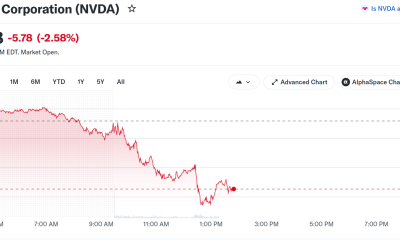
Why Did Nvidia Stock Fall on Monday Despite a $500 Billion Wall Street AI Deal?
-

 Politics7 days ago
Ben-Gvir’s crocodile project halted but abuses at Ketziot Prison continue
-

 Politics7 days ago
The Church of England’s ruinous reparations racket
-

 Politics7 days ago
Saudi Arabia used 86% of missile stockpile defending Iran attacks
-
 NewsBeat1 day ago
Myanmar says over 300,000 Rohingya refugees verified for repatriation as exodus enters ninth year
-

 Politics1 day ago
SEQ Code: The Three Letter Boarding Pass Code That Could Give You The Worst Seat
-

 Crypto World7 days ago
Crypto Made a $9.6 Billion Record, But It’s Hiding a Crucial Truth
-

 Fashion6 days ago
Can You Wear Double Cloth Gauze Clothing To Your Office?
-
 Crypto World7 days ago
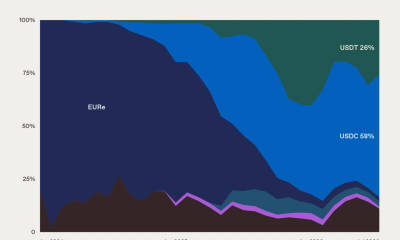
USDC and USDT Now Own 84% of Crypto Card Spend as the Euro Retreats
-

 Crypto World7 days ago
Is Clarity's delay a blessing in disguise?: State of Crypto
-
 Entertainment4 days ago
Keke Palmer Subtly Hints At Sean Evans Drama With Cryptic Post
-

 Crypto World7 days ago
Kraken Delisting Deadline Nears: Holders of 21 Tokens Risk Near-Zero Payouts
-
 Crypto World6 days ago
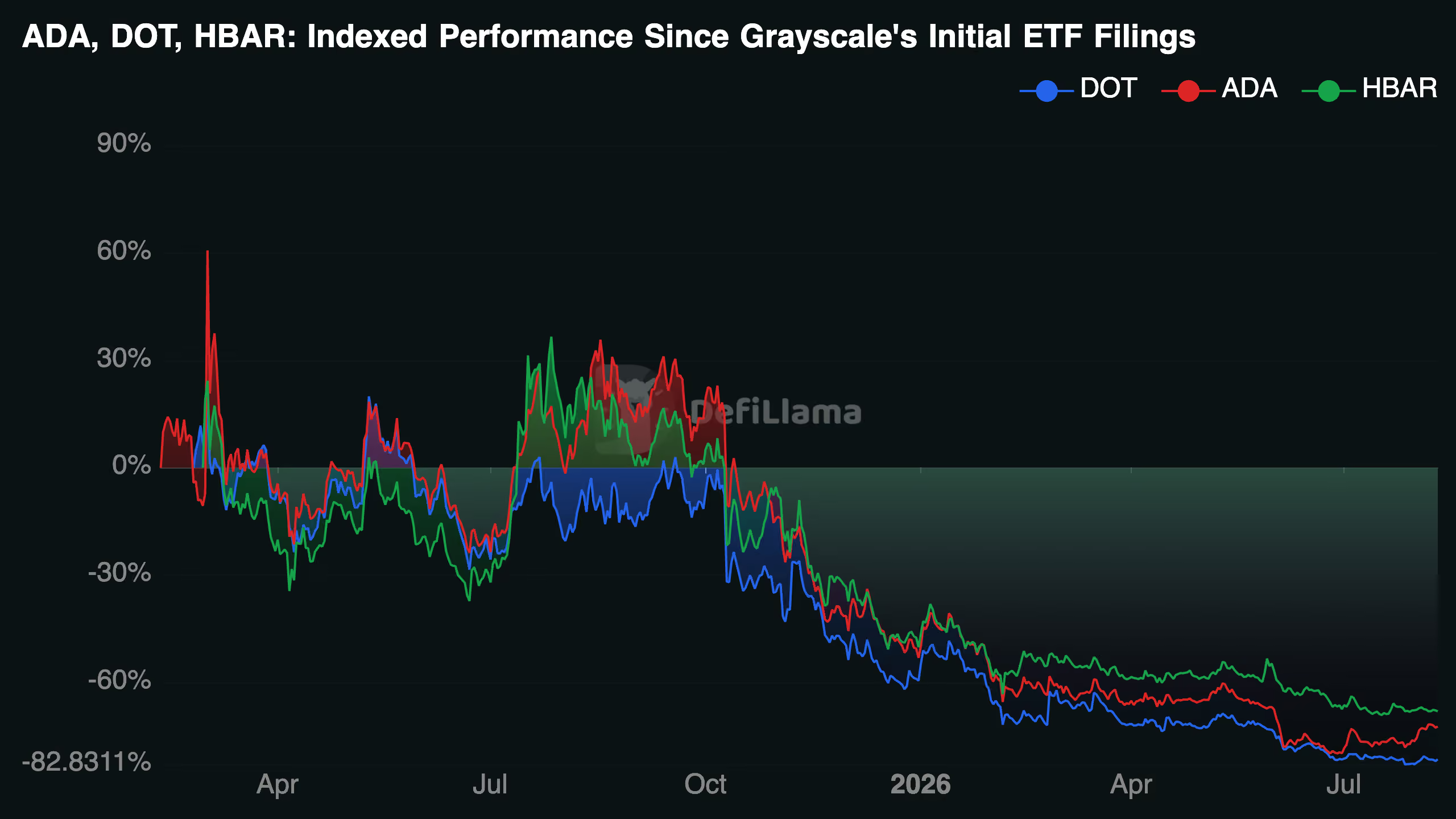
Grayscale quietly drops Cardano, Polkadot and Hedera ETF plans
-
 Entertainment5 days ago
57 Years Later, the Best Sitcom Ever Made Still Deserves a Reboot
-

 Politics5 days ago
In the Chris Kaba case, the police watchdog capitulated to the mob
You must be logged in to post a comment Login