
Entertainment
Robert Pattinson’s $118M Cult Classic Sci-Fi Is Officially Finding an Audience on Netflix

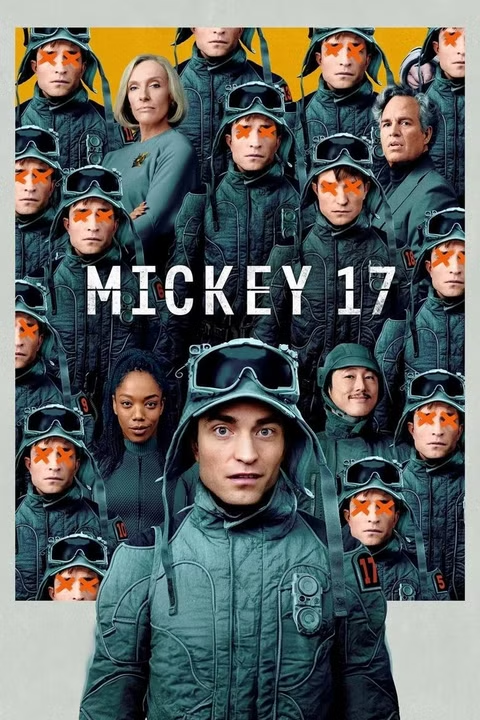
Robert Pattinson has been dominating the box office recently. His most recent role was in Christopher Nolan‘s The Odyssey, where he played Antinous, and one scene in the IMAX feature went viral because of his performance. But this Greek Epic isn’t the movie he will be starring in this year, which has movie fans excited to see his return on the big screen in just a few weeks.
Pattinson started his career in 2004, and since then, he has appeared in numerous blockbuster films, including Harry Potter and the Goblet of Fire, The Twilight Saga, Tenet, and The Batman, to name a few. While he has yet to receive an Oscar nomination, he has earned recognition for his work in independent films, including Best Male Lead nominations at the Independent Spirit Awards for his performances in Good Time and The Lighthouse. With Pattinson appearing in three films in 2026, fans have also been revisiting some of his previous work.
Mickey 17 is a science fiction feature released last year, directed by Parasite‘s Bong Joon Ho. While the feature was heavily praised by fans and critics alike, the film only generated $133.3 million worldwide, just a bit over its reported $118 million budget. But despite its low box office performance, it’s catching audiences’ attention on streaming, sitting at #10 on Netflix’s Top 10 Movie charts worldwide, underneath A Child of My Own. Mickey 17 stars Pattinson as Mickey, who signs up to be an “Expendable” for a space expedition attempting to colonize the ice planet Niflheim. An Expendable is a crew member assigned dangerous and often deadly tasks, and whenever Mickey dies, a new version of him is printed with most of his memories restored. However, during one mission, Mickey is presumed dead but survives and makes his way back to the ship, only to discover that a new version of him has already been printed.
List of Robert Pattinson’s Next Projects
The Odyssey won’t be the last time fans will see him on the big screen. On September 25, the actor is set to appear in A24’s Primetime, a crime thriller where he plays To Catch a Predator‘s Chris Hansen. Additionally, Pattinson will appear in Dune: Part Three, scheduled to come out on December 18, 2026, where he will play Scytale. Additionally, Pattinson will be returning to DC, reprising his role as Bruce Wayne/Batman in The Batman: Part II, which is scheduled to come out in 2028 and is currently in production.
Mickey 17 is available to stream on Netflix. Follow Collider for more updates.

- Release Date
-
February 28, 2025
- Runtime
-
137 minutes
- Producers
-
Brad Pitt, Dede Gardner, Jeremy Kleiner, Marianne Jenkins, Dooho Choi, Jesse Ehrman

Continue Reading
More than 100,000 of the late Dolly Parton’s fans have signed a petition calling for Nashville International Airport to be renamed in her honor.
A Change.org petition originally started in January 2025 has gained renewed support amid the announcement of the country music icon’s death at age 80 following a brief battle with cancer on Tuesday, August 25.
“Since her passing, tens of thousands of additional supporters have visited and signed this petition,” petition organizers Lydia Popovich and Dan Dion wrote on Tuesday. “The outpouring of support has reinvigorated our mission — to rename the Nashville International Airport to Dolly Parton International Airport. A key decision maker, has responded to this petition; Tennessee State Senator Todd Warner has pledged to introduce legislation to make this change happen. We are so very grateful for his support and for ALL of the support coming in.”
Their statement concluded, “Dolly deserves to be remembered and celebrated. What a wonderful way to share her light and magic across Tennessee and the world.”
Dolly Parton made a surprise appearance at a ribbon-cutting ceremony two months before her death at age 80. The “Jolene” singer made the rare public outing at the opening of Dolly’s Tennessean Travel Stop, a travel center inspired by her decades as a touring musician, in Cornersville, Tennessee, in June. “I wanted to welcome all […]
As mentioned, Tennessee state Rep. Warner promised in the comments section of the petition that he would “definitely introduce legislation to rename the BNA airport Dolly Parton International Airport.”
The renaming of Nashville International Airport also has the backing of City Councillor Russ Bradford, who acknowledged that “few have done more to define what this city means to the rest of the world” than Parton.
“I want to be clear about what this resolution does and doesn’t do: it’s a statement of support from Metro Council, urging MNAA [Metro Nashville Airport Authority] to take up the idea,” Bradford clarified. “The final decision on any name change rests with the Airport Authority, not with Council. I hope that this resolution sends a strong signal of how much our community would welcome this change, and that MNAA will give it serious consideration.”
As of publication, the petition has gained more than 117,000 supporters — many of whom penned impassioned pleas backing the concept of Dolly Parton International Airport.
“Tennessee should definitely change the airport name to memorialize Dolly Parton for everything that she has done,” one commenter wrote.
Another added, “Dolly Parton has paved a way for so many artists and especially women! She made a lot of contributions to the music industry and gave back with the blessings she had. The airport should be renamed in her honor without a doubt!”
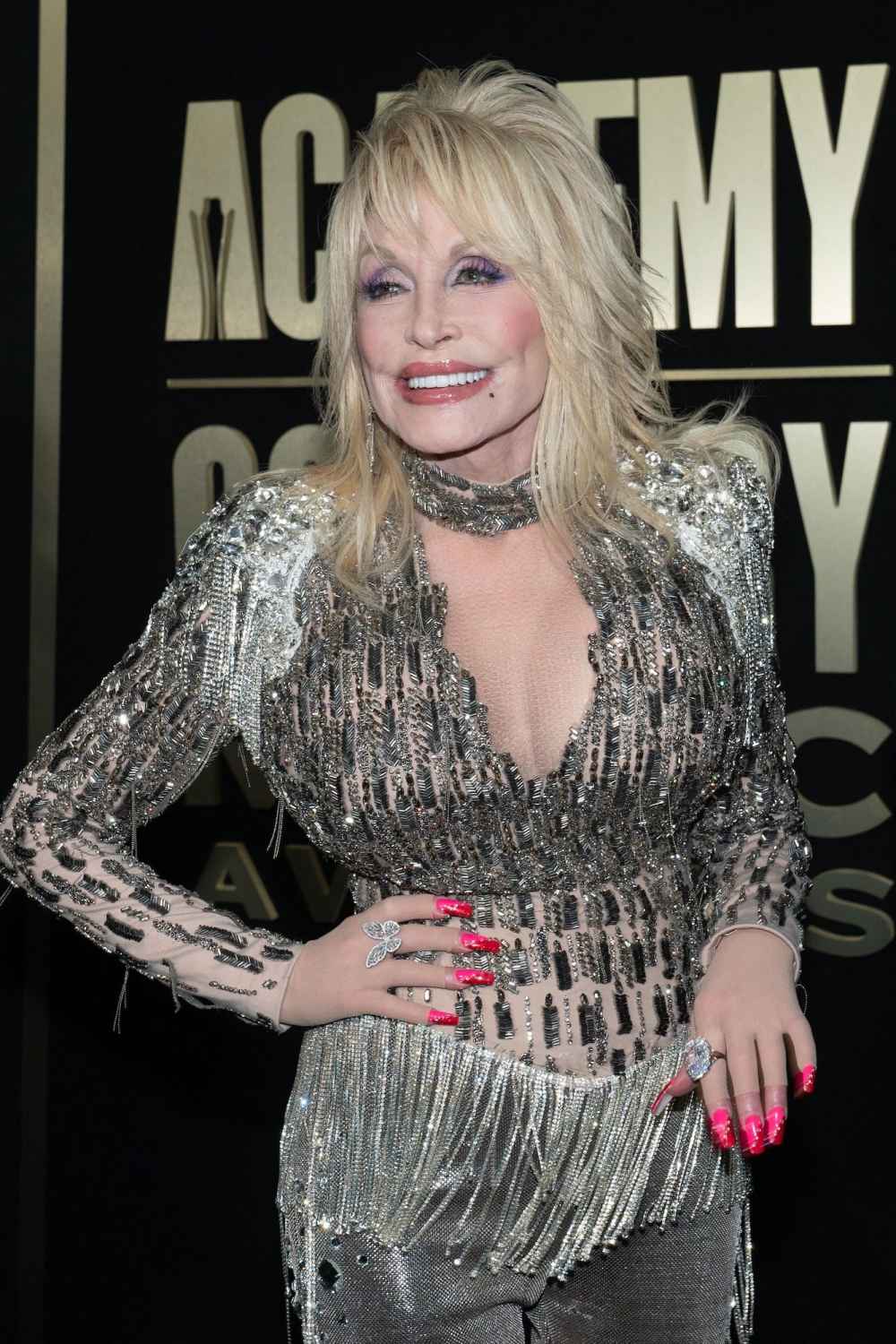
Dolly Parton SUZANNE CORDEIRO/AFP via Getty Images
Tennessee House Deputy Speaker Jason Zachary confirmed to local Nashville station WKRN on Wednesday, August 26, that lawmakers are working on a way to honor Parton once their legislative session begins in January 2027. (Zachary did not directly comment on the petition to rename Nashville International Airport.)
“Last night we already began to have those discussions again. How do you honor someone that is so worthy and beyond anything of a statue, a bust? Anything that we could do, she’s so beyond that,” he said. “Somebody like Dolly, I don’t know how you honor her well enough to really meet what she actually did during her life, but we’re going to do our best to do that.”
Republicans and Democrats in the Tennessee House of Representatives plan to work together on a plan to celebrate Parton’s life since she “was not a divisive figure,” per Rep. John Ray Clemmons.
“I think we’ll all get together, work with my colleagues across the aisle, and figure out what’s best,” Clemmons vowed. “Of course, we’ll consult with her family and friends and decide what’s the most appropriate way, or what they feel is the most appropriate way to honor her.”
Tennessee currently has a lasting monument to Parton’s life and legacy with the Dollywood theme park, which she opened in 1983 in Pigeon Forge, Tennessee. Parton created the park as a way to attract tourism to the Smoky Mountains, where she grew up.
In the wake of her death on Tuesday, Dollywood executives confirmed that they would keep the park open as a testament to Parton’s legacy.
“In her spirit, Dollywood will be open Wednesday as Dolly wanted, always reminding everyone with her signature sparkle — ‘the show must go on,’” a statement from Dollywood read. “Together, we honor her by carrying forward her message of love, perseverance, and hope. Those wishing to give in honor of Dolly may consider making a gift to the organization she was so deeply passionate about, Dolly Parton’s @imaginationlibrary.”


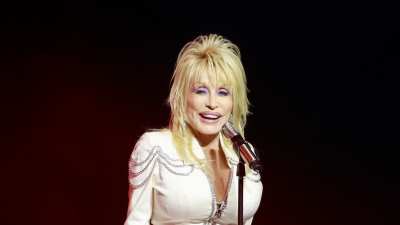
Dolly Parton’s team is honoring her legacy by revealing the projects that were in development prior to her death. In a Wednesday, August 26, press release, Parton’s team shared that she was actively working on the following projects: Dolly’s Tennessean Travel Stops (celebrating National Truck Driver Appreciation Week beginning September 13), Dolly Parton’s SongTeller Hotel […]
Dollywood president Eugene Naughton also pledged that the park will continue to live up to the high standards of its late “Dreamer-in-Chief.”
“A lot of people are concerned that things are going to change without Dolly being present here,” he said in an Instagram video on Tuesday. “I want to assure you, it’s not. Just know we’re all going to keep her alive here. It’s hard, right?”
The executive fought back tears as he addressed the future of Dollywood, saying, “[We plan to] show kindness, don’t be afraid to love big, don’t be afraid to dream big, don’t be afraid to care more about others ‘cause that’s exactly what we’re gonna do. That’s exactly what she’d want us to do. The show must go on.”
Aflutter with civil rights movements, anti-war protests, the sexual revolution, and the rebellious vitriol of the young rejecting old rules, the 1960s were a time of profound social evolution, and the art of the era reflects this. Cinema, in particular, underwent a drastic transition throughout the decade as the Hays Code’s gradual diminishment and the collapsing studio system collided with these cultural shifts to produce a spectacular array of groundbreaking movies that pushed boundaries and broke rules while ushering in a new status quo of harsh, realistic drama.
The greatest screenplays of the ‘60s delved into this changing worldview with total conviction. Rom-coms entertained more serious and sensual ideals. Crime sagas were suddenly laced with graphic violence. And drama went from being purely an exploration of character to a dissection of societal pillars. Even comedy and horror capitalized on this age of upheaval and turmoil. With their ability to capture this zeitgeist of revolution while adhering to the foundations of storytelling, these screenplays of the ’60s stand tall among the greatest cinema has ever seen.
10
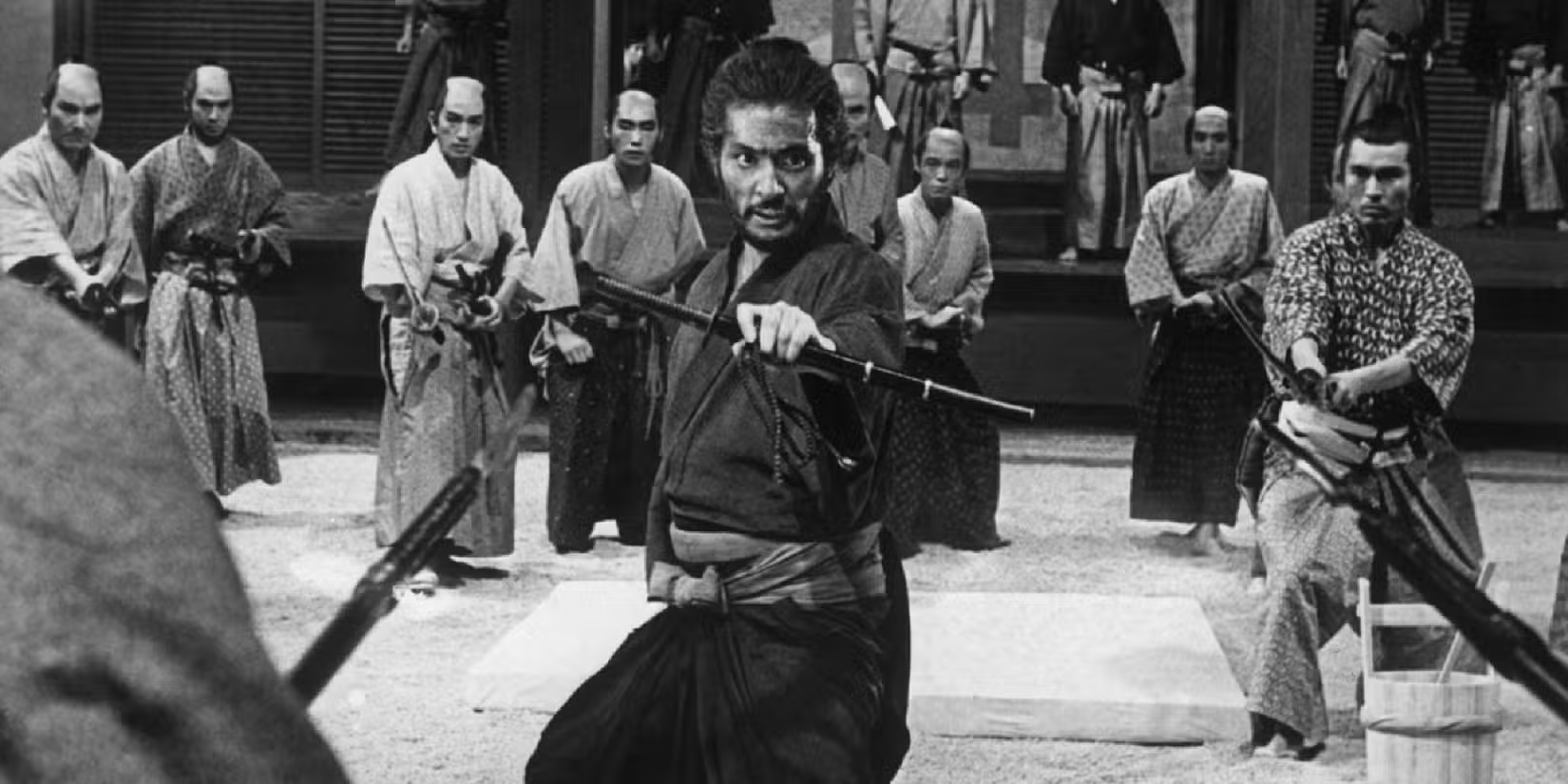
‘Harakiri’ (1962)

Widely regarded as being one of the greatest samurai movies ever made, Harakiri spins a simmering mystery-revenge thriller into a piercing deconstruction of notions of honor and justice that surround institutional power. It follows aging warrior Hanshiro (Tatsuya Nakadai) as he requests that a feudal lord allow him to commit seppuku in his palace. As the ceremony begins, Hanshiro shares his past, including his connection to Chijiiwa Motomoe (Akira Ishihama), who attended the same feudal lord’s palace months prior, also asking to commit seppuku.
Through intricate non-linear storytelling, Harakiri presents an enthralling enigma of kinship, tragedy, and hidden motives that unfurls with masterful precision. Shinobu Hashimoto’s screenplay excels at making Hanshiro’s recounting of his past not just a poignant story of desperation, but a gripping psychological duel as well. Hashimoto commands dread and tension, building up to what is the greatest and most rewarding final duel in samurai cinema before landing one final blow with an ending of grim realism that meditates on the nature of corruption and deceit in halls of power.
9
‘Bonnie and Clyde’ (1967)

Beginning in the late 1960s, American New Wave cinema saw Hollywood films pivot towards gritty and more confronting stories steeped in cynical realism. Released in 1967, Bonnie and Clyde was a driving force in the early days of this artistic movement. David Newman and Robert Benton’s hard-edged screenplay went a long way in shattering studio conventions and industry taboos by mixing extreme violence, anti-hero ferocity, and visceral anti-establishment sentiment.
Not only did it reinvent Hollywood norms, but the crime classic also delivers an arresting immersion in the folklore hysteria that engulfed Depression-era America surrounding the infamous crime spree of Bonnie Parker (Faye Dunaway) and Clyde Barrow (Warren Beatty). In 1960s America, Bonnie and Clyde catered to a fantasy of rebellion and freedom. In today’s world, it is a pioneering classic that has influenced the medium for nearly 60 years. Its screenplay is as paramount to this as its unflinching depiction of violence and its two iconic lead performances.
8
‘The Graduate’ (1967)

Acidic, ferocious, and brilliant at turning the alienation and aimlessness of youth into a challenging revolt against the old world, The Graduate is an ageless masterclass of satire and groundbreaking writing. It also does a fascinating thing with its protagonist, making Benjamin Braddock (Dustin Hoffman) a vessel of inertia, uncertainty, and passive angst. In stark contrast to most cinematic lead characters who drive the story with their wants and needs, The Graduate uses Ben’s inactivity as a catalyst.
It follows the recent college graduate as his drifting existence of career indecision is jolted when he is seduced by Mrs. Robinson (Anne Bancroft), a bored housewife and family friend. Their troublesome tryst grows increasingly complicated when Ben starts to fall in love with Mrs. Robinson’s daughter, Elaine (Katharine Ross). Written by Buck Henry and Calder Willingham as an adaptation of Charles Webb’s novella, The Graduate captures the striking generational divide between youths and their parents in 1960s America with stunning naturalism. The ending is iconic, pondering what reality awaits when the fiery fantasy of youthful rebellion ends.
7
‘Psycho’ (1960)

Many of the great screenplays of the ‘60s are renowned for their groundbreaking impact regarding thematic ideas and graphic content. While Psycho has all of this in spades, the film’s story is even more well known for its revolutionary structure that sees the protagonist killed at the midpoint and the second half of the film become a creeping detective thriller. More than just a great exponent of a plot twist, however, Joseph Stefano’s screenplay is also a masterclass in audience manipulation, subversion, and narrative pacing.
It should never be overlooked that Stefano’s screenplay offers the perfect platform for Alfred Hitchcock to exhibit his trademark mastery of suspense, a point that should also be attributed to Robert Bloch, the author of the original novel. Also delivering one of cinema’s all-time best villains and serving as a faultless example of how information can be revealed and hidden to maximize tension, Psycho is a phenomenal, genre-defining triumph that soars off the back of its sometimes-underappreciated screenwriting.
6
‘Lawrence of Arabia’ (1962)

The grandeur and glamour of epic cinema had been well established in Hollywood long before Lawrence of Arabia was released in 1962. However, the biographical war drama brought an intimacy and complexity to the genre that is as timeless as it was groundbreaking. Written by Robert Bolt and Michael Wilson, it dramatizes the WWI exploits of T. E. Lawrence (Peter O’Toole), an English soldier who unites the feuding Arab tribes to fight as one force against the Ottoman Empire.
It is famous for its picturesque cinematography depicting sweeping desert landscapes with elegant beauty and imposing scale. Yet it also thrives by using the sheer scope of its 227-minute runtime to explore Lawrence with depth, making for a gripping descent into the psychology of a brilliant though flawed man. Additionally, many of the scene transitions and actor directions are explicitly stated in the screenplay, meaning that Bolt and Wilson deserve at least some of the credit that has long been attributed almost exclusively to director David Lean and the phenomenal ensemble cast.
5
‘To Kill a Mockingbird’ (1962)

The nature of adaptation brings with it a certain pressure to honor the source material while making intelligent changes that allow the story to translate to the screen. This pressure is amplified when the adaptation is of a recently released, universally admired instant classic. Horton Foote mastered the art all the same, however, with his screenplay based on Harper Lee’s To Kill a Mockingbird, which would see him win Best Adapted Screenplay at the Academy Awards.
By maintaining the soul of the book, sharpening essential thematic ideas, and respecting the child’s perspective of the world, Foote excels at reconfiguring the story for the screen while staying true to its core. Such is the magnificence of the screenplay. To Kill a Mockingbird remains not only one of the greatest courtroom dramas of all time, but an enduring dissection of systemic racism in American society complemented by the wisdom and rhythm of the dialogue and the puncturing poignancy of the story.
4
‘Butch Cassidy and the Sundance Kid’ (1969)

By the late 1960s, Westerns had been a dominant force in Hollywood for over 30 years, and while the genre would soon enter a temporary decline, many filmmakers were releasing masterpieces through subverting its traditional form. The Wild Bunch is an example of this that deserves acknowledgment (and could easily have appeared on this list), but the very best might just be Butch Cassidy and the Sundance Kid.
Defined by the excellence of William Goldman’s Oscar-winning screenplay, it transforms the stoic heroism of the genre into a pioneering triumph of buddy-movie charm through its emphasis on the friendship of its titular duo. Furthermore, the biographical tale never seeks to idolize the titular duo, instead depicting them as struggling outlaws on the run whose efforts to flee a relentless “super-posse” work beautifully in tandem with a meditative exploration of the final days of the Old West. The narrative pacing, memorable dialogue, and litany of iconic scenes only enhance the screenplay’s endeavor to reinvent Western drama and innovate buddy-action cinema forevermore.
3
‘High and Low’ (1963)

Many of the great screenplays of the 1960s are tied to the groundbreaking edge of New Hollywood cinema, but, like the aforementioned Harakiri, High and Low is ample proof that the decade saw great screenplays in the international scene as well. Directed by Akira Kurosawa, who also worked on the screenplay with Hideo Oguni, Ryūzō Kikushima, and Eijirō Hisaishi, the 1963 crime classic is a brilliant deconstruction of class divides and morality revolving around a wealthy executive forced to decide between saving his business or paying the ransom for his chauffeur’s kidnapped son.
A masterclass in structure, the first half of High and Low operates as a taut chamber drama as the hostage situation unfurls mostly in just one room. The second half then shifts gears to operate as a sprawling, fast-paced police procedural following detectives as they try to apprehend the culprit. Faultless pacing, strong social commentary, and rich visual symbolism compound the brilliance of the plotting, allowing the premise of a ransom negotiation to serve as an unforgettable case study of the human condition.
2
‘Dr. Strangelove’ (1962)

Few genres are as difficult to write as comedy. The complexity of the genre only grows when the story in question is aiming at humanity’s gravest nightmares and most terrible qualities. Perhaps no comedy movie excels in this regard as well as Dr. Strangelove, which, written by Terry Southern, Peter George, and director Stanley Kubrick, unfolds as an acidic and barbed political satire. It revolves around the U.S. President’s shambolic efforts to avert calamity when a general goes rogue and sanctions a nuclear attack on the Soviet Union.
Interestingly, Peter George’s source material—the 1958 novel Red Alert—runs as a hard drama. Kubrick’s decision to pivot to dark comedy is inspired as it transforms the high-stakes political tension into a ferocious critique of power, bureaucracy, and the illusion of order when the burden of responsibility arises. It also juxtaposes its grounded, deadpan tone with inflections of absurd mockery, allowing the movie to occupy an air of madness that is as infectiously hilarious as it is phenomenally written. It remains the greatest political comedy screenplay cinema has ever seen.
1
‘The Apartment’ (1960)

The latter part of the 1960s generated so many great screenplays, but it is at the dawn of the decade that the best screenplay of the era is found. Written by I. A. L. Diamond and Billy Wilder (who also directed), The Apartment excels as a razor-sharp and biting satire of corporate culture and a heart-melting romantic comedy laced with charm and tenderness, all while delivering incredibly efficient storytelling and faultless, subtext-rich dialogue.
Its ability to mix a wholesome love story with bitter dramatic punch is exceptional, mastering the art of shifting between tones with elegance and fluidity. The story oscillates between Baxter (Jack Lemmon) and Fran’s (Shirley MacLaine) heartwarming romantic playfulness and poignant beats of loneliness, workplace misconduct, and even attempted suicide with astonishing grace. Additionally, the set-ups and payoffs, the character designs and dynamics, and even the premise itself are all brilliantly handled, making The Apartment the very best movie of the 1960s, screenplay-wise.
Harry Styles kicked off his record-breaking 30-night residency at Madison Square Garden in New York City on Wednesday, August 26, with the most electric show of his career.
For the latest leg of his Together, Together tour, Styles, 32, introduced an entirely revamped show full of surprises for his sold-out crowd, including a completely different setlist than the one he performed in Amsterdam, London, São Paulo and Mexico City earlier this year.
After English DJ Jamie xx warmed up the audience, Styles and his band sauntered onto his in-the-round stage immediately, marking a seamless but unconventional transition that gave fans zero time to refresh their drinks or use the bathroom in between the artists’ sets.
Not that anyone seemed to mind. From the moment Styles made his arrival in a white tuxedo jacket and black pants until he took his final (and much sweatier) bow nearly two hours later, deafening screams and applause filled the world’s most famous arena.
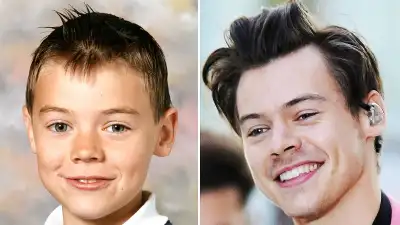
Harry Styles has had quite the transformation since the early days of his career. The Brit entered into the spotlight in 2010 after trying out for The X Factor UK. During Styles’ time on the show, creator and judge Simon Cowell paired him with fellow contestants Niall Horan, Liam Payne, Louis Tomlinson and Zayn Malik […]
Styles opened his concert with a party-starting rendition of “Dance No More,” the current single from his fourth album, Kiss All the Time. Disco, Occasionally., before singing “Carolina” from his self-titled 2017 debut for the first time in years. His electric energy carried through “Music for a Sushi Restaurant” and “Cinema,” both from 2022’s Harry’s House, followed by “Adore You” and “Watermelon Sugar,” two of his singles from 2019’s Fine Line.
“I had the great privilege of playing this building for the first time when I was 18 years old,” the former One Direction member told the crowd early on. “There’s a gentleman who was working here then who shared with me [today] that when I got out of the car that day, I kissed the floor and said, ‘I made it to Madison Square Garden.’ … Since then, we’ve learned a lot about germs, so I wouldn’t be caught dead kissing the floor these days with my pathetic immune system. However, it is not lost on me what it means to play here, and I am truly honored to be back here.”
As the night continued, Styles played fan favorites such as “Satellite” and “American Girls,” in addition to hit singles including “As It Was” and “Sign of the Times.” The biggest reaction, though, came during “Kiwi,” which had been a staple on all of his solo tours until it was shockingly omitted from Together, Together. For its grand return, Styles introduced a funky remix of the rock track that swelled even more than the original. Fans embraced the updated arrangement, all but ensuring that it will have a permanent place in the set once again.
Toward the end of the evening, Styles took a moment to thank his musical idols, including Dolly Parton, who died a day earlier at age 80. He then played a live recording of the country legend’s “I Will Always Love You” over the speakers and watched as the crowd lit up the Garden with their cellphone flashlights and sang along. Moments later, Styles closed out his show with Kiss All the Time lead single “Aperture,” complete with a laser show so bright that Parton surely could see it in heaven.
Styles may have once kissed the Garden floor because he couldn’t believe he’d made it, but on Wednesday night, he looked like a showman who knew he belonged there.
:max_bytes(150000):strip_icc():format(jpeg)/MCDBIMA_EC007-567f636a44544a4e8bdfe12e141ffb25.jpg)
Celebrate the actor’s 60th birthday this year with a marathon of his films.
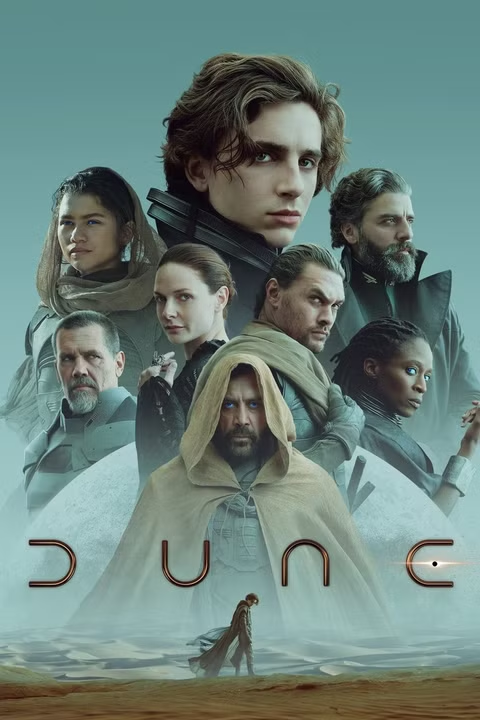
There is a reason why, seven years after its divisive conclusion, Game of Thrones still holds viewers in a vice grip. Audiences will always return to Westeros, just as they return to a galaxy far, far away. Game of Thrones and Star Wars may seem as though they could not be further apart, but put them together, and fans get one of the greatest space operas put on the big screen.
Streaming on HBO Max, Denis Villeneuve’s two-part sci-fi series, Dune, is the perfect combination of some of the most recognizable franchises in modern entertainment. Like previous fare, Dune takes place in a fascinating world that is impossible to look away from. The characters of the space epic exist in the Galactic Imperium, an Empire that hinges on the success of spice production on the desert planet Arrakis. This is only the setup for one of the best space operas that became so influential that it is impossible not to see its fingerprints on everything that came after.
‘Dune’ Influenced Some of the Most Beloved Franchises
Dune feels like a perfect combination of Star Wars and Game of Thrones, particularly because without the Frank Herbert novel, there would be no Tatooine or Ned Stark. The impressive world-building of these epic franchises all started with the complexities of the Imperium and a futile power struggle that threw space into chaos.
The trouble begins when the charismatic and beloved Duke Leto Atreides (Oscar Isaac) of Caladan is tasked with taking ownership of Arrakis. The planet is instrumental, as the spice mélange allows the Spacing Guild to make calculations necessary for interstellar travel. Leto understands that this is a death sentence he can’t get away from. He is set up to fail by the Emperor and the Harkonnens, a setup similar to Ned Stark’s elevation to Hand of the King. Both men are idealistic and unable to stray from doing the right thing.
Their demises are inevitable and set off a war that there is no coming back from. Desert planets are a common occurrence in Star Wars, as is the discourse surrounding spice, which acts as a drug in George Lucas’ world. Denis Villeneuve’s recent saga honors the pages from Herbert’s novel and translates it into a modern cinematic masterpiece.
The best years of Star Wars and Game of Thrones have passed, but Dune represents the best of both worlds. It is even more complex in its thematic resonance and the depiction of its main character. There are certainly protagonists to root for in Dune, but Villeneuve’s films act as a cautionary tale that is more relevant than ever. Paul (Timothée Chalamet) heads to Arrakis with good intentions, and after his father’s death, he intends to help the Fremen win their planet back.
However, Herbert posits that charismatic leaders are often drawn to the worst parts of leadership. Though initially unintentional, Paul becomes the very thing that he had hoped to fight against. Star Wars and Game of Thrones operate on a certain level of optimism in comparison to this bleak outlook. The main character of Dune wins, but that in itself is a tragedy since the entire Imperium suffers because of it. Dune represents all the best parts of fans’ favorite franchises while telling the most important story of them all.

- Release Date
-
September 15, 2021
- Runtime
-
155 minutes
- Director
-
Denis Villeneuve
- Writers
-
Denis Villeneuve, Eric Roth, Jon Spaihts, Frank Herbert
- Producers
-
Herb Gains, John Harrison, Joseph M. Caracciolo Jr., Mary Parent, Richard P. Rubinstein, Cale Boyter, Thomas Tull, Brian Herbert, Byron Merritt, Kim Herbert, Joshua Grode

Us Weekly has affiliate partnerships. We receive compensation when you click on a link and make a purchase. Learn more!
Back-to-school season just so happens to coincide with Labor Day sales, so it’s the optimal time to shop for children’s clothes. Carter’s is making sure babies, toddlers and kids are covered by offering 50% off sitewide (no code needed!) through September 8. Plus, you can snag an extra 20% off starting on September 3 with code LABORDAY. The school year is off to a good start, eh?
For babies, parents can’t go wrong with stocking up on two-way zip-up sleep-and-play onesies. The dinosaurs and sports designs are so cool and “ very soft and keep your baby warm,” according to a shopper, and the bunnies and flowers are the sweetest addition to a little one’s closet. Don’t forget to make sure they’re covered for Halloween with this festive onesie!
Take 50% off sitewide at Carter’s!
We know how tricky it can be to get out the door with opinionated toddlers in the morning, so make it easy on yourself with already-put-together outfits. This navy set comes with comfy pants and two long-sleeve top selections, and they can get fancy with a plaid button-up set. Whether she’s headed to preschool or the playground, she’ll be cozy in a two-piece sweatshirt and pants outfit, and this dress layered over a top ensures there’s an option for more elevated occasions. The key with toddlers is to make sure they have options — but not too many.
These next couple of months are going to have some unpredictable weather, so make sure your kiddos have different outerwear. He’ll be able to get away with a zip-up jacket before moving to a midweight puffer for when temperatures begin to really drop. And she’ll get plenty of use out of a denim jacket and a raincoat — that actually “withstands the rain,” according to a buyer — during the fall months.
Whether you need pajamas, clothes, outerwear or accessories, Carter’s is filled with options for children sizes preemie to kids 14. And the 50% off Labor Day sale will seriously make an impact, especially if you’re shopping for multiple children. Make sure their school year is off to a fresh start — in style, of course.
Take 50% off sitewide at Carter’s!
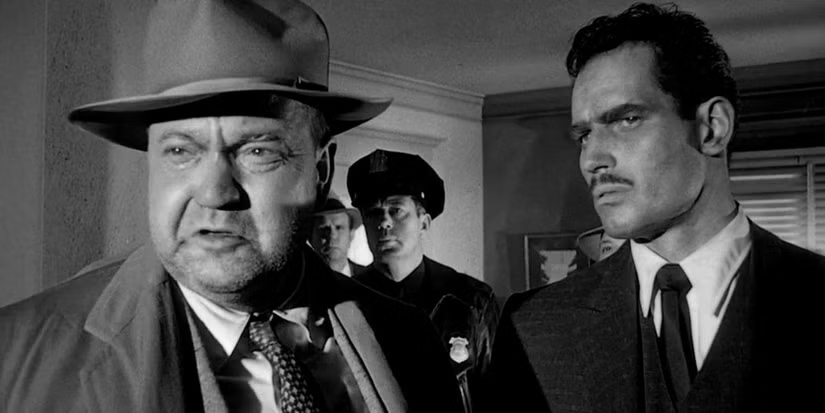
There’s nothing quite like a well-made thriller. After all, few film genres can be this irresistibly entertaining, this effectively tense, or this potently suspenseful. Throughout Hollywood’s Classical period in particular—generally agreed to span between 1930 and 1960—, many American thriller movies were made which have gone down in history as some of the greatest films the genre has ever seen.
Whether it’s a groundbreaking noir classic like Touch of Evil or a paragon of Hitchcockian filmmaking like Vertigo, the best thrillers from Hollywood’s Golden Age are undeniable classics which only keep getting better with age. They’re powerfully directed, well-written, impeccably shot, and all-around masterclasses in every department of thriller filmmaking.
10
‘The Killing’ (1956)
Over a quarter of a century after his passing, many would still confidently say that Stanley Kubrick is perhaps the greatest filmmaker in history. That wasn’t always the case, however, seeing as Kubrick’s first two feature films were barely modest successes. But though The Killing, Kubrick’s third feature, was a box office flop, it was a tremendous critical hit and has aged as one of Kubrick’s greatest movies.
One of the most timeless classic noir movies of Hollywood’s Golden Age, The Killing employs a non-linear plot that completely revolutionized the heist film genre back in 1956, combined with razor-sharp dialogue and striking black-and-white visuals. As filmmakers were getting more and more experimental with Hollywood’s Classical period coming to its final years, The Killing came out as one of the most freshly distinct thrillers the town had seen up that point.
9
‘Touch of Evil’ (1958)

Orson Welles remained one of Hollywood’s most boundary-pushing and groundbreaking directors throughout its entire Golden Age, and from that delectably ahead-of-its-time auteurial voice came Touch of Evil, another one of the era’s best noirs. Loosely based on Whit Masterson‘s novel Badge of Evil, it’s probably one of the most Hitchcockian movies ever not directed by Alfred Hitchcock, even if that isn’t by design.
Everything that follows one of the most perfect opening movie shots of the 20th century also happens to be one of the most perfect motion pictures of 1950s Hollywood. Welles transforms a delectably pulpy B-picture concept and turns it into a visually dazzling, morally complex, perfectly written masterpiece whose profound tehmatic grit and faultless pacing make it a must-see from top to bottom.
8
‘North by Northwest’ (1959)

Alfred Hitchcock is widely regarded as the Master of Suspense, and that’s all thanks to masterpieces like North by Northwest, one of the director’s most idiosyncratic and unique films. It’s an action-adventure classic that’s among the most perfect cat-and-mouse thriller movies ever made, written by Ernest Lehman as “the Hitchcock picture to end all Hitchcock pictures.” There aren’t many cinephiles who would say he failed in that endeavor.
On the one hand, North by Northwest is easily one of Hitchcock’s most entertaining films, full of iconic set pieces and bolstered by Cary Grant’s timeless lead performance. On top of that, the way the film builds suspense, toys around with the “wrong man” trope (one that Hitchcock helped popularize and re-define), and balances witty humor with dramatic tension makes it one of the greatest thrillers of the entire 20th century.
7
‘Vertigo’ (1958)

Who, if not Hitchcock, could possibly be worthy of being counted not just once, but twice when talking about the greatest thriller films of Hollywood’s Classical period? And which Hitchcock masterpiece, if not Vertigo—his magnum opus, according to a good number of his fans—, could possibly be more deserving of being counted among the greatest thrillers ever made?
Vertigo is one of the heaviest psychological thriller movies ever, aggressively pushing the limits imposed by the Hays Code with its complex themes, narrative structure, and dark tone. This is no standard mystery thriller, but rather a masterfully character-driven drama about obsession and grief and a powerfully metatextual masterpiece about the desire to control reality, directed by one of the most notorious creative control freaks in the history of Hollywood.
6
‘Witness for the Prosecution’ (1957)

Billy Wilder was a filmmaker far ahead of his time, an auteur who was always entirely unafraid of challenging the Hays Code and the rest of the guidelines set throughout Hollywood’s Golden Age. Few cinematic gems display his quality as a director better than Witness for the Prosecution, a courtroom melodrama based on the play of the same name by Agatha Christie.
One of the best legal thriller movies of all time, Witness of the Prosecution incorporates elements of noir, dark comedy, and mystery thriller into its narrative in order to deliver a powerful tale about justice and loyalty. Witty, delectably twisty, impeccably directed by one of the best filmmakers in Golden-Age Hollywood history, and complete with some of the best acting performances of the era, it’s a must-see for all fans of old-school Hollywood thrillers.
5
‘The Third Man’ (1949)

The British-American Carol Reed masterpiece The Third Man is one of the best noir thrillers of the last 80 years, visually inspired by the German Expressionist movement and intensely similar in tone and atmosphere to the films directed by star Orson Welles. It’s far and away one of the greatest dramas of the post-WWII era, which produced several of the best movies of Hollywood’s Golden Age.
On the one hand, there’s the film’s groundbreaking visual style, blending a gleeful amount of Dutch angles with a delightful black-and-white aesthetic. On the other hand, there’s the gritty post-war realism that makes this one of the most essential cornerstones of the era’s cinematic production. And on the third hand of this mutated metaphor, there’s the impeccable, morally complex writing that further makes this one of its time’s greatest classics.
4
‘The Night of the Hunter’ (1955)

Actor Charles Laughton decided to sit in the director’s chair for the first time to make The Night of the Hunter. Alas, the film was an all-out critical and commercial failure, leaving Laughton heartbroken and discouraging him from ever directing a movie again. Today, that’s seen as one of the biggest tragedies in the history of Classical Hollywood; because today, The Night of the Hunter is widely recognized as one of the greatest thriller films to have ever come out of the United States.
One of those 1950s classics that only keep getting better, Night of the Hunter is part psychological thriller, part horror drama, and part noir gem, working equally well in all of those dimensions. Blending hugely expressionistic visuals, one of Golden-Age Hollywood’s most memorable villains, exceptional performances, and timeless thematic meditations, it has aged as one of the best films of the ’50s.
3
‘Double Indemnity’ (1944)

Who, if not Billy Wilder, could possibly be behind the film that’s generally recognized as the greatest noir film of Hollywood’s Golden Age? It is, of course, Double Indemnity, co-written by Wilder and Raymond Chandler and based on James M. Cain‘s hard-boiled novel of the same name. It’s pulpy filmmaking at its most irresistibly entertaining, and easily one of the best film noir masterpieces of the 1940s.
There are a myriad of reasons why Double Indemnity is considered the gold standard of both film noir and hard-boiled mystery thrillers, from its stunning visuals to its perfectly-paced narrative to its having the most legendary femme fatale in film history. Well-acted, well-written, and flawlessly directed by Wilder at his very best, it’s a must-see for all those who care to understand and appreciate Classical Hollywood cinema.
2
‘Rear Window’ (1954)

There are those who may point to Rear Window, based on Cornell Woolrich‘s short story It Had to Be Murder, as their favorite Alfred Hitchcock movie, and for good reason. It really is one of the most suspenseful thriller movies ever made, a masterpiece which proves that even when confined to a single location, well-made thrillers can still ooze pure tension and suspense right through the screen.
What’s not to love about Rear Window? Jimmy Stewart and Grace Kelly‘s performances aree perfect, the pacing is engrossing, Hitchcock’s mastery over camerawork and tone is absolute, and the story is nothing if not deeply compelling from opening scene to credits. There has never been any thriller filmmaker quite like Hitchcock, and few movies demonstrate why better than Rear Window.
1
‘Psycho’ (1960)
It had to be Hitchcock. If there’s any one genre that was absolutely dominated by the Master of Suspense throughout the entirety of Hollywood’s Golden Age—and even beyond—, it was undoubtedly thrillers. And as far as thrillers from Hollywood’s Classical period go, it doesn’t get much more culturally impactful, hugely influential, or high-quality than Psycho, based on the novel by Robert Bloch.
One of the best psychological thriller movies of all time, Psycho is a horror masterpiece that completely revolutionized every genre that it can be labeled with. It also happens to be a groundbreaking work of subversive art that could have only possibly been made right at the very end of Hollywood’s Golden Age, because there is no way that Hitchcock could have gotten away with things like the middle plot twist, grim tone, or provocative ending anytime before. As such, Psycho is easily the greatest and most essential classic American thriller.

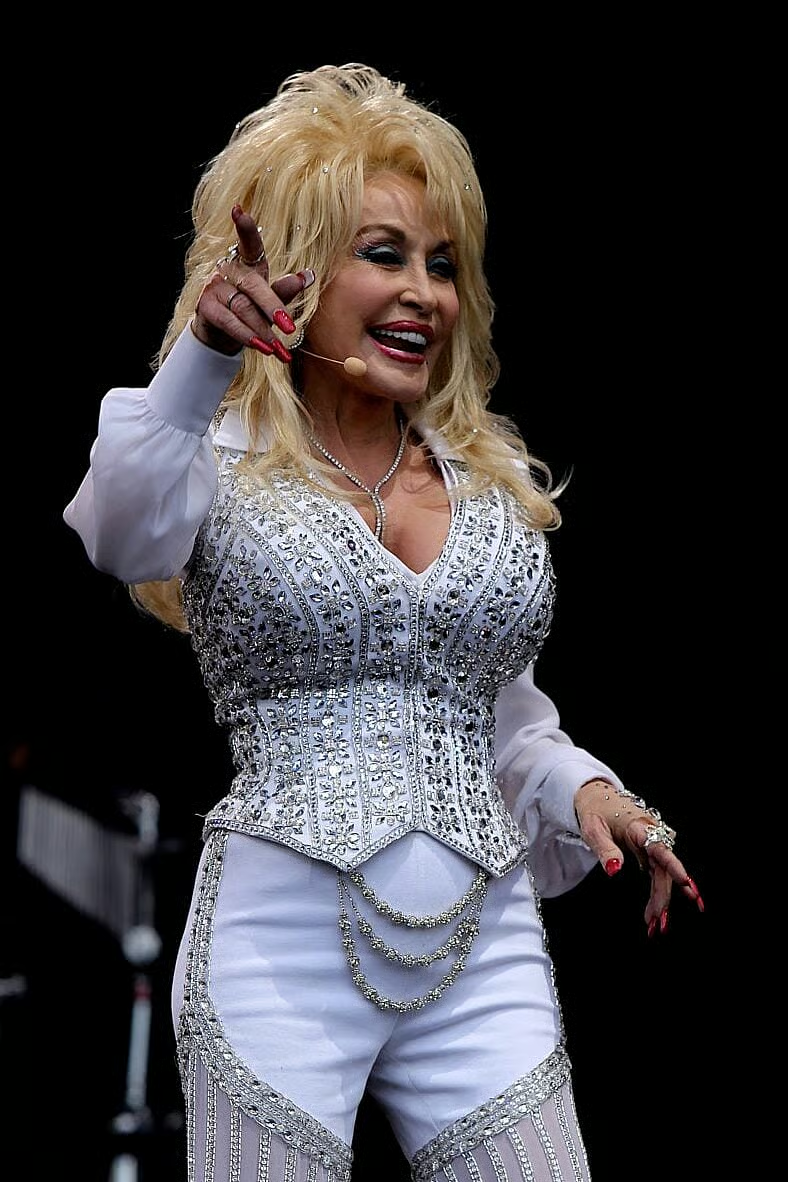
Dolly Parton passed away at age 80 on August 26. The singer’s death has cast a wave of sadness throughout social media. While she was alive, she made many commitments, one of which will have to go on as planned.
The singer might not get to see the Broadway musical show inspired by her amazing life story, but the show will still arrive in New York like she always wanted.
It is set to begin previews on December 7 at Broadway’s St. James Theatre and will officially open on January 19, 2027. This day would have been Dolly Parton’s 81st birthday.

Parton’s sudden demise may have raised questions about the future of one of her biggest projects that is still in the development phase. However, the producers of the show have now made their plans clear.
The production will begin its Broadway previews on December 7, according to a statement from Variety. They also revealed that the official opening of the show remains January 19, 2027.
“As was Dolly’s wish, the Broadway production of ‘Dolly: A True Original Musical’ will begin previews December 7 at the St. James Theatre in New York City with opening set for January 19, 2027,” the statement read in part.
This date was already special to the singer, as it would have been her 81st birthday; it will now become an even more emotional celebration of the singer’s life and career.
The Broadway production titled “Dolly: An Original Musical” initially ran in 2025 in Nashville, Tennessee. Instead of abandoning her prized project, the team intends to carry out her plans dutifully.
This way, fans will have another opportunity to experience Parton’s story through her music.
The Country Music Icon Helped Tell Her Own Life Story For The Production

Dolly: A True Original Musical” isn’t simply an authorized jukebox musical assembled around Parton’s biggest hits. Parton was directly involved in creating parts of the story. She co-wrote the show’s book with Maria S. Schlatter and provided its music.
The musical traces Parton’s journey from her childhood in Tennessee’s Smoky Mountains to becoming one of the most recognizable entertainers in the world.
“My whole life has been a musical,” she said in a message featured on the production’s official website.
She jokingly described it as a “grand ole opera” and expressed her excitement about finally bringing her story to Broadway.
The official production describes the musical as telling Parton’s story “in her own words” and through the songs that accompanied different stages of her life.
The Show Will Include Dolly Parton’s Biggest Hits And Brand-New Music

Fans who will grace the show will have the opportunity to hear amazing hit songs from Parton’s collection over the years. The musical will feature major hits including “Jolene,” “Coat of Many Colors,” “9 to 5,” and “I Will Always Love You.”
While these hit songs will resonate with her fans worldwide, the musician was not content with building the show around her existing songs. Rather, she wrote several new songs specifically for the show.
Tony Award-winning director Bartlett Sher is directing the Broadway production, while much of the creative team behind its Nashville run is continuing with the project.
The show will also make use of multiple performers to portray Parton during different periods of her life, allowing the musical to move from her childhood through the various stages of her career.
The Singer Had Been Personally Building The Show For Years

Parton’s Broadway ambitions did not suddenly appear near the end of her life. She apparently spent years developing a stage project about her story, and often spoke about eventually bringing it to Broadway.
The Nashville production run in 2025 represented an important step in that process, giving Parton and the creative team an opportunity to see how the story would work in front of a live audience.
After that run, the project was renamed “Dolly: A True Original Musical.”
Her involvement with the show makes the decision to continue after her death considerably different from reviving an abandoned celebrity project years later. The singer spent much of her career building businesses and charitable projects designed to continue well beyond her own performing years.
Her Broadway musical now becomes another important piece of that legacy.
The Show’s Opening Night Will Now Become A Celebration Of Dolly Parton’s Life

The show’s opening date was specifically put on Parton’s 81st birthday to celebrate her.
Sadly, her death has changed what that special night will be about.
Rather than watching Parton celebrate another birthday alongside the Broadway arrival of her life story, audiences will now gather on that day to celebrate the career she has left behind.
While she may not be sitting in the audience that day, when the curtain rises at the St. James Theatre on January 19, the production will be following the path Parton already laid out.
And, according to its producers, that is precisely what Dolly wanted.
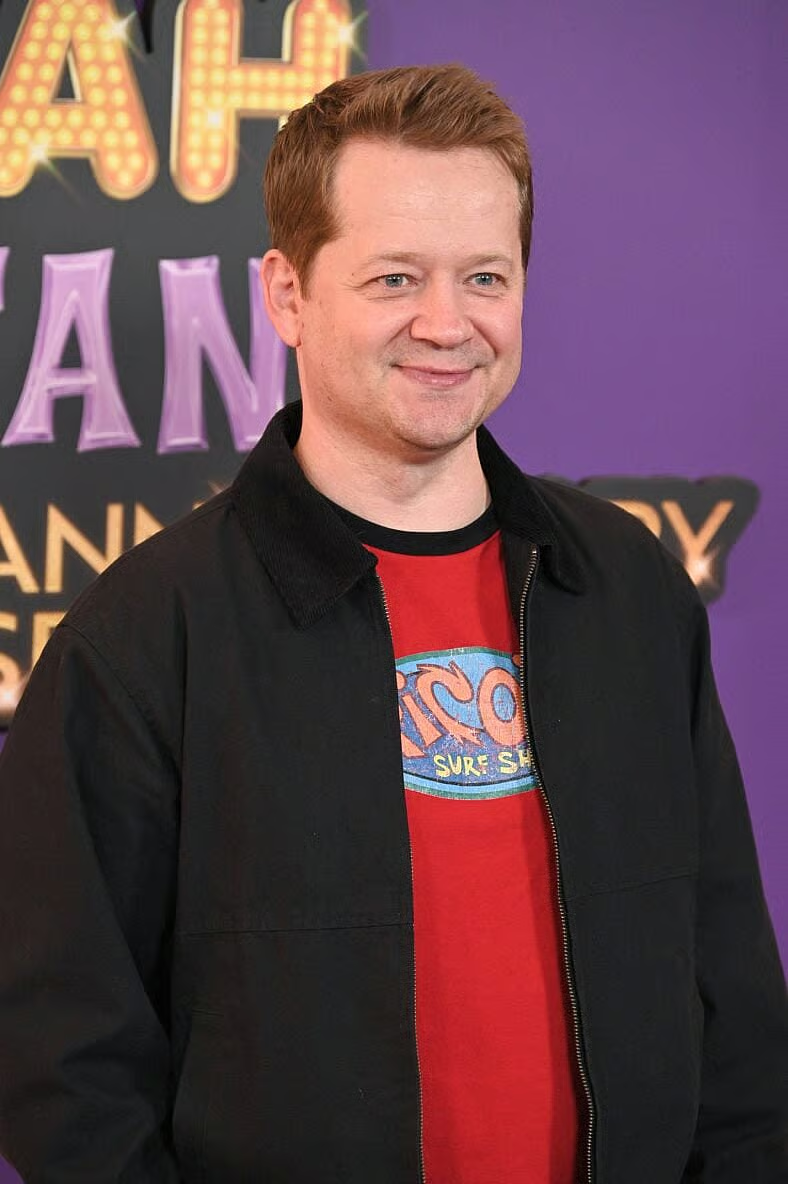
Jason Earles is mourning Dolly Parton while reflecting on the special connection they shared through “Hannah Montana.” Following the country music legend’s death at age 80, Earles posted a heartfelt tribute alongside a throwback photograph of himself posing with Parton during their time on the Disney Channel series. Although Parton played “Aunt Dolly” on television, Earles explained that her warmth made the affectionate title feel real to everyone fortunate enough to know her.

Earles shared his memories of Parton in an Instagram post uploaded shortly after news of her death was announced. “I’m thinking about every wonderful thing I’ve ever heard about Dolly,” he began. “All her success, every personal story, all the posts people have made today in tribute…and all together, it barely scratches the surface of what a wonderful person she was.”
Earles continued, “I’m so grateful I got to call her Aunt Dolly on the show. But the truth is, no matter who you were, she always made you feel like family. I was a fan my whole life and I’ll always cherish the little time I got to spend with her. My love to everyone else out there who’s feeling the loss of our Aunt Dolly.”
The accompanying photograph showed Parton smiling with her arm around the actor, who played Miley Stewart’s older brother, Jackson Stewart, on “Hannah Montana.”
Dolly Parton Played ‘Aunt Dolly’ On ‘Hannah Montana’
Parton made several memorable appearances on “Hannah Montana” as Aunt Dolly, the godmother of Miley Stewart and a longtime friend of the Stewart family. The role drew inspiration from Parton’s real-life relationship with Miley Cyrus.
Parton first appeared in the Season 1 episode “Good Golly, Miss Dolly,” which aired in September 2006. In the episode, Aunt Dolly became involved in Miley’s attempt to recover a revealing videotape about her feelings for Jake Ryan.
She later returned for the Season 2 episode “I Will Always Loathe You.” The episode brought Aunt Dolly together with Miley and Jackson’s grandmother, Mamaw Ruthie, played by Vicki Lawrence. The title referenced Parton’s classic song “I Will Always Love You” with a fun twist about the rivalry between the two characters.
Dolly Parton’s Television Family Joins Fans In Mourning

Parton died on August 25. Her nephew, Bryan Seaver, announced the news in a video posted on behalf of the Parton and Owens family. “Hey everyone, my name is Bryan Seaver, son of Cassie Parton, and I am representing the Parton and Owens family today, announcing the passing of my aunt Dolly Rebecca Parton Dean, sister, sis, Aunt Granny to one generation, and Gigi to the next,” he said.
He added, “Dolly also opened doors for generations of singers, songwriters, musicians and dreamers from every walk of life, and across every continent. By her example, we believed that anything was possible. She never saw a door she couldn’t open, and the doors she opened made and changed history.”
A spokesperson for Parton’s estate later confirmed the cause of death, telling PEOPLE, “After bravely facing a brief battle with cancer, Dolly departed her Earthly life today at the Vanderbilt-Ingram Cancer Center surrounded by loved ones.”
Dolly Parton Faced Several Health Scares Before Her Death

Earles’ tribute comes after Parton experienced several health setbacks during the final year of her life. The country legend postponed her Las Vegas residency in October 2025 after doctors advised her to undergo medical procedures. She later canceled the shows entirely when her condition prevented her from returning to a performance level.
Earlier this month, Parton was also forced to miss the opening of Dollywood’s NightFlight Expedition after experiencing dizziness and dehydration. Although she could not attend in person, she appeared virtually and reassured fans that she was continuing to work.
Parton later acknowledged that she had neglected her own health while caring for her husband, Carl Dean, before his death in March 2025.
She was admitted to the hospital on August 21, just four days before her death. The reason for her hospitalization was not initially disclosed.
Dolly Parton Leaves Behind An Unmatched Legacy

Parton’s legacy reaches far beyond her memorable role as “Aunt Dolly” on “Hannah Montana.” During her decades-long career, the Tennessee native became one of country music’s most successful and influential artists, creating enduring hits including “Jolene,” “9 to 5,” “Coat of Many Colors” and “I Will Always Love You.”
Parton earned 11 Grammy Awards, received Kennedy Center Honors and was inducted into both the Country Music Hall of Fame and the Rock & Roll Hall of Fame. She also found success as an actress, businesswoman and the creative force behind Dollywood.
Her impact was equally profound outside entertainment. Through Dolly Parton’s Imagination Library, she helped provide millions of free books to children around the world.
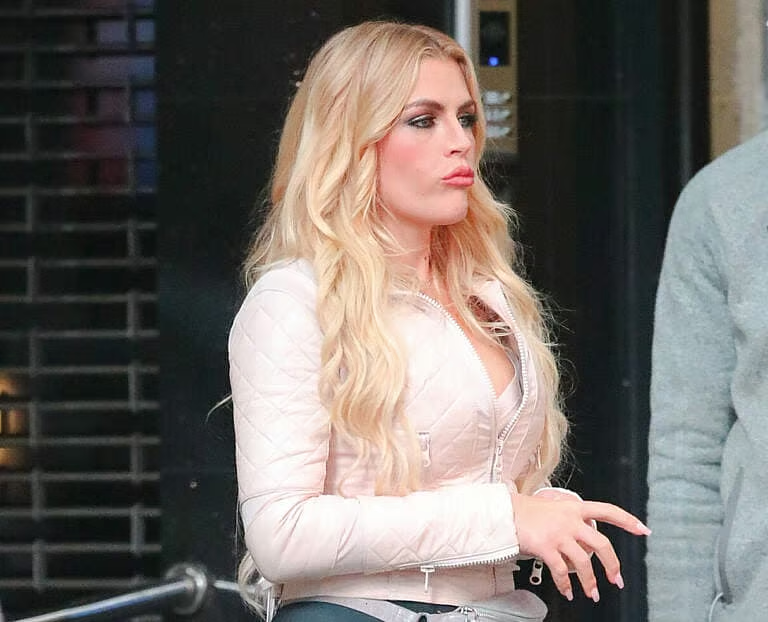
Busy Philipps has revealed she underwent two brain surgeries after doctors discovered a rare tumor she had no idea was growing inside her head.
In an extraordinary twist, the actress nearly canceled the scan that uncovered it while grieving the death of her “Dawson’s Creek” co-star James Van Der Beek.
Now, Philipps is opening up about the frightening diagnosis, the painful conversation with her daughters, and a complication that sent her back into surgery just as she thought the worst was behind her.

Busy Philipps had no obvious symptoms when she became convinced she wanted a full-body MRI.
The 47-year-old told PEOPLE that she first became interested in the Prenuvo scan after reading about it on Instagram. When she raised the idea with her primary care doctor in 2025, however, he told her there was “no need” because she was young, healthy, and her annual blood work was normal.
Philipps remained interested after another doctor told her “knowledge is power,” and eventually booked the scan.
Her original January appointment was postponed because of a blizzard, pushing it to February 12.
That timing almost changed everything. James Van Der Beek had died from colorectal cancer just one day earlier, and Philipps was grieving while juggling work commitments and plans to help her sister through a medical procedure.
She considered canceling. However, her ex-husband, Marc Silverstein, urged her to reconsider, telling her, “Maybe it’s the best thing you could do for your friend this morning. Go get that scan.”
She went, and doctors found a lesion on her brain.
Philipps Learned She Had A Rare Tumor Despite Having No Symptoms

The discovery sent Busy Philipps into a whirlwind of appointments.
A follow-up MRI eventually led to neurologist Dr. Orrin Devinsky, who delivered the reality she had been hoping to avoid.
“This is a real tumor, and it’s inside your brain. And Busy, it’s got to come out,” Philipps recalled him telling her.
The actress said she began “hyperventilating and trying to breathe.”
Doctors scheduled surgery for March 2, with Silverstein accompanying her to the hospital. During the roughly five-hour operation, surgeons removed a 2.6-centimeter mass from her brain.
A biopsy identified it as a grade 2 oligodendroglioma, a rare slow-growing malignant tumor.
Philipps’ neuro-oncologist, Dr. Alexandra Miller, told PEOPLE that the condition has “the best prognosis of all of the malignant gliomas.”
Early detection also worked heavily in Philipps’ favor. Her surgeon explained that had doctors waited until symptoms such as seizures developed, the tumor could have grown substantially larger and become more difficult to remove completely.
Busy Philipps’ Diagnosis Left Her Daughter Terrified

One of the most difficult moments came before surgery, when Philipps had to tell her daughters, Birdie and Cricket, what doctors had discovered.
Birdie, now 18, struggled particularly hard with the news.
“She was kind of beside herself and really, really scared and overwhelmed with emotion,” Philipps recalled.
The actress tried to reassure her daughter with a promise that reflected just how frightening the situation had become.
“Birdie, you’re just not in the movie where your mom dies your senior year of high school,” she told her. “That’s just not the movie that you’re in. I promise you.”
Cricket, 13, reacted more calmly after asking her mother whether she would be okay.
Meanwhile, Philipps’ longtime friend and former “Dawson’s Creek” co-star Michelle Williams rallied around her during recovery, helping arrange meals after she returned home.
Philipps was moving around remarkably quickly after surgery despite having more than 40 staples in her head.
The recovery initially appeared to be going so well that she soon turned her attention back toward acting.
More From The Blast
Actress Suffered Frightening Setback After Starting Her ‘Dream’ Job

Philipps had landed a role in the CBS series “Cupertino” around the same time doctors were preparing to operate.
She ultimately recovered enough to begin filming, describing the project as her “dream” job.
But in April, another frightening problem emerged. During a Botox appointment, Philipps’ dermatologist noticed something concerning about her surgical incision and refused to proceed. She urged the actress to immediately send a photograph to her surgeons.
Doctors agreed that something looked wrong. Philipps was eventually diagnosed with a staph infection in the incision and returned to the hospital for another operation on April 27. Surgeons cleaned the infected area and removed one of the tiny titanium tacks that had been placed in her skull during her first procedure.
Fortunately, doctors caught the infection before it became deep. Emotionally, however, the second surgery hit Philipps hard.
“The second surgery really threw me,” she admitted. “I just felt like I was back to square one, and I was really, really upset.”
Busy Philipps Wonders If Her Brain Had Been Warning Her For Years

Philipps does not currently need chemotherapy or radiation, although she will undergo regular scans to watch for recurrence.
Looking back, however, the actress questions whether there were subtle warning signs she failed to recognize.
She told PEOPLE that she had experienced unusually intense emotional reactions in recent years, including episodes of crying until she vomited and sending inflammatory messages when angry.
At the time, she attributed those changes to perimenopause.
Doctors have not established that the tumor caused those experiences, but Philipps remembered telling her surgeon about them. Michelle Williams also reminded her of something she had repeatedly said over the previous two years: “My brain feels broken.”
Philipps admitted she had felt as though “something was misfiring,” even though she was not consciously aware of anything being medically wrong.
After having the tumor removed, that feeling has changed. “My brain does not feel broken anymore,” she said.
After what she calls “the weirdest six months of my life,” Philipps is choosing to focus on how differently everything could have unfolded had she canceled that February scan.
“I’m grateful that I’m alive,” she shared.

NewsBeat1 minute ago
I’ve seen countless people try to get a loved one with cocaine and alcohol issues into rehab…but it can go so very wrong. This is the right way to stage an intervention – and what you should never say: NICK DUNKLEY
Business2 minutes ago
Sportradar expands partnership with Polymarket across 20 sports

Crypto World3 minutes ago
The Clarity Act will put Main Street banks at a disadvantage





-

 Fashion6 days ago
Weekend Open Thread: Madewell – Corporette.com
-

 Crypto World2 days ago
SpaceX stock could rise 75% to $240, JPMorgan says
-

 Business5 days ago
Musk’s Tesla, SpaceX Confirm $16.8 Billion ‘Terafab’ Chip Plant as World’s Largest Building in Texas
-

 Crypto World5 days ago
anatomy of crypto’s biggest liquidation event since 2021
-

 Crypto World3 days ago
A $30 Billion AI Fund Implodes, Now the SEC Is Investigating Wall Street’s Role
-

 Politics5 days ago
6 months on, Irish renters crushed by effects of government housing bill
-

 Crypto World1 day ago
Did Trump Just Move SpaceX Stock With One Truth Social Post?
-

 Business4 days ago
Mystery AI Model ‘Ox Alpha’ Draws Developers With Free Access as Chinese Lab Origins Remain Debated
-
 NewsBeat5 days ago
The ‘Lucky Dip Gang’ causing carnage for clicks: After five thugs were killed speeding in the wrong direction on a motorway, GUY ADAMS investigates a sick new trend… and why police aren’t even allowed to pursue them
-

 Business3 days ago
Moderna CEO warns China is pouring state money into mRNA technology
-
 Business7 days ago
Five Below: Kids Discount Retailer Reaps Rich Rewards
-
 Crypto World6 days ago
Nvidia Stock Suffers Longest Losing Streak Since 2022: Will Q2 Earnings End It?
-

 Business3 days ago
NVIDIA Stock Drops Nearly 2 Percent to $210 on Seventh Losing Day Ahead of Critical AI Earnings
-
 Sports4 days ago
Deshaun Watson fires back at Browns fans after being booed: ‘It’s a disrespectful thing’
-

 Business6 days ago
UK firms in critical financial distress rise 9% to 53,756
-
 Crypto World4 days ago
Google Gemini AI Predicts Ethereum Could Become the Trade Retail Misses in 2026
-

 Tech6 days ago
Unitree’s New Superman Robot Claims to Outjump and Outrun Every Human, Usain Bolt Included
-

 Tech6 days ago
Faster chip in a familiar form factor
-

 Crypto World6 days ago
SEC Regulation Crypto vs CLARITY Act: which framework wins
-

 Business5 days ago
Will Tesla Stock Be Higher or Lower a Year From Now? Here’s What Wall Street Analysts Are Saying
You must be logged in to post a comment Login