Connect with us

Business

More than 15,000 children’s squeeze toys recalled over water bead hazard

Published

on

More than 15,000 children's squeeze toys recalled over water bead hazard

More than 15,000 popular children’s squeeze toys have been recalled over serious injury hazards linked to the beads they contain, according to federal regulators.

Two recalls have been issued — one for Squeezy Dumplings from GIHNJSI and one for Rainbow Mystery Squishy Buns from OKK Trading.

Advertisement

Both products contain water beads, which could expand within a child’s body if ingested, posing a potentially deadly hazard, the Consumer Product Safety Commission said in its notice. The toys violate the mandatory federal safety standard for toys because the water beads can expand beyond the allowable size.

“If a water bead is ingested, it can pose ingestion, choking, and intestinal obstruction hazards inside a child’s body, resulting in severe discomfort, vomiting, dehydration and a risk of death to a child,” the commission said.

WEIGHT-LOSS SUPPLEMENT RECALLED AFTER FDA FINDS TOXIC SUBSTANCE

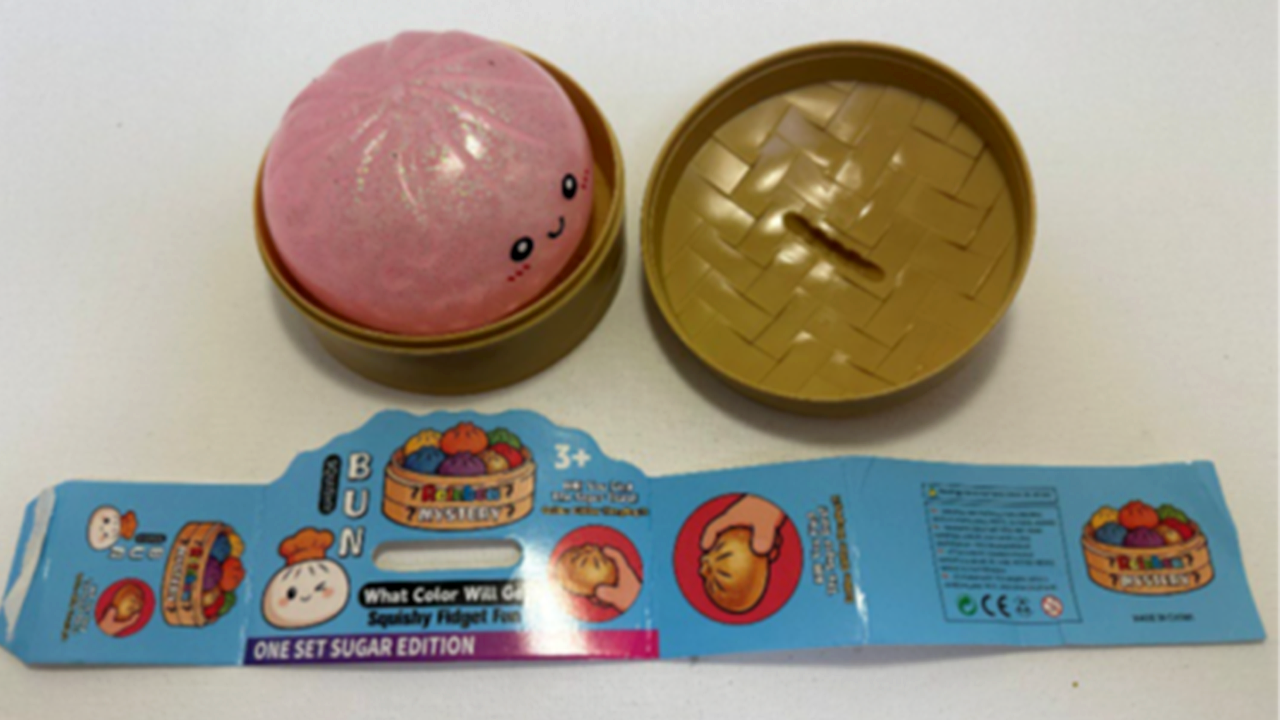
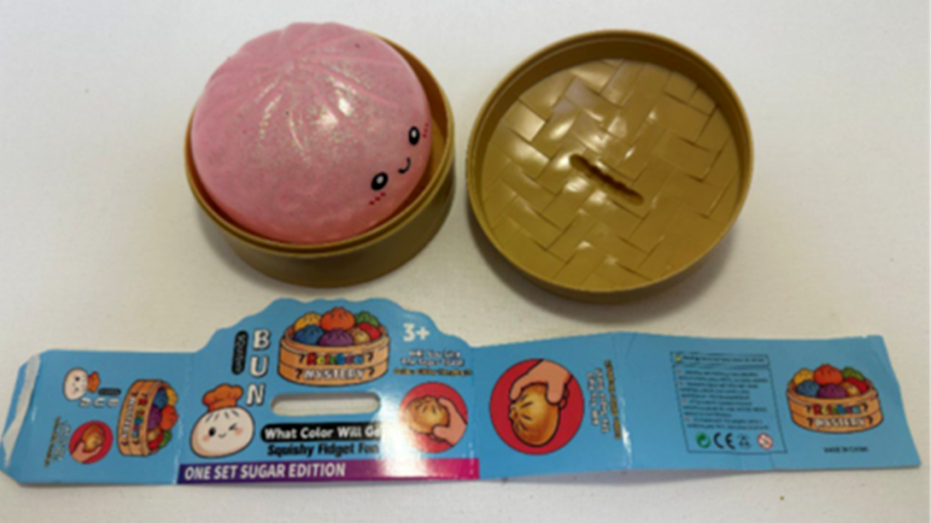
Recalled Rainbow Mystery Squishy Bun, tan container and packaging

More than 15,000 popular children’s squeeze toys have been recalled. (Consumer Product Safety Commission)

About 8,000 Squeezy Dumplings are affected by the recall. They were sold online at Amazon between May and June for about $20. “SQUEEZY DUMPLINGS” and “SQUEEZE ME” are printed on the label.

Advertisement

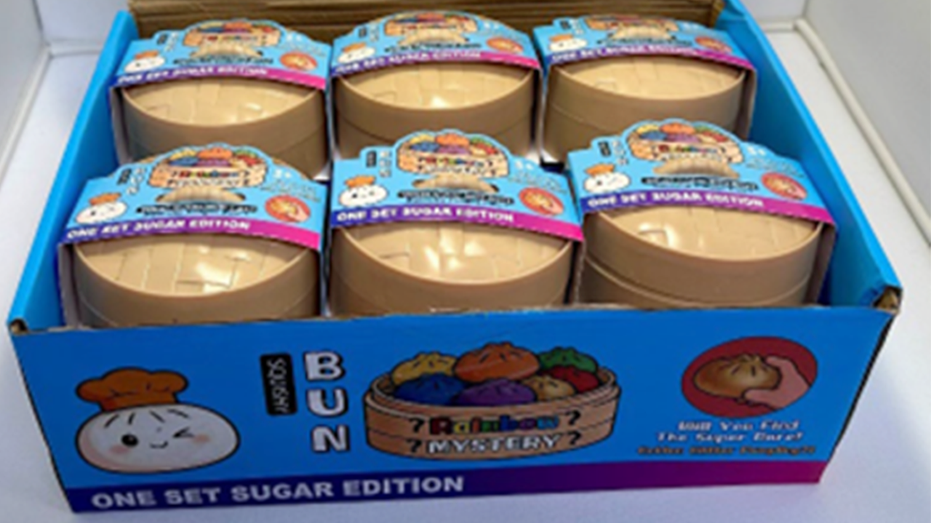
Roughly 7,200 Rainbow Mystery Squishy Bun Toys are subject to the recall, sold at various third-party stores nationwide from May to August. “Rainbow MYSTERY” and “SUGAR EDITION” are printed on the front of the package labeling. 

Both toys are translucent, round squishy balls with cartoon faces and glitter-like particles and water beads on the inside. The toys come in a tan plastic container shaped like a bamboo steamer.

Squishy Buns Packaging

Consumers are urged to stop using both toys immediately and contact the appropriate company for a full refund. (Consumer Product Safety Commission)

Consumers are urged to stop using both toys immediately and contact the appropriate company for a full refund. To receive a refund, consumers should write “RECALLED” on the toy and its container, dispose of the product, and email a photo to the recalling company, according to the CPSC.

No injuries have been reported thus far in connection with either toy.

Advertisement

Additionally, the commission is warning consumers to immediately stop using Squishy Bun Toys from Ivyapingdianpu and to dispose of them, saying they violate mandatory safety standards for toys.

These toys also contain water beads, but the retailer has not agreed to a recall the product or offer a remedy to consumers despite receiving a Notice of Violation, according to the commission.

WALMART MANGOES RECALLED OVER POTENTIAL SALMONELLA CONTAMINATION

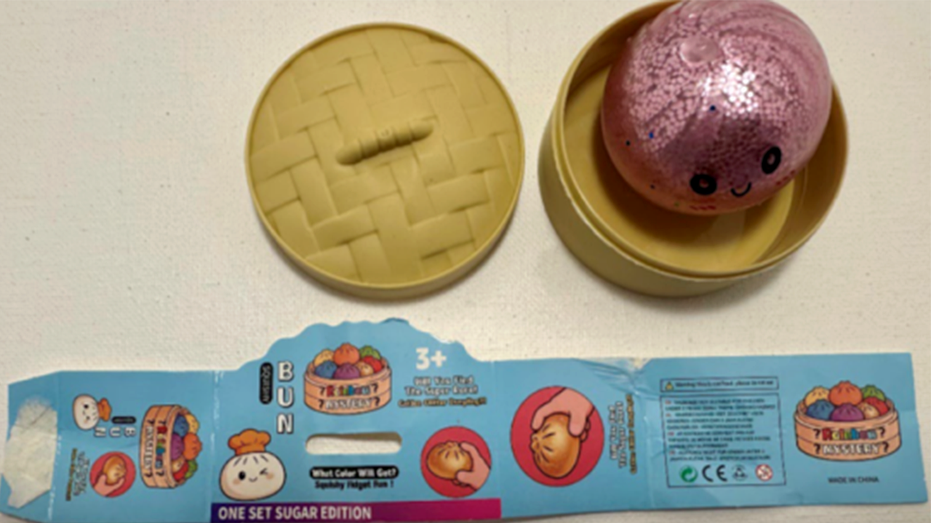
Ivyapingdianpu’s Squishy Bun Toys

The commission is warning consumers to immediately stop using Squishy Bun Toys from Ivyapingdianpu. (Consumer Product Safety Commission)

WALMART MANGOES RECALLED OVER POTENTIAL SALMONELLA CONTAMINATION

Advertisement

About 106 of these toys are affected by the warning. They have “SQUISHY BUN” and “Rainbow MYSTERY” printed on the front of a removable tag.

These toys were sold online at Amazon in June 2026, but they may also have been sold by various third-party sellers and on other websites.

No injuries have been reported in connection with these toys. Anyone with a child who experiences any injuries related to these Squishy Buns or who notices any defects is urged to contact the commission.

Advertisement
Continue Reading
Click to comment

You must be logged in to post a comment Login

Leave a Reply

Business

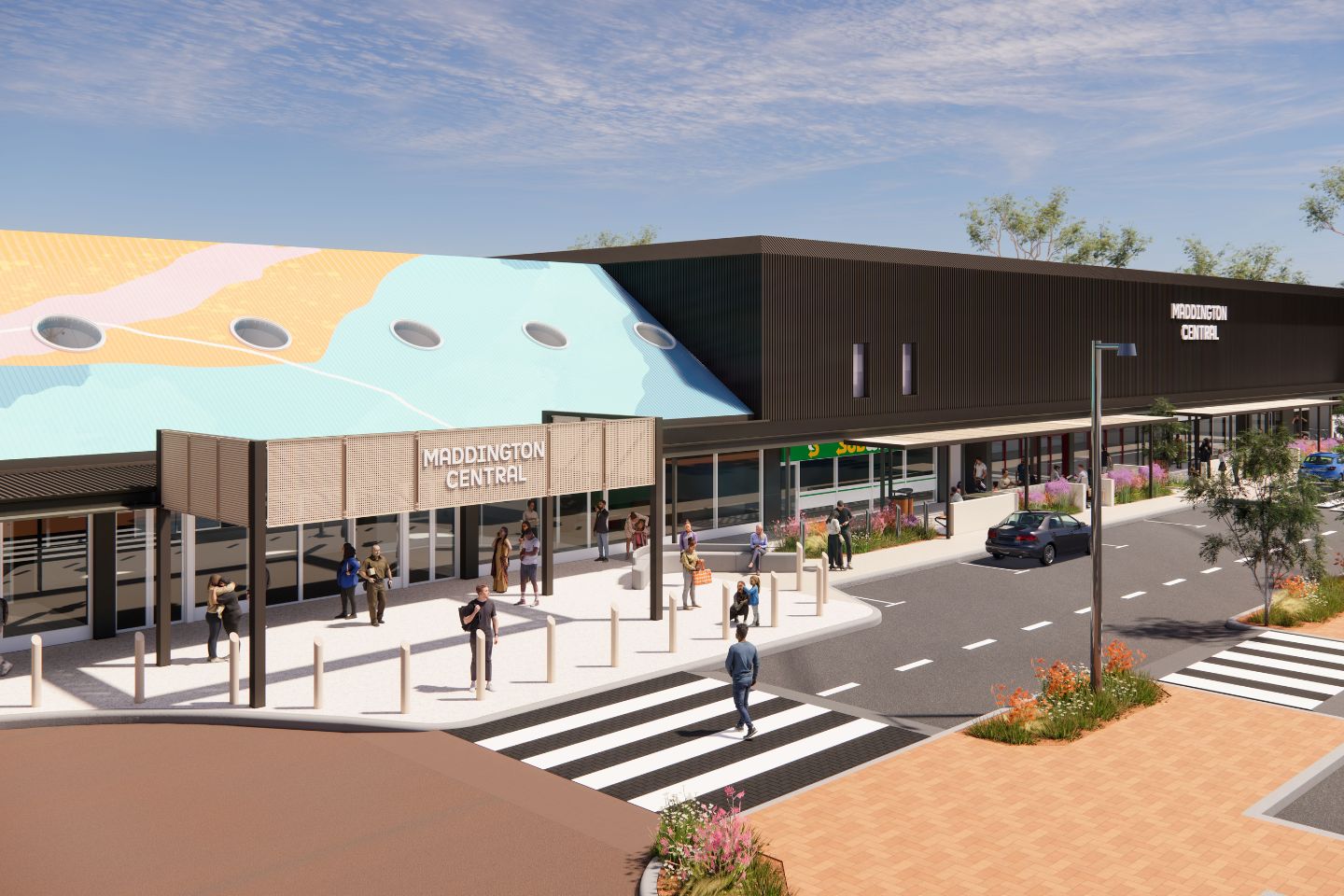
Next stage of Maddington Central’s $6m upgrade to open early 2027

Published

on

Next stage of Maddington Central’s $6m upgrade to open early 2027

A shopping centre in Perth’s south-east is set to open its revamped hospitality section early next year, as part of a multi-million-dollar redevelopment.

Continue Reading

Business

Real Estate On Shaky Ground After A 6-Day Slide

Published

on

Real Estate On Shaky Ground After A 6-Day Slide

Real Estate On Shaky Ground After A 6-Day Slide

Continue Reading

Business

This Sector Is Fertile Ground For Buy Opportunities

Published

on

This Sector Is Fertile Ground For Buy Opportunities

This Sector Is Fertile Ground For Buy Opportunities

Continue Reading

Business

Roku director Neil Hunt sells $312,605 in shares

Published

on


Roku director Neil Hunt sells $312,605 in shares

Continue Reading

Business

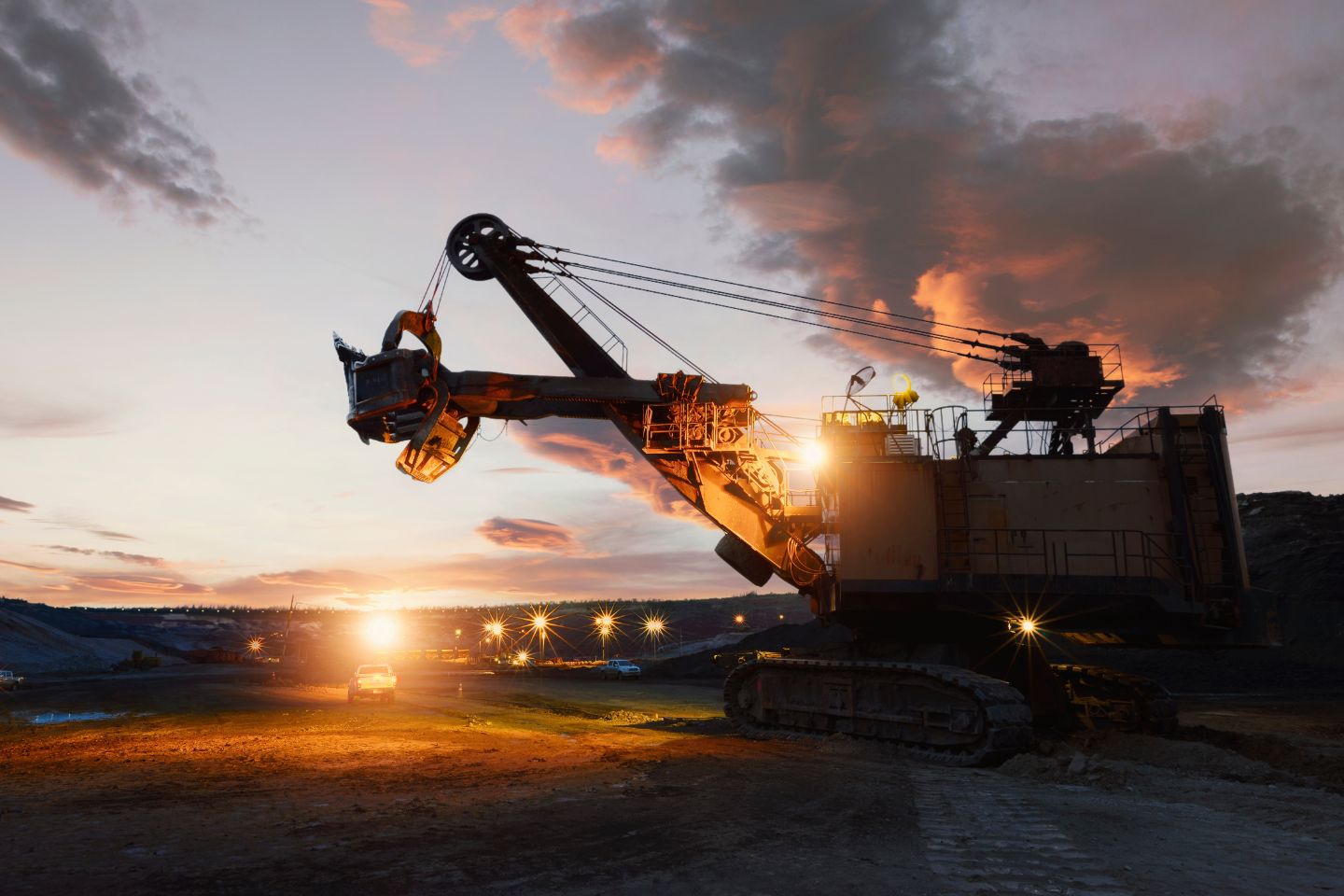
Opinion: Steeling for a clash of the cartels

Published

on

Opinion: Steeling for a clash of the cartels

OPINION: China’s cartel-like tactics appear to be working as iron ore prices take a hit.

Continue Reading

Business

Would you lie to get a birthday freebie?

Published

on

A woman holds her hand over her mouth in the street. She has blonde hair and sunglasses on her head

We ask people in London if they would fib about their birthday to get a free treat from a shop or restaurant.

Continue Reading

Business

Two people pulled alive from Nepal hydropower tunnel

Published

on


Two people pulled alive from Nepal hydropower tunnel

Continue Reading

Business

Harvey Nichols suppliers to get under 15p in the pound

Published

on

Harvey Nichols suppliers to get under 15p in the pound

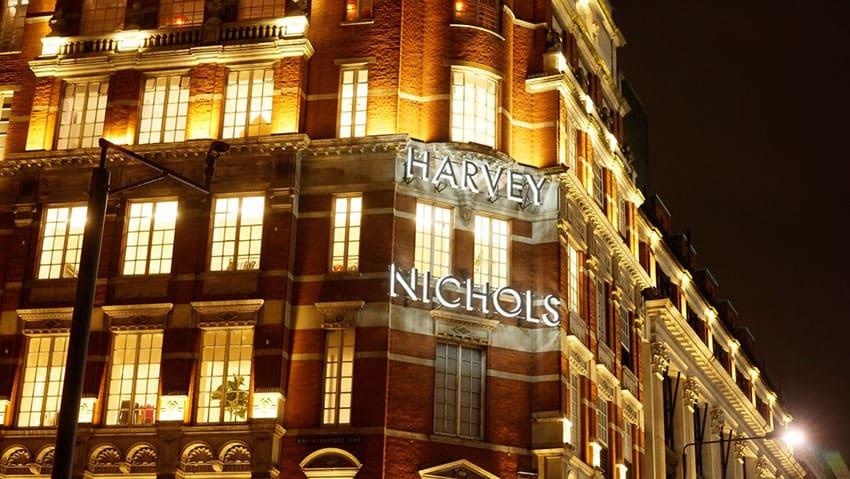
Suppliers to Harvey Nichols are expected to receive less than 15p in the pound after the luxury department store group was acquired by Frasers Group through a pre-pack administration, according to new filings at Companies House.

The documents reveal that the group’s primary trading entity, Harvey Nichols and Company, fell into administration owing £270.5 million to unsecured creditors. Early-stage estimates from the administrators, FTI Consulting, indicate that a maximum of 15 per cent of that sum is expected to be returned.

Brand partners set to lose out include Victoria Beckham, Jimmy Choo and Canada Goose, which are owed about £353,349, £174,201 and £565,267 respectively. Other unsecured creditors include Jo Malone, Puig and Estée Lauder. Preferential creditors, among them HM Revenue & Customs, are expected to be repaid in full.

Frasers acquired Harvey Nichols last month, seeing off competition from Next and other international suitors after the chain was put up for sale by the Hong Kong billionaire Sir Dickson Poon following years of losses. Business Matters reported at the time on how Harvey Nichols was sold to Frasers through a pre-pack deal that preserved more than 1,000 jobs and secured the immediate future of its British store estate, including the Knightsbridge flagship and a number of regional stores.

How the pre-pack leaves creditors exposed

A pre-pack is a fast-track insolvency process in which a buyer is lined up to acquire the business straight after the administration. The House of Commons Library describes it as an arrangement under which the sale of a company’s business or assets is negotiated with a purchaser before the administrator is appointed.

Advertisement

The process is contentious in part because it can leave creditors lumbered with unpaid debts. Supporters argue that pre-packs are an efficient way to rescue struggling businesses, save jobs and maximise returns to creditors.

For the smaller brands and suppliers on the Harvey Nichols creditor list, the practical consequence is that the bulk of what they were owed by the old company will not be recovered, while the business itself trades on under new ownership.

Brand partners raised concerns over Frasers

The arrival of Frasers in the auction of Harvey Nichols was said to have caused concern among brand partners this summer. The FTSE 250 retailer, which is controlled by the billionaire Mike Ashley, had to elbow its way into the process after objections from a number of “prestige brand owners”.

After the sale was agreed, Kate Benson, Harvey Nichols’s chief merchant, moved quickly to reassure suppliers of their future under Ashley’s ownership. “Throughout the sales process we have spoken at length with Frasers, and we are confident that they understand our business and value our brand relationships,” Benson wrote in a memo reported by Sky News.

Advertisement

Frasers’ reputation among luxury suppliers was previously tarnished by its deal with Matches Fashion. The group bought the luxury clothing website for £52 million before placing it into administration in 2024, just weeks after the acquisition, putting hundreds of jobs at risk and leaving suppliers out of pocket. A question mark remains over the retailer’s ability to attract brand partners to Harvey Nichols given that history.

Ashley’s push into luxury

The acquisition marks a significant step in Ashley’s long-running effort to expand his retail empire’s share of the luxury market. Frasers, which also owns House of Fraser and Flannels, recently increased its stake in Hugo Boss to almost 48 per cent after making a £1.7 billion takeover offer for the German fashion house in the summer. It also raised its holding in Burberry in late July.

Michael Murray, the Frasers chief executive and Ashley’s son-in-law, has said that turning around Harvey Nichols will require “tough choices”. He added: “We are prepared to make those decisions, even if that means a smaller business in the near term, to create a stronger and more sustainable Harvey Nichols for the long term.”

Frasers and FTI Consulting were approached for comment.

Advertisement

Amy Ingham

Amy Ingham

Amy Ingham is a reporter at Business Matters, covering UK business news with a focus on breaking news, business policy, late payments and insolvency. She joined the magazine in 2026 after completing the NCTJ Diploma in Journalism at Harlow College’s journalism school. Her recent reporting includes British Steel’s nationalisation and its impact on SME suppliers, the decline in late payments by large firms, and Insolvency Service director disqualifications. Reach her at aingham@cbmeg.co.uk.

Advertisement
Continue Reading

Business

Maas Group Shares Jump 6% As Firmus AI Infrastructure Bet And Record FY26 Results Fuel Rally

Published

on

Maas Group Shares Jump 6% As Firmus AI Infrastructure Bet

DUBBO, N.S.W. — Shares of Maas Group Holdings Ltd. climbed $0.33, or 6.42%, to $5.47, as the diversified regional infrastructure and property company continued to build momentum following a record set of full-year results and an aggressive strategic push into AI data center infrastructure through its growing stake in Firmus Grid.

Thursday’s gain adds to a strong run for the stock since Maas Group reported record financial results for the year ended June 30, 2026, on Aug. 20. The company posted underlying revenue of $1.2638 billion, up 27% from the prior year, alongside underlying EBITDA of $300.3 million, a 37% increase. Underlying net profit after tax climbed 57% to $123.4 million, while underlying earnings per share rose 51% to 34.2 cents. Statutory net profit after tax attributable to owners reached $136.1 million, up 89% from the prior corresponding period, reflecting both strong operating performance and a reversal of held-for-sale depreciation tied to a major pending asset sale.

Maas Group Managing Director and CEO Wes Maas described the results as a defining moment for the company, emphasizing that even the continuing operations exceeded the range the company had previously guided to.

“FY26 was a defining year for Maas Group,” Maas said. “We delivered a record result, and importantly our continuing operations exceeded the guidance range confirming the quality of the business we are carrying into FY27.”

Advertisement

Central to Maas Group’s strategic transformation is its pending $1.703 billion sale of its Construction Materials business to Heidelberg Materials Australia, a deal that received Australian Competition and Consumer Commission approval subject to certain divestments and remains on track to settle in October 2026. The sale represents a significant pivot away from the company’s traditional construction materials operations and toward its rapidly expanding electrical manufacturing division, which the company has positioned as its primary growth engine going forward.

That electrical division, operated through Maas Group’s wholly owned subsidiary JLE Group, has been a standout performer, with the company reporting $1.2 billion in external work in hand as of its latest update. A key driver of that order book has been an $855 million contract secured in early August for the delivery of modular electrical infrastructure to Firmus, an artificial intelligence infrastructure developer, further building on an existing Master Services Agreement that positions JLE as the exclusive supplier of power train units across Firmus’s Australian pipeline, including manufacturing and services tied to Firmus’s 100-megawatt Launceston AI Factory project.

Alongside that contract win, Maas Group has significantly deepened its financial stake in Firmus Grid, a vertically integrated developer and operator of next-generation AI infrastructure focused on designing and operating purpose-built platforms for high-density artificial intelligence workloads. The company made an additional $300 million strategic investment in Firmus, bringing its total investment in the AI infrastructure developer to $410 million, equating to an approximate 3.2% stake on a fully diluted basis. Due to a separate, related investment by an entity associated with CEO Wes Maas, Maas recused himself from the board’s consideration of that particular transaction.

Following the $855 million contract win, Maas Group raised its full-year 2026 group underlying EBITDA guidance to a range of $300 million to $310 million. Excluding the uplift tied to the Firmus revaluation and the contribution from the construction materials business being sold, the company’s underlying operating result from continuing businesses was expected to land between $130 million and $135 million in EBITDA, consistent with previous guidance issued ahead of the contract announcement.

Advertisement

Alongside its record results, Maas Group also announced a new capital management framework that prioritizes share buybacks over traditional dividend payments as its primary mechanism for returning value to shareholders. No final dividend was declared for FY26 as part of that shift, with the company instead expanding its share buyback program, a move it said was intended to maximize shareholder returns as it transitions its capital allocation strategy following the pending Heidelberg sale.

Maas Group’s operating cashflow conversion declined modestly to 93% in FY26, down from 97% in the prior year, a figure the company attributed to the ongoing capital investment tied to its electrical manufacturing expansion and its growing Firmus stake, even as overall profitability metrics posted substantial year-over-year gains.

Over the trailing 12 months, Maas Group shares have significantly outperformed the broader Australian market, rising more than 30%, compared with a gain of roughly 1% to 4% for the All Ordinaries Index over the same period, depending on the specific measurement window used. That outperformance reflects growing investor enthusiasm for the company’s pivot toward electrical infrastructure and data center-related manufacturing, a segment closely tied to the broader artificial intelligence infrastructure boom that has driven significant capital investment across the technology and industrials sectors globally throughout 2026.

Originating in Dubbo in regional New South Wales, Maas Group has built its business around above-ground plant hire and civil construction contracting services for infrastructure and mining projects, alongside electrical contracting, concrete services, and a property division overseeing residential and commercial developments across regional New South Wales. The company’s evolution toward electrical manufacturing and AI-linked infrastructure work represents a significant strategic shift from its traditional roots in construction materials and civil contracting, one that management has framed as positioning the company for its “next growth phase” following the settlement of the Heidelberg transaction later this year.

Advertisement

Looking ahead, Maas Group has said it expects strong revenue and profit growth from its continuing operations into fiscal year 2027, supported by its expanding electrical manufacturing arm and a healthy pipeline of residential land settlements across its property division. With the Heidelberg sale expected to settle in October, bringing up to $1.7 billion in proceeds, and its growing exposure to the AI infrastructure buildout through both its JLE contracting work and its direct equity stake in Firmus, investors will likely continue watching closely for further updates on new contract wins and the company’s broader capital allocation priorities as it transitions further away from its legacy construction materials business toward its expanding electrical and infrastructure-focused growth strategy.

Continue Reading

Business

Mining firm Tungsten West ‘on track’ to restart production at Hemerdon

Published

on

Business Live

The AIM-listed company has hailed a year of ‘significant progress’

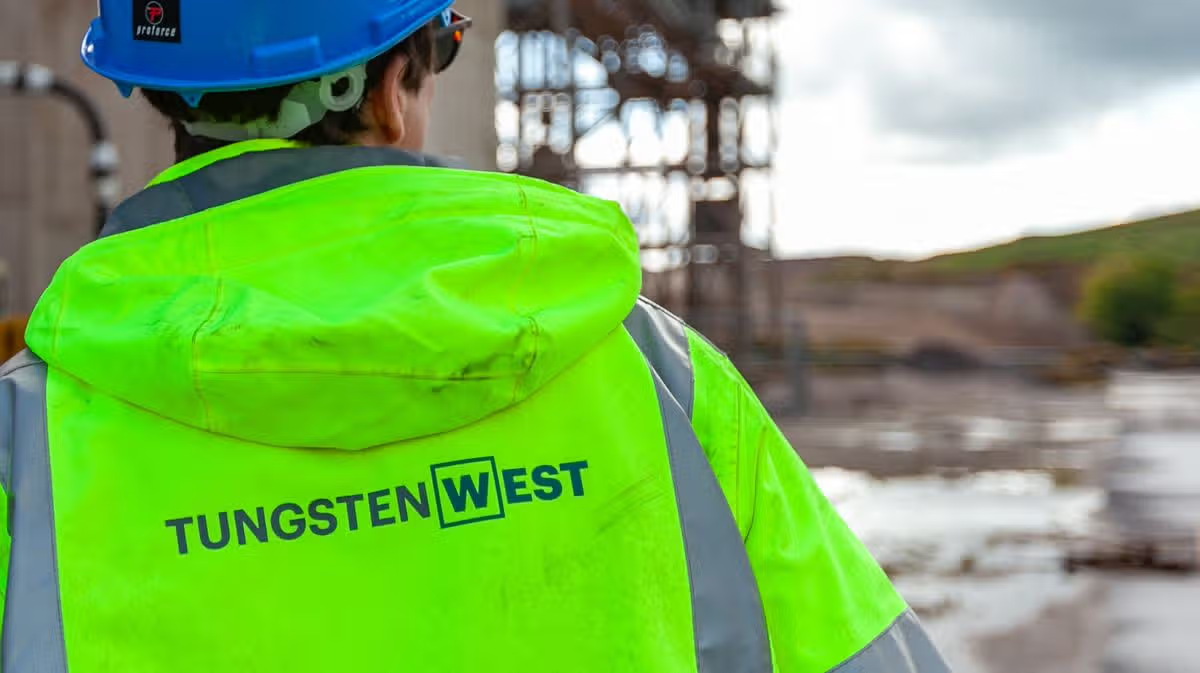
Tungsten West is the owner and operator of Hemerdon tungsten and tin mine on the edge of Plymouth

Tungsten West is the owner and operator of Hemerdon tungsten and tin mine on the edge of Plymouth(Image: Tungsten West)

A company looking to revive a mine in Devon that holds a rare critical metal has reported a “year of significant progress” after raising tens of millions of pounds for the project.

AIM-listed Tungsten West is working to restart production at the Hemerdon tungsten and tin mine near Plymouth – one of the largest tungsten resources in the world.

In an update to the stock market, chief executive Jeff Court told investors the project was now “fully funded” and remained “on track and on budget” to restart production in the first quarter of next year.

His comments came as the company narrowed its losses to £7.9m for the year ending March 2026 from £19m the year previously. The firm said this reflected the main initiatives conducted during this period, including finalising a feasibility study and pre-operational readiness activities.

Advertisement

The news comes just days after the government’s National Wealth Fund confirmed it would inject £71m into Tungsten West in a bid to support the reopening of the Hemerdon mine.

The Plympton-headquartered company, which focuses on the mining and extraction of metals including tungsten and tin, took ownership of the site in 2019 and has since invested years completely reconfiguring the processing layout and obtaining fresh environmental permits.

“We have achieved strong progress and remain on-track and on budget for full commissioning in Q1 2027, most importantly, with no lost time injuries,” said Mr Court.

“We have also achieved the significant milestone of first production from our restart project already in Q3 2026. The financial results reported for the previous financial year reflect the strategic pivot of the company to a development project and full-scale production early next year.”

Advertisement

Mr Court told investors that initial production was “already underway” at the mine, adding: “We look forward to the progress towards full commissioning in Q1 2027 (calendar year). I would like to thank all our stakeholders for their continued support.”

Tungsten West’s annual general meeting will be held at the company’s offices in Plympton at 1pm on September 29.

Continue Reading

Trending

Copyright © 2025