
Politics
September Gardening Jobs UK: What To Plant And Protect This Autumn


This time of year can feel like a fresh start for some, as the air clears of humidity and harsh hot temperatures. For gardeners, though, it can often feel like slowly letting go. Our gardens lose their flourish for a couple of seasons, leaving behind brown leaves and memories of a bold, bright summer.
However, it’s this ending of the season that can help us to look ahead. Planting in beddings and borders before heading into a quieter hibernation period is a reminder of hope. Whatever we have ahead of us in the next six months, we know there will be life flowering and flourishing at the other side of it.
Gardens teach us, if nothing else, that hope springs eternal.
Gardening jobs for September
What to plant for spring 2027
For those first spring flourishes, now is the time to sow hardy annuals such as cerinthes, cornflowers, marigolds and chrysanthemums. The Royal Horticultural Society (RHS) advises: “It should be noted that although these plants usually withstand frosty conditions without protection, some hardy annuals may need covering with biodegradable horticultural fleece
or a cloche when a heavy frost is forecast. Check the seed packets for full details.”
Gardeners’ World adds: “Plant spring bulbs in autumn, including crocuses, daffodils, hyacinths, bluebells and snake’s-head fritillaries in pots and borders.”
For your pots and borders, now is the time to plant wallflowers, pansies and forget-me-nots.
Don’t forget to also lift, divide and replant congested clumps of perennials once they have finished flowering, too.
Garden maintenance tasks for September
Now that autumn leaves are starting to fall, cover any ponds with netting to protect them from leaves falling in and rotting alongside any usual pond maintenance.
As we are expected to have a particularly windy autumn and winter period, ensure that tree ties and plant supports are in place and secure to avoid any harm during storms.
Finally, clean and disinfect bird feeders to protect birds from disease. If you have any remaining sunflower seeds, these may now be placed in your usual seed mixes for birds.
For those who have indoor plants, this is now the time to start winding down your watering schedule. The RHS advises: “In winter, houseplants can be left for a week or two without water as long as the room temperature is cool, but does not fall below the minimum tolerated.”


Millions of people could be unknowingly putting extra strain on their hearts through everyday habits they rarely think twice about.
Dr Francesco Lo Monaco, a cardiologist and author of Heart Saviour, has shared how certain silent risk factors can gradually weaken the heart over many years before symptoms appear.
“Many people assume they would know if something was wrong with their heart, but that’s often not the case,” he said.
Here are some of the most common, yet modifiable, habits he suggested could be contributing to poor heart health – and what you can do about each.
Everyday habits that could weaken your heart
1. Poorly controlled blood pressure
If your blood pressure remains high for months or even years, your heart will need to pump against greater resistance, the health expert explained.
“Initially the heart muscle adapts by becoming thicker, but over time these changes can affect how efficiently the heart works,” he said.
“If left untreated, this can contribute to enlargement and weakening of the heart and eventually increase the risk of heart failure, abnormal heart rhythms and other cardiovascular complications.”
This is one of the reasons high blood pressure is often described as a “silent killer”, he added, because many people have no symptoms until the damage has already begun.
GPs and some pharmacies can check blood pressure. Boots offers a free health MOT for over-40s which includes a blood pressure check. Alternatively you can buy your own blood pressure monitor and check it at home.
Blood pressure can be controlled through a series of lifestyle interventions like eating a balanced diet, regular exercise and, if you’re overweight, weight loss.
Avoiding salty food, alcohol, caffeine and smoking are also important. Some people might also benefit from taking medicine to treat the issue.
2. Untreated sleep apnoea
Sleep apnoea is a condition that causes repeated pauses in breathing when you’re sleeping. It’s yet another health issue that can slip under the radar.
Dr Lo Monaco warned that repeated drops in oxygen overnight increase stress on the cardiovascular system.
“Sleep apnoea doesn’t just cause tiredness,” he said. “It is strongly associated with high blood pressure, abnormal heart rhythms and structural changes within the heart.”
The most common symptoms include: loud snoring, noisy and laboured breathing, periods where breathing is interrupted by gasping or snoring. As a result, it’s usually first spotted by a partner, friend or family member.
People with sleep apnoea might also find they wake up with headaches, still feel tired and find it hard to concentrate.
It’s typically treated with lifestyle interventions like weight loss, stopping smoking and reducing alcohol intake, but the NHS notes many people also need a CPAP machine to help supply oxygen over night.
3. Drinking too much alcohol
Heavy drinking over long periods of time can weaken the heart muscle. “Alcohol-related heart disease often develops gradually, so people may not notice any symptoms until significant damage has occurred,” said Dr Lo Monaco.
The NHS advises cutting back a little each day, and letting others know you’re doing this so they can offer support. Swap strong beers or wines for ones with a lower strength (ABV in %) and aim to have several drink-free days each week.
4. Physical inactivity
Regular movement helps maintain cardiovascular health. Studies have consistently found physical activity has a protective effect against heart disease, which can lead to heart attacks.
“A sedentary lifestyle doesn’t directly enlarge or weaken the heart on its own, but it contributes to several of the major risk factors that do, including obesity and high blood pressure,” said Dr Lo Monaco.
Cardiac rehab physiotherapist Helen Alexander previously told the British Heart Foundation (BHF) that three types of exercise can help strengthen heart health. These are: aerobic exercise, such as brisk walking, cycling and swimming; resistance and strength training, such as lifting weights; and exercise that improves balance and flexibility, such as tai chi and yoga.
Dr Lo Monaco concluded that if you experience breathlessness, swollen ankles, chest pain, palpitations or unexplained fatigue, you should seek medical assessment.
“The encouraging news is that many of these risk factors are modifiable,” he said. “Keeping your blood pressure under control, treating sleep apnoea, maintaining a healthy weight, exercising regularly and limiting alcohol can all reduce the strain placed on the heart over time.”

Enjoying your garden in the summer is the best. Lounging on your garden sofa or bench, reading a good book, maybe cracking open an icy cold IPA or enjoying some wine with friends… it’s truly delicious.
But wait, what’s that? You notice your plants are crawling with aphids, spiders and green flies. Your beds are being taken over with weeds. In fact, it feels like you’ve just pulled a weed out and two more have grown back. Ugh.
Thankfully there are some chemical-free ways to treat pesky problems in the garden. These weedkiller-free treatments can help protect wildlife and the other thriving plants you want to keep alive.
The best natural insect and weed killers that are hiding in your kitchen cupboard
1. Vinegar
Not the malt or chip shop kind, but standard white vinegar will help kill weeds in your garden without spreading harmful chemicals.
It can also help combat slugs, snails, ants, flies, and you can mix with dish soap to help it stick better.
2. Boiling water
One quick way to instantly rid yourself of pesky weeds is to pour boiling water on them and kill them at the root.
This gardening TikTok creator shared what happened over the course of 24 hours after using boiled water on his weeds and whew — the difference! Obviously you’ll still need to pull the dead bits up, though.
3. Neem oil
The oil from the natural herb neem is really effective in getting rid of insects invading your vegetable garden and plants.
Mix with water and spray the oil on foliage in the morning or evening when important bugs like butterflies and bees aren’t pollinating, and avoid using in the middle of the day when the heat from the sun can heat the oil and burn the foliage.
4. Vegetable oil
To fight aphids and beetles damaging your plants, try plain ol’ vegetable oil. Mixing with dish soap helps coat the insects’ bodies and banishes them from your lovely garden.
Mix one tablespoon of dish soap with one cup of vegetable oil, then add two tablespoons of this mix to a spray bottle full of water and drench your plants.
5. Garlic
TikTok gardening fanatic Sally has shared a super-easy yet effective way to get rid of aphids, beetles and more in the garden — garlic spray!
She simply adds garlic cloves (don’t worry about peeling the skin off) to a blender and then, after blending, will strain to get rid of the clumps. Then, add water, decant into a spray bottle and start spraying your affected leaves and plants!
“Most garden pests don’t like garlic,” she explains. “So, this should be enough to keep them away.”
Politics
The House | Bin the lectures, bring gossip and be ready to banter: how the new PM should prepare for his Trump encounter
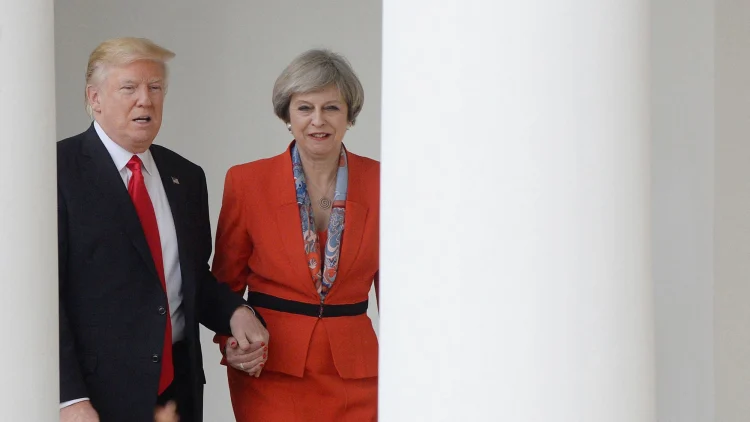
Donald Trump and Theresa May at the White House in 2017 (Alamy/MediaPunch Inc)

4 min read
Back in January 2017, I accompanied Theresa May to the White House to meet Donald Trump. She was the first foreign leader through the door after his surprise election victory.
It was just seven days after Trump took office and Washington was still reeling from Trump’s “American carnage” inauguration address, a tirade against America’s elite famously described as “some weird shit” by George W Bush.
May was a conscientious reader of her briefing folders. But nothing in the collected thoughts of the Foreign and Commonwealth Office had prepared her for the conversation she was about to have. In the opening tête-à-tête, Trump told her that her first step should be “to sue the European Union” as an opening gambit in the Brexit negotiation. In the subsequent plenary, Trump ignored the pre-cooked agenda and busked about what was on his mind: a phone call from the prime minister of Pakistan, the “crazy” cost of the next generation of US nuclear submarines, the unfairness of America’s trade deals. At one point, he sharply reprimanded his national security adviser, Mike Flynn, over the latter’s admittedly bizarre decision to withhold from Trump the fact that Vladimir Putin had been trying to call. Flynn was fired two weeks later.
Andy Burnham will shortly go face-to-face with Trump. They will meet in New York this month at the UN General Assembly. No 10 reportedly has ambitions for a Burnham visit to Washington before the year’s end. And the Prime Minister will attend the Trump-hosted G20 in Miami in mid-December. How should he approach this Trump-laden autumn?
First, he shouldn’t worry about the ideological chasm. Some of those around Trump are indeed hard-line ideologues. But for Trump, personal chemistry matters. He has a short attention span and hates being lectured. He finds the day-to-day workload – the briefings, the meetings, the almost entirely unread paperwork – excruciatingly tiresome. When he meets foreign leaders, he wants a conversation he enjoys: some banter, some gossip, some interesting anecdotes.
For Trump, personal chemistry matters. He has a short attention span and hates being lectured
Second, Burnham should expect the pre-determined agenda to dissolve in front of his eyes. My guess is that Trump will want to talk about “the state of Britain” – which really means whether Burnham has plans to restore Britain to the utopia that Trump’s Scottish mother would describe to him. In particular, Trump is likely to ask where Burnham stands on North Sea energy; if, as is rumoured, the government has by then approved development of the Jackdaw North Sea gas field, the conversation will start well. Trump may then ask about Burnham’s plans on immigration: how will he end the “small boats invasion”, root out extremism, and stop the supposed spread of Sharia law? And Trump will press on defence spending. If reports are right that the Chancellor is backing away from the commitment that defence spending will reach three per cent of GDP by 2030 (though the PM has pushed back on this claim), Trump will be unimpressed. As for Burnham’s priorities, they should include Iran, Ukraine and tariffs. Iran is looking like a presidency-defining mistake for Trump.
Burnham may have to weather recriminations about lack of UK support but he should try to get Trump to talk about his exit strategy. On Ukraine, his message should be that the Ukrainians are doing better and Putin is under increasing pressure, so this is the moment to step up western support for Ukraine – not lose our nerve. And on tariffs, the daily threats from Washington of new tariff wars – today Canada, tomorrow China – are damaging everyone’s economy, including America’s. Can Burnham persuade Trump “enough, already”?
These first Trump/Burnham meetings should go well. After Trump’s recent clashes with Giorgia Meloni and Mark Carney, it will suit him to be seen to be bonding rather than clashing with an ally. But sooner or later, Trump will say something with which Burnham must disagree. With May, it was Trump’s November 2017 reposting of anti-Muslim videos by far-right Britain First. With Starmer, it was Trump’s disparaging comments about Britain’s contribution in Afghanistan. Something will happen. But the immediate priority is a good first encounter. As Irving Berlin wrote: “There may be trouble ahead/ but while there’s music and moonlight and love and romance/ let’s face the music and dance”.
Lord Darroch is a Crossbench peer, UK ambassador to Washington 2016-2019 and former national security adviser

We have all done it. Watched a TikTok video about a health condition and thought to ourselves that, actually, we might have that too. In fact, during an average evening scroll through social media, I could probably diagnose myself with 3-5 conditions that I had never previously heard of before.
This is because, according to Josef Newton, founder of the health anxiety app Condri, our repeated exposure to rapid-form health content makes us reinterpret or even experience symptoms we hadn’t noticed before. This is called ‘symptom borrowing’.
What is symptom borrowing?
‘Symptom borrowing’ is a term used to describe an instance where frequent exposure to somebody else’s symptoms leads you to progressively notice, reinterpret or expect similar sensations and behaviours in yourself.
“This does not mean that a person is consciously copying, pretending or imagining an illness”, says Newton.
“The sensations may feel entirely real. Instead, attention, expectation and anxiety can amplify everyday physical feelings or behaviours that previously went unnoticed.”
Additionally, because of the intelligent nature of algorithms, it only takes a small number of interactions with a topic for it to fill your feed. This can make a relatively common diagnosis feel both familiar and personally relevant.
Newton urges: “The concern here is that few content creators are medical professionals and serve anecdotal evidence only”.
Research by the Canadian Journal of Psychiatry analysed 100 TikTok videos that centred around the topic of ADHD, finding that 52% were classified as misleading. 21% were categorised as useful, whilst the misleading videos were mostly uploaded by creators who are not healthcare professionals.
“Social media often provides valuable education, language and validation, but short-form videos don’t replicate clinical assessments”, says Newton.
“Of course, TikTok can be the reason a user recognises a genuine problem and seeks support, which is a positive. It becomes problematic when recognition evolves into monitoring. Once you have learnt a list of symptoms, your brain may begin to search for them.”
Signs you may be symptom borrowing from social media
The symptom was only visible once social media named it
One of the clearest and simplest warning signs is that you cannot remember being concerned about a symptom until you watched a video describing it.
You may watch a video, and after acknowledging a particular condition, consciously or subconsciously scan your body, memory or behaviour to obtain supporting evidence. For instance, a person who watches content about chronic shoulder pain may suddenly grow conscious of every change in their arms and shoulders. Someone watching videos about a short attention span may begin recording every occasion where they become distracted.
Such eventualities often align with selective attention. In other words, when the brain decides that a sensation or behaviour is important, it becomes easier to detect.
“A great example of this is if somebody asks you to notice how your tongue feels in your mouth; it suddenly becomes difficult to ignore”, Newton explains.
“The sensation was always there, but attention has made it prominent. Health videos can replicate a similar effect.”
Great, now I’m aware of my tongue all over again.
However, he urges: “This does not prove that a symptom is insignificant, but timing matters. Ask yourself whether it existed consistently before you encountered the content, whether other people had noticed it and whether it caused meaningful difficulty in your everyday life.”
Your condition evolves with your feed
A clear signal that you’re symptom borrowing is if your health concern regularly evolves or changes according to whatever symptoms are dominating your For You Page.
One week, tiredness and poor concentration may signal ADHD, whereas the next indicate burnout, long COVID, or low iron. Essentially, rather than beginning with a stable pattern of difficulties and seeking an explanation, the diagnosis arrives first, and your experiences are moulded around it.
Monitoring symptoms becomes a chore
Watching a video once may prompt useful reflection. Repeatedly checking yourself afterwards may serve as symptom borrowing.
This might involve monitoring your pulse, examining your skin, testing your memory, comparing your behaviour with online checklists or repeatedly asking friends whether they have noticed a particular trait. The NHS lists frequent body checking, seeking reassurance, and obsessively looking at health information among the behaviours associated with health anxiety.
“If you find yourself always checking your symptoms, make an effort to ask yourself what the checking is achieving and what is your objective,” Newton advises.
“If checking your symptoms or watching another video calms you for only a few minutes before you need to do it again, it is probably maintaining the fear rather than answering it.”
Labels become general
To hold the viewers’ attention, short-form health videos are designed for viewers to quickly recognise themselves. As a result, general and ultimately common experiences such as procrastinating, feeling awkward at parties or becoming tired after socialising may be positioned as symptoms of a certain condition.
Someone caught in a symptom-borrowing cycle may accumulate several possible diagnoses, even when those labels are based on disconnected traits rather than one clear clinical history. They may even begin rewriting ordinary memories through the lens of the content they have consumed.
“It’s important to recognise relatability Vs diagnostic accuracy”, says Newton.
“Content reels rarely provide context and instead focus solely on the result. Rather than asking how many online symptoms you can match, consider three things: how long they have been present, whether they appear in several areas of your life and whether they create significant impairment.”
The more content you watch, the more confused you become
Reliable health information should help you understand your options and decide whether to seek appropriate support. Symptom borrowing tends to do the opposite.
You may finish one video feeling reassured, only for the next to introduce a new symptom, exception or worst-case scenario. You save dozens of posts, read the comments for confirmation and continue scrolling because certainty always appears to be one more video away.
Newton advises: “Pay attention to how you feel after consuming the content. If you are more frightened, confused or compelled to keep searching, the videos are no longer functioning as useful health education.
“Set a clear boundary: write down the concern, step away from symptom content and consult an appropriate professional or reputable medical source. One qualified conversation is likely to be more useful than another hour of conflicting videos.”
What should you do if a social media video genuinely concerns you?
Symptom borrowing should never be used to dismiss a new, persistent or worsening health problem. Short-form content can sometimes help people recognise symptoms they had previously overlooked, particularly where a condition has historically been misunderstood.
However, social media should be treated as a prompt to seek reliable information, not as a diagnostic tool.
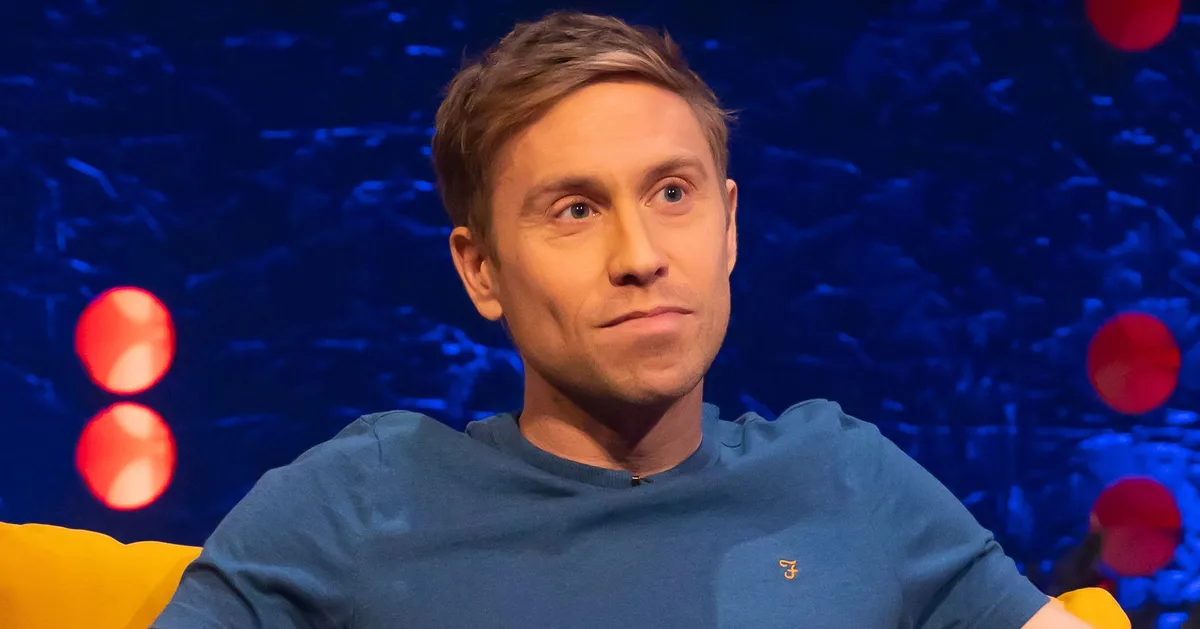
Comedian Russell Howard has announced that his baby son, Felix, died earlier this year.
In an emotional social media post shared on Friday morning, Russell explained that he and his wife, Cerys, had suffered a devastating loss, which has now inspired them to help others in similar situations.
“Earlier this year, our family changed forever when our beautiful baby boy, Felix, died shortly after birth,” Russell wrote. “During the most devastating time of our lives, the hospital staff who cared for us showed extraordinary compassion, kindness and humanity. They helped us navigate an unimaginable heartache and gave us support when we needed it most.”
He explained: “We were assigned a bereavement midwife, Lauren, who had experienced a similar tragedy. After losing her own baby, Lauren retrained as a midwife so that she could help other families going through what she had been through. Her care meant more to us than we can ever put into words.
“During our time in hospital, Felix was placed in a cool cot, which meant that my wife and I were able to spend precious hours with our beautiful boy. We could hold him, talk to him and tell him just how much we loved him. Those hours are among the most precious memories we have of Felix.
“We were overwhelmed by the care we received, and we made a promise to each other: that we would try to help other families who find themselves facing the same devastating circumstances.”
As a result, the couple have launched a charity in their late son’s memory, named The Felix Foundation, which will endeavour to help families “affected by miscarriage premature birth, stillbirth, neonatal death or related bereavement”.
The Felix Foundation’s aims include “sSupporting the additional training of midwives in specialist bereavement care”, “funding resources to provide emotional support and practical assistance”, “providing or funding dedicated rooms, facilities, equipment and resources within hospitals, maternity units, neonatal units and other appropriate healthcare settings” and “raising awareness of late miscarriage, premature birth, stillbirth, neonatal loss and related bereavement”, as well as “the support needs of affected families”.
Russell noted: “The Felix Foundation is named after our beautiful son. We miss him dearly, every single day, but we take some comfort in knowing that his name will stand for kindness, compassion and laughter, and that his legacy may help other families through the darkest moments of their lives.”
In his post, Russell announced that a charity gala in aid of The Felix Foundation would take place at London’s O2 Arena on Monday 8 February, the line-up for which currently includes John Bishop, Jimmy Carr and Aisling Bea, among others.
The former Mock The Week panellist and his wife are also parents to a two-year-old son.
“I’ve never been happier or more tired than I’ve felt since becoming a dad,” he told The i last year. “The other day, my son came up to me and just put his head on my inner arm and relaxed into me. It gave me this cosmic feeling of otherworldly happiness. So simple and obvious. I thought, ‘Isn’t it amazing what we human beings can do for each other’.”
Help and support:
- Sands works to support anyone affected by the death of a baby.
- Tommy’s fund research into miscarriage, stillbirth and premature birth, and provide pregnancy health information to parents.
- Saying Goodbye offers support for anyone who has suffered the loss of a baby during pregnancy, at birth or in infancy.

Ministers have hit back at Argentina after the country’s president Javier Milei renewed his country’s supposed claim over the Falkland Islands.
In an overnight national address, Milei alleged “winds of change favourable” to Argentina were “blowing around the world” after Donald Trump hinted he could reconsider the US’s position on the British overseas territory.
Argentina has long claimed sovereignty over the archipelago which it calls “Las Malvinas”, even though the Falkland population overwhelmingly voted to remain British in a 2013 referendum.
Milei also threatened to issue sanctions on oil companies near the south Atlantic islands, claiming they were working “under the British occupation”.
Production at the Sea Lion oilfield in the region, which is owned by an Israeli and a British firm, is due to begin in 2028.
But UK defence secretary Wes Streeting said on X: “Milei’s statement overnight tells us more about domestic politics in Argentina than it does about the Falkland Islands.
“The Falklands are British because Falkland Islanders choose to be British. Our commitment to the Falklands is absolute and unshakeable.”
Foreign secretary Ed Miliband said this week that the UK’s position was “unwavering”.
He added that the islands are “British and will remain so because that is the overwhelming position of the islanders.”
“Their right of self-determination is paramount, grounded in international law and we will resolutely uphold it,” Miliband said.
In a referendum in 2013, 99.8% of Falkland Islanders voted to remain British.
Labour MP and chair of the Foreign Affairs select committee, Emily Thornberry, also wrote on X: “President Trump would be well advised to put more thought and effort into a negotiated resolution of his war with Iran and less into trying to pick fights with one of America’s oldest and most loyal allies. #Falklands.”
The rising tensions come after the US president suggested America would not support the UK in a future conflict over the Falklands.
He told GB News that Britain was “not there to help me” with the Iran conflict, referring to Keir Starmer’s refusal to send a warship to help America re-open the Strait of Hormuz.
Trump said earlier this week that he was “reviewing” America’s position on the Falklands, too.
Overnight, Milei said: “I want to be quite clear with everybody. The Falklands are Argentinian. Historically and legally.
“There can be no argument. They are part of the Argentine territory.
“The islanders on their usurped territory do not have a legitimate right to self-determination and any argument on any such self-determination is invalid.”
Milei said Trump and the US was “assessing their historical position in regard to the Falklands”.
“That is not empty words as they understand that Argentina is a reliable partner and a valuable ally for decades to come,” he said
“Our role and relevance as a country in the world has changed dramatically.
“The Falklands are our future – we need to recover these islands which are nationally relevant. There is no other path forward.
“It is the best way of paying tribute to those who sacrificed their lives for this cause. It is our obligation as a nation to honour their memory.”
Listen to Commons People, the podcast that makes politics easy. Every week, Kevin Schofield and Kate Nicholson unpack the week’s biggest stories to keep you informed. Join us for straightforward analysis of what’s going on at Westminster.


Credit: Adobe Stock
Britain’s energy security can no longer be separated from its national security. Reinforcing Britain’s offshore wind fleet is critical to the UK’s strategic resilience
Britain’s energy security debate is evolving. Alongside the familiar trilemma of affordability, sustainability and security a fourth dimension has emerged: resilience in an age of geopolitical confrontation.
From suspected sabotage of subsea infrastructure in the Baltic Sea to cyberattacks on critical energy assets and growing concern over hostile activity in the North Sea, energy systems are no longer merely economic assets. They are critical national infrastructure.
For the UK, the answer is not simply to generate more clean electricity. It is to build an energy system that is more secure, more resilient and rooted in British industrial capability.
That makes offshore wind about much more than clean energy targets and net zero.
As the UK develops one of the world’s largest offshore wind sectors, its wind farms and associated infrastructure are becoming increasingly important national assets. Offshore wind farms are vast networks of sensors, communications systems, subsea cables and digital infrastructure operating across strategically significant waters. By their nature they are exposed to attack by hostile nations.
With the right levels of protection, that infrastructure could do more than generate electricity.
ORE Catapult’s soon-to-be-published report, the “Offshore Wind Energy Security, Protection and Resilience study”, demonstrates that the same systems that support offshore wind operations could help strengthen Britain’s defence capabilities. Distributed Acoustic Sensing systems with integrated fibre-optic cables could potentially support the detection of unusual vessel movements and threats to critical subsea infrastructure. Offshore substations could provide platforms for monitoring equipment, while operational data and sensor networks could contribute to a better understanding of activity across the air, surface and subsea domains.
The UK’s 2025 Strategic Defence Review signals a growing role for the Royal Navy in protecting critical undersea infrastructure and enhancing maritime surveillance. The opportunity now is to ensure offshore wind contributes to that mission. Policymakers must move beyond seeing renewables as solely part of energy and climate policy and recognise them as strategic infrastructure central to national resilience.
Building greater security into offshore wind infrastructure from the outset could create demand for precisely the high-value capabilities Britain needs more of; advanced manufacturing, digital technology, subsea engineering, autonomous systems and skilled technical jobs.
And crucially, these opportunities can generate investment and employment in the industrial towns, coastal communities and regional economies that will power Britain’s future economy.
But the benefits need not be confined to coastal areas. The security of offshore wind is a national industrial opportunity, with supply chains, technology companies and research organisations spread across the country. From Plymouth to Aberdeen groundwork is already being established.
The policy implications are clear; embed security-by-design into offshore wind developments; create stronger partnerships between industry, defence, government and regional leaders; and invest in the technologies and skills needed to protect critical national infrastructure. ORE Catapult’s work shows what that means in practice: adapting designs, strengthening operational processes, creating new partnerships and fundamentally rethinking the relationship between energy infrastructure and national security.
Energy security is national security, and both can define our future energy system, whilst simultaneously becoming engines of generational regional growth.


6 min read
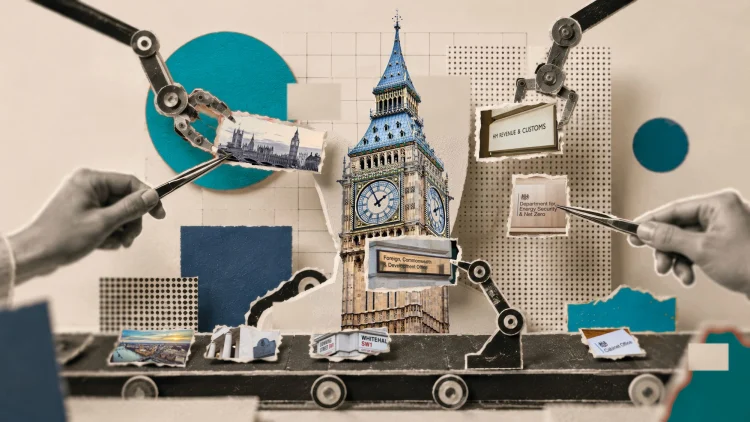
Britain’s Civil Service has evaded responsibility for the decline of the state for too long – it is time to restore the primacy of ministerial power, argues Danny Kruger
For decades, incoming British administrations have succumbed to a quiet, insidious delusion: the belief that winning a parliamentary majority translates automatically into the exercise of power. Political parties arrive in Whitehall expecting the ancient machinery of state to passively translate their democratic mandates into reality. Instead, they encounter a system engineered, above all, for its own self-preservation.
The modern Senior Civil Service is not an agile, neutral instrument awaiting an operator; it is a self-perpetuating administrative state, risk-averse, process-driven and structurally insulated from the consequences of failure. The historic compact between the British people and their elected representatives has broken down, replaced by bureaucrats that treat democratic mandates not as binding instructions but as temporary disruptions to be managed and absorbed.
This institutional decay lies at the very root of Britain’s national stagnation. Over generations, authority has systematically drained away from elected ministers and pooled in the dark corners of Whitehall, especially in the network of unaccountable quangos that have appeared in the last two decades. When public services deteriorate, infrastructure projects stall, or control of our border is lost, the civil servant who controlled the advice, managed the budget and operated the bureaucratic levers faces no sanction whatsoever. Meanwhile, the minister – with no practical ability to direct those levers or even choose their own staff – takes the blame.
This is not democratic stewardship; it is a profound abdication of governance that hollows out our civic institutions and breeds legitimate public cynicism toward the entire parliamentary system.
At Reform UK, we will confront this constitutional breakdown head on. As head of our ‘Preparing for Government’ team, I will ensure that when Nigel Farage enters No 10 we do not fall into the administrative trap that has ensnared successive governments.
Reform is building a rigorous operational setup capable of executing systemic change from day one. We recognise that the window of opportunity for an incoming government to effect structural reform is brief, while the economic, social and cultural challenges facing Britain are monumental. When permanent secretaries meet our future ministers and their teams, they will not be expected to nod politely at vague political aspirations while quietly shunting them into administrative oblivion. They will be met with explicit, non-negotiable operational directives for transforming the state, grounded in the absolute principle that civil servants answer to ministers, ministers answer to Parliament, and Parliament answers to the sovereign British people.
The work of my team in the Preparing for Government unit is focused on the painstaking, unglamorous mechanics of institutional restoration. We will overhaul the Civil Service and ministerial code, establishing clear lines of accountability, and restoring the actual, rather than merely formal, responsibility of ministers for policy delivery. We will dismantle the Cabinet Office, the bloated centre where executive decision making goes to die. We will split the conflicted role of cabinet secretary into focused, functional parts: an agile political chief of staff to advise the PM, a chief secretary responsible for Cabinet governance, and a dedicated CEO responsible for the administration of the Civil Service.
Furthermore, we will give ministers the long-overdue power to appoint and dismiss their permanent secretaries and immediate advisory teams, ending the absurdity of a bureaucracy that effectively selects its own overseers. To address the problem of ‘posh generalists’ who float from department to department making policy without domain expertise, we will proactively identify proven talent from the private sector and civil society to enter the Senior Civil Service. We will streamline processes through the ambitious adoption of artificial intelligence, overhaul performance management to reward genuine capability, and eliminate the pervasive DEI industry in favour of a culture dedicated solely to public service.
Concurrently, the vast majority of quangos will be ruthlessly pruned or absorbed back into departments, returning public authority directly to accountable ministers.
Over generations, authority has systematically drained away from elected ministers and pooled in the dark corners of Whitehall
Contrast this comprehensive, constitutional approach with the Labour alternative under Andy Burnham. His recent machinery of government changes represent a textbook case of technocratic tinkering: shuffling organograms and changing executive titles while leaving the central engine of administrative power completely untouched. By scattering economic policy across competing institutional hubs in the Treasury, the Department for Business, Innovation, Science and Trade and a glossy new ‘No 10 North’, Burnham’s administration has not decentralised power – it has merely multiplied institutional friction and created entirely avoidable structural conflict.
Worse still, the Prime Minister has fallen victim to the Senior Civil Service’s favourite trick: allowing politicians to announce superficial reorganisations while the top mandarins quietly consolidate actual authority. Under Burnham’s watch, Cabinet Secretary Dame Antonia Romeo has successfully expanded her institutional grip, now commanding the Office of the Prime Minister and Cabinet, the Cabinet Office, ‘No 10 North’ and the Civil Service simultaneously. To reflect her supremely powerful position, she was promptly given a new office right next to the Prime Minister’s study. But be under no illusions: once Burnham’s star fades, she will move fast against her benefactor to defuse any changes that threaten the primacy of the Civil Service.
While Burnham shuffles the deck within the parameters permitted by Whitehall, Reform UK intends to change the rules of the game entirely. Restoring the British state cannot be achieved through management consultancy buzzwords or superficial departmental reshuffles. It requires a fundamental shift in political philosophy: a return to a Burkean understanding of institutional stewardship where democratic sovereignty is respected, executive power is properly accountable, and the administrative apparatus serves the public interest rather than its own institutional hegemony.
The work we are undertaking every day in the Preparing for Government team is the essential prerequisite for everything else we hope to achieve if we win office. A functional, accountable state machine will ensure that our promises on border security, economic growth and public services can be delivered quickly. In contrast, we can observe in real time how Burnham’s failure to prepare for the realities of power is proving to be his preparation for failure.
We will not make the same mistake. When the British people grant us their mandate, we will be ready to govern, and ready to reform.
Danny Kruger is the Reform UK MP for East Wiltshire

It’s cosy season. Finally! After a long and hot summer, the collective urge for a little chill in the air has been palpable.
Instead of sweating through your daily commute, you’ll be wrapped in cosy argyle jumpers, sipping on autumn-inspired hot coffees, and bundling up in scarves and hats.
September might be the start to the school year, but who’s to say it can’t usher in a new mindset for adults too?
One of the best ways to embrace the new season – I think – is to decorate your home.
It’s where you’ll be spending most of your time for the foreseeable, so you might as well deck it out in the full works: browns and plaids, pumpkins, and fluffy textured blankets.
If you’re as ready to cuddle up on the sofa as I am, I’ve rounded up the best cosy and cute autumn home decorations – including candles, blankets, pumpkin trinket bowls, and an adorable hedgehog doorstop.
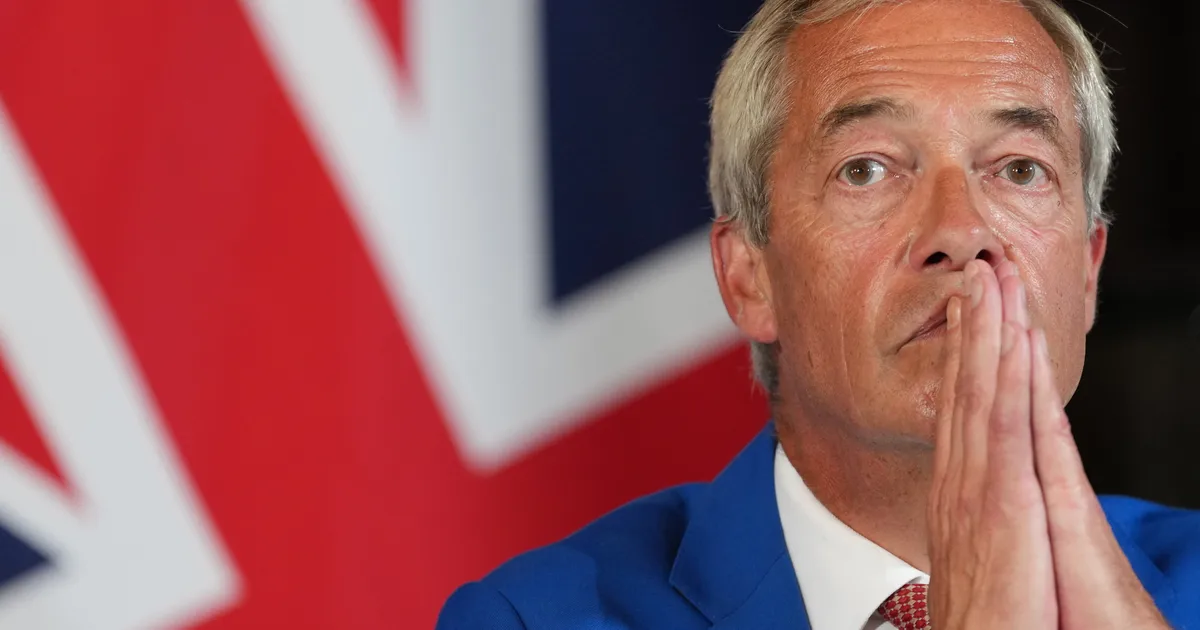
Nigel Farage has insisted Reform UK has done “nothing wrong” after a sting operation raised questions over the party’s foreign donations.
Speaking just as Reform’s annual conference begins in Birmingham, the party leader tried to shrug off an explosive undercover report from Channel 4 News which has already caused two of his aides to step down.
Investigative journalists from Verbatim have accused the party of allegedly taking funding from a US company to commission three supposedly independent polls at £32,500 earlier this year.
Reform’s head of policy James Orr and Farage’s close aide Dan Jukes organised the donation. They were unaware the donors were actually undercover reporters from the investigative group Verbatim.
The journalists, posing as an American father and his British son “William Lockwood”, also suggested donating £500,000 to Reform UK.
British electoral law says political donations can only be made by someone eligible to vote in the UK or a UK-registered company.
Jukes allegedly proposed a way for them to work around the law by sending the US funds via the British son.
Farage spoke out for the first time about the investigation on Friday morning, telling LBC’s Nick Ferrari at Breakfast: “The party has broken no laws. The party has not taken any dodgy money or anything like that whatsoever.”
He accused the reporters of “entrapment” after getting “a couple of our contractors to say things that perhaps should not have been said”.
The Clacton MP admitted: “I’m not happy about it.”
He also defended the polls themselves, saying: “There’s no question of illegality over the polling whatsoever.
“Whilst the poll benefited Reform, it wasn’t commissioned by Reform. It had nothing to do with Reform.”
He also claimed “the polling is not even an issue”, adding: “The party has not done anything wrong, but entrapped conversations don’t look good, and that’s why we’ve taken the action we have.”
On his top allies stepping down, Farage added: “The issue is when they talked about putting money in that might have come originally from America… But on the face of it, they said things that shouldn’t have been said.”
Reform UK has launched an internal investigation over the incident.
Listen to Commons People, the podcast that makes politics easy. Every week, Kevin Schofield and Kate Nicholson unpack the week’s biggest stories to keep you informed. Join us for straightforward analysis of what’s going on at Westminster.

Israel releases more Lebanese civilians and other developments
Ciena stock maintains Buy rating at Stifel on strong guidance

Americans Lose $10 Billion a Year to Scam Compounds. The US and UK Just Teamed Up





-

 Fashion7 days ago
Weekend Open Thread: Maeve – Corporette.com
-

 Crypto World1 day ago
CLARITY Act could advance within weeks, Atkins says
-

 Business6 days ago
Onto Innovation Stock: AI’s Next Bottleneck Is Yield (NYSE:ONTO)
-

 Crypto World2 days ago
Elon Musk Says Grok 4.7 Lands in 10 Days and Will Beat Every Model
-

 Crypto World6 days ago
Bitcoin price tests $82K resistance as Brandt stays long
-
 Tech6 days ago
Hugging Face built a $4.5 billion empire on free AI models. Now Nvidia is buying it for $12.9 billion
-

 Business7 days ago
iPhone 18 Pro Pre-Orders Could Shift to Saturday as Apple Reportedly Avoids September 11 Anniversary
-

 Sports7 hours ago
Devon Dampier throws for 3 TDs as No. 21 Utah demolishes Idaho
-
Crypto World6 hours ago
XRP Trading Activity Hits Highest Level Since February as Price Jumps 8%
-

 Tech6 days ago
PaperCut releases second emergency patch for exploited flaws
-
 News Videos5 days ago
Charlie Munger on Robinhood: No one should believe that Robinhood’s trades are free
-

 Crypto World1 day ago
Kalshi seeks CFTC approval for WTI perpetual
-

 Tech5 days ago
As the influencer economy drives retail sales, Seattle startup raises $22M to play matchmaker
-

 Crypto World2 days ago
Bitcoin slips below $77.5K as macro pressure offsets ETF inflows
-

 Tech6 days ago
Tamagotchi Ring Takes the 30-Year Digital Pet and Places it on Your Finger
-
 Business2 days ago
Oil Price Today (September 2): Crude oil nears $97 as war tensions escalate. Will it hit $100 again?
-
 Entertainment5 days ago
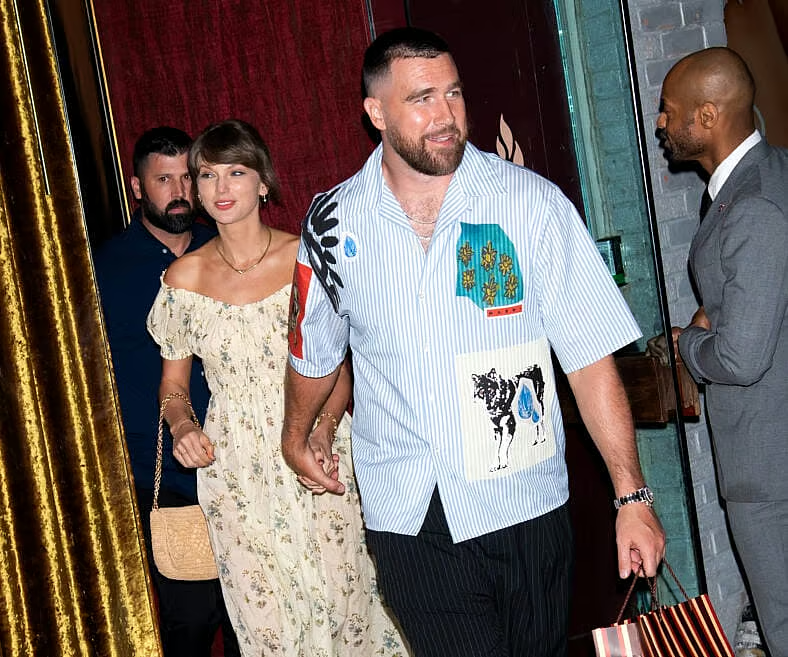
Taylor Swift Reportedly ‘Frustrated’ With Travis Kelce After ‘Short’ Honeymoon
-

 Business7 days ago
Apple Confirms September 9 iPhone Launch Event as Tim Cook Prepares to Hand CEO Reins to John Ternus
-

 News Videos5 days ago
News kii Crypto ugu danbeeyey & Suuqa oo dhaqaaqey
-
 NewsBeat5 days ago
Trump posts AI video of ‘Lake America’ being protected by an army of bequiffed ‘Donald Ducks’
You must be logged in to post a comment Login