
Politics
The Autumn Political Season Begins – Let’s do a Sitrep!

The autumn political season has well and truly begun, with Andy Burnham facing his first parliamentary tests and the Reform UK conference having just happened. I’ll come to Reform’s travails in a moment, but let’s first have a word about Andy Burnham.
No one could accuse the prime minister of ducking questions when he came to Parliament to make a statement on the future direction of the government. He answered 126 questions from MPs over three hours. He certainly deserved his gravy on his chips after that. Having said that, did any of us emerge any the wiser about his policy direction? I don’t think so. There were lots of people/MP pleasing moments, but scant little about actual meaningful policy.
The next day he faced Kemi Badenoch again for PMQs. It’s interesting how divided opinion was about his performance. He didn’t do badly, but frankly the whole thing was quite boring, as evidenced by the lack of cheering from the Labour benches. Having told us he wanted to do politics differently, he did the exact opposite with repeated jibes towards the Conservatives, and particularly the new shadow chancellor, Andrew Griffith. Apparently, as the No 3 minister in the Treasury under Liz Truss, the mini budget was entirely his creation! I mean, who knew?! Kemi Badenoch treated him quite gently on his first outing, which was wise. He shouldn’t count on that happening for too long though.
My prediction that the Conservatives would overtake Reform in the polls by Christmas has come true a few months early. Reform have been having a wretched time, largely due to financial issues or scandals. Their conference was almost wrecked by the Channel Four News expose. Convincing answers were largely absent from the interviews given by their senior spokespeople. I rarely think this sort of issue resonates with voters but coming on top of the £5 million donation issue, it’s difficult to think of any other explanation for the decline in Reform’s polling from 30 per cent to 20-22 per cent.
I expected Reform to announce further members of their so-called Shadow Cabinet during their conference, but they didn’t. It’s ridiculous that they don’t have a Health or Defence spokesperson.
As a spectacle, the Reform conference was unrivalled. Brilliant staging, a huge venue, with more than 8,000 delegates attending. Businesses were well represented. The media were there in full force. It had the potential to be a brilliantly successful event. However, the organisation was shambolic. Ever session started massively late and overran. There were only two security people letting people in the hall. If you can’t organise the logistics of a conference, people could be forgiven for wondering how they could run a government.
Sadly for them, all their policy announcements were overshadowed by the donor scandal and Zia Yusuf’s borderline racist comments about the Somali born leader of Camden Council, who may be the Labour candidate in the Holborn & St Pancras by-election.
The Conservatives start the autumn season in good heart, despite their opinion poll ratings, which are still stuck in the 20-22 per cent range. Still, this time last year it was 16-18 per cent, so it’s progress of sorts. The difference is that Kemi Badenoch’s position is now unassailable and that was demonstrated this week by a fairly brutal reshuffle of her front bench, in which two of the top three positions got new appointees. Mel Stride took his removal as well as he could. Harriet Cross and Rebecca Paul are two new additions to the Shadow Cabinet who, I think, will make quite an impact.
The Greens are in a strange position. Zack Polanski announced he wants to fight the by-election for the Greens, but his selection is by no means cut and dried. If he failed to win the selection, that would be a huge blow for him and weaken his leadership. I believe if he gets the nomination, he could well be the constituency’s next MP.
The week after next, the LibDems meet for their annual conference. It’s a very important one for them, as there are many in their party – and their parliamentary party – who are growing increasingly impatient with their lack of breakthrough. Apart from their views on PR, Brexit and sewerage, voters don’t really know anything more about their national policies. That needs to change if the whispers against Ed Davey’s leadership are not to increase in volume.
There is also increasing chatter about Andy Burnham doing a screeching u-turn and calling an early election in October or November. The logic is that Reform are languishing, the Tories show few signs of a big revival, and the Greens are also seemingly in reverse gear. It will never get better for Burnham than this, so the reasoning goes. Labour MPs would be furious, as many of them would lose their seats, although it’s more than likely Burnham, on current polling, would get a majority, albeit reduced, and with it, a five year mandate. He, of course, was in Gordon Brown’s cabinet, when he faced a similar dilemma in September 2007. And we all know what happened when he wimped out of calling an election after only three months as prime minister. My prediction is that Burnham probably should call an election, but won’t. And by the start of 2027 he may well already live to regret it.

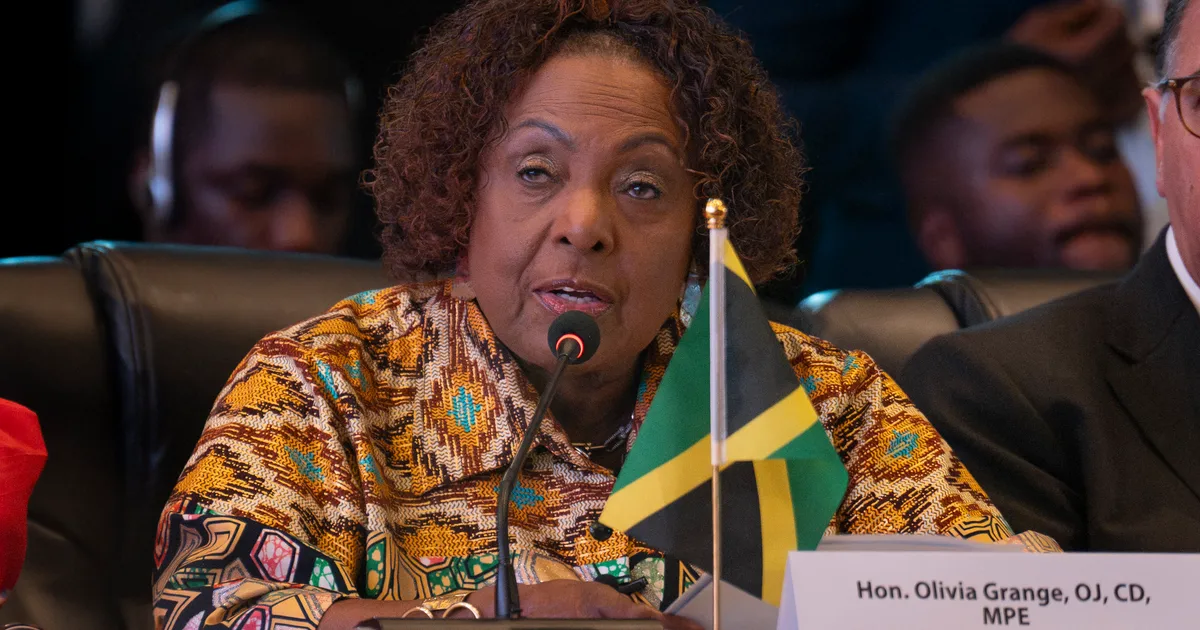
The government of Jamaica is filing a petition calling for slavery reparations to coincide with a particularly horrific chapter from the country’s past, a minister told HuffPost UK.
Jamaica’s culture, gender, entertainment and sports minister Olivia Grange is in Britain to ask King Charles, as Jamaica’s head of state, to refer three specific questions to the Judicial Committee of the Privy Council.
That includes whether the seizure of Africans, their forced transportation to Jamaica and their chattel enslavement was ever lawful under English law, whether it is a breach of international law, and if the UK has a legal obligation to offer a reparatory remedy.
Grange said: “This is an unprecedented and historic moment in the global fight for reparatory justice.”
However, the UK has previously rejected calls for slavery reparations.
In 2024, Keir Starmer’s government insisted the UK would not pay reparations for the part it played in the transatlantic slave trade, with some estimates putting the potential bill at £18 trillion.
Yet Grange told HuffPost UK: “We are not focused on monetary value at this time. We are focused on getting answers to the questions we have asked. And then we will determine next steps.”
Asked why the petition is being filed now, after Britain’s previous rejections, Grange said it was to honour the 245th anniversary of particularly horrendous episode.
She said: “The timing of the petition is to coincide with our reflections on the Zong massacre.
“There was a Zong slave ship that sailed from West Africa on route to Jamaica. And it carried about 400 Africans, and during that journey, 140 Africans were thrown overboard.
“And the reason for doing so was primarily to claim insurance. Child slavery was the most horrendous type of slavery that one could find, and our ancestors were treated as property.
“And so, in Jamaica, when we have observances, a church service is always an important part of what we do. And the service today, the 6th, is the observance of the anniversary when the ship sailed from West Africa.
“And so we thought it’s timely to have the anniversary service and then the next day to file the petition.”
Charles himself has previously spoken up about the injustice of slavery, claiming he in 2024 that he understands the “most painful aspects of our past continue to resonate”.
However, he added said that “none of us can change the past” and called on the Commonwealth Heads of Government Meeting (CHoGM) to find “creative ways to right inequalities” from our shared history.
Grange told HuffPost UK: “I do not want to preempt his Majesty, but what I can say is that Jamaica started this journey many years ago.
“It started with a motion moved in parliament and parliament voted unanimously across political divide that Jamaica should seek reparations and should create a road map on this journey.”
She added: “We have been mandated by the Jamaican parliament to pursue reparation. We have an obligation to do so on behalf of the people of Jamaica.”
Listen to Commons People, the podcast that makes politics easy. Every week, Kevin Schofield and Kate Nicholson unpack the week’s biggest stories to keep you informed. Join us for straightforward analysis of what’s going on at Westminster.
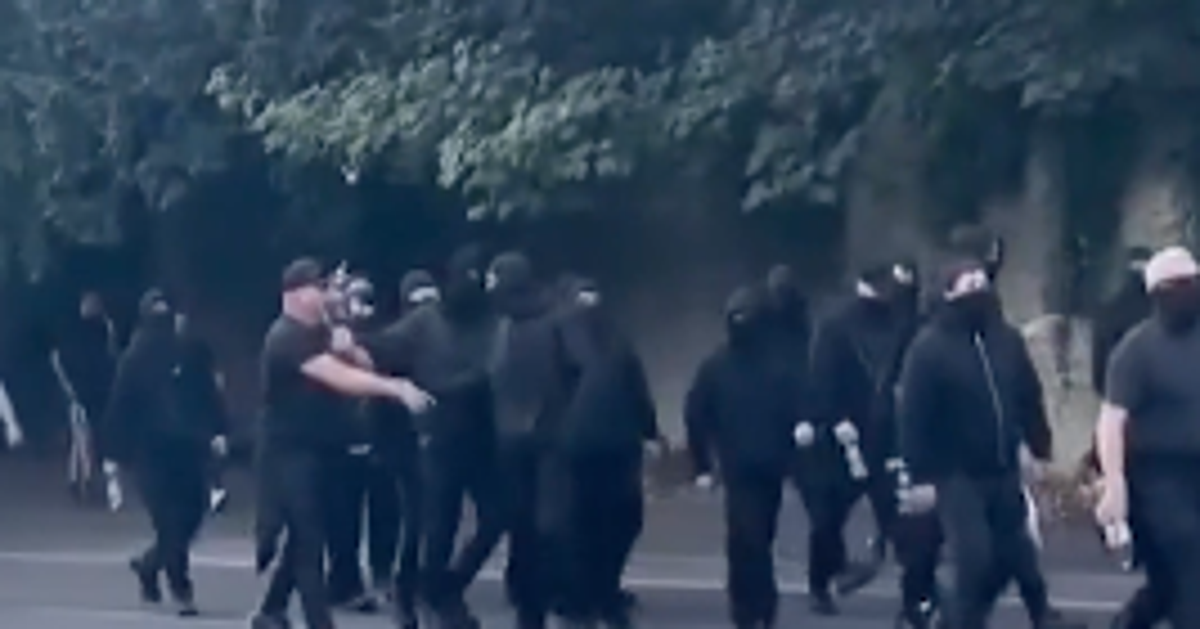
Politicians from across the political spectrum have criticised the “stop the boats” protests which erupted in Dover this weekend.
Hundreds of masked men gathered in Dover town and at the ferry port to oppose irregular migration, causing a major disruption to the local community.
They gathered in a large group in an intimidating display, and reportedly claimed: “This is our warning.”
Kent Police later confirmed no arrests had been made on, writing on X: “Kent Police responded to a spontaneous protest in Dover during the morning of Saturday 5 September.
“No arrests were made. Traffic is flowing normally, and all involved had dispersed by midday.”
Far-right activist Tommy Robinson, real name Stephen Yaxley-Lennon, welcomed the footage on X, saying: “The time for asking is over.”
One of Robinson’s associates has taken credit for the disruption, though the exact origins of the organised protest remain unclear.
Reform UK leader Nigel Farage – who is a vehement opposer to the small boats – slammed the demonstration.
He said: “It is disgusting. Nobody in any political protest, on the left or right, should appear in balaclavas.”
“Nobody feels more strongly about stopping the boats than me,” he told GB News. “But turning up in balaclavas is not the way to do it.”
Labour’s business secretary Jonathan Reynolds also told Sky News he “condemns” such displays.
He said: “I condemn it. Peaceful protest is an essential part of British life but that’s not dressing up in costumes like this and disrupting people’s lives.
“I’d condemn the disruption for local people’s lives as well. But it was resolved. Clearly that’s not something we would want or expect to see on the seas of Britain.”
Asked why Kent Police were not aware it was due to take place, Reynolds said: “I do think our police forces deal with a great deal across British towns and cities.
“These days, people can use modern communications in ways that do make things happen quickly.
“And I think on the whole, the police handle it very well.”
Local Labour MP and former immigration minister Mike Tapp was less sympathetic towards the authorities.
He wrote for the Mirror: “This was clearly organised, yet Kent Police appear to have had little advance warning.
“I will be asking why, whether intelligence was missed, and whether additional officers – including mutual aid from forces such as the Met – can be mobilised quickly enough when Dover is targeted again.”
He also pointed out that small boat arrivals were down 46% this year compared to last year.
He added: “People have every right to protest about immigration. They have every right to demand stronger borders. But intimidating a town in balaclavas and blocking one of Britain’s most important ports? That isn’t the way to do it.”
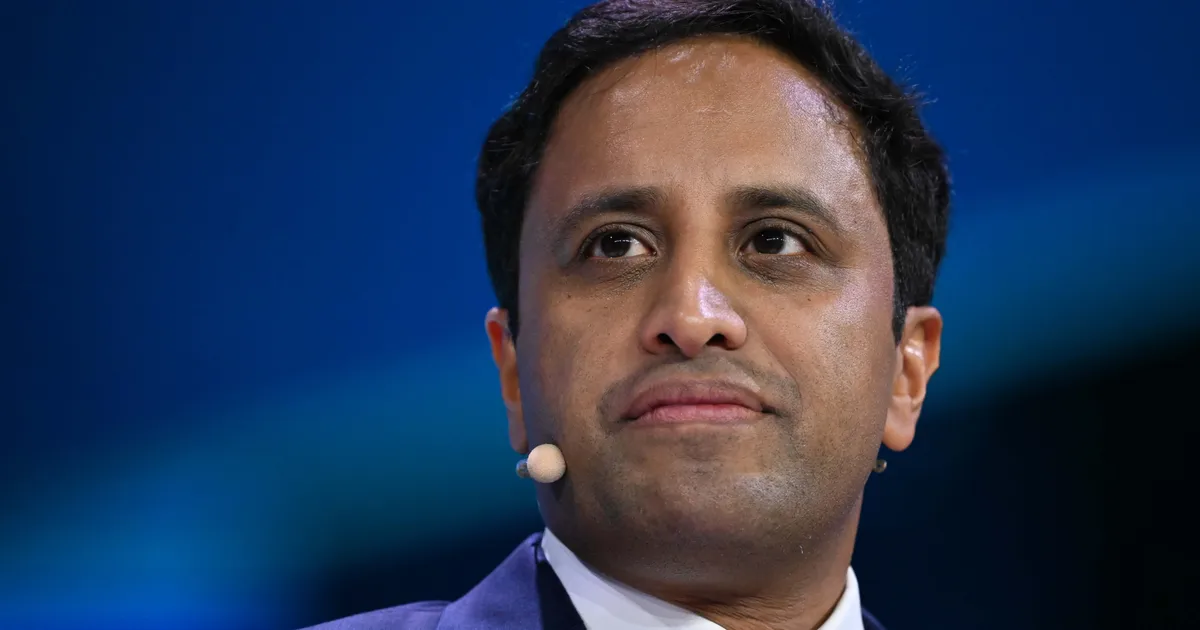
Zia Yusuf was accused of “straight-up racism” by a Labour cabinet minister over the Reform politician’s criticism of a Somali-born council leader.
Sagal Abdi-Wali is among those in the running to stand for the party in the Holborn and St Pancras by-election triggered by Keir Starmer’s resignation as an MP last week.
She is a former child refugee who came to this country 30 years ago.
She became a Labour councillor in 2022, and has been leader of Camden Council in north London since May.
Abdi-Wali is also a close ally to the seat’s last MP, former prime minister Keir Starmer, who resigned last week.
Reform’s home affairs spokesperson Yusuf – whose parents came to the UK from Sri Lanka – hit out at the potential candidate, writing on X: “The front runner being foisted on the people of Holborn by Labour to replace the former Prime Minister Keir Starmer in our Parliament was born in Somalia.
“Do you understand what’s happening?”
When questioned about Yusuf’s post on Sky News’s Sunday Morning programme, business secretary Jonathan Reynolds described it as a “pretty straightforward racism”.
“A potential candidate referenced there, spent decades in this country, huge contribution to her local community so I think that speaks for itself,” he said.
Asked by presenter Jon Sopel if it was “plain racism”, Reynolds said: “Absolutely.”
Reform’s Treasury spokesperson Robert Jenrick rejected the claims Yusuf’s remarks were racist later on the same programme.
He said: “I don’t know this person, so I’m not here to cast aspersions upon her, but I do want people to sit in our parliament who are entirely committed to our country,
“Maybe she is someone who is entirely patriotic and supportive of this country. I would just say, and this is the point I think Zia was making, that is not everyone sadly in our current House of Commons…
“I want people who are solely interested in putting the interests of our country first.”
He continued: “It’s not about whether she’s from Somalia or the United States or wherever.
“I’m saying that if you weren’t born in this country and you stand for parliament, it’s a legitimate question to ask: Where are your loyalties? Are you going to put the interests of Britain first?
“And you would not believe how much time is wasted in the House of Commons debating things that have nothing to do with this country whatsoever, and how many people stand up and make the case for Pakistan or Gaza as if they were representing those places and not their own constituents, and I want that to end.”
Yusuf’s remarks triggered a huge social media storm last week, with Lib Dem leader Ed Davey calling it “racism, straight out of the Trump playbook”.
Listen to Commons People, the podcast that makes politics easy. Every week, Kevin Schofield and Kate Nicholson unpack the week’s biggest stories to keep you informed. Join us for straightforward analysis of what’s going on at Westminster.
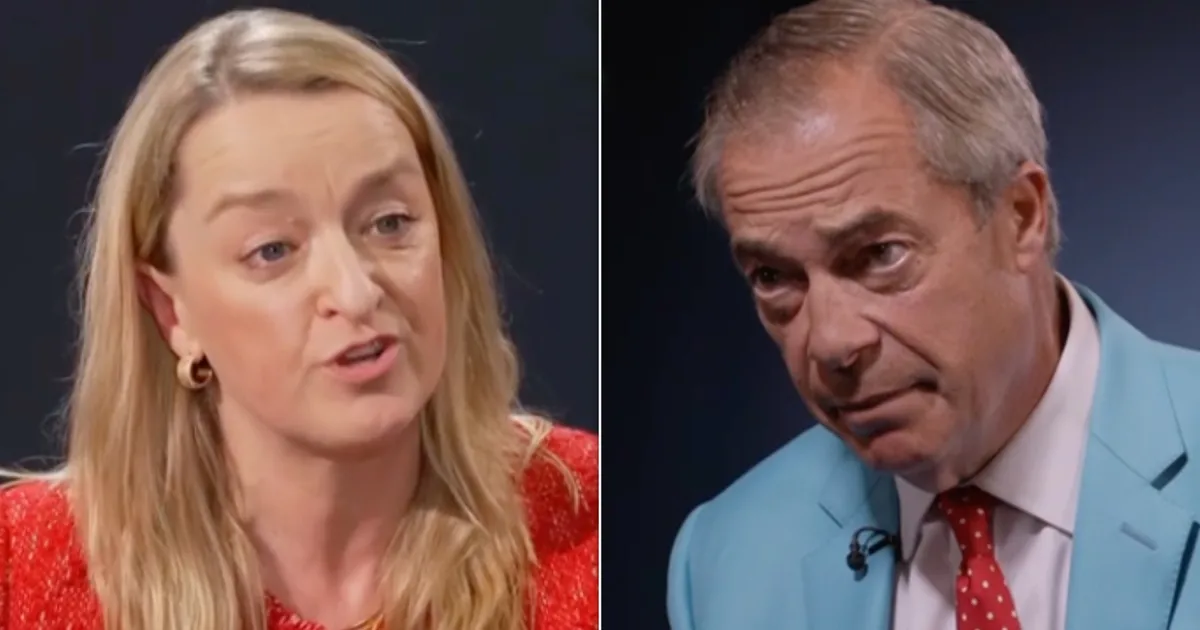
Laura Kuenssberg cornered Nigel Farage on Sunday over his claim the “establishment” is prejudiced against Reform UK.
The BBC presenter was interviewing the Reform leader following heightened scrutiny over the party’s finances.
A Channel 4 documentary showed undercover reporters from Verbatim posing as foreign donors offering money to the party.
The journalists claim Reform’s head of policy James Orr and Farage’s close aide Dan Jukes took funding from a US company to commission three supposedly independent polls at £32,500 earlier this year.
British electoral law says political donations can only be made by someone eligible to vote in the UK or a UK-registered company.
The report also says Jukes suggested a way to get around those electoral rules to secure a £500,000 donation from the US to the party.
Orr and Jukes have now stepped down, while Reform insists they have not broken any laws or taken any foreign cash.
The Metropolitan Police and the Electoral Commission say they are assessing reports, though they have not opened an investigation at this time.
Meanwhile, there is still an ongoing parliamentary probe into the £5 million donation Farage received months before he became an MP but which he failed to declare once he was sworn into the Commons.
The Clacton MP has previously claimed there is an “establishment stitch-up” against him.
On Sunday with Laura Kuenssberg, the presenter brought up these ongoing incidents, and said to Farage: “Your suggestion is that you are being unfairly targeted. This is deliberate tactics to go after Reform. Where’s your evidence for that?”
“Hang on, how did Richard Tice’s bank accounts appear in a newspaper?” He said. “I know what being targeted is. I was debanked a couple of years ago.”
Farage described his party as “new kids on the block” who are being stopped by the “establishment ecosystem” who don’t want things to change.
Kuenssberg replied: “Except that, Nigel Farage, so many other party leaders also get investigated.
“You’re suggesting that you’re somehow treated unfairly. Keir Starmer was investigated over buying a field for his mother’s donkeys and he was hauled over the coals for taking free glasses and suits.
“Zack Polanski got into trouble over not paying his council tax.
“Boris Johnson was investigated over whether a wealthy donor paid for expensive wallpaper in the Downing Street flat.
“You have repeatedly told the public, ‘it’s unfair, it’s only on you’. It’s not true. That is the scrutiny that comes with you seeking to be prime minister.”
“I don’t think the others have been debanked,’ Farage hit back. “I don’t think the others have been kicked out by their pension provider. I don’t think the others have literally had an attempt to wipe them out of society, and their families as well.”
He added: “There is no doubt there is huge political prejudice against Reform right across the corporate world and right across the establishment.”
Kuenssberg replied: “But where’s your evidence that questions about your financial affairs that are being asked again and again and again – even your own mistake not reporting things properly to the parliamentary authorities on 17 different occasions.
“Where’s your evidence that’s some stitch-up, some big plot? It sounds like you’re just saying ‘poor me’.”
He denied that, insisting he understood the scrutiny that comes with being a politician close to power.
He said it was “clerical error” that led to late declarations, but added: “Politics is now a big money game. The Treasurer of Reform will got to prison if things are got wrong.”
Farage claimed there was “no money in politics” back in 2024, shortly before running to be the Clacton MP.
Listen to Commons People, the podcast that makes politics easy. Every week, Kevin Schofield and Kate Nicholson unpack the week’s biggest stories to keep you informed. Join us for straightforward analysis of what’s going on at Westminster.
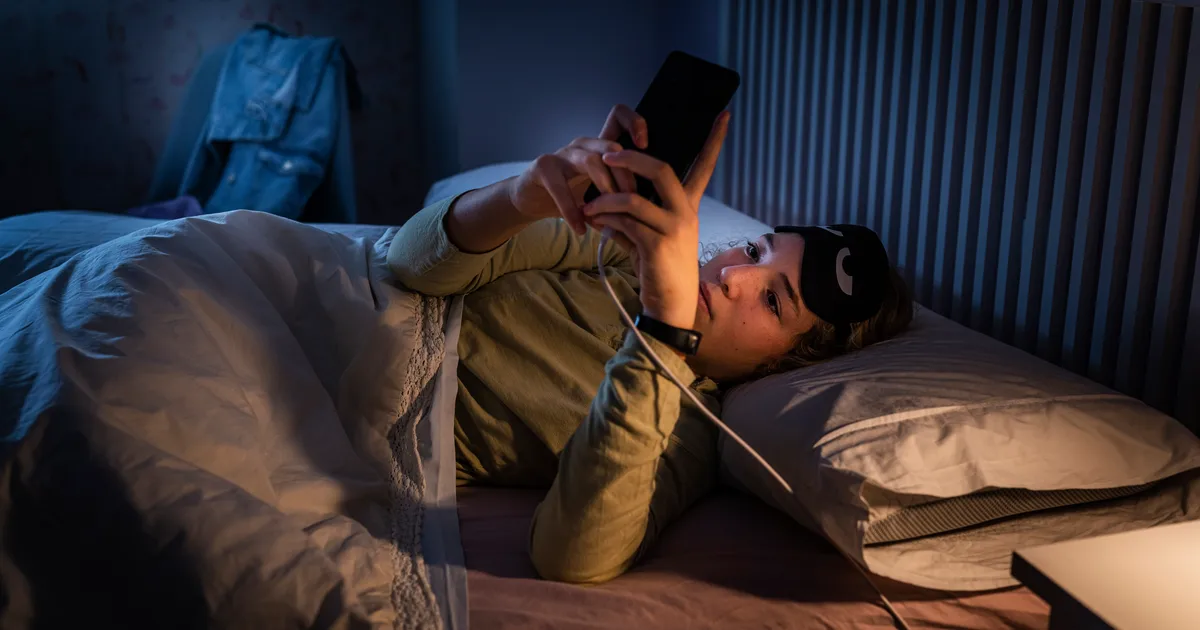
Though my Instagram stories tell a different story, my first day of travel is always tinged with a little delirium. Airports, flying, navigating a new country and then, horror of all horrors, trying to sleep in a new bed.
As much as I love it, I’m not a particularly great traveller as it is but that first night, no matter how tired I am, I just feel extremely out of sorts and find myself missing my own very comfortable, very familiar bed.
It turns out, no matter how strange I think I am for this, it’s actually very common. So common in fact that it has a name: The First-Night Effect. Who knew?!
What the First-Night Effect is
Writing for The Conversation, Charlotte Gupta a Sleep Researcher at the Appleton Institute and Dayna Easton Postdoctoral Research Fellow, College of Medicine and Public Health, Flinders University explain that our brains are ‘wired for predictability’.
They say: “Internally, your body signals that it’s time to sleep by decreasing core body temperature and increasing the sleep-promoting hormone melatonin. This makes you less alert.
“Externally, your environment needs to support these signals, not compete with it. At home, your typical pre-sleep wind-down habits and familiar surroundings tell your body it is safe to sleep.”
Of course, in a new place with an unfamiliar sleep environment, that built-in safety check is in disarray and even if we feel physically tired, our brains are still on high-alert, leaving us feeling wired and restless.
The researchers add: “From an evolutionary perspective, lighter sleep or more frequent awakenings when we’re somewhere new may be protective, allowing us to detect potential threats more quickly and respond to danger.”
Am I weird or is that kind of cute? We’re just being protective of ourselves!
How to avoid the First-Night Effect
One of the pieces of advice the researchers offer is self-care in a very real sense. They say: “Pack your sleep routine in your suitcase. Just as parents might do for their small child, pack your sleep routine with you.
“If you have a particular pillow case or a sleep mask, or a certain scent that helps you sleep at home, try bringing these with you so your brain has some familiar cues in an unfamiliar environment.”
They also recommend not doing anything too strenuous on your first full day of your holiday, saying: “If you know you’re sleeping somewhere new, expect that the first night might not be your best. Where possible, avoid scheduling demanding tasks the next morning and give yourself time to adjust.”
So on the first day I should shop for trinkets and relax in cafés? Got it.
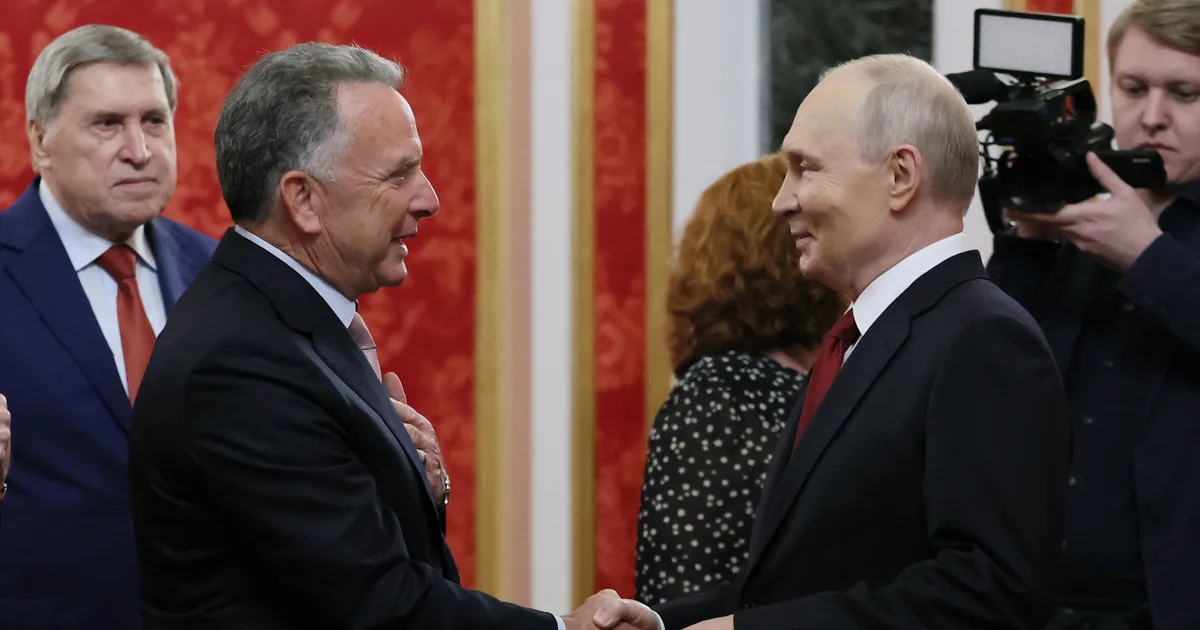
Donald Trump’s special envoy for peace has sparked concern after he gushed over Vladimir Putin during a trip to Moscow.
Steve Witkoff headed to the Kremlin this week for talks on ending the Ukraine war.
He went with Trump’s son-in-law, Jared Kushner, amid heightened efforts to conclude the conflict – but began his crucial diplomatic visit by sucking up to the Russian autocrat.
According to readout shared on the Kremlin website, Putin welcomed the delegation by acknowledging the situation they have to sort out is a “difficult one”.
He then began flattering the US team, saying: “And here, of course, the quality of mediation and trust in those who are engaged in it are very important.
“I’d like to tell you that we find it comfortable to work with you, and, of course, we have a very high level of trust during this work.”
Witkoff replied: “So, first of all, President Putin, thank you so much for having us.
“We were sitting outside just now, me, Jared and Kirill, and then Yury joined us, and we were all talking about when we retire, we’ll have all these incredible stories and incredible memories, and yours will be right at the top of it all.”
Special envoy Kirill Dmitriev and adviser Yuri Ushakov are two senior figures very close to Putin.
Apparently the US delegation discussed “substantive plans for next steps” with Putin on Saturday, according to the White House, though the details remain unclear.
An announcement is expected in the coming weeks.
But it was Witkoff’s remarks, not the promise of a potential peace deal, which sparked a stir online…
According to the Kremlin, the talks were useful, but there was no clear sign of a breakthrough in talks.
The US president once vowed to end the Ukraine war within the first 24 hours of his return to office in January 2025 – but the conflict continues to rage.
Even so, Trump still seems optimistic he can be the man to find a resolution.
“I just want to see that end. I think we’ll get it,” the US president told GB News earlier this week.
The Ukrainian president Volodymr Zelenskyy said the US delegation was going to head to Kyiv for talks after the Moscow trip.
Witkoff and Kushner are hoping for “equally productive meetings” in Ukraine.
It will be their first trip to Ukraine’s capital.
Both Ukraine and Russia agreed to halt strikes on one another’s capitals for three days while the US delegation is in the area.
Listen to Commons People, the podcast that makes politics easy. Every week, Kevin Schofield and Kate Nicholson unpack the week’s biggest stories to keep you informed. Join us for straightforward analysis of what’s going on at Westminster.
 lead image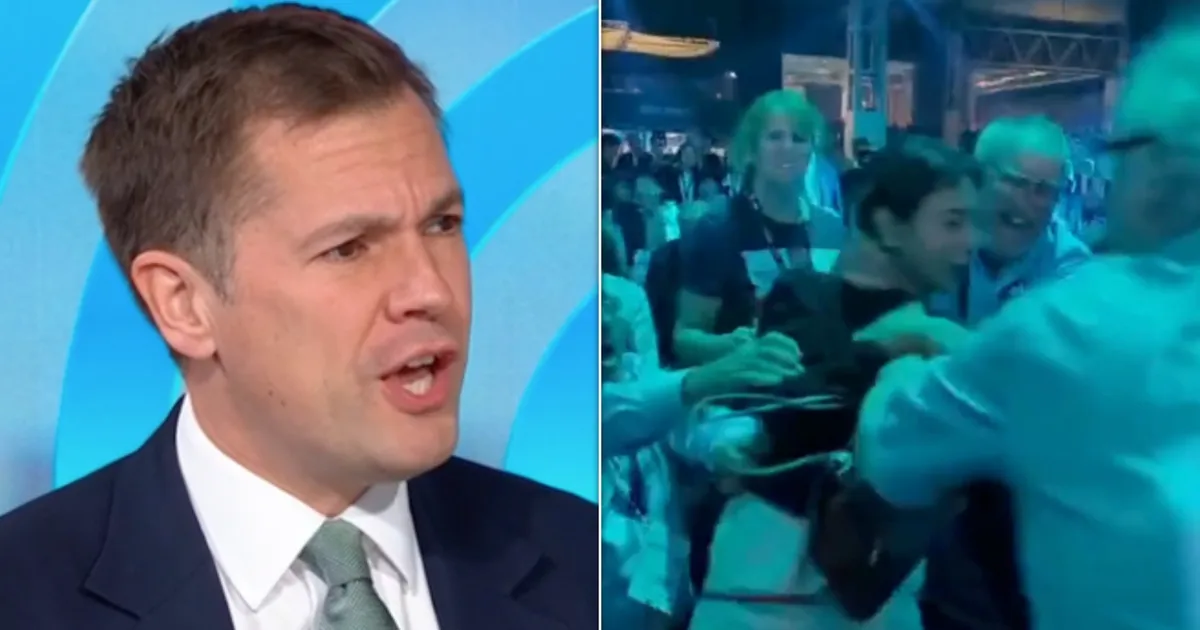
Robert Jenrick showed no sympathy for the protester who was attacked after disrupting Nigel Farage’s keynote speech at Reform conference.
The party leader’s address was interrupted on Friday by multiple demonstrators, reportedly from activist group Climate Resistance, all of whom were quickly removed by security while Farage shouted: “Boring!”
Footage from people in the crowd later showed that at least one female protester had been physically attacked by attendees, as she had her hair pulled and head grabbed.
West Midlands Police said in a statement: “We’re aware of a video circulating from the Reform UK Conference showing an incident with a protester. We haven’t received a complaint but would ask the woman involved to come forward and contact us so we can carry out enquiries.”
When asked by guest presenter Jon Sopel on Sky News for his response to this violence, Jenrick – Reform’s Treasury spokesperson – was very dismissive.
Jenrick interrupted Sopel while he was describing the attack to say: “Oh, boo-hoo. If you try and wreck someone’s speech at party conference –”
Sopel looked shocked, before cutting in: “Heckle. Political history is full of heckles –”
“Come off it, I’m not afraid of hecklers, I’ve had plenty of them in my time,” the Newark MP replied. “You take your chances at party conference if you try and mess it up.”
After the clip played, Jenrick said: “We’re now in a country where, whatever she is, a far-left protester, goes into party conference, tries to wreck the leader’s speech and cries foul if a pensioner knocks her over the head with a zimmer frame.
“I mean, come on, get a life.
This person knew what they were doing, they were trying to cause trouble and they probably got more publicity out of it as a result of what happened.”
His remarks come after Farage was also dismissive of the attack on protesters.
He told broadcasters: “It’s all one way, isn’t it? I can have milkshakes chucked in my face, be bashed over the head with placards and that’s all fine. That’s absolutely fine.
“Yet, well, we have a big event that people have paid a lot of money to come to and we get people there trying to disrupt it and we remove them. Suddenly we’re in the wrong. Utter nonsense.”
He added: “This is just also one sided. It is ridiculous. There were people there trying to disrupt our conference. We always have them. We always have them and we remove them quickly and expeditiously.”
Meanwhile, Reform UK’s home affairs spokesperson Zia Yusuf said: “On the question of whether I condemn people punching people, yes, I condemn people punching people.”
Farage’s speech had already been delayed by an hour before the protests began.
His team claimed Counter-Terrorism Police had prevented the party leader from going on stage, but the official force later denied it had any involvement with the conference.
The entire conference was overshadowed by the publication of sting operation which accused senior Reform aides of accepting foreign donations for the party.
Listen to Commons People, the podcast that makes politics easy. Every week, Kevin Schofield and Kate Nicholson unpack the week’s biggest stories to keep you informed. Join us for straightforward analysis of what’s going on at Westminster.

When he was 5, my son went through a phase where he would climb up onto the couch where I was sitting, plop himself on my lap and punch my breasts, squish them in his hands, then try to pinch my nipples. I’d push his arms down and pull away, saying, “Ouch! That hurts, buddy. Please, don’t poke me there.”
My daughter, then an inquisitive 6-year-old, was more likely to ask pointed questions. A conversation might start like this: “Mom, why do women have breasts but not men?”
We talked about how men do have breast tissue and nipples but that women’s breasts look different – bigger, bouncier – because they serve a different function.
And then, “Did you breastfeed us, Mom?”
She knew the answer, but she asked anyway.
“No, I didn’t breastfeed you, sweetie,” I replied. “ I fed you formula from a bottle,” I reminded her, adding, “and because of that, Daddy got to help feed you, too!”
Curiously, the question she hadn’t asked, until recently, was why.
Thirteen years ago, when I was 30 years old, I underwent a prophylactic bilateral mastectomy with reconstruction – that is, I opted to have my healthy breast tissue scraped clean from my skin, removed and replaced with silicone substitutes.
In my family, breast cancer is like puberty; if you are a woman, you wait for it, prepare for it, wondering when – not if – breast cancer will strike. My mom’s grandmother died of breast cancer when she was in her early 50s; my mom’s aunt died of breast cancer at age 35; my mom’s mother was diagnosed with breast cancer the year I was born, but had a mastectomy, and is still alive today at 96 years old.
Of my mom’s four sisters, three – plus my mom – developed breast cancer, two in their 30s and two right around age 50. The two who developed cancer earlier in life have since died, as has one of the other two, despite undergoing a bilateral mastectomy. The one sister who hasn’t developed breast cancer is also the only sister who tested negative for a deleterious BRCA2 mutation.
Like my mother and three of her four sisters, I carry a potent BRCA2 genetic mutation that, before surgery, put my lifetime risk of developing breast cancer pre-surgery at 55-69%. A prophylactic bilateral mastectomy has reduced that risk by 90%. (Risk cannot be completely eliminated because even the most experienced surgeon cannot remove all breast tissue.)
I continue to undergo annual screenings: manual exams by my gynaecologist, primary care physician and breast surgeon. As the risk of my implants rupturing rises the longer they are in place, last year I had a breast ultrasound followed by an MRI with contrast to survey the integrity of my implants as well as to screen for cancer.
With such vigilance, I am confident that, should a malignancy arise, the tumour would be caught early and my prognosis would be better than it was for previous generations of women in my family.
That said, when I decided to remove my breasts, I did not intend to have children. Now, I have children, and those children are no longer infants. They are not toddlers. They are school-aged: curious and observant. They have questions. How do I answer?
According to Talking About BRCA in Your Family Tree, a comprehensive online resource published by the National Society of Genetic Counselors, the question of when and how to discuss hereditary cancer with children is dependent on a constellation of factors that each family must consider when weighing the decision.
For example, a caregiver’s understanding of the facts about BRCA mutations as well as his or her comfort level in discussing the topic will in part dictate the timing of the conversation. Likewise, a child’s readiness to receive and comprehend the information determined by their age and emotional and developmental maturity will play a role in when and what details to share.
In my case, the topic of cancer arose organically when my children were very young. Conversations about Grandma Joan began early because of her absence. They know she died of ovarian cancer when I was 23 years old – all grown up, in their minds – and they know she would have loved them immensely, and that her love for them lives on through me.
They also know that Grandma Joan’s sister, Aunt Carol, died of cancer because they were alive when it happened. They met Aunt Carol, spent the night at her farmhouse once when my son was an infant and my daughter was a toddler. My daughter still carries the plush purple blanket Aunt Carol gifted her on that visit, a reminder, again, of a lineage of women who have loved her.
Cancer is not a foreign word in our home, but it is also not omnipresent. I myself am not sick. The concept for them is still relatively abstract, which is why our conversations, when the topic of cancer comes up, are brief. They focus less on specifics and more on preserving the memory of our loved ones.
The burden of hereditary cancer, especially with a family history like ours, is heavy, and I don’t want to instill fear – fear for their own lives or fear of losing me.
However, I do want to acknowledge the women who shaped me, and I want to engage my children’s curiosity with tenderness and honesty. I want them to feel that their questions are valid and that they can come to me when they want answers, even if I am not always sure of what answer to give.
As a hereditary cancer previvor, I have attended conferences, participated in research and volunteered with Facing Our Risk of Cancer Empowered (FORCE), a national nonprofit dedicated to improving the lives of people affected by hereditary cancer.
As a parent, I feel prepared to talk about hereditary cancer with my kids – as they are ready. For now, that will likely take the form of short, general conversations, answering their questions as they arise.

Photo Courtesy Of Cole Rose Land
In time, there will be circumstances that demand more detail – for example, when I have surgery to replace my implants. Even then, however, I intend to keep the topic light, to eschew complicated facts about genetics and focus instead on the proactive choices I make for my health.
This, too, was my mother’s way. She shared our family history with me as the events in our lives called for it, beginning with her sister Nancy’s breast cancer diagnosis when I was 5 or 6 years old.
As a result, the dawning of my own awareness of hereditary cancer happened over time, as I asked questions and my mom answered honestly, to the best of her knowledge. I suspect it will be the same with my own children.
More recently, my daughter sat on the toilet one evening while I brushed her teeth before bed. She asked, “Have you ever had surgery before?”
“Yes, silly! When I had you and your brother!” I responded playfully, referring to the back-to-back caesarean sections that brought them into this world.
“So that’s two times,” she counted.
“Two times, but I also had my ovaries and uterus removed when you and your brother were babies,” I corrected her.
“Three times then,” she said.
“Well, I had one other surgery, too.” I paused as I considered sharing a part of my story that I had not previously disclosed to my girl. At 7 years old, she was inquisitive and adept at observing details that others, including me, often missed.
“Years before you were born, I had my breasts removed to reduce my chances of getting breast cancer.”
She just kept counting. “Four times.”
The electronic toothbrush hummed a tune denoting the final thirty seconds of brushing. “So your breasts don’t make milk anymore,” she continued. “That’s why you couldn’t breastfeed us.”
“You’re right, sweetie. That’s why.”
“Do some women breastfeed their babies?” she asked.
I removed the toothbrush from her mouth and motioned her to the sink to rinse. She grabbed the blue plastic cup on the glass shelf above the sink and filled it with water.
“Of course!” I reply. “Your aunt breastfed your two older cousins, but then she had her breasts removed, too, so when her son was born she fed him with a bottle, just like I did you and your brother.”
She swished and spat, white foam oozing down the side of the white porcelain basin. We retreated to her bedroom to read a story before bedtime, and the conversation ended as our attention transitioned to the routine dimming of lights, the switching on of the white noise machine and the settling down side by side to snuggle and read until we fell asleep.
![“In the end,” the author writes, “it is my hope that the story I pass on to them [my children] about their risk of hereditary cancer is one that posits them in a line of family-devoted, loving, courageous women who did what they could to survive.”](https://img.huffingtonpost.com/asset/6a96f112170000c4f2d442b6.jpg?ops=scalefit_1440&format=webp)
Photo Courtesy Of Cole Rose Land
I get up from writing and stand in front of the bathroom mirror to observe my scars. The truth is, I haven’t looked at them closely in years. Where I remember seeing swollen, red skin, I see white – pale baby-white, whiter than the skin surrounding the lumpy line of tissue that, after 13 years, is almost easier to palpate than to see.
I do not have to have all the answers now. I can be open and I can be honest with my children’s questions as they arise. And when the time comes to go deeper, I have the resources to guide me through those conversations, too.
In the end, it is my hope that the story I pass on to them about their risk of hereditary cancer is one that posits them in a line of family-devoted, loving, courageous women who did what they could to live. I hope it is a story that empowers them with the knowledge that even if they someday test positive for a BRCA mutation, like me, they will have risk-management options that those women didn’t. And that I used the options available to me to do my best to survive.
Do you have a compelling personal story you’d like to see published on HuffPost? Find out what we’re looking for here and send us a pitch at pitch@huffpost.com.
I vividly remember the day I was diagnosed HIV positive. For months, I had been having trouble breathing, didn’t feel like eating and was extremely tired. The doctor thought I might have pneumonia, but she asked me to take a HIV test.
When the test results came back, my heart sank. Turning away from the doctor who had just delivered the news, I was stunned by the gorgeous day outside. She told me I would have to take medication for the rest of my life, but I could still live a happy, normal life.
I was numb from hearing the results, but one worry was consuming my heart. Who would love me now?
But within a year after my diagnosis, I felt healthier than ever. Once I was HIV undetectable, meaning I could not transmit HIV through sexual contact, I only thought about my status for 10 seconds a day, when I popped my pill before I went to bed.
That is, until I decided to post a profile on a dating app.
I had not gone on a date since I was diagnosed, but I was finally ready to get back out there and give love a try. I didn’t know where to start, so I created a profile on Tinder, which I knew was very popular. As I filled out various fields, I was nervous, wondering how I’d be perceived. Then I came to check boxes for race, religion and HIV status ― Wait, I had to check a box for that?
In that instant, I flashed back to when I first got my diagnosis at the hospital. The day I was discharged, the nurse warned me that I would have to tell all my future lovers about my status because if I didn’t, it could be a criminal offense. It made me feel like a sick criminal with a deep, shameful secret in my body.
This check box’s attempt to reduce me to one label instantly brought up the same deep shame in my body. I chose not to disclose my status upfront – it was my choice and I’d do it when I was ready – but it didn’t help much, because there were many profiles where a man would write things like the following in his main bio line.
“My HIV status is negative and so should yours!” or―
“Please be clean. If you’re not, then don’t bother to reach out to me.” Another said―
“When was your last test? If there is no proof, you will be blocked.”
Reading sentiments like those felt like a knife to my heart. I felt defeated and heartbroken because I thought: What’s the opposite of clean? I suppose that’s me; I’m dirty.
This is why sex educators caution against using the term “clean” to refer to STI status. Referring to people as clean if they test negative implies that they’re dirty if they test positive. This places a moral value on STI status and sexual behaviour in general, and not only does it affect the self-worth of those living with STIs, but it also spreads shame and stigma that deters people from getting tested.
It helped me to listen to HIV advocates like the award-winning author, George M. Johnson, who also has HIV. In one interview, he said, “People don’t fear HIV; they fear the stigma. Stigma is born from non-communication, and the burden is only on the person with HIV. There should be a community effort also with people who are HIV negative to lift the heavy burden with those already with HIV.” Johnson is a Black queer author I greatly admire, and after hearing him say this, I felt less alone.
It can be a heavy burden to live with HIV, and there were times when I resented having this disease. But I wasn’t ready to give up on love. Some of my friends said to forget Tinder and try a different app.
I created a profile on Bumble, where I got a like from a gentleman who was very handsome with dark eyes, a sharp jawline and a beautiful smile to match. We messaged each other back and forth. Then we exchanged phone numbers, which led to texting, and we worked our way up to phone calls.
In one of our calls, he said, “I have to tell you something, I have HIV, and if that bothers you, then let’s not waste each other’s time.”
I felt this weight lifted off my shoulders, let out a huge sigh, and said, “Thank you for sharing that with me, because I have HIV, too.” It felt good to be honest, and after that exchange, I started fantasising about our future together. That old fear – I will be alone with HIV. I won’t have anyone to love me – began to dissipate, and we began to make plans to meet.
He lived an hour away. He had a vehicle, but it was a rental. He seemed a little demanding when he said, “Listen, I can’t put too many miles on the car, so you would have to come and see me.” I was willing to drive the hour to see him and drive the hour back home when the time came. But for now, we were still getting to know one another over texts and calls.
We both sent each other photos of our dogs. Here was another thing we had in common: we were both proud “Dog Dads.” His photos with his chihuahua scored him extra points in my mind! I was imagining us Dog Dad Dating, going to the park with our pets and having a picnic, tossing Frisbees, and stopping at a dog-friendly coffee shop, where our dogs could cuddle up at our feet as we made eyes at one another.
But then one day, he wrote, “Hey, send me a picture of your penis?”
We hadn’t even seen each other in person yet. Don’t get me wrong, I had sent dick pics to many guys in the past, but this just didn’t fit my vision of where we were in our relationship. He insisted, “You have to work with me here. If you can’t send me a photo, then this isn’t going to work.” That made me very uncomfortable, but I sent the photo to avoid losing my fantasy of our future together.
A few days later, I sent him a cute picture of me and my dog. He responded, “He is so cute! Not as cute as you, because you are ugly.” I felt a shot through my heart. Maybe he intended it as a joke, but I did not find it remotely funny. I told him that he hurt my feelings, hoping he’d comfort me, but he responded, “I was just joking! Get over yourself!”
I had been willing to drive a long distance to see him. I had compromised and sent him an X-rated photo. But I wasn’t going to put up with someone who couldn’t acknowledge my feelings and make amends. I gave him several chances to offer a simple apology, but when it didn’t come, I removed him from my phone and we never had the chance to meet.
Looking back, I ignored the red flags and was willing to make concessions just because I didn’t want to be alone. This thought still scares me. Trying to find love brought me back to some of the earliest dark days of living with HIV.
Sadly, I had to put my dog down a few weeks ago, so I have lost my best friend. Thankfully, I have my family and friends to keep me company and check up on me. At the moment, I am focused on loving myself and my body, getting in touch with my feelings and needs, and accepting my HIV status.
Every morning, after brushing my teeth, I look in the mirror and smile to myself. After I take a shower, I look at my naked body and say I love this body. Daily practices that are vital for my self-love. If something bothers me, I address it right away instead of avoiding or ignoring it.
When I reenter the dating space, I will be truthful with myself and willing to have the honest, uncomfortable conversation with my dates that I have HIV, and you can take it or you can leave it.
I still yearn for touch, company and the joy of being with someone, but not just anyone. I want a man with whom time and the world can stop. Living with this infectious disease may make it more challenging to find, but I still believe in this vision of Mr. Right, and I don’t think it’s out of reach.
Just as I am working to unlearn self-stigma around my diagnosis, the more we can all work to reduce societal stigma and use neutral language around STI status, the closer in reach that vision will be.
This piece was previously published on HuffPost and is being shared again now as part of HuffPost Personal’s “Best Of” series.
Do you have a compelling personal story you’d like to see published on HuffPost? Find out what we’re looking for here and send us a pitch at pitch@huffpost.com.

Netflix’s Best Political Thriller Since ‘House of Cards’ Officially Returns Next Month
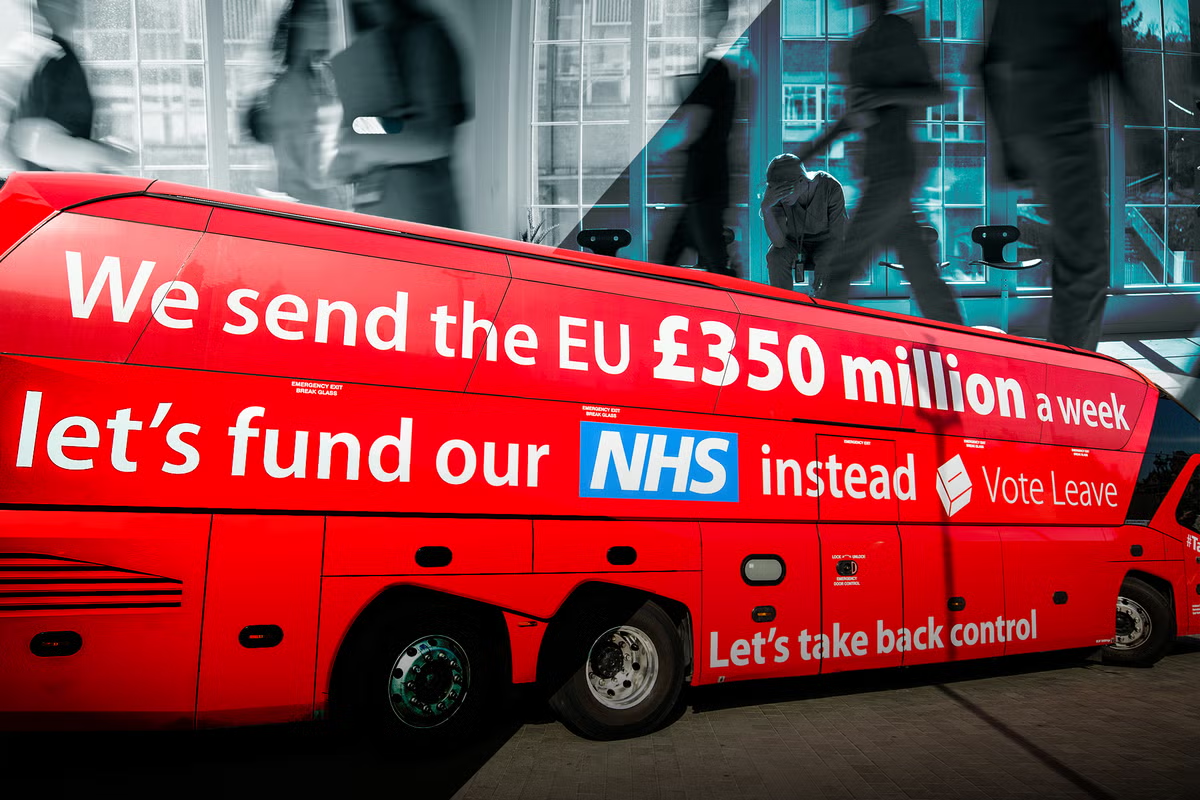
Billions lost to Brexit could make NHS waiting lists disappear, top economist says

Scientists Use AI To Decode Animal Communication, Finding Whale And Crow Calls More Complex Than Once Thought





-
 Fashion2 days ago
Weekend Open Thread: Beyond Yoga
-
 Crypto World2 days ago
Bitcoin price stalls near $82K as key resistance holds
-

 Politics2 days ago
Best Gaming Laptops, CPUs, TVs, And Keyboards To Upgrade Your Set Up For GTA VI
-
 Tech2 days ago
The Birds Outside, Drawn For You Automatically
-

 Crypto World2 days ago
IMF Says El Salvador’s Post-Review Bitcoin Purchases Used No Public Funds
-
 Crypto World2 days ago
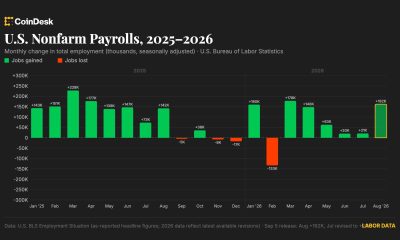
U.S. added stronger than expected 162,000 jobs in August as labor market bounced back
-
 Sports2 days ago
Alexandre Pato consortium’s Northampton Town investment approved
-

 Sports2 days ago
Commanders’ Chig Okonkwo is a top breakout fantasy football candidate
-

 Sports2 days ago
Golden Eaglets Drawn in Group B for 2026 WAFU B U17 Championship
-
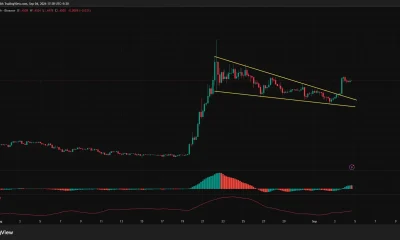
 Crypto World2 days ago
XRP price breaks falling channel as bulls target $1.53
-
 Politics2 days ago
A new European chapter for Gibraltar
-

 Politics2 days ago
The House | Bin the lectures, bring gossip and be ready to banter: how the new PM should prepare for his Trump encounter
-

 Politics2 days ago
How To Avoid Winter Colds: 4 Everyday Habits That Spread Germs, Says Pharmacist
-

 Crypto World2 days ago
From warning to listing: UK’s largest retail investment platform opens access to crypto ETNs
-

 Crypto World2 days ago
FinCEN flags $12.7B tied to Southeast Asia crypto investment scams
-

 Tech2 days ago
A Worthy Android Ereader, With Some Tradeoffs
-

 Tech2 days ago
How To Edit Claude’s Memory
-

 Crypto World2 days ago
Trezor Data Breach Impacts 67,000 More US Customers
-
 Politics2 days ago
33 Cosy Autumn Home Decor Ideas: Blankets, Pumpkin Decorations, And Candles
-
 Tech2 days ago
beyerdynamic AVENTHO Y Debuts at IFA 2026 and Makes Wireless Headphones Less Disposable
You must be logged in to post a comment Login