
Crypto World
U.S. inflation, Coinbase’s Deribit switch: Crypto Week Ahead



Your look at what’s coming in the week starting Sept. 7.



Bitcoin traded near $79,500 on Sept. 7 as investors prepared for U.S. inflation reports and a Treasury auction during the final full week before the Federal Reserve’s Sept. 15–16 policy meeting.
Summary
- Bitcoin traded near $79,500 Monday after stronger August employment data increased September rate-hike expectations sharply.
- August PPI arrives Thursday, followed by CPI Friday, both at 8:30 a.m. Eastern Time officially.
- Traders assigned approximately 58% odds to a September hike after Friday’s strong payrolls report initially.
- Federal Reserve officials begin their meeting September 15, releasing the policy decision September 16, 2026.
- Treasury will auction reopened ten-year notes Wednesday as investors monitor demand and longer-term yields closely.
Bitcoin stabilizes after the U.S. jobs report
Bitcoin was trading around $79,519 on Monday, down approximately 0.5% over 24 hours. The cryptocurrency reached an intraday high near $80,494 before retreating toward $79,120 during holiday-thinned trading.
U.S. stock and bond markets were closed for Labor Day, limiting conventional market activity. Cryptocurrency markets remained open, but lower participation can make short-term price movements less representative of broader institutional positioning.
Bitcoin slipped below $80,000 after the Bureau of Labor Statistics reported that U.S. nonfarm payrolls increased by 162,000 in August. The unemployment rate remained at 4.1%. The employment increase exceeded the average monthly gain of 31,000 recorded during the preceding year.
Following the release, traders increased the estimated probability of a September rate increase to approximately 58%, according to futures-market data cited by Reuters. That estimate is market pricing, not a Federal Reserve forecast or commitment.
As crypto.news reported, strong employment data pushed Bitcoin below $80,000 after the asset encountered resistance near $82,500. The immediate reaction showed how closely Bitcoin traders are watching monetary policy expectations.
Thursday’s PPI provides the first inflation test
The Bureau of Labor Statistics will publish the August Producer Price Index on Sept. 10 at 8:30 a.m. Eastern Time, according to its official calendar. PPI measures changes in the prices domestic producers receive for their output.
Economists expect headline producer prices to rise 0.4% from July, while core PPI is forecast to increase 0.3%. Annual producer inflation is forecast to accelerate from 4.7% to 5.4%.
Those figures remain forecasts. An upside surprise could reinforce concerns that higher energy and input costs are spreading through the economy. A softer result could reduce some pressure on Treasury yields and rate-hike expectations.
Producer inflation does not always pass directly into consumer prices. However, rising costs can affect company margins or reach consumers later, making Thursday’s report an early indication of the inflation conditions facing Federal Reserve officials.
Friday’s CPI could decide the rate-hike debate
The August Consumer Price Index will follow on Sept. 11 at 8:30 a.m. Eastern Time, the BLS confirmed. Economists surveyed by the Financial Times expect annual headline inflation to remain near 3.4%, while core inflation may ease to 2.4%.
The Federal Reserve has not indicated that one report will determine its decision. Officials consider inflation, employment, wages, consumer activity and financial conditions together. Still, the CPI release will be the final major inflation reading before September’s meeting.
A hotter-than-forecast report could strengthen expectations for a 25-basis-point increase. Higher policy-rate expectations often raise bond yields and the opportunity cost of holding non-yielding assets. They can also tighten financial conditions for speculative markets.
A softer report could support a pause, particularly after Governor Christopher Waller said he could favor leaving rates unchanged if inflation continued cooling. Bitcoin previously rose above $80,000 after Waller moderated hike expectations, although the subsequent employment report reversed part of that move.
Treasury demand adds another test for Bitcoin
The U.S. Treasury will auction reopened 10-year notes on Sept. 9, according to its tentative schedule. The securities are scheduled to settle on Sept. 15.
Weak demand could require a higher auction yield, potentially placing additional upward pressure on borrowing costs. Strong demand could help stabilize longer-term yields. Auction outcomes depend on bid levels, investor participation and the amount accepted from primary dealers.
Treasury yields have already become an important constraint for Bitcoin. In related coverage, rising Treasury yields stalled Bitcoin’s recovery earlier in 2026 as investors reassessed the path for U.S. interest rates.
The auction coincides with an increase in Treasury buyback limits for longer-dated securities beginning Sept. 9. Treasury said the revised limits will remain effective through Nov. 4. Buybacks can support market liquidity, but they do not guarantee lower yields.
The Fed decision arrives September 16
The Federal Open Market Committee will meet on Sept. 15 and 16. The Fed will release its policy statement at 2 p.m. Eastern Time on the second day, followed by Chair Kevin Warsh’s press conference at 2:30 p.m., according to the official calendar.
The meeting will include updated economic projections and officials’ expected rate paths. Those projections could move markets even if policymakers leave the current rate unchanged.
Bitcoin’s immediate levels remain approximately $80,000 and $82,500 on the upside, based on its recent trading range. A sustained move below the Sept. 5 low would weaken the recovery, while a close above recent resistance would provide stronger evidence of renewed demand.
The inflation releases will not predetermine Bitcoin’s direction. ETF flows, leverage, geopolitical risks and broader liquidity conditions will also influence the market. However, PPI, CPI and the Fed decision provide three dated catalysts capable of changing the rate expectations currently shaping BTC.


The attacker has now drained the 11 largest vaults tied to the third wave of Coldcard thefts, Galaxy Research said.

Harmony, the Ethereum-compatible blockchain protocol, has outlined a plan to sunset its own network and migrate its native ONE token to Ethereum. The proposal—seven years after Harmony launched its mainnet—calls for a final blockchain snapshot, an ERC-20 ONE token issuance on Ethereum, and coordinated steps for validators and users to wind down activity on the original chain.
Harmony says the move is intended to be orderly and non-binding, with a migration built around on-chain balances at the final block. However, the proposal leaves key execution details unclear—most notably whether the plan will be formally submitted through Harmony’s validator-led governance process and when the last block would be produced.
Key takeaways
- Harmony proposes a network sunset after taking a final snapshot and issuing ERC-20 ONE tokens on Ethereum to the same addresses.
- Balances would be recorded automatically at the final block, with ERC-20 ONE airdropped to those addresses on Ethereum without requiring users to file claims.
- Governance and timing are not fully specified: Harmony describes the proposal as non-binding and does not state when the final block would be produced.
- Validators would be offered options to stop nodes, continue as governors, or join a new AI-video initiative.
- Certain on-chain components—such as multisig safes, liquidity pools, and deployed applications—cannot be migrated, and users are told to exit smart contract positions before Sept. 10.
A proposed migration from Harmony to Ethereum
In a post on Sunday, Harmony said it is considering taking a final network snapshot and then migrating ONE to Ethereum as an ERC-20 token. According to the proposal, validators and participants would be able to select different paths: shut down their nodes, remain involved as governors, or move into Harmony’s newly described AI-video initiative.
Harmony emphasized that the proposal is non-binding and did not specify when the “final block” would be produced. It also did not confirm whether the shutdown itself would be brought under Harmony’s validator governance workflow.
Under Harmony’s published governance framework, elected validators can create proposals, while unelected validators are also able to vote with voting power weighted by total stake. A proposal requires 51% of total stake weight to participate and then 66.7% support after a seven-day introduction and a 14-day voting period. (Harmony’s proposal does not yet clarify whether it will follow this full procedure before execution.)
How the ONE token migration would work
The core of Harmony’s plan is the handling of ONE balances. Harmony states that all ONE balances would be recorded at the network’s final block and that new ERC-20 ONE tokens would be airdropped to the same addresses on Ethereum.
Harmony’s snapshot coverage is broad. It says the snapshot would include wallets, staking delegations, validator rewards, smart contracts, and centralized exchanges. In addition, Harmony states that there would be no claims process—meaning eligible balances should be reflected via the snapshot and subsequent airdrop rather than requiring users to take action to register.
Still, the migration is not presented as a full “lift and shift” of the Harmony ecosystem. Harmony cautioned that multisig safes, liquidity pools, and on-chain applications cannot be migrated. To reduce the risk of stranded positions, Harmony urged users to exit smart contracts before Sept. 10.
Harmony also suggests the shutdown cadence would include validator action around that date. It said validators may begin shutting down on Sept. 10, and pointed to a compensation pool of $1.372 million set aside to reimburse validators that stop on time, retain their stakes, and agree to serve as governors.
Unfinished details—and why they matter
The proposal’s most consequential uncertainty is not the token mechanics, but the network wind-down itself. Harmony did not provide a specific date for when the last block would be produced, nor did it make clear whether the shutdown plan would be submitted through governance as defined by the network’s rules.
For holders and market participants, those gaps determine how much operational risk remains during the transition. If a final snapshot is taken quickly without full governance clarity, exchanges, bridges, custody providers, and liquidity venues may face compressed timelines to support the migration—particularly if they must reconcile Harmony-origin ONE holdings with Ethereum-based ERC-20 balances.
Harmony’s snapshot approach—covering exchanges and staking delegations—appears designed to reduce fragmentation. But the stated inability to migrate liquidity pools and decentralized applications could still produce a mismatch between token availability and usable functionality on Ethereum. In practice, users may receive ERC-20 ONE yet still be unable to access the same on-chain services that previously depended on Harmony’s smart contract environment.
Context: the plan follows an exploit and proposed rollback
The sunset proposal arrives less than four weeks after a serious Harmony exploit that resulted in forged ONE tokens. Earlier coverage noted that the incident prompted Harmony to consider a rollback to reverse unauthorized minting activity, a path that—if implemented—would have wiped more than 109,000 transactions.
On Aug. 12, Harmony said it was considering a rollback after reports that an attacker had minted nearly 4 billion unauthorized ONE, claimed to be equivalent to roughly 26% of the supply. An outside account further alleged that about 2.8 billion tokens had reached exchanges, though Harmony had not confirmed those figures at the time.
On Aug. 17, Harmony said it planned to revert the blockchain to an Aug. 11 checkpoint. It reported that the rollback would discard 109,126 regular transactions and 315 staking transactions, and stated investigators had traced nearly all forged tokens to wallets or service boundaries while working with exchanges, bridges, and law enforcement.
Harmony’s current proposal marks a sharper pivot: instead of focusing solely on restoring the chain after an exploit, it suggests closing down the independent Harmony network altogether and relocating the token to Ethereum. That shift matters because it changes the recovery narrative from “repair and continue” to “migrate and end,” potentially leaving users to transition not only balances, but also the broader ecosystem footprint.
Whether Harmony’s governance process ultimately ratifies the plan will be the next key question for anyone holding ONE, running validator infrastructure, or depending on Harmony-based applications. If the network proceeds, market participants will likely watch for the details Harmony has not yet specified—especially the governance timeline, the exact block date for the snapshot, and how exchanges and custodians coordinate ERC-20 token support on Ethereum.
Crypto World
Pi Network’s PI Remains Above Key Resistance, Bitcoin (BTC) Fails at $80K: Market Watch
Bitcoin tried to take down the coveted $80,000 level once again on Monday morning but was denied once again, dipping below $79,000 before it found some support.
Ethereum remains inches away from $2,500, while XRP fights for the $1.40 support. LINK, TAO, MNT, ICP, and WLD have marked major gains from the larger caps.
BTC Fails at $80K
The primary cryptocurrency’s attempts to surge past $80,000 and $81,000 have been halted every time, starting from the middle of the last full week of August. At the time, it tried twice, only to be pushed south to under $77,000 on Friday after the hawkish speech by Kevin Warsh.
Nevertheless, it rebounded over the previous weekend and tapped $79,000 last Sunday before the resumed strikes in the Middle East resulted in another leg down to $77,000. The selling pressure built on in the following days, and BTC slipped to $76,400 on September 2/3.
This is where the bulls stepped up and didn’t allow another leg down. Instead, bitcoin went on the offensive on Thursday and skyrocketed by several grand to $82,400, the highest level reached since mid-May. Another rejection followed, though, after the strong US jobs report on Friday, and BTC dived to $78,800.
The weekend was less eventful, with BTC spending it trading sideways between $79,000 and $80,000. It tried to overcome the upper boundary on Monday morning, but it was stopped at $80,500 and pushed south to just under $79,000. It has rebounded to just over that level now, with its market cap remaining at $1.6 trillion on CMC.

PI Above $0.09, ARB Falls
Most large-cap alts have marked minor losses over the past 24 hours, with ETH struggling below $2,500, BNB dipping beneath $750, and XRP fighting to stay above $1.40.
In contrast, LINK has soared by 9% to well over $13, TAO is up by 14% to $267, MNT sits at $0.635 after a 7.5% daily jump, ICP has gained 12.6%, and WLD has rocketed by over 14.5%. ARB, on the other hand, was rejected at $0.20 and now sits 13% lower than its peak yesterday.
Pi Network’s native token remains well above the $0.09 support and even challenged the key $0.095 resistance, but it remains inches below it as of press time.
The total crypto market cap has remained at essentially the same spot as yesterday at $2.710 trillion on CMC.

The post Pi Network’s PI Remains Above Key Resistance, Bitcoin (BTC) Fails at $80K: Market Watch appeared first on CryptoPotato.

The CLARITY Act Section 401 could hand traditional banks direct authority to custody, lend against, and run infrastructure for Bitcoin. This is an opportunity spanning a $25.7 trillion U.S. commercial banking sector against Bitcoin’s $1.3 trillion market valuation.
The scale gap is the entire bull case for Bitcoin-focused banking jobs, and it’s also exactly why the case remains hypothetical. The bill would permit financial institutions to custody digital assets, lend against them as collateral, operate nodes, and provide brokerage services without seeking additional regulatory approvals.
— Coin Bureau (@coinbureau) August 21, 2026
 BREAKING: Washington just went all-in on crypto in a single week.
Trump urged Congress to pass the Clarity Act after hosting crypto executives at the White House.
The CFTC Chair says if the bill stalls, the agency will build its own crypto regime under existing authority.… pic.twitter.com/IrI7mAVr7e
On paper, that opens a lane for banks to build out trading desks, custody operations, risk teams, and compliance functions specifically oriented around Bitcoin. However, the legislative reality is messier than the headline framing suggests.
The bill passed the House 294-134 in July 2025 and has sat before the Senate since, with a cloture motion on the motion to proceed filed in August 2026, according to congressional records. It has not cleared the Senate floor and has not been signed into law, a status tracked in detail on the House calendar as the bill’s timeline continues to slip.
What does that mean for careers? The institutional expansion described in the bill is gradual and conditional, not an immediate crypto hiring boom. Most of CLARITY Act substance is aimed at altcoin securities classification rather than Bitcoin-specific market structure, which is why the Bitcoin provisions read more like defensive protections and banking on-ramps than a new operating framework.
Earn $50 and Enter $300K Prize Draw on EdgeX
What the CLARITY Act Changes for Bitcoin Professionals

Two provisions matter most for people already building in Bitcoin. Section 605, labeled the Keep Your Coins Act, would give statutory backing to lawful self-custody and bar federal regulators from restricting personal custody rights. This is a direct response to the 2020 FinCEN proposal that would have forced exchanges to collect data on transfers above $3,000 to private wallets.
Section 604 would prevent non-custodial developers, node operators, and wallet creators from being classified as money-transmitting businesses, a boundary drawn in response to the Samourai Wallet founders’ guilty pleas in April 2026 and Roman Storm’s Tornado Cash conviction in August 2025.

The provision doesn’t reverse either case; it establishes a clearer legal footing for future open-source infrastructure work, which could reduce the liability concerns that have kept some developers away from non-custodial wallet projects.
Two other pieces of the House version didn’t survive Senate revision. The original language codifying Bitcoin’s commodity status was stripped out, though a July 22 draft reportedly restored it, and the House’s Anti-CBDC provisions were removed entirely.
Discover: The Best Token Presales
Forward Scenarios: From Senate Action to Institutional Hiring
Even if the Senate advances the bill, implementation is its own bottleneck. The CFTC would need to build out digital-commodity regulatory infrastructure largely from scratch, and it’s currently operating with a single commissioner while staff headcount has dropped 21% in a year.
BREAKING: — Ash Crypto (@AshCrypto) September 2, 2026
SEC Chairman Paul Atkins thinks the Senate will pass the Clarity Act on September 15.
CLARITY IS COMING. pic.twitter.com/4Fie8tgnqI
The precedent isn’t encouraging on speed. The GENIUS Act, signed in 2025, missed its entire one-year rulemaking deadline across six federal agencies, and that’s a useful baseline for how long banking and market-access provisions might take to become operational even after passage. This itself is a dynamic laid out in coverage of the unresolved Senate vote and its remaining provisions.
If institutional adoption does follow, the sequencing is likely to run compliance and legal first, with Bitcoin trading, custody, and infrastructure hiring expanding on a longer curve behind it.
Discover: The Best Crypto to Diversify Your Portfolio
The post CLARITY Act Could Open the Door to a New Wave of Bitcoin Banking Jobs appeared first on Cryptonews.
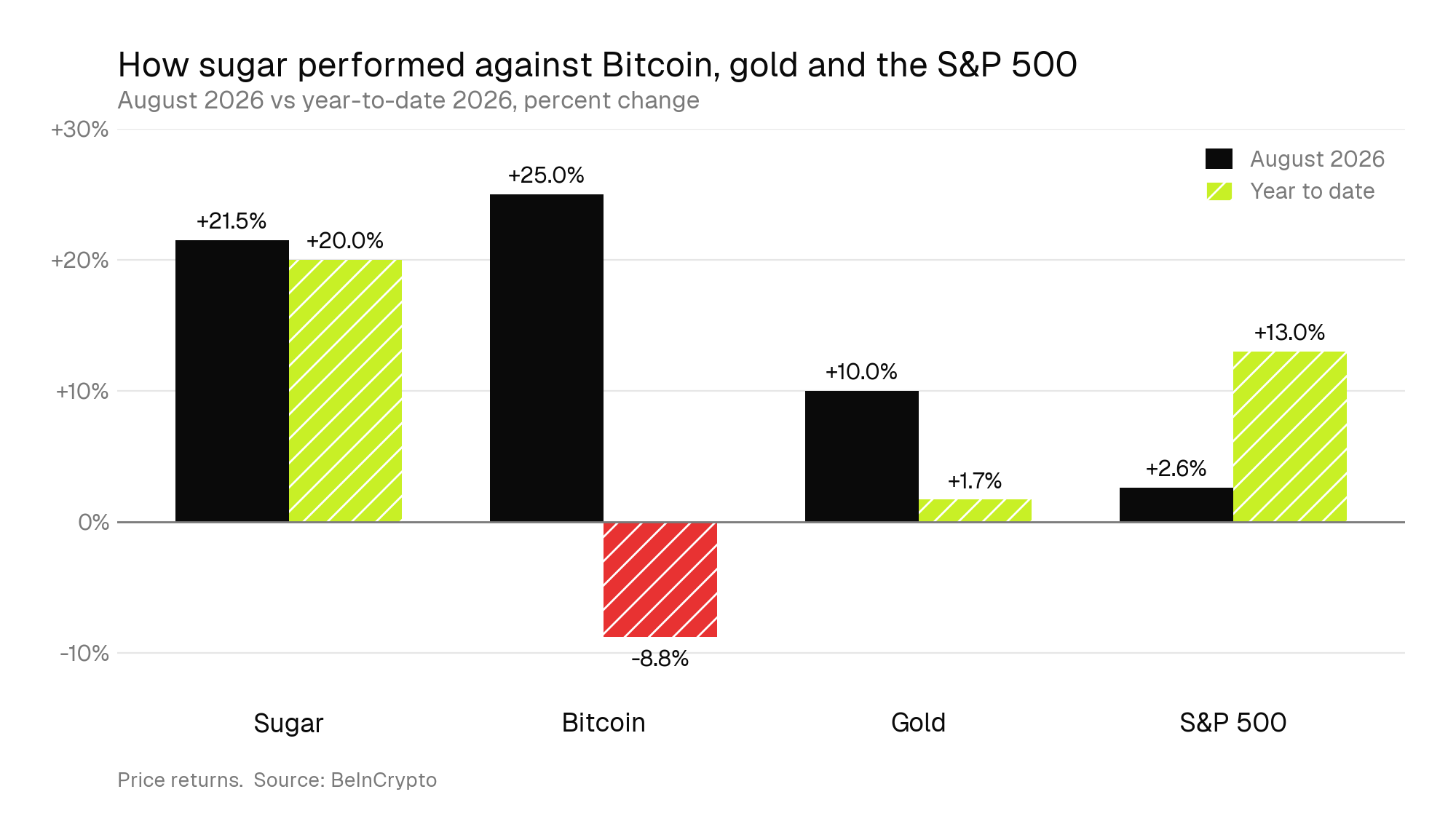
Raw sugar futures have gained roughly 20% in 2026, outpacing Bitcoin (BTC), gold, and the S&P 500 as the European Union, Brazil, and India signal tighter supply.
The rally accelerated last month, when the contract climbed 21.5% for its strongest monthly gain since October 2010. Bitcoin and gold both posted gains in August, yet neither holds a comparable lead this year.
Why the Sweetener Turned Scarce
The FAO Sugar Price Index averaged 106.4 points in August, up 11.9% from July and the highest reading since June 2025. The agency tied the move to a tighter 2026/27 supply outlook.
The agency pointed to several key pressure points:
- Heat and drought forced the EU to cut sugarbeet yield forecasts on already smaller plantings.
- El Niño clouded output prospects across Asia, while Brazil’s Center-South growing belt produced less.
- India’s duty-free raw sugar import plan added further pressure to international prices.
“The surge reflected expectations of lower sugar beet yields in the European Union due to adverse weather, concerns over the impact of El Niño on production prospects in key producing countries in Asia, lower sugar production in Brazil, and India’s announcement of duty-free raw sugar imports,” the report said.
Forecasters have moved in one direction. The European Commission expects EU output to fall 19% to 13.4 million metric tons in 2026/27. Citi projects a world deficit of 1.3 million tons, while Green Pool Commodity Specialists estimates 3.2 million.
Follow us on X to get the latest news as it happens
Bitcoin and Gold Won August, Sugar Won the Year
That kind of supply squeeze is the sort of setup crypto traders normally chase. So how does sugar stack up against Bitcoin and the rest of the market?
Bitcoin trades near $79,800 after gaining roughly 25% last month, its strongest stretch since November 2024. Even so, BTC sits about 8.8% lower for 2026.
Gold advanced about 10% in August, its best month since January. However, a slide in early September left it up just 1.7% for the year. The S&P 500 has climbed nearly 13% in 2026, well short of sugar’s 20% advance.

Sugar has therefore outperformed the flagship crypto asset, the classic inflation hedge, and the benchmark US equity index all at once. A soft commodity has quietly outrun three assets that dominate market coverage.
Meanwhile, Citi ranks sugar as its strongest bullish conviction across agricultural commodities on the Intercontinental Exchange. The bank now sees prices reaching 19 cents per pound within a quarter, citing shrinking inventories and worsening weather in India, Thailand, and the EU.
Rising oil prices give producers another reason to route cane into ethanol rather than export sugar. With crude above $90 a barrel, that diversion strengthens the case for higher prices.
Subscribe to our YouTube channel to watch leaders and journalists provide expert insights
The post A Better Trade Than Bitcoin or Gold in 2026 Is Sitting in Your Kitchen appeared first on BeInCrypto.


Developers want to voluntarily shut down the network, saying state actors and AI agents have made security too difficult, then redirect ONE emissions into an AI video business.
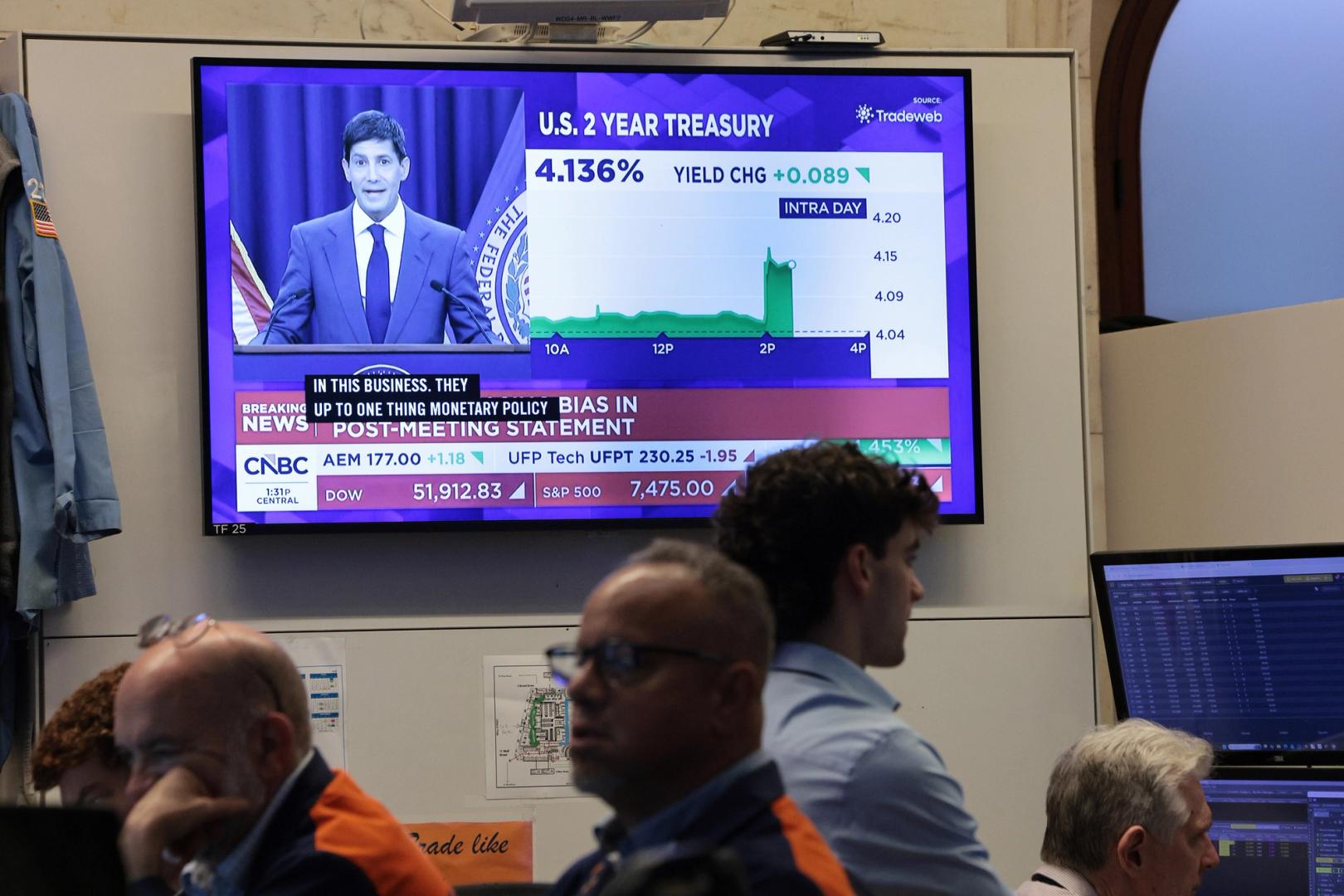
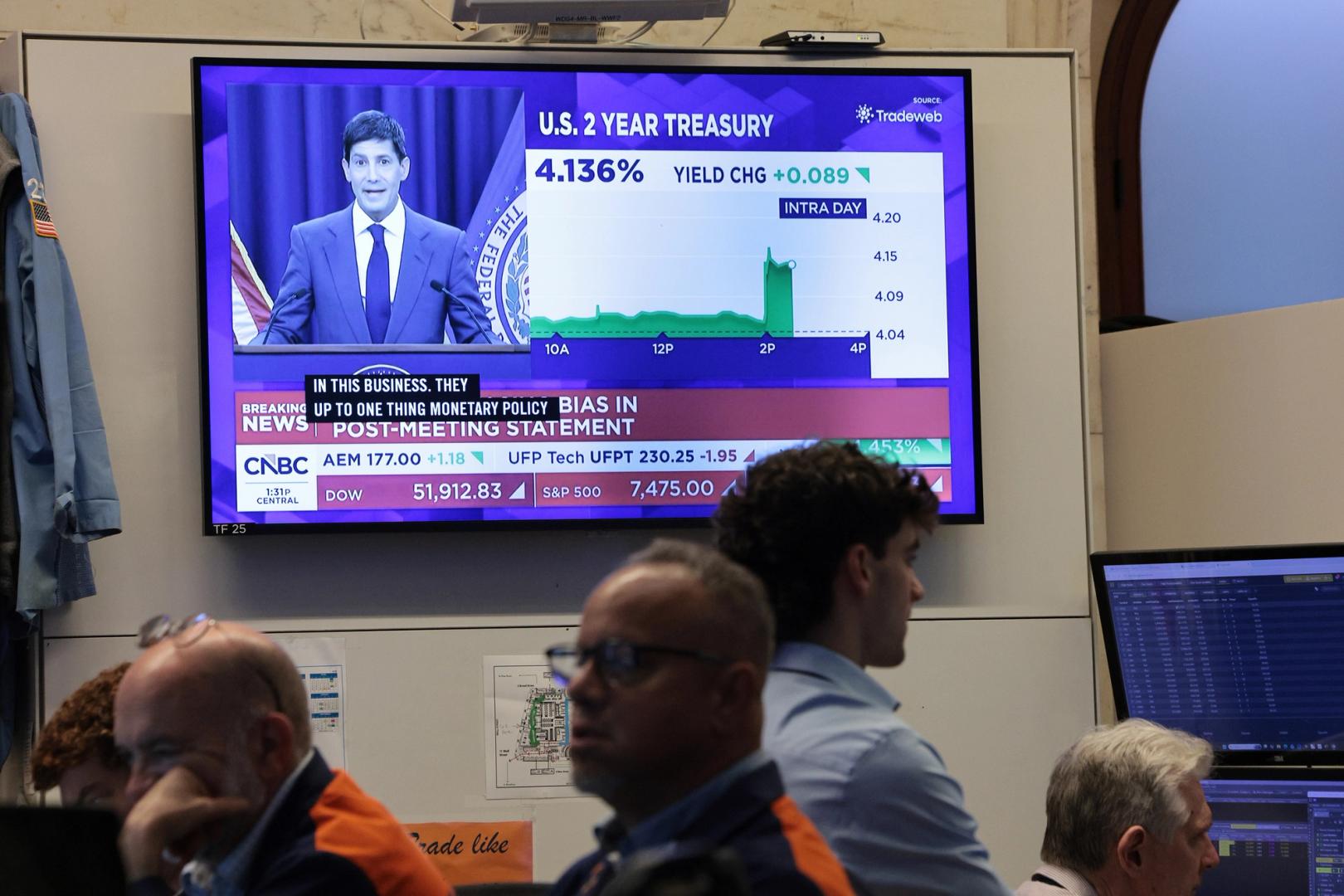
BTC fell on Friday and Treasury yields rose, but the hawkish market reaction looks overdone when compared to the largely steady Fed rate hike odds.


Key takeaways
- Cardano trades near $0.222 on Monday after rallying more than 15% last week.
- ADA’s long-to-short ratio of 0.94 shows slightly more bearish than bullish positioning.
- Positive funding rates and large whale orders provide mildly bullish signals.
- The RSI and MACD indicate strengthening upside momentum.
Cardano holds gains following 15% weekly rally
Cardano (ADA) trades around $0.222 on Monday after gaining more than 15% last week.
Mixed derivatives data and mildly positive on-chain indicators reflect cautious sentiment among traders. However, strengthening technical momentum suggests ADA could extend its recovery if buyers overcome a cluster of resistance levels between $0.231 and $0.245.
The token currently trades above its 50-day and 100-day exponential moving averages, reinforcing its improving short-term outlook.
Cardano’s derivatives market presents a divided picture on Monday. CoinGlass data shows ADA’s long-to-short ratio at 0.94. A reading below 1 means short positions outnumber long positions, indicating that slightly more traders are betting on a price decline than an advance.
However, the difference between bullish and bearish positioning remains relatively narrow, suggesting traders are cautious rather than strongly bearish.
Funding rates offer a more encouraging signal. Cardano’s open interest-weighted funding rate turned positive on Saturday and stood at 0.0097% on Monday.
A positive funding rate means traders holding long positions are paying those holding shorts, typically reflecting increased demand for bullish exposure. The shift suggests sentiment has improved following ADA’s double-digit weekly rally.
CryptoQuant’s summary data also points to cautiously optimistic sentiment around Cardano.
Large whale orders have appeared in ADA’s futures market, indicating increased activity among well-capitalized traders. Most other tracked metrics remain neutral, limiting the strength of the bullish signal.
The combination of large orders and neutral broader indicators suggests institutional or whale interest may be increasing, but the market has not yet established overwhelmingly bullish positioning.
Continued buying from large traders could support ADA’s recovery, while a decline in whale activity could leave the token vulnerable to profit-taking.
Cardano momentum indicators strengthen
ADA’s price remains above the 50-day and 100-day EMAs, both clustered around the psychologically important $0.200 level.
The Relative Strength Index stands near 61 on the daily chart. This reading reflects solid bullish momentum while remaining below the overbought threshold of 70, suggesting ADA may have room to rise before the rally becomes overstretched.
The Moving Average Convergence Divergence indicator has also turned marginally positive. This shift signals that buyers are gradually gaining control, although a descending trendline continues to act as dynamic resistance.
Together, the RSI and MACD support a constructive short-term outlook, but ADA must clear several overhead barriers to confirm an extended recovery.
Cardano faces immediate resistance at the 61.8% Fibonacci retracement near $0.231. A move above that level would bring the horizontal resistance at $0.236 into focus.
The 200-day EMA sits around $0.243, just below another key resistance level at $0.245. This concentration of technical barriers could attract profit-taking and slow ADA’s advance.
A sustained break above $0.245 and the descending trendline would strengthen the bullish case and potentially open the door to a more substantial recovery.

Conversely, failure to clear $0.231 could trigger a pullback toward the 50% Fibonacci retracement at $0.213.
Below that level, the 100-day EMA around $0.200 and the 50-day EMA near the 38.2% Fibonacci retracement at $0.195 form a broader support zone. Deeper support levels sit at $0.173 and $0.150.
ADA’s outlook remains cautiously bullish while the price stays above $0.200, but overcoming the $0.231–$0.245 resistance region will be crucial for extending the rally.
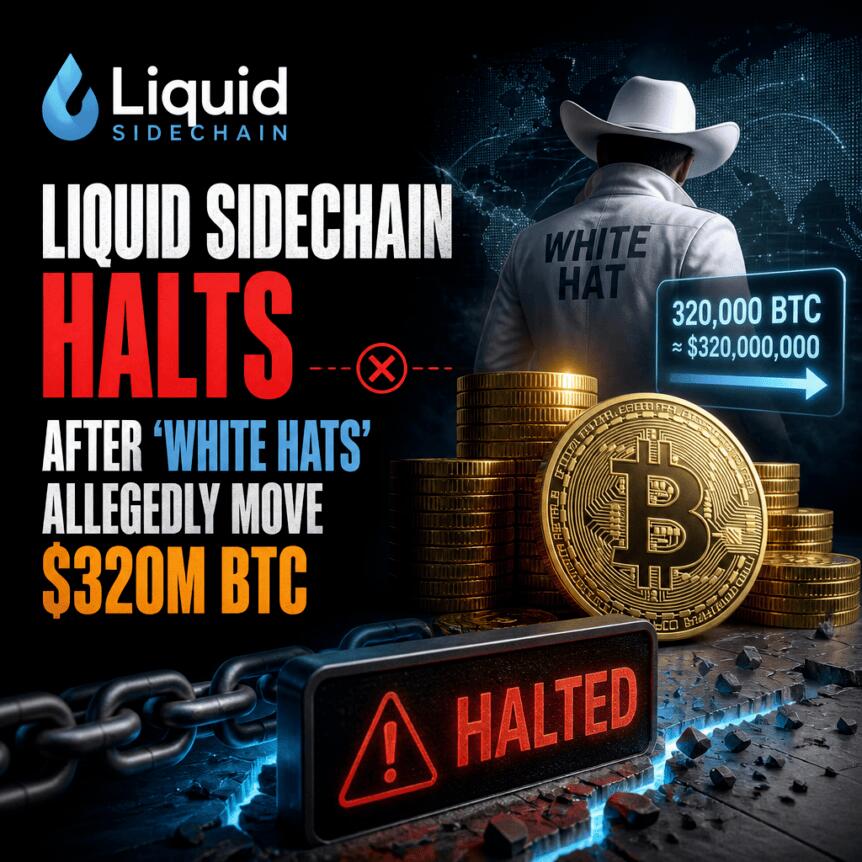
Bitcoin sidechain Liquid has paused operations after the federation that governs the network lost roughly 4,000 BTC worth about $320 million to actors who claimed they were “white-hat” hackers. Liquid’s operators disabled bridge nodes and moved to stop L-BTC deposits and withdrawals, while stressing that other Liquid-issued assets were not affected.
Blockstream, the technology provider behind Liquid, said it corresponded with the actors through signed on-chain messages. The actors told Blockstream they would return most of the Bitcoin after the underlying vulnerability was fixed and every node installed the patch—though, at the time of publication, the funds had not yet been returned.
Key takeaways
- Liquid disabled bridge nodes and halted new bridge transactions after about 4,000 BTC was withdrawn from its federation wallet.
- L-BTC deposit and withdrawal processing was halted or expected to be halted by exchanges, while other Liquid-issued assets reportedly continued without interruption.
- About 95% of the federation wallet’s roughly 4,200 BTC balance was reportedly moved to the actors.
- Blockstream says it communicated with the actors via signed on-chain messages, and the actors promised a return after patching and node updates.
Liquid pauses bridging as federation funds are pulled
Liquid said on Sunday that bridge nodes were disabled, preventing new transactions. It also indicated that exchanges were either halting or preparing to halt L-BTC deposits and withdrawals, reflecting the sidechain’s need to maintain custody and accounting for its pegged token.
Liquid emphasized that other assets issued on the network—such as USDT, DePix, and tokenized real-world assets—were unaffected by the incident. That distinction matters for users holding non-LBTC assets on Liquid, because it suggests the disruption is centered on the bridge and federation-controlled Bitcoin backing rather than on a broad contract or issuance failure across the sidechain.
The federation wallet withdrawal is described as roughly 95% of the federation’s approximately 4,200 BTC balance. Liquid uses Bitcoin held by its federation to back L-BTC issued on the sidechain. As a result, most of the Bitcoin backing remained under the actors’ control until it is returned, creating a direct liquidity and settlement problem for L-BTC as bridging is paused.
Negotiations via on-chain contact and PGP messaging
According to Blockstream’s reported engagement with the actors, communication took place through signed on-chain messages. Public details of the exchange were later compiled by Samson Mow, CEO of Jan3 and a former Blockstream chief strategy officer, who pointed to a timeline embedded in Bitcoin transactions.
In that account, the actors identified themselves as “white hats” and requested on-chain contact at around 11:30 a.m. Pacific time. Blockstream reportedly responded about an hour later, directing them to its security email. It then allegedly sent a PGP-encrypted message after further correspondence.
Later, the actors reportedly asked whether they could return most of the Bitcoin to a Blockstream address. They also demanded that the vulnerability be fixed and that every node update before the return transfer would occur. Blockstream’s reply—described as acknowledging the address question—was presented publicly by Mow, with the implication that Blockstream agreed to receive the funds at the designated location while also treating patching as a key prerequisite.
By one account relayed publicly, no additional messages were seen after roughly 9:12 p.m. Pacific time, and at the time of writing, the Bitcoin had not been returned.
Technical attribution: Elements bug vs. exchange systems
One issue raised in public discussion is where the exploited flaw originated. SideSwap—connected to peg-out operations—said the withdrawal went through its peg-out service as a customer order using its Peg-out Authorization Key (PAK), but it asserted that the key itself was not compromised.
SideSwap added that the L-BTC used in the transaction traced back to a bug in Elements, the open-source software underlying Liquid, rather than originating from SideSwap’s own systems. For participants watching the fallout, this distinction can affect how quickly exchanges and service providers can operationally reassure users: a failure rooted in underlying Liquid/Elements code generally requires broad patching at the protocol layer, while a failure tied to an exchange-specific signing component would typically be resolved by rotating or securing that component.
Liquid’s decision to disable bridge nodes and coordinate L-BTC deposit/withdrawal freezes aligns with the practical need to stop flows that depend on the federation-controlled Bitcoin backing while technical remediation is verified across the network.
What investors and users should monitor next
The immediate risk from this event is settlement and liquidity disruption for L-BTC, not necessarily for every Liquid-issued token. The key question now is whether the actors follow through on their stated plan to return most of the Bitcoin once a patch is confirmed and every node has updated.
Readers should watch for confirmations from Liquid and Blockstream that the patch is deployed across all nodes, that bridge nodes are restored, and—most importantly—that the returned funds actually reach the federation wallet. Until then, the sidechain’s peg mechanics remain constrained by the absence of the withdrawn Bitcoin backing.

When Are Portable Apple CarPlay Screens Actually Worth It?

September streaming releases: ‘The Paper,’ ‘Call My Agent!,’ Bloc Party

A303 Stonehenge Tunnel: Shadow transport secretary demands action on traffic problems





-

 Fashion3 days ago
Weekend Open Thread: Beyond Yoga
-
 Crypto World3 days ago
Bitcoin price stalls near $82K as key resistance holds
-

 Politics3 days ago
Best Gaming Laptops, CPUs, TVs, And Keyboards To Upgrade Your Set Up For GTA VI
-

 Tech3 days ago
The Birds Outside, Drawn For You Automatically
-

 Crypto World3 days ago
IMF Says El Salvador’s Post-Review Bitcoin Purchases Used No Public Funds
-
 Crypto World3 days ago
U.S. added stronger than expected 162,000 jobs in August as labor market bounced back
-

 Sports3 days ago
Alexandre Pato consortium’s Northampton Town investment approved
-

 Sports3 days ago
Commanders’ Chig Okonkwo is a top breakout fantasy football candidate
-

 Sports3 days ago
Golden Eaglets Drawn in Group B for 2026 WAFU B U17 Championship
-
 Crypto World3 days ago
XRP price breaks falling channel as bulls target $1.53
-

 Politics3 days ago
A new European chapter for Gibraltar
-

 Politics3 days ago
How To Avoid Winter Colds: 4 Everyday Habits That Spread Germs, Says Pharmacist
-

 Politics3 days ago
The House | Bin the lectures, bring gossip and be ready to banter: how the new PM should prepare for his Trump encounter
-

 Crypto World3 days ago
From warning to listing: UK’s largest retail investment platform opens access to crypto ETNs
-

 Crypto World3 days ago
FinCEN flags $12.7B tied to Southeast Asia crypto investment scams
-

 Tech3 days ago
A Worthy Android Ereader, With Some Tradeoffs
-

 Crypto World3 days ago
Trezor Data Breach Impacts 67,000 More US Customers
-

 Politics3 days ago
33 Cosy Autumn Home Decor Ideas: Blankets, Pumpkin Decorations, And Candles
-

 Tech3 days ago
How To Edit Claude’s Memory
-

 Tech3 days ago
beyerdynamic AVENTHO Y Debuts at IFA 2026 and Makes Wireless Headphones Less Disposable
You must be logged in to post a comment Login