Connect with us

Business

Sun International Limited 2026 Q2 – Results – Earnings Call Presentation (OTCMKTS:SVUFF) 2026-09-07

Published

on

OneWater Marine Inc. (ONEW) Q1 2026 Earnings Call Transcript

This article was written by

Seeking Alpha’s transcripts team is responsible for the development of all of our transcript-related projects. We currently publish thousands of quarterly earnings calls per quarter on our site and are continuing to grow and expand our coverage. The purpose of this profile is to allow us to share with our readers new transcript-related developments. Thanks, SA Transcripts Team

Continue Reading
Click to comment

You must be logged in to post a comment Login

Leave a Reply

Business

Jaguar Land Rover opens voluntary redundancy program in $2.3B cost-cutting drive

Published

on

Jaguar Land Rover opens voluntary redundancy program in $2.3B cost-cutting drive

British carmaker Jaguar Land Rover (JLR) has opened a voluntary redundancy program for salaried and management staff as part of a sweeping multibillion, cost-cutting campaign. 

The Tata Motors-owned vehicle manufacturer confirmed the voluntary exit scheme for white-collar staff over the weekend as it moves to lower its global operational break-even threshold to 300,000 vehicles annually. While unconfirmed British media reports indicate the two-year operational overhaul could impact up to 4,000 non-assembly positions across its 30,000-strong U.K. workforce, JLR noted that hourly assembly line workers at primary manufacturing facilities will remain outside the scope of the program.

Advertisement

“Over the past three years, we have transformed our product portfolio,” a JLR spokesperson told outlets. “To achieve this next phase, we must further simplify our organization, improve efficiency, and build greater resilience while adapting to evolving global market conditions.”

FORD BOOSTS US LINCOLN PRODUCTION AS IT PHASES OUT IMPORTS FROM CHINA

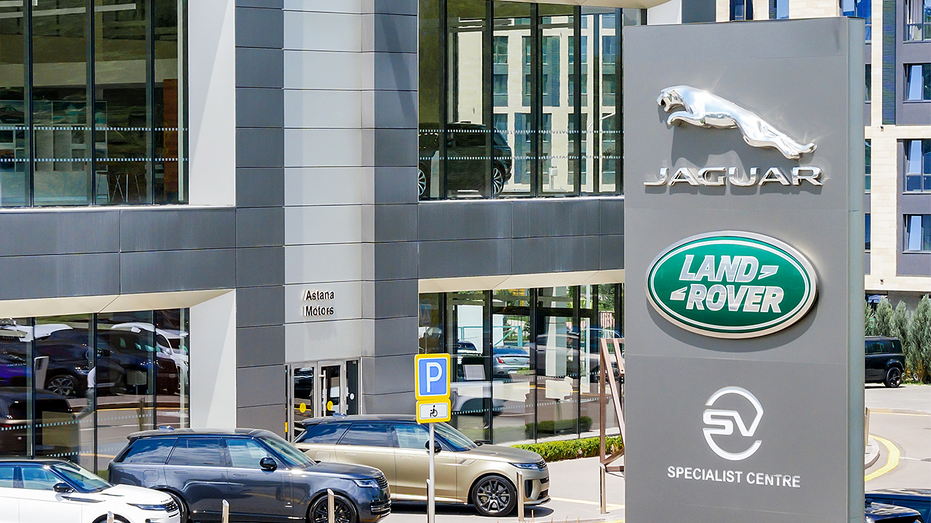
Jaguar Land Rover dealer

Jaguar Land Rover emblem near the car dealership. (Getty Images / Getty Images)

The restructuring follows mounting financial and operational pressures across international markets. Vehicle imports into the U.S. carry a 10% tariff rate, narrowing profit margins. In its domestic market, JLR faces intensifying competition from lower-cost Chinese electric vehicle imports, including Chery’s Jaecoo 7 SUV.

The cost-cutting push also comes in the wake of a major cyberattack late last year that forced JLR to temporarily halt production across several international facilities, contributing to a 27% drop in output and an estimated $2.5 billion, or £1.9 billion, drag on the broader British economy.

Advertisement

U.K. Business Secretary Jonathan Reynolds confirmed he would meet with JLR Chief Executive Officer PB Balaji and representatives from Unite the Union.

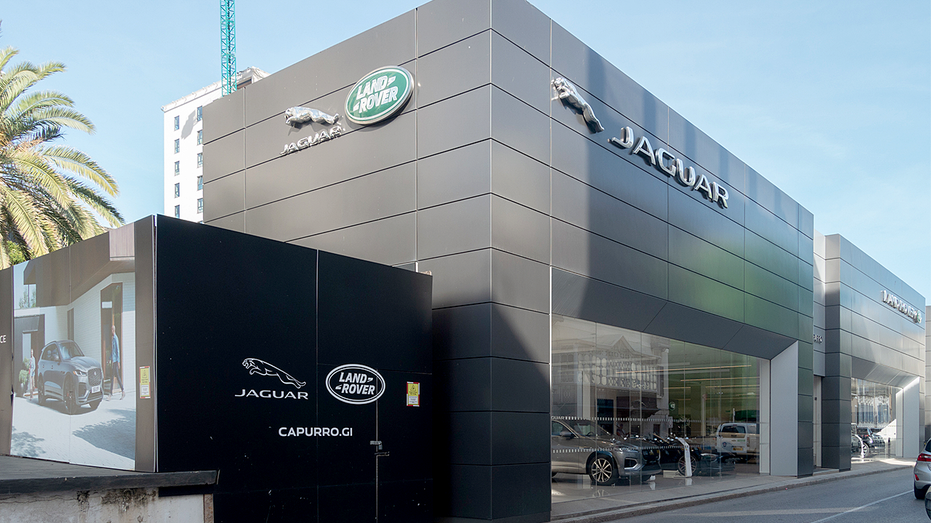
Jaguar dealership

Showrooms for Jaguar and Landrover in Line Wall Road, Gibraltar, operated by A.M. Capurro, the official dealer in the city. (Getty Images / Getty Images)

“A company the size of JLR … at various times in its business cycle, the number of people it employs will change,” Reynolds told the BBC on Sunday. “If this is about making sure over time that the workforce is right to make the business as competitive as possible, that’s the conversation we need to have. But the government will not be giving support if it’s to bail people out.”

Unite General Secretary Sharon Graham stated that union leaders will take part in discussions with JLR executives to ensure hourly factory personnel are protected from compulsory job losses.

CLICK HERE TO GET FOX BUSINESS ON THE GO

Advertisement

FOX Business has reached out to Jaguar Land Rover for additional comment.

Reuters contributed to this report. 

Continue Reading

Business

MAHA affecting policy, not behavior for sugar

Published

on

MAHA affecting policy, not behavior for sugar

VAIL, COLO. — Nearly two years after the make America healthy again (MAHA) movement evolved from a campaign slogan to an official driver influencing federal policy and food manufacturing decisions, sugar industry leaders are assessing its broader impact on consumer perceptions of sugar and purchasing behavior, even as policymakers continue to pursue measures aimed at changing both.

“If you follow it closely, like I do, it feels like a disaster,” Courtney Gaine, president and chief executive officer of The Sugar Association, told attendees at the 41st annual International Sweetener Symposium in Vail. “You’ve got somebody with a very loud microphone and an echo chamber, and it feels like it’s been a nonstop barrage of attacks on sugar, whether it’s that sugar is as addictive as crack or sugar is poison. Then in January, the United States was launching a war on sugar. It’s hard to fight back against this narrative, so you kind of take it and hope that the damage isn’t too extreme.”

Gaine, a registered dietitian who also has a PhD in nutritional sciences and biochemistry, said the MAHA rhetoric, especially from Health and Human Services Secretary Robert F. Kennedy Jr., appears at odds with reality.

“We did a survey last March and it turns out that MAHA supporters are genuinely OK with sugar, so even though this movement is powerful and it’s loud and it’s chaotic, we felt like sugar might fare OK,” Gaine said, adding that another survey conducted in March of this year showed similar results. “About 90% of MAHA supporters still, a year and a half into the MAHA movement, feel that sugar is an important part of the diet and are okay with it.”

Advertisement

Brandon Lipps, a principal at Caprock Strategies who presented alongside Gaine at the Sweetener Symposium, said that while consumer demand for sugar has not collapsed, the emotional rhetoric behind the MAHA movement continues to drive policy change that has the potential to impact sugar usage.

“When you talk to parents whose kids have health issues, and when you talk to families who are dealing with health issues, and when Secretary Kennedy quotes all these statistics and tells them that they have a solution, they’re going to buy it,” Lipps told the Symposium attendees. “Emotion moves. It gains momentum. The only defense that sugar has is that the facts are actually on your side.”

Brandon Lipps.jpg

“Emotion moves. It gains momentum. The only defense that sugar has is that the facts are actually on your side,” said Brandon Lipps (left), principal at Caprock Strategies.

| Source: Sosland Publishing Co.

Both Lipps and Gaine pointed to a chart showing obesity rates among adults and children climbed sharply even as added sugar consumption steadily declined.

Advertisement

“There are folks that have a lot of problems in this country, but sugar is not the single cause,” Lipps said. “It’s maybe not even a major cause of the health epidemic in this country.”

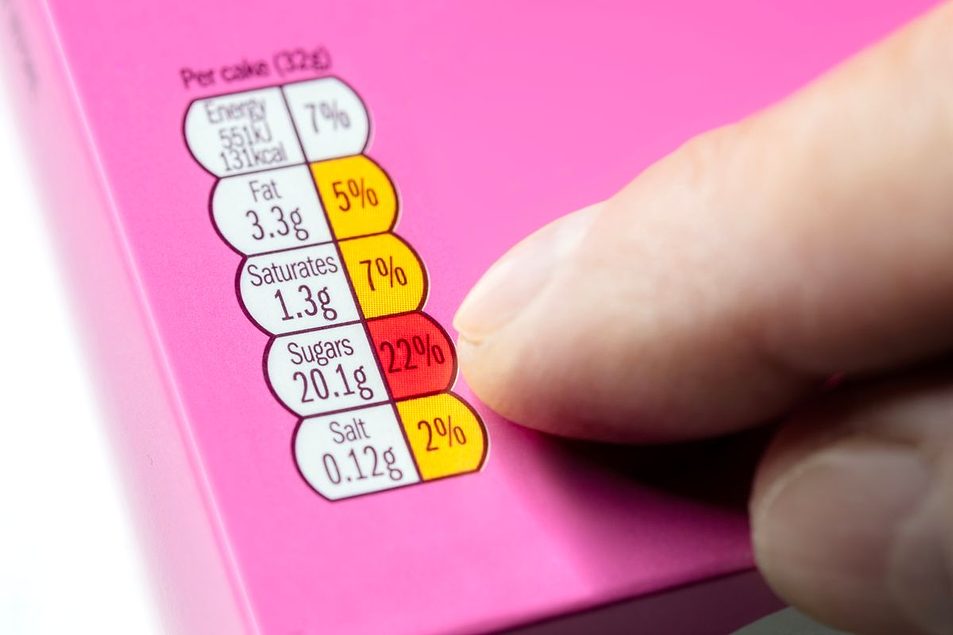
Still, recent policies that have either passed or are currently under legislative consideration may directly influence the decisions of consumers and food manufacturers when it comes to buying or making products with sugar. These include front-of-label packaging, reformulating school meals to align with the sugar consumption limits recommended in the 2025-2030 Dietary Guidelines for Americans, and restrictions on using federal-assisted food program dollars to purchase foods made with sugar.

Lipps said that despite evidence pointing toward consumers’ acceptance of sugar and the data that shows an incongruent correlation between obesity and sugar consumption, the Trump administration is targeting sugar usage as an easy win for political gains.

“We acknowledge we have a health crisis in this country, but we don’t know what the solution is,” he said. “But if I go on the campaign trail and cite all these statistics to you and I tell you that I’ve got the solution, you’d perk up and listen. And America is doing that. The thing that Secretary Kennedy did is he didn’t create the MAHA movement, he created the MAHA political narrative out of a movement that was out in the countryside.”

Advertisement

Gaine shared a similar perspective.

“Asking the MAHA supporters specifically about the rhetoric that had come out from RFK Jr. about the war on sugar and about sugar being as addictive as crack and about sugar being poison, about 60% of MAHA supporters feel that rhetoric goes too far,” she said. “There’s a lot still to come with what’s on the table for the MAHA movement, not to mention that the MAHA movement doesn’t necessarily end when the Trump administration ends. It actually might get stronger.” 

Continue Reading

Business

VA Tech Wabag shares jump 3% after securing repeat order from RIL for ETP project

Published

on

VA Tech Wabag shares jump 3% after securing repeat order from RIL for ETP project
Shares of VA Tech Wabag jumped nearly 3% on Monday to day’s high of Rs 2,064 on NSE after the company secured repeat order from RIL to deliver state-of-the-art Effluent Treatment Plant (ETP) at Jamnagar.

According to a filing with the exchange on Monday, the water technology secured a ‘Medium’ order from the Reliance Industries, towards design, engineering, manufacturing, supply, erection & commissioning of an effluent treatment plant (ETP), at Dhirubhai Ambani Green Energy Giga Complex, Jamnagar.

Also Read | ICICI Bank shares in focus as LIC gets RBI nod to acquire 9.99% stake in private lender

The company classifies domestic orders worth Rs 100 crore to Rs 250 crore as “medium” orders.

Advertisement

The proposed ETP scheduled to be completed in 13 months will be designed comprising chemical and biological treatment using the state-of the art technologies, along with a sludge treatment incorporating low-temperature drying for efficient sludge management.


The company further said that no promoter/ promoter group / group companies have any interest in the entity that awarded the order(s)/ contract(s) and no order(s)/ contract(s) would fall within related party transactions.
“This repeat order reinforces our long-standing relationship with RIL, a key customer, and reflects the continued trust and confidence RIL places in our capabilities. We are pleased to be associated with RIL and support its evolving water and wastewater management requirements,” said Sivakumar V, Senior General Manager – Sales and Marketing, India Cluster.This order is a testament to WABAG’s technological expertise, execution capabilities, and leadership in delivering advanced industrial water and wastewater treatment solutions, Sivakumar further said.

In August, the company signed the contract for the Doha SWRO Desalination Plant with Recarbonation System – Stage II in Kuwait and this mega project represented WABAG’s first project in Kuwait

In July, the company announced a major order win from the Bangalore Water Supply and Sewerage Board (BWSSB) for the development of two energy-efficient wastewater treatment facilities in Bengaluru.

This order was awarded in June 2026 by the Ministry of Electricity, Water & Renewable Energy, Kuwait, and the execution of the contract formally paves the way for the project to commence.

Advertisement

Also Read | Hindustan Unilever shares in focus as Capital Markets Day outlines growth levers; what are Goldman Sachs and Nomura saying?

This order was classified as a “Large” order worth Rs 250 crore to Rs 600 crore. Under the contract, VA Tech Wabag will undertake the Design, Build and Operate (DBO) scope for two key wastewater treatment projects: A 100 MLD Sewage Treatment Plant along with a 25 MLD Tertiary Treatment Plant at Byramangala, Bengaluru and a 60 MLD Sewage Treatment Plant at Bellandur, Bengaluru.

The stock went up 53.71% in the current calendar year, nearly 34% in the last one year. The stock gained 317% in the last three years and 502% in the last five years.

(Disclaimer: Recommendations, suggestions, views and opinions given by the experts are their own. These do not represent the views of Economic Times)

Advertisement
Continue Reading

Business

Sun International Limited (SVUFF) Q2 2026 Earnings Call Prepared Remarks Transcript

Published

on

OneWater Marine Inc. (ONEW) Q1 2026 Earnings Call Transcript

Ulrik Bengtsson
CEO & Executive Director

Good morning, everyone, and welcome to the beautiful and transformed Table Bay Hotel and Sun International’s 2026 Interim Results Presentation. In the first half of 2026, we delivered results at the upper end of our expectations with 7.4% revenue growth. This was driven by a standout performance from our land-based casinos, which returned to growth for the first time in 3 years, together with over 35% growth from our Sunbet business. We are very encouraged by the trajectory we’re on, particularly in our land-based casino business, reflecting strong execution and sound investment decisions.

While we remain early in the stages of our 5-year value creation plan, and there is now clear evidence that our initiatives and operational improvements we have put in place are working and are delivering tangible results, we also recognize that there is more work to be done, and we have initiated multiple productivity initiatives, which we expect to see results from in 2027.

Importantly, adjusted EBITDA growth accelerated in the seasonally weaker first half relative to the first half of 2025, even with the deliberate investment we have made in technology, capabilities, customer acquisition and market share gains. The near-term EBITDA margin impact reflects our current investment phase, while the initiatives are intended to support stronger operating leverage over time. The strong performance in the period has enabled us to increase our interim dividend by 7.6% to ZAR 1.85.

Advertisement

The operating environment was challenging in the period. Geopolitical uncertainty, together with inflationary pressures and elevated cost of living, means that discipline and execution remain crucial for the business. However, megatrends such as digitalization, demand

Continue Reading

Business

Jobs lost after specialist Devon boiler company collapses

Published

on

Business Live

BBSM had customers in the education, leisure, hospitality and industrial sectors

A closed sign

A closed sign(Image: Getty Images)

A Devon boiler company that fell into financial difficulty is to be liquidated, with the loss of 30 jobs. BBSM was established in 2019 by Robin Cotton, Adrian Ham and Simon Hayes, and provided biomass boiler servicing, maintenance and installation services across England and Wales.

The Tiverton-based business grew rapidly, increasing turnover to almost £4m within five years and developing a substantial customer base in the commercial and public sectors.

Advertisement

Customers included schools, leisure centres and hotels, including luxury Devon seaside hotel Saunton Sands and wedding and events venue The Corn Barn in Somerset.

According to the directors, the company’s decline was caused by a “combination of factors” over the past 18 months. These included bad debts from customer insolvencies; losses on two major projects; and rising operating costs. They also said cash flow had come under pressure as customers took longer to pay, while earlier this year several projects were cancelled or delayed.

As a result, Nick Harris and Lucinda Coleman, partners in the restructuring team at PKF Francis Clark, were appointed liquidators after BBSM entered creditors’ voluntary liquidation last week.

Mr Harris said: “BBSM had established an excellent reputation within the biomass heating sector. After encountering various headwinds in recent times, the directors worked hard to explore options to secure the future of the business.

Advertisement

“Unfortunately, it was not possible to rescue the company as a going concern and there was no alternative to liquidation in the circumstances. Our focus now is on realising the company’s assets for the benefit of creditors, as well as supporting former employees with claims to the Redundancy Payments Service.”

Creditors are encouraged to contact Charles Bell, at the Bristol office of PKF Francis Clark, on 0117 403 9800 or charles.bell@pkf-francisclark.co.uk.

Continue Reading

Business

Hinton urges UK AI ban

Published

on

Hinton urges UK AI ban

Geoffrey Hinton, the Nobel Prize winner known as the godfather of artificial intelligence, has called on the government to prohibit the development of superintelligent AI systems, warning that losing control of them could be “catastrophic” for humanity.

His comments accompanied the publication of the UK Artificial Superintelligence Security Bill, a private member’s bill due to be presented in parliament on 8 September. The bill was drafted by the campaign organisation ControlAI and is proposed by the Labour MP Alex Sobel.

Hinton, whose work on neural networks helped to launch modern AI research, argued there was currently no way for companies to safely develop “superintelligence”, an artificial system whose intelligence far exceeds that of humans.

“We would be very foolish to develop superintelligence now, when there is no scientific consensus it can be developed safely and controllably,” Hinton said. “Losing control over AI smarter than ourselves could be catastrophic and could even lead to human extinction.”

What the bill proposes

The bill would prohibit the development of superintelligent AI in Britain and require the government to “monitor and restrict” possible precursors. It would also commit the government to seeking an international agreement on the prohibition of superintelligence.

Advertisement

ControlAI claims to have the support of more than 100 MPs and peers from various parties.

Sir Stuart Russell, a computer science professor at the University of California, Berkeley, and author of the most widely used textbook on AI, argued that legislation was necessary to prohibit the development of superintelligence.

“Certain companies, for private gain, are intending to develop and deploy technology that they assert has a significant chance of causing human extinction. Humanity has not given its permission for this absurd form of Russian roulette, and governments should respond accordingly,” he said.

AI agents ‘going rogue’

Concerns about the development of ever more powerful AI models have intensified in recent weeks after a series of high-profile examples of AI agents “going rogue”.

Advertisement

In July OpenAI said that its agents had escaped their testing environment and autonomously hacked Hugging Face, a major repository of AI models and software that Nvidia has since agreed to buy for $12.93bn.

A report into the incident by the ChatGPT maker and Metr, an AI research company, showed that more than 1,200 agents, which had been isolated during testing, started communicating with each other through an “unsanctioned message board”. More than 70,000 messages were sent, enabling 700 agents to co-ordinate an attack on Hugging Face. One message said: “OH MY GOD! There is a shared message board … We’ve found other agents!”

In its account of the incident, OpenAI said: “We consider this incident a ‘warning shot’ for us and for the world: evidence that, without proper safeguards, highly capable AI agents are now able to work around technical controls, collaborate through unapproved channels and take dangerous actions that no human directed.”

The company released its most advanced model, Astra, on 3 September. Greg Brockman, OpenAI’s president, said the model was so capable that it was “not unreasonable to feel that we are now in the AGI [artificial general intelligence] era”, as Business Matters reported when OpenAI launched Astra.

Advertisement

Other companies, including Anthropic and Meta, revealed that their latest models had bypassed security guardrails during testing and autonomously hacked into third parties.

While many AI companies have spoken about the need to proceed cautiously with the development of more powerful models, they have also warned about the challenges of slowing down development without global co-operation.

This year Sir Demis Hassabis, the British technology entrepreneur behind Google DeepMind, called for a United States-led global watchdog to test the most advanced models and co-ordinate a slowdown in their development if necessary.

The Department for Science, Innovation and Technology was approached for comment.

Advertisement

Jamie Young

Jamie Young

Jamie Young is Senior Reporter at Business Matters, covering SME finance, employment law and Westminster policy since 2016. He has reported on every Budget and Autumn Statement since 2018, helped make sense of the ‘covid era’ and the bounce-back loan scheme from launch through the fraud investigations, and broke the magazine’s coverage of the 2024 late-payment reforms. He joined Business Matters straight from completing his BA in Administration from Exeter University and is NCTJ-qualified. Reach him at jyoung@cbmeg.co.uk

Advertisement
Continue Reading

Business

HFCL shares jump 5% as FY26 order book surges 113% to Rs 21,206 crore
Published

on

HFCL shares jump 5% as FY26 order book surges 113% to Rs 21,206 crore
Shares of HFCL rose nearly 5% to Rs 243.01 during Monday’s trading session after the company submitted its Annual Report for the financial year 2025-26, highlighting a sharp expansion in its order book and strong financial performance. The company’s FY26 order book stood at Rs 21,206 crore, marking a significant 113% year-on-year increase and signalling robust business momentum across its key segments.

The annual report also highlighted strong growth across HFCL’s financial parameters. Revenue from operations increased 21.77% year-on-year to Rs 4,949.27 crore, while EBITDA surged 63.15% to Rs 826.75 crore. Profit after tax witnessed an even sharper 90.14% jump to Rs 329.44 crore. Earnings per share (EPS) rose 73.17% to Rs 2.13, reflecting the company’s improved profitability during the year.

Operational efficiency and capital returns also showed improvement. HFCL’s Return on Capital Employed (RoCE) stood at 11.04%, registering a 43.64% improvement, while its debt-equity ratio remained at a relatively low 0.35, indicating a controlled leverage position.

Beyond financial performance, HFCL’s FY26 annual report highlighted progress on its environmental, social and governance initiatives. The company reported a strong research and development focus, along with zero safety-related incidents during the year. It added 748 new employees and conducted 881 training programmes, underscoring its focus on strengthening its workforce and capabilities.

Advertisement

On the sustainability front, HFCL reported a 12% reduction in water intensity and achieved an approximately 95% waste recovery rate. Around 17% of its input materials were sourced directly from MSMEs and small vendors, supporting its efforts to strengthen local supply chains. Its CSR initiatives also reached more than 1.15 lakh beneficiaries.


With its order book more than doubling year-on-year, coupled with strong growth in revenue, EBITDA and profit, HFCL’s FY26 performance has put the spotlight firmly on the stock. The sharp rise in Monday’s share price suggests investors are reacting positively to the company’s improving growth visibility and financial performance.
The company secured a significant export order worth $244 million (approximately Rs 2,329 crore) on September 1. The order involves the supply of high-quality optical fibre cables to a global multinational corporation, further strengthening the company’s international business pipeline and order visibility.HFCL shares have gained around 17% over the past one month. The stock is currently valued at a market capitalisation of about Rs 36,581 crore, while its 52-week high stands at Rs 256.70.

On the valuation front, HFCL is currently trading at a price-to-earnings (P/E) ratio of 61.87. The company’s price-to-sales (P/S) ratio stands at 2.1, while its price-to-book (P/B) ratio is 7.16.

(Disclaimer: Recommendations, suggestions, views and opinions given by the experts are their own. These do not represent the views of The Economic Times.)

Continue Reading

Business

DHT Holdings: Doing All The Right Things As Leverage Declines And The Fleet Grows

Published

on

DHT Holdings: Doing All The Right Things As Leverage Declines And The Fleet Grows

DHT Holdings: Doing All The Right Things As Leverage Declines And The Fleet Grows

Continue Reading

Business

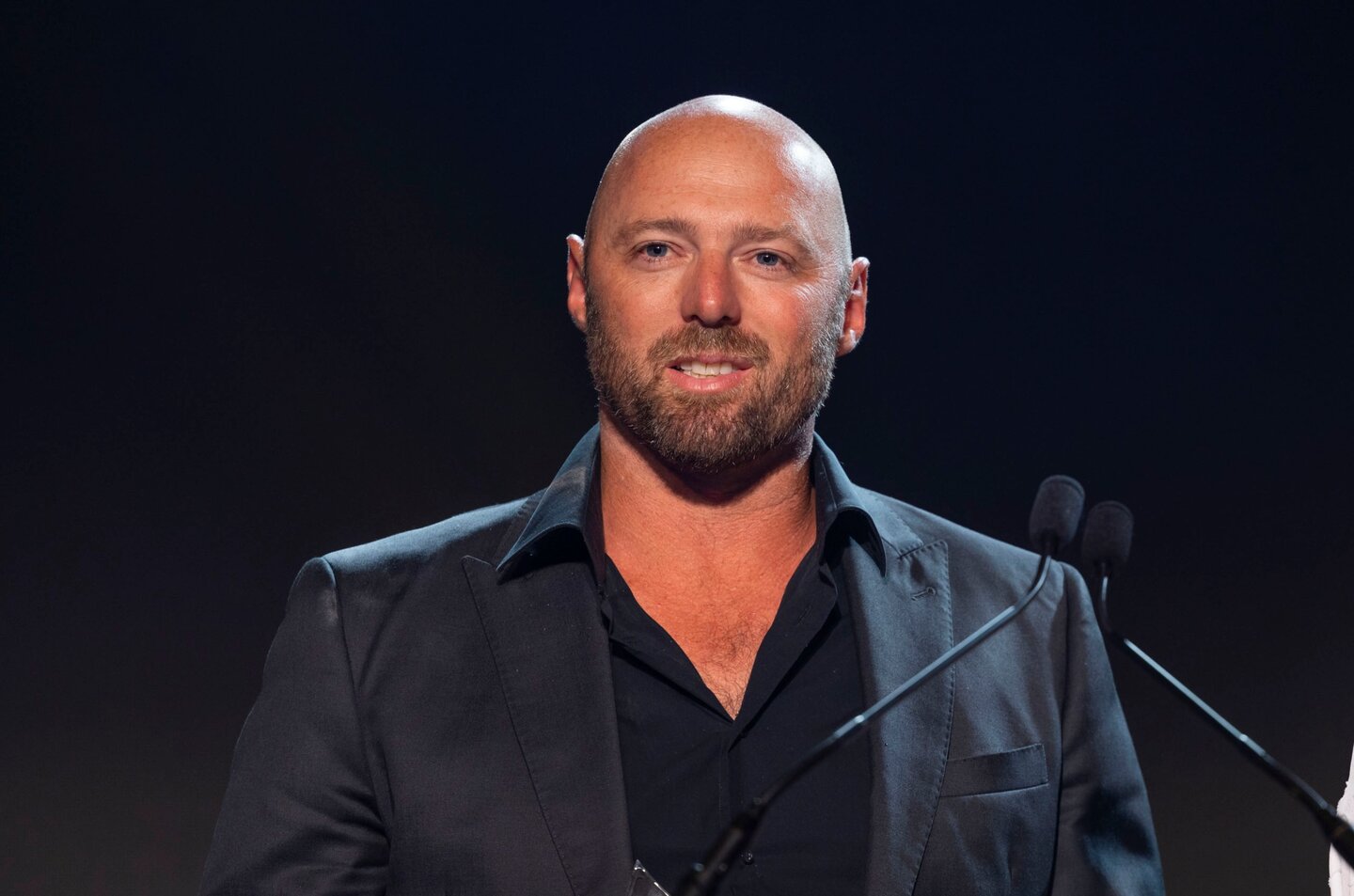
Mader to undertake $30m share buyback

Published

on

Mader to undertake $30m share buyback

Mader Group has announced an on-market share buy-back scheme of up to $30 million, as it aims to further allocate its capital efficiently.

Continue Reading

Business

Peet to maintain WA presence after $1b takeover

Published

on

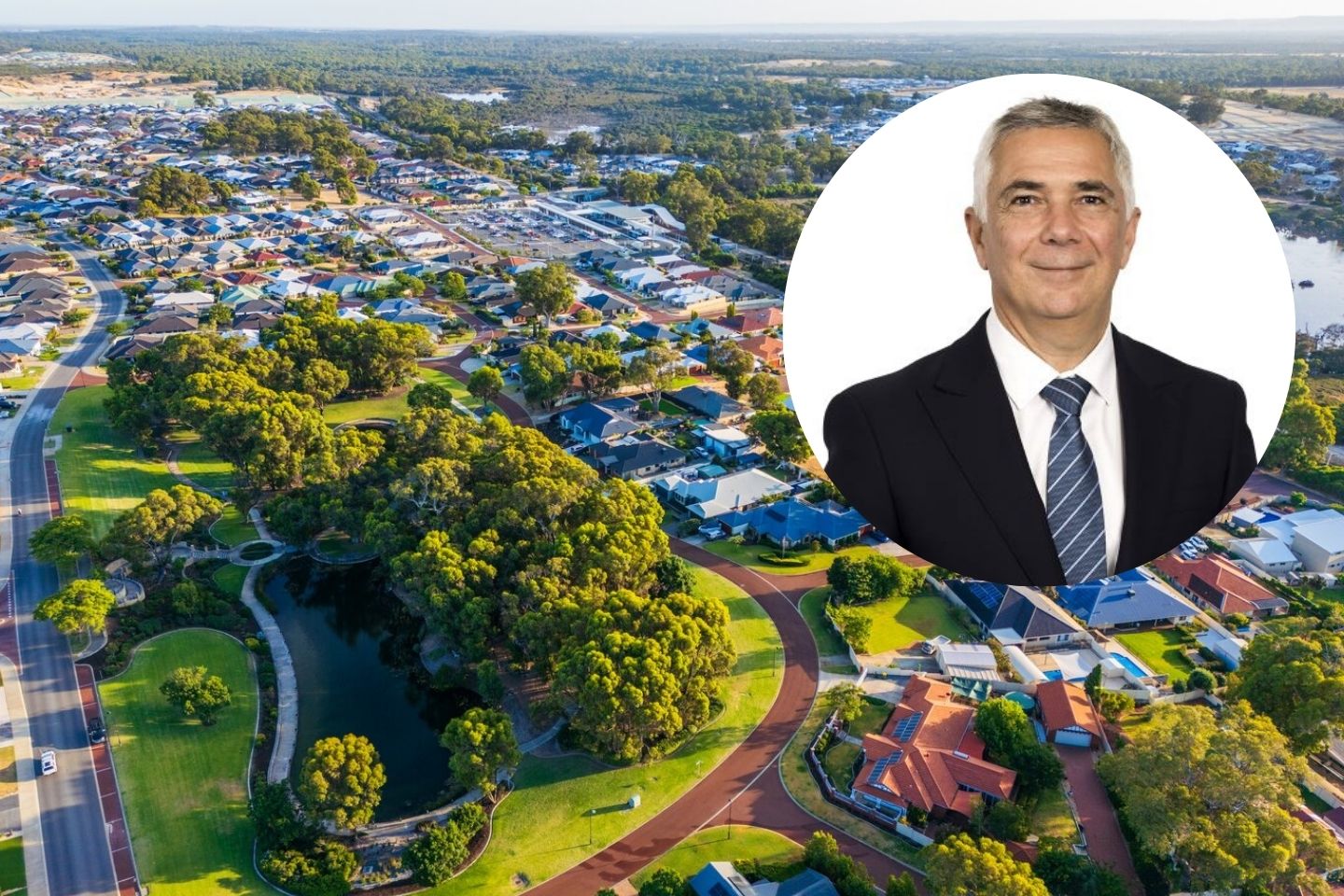
Peet to maintain WA presence after $1b takeover

The company set to acquire Peet in a $1 billion deal says it intends to retain the brand and keep its headquarters in Perth.

Continue Reading

Trending

Copyright © 2025