
Connect with us

Politics

Police Investigate Reform UK Donations After Channel 4 Documentary

Published

on

Police Investigate Reform UK Donations After Channel 4 Documentary

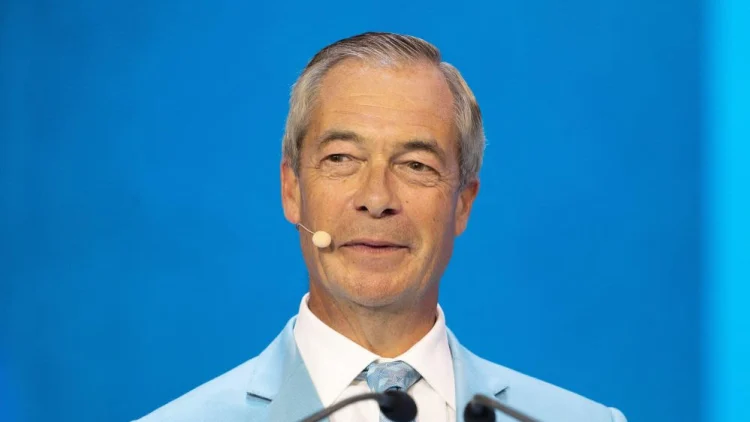
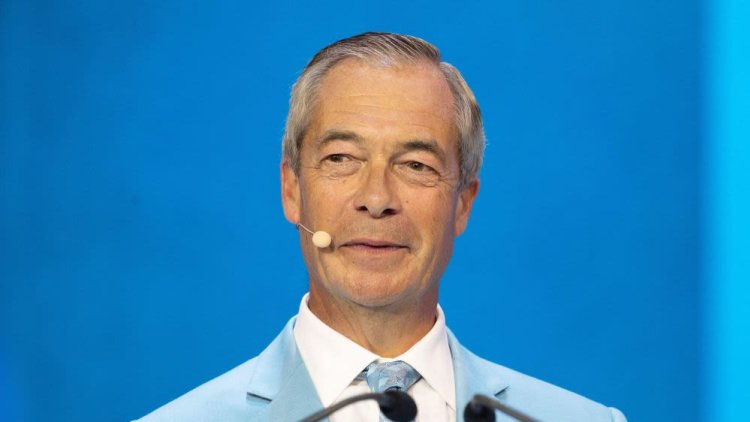
Detectives have launched an investigation after an undercover Channel 4 investigation into donations to Reform UK.

In a statement, the Metropolitan Police said they had “assessed the information provided and determined that there are potential offences requiring investigation”.

Detectives are “seeking to obtain relevant footage” from last Thursday’s Channel 4 broadcast, the force said.

The statement added: “Detectives continue to liaise closely with the Electoral Commission and Crown Prosecution Service as inquiries progress.”

Advertisement

Source link

Continue Reading
Click to comment

You must be logged in to post a comment Login

Leave a Reply

Politics

How do young people in the UK feel about its relationship with the EU?

Published

on

How do young people in the UK feel about its relationship with the EU?

Heather Rolfe aruges that campaigners for a closer relationship with the EU will find it challenging to engage young people in a debate that has passed them by.

In the months following the Brexit vote it was widely noted that older people had swung the vote to Leave while young people had largely voted to remain. Almost three-quarters (73%) of 18–24-year-olds voted Remain, and only 27% Leave, compared to a 60%/40% split among the over 65s. Media articles talked of baby boomers ‘messing things up’, or ‘snatching away’ young people’s freedom of movement.

It is often assumed that the 2016 vote division by age remains, and even that anti-Brexit feeling among young people has become stronger. Recent research by British Future on public attitudes to a future UK-EU relationship casts doubt on this narrative. Findings suggest that pro-EU campaigns cannot take the youth vote for granted.

It’s true that 18–24-year-olds are more likely to believe it was wrong for the UK to leave the EU (57% vs 49% for all age groups), but they are much more likely than others to say they don’t know (31% vs 19%). Across a range of other questions on the future UK-EU relationship they are also more likely to lack an opinion or to lack understanding of key aspects, including free movement.

Advertisement

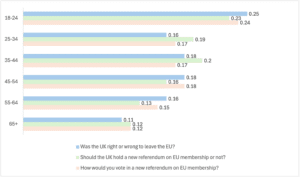
Nearly a quarter of young people (23%) say they don’t know whether the UK should hold a second referendum or not, compared to 15% across all age groups. When asked how they would vote in a future referendum, they are least likely to support staying out (17% vs 29% of all age groups).  But they are also much more likely than others to say they don’t know or would not vote (39% vs 25% of all ages).

‘Don’t know’ responses to key questions on the UK’s membership of the EU by age group

As recorded by many other surveys on immigration, ours found that young people aged 18-24 have more positive attitudes to immigration than other age groups and are less likely to favour reductions in immigration numbers. But this does not necessarily mean they are more in favour of EU migration or free movement. They are less likely than those in other age groups to say it should be easier to work in another EU country (46% vs 53%). They are also more likely than others to say they don’t know whether post-Brexit immigration controls should be kept, whether they would accept free movement if it meant less trade or if they would support a range of measures to manage free movement (for example restrictions on state benefits).

All of this might be understandable given that they were children or adolescents at the time. However, it might also be expected that as young adults they would be more inclined than others to support the types of mobility that they, or their siblings, could benefit from. However, they are no more likely than others to support a closer UK-EU relationship for school trips or for study. And, strikingly, they are less likely than other age groups to support the Youth Experience Scheme, currently under negotiation, by 45% compared to 57% of all age groups.

Advertisement

To understand attitudes in more depth, we held eight focus groups – two of them with young people who could not vote in 2016. Participants said that Brexit was not their decision, whether they thought it had been a good idea or not. The idea that young people have disproportionately lost out was a stronger theme of the all-age groups than those with young people. However, when potential opportunities for young people were discussed with 18–24-year-olds, they did feel that they had few opportunities to study and work in the EU.

Participants of all ages liked the idea of Erasmus+, the EU’s funding scheme for education, training, youth, and sport which the UK will join in 2027. They also liked the idea of the Youth Experience Scheme. For both, support came with the condition that they are inclusive and available to young people facing financial or other barriers. Older people believed that Erasmus had largely benefited those from advantaged backgrounds. Young focus group participants said they would not know how to go about looking at study or work opportunities abroad and wanted help with this if they were to participate.

We had expected young people to be more in favour than they were of a closer UK-EU relationship in their survey responses and to be more engaged in the focus group discussions. Their detachment from the issues is partly because, as they said in the focus groups, they were too young to absorb the arguments around free movement, sovereignty and rule taking vs rule making. Few also said they had learned about the EU at school or discussed with family or friends. Wider research suggests they are not disengaged from politics in general, but are more interested in issues such as job insecurity, cost of living and housing affordability.

Are today’s 18–24-year-olds fundamentally different to those of 2016? Research before the referendum found similar levels of disengagement to now: only half said they were certain to cast a vote, compared to more than two-thirds in other age groups. Turnout in the referendum was also lower in areas with a higher proportion of young people.

Advertisement

The planned reduction in the voting age to 16 is seen as an opportunity to encourage interest in democratic engagement. However, more is needed if young people are to engage in the UK’s place in the EU. Their lives and opportunities are rarely part of the narrative of campaigners, politicians and the media and many do not see it as relevant to their lives. On the issue of youth mobility which offers them opportunities, the focus of the debate is on inward migration: how many EU citizens will come to the UK for work or study? Should numbers be capped and who will pay their study fees?

It might also be that opportunities to study and work abroad appeal to relatively few young people, even if barriers were removed. But we can only be certain if they are more involved in discussions about what a closer future relationship might mean for them.

By Dr Heather Rolfe, Director of Research, British Future.

Advertisement

Source link

Continue Reading

Politics

Politics Home Article | Police Launch Criminal Investigation Into Reform UK Donations

Published

on

Police Launch Criminal Investigation Into Reform UK Donations

The Met has launched an investigation following the Channel 4 broadcast (Alamy)


2 min read

The Metropolitan Police have launched an investigation into allegations that Reform UK breached donation rules by using foreign funding. 

Advertisement

On Wednesday, the Met said that it had received several reports “relating to donations and polling involving a political party” following a broadcast by Channel 4 on Thursday.

In a statement, a spokesperson for the Met said: “Detectives have assessed the information provided and determined that there are potential offences requiring investigation.”

They added: “The potential offences are similar in nature to matters already under investigation by the Met’s Special Enquiry Team relating to donations made to the same political party. As a result, these matters will form part of that ongoing investigation. “

Advertisement

It comes after a Verbatim and Channel 4 investigation appeared to show senior officials discussing how to disguise donations from foreign sources.

Under UK electoral law, foreign companies are not permitted to fund party activities.

A Met spokesperson said: “Following a broadcast by Channel 4 News on Thursday, 3 September, the Met received a number of reports relating to donations and polling involving a political party.

Advertisement

The statement added: “All allegations under investigation relate to potential offences under the Political Parties, Elections and Referendums Act 2000. 


“As part of enquiries, detectives are seeking to obtain relevant footage relating to the broadcast on Thursday 3, September.


“Detectives continue to liaise closely with the Electoral Commission and Crown Prosecution Service as enquiries progress.”

When the investigation was first broadcast on Channel 4 last week, Reform UK said that the party had been the target of a “hoax”. But on Friday morning the party announced an investigation following the broadcast, with senior officials James Orr and Dan Jukes stepping down. 

While Reform had hoped to use its party conference in Birmingham over the weekend to regain its momentum after a difficult few months, senior figures were instead forced to face questions about the revelations. 


Advertisement

Source link

Advertisement
Continue Reading

Politics

Game Of Thrones’ Maisie Williams Addresses Arya Stark Spin-Off Rumours

Published

on

Game Of Thrones' Maisie Williams Addresses Arya Stark Spin-Off Rumours

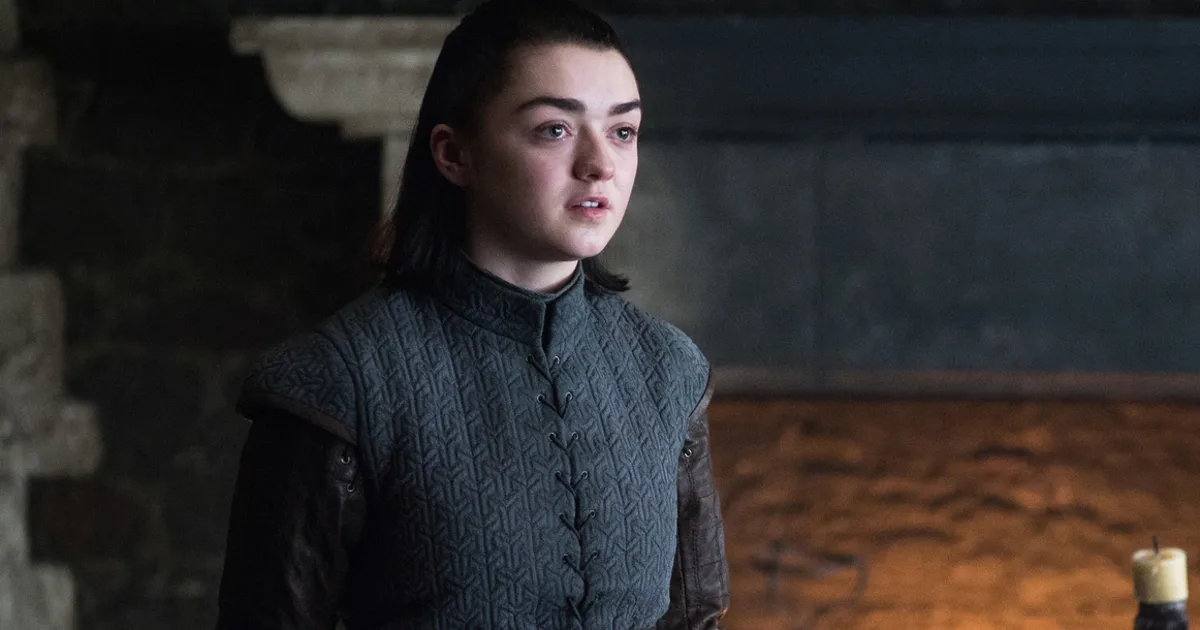
At the beginning of this year, The Hollywood Reporter suggested that an idea for a Game Of Thrones follow-up film centring around Arya was in the “very early” stages of development.

When asked about this speculation during a recent interview with The Guardian, however, Maisie made it clear that no one had been in touch with her about the supposed project.

“I saw that, too! I was like, huh?” she admitted.

Maisie then confessed she’s not even sure whether she’d be up for returning to the role that launched her career, which she last played in the final season of Game Of Thrones back in 2019.

Advertisement

“She would have to be developed in some way because I feel like I’ve changed so much, and I feel like what people loved about Arya is that she was always a child doing things that were quite grown-up,” Maisie claimed.

Source link

Advertisement
Continue Reading

Politics

Pickle Drinks Are Everywhere, These Are The Best Sodas To Try Now

Published

on

Pickle Drinks Are Everywhere, These Are The Best Sodas To Try Now

What was once something you interacted with when it was sandwiched between your patty and bun is now everywhere.

From big snack pickles, to picklebacks, the past decade has certainly been the time for pickles to shine.

And now, pickles are dominating the soft drink market, too.

Earlier this year, I had a limited-edition pickle matcha, which blended matcha with lemonade and pickle brine, at Bird & Blend.

Advertisement

And now, pickle sodas seem to be popping up left, right and centre.

Almost certainly not for the pickle protester, these drinks taste (shockingly) as though they’ve been infused with citrusy brine.

Three Cents’ has a slightly more cucumber, vegetal taste to it, and comes in the brand’s classic glass bottle.

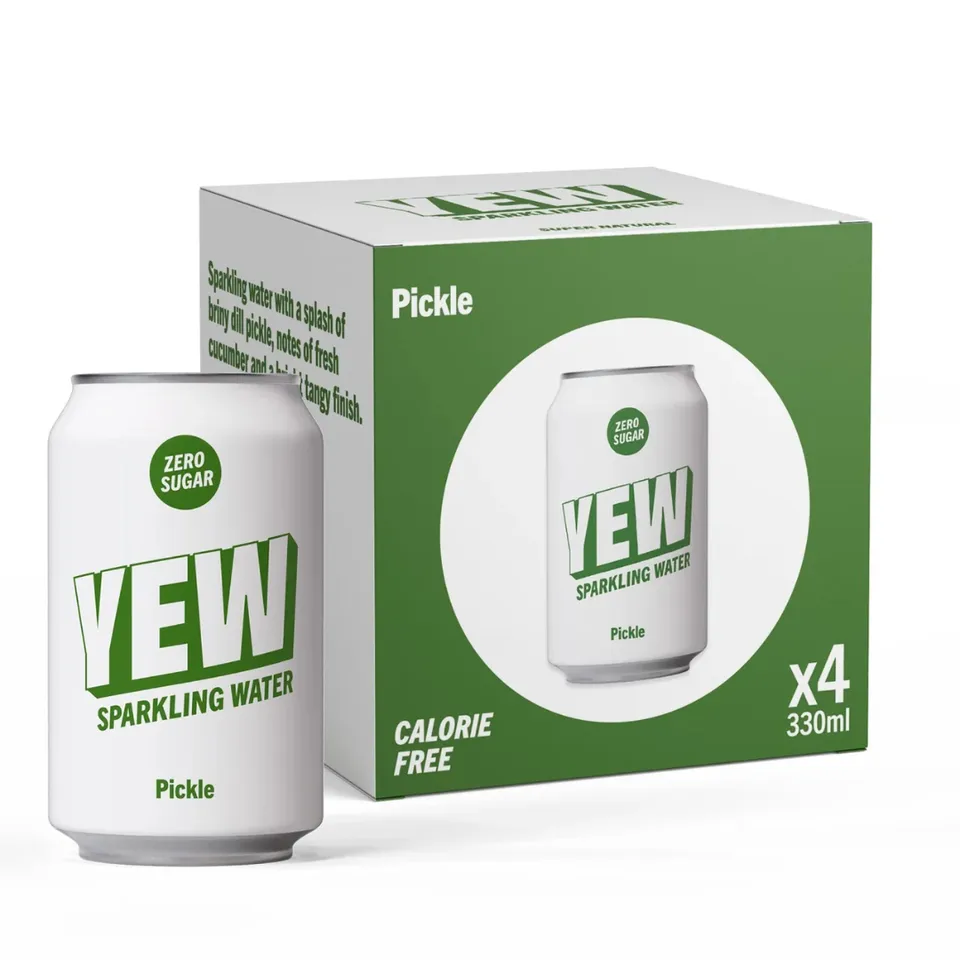
Yew’s, on the other hand, tastes exactly like drinking a sparkling version of the liquid straight from the jar.

If you do have a particular penchant for pickles, like me, these drinks are refreshing and quench that need to chomp down an entire jar of the things as a late-night ‘snack’.

Advertisement

Should you be even slightly opposed to a pickle, though, you’ll find yourself making a face like you’ve eaten a sour candy at even the first sip – they’re that precise.

Source link

Advertisement
Continue Reading

Politics

11 Waterproof Shoes And Boots For Men And Women 2026

Published

on

11 Waterproof Shoes And Boots For Men And Women 2026

I’m going to say something revealing here: until recently, I hadn’t really thought much about the concept of a waterproof shoe.

Yeah… I’ve been braving soggy toes for my entire 27 years on this planet, but I’ve decided it’s probably time to stop.

After doing a considerable amount of browsing (as you do as a shopping writer) I discovered that I’ve been holding an incorrect bias: waterproof shoes don’t have to be ugly.

Advertisement

Nor do they have to be wellies. In fact, there are plenty of waterproof and water-resistant shoes and boots out there that can be worn with any outfit you like. You don’t have to look like you’re wading through a field of mud at Glasto à la Alexa Chung in 2011. Who knew?

With Super El Niño on its way with more rain and wind than can usually be expected of a British winter, you’re definitely going to want to make sure you have a pair of comfortable shoes that will protect you from the elements.

I’ve rounded up the best men’s and women’s footwear to shop now – you better get your hands on them before they sell out. Oh, and don’t worry, there’s not a single knee-high wellington boot in sight.

Best waterproof shoes and boots for men and women 2026

Advertisement

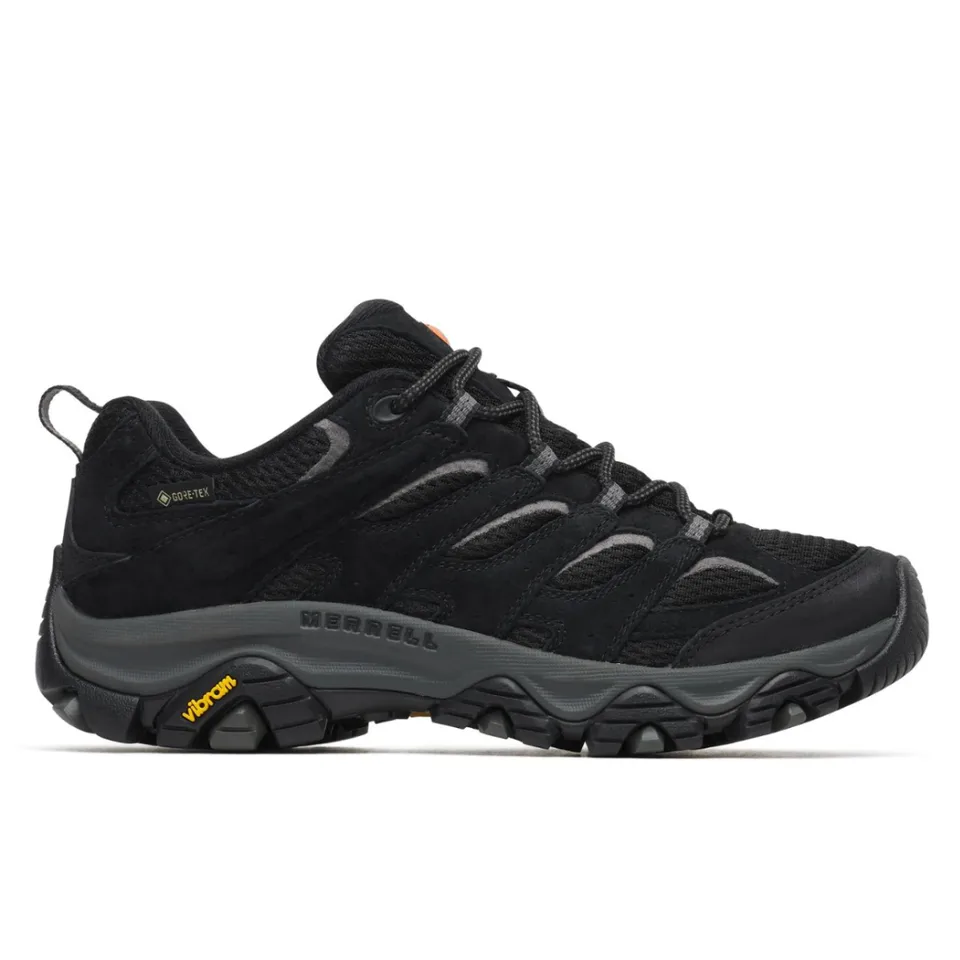
I have these shoes, and at first I have to admit I was worried they’d look too much like walking boots to wear on the daily.

But after wearing them for the first time at a weekend festival without so much as trying to break them in, I realised these would be my new go-to comfortable shoes.

There was not a blister in sight, they’re extremely comfortable, and they have a Gore-Tex membrane that keeps your feet dry. I also love the colour selections.

Thank God for the Gore-Tex revival: you can now look stylish and weather appropriate at the same time.

Leading the way in this category is Salomon, who has created a pair of ‘urban chic’ trainers that blend waterproof protection and breathability. Not to mention they look really, really cool.

Surprise! I bet you thought you’d seen the last of Timberland. You haven’t! The brand is back in full swing, in its signature yellow shade.

These boots are entirely waterproof, and despite being mighty durable are also loaded with an anti-fatigue footbed for comfort and 400 grams of PrimaLoft insulation to keep your foot feeling fresh all day long.

Advertisement

Here, my friends, is where you realise waterproof boots really do come in all shapes and sizes. I adore the idea of heading out on a rainy day in a Western boot. Yeehaw, cowgirl.

But I adore even more that the colour of these boots is called ‘reliable brown’. So true.

All I can ask for is that my feet stay warm and dry this autumn. These puffy shoes are made just for that, as they use PufferTherm technology to keep you warm all day, while also protecting from stormy weather.

You can buy them either as an ankle or mid-calf boot, and my favourite part is that you can add on a matching leg warmer for the days when it’s too chilly to move.

Gah – this autumnal colour is getting my creativity whirring. Picture these next to an open fire, or with a warm mug of mulled wine in your hands.

Wherever you are, that grippy sole is not letting you be susceptible to any slips or slides. And you’ll look extra chic doing it.

Look how sturdy that sole is, no drop of rain is going to get you in that. Especially not considering the sole extends to a mudguard, while the oiled leather upper keeps your foot dry from the damp.

Of course, they’re comfortable too, as Birkenstock has included its Deep Blue Footbed, which is supposed to feel like you have your foot in the sand, but with extra support.

Advertisement

In Regatta we trust. The great British outdoor brand has recently stepped up its fashion game big time, so this pair of short wellies naturally looks as good as any Chelsea boots.

They’re easy to pull on, thanks to the pull tab, and have a sleek rounded toe, so you won’t look like a cartoon character in boots.

You don’t have to go for a knee-high option to stay dry, in fact a casual city boot like this pair from Rains will suffice to keep your tootsies safe.

Made from matte rubber, these boots are built to have a good, cushioned grip. They come in men’s and women’s sizing and a ton of colour options (how cool is this shiny blue pair?).

If wellies aren’t quite your thing, these space-looking Moon Boots are water resistant and repellant, so they’ll keep you cosy and protected as long as you don’t stand in a puddle.

I love how these look with a skirt or tucked under wide leg trousers, or even as a slipper to wear around the house.
Advertisement

Source link

Continue Reading

Politics

Rivals Season 2 Return Date Finally Confirmed After Dramatic Cliffhanger

Published

on

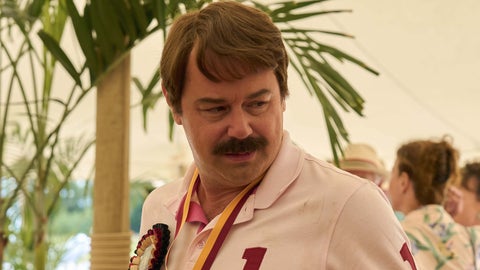
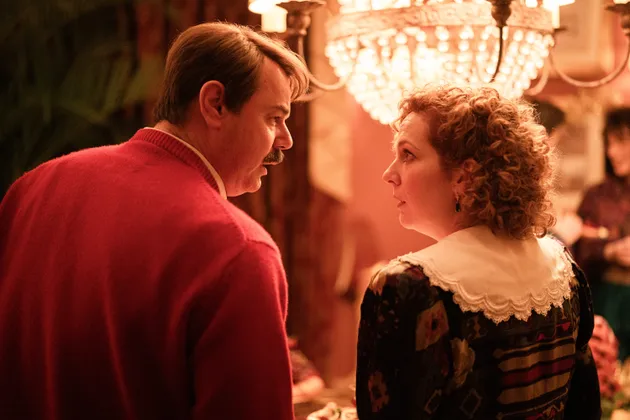
Danny Dyer and Katherine Parkinson in the new season of Rivals
Danny Dyer and Katherine Parkinson in the new season of RivalsDanny Dyer and Katherine Parkinson in the new season of Rivals

After the shock ending that’s left us hanging since the beginning of the summer, there’s finally been some news on when Rivals will be returning to our screen.

On Wednesday afternoon, it was announced that the second half of season two would be premiering on Disney+ on Wednesday 11 November.

The gripping bonkbuster will initially return with a three-episode drop, followed by three more new episodes in the following weeks.

Besides this exciting new info, Disney has also released brand new photos from the upcoming episodes, offering fans a sneak peek at what they’re in for.

Alex Hassell’s character has “personal demons” to face in the next episodes of Rivals
An official press release has teased: “Picking up after the gut-wrenching mid-series finale, Tony Baddingham and Declan O’Hara’s battle for the Cotswolds crown reaches fever pitch, while Rupert Campbell-Black is forced to confront his own personal demons.

“Against a backdrop of hedonistic parties, Bonfire Night chaos, the Hampshire Hunt Ball and a turbulent Christmas, affairs unravel, alliances fracture and rivalries intensify.

Advertisement

“Caught in the middle of the frenzied franchise war, Taggie O’Hara must find the courage to follow her heart, while those around her face the consequences of ambition, power and secrets that can no longer remain hidden. But as series two draws to a close, who will get their happy ending?”

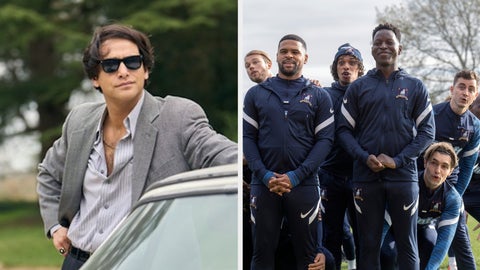
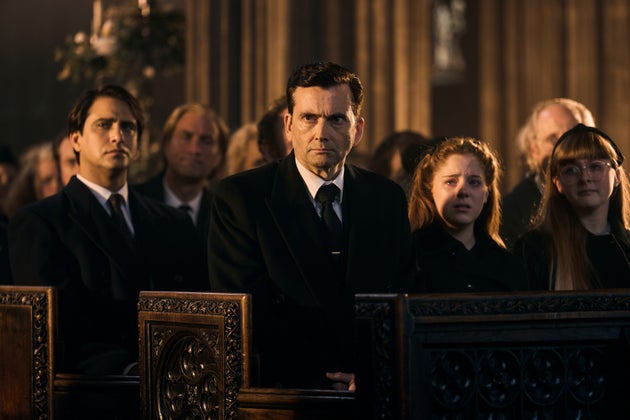
David Tennant in season two of RivalsDavid Tennant in season two of Rivals
It was previously revealed that Rachael Stirling will be joining the cast as Lady Monica Baddingham’s younger sister, Araminta Pemberton in the next run of episodes, which will also feature Rupert Evans and Big Little Lies’ Santiago Cabrera as new characters.

Earlier this year, Rivals writer Laura Wade claimed that the cliffhanger at the end of episode six was partly responsible for the mid-season pause in an effort “for those bits of story to just have a moment to sink in with viewers” and “build up some anticipation”.

“Also, we’ve got the Fifa World Cup coming up, so we’re releasing the first half before the football,” she pointed out on a more practical level, as well as noting that the second half of season two is set at a different time of the year to season one, so a longer break between episodes felt fitting.

Meanwhile, a third season has also been given the green light by Disney.

Advertisement

Source link

Continue Reading

Politics

Miriam Margolyes Slams ‘F**king Rubbish’ Pay For Harry Potter Movies

Published

on

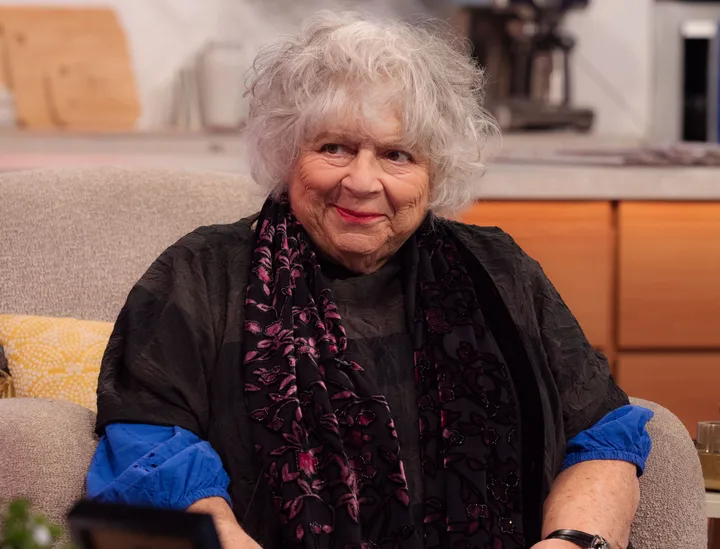
Miriam Margolyes on Lorraine last year

Miriam Margolyes has never made any secret of her somewhat mixed feelings towards the Harry Potter franchise – and now that includes the money she received for appearing in it.

The Bafta winner played Hogwarts herbology professor Pomona Sprout in two of the eight adaptations of JK Rowling’s work, and despite only amassing around two minutes of screentime, it’s still one of the roles she’s most recognised for today.

“I’m not thrilled that everybody thinks of me as Professor Sprout, because I have done other, better things,” Miriam told the audience at a recent Q&A (as reported by The Sun).

“Want to know how much I got?” she then asked the crowd, who responded enthusiastically.

Advertisement

“Yeah, I thought you would! £60K – it’s fucking rubbish!”

She added: “I mean, I don’t mind that everybody else got more, I don’t mind… it’s just the way the business works. It’s like that.”

Miriam Margolyes on Lorraine last year

Ken McKay/ITV/Shutterstock

Back in 2020, Miriam confessed during a video message on Cameo: “I’m not [a Harry Potter fan]. I’m not against it, I’m just not interested.

“I’ve never seen a film. I’ve never seen the books, I’ve never read them. I just pocket the money when it comes and I’m very grateful for it.”

Advertisement

She later claimed during her cover interview with British Vogue: “For me Harry Potter wasn’t important. I was very glad I got the part and I enjoyed being in it and meeting all the people, but it’s not Charles Dickens.”

More recently, in 2024, Miriam made a now-infamous appearance on New Zealand’s 1News, during which she caused a stir for saying: “I worry about [grown-up] Harry Potter fans. They should be over that by now.

“You know, I mean, it was 25 years ago, and it’s for children. I think it’s for children. But they get stuck in it.”

Doubling down during an interview on Australia’s News Breakfast, she added: “I just think that it’s for children. And if your balls have dropped, then it’s time to forget about it. You know, go on to other things.”

Advertisement

Miriam’s latest Q&A was to promote her new book Miriam’s Full English, in which she reflects on modern British society and culture.

She has since insisted never wanted to “embarrass or hurt Andi, because he seems very nice”, but while doing so, ruffled feathers once again, this time for using a perjorative term for disabled people.

Advertisement

Source link

Continue Reading

Politics

“A reminder of what we stand to lose”: Monica Harding reviews ‘Hiroshima, 8:15: The Lost Memoir’

Published

on

'A reminder of what we stand to lose': Monica Harding reviews 'Hiroshima, 8:15'

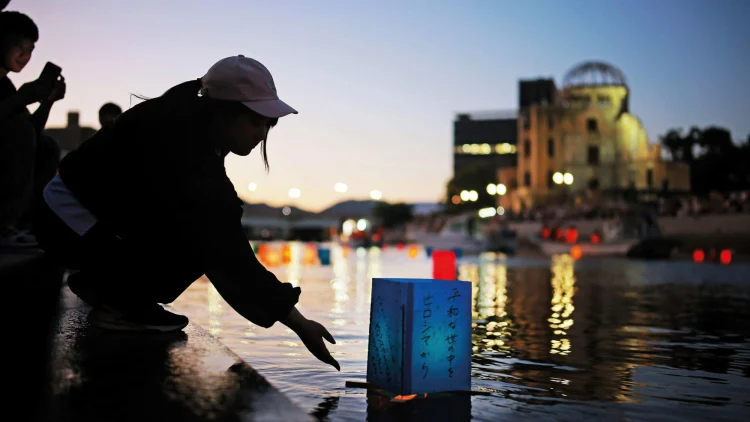
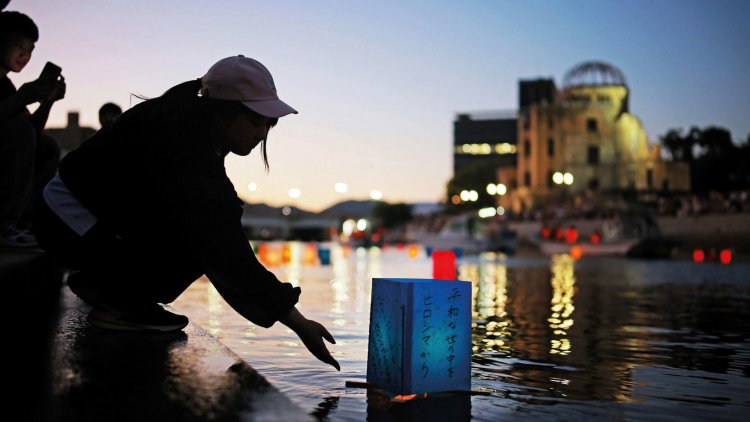
Hiroshima, 6 August 2026: Lanterns are floated in front of the Atomic Bomb Dome in memory of the victims of the world’s first atomic bomb attack | Image by: Associated Press / Alamy


7 min read

At a time of global crisis, the publication of this recently discovered eye-witness account of the aftermath of Hiroshima gives us a chance to reflect again on the horror of nuclear war

Advertisement

The city of Hiroshima has a strange feeling to it. Like many places imbued with a tragic history or designated a place of pilgrimage, it is hard to ascertain whether it is because of what it represents and its prominence in the public imagination or because it is a place of ghosts and souls, of spirit and spirituality. I have had the same feeling in other places – in Lourdes; in Mycenae, Agamemnon’s city of violence – and I felt it again in Hiroshima.

I first visited as part of a Japanese school visit, when I was 21 and teaching in Kyushu, Japan’s southern island on the JET (Japan Exchange and Teaching Programme). I remember the orizuru, paper cranes. I remember the dome that withstood the ferocity of the A-bomb, and I remember the shadows of people burnt onto the stone. I remember reading the pledge to peace. I remember the consensus amongst my group of teachers that Japan would never touch the bomb. 

Kiyoshi Tanimoto
Kiyoshi Tanimoto | Image: History and Art Collection / Alamy

Today, in 2026 with the world on fire, on the 81th anniversary of the nuclear bombs dropped on Hiroshima and Nagasaki, that consensus is breaking. The new Japanese Prime Minister Sanae Takaichi has avoided clarifying that Japan’s three nuclear principles – not to possess, produce or allow nuclear weapons to enter Japan – will remain. As the old architecture of non-proliferation crumbles, Japan’s neighbours sabre rattle – Russia threatens nuclear attack, North Korea expands its nuclear arsenal, China continues its military expansion, Iran squares up to America and European allies enter talks on advanced deterrence. The world has never been this close to nuclear war since the Cold War.

Advertisement

As if timed for an intervention, Kiyoshi Tanimoto’s diary, Hiroshima, 08:15: The Lost Memoir, records the moment and the immediate aftermath of the A-bomb and its human consequences. It is a personal recollection of the moment his community was hit by this brand-new weapon, marking an inflexion point – not only for warfare but for humanity. Tanimoto’s daughter, Koko, now in her 80s and one of the hibakusha or ‘survivors’ of that day, writes in the foreword: “We are the only people left who experienced an event that remains unique in human history. We have memory of it, and this memory is a very valuable one…. Memory is our hope for survival as human beings, and for the survival of the beautiful world we inhabit.”

When ‘Little Boy’ exploded above Hiroshima on 6 August 1945, Tanimoto, a 36-year-old methodist minister was outside of the city moving furniture from his church to a home as protection from air raids. He described it as “a sharp flash of light” and “a strong blast of wind”. The bomb became known in Japan as pikadon (the literal translation of ‘flash-boom’); 80,000 people died in the first few minutes – victims instantly vaporised or crushed to death.

As Tanimoto begins to run towards the city and his home, and black rain begins to fall, the vast numbers killed or injured becomes clear to him. “Skin from faces, hands, arms and breasts were stripped off or hanging lose… all faces were without expression… It seemed like a procession of ghosts.” Tanimoto rushes past victims, apologising for not staying to help. He runs through fire, with guilt that he has survived, and then reveals – with supreme unselfconsciousness – that he felt not the slightest pleasure in seeing his wife and child safe and was instead filled with indignation that a parishioner, who had visited the parsonage at the moment the bomb had hit, had died in their care.

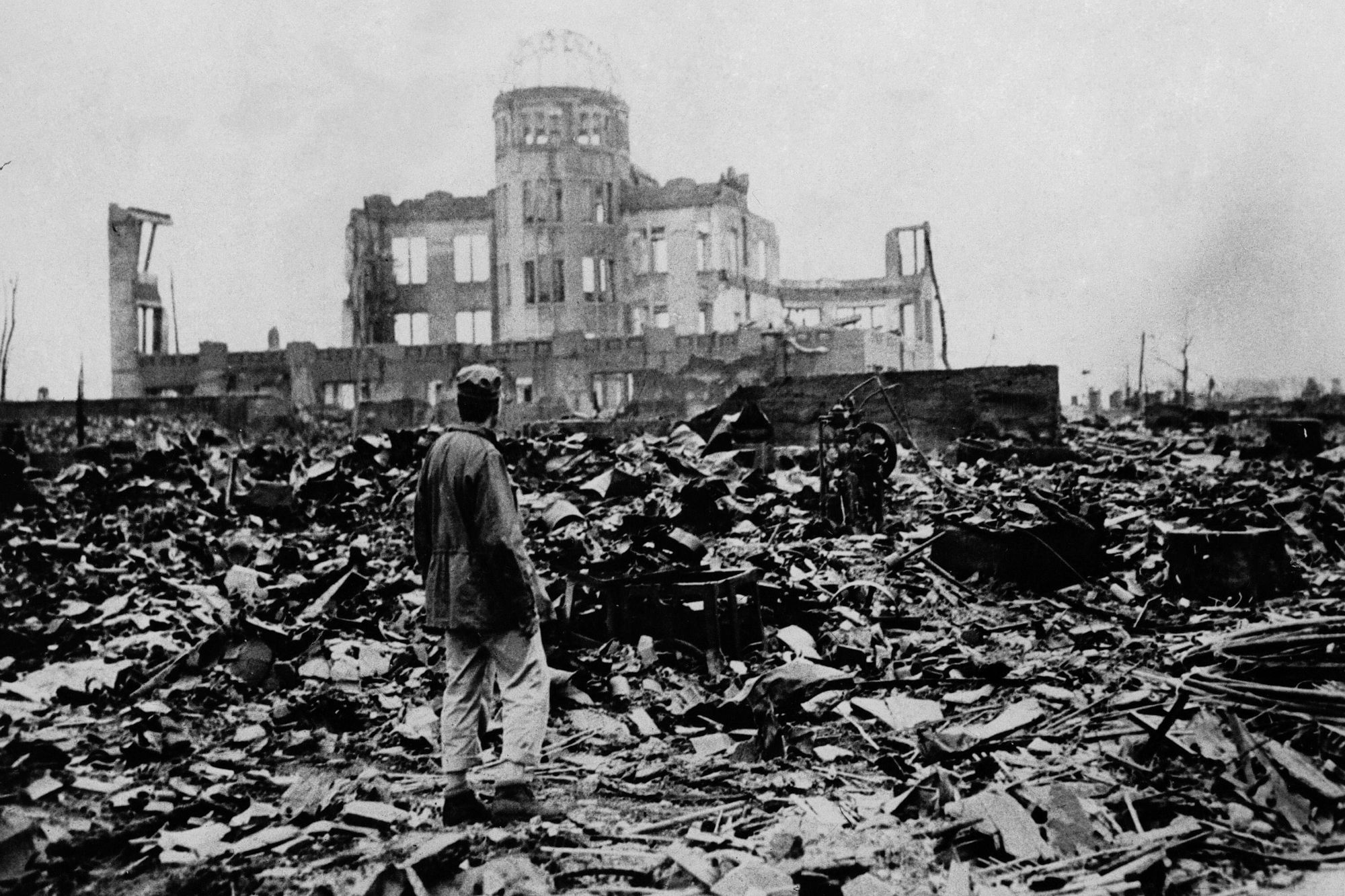
Atomic dome 1945
1945: Atomic Bomb Dome, Hiroshima | Image by: AP Photo / Alamy

His diary recounts starkly the devastation of that first day, of the search for remains when “not one piece of bone could be found”, buildings leaving no trace, relatives cremating the dead who would be dead themselves within a couple of days, of victims he pulled from the river only to find when he pulled on their hand “the skin of his hand slipped off as if it were a glove. When I laid my hands on the back of another man, the skin of his back came off”.

Tanimoto’s diary chronicles it all: the days and the months afterwards, how radiation sickness claimed the survivors, his feelings at the end of the war, and of the community as it tries to rebuild. It is a story of personal and community resilience, exploring duty and obligation, and how a war-ravaged country comes to terms with a peace – and a new relationship with its enemy.

Advertisement

Tanimoto dedicated the rest of his life to the pursuit of peace. His heroic efforts to rescue his community, rose to prominence in the Pulitzer Prize winner John Hersey’s 1946 piece for The New Yorker, which brought the reality of the bomb home to the US public for the first time. But this is the first time we have been in receipt of Tanimoto’s own words – this diary had remained hidden, sitting quietly in one of Hersey’s folders stored at Yale University, until it was discovered by Hersey’s grandson in 2023.

His diary starkly recounts the devastation of that first day


The decision to drop the bomb still divides opinion – the cumulative total of lives lost because of the Hiroshima bomb is estimated at 140,000. The intense wartime study of the effects of radiation played little part in the political decision to drop the bomb.

Advertisement

The single-minded drive of the Manhattan Project which built it meant that its use had almost unstoppable momentum by the time the new US president Harry Truman took the decision to deploy it. The scientists were uneasy: “Well, I have my doubts, General Groves,” the ‘father’ of the atomic bomb J Robert Oppenheimer famously told the army officer in charge of the Manhattan Project, while Groves told a 1945 Senate hearing that radiation sickness was “a very pleasant way to die”.

Philip Morrison, a physicist with the Manhattan Project, told the BBC in 1975 that those working on the project knew intellectually very well both the short- and long-range effects of radiation. But he said, it was “seeing the living reality, the dying reality, is a very big difference to everyone, to the whole world. So I think we knew it, but we didn’t feel it”.

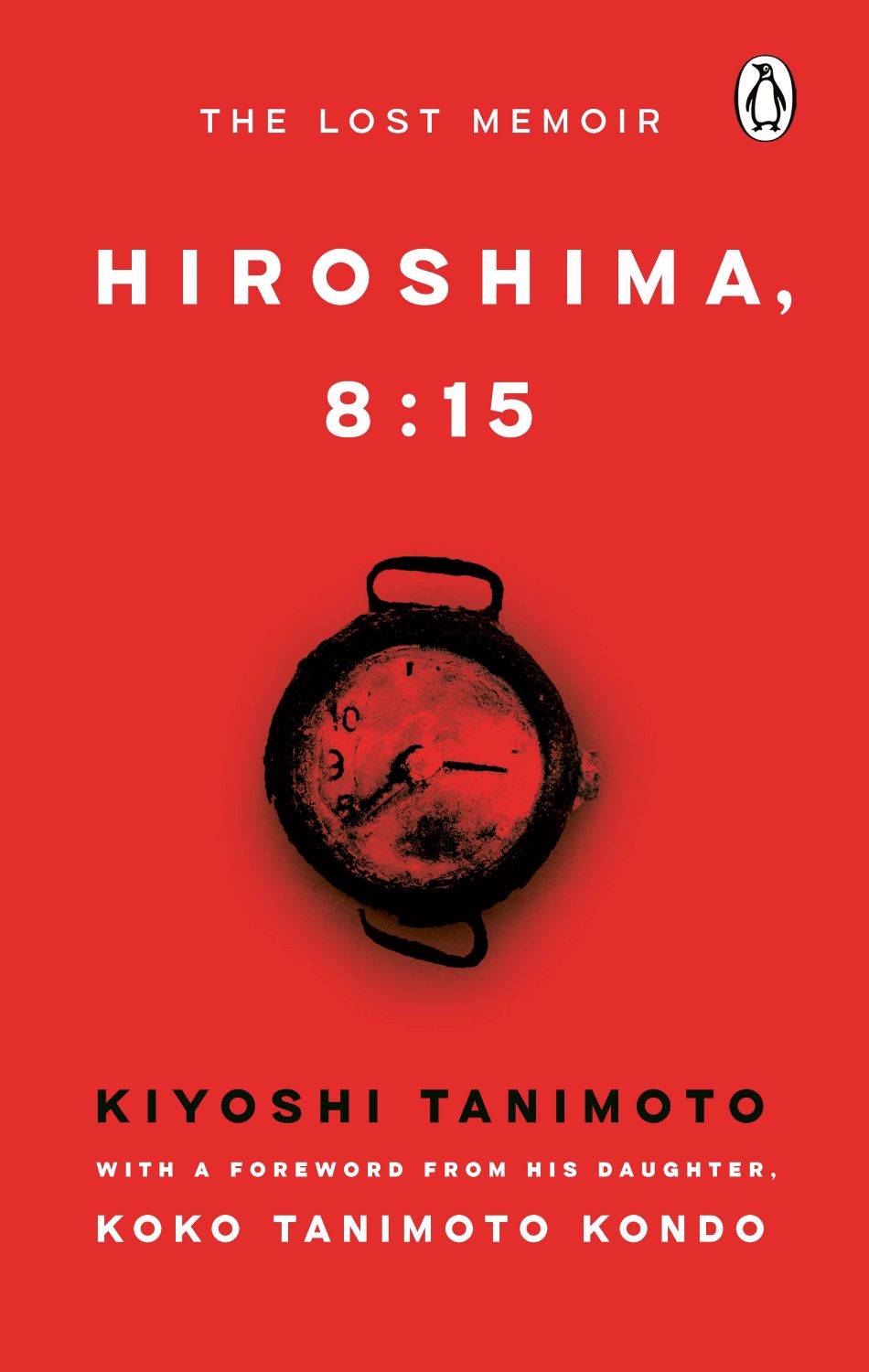
Hiroshima 815 book coverTanimoto’s diary feels it – written with an absence of pathos, so straightforward in its telling, of the effects on man.
At the Pacific island American military base where Enola Gay had taken off, there was a big party on the night of the bomb. The military knew the end of the war was coming. But we are told by Morrison, “the scientists sat around looking morose and thinking about the end of the world”.

The publication of Tanimoto’s diaries, as the world races to arm itself, is another moment of reflection, a chance to pull back from the seemingly unstoppable momentum of war, and remember what can be lost, in a moment.

Advertisement

Monica Harding is Liberal Democrat MP for Esher and Walton

Hiroshima, 8:15: The Lost Memoir

By: Kiyoshi Tanimoto

Publisher: Ebury Press


Source link

Continue Reading

Politics

WHO Guidelines For Dementia Prevention Strategies

Published

on

WHO Guidelines For Dementia Prevention Strategies

According to leading dementia charity Alzheimer’s Society: “there are currently estimated to be 982,000 people with dementia in the UK, but more than a third of people with the condition do not have a diagnosis.

“The number is expected to rise to 1.4 million by 2040.”

While these numbers are staggering, there is a slither of hope. Dementia research is constantly advancing and there is more support and knowledge than ever before for dementia patients.

Additionally, according to a major review published in The Lancet in 2024, up to 45% of dementia cases may be preventable or at the very least, delayed. In other words: for some cases, it is partially in our control.

Advertisement

Now, the World Health Organization (WHO) has released updated recommendations for preventing or delaying the onset of dementia.

How to prevent or delay dementia onset

“We know more today than ever before about what drives dementia risk, and these guidelines translate that knowledge into action,” said WHO Director-General Dr Tedros Adhanom Ghebreyesus.

“Countries now have clear, evidence-based recommendations they can put into practice immediately to protect people’s cognitive health.”

Advertisement

On their website, WHO says: “The guidelines recommend several healthy behaviours and lifestyle interventions to reduce dementia risk, including cognitive training and cognitive stimulation and engagement in social activities for adults who have normal cognition or are experiencing mild cognitive impairment.

“The updated advice also includes interventions that reduce risk of [non-communicable diseases], including increasing physical activity, stopping tobacco use, reducing alcohol consumption, adopting a healthy diet, and a new recommendation to reduce exposure to air pollution.”

Interestingly, hearing loss is also addressed by the WHO. HuffPost UK reported back in 2023 that a quarter of young people are at risk of dementia due to the cognitive decline caused by hearing loss. Now, the World Health Organization has advised that hearing aids may be offered as part of risk-reduction strategies.

Download the updated guidelines for more information.

Advertisement

Source link

Continue Reading

Politics

The House | The impact assessment sets out why I cannot support the assisted dying bill

Published

on

The impact assessment sets out why I cannot support the assisted dying bill


4 min read

When the new assisted dying bill is brought before the House of Commons on Friday, MPs will again be asked to vote on a policy issue charged with immense emotional sensitivity.

Advertisement

Since I was elected, I have listened to constituents describe the agony of watching someone they love approach the end of life. I have experienced that agony myself. When cancer claimed my wife, I witnessed the fear and helplessness that serious illness can bring in its final stages. I know what it means to wish you could do something – anything – to ease the suffering of a loved one. 

But having weighed the evidence, heard the experts and watched Parliament grapple with this legislation, I am firmly convinced this bill is the wrong way to achieve it. Legislation should not be built simply around one’s own individual experience – laws must be fair and safe for all, and account for the vulnerabilities of every person who would be impacted. The evidence is now clear that this bill does not adequately account for it.

The government’s own new equality impact assessment on the bill highlights these concerns by acknowledging that, in jurisdictions where assisted dying operates, older people, who are often dependent on others for care, are the main recipients. It also records concerns that older and disabled people may experience subtle or overt pressure to end their lives prematurely. Disabled people are twice as likely to be victims of domestic abuse.

Advertisement

We have spent years assuring disabled people that dependence does not diminish their worth. We should think very carefully before now creating a system in which someone who is old, disabled or dependent and approaching the end of their life might conclude that the most dignified thing they can do for their family is to die.

The equality impact assessment finds ethnic minorities are also particularly vulnerable under this legislation. People from ethnic minority backgrounds are more likely to face structural pressures such as high rates of poverty, poorer healthcare access, lower quality care, and disproportionate levels of domestic abuse committed against Black and Asian women. Where age, disability and race inequalities intersect, the most vulnerable members of society could face enormous pressure to opt for a premature death that they may have otherwise not agreed to.

If we vote through the assisted dying bill this week, we will not be affirming an abstract principle about bodily autonomy, but choosing to accept the status quo that some members of vulnerable groups will almost certainly fall through the net. That danger is fundamentally incongruous with Labour’s entire philosophy.

It deeply troubles me that the government’s own impact assessment projects savings of up to £84.8m a year from earlier deaths under assisted dying, treating the death of someone who requires costly care as a fiscal saving for the state.

Advertisement

As legislators, we know that individual “choices” rarely take place in a vacuum. A woman facing domestic abuse or a disabled person navigating social pressure may be legally free to decide, yet not truly free of coercion, so why should that understanding vanish when the decision is whether to die?

And what alternatives are we offering? Access to palliative care is notoriously uneven and subject to a “postcode lottery”.

The better answer to suffering is to care better. Invest in hospices and palliative medicine, support unpaid carers, improve social care, tackle loneliness and protect older and disabled people from abuse. Above all, ensure that nobody approaching the end of life feels that their family would be better off without them.

Andy Burnham’s instincts were right when, at the very start of his premiership, he argued that fixing the broken care system is vital before entertaining further discussion on assisted dying. Our legacy in government should be this: we cared so much about uplifting the vulnerable that we concentrated our efforts on improving current conditions – not introducing a new and questionable assisted dying system that could endanger disadvantaged communities. 

Advertisement


Patrick Hurley is the Labour MP for Southport

Source link

Continue Reading

Trending

Copyright © 2025