
Crypto World
Top 10 Unresolved Crypto Mysteries Still Without Answers

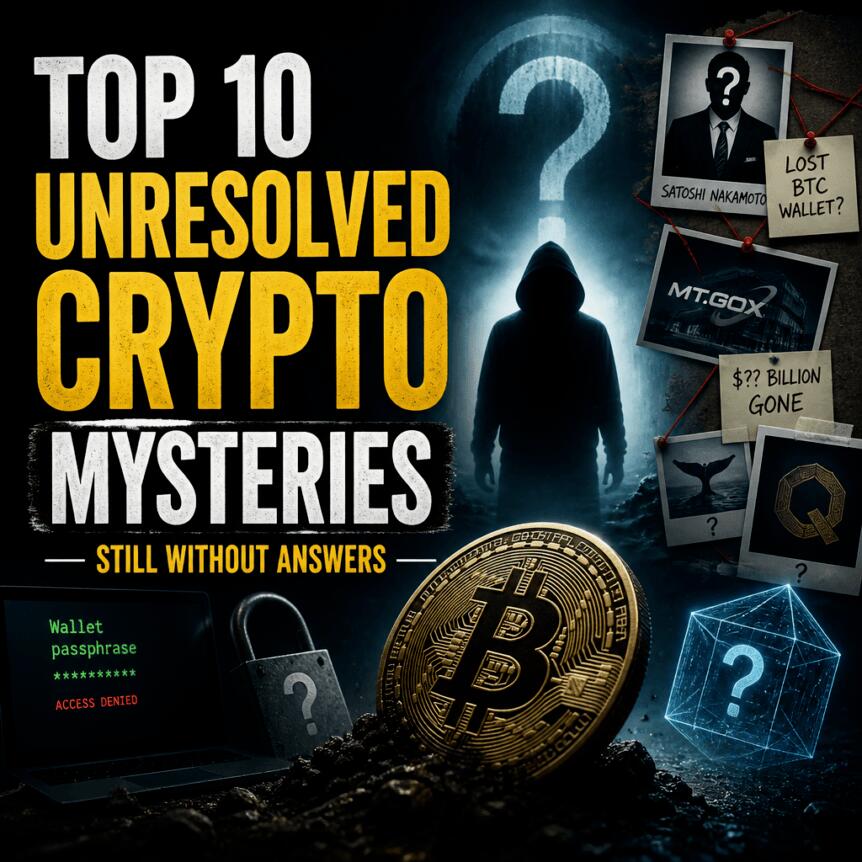
Crypto often markets itself as an open ledger where everything can be checked—yet the industry’s history is also packed with missing identities, unresolved thefts, and disappearing funds. From Bitcoin’s origin myth to high-profile exchange collapses and personal stories tied to key loss, the biggest mysteries endure not because they’re unobservable, but because the answers remain incomplete.
A recent roundup highlights ten lingering questions that still lack definitive resolution—from “who” authored Bitcoin’s earliest work to “where” certain assets ultimately went. Even when investigators trace portions of movements, the full picture is often still out of reach.
Key takeaways
- Satoshi Nakamoto remains unidentified despite major investigative claims, including a prominent 2026 New York Times report naming Adam Back as a leading candidate.
- Early Bitcoin holdings are still partly unexplained, including the “Patoshi” miner theory and the unknown remainder of funds tied to Mt. Gox.
- FTX’s alleged post-bankruptcy theft was reported at roughly $415 million, yet the perpetrator’s identity is still not established in the public record.
- Several mysteries involve key access rather than lost chains: cases like James Howells show that Bitcoin can remain on-chain even when keys are unrecoverable.
- Some stories intertwine with criminal allegations, such as QuadrigaCX, OneCoin’s Ruja Ignatova, and the unresolved circumstances around Nikolai Mushegian’s death.
Bitcoin’s origin stories still don’t add up
The most famous mystery—who created Bitcoin—dates back more than 17 years. The Bitcoin white paper was published in 2008, the genesis block was mined in January 2009, and the figure associated with the “Satoshi Nakamoto” name appeared active in early development before vanishing from public view around 2010.
Over the years, investigators and writers have circulated numerous candidates, ranging from cryptographers to early developers. In April 2026, The New York Times published an investigation that put British cryptographer Adam Back forward as its leading candidate, citing similarities in writing, shared cryptographic interests, Back’s work on Hashcash (which is referenced in the Bitcoin white paper), and other circumstantial connections. Back has denied the allegation.
Other notable claims have included Peter Todd and Hal Finney among historical suspects, and Craig Wright as a self-proclaimed creator who was reportedly ruled by a UK court not to be Satoshi. There are also fringe theories, including online speculation tied to newly released Epstein files; however, the article notes there is no credible evidence supporting the claim that Jeffrey Epstein was Satoshi.
From “Patoshi” to Mt. Gox: missing coins and partial answers
Another early-epoch Bitcoin mystery focuses on who mined a large stash attributed to a single operator. In 2013, blockchain researcher Sergio Lerner reportedly discovered a pattern in how the earliest blocks were mined and linked it to a miner he later dubbed “Patoshi.” Lerner estimated the holder controlled about 1.1 million BTC across roughly 22,000 blocks, making the entity—if the theory is correct—one of the largest Bitcoin holders. The account remains unproven, but it is presented as one of the strongest analytical links connecting early mining behavior to the era’s most influential identity, whether or not that identity is actually Satoshi.
Mt. Gox’s collapse remains another unresolved case with real-world consequences. When the exchange failed in February 2014, it initially claimed around 850,000 BTC had disappeared. Later, Mt. Gox reportedly found about 200,000 BTC in wallets it previously believed were empty. What happened to the rest is still unclear.
Even after more than a decade, creditors have begun receiving some returns, but the “missing” portion hasn’t been completely accounted for. The article references investigative claims and allegations tied to hacking and laundering, including US prosecutors’ assertions that Russian nationals stole and laundered about 647,000 BTC. Yet the broader question—who took the coins, how and when it occurred end-to-end, and where all remaining funds ended up—remains unanswered in full.
Exchange collapses and “missing keys” shape modern crypto mysteries
Some mysteries are about crime; others are about custody and control. The QuadrigaCX story, for example, turned on the claim that founder Gerald Cotten died in December 2018 and left the exchange unable to access customer crypto because private keys were allegedly unrecoverable. A later investigation by the Ontario Securities Commission reportedly concluded that Cotten transferred millions of client funds to personal accounts and used client assets to cover trading losses and expenses.
That finding reframed the mystery from “lost keys at the bottom of a grave” to an account of internal misuse—though it still leaves room for questions about the exact mechanics of the transfers and what, if anything, could have been recovered earlier.
Similarly, the disappearance of large sums after the FTX bankruptcy filing continues to be discussed as an open question of responsibility. After FTX filed for bankruptcy, digital assets began leaving the company’s wallets. According to reporting cited in the piece, about $415 million in crypto was reported stolen. US authorities later seized hundreds of millions in assets linked to the case, and investigators have traced parts of the movements. However, the article emphasizes that the attacker’s identity has not been publicly resolved.
Personal disappearances and “forever on-chain” losses
Not every mystery involves purely technical puzzles. The FBI still lists Ruja Ignatova, founder of OneCoin, as a top fugitive. According to the article, the FBI says the scheme defrauded victims worldwide of more than $4 billion and offers a reward of up to $5 million for information leading to arrest and conviction. Ignatova disappeared after traveling in October 2017, was added to the FBI’s Ten Most Wanted list in 2022, and the FBI maintains she remains at large, describing her as “well-funded” and “well-connected” in a later update.
Other cases show how crypto can make mistakes permanent in a different way. Welsh IT worker James Howells is tied to a long-running attempt to recover a hard drive containing Bitcoin keys. The article says Howells insists the drive ended up in a landfill and that he pursued excavation plans for years, though a High Court judge ruled in January 2025 that he had no realistic prospect of succeeding. The Bitcoin itself, importantly, is still present on the blockchain—accessible only if the keys can be found—illustrating a central tension in self-custody: the ledger may be transparent, but the ability to spend depends on the private keys.
In the DeFi era, the DAO hack from 2016 also remains unresolved. The article describes how an attacker exploited a vulnerability in The DAO’s smart contract to siphon more than 3.6 million ETH into a child DAO before the attack stopped. The attacker was never identified. A later claim by Laura Shin connected the attacker to Austrian programmer Toby Hoenisch, but he denied it and reportedly was never charged. The event reshaped Ethereum’s development and helped set the stage for Ethereum Classic, underscoring how disputes about immutability and governance remain practical—not just philosophical.
Finally, the piece includes a mystery tied to the death of early MakerDAO developer and Balancer co-founder Nikolai Mushegian. He was found dead off Condado Beach in Puerto Rico in October 2022, and local police said strong currents were responsible. But the article highlights that Mushegian had posted alarming messages on Twitter shortly before his death, warning of a possible assassination and alleging involvement by intelligence agencies and others. The Puerto Rico Justice Department reportedly investigated for almost a year and determined no criminal involvement. Still, his online warnings leave unanswered questions about what happened in his final hours.
When funds move to “burn” addresses, the trail can still go cold
Some mysteries are deliberately designed to end the path to recovery. In May 2026, the article says someone sent 107 BTC (reported as worth about $8.5 million at the time referenced) to a Bitcoin address from which the coins were rendered unspendable—effectively destroying them. It also notes that the coins had been acquired around 2014 when Bitcoin traded below $600, making the timing especially unusual given later price appreciation.
The article adds a further complication: one of five wallets reportedly sent about 20 BTC—around $1 million—to what appeared to be a large crypto custodian in March, with roughly the same amount returning three weeks later before the 107 BTC were ultimately burned. The sequence suggests interaction between multiple entities, but without a verified explanation, the motive remains speculative.
For readers, the common thread is that crypto’s transparency doesn’t automatically produce certainty: transactions are visible, but identities, intent, and final custody often remain obscure. The next developments to watch are the cases where authorities, auditors, or on-chain investigators can connect partial traces into complete narratives—especially for large losses where public reporting ends before accountability does.

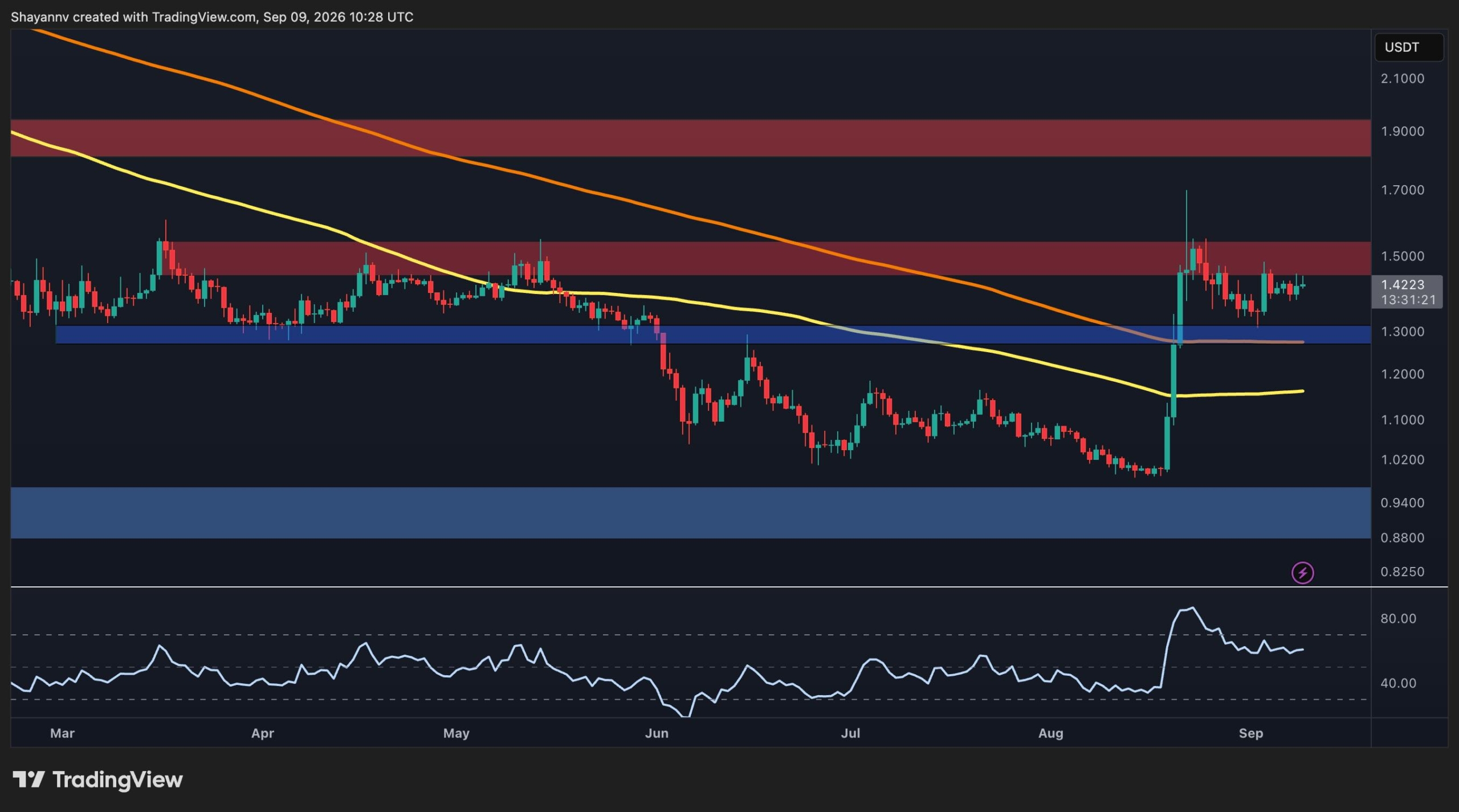
XRP is trading around $1.42 after a sharp recovery from the August lows near $1.00. The rebound has shifted the short-term structure back to the upside, but much like other major crypto pairs, Ripple’s price is also trapped below a major resistance area, making the next breakout or rejection particularly important.
XRP Price Analysis: The USDT Pair
The daily chart shows a significant bullish impulse from the $1.00 area, followed by a consolidation above the former resistance around $1.30. XRP has reclaimed the $1.30 zone, which now represents an important support area.
Above the current price, the main obstacle is the $1.5 resistance zone. XRP has repeatedly struggled around this region, and a decisive daily close above this zone would strengthen the bullish structure and potentially expose the recent swing high near $1.70 and even the critical $1.90-$2.00 zone.
Momentum has also improved. The daily RSI is around 54, indicating that buyers have regained an advantage without the market being in overbought territory. This leaves room for another upside attempt, although the RSI alone does not confirm a breakout.
Still, with the market consolidating above both the 100-day and 200-day moving averages, investors are awaiting a potential bullish crossover between the two for additional confirmation that the bear market bottom is already in.
The 4-Hour Chart
The 4-hour chart provides a clearer picture of the current consolidation. After the explosive move higher, XRP initially spiked toward $1.70 before retracing sharply. Since then, the price has been consolidating around the $1.30-$1.40 region and is now pressing back toward $1.50.
The immediate resistance is the same daily $1.50 zone, which has acted as a supply area multiple times. On the downside, the $1.34 level is the first important support, corresponding closely with the 0.5 Fibonacci retracement. Below it, the $1.25 area combines the 0.618 Fibonacci level with the bullish order block and would be the key area for buyers to defend.
The recent price action suggests that XRP is building pressure beneath resistance rather than immediately reversing lower. The overall market structure leans moderately bullish. However, repeated rejection from $1.50 without a breakout could produce a deeper pullback toward $1.25 or even lower in the coming weeks.

The post Ripple Price Prediction: What to Expect for XRP as a Major Macro Week Approaches appeared first on CryptoPotato.
Crypto World
Hunter Biden's new LAPTOP token lost 98% of its value in under an hour after $1.6 billion debut
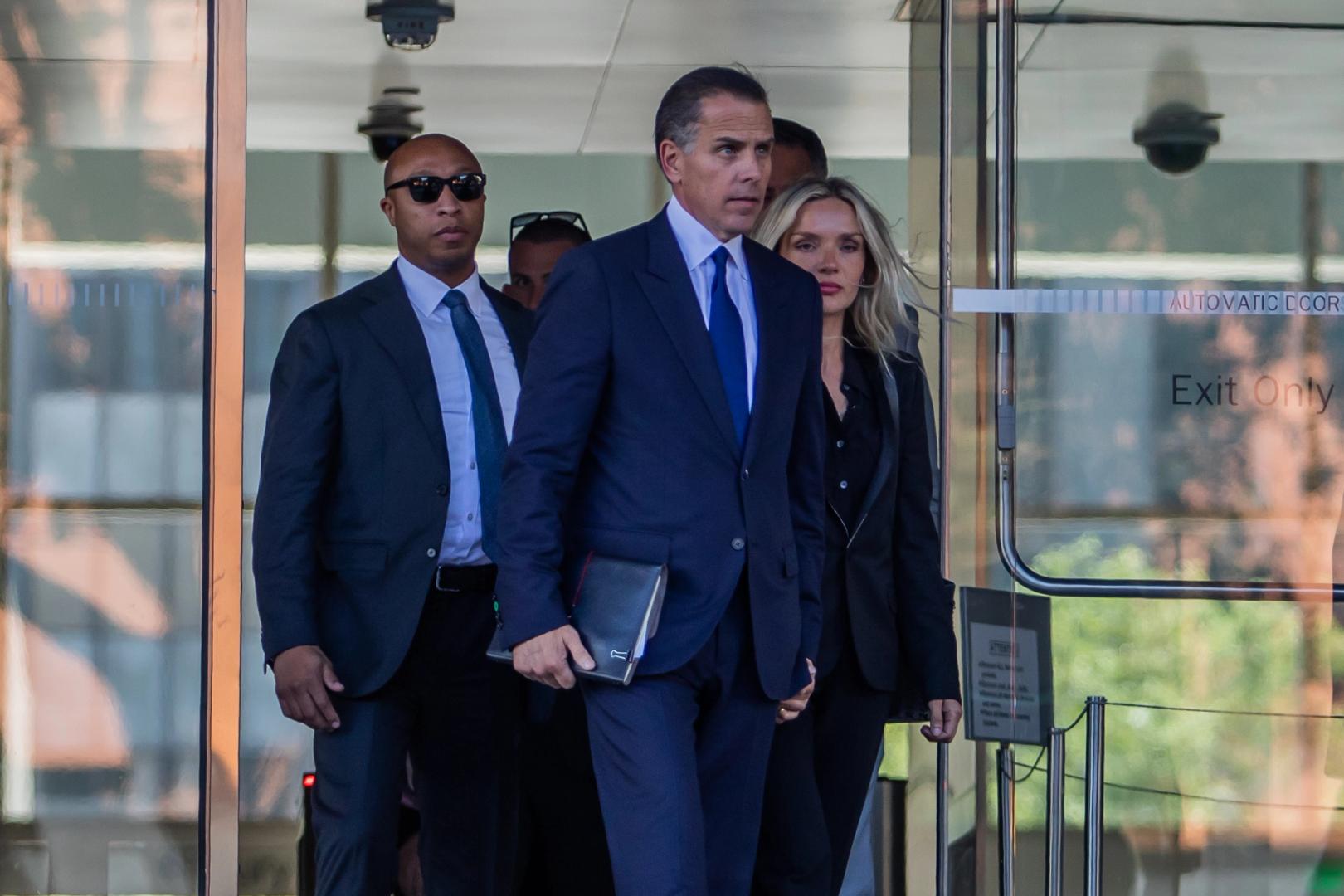
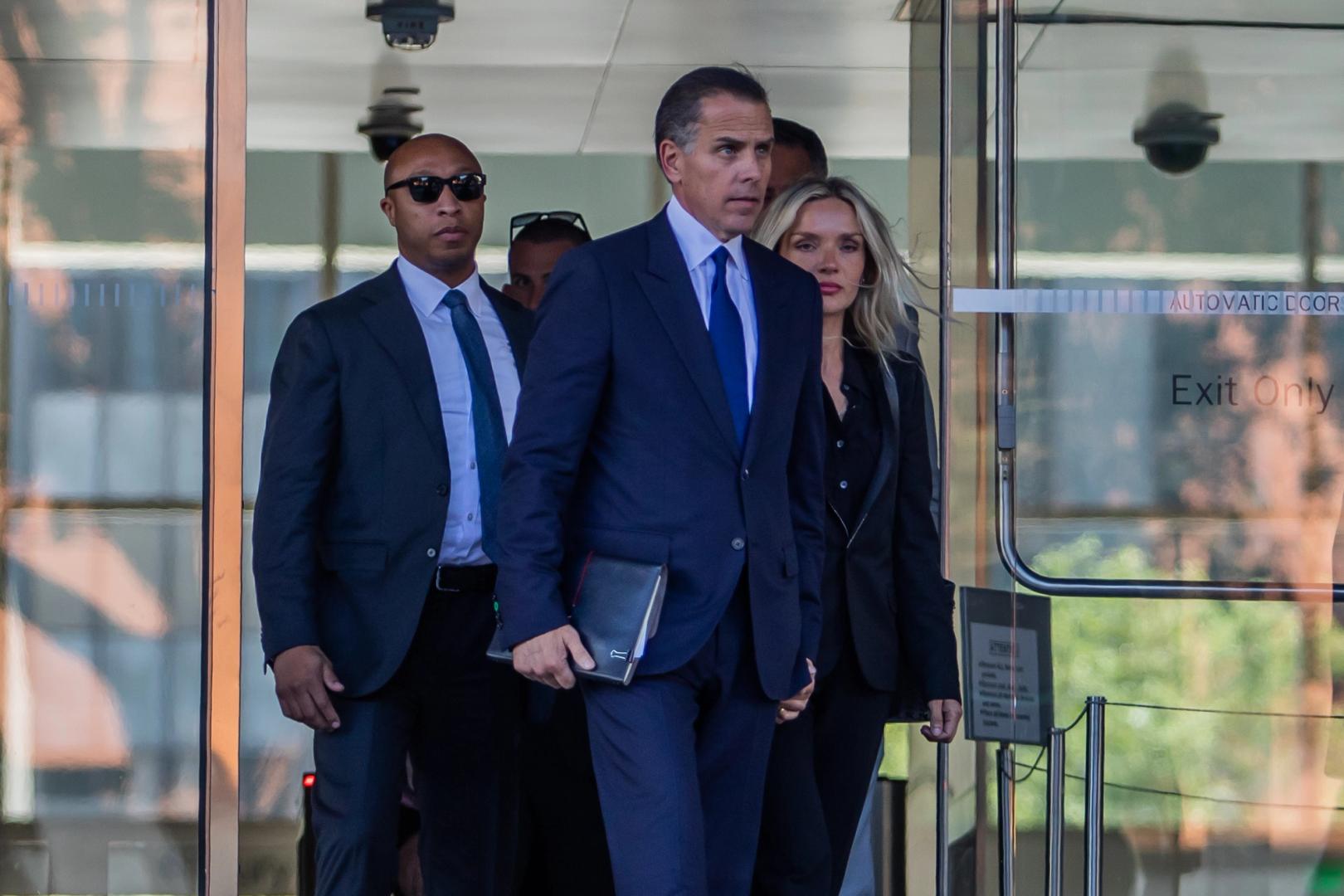
LAPTOP swung from $190 to under $4 within minutes of opening on Base. Onchain records show tokens had been distributed to market makers for a week before trading began.


The expansion gives institutional and automated traders access to full-depth political prediction-market order books ahead of the U.S. midterms.
The PYUSDx stablecoin developer platform, backed by PayPal USD (PYUSD), is built with the help of M0 and MoonPay.
Crypto World
The CLARITY Act Senate vote is scheduled for September 15, and XRP is heading into its most critical week
Disclosure: This content is provided by a third party. Neither crypto.news nor the author of this article endorses any product mentioned on this page. Users should conduct their own research before taking any action related to the company.
Currently, market attention is gradually shifting toward the countdown to the procedural vote on the Digital Asset Market Clarity Act (CLARITY Act) on September 15. Against the backdrop of unclear regulatory expectations, XRP has recently performed relatively weakly.
Summary
- XRP is heading into a critical week as the Senate prepares for a procedural vote on the CLARITY Act on September 15.
- The vote would determine whether the legislation advances to further consideration, with 60 votes expected to be required.
- XRP has pulled back from its late August high near $1.70 as traders remain cautious ahead of the regulatory milestone.
- UE Crypto is offering cloud mining contracts to XRP holders as an alternative way to participate in digital assets.
At the same time, UE Crypto’s cloud mining platform is gradually gaining widespread attention among some investors due to its earning mechanism and digital asset participation model.
As one of the assets highly associated with the digital asset market structure adjustments involving the U.S. Securities and Exchange Commission (SEC) and the Commodity Futures Trading Commission (CFTC), XRP’s recent price movements have already reflected, to a certain extent, the impact of delays in the regulatory process. As the classification of digital commodities under the CFTC regulatory framework becomes further clarified, XRP may benefit from a clearer regulatory position. However, as the relevant timeline has been delayed, market sentiment has become more cautious, and the growth of XRP ETF inflows has also attracted increasing attention.
At present, market attention is gradually shifting toward the countdown to the September 15 procedural vote on the Digital Asset Market Clarity Act (CLARITY Act). According to the latest schedule, the U.S. Senate is scheduled to conduct a cloture procedural vote on H.R.3633 on the afternoon of September 15. The vote will mainly determine whether the bill can proceed to further consideration and is not a final vote on passage of the bill. It is expected that 60 votes will be required to pass this procedural threshold.
This regulatory uncertainty has become an important factor affecting market sentiment toward XRP. Previous delays in the legislative process were also accompanied by relatively significant market reactions in XRP prices and ETF fund flows. Although XRP ETFs continue to attract institutional attention, the price has recently retreated from a high of nearly $1.70 at the end of August, indicating that investors remain cautious ahead of the key regulatory outcome.
From the current market perspective, XRP spot trading activity remains relatively limited, while its trading range has narrowed. Buyers have yet to demonstrate sufficient momentum for a strong breakout. As the September 15 vote enters its final-week countdown, the market may continue to focus on the 60-vote threshold, ETF fund flows, and the regulatory boundaries between the SEC and CFTC. If the procedural vote progresses successfully, improved regulatory expectations could become a new catalyst for XRP. Conversely, if the process encounters another setback, short-term price volatility and investor caution may intensify further.
Therefore, ahead of the key September 15 milestone, XRP’s price may continue to be primarily driven by regulatory expectations. What the market is currently waiting for is not only the progress of the bill itself, but also whether the U.S. digital asset regulatory framework can become clearer. This will also become an important variable determining XRP’s performance in the next stage.
September 15 CLARITY Act procedural vote countdown: XRP price volatility remains weak, UE Crypto cloud mining platform becomes a new choice for XRP investors
With the September 15 procedural vote on the Digital Asset Market Clarity Act (CLARITY Act) approaching, XRP price volatility remains weak, and UE Crypto’s cloud mining platform has become a new choice for XRP investors.
In view of the recent increase in XRP price volatility, an increasing number of XRP holders are turning their attention to UE Crypto. Unlike highly volatile leveraged trading or strategies that rely solely on price appreciation, UE Crypto’s cloud mining platform provides a more convenient way to participate in digital assets. Users do not need to deploy mining machines or maintain hardware; they only need to select a computing power contract to participate in mining services. This allows them to focus on the long-term prospects of XRP while maximizing the benefits of their digital assets.
About UE Crypto
UE Crypto is headquartered in the United Kingdom and operates within European regulatory frameworks such as MiCA and MiFID II, continuously improving its transparency, operational standards, and user protection mechanisms.
The platform adopts a multi-layer security architecture, including:
- Annual financial and security compliance audits conducted by PwC;
- Digital asset custody insurance provided by Lloyd’s of London;
- Enterprise-level network protection from Cloudflare and McAfee® security systems;
- Bank-grade data encryption technology and professional security infrastructure to provide multiple layers of protection for user assets and accounts.
UE Crypto supports a range of mainstream digital assets, including XRP, BTC, ETH, USDT, USDC, DOGE, LTC, and SOL, providing users with a more flexible and convenient digital asset service experience.
How to join UE Crypto
It only takes three steps to start earning daily income:
1. Register an account
2. Choose a mining package
According to your personal budget and needs, select a suitable cloud mining contract and start mining with one click.
3. Start earning
Once the contract is activated, the system will automatically allocate computing power, and earnings will be settled automatically every 24 hours. Users can withdraw their earnings at any time or continue participating according to their own needs, thereby achieving long-term compound growth of their assets.
Popular UE Crypto contracts
BTC (Newbie Experience Contract)
Investment Amount: $100
Contract Duration: 2 days
Daily Earnings: $4
Total Earnings at Contract Expiration: $100 + $8
Dogecoin (DOGE, Digital Smart System Contract)
Investment Amount: $500
Contract Duration: 5 days
Daily Earnings: $6.25
Total Earnings at Contract Expiration: $500 + $31.25
BTC (Super Computing System Contract)
Investment Amount: $1,000
Contract Duration: 10 days
Daily Earnings: $13.10
Total Earnings at Contract Expiration: $1,000 + $131
LTC (Algorithm-Driven System Contract)
Investment Amount: $5,000
Contract Duration: 25 days
Daily Earnings: $72
Total Earnings at Contract Expiration: $5,000 + $1,800
BTC (Quantitative Intelligent System Contract)
Investment Amount: $10,000
Contract Duration: 35 days
Daily Earnings: $158
Total Earnings at Contract Expiration: $10,000 + $5,530
For more details about the contract plans, please visit the UE Crypto official website.
Conclusion
UE Crypto was established in 2015 and is headquartered in London, United Kingdom. It is a globally leading innovative cloud computing platform. We deeply integrate cutting-edge hardware, intelligent core algorithms, and powerful cloud infrastructure to provide high-performance and cost-effective crypto asset solutions for global users.
As a pioneer in the fields of cloud computing technology and digital asset services, UE Crypto brings together a team of top experts and adheres to the core values of “Green, Intelligent, Open, and Sustainable.” UE Crypto is committed to leading the global blockchain energy revolution. Through pioneering cloud computing architecture and decentralized finance (DeFi) technology, we are fully committed to promoting the development of an efficient and low-carbon computing ecosystem.
We are reshaping the future of an open and shared digital economy while continuously creating long-term value for users around the world.
UE Crypto’s cloud mining services provide users with an alternative approach to deeply engage in the digital asset ecosystem with low risk and long-term focus, helping investors move away from short-term market noise, focus on the long-term value of their assets, and build more resilient and sustainable passive income.
For more information, please visit the UE Crypto official website and download the application.
Disclosure: This content is provided by a third party. Neither crypto.news nor the author of this article endorses any product mentioned on this page. Users should conduct their own research before taking any action related to the company.

Strategy, the largest corporate holder of Bitcoin, did not add to its BTC treasury this week. Instead, the company used part of its capital to repurchase $176.3 million worth of its preferred STRC stock, according to a filing with the U.S. Securities and Exchange Commission.
At the same time, Strategy said it has expanded a separate Digital Credit Securities repurchase program to a total of $2 billion—an adjustment that signals continued emphasis on capital management even as its Bitcoin buying pauses.
Key takeaways
- Strategy repurchased 1.8 million shares of STRC preferred stock for $176.3 million between Aug. 31 and Sept. 7, per an SEC Form 8-K.
- During the same period, Strategy reported no new Bitcoin purchases; its treasury remains at 845,050 BTC purchased for $63.6 billion at an average cost of $75,412 per BTC.
- The company doubled its Digital Credit Securities Repurchase Program to $2 billion.
- STRC trades below its $100 par value, which can affect Strategy’s ability to raise capital via STRC sales—potentially influencing dividend pressure.
- While Strategy paused buys, other corporate treasuries—such as Strive and Capital B—announced sizable Bitcoin acquisitions.
Strategy pauses BTC buying and turns to STRC repurchases
In an SEC filing released Tuesday, Strategy disclosed that it repurchased its STRC preferred shares instead of conducting fresh Bitcoin spot purchases. The company said it bought back 1.8 million STRC shares for an aggregate of $176.3 million over the period from Aug. 31 through Sept. 7.
Strategy’s Bitcoin treasury currently totals 845,050 BTC, acquired for $63.6 billion and reported at an average purchase price of $75,412 per BTC. The absence of new BTC purchases marks a shift from the prior activity noted in earlier reporting: Cointelegraph previously described Strategy’s first Bitcoin acquisition since mid-June, including a $370 million purchase.
For investors tracking corporate Bitcoin strategies, this kind of “pause with repurchase” dynamic matters because it reflects how management balances three competing needs: maintaining BTC exposure, supporting dividend obligations, and managing liquidity. When acquisitions slow, the spotlight often moves to how the company funds distributions and whether it can keep financing its treasury through preferred-share structures.
Why STRC’s discount could tighten funding options
Alongside the repurchase details, market pricing provides additional context for Strategy’s capital approach. The STRC preferred stock was trading around $97.70 in premarket activity on Tuesday, the report notes—about a 2.3% discount to its intended $100 par value. In contrast, Strategy’s Nasdaq-listed MSTR common stock was down more than 3% at last look, according to Yahoo Finance.
STRC is one of the main instruments Strategy uses to raise funds that ultimately support its Bitcoin accumulation. Because the preferred shares trade below par value, selling them may not generate as much capital per share as Strategy would receive if the shares traded at or above par. That pricing dynamic can constrain the company’s ability to raise incremental liquidity through STRC issuance and may increase pressure to maintain—or potentially raise—dividend rates through other means.
Strategy previously laid out a capital framework intended to preserve Bitcoin exposure while allowing Bitcoin sales to fund dividends. In June 29 coverage, Cointelegraph reported that Strategy unveiled this “capital framework” and increased the annual dividend rate on its STRC preferred stock to 12%. The current repurchase activity, combined with the reported discount to par, highlights the balancing act between funding dividends and maintaining the BTC treasury.
Digital Credit Securities repurchase program expands to $2 billion
Beyond STRC, Strategy also updated its capital return strategy. The company said it doubled the size of its Digital Credit Securities Repurchase Program to $2 billion.
While Bitcoin buying and preferred-share repurchases are typically the headline items for Strategy, programmatic repurchases of other securities can influence how much cash remains available for acquisitions, how debt or credit exposure is managed, and how quickly the company can respond to market conditions. For shareholders, these repurchase programs are often viewed as part of a broader approach: keeping capital flexible enough to act when Bitcoin buying opportunities align with financing and dividend needs.
Other corporate treasuries keep adding BTC
Strategy’s pause in new Bitcoin purchases came as other public corporate buyers continued accumulating. The contrast underscores a key feature of the corporate BTC landscape: even when one major player slows down, the broader sector may still be active.
According to CEO Matt Cole, Strive—described in the report as the fifth-largest corporate Bitcoin treasury—acquired 1,375 BTC for $109 million. That purchase brought Strive’s total holdings to 24,531 BTC, with an average cost of $79,281 per BTC. Cole shared the information via X on Monday, as referenced by the report.
France-listed Bitcoin treasury Capital B also revealed a new purchase. The report states that Capital B bought $25 million worth of Bitcoin on Monday—its largest acquisition in nearly a year—lifting its holdings and helping it move ahead of H100 Group among publicly traded BTC holders, based on the framing of the original coverage.
For traders and long-term holders, these parallel moves matter for sentiment and for measuring how concentrated corporate demand may be. If Strategy momentarily steps back, investors may look to competitors for confirmation that institutional-style Bitcoin buying remains steady across the category.
What to watch next is whether Strategy resumes BTC acquisitions after this repurchase-focused week, and how the discount-to-par behavior of STRC influences future funding capacity and dividend decisions—especially if market pricing makes STRC issuance less effective.

The primary cryptocurrency has climbed roughly 20% over the past month, and Ali Martinez suggests an even stronger upward move may be on the horizon.
In contrast, other analysts believe the bear market is far from over and predict a major short-term price drop.
Will History Repeat Itself?
Bitcoin has hovered between $78,000 and $80,000 over the last few days and is currently trading near the middle of that range. According to Martinez, the leading digital asset recently reclaimed its Warm Supply Realized Price, a metric that tracks BTC’s average cost basis over the past one week to six months.
The analyst noted that the previous four such developments were followed by impressive rallies. In October 2023, for example, BTC exploded almost 160% after reclaiming that level, and a year later, it pumped 74%.
X user Crypto Rover presented another bullish signal. He spotted the formation of a so-called “golden cross” on Bitcoin’s price chart, reminding that the last time this pattern appeared, the bear market ended and the asset eventually surged by 500%.
There is another positive factor. Spot exchange-traded funds tracking the largest cryptocurrency attracted almost $1 billion last week, underscoring the growing appetite among institutional investors. BlackRock’s product IBIT remains the undisputed leader in this field, with cumulative net assets surpassing $64 billion, while Fidelity’s FBTC comes in second with roughly $10.3 billion.
Crash on the Way?
Other analysts think BTC will eventually experience a full-scale bull run, but first it could see a substantial decline. X user Crypto With Haris ₿ claimed “the final dump is closer than most traders realize,” envisioning a plunge to $62,000 before a major uptrend.
Crypto Lens shared a similar stance, arguing that BTC is about to complete its final bull trap and forecasting a potential collapse to as low as $50,000.
Crypto Patel, for their part, claimed that a rejection at $83,000 would mean Bitcoin’s overall structure remains bearish and could be followed by a crash to $50K. On the other hand, a daily close above that mark combined with a successful retest could open the door to a rally to the $100,000 psychological level, they added.
The post Major Bullish Signal for Bitcoin: Analyst Explains Why BTC Could Explode Soon appeared first on CryptoPotato.


Cointelegraph is committed to providing independent, high-quality journalism across the crypto, blockchain, AI, and fintech industries.
All news, reviews, and analyses are produced with full journalistic independence and integrity. For more details on our standards and processes, please read our Editorial Policy.
Crypto World
Zcash Is Only 1% of Bitcoin’s Market Cap, but Its Volatility Is More Than 3 Times Higher

Zcash has been on an absolute tear. The privacy-focused cryptocurrency rose over 142% in the past month alone and reached $1,236.
Grayscale Head of Research Zach Pandl believes that its smaller market capitalization and significantly higher price volatility compared with Bitcoin could make options an especially useful tool for investors seeking risk management or alternative income.
Options Opportunity
Bitcoin has become considerably less volatile as the asset has matured. In its early years, BTC saw realized annualized volatility of around 125%. Over the past year, however, that volatility has averaged roughly 40%, putting Bitcoin at a level similar to the so-called “Magnificent 7” large-cap technology stocks. Zcash, however, remains a much smaller and more volatile asset.
Its market capitalization is just 1% of Bitcoin’s, while ZEC’s price volatility has averaged about 140% over the past year. This aspect can make options particularly useful for managing risk and pursuing alternative sources of income. At current volatility levels, a hypothetical covered call strategy on Zcash could generate premium income equivalent to an implied yield of 70%, compared with an annualized yield of about 30% currently available through Bitcoin covered call strategies.
The higher potential income from Zcash options also comes alongside greater risk. Pandl explained that covered call strategies can suffer capital losses when the underlying spot price falls by more than the premium received, which means that the premium does not fully protect investors from a sufficiently large decline in the asset’s price.
Investors looking for more clearly defined outcomes can instead consider long call or put option structures.
BTC’s lower volatility has reduced the potential premium available through covered calls, while ZEC’s much higher volatility creates the possibility of significantly greater premium income, although it also increases the risks involved.
ZEC has become the biggest story in the privacy coin market after its value jumped more than 2,360% over the past year. The rally has pushed it from 82nd to 10th among the largest cryptocurrencies. It now makes up 62% of the privacy sector’s total market capitalization.
On Financial Privacy
Zcash also comes into focus amid concerns that artificial intelligence could trigger a new wave of financial privacy risks as its use expands across the economy. Pandl had previously said that AI could make it easier to identify people behind blockchain addresses and increase demand for stronger privacy tools. Unlike Bitcoin, where transactions are publicly visible, Zcash allows users to make shielded transactions that hide both the addresses involved and the amount transferred.
Grayscale believes that this feature could become increasingly important for people who want greater financial privacy.
The post Zcash Is Only 1% of Bitcoin’s Market Cap, but Its Volatility Is More Than 3 Times Higher appeared first on CryptoPotato.
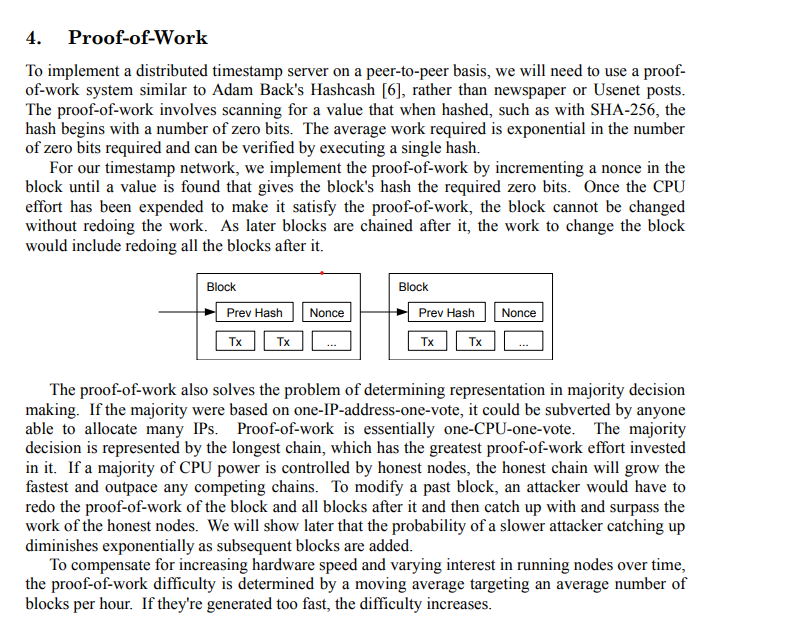
In an industry built on transparency and verifiability, newcomers might assume that crypto and blockchains leave very little room for mystery.
They’d be completely wrong of course, because the murky world of digital assets is rife with underhanded dealings, unsolved enigmas and fortunes disappearing behind pseudonyms.
From the identity of Bitcoin’s mystery creator to what really happened to a DAI developer on a beach in Puerto Rico, here are 10 crypto mysteries that remain unsolved.
1. Who is Satoshi Nakamoto?
More than 17 years after Bitcoin’s creation, the greatest unsolved crypto mystery persists. We still don’t know who Satoshi Nakamoto is, or even whether Satoshi was one person.
He, she, or they published the Bitcoin white paper in 2008, mined the genesis block in January 2009 and remained active in its early development before disappearing from public view in 2010.
The quest for Satoshi’s identity has since produced an endless parade of possible candidates, from cryptographers and cypherpunks to British academics, early Bitcoin developers and even convicted sex offenders.
The latest serious attempt to solve the mystery came in April 2026, when The New York Times published a lengthy investigation naming British cryptographer Adam Back as its leading candidate.
Related: Satoshi-era Bitcoin wakes after 16 years of dormancy as 600 BTC moves
The Times claimed there were similarities between his writings and Satoshi’s, their shared cryptographic interests, Back’s work on Hashcash — which was cited in the Bitcoin white paper — and a series of other circumstantial clues, all of which Back strenuously denied.
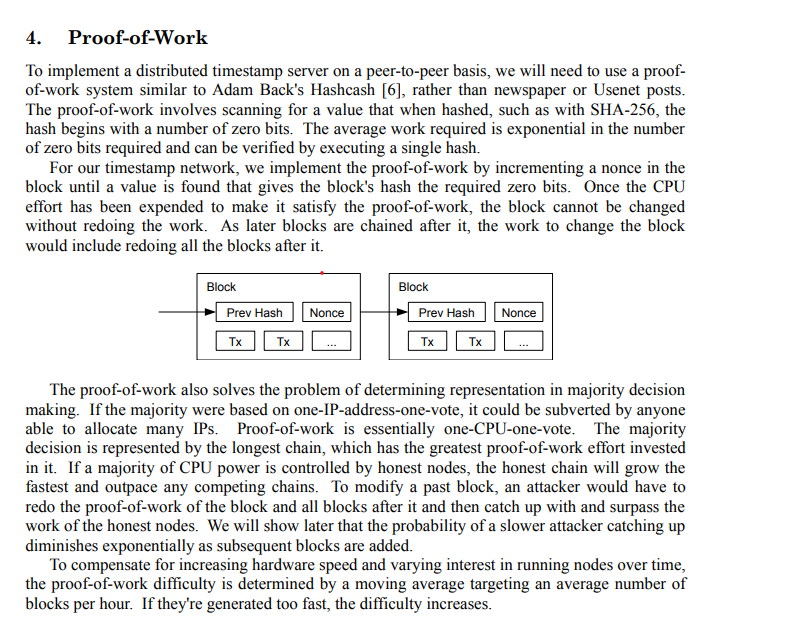
Adam Back’s Hashcash is cited in the Bitcoin Whitepaper. Source: Bitcoin.org
Other suspected candidates over the years have included core developer Peter Todd, cryptographer Hal Finney, Twitter founder Jack Dorsey and others. Self-proclaimed Bitcoin creator Craig Wright is the only major Satoshi candidate to have been formally ruled by a UK court not to be Satoshi.
There were even some bizarre online claims that notorious sex offender Jeffrey Epstein could be Satoshi after a newly released tranche of the Epstein files revealed the sex trafficer had been involved in the early crypto industry, and made a 2014 investment in Back’s Blockstream.
There is no credible evidence that Epstein was Satoshi, , and so the enigma remains: Who is Satoshi Nakamoto and where is he now?
2. Who was the Patoshi miner?
If you thought the Satoshi mystery was strange, try digging into Bitcoin’s earliest blocks like blockchain researcher Sergio Lerner.
In 2013, he discovered a pattern in the way Bitcoin’s earliest blocks were mined and linked it to a single miner he later dubbed “Patoshi.”
Lerner estimated that the miner had accumulated about 1.1 million BTC across 22,000 blocks, which makes the enigmatic figure the largest holder of BTC today, above Coinbase, BlackRock and Strategy.
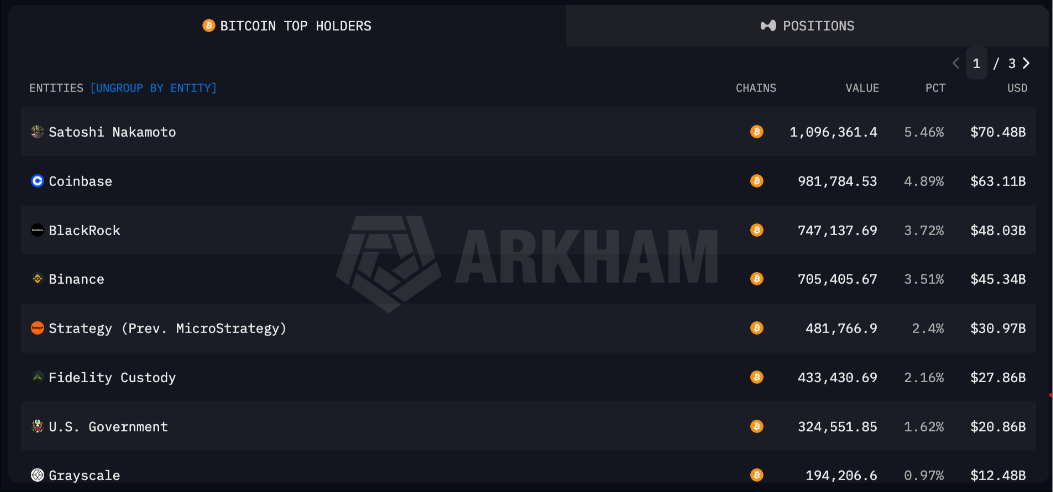
Satoshi Nakamoto is the top Bitcoin holder. Source: Arkham
While Patoshi has never conclusively been proven to be the mysterious Bitcoin creator, the pattern is still one of the strongest pieces of evidence linking a huge stash of early Bitcoin to Satoshi.
So who was Patoshi? Was it Satoshi operating a single machine, another early Bitcoin enthusiast, or something else entirely?
3. What happened to Mt. Gox’s missing Bitcoin?
When Mt. Gox collapsed in February 2014, it claimed that around 850,000 BTC had disappeared — only to later uncover some 200,000 BTC hiding in old-format wallets it previously believed to be empty. To this day, the rest of the coins’ whereabouts remain a mystery.
More than 12 years later, creditors are finally getting some of their money back, but what happened to Mt. Gox’s missing Bitcoin has never been resolved.
Related: Mt. Gox moves $739M in Bitcoin from cold wallets: Arkham
Investigators have traced portions of it, including some coins connected to Russian cybercriminals and the BTC-e exchange. US prosecutors have also alleged that Russian nationals stole and laundered roughly 647,000 BTC from Mt. Gox, yet the full story of the stolen coins has not been completely solved.
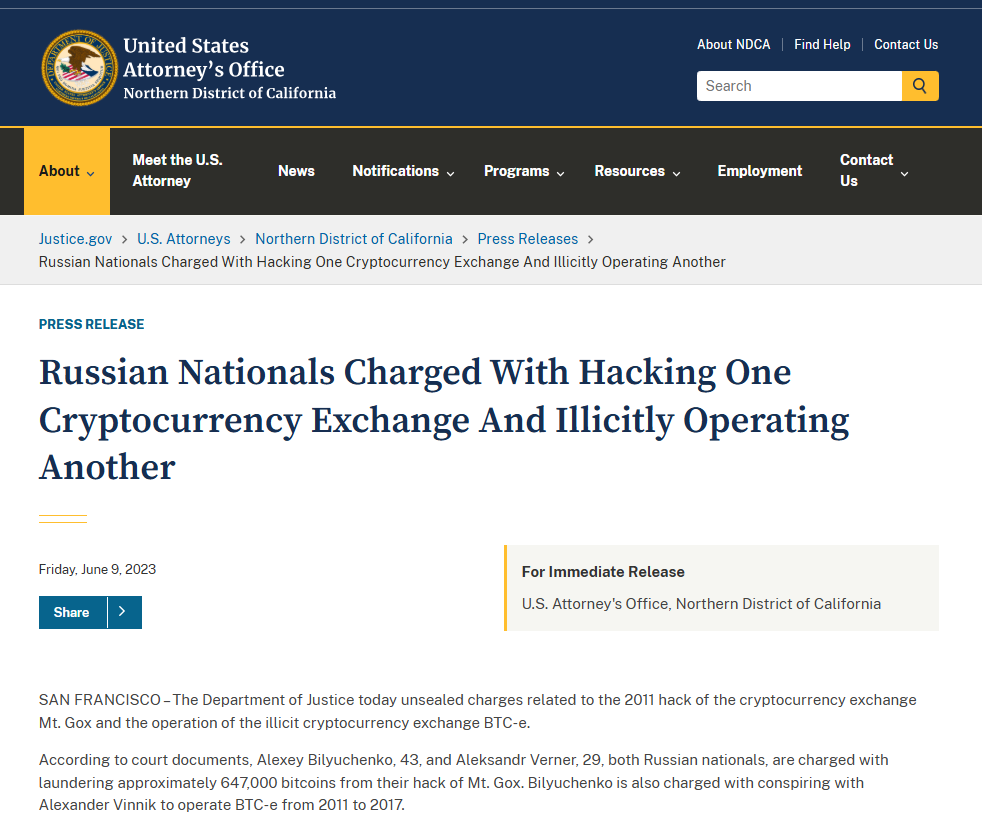
Russian nationals charged with hacking Mt. Gox. Source: DOJ
Who stole them? How long had the theft been happening? How much was taken through hacking versus internal failures? And more importantly, where are all those coins now?
4. What really happened to QuadrigaCX’s missing funds?
Canadian exchange QuadrigaCX shot to the top of crypto’s mystery list in December 2018 after its founder, Gerald Cotten, died suddenly in Jaipur, India.
The exchange was unable to access millions of dollars in cryptocurrency that customers had deposited, and it was popularly believed at the time that Cotten had taken the exchange’s private keys with him to the grave.
An investigation by the Ontario Securities Commission later found that he had actually transferred millions of dollars of client funds to his and his wife’s personal accounts, and had also used client assets to cover his own trading losses and personal expenses.
Was Quadriga a massive fraud that collapsed when its orchestrator died? Did Cotten leave behind wallets nobody has found, or did he fake his death and pocket the funds?
5. Where is the CryptoQueen?
Few crypto mysteries involve a missing person quite as notorious as Ruja Ignatova, AKA the CryptoQueen.
The charismatic Bulgarian founder of OneCoin allegedly helped build one of the world’s biggest crypto scams, with the FBI saying the scheme defrauded victims worldwide of more than $4 billion.
In October 2017, Ignatova flew from Sofia to Athens and then promptly disappeared, never to be found again.
The FBI added Ignatova to its 10 Most Wanted Fugitives list in 2022 and still offers a reward of up to $5 million for information leading to her arrest and conviction. In a 2026 update, the FBI said she remains at large and described her as “well-funded” and “well-connected.”
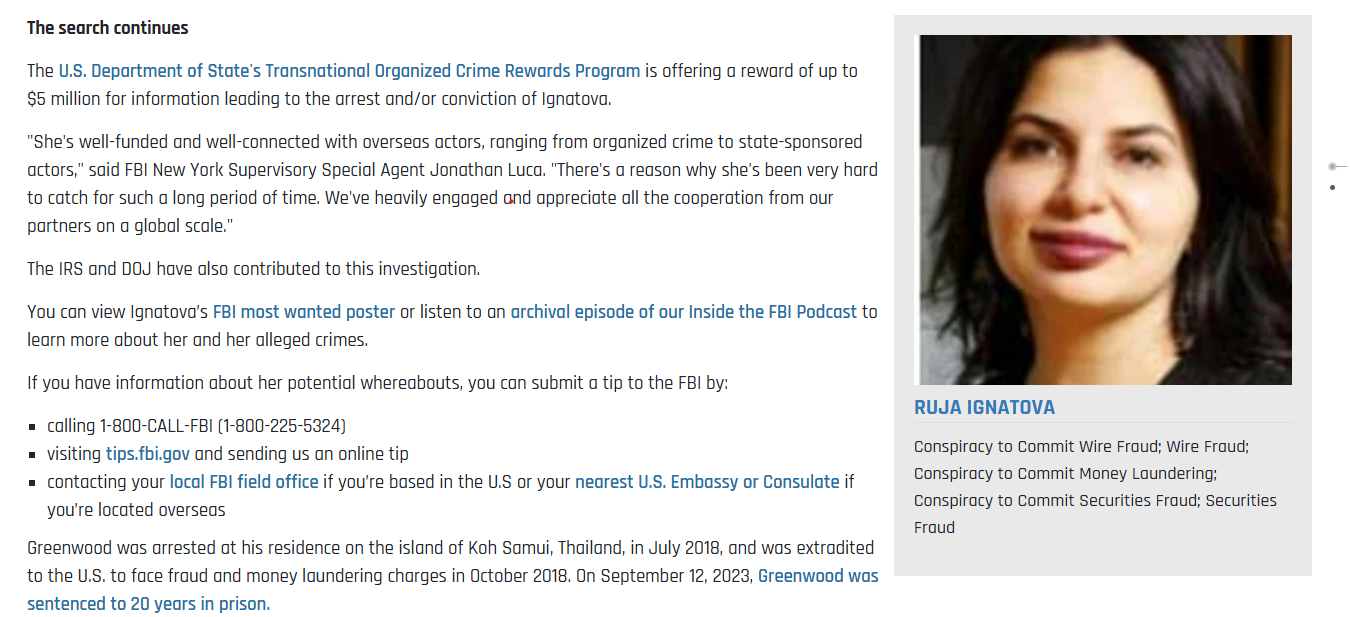
Rula Ignatova is still at large, according to the FBI. Source: FBI
So, is she still doing the crypto conference circuit undercover today, scheming for her next victims? Was she killed, or did she escape with millions of dollars and is living under a new identity with the aid of extensive plastic surgery?
Where is Ruja Ignatova? Maybe she’s sipping Mumbai Mules on a beach somewhere with Gerald Cotten.
6. Will James Howells ever get his lost Bitcoin back?
Back in 2013, Welsh IT worker James Howells accidentally threw away a hard drive containing the keys to what would later become a massive Bitcoin fortune, unwittingly becoming the poster child for how not to self-custody your BTC.
Related: Tips for crypto newbies, vets and skeptics from a Bitcoiner who buried $700M
Howells insists that the infamous hard drive ended up in a massive landfill and spent years trying to recover it, even proposing to excavate part of the landfill with specialist equipment and AI-powered sorting systems to search the waste.
But after years of legal battles and failed attempts to persuade Newport City Council to let him excavate the site, his efforts to recover the drive have been in vain. A High Court judge ruled that he had no realistic prospect of succeeding in January 2025.
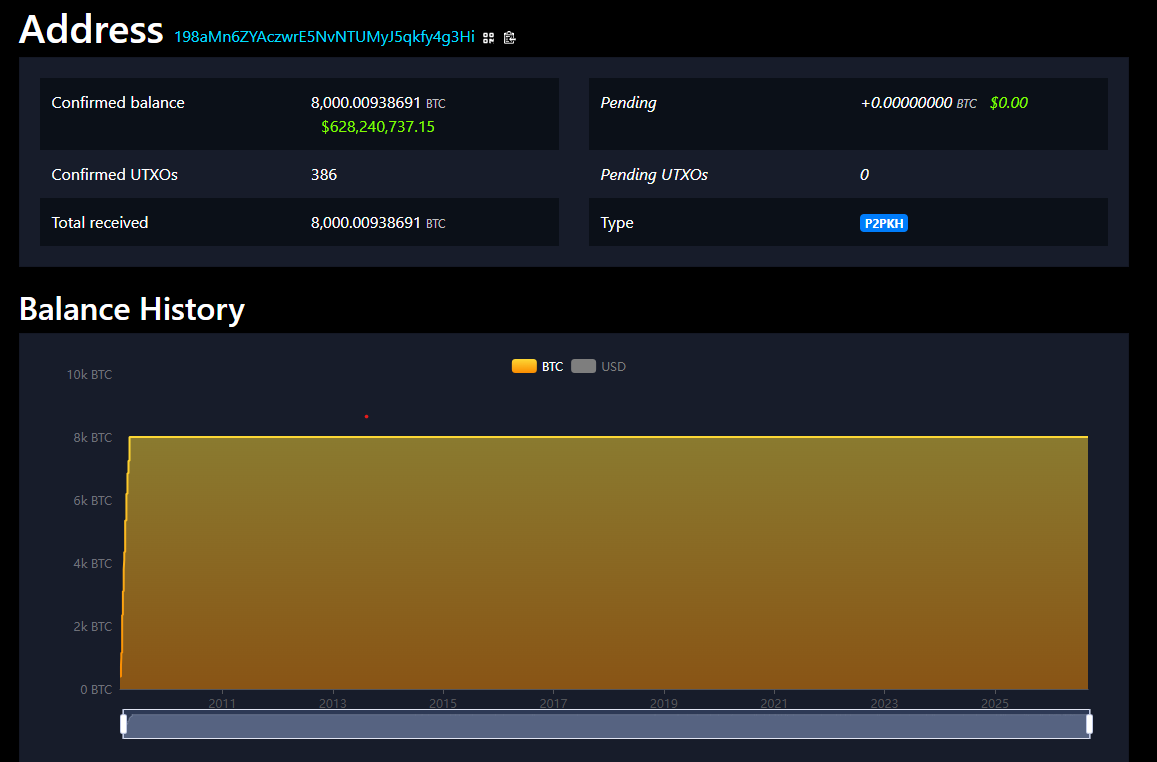
James Howells’ BTC is still on the blockchain. Source: Mempool.space
The Bitcoin itself, however, isn’t gone; it’s still sitting on the blockchain, visible to anyone who cares to look in the natural history museum of self-custody blunders.
7. Who was the DAO hacker?
Remember the 2016 DAO hack that would change Ethereum forever? This epic exploit wasn’t just one of crypto’s biggest early hacks; it helped determine what Ethereum would become.
An attacker exploited a vulnerability in The DAO’s smart contract to drain more than 3.6 million ETH into a child DAO, siphoning over 30% of the DAO’s funds before the attack stopped.
The attacker was never identified, and the aftermath would change crypto history, ultimately splitting Ethereum into two blockchains: the one we all know today and a smaller purist version, Ethereum Classic. In 2022 Laura Shin claimed the attacker was Austrian programmer Toby Hoenisch, but he denied the claims and has never been charged.
The DAO hack raised questions that persist today about whether code is law and blockchain transactions are immutable, or whether they can be rolled back if we don’t like them.
8. Who really stole the $400 million from FTX?
FTX’s collapse was already one of crypto’s biggest disasters when, just hours after the exchange filed for bankruptcy, hundreds of millions of dollars in digital assets began disappearing from its wallets. About $415 million in crypto was ultimately reported stolen.
Of course, the timing immediately raised suspicion, with FTX in chaos, employees trying to secure assets, bankruptcy proceedings beginning and different groups racing to determine who actually controlled the exchange’s wallets.
The US Department of Justice eventually seized hundreds of millions of dollars in assets linked to FTX and investigators have traced parts of the movements, but the identity of the attacker remains an unsolved crypto mystery.
Was it an opportunist outside hacker who happened to strike at the perfect moment? Was it somebody with inside access, or did the swirling chaos around the collapse create an opportunity that someone close to the exchange exploited? To this day, we don’t have an answer.
9. What really happened to Nikolai Mushegian?
Nikolai Mushegian was an early MakerDAO developer and a co-founder of Balancer who helped shape some of DeFi’s first infrastructure.
On Oct. 28, 2022, Mushegian was found dead in the waters off Condado Beach in San Juan, Puerto Rico. Local police said he had been out swimming and was caught by strong ocean currents.
Not everybody buys that version of events, however, since Mushegian had taken to Twitter to warn of his impending assassination just hours earlier.
In a series of disturbing and paranoid messages, he claimed that the CIA, Mossad and “pedo elite” were involved in a sex-trafficking operation in the area and were planning to frame him and kill him.

Nikolai Mushegian alerted his followers of his death before it happened. Source: Nikolai Mushegian
The Puerto Rico Justice Department investigated his death for almost a year and determined no criminal involvement, but given his online messages, questions about what happened remain.
Was Mushegian really caught by currents, as authorities reported, or was something more sinister going on in his final hours?
10. Why did someone deliberately burn 107 BTC?
Perhaps one of the weirdest mysteries of all is why anyone would burn a Bitcoin fortune after HODLing it for more than 12 years? Yet that’s exactly what happened in May 2026.
Someone sent 107 BTC, worth about $8.5 million, to a Bitcoin address from which the coins are rendered unspendable, effectively destroying them.
The coins had been acquired around 2014, when Bitcoin was trading below $600, making the timing particularly strange. Why would anyone voluntarily destroy millions of dollars in Bitcoin after holding it through a 12,000% rise in its value?
Stranger still, one of the five wallets suddenly sent about 20 BTC, worth roughly $1 million, to what appeared to be a large crypto custodian in March.
Almost exactly the same amount came back three weeks later, before the Bitcoin was ultimately burned, adding another layer to the mystery.
For an industry still in its teenage years, crypto sure has endured its fair share of intrigue. Be careful next time you decide to self-custody your fortune — you might just end up as one of crypto’s next great mysteries.
Magazine: Is Bitcoin too volatile to risk your retirement on?
Cointelegraph publishes long-form journalism, analysis and narrative reporting produced by Cointelegraph’s in-house editorial team with subject-matter expertise. All articles are edited and reviewed by Cointelegraph editors in line with our editorial standards. Some articles contain affiliate links, from which Cointelegraph may earn a commission. These relationships do not influence which products we review or our editorial conclusions. Content published in here does not constitute financial, legal or investment advice. Readers should conduct their own research and consult qualified professionals where appropriate. Cointelegraph maintains full editorial independence.
Ripple Price Prediction: What to Expect for XRP as a Major Macro Week Approaches

Bold Fantasy Football Predictions for the 2026 NFL season

A Stealth Startup Thinks It Just Hacked the Memory Shortage

Memory prices are slowing because buyers ran out of money

Phones confiscated, players sent home: Pakistan’s England tour turmoil revives memories of Mohammad Amir, Salman Butt and Mohammad Asif’s 2010 Lord’s spot-fixing scandal | Cricket News

Bitcoin price risks $76K drop as $78K support weakens


-
Tech1 day ago
Memory prices are slowing because buyers ran out of money
-
Sports1 day ago
Phones confiscated, players sent home: Pakistan’s England tour turmoil revives memories of Mohammad Amir, Salman Butt and Mohammad Asif’s 2010 Lord’s spot-fixing scandal | Cricket News
-
 Crypto World14 hours ago
Bitcoin price risks $76K drop as $78K support weakens
-

 NewsBeat1 day ago
England up in reading, maths and science rankings as Scotland and Wales dip
-

 Crypto World14 hours ago
Ethereum price stalls below $2,500 as ADX drops to 11
-

 Business1 day ago
Egyptian TV Presenter Sarah Khalifa, 11 Others Sentenced To Death In Major Drug Trafficking Case In Cairo
-

 Crypto World1 day ago
Visa expands stablecoin card network to 160 programs
-
 Crypto World1 day ago
Brent Crude Oil Moves Above $100 for the First Time in 3 Months
-
 Business12 hours ago
Meta debuts long-awaited personal AI agent, Muse
-
 Tech1 day ago
Strong Password Policy and Password Manager Guide
-

 Crypto World22 hours ago
Robinhood Stock: How To Take Advantage With Reduced Risk
-
 NewsBeat1 day ago
Tehran’s assertive rhetoric signals a new and dangerous phase in conflict
-

 Tech24 hours ago
Google’s revived nuclear power plant gets $1.9B loan from US government
-

 Crypto World22 hours ago
Intel Stock Jumps 9% on Chip Price Hike Report, US Stake Gains $36 Billion
-

 Sports20 hours ago
Ballon d’Or 2026 Nominees: Lionel Messi In, Cristiano Ronaldo Out; Erling Haaland Included In Top 30
-
 Business18 hours ago
Oil Higher on Hormuz Escalation, Weighing on Sentiment
-

 Business1 day ago
Claim Your Share Of $50 Million Disney Streaming Price Settlement By Sept. 8 Tonight
-

 Tech1 day ago
Stoke Space raises another billion to rival SpaceX at re-flying rockets
-
 Politics1 day ago
Critics Rip Trump After He Revives His Most Dubious 9/11 Claim
-

 Politics24 hours ago
The Ultimate September Reset Guide: How To Refresh Your Mind And Life This Autumn
You must be logged in to post a comment Login