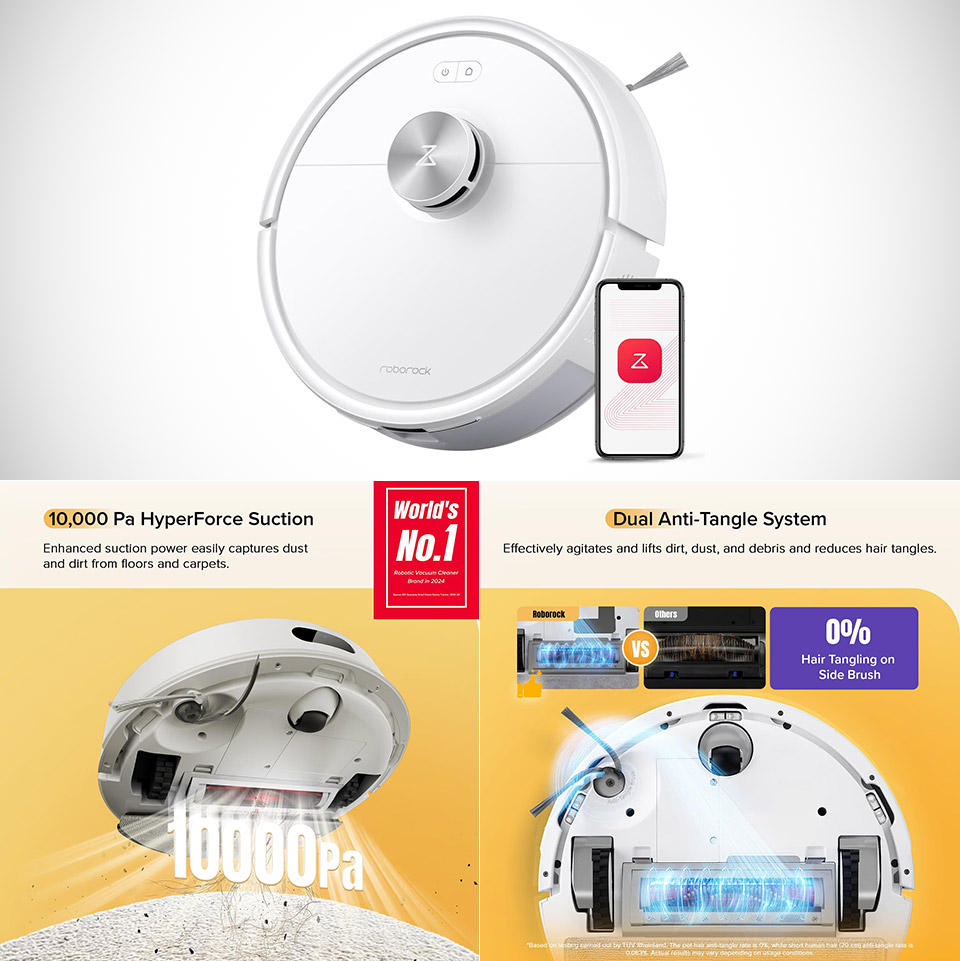
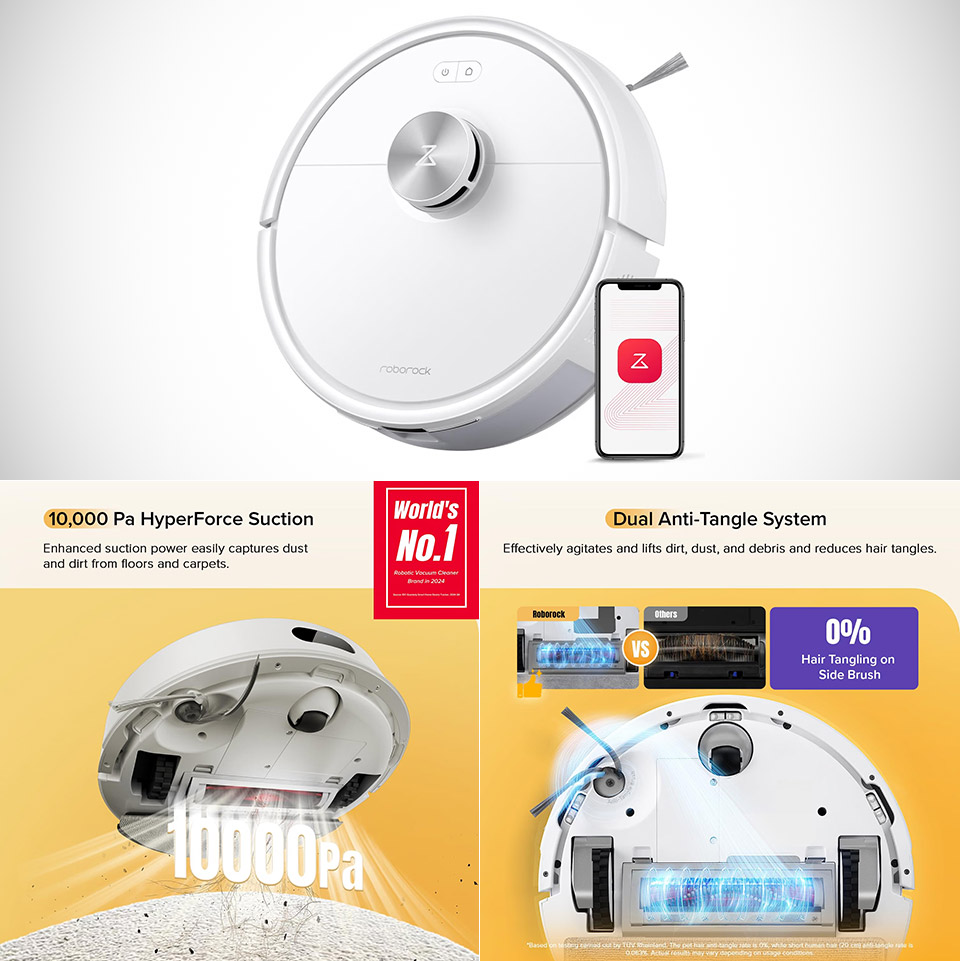
Most homes collect dust, crumbs, and pet hair faster than anyone wants to admit. Roborock’s Q7 M5, priced at $149.98 (was $230), is all around vacuum-and-mop combo aimed at that daily drift, pairing 10,000 Pa of HyperForce suction with a detachable mop pad so floors get a pass without you dragging out a stick vac after dinner.
This vacuum performs best under suction. Independent tests have placed this model at the top of the market when it comes to sucking up fine debris and carpet, particularly minute particles. The inclusion of a comb on the main roller and a tangle-resistant side brush has greatly reduced hair tangles, which tend to coil around this device and force you to flip it over every time it runs. Pet hair still likes to wrap around the roller every now and again, but the dual system is intended to remove as much of it as possible before it becomes a major maintenance headache. When it detects a rug, Carpet Boost activates more power, and then reduces the volume on hard floors to avoid blasting through the entire home.
𝗗𝘂𝗮𝗹 𝗔𝗻𝘁𝗶-𝗧𝗮𝗻𝗴𝗹𝗲 𝗗𝗲𝘀𝗶𝗴𝗻: Equipped with a JawScrapers Comb main brush and a tangle-free…
𝗔𝗽𝗽 𝗖𝗼𝗻𝘁𝗿𝗼𝗹𝗹𝗲𝗱 𝗠𝗼𝗽𝗽𝗶𝗻𝗴: The electronically controlled water tank provides three adjustable…
LiDAR sits on top, mapping the room all at once before beginning to clean. It doesn’t merely bounce off furniture until the battery runs out; instead, it follows a grid, and when you move to a new floor, it remembers the previous configuration, so you can simply carry it upstairs and let it go to work. The Roborock app allows you to configure a variety of custom jobs, including no-go zones, one-room jobs, scheduled runs, and even suction and water flow settings. If you don’t want to use your phone, simply tell Alexa or Google Assistant to start it. The only catch is that object avoidance is just infrared, so you’ll still have to pick up the occasional sock or charging wire before letting it go.
The mopping side of this combo is fairly quiet, and it’s very clear about what it can and cannot accomplish. The stationary microfibre pad simply drags behind the body, while the water tank, similar to a luxury coffee maker, calculates out the appropriate amount of water at low, medium, or high settings. Kitchen tile and sealed wood receive a pleasant wet treatment that removes any debris left by the vacuum. The tank carries around 270ml of water and a 400ml dustbin in one of those convenient side-mounted modules. That’s enough for a typical single-story clean, but don’t expect a week of hands-off service.
The 3,200 mAh battery pack’s runtime ranges from 150 to 180 minutes, depending on how you use it. In actual life, a typical mixed vacuum-and-mop run will cover around 1,000 square feet before returning to its small port to recharge. The body measures 12.8 inches across and 3.9 inches tall, and weighs only 7.28 pounds, making it easy to transport between floors or tuck under a sofa or two. Noise levels are fair, ranging from the mid-60s to low-80s dB; the mopping setting is your best bet if someone is still working in the adjacent room.
Apple Silicon was a gamble, and in spite of repeated reports of brain drains and executive exodus, the M5 Ultra is Apple’s most powerful chipset by a long shot.
Earlier Tuesday, the M6 benchmarks showed up on Geekbench with impressive results. It is expected to be the only chipset in that generation, so the M5 Ultra is the high-end pros will have to work with for the time being.
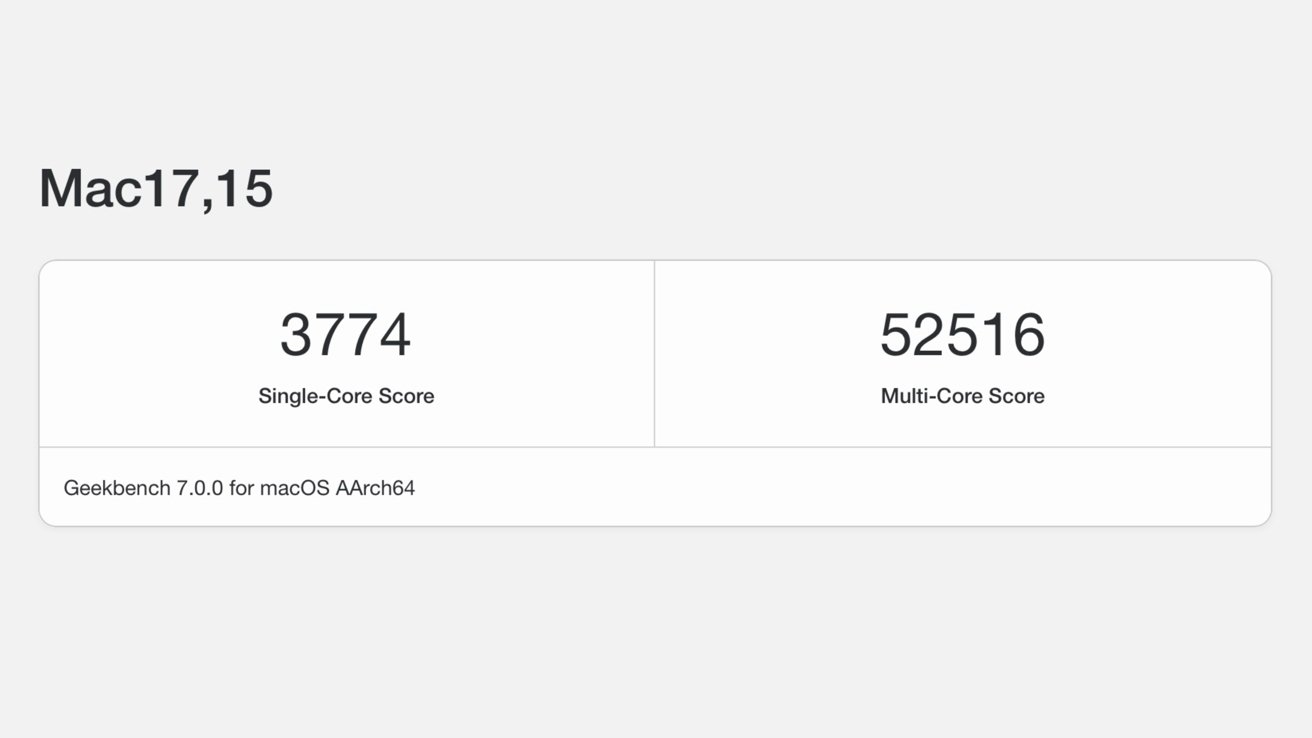
Another Geekbench result showed up, this time for the M5 Ultra. The 36-core CPU Mac Studio with 256GB of RAM scored 3,774 in single-core and 52,516 in multi-core.
Geekbench is a useful reference tool for generalized performance gains, not one that determines real-world use. However, the numbers don’t lie, and Apple’s M5 Ultra is an incredible chipset.
Advertisement
For comparison, the M6 scored 4,071 in single-core and 22,783 in multi-core. That single-core score makes since given it is the new 2nm package with more powerful cores.
The multi-core results show the 36-core M5 Ultra scores more than double the 12-core M6.
M5 Ultra 3,774 single-core and 52,516 multi-core in Geekbench
Compare the M5 Ultra to the original M1 chip and you can see just how far Apple Silicon has come in six years. The M1 in a MacBook Air got a single-core score of 2,150 and a multi-core score of 8,434.
Advertisement
That means M5 Ultra is about 6x more performant in multi-core processes versus M1.
Moore’s Law is well and completely dead, but that hasn’t stopped Apple from finding notable performance gains with each chip generation. The move to Apple Silicon was met with some concern, but it has proven to be an incredible success for the company.
Meanwhile, in spite of the advances over time, concerns continue to creep up over Apple’s ability to maintain that success. Reports keep coming out about so-called “brain drain” and the attempted exit of chip mastermind Johny Srouji.
Instead, Apple continues to develop industry-leading processors that sip on power. The M5 Ultra Mac Studio starts at $5,499, while the configuration in this benchmark is $10,799.
Advertisement
Shipments are highly constrained, especially for the higher-end models. Customers can expect to get an M5 Ultra Mac Studio between November 9 and sometime in January, depending on configuration options.
The cybersecurity start-up aims to fight AI hackers using AI-powered innovations.
Exein, an Italy-headquartered cybersecurity start-up that protects smart, connected devices from hackers, has joined the global collection of unicorns post a $270m funding round that brought the company to a $1.7bn valuation. The round was led by Headline, with participation from Sofina, Goldman Sachs and others.
Established in Rome in 2018 by CEO Gianni Cuozzo, Exein has additional offices in Germany, Taiwan and the US. The company builds technology to secure hardware at the processor level and that is embedded in 2bn chips globally. Consumers include Nvidia, AWS and Mediatek, among others.
Cuozzo told the Financial Times that the new investment is necessary, in part, to enable the organisation to compete on a global scale for limited cybersecurity and computing professionals.
Advertisement
The cybersecurity start-up aims to fight AI hackers using AI-powered innovations. Additionally, Exein intends to release its own foundational model for physical AI security in 2027.
Cuozzo explained: “We are moving from having security software to having a secure model that is running constantly on the device and will automatically react to attacks.”
He added: “Right now, I think the hackers have the edge.” Exein’s plan is to use embedded AI technology to combat threats and provide “machine-based protection in a world of machine-based attacks”.
As the world becomes more digitally connected and advanced, the risk of cybersecurity breaches is increasing. 12 Irish account holders are among the 680 global consumers with Revolut who recently had their sensitive data exposed.
Advertisement
Late last week, OpenAI’s Sam Altmanannounced that the company will not be launching its initial public offering this year. “Right now would be an ill-advised moment to go public,” he said.
He added that there is much to be done in the way of safety, alignment and showing how the industry and governments can work together on AI regulation before OpenAI is ready to go public.
Don’t miss out on the knowledge you need to succeed. Sign up for the Daily Brief, Silicon Republic’s digest of need-to-know sci-tech news.
Terry Myerson, Truveta’s co-founder and CEO, will retire at the end of September. (Truveta Photo)
Terry Myerson, the former Microsoft executive who co-founded Truveta during the pandemic, growing it to 500 employees and a valuation of more than $1 billion, is retiring as CEO of the Bellevue, Wash.-based health data company at the end of September.
Truveta co-founders Jay Nanduri, CTO, and Ryan Ahern, the chief medical officer, will take over as interim co-CEOs while the board conducts a search for a permanent CEO. Myerson said in an interview that the board has a responsibility to look for “the absolute best CEO,” but he expressed hope that the search will confirm Nanduri and Ahern as the right leaders for Truveta’s next chapter.
Myerson, 54, will become an advisor to the company and step down from its board. He said he’s leaving because the business is doing well and his co-founders are ready. He also cited changes in his personal life. He and his wife, Katie, are empty nesters, and they want to travel.
“If things were not going well, I would not do this,” he said. “I’d be grinding it out. But things are going really well.”
Truveta pools de-identified patient records from 30 large U.S. health systems into a database that’s updated daily. It sells access to that data, along with analysis and AI tools, to drug makers, medical device companies, researchers and government agencies studying how treatments work in the real world.
Advertisement
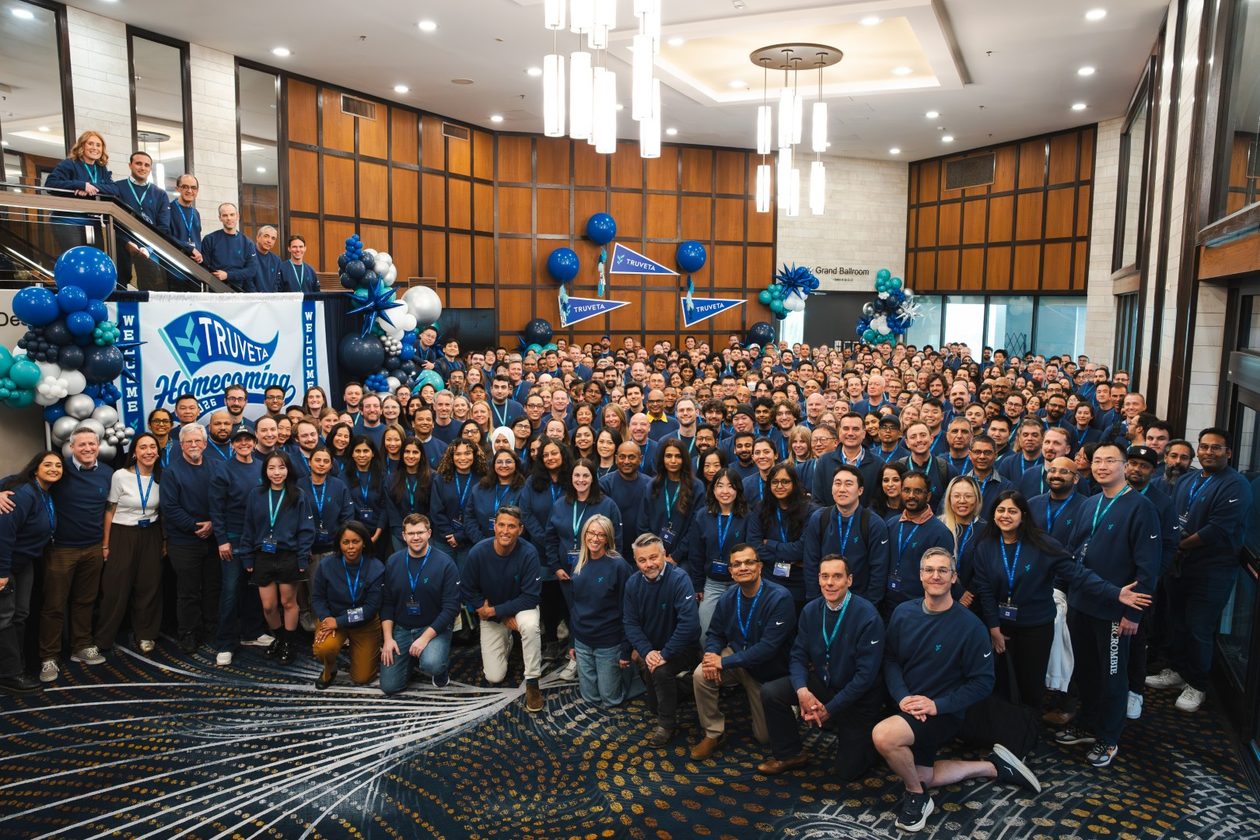
Truveta employees gather at the company’s all-company “Homecoming” meeting in April 2026. (Truveta Photo)
In a LinkedIn post announcing his retirement, Myerson noted that Truveta started “with an idea and no employees, no technology, no customers, and no data.” He wrote that what he’ll remember most are “the hundreds of Truvetans who took a chance on an ambitious idea and turned it into something real.”
Origins in the pandemic: Truveta grew out of a proposal from Providence, the Seattle-area nonprofit health system, for health systems to pool their data for research. Early in the pandemic, then-Providence CEO Rod Hochman called Myerson, who had left Microsoft in 2018 after leading its Windows and Devices Group, and asked him to build it.
GeekWire first reported on the startup in October 2020, and it launched publicly in February 2021 with 14 health systems.
Ahern was treating patients at NewYork-Presbyterian/Weill Cornell Medical Center in New York at the time. “We were giving out hydroxychloroquine, not knowing that it was actually harming patients,” he said. “It was the first time in my career that we were learning a new disease from scratch.”
Ahern was connected to Myerson through Madrona co-founder Jerry Grinstein, a former Delta Air Lines CEO and Ahern’s uncle by marriage. Myerson had joined the Seattle venture firm as a venture partner after leaving Microsoft.
Advertisement
Truveta says its data now covers more than 140 million patients. It published the first peer-reviewed real-world comparison of Ozempic and Mounjaro for weight loss, research that landed the company on the Today Show.
In 2025, Truveta raised $320 million in a round that included Regeneron and Illumina, bringing its total funding to $515 million. The round helped fund the Truveta Genome Project, which is sequencing leftover blood samples from consenting patients and linking the genetic data to de-identified medical records.
State of the business: Myerson declined to share revenue figures. He acknowledged that Truveta isn’t yet profitable but said it doesn’t need to raise more money. An IPO isn’t on the near-term horizon, he said, because Truveta’s revenue isn’t yet large enough for the public markets.
That leaves Nanduri, Ahern and the board with strategic decisions about which path to take over the long term. Myerson said the company has turned down offers, without elaborating.
Advertisement
“One of the problems with a business that’s doing well is you’ve got all those options,” he said.
“We’re blessed with a lot of options,” Ahern added.
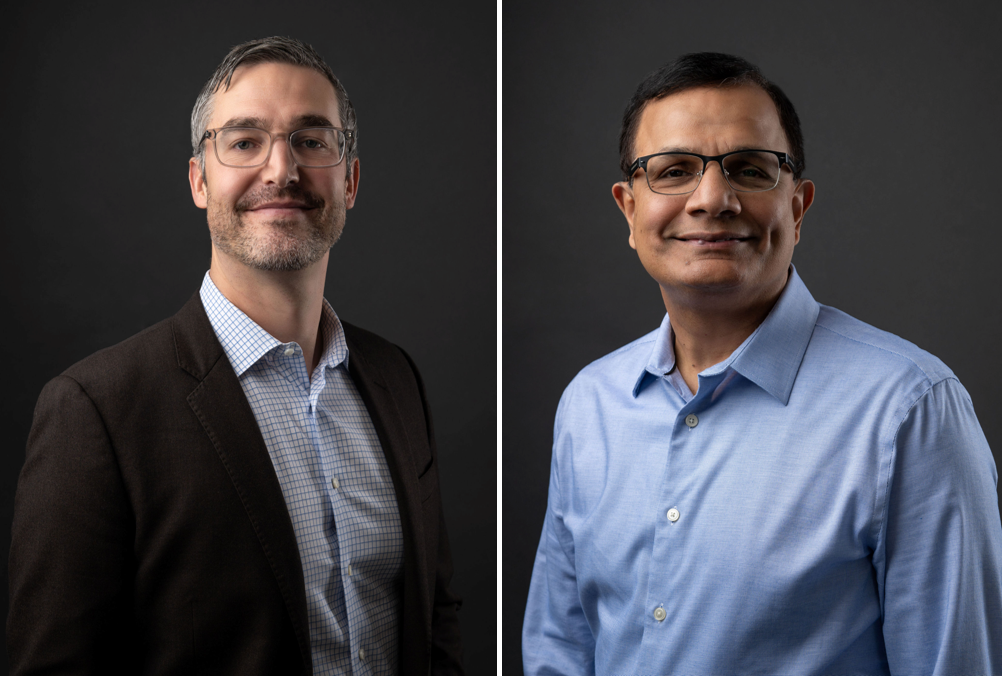
Truveta co-founders Ryan Ahern, left, the company’s chief medical officer, and Jay Nanduri, CTO, will be interim co-CEOs. (Truveta Photos)
Dividing the job: Nanduri, a former Microsoft technical fellow, will continue to lead engineering, product and the data systems behind them. Ahern, a physician who remains on the University of Washington faculty part time, will run sales, marketing, customer delivery and the evidence services team that handles regulatory work for customers.
Nanduri described it as supply and demand. “Ryan takes care of demand,” he said. “I make sure that the supply and the ecosystem and everything thrives.”
The company is expanding beyond data into AI tools for research, including Truveta Intelligence, which launched in April and lets researchers ask questions of its clinical data in plain English. Ahern said a key challenge is showing that AI-generated answers can be trusted for high-stakes decisions such as drug safety and label expansion.
Advertisement
Nanduri said each of the companies behind the leading AI models is doing some health-related work, and “they have approached us too.” The board has discussed how Truveta can coexist with them, he said. The company also opened a development center in Hyderabad, India, in July, expanding its engineering organization.
Truveta’s next chapter: The leadership change follows a shift at the board level. In March, Henry Ford Health executive Robin Damschrodersucceeded Hochman as Truveta’s board chair after he retired from Providence and affiliated entities.
The company also added a new senior executive this year, hiring Johnathan Lancaster, an oncologist and former Regeneron executive, as president and chief scientific officer in January.
Asked whether the board changes played a role in his decision, Myerson praised both Hochman and Damschroder, describing her as a disciplined board chair, and said the transitions are all part of the company moving into its second chapter. When it comes to CEO succession, he said, the question is who will commit for the next five to seven years.
Advertisement
“It’s easier for me to say, gosh, Jay and Ryan have earned this,” he said. “Bet on them for the next five to seven years versus betting on me.”
Advertisement
Myerson’s competitive streak, well known from his Microsoft days, hasn’t faded.
Truveta is currently No. 3 on the GeekWire 200, our list of the top Pacific Northwest startups. Myerson once responded to a congratulatory note from GeekWire about the company’s status on the list with a link to a YouTube clip of the famous line from Talladega Nights: “If you ain’t first, you’re last.”
Even as he discussed his departure, Myerson made his case for the top spot, calling Truveta “an amazing Pacific Northwest success story” and noting that more than 200 of its 500 employees are in the Seattle area.
“It’s a Pacific Northwest story that’s having global influence,” he said, “and so I think it should be number one on the list.”
Advertisement
At this stage of his life, he didn’t rule out the possibility of a next professional chapter for himself. But asked about his immediate plans, he said he’s hoping for “a great ski year.”
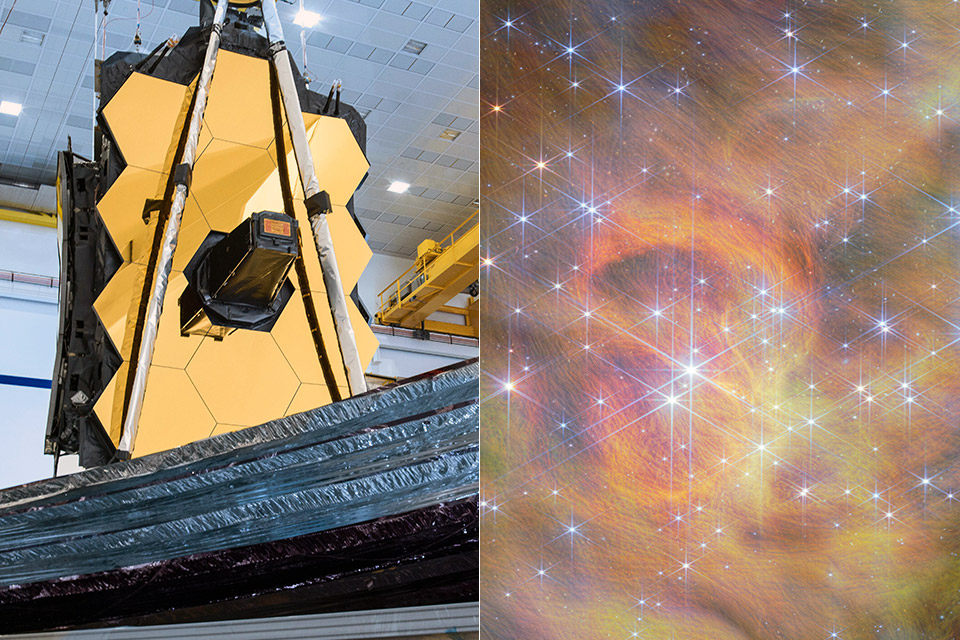
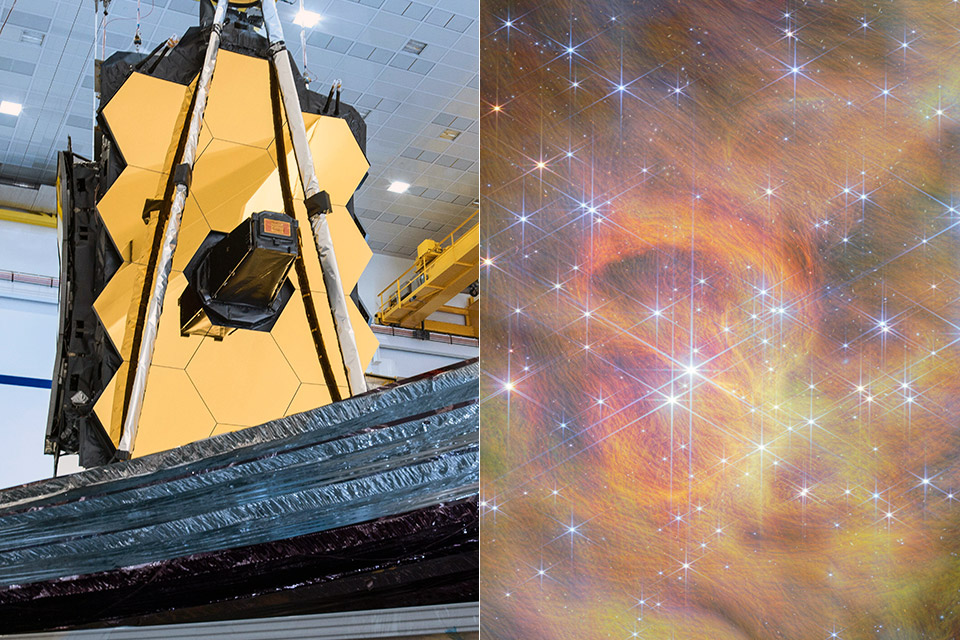
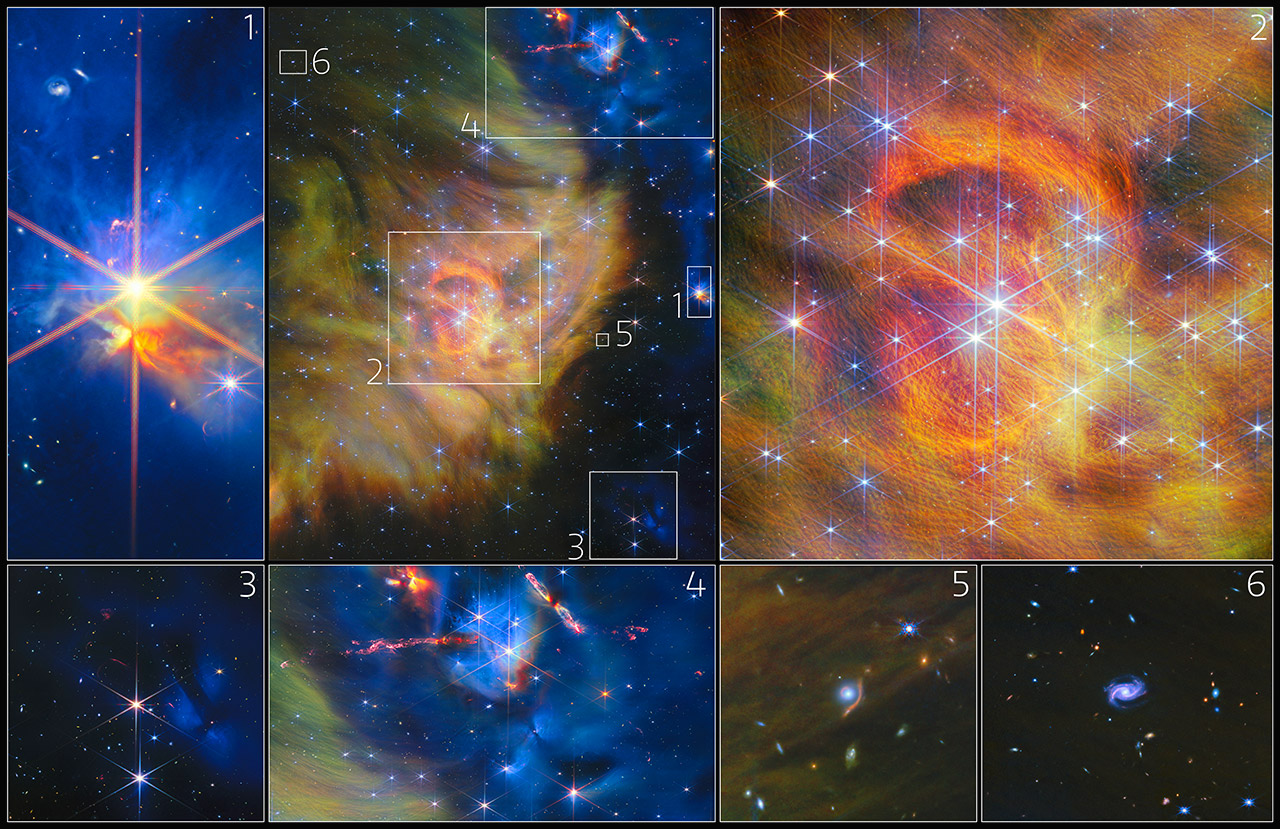
Photo credit: NASA/Chris Gunn NASA’s James Webb Space Telescope has released one of its largest public views yet, a near-infrared mosaic of IC 348, a star-forming region 1,000 light-years away in Perseus. Cold molecular hydrogen in that cloud is still collapsing into new stars, and Webb’s NIRCam turned the scene into a wide, crowded field of young suns, leftover dust, and objects so small they sit uncomfortably close to the planet side of the ledger.
A thousand light-years apart, you can see the difference, since Webb has the resolution to detect not just the luminous cluster but also the faint stragglers lurking in the filaments. The smallest proper stars will have a mass of about 8% that of the Sun. If you have anything smaller than that growing in the same manner that our sun does, by gravity dragging a cloud in on itself, you have a brown dwarf: it can’t get hot enough internally to fuse hydrogen properly, though many of them do burn deuterium for a short time in the beginning. A 2022 hunt in this same region with Webb found brown dwarfs with masses 3 to 4 times that of Jupiter, followed by some deeper NIRCam imagery in 2024 and NIRSpec spectra in 2025 under General Observer program 4866, which lowered the floor even further. Several of the objects were discovered to weigh around twice Jupiter’s mass, or 0.19% of the Sun’s mass, making them the least massive brown dwarfs on record. That effectively negates what many of the formation models have to say on the subject.
EXPLORE THE HUBBLE SPACE TELESCOPE – Celebrate one of humanity’s greatest scientific feats while enjoying a relaxing building experience with the…
REPLICA SPACE MODEL – Recreate the legendary space-based telescope with posable solar arrays and antennas, an opening aperture door and a detailed…
AUTHENTIC DETAILS – Remove the exterior panels to reveal a detailed instrument bay, which features gyroscopes alongside primary and secondary…
The researchers behind this hunt, Kevin Luhman of Penn State and Catarina Alves de Oliveira of the ESA, undertook the legwork. They selected the candidates based on color and brightness in the NIRCam frame, then weighed them using spectroscopy. One of the lightest new objects also appears to have a disk surrounding it. That leads to a simple but scary thought: planets may be developing around an object with the same mass as a planet. The spectra of the lightest brown dwarfs also revealed another surprise, which the team believes is an unnamed hydrocarbon composed only of hydrogen and carbon. This signal is only found in the most extreme objects, prompting the scientists to consider assigning these brown dwarfs their own spectral class.
NIRCam pieced together this mosaic using filters F162M, F182M, F360M, and F444W during observations on August 30th, 2024. The resulting product is a pretty enormous image, 16 by 20 arcminutes, which ranks as one of Webb’s largest releases to date. With tens of thousands of pixels to work with on each side, it’s no surprise this image is so detailed. Because we’re gazing in near-infrared light, the dust clouds become transparent rather than obscuring the view. As a result, young stars appear all over the place, faint outflows can be seen speeding through gas, and embedded sources glow brightly from within thicker knots of gas and dust. Even more intriguing, the mosaic’s background includes spiral galaxies and a gravitational lens, indicating that Webb is seeing not only into the clouds, but also back at the nursery.
The heavy lifting is taking place in the upper right corner of the building site. A dense cluster of protostars is hard at work right there, with many of them spewing out jets that collide with remaining gas and dust, illuminating the vicinity as Herbig-Haro objects. One such object, HH 797, extends out in a long, thin horizontal line before separating into two protostars with parallel outflows. Right next to it, HH 211 has a rather unusual propeller form, with a narrow jet paired with a larger wind. Both of those objects appeared in previous Webb releases, but this new mosaic places them in context: two bright patches in a much larger factory that is still producing stars, dead stars, and possibly the building blocks of planets orbiting objects only slightly larger than Jupiter.
Salesforce has revealed Ace, a new AI agent for the TSA
Ace should take the pressure of answering basic questions off human agents
Ace has already resolved 96% of basic inquiries so far
Salesforce has built the Transportation Security Administration (TSA) a new AI agent to try and help streamline travel for passengers everywhere.
Ace, a new AI agent built with Salesforce’s Public Sector Solutions platform, has been live for several months now, helping the TSA deal with traveller requests and inquiries.
So far, Salesforce says Ace has already handled approximately 100,000 routine traveler conversations per month and resolved 96% of routine inquiries, such as how to pack liquids or enter a checkpoint with a medical device — without the need for human escalation.
Latest Videos FromTechRadar
Advertisement
TSA and AI
“Nearly three million people travel through US airports every day, and a simple question shouldn’t stand between them and a smooth trip,” said Kendall Collins, CEO of Missionforce and Government Cloud.
“TSA’s new Ace AI agent gives travelers fast, accurate answers before they reach the checkpoint—from what they can pack to how they can prepare—while helping TSA officers stay focused on their essential security mission.”
The launch of Ace forms part of a broader modernization initiative, led by the TSA’s Customer Experience Branch to improve traveler service using Salesforce.
The amount of questions from travellers can ramp up hugely during peak travel periods and disruptions, so the TSA needed a flexible way to scale support, deliver consistent guidance, and reduce pressure on its contact center teams.
Sign up to the TechRadar Pro newsletter to get all the top news, opinion, features and guidance your business needs to succeed!
Deploying a secure, autonomous AI agent like Ace, which can answer routine questions and direct more complex needs to staff, means the TSA can improve services, control costs, and support its missions at scale, even at the busiest times of the year.
Advertisement
“The TSA is leading with trusted AI to meet the mission,” said Paul Tatum, EVP of Global Public Sector Solutions at Salesforce. “They are delivering a secure, data-driven, and AI-first foundation that scales operations, lowers costs, and protects public trust, even during the most stressful travel times.”
Mini PCs have always had an obvious appeal: they offer a full desktop experience without the desk space of a conventional tower. But as computers take on more AI-powered workloads, a growing question remains: can smaller machines still deliver the performance modern users expect?
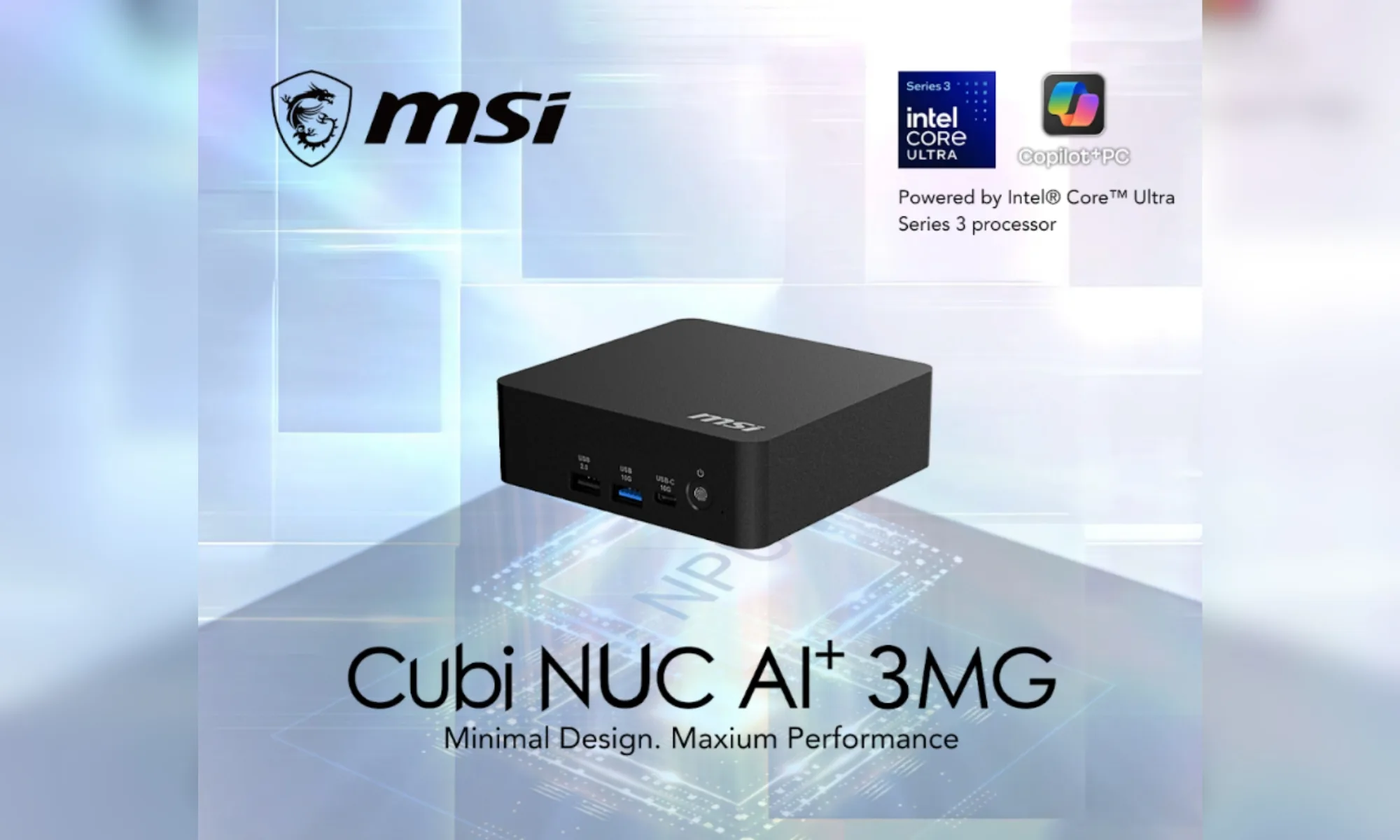
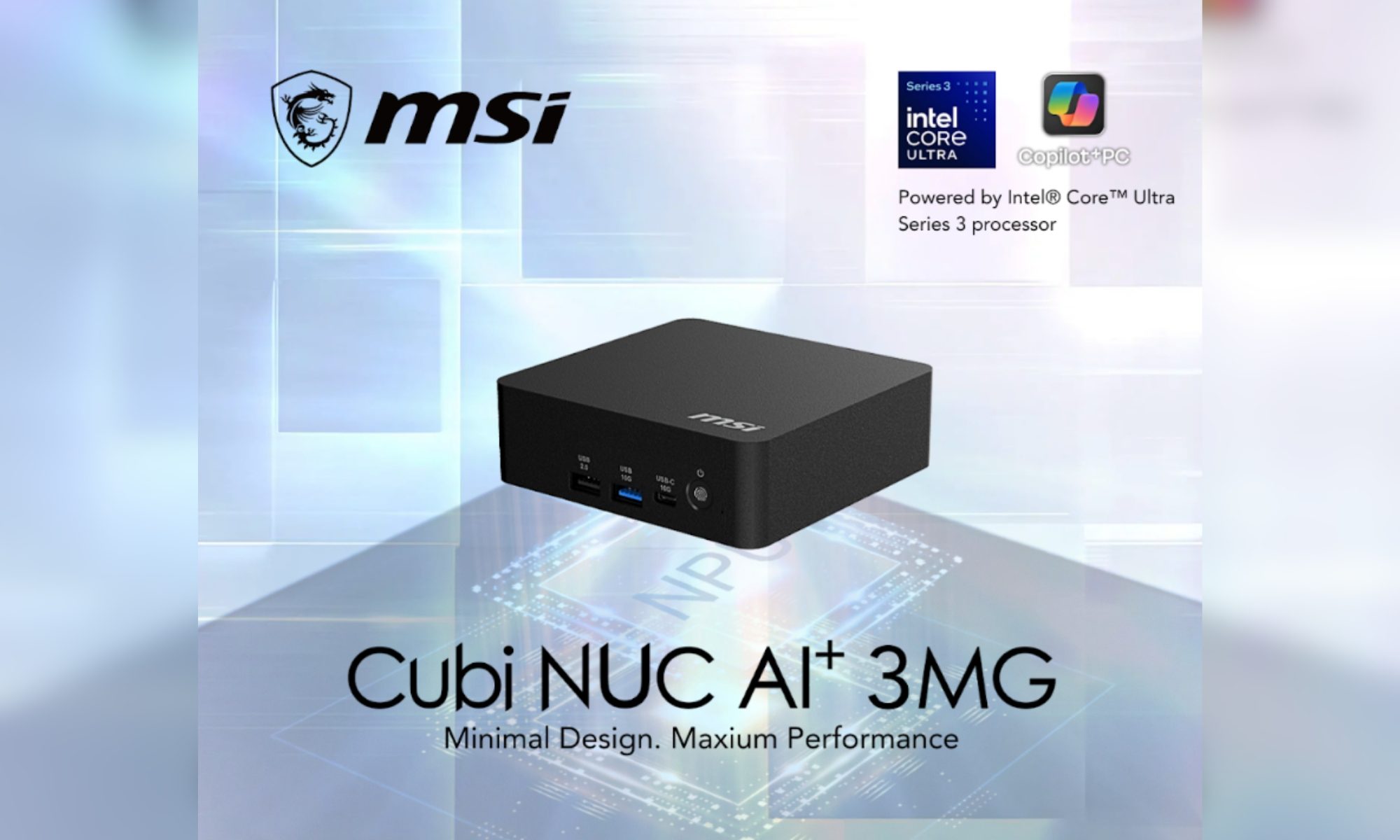
MSI’s answer is the Cubi NUC AI+ 3MG, a compact desktop built around Intel’s latest Core Ultra Series 3 processors, also known as Panther Lake. The system combines up to 100 TOPS of total AI performance across the CPU, GPU, and NPU with a chassis measuring approximately 0.5 liters.
MSI Cubi NUC AI+ 3MG
The Cubi NUC AI+ 3MG integrates next-generation AI processing into an ultra-compact chassis, providing high-density computing for space-constrained professional environments.
For people who want a capable everyday computer without giving up half their desk to the hardware, that could be a compelling proposition.
MSI is making the mini PC smaller without making it feel basic
The first thing you notice about a machine like the Cubi NUC AI+ 3MG is its size. The chassis measures 119.60 × 115.20 × 37.50 mm and has a volume of approximately 0.51 liters. That makes it one of the smallest mini PCs featuring the Panther Lake platform, according to MSI’s positioning.
Advertisement
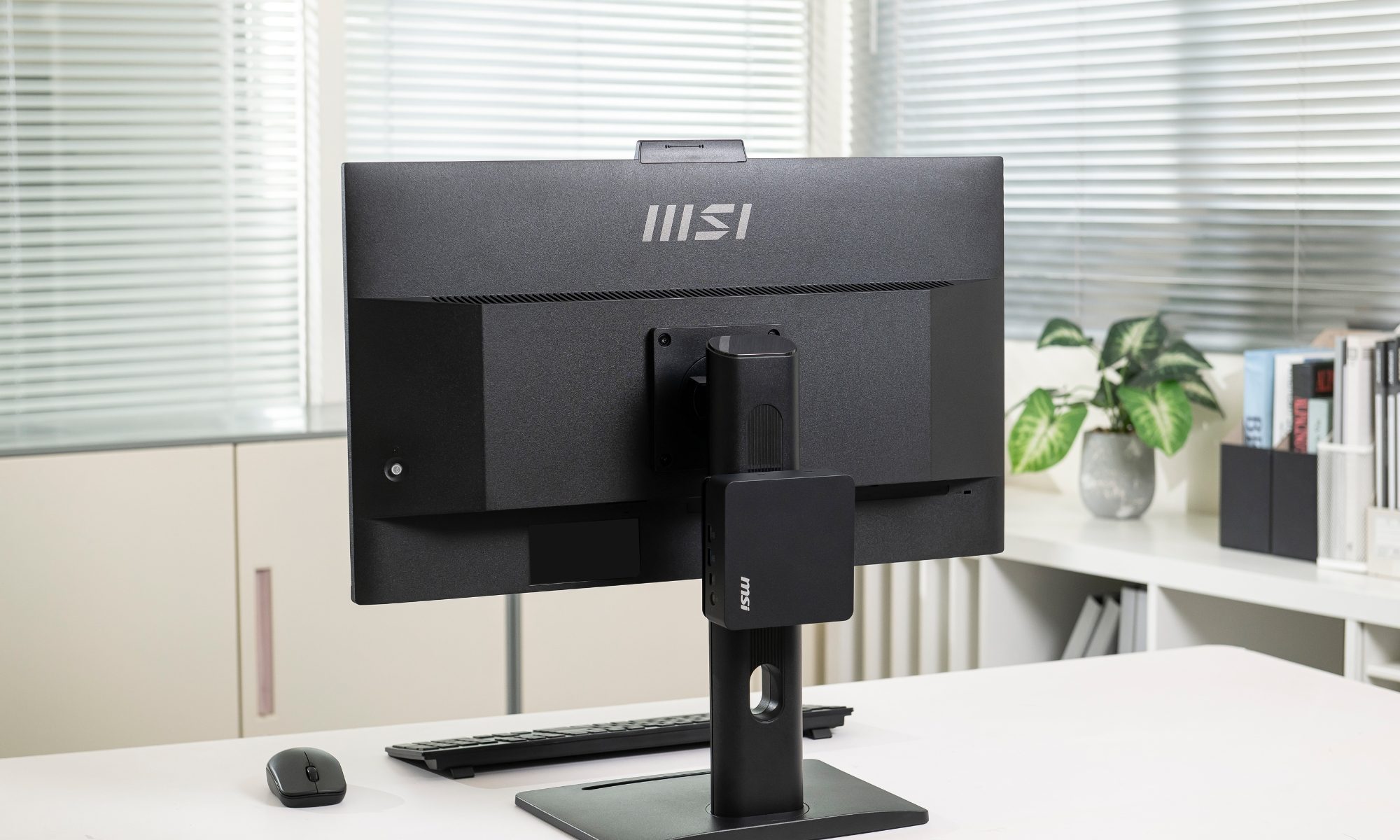
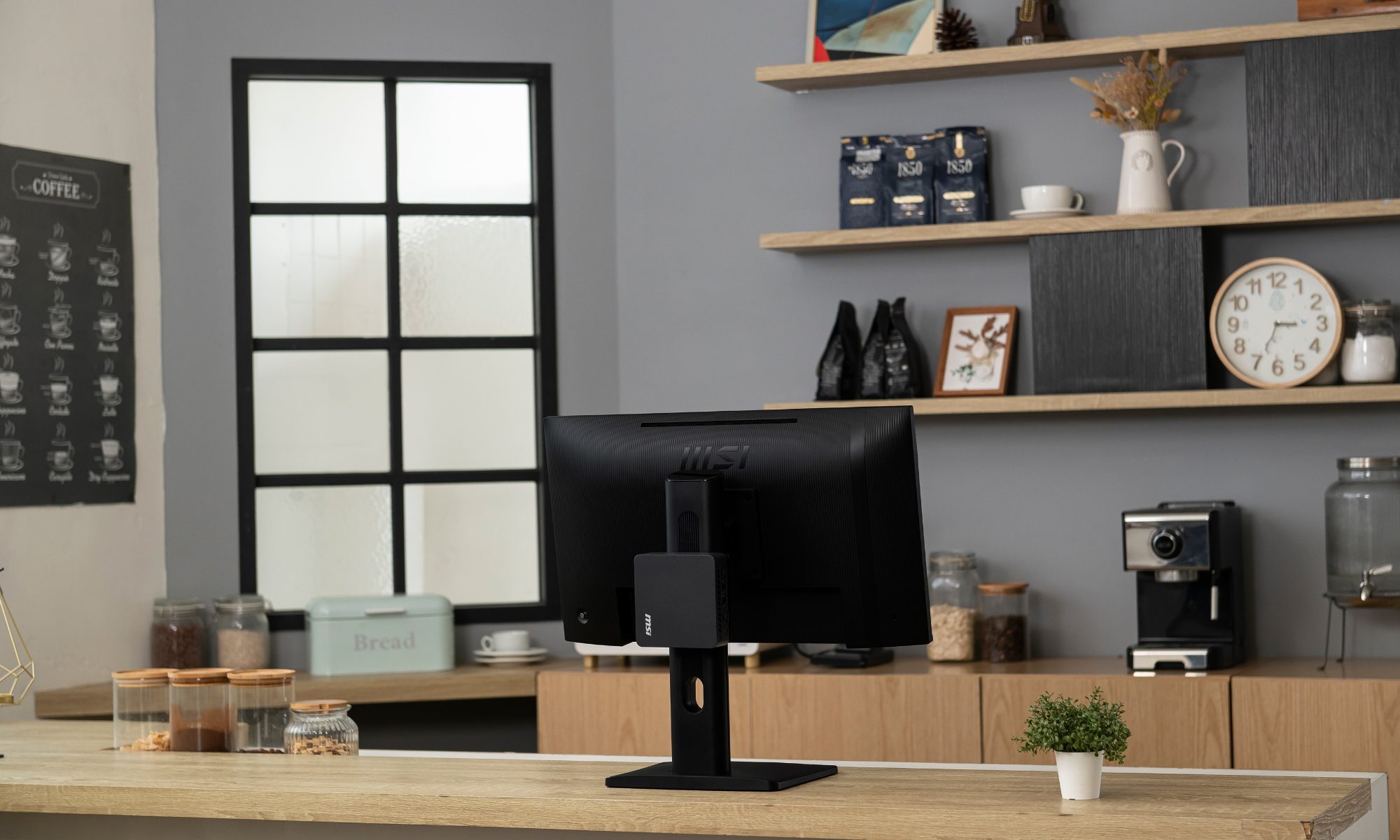
In practical terms, this means the Cubi NUC AI+ 3MG can be placed almost anywhere. It can sit directly on a desk, be tucked away behind a display using VESA mounting, or become part of a more permanent workstation without occupying the footprint associated with a conventional desktop.
MSI Cubi NUC AI+ 3MG
The small chassis also makes the system interesting for offices, home workspaces, and businesses where desk space is limited. Instead of building a setup around the computer itself, users can essentially make the computer disappear into the setup.
MSI has also included several details intended to make that compact design more practical. The Cubi NUC AI+ 3MG features a tool-less design for easier access and upgrades, as well as a cable organizer to help keep connections under control.
That matters because mini PCs can sometimes involve a compromise between size and flexibility. MSI’s approach is to keep the footprint small while retaining features that make the machine feel like a proper desktop.
Panther Lake brings AI into the small form factor.
Powered by Intel Core Ultra Series 3 processors, the system delivers up to 50 NPU TOPS and 100 total platform TOPS across CPU, GPU, and NPU – enabling local AI workload execution within a 0.5-liter footprint.
Advertisement
For users, the significance is not simply the size of the TOPS number. The CPU, GPU, and NPU each contribute to different parts of the computing experience, with the NPU specifically designed to handle AI workloads efficiently. MSI positions the Cubi NUC AI+ 3MG as a Copilot+ PC, bringing AI capabilities into a machine designed for everyday computing and productivity.
MSI Cubi NUC AI+ 3MG
By offloading AI tasks to dedicated NPU hardware and automating system tuning through MSI’s AI Engine, the desktop optimizes resource management for seamless background processing in enterprise workflows.
The result is a computer designed to make its processing power useful without requiring users to constantly manage it manually.
For someone working with documents, video calls, creative applications, multiple browser windows, or AI-assisted software, having dedicated AI processing available alongside conventional CPU and GPU performance can make the computer better suited to the direction desktop software is taking.
Small does not have to mean limited.
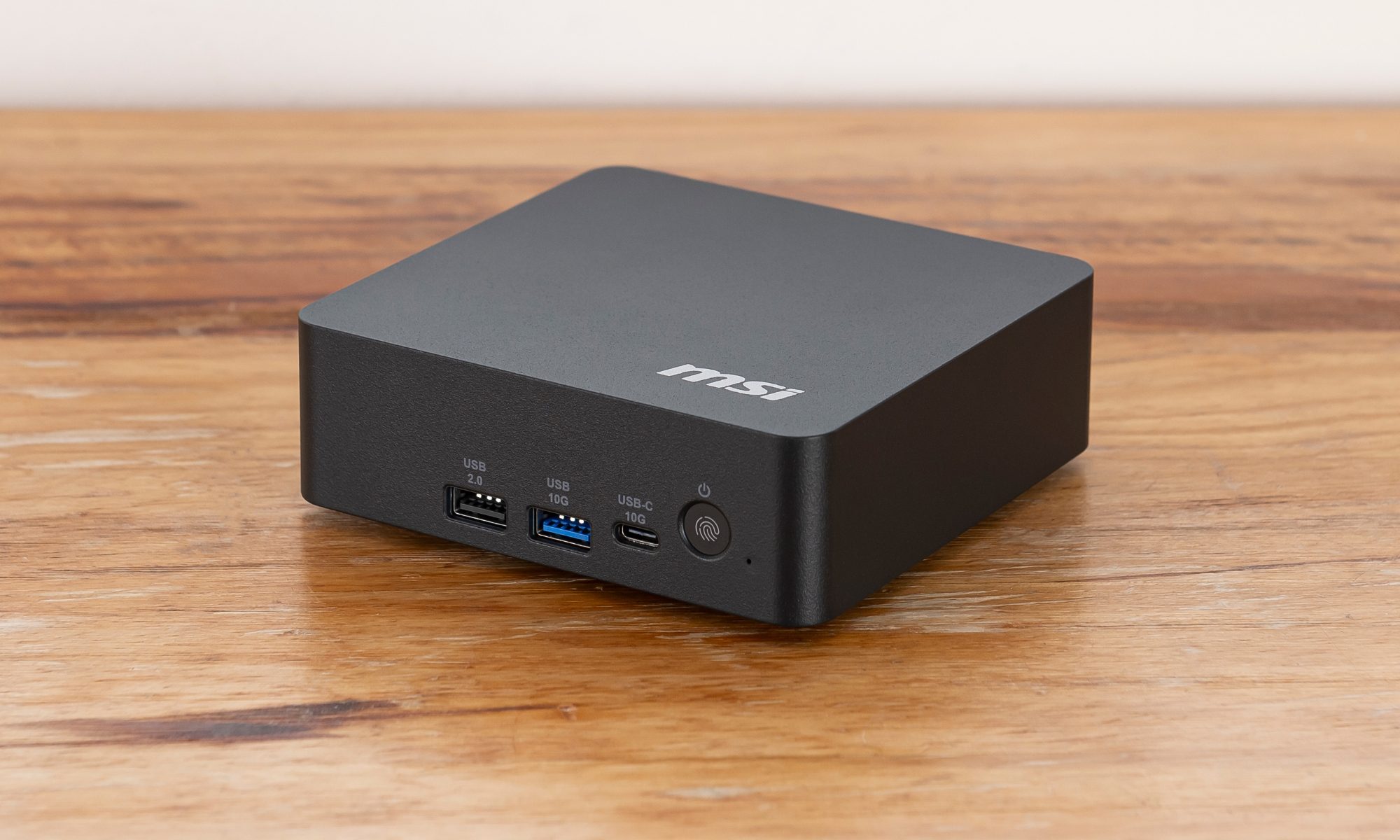
Perhaps the most convincing part of the Cubi NUC AI+ 3MG is that MSI has not treated compactness as an excuse to strip away connectivity. The front of the machine includes a USB 10Gbps Type-C port, USB 10Gbps Type-A, USB 2.0 Type-A, and a power button with integrated fingerprint security. Around the back, users get two Thunderbolt 4 ports, two 2.5G Ethernet ports, two HDMI outputs, and the DC power input.
Advertisement
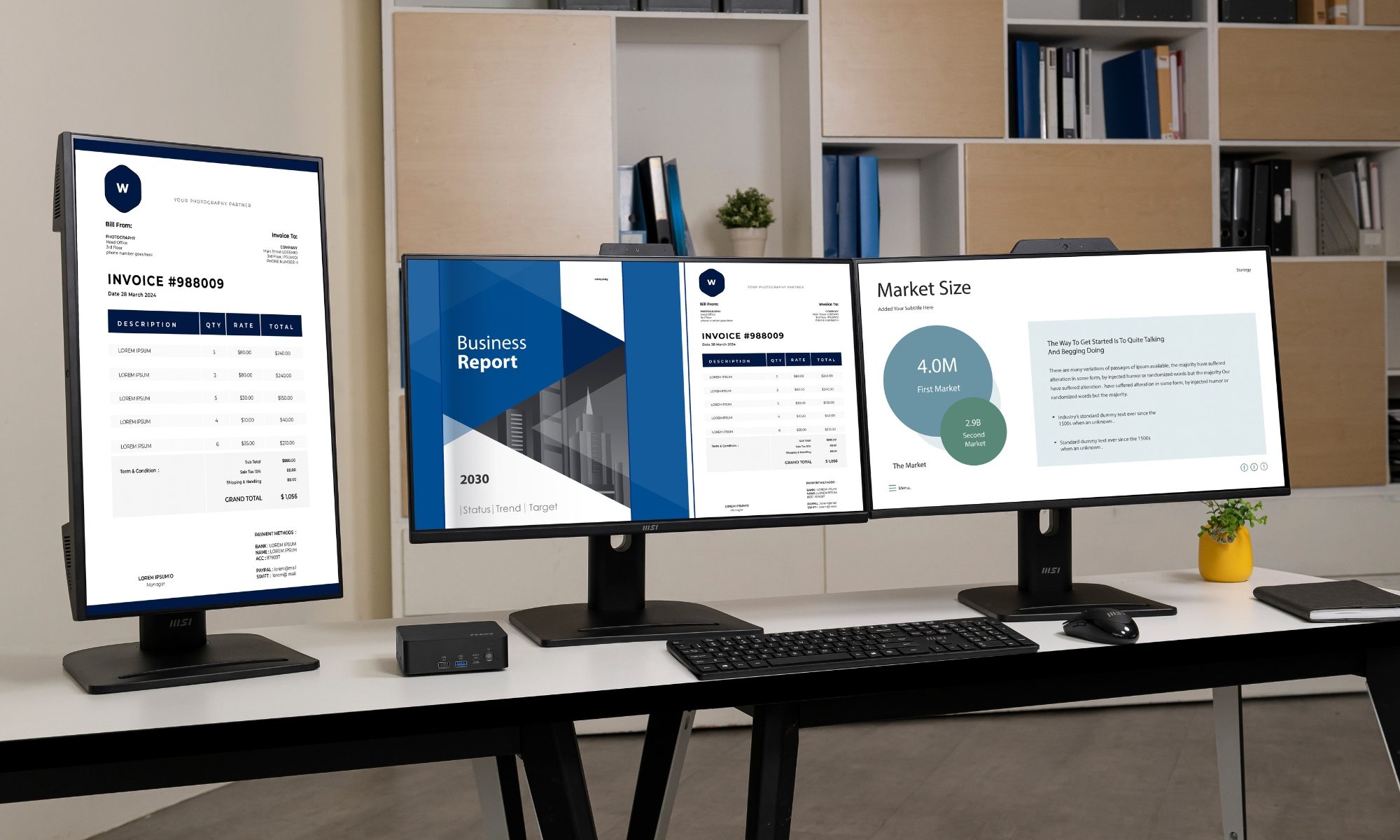
That selection makes the Cubi NUC AI+ 3MG considerably more flexible as the center of a workstation. The Thunderbolt 4 ports provide high-speed connectivity for compatible peripherals and displays, while the two HDMI outputs can support 4K resolution at 60Hz. MSI also supports up to four displays, giving users the option of building a multi-monitor workstation despite the computer itself being small enough to fit in one hand.
MSI Cubi NUC AI+ 3MG
This could be particularly useful for professionals who spend their day moving between applications. More screen real estate can make it easier to keep reference material, communication tools, and active work visible simultaneously.
The system also supports dual 2.5G LAN, which can be useful for environments that require separate intranet and internet connections. And then there is MSI Power Link. With a compatible MSI monitor, the feature can allow the display to power the desktop, helping reduce the number of cables needed around the workstation.
These are small touches individually, but together they reinforce the idea that the Cubi NUC AI+ 3MG is intended to function as a full desktop rather than a stripped-down secondary computer.
A tiny PC designed for the way desktops are changing
The Cubi NUC AI+ 3MG also includes two DDR5 SO-DIMM slots supporting up to 32GB, Intel Graphics, and an M.2 2280 PCIe storage slot. That gives users a reasonable foundation for everyday productivity while retaining the compact dimensions that define the system.
Advertisement
Security has also been considered. The fingerprint sensor built into the power button provides a convenient way to add biometric authentication without requiring a separate accessory. For businesses and professionals, MSI has also included Power Meter, a utility that can help users monitor power consumption, estimate electricity costs, and calculate carbon emissions.
Taken together, these features reveal what MSI is trying to accomplish with the Cubi NUC AI+ 3MG. The point is not simply to build the smallest possible computer. A tiny PC would be easy to design if functionality were the only thing sacrificed. The more interesting challenge is creating something small enough to disappear into a modern workspace while still providing the processing, connectivity, and expansion options that users expect from a desktop.
MSI Cubi NUC AI+ 3MG
Combining a 0.51-liter deployment footprint with 100 TOPS of multi-engine AI throughput, the platform balances space efficiency with scalable performance for modern enterprise software.
That balance is becoming increasingly relevant as AI moves from being something users deliberately open to something that increasingly runs in the background of everyday applications. Having CPU, GPU, and NPU resources working together gives a compact machine more headroom for that changing computing environment.
The Cubi NUC AI+ 3MG therefore represents a straightforward evolution of the mini PC. It takes the traditional promise of compact desktop computing and combines it with a platform designed for the AI era.
Advertisement
For someone building a home office, upgrading a professional workstation, or simply trying to get a capable desktop into a small space, MSI’s approach is appealing for one simple reason: the computer may be tiny, but the ambition behind it is not.
As desktop computing becomes increasingly shaped by AI, MSI’s Cubi NUC AI+ 3MG shows that you do not necessarily need a large tower to keep up.
OpenAI is looking at data centre partnerships in Canada because of the energy and land available there, its head of countries George Osborne told Bloomberg at Mark Carney’s investment summit in Toronto. OpenAI paused its British project in April, saying it would proceed when regulation and the cost of energy allowed.
OpenAI is looking at data centre partnerships in Canada because of the energy and land available there, its head of countries George Osborne told Bloomberg. He was speaking at Mark Carney’s investment summit in Toronto.
Osborne was Britain’s chancellor from 2010 to 2016. In 2012 he hired Carney, then governor of the Bank of Canada, to run the Bank of England.
He joined OpenAI in December as managing director and head of OpenAI for Countries, the arm that takes the Stargate model abroad. He works from London.
Advertisement
Carney has articulated “one of the clearer plans for AI adoption of a western government“, Osborne said, calling the prime minister’s medium and long-term plan “very impressive“.
The summit ran on 14 and 15 September and brought about 100 of the world’s largest investment firms to Toronto. Carney wants to catalyse a trillion dollars of investment over five years.
Europe got a different answer.
OpenAI paused Stargate UK in April, saying it would move forward when regulation and the cost of energy allowed long-term infrastructure investment. The project was to run 8,000 Nvidia GPUs in the north east of England, scaling to 31,000.
Advertisement
British industrial electricity costs roughly four times what it does in the United States, Finland, Norway and Sweden. Grid connection requests jumped from 41 gigawatts in November 2024 to 125 gigawatts by June 2025.
The announcement did not survive much scrutiny either. OpenAI had never visited the site of its flagship British project, the Guardian found, and the government had publicised a GBP 1.9B contract that was not signed.
The copyright question is still open. A proposed text and data mining exception met opposition from the creative industries, and no law has followed.
Where OpenAI did build in Europe was Norway. Stargate Norway runs on Narvik hydropower, 230 megawatts to start, with 100,000 Nvidia GPUs targeted by the end of this year.
Advertisement
Energy and land, in other words. The same two things Osborne named in Toronto.
The EU is trying to buy its way past the problem, with a gigafactories call that closes to bids on 12 November and expects more than EUR 20B of private investment across up to seven sites. France’s $10B bid is already in.
When we talk about programming in “bare metal,” it basically means writing software that runs right on the hardware with no operating system or abstraction layers in between. This gives the program the most direct possible access to peripherals and memory, with the tradeoff being that you don’t get the protection and ancillary features that come with an OS.
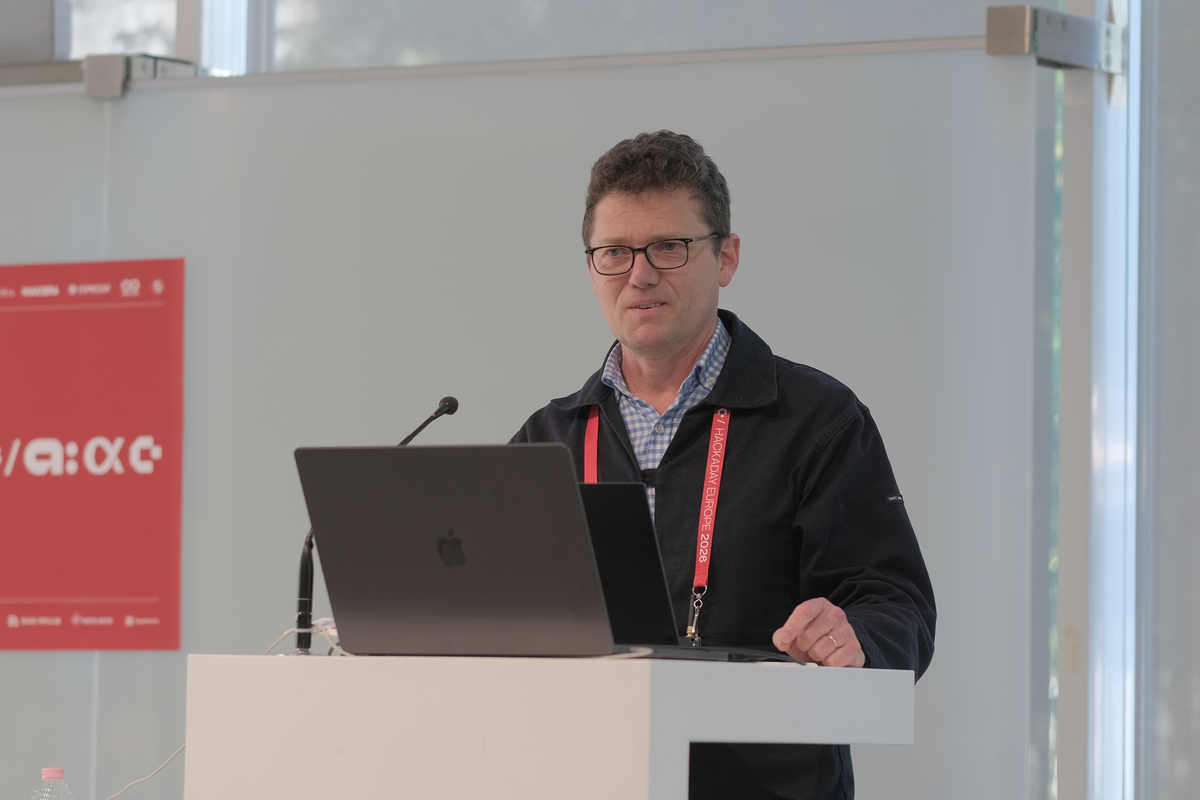
Sylvain Huet came down to Hackaday Europe 2026 to talk about making bare metal easy. Not just by ignoring operating systems and ever-bloating dependencies, but by rethinking the way we approach software development and by building a transparent platform from the ground up.
Down To Brass Tacks
Sylvain’s computing journey began with the Thompson T07, in an era when the line between operating systems and bare metal was wafer thin. Since then, we’ve sheathed our CPUs in ever deeper layers of abstraction.
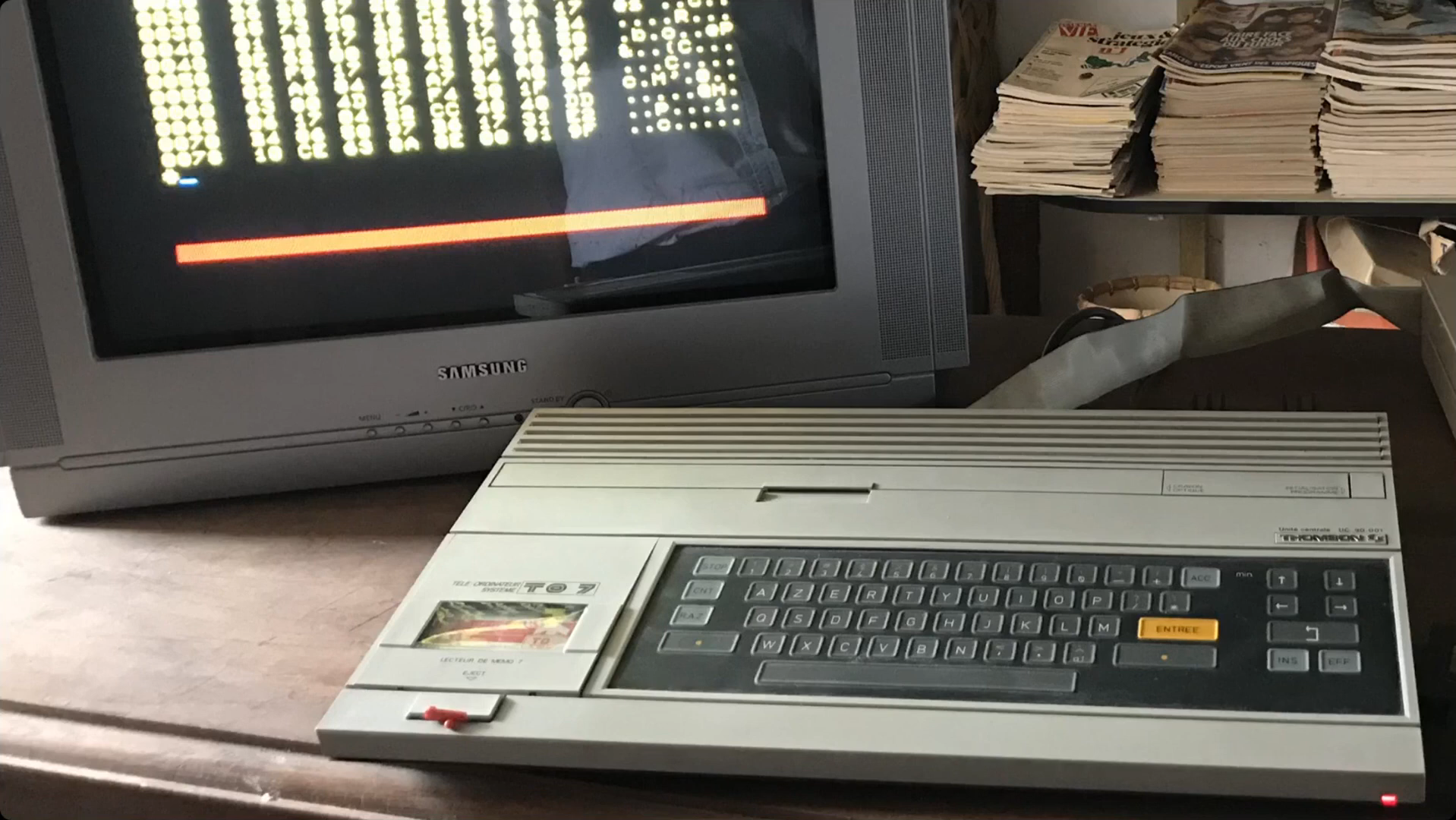
Sylvain begins the talk with a look at where his own computing journey began. Back in 1982, he got his hands on a Thomson TO7, with just 8 kilobytes of user RAM and a 6809 CPU. The best way to have fun with the hardware was to work straight in assembly. “It was easy to understand everything about your computer,” notes Sylvian of the simplicity of the platform. “There was almost no hidden side in this computer.” Of course, change was fast in that era, and a bit over a decade later, Sylvain was working on a Metaverse-like product called Second World, before moving on to work on Nabaztag in the early 2000s—a charming Wi-Fi enabled rabbit launched just as wireless networking was hitting the mainstream.
The through-line across all these projects was that much of the work was done at the bare metal level—often useful when it’s desirable to work as close as possible to the hardware peripherals or to maximise performance. Sylvain then contrasts this with how things are often done in this modern era. A poignant example was showing pictures from an airport during the CrowdStrike outage of 2024. Where once upon a time a flight schedule display might have been a purpose built device running on very simple hardware, these days it’s common to just kit out flat screen monitors with entire Windows computers behind them. It’s a convenient way to build, but as Sylvain explains, this complexity sometimes comes at a cost. He then shows that such a display can be very easily built with a Raspberry Pi running a bare-metal program with no operating system at all—with no automated security updates enforced by an outside OS provider, or any such heavy-handed management required. Since it’s coded to do one job from the ground up, it’s much less likely that the software falls apart due to some outside update or the collapse of some obscure dependency that nobody on the development team was even aware was included.
Advertisement
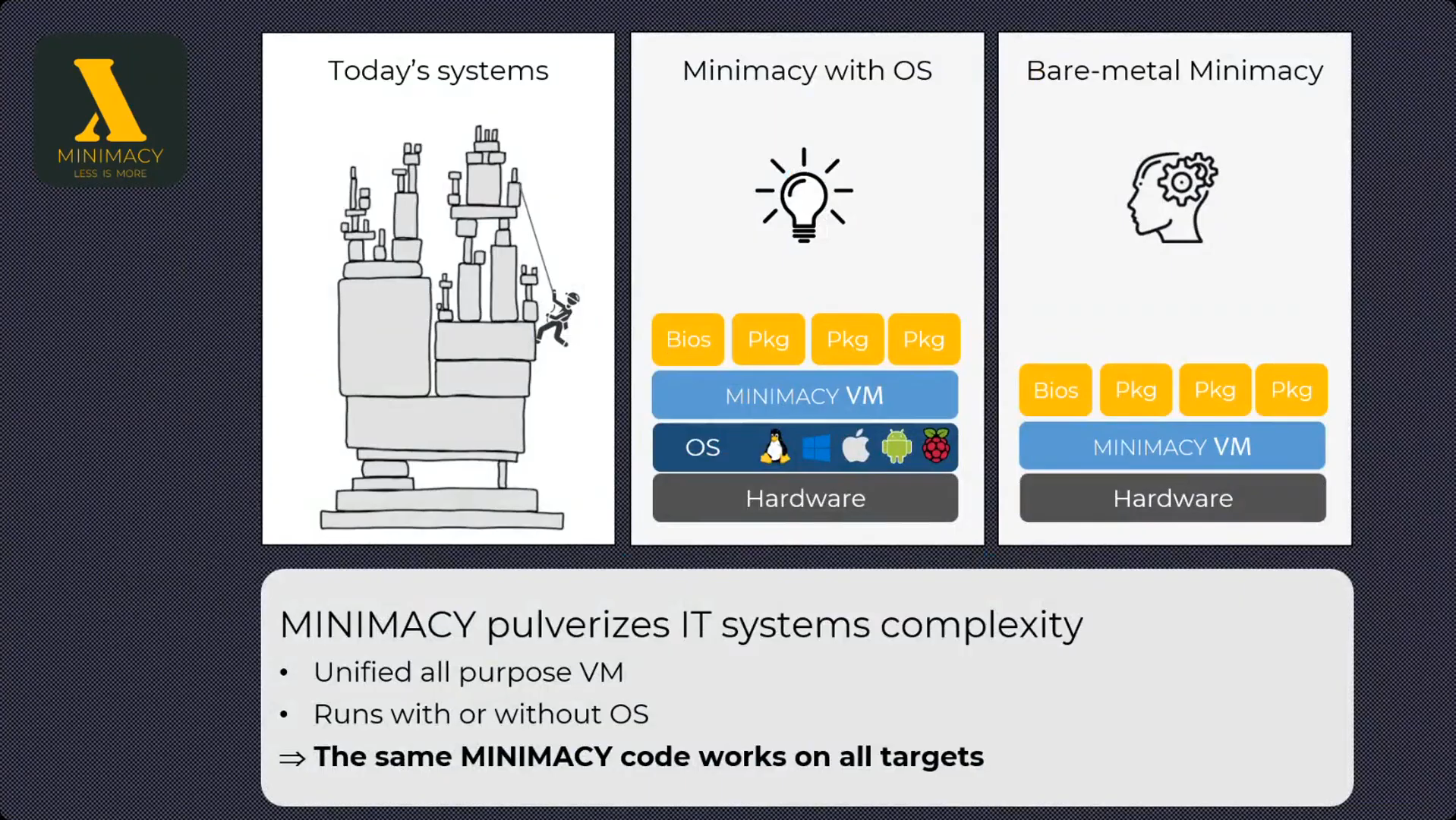
The modern operating system is perhaps the biggest black box of all; removing it provides a lot more transparency on what’s going on under the hood. Such is the goal of Sylvain’s overarching Minimacy project.
Sylvain talks about a “new minimalism”—where “all you need to understand should fit in your single brain.” It’s not just about working at the bare metal level, but about creating systems where a single developer actually understands the project from top to bottom. Of course, there are limits to the size of a project any one person can completely understand, but for some applications, this can be a useful guiding principle. The talk also explores how we use things like outside libraries. Sylvain calls this the “low-level paradox”— wherein the more sophisticated a task is, the more we rely on black boxes to do parts of the work for us. It’s a fast way to develop, but quickly adds thousands of lines of code to a project and enables us to avoid understanding some of what’s actually going on under the hood.
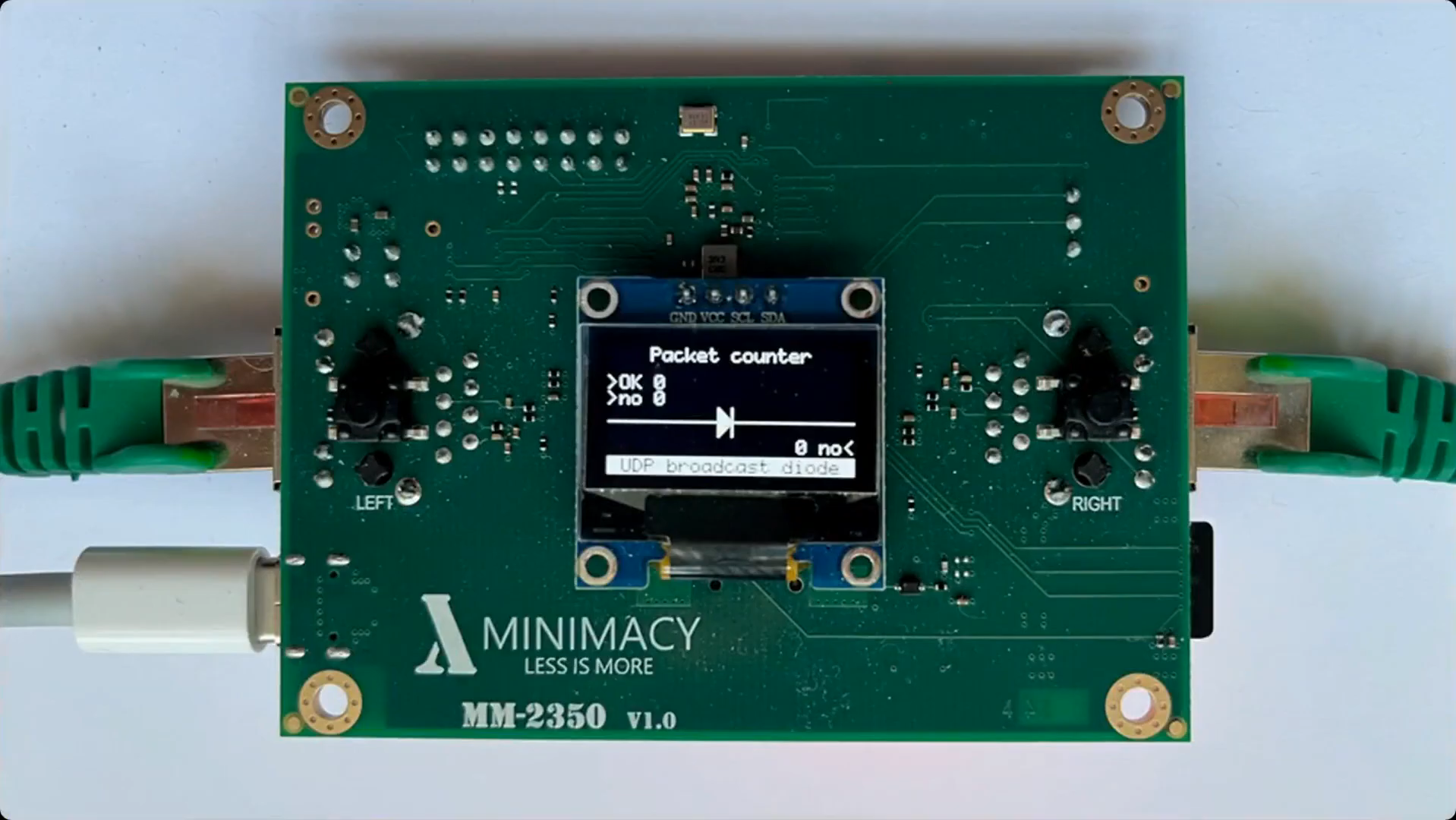
Sylvain’s Minimacy Machine is intended to be a platform with a focus on transparency—allowing the developer to know what’s going on at every level. It’s based on the Raspberry Pi RP2350.
To this end, Sylvain has created the Minimacy language. It’s intended to enable development with fewer dependencies, black boxes, and operating systems, while maximising the capacity for understanding. It’s concise, linear, and safe, with strong static typechecking and type inference. You can work with it using the Minimacy virtual machine, which combines an instant compiler and a virtual processor that can run the code. It’s 100% open source, and is written in less than 900 kB of C—both which support the ideal of being within the realms of a developer’s ability to understand the whole stack. Indeed, Sylvain demonstrates just how light it is by running a Minimacy game off a floppy disk on a modern UEFI laptop. The idea is that a Minimacy VM could run on a variety of different hardware, allowing near-bare-metal access for Minimacy code while still maintaining some level of portability across systems.
Sylvain also demonstrates the Minimacy Machine. It’s powered by a Raspberry Pi RP2350, running at 150 MHz, with lots of useful peripherals, including Ethernet connectivity, an OLED display, an SD card reader, and a real time clock. Armed with all that, it’s a platform that can run Minimacy code and allow the development of devices that run without relying on lots of outside dependencies or a heavy OS built for more general purpose tasks. It exists as a transparent software and hardware stack for developers to build upon.
Overall, though, Sylvain’s talk isn’t just about Minimacy or programming in bare metal. It’s about finding simplicity where it makes sense. Working in bare metal isn’t for everything of course, and the vast majority of us will continue to use operating systems across all sorts of applications where they’re necessary and useful. However, in the advanced age we live in, it’s sometimes good to remember that stripping away unnecessary layers of abstraction often makes a lot of sense, because they can distract us from the simple tasks we’re trying to achieve in the first place.
Acronis disclosed a high-severity Linux local privilege escalation vulnerability in its backup plugin for cPanel, WebHost Manager (WHM), and Plesk that may be exploited in the wild.
cPanel & WHM and Plesk are used by web hosting companies and server administrators to manage websites and servers through graphical interfaces.
Acronis’ backup add-ons connect the hosting control panel to the company’s infrastructure, allowing administrators to back up and restore websites, files, databases, mailboxes, and hosting accounts from within the cPanel and Plesk interfaces.
The flaw was published in a brief advisory last weekend, but the technology company issued an update today, identifying it as CVE-2026-87886 and assigning it a severity score of 7.8.
Advertisement
A low-privileged attacker can exploit CVE-2026-87886 to increase their permission level on a vulnerable Linux server, potentially enabling them to access or modify sensitive data and disrupt the system without user interaction.
Further technical details on CVE-2026-87886 have not been published, as the company wants to give system administrators time to apply the available patches before sharing more information.
Acronis says it has detected exploitation of the vulnerability in the wild, “in limited, targeted attacks.”
“Exploitation of this vulnerability has been detected in the wild in limited, targeted attacks against Acronis Backup plugin for cPanel & WHM deployments,” the advisory warns.
Advertisement
In a statement for BleepingComputer, Acronis notes that the assessment is based on a single report from a “potentially affected” customer.
The CVE-2026-87886 vulnerability affects the following product versions:
Acronis Backup plugin for cPanel & WHM builds earlier than 1.9.3.1021, fixed in version 1.9.3 HF3
Acronis Backup extension for Plesk builds earlier than 1.8.11.638, fixed in version 1.8.11
The company has identified no specific indicators of compromise and did not disclose when the activity occurred or what attackers achieved beyond the privilege-escalation impact described by the advisory.
All affected users of Acronis backup integrations for cPanel & WHM and Plesk are recommended to apply the available updates immediately.
Join Mikko Hyppönen and security leaders from the NFL, CHANEL, and Atlassian for a two-hour digital summit on what AI-speed attacks change, what defenders should stop doing, and how to validate, decide, fix, and re-validate at machine speed.
























































You must be logged in to post a comment Login