
Business
Financial services leaders face complexity and training gap


Eighty-five per cent of senior leaders in the UK financial services sector say their roles have become more complex over the past five years, yet a quarter have not received suitable training to do their job well, according to research from Alliance Manchester Business School (AMBS).
The business school commissioned Censuswide to survey 500 managers, directors and C-suite executives in UK businesses. Of those, 59 worked in financial services.
Across all 500 respondents, 73 per cent said their roles had become increasingly complicated over the past five years. Among those in financial services, the figure was 85 per cent.
What is driving the change
Financial services leaders were asked which factors had made their roles more complex since 2020. The most commonly selected was increased cybersecurity and data privacy risks, chosen by 38 per cent.
The rise of remote working followed at 36 per cent, and the emergence of new technologies such as artificial intelligence at 32 per cent.
New regulation and legislation was selected by 24 per cent. The same proportion cited managing reputational risk in a 24/7 media and social media environment.
The survey also asked leaders about confidence in their own performance. According to AMBS, 54 per cent of financial services respondents said they worry about remaining relevant and competent as the business and management world evolves.
A further 53 per cent said they regularly doubt their judgments at work. AMBS said this was well above the 40 per cent average recorded across other industries.
Training gap
Despite the reported increase in complexity, the AMBS data shows that 25 per cent of senior decision-makers in financial services have not received suitable training to enable them to do their job well and manage effectively.
When asked which areas they would most like formal training in, financial services leaders most often placed financial analysis in their top three, at 44 per cent.
Understanding AI and how best to leverage it was selected by 39 per cent, and managing digital transformation projects by 36 per cent.
Bank of England governor Andrew Bailey has separately warned that AI training is critical to the future of UK jobs.
Business Matters has previously reported on UK firms facing skills gaps and turning to AI and upskilling to fill them.
AMBS said the research explored how business leaders are coping with increased complexity when making decisions and performing in their roles, including challenges such as AI, geopolitical conflict and difficult economic conditions.
Arif Khurshed, Professor of Finance at Alliance Manchester Business School, said: “There is a huge amount at stake when leaders in the financial services sector make decisions. Money can be on the line, trust is paramount and the industry is highly competitive.
“Throw in increasing business complexity, which our research highlights as a common concern, and it is clear that leaders are facing significant challenges.”
He added: “We cannot underestimate the importance of organisations supporting their leaders and equipping them with the right tools to navigate a constantly-evolving business environment.
“In doing so, businesses can ensure that they retain and get the best out of their talent, and ensure they are best placed to navigate the challenges and opportunities to come.”
The financial services figures are drawn from a sub-sample of 59 respondents within the wider survey of 500 leaders.

Amy Ingham
Amy Ingham is a reporter at Business Matters, covering UK business news with a focus on breaking news, business policy, late payments and insolvency. She joined the magazine in 2026 after completing the NCTJ Diploma in Journalism at Harlow College’s journalism school. Her recent reporting includes British Steel’s nationalisation and its impact on SME suppliers, the decline in late payments by large firms, and Insolvency Service director disqualifications. Reach her at aingham@cbmeg.co.uk.


Yes. Corporate subscriptions are available for teams and organisations, with discounted rates as user numbers increase. Pricing starts from $1,625 + GST per user.
Get in touch
to discuss the right option for your organisation.
Business News subscriptions are used by executives, investors, consultants and professionals who need to stay informed and make better decisions about the WA market. When you subscribe you’ll get
- Unlimited access to WA’s most trusted business journalism
- Data & Insights — detailed profiles of WA companies, people, projects and deals
- MyBN — a personalised feed based on the companies, people and sectors you follow
- Special publications and industry reports
- Daily and weekly email newsletters
Data & Insights is a research tool built specifically for the WA market. It draws on more than 30 years of Business News reporting, updated regularly to reflect what’s happening now. Use it to:
- Look up detailed profiles of WA companies, including financials, directors and ownership
- Find decision-makers and track their career movements
- Research live and completed projects across WA industries
- Monitor deals, appointments and market activity
- Access industry rankings and league tables
Data & Insights is updated daily by our dedicated research team, which uses the latest announcements, ASX filings and editorial coverage to keep our person, company, list and project records up to date.
Business News welcome all opportunities to make our dataset accurate, complete and current, so if you have an update request, please email the team at
general@businessnews.com.au, and we’d be happy to assist.
MyBN
is part of every subscription. It’s your personalised view of Business News. You can follow the companies, people, sectors and projects that matter to you, and get a news feed and alerts tailored to your interests. You can save articles to read later and retain only what you need.
Only subscribers have full access to all content on the Business News website.
If staying informed about the WA economy is part of your job, and/or you’re looking for networking opportunities in WA, Business News is built for you.
Business News subscribers are:
- Executives and directors tracking competitors, clients and market movements
- Investors and advisers researching companies, deals and industry trends
- Consultants and professionals staying across sectors relevant to their clients
- Business owners looking for leads, context and market intelligence
Most Business News publications cover national or global markets. Business News is focused entirely on Western Australia, which means the journalism, the data and the intelligence are all built around WA companies, people and projects — not adapted from a national feed. Data & Insights, included with every subscription, combines more than 30 years of WA-specific editorial research with live business data. There’s no comparable product for the WA market.
The Morning Digest Email provides a comprehensive wrap of the major headlines, relevant to WA business, and includes with a snapshot of the overnight news covering oil, gold and ASX-listed companies.
The Afternoon Wrap Email focuses on the news covered by our team of journalists during the course of the working day, including exclusive stories and analysis, all of which relates to WA business and the local economy.
The BN Weekender Email contains a wrap of the Business News from the week that was, highlighting the top stories in each area of WA business.
Sign up for free.
We’re happy to help.
Get in touch
and our team will come back to you.


KANSAS CITY — Aramark Sports + Entertainment is launching a variety of new foodservice offerings across National Football League (NFL) stadiums as the 2026 season gets underway.
The new menu items are available at several of Aramark’s partner NFL venues across the United States, including the homes of the Pittsburgh Steelers, Kansas City Chiefs, Denver Broncos, Philadelphia Eagles, Cincinnati Bengals, Cleveland Browns, Houston Texans and Minnesota Vikings.
The menu innovations take inspiration from the history and flavors of their respective stadiums.
“Our team works hard to make sure we are delivering fresh experiences for fans each season that leave lasting impressions, while also celebrating the history and culture of our partner’s teams, fan bases and cities,” said Alison Birdwell, president and chief executive officer of Aramark Sports + Entertainment.
Business
Trump Nominates Billy Graham’s Granddaughter Cissie Lynch as Top International Religious Freedom Ambassador

WASHINGTON — President Donald Trump has nominated Cissie Graham Lynch, the granddaughter of the late evangelist Billy Graham, to serve as the U.S. ambassador-at-large for international religious freedom, moving to fill a senior diplomatic post that has lacked a Senate-confirmed occupant since the start of his second term.
The White House announced the nomination Monday, sending Lynch’s name to the U.S. Senate for consideration as part of a broader list of nominations. Lynch, whose full legal name is Jane Lynch, is the daughter of Samaritan’s Purse Chief Executive Officer Franklin Graham and the granddaughter of Billy Graham, the influential evangelist who died in 2018.
Lynch addressed the nomination in a post on social media platform X on Tuesday, describing the opportunity in personal terms. “If confirmed by the Senate, please pray that I would serve with excellence and make the most of every opportunity to protect our most precious and fundamental right — and one that far too many people around the world still live without — freedom of religion,” she wrote, calling the nomination a “great honor and privilege.”
Franklin Graham voiced support for his daughter’s nomination in a separate post on X the same day. “Cissie is uniquely qualified for this — she has traveled the world and been a student of this issue for many years,” Graham wrote. “She has a broad worldview and knowledge of the issues facing religious freedom today.” He added, “If confirmed by the Senate, she will bring a passion for defending religious freedom to this office. I couldn’t be more proud of her, and I ask you to pray that God would give her wisdom and strength.”
The nomination follows an earlier, unsuccessful attempt by the Trump administration to fill the post. Former U.S. Rep. Mark Walker, R-N.C., had previously been nominated for the ambassador role but was not confirmed by the Senate before the end of 2025, with the Senate formally returning his nomination to Trump on January 3. Walker was subsequently appointed to a different position, serving as the State Department’s principal adviser for global religious freedom, according to the U.S. Commission on International Religious Freedom.
The ambassador-at-large for international religious freedom leads the State Department’s Office of International Religious Freedom and serves as a principal adviser to both the president and the secretary of state on matters of religious freedom abroad. The position was established under the International Religious Freedom Act of 1998.
The Religious Freedom Institute praised Lynch’s nomination in a statement issued Monday, framing the role’s importance within the broader scope of U.S. foreign policy. “Our world is afflicted by an unprecedented scourge of religious persecution today,” said David Trimble, president of the Religious Freedom Institute. “We at RFI understand the vital role the International Religious Freedom Ambassador can and should play in U.S. foreign policy, and we stand ready to support Jane Lynch as she prepares, with the Senate’s approval, to assume the responsibilities of America’s chief diplomat for religious freedom.” Trimble added, “The Senate should enter into the forthcoming confirmation process for Ms. Lynch’s nomination with due diligence and expediency.” The organization identified China, Nigeria, Syria and Nicaragua as among the countries it considers most affected by religious repression, discrimination and violence, areas it said should be a focus of Lynch’s efforts if confirmed.
While best known publicly as a member of the Graham family, Lynch has built her own profile as an author and speaker in recent years, working alongside Samaritan’s Purse and the Billy Graham Evangelistic Association. She hosts a podcast called “Fearless” and has a book, titled “Stand Steady: Fearless Faith in a Compromising Culture,” scheduled for release next month. Lynch has also been a public speaker at notable political and religious events, including the Rededicate 250 prayer gathering commemorating the 250th anniversary of the United States, and the 2020 Republican National Convention.
Lynch’s nomination must still be approved by the full Senate before she can formally take office. The chamber currently consists of 53 Republicans and 47 Democrats, meaning Lynch’s confirmation could proceed with Republican support alone if Democratic senators do not back the nomination.
Although international religious freedom policy has generally not been treated as a sharply partisan issue compared with most areas of public policy, confirmation votes for the position have varied considerably in their level of bipartisan support in recent years. Former Kansas Gov. Sam Brownback, who also previously served in the U.S. Senate, required a tie-breaking vote from then-Vice President Mike Pence to be confirmed as ambassador-at-large for international religious freedom during Trump’s first term, after receiving no support from Democratic senators in a closely divided chamber. By contrast, Rashad Hussain’s nomination for the same post during the Biden administration passed with broad bipartisan backing, confirmed by an 85-5 vote in the Senate, with only five Republicans voting against him.
With Lynch’s nomination now before the Senate, attention is likely to turn to the timeline and outcome of her confirmation hearings, particularly given the post’s extended vacancy since the start of Trump’s second term and the earlier failed attempt to confirm Walker for the same position. If confirmed, Lynch would become the latest in a line of ambassadors tasked with representing U.S. policy on religious freedom abroad, a role that has taken on added significance amid what advocacy groups describe as a global rise in religious persecution across multiple regions.

Why is Space Exploration Technologies stock rallying today?

Mortgages
Just under a third of households have a mortgage, according to the government’s English Housing Survey, external.
About 500,000 homeowners have a mortgage that “tracks” the Bank of England’s rate. That means any cut means a reduction in the monthly repayments on their outstanding loan.
An additional 500,000 homeowners on standard variable rates (SVRs) rely on their lender choosing to pass on any Bank rate cut.
But the vast majority of mortgage customers – some 87% – have fixed-rate deals. While their monthly payments aren’t immediately affected by a rate change, their future deals are.
As of 16 September, the average two-year fixed residential mortgage rate was at its highest since 11 May (5.77%), while the average five-year was at its highest since 8 November 2023 (5.83%), according to the financial information service Moneyfacts.
The average two-year tracker rate was 4.54%.
About 800,000 fixed-rate mortgages with an interest rate of 3% or below are expected to expire every year, on average, until the end of 2027. Borrowing costs for customers coming off those deals are likely to rise sharply.
Mortgage calculator
You can see how your mortgage may be affected by future interest rate changes by using our calculator:
Business
Stock Market Today: Dow Wavers Ahead Of Likely Fed Rate Hike, Warsh Comments; Intel, SK Hynix Jump
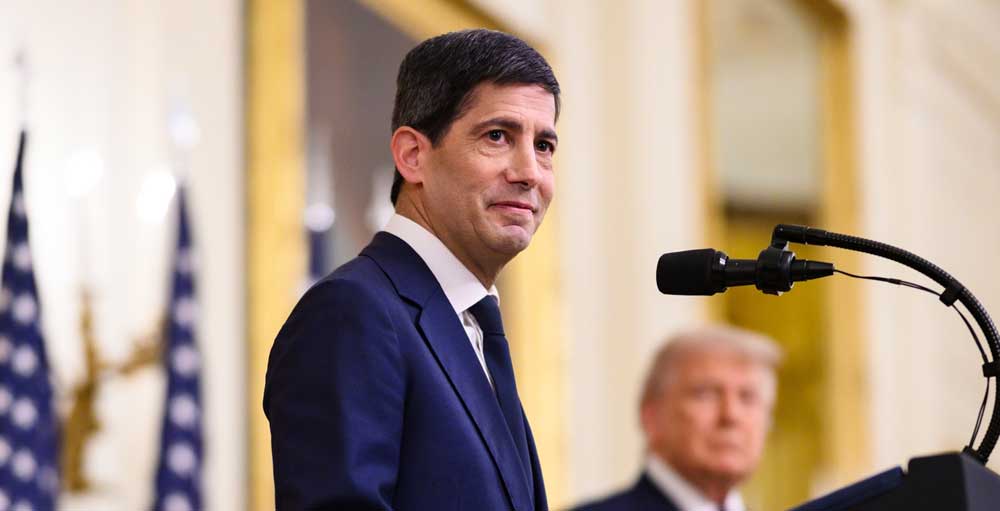
The Dow Jones Industrial Average and the other major stock indexes traded mixed Wednesday as Wall Street braced for a likely Federal Reserve rate hike and Fed Chair Kevin Warsh’s press conference. Meanwhile, Nvidia (NVDA), Intel (INTC) and SK Hynix (SKHY) were early winners on the stock market today Just after Wednesday’s open, the Dow industrials dipped 0.2% as the S&P…
Copyright ©2026 Investor’s Business Daily, LLC. All rights reserved. 87990cbe856818d5eddac44c7b1cdeb8
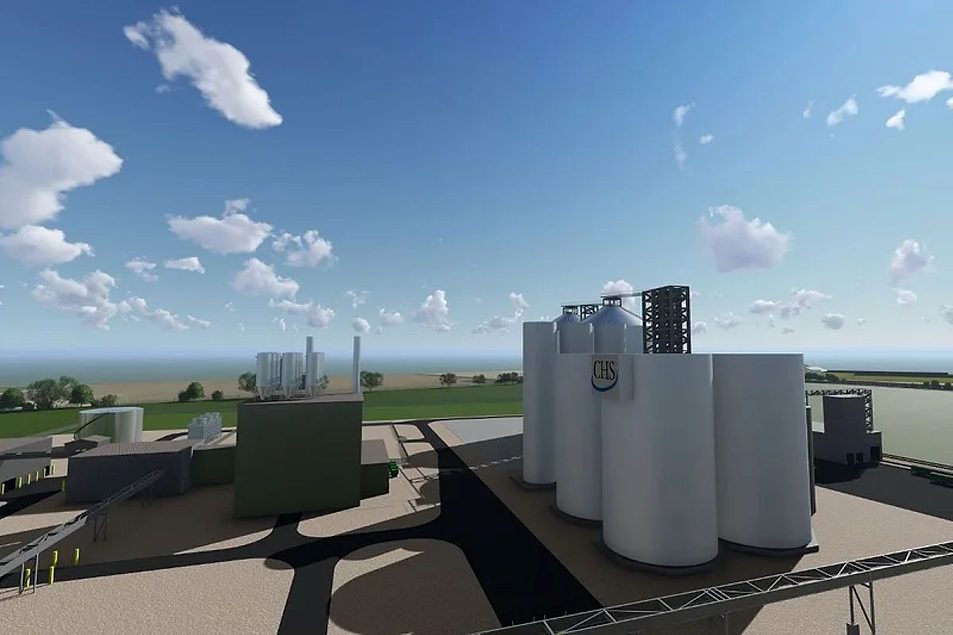

INVER GROVE HEIGHTS, MINN. — CHS plans to construct a $700 million soybean processing facility near Evansville, Wis., significantly expanding the global agribusiness’ ability to meet growing demand for soybean oil and meal.
The facility will have the capacity to process 80 million bus of US-grown soybeans annually, expanding the cooperative’s oilseed processing capabilities and creating new market opportunities for owners, CHS said in its Sept. 14 announcement. With construction slated to begin soon, the plant is targeted for completion for fall 2028.
“Investments like this help CHS create additional value for our owners and customers by expanding market access, strengthening our processing network and creating new demand opportunities for US-grown soybeans,” said John Griffith, executive vice president of agriculture business and CHS Hedging. “Strong demand across food, feed and renewable fuel markets, coupled with policies that encourage domestic processing, manufacturing and energy production, reinforce the need for additional soybean processing capacity in the United States. This facility positions CHS to support farmers and customers for years to come.”
The Evansville facility will increase soybean processing capacity in southern Wisconsin, a region with strong soybean production and significant demand for soybean meal from livestock producers, CHS said.
When operational, the facility is expected to employ about 80 people and produce approximately 1 billion lbs of oil and 2 million tons of meal annually. Evansville’s proximity to soybean production, rail service and major transportation corridors makes it well positioned to support the movement of soybean meal and oil to domestic and global markets.
“For Wisconsin soybean farmers, this investment represents something we have been working toward for years: stronger demand for the crop we grow right here at home,” said Doug Rebout, president of the Wisconsin Soybean Association. “Additional processing capacity gives growers another reliable market close to the farm and helps create long-term opportunities for Wisconsin soybeans in both meal and oil markets.”
CHS said the new facility also will complement the company’s existing oilseed processing operations. In Hallock, Minn., CHS processes 525,000 tonnes of canola seed annually. In Fairmont and Mankato, Minn., CHS processes approximately 119 million bus of soybeans. When the facility becomes operational, the company’s soybean processing capacity will increase by more than two-thirds.
The investment is expected to generate significant economic activity through construction employment, permanent jobs, increased demand for locally produced soybeans and expanded market opportunities for regional farmers.
“CHS is committed to being a long-term partner in the communities where we operate,” Griffith said. “This investment supports rural economic development, creates jobs and strengthens the agricultural supply chain for producers, customers and communities across the region.”
CHS, a global agribusiness and the largest farmer-owned cooperative in the United States, operates diversified agronomy, grains, foods and energy businesses with revenues of $35.5 billion in fiscal year 2025.

S&P upgrades Newmark Group rating to BBB- on strong credit
Business
Is GameStop Still Chasing eBay? Inside Ryan Cohen’s Wavering $56 Billion Takeover Saga Late This Fall

GameStop’s monthslong pursuit of eBay remains unresolved heading into the fall, with Chief Executive Officer Ryan Cohen appearing to have pulled back from an outright acquisition in favor of a scaled-down partnership, even as the video game retailer continues holding one of the largest outside stakes in the e-commerce company.
The saga began in earnest on May 3, when GameStop submitted a non-binding proposal to acquire 100% of eBay for $125 per share in a combination of cash and stock, valuing the deal at approximately $55.5 billion on an undiluted basis. The offer represented a 46% premium to eBay’s closing price on February 4, the day GameStop began accumulating its stake in the company, and came after GameStop had already built roughly a 5% economic interest in eBay through a mix of derivatives and direct share ownership.
EBay’s board rejected the proposal on May 12, saying in a statement that the offer was “neither credible nor attractive.” Company chairman Paul Pressler expressed confidence in eBay’s existing management and standalone strategy, with the board citing concerns about the deal’s financing structure and its potential impact on eBay’s long-term profitability and growth. GameStop did not immediately abandon the pursuit following that rejection. By June, Cohen had taken the offer directly to eBay shareholders in what amounted to a hostile bid, pairing that move with a separate $2 billion share buyback program for GameStop’s own stock running through June 2029. GameStop further increased its position in July, disclosing a stake of 9.8% in eBay, cementing its status as one of the company’s largest shareholders.
Cohen struck a defiant tone about the pursuit in a Bloomberg Television interview in July, telling the network, “we’re coming for eBay one way or another,” while declining to say whether GameStop intended to raise its offer. Cohen has described his broader ambition as building a combined company worth as much as $1 trillion, citing potential synergies in trading cards and collectibles, plans to develop a digital marketplace for video game items, and the idea of using GameStop’s physical retail locations as authentication hubs for collectible card grading.
That posture shifted by early August. Bloomberg News reported on August 10, citing people familiar with the matter, that Cohen was weighing withdrawal of the full $56 billion takeover bid in favor of a more modest partnership or joint venture arrangement. Under that alternative structure, eBay would be able to leverage GameStop’s approximately 1,600 U.S. retail locations, with the two companies potentially expanding their respective footholds in higher-margin categories such as trading cards and collectibles. As part of any such partnership, GameStop would seek representation on eBay’s board of directors, according to the report. The sources cautioned that GameStop had not made a final decision at the time and that Cohen could still pursue other options.
Market reaction to the reported shift was telling. GameStop shares climbed roughly 1.6% in early trading following the report, while eBay shares fell about 2.2%, a divergence that reflected how differently investors had come to view the original acquisition proposal. Bloomberg noted that GameStop’s stock had fallen 28% since Cohen first floated the takeover bid in May, while eBay’s shares had risen 7.6% over the same period, suggesting the market had grown skeptical that the original deal would ever close and viewed a retreat from it as reducing risk for GameStop specifically.
Financial analysts had raised similar doubts from the outset. Commentary published around the time of the original proposal noted the structural mismatch at the heart of the deal: GameStop, a brick-and-mortar retailer that purchases and resells inventory through its store network, was attempting to acquire a company worth nearly six times its own market value that operates an entirely different business model, an online marketplace earning fees by connecting buyers and sellers. Analysts also flagged the heavy reliance on debt financing and stock issuance embedded in the original proposal’s structure as a key point of skepticism.
GameStop’s most recent financial disclosures show the company has continued adjusting its balance sheet even as the eBay situation remains unsettled. The company reported second-quarter results on September 8, posting adjusted earnings per share of 27 cents, in line with consensus estimates, though quarterly revenue fell to $790.2 million from $972.2 million a year earlier, a decline the company attributed to the absence of a comparable Nintendo Switch 2 launch tailwind from the prior year, ongoing store closures, and other divestitures. As of August 1, GameStop held approximately 43.4 million shares of eBay common stock, with a fair value of roughly $4.9 billion, underscoring the scale of GameStop’s continued financial exposure to eBay even amid the reported reconsideration of its original acquisition plan. Separately, GameStop disclosed on September 3 that it had completed exchanges retiring approximately $1.4 billion in convertible notes, reducing its total long-term debt to approximately $2.8 billion.
As of the most recent public reporting, GameStop has not issued a formal statement confirming either the full withdrawal of its original $56 billion acquisition proposal or the formal launch of an alternative partnership structure with eBay. The company’s substantial remaining equity stake in eBay, combined with Cohen’s continued public interest in the collectibles and e-commerce space, suggests some form of ongoing relationship between the two companies remains likely, even if the original vision of a full corporate takeover appears to have given way to a more measured approach centered on retail partnership and board representation rather than outright ownership.
Business
FDA Issues Class II Recall on Hand Soap Sold Across 15 States Over Serious Bacterial Contamination Risk

The U.S. Food and Drug Administration has formally classified an ongoing hand soap recall as a Class II action, confirming that six products distributed by Intercon Chemical Co. of St. Louis across 15 states may be contaminated with bacteria capable of causing serious infections, including pneumonia, urinary tract infections and bloodstream infections.
The FDA issued its enforcement report on September 11, assigning Class II status to a voluntary recall that Intercon Chemical Co. had first initiated on June 29. A Class II classification indicates that use of or exposure to the affected product could cause temporary or medically reversible health problems, while the probability of more serious adverse health consequences is considered remote, though not eliminated, particularly for vulnerable individuals.
According to the FDA, two of the six recalled soap products tested positive for potential contamination with multiple strains of Pseudomonas and Serratia bacteria, including Pseudomonas aeruginosa and Serratia marcescens. Both species are recognized by the Centers for Disease Control and Prevention as common environmental bacteria typically found in soil and water, but both are also capable of causing significant infections in humans, particularly when they enter the bloodstream or come into contact with compromised tissue. According to the CDC, Pseudomonas aeruginosa is the species most likely among the two to cause bloodstream infections, pneumonia or urinary tract infections, while Serratia marcescens has been linked to a broader range of infections, including those affecting the eyes, stomach, brain, bones and heart, in addition to blood and respiratory infections. Both bacterial species can also exhibit resistance to common antibiotics, complicating treatment in cases where an infection does occur.
The recalled hand soap was distributed to 19 wholesale companies and one retail company spanning California, Georgia, Illinois, Iowa, Maryland, Mississippi, Nebraska, New York, North Carolina, North Dakota, Pennsylvania, South Carolina, Texas, Washington and Wisconsin. While much of the recalled product was distributed for commercial or institutional use in businesses and public facilities, one of the six affected products, sold under the Laura Lynn brand, was shipped directly to retail stores where individual consumers could purchase it.
The six recalled products span five separate brand names. Intercon Foaming Pear Hand Soap With Aloe, sold in 28.7-fluid-ounce containers under UPC 789745002981, was recalled across three lot codes, AF97312, 26-01001 and 26-01803, with 693 cases affected and potential contamination spanning five separate bacterial strains: Pseudomonas aeruginosa, Pseudomonas putida, Pseudomonas monteilii, Serratia marcescens and Serratia nematodiphila. A related product, Clearly Better by Intercon Foaming Pear Hand Soap With Aloe, sold in sizes ranging from 1,000 milliliters to 34 fluid ounces under UPC 789745002615, was recalled across lot codes 26-01001 and 26-01803, affecting 143 cases, with the same five bacterial strains identified as potential contaminants.
Summit 150 Foaming Hand Soap, sold in 28.7-fluid-ounce containers under UPC 810080570030, was recalled across three lot codes, BF97303, BF97304 and BF97305, affecting 1,040 cases, the largest volume among the six recalled products, with the FDA listing potential bacterial contamination generally rather than specifying particular strains for this product. Vestis Foaming Hand Soap in Fresh Pear Scent, sold in 33.8-fluid-ounce containers under UPC 810080570405 and lot code 26-03091, affected 225 cases. Two Laura Lynn-branded products rounded out the recall: Laura Lynn Honey Apple Crisp Liquid Hand Soap, sold in 8-fluid-ounce containers under UPC 086854074305 across lot codes C3576 and 26-01804, affecting 301 cases, and Laura Lynn Foaming Pear Scent Hand Soap with Moisturizers, sold in 7.5-fluid-ounce containers under UPC 08685407408 and lot code 26-01001, affecting 294 cases.
Consumers and businesses in possession of any of the affected products are advised to check the specific UPC codes and lot numbers against the FDA’s published list and to stop using any matching product immediately. Anyone who develops symptoms of infection after using one of the recalled soaps, including fever, unusual redness or swelling, respiratory symptoms, or urinary discomfort, is advised to contact a health care provider promptly, particularly given the elevated risk the bacteria pose to people with weakened immune systems.
The FDA has identified certain populations as facing heightened risk from exposure to either bacterial species. Individuals with compromised immune systems, underlying chronic conditions such as cancer or diabetes, or those who have been on extended courses of antibiotics face a greater likelihood of developing a serious infection if exposed to contaminated product, according to the agency’s guidance accompanying the recall.
The Intercon Chemical Co. recall adds to a broader pattern of FDA enforcement actions targeting consumer and commercial hygiene products in recent months, part of the agency’s ongoing effort to identify and remove potentially contaminated goods from the marketplace before they cause widespread illness. Because several of the recalled products were distributed primarily to commercial and institutional customers rather than directly to consumers, public awareness of the recall may lag behind that of more consumer-facing recalls, increasing the importance of businesses in the affected distribution states checking their own inventory against the FDA’s published product list.
As of the most recent update, the FDA had not reported any confirmed illnesses directly linked to the recalled hand soap products, though the agency’s classification of the recall as Class II reflects its assessment that the contamination poses a genuine, if not severe, health risk to those exposed. Consumers with questions about whether a specific product they possess falls under the recall are advised to consult the FDA’s official enforcement report directly for the complete list of affected UPC codes, lot numbers and best-by dates.

Housing ‘not only determinant’ in Coalition migration policy

Payward plans U.S. debut for Hyperliquid perpetual futures via Bitnomial

McLaughlin: SEC Football Outshining Big Ten in 2026?



-

 Fashion5 days ago
Weekend Open Thread – Corporette.com
-

 Business7 days ago
Micron Stock Climbs Above $1,031 as AI Memory Crunch and a $50 Billion Outlook Fuel the Rally
-

 Tech3 days ago
The Latest Weird Thing to Play Doom Is the Mapped-Out Brain of a Fruit Fly
-

 Business7 days ago
AMD Stock Climbs After Management Lifts 2027 Data Center Outlook Toward $70 Billion in AI Sales
-

 Business5 days ago
10 Most-Streamed Songs On Spotify In 2026 So Far, Led By Ella Langley’s Dominant Run On The Charts This Year
-

 Crypto World5 days ago
XAG/USD: Silver’s Short-Term Rally Meets Its Moment of Truth
-

 Crypto World6 days ago
2 Chip Stocks Broke Out This Week. Neither Was Nvidia
-

 Tech6 days ago
Battery life is the only iPhone 18 Pro and iPhone Duo upgrade I care about. Apple didn’t disappoint
-

 Crypto World7 days ago
Pi Network ships Protocol 27 on a network with 14 million users and zero DeFi
-

 Crypto World6 days ago
OKX launches 10x OpenAI, Anthropic X-Perps in Europe
-

 Crypto World5 days ago
Diesel Tops $6 a Gallon for the First Time as 28 States Set Records
-
 Tech7 days ago
Apple Watch Ultra 4 vs Watch Ultra 3: Should you really spend another $799?
-

 News Videos5 days ago
Facing Financial Fears
-

 Crypto World7 days ago
Bitcoin price risks $70K if $78K neckline breaks
-

 Business6 days ago
Western Digital Slips 2.7% as AI Storage Rally Cools After Record Cash and Guidance
-

 Entertainment7 days ago
Case Sees Major Update As Jury Deliberations Begin
-

 Business3 days ago
Rivals Sam Altman and Elon Musk Rally Behind Dario Amodei’s Call for a Slowdown in AI Development
-
Crypto World7 days ago
Ripple Price Prediction: What to Expect for XRP as a Major Macro Week Approaches
-

 Crypto World2 days ago
Elon Musk Drops a Bombshell: Grok 5 Could Be the AGI Breakthrough
-
Crypto World6 days ago
Ethereum Price Analysis: Consolidation at $2.5K Tests Momentum as On-Chain Activity Surges
You must be logged in to post a comment Login