
Business
GM touts new V8 engines in new truck wars


A General Motors employee at the automaker’s Flint Engine plant working on Sept. 16, 2026 to assemble one of its new 5.7-liter Small Block V-8 engines.
Michael Wayland / CNBC
DETROIT — The buzzing of all-electric vehicles has once again been overtaken by the revving of V-8 engines in the Motor City amid deregulation by the Trump administration and lackluster demand for EVs.
General Motors followed Ford Motor this week in touting new and improved gas-powered engines as well as a class-exclusive diesel option to build upon GM’s highly profitable full-size pickup truck business.
The Detroit automaker on Thursday released details of the engine lineup for its upcoming 2027 Chevrolet Silverado 1500 and GMC Sierra 1500 pickup trucks that include two new V-8 engines, a carryover inline-six-cylinder diesel engine and an enhanced four-cylinder turbocharged option.
GM executives said they expect the upgraded engine lineup and the redesigned pickup trucks to continue the automaker’s six consecutive years of sales leadership over its competitors in the segment, including Ford and Chrysler parent Stellantis.
“If we don’t stomp the competition with these trucks, then I’d be very sad and questioning myself. That’s the goal,” GM President Mark Reuss said during a media event Wednesday at the automaker’s massive Flint Engine plant near Detroit. “That’s what success looks like: continued truck leadership.”
While Ford, which also updated its engine offerings for the 2027 model year, is the top-selling full-size truck and brand with its F-Series lineup, Chevrolet and GMC combined have outsold Ford since 2020.
The full-size pickup truck market is more than marketing claims and bragging rights — it’s massively profitable for the Detroit automakers, with Ford previously saying its F-Series business generated more revenue than many Fortune 100 companies.
Full-size trucks in the U.S., including light-duty models and larger variants, are what pay the bills for U.S. automakers and allow them to invest in emerging markets and technologies.
“This is history today and we don’t take that lightly,” Reuss said about the launch of its new trucks with GM’s sixth generation of small-block V-8 engines, which the company first produced in 1955.
The segment continues to help offset losses of EVs, which have been a major focal point for the automotive industry this decade. But that focus has changed with the Trump administration’s moves to remove federal support of up to $7,500 in incentives to purchase an EV and reduce or eliminate federal fuel economy rules and penalties.
GM said the decision to build a new generation of V-8 engines occurred far before the Trump administration’s regulatory changes, as it takes years to develop such products. It said development of its Gen 6 small-block engine started in 2018.
2027 ‘truck wars’
The 2027 model year marks the newest “truck wars” for the Detroit automakers.
While GM, Ford and Stellantis regularly compete with one another, the pressure and attention is renewed whenever one automaker introduces new or redesigned versions of full-size pickup trucks, like GM is for the 2027 model year.
“Full-size pickup trucks are crucial for the three companies, without any doubt,” Stephanie Brinley, associate director of Mobility Global’s AutoIntelligence, said. “Part of the reason that we have the truck wars cadence that we do is simply because products get refreshed so often.”
The new battle renews a focus on V-8 engines. Ford is expanding the availability of trucks with the engines, while Ram is touting the ongoing return of its Hemi V-8 engines, including new performance “muscle trucks,” and GM is rolling out two new V-8 engines.
2027 GMC Sierra 1500 AT4X (left) and Denali Ultimate models
Courtesy GMC
While many vehicle segments and automakers have dropped V-8 engine options amid tougher fuel economy standards and improved performances in smaller engines, the large, gas-guzzling models continue to sell well in pickup trucks thanks to their ability to tow and haul heavy things.
Analysts have said all-electric pickup trucks have failed to sell well, among other reasons, because many customers use the vehicles to tow or haul objects, which significantly reduces an EV’s range.
Even as hybrid vehicles have rapidly increased in sales this year, pickup trucks have remained an outlier. Part of that is a lack of choices, but hybrid leader Toyota Motor reports only 18.7% of its Tundra full-size pickup truck sales this year have been hybrids.
“No one has the efficiency on a diesel that we have,” GM’s Reuss said. “So if you look at the performance efficiency, but also in raw performance and range, hybrids don’t do it. … At the end of the day, we have focused on something that the customer wants, and that’s what we have here.”
GM reports a majority of sales of its full-size pickup trucks this year are models with V-8 engines, including 55% for the Chevy Silverado and roughly 61% for the GMC Sierra 1500. The 3.0-liter TurboMax diesel engine represents 20% of sales for Sierra 1500 and 35% of sales for Silverado 1500.
Ram Rumble Bee launches with the 5.7-liter Hemi V-8 (left), with availability starting late 2026; Rumble
Bee 392 (right) and Rumble Bee SRT (center) arrive in the first half of 2027.
Courtesy: Ram Trucks
When Ram dropped its well-known V-8 Hemi engines from its pickups for a more efficient inline six-cylinder, sales suffered so much the brand last year announced plans to resurrect it, but supplies remain tight.
“Ram showed that you can lose buyers by not having [V-8 engines] available,” Brinley said. “Part of it is because of that expectation that there is something that the V-8 is better at.”
Sales
Full-size pickup trucks have led new U.S. vehicle sales for decades, with Ford’s F-Series claiming to be the top-selling vehicle since 1981.
GM’s Chevrolet Silverado has typically followed at No. 2, with Ram not too far behind and the GMC Sierra with varying top 10 sales rankings.
GM’s plans to “stomp” the competition may be easier said than done, but the company has made gains against Ford, which has battled production issues over the past year due to supplier fires.
Pickup truck buyers are among the most loyal customers in the U.S. automotive industry. Mobility Global, formerly S&P Global Mobility, last year reported the Silverado 1500, F-150 and Ram 1500 have regularly ranked among U.S. vehicles with the highest brand loyalty.
However, there can be dips in loyalty when changes are made, such as when Ram canceled its Hemi, or automakers deal with recall issues.
GM’s new V-8 engines, which also are used for its full-size SUVs, come as the automaker continues to deal with issues with some of the engines in its current generation.
The National Highway Traffic Safety Administration opened an investigation into GM’s 6.2-liter V-8 over continued failures, even after the automaker recalled and said it had fixed engine issues.
Norman Peralta, GM executive chief engineer of global engines and battery systems, said the company is cooperating with the NHTSA and is “very confident” the new engines will not have similar problems.
Sales of GM’s pickups through the first half of this year were level for Sierra compared with a year earlier, while Silverado is off 4.6%. That compares with a 19% increase for Ram and a 13% decline for the F-Series amid its supplier issues.

KANSAS CITY — Expect the number of consumers taking GLP-1 medications to continue rising. Twelve percent of US adults have tried a GLP-1 drug, according to a July 9 webinar hosted by FleishmanHillard, a communications consultancy based in Kansas City. About 25% said they expect to take the drugs in 2026, with Gen Z leading the way at 37%. By 2030 an estimated 35% of US households will have at least one person on GLP-1 medications, according to FleishmanHillard.
FleishmanHillard breaks the GLP-1 category into sub-categories: pre-medication, initiation (weeks 1 to 4), stabilization (weeks 4 to 12), maintenance (weeks 3 to 12 or more), plateau (weeks 6 to 18 or more), discontinuation and post-medication.
“The GLP-1 user is not a monolithic group,” said Kristie Sigler, senior partner and global food and agribusiness sector lead for FleishmanHillard. “Instead, think of them as a kaleidoscope.”
Allison Koch, a registered dietitian in nutrition communications for FleishmanHillard, added, “It’s important for brands marketing to this consumer to recognize what they are looking for varies depending on what phase of use they are in, and what they need today may look very different tomorrow.”
Formulating with fiber requires more nuance than protein, where consumers have a mindset of “more is better,” said Christine Nowakowski, category innovation adviser and corporate fellow for Cargill, Minneapolis.
“It’s about selecting the right fiber, in the right amount, for the right purpose,” she said. “We can broadly categorize fibers into two groups: soluble and insoluble. Think of insoluble fibers like oat fiber and corn bran as scrub brushes for your GI (gastrointestinal) tract, adding bulk and supporting regularity.
“Soluble fibers dissolve in water and support digestive health in different ways, depending on the specific fiber. Some, including soluble corn fiber and inulin, also function as prebiotics, helping nourish beneficial bacteria in the gut microbiome. Certain soluble fibers can also help moderate the body’s blood glucose response by slowing carbohydrate absorption.”
For consumers using GLP-1 medications, nutritional priorities often evolve over time, said Vaughn DuBow, senior director of marketing, North America health and wellness for Chicago-based ADM.
“Those just starting treatment may experience reduced appetite, gastrointestinal discomfort, hydration challenges and feelings of weakness,” he said. “For these consumers, digestive tolerance is often an important consideration when selecting fiber ingredients.”
A bad experience in the initiation phase could turn consumers away from a product, Koch said.
“All of a sudden they eat a large amount of fiber in one sitting, and they have a bad experience, and they are not going to come back to it,” Koch said.
Before starting a GLP-1 medication, consumers should aim for adequate fiber intake, which is 21 to 38 grams daily, depending on age and gender, she said. The approach should shift once they begin taking medications.
“Early-stage users should actually reduce total fiber intake and focus on soluble sources like oats, beans and fruits,” Koch said. “Insoluble fiber found in seeds and plant skins, while important for long-term gut health, can exacerbate medication side effects during sensitive early phases.”
Nowakowski took a different view. She said gastrointestinal side effects often peak early in treatment, causing consumers to focus on managing diarrhea or similar digestive discomfort.
“If they do look for fiber, the bulking benefits of insoluble fiber come to the fore,” she said.
Darren Schubert, vice president of sales and marketing, western operations for Grain Millers, Inc., said, “Users in each sub-group should ensure their diets contain a balance of soluble and insoluble fiber proportioned to their daily nutritional requirements. Too much soluble fiber may cause bloating and gut freezing, while insoluble fiber helps promote smooth passage through the gut and reduces inflammation.”
Insoluble fiber helps maintain regularity in consumers seeking relief from constipation, which happens when GLP-1 drugs slow digestion, said Colleen M. Zammer, vice president of varietal solutions growth and innovation at Bay State Milling Co., Quincy, Mass.
“Consumers looking for gut healing, immune support and precursors to naturally occurring GLP-1 hormones in the body can benefit from fermentable, prebiotic fiber that feeds gut bacteria,” she said, adding that fermented fiber sources like resistant starch provide gut health benefits without uncomfortable side effects like bloating.

More established GLP-1 users continue to consume smaller portions and emphasisze nutrient density in their food choices.
| Photo: ©JAMMER GENE – STOCK.ADOBE.COMGradual increases
As gastrointestinal side effects stabilize, typically in weeks 4 to 12 of taking the medications, consumers gradually may increase their total fiber intake, Koch said.
“The key word is ‘gradually’— adding too much too soon may trigger discomfort and resistance,” she said. “Whole food sources are preferable to supplements, though health care professionals like registered dietitians can recommend supplementation strategies when needed.”
More established users continue to consume smaller portions and thus emphasize nutrient density, looking for foods and beverages that deliver nutrition like fiber and protein in less product volume, DuBow said.
“At 6 to 12 months in, there is momentum, with some weight-loss results likely bolstering dual focus on diet and exercise and (the) highest integration of medical advice,” said Emma Cahill, global marketing director, sweeteners, fibers and GLP-1 at Tate & Lyle PLC, London. “We see that the highest reason consumers cease GLP-1 usage is side effects.
“In our survey, we saw the average tenure on the medication was 12 months. At three to six months post usage, it was clear that the healthy habits built on the medication were very difficult to translate upon the return of food noise. We saw food choices fluctuating between healthy habits and old routines.”
Research from ADM’s Outside Voice showed former users experience renewed cravings, and 65% reported concerns about regaining lost weight, DuBow said.
“For this group, ingredients such as prebiotic fibers can help support satiety by delaying hunger cues, stimulating appetite-regulating hormones and promoting feelings of fullness as they establish long-term eating habits,” he said.
‘Boomerangers’
Consumers who discontinue medication tend to fall into two groups, said Keith Albright, senior insights manager for Cargill.
“Some are looking for foods that can help them sustain the progress they’ve made,” he said. “They’re concerned about appetite returning, regaining weight and losing the sense of control they’ve developed while taking the medication. Others simply plan to return to GLP-1 use.
“That brings us to an emerging segment we call ‘boomerangers.’ These are people returning to GLP-1 medications after discontinuing them previously. For many, it’s a planned return. They view GLP-1s as a tool they can return to when they want to lose a few pounds, rather than relying on diet alone to maintain their weight. However, because their bodies must readjust each time they restart therapy, many of these boomerangers will experience the same gastrointestinal side effects all over again.”
Finally, plant-based ingredients may add fiber and protein to products, appealing to users of GLP-1 medications.
“Plant-based flours from quinoa, chickpea, fava and lentil can easily add all-natural, clean label protein and fiber to food products,” said Terry Stover, vice president of special markets for Houston-based Riviana Foods, Inc. “Extruded and ready-to-eat gels made from the same plant flours work well in baked goods, snacks and drink mixes, providing fiber and protein.”

Salesforce, Inc. (CRM) Analyst/Investor Day – Slideshow


NEW YORK — Cerebelly, a manufacturer of organic baby food and children’s food designed to support brain and cognitive health, has acquired Fresh Bellies, a children’s food brand that manufactures plant-based, freeze-dried snacks without added sugar. Financial terms of the deal were not disclosed.
The acquisition brings Cerebelly and Fresh Bellies under shared ownership while operating independently with their own product line, formulation and brand identity, the companies said.
Cerebelly’s product line currently includes purees, smoothies and snack bars. The company said the acquisition will expand its product development capabilities for additional formats and snacking usage occasions.
“We are not merging these brands — we are amplifying them,” said Jodie Wing, chief executive officer of Cerebelly. “The children’s nutrition category is large enough and the unmet consumer need is significant enough that two differentiated brands, operating with shared operational strength, creates more value than either could achieve alone. This is a platform play, not a consolidation.”
The acquisition will enable Fresh Bellies, founded in 2015 by Saskia Sorrosa, access to Cerebelly’s supply chain infrastructure to meet demands.
“Fresh Bellies has always been about giving children a bold, adventurous start with real, whole food,” Sorrosa said. “Joining forces with Cerebelly gives us the ability to say ‘yes’ — yes to more retailers, yes to larger and more frequent orders, yes to more innovation and exciting new products, and yes to meaningful certifications that set our products apart. This partnership gives us the runway to grow in ways we’ve always known we could.”

Three company directors have been fined in the first prosecutions brought by the Insolvency Service for failing to comply with Companies House identity verification requirements.
Jill White and Marc Dillon, directors of White (Reading Properties) Limited, and Modinat Banjo, director of J Isogony Apparel Limited, were sentenced at City of London Magistrates’ Court yesterday.
The Insolvency Service said the convictions serve as a warning to directors that they must verify their identity or risk prosecution.
Identity verification is a central part of the Economic Crime and Corporate Transparency Act 2023, which strengthened the powers of Companies House to improve the accuracy of the company register and tackle the misuse of UK companies for criminal purposes.
Newly appointed directors have been required to verify their identity with Companies House before acting as a director since 18 November 2025. According to the government’s guidance on the changes to UK company law, that date also marked the start of a 12-month transition period.
Existing directors are required to verify during that transition period, when filing the company’s next confirmation statement. Business Matters has previously reported on the rollout of the identity checks for directors and people with significant control.
White, 62, of Speen, Buckinghamshire, acted as a company director despite not verifying her identity, according to the Insolvency Service. She participated in board-level decision making and signed company accounts while unverified.
She completed identity verification in early September 2026, around nine months after the deadline and shortly before appearing in court.
Dillon, 62, of Atlanta Close, Benson, Oxfordshire, had verified his own identity. He was prosecuted for failing to take reasonable steps to prevent White from continuing to act as a director while unverified, despite being aware of the legal requirement.
The Insolvency Service said that, as a director of White (Reading Properties) Limited, he had a legal responsibility to ensure the company did not allow an unverified individual to continue acting as a director. Both were also convicted after the company failed to file a confirmation statement on time.
White was fined £166 and ordered to pay costs of £85 and a victim surcharge of £66. Dillon was fined £307, with costs of £85 and a victim surcharge of £123.
Banjo, 50, of Thornham Street, London, continued acting as a director despite failing to complete the mandatory process. She signed and delivered company accounts on behalf of J Isogony Apparel Limited while unverified, and completed verification on or around 28 May 2026.
She was also convicted after failing to file a confirmation statement within the statutory period. Banjo was fined £80 and ordered to pay costs of £85 and a victim surcharge of £32.
Daniel Hart, senior criminal lawyer at the Insolvency Service, said: “Identity verification is a legal requirement for company directors and forms a key part of efforts to improve the accuracy of the Companies House register and tackle economic crime.
“These prosecutions demonstrate that directors have responsibilities not only for their own compliance but also for ensuring unverified individuals do not continue acting as directors on behalf of a company.”
He added: “In both cases, multiple opportunities were provided for the directors to comply with the requirements before enforcement action was taken.
“There is no option to opt out. Directors who continue to act without verifying their identity risk investigation and prosecution.”
Martin Swain, director of intelligence and law enforcement engagement at Companies House, said the cases “mark an important milestone in strengthening the integrity of the UK’s company register”.
“These cases send a clear message that identity verification is not optional,” he said. “The vast majority of directors and people with significant control will comply with the new requirements, but where individuals fail to meet their legal obligations, Companies House will take appropriate enforcement action.”
Experts had predicted when the rules took effect that the corporate register would shrink under the new director verification requirements, and the checks were followed by a fall in new company registrations.
The Insolvency Service said verification can be completed online through Companies House free of charge or via an Authorised Corporate Service Provider.

Jamie Young
Jamie Young is Senior Reporter at Business Matters, covering SME finance, employment law and Westminster policy since 2016. He has reported on every Budget and Autumn Statement since 2018, helped make sense of the ‘covid era’ and the bounce-back loan scheme from launch through the fraud investigations, and broke the magazine’s coverage of the 2024 late-payment reforms. He joined Business Matters straight from completing his BA in Administration from Exeter University and is NCTJ-qualified. Reach him at jyoung@cbmeg.co.uk

The Securities and Exchange Commission issued a rule Thursday that clears the way for tokenized stocks, a system that greatly expands equity trading. Robinhood (HOOD) and blockchain stocks rose. Albeit temporary, the SEC rule sets up authorized venues to offer tokenized stocks traded through blockchains, the digital ledgers currently used in crypto trading. Breaking away from traditional exchanges, tokenized equities…
Copyright ©2026 Investor’s Business Daily, LLC. All rights reserved. 87990cbe856818d5eddac44c7b1cdeb8


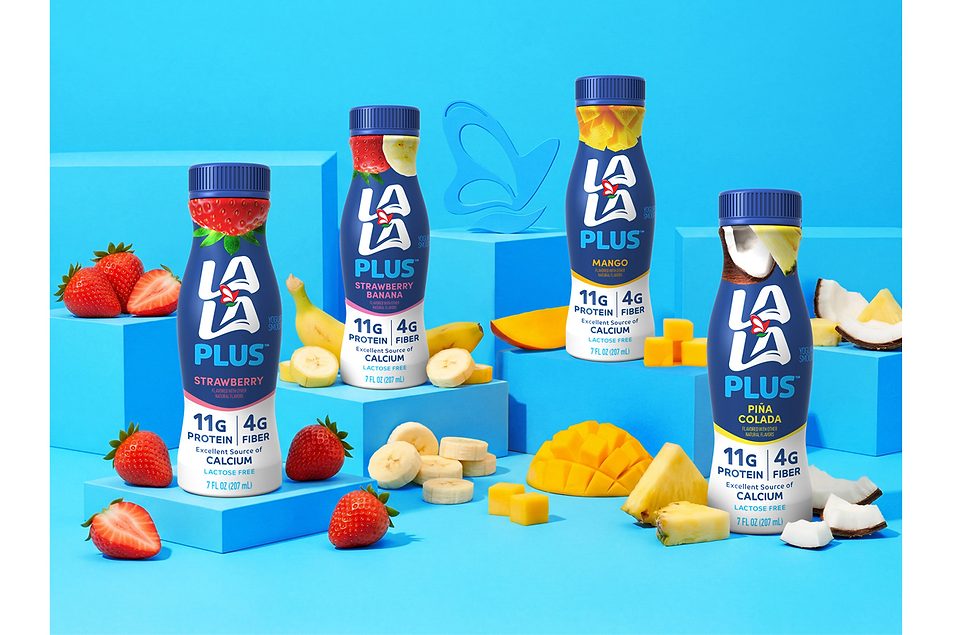
ELMSHORN, GERMANY — The Quality Group is bringing its More Nutrition-branded Satisbites protein bars to the US.
Satisbites bars are formulated with a chocolate shell, “crunchy bits,” soft dough and a creamy center. The bars are available in dark chocolate caramel brownie, milk chocolate coconut, white chocolate strawberry cream and white chocolate hazelnut flavors.
Each 200-calorie bar contains 14 grams to 16 grams of protein, 3 grams to 5 grams of fiber and no added sugar.
The protein bars may be purchased online through the company’s website and Amazon.

ExxonMobil: Quietly Increasing Its Papua New Guinea Significance

2 Reasons Lucid Stock Is Soaring

OR Royalties: I Like The Growth, But I Would Sell At This Price

Tech titans like Nvidia (NVDA) and Amazon.com (AMZN) use it. The portfolio managers of the best mutual funds just picked up shares. And it’s all helping the stock of networking, traffic management, and security infrastructure firm F5 (FFIV) hit an all-time high. As F5 stock tests a breakout, two technical clues bode well for shares. First, the rising relative strength…
Copyright ©2026 Investor’s Business Daily, LLC. All rights reserved. 87990cbe856818d5eddac44c7b1cdeb8

IP Address, Encryption & Privacy Compared

Financial Advisors React to Viral Money Advice

Traveller site set up in North Yorkshire ‘without permission’



-

 Fashion6 days ago
Weekend Open Thread – Corporette.com
-

 Tech4 days ago
The Latest Weird Thing to Play Doom Is the Mapped-Out Brain of a Fruit Fly
-

 Business6 days ago
10 Most-Streamed Songs On Spotify In 2026 So Far, Led By Ella Langley’s Dominant Run On The Charts This Year
-

 Crypto World6 days ago
XAG/USD: Silver’s Short-Term Rally Meets Its Moment of Truth
-

 Tech7 days ago
Battery life is the only iPhone 18 Pro and iPhone Duo upgrade I care about. Apple didn’t disappoint
-

 Crypto World6 days ago
Diesel Tops $6 a Gallon for the First Time as 28 States Set Records
-

 Crypto World7 days ago
OKX launches 10x OpenAI, Anthropic X-Perps in Europe
-

 Crypto World3 days ago
Kraken Lets xStocks Holders Earn Yield Through DeFi
-

 News Videos6 days ago
Facing Financial Fears
-

 Crypto World3 days ago
Elon Musk Drops a Bombshell: Grok 5 Could Be the AGI Breakthrough
-

 Business4 days ago
Rivals Sam Altman and Elon Musk Rally Behind Dario Amodei’s Call for a Slowdown in AI Development
-
Crypto World7 days ago
Ethereum Price Analysis: Consolidation at $2.5K Tests Momentum as On-Chain Activity Surges
-

 Crypto World17 hours ago
US Charges Robinhood Engineers Over Crypto Listing Trades
-

 Crypto World5 days ago
Can AI Build a Startup in 72 Hours? Elon Musk's Team Will Livestream the Test
-

 Entertainment6 days ago
News Specials, Movies, Shows, More
-
 NewsBeat3 days ago
‘Sick conspiracy’: Trump says only guardrails AI needs is ‘a strong and smart (High IQ!) president’ in all-caps rant
-

 Crypto World6 days ago
Bitcoin ETFs Pull $167M as 2026’s Best Inflow Run Slows
-

 Crypto World7 days ago
US CPI forecast at 3.4% as tariff risks build
-
 Entertainment6 days ago
New Horror Movie Officially Earns a Rare Stephen King Recommendation
-

 Crypto World6 days ago
Robinhood Chain Never Stopped But its Blobs Did Stop Reaching Ethereum For 14 Minutes
You must be logged in to post a comment Login