
Business
DSA platform could cost up to $212T, Cato Institute finds


A New York Times poll reveals 51% of likely voters have an unfavorable view of socialism. Panelists discuss the generational disconnect among younger voters who criticize capitalism but support socialist policies.
The policy agenda of the Democratic Socialists of America (DSA) would cost between $71 trillion and $212 trillion in fresh spending over a decade, according to a new analysis.
The progressive wing of the Democratic Party has had electoral success recently, with some candidates backed by the DSA advancing in primaries in the wake of Zohran Mamdani’s election as mayor of New York City.
Angie Nixon, a DSA member in Florida, won the Democratic nomination for the U.S. Senate. Progressives who have touted similar policies as those in the DSA platform have also found recent success in Democratic primaries for U.S. Senate races, with Abdul El-Sayed winning in Michigan and Peggy Flanagan prevailing in Minnesota.
Adam Michel, the director of tax policy studies at the Cato Institute, wrote in the New York Post that the “DSA promises a world of plenty, paid for by somebody else. Simple math says otherwise.”
THE HISTORY OF SOCIALISM IN THE US – AND WHY THE AMERICAN DREAM PREVAILS

New York City Mayor Zohran Mamdani, center, celebrates with Sen. Bernie Sanders, I-Vt., and Rep. Alexandria Ocasio-Cortez, D-N.Y. (Andres Kudacki/Getty Images)
Michel analyzed the DSA platform and found that while the platform is “thin on details,” he was able to estimate the spending policies would total between $71 trillion and $212 trillion in new spending over the next decade.
He noted that, at the high end of that estimate, the total government spending would reach as high as 92% of U.S. economic output.
“The socialists claim their plan will do away with rent. They’ll make healthcare free and forgive student loans. Their system will provide utilities, college and food at no cost to the consumer,” Michel wrote.
“However, making something free at the point of use simply shifts the cost somewhere else, in this case, to taxpayers.”
BILL ACKMAN SOUNDS ALARM ON MAMDANI’S ECONOMIC AGENDA: ‘SOCIALISM IS A DISASTER’

Michel estimated the DSA platform would cost between $71 trillion and $212 trillion in new spending. (iStock)
Michel said universal healthcare could cost $40 trillion to $70 trillion over the course of a decade as reforms modeled off a Medicare-for-all-like healthcare system would see the government take on costs like paying for doctors and nurses as well as operating medical facilities.
Another plank in the DSA platform, a federal jobs guarantee, would cost up to $60 trillion to cover the wages of millions of American workers over a decade, according to Michel, who added that the elimination of rent or mortgages as part of a housing guarantee would cost trillions.
“Washington is currently projected to collect about $70 trillion in federal taxes over the next 10 years. To cover the costs of all those additional services, the DSA agenda requires roughly doubling federal revenue at the low end and quadrupling it at the high end,” Michel wrote.
The DSA platform calls for enacting “aggressive wealth taxes on the richest individuals and corporations to spend on public goods and infrastructure.”
He said that while advocates of those spending plans claim that they will be able to use higher taxes on wealthy Americans and corporations to pay for them, they would likely come up short.

Members of the Democratic Socialists of America gather outside a Trump-owned building on May Day May 1, 2019, in New York City. (Spencer Platt/Getty Images / Getty Images)
The 400 wealthiest billionaires in America were worth an estimated $6.6 trillion last year, according to a Forbes analysis, which Michel noted would be insufficient to cover the DSA agenda.
“Imagine Washington could confiscate every dollar of that — liquidate their businesses, sell their homes, strip off their jewelry. All that covers less than one year of the low-end cost of the DSA’s platform – or not quite four months of it at the high end,” he wrote.
Taxing every dollar of corporate profits at 100% would fund between half and one-fifth of the DSA agenda, according to Michel, while hiking income taxes on high-income earners would cover less than 1% of those spending plans.
“Add it all together — confiscate the wealth of the richest Americans, seize every dollar of corporate profit and maximize top income-tax rates — and the DSA is still between $29 trillion and $169 trillion short of covering the cost of its promises,” Michel wrote.
GET FOX BUSINESS ON THE GO BY CLICKING HERE
He added that only “one tax base is large enough to fill a gap tens of trillions of dollars wide: the middle class,” noting that the European middle class has a significantly higher tax burden than its American counterpart to finance those countries’ social welfare programs.

Business
Ambarella, Inc. (AMBA) Presents at Piper Sandler 5th Annual Growth Frontiers Conference – Slideshow

Ambarella, Inc. (AMBA) Presents at Piper Sandler 5th Annual Growth Frontiers Conference – Slideshow
Guardant Health (GH) stock reflects how the company holds a unique place among medical services providers. Its offerings stretch across the cancer continuum, ranging from early diagnostics to detecting residual cancer and helping doctors select patients for advanced cancer treatment. The company has also made its mark with its cancer screening capabilities through a simple blood test. Shares broke out…
Copyright ©2026 Investor’s Business Daily, LLC. All rights reserved. 87990cbe856818d5eddac44c7b1cdeb8

Explainer-How Yemen’s Houthis went from a small mountain militia to a big regional threat

FOX Business correspondent Kelly Saberi reports on an audit surrounding California’s high-speed rail project travel expenses on ‘Varney & Co.’
California High-Speed Rail Authority officials rubber-stamped hundreds of thousands of dollars in travel charges incurred by outside consultants, according to a new report from the state’s inspector general.
The lavish spending revelations come as the $126 billion project has become a national symbol of government waste. Sixteen years after voters approved the initiative, not a single mile of track has carried a commercial passenger, and a recent assessment warned the project’s funds could dry up entirely by the end of 2027.
The audit, released Tuesday by the California Office of the Inspector General (OIG), revealed that taxpayers footed the bill for private aircraft travel, tiki bar visits, cigar lounges, luxury rideshares and international trips over a two-year period.
“In total, the Authority paid more than $2 million in travel-related costs for consultants at the four consulting firms in fiscal years 2024-25 and 2025-26,” the OIG said.
The investigation reviewed travel reimbursements billed by four outside consulting firms over the two-year period. It found that roughly 60%, or $680,500, of the payments it reviewed had not received advanced authorization. Additionally, $543,400 in travel expense payments were found to be “not allowable.” In some instances, agency staff didn’t even know the trips had taken place until the invoices arrived, frequently approving them with vague justifications like a “typical M-F week.”
The audit uncovered a lack of oversight, noting the agency’s behavior is “inconsistent with the Authority’s role as the steward of public resources.”

The Herndon Viaduct of the California High-Speed Rail project is seen above the Union Pacific railroad tracks next to CA-99 in Fresno, on June 25, 2026. (Dan Hernandez/San Francisco Chronicle via Getty Images)
Instead of standard business travel, the audit flagged an array of unauthorized luxury expenditures billed to “questionable locations” without prior approval. Financial consulting giant KPMG LLP was specifically identified by the OIG as the firm that billed the authority for rides to a nightclub, a tiki bar and a Washington, D.C., cigar lounge. Taxpayers were also on the hook for an outing to an escape room, a trip to a Denver sushi restaurant and a 25-mile “Uber Comfort” ride to a steakhouse in Folsom, California.
KPMG declined to comment.

A general view of the construction site for the California High-Speed Rail Project in Fresno on July 6, 2026. (Michael Yanow/NurPhoto via Getty Images)
The audit of the reimbursements extended to daily routines and premium transit. The agency repeatedly reimbursed ride-hailing trips to Planet Fitness gyms in and around Sacramento, continuing the practice even after a supervisor explicitly put in writing that the state does not cover rideshares to gyms.
One consultant billed taxpayers $40 for a luxury “Uber Black” ride to travel less than a single mile in downtown Sacramento.
When it came to air travel, one consultant bypassed commercial airlines entirely, flying a private aircraft from Washington, D.C., to California. The consultant self-calculated that a “premium” commercial rate would have cost $4,182 each way, and the agency paid it without question.
The billing didn’t stop there. One legal consultant billed $40,800 in travel reimbursements, plus $86,500 just for “travel time,” making 30 trips between Denver and Sacramento in a single year. Furthermore, the agency paid out $118,000 in international travel expenses, despite the consultants’ contracts explicitly barring international trips.
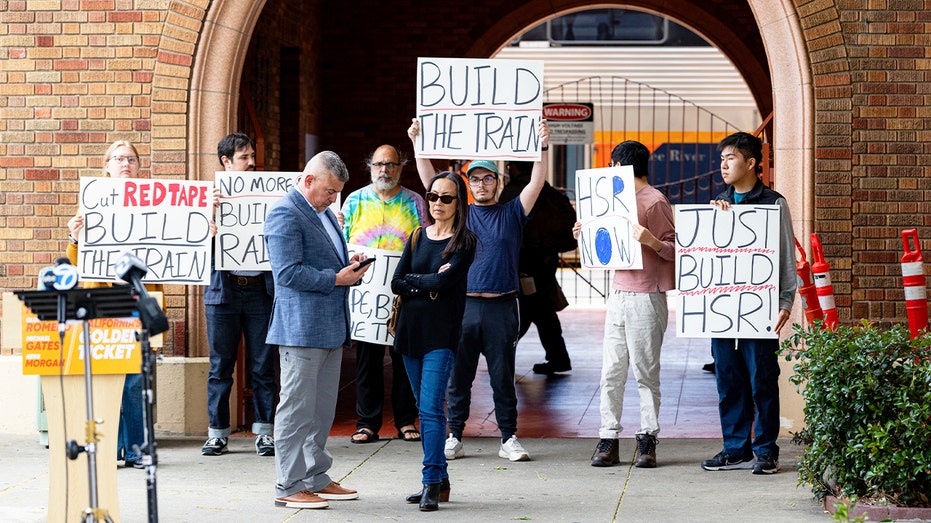
Demonstrators hold signs prior to a news conference with Steve Hilton, Republican gubernatorial candidate, not pictured, at the San Jose Diridon Station in San Jose, California, on May 26, 2026. (Jason Henry/Bloomberg via Getty Images)
A spokesperson for the California High-Speed Rail Authority said the agency “takes these findings seriously” and has pledged to work collaboratively with the inspector general’s office to rectify the oversight failures.
FOX Business reached out to Nossaman LLP, the AECOM-Fluor Joint Venture and the SYSTRA/TYPSA Joint Venture for comment.
California voters first approved the bullet train initiative in 2008. They were promised a $33 billion state-of-the-art railway that would whisk passengers between Los Angeles and San Francisco by 2020. Following a reassessment this year, the total estimated cost of the project has ballooned to at least $126 billion — nearly quadruple the original price tag. The estimated completion date has also been pushed back decades, with optimistic projections now targeting 2039.
CLICK HERE TO GET FOX BUSINESS ON THE GO
“More than $600,000 in consultant travel expenses were flagged as questionable, while California families are struggling with the high cost of living and deserve answers and accountability,” the chair of the state Senate Transportation Committee, Tony Strickland, R-Huntington Beach, said in response to the findings. “Consultants should expect that when they make an executive decision to travel without authorization, that they’re taking on the expense themselves.”

Silver Lake fund sells $582,093 of Dell Technologies stock

Tech leads Wall St to higher close as oil eases, Treasury yields dip
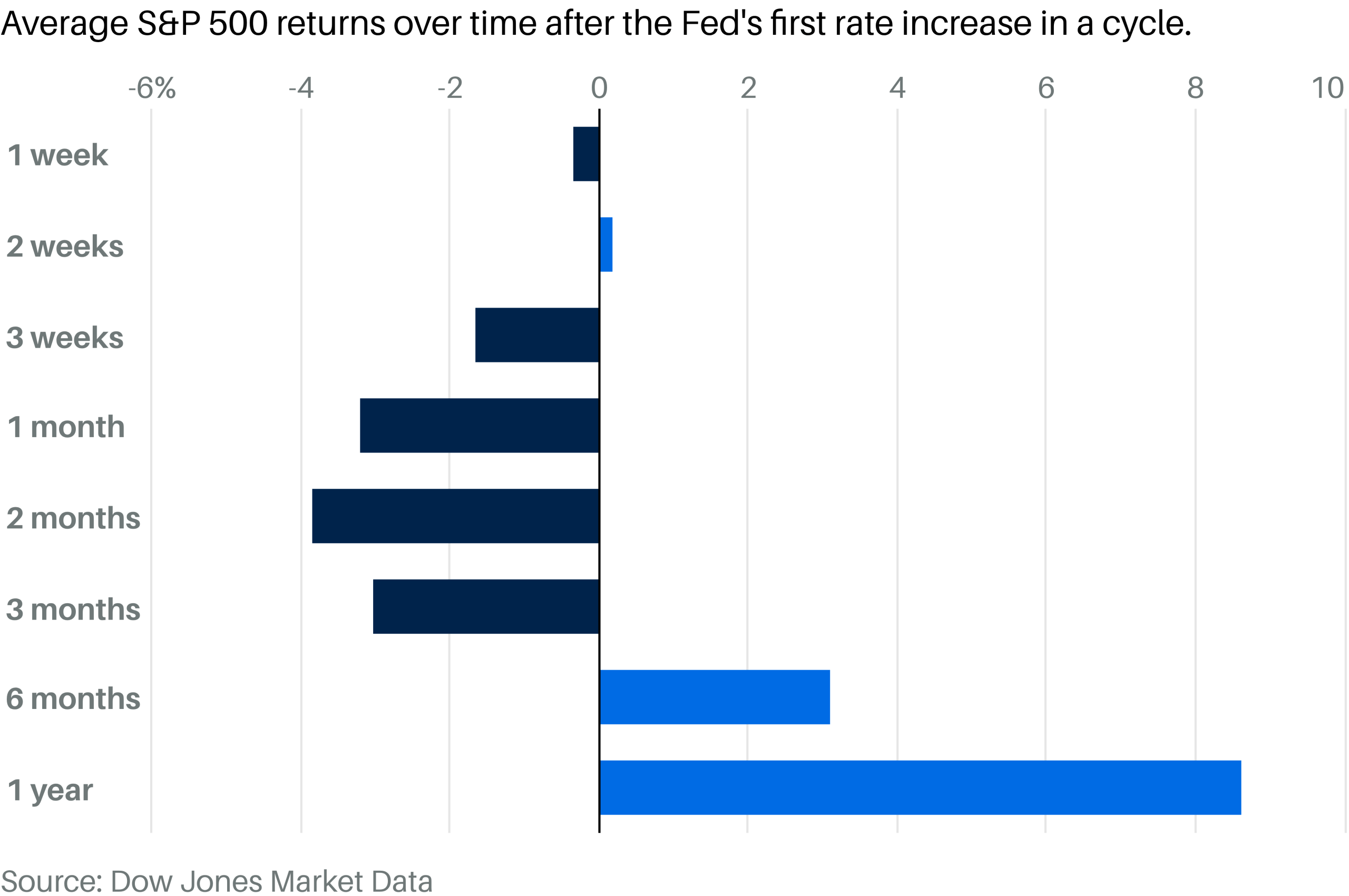
Stocks were on the rise in what could be the major indexes’ best Fed decision day in years, but the path forward could be volatile.
The S&P 500 rose 0.3%, and the Nasdaq Composite rose 0.7%. Both indexes were on track for their best FOMC decision day since 2025. The Dow Jones Industrial Average was roughly flat.
Historically, stocks tend to underperform in the near term after the Fed’s first rate increase in a monetary tightening cycle, Dow Jones Market Data showed. Just ahead of the 2:00 p.m. ET decision, markets were pricing in a more than 90% chance of the Fed raising rates, according to CME Fed Watch.
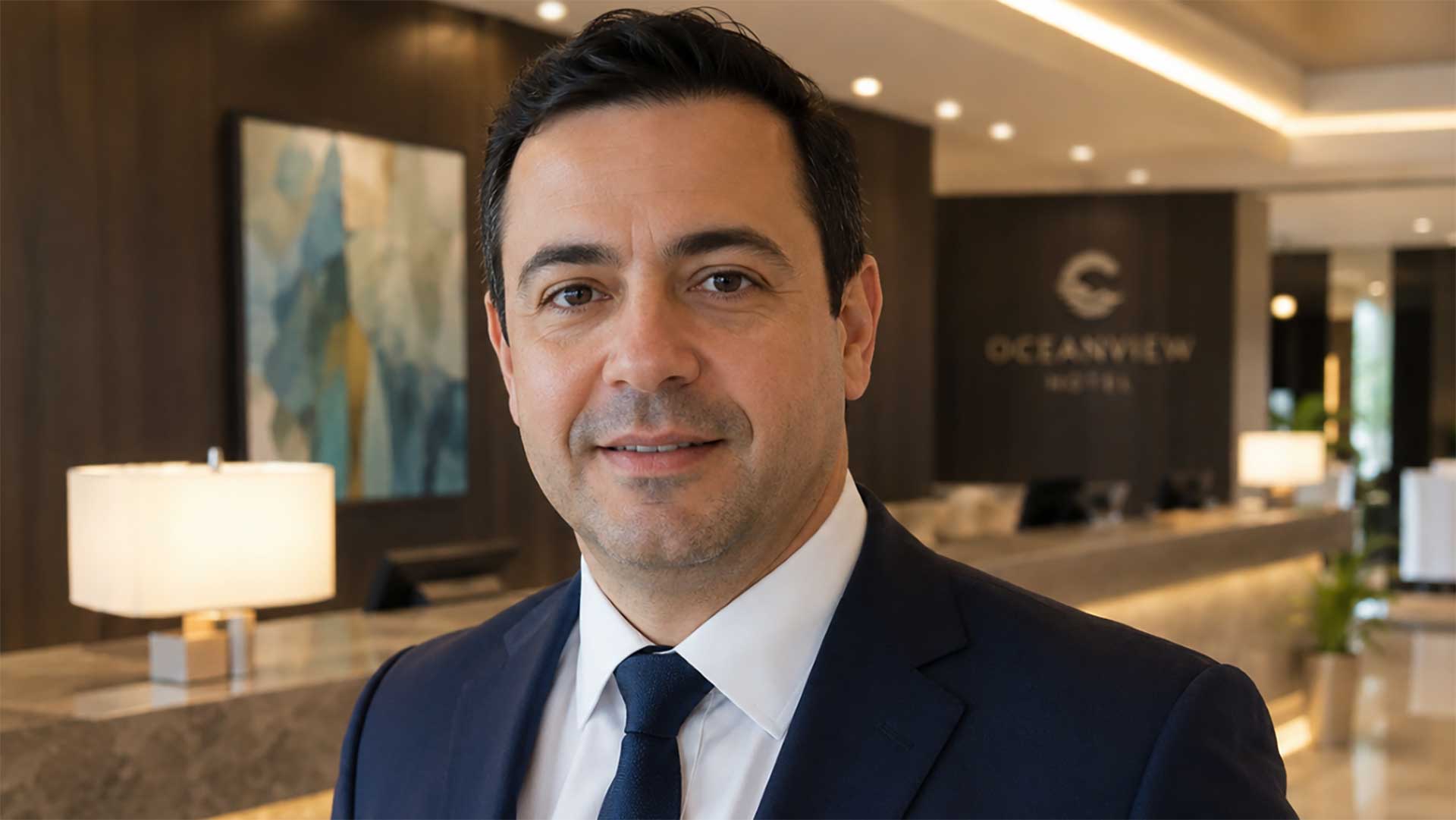
Rodrigues started in entry-level guest services, working front desks and reservations desks before moving into supervisory roles. From there he took on positions as a front office supervisor, guest relations manager, operations manager, and assistant general manager, before stepping into his current role as hotel manager.
Across resort properties, luxury hotels, and full-service operations, Marcos built a reputation for hands-on leadership. He is known for staying close to the daily mechanics of a property: the front office, housekeeping, maintenance, and food and beverage teams that guests never see coordinated behind the scenes. His approach favours steady financial oversight and clear staff training over quick fixes, and he treats guest satisfaction metrics as a working tool rather than a report card to file away.
Marcos studied hospitality management and business administration, with a focus on hotel operations, revenue management, and customer experience strategy. He has since added certifications in hospitality leadership and hotel technology systems, which he applies directly to how his properties run day to day.
Outside the hotel, Marcos supports local tourism initiatives in Florida and mentors people entering hospitality management. He is a regular presence at hospitality networking events focused on workforce development within the state’s tourism sector. His outlook on the industry is shaped by years spent watching how small operational decisions, a staffing schedule, a maintenance checklist, a training session, add up to whether a guest has a good stay or a forgettable one. In this interview, Marcos talks through how his sense of hotel management developed and what he pays attention to on a property today.
Interview with Marcos Neves Rodrigues
Let’s start at the beginning. What drew you into hospitality in the first place?
I grew up around people who took service seriously, not as a performance but as a way of treating others well. That stuck with me. When I took my first guest services job, I noticed how much a single interaction could shape someone’s whole impression of a trip. That’s what kept me in it. It wasn’t a grand plan. It was noticing that this work mattered to people more than I expected.
You moved through several roles before becoming a hotel manager. What did each stage teach you?
Front desk work teaches you patience and pattern recognition. You see the same problems repeat and you learn what actually fixes them versus what just delays them. As a front office supervisor, I learned how to translate that into a schedule and a set of expectations for a team. Guest relations taught me how to listen for the complaint behind the complaint. Operations management widened the lens to housekeeping, maintenance, budgets. By the time I became an assistant general manager, I was thinking less about single interactions and more about how departments hand off to each other.
What does a typical day look like for you as a hotel manager?
There isn’t a single typical day, but most start with a walk through the property before I look at anything on a screen. I want to see the lobby, check in with the overnight team, get a sense of occupancy for the day. Then it’s budgeting, staffing checks, and usually a conversation with at least one department head about something that needs adjusting. I try to keep afternoons open for whatever the property actually needs that day rather than filling them with meetings for their own sake.
How has your education in hospitality management shaped how you run a property now?
It gave me a structure for things I might have otherwise learned only by trial and error, revenue management, financial planning, marketing basics. But the classroom part is maybe a third of it. The rest came from certifications in areas like hotel technology and safety compliance, which I’ve kept adding to over the years because the tools change even when the fundamentals don’t.
Is there a part of hotel management that gets less attention than it should?
Financial performance and occupancy numbers get most of the attention because they’re easy to measure. Staff training programs get less credit, but they’re where a lot of the actual quality comes from. A well-trained team catches small problems before they become guest complaints. I’ve come to see training less as an onboarding task and more as ongoing maintenance, the same way you’d maintain equipment.
You’ve mentored people coming into hospitality. What do you tell them?
I tell them to spend real time in the roles that seem unglamorous, front desk, housekeeping support, before they aim for management. You can’t lead departments well if you’ve never done the work inside them. I also tell them that guest service isn’t a script. It’s closer to problem-solving under time pressure, and the people who do it well are usually just good at staying calm and paying attention.
What keeps you engaged in this industry after so many years in it?
Florida’s tourism market moves constantly, new travel patterns, new expectations, and I like that the work never fully settles. I also still get something out of watching a team come together during a busy season. When you see the pieces you spent months training on click into place during a fully booked weekend, that’s satisfying in a way that doesn’t wear off.
Any final thoughts on where the industry is heading?
I’d rather not guess too far ahead. What I do know is that the properties that keep investing in their people, not just their amenities, tend to hold up better over time. That’s been true throughout my career, and I don’t expect it to change.

Ultragenyx sets $3.95 million price for rare disease gene therapy
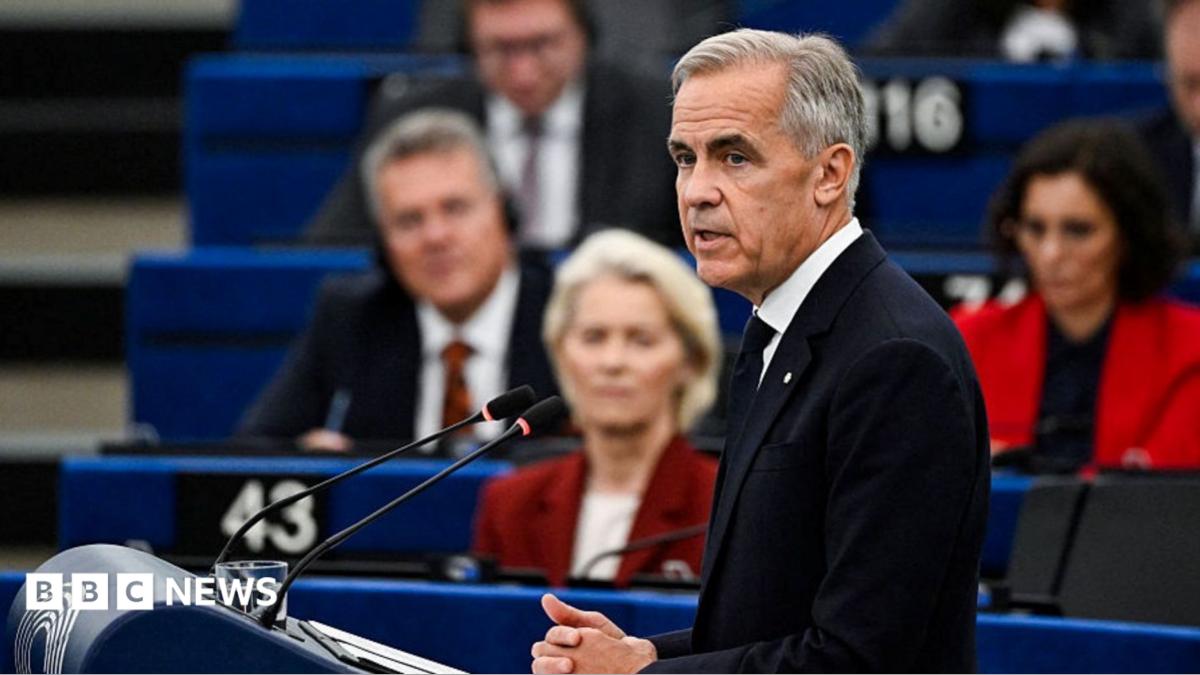
Canada is not alone among Europe’s far-flung allies, now seeking to cosy closer to the EU, as they worry the US is becoming too unpredictable a partner. Japan and South Korea show an interest in sheltering under the EU umbrella too.
For its part, the EU has recently hastened to secure a list of trade deals – with India, Indonesia and Japan for example – to intentionally diversify relationships.
But there is no guarantee Canada’s associate membership of the EU will ever get off the ground, never mind become a blueprint for other countries, like the UK wanting closer relations stopping short of full EU membership.
Any deal would have to be approved by each one of the EU’s 27 countries.
No legal precedent exists, negotiations would be lengthy and potential conflicts of interest loom, over steel tariffs for example.
A suggestion in May by Germany to make Ukraine – a country desperate for full membership of the European Union as soon as possible – an associate member was rejected by others in the EU.
Some, including France’s government, want to avoid EU non-members securing “too good” a deal. They fear eurosceptic forces at home and abroad could then encourage voters to clamour to leave the bloc.
In the end, “associate membership” is just a label. Buffeted by adverse winds – from China, the US and Russia, the normally rigid rules-based EU is coming under serious pressure to show more flexibility in accommodating countries wanting to stand by its side.

Dana Awartani

Millie Bobby Brown’s Honest Quotes on Motherhood, Adoption

Smyths Toys recalls children’s toy due to ‘asbestos risk’



-

 Fashion6 days ago
Weekend Open Thread – Corporette.com
-

 Tech4 days ago
The Latest Weird Thing to Play Doom Is the Mapped-Out Brain of a Fruit Fly
-

 Business7 days ago
10 Most-Streamed Songs On Spotify In 2026 So Far, Led By Ella Langley’s Dominant Run On The Charts This Year
-

 Crypto World7 days ago
XAG/USD: Silver’s Short-Term Rally Meets Its Moment of Truth
-

 Crypto World7 days ago
Diesel Tops $6 a Gallon for the First Time as 28 States Set Records
-

 Crypto World3 days ago
Elon Musk Drops a Bombshell: Grok 5 Could Be the AGI Breakthrough
-

 Crypto World3 days ago
Kraken Lets xStocks Holders Earn Yield Through DeFi
-

 News Videos6 days ago
Facing Financial Fears
-

 Crypto World1 day ago
US Charges Robinhood Engineers Over Crypto Listing Trades
-

 Business5 days ago
Rivals Sam Altman and Elon Musk Rally Behind Dario Amodei’s Call for a Slowdown in AI Development
-

 Crypto World5 days ago
Can AI Build a Startup in 72 Hours? Elon Musk's Team Will Livestream the Test
-

 Entertainment6 days ago
News Specials, Movies, Shows, More
-
 NewsBeat3 days ago
‘Sick conspiracy’: Trump says only guardrails AI needs is ‘a strong and smart (High IQ!) president’ in all-caps rant
-
 Crypto World4 days ago
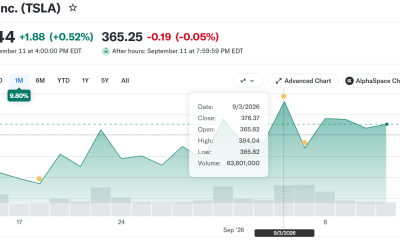
New Tesla Roadster Uses SpaceX Tech. Will It Impact the Stock Price?
-

 Crypto World7 days ago
Bitcoin ETFs Pull $167M as 2026’s Best Inflow Run Slows
-

 Crypto World6 days ago
Robinhood Chain Never Stopped But its Blobs Did Stop Reaching Ethereum For 14 Minutes
-

 Crypto World2 days ago
What Is the Status of the U.S.-Iran Peace Talks? Here's What Both Sides Are Saying
-
 Entertainment6 days ago
New Horror Movie Officially Earns a Rare Stephen King Recommendation
-

 Business6 days ago
Marvell: Most Potent Setup Of The AI Factory Decade
-

 Crypto World4 days ago
3 Token Unlocks to Watch in the Third Week of September 2026
You must be logged in to post a comment Login