
Join Mikko Hyppönen and security leaders from the NFL, CHANEL, and Atlassian for a two-hour digital summit on what AI-speed attacks change, what defenders should stop doing, and how to validate, decide, fix, and re-validate at machine speed.
Tech & AI
Ivanti warns of Connect Secure zero-day exploited in attacks

Ivanti urged customers on Tuesday to immediately patch an actively exploited zero-day vulnerability in the Ivanti Connect Secure (ICS) remote access gateway.
Formerly known as Pulse Connect Secure and originally Juniper Pulse, the enterprise-grade ICS SSL VPN provides remote employees, contractors, and hybrid workforces with secure access to corporate and cloud resources.
Tracked as CVE-2026-104935, this high-severity authentication bypass zero-day was reported by cybersecurity firm Volexity and affects ICS versions 22.8R2.4 and earlier, 25.1.2.2 and earlier, and 25.1.1.1 and earlier.
Remote threat actors without privileges can exploit CVE-2026-104935 in low-complexity attacks that don’t require user interaction to execute arbitrary commands on targeted ICS appliances.
“At the time of disclosure, Ivanti is aware of limited exploitation in the wild. We are working directly with those organizations while making information, updates and remediation available to the broader customer community. If you are running one of the impacted versions, Ivanti recommends you act immediately,” Ivanti said.
“Customers should review the security advisory, upgrade to the fixed version as soon as possible, and run the Integrity Checker Tool regularly.”
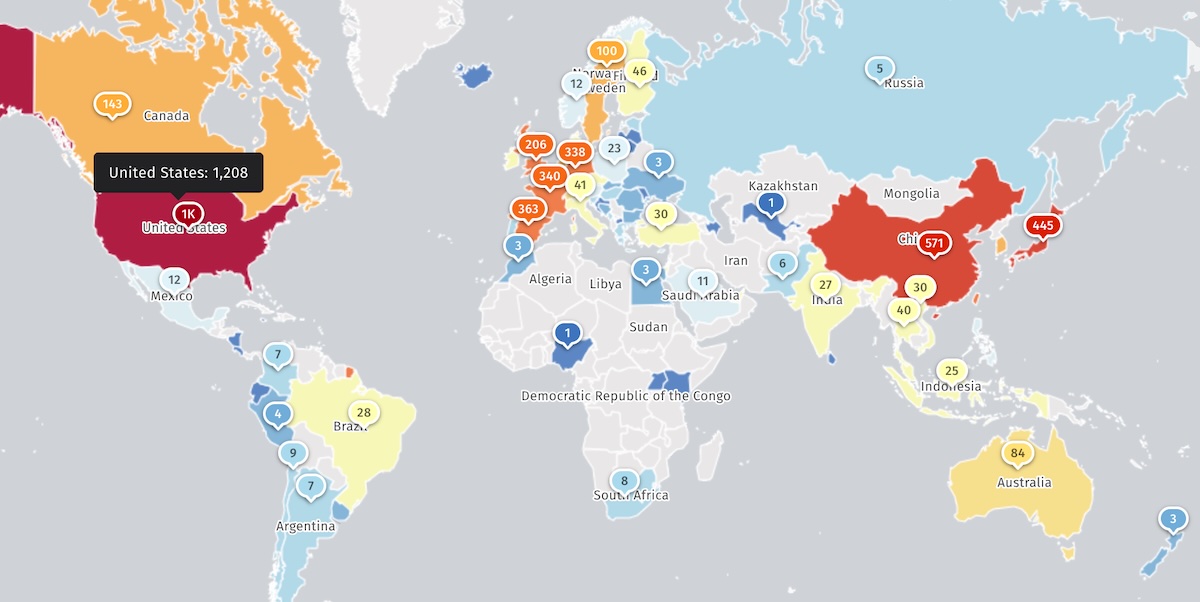
Internet threat watchdog Shadowserver now tracks over 5,500 ICS instances exposed online, but there is no information on how many are honeypots or have already been secured against ongoing attacks.
Hackers have frequently exploited Ivanti vulnerabilities, often as zero-days, because they provide a quick way to breach enterprise networks and steal sensitive customer and corporate data.
Ivanti has also patched several other Connect Secure zero-days exploited in the wild over the past several years, some of them chained in widespread attacks to deploy malware.
It addressed an authentication bypass (CVE-2023-46805) and a command injection (CVE-2024-21887) in early January 2024, and a server-side request forgery (CVE-2024-21893) two weeks later.
More recently, it fixed a remote code execution (RCE) vulnerability tracked as CVE-2025-0282 in January 2025 and a second RCE flaw (CVE-2025-22457) that China-linked cyber spies have exploited since at least mid-March 2025.
The Cybersecurity and Infrastructure Security Agency (CISA) has flagged 36 vulnerabilities across various Ivanti products as actively exploited in the wild since November 2021, 12 of which ransomware gangs have also abused.
Ivanti has over 3,000 employees, a network of over 7,000 partners, and more than 40,000 customers worldwide using its IT asset management solutions.


Continue Reading
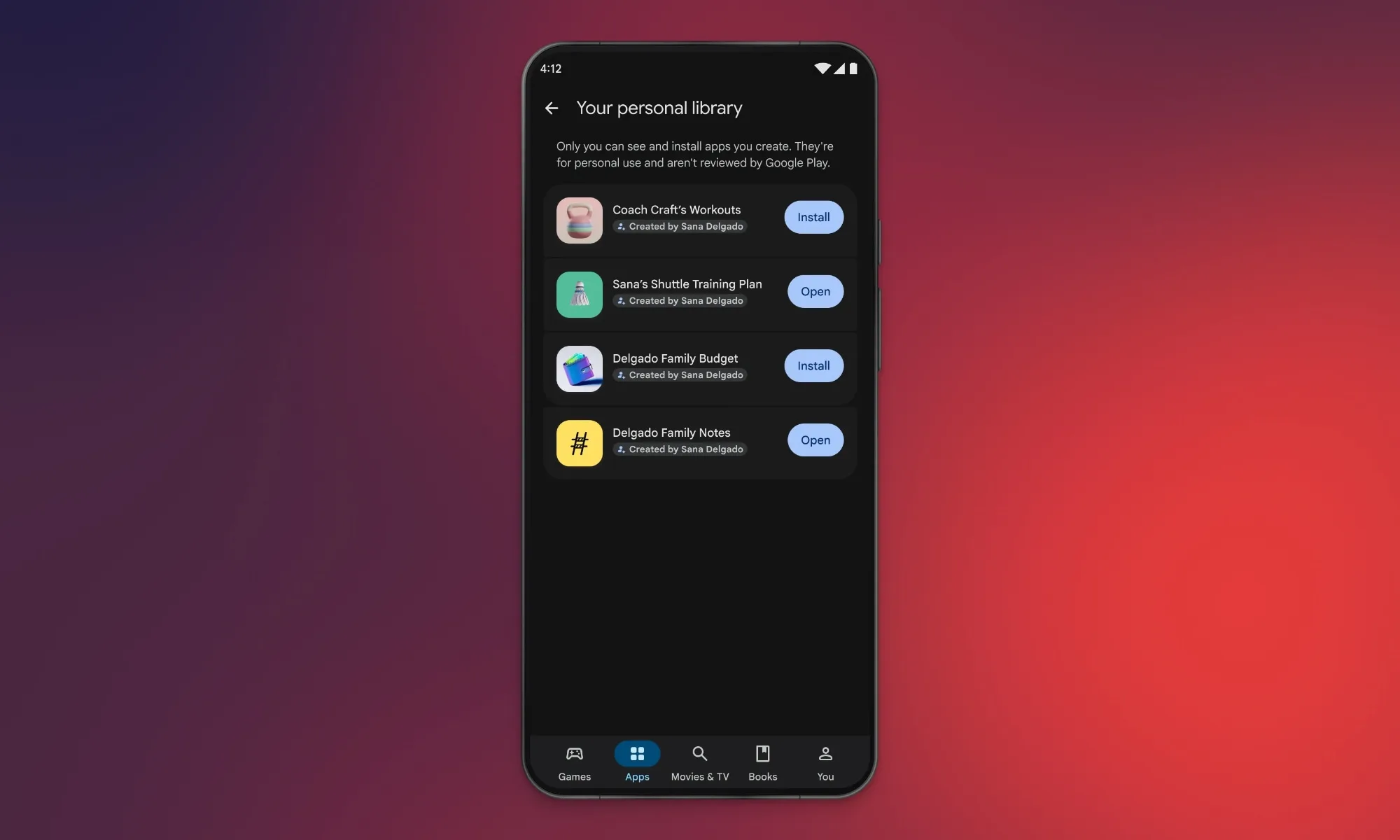
Google Play Store has always been the place to find apps that other people make. Now, Google wants it to be the place where you run the apps you make yourself. The company has announced a bunch of updates, and the biggest one lets you turn your own idea into a working app.
How do you build your own app?
You can use Google AI Studio to vibe code a custom Android app. Once it’s ready, Google Play lets you install it on your own phone. The best part is that you don’t need a developer account, as your regular Google account is enough.
These personal apps remain private and won’t appear in the public Play Store. The feature is available starting today in a few markets, including the US, for users who are 18 or older.
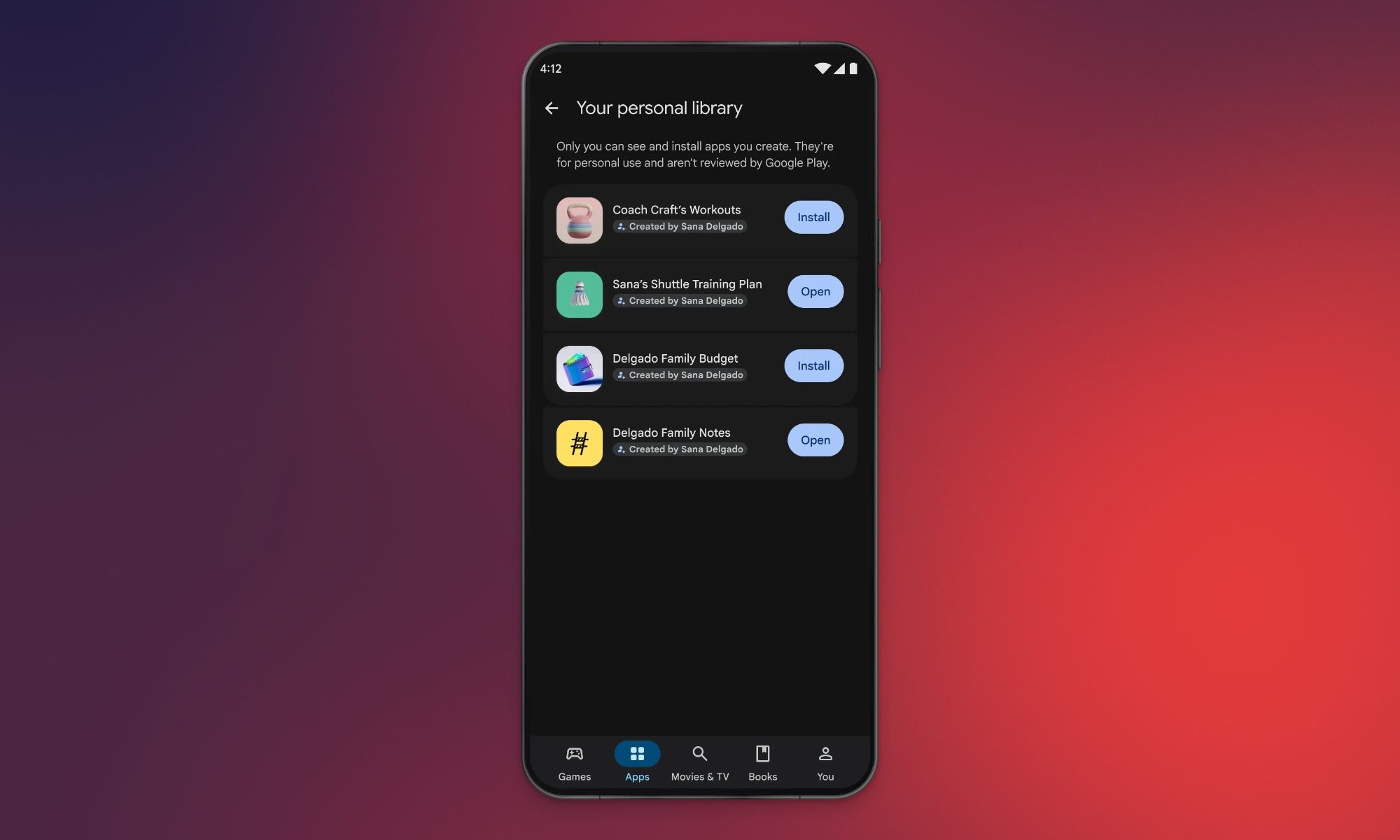
In the coming months, you will also be able to share your apps with friends and family. If your creation turns out to be a hit, you can upgrade to a professional developer account and release it to everyone. However, your app will then go through Google’s usual safety and quality checks, just like any other app.
I love this idea. How many times have you searched for an app that does one specific thing, only to find bloated options that do everything else? Now you can build it yourself.
What else is new in Google Play?
Apart from AI app creation, Google has added a bunch of other handy features. Gamers get a new Game Finder powered by something called Gamer DNA. It studies your play habits along with any preferences you add, then suggests games that fit what you like to play instead of just what’s popular. It’s available in English for US users today.
You can also put together lists of your favorite games with Game Playlists. Then there are Sprints, which are 48-hour mini challenges where you’re matched in groups of two to five players for quick contests. Google is also bringing PC hits like Dave the Diver to Play, and upcoming titles like REPLACED will let you switch between mobile and PC with cloud saves.
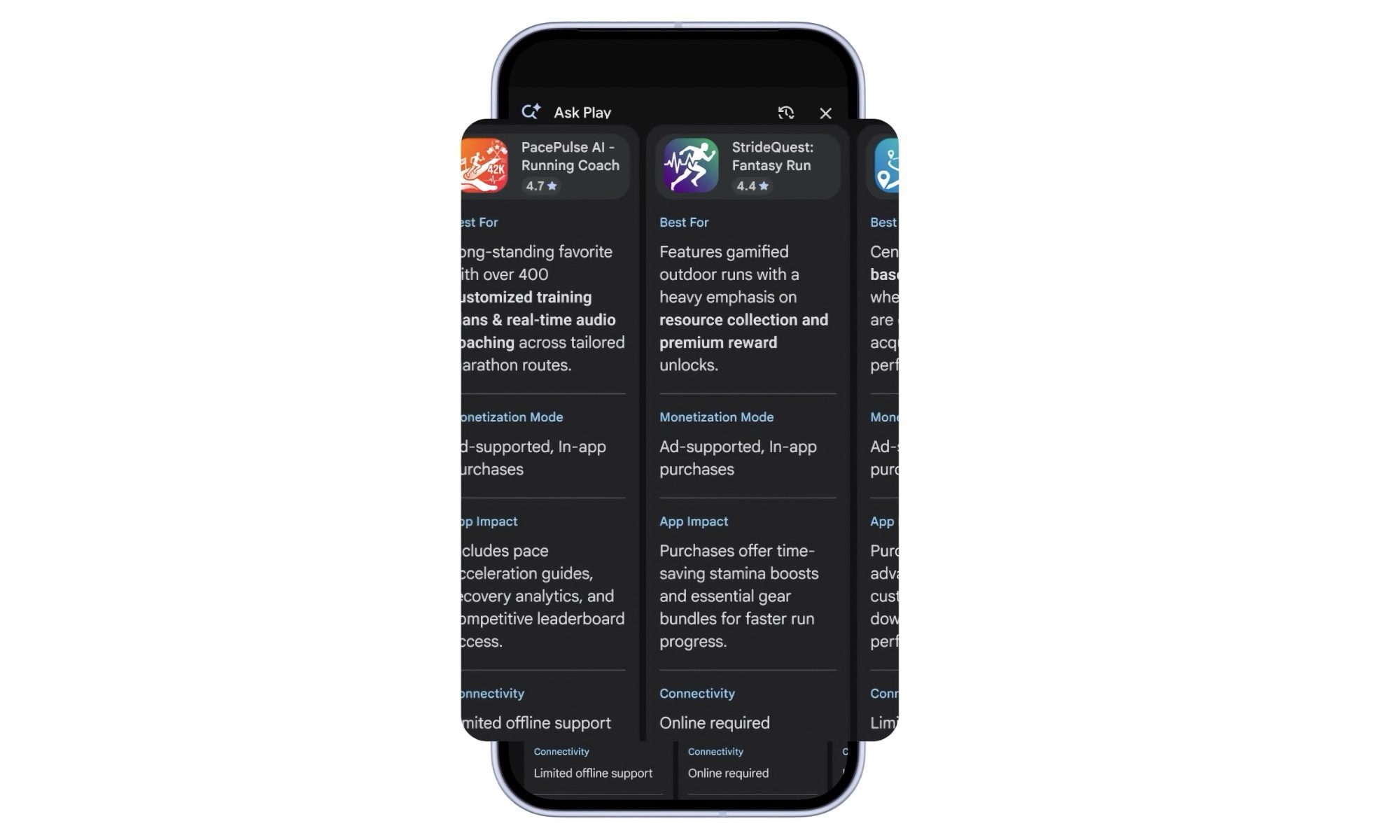
Finally, Ask Play can now compare apps side by side, explaining how they differ and what people think of them. If you often struggle to pick between two similar apps, this should save you some time.
RELATED COVERAGE:


Executives from NTT Data, Brookfield and Infosys say electricity and skilled labour, not chips, now limit how fast AI data centres get built. In Europe the binding constraint is worse, with grid connections in congested markets running to ten years.
The thing slowing the AI buildout is no longer the chips. Executives running some of the world’s largest data centre operations say it is electricity and people.
They spoke at Bloomberg’s New Economy Forum in New Delhi on Tuesday, Bloomberg reported. NTT Data’s chief executive Abhijit Dubey called talent the bottleneck nobody talks about.
European operators said the same in July. A survey of 300 data centre decision-makers in the UK, Ireland and the Nordics put power availability and skills shortages among the leading obstacles.
Dubey put a price on the labour. An electrician in the US now earns about $200,000, he said, and sourcing the right equipment can take as long as 42 weeks.
Europe’s wait is longer. Grid connections in congested markets run to ten years or more, with Amsterdam at about a decade and Frankfurt waiting on upgrades until the 2030s.
Denmark stopped taking bookings. Its grid operator paused new connections in March with roughly 60GW of projects queued against peak demand near 7GW.
On money the panel split from this week’s other big voice. Dubey said capital is not an issue, a day after Broadcom’s chief executive said capital might be the biggest constraint of all.
Demand will outstrip supply past the end of the decade, said Connor Teskey, who runs Brookfield Asset Management. The bottleneck, he said, is who can pull these projects out of the ground.
Teskey also rejected the bubble case, saying most of the infrastructure sits behind long take-or-pay contracts with strong corporate credit. Hours earlier the IMF had called similar revenue commitments wrong-way risk.
Its Global Financial Stability Report counted 14 circular deals since 2023, about $300B of equity and $650B of debt placed into weaker AI firms, securing $1.4T of future revenue promises.
Infosys sees a third risk. Salil Parekh pointed to the backlash in Western markets, and in Scotland the governing party has voted to freeze all new builds.
That resolution counts 24 hyperscale projects at various planning stages, which together would draw more than 1.5 times Scotland’s peak power demand. Ministers have not decided.
Refusals are adding up elsewhere. Dublin turned down a Google data centre over energy, and grassroots opposition blocked $130B of US projects in the first quarter alone.
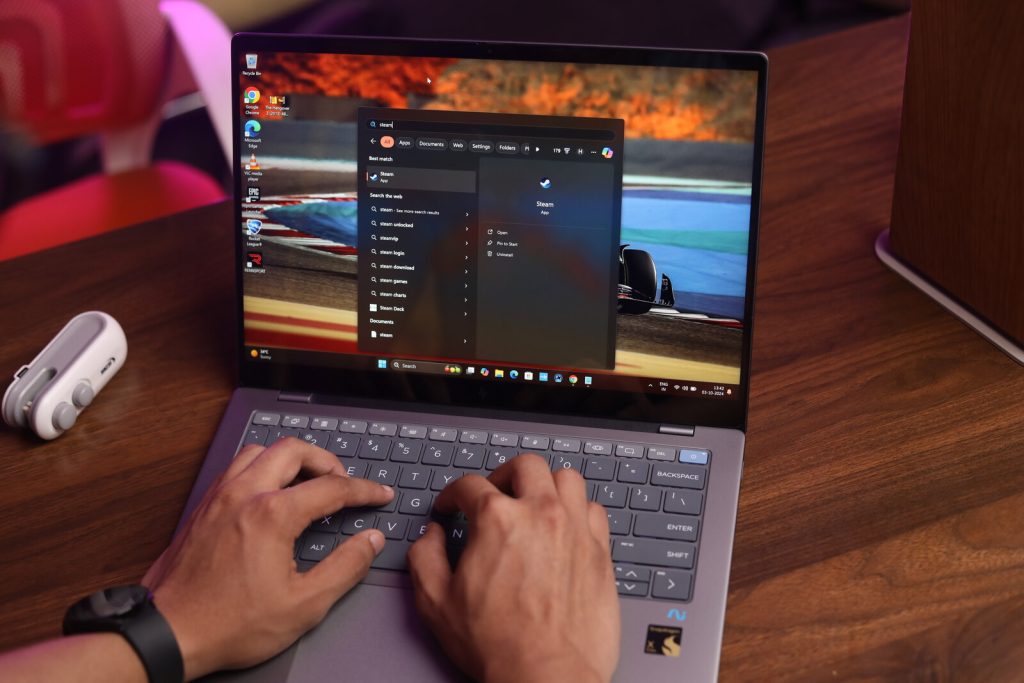
If you’re in the market for a new laptop, HP has just announced a range of festive offers. The offers include bank cashback, exchange benefits, discounted accessories, and extended warranty packages on its OmniBook AI laptops, Omen and Victus gaming laptops, and Smart Tank printers. The festive deals are available at HP World stores, authorized offline retailers, and the HP Online Store until November 10, 2026. Buyers can also get discounted subscriptions to several AI platforms when they purchase select HP laptops.
HP OmniBook Offers
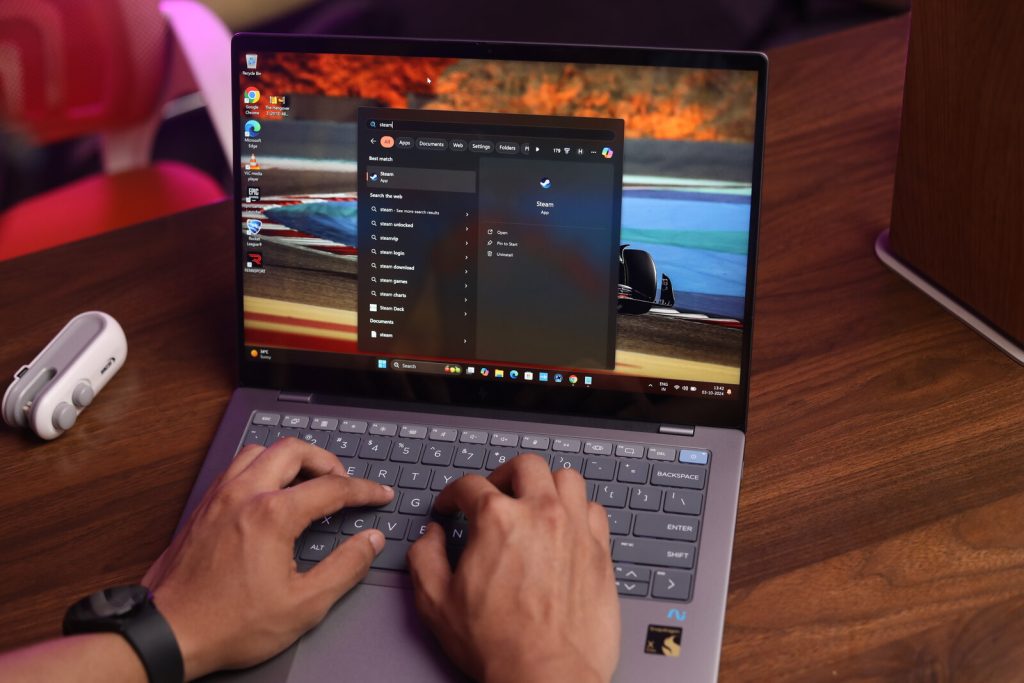
Customers purchasing an HP OmniBook Ultra or OmniBook X laptop can get up to Rs 18,000 in cashback through participating banks. HP is also offering exchange benefits through Cashify for customers trading in an older HP laptop. The OmniBook Ultra comes with exchange benefits worth up to Rs 20,000, while OmniBook X buyers can get benefits worth up to Rs 15,000.
HP is also offering a Da Milano combo worth Rs 10,999 for Rs 499 with either laptop. Customers can also buy an additional protection package for Rs 4,999, which includes a two-year extended warranty, accidental damage protection, and antivirus software.
Meanwhile, the HP OmniBook 7, OmniBook 5, and OmniBook 3 also qualify for festive discounts. Buyers can get up to Rs 12,000 in bank cashback on these laptops. Exchange benefits vary by model. Customers purchasing an OmniBook 7 can get benefits worth up to Rs 10,000 through Cashify when exchanging an older HP laptop. The maximum exchange benefit drops to Rs 7,000 for the OmniBook 5 and Rs 5,000 for the OmniBook 3.
OmniBook 7 buyers can get a two-year extended warranty, accidental damage protection, and antivirus software for Rs 3,999. The same package costs Rs 2,999 for the OmniBook 5 and OmniBook 3.
Gaming & AI Offers

HP’s festive offers also cover its Omen and Victus gaming laptop ranges. Customers purchasing an Omen laptop can get exchange benefits worth up to Rs 15,000 through Cashify, while the maximum benefit for the Victus series is Rs 10,000. Both series qualify for the Da Milano combo offer, which brings the Rs 10,999 accessory package down to Rs 499. HP is also offering a two-year extended warranty, accidental damage protection, and antivirus software for Rs 4,999 with an Omen or Victus laptop.
Buyers of select Omen 5000 series laptops can purchase a HyperX CloudX Stinger 2 Core wired headset, originally priced at Rs 3,727, for Rs 499. They can also get a HyperX Knight backpack worth Rs 6,397 for Rs 999. The same accessory offers apply to the Victus 5000 series. Customers purchasing an eligible model can get the HyperX headset for Rs 499 and the HyperX Knight backpack for Rs 999.
As part of its AI Fiesta offer, HP is bundling subscriptions to several AI platforms at a discounted price with purchases from its OmniBook, Omen, and Victus laptop ranges. Customers can get subscriptions to Claude 4, DeepSeek, GPT-5, Perplexity AI, Gemini 2.5, and Grok.
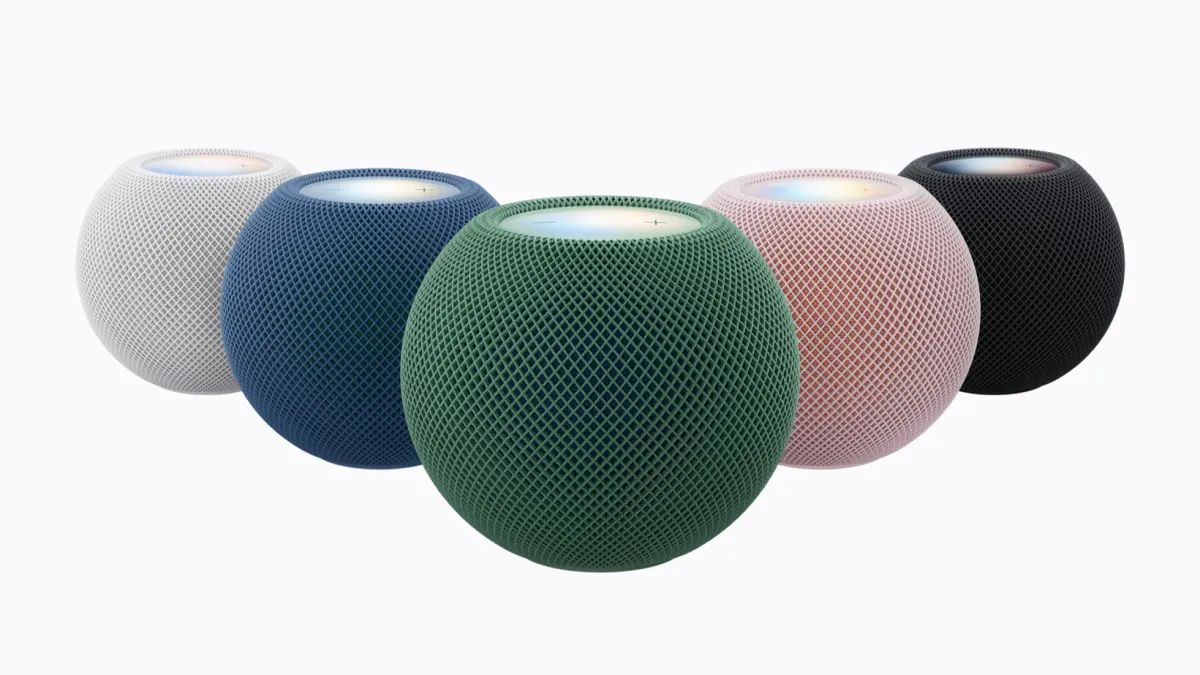
Apple’s new HomeView device was the center of the show at its smart home event on Tuesday, but the company also refreshed its HomePod Mini smart speaker with a new chip and Siri AI integration, the latter of which will be available through a future update.
The $149 update is $50 more expensive than the original version launched over six years ago in 2020. The new HomePod mini has an S10 chip that helps improve optimize dynamic range, loudness, and acoustic performance.
With the new HomePod mini, users can control their smart home devices through voice commands. Plus, the speaker can listen for sounds like a smoke alarm and send a notification to users’ phones — a feature that Alexa devices have offered for years.
Apple said that with Siri AI, users will be able to have multi-turn conversations, but it didn’t provide a date for when the new assistant will be available to HomePod mini 2 buyers.
The company also said the new speaker works better with its other devices. For instance, users could form a four-speaker home entertainment system paired with the new Apple TV 4K. Plus, the HomePod mini 2 speakers can be the default speaker for Mac for video calls or music playback instead of built-in speakers.
The device has another new feature, as well: a visual canvas called “Sound Glow,” which uses the color scheme of the album art to turn the top of the HomePod mini into a visual canvas that will glow and pulse in sync with the music. Users can also pick soundscapes like rain or ocean waves to start animations.
The new speaker comes in pink, green, blue, white, and midnight colorways and will be available starting October 30. Consumers can pre-order starting today.
When you purchase through links in our articles, we may earn a small commission. This doesn’t affect our editorial independence.
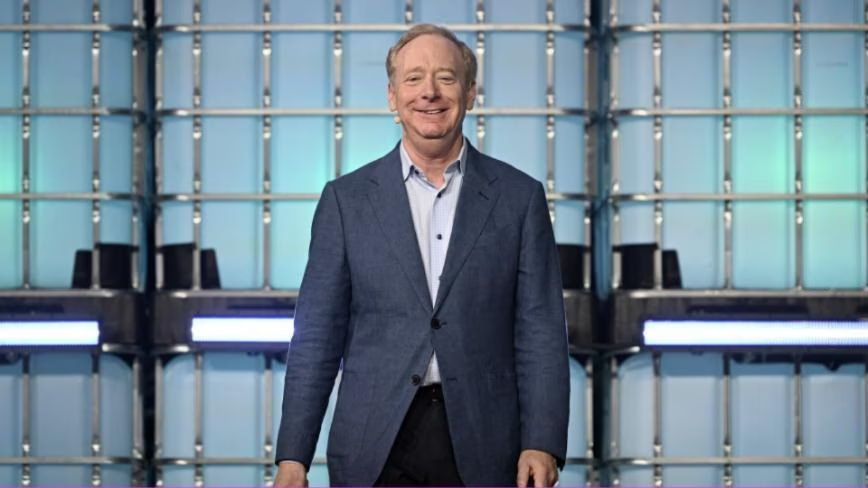
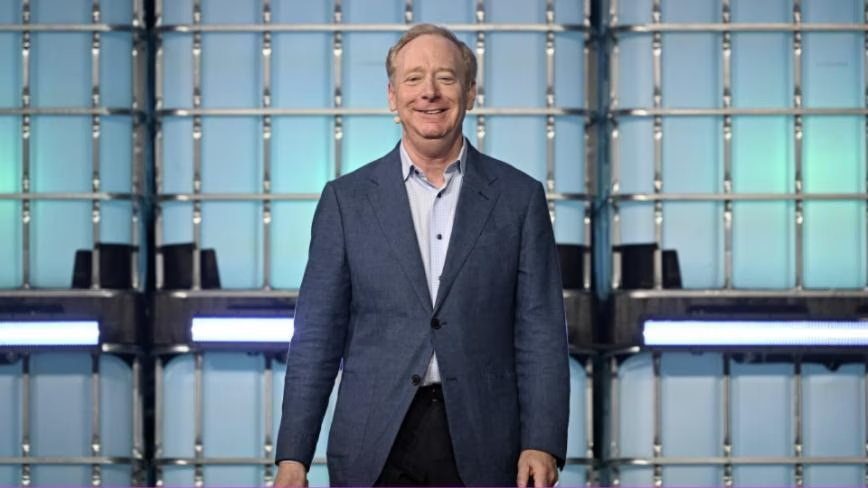
Microsoft’s president, Brad Smith, has called for global safety rules for AI. They include a legal duty to tell victims when a rogue AI agent breaks into their systems. He set out his case on the BBC’s Big Boss Interview podcast with Will Bain, released on 11 October.
Smith told the BBC: “Right now, your washing machine is subject to more safety rules than AI. Every carton of milk that you see in the grocery store is subject to safety rules and inspection.”
Smith called AI both a “tool and a weapon”. He said AI is moving forward “faster than the speed of safety”. That, he said, is not good for the public or for the industry itself.
Three measures
The first measure is a “safety brake or emergency brake”, often called a kill switch. It would cover any AI system that controls autonomous devices or critical infrastructure. Smith said it should sit with the companies running the models and in the cloud infrastructure they run on.
The second is a legal requirement to write “incident reports”. If AI agents “break loose” and break into systems, victims should be told. That already happens after a data breach. Anthropic said this month that one of its models sent a fake murder tip to police during testing.
Smith called the third measure the biggest and most important. It is whether government evaluators should sign off frontier models before release. He said cartons of milk and passenger aircraft are already subject to inspection and certification.
“We know how to do this for other products. We should build on that knowledge and think about how to apply it to AI,” Smith said.
Why the UK
Smith said the UK is best placed to drive the rules because of its AI Security Institute. Former prime minister Rishi Sunak’s government launched it as the AI Safety Institute. He said it has the strongest technical capability in the world to test AI models.
“It’s the United Kingdom. They are the best,” Smith said.
In Washington, he added, people do not look at London the way they look at Brussels. He called that a strength.
Last month, the White House asked OpenAI and Anthropic to hold back models from UK testers. On Monday, the UK said its testers would again get pre-release access.
At odds with Trump
President Donald Trump has said the industry should regulate itself so US firms do not lose out to Chinese rivals. He has repeatedly said that “whoever wins AI, wins”.
At the end of September, Trump hosted the leaders of OpenAI, Anthropic, Nvidia, SpaceX, Meta and Google. They signed a “morally binding” document at the White House. Microsoft did not sign it. Smith said he applauds the statement and that Microsoft is “happy to sign it”.
“It’s a good step, it’s a necessary step… But I don’t think it’s sufficient any longer,” Smith said. “It’s the companies that are not as responsible that you need to worry about.”
Smith made the same comparison to milk and washing machines in an interview with ITV News on 8 October. He told ITV that governments should be able to order AI systems offline, as they can ground aircraft. Developers should be legally liable if they act negligently and their AI causes catastrophic harm, he said.
Microsoft’s chief executive, Satya Nadella, called for an emergency brake on AI models on Saturday.
In the BBC interview, Smith also answered Vice President JD Vance, who accused Microsoft of abusing the H-1B visa system more than any other US company. Smith said Vance’s staff “got the maths wrong”. He said about 80% of Microsoft’s 6,000 visa applications were for existing employees, and that the company hired 9,000 Americans last year.
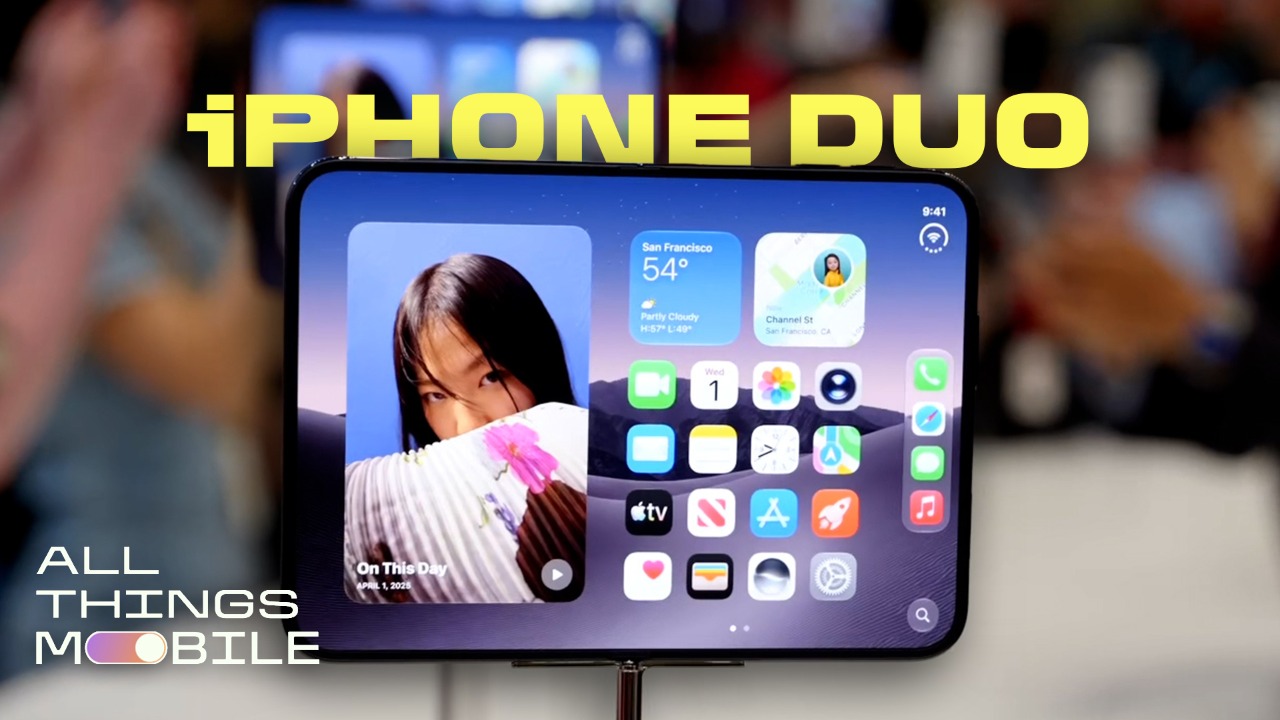
If you’re eager to get your hands on the highly anticipated iPhone Duo, the first foldable iPhone, here’s how to get a head start on ordering. Apple has opened a staging page for preorders on apple.com, where you can get ready to place a preorder for the viral phone.
Head over to Apple’s online storefront, and you’ll find that a new iPhone Duo configurator is now live. On that page, save your preferred phone color, storage, mobile carrier and payment method. Saving these details in advance ensures you can complete your purchase immediately when preorders open at 5 a.m. PT on Friday.
Apple unveiled the iPhone Duo, one of its first new products under the helm of new CEO John Ternus, during its Surprise and Shine event in Cupertino, California, on Friday. It’s the first foldable from Apple, although merely the latest in a wave of new bendy phones to hit the market.
The iPhone Duo opens to reveal a 7.6-inch display and folds down to a pocketable passport size. The shifting shape supports split-screen multitasking and Apple Pencil, and brings a host of new features and animations to Apple iOS 27.
Pricing starts at $1,999 for the 512GB model and tops out at $3,199 for the 2TB version — before carrier subsidies — making the iPhone Duo the most expensive iPhone ever released. Price aside, observers expect demand among early adopters to be high, so prepping your order now is a smart idea.

Not quite sure that the new iPhone Duo is the right phone for you? I’m also on the fence. Check out CNET’s coverage leading up to the launch of the new foldable and iOS 27, as well as the more conventionally shaped iPhone 18 Pro, so you can make an informed decision.

Tech & AI
‘There’s definitely been a return to less technologically driven products’: Bose president Raza Haider talks releasing $99 wired earbuds with no app or AI, and why they’re only here because his daughter thinks they’re cool

- Bose recently launched $99 / £99 ‘Noise Cancelling Wired Earbuds’
- Also, Bose is ‘happy to take credit for making open-ear mass market’
- Bose’s President of Premium Audio spoke to me about both developments
Last month was huge for Bose’s earbuds output, thanks to the release of not one but two successors to the excellent Bose Ultra Open, a delightfully emo collab on the company’s flagship cans and a set of wired, inexpensive earbuds that boast ANC, controlled by the inline remote.
So hang on, on the one hand we’ve got an evolution on a groundbreaking, clip-style, wire-free product Bose pioneered just over two years ago, (something President Raza Haider says he’s “happy to take credit for — making open-ear mass market”). And on the other hand we have… wired earbuds like it’s 2003?
Yes. And Bose President of Premium Audio, Raza Haider, is happy to talk about the nostalgia-driven technology trend many of us are seeing. After all, who could forget the various ‘digital detox’ resolves at the start of the year, compounded by the advent of the great privacy revolt concerning glasses, TVs and even wireless earbuds that want to know a little too much about us?
Latest Videos FromTechRadar
I start off asking Haider simply, “Who knew wired earbuds would be so popular in 2026?”
“Right? I know”, Haider laughs. “It was a funny story actually. Over the last three, four years, the team’s done a really good job of being able to capture insights and turn them into products much faster than we historically were able to.
“So the idea [for the wired earbuds] actually came a year and a half ago, when I was dropping my daughter off at university. We saw them everywhere. And my daughter was like, ‘You know, these are the coolest things ever.’
“And she’s like, ‘A year ago, we would have made fun of kids who had wired products, and now we all wear them.’ So we came back and as a group back in the office, we’re like, ‘You know, we should do something about it.’
“We saw the trend, but we saw that all the products in the market didn’t have great quality audio — none of them had noise cancellation. So, typical Bose, we wanted to redesign something that was a big part of our history and DNA, and bring back something a little bit more retro, a little bit more fun.
“It’s a little bit of an homage. I don’t know if you remember the old Bose [wired earbuds], it had the little block in the middle, so we kept the block, except it’s more like retro color blocks versus the large, big thing.
“These launch in Europe on the 15th October, but we launched them for presale in America on Monday. It is now Wednesday, and they’re gone. They’re sold out.”
‘Something is definitely happening’

I’m always keen for presidents of audio companies to talk to me about any trends they’re seeing. Haider doesn’t shy away from telling me how much he thinks this particular trend might stem from buyers avoiding apps that require data collection, as well as trying to bypass the more intrusive aspects AI.
Is that why people are heading back to wires? “There’s two dimensions to it. One, there is something larger happening, whether it sticks or doesn’t,” he said. “You used the term ‘digital detox’ — now whether it’s trust or whatever it is, there’s something happening.
Companies, I think, do realize that they need to do a better job of earning consumers’ trust, not letting them feel like there’s an invasion of privacy
“Most tech companies will figure out a way around it. There’s no way we’re going to back away from technology — the technology is here to stay. But companies, I think, do realize that they need to do a better job of earning consumers’ trust, not letting them feel like there’s an invasion of privacy. So I think one part is definitely that, there’s a return to less technologically driven products. That being said, there’s a lot of tech in these that makes these great, right?”
He shows me the earbuds and I have to agree, they’re pretty cool. But Haider isn’t done. “The second part is this: there is a certain convenience and almost comfort in this,” he continued, “and I think this is where technology actually should help.
“So, you can leave these in your bag for weeks on end and never lose a charge, never worry about a connection, never have to worry about a sensitive area. You just pull them out and you plug them into your phone physically. There’s no app, no settings, and you just go — that’s it!
“There’s something oddly satisfying about taking this lovely silicone wire, playing around with your hands, hearing the physical click into the interface; you’ve got actual buttons for volume, and so it’s just oddly fun.”
‘I think the average consumer doesn’t know what a Bluetooth codec is, and they couldn’t care less’

I ask Haider how much he thinks the knowledge that Bluetooth codecs (however improved) still can’t quite compete with wired audio for resolution plays a factor in the wired trend? Or is it simply that physical media is having a moment and if you’ve got a CD Walkman, you want wired buds?
“It’s both”, he answers. “I think the average consumer doesn’t even know what a Bluetooth codec is, and they couldn’t care less. All they know is that when they have a wireless headphone, it sometimes drops out, and this doesn’t.
“That goes back to my earlier point; it’s reinforcing to technology companies that technology needs to work in a way that’s invisible to consumers. The days of people using technology just for technology’s sake? We’ve moved past that for certain categories.
“It also goes back to my point on re-plumbing our company’s operating model and product development to be able to move faster to capitalize on trends, because there always will be trends.
“The trend of wired now? There’ll be a trend for something else. There are trends for colors too. We’ve done a great job over the last couple of years of launching I think 60 colors to take advantage of that. Companies have to be a lot more nimbler in listening and adapting to consumer trends.”
Let’s be completely open
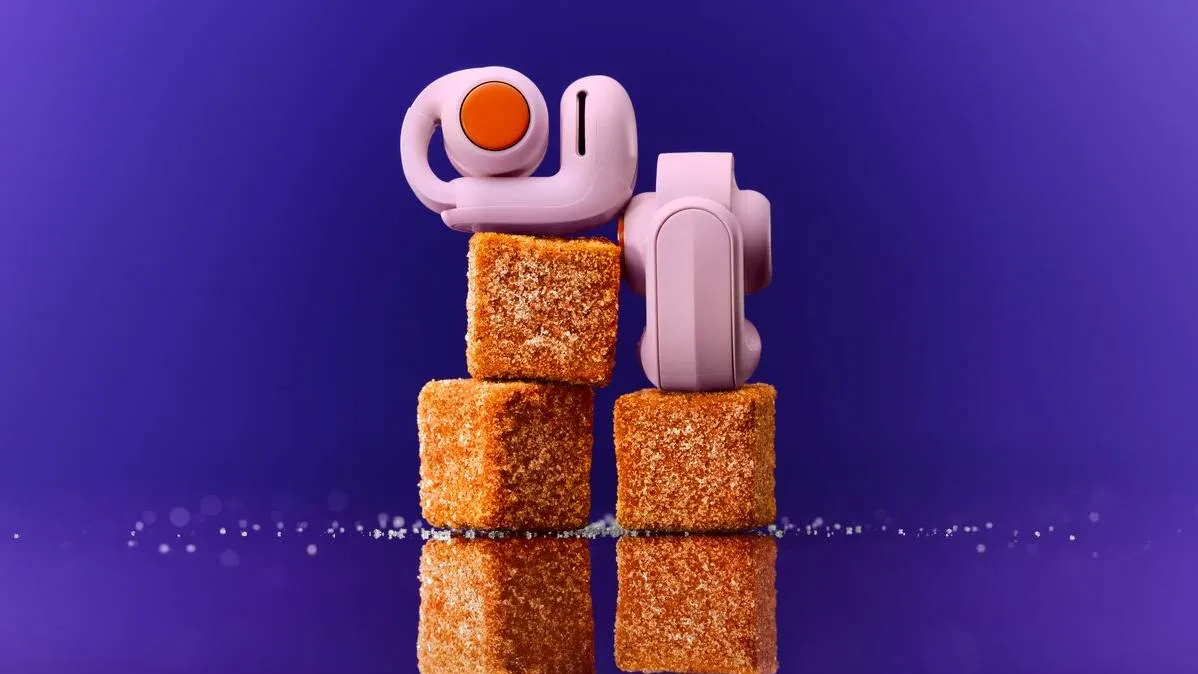
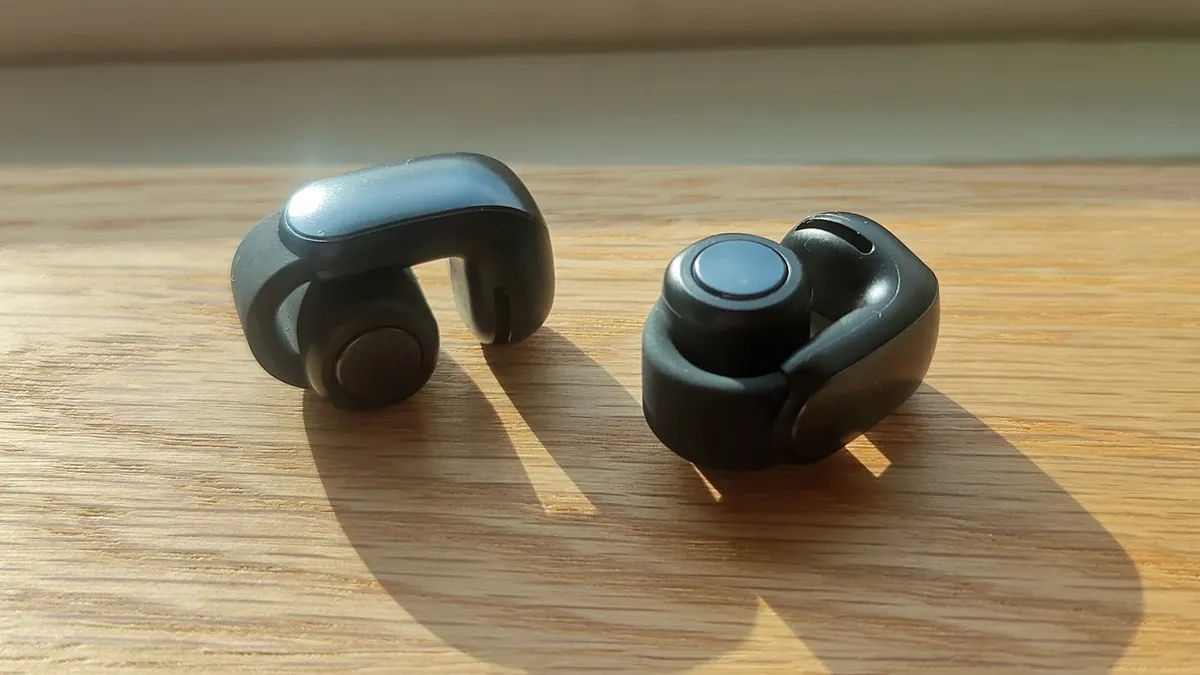
As well as literally writing the book on active noise cancellation, Bose pioneered what I like to call the ‘ear cuff style’ open earbuds, with the Bose Ultra Open. To be clear, this was in February 2024, a time when nobody else was doing that.
Did Haider anticipate how popular that particular design would become, and why does he think production of such designs has skyrocketed since? “Yeah! I think as a category overall, it’s like the fastest growing category in consumer wearables, right?” he said. “We saw there was a huge need for people to have an alternative to in-ear products.
“For many reasons, starting from the obvious simple logic, in-ear products don’t fit in everyone’s ear. Some people don’t like jamming stuff in their ear. Then, there are many instances where you want to actually be more aware of your surroundings, where it’s actually safer to be aware of your surroundings. You’re walking home late night, you’re going for a run, you’re out walking the dog, you want to hear the cars, the roads, the fire trucks.
“There are also many places where there’s a social cue — where having one earbud in is disrespectful, people don’t engage with you, you lose the human connection. But having a cue or clip which looks and feels like jewelry? It feels more inviting, you don’t feel disconnected.
“And so as a result of that, we took a bunch of technology we had, and we spent a lot of time actually designing that cuff, much more than the 10 months it took for the wired earbuds.
The best thing that can happen is, everyone copies us. And that’s what happened
“We were very deliberate about form, fit, feel, design, design intent and look. And when we launched it, people actually asked us whether this would take off, whether people would understand what it is, whether it’d be alienating, would men want to wear something that looks like jewelry? Our answer was, ‘We don’t know. We’ve heard our consumers, they said they wanted it, we’re giving them an option for something new.’
“And the best thing that can happen is, everyone copies us. And that’s what happened. In the last two years, this thing has blown up.”
La vie en Bose?
Our time together is coming to an end, but I’m keen to ask where Haider, as head of a market leader and pioneer in the portable audio space, thinks consumer audio will be in 10 years?
“Given how fast things are changing now, it seems almost impossible to make a prediction,” he said. “But let me give you a few just general trends, right? There’s always a nostalgia-driven customer, and companies have to be positioned to be able to successfully capitalize on trends.
“Companies well-positioned to capitalize on trends will be at an advantage. But from a tech standpoint — especially with what’s happening right now with AI and the pace at which things are getting smarter — I think you’ll see edge or wearable devices becoming a lot more intelligent and contextually aware of what a user wants to do.
“As a result, I think you’re going to see a lot more fragmentation in the combination of things a user puts on their body, to optimize something that they’re passionate about.
“People will soon realize that most of us have a passion point around something. For some people it might be music, for some it might be health and fitness, for some might be wellness, some might be an active lifestyle, some might be content creation, some might be creating and producing.
“And for all of those people, there’s a different set of both awareness and sensory capture and sensory orchestration, let’s say, that will allow you to do what you’re passionate about better. And companies that realize that, and deliver something that’s more consumer and passion point-centric, win.
“So, what my daughter will want to do with the combination of her earbuds, her phone, and her watch would be very different than what you and I might want to do, which will be different from someone who wants to go on a run, which will be different from someone who might be interviewing someone at a concert.”
It’s an insightful and hopeful look at a more tailored wearable future. Will we still be embracing wires, or will wireless audio finally be hi-res enough (and carefree enough) to be the better standard? Time will tell. But as a daughter myself, I for one really hope the people in charge will always listen to theirs.

The best open earbuds for all budgets

Follow TechRadar on Google News and add us as a preferred source to get our expert news, reviews, and opinion in your feeds.
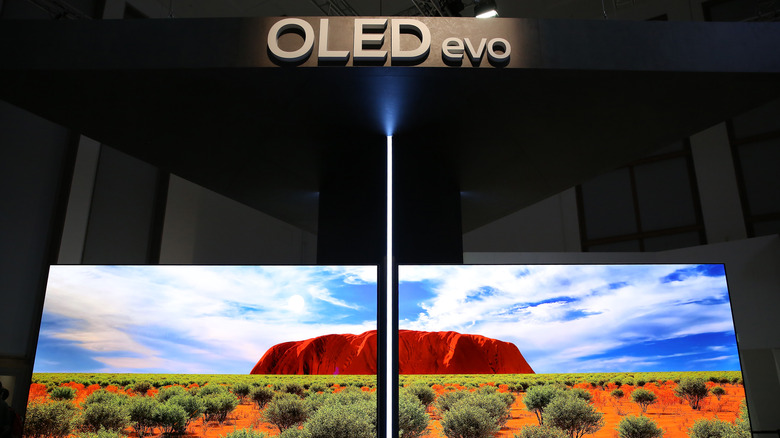
LG is one of the biggest names in televisions (and also makes a number of wild products you may not even know about). It makes such a wide range of TVs, in fact, that its lineup can become confusing to the uninitiated. Case in point: LG OLEDs versus the company’s LG OLED Evo line. Both share the primary advantages of OLED, including exceptionally deep blacks and what amounts to nearly infinite contrast, as well as its biggest drawbacks. OLED is also known for its wide viewing angles, and because individual pixels make their own light instead of relying on a backlight, there is very little bloom on bright objects that are set against dark backgrounds.
In LG’s parlance, Evo doesn’t refer to a fundamentally different display technology, but rather the name for OLED models with additional, model-dependent brightness and processing enhancements. Evo first appeared in 2021 with the G1 series. According to LG, its Evo panels use an extra green-emitting material to increase peak brightness, as well as a specific deuterium-based organic material made to withstand higher voltages. Modern versions also now include processing upgrades alongside model-dependent thermal and light-control features.
What OLED Evo adds

The main upgrade Evo buyers will notice is brightness, though you need to make sure you’re not ruining your viewing experience with the wrong settings. Extra brightness can not only add punch in well-lit rooms but can make HDR highlights, like the sun glinting off the crest of a wave or a billowing explosion, look more pronounced. Some of the newest Evo sets include what LG calls Hyper Radiant Color Tech, which leverages the company’s alpha 11 AI processor to enhance color, brightness, and clarity.
According to LG, some of the latest G6 models can reach levels up to 3.9 times brighter than conventional OLED. The panels also offer Perfect Black, meaning no loss of definition even when images of different brightness are side by side, and Perfect Color, verified by independent testers at UL Solutions.
For a dark home theater, a conventional LG OLED can already deliver most of what you want from OLED: great black levels, contrast, and light control down to the pixel level. The extra cost of entry for an Evo really only makes sense if your TV will have to battle ambient light, or if you really prioritize eye-popping HDR. Regardless, things like the exact model and feature set of a panel will also play a huge role, likely more significant than just the presence or absence of the Evo label.
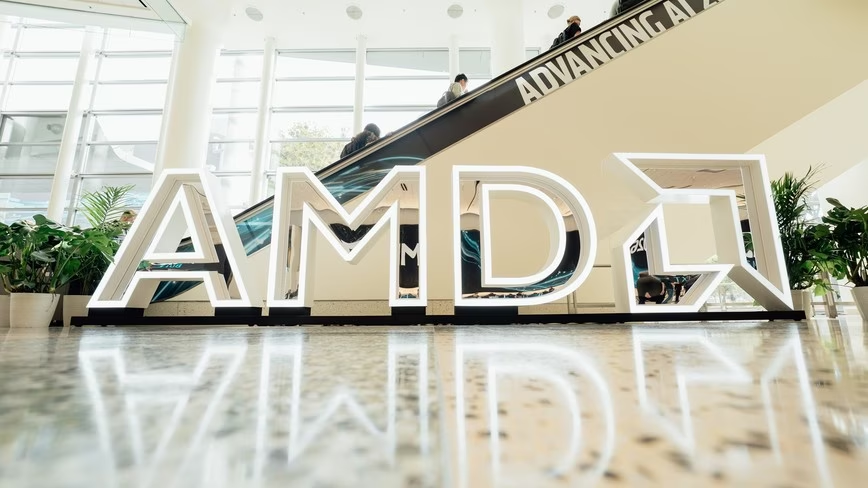
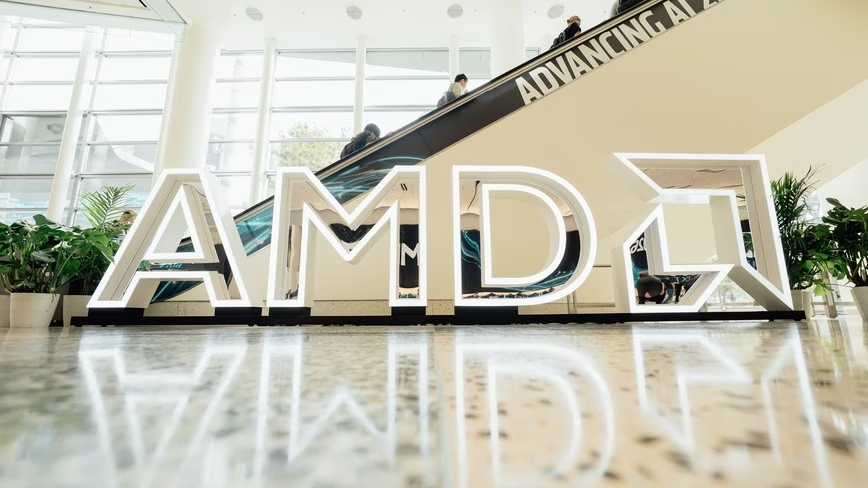
AMD has published Helion, an open rack blueprint for running AI agents rather than training models, with a CPU-only version holding up to 32,768 cores. Partner systems are due in November, and the pitch is how many agents fit in each watt.
AMD has published a rack blueprint for running AI agents rather than training models. It is called Helion, and partner systems are due in November.
The design appeared at the Open Compute Project summit in San Jose, The Register reported. It comes in a CPU-only version for hyperscale operators and a mixed CPU and GPU version for enterprises.
The CPU-only rack tops out at 32,768 cores. That is 128 sockets of AMD’s 256-core Venice chip on Zen 6, in 400W dense or 600W balanced blades.
The mixed rack is thinner on graphics than it sounds. It holds at most 16 Instinct MI350P accelerators, in two eight-GPU servers that AMD says run independently, with no scale-up fabric.
So this is not a frontier machine. AMD’s Helios rack carries 72 of the newer MI455X parts and 31 terabytes of HBM4, and remains the product for training.
Helion’s most interesting part is barely described. AMD says the enterprise rack carries a token router that sends agents’ model calls either to frontier models in the cloud or to open-source models running in the rack.
That detail appears only in AMD’s own release. Dan McNamara, who runs compute and enterprise AI at AMD, said the point was to let partners make efficient use of available power.
Power is the whole pitch. Matt Kimball at Moor Insights and Strategy said in a field note that the job is packing as many agents as possible into every watt.
He named sovereign AI operators among them, which puts Europe in the frame. Denmark’s grid operator paused new connections in March, with about 60GW of projects queued against peak demand near 7GW.
The constraint is not only Danish. Brussels adopted a Cloud and AI Development Act in June, aiming to at least triple the bloc’s data centre capacity within seven years.
Operators say the same thing. In a survey of 300 data centre decision-makers in the UK, Ireland and the Nordics, power availability came out as the leading obstacle to delivering sovereign capacity.
Helion is less finished than it reads. AMD has published no pricing, plans to contribute the specification to OCP rather than having done so, and named no European system builder among its partners.
Europe is still buying. The bloc has opened bidding for up to seven gigafactories at about €30B, each meant to hold 100,000 chips from suppliers including AMD.

KRAFTON India has announced the start of the 2026–27 Esports College Campus Tour, which now covers 256 colleges in India. The tour began on October 10, 2023, at IIT Kharagpur and IIT Varanasi, and is scheduled to end in March 2027. The new edition doubles last year’s reach, giving more college students a chance to compete in esports.
KRAFTON India Doubles Campus Tour Reach With BGMI and Real Cricket
KRAFTON India’s previous College Campus Tour reached 128 colleges and engaged over 75,000 students across India. This year, the company will double its reach and organize BGMI and Real Cricket tournaments across 256 colleges. The tournaments will give more students a chance to compete and represent their colleges in organized esports events. KRAFTON India is partnering with Nodwin Gaming and Upthrust Esports to run the tournaments. The events will take place alongside college festivals, making it easier for students to participate. College festival committees will manage the events with support from the organizers, while KRAFTON India will provide the prize pool.
Karan Pathak, Associate Director – Esports at KRAFTON India, said, “Last year, we saw how much interest there is among college students for competitive gaming, with the Campus Tour reaching 128 colleges and engaging over 75,000 students. This year, we are taking that a step further by reaching 256 colleges across the country. We want to give more students the chance to experience competitive gaming at their own campuses, compete with other colleges, and, for the strongest teams, progress to the next level.”
Winners to Advance to the College Campus Championship
The Campus Tour will follow a structured competition format, giving winning teams a chance to advance beyond their college-level tournaments. Winners from different colleges will play in zonal matches before advancing to the Grand Finals. After that, the best teams will move on to the Campus College Championship, where 16 teams will compete. The team that wins gets the opportunity to move forward directly to the invited stage of KRAFTON India’s official competition in 2027. The Campus Tour will run from October 2026 to March 2027, giving college teams across India several stages to compete and prove their skills.

Tech & AI22 minutes ago
You can now build your own Android apps with AI and install them through Google Play
Tech & AI1 hour ago
Data centre firms say the AI bottleneck is now power and labour

Crypto2 hours ago
Visa gets Beijing’s green light for bank card business after 40 years of working with China


-

 Fashion3 days ago
Weekend Open Thread: Quince – Corporette.com
-

 Sports5 days ago
Saracens’ Venter Brands Premiership Rugby ‘Autocratic’ Over £5,000 Media Fine
-

 Business & Hustles3 days ago
PwC: Supply-Chain Diversification, AI and Energy Transition Open New Growth Paths for Thailand
-
 Entertainment5 days ago
10 Flawless Movies With the Cleverest Protagonists
-

 Sports5 days ago
Enzo Maresca all smiles as Man City return to training after guilty verdict
-

 Sports5 days ago
Southampton’s Eckert Spared Ban as FA Suspends Six-Week Sentence Over Spygate
-

 Sports4 days ago
Multiple Power Four programs face College Sports Commission investigations over alleged NIL cap evasion
-
 Sports5 days ago
Asiad selection row: Para-shooters allege corruption; PCI denies claims | Asian Games 2026
-

 Crypto5 days ago
Crypto.com Teams Up With Insilico Terminal to Give Traders Free Pro-Level Tools
-

 Crypto2 days ago
XRP Ledger Defends Emergency Patch Amid Criticism
-

 Sports3 days ago
College Football Week 6 Bets: Three Picks for Saturday’s Biggest Games
-
 Crypto4 days ago
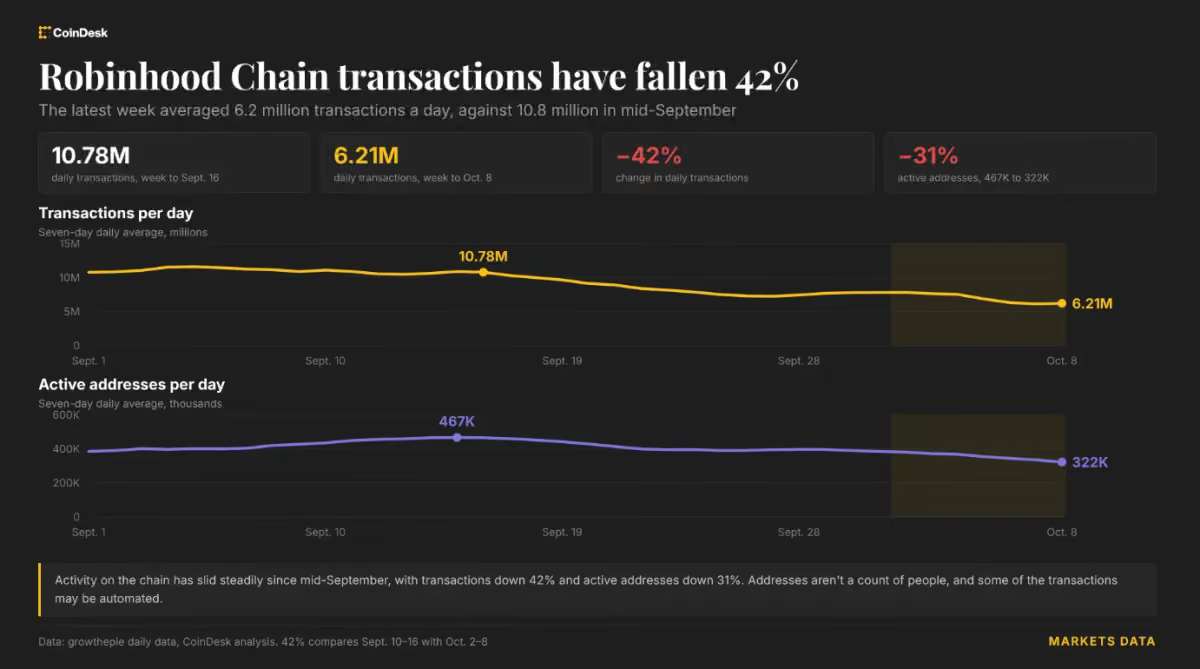
Robinhood Chain slowdown spreads from fees to trading as transactions fall 40%
-

 Crypto1 day ago
Rep. Omar Says She Will ‘Not Be Silenced’ After Federal Agents Raid Her Home
-

 Crypto4 days ago
Mashinsky Accepts Lifetime Industry Ban and Up to $35 Million in Conditional Payments | The Defiant
-

 Tech & AI5 days ago
ICE Emails Discuss Using Palantir-Supported Tool to Investigate Voter Fraud
-

 Sports4 days ago
Morocco and Senegal await AFCON final verdict after arbitration hearing – Sports
-

 Sports4 days ago
Saudi oil crisis affects Neom project, 2034 World Cup plans
-
 Sports2 days ago
Duke receives encouraging update regarding top prospect from class of 2028
-
 Crypto5 days ago
ESMA gives EU crypto platforms 3 months to drop non-MiCA stablecoins such as USDT
-

 Crypto2 days ago
Saylor Signals Next Bitcoin Buying Plan After September STRC Buybacks
You must be logged in to post a comment Login