
Business & Hustles
£1.6bn Sky ITV takeover faces 27 January regulator verdict after Nandy steps in


The Sky ITV takeover has entered a new and more uncertain phase after Culture Secretary Lisa Nandy formally intervened on public interest grounds, handing the Competition and Markets Authority (CMA) and Ofcom until 27 January to assess the £1.6bn deal.
What Nandy has actually done
On Wednesday, Nandy confirmed she had issued a Public Interest Intervention Notice (PIIN). The notice is a formal mechanism that lets a minister ask regulators to look beyond ordinary competition questions. In this case, the focus is media plurality and free speech. She had signalled the move last month, saying she was “minded to intervene”, and said she had now “fully considered” the representations made to her.
The notice does not block anything. It starts a review. Once the CMA and Ofcom report back, Nandy can decide whether to refer the deal for a more detailed investigation by the CMA. The deal’s timetable therefore turns on a decision that is still months away.
Why the Sky ITV takeover worries the government
Under the agreement struck in July, Sky would take ITV’s Media and Entertainment division. That covers ITV’s main broadcast channels and the ITVX streaming service. ITV Studios, which makes programmes such as Love Island and I’m A Celebrity, is not part of the sale.
The concern, as reported, centres on what happens to the range of voices in British news if Sky and ITV come together. Nandy warned last month that the combination could pose a risk to freedom of expression and the diversity of views in news media. Sky News and ITV News would sit under common ownership, even though Sky says they will stay editorially separate.
The reports differ slightly on how the work will be divided. One account says the CMA will examine competition and jurisdictional matters while Ofcom scrutinises the public interest implications. Others say both bodies will report on plurality and free speech. Either way, the 27 January deadline applies to both.
A change to the rules as well
The intervention comes with a second move that may matter beyond this one deal. Nandy said she will bring forward streaming legislation to extend an existing public interest consideration to on-demand programmes. At present, the law refers to the availability across the UK of a wide range of high-quality broadcasting that appeals to a variety of tastes and interests. She argues that wording should cover on-demand content “in line with modern viewing habits”, citing her “specific concerns” about this merger.
That is significant because ITVX, a streaming service, is part of what Sky would acquire. Updating the rules would put on-demand platforms under the same scrutiny as traditional broadcasters. It also suggests the government sees this deal as a test case for how media mergers should be judged in a streaming era.
The companies’ case
Sky and ITV argue the tie-up would create a stronger British media business able to compete with global streamers such as Netflix and Disney+. The companies expect about £200m in annual cost savings, largely from combining marketing and technology operations. Sky has pledged to protect ITV’s free-to-air services and public service broadcasting obligations, and to keep ITV News and Sky News editorially distinct.
A Sky spokesperson said the company believes the transaction is in the public interest, with “clear commitments already made”. ITV called the intervention a “major milestone” in the regulatory process and said it would co-operate fully with the CMA, the Department for Culture, Media and Sport and Ofcom, and respond formally to the notice. Neither company has objected to the review.
What to watch next
The next date to watch is 27 January, when the regulators’ findings land on Nandy’s desk. She will then choose whether to order the deeper investigation. Until then, the Sky ITV takeover remains a proposal under review rather than a done deal. The outcome could shape not only the future of two of Britain’s best-known broadcasters but also how the government regulates streaming in future.
- Lisa Nandy formally intervenes in Sky’s £1.6bn ITV takeover (The Independent)
- Sky’s £1.6bn ITV takeover: Government to intervene (business-live.co.uk)
- Culture Secretary formally intervenes in Sky’s £1.6bn ITV deal (standard.co.uk)
- Government intervenes in Sky’s £1.6bn ITV takeover (City A.M.)
Explore more on this topic with Vexel Search.
File photo: Official portrait of Lisa Nandy MP crop 2.jpg by Richard Townshend, CC BY 3.0, via Wikimedia Commons.
WordUp Morning
Ten stories, both sides of each, in five minutes. Free, every weekday at 7am, plus a Saturday weekend edition.
We'll email you a link to confirm. Unsubscribe any time.

Business & Hustles
M&S tax grab claim: Stuart Machin cites £150m in extra costs as half-year profits more than double
Header image: AI-generated illustration by WordUp News.
Marks & Spencer chief executive Stuart Machin has levelled an extraordinary charge at the government, describing what he calls an M&S tax grab that he says is “one of the biggest tax grabs in history” he has seen. He made the remark on the day the retailer reported a sharp recovery in half-year profits following last year’s cyber attack.
Speaking after last week’s Budget, the first from Chancellor John Healey, Machin dismissed the package as “a whole lot of nothing”. Healey had pitched it as support for households and high street firms facing the economic fallout of the Iran war. Machin said it did not address the need for growth, and that “when you look at the last three Budgets, you can’t just ignore” the scale of what has been raised in tax.
Where the M&S tax grab claim comes from
According to City AM’s account, Machin told journalists the three Budgets since Labour took office have raised roughly £73bn in extra taxation. That figure comes from his remarks as reported, and the other coverage reviewed here does not independently verify it.
The company’s own numbers are more specific. M&S says taxes and higher labour costs have added about £150m to its cost base since the 2024 Budget. The latest Budget’s business rates changes, which sounded benign in the headlines, will add another £10m to a bill City AM puts at about £170m a year. Machin said he saw no sign of the pressure easing.
Packaging charges are another sore point. The reports differ slightly on the detail: one says M&S has absorbed about £35m from increased packaging taxes this year, while another quotes Machin saying the company paid £40m out of its food margin in a single month after April’s new levy. Either way, he argued the charge had been sold as a way to fund recycling but was effectively a Treasury tax.
Business rates row and consumer confidence
The rates announcement has angered retailers more broadly. Healey said bills had been frozen for high street firms, but they continue to rise with inflation. City AM reports a 3.5 per cent increase that would add about £250m to retailers’ costs over the coming year.
Machin also linked the political climate to shoppers’ mood. GfK data showed consumer confidence suffering its sharpest fall in a decade in September. He criticised recent government advice to stockpile three days of provisions, saying that being told to prepare invites people to worry. Grocers, the reports say, had been caught off guard by that guidance.
The M&S boss said he is “cautious about recruitment” because of employment costs and fragile consumer sentiment. Before the Budget he had urged the Chancellor to adopt six measures, including lower packaging levies and a reversal of rises in employment costs. He said five were ignored. He did welcome progress toward an agreement to cut post-Brexit checks on food and agricultural exports, noting that current rules make moving stock to its Republic of Ireland stores “very problematic”. Aligning food standards with the EU, he said, would be a “big win”.
Profits rebound despite the cost pressure
The complaint comes against a strong recovery. Adjusted pre-tax profit for the 26 weeks to September 26 rose to £403.2m from £184.1m a year earlier, though that remains below the same period in 2024. City AM reported a £355m pre-tax profit, which appears to be a different measure, though the sources do not explain the gap. Group sales rose 16.2% to £9.25bn.
Food led the way, with sales up 13.9% and volumes up 11.9%, helped by new stores and investment. Fashion, home and beauty sales rose 17.5% as online trading recovered after the attack that halted web orders for around six weeks and left shelves empty. That division still “fell short of its potential” because of lingering product availability problems, and was described as being in the “foothills” of its recovery. A hot summer also dented store sales.
Machin said the company enters the second half “in a strong position”, with a solid October. His message to Westminster is that a business growing this fast still feels squeezed, and that, in his view, the M&S tax grab is making expansion harder. The government’s reply to his specific claims is not included in the coverage reviewed.
- M&S boss accuses Labour of ‘one of the biggest tax grabs in history’ (The Independent)
- M&S boss Stuart Machin blasts Labour's 'biggest tax grab in history' (business-live.co.uk)
- M&S boss accuses Labour of ‘one of the biggest tax grabs in history’ (standard.co.uk)
Explore more on this topic with Vexel Search.
WordUp Morning
Ten stories, both sides of each, in five minutes. Free, every weekday at 7am, plus a Saturday weekend edition.
We'll email you a link to confirm. Unsubscribe any time.
Business & Hustles
Rice Krispies recipe change: no more whole rice grains, a quieter pop and a new wheat gluten warning
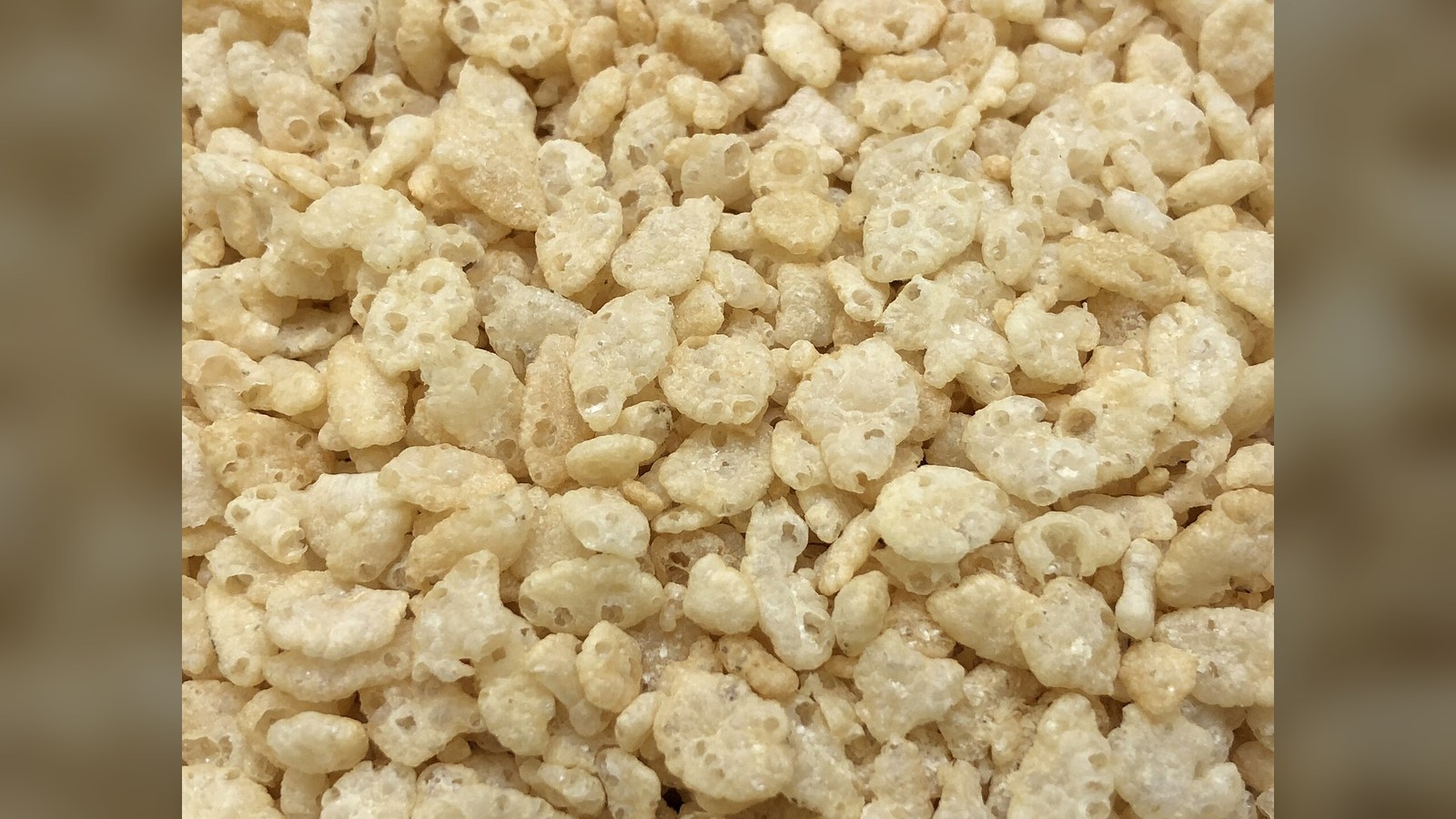
The Rice Krispies recipe change is now on shelves: Kellogg’s has stopped making Rice Krispies and Coco Pops from whole rice grains, and has admitted the famous “snap, crackle and pop” may now be quieter. The company says the shift is a response to “changing weather conditions” that are affecting the quality and availability of some of the rice and grains it relies on.
What exactly has changed in the recipe?
Rice Krispies are now made with rice flour in place of whole rice. Coco Pops use a blend of rice flour and corn flour. Kellogg’s says the new recipes were “carefully assessed for taste, appearance and texture”, and that keeping the cereal’s signature sound was a “huge focus” in the redesign.
The company concedes it may not have fully succeeded. Customers “might notice that the sound may be quieter and not as instant as before,” a spokesperson told the BBC, while insisting the snap, crackle and pop is “still there”.
A new allergen label for shoppers
For some households, the most important change has nothing to do with sound. The new recipes contain wheat gluten, so the cereals are no longer suitable for people with a wheat allergy or coeliac disease. Wheat must now be declared as an allergen and shown in bold in the ingredients list, and both boxes carry prominent packaging alerting buyers to the change.
Previously, the cereals carried a “may contain gluten” warning because they were made in a factory that also handled gluten-containing products. Gluten is now a deliberate ingredient rather than a cross-contamination risk. The cereals also still contain barley-malt extract.
Kellogg’s says both products remain “non-HFSS”, meaning not high in fat, salt or sugar. It adds that they contain no artificial colours, flavours or sweeteners, and that levels of fibre, vitamin D and iron are unchanged.
Fans are not impressed
Reaction online has been sharp. Parents posting on TikTok said the new cereal tasted “weird and stale”, that children had refused to eat it, and that the crackle disappears when milk is added. Others called the change “grim” and “disgusting”.
Such backlash is familiar territory for big food brands. Chocolate makers are regularly accused of trimming cocoa content, and when Irn Bru cut its sugar in 2018, devoted fans stockpiled the old version. Kellogg’s has said it appreciates the feedback and is “continuing to listen closely”.
Weather, supply and a struggling brand
Kellogg’s points to extreme weather in Spain in 2022 and 2023, which it says reduced the availability of the types of rice it uses. The pressure may not ease soon. The BBC notes that this year’s El Niño is expected to hit crop production particularly hard in South East Asia, a region that grows more than a quarter of the world’s rice. The World Meteorological Organization expects the event to last until at least 2027, which could add to the strain on manufacturers trying to secure affordable ingredients.
There is a commercial backdrop too. The Grocer magazine says Rice Krispies sales are falling in both value and volume, according to its Top Products Survey 2026, due out next month. Cereals in general have also faced scrutiny from healthy-eating advocates in recent years. Kellogg’s has adjusted these products before, cutting salt in the 1990s and sugar in 2018.
Where the change applies
The geography is a little muddled in coverage. The BBC describes the change as affecting the UK, while the Guardian amended its report to say it applies in European markets. Rice Krispies sold in the US and Canada are not being altered. Those markets are served by a separate company, WK Kellogg Co, which has been taken over by Ferrero. The original Kellogg business split in 2023, and the other half, Kellanova, is now owned by Mars.
Kellogg’s says it has not altered the recipe of any other cereal. For now, the real test of this Rice Krispies recipe change will be whether loyal customers keep pouring the milk, and what they hear when they do.
- No more rice grains in Kellogg's Rice Krispies due to changing weather (BBC)
- Snap and crackle but no pop: Rice Krispies reformulated due to lack of rice (The Guardian)
- Snap and crackle: Kellogg’s Rice Krispies have removed the rice (The Independent)
- Kellogg’s removes rice from Rice Krispies due to ‘changing weather conditions’ (standard.co.uk)
Explore more on this topic with Vexel Search.
File photo: 2020-05-03 09 09 37 A sample of Kellogg’s Rice Krispies cereal in the Franklin Farm section of Oak Hill, Fairfax County, Virginia.jpg by Famartin, CC BY-SA 4.0, via Wikimedia Commons.
WordUp Morning
Ten stories, both sides of each, in five minutes. Free, every weekday at 7am, plus a Saturday weekend edition.
We'll email you a link to confirm. Unsubscribe any time.
Business & Hustles
Fake Sterling Silver Test: 8 of 25 Online Pieces Had Illegal Cadmium, Only 2 Genuine

Header image: AI-generated illustration by WordUp News.
Cheap jewellery sold online as sterling silver is not always what the label says, and a BBC investigation suggests that fake sterling silver can also carry a health risk. Watchdog on The One Show bought 25 items advertised as 925 or sterling silver from Amazon, eBay, Temu, Etsy and OnBuy. Eight contained cadmium above the legal limit, and only two could be classed as sterling silver.
What the lab tests found
The pieces, which included a £1.55 bracelet and £1.99 earrings, were analysed by the Sheffield Assay Office. The legal ceiling for cadmium in jewellery is 0.01%. Some items tested contained as much as 10%. Sophie Langley, who led the analysis, described that as “absolutely massive” compared with the limits the lab works to.
Of the eight items over the limit, three came from Amazon, three from Temu, and one each from OnBuy and Etsy. eBay stressed that none of the listings bought from its site contained illegal cadmium levels.
Why cadmium matters
Cadmium is a heavy metal linked particularly to lung cancer. The UK Health Security Agency classes it as a category one carcinogen. Rob Chilcott, a retired professor of toxicology, told the BBC the danger comes mainly from inhaling or swallowing it. He gave the example of an earring falling into food that is then eaten. “If you put something containing cadmium in your mouth, or indeed if you swallow it, that is really bad news,” he said.
A necklace that left a rash
The investigation began with a shopper called Meranda, 34, who bought a £15 necklace listed on Etsy as handmade sterling silver. Within days her neck became irritated. “It was very shiny. It looked legit,” she said. The piece even carried a 925 hallmark.
Testing told a different story. One section of the chain contained just 8.9% silver, far below the 92.5% that genuine sterling requires. Preliminary analysis also found nickel, a known skin irritant with strict legal limits, at concentrations as high as 11% in one part of the chain. Sterling silver does not typically contain nickel, though it turns up in some cheaper pieces. After Watchdog got in touch, Meranda received a full refund from the seller.
Langley said that passing off non-compliant metal as sterling silver breaches the Hallmarking Act and can bring fines or imprisonment.
How the platforms responded
Amazon said it took safety “extremely seriously”, had removed the products, and had asked affected customers to dispose of them and seek refunds. It has since issued recall notices for the items Watchdog flagged. Temu said the products were taken down through its own monitoring before the BBC’s enquiry. It added that it had commissioned further independent testing and was reviewing similar products. OnBuy offered refunds and started a recall of the item found to contain cadmium. eBay removed the listings identified and reminded the sellers of their obligations. Etsy did not respond to the BBC.
All the platforms that replied said misleading listings are prohibited and that sellers must follow UK law. The test results suggest those rules were not enough to keep non-compliant items from reaching customers.
How genuine silver is checked
In the UK, sterling silver should be independently tested by an authorised assay office before it is hallmarked. Specialists use X-ray fluorescence to confirm the metal content. A genuine hallmark includes a sponsor’s mark, a fineness mark and an assay office mark. Shoppers hoping to avoid fake sterling silver can look for all three, though Meranda’s case shows that a stamped “925” on its own proves little.
The sample was small, just 25 items, so it cannot show how widespread the problem is. But the gap between the labels and the lab results, and the presence of a known carcinogen in some of the cheapest pieces, will keep pressure on online marketplaces to prove their checks work.
Explore more on this topic with Vexel Search.
WordUp Morning
Ten stories, both sides of each, in five minutes. Free, every weekday at 7am, plus a Saturday weekend edition.
We'll email you a link to confirm. Unsubscribe any time.
Business & Hustles
Rice Krispies recipe change adds wheat gluten, making both Kellogg’s cereals unsafe for coeliacs
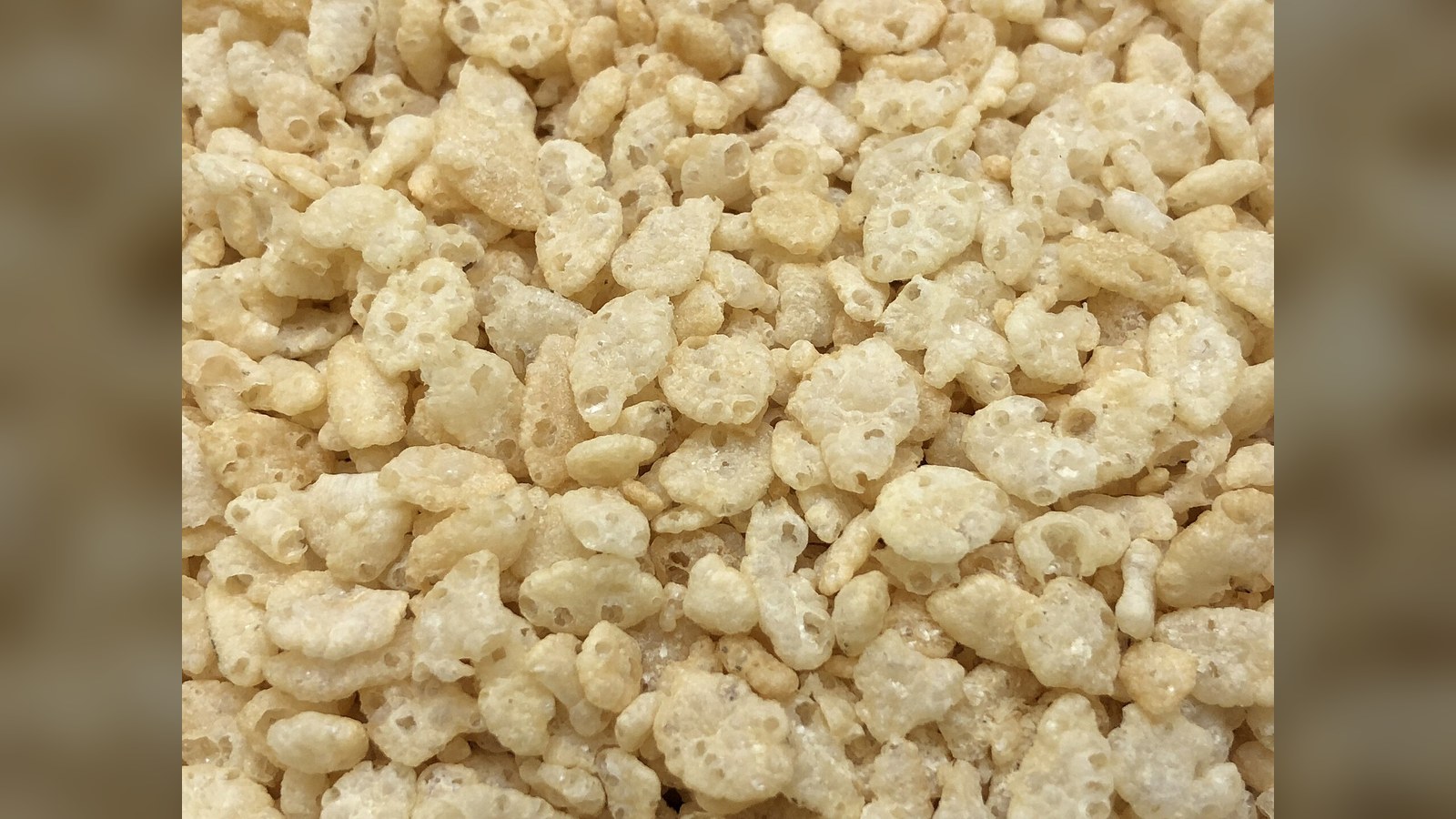
The Rice Krispies recipe has been rewritten: Kellogg’s has taken whole rice out of the cereal and replaced it with rice flour, citing “changing weather conditions” that it says are affecting the quality and availability of some of the rice and grains it uses. Coco Pops has been reworked too, and now uses a blend of rice flour and corn flour instead of rice.
Why the Rice Krispies recipe changed
Kellogg’s says the move helps it “maintain consistent quality” while weather patterns disrupt supplies. The Guardian framed the change as a sign of how the climate crisis is reaching the breakfast table. The company’s own explanation is more cautious and refers only to weather. A spokesperson acknowledged that even small tweaks to a much-loved product “can feel noticeable”. The company says the new versions were assessed for taste, appearance and texture, and that it is still listening to consumer feedback.
The allergen shift matters most
For many shoppers the most significant part of the change is not the texture but the allergen information. The updated recipes contain wheat gluten, so neither cereal is now suitable for people with coeliac disease or a wheat allergy.
Before, both products carried a “may contain gluten” warning because they were made in a factory that also handled gluten-containing cereals. That was a precaution about cross-contamination. Gluten is now a deliberate ingredient, so wheat must be declared as an allergen on the pack and highlighted in bold in the ingredients list. Kellogg’s says both boxes carry prominent labelling about the change. Households that have bought the cereals for years without thinking about it will need to check the packaging.
What stays the same
Kellogg’s says both cereals remain “non-HFSS”, meaning not classed as high in fat, salt or sugar. It also says they contain no artificial colours, flavours or sweeteners and keep the same levels of fibre, vitamin D and iron. Those points matter commercially, because HFSS status affects how products can be promoted in UK shops.
A brand under sales pressure
The timing coincides with weaker performance. The Grocer magazine says its Top Products Survey 2026, due next month, will show Rice Krispies sales falling in both value and volume. The sources do not link that decline to the reformulation, and Kellogg’s does not suggest a connection. Even so, a cereal losing ground has less room for a change that fans may notice or dislike.
Whether shoppers accept the new Rice Krispies recipe remains to be seen. The cereal still snaps and crackles, and Kellogg’s has not said whether the “pop” has changed. The effect on people who must avoid gluten is clear: two familiar products are no longer an option for them.
Explore more on this topic with Vexel Search.
File photo: 2020-05-03 09 09 37 A sample of Kellogg’s Rice Krispies cereal in the Franklin Farm section of Oak Hill, Fairfax County, Virginia.jpg by Famartin, CC BY-SA 4.0, via Wikimedia Commons.
WordUp Morning
Ten stories, both sides of each, in five minutes. Free, every weekday at 7am, plus a Saturday weekend edition.
We'll email you a link to confirm. Unsubscribe any time.
Business & Hustles
New Asda chief executive David Potts inherits a £989m loss and a turnaround only a third done
Asda has a new chief executive, and he arrives with a clear brief: finish a recovery that has barely begun. David Potts, who ran rival Morrisons for eight years until 2023, takes the job with immediate effect, while Allan Leighton steps back to become non-executive chairman two years after returning to the business.
Asda says the handover was planned. Leighton had intended to leave day-to-day management after coming back in 2024, more than two decades after his first stint as chief executive. Even so, the timing puts a veteran grocery operator in charge just as the Christmas trading period gets under way.
Who is David Potts?
Potts is one of the best-known figures in UK grocery. Before Morrisons, he was chief executive of Tesco’s Irish business, its UK arm and its Asian operation. At Morrisons, based in Bradford, he led a turnaround during which the chain was bought by US private equity firm Clayton, Dubilier & Rice. Reports put his tenure at 2015 to 2023.
Leighton called his successor’s record “outstanding” and said Potts’s experience was “exactly what we now require for the next stage of our transformation and beyond.”
The scale of the task facing Asda’s new boss
The numbers explain why a change at the top matters. Asda, the UK’s third-largest supermarket chain, has been cutting prices aggressively to win back shoppers. It has been owned since 2020 by TDR Capital and the billionaire Issa brothers. Its latest accounts showed a pre-tax loss of £989 million for 2025, up from £599 million the year before. Adjusted earnings fell 33% to £761 million, partly because of spending on price cuts under its Asda Price and Rollback schemes.
A botched IT upgrade last year made matters worse, hitting product availability and denting sales. The Independent reported that the chain had also suffered nine consecutive quarters of falling like-for-like sales, alongside a shrinking market share.
There are some early signs of improvement. In August, Asda said sales had returned to growth for the first time in two years. Like-for-like sales, excluding fuel, rose 0.2% in the first seven weeks of the third quarter. That followed a second quarter in which revenue was £5.1 billion but like-for-like sales fell 2.3% and food sales dropped 1.9%. At the time, Leighton estimated the group was roughly a third of the way through its turnaround.
Prices first, then the wider strategy
The new Asda chief executive said the company had “made good progress but significant opportunities remain.” His stated priority is keeping prices low, and he argued that weekly improvements to the shopping trip would be something “customers can experience and feel in their pockets.” He also pointed to the business’s 116,296 staff, whom he called “very hard-working colleagues.”
With Christmas close, Potts said the business has “a clear focus on keeping Asda prices locked low.” Leighton’s “Formula for Growth” strategy, which aims to make Asda “more than a supermarket,” remains in the background, though Potts has not yet said how he will change it.
The appointment is a clear signal that Asda’s owners want an operator with experience of a large-scale grocery turnaround. Whether he can turn a 0.2% uptick into sustained growth, while still cutting prices and returning the business to profit, will be the test of his tenure.
- Asda hires ex-Morrisons boss in bid to grow firm (BBC)
- David Potts: Asda hires ex Morrisons boss as new CEO (The Independent)
- Asda bags former Morrisons boss David Potts as new chief executive (standard.co.uk)
Explore more on this topic with Vexel Search.
File photo: David Potts 2024.jpg by Meena, CC0, via Wikimedia Commons.
WordUp Morning
Ten stories, both sides of each, in five minutes. Free, every weekday at 7am, plus a Saturday weekend edition.
We'll email you a link to confirm. Unsubscribe any time.

Header image: AI-generated illustration by WordUp News.
Brent crude, the global oil benchmark, fell 7% on Monday to under $106 a barrel at one stage, its lowest level since mid-October, as markets bet that Washington and Tehran may be edging toward a diplomatic exit from the Iran war.
A sharp reversal after a week near war-time highs
The drop reverses much of last week’s spike. Brent had climbed close to $118 a barrel, within touching distance of the peaks reached in the first aftermath of the war’s outbreak. Monday’s move suggests traders are now pricing in a lower chance of further escalation. Reports describe both sides as appearing more willing to avoid widening the conflict, and President Donald Trump has signalled he could push for a more diplomatic solution.
The coverage offers few specifics about the state of any negotiations. The market reaction rests on signals and tone rather than a announced deal, which helps explain why the price remains far above where many consumers and businesses would want it.
Borrowing costs and the Bank of England
The effects of cheaper crude spread quickly into UK financial markets. The yield on 10-year gilts dropped to 5.19% at one stage, its lowest in six weeks, as fears of building inflation eased. Energy costs feed directly into consumer prices, so a retreat in Brent crude takes some pressure off investors worried about the UK’s inflation path.
The Bank of England is still widely expected to raise interest rates on Thursday, from 3.75% to 4%, because UK inflation is rising. The potential change is in the messaging. If oil stays lower, policymakers may rein in their signals about further hikes, even if they deliver this one.
The US midterms as a hinge for oil
Kathleen Brooks, research director at XTB, said Tuesday’s US midterm elections will be key for both the conflict and the oil market. She noted that Trump had hinted at a possible restart of the war once the elections were over, though he has more recently expressed interest in a diplomatic route.
Brooks argued that a Democratic win in Congress could hasten a resolution. That outcome, she said, might push oil below $100 a barrel and lift investor sentiment more broadly. This is one analyst’s scenario, not a forecast of what will happen, and it depends on how the political results translate into policy on Iran.
For now, the picture is fragile. Brent crude has dropped sharply, but it was close to $118 only days ago, and the direction of travel will depend on whether the diplomatic signals become concrete and on what the midterm results mean for Washington’s approach. Traders face a pivotal week: the vote on Tuesday, then the Bank of England’s decision on Thursday.
- Oil prices pull back sharply on signs of US-Iran diplomacy to end war (The Independent)
- Oil prices pull back sharply on signs of US-Iran diplomacy to end war (standard.co.uk)
WordUp Morning
Ten stories, both sides of each, in five minutes. Free, every weekday at 7am, plus a Saturday weekend edition.
We'll email you a link to confirm. Unsubscribe any time.

Header image: AI-generated illustration by WordUp News.
A tech rally in New York and a pullback in oil prices gave stock markets a lift on Monday, easing some of the anxiety that dominated trading last week. Investors in London, Paris and Frankfurt all finished the day in positive territory, while Wall Street was higher around the time European markets closed.
The FTSE 100 closed up 31.55 points, or 0.3%, at 10,761.33. The more domestically focused FTSE 250 did much better, gaining 342.49 points, or 1.4%, to end at 24,795.85. The AIM all-share added 0.6% to finish at 757.92. In Europe, the CAC 40 in Paris rose 1.0% and Frankfurt’s DAX 40 gained 0.6%. In New York, the Dow Jones Industrial Average was up 1.0%, the S&P 500 up 0.6% and the Nasdaq Composite up 0.7%.
Why the tech rally matters after last week’s falls
The bounce in technology shares followed heavy losses the week before, when investors began to doubt whether the huge sums going into AI infrastructure will ever pay off. Tom Stevenson, investment director at Fidelity International, summed up the mood. Investors, he said, no longer doubt that growth is coming, but they are starting to wonder whether they have paid too much for it.
He also pointed to the cost of money. The AI boom, he argued, is running into higher borrowing costs, and even the large cash flows of the big US cloud companies are being drained. That leaves the industry leaning more on equity and bond markets, and with yields at or above 5% “the case is harder to make”. On Monday, longer-dated US government borrowing costs eased slightly. The 10-year Treasury yield was quoted at 4.89%, down from 4.94% on Friday, and the 30-year yield fell to 5.25% from 5.31%.
Anthropic gave the sector some support. The AI company said its third-quarter revenue reached $17 billion, up from $1.4 billion a year earlier, an increase of more than 1,100%. It is preparing to list on Wall Street later this month. The figures are the company’s own, but they offered a counterweight to worries about whether AI spending can generate returns.
Oil falls on hopes of US-Iran progress
The other main driver was energy. Oil prices fell on hopes of progress in peace talks between the US and Iran. The sources give no price levels, but cheaper crude eased pressure on the cost-sensitive parts of the market and helped the broader rally.
Manufacturing data points to resilience
Economic data was mostly encouraging. The S&P Global US manufacturing PMI came in at 54.9 for October. That is well above the 50 mark separating growth from contraction, though down from September’s 52-month high of 55.9 and below the 56.0 analysts had forecast. The Institute for Supply Management’s gauge was stronger, rising to 55.5 from 54.5 and beating forecasts of 54.6. It was the tenth consecutive month of expansion. TD Economics’ Vikram Rai welcomed a fall in the prices index, which suggests input-cost pressures are easing after a sharp rise in September.
In the UK, the manufacturing PMI rose to a five-month high of 52.8, from 51.9 in September. S&P Global Market Intelligence’s Rob Dobson said manufacturers showed resilience in the run-up to the autumn budget.
What could move markets next
The week is crowded with events. Apple reports after the US market close on Monday, with chipmaker AMD following on Tuesday. Those results will test whether the tech rally has staying power. Friday brings the US nonfarm payrolls report. The US midterm elections also loom, and Goldman Sachs says polling points to a swing of about 10 to 11 percentage points towards the Democrats. Prediction markets imply high odds of a Democratic House majority of around 236 seats, while the Senate is less certain. Ebury analyst Diego Barnuevo said a Democratic sweep could be neutral to mildly positive for the fiscal outlook, as Congress could restrain President Donald Trump’s expansionary agenda and the deficit.
Closer to home, the Bank of England announces its rate decision on Thursday. It is widely expected to raise rates by 25 basis points to 4.00%. Bank of America analysts expect the hike but think the central bank will “gently push back” against the pace and number of future increases priced in by markets.
On currencies, sterling was quoted at $1.3417, up from $1.3396 on Friday, and eased slightly against the euro to 1.1980 euros. The euro rose to $1.1200, and the dollar edged up to 157.82 yen.
- Stocks boosted by lower oil price and tech rally (The Independent)
- Stocks boosted by lower oil price and tech rally (standard.co.uk)
WordUp Morning
Ten stories, both sides of each, in five minutes. Free, every weekday at 7am, plus a Saturday weekend edition.
We'll email you a link to confirm. Unsubscribe any time.
Business & Hustles
New Greene King CEO Clair Preston-Beer Makes History as First Woman to Lead 227-Year-Old Pub Giant

Greene King will have a new CEO from March 2027, and for the first time in the company’s 227-year history it will be a woman. Clair Preston-Beer, currently chief digital and commercial officer, is to succeed Nick Mackenzie, who steps down at the end of February after nearly eight years running Britain’s second-largest pub chain.
Who is the next Greene King CEO?
Ms Preston-Beer is an internal appointment. She joined Greene King in 2020 as managing director of pubs, and she later moved into the digital and commercial role she holds now. Before that she was a senior executive at Whitbread, where she helped expand the Costa Coffee brand in the UK and abroad ahead of its sale to The Coca-Cola Company in 2019.
Mr Mackenzie called leading the business “the privilege of my career” and described his successor as “exceptionally qualified”. He said he had worked closely with her for the past six years. He will stay on the board through next year to help with the handover.
A business in the middle of a reshaping
The new Greene King CEO takes over a company that is part-way through a significant overhaul. Mr Mackenzie led it through its 2019 takeover by Hong Kong conglomerate CK Assets and has since been remodelling both the pub estate and the brewing side.
In March the company said it would move about 300 managed pubs into a separate business division, with roughly half of them earmarked for sale. In May it agreed to sell Old Speckled Hen to the owner of Estrella Damm. That deal is part of a move away from brewing beer for retailers and supermarkets. In the long term it will mean closing the Westgate Brewery in Bury St Edmunds, although a new facility is being built in the town.
The group employs around 38,000 people and operates about 2,500 pubs, restaurants and hotels, so the changes are large in scale.
Technology at the centre of the pitch
Ms Preston-Beer’s first comments suggest continuity rather than a change of course. She described an “ambitious strategy in place that is focused on growing share in a challenging environment”. She said technology would be central to it, adding that the company has “prioritised investment in data and AI to ensure that every pub is easier for our teams to run, every customer experience more personal and every decision better informed”.
That emphasis fits her background. Her current brief combines digital and commercial responsibilities, and the strategy she describes leans on both. The sources do not give financial details of the investment or say how AI will be used in pubs, so it is unclear how far the plans have progressed.
The announcement also stresses a smooth transition. Mr Mackenzie is staying on the board, and the two have a long working relationship. For a company still disposing of pubs and restructuring its brewing operations, that continuity may matter as much as the historic first. The next Greene King CEO will be judged on whether the pub sale programme, the brewery shift and the technology investment deliver in what the company itself calls a challenging environment.
- Greene King appoints Clair Preston-Beer as first female CEO as Nick Mackenzie steps down (business-live.co.uk)
- Greene King appoints first female chief as long-standing boss stands down (The Independent)
- Greene King appoints first female chief as long-standing boss stands down (standard.co.uk)
Explore more on this topic with Vexel Search.
File photo: Greene King Brewery – geograph.org.uk – 7537445.jpg by Sandy Gerrard, CC BY-SA 2.0, via Wikimedia Commons.
WordUp Morning
Ten stories, both sides of each, in five minutes. Free, every weekday at 7am, plus a Saturday weekend edition.
We'll email you a link to confirm. Unsubscribe any time.
Business & Hustles
Ian Thomas, first Black head of the City of London Corporation, is named most influential Black Briton
Ian Thomas, the chief executive of the City of London Corporation, has been named the most influential Black Briton in the 2027 Powerlist, placing first in a ranking now in its 21st edition.
Mr Thomas, 57, serves as Town Clerk and chief executive of the body that governs the Square Mile. He is the 51st person to hold the post and the first Black person to lead the organisation in its more than 900-year history. The list, published by Powerful Media, recognises the most powerful people of African and Caribbean heritage in the UK.
Who joined the most influential Black Briton in the top 10?
The rest of the top 10 spans law, international affairs, business, technology, entertainment and the military. Comfort Ero, president and CEO of the International Crisis Group, is second. Professor Grace Ononiwu, director general of legal delivery at the Crown Prosecution Service, is third. Emma Grede, co-founder of Good American and a founding partner of Skims, takes fourth.
Pamela Maynard, chief AI transformation officer at Microsoft MCAPS, is fifth, followed by Dragons’ Den panellist Steven Bartlett. Josh Siaw, a partner at White and Case, is seventh. Sir Idris Elba is eighth, Dr Martens chief executive Ije Nwokorie ninth, and Air Vice-Marshal Ola Fashade of the Ministry of Defence’s Defence Digital unit tenth.
Awards night at Grosvenor House
The list was released on Saturday, after the Celebration of Black Excellence Awards at Grosvenor House in London on Friday night. The ceremony was hosted by Tim Campbell, the winner of the first UK series of The Apprentice.
Actor Ashley Walters, 44, who is also on the list, received the Paramount Entertainer Award. He is known for playing Detective Inspector Luke Bascombe in Netflix’s Adolescence and drug dealer Dushane in Channel 4’s Top Boy. Sir Lenny Henry, 69, received a Lifetime Achievement Award for his contribution to British culture and society. He co-founded Comic Relief, which has raised more than £1 billion for charity, and set up the Sir Lenny Henry Centre for Media Diversity and the production company Esmerelda Productions.
Why the Powerlist says it matters
Michael Eboda, chief executive of Powerful Media, said the list’s purpose has not changed: to show young people of African and African-Caribbean heritage what is possible in fields they might never have considered but which are within reach. He pointed to the breadth of examples after 21 editions, citing boardrooms, public office, the Square Mile and the armed forces.
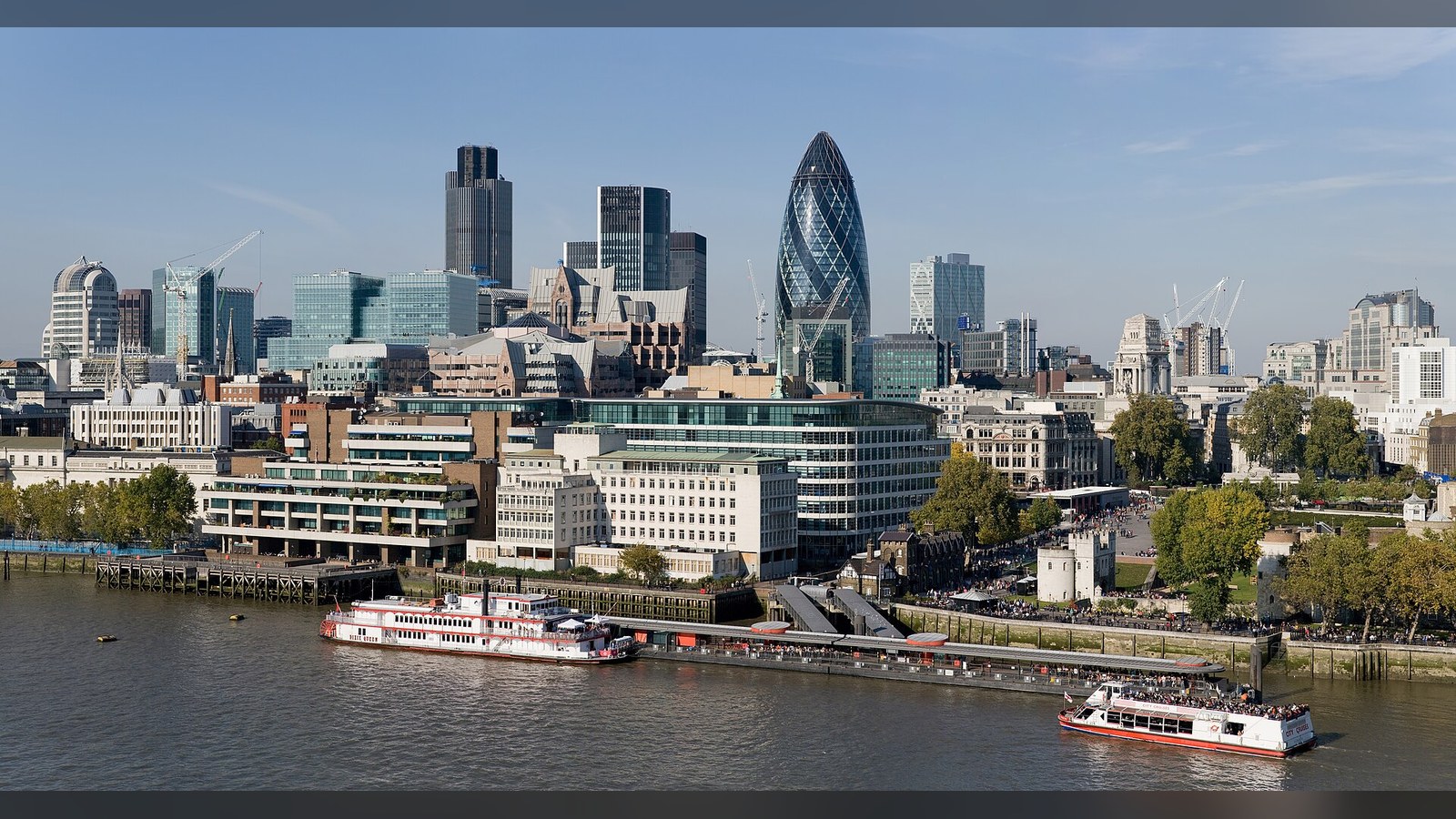
That reference to the Square Mile is notable this year, given that the person named most influential Black Briton leads its governing body. Previous winners include former British Vogue editor-in-chief Edward Enninful and Formula One champion Sir Lewis Hamilton, so Mr Thomas joins a list of leaders drawn from very different fields.
For Mr Thomas, the ranking comes with a historic first attached. The Powerlist’s organisers say they hope that kind of milestone will encourage the next generation to aim for similar roles.
Explore more on this topic with Vexel Search.
File photo: City of London skyline from London City Hall – Oct 2008.jpg by Diliff, CC BY-SA 3.0, via Wikimedia Commons.
WordUp Morning
Ten stories, both sides of each, in five minutes. Free, every weekday at 7am, plus a Saturday weekend edition.
We'll email you a link to confirm. Unsubscribe any time.

Virgin Media O2 job cuts could affect as many as 4,000 people, roughly a quarter of the company’s 16,000-strong workforce, according to reports that emerged on 31 October. The figures trace back to Sky News and have been repeated by the Daily Mail and the Mirror. The company has not yet confirmed them, and the reports stress that the final numbers are still shifting.
The telecoms group is jointly owned by Liberty Global and Telefónica. It is under pressure from investors over a debt pile of about £22 billion. Cutting costs appears to be the centrepiece of its response.
What is being reported about the job losses
The reporting describes a restructuring that has been in preparation for some time. Most of the roles at risk are said to be in non-customer-facing parts of the business, rather than in shops or call centres. Changes to several senior leadership positions are reportedly already under way.
The company is also said to be reviewing its use of contractors and suppliers as another way to trim spending. Officials at the Communication Workers Union and Prospect are understood to have been briefed on the plans.
Redundancies are expected over the coming months rather than all at once. One source quoted by Sky said the final cost-reduction figures were “still moving around.”
Why a financial target matters more than a headcount
The next piece of news is due on Tuesday, when Virgin Media O2 publishes its third-quarter results. According to the reports, those results are expected to confirm a cost-cutting target expressed in financial terms rather than as a specific number of jobs. That suggests the 4,000 figure is best read as an indication of scale, not a settled commitment. One account describes it as the upper end of what is being discussed.
Debt, bonds and a regulatory decision
Pressure on the company has been building for months. The Mirror points to a Financial Times report in July that the business was weighing options for its debt, including cutting its dividend and capital spending. The price of its bonds fell sharply and, according to the Mail, hit record lows earlier this month.
A separate regulatory question adds to the uncertainty. The Competition and Markets Authority has warned that Nexfibre Networks’ planned £2 billion purchase of Netomnia could reduce competition in UK broadband. Nexfibre is a joint venture backed by Liberty Global and Telefónica. If the deal goes ahead, Virgin Media O2 could receive about £1 billion in cash to help with its borrowing. The CMA is due to deliver its final ruling on 15 December.
The Mirror also reports that the company is edging closer to a deal to use Openreach’s network in some areas. That could lift its reach from 19 million homes to as many as 25 million.
A wider squeeze on UK telecoms
The reported Virgin Media O2 job cuts come against a backdrop of upheaval across the sector. The Mirror notes that BT Group and Vodafone Three have also cut jobs as costs rise, and that Sky shed hundreds of roles in September last year. It also cites the collapse of TalkTalk Telecom Group, which BT took over, and the failure of a number of smaller fibre network builders over the past two years.
Taken together, the picture is of an industry that has spent heavily on network upgrades and is now facing the bill in a weak economy. Virgin Media O2’s size, and the scale of the reported cuts, make it one of the more significant examples.
What to watch next
Tuesday’s results should show how the company frames its savings target and whether it addresses headcount at all. The CMA’s December ruling will then matter for the company’s balance sheet. Virgin Media O2 had been contacted for comment, and none was included in the reports reviewed here. Until the company speaks, the scale and timing of any redundancies remain unconfirmed.
Explore more on this topic with Vexel Search.
File photo: Manchester Pride 2025 Virgin Media O2.jpg by Rathfelder, CC0, via Wikimedia Commons.
WordUp Morning
Ten stories, both sides of each, in five minutes. Free, every weekday at 7am, plus a Saturday weekend edition.
We'll email you a link to confirm. Unsubscribe any time.

Ocarina of Time Remake Reviews Are In: Critics Hail a Switch 2 Return to Hyrule, With Caveats

Jack Campbell Neck Injury Update: Lions Star Reports Full Lower-Body Movement Three Days On

Statham and Ritchie’s 7th Film Together, the Dogfight Netflix Movie, Starts Shooting in Early 2027


-

 Tech & AI6 days ago
Meta’s Style Sketch AI Fashion App Debuts in 3 Countries, Joining a Crowded Virtual Try-On Race
-

 Tech & AI6 days ago
CMA Meta Investigation Targets Terms Affecting “Thousands of UK Businesses”
-

 Tech & AI4 days ago
Sam Altman RAM Remark: ‘Quite Terrible’ for PCs, and What We Can Confirm
-

 Fashion5 days ago
7 Honorees, 1 Night at MoMA: Dua Lipa and A$AP Rocky Toast Blazy at the 2026 WSJ Innovator Awards
-

 Crypto6 days ago
Binance Hack Losses: $6.34B Set Aside, $5B Already Held in Matching Tokens
-

 Business & Hustles5 days ago
FTSE 100 edges up 0.1% to 10,729.78 as Nasdaq plunges 2.7% on AI spending fears
-

 Entertainment4 days ago
Jack Nicholson Update: Michael Douglas Says Star, 89, Is ‘Well’ but Has ‘Disappeared’
-

 Business & Hustles4 days ago
Virgin Media O2 Job Cuts Could Hit 4,000 Staff, a Quarter of Its Workforce
-

 Sports4 days ago
Beat Luke Littler: Fallon Sherrock Wins £501,000 With One Leg of Darts
-

 Gaming4 days ago
After id Software Layoffs Cut About Half the Studio, Co-Director Says “We’re Doing Great”
-

 Gaming4 days ago
Activision to Pull Itaewon Crowd Crush Footage From Modern Warfare 4 on Nov. 12
-

 Tech & AI6 days ago
Kentucky Humanist Wins First-of-Its-Kind Religious Exemption From AI at Work
-

 Entertainment4 days ago
Selma Blair apology: “So sorry” to those she frightened as two assault counts head to a January hearing
-

 Crypto4 days ago
Binance Says 90% of Stolen Assets Replenished After $6.3B Hack, Withdrawals Due Sunday
-

 Crypto6 days ago
Trezor Safe 5 implant suspected: CryptoBilis buyers since March told to move funds
-

 Crime6 days ago
Christa Pike statement: “There hasn’t been a moment” without pain since failed Tennessee execution
-

 Tech & AI6 days ago
Meta, TikTok and X Lose High Court Fight Over Ofcom Data Demands
-

 Crypto6 days ago
$6.3 Billion Binance Hack Is the Biggest Crypto Theft on Record, Analysts Say, and They Point to North Korea
-

 Crypto6 days ago
Binance hack: $6.3bn stolen, users promised full cover, and North Korea suspected but unproven
-

 Fashion6 days ago
Best Raincoats for Autumn: Fashion Insiders’ Rules for Staying Dry, From Detachable Hoods to £80 Jackets
You must be logged in to post a comment Login