
Business & Hustles
easyJet flight turns back to Edinburgh after ‘loud bang’, landing 53 minutes after take-off


An easyJet flight bound for London Gatwick returned to Edinburgh on Thursday night after a “loud bang” was reported shortly after take-off, with emergency crews meeting the aircraft on the runway. Passengers were later put on a replacement jet.
What easyJet and the airport have confirmed
Flight EZY816 left Edinburgh at around 9pm on 26 November and was “required to return” because of what the airline calls a “technical issue”. easyJet says the aircraft “landed normally” and that emergency services attended “in line with procedures and a precautionary measure only”. A replacement aircraft was arranged to take passengers to Gatwick later that evening.
Edinburgh Airport said teams responded to an aircraft issue under standard procedures, that the plane landed safely and that wider airport operations were not affected. Neither the airline nor the airport has described the cause in any more detail, and neither has mentioned an engine problem.
Reports of an engine problem
The more dramatic details come from media reports and social media, not official statements. The Daily Mail said the plane came back 53 minutes after departure. It reported that residents near the airport heard a bang as the jet passed overhead, and that doorbell cameras caught what looked like an explosion in the sky.
The Mirror, citing aviation data, reported that the crew set the 7700 transponder code, the international signal for a general emergency. It also said communications messages pointed to an engine stall and very high exhaust gas temperatures, and that the left engine was shut down in flight. The paper identified the aircraft as an Airbus A321neo. These claims are attributed to flight-tracking and communications data, and easyJet has not confirmed them.
Both outlets said the plane circled the Scottish capital several times before landing. The Mirror said police and fire crews were seen nearby and some local roads were closed. The Independent said footage on social media appeared to capture the noise before the aircraft turned back.
Passenger account and a recent precedent
The Mail quoted a passenger who described the experience as “the most terrifying thing” she had been through, and who said she heard a bang from the engine soon after departure. Video from the cabin after landing showed emergency vehicles beside the aircraft as passengers looked on. No injuries have been reported in any of the coverage.
Aircraft are designed to continue flying safely if an engine is shut down, and crews are trained to return and land in such cases. Emergency services routinely meet aircraft in these circumstances as a precaution.
The Mirror also noted that another easyJet flight, from Bristol to Edinburgh, declared an emergency on 18 November and returned to Bristol. According to easyJet’s flight status, that incident was caused by a bird strike. Nothing in the sources links the two events.
For now, the facts are limited: an easyJet flight turned back, landed safely, and its passengers were rebooked. What caused the bang and whether an engine was shut down will depend on any further information from the airline or investigators.
Explore more on this topic with Vexel Search.
File photo: Berlin Brandenburg Airport easyJet Europe Airbus A320-214 OE-IDO (DSC07809).jpg by MarcelX42, CC BY-SA 4.0, via Wikimedia Commons.
WordUp Morning
Ten stories, both sides of each, in five minutes. Free, every weekday at 7am, plus a Saturday weekend edition.
We'll email you a link to confirm. Unsubscribe any time.

Business & Hustles
Bank tax hike could mean dearer loans and weaker savings rates, Bailey warns, as £1.5bn levy lands
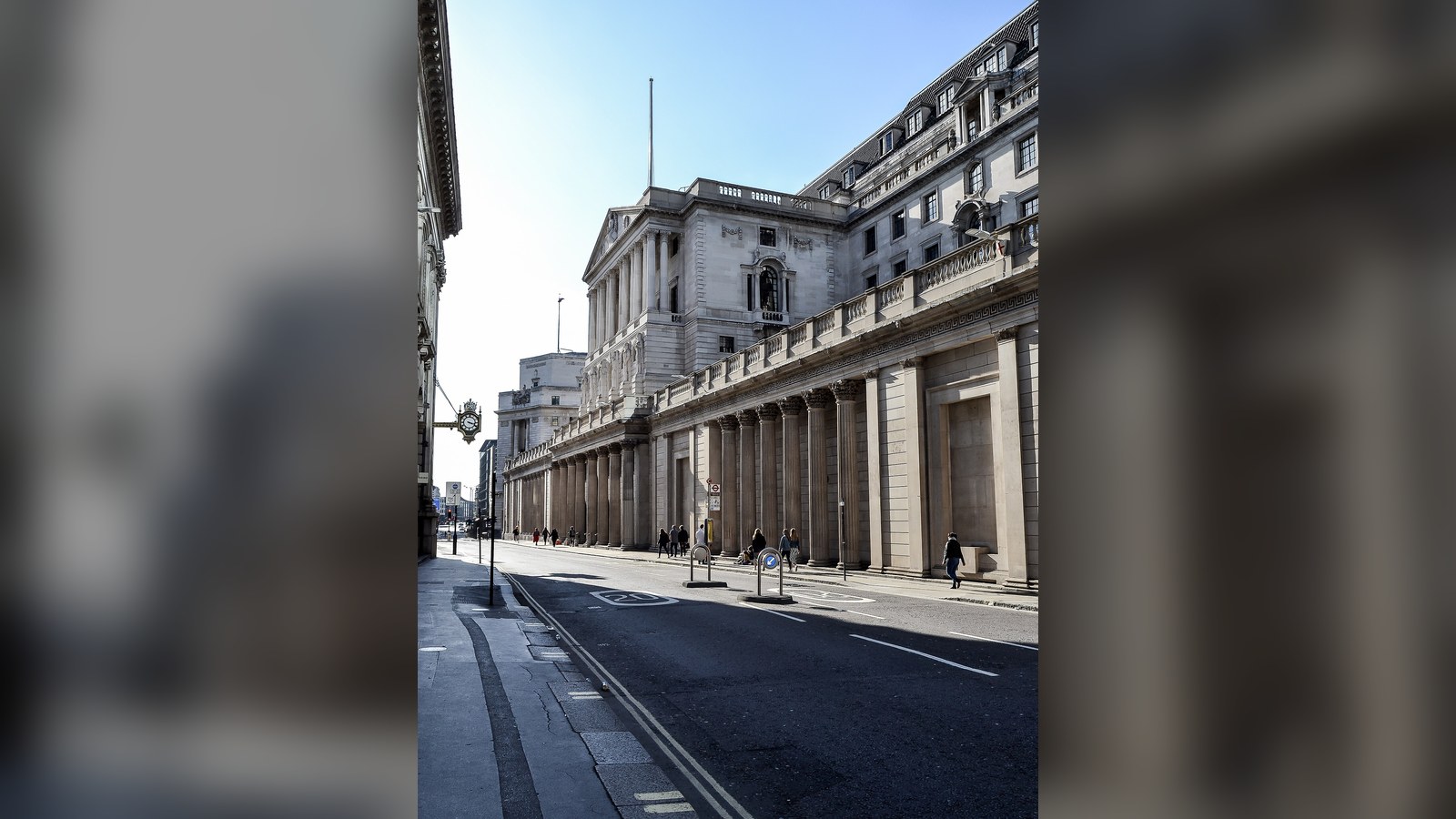
The Bank of England’s governor has warned that the Budget’s bank tax hike could end up being paid for by ordinary customers, through dearer loans or weaker returns on savings. Andrew Bailey made the comments in an interview with The Times, published as households brace for a difficult winter.
The Chancellor, John Healey, used the Budget to double the corporation tax surcharge on lenders to 6% from January. That was lower than the 8% rate that had been feared beforehand. Banks have still raised concerns about what it will do to the cost of lending and the UK’s competitiveness.
Bailey: banks will look to “protect their earnings”
Mr Bailey did not say banks must pass the cost on, but he said it would be understandable if they tried. “It’s a market economy, so these are decisions banks will have to take,” he said. “You could understand that they will look to pass it on because they will be targeting a rate of return.”
He also stressed that success is not guaranteed. How far lenders can recover the cost, he suggested, depends on market conditions and on competition within the industry. Even so, he said it “wouldn’t be surprising” if banks started by trying to do so.
The remarks matter because of who might bear the cost. A surcharge on profits is aimed at lenders, but Mr Bailey’s comments point to a familiar route by which that burden can reach customers. Banks can widen the gap between what they charge borrowers and what they pay savers.
A hit on top of mortgage and energy pressures
Any such pass-through would arrive when many households are already stretched. In its latest Financial Stability Report, published on Thursday, the Bank said about 6.5 million households are projected to see higher mortgage repayments over the next three years. The typical borrower coming off a fixed-rate deal in that period faces an increase of around £100 a month. That is roughly double the figure the Bank projected in July.
For some the jump will be much bigger. More than one million households are on mortgage rates below 3% and are due to refinance by the end of next year. They face an average rise of nearly £200 a month when they move on to an average rate of 5.5%.
The Bank raised its base rate to 4% last month to tackle rising inflation. Policymakers have said they may have to go further if energy prices stay high. Ofgem’s price cap is set to rise by 26% in January for the typical household using gas and electricity, and the Iran war continues to push up the cost of living. The Bank warned that households facing higher payments “may need to reduce discretionary spending or draw down savings”.
Why the Government wants the money, and what lenders say
Mr Healey has described the move as temporary, to be in place for 15 months. He said he was asking “a bit more of our banks to support ordinary people”. The extra £1.5 billion raised is earmarked to help fund support for household energy bills.
The sector has pushed back. Last month William Chalmers, chief financial officer of Lloyds Banking Group, called the measure “unhelpful” to UK economic growth and urged the Government to keep it temporary. He argued it is “ultimately important that we do what we can to reduce the cost of lending in order for the economy to grow, and of course that travels through to the cost of borrowing”.
The Government is therefore using the bank tax hike to help pay for relief on energy bills, while the governor of the central bank says part of the cost could return to households through their loans and savings. How much of it actually does will depend on the competitive pressures Mr Bailey described, and on whether the surcharge ends on schedule after 15 months.
- Bank of England Governor warns lenders may pass bank tax hike to customers (business-live.co.uk)
- Lenders may pass on Labour’s bank tax hike to customers, cautions Andrew Bailey (The Independent)
- Lenders may pass on Labour’s bank tax hike to customers, cautions Andrew Bailey (standard.co.uk)
Explore more on this topic with Vexel Search.
File photo: Bank of England – London.jpg by MrsEllacott, CC BY-SA 4.0, via Wikimedia Commons.
WordUp Morning
Ten stories, both sides of each, in five minutes. Free, every weekday at 7am, plus a Saturday weekend edition.
We'll email you a link to confirm. Unsubscribe any time.
Business & Hustles
450 Jobs at Risk as Rough Gas Storage Faces April 2027 Closure After Talks Collapse

The future of Rough gas storage, one of Britain’s largest offshore energy facilities, is in doubt after Centrica said talks with the Government on a new support deal had broken down. The company has warned staff that their jobs remain at risk, with about 100 workers on the site and roughly 350 people in its supply chain potentially affected.
Centrica, the owner of British Gas, says it is now seeking urgent talks with Prime Minister Andy Burnham. The site sits 18 miles off the East Yorkshire coast.
What happened to the Rough gas storage talks
The FTSE 100 company has said for some time that it intends to decommission Rough when its current facility licence expires in April 2027, unless the Government agrees a long-term financial support mechanism. More recently, Centrica says it also discussed a short-term storage arrangement to cover this winter. According to the company, that proposal was ultimately rejected.
Chief executive Chris O’Shea told staff on Friday that Centrica was “doing everything we can to save your jobs”. In a memo that has since leaked, he said the Secretary of State had told the company the Government would not take up the short-term deal. She also said her department needed more time to work through responses to its consultation, with a full reply now due “at some point next year”.
The clock is the real problem
O’Shea called the delay “extremely disappointed” territory, but argued the larger issue is uncertainty. Without a date for a decision, Centrica faces a fixed deadline: Rough’s current consent ends on April 30 2027, and the North Sea Transition Authority has already approved the company’s plan to cease operations. In effect, the regulatory path to closure is open while the path to a rescue is not.
That leaves workers and contractors in limbo, since a Government response promised sometime next year could arrive close to, or after, the point at which closure plans would need to move forward.
Government says supplies are secure
A spokeswoman for the Department for Energy Security and Net Zero said National Gas’s Winter Outlook confirms there is enough gas to meet demand this winter. She noted that only 5% of the UK’s supply came from storage last winter. The department said it had set out plans to maintain gas security, including options for future commercial support for the sector, while ensuring any proposal offers value for money for consumers.
That framing points to the heart of the dispute. Ministers appear to see limited urgency in propping up storage, while Centrica argues the facility needs a long-term financial footing to stay open.
A cold snap adds pressure
The warning came as plunging temperatures strained the energy system. On Friday, the UK electricity grid operator asked market participants to prepare to generate extra back-up power for an unprecedented fourth consecutive day, with network maintenance coinciding with this week’s cold weather. The sources do not link that episode directly to gas storage, but it underlines how sensitive supply can be in a freeze.
For now, the fate of Rough gas storage, and the jobs tied to it, depends on whether Centrica can secure a meeting with the Prime Minister and a firm timetable from Whitehall before the April 2027 deadline.
- Centrica warns jobs at risk at Rough gas storage after Government talks fail (business-live.co.uk)
- Centrica warns over jobs after Government talks over Rough gas storage fail (The Independent)
- Centrica warns over jobs after Government talks over Rough gas storage fail (standard.co.uk)
Explore more on this topic with Vexel Search.
File photo: Environmental protest outside Centrica – geograph.org.uk – 6092034.jpg by David Lally, CC BY-SA 2.0, via Wikimedia Commons.
WordUp Morning
Ten stories, both sides of each, in five minutes. Free, every weekday at 7am, plus a Saturday weekend edition.
We'll email you a link to confirm. Unsubscribe any time.
Business & Hustles
Norse Atlantic Bankruptcy Cancels All Flights, Leaving 1,071 Staff and Passengers in Limbo

The Norse Atlantic bankruptcy filing has ended, at least for now, the budget carrier’s transatlantic operations. The airline has stopped selling tickets and cancelled all future flights, becoming the second European airline this year to formally enter bankruptcy proceedings, after Latvia’s airBaltic.
Chief executive Eivind Roald pointed squarely at fuel. “We were unable to absorb the extra cost… fuel is what toppled this company,” he told Norwegian broadcaster NRK. Norse went into the current crisis without fuel hedges, leaving it exposed as jet fuel prices spiked following the start of the US-Iran conflict at the end of February.
How the Norse Atlantic bankruptcy unfolded
The collapse came quickly. Earlier in the week, Norse described its financial position as “critical” and warned its board could file unless it found money to cover short-term liquidity needs. When no funding materialised, the board said it would ask Norway’s Agder District Court to place the operating subsidiary, Norse Atlantic Airways AS, into bankruptcy proceedings.
On the same Friday, the airline said the companies leasing it its fleet of 12 aircraft had terminated their contracts. Norse signed long-term leases in 2021 for nine Boeing 787 Dreamliners from Ireland’s AerCap and six from Singapore’s BOC Aviation, later returning three of the AerCap jets. Norse says it “contests the validity of the termination notices.” BOC declined to comment, and AerCap had not immediately responded.
What passengers and staff face
Passengers are being told not to go to the airport. Customer service is no longer available, and travellers should submit refund claims through the insolvency process, though the airline cautioned that this does not guarantee payment. The UK Civil Aviation Authority directed customers to its website and Norse’s for updates.
The company had 1,071 employees at the end of June. Roald held a virtual staff meeting on Friday, according to Norwegian media. The pilots’ association called it “a very hard day for the pilots and their families, and for all other Norse employees.”
Not everything may be lost. The boards and advisers of the listed parent, Norse Atlantic ASA, and its UK subsidiary say they are working on a way for the remaining part of the business to keep operating. The CAA confirmed the parent is seeking such a solution, so the future of Norse UK remains uncertain rather than settled.
A fragile model meets a fuel shock
Founded in 2021 by entrepreneur Bjorn Tore Larsen, Norse set out to revive low-cost long-haul flying after Norwegian Air abandoned that market during the pandemic. Analysts warned early that as a pure long-haul operator, with no regional “feeder” network, it would struggle to fill planes. Norse later moved into charter and aircraft leasing as scheduled flights alone failed to generate profit. It had recently dropped New York to cut costs, hoping to attract more Asian customers, and held valuable slots linking London Gatwick and Manchester with Cape Town and Bangkok.
The wider industry is under heavy strain. The sector is enduring its worst crisis since the COVID-19 pandemic, and Tony Payne, a partner at law firm DLA Piper, counts Norse as the 12th European airline in financial distress since February, citing restructurings at Spain’s Volotea and Plus Ultra. He suggests the fallout may not be a wave of big mergers. Instead, stronger carriers may pick up aircraft, recruit crews and expand onto routes vacated by weaker rivals.
For now, the Norse Atlantic bankruptcy leaves unanswered questions over refunds, the disputed leases and whether any part of the airline can fly again.
- All flights cancelled as Norse Atlantic Airways files for bankruptcy (The Independent)
Explore more on this topic with Vexel Search.
File photo: Berlin Brandenburg Airport Norse Atlantic Airways Boeing 787-9 Dreamliner LN-FNA (DSC02373).jpg by MarcelX42, CC BY-SA 4.0, via Wikimedia Commons.
WordUp Morning
Ten stories, both sides of each, in five minutes. Free, every weekday at 7am, plus a Saturday weekend edition.
We'll email you a link to confirm. Unsubscribe any time.
Business & Hustles
Neet Figures Fall 22,000 to 959,000, but Young Women’s Total Hits Highest Level Since 2015

Header image: AI-generated illustration by WordUp News.
The latest Neet figures offer a small bit of good news and a worrying trend underneath it. The number of 16 to 24-year-olds not in education, employment or training stood at 959,000 between July and September. That is down 22,000 on the previous quarter, according to the Office for National Statistics (ONS).
The improvement is modest. The Neet rate was 12.7%, largely unchanged on a year earlier, and the total is still 17,000 higher than in the same period last year. Almost a million young people remain outside all three categories.
A growing gap between young men and young women
The breakdown by sex is the most striking part of the release. About 476,000 young women were classed as Neet, the highest number since 2015 and 42,000 more than a year earlier. Among young men the number was 483,000, down from 512,000 over the same period.
Men still make up a slightly larger share of the total in raw numbers. Kate Nightingale of the Young Women’s Trust said the proportion of young women who are Neet has now overtaken the proportion of young men. She argued that the Neet problem “has widely been framed as one of unemployed young men” and called the data “a rallying cry” to look at what is happening to young women in the labour market.
Ben Harrison of the Work Foundation at Lancaster University offered one possible explanation. More young men have moved into work over the past year, he said, while the number of young women out of the labour market appears to have grown. Young women have historically taken their first steps into work in sectors such as retail, which has shed a significant number of jobs since 2019, he noted. They are also disproportionately likely to need flexible work because of caring responsibilities.
Falling unemployment, rising inactivity
The quarterly fall in the headline total came from a drop in youth unemployment. Harrison warned that this masks a harder problem: the number of economically inactive young people who are outside education or training has risen to 596,000, a near record high. These are young people who are not working and, for the most part, not looking for work. Harrison said that leaves too many of them exposed to the long-term scars of missed opportunities and lost earnings.
Iona Ledwidge, chief executive of the youth employment charity Spear, made a similar point about the cost of delay. Even six months out of work, she said, can damage a young person’s wellbeing.
Politics and the Milburn review
Tackling the Neet problem has become a major political issue. A recent report by former health secretary Alan Milburn recommended urgent action and set an ambition to cut the Neet rate to about 5% by 2036. From today’s 12.7%, that implies a very long road.
Work and Pensions Secretary Pat McFadden said “every one” of the almost one million young people affected “deserves better”. He pointed to the government’s response to the review, which includes a jobs guarantee offering eligible young people on universal credit a fully funded six-month job. It also promises thousands more work experience placements and youth hubs that bring employment, health and skills support under one roof. McFadden described the approach as investing in young people’s success “instead of paying for failure”.
Reaction from outside government was broadly supportive of the direction but impatient. TUC General Secretary Paul Nowak called for serious upfront investment and backed a legal guarantee of a job, training place or apprenticeship, which he said could be “a game changer”. He also called for targeted support for employers who recruit and retain young people.
Business groups stressed the demand side. Hannah Larsen of the British Chambers of Commerce welcomed the fall but called the current level “unacceptable”. She said hiring appetite among businesses remains weak because of high employment costs, which she linked to government policy and the Employment Rights Act. That puts firms and ministers at odds over what is holding back youth hiring, even as both back Milburn’s recommendations.
Jenny Buccos, director of the National STEM Festival, argued the focus should also move earlier. Support needs to reach children at 12, 13 and 14, she said, with hands-on opportunities rather than career awareness alone.
Taken together, the latest Neet figures show a labour market that is improving only slowly for the young. The fall is welcome, but the rise in young women who are Neet and in inactivity suggests that a jobs guarantee aimed at those on universal credit may not reach everyone who is struggling.
- Number of young people classed as Neet falls but women more likely to be out of work, figures show (standard.co.uk)
- Number of young people classed as Neet falls, figures show (The Independent)
- Number of young people classed as Neet falls as business leaders call for action on youth unemployment (business-live.co.uk)
Explore more on this topic with Vexel Search.
WordUp Morning
Ten stories, both sides of each, in five minutes. Free, every weekday at 7am, plus a Saturday weekend edition.
We'll email you a link to confirm. Unsubscribe any time.
Business & Hustles
FCA error in motor finance compensation calculations adds fresh delay risk, with average impact under £10
Header image: AI-generated illustration by WordUp News.
The City watchdog has admitted it made mistakes in the calculations behind the UK’s long-delayed motor finance compensation scheme, and the error could complicate a court battle that already stands between millions of drivers and their money. The Financial Conduct Authority (FCA) disclosed on Thursday that it had misclassified a small group of loans within its redress framework.
The regulator says the practical effect on individual payouts is modest: less than £10 per agreement on average. But it concedes the problem lands at an awkward moment. The disclosure came a day before two of the challengers to the scheme were due to serve expert evidence in their legal action, and the FCA acknowledged that the issue “affects the ongoing litigation”.
What the FCA got wrong
According to the FCA, the problem lies in its economic modelling and in the way a “small group of loans” was categorised. City AM reports that the faulty data helped produce the 17 per cent APR reduction rule. This rule is used to estimate how much extra interest borrowers paid because of hidden commissions, by trimming 17 per cent off the original rate.
The FCA has not suggested the scheme is unworkable. Its message is that the numbers need revisiting and that the shift in average compensation is small. It also apologised, saying it was sorry for “the further uncertainty this creates for consumers and firms”, and promised updates on any further material developments.
Why a small error matters in court
A sub-£10 change may sound trivial against the headline figures. The FCA’s final scheme pencilled in an average payout of £830 across 12.1 million qualifying agreements, with an overall industry cost of £9.1bn. Even so, the scheme is under legal challenge, and a regulator conceding flaws in its modelling gives challengers new material to work with.
Those challengers are Volkswagen Financial Services, Mercedes-Benz Financial Services, Crédit Agricole Auto Finance and the advocacy group Consumer Voice. They are due before the Upper Tribunal in February. City AM reported in October that lender filings accused the watchdog of leaning on complex economic modelling to justify the scheme. The FCA says it will talk to the challengers and the court about the effect on Friday’s evidence deadline and on the wider timetable.
Parts of the scheme are already suspended while the case runs. A judgment, and any payments flowing from it, is not expected until months after the February hearing. Lenders are not expected to pay out under the industry-wide scheme until then.
Barclays told to pause early offers
Not every lender has been waiting. Barclays confirmed at the start of November that it would make payments to some customers who had already complained about commission on their agreements, after the FCA set ground rules for firms wanting to settle early. The regulator has now asked Barclays to pause those offers while it works through the data issues and their implications.
Harry Charalambous, a credit risk principal at consultancy Broadstone, said lenders will need to revisit and validate their calculation models and reassess their redress liabilities. He called the timing “particularly frustrating” for firms trying to resolve complaints early through full and final settlement offers.
Lenders say they are ready
The FCA’s own line is that the industry is in better shape than it was. It says lenders are “substantially better prepared” to handle claims and have set aside around £7.5bn to pay compensation. It has also told them to be ready to handle complaints individually and pay out if no industry-wide scheme can be agreed. The regulator added that the wider market is healthy, with lending up 7% in the 12 months to September.
The saga began after the Supreme Court partially overturned a landmark ruling on car finance last year. It rejected the idea that hidden commissions were automatically unlawful, but found that one customer’s undisclosed commission had created an “unfair relationship”. That left room for the FCA to design a redress scheme.
For drivers waiting on payments, the immediate lesson is that nothing has changed on the timetable yet, but nothing is certain either. Whether the error costs only a few pounds per agreement or a few more weeks of waiting will depend on how the court and the challengers respond. The FCA’s next update will be the one to watch.
Explore more on this topic with Vexel Search.
WordUp Morning
Ten stories, both sides of each, in five minutes. Free, every weekday at 7am, plus a Saturday weekend edition.
We'll email you a link to confirm. Unsubscribe any time.
Business & Hustles
Diana Award administration ends 27 years of work that honoured over 50,000 young people

The Diana Award administration, announced on Thursday, brings an abrupt end to the operations of a charity founded 27 years ago to honour Diana, Princess of Wales. It has recognised more than 50,000 young people for social action and humanitarian work. The Prince of Wales has said he is saddened by the news.
What the charity said
In a statement on its website, the charity said it was making the announcement “with heavy hearts”. Independent advice, it said, had made clear it could no longer continue to meet its obligations. The statement gave no further detail on the financial position, and none of the reports explain what led to the decision.
“This is not the outcome any of us wanted,” the charity said. It thanked its supporters and the young people “whose achievements have always been at the heart of it”. It added: “Their achievements matter, and nothing about today’s decision changes that.”
The charity also pointed to work beyond the awards themselves. It said it had worked with thousands more young people through programmes meant to amplify the impact of the award recipients on the people around them.
The directors have appointed Nick Parsk of Oury Clark chartered accountants as joint administrator of the company. The reports do not say what will happen to the programmes, staff or future award ceremonies.
William’s response
In a personal message signed “W”, William said the award “has recognised and encouraged thousands of young people who are changing the world for the better”. He thanked “everyone whose dedication and hard work helped make that possible over so many years”.
The Press Association understands the prince is very sorry about the development. It also understands that he believes his mother’s legacy continues in many forms, a line that separates the future of her memory from the fate of one organisation.
A charity shaped by a royal rift
William and his brother, the Duke of Sussex, are joint patrons of the charity. Both have appeared at its events over the years, but the Standard and the Independent note that in recent times they have attended separate Diana Award events amid their ongoing rift. The charity has therefore been one of the few places where the brothers’ shared tribute to their mother has been visible, even if only in parallel.
The charity was launched in 1999 by the former prime minister Gordon Brown, two years after Diana died in a car crash in Paris. William was 15 and Harry 12 at the time. It was built on her belief that young people have the power to change their communities, their country and the world. It marked its 25th anniversary only two years ago.
Timing and unanswered questions
The Diana Award administration comes a year before the 30th anniversary of the princess’s death, a milestone that would have been expected to bring renewed attention to organisations carrying her name. Whether another body or the royal family might take on any of the charity’s work is not addressed in the reports, and no such plan has been announced.
For now, the charity’s own message is what remains. The people it honoured, it says, are not diminished by the collapse of the organisation that honoured them. Those young people, from campaigners to community volunteers, make up the charity’s lasting record.
Explore more on this topic with Vexel Search.
File photo: Crown Prince Naruhito and Prince William 20150227.jpg by British Embassy Tokyo / Alfie GoodrichUK in Japan- FCO, CC BY 2.0, via Wikimedia Commons.
WordUp Morning
Ten stories, both sides of each, in five minutes. Free, every weekday at 7am, plus a Saturday weekend edition.
We'll email you a link to confirm. Unsubscribe any time.

Elon Musk has promised two SpaceX shares to every child in the United States, a gift valued at nearly $18bn at Wednesday’s closing price of $127.44. The announcement doubles a pledge he made last month, and it landed the same evening US regulators approved SpaceX’s plan to put up to 1 million data-centre satellites into orbit.
How the SpaceX shares giveaway would work
The structure is split in two. SpaceX said it will contribute one newly issued Class A share to every currently active Trump Account, the government-backed investment accounts for under-18s created under the 2025 tax and spending law. Musk will personally match that with a share of his own. In a post on X, he said the company’s shares would be transferred next month, while his personal share will follow “when my lockup expires in June next year.”
The wording matters. Musk’s post said “every child in America,” but the company’s statement ties the gift to active Trump Accounts, so a child needs one to receive anything. Any child under 18 with a valid Social Security number can have an account. The White House said in October that almost 70 million had been opened, against roughly 72 million US children by Census Bureau estimates. The $18bn headline figure is therefore best read as a ceiling for near-universal uptake, not a guaranteed payout. SpaceX did not respond when asked whether the donations would be formally linked to the accounts, though its own statement describes that link.
A record gift, but a small slice of Musk’s fortune
Based on the sources’ figures, this is the largest private pledge to the Trump Account programme so far. It dwarfs the more than $6bn that Michael and Susan Dell committed in December 2025 to add $250 to millions of accounts. SpaceX President Gwynne Shotwell and her husband separately pledged a share each for more than 2 million children.
For Musk, the cost is modest. Bloomberg’s index puts about $650bn of his roughly $820bn net worth in SpaceX stock, and he held about 6.42 billion shares as of June. He also keeps majority voting control through the company’s two share classes. Money in a Trump Account generally cannot be withdrawn until the child turns 18, so the benefit is long-term, and it depends on the stock’s performance after SpaceX’s June Nasdaq listing.
Why the timing matters
Analysts quoted in the coverage see a strategic logic. Chez Anbu of OCBC said giving children a direct stake creates “a powerful narrative around broader participation” in the AI and space economy. Christopher Brankin of Mitrade Group was blunter, saying the move builds “a massive, long-term retail shareholder base” and a future pipeline of investors for trading platforms.
The political backdrop is pointed. Musk is pushing SpaceX deeper into AI infrastructure while data-centre growth draws scrutiny over environmental impact and the influence of tech billionaires. Opponents of data-centre development were among the biggest winners for Democrats in this month’s midterms. The Federal Communications Commission approval drew a sharp response from the American Astronomical Society, which said it was “disheartened and dismayed” and warned the constellation would undermine decades of federal investment in astronomical facilities.
The gift also sits within a wider debate over how AI wealth should be shared. Anthropic, which recently went public, committed 5% of its shares, worth around $54bn, to a fund for the “public good”. Musk’s approach hands individual stakes directly to families instead. As he put it, “Giving shares, which are stakes in the future economy, directly to the people is the way.”
Some questions remain open. The sources report different timing details: the company’s shares are due next month, Musk’s own after the June lockup expiry, and one report noted that Wednesday’s announcement gave no new date for delivery. Whether every eligible child ends up with two shares will depend on how many accounts are active when the transfers happen.
- Musk pledges two SpaceX shares for every US child (aljazeera.com)
- Elon Musk will give two SpaceX shares for every US child (thenextweb.com)
- Elon Musk says every single child in America will receive two shares of SpaceX (The Independent)
Explore more on this topic with Vexel Search.
File photo: Elon Musk (54816836217) (cropped 2) (b).jpg by Gage Skidmore, CC BY-SA 4.0, via Wikimedia Commons.
WordUp Morning
Ten stories, both sides of each, in five minutes. Free, every weekday at 7am, plus a Saturday weekend edition.
We'll email you a link to confirm. Unsubscribe any time.
Business & Hustles
Energy price cap to jump 26% to £2,166 from 1 January, with little relief in sight
Header image: AI-generated illustration by WordUp News.
The energy price cap will rise by 26% on 1 January, Ofgem confirmed on Wednesday, adding £443 a year to the bill for a typical household in England, Scotland and Wales. The new level of £2,166 a year, or an extra £36.91 a month, is the highest since the second quarter of 2023. It lands just after Christmas, in the coldest part of the year.
The regulator blamed the ongoing conflict in the Middle East, where escalating violence pushed gas prices sharply higher through October. The figure is for a household using both gas and electricity, and applies if that rate were sustained for a full year. Analysts had broadly predicted the increase.
Who will feel the energy price cap rise?
Not everyone is exposed. Around 10 million households on fixed tariffs will be unaffected by the change. Those on standard variable tariffs, which follow the cap, face the full increase, apart from the government support described below.
That support was announced in the autumn Budget. Around 20 million households will receive a £100 payment towards their bills from January. Electricity bills also get a temporary 5% VAT cut until June next year, and the Chancellor said gas standing charges will be scrapped in England, Scotland and Wales. Even so, the sources report that households on the cap will still see their bills go up overall.
Campaigners warn of cold homes
Charities said the help does not go far enough. Simon Francis of the End Fuel Poverty Coalition warned of parents going without so their children can stay warm, people who rely on medical equipment rationing electricity, and prepayment customers left without heat once their credit runs out.
Caroline Abrahams of Age UK stressed the timing, saying older people need the most energy to stay warm and well in these months. Helen Barnard of the anti-poverty charity Trussell said many people on the lowest incomes have “nothing left to cut back on”. She called for more targeted support, warning that otherwise more people could turn to food banks. Dr Rosie Hampton of Uplift called the rise “the nightmare before Christmas” and blamed Donald Trump, Vladimir Putin and the oil and gas industry.
When could bills come down?
Wholesale prices have eased in recent weeks, but too late to affect the cap that takes effect in January. The outlook beyond that is not much brighter. Cornwall Insight’s early forecast for the quarter starting in April points to only a 1% fall, which would put a typical annual bill at £2,151. The consultancy’s forecasts show bills settling at around £2,000 a year in the second half of 2027, still well above levels before the conflict.
In other words, the January energy price cap looks less like a short spike than the start of a higher plateau, and the £100 payment and VAT cut are temporary measures set against bills that are expected to stay elevated.
What Ofgem and ministers say
Neil Kenward, Ofgem’s director general for markets, said he knew the increase would worry many households as winter approaches. He urged anyone struggling to afford their bills to contact their supplier, which must offer appropriate support and advice. Ofgem wrote to energy suppliers, networks and brokers on Wednesday to remind them of their obligations and to make sure support stays easy to access through the winter.
Energy Secretary Miatta Fahnbulleh acknowledged public concern and said British families have for too long paid the price for conflicts overseas and volatile fossil fuel markets. She said the £100 payment would give families “some breathing space” but that “there is more to do” to bring bills down for good.
- Households face ‘nightmare before Christmas’ as energy bills to soar 26% (The Independent)
- Households face ‘nightmare before Christmas’ as energy bills to soar 26% (standard.co.uk)
- 'Nightmare before Christmas': Energy bills to soar as price cap rises 26% to £2,166 (business-live.co.uk)
Explore more on this topic with Vexel Search.
WordUp Morning
Ten stories, both sides of each, in five minutes. Free, every weekday at 7am, plus a Saturday weekend edition.
We'll email you a link to confirm. Unsubscribe any time.

Header image: AI-generated illustration by WordUp News.
Amazon Autos is heading to Britain. The retailer says it will begin selling cars in the UK in early 2027, the first time the service has operated outside the United States. Shoppers will be able to reserve a vehicle for £99 without leaving the Amazon site.
How the Amazon Autos reservation process will work
The model is less “buy a car with one click” than “start your car purchase on Amazon.” Customers can browse new and used vehicles, check finance options and put down the £99 to reserve a car. The paperwork, finance agreement and collection all happen at a local dealership, which means the sale is completed by the dealer rather than by Amazon.
Listings can be searched by make, model, colour and price. Buyers can compare personal contract purchase, hire purchase and cash routes. Amazon is promising upfront pricing, instant part-exchange estimates and details of nearby dealers. Petrol, hybrid and electric cars will be offered, including Hyundai’s new European-built Ioniq 3 compact electric hatchback.
Hyundai and Vertu Motors lead the line-up
Hyundai is the first confirmed manufacturer partner, as it was in the US, and used-car dealer group Vertu Motors is the first named retailer. Amazon says more carmakers and dealers will be announced in the coming months. Matt Nuffort, director of Amazon Autos International, said buying a car should feel as “simple and transparent” as shopping for anything else on Amazon, and that dealers were consulted in designing the experience.
The pitch to carmakers is mostly about footfall. Amazon points to US data showing that 78 per cent of Amazon-influenced Hyundai buyers were new to the brand, suggesting the platform can steer fresh customers into showrooms.
A disruption threat for Autotrader, or a slow burn?
TechRadar reports that experts believe the arrival could “seriously disrupt” established UK car marketplaces such as Autotrader. The US record offers a more mixed guide. Amazon Autos has grown from 48 cities at launch to more than 150 and now works with thousands of dealers. It lists 14 brands that sell both new and used cars, plus 21 that sell used only, 35 in all.
The business model may appeal to dealers. According to Amazon’s own FAQ, as reported by Engadget, it takes no commission on sales. Revenue comes from advertising and subscription fees paid by dealers, which also means Amazon earns money whether or not a particular car sells.
That arrangement has drawn criticism. Earlier this year Automotive News reported that some US dealers felt Amazon had been “slow to deliver tangible results,” with some seeing only one or two sales a month from the channel. How British dealers fare may decide whether the UK expansion becomes a serious rival to existing marketplaces or just one more place to advertise stock.
For UK buyers, the practical change is small but notable. A £99 reservation, clearer pricing and finance comparisons in one place could make the early stages of car shopping easier, though the showroom visit is not going away yet.
- Amazon Autos is coming to the UK — with car reservations starting at £99 (techradar.com)
- What we know about Amazon Autos coming to the UK (The Independent)
- Amazon Autos is coming to the UK in its first expansion outside the US (engadget.com)
Explore more on this topic with Vexel Search.
WordUp Morning
Ten stories, both sides of each, in five minutes. Free, every weekday at 7am, plus a Saturday weekend edition.
We'll email you a link to confirm. Unsubscribe any time.
Business & Hustles
Poundland administration puts 11,000 jobs at risk weeks before Christmas as 600 stores face break-up
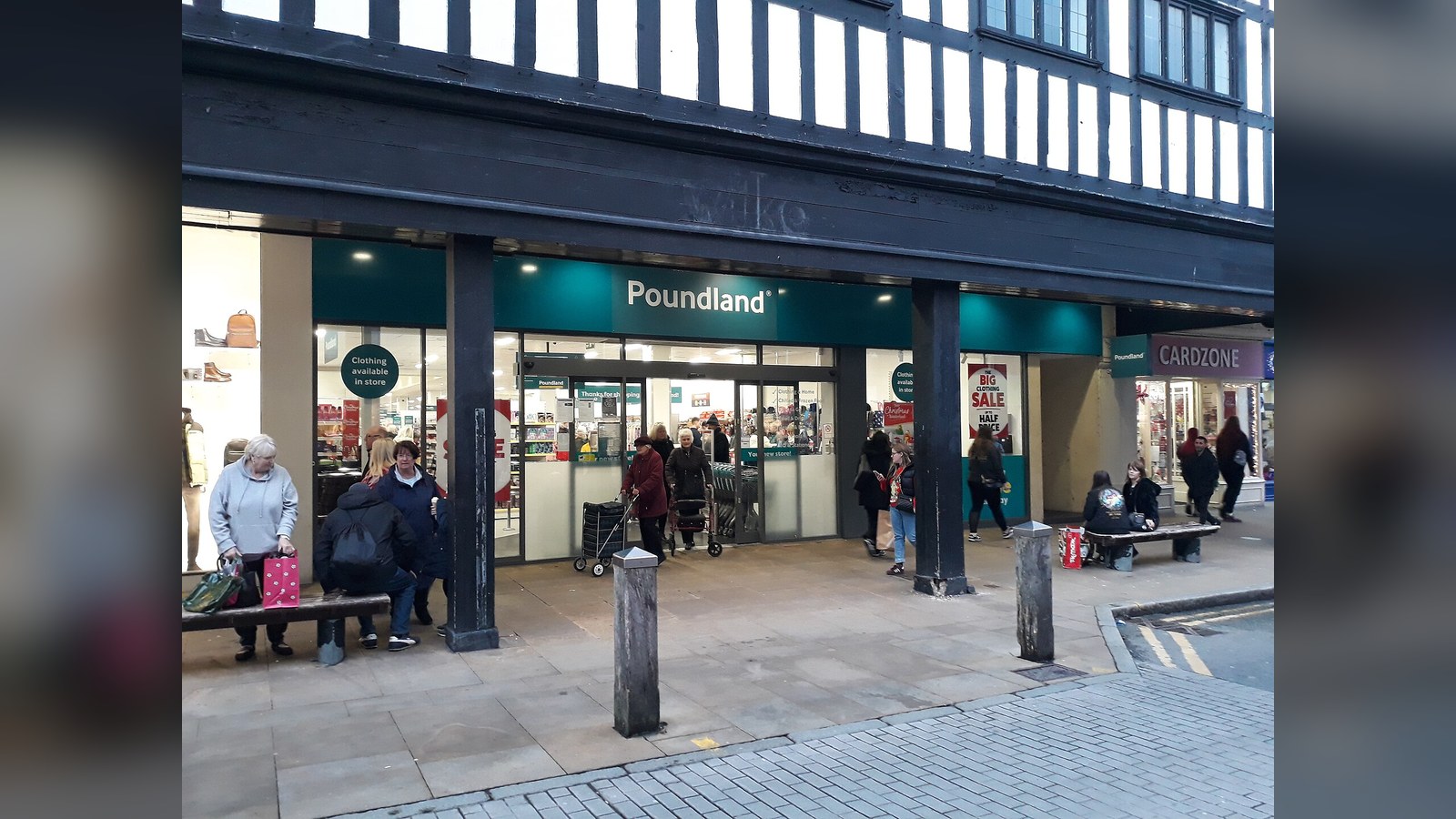
The Poundland administration, confirmed late on Wednesday, puts around 11,000 jobs at risk and leaves the future of roughly 600 shops in doubt, just weeks before the Christmas trading period. The discount chain’s owners failed to land a buyer for the business before a key deadline, and AlixPartners has been appointed as administrator.
For now, nothing changes on the shop floor. Stores and distribution centres will keep trading while the administrators look at “all options”, including selling the business whole or in parts. In practice, most reports expect a break-up, with Tesco and B&M among the retailers said to have shown interest in buying stores or other assets.
Why the Poundland administration happened
The immediate cause, according to chief executive Barry Williams, was money. In a note to staff he said the US owner, Gordon Brothers, withdrew “all borrowing facilities and access to our bank accounts” on 27 October. He said adequate funds were not released afterwards, leaving the board with “no alternative” but to seek administration. Reports say the squeeze meant shelves were not being restocked quickly enough ahead of the festive rush.
Gordon Brothers tells a different story. It says it lent the business £85m over a year to keep it out of insolvency, and that it stepped in during 2025 when “no-one else was willing to finance the business”. It also warns that, despite a turnaround under current management and a reduced cost base, Poundland remains vulnerable to inflation and any dip in sales or margins.
The loan at the centre of the failed rescue talks
One of the main sticking points was a shareholder loan that Gordon Brothers inherited when it bought the company from Pepco for a nominal sum of £1 or less. Of that loan, Gordon Brothers was owed £22.5m and Pepco £7.5m. Suitors were asked to deal with it, and none managed to do so on terms acceptable to the owner.
Martin Property Group offered to pay £5m up front and defer the rest until 2030. Xyra offered £12.5m up front but ran out of time to complete a deal. Zachert Private Equity is understood to have made a late approach. All were turned down, with offers to buy the business as a going concern rejected.
Political and union anger
The fallout is already political. Prime Minister Andy Burnham called Poundland “part of the fabric” of high streets and communities, said the timing would be “deeply concerning” for workers and their families, and argued that administration at least lets other buyers step forward. Business Secretary Jonathan Reynolds had met executives on Monday in the hope a sale could still be reached.
MPs have accused Gordon Brothers of deliberately cutting off funds and pushing the retailer to the brink. Labour MP Liam Byrne said the Commons business committee will recall the firm, warning of a “greed is good” approach and asking how much money is being taken out. Critics have suggested the firm could recoup its loans, and more, from the insolvency process, pointing to its earlier profits from the LK Bennett collapse. Gordon Brothers denies it hoped to profit from a piecemeal sale. The committee has also asked its regional managing director, Mark Newton-Jones, to give assurances that the firm will not move to liquidate Poundland’s stock. None of these accusations has been tested or proven.
The Usdaw union called the news “devastating” for members who were recently praised for helping turn the business around. It said Gordon Brothers had failed to engage with the union, which it called “a disgraceful way to treat our members”.
What it means for staff and shoppers
For employees, the human cost is stark. Kelvin Blake, 62, has worked for Poundland for 25 years, and his partner for 29. He told the BBC he feels “down, depressed” and fears his age will count against him in finding work. “My income’s gone,” he said, adding that staff will keep working until told otherwise.
Gordon Brothers closed more than 100 shops during its overhaul, and any further closures will depend on what the administrators can sell and to whom. Whether the final outcome protects jobs or mainly benefits creditors will be the key test of the Poundland administration, and MPs have made clear they intend to scrutinise it closely.
- Poundland collapses putting 11,000 jobs at risk (BBC)
- Poundland falls into administration with 11,000 jobs at risk (The Independent)
- Poundland falls into administration with 11,000 jobs at risk (standard.co.uk)
Explore more on this topic with Vexel Search.
File photo: Fomer Wilko store in Chester became Poundland.jpg by Nabokov, CC0, via Wikimedia Commons.
WordUp Morning
Ten stories, both sides of each, in five minutes. Free, every weekday at 7am, plus a Saturday weekend edition.
We'll email you a link to confirm. Unsubscribe any time.

Biden Memoir Sales Hit Just 21,000 in Week One, While Obama Topped 1 Million

easyJet flight turns back to Edinburgh after ‘loud bang’, landing 53 minutes after take-off

XRP Ledger Lending Sits One Validator Vote From Its Countdown, With a December 9 Vault Launch in Sight

Saracens’ Venter Brands Premiership Rugby ‘Autocratic’ Over £5,000 Media Fine

Crypto.com Teams Up With Insilico Terminal to Give Traders Free Pro-Level Tools

Southampton’s Eckert Spared Ban as FA Suspends Six-Week Sentence Over Spygate
Biden Memoir Sales Hit Just 21,000 in Week One, While Obama Topped 1 Million
easyJet flight turns back to Edinburgh after ‘loud bang’, landing 53 minutes after take-off
XRP Ledger Lending Sits One Validator Vote From Its Countdown, With a December 9 Vault Launch in Sight
-
Crime3 days ago
Pennsylvania Child Abuse Case Widens: Four Now Charged After 5-Year-Old Found Locked Behind Boarded Door
-

 Tech & AI4 days ago
Jensen Huang reinstated as Nvidia CEO: Trump says he ‘convinced’ the board, and the stock jumps 34%
-

 Tech & AI4 days ago
Trump Again Urges Nvidia to Rehire Jensen Huang as Board Says No and Shares Sit Roughly 50% Off Their High
-
Fashion3 days ago
Fashion Month 2026: Why Nepo Babies Now Own the Runway Instead of Hiding From It
-
Tech & AI3 days ago
Meta’s Muse Wonder Puts It Back in AI’s Top Tier, Claiming Parity With GPT-6 and Claude
-
Business & Hustles3 days ago
Business News Mix-Up: Why a Thai Horror Film Review Replaced Today’s Money Headlines
-

 Entertainment6 days ago
Hell’s Kitchen reboot: 10 celebrities, 100 diners a night and live vote-offs on ITV in 2027
-
Crypto3 days ago
Scammers Exploit $86M Ledger Hack With Fake Firmware Update in New Crypto Wallet Scam
-

 Sports6 days ago
Harry Kane ankle injury: Bayern star out for months, with England’s Norway tie on 27 March in doubt
-

 Crime6 days ago
Three French police officers sentenced to five years each over racist beating of Michel Zecler
-

 Crime6 days ago
Denmark Expels Russian Attaché Within 7 Days Over Alleged Assassination Plot Against Rapper
-

 Tech & AI6 days ago
Trump Threatens “Tremendous Tax” on AI Data Centres Overseas, but Offers No Details
-

 Crime5 days ago
Jaylen Harrell in hospital as Tampa police investigate alleged assault on rideshare driver before crash
-
 Entertainment7 days ago
Helen Fraser dies aged 84: Bad Girls’ ‘Bodybag’ appeared in more than 90 episodes
-

 Gaming6 days ago
GTA 6 Bowling Alley Safe Code Is 0300: Here’s Where the Game Hides It
-

 Crime6 days ago
El Chapo Isidro arrest: FBI top-10 fugitive held in Sinaloa raid after $5m bounty
-

 Tech & AI6 days ago
CAA’s Bryan Lourd Presses Congress to Pass the NO FAKES Act Before Year’s End
-

 Tech & AI6 days ago
Riemann Hypothesis Proof Claimed With Claude: 17 Million Lines of Code, a $1 Million Prize and No Verdict Yet
-

 Crime4 days ago
Lee Fryer trial set for 22 March as Paralympian faces 17 charges, including 11 of rape
-

 Gaming6 days ago
La Cascara safe code for GTA 6: No Verified Code Found in Source Material
You must be logged in to post a comment Login