Tech
Samsung Galaxy S26 Ultra Gets First Hands-On Unboxing Before Official Reveal

Photo credit: Karoul Sahil
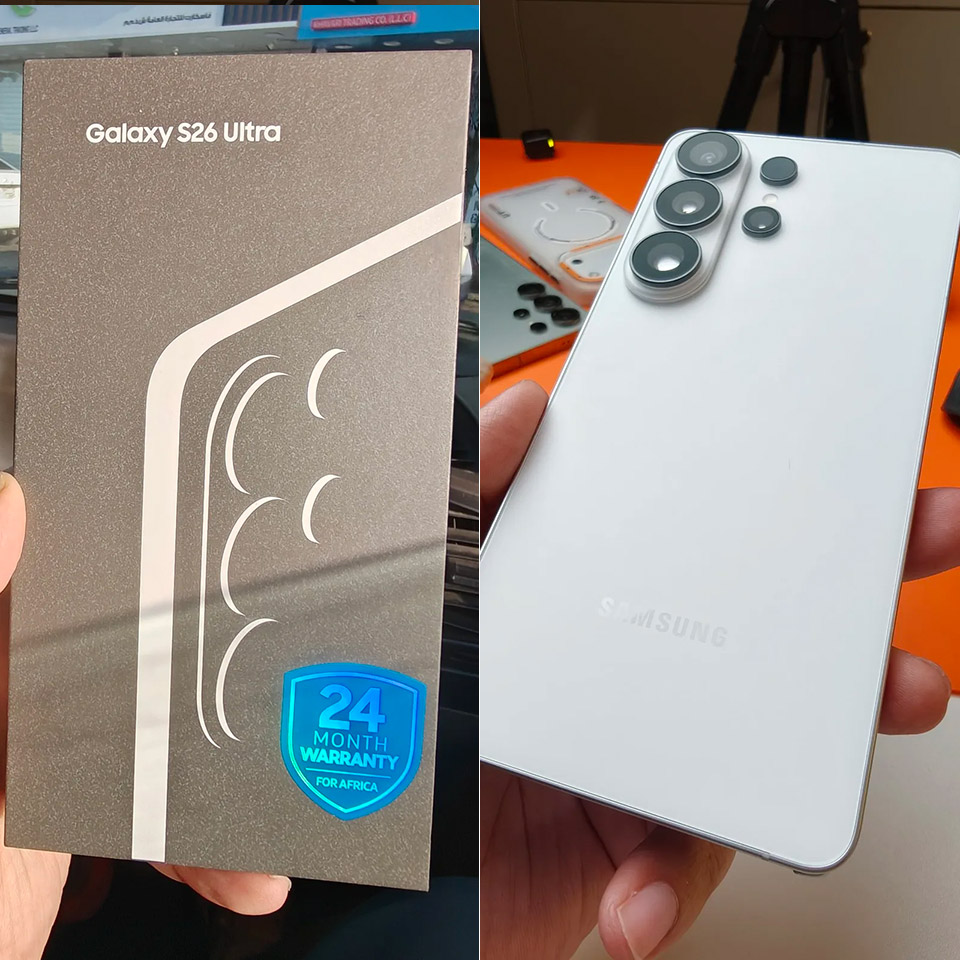
The surprise arrival of the Samsung Galaxy S26 Ultra in some stores has got people really excited, with one very good unboxing video from a customer that allegedly shows the device in hand a good few days before the official Unpacked event on February 25, 2026.
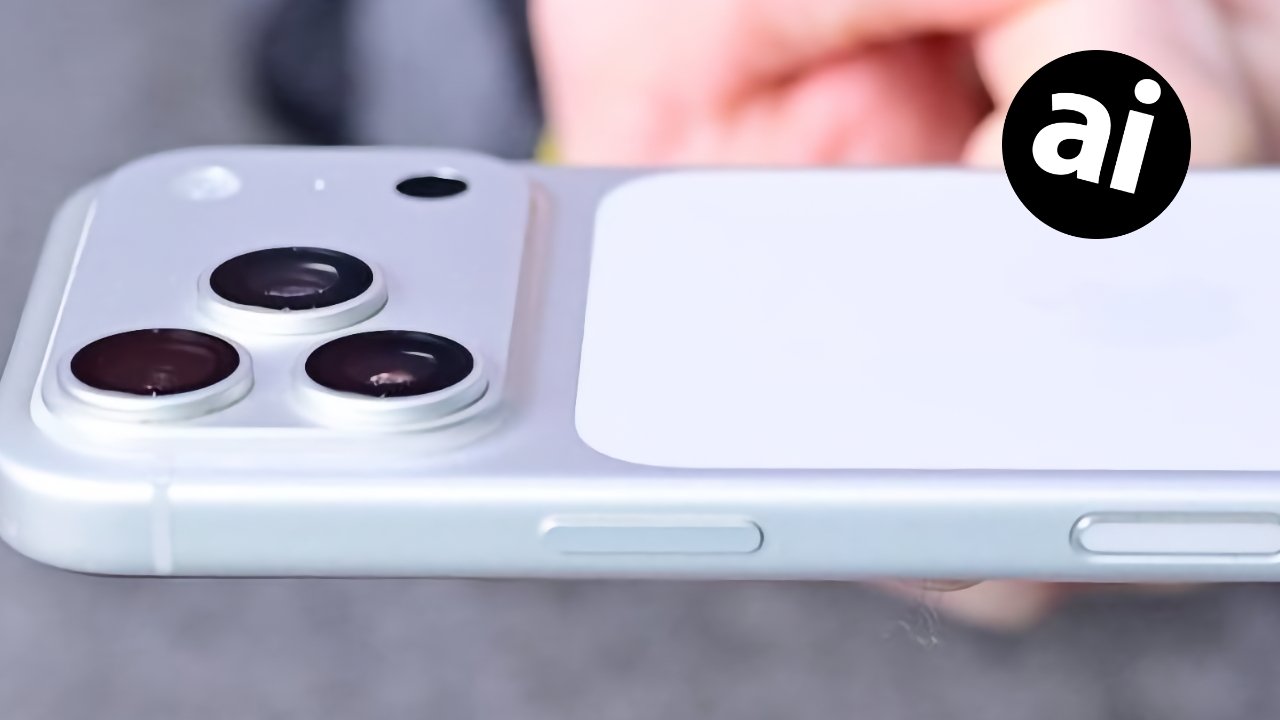
The S25 Ultra’s elevated camera module replaces the flat camera layout, bringing back some of the concepts seen in previous Samsung phones but with a more modern feel this time. The corners are slightly rounded, making the enormous phone easier to hold. Despite its substantial size and weight, it feels the same as before, with only a few small changes to the measurements. It’s still a huge phone, but you wouldn’t notice.
Sale
Motorola Moto G 5G | 2024 | Unlocked | Made for US 4/128GB | 50MP Camera | Sage Green
- Immersive 120Hz display* and Dolby Atmos: Watch movies and play games on a fast, fluid 6.6″ display backed by multidimensional stereo sound.
- 50MP Quad Pixel camera system**: Capture sharper photos day or night with 4x the light sensitivity—and explore up close using the Macro Vision lens.
- Superfast 5G performance***: Unleash your entertainment at 5G speed with the Snapdragon 4 Gen 1 octa-core processor.
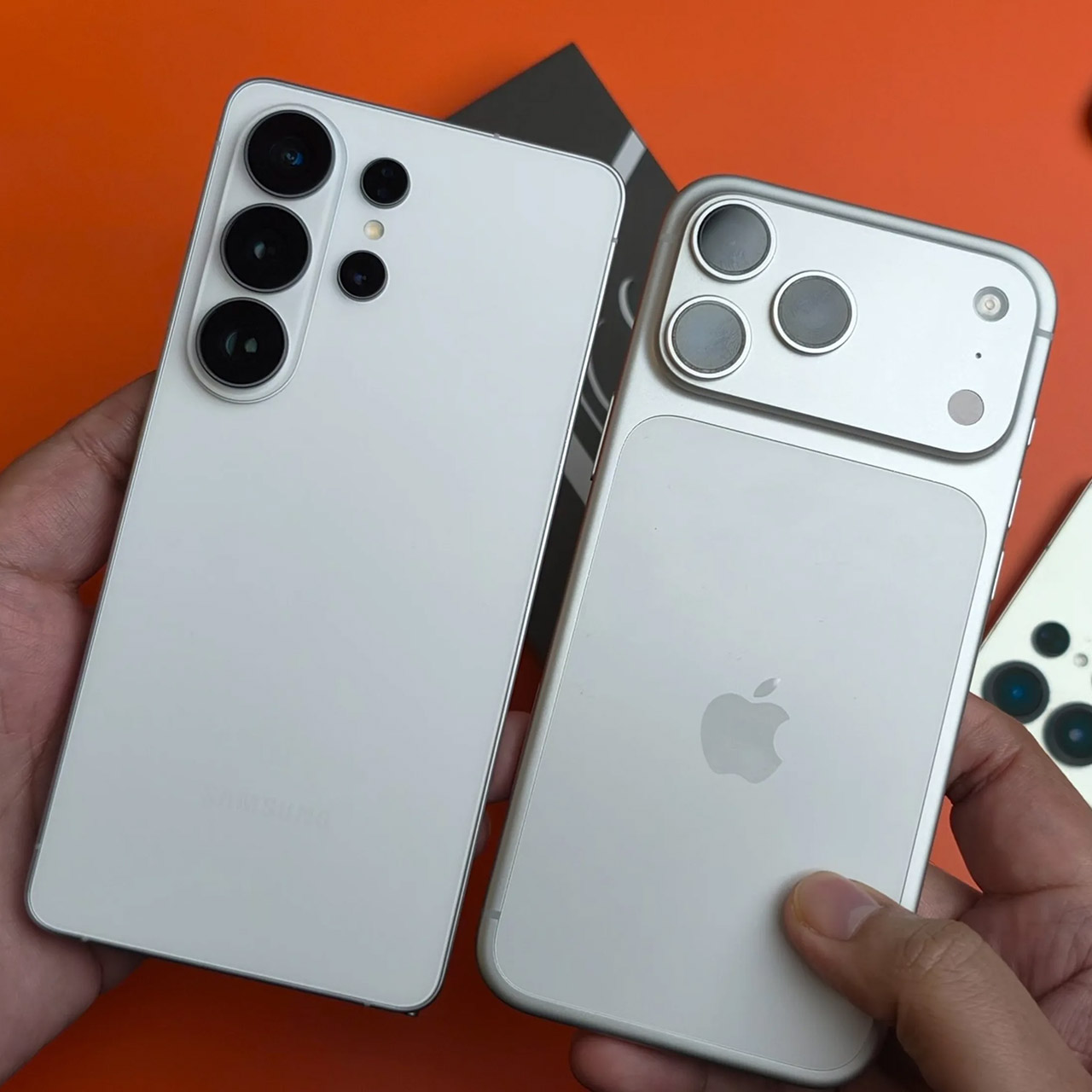
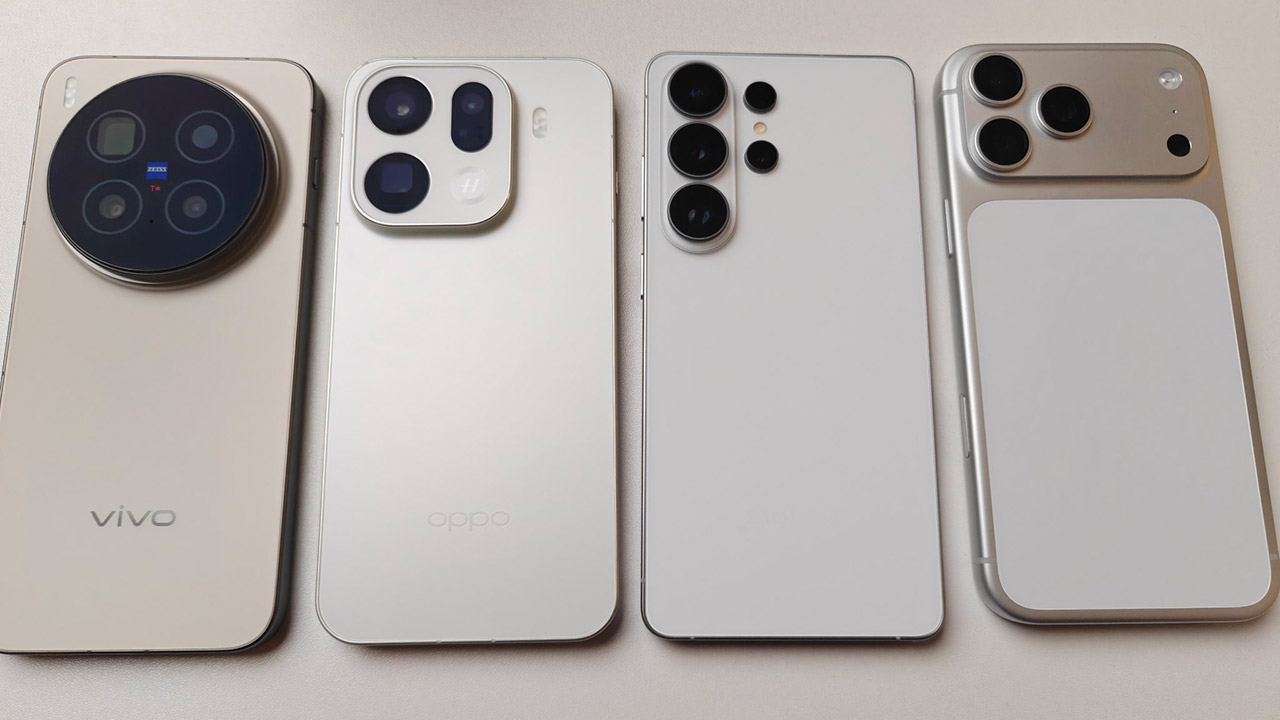
The build still utilizes premium materials, thus it’s most likely the same titanium frame as in previous models, providing more durability without adding bulk. As for colors, we have the white variant from the leaks, as well as the black units seen in some of the early film. Despite the large camera housing on the back, the rear panel features a rather clean design that manages to include all of the extra gear without dominating the phone’s appearance.
The screen size remains at 6.9 inches, but it is still a top-of-the-line Dynamic AMOLED 2X panel with QHD+ resolution and a 120Hz refresh rate. The M14 10-bit display has replaced the M13 version from the S25 Ultra, and it has an even better anti-reflective coating, allowing you to see what you’re doing in bright conditions. They have added a new feature called Privacy Display mode. When you switch it on, the screen goes dark from the side, so you can’t see what’s on it unless you stare directly at it.
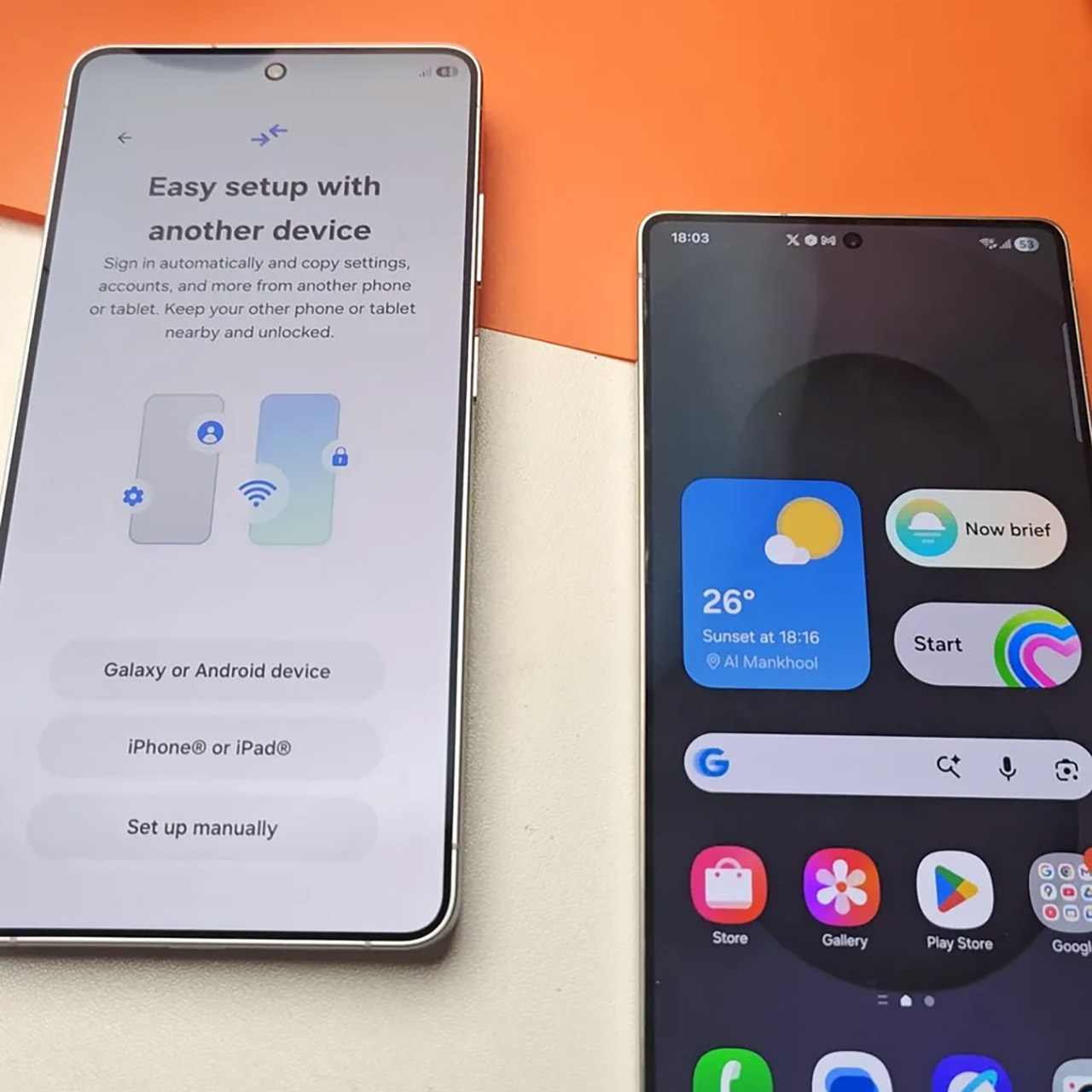
The camera layout is a familiar quad setup similar to the last few Ultras. The 200MP primary sensor remains the star of the show, but it now has a larger aperture, which should allow it to produce better low-light shots. The periscope telephoto lens has also been redesigned, and it is now a bit rounder than previously; it will provide 5x optical zoom. The other two sensors on the back are the 50MP ultra-wide and 10MP 3x telephoto, while the selfie camera has a wider lens, making it simpler to capture everyone in a group image. The hardware modifications aren’t exactly revolutionary, but the improvements to optics and processing should make a visible impact, particularly in zoomed photographs and video. Samsung has also hinted at doing something clever with video zoom, which might let you to move even further away from your subject without compromising quality.
The Snapdragon 8 Elite Gen 5 will handle processor duties across all markets, earning the ‘For Galaxy’ badge in the process, however there are some rumored minor clock speed increases as well. The RAM has also been increased to 16GB in the top-tier versions, while storage starts at 256GB and goes all the way up to 1TB, eliminating the old 128GB base models in the process. As you’d expect from a high-end Ultra device, all of this should provide you with the performance you need to tackle whatever demanding tasks come your way, from gaming to AI features that are now integrated into One UI 8.5.
Battery capacity should remain at 5,000mAh, but the real change is charging, as wired speeds have finally begun to receive the upgrade we’ve been waiting for, jumping from 45W to a whopping 60W, which must be a welcome relief for anyone tired of slow top-ups. Meanwhile, wireless charging has reportedly increased to 25W.
[Source]

Tech
Old Chang Kee once went global & flopped. Now, it’s taking smarter steps.
It even had outlets in South Africa
In Singapore, few snack brands are as ubiquitous as Old Chang Kee. Chances are, you’ve grabbed a curry puff, sotong head, or fried chicken wing from them at some point.
After all, the brand operates more than 80 outlets across Singapore, and nearly 30 more overseas—a scale that cements its status as one of the country’s most recognisable homegrown F&B brands.
But what many might not know is that the company’s international ambitions haven’t always gone according to plan. After tasting failure in its earlier overseas push, it took years before Old Chang Kee decided to venture out again—this time, more careful and far more calculated.
So what went wrong the first time around? And what is it doing differently now to avoid repeating history?
An aggressive expansion push
Old Chang Kee initially began modestly in 1956, when Hainanese immigrant Chang Chuan Boon set up a small curry puff stall at Koek Road. After stints at Albert Street and later Mackenzie Road near Rex Cinema, its puffs, sold at S$0.35 each, became affectionately known as the “Rex curry puffs.”


The turning point for the business came in 1986, when Chang retired and sold the business to Han Keen Juan. With S$70,000 pooled from investors, Han took over the Mackenzie Road stall and set about modernising what had been a humble hawker operation.
He rebranded the business with a new logo and the tagline “Old Chang Kee—it’s a better puff,” standardised recipes, mechanised production, and slowly expanded across Singapore.
By 1991, the company had 12 outlets and revenue had more than doubled to S$1.6 million. A factory in Ubi was also set up, churning out over 10,000 curry puffs a day.
Then came the brand’s aggressive overseas push.
Between 1993 and 1997, Old Chang Kee rapidly expanded through franchises into eight countries, including Malaysia, Indonesia, China, Japan, India and even South Africa. Sales in Indonesia and Malaysia alone surpassed S$1 million by 1994.
Declining sales & mounting quality complaints
While the growth was rapid, it was unfortunately difficult to sustain.
Overseas franchisees began facing declining sales and mounting complaints over product quality and consistency.


The brand’s CFO, Song Yeow Chung, told Vulcan Post that during its first overseas push, Old Chang Kee exported only curry powder, leaving franchisees to prepare the rest of the spice mix on their own, a model that led to variations in taste across markets.
Brand familiarity was another challenge.
Song noted that in the 1990s, international travel was far less common than it is today. Consumers in overseas markets were largely unfamiliar with Old Chang Kee and had little prior exposure to its products or brand identity.
By 2002, the overseas outlets had eventually become unprofitable. Han made the decision to terminate all 24 franchises, incurring losses of around S$50,000.
Doubling down on Singapore


While its international ventures faltered, Old Chang Kee doubled down on its Singapore growth, recording S$14 million in sales that year.
Today, the brand operates 77 Old Chang Kee outlets, alongside two sub-brands, including Curry Times, a curry‑themed restaurant concept, and Dip N Go, a grab‑and‑go concept focused on snack items paired with sauces, bringing its total footprint in Singapore to around 82 outlets.


Consistency is at the heart of its strategy. The curry puff recipe—a core trademark—has remained unchanged over the years, so much so that it is locked in a safe, inaccessible even to the CFO.
While the curry puff remains the brand’s flagship product, Old Chang Kee has also gradually diversified its offerings and expanded its menu.
“We have products like the steamed curry bao, big curry buns, and we’ve collaborated with other players to introduce a curry sandwich. We’re trying to innovate beyond the core product, but not moving too far away from it,” explained Song.
Seasonal ranges, like the chicken mushroom puff, are tested in small batches. If they resonate with customers, they are added permanently to the menu. The brand leverages its large central kitchen, capable of producing up to 50,000 curry puffs daily, to run these experiments.
“It is a constant series of small experiments,” Song said. “The experiments don’t cost us a lot, and are easily reversible in case they don’t work out.”
These efforts earned Old Chang Kee the Overall Winner Award in the Product Excellence category at the Singapore Manufacturing Federation’s inaugural Singapore Innovation and Manufacturing Excellence Awards (SIMEA) 2026, recognising its commitment to quality, innovation, and pushing boundaries in the manufacturing sector.
A more measured overseas strategy
The same approach now guides the brand’s overseas strategy.
When the company officially re‑entered international markets in 2005, it prioritised strict quality control, establishing regional factories to ensure its curry puffs tasted consistent across borders.
Instead of shipping curry powder, the company now sends ready-made curry paste, reducing preparation steps for franchisees. Products are also adapted for local tastes, with roughly 70% of offerings maintaining the core identity and 30% customised.


Markets are also chosen more strategically, with a focus on countries like Malaysia and Indonesia, where fried foods are popular, and curry flavours resonate with local palates. The company operates around 30 outlets in Indonesia, run by a master franchisee, and three in Malaysia.
London is another market the company has targeted. While it may seem unconventional, the move into the country in 2017 is part of Old Chang Kee’s strategy to experiment internationally while leveraging Singapore’s culinary reputation.
The move seems to have worked out: the company has been in London for nearly a decade, appealing to consumers with a taste for curry.


But not all international experiments have been as successful for Old Chang Kee, such as its expansion into Perth.
While the market was initially chosen for its large population of Malaysians and Singaporeans, the specific outlet location—a suburban shopping centre with limited footfall—ultimately failed to attract enough customers, leading to its closure.
The company is now exploring whether relocating to a city-centre location could make the venture viable.
Growing in the retail & non-retail space


As a homegrown F&B brand with decades of experience, these lessons have played an important role in shaping Old Chang Kee’s strategy, guiding its decisions both at home and abroad.
When asked about future overseas ventures, the company remains open to new opportunities—albeit with a more careful and calculated approach.
At the same time, maintaining and growing its Singapore footprint remains just as important, particularly in a competitive and ever-changing F&B landscape.
“Currently, we have 82 outlets in Singapore,” Song said. “For comparison, Starbucks has around 140 outlets and McDonald’s, over 150. So there’s still leeway for us to grow to 140 or 150 outlets—there’s promise in Singapore for further expansion.”
Beyond just retail, Old Chang Kee is also exploring other revenue streams to drive growth.
While over 90% of revenue still comes from its stores, the brand’s non-retail segments, including delivery, catering, and event services, are expanding “much faster,” and are seen as key areas for future growth.
Delivery and packaged meals allow the company to reach more customers without the constraints of storefront manpower, while catering ranges from small office orders to full-scale corporate events. The brand’s O’ My Darling food truck also participates in national initiatives, such as the National Day Parade, offering free snacks to participants while boosting brand visibility.
Song noted that these non-retail initiatives are supported by Old Chang Kee’s strong brand recognition and Halal certification.
“Businesses already know and trust Old Chang Kee, so they’re willing to order our bento meals or catered snacks. Being Halal-certified also means our products can be served to everyone, which is a big advantage for corporate clients.”
- Read other articles we’ve written on Singaporean businesses here.
Featured Image Credit: Old Chang Kee/ @eileen_eats_alot via Instagram
Tech
Should Job-Seekers Stop Using AI to Write Their Resumes?
When one company asked job applicants to submit a video where they answer a question, most of the 300 responses were “eerily similar,” reports the Washington Post (with a company executive saying it was “abundantly clear” they’d used AI.)
Job seekers are turning to AI to help them land jobs more quickly in a tough labor market…. Employers say that’s having an unintended consequence: Many applications are looking and sounding the same…
It’s easy to spot when candidates over-rely on AI, some employers said. Oftentimes, executive summaries will look eerily similar to each other, odd phrases that people wouldn’t normally use in conversation creep into descriptions, fancy vocabulary appears, and someone with entry-level experience uses language that indicates they are much more senior, they added. It’s worse when they use auto-apply AI tools, which will find jobs, fill out applications and submit résumés on the candidate’s behalf, some employers said. Those tend to misinterpret some of the application questions and fill in the wrong information in inappropriate spots. If these applications were evaluated alone, employers say they’d have a harder time identifying AI usage. But when hundreds of applications all have the same issue, they said, AI’s role in it becomes obvious.
The article acknowledges that some employers could be using AI tools to screen resumes too. One job-seeker in Texas even says he’ll stop submitting an AI-written résumé when the recruiter stops using AI to evaluate them. “You’re saying, ‘You shouldn’t be doing this’ when I know a good chunk of them do this!”
Tech
The US Gas Station Chain You Might Not Know Is Owned By A Canadian Company
As well as being simply places to fill up your tank, some gas stations have become destinations in their own right. The biggest gas station in the world is a Buc-ee’s in Texas, and it features more than 100 pumps alongside a huge store that functions as a convenience store, souvenir shop, and BBQ outlet all in one. Whether it’s a big or a small location, you might think you know everything worth knowing about your local gas station, but many people don’t think about who actually owns the place that they visit so frequently.
Some gas stations are owned by Japanese companies, some are owned by British companies, and one well-known chain is actually owned by a Canadian company. This chain is Circle K, which was bought by Canadian convenience store operator Alimentation Couche-Tard in 2003.
It hasn’t always been this way: Circle K can trace its roots back to 1950s Texas, when businessman Fred Hervey bought a small chain of food stores. After expanding into the burgeoning gasoline business, Circle K grew rapidly and opened or acquired locations all over the U.S. Its first international location opened in Japan in 1979, and today Circle K operates in 23 countries. By 2020, there were around 9,800 Circle K locations in North America alone.
The history of Alimentation Couche-Tard
Despite Alimentation Couche-Tard owning Circle K today, the Canadian company hasn’t been around for as long as the gas station chain. Alimentation Couche-Tard was founded in 1980 as a single convenience store in Laval, Quebec and, much like Circle K, it grew rapidly over its first couple of decades of operation. A key part of that growth was acquisition — rather than open its own locations, Alimentation Couche-Tard would take over existing chains and take advantage of their existing network and customer bases.
These acquisitions continued until Alimentation Couche-Tard had absorbed enough of its competition to become the largest convenience store operator in Canada. It reached that milestone in 1999, and just four years later, it made a major move into the U.S. market by purchasing Circle K. The company’s original founder, Alain Bouchard, remains with the company today as executive chairman.
Circle K hasn’t changed hands for more than two decades, but not every foreign-owned gas station chain has enjoyed such stability. Lukoil has a string of locations on the U.S. East Coast, but its future has been uncertain since 2022, as it’s owned by a Russian company. Negotiations surrounding the chain are still ongoing at the time of writing, but the American Carlyle Group has provisionally agreed to buy most of Lukoil’s U.S. assets.
Tech
Our Reviewers’ Top TV Pick for Gamers Is at Its Lowest Price in Months
While there are a ton of OLED screens to choose from, gamers have a different set of needs when it comes to their TVs. For those weeknight warriors, we recommend the Samsung S90F QD-OLED, and the 65-inch model is currently marked down to $1,298 at Amazon. That’s a big discount from its list price and about $100 below the price where it’s been sitting for a few months.
What the Samsung S90F lacks in top-level brightness it more than makes up for with its impressive detail and clear image quality. The colors are bold and flashy while also staying nice and accurate across the panel, and the contrast is incredible, thanks to the OLED panel’s ability to reach basically blacked-out levels in the darkest corners of your favorite RPG. It has excellent glare-reduction in bright rooms, which is perfect for those Saturday-afternoon gaming sessions. Add in support for HDR10/10+, and you’ve got a screen that’s just as good for movies as it is for first-person shooters.
Gamers can look forward to the Samsung Gaming Hub, which has a great set of features for both cloud and local gaming. Unlike some of our other favorite TVs that aren’t as considerate towards gaming, the S90F also boasts a full set of four HDMI 2.1 ports, so you won’t have to pick a favorite console or swap cables every time you switch games. The gaming bar lets you quickly adjust settings to suit your favorite genre, and it has super-fast input response times to help keep your character alive in-game. While capable consoles will happily run the 4K S90F at 120 Hz, PC gamers with compatible GPUs can push that all the way to 144 Hz at 4K.
While the 65-inch model for just under $1,300 is certainly the more reasonable offering, I also spotted the 77-inch model from a third-party seller for just a few dollars under $2,220. As always, the best place to find your next screen is our guide to the best televisions, with real, hands-on experiences from WIRED writers.
Tech
How to get into classic arcade gaming on Apple TV with RetroArch
You can play classic computer games from the comfort of your couch by using RetroArch with the Apple TV. Here’s how to get retro gaming on Apple’s streaming box.

RetroArch works on the Apple TV
Retro gaming on Apple’s ecosystem enjoyed a revival in 2024, as Apple updated its App Store Review Guidelines to allow emulators into the App Store. The change led to a gold rush of emulators arriving in the digital storefront, providing ways to play classic titles on your iPhone or iPad.
The change also made it possible to do the same on the Apple TV. The set-top box in the living room seems like the perfect bit of kit to play retro games on, being connected to a large TV and in the comfiest chairs of the home.
Continue Reading on AppleInsider | Discuss on our Forums
Tech
They Bet Against Trump’s Tariffs. Now They Stand to Make Millions
Investment firms are on track for an enormous payday after the Supreme Court of the United States (SCOTUS) struck down President Donald Trump’s signature tariff policy on Friday.
When Trump introduced sweeping tariffs on foreign goods last April, hedge funds and specialist investment firms began to bet on the possibility that the courts might rule that he had violated the law. They did that by purchasing the right to theoretical tariff refunds at cents on the dollar from struggling importers who wanted to swap the possibility of a future refund for an immediate cash payment.
“We were like, [Trump] is capriciously applying the law,” says Thomas Braziel, founder of investment firm 117 Partners, who says he purchased $925,000 worth of tariff refund claims with his own money. “That was the play.”
This trade was brokered by a variety of Wall Street firms. Though only a select few hedge funds engaged in the trade, those that did generally bought tens of millions of dollars worth of claims, says Neil Seiden, president at Asset Enhancement Solutions, one of the brokerages. “They didn’t want to deal with anything small,” says Seiden.
After SCOTUS ruled that it was illegal for Trump to impose tariffs under the International Emergency Economic Powers Act (IEEPA)—the law used to justify the extensive Liberation Day tariffs—traders who bet against him are on track to multiply their stake. Braziel says he stands to make a more than eight-fold return.
However, though SCOTUS ruled that the IEEPA tariffs were illegal, it did not explicitly address whether the government will be required to issue refunds. “That’s the billion-dollar question,” says Seiden. “Everybody is in a state of flux.”
The question of refunds will be kicked back to the lower courts, says Lawrence Friedman, partner at law firm Barnes Richardson. Even then, he says, the administration may choose to challenge any lower court ruling that requires the government to refund tariff payments. “The President does not like district courts making nationwide injunctions,” claims Friedman.
Asked about the possibility of tariff refunds on Friday, Trump said, “I guess it has to get litigated.” The White House did not respond to a further request for comment.
The prevailing uncertainty leaves the investment firms holding refund claims with a dilemma: Should they bank some winnings by flipping the claims to another buyer, or wait out the legal wrangling? “Trump is Trump is Trump, man,” says Braziel. “I’m not sure if you want to be on the other side of him, no matter how good the legal arguments are.”
Ultimately, though, “it’s a much better day than it was yesterday,” says Friedman, for any hedge funds who took up the trade and importers who chose not to sell their refund claims. “I think it’s extremely unlikely that refunds won’t get granted.”
Tech
Rule-Breaking Black Hole Growing At 13x the Cosmic ‘Speed Limit’ Challenges Theories
“A surprisingly ravenous black hole from the dawn of the universe is breaking two big rules,” reports Live Science. “It’s not only exceeding the ‘speed limit’ of black hole growth but also generating extreme X-ray and radio wave emissions — two features that are not predicted to coexist…”
“How is this rule-breaking behavior even possible? In a paper published Jan. 21 in The Astrophysical Journal, an international team of researchers observed ID830 in multiple wavelengths to find an answer….”
As they attract gas and dust, this material accumulates in a swirling accretion disk. Gravity pulls the material from the disk into the black hole, but the infalling material generates radiation pressure that pushes outward and prevents more stuff from falling in. As a result, black holes are muzzled by a self-regulating process called the Eddington limit… Its X-ray brightness suggests that ID830 is accreting mass at about 13 times the Eddington limit, due to a sudden burst of inflowing gas that may have occurred as ID830 shredded and engulfed a celestial body that wandered too close. “For a supermassive black hole (SMBH) as massive as ID830, this would require not a normal (main-sequence) star, but a more massive giant star or a huge gas cloud,” study co-author Sakiko Obuchi, an observational astronomer at Waseda University in Tokyo, told Live Science via email. Such super-Eddington phases may be incredibly brief, as “this transitional phase is expected to last for roughly 300 years,” Obuchi added.
ID830 also simultaneously displays radio and X-ray emissions. These two features are not expected to coexist, especially because super-Eddington accretion is thought to suppress such emissions. “This unexpected combination hints at physical mechanisms not yet fully captured by current models of extreme accretion and jet launching,” the researchers said in a statement. So while ID830 is launching massive radio jets, its X-ray emissions appear to originate from a structure called a corona, produced as intense magnetic fields from the accretion disk create a thin but turbulent billion-degree cloud of turbocharged particles. These particles orbit the black hole at nearly the speed of light, in what NASA calls “one of the most extreme physical environments in the universe.” Altogether, ID830’s rule-breaking behaviors suggest that it is in a rare transitional phase of excessive consumption — and excretion. This incredible feeding burst has energized both its jets and its corona, making ID830 shine brightly across multiple wavelengths as it spews out excess radiation.
Additionally, based on UV-brightness analysis, quasars like ID830 may be unexpectedly common, the researchers said. Models predict that only around 10% of quasars have spectacular radio jets, but these energetic objects could be significantly more abundant in the early universe than previously suggested. Most importantly, ID830 also shows how SMBHs can regulate galaxy growth in the early universe. As a black hole gobbles matter at the super-Eddington limit, the energy from its resultant emissions can heat and disperse matter throughout the interstellar medium — the gas between stars — to suppress star formation. As a result, ancient SMBHs like ID830 may have grown massive at the expense of their host galaxies.
Tech
Today’s NYT Mini Crossword Answers for Feb. 23
Looking for the most recent Mini Crossword answer? Click here for today’s Mini Crossword hints, as well as our daily answers and hints for The New York Times Wordle, Strands, Connections and Connections: Sports Edition puzzles.
Need some help with today’s Mini Crossword? I had to read through some of the clues several times to figure them out. Read on for all the answers. And if you could use some hints and guidance for daily solving, check out our Mini Crossword tips.
If you’re looking for today’s Wordle, Connections, Connections: Sports Edition and Strands answers, you can visit CNET’s NYT puzzle hints page.
Read more: Tips and Tricks for Solving The New York Times Mini Crossword
Let’s get to those Mini Crossword clues and answers.
The completed NYT Mini Crossword puzzle for Feb. 23, 2026.
Mini across clues and answers
1A clue: Amorphous shape in a lava lamp
Answer: BLOB
5A clue: “Wonderful performance!”
Answer: BRAVO
6A clue: Social media currency
Answer: LIKES
7A clue: Cars that move around a miniature map
Answer: UBERS
8A clue: Partner of relaxation
Answer: REST
Mini down clues and answers
1D clue: Offer money corruptly
Answer: BRIBE
2D clue: Canada has an estimated 2 million of them, the most of any country in the world
Answer: LAKES
3D clue: In-your-face
Answer: OVERT
4D clue: Work overseer
Answer: BOSS
5D clue: Memory of a hectic day, perhaps
Answer: BLUR
Tech
The best earbuds for Android devices in 2026
If you’re using an Android phone, finding the right pair of wireless earbuds can take a little more work than it does for iPhone owners. Apple’s AirPods are tightly woven into iOS, but that same level of seamless integration doesn’t automatically carry over to Android. The good news is there are plenty of earbuds that play just as nicely with Android devices, and in some cases offer features AirPods simply don’t.
From earbuds designed to pair especially well with Samsung Galaxy and Google Pixel phones to models that prioritize strong noise cancellation, long battery life or workout-friendly durability, the Android ecosystem has no shortage of solid options. We’ve tested a wide range of wireless earbuds to find the best picks for Android users, whether you’re after premium sound, reliable everyday performance or a more affordable alternative.
Best Android earbuds for 2026
Max battery life: 6 hours | Water resistance: IPX4 | Noise cancellation: Yes | Multipoint: Yes | Included charging case: Yes | Waterproof: Yes (IPX4) | Driver size: Not specified
Read our full Bose QuietComfort Ultra Earbuds (2nd gen) review
Bose’s Immersive Audio feature may be the headline grabber on its QuietComfort Ultra Earbuds, but these also come with the company’s stellar noise-canceling abilities. This model is especially adept at battling airplane noise during a flight, a task I typically rely on over-ear headphones for. The second-gen QC Ultra Earbuds are effective with human voices too, blocking that distraction better than much of the competition. But with any kind of constant roar, and many irregular sounds, these earbuds will serve you well. Plus, Bose’s CustomTune tool analyzes the shape of your ears and personalizes both sound and ANC. All of this combined pushes the latest QC Ultra Earbuds to the top of our list, unseating longtime champ Sony.
While the QC Ultra Earbuds offer the best pure noise-blocking performance on this list, the extra audio features mean they have less battery life than the rest of our picks. It lasts six hours with ANC on and Immersive Audio off, but turn on the latter and that number dips to four hours. And although Bose’s take on spatial audio yields mixed results at times, the stock tuning is an improvement over the company’s last flagship model. Thanks to small tuning tweaks, the overall sound profile is more balanced on the second-gen version as well.
- Stronger ANC filters out more distractions
- Enhanced call quality
- Battery life isn’t improved
- Bulky design is unchanged
Active noise cancellation: Yes | Wireless charging: Yes | Water resistance: IPX4 | Multipoint connectivity: Yes (2 devices) | Wear detection: Yes | Max battery life (rated): 12 hrs, 24 hrs w/ case | Codecs: SBC, AAC, LDAC, LC3 | Warranty: 1 year
Read our full Sony WF-1000XM5 review
While Sony has introduced the WF-1000XM6, I would argue the previous model is a more well-rounded choice. The M6 doesn’t offer the ANC performance that the M5 does and the ear tips don’t provide a fit that I’m completely happy with. If you plan to use your earbuds for calls, the M6 isn’t the best option there either.
The Sony WF-1000XM5 hits on just about everything we want from a premium set of Bluetooth earbuds. Their small, rounded design should feel comfortable and secure in most ears. They’re nearly unmatched at muting outside noise, thanks to a powerful ANC feature and memory foam eartips that do a remarkable job of isolating sound passively. They sound great out of the box, especially if you like a warmer profile with elevated bass, but you can easily customize the EQ curve through Sony’s app, and they do well to draw out treble-range detail either way. They’re also loaded with extra features, including multipoint connectivity, Google Fast Pair, LDAC and spatial audio support, the ability to swap between ANC and ambient sound (or “transparency”) modes automatically and more. The wireless charging case is conveniently tiny, while the eight- to 12-hour battery life gives little to complain about.
Still, the XM5s still aren’t a total slam dunk. The built-in mics aren’t the clearest for phone calls. The IPX4 water-resistance rating could be higher. Some people might find the memory foam eartips a little too full-feeling. They also have a list price of $330, which is far from affordable. But no other wireless earbuds we’ve tested have managed to tick so many boxes.
- Strong, customizable audio quality
- Should be comfortable to most
- Loads of handy bonus features
- Stellar noise isolation
- Expensive
- Memory foam eartips aren’t for everyone
- No battery life improvement over predecessor
Active noise cancellation: Yes | Wireless charging: Yes | Water resistance: IPX4 | Multipoint connectivity: Yes (2 devices) | Wear detection: No | Max battery life (rated): 10 hrs, 50 hrs w/ case | Codecs: SBC, AAC, LDAC | Warranty: 18 months
Read our guide to the best budget wireless earbuds
If you don’t have hundreds to spend, our favorite wireless earbuds in the budget bracket are the Anker Soundcore Space A40. Frequently priced between $45 and $60, this pair has the kind of features we’d expect from earbuds that cost twice as much: genuinely powerful ANC, multipoint connectivity, wireless charging, a solid eight to ten hours of battery life, LDAC support, decent (if not great) IPX4 water resistance and a usable ambient sound mode. They don’t have the most resolving or detail-rich sound of the box, unsurprisingly, but their warm profile offers pleasant, thumpy bass without totally blowing out the low-end. If you want to add more treble presence, you can customize the EQ through a clean and easy-to-read companion app. The actual earpieces are small, round and comfortable as well.
The main trade-off is call quality, as the built-in mic can lose your voice in noisy environments and doesn’t handle sibilant sounds very well. There’s no wear detection either, so your music won’t auto-pause when you remove an earbud. They also don’t support Google’s Fast Pair tech, though the earbuds should remember your device and automatically reconnect after you pair them for the first time. But for the price point, it’s hard to complain.
- Excellent ANC for the price
- Warm, pleasant sound
- Comfortable and compact
- Good battery life
- No automatic wear detection
- Mediocre call quality
- Doesn’t sound as detailed as higher-end options (as expected)
Active noise cancellation: Yes | Wireless charging: Yes | Water resistance: No IPX rating | Multipoint connectivity: Yes (2 devices) | Wear detection: No | Max battery life (rated): 7 hrs, 47 hrs w/ case | Codecs: SBC, AAC, LDAC, aptX Adaptive | Warranty: 1 year
Read our full Noble FoKus Rex5 review
Determining which set of headphones has the “best” sound quality is a fool’s errand — at the end of the day, it’ll always come down to personal taste. But if we had to pick one pair we’ve particularly enjoyed for music, it’d be the Noble FoKus Rex5. Its unique five-driver design helps it draw out a remarkable level of detail and properly separate the instrumentation in any given track. It’s a balanced sound profile, with tight but not overindulgent bass, a natural-sounding midrange and relaxed highs that don’t fatigue over time. The soundstage is wider than most true wireless earbuds we’ve tested, while support for LDAC and aptX Adaptive only assist with detail retrieval. You can set a personal EQ if you need it, but we’ve found the stock tuning to suit any genre well by default.
The FoKus Rex5 supports ANC and multipoint connectivity, while its IEM-style, metal-and-acrylic housing fits comfortably in the ear. But you’d buy it for the sound quality first and foremost: Noise cancellation isn’t on Sony’s level, the ultra-green finish isn’t for everyone, the five- to seven-hour battery life isn’t ideal and there’s no auto-pausing when you remove an earbud. Most prohibitively, these things are damn expensive at $449. If you want something a little less pricey, the Technics AZ100 and Bowers & Wilkins Pi8 are compelling (if bassier) options as well. But for self-proclaimed audiophiles with cash to burn, the FoKus Rex5 are a treat.
- Detailed, immersive sound
- Comfortable fit
- Custom audio profiles that save directly to the buds
- Very expensive
- Just one color and it’s not for everyone
- Subpar ANC performance
Active noise cancellation: Yes | Wireless charging: No | Water resistance: IPX4 | Multipoint connectivity: No | Wear detection: Yes | Max battery life (rated): 6 hrs, 24 hrs w/ case | Codecs: SBC, AAC | Warranty: 1 year
Most of our picks above will work just fine in the gym, but if you’re buying a pair for workouts first and foremost, try the . Yes, we’re recommending a set of Apple-made earbuds in an Android buying guide. But while this pair works best with iPhones, most of their AirPods-style features are also available on Android through the . You can pair them with one tap through a pop-up card, view a map with their last known location, swap between ANC and ambient sound modes from the home screen, remap controls and check their battery level from the notification tray. There’s no hi-res codec support, but in general the drop-off from iOS to Android isn’t as great here as it is with a pair of AirPods.
The main reason we recommend the Powerbeats Fit is their lightweight design, which is equipped with bendy silicone fins that keep the earbuds secure in place while you’re moving around. It’s extremely similar to the previous , though the fins on this new iteration are a bit softer and more flexible, which makes them a little comfier. They also come with an extra small set of tips in the box. Their IPX4 water-resistance rating isn’t the best, but it should be enough for all but the sweatiest gymgoers. (Just don’t use them in the pool.) We also like that the Powerbeats Fit uses physical buttons to adjust volume or skip tracks, since touch controls can feel finicky when you’re trying to keep up with a workout. Their punchy sound is well-suited to the gym too, with a noticeable but not overwhelming push in the bass and treble. It’s not one for purists, but it’s energetic.
If you aren’t specifically looking for workout earbuds, you can still do better. The Powerbeats Fit still lack wireless charging and multipoint connectivity, and there’s no way to customize the EQ if you don’t like the default sound. Their built-in mics aren’t anything special for phone calls, and the six-hour battery life is just passable. Plus, while the ANC mode is useful enough for tamping down the noise of a gym, it’s a clear step down from the best options on the market. If you can find the older Beats Fit Pro at a significantly lower price, those may still be a better value, since the changes here are fairly minimal — though the new model does come with a smaller charging case alongside the redesigned wingtips.
We’ll also note the , another recent Beats model which has an around-the-ear hook design that some might prefer, a more advanced Apple H2 chip (the Powerbeats Fit uses the older H1) and a modicum of heart rate tracking. That one is priced $50 higher, though.
- Secure fit for workouts with flexible wingtips
- Punchy sound is well-suited to the gym
- Physical control buttons
- Smaller charging case than previous Beats Fit Pro
- No wireless charging or multipoint connectivity
- Six-hour battery with ANC could be better
- ANC isn’t fine but nothing special
Active noise cancellation: Yes | Wireless charging: Yes | Water resistance: IP54 (IPX4 for case) | Multipoint connectivity: Yes (2 devices) | Wear detection: Yes | Max battery life (rated): 12 hrs, 48 hrs w/ case | Codecs: SBC, AAC | Warranty: 1 year
Read our full Google Pixel Buds Pro 2 review
The Pixel Buds Pro 2 are explicitly designed to work in harmony with other Pixel devices, so they’re worth considering if you’re a dedicated fan of Google’s phones. They come with a host of useful bonus features, from remote ringing and a “conversation detection” mode to a customizable EQ and automatic switching between devices paired to your Google account. (You also get hands-free access to Google’s Gemini AI bot, though we wouldn’t call that essential.) You can still access most of the Pixel Buds’ perks on other Android devices by downloading a separate app, but all of the functionality is baked into Pixel phones natively. This means you can manage the earbuds, check battery status and the like right from your device’s settings menus. It’s similar to how Apple integrates AirPods with iOS.
The earbuds themselves are perfectly competent beyond that, with a tiny yet comfortable design, decent ANC for the price, eight-ish hours of battery life, adequate call quality and an enjoyable sound with punchy bass and extended treble. That said, you’ll still get richer audio quality and more robust noise cancellation from our Sony and Noble picks above, so those who aren’t all-in on Google hardware can feel free to look elsewhere. More recently, Google released the more affordable — at $129, but it misses out on a bunch of features included with the Pixel Buds Pro 2, including wireless charging, longer battery life, onboard volume controls, support and more.
- Tight integration with Pixel phones
- Tiny, comfy design
- Agreeable sound
- Smaller touch panels require precision
- ANC isn’t on par with Sony WF-1000XM5
Active noise cancellation: Yes | Wireless charging: Yes | Water resistance: IP57 | Multipoint connectivity: No | Wear detection: Yes | Max battery life (rated): 7 hrs, 30 hrs w/ case | Codecs: SBC, AAC, SSC, SSC-UHQ | Warranty: 1 year
Read our full Samsung Galaxy Buds 3 Pro review
Along those lines, the Samsung Galaxy Buds 3 Pro are to Galaxy phones what the Pixel Buds Pro 2 are to Pixel phones. Using them with a Samsung handset unlocks a few ecosystem-specific perks, including the hi-res Samsung Seamless codec, a real-time translation tool and a “Game Mode” that reduces latency. That’s on top of features like spatial audio, a graphic EQ, a lost device finder, adaptive ANC, simplified voice commands and automatic switching between Samsung devices.
This kind of walled garden approach is frustrating; remember when you could plug your headphones into any device and it’d work the same way every time? But, as with the Pixel Buds and AirPods, the Galaxy Buds 3 Pro are undeniably convenient if you’ve already bought into their chosen platform.
The rest of the package gets more right than wrong, though there are some issues worth calling out. The stem-style design pretty much rips off the AirPods Pro — this is particularly evident with the white finish — but adds weird, unnecessary LED strips down the stems. It’s comfortable, but Samsung isn’t beating the copycat allegations here. The ANC isn’t on par with the Sony XM5s either, and the six-hour battery life is shorter than many other premium pairs. There’s also no hi-res codec support with non-Samsung phones. On the plus side, the ambient sound mode works well. And most importantly, these things sound excellent out of the box, with full, meaty bass complemented by amply detailed highs and upper-mids.
It’s worth noting that Samsung froze shipments of the Galaxy Buds 3 Pro right around launch due to quality control concerns (mainly regarding the stock eartips), but those look to have been resolved, and we haven’t seen anything out of the ordinary with our review unit.
- Tight integration with Samsung phones
- Great audio quality
- Comfy fit
- Natural ambient sound
- Need a Samsung phone to get the most out of them
- Battery life is shorter than some rivals
- Copycat design with gimmicky LED lights
What to look for in wireless earbuds for Android devices
Photo by Jeff Dunn / Engadget
For the most part, the features you want from a set of “Android earbuds” are the same as what you want from any headphones. Great sound quality, a comfortable fit and sufficient battery life are still the foundations. Adequate water resistance is good for workouts, and nobody wants a crummy mic for making calls. Once you approach the $100 range, features like active noise cancellation (ANC), wireless charging, an ambient sound mode (which lets you better hear outside noise without turning off your music) and multipoint connectivity (the ability to pair with multiple devices simultaneously) should be expected.
For Android devices specifically, there are a few extras to consider. A dedicated app that makes it easy to switch sound modes, customize the audio profile, locate your earbuds if they ever get misplaced or adjust other settings is strongly preferred. Features like Google Fast Pair or NFC-based pairing, which can help you avoid having to dig through your Bluetooth menu to connect your earbuds for the first time, are also nice perks. Some Android devices can also utilize higher-quality Bluetooth codecs such as aptX Adaptive or Sony’s LDAC — these aren’t nearly as important to audio quality as the actual architecture of your earbuds, but they can help wring out a little more detail if the buds are capable enough and you’re streaming lossless files. AptX Adaptive can also help reduce latency, which is good for streaming video or gaming.
Diversity is Android’s greatest strength, but it also means that some wireless earbuds play nicer with certain devices, typically those made by the same company. Recent Samsung earbuds, for instance, come with a few perks that are only available if you use a Galaxy phone. We have a couple of recommendations related to this idea above.
How we test Android earbuds
Photo by Billy Steele/Engadget
The best way to test earphones is simply to wear them as much as possible, so that’s what we do. We typically do this over a one- to two-week period, though embargo times occasionally force us to finish our review process a bit faster. We listen to a test playlist that includes several musical genres and podcasts, paying close attention to how each pair approaches the bass, mid and treble frequencies to get an accurate sense of its sound profile. We also test at high and low volumes to check for consistency in the tuning. We do not have access to a dummy head to take more objective measurements, but we’ll sometimes look to sites like Rtings, SoundGuys and others that do just to ensure our impressions are not wildly off-base. If a model supports custom EQ, we’ll tinker with that and use the available EQ presets to see if one sounds dramatically better than the others — though in general we base most of our impressions on the stock tuning each pair uses by default.
To assess microphone quality, we record our own audio samples and take multiple calls with a partner both indoors and outside. For battery life, we play our test playlist on a loop with the volume around 75 percent and measure how long it takes for each set to drain. Where applicable, we do a thorough review of a pair’s companion app and test each available feature. While comfort is ultimately subjective, we take note of how secure each pair feels while we’re on the move. We also use certain pairs in especially crowded public spaces to get a better sense of their passive and active noise cancellation, as well as their ability to maintain a consistent Bluetooth connection.
Recent updates
February 2026: Updated to include new top picks.
November 2025: The lightly updated Beats Powerbeats Fit replace the older Beats Fit Pro as our top pick for working out. We’ve also noted the new Google Pixel Buds 2a as a cheaper alternative to the Pixel Buds Pro 2, which remain our recommendation for Pixel phone users.
August 2025: We’ve taken another sweep to ensure our advice is still up-to-date.
May 2025: We’ve checked this guide to ensure our top picks still stand and noted a couple alternatives to the Noble Fokus Rex5, since that pair has had stock issues of late. We’re also keeping an eye on how the Trump administration’s tariff policy affects the pricing and stock of our recommendations (and the consumer tech industry as a whole). All of our picks are still available in their normal price ranges today, but we’ll update this guide if that changes.
February 2025: The Noble FoKus Rex5 is our new “best for sound quality” pick, replacing the Sennheiser Momentum True Wireless 4. Our other recommendations remain unchanged.
December 2024: We’ve lightly edited this guide for clarity and ensured that our current picks are still accurate.
Tech
Wispr Flow launches an Android app for AI-powered dictation
AI-powered dictation startup Wispr Flow has launched its Android app today. The company released its app for Mac and Windows first, then launched on iOS in June 2025.
On iOS, users could use Wispr Flow through a dedicated keyboard. On Android, the interface is a bit different, as you can access the dictionary through a floating bubble. You can hold the bubble and dictate, or press once to start, and then press the close button to stop the process. Just like on other platforms, in addition to dictation, the app cleans up the filter words and also formats the text based on the context of the app and spoken content.
“Android finally gave us the freedom to build the voice experience we always wanted. Only when the platform gets out of the way can we truly expect voice to replace typing on mobile,” Tanay Kothari, co-founder and CEO of the startup, said.
The app can support translation in over 100 languages and can work across other apps. Along with the Android app release, Wispr Flow said that it has done an infrastructure rewrite that makes dictation 30% faster than before.
While there are tons of AI-powered dictation apps available on desktop and iOS, Wispr Flow is one of the few available on Android with this launch, besides Typeless, which launched an app for the platform last month.
What’s more, the company has also released a new model for Hinglish, a mix of Hindi and English, for people in India who speak in mix-coded way.
Techcrunch event
Boston, MA
|
June 9, 2026
“If you’re someone like me, English and Hindi weave together when I’m chatting with family and colleagues back home. This is one of those times when I just had to build something for me: the first voice model to actually support transcription in Hinglish instead of traditional Hindi script,” Kothari said.

The company noted that even with early rollout to select users, users have spoken over 1.3 million words in English in the last few days.
Wispr Flow has been one of the more popular startups in the category of AI-powered dictation apps that have also attracted significant venture capital attention. In June, the startup raised $30 million in funding led by Menlo Ventures in June. Within a few months, in November, the company secured $25 million in a round led by Notable Capital. Wispr Flow has raised $81 million in total, with its last round valued at $700 million according to sources.
-
Video7 days agoBitcoin: We’re Entering The Most Dangerous Phase
-
Crypto World6 days agoCan XRP Price Successfully Register a 33% Breakout Past $2?
-
Video3 days agoXRP News: XRP Just Entered a New Phase (Almost Nobody Noticed)
-
Fashion3 days agoWeekend Open Thread: Boden – Corporette.com
-
Sports6 days agoGB's semi-final hopes hang by thread after loss to Switzerland
-
Politics1 day agoBaftas 2026: Awards Nominations, Presenters And Performers
-
Tech6 days agoThe Music Industry Enters Its Less-Is-More Era
-
Business5 days agoInfosys Limited (INFY) Discusses Tech Transitions and the Unique Aspects of the AI Era Transcript
-
Entertainment5 days agoKunal Nayyar’s Secret Acts Of Kindness Sparks Online Discussion
-
Video6 days agoFinancial Statement Analysis | Complete Chapter Revision in 10 Minutes | Class 12 Board exam 2026
-
Tech5 days agoRetro Rover: LT6502 Laptop Packs 8-Bit Power On The Go
-
Sports4 days agoClearing the boundary, crossing into history: J&K end 67-year wait, enter maiden Ranji Trophy final | Cricket News
-
Business22 hours agoMattel’s American Girl brand turns 40, dolls enter a new era
-
Business17 hours agoLaw enforcement kills armed man seeking to enter Trump’s Mar-a-Lago resort, officials say
-
Entertainment5 days agoDolores Catania Blasts Rob Rausch For Turning On ‘Housewives’ On ‘Traitors’
-
Business5 days agoTesla avoids California suspension after ending ‘autopilot’ marketing
-
Tech17 hours agoAnthropic-Backed Group Enters NY-12 AI PAC Fight
-
Politics6 days agoEurovision Announces UK Act For 2026 Song Contest
-
NewsBeat16 hours agoArmed man killed after entering secure perimeter of Mar-a-Lago, Secret Service says
-
Crypto World5 days agoWLFI Crypto Surges Toward $0.12 as Whale Buys $2.75M Before Trump-Linked Forum