

Politics
Labour doctor by-election poll

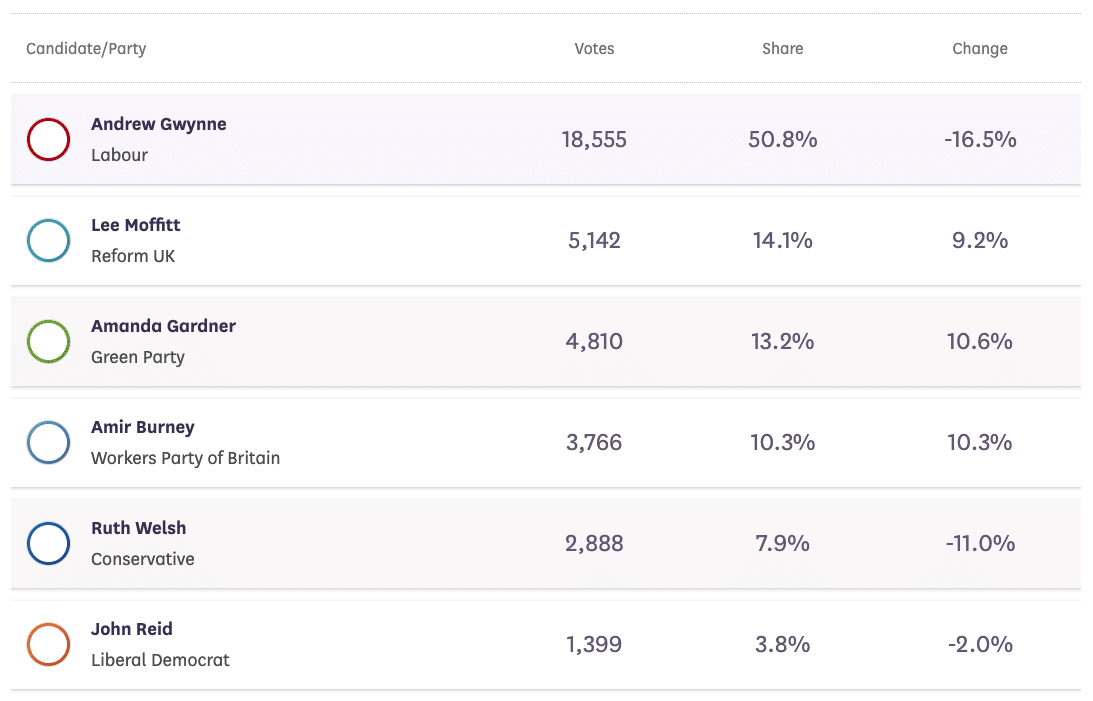
On 24 February 2026, a poll came out suggesting Labour, the Green Party, and Reform are neck and neck in the Gorton by-election.
Throughout the race, Labour have claimed they’re the only ones who can beat Reform. As such, it’s not surprising to see them report on the poll like this:
🚨BREAKING: new poll suggests there is just one point between Labour and Reform in Gorton and Denton.
Every vote will count on Thursday. Back Labour and choose unity over Reform’s division. pic.twitter.com/q8ocoMqKCP
— The Labour Party (@UKLabour) February 24, 2026
Momentum
For reference, here’s what the poll looks like with the Greens and other parties included:
Data tables will be published by Opinium tomorrow pic.twitter.com/RMUJHHUW52
— Politics UK (@PolitlcsUK) February 24, 2026
Labour have created a paradox for themselves here.
On the one hand, they want you to believe this poll is accurate; on the other, they want you to think they’re the only ones who can beat Reform.
Which is it?
The poll also shows something else, and it’s that the Greens have the momentum.
This is what the vote share looked like in the 2024 election:

Should the Opinium poll play out it would mean the parties experienced the following shifts:
- Greens: 10% <<< 28%
- Reform: 9% <<< 27%
- Labour: 50% >>> 28%
Obviously this means voters have abandoned Labour to vote Green (or Reform). So at this stage in the race, which of the two options do you think is most likely?
- Seeing the way the wind is blowing, more voters abandon Labour for the Greens.
- The voters who abandoned Labour decide to un-abandon them despite polling showing the Greens seem most likely to win.
People clocked what Labour are up to anyway, including former Canary contributor Curtis Daly:
You absolute scum bags, you literally cropped the Greens out https://t.co/nuG4XkGsDT pic.twitter.com/MGDNco1sdP
— Curtis Daly (@CurtisDaly_) February 24, 2026
lmao they literally just removed the Green Party — at 28% and 30% to Labour’s 28% among likely voters in this same poll — from the picture. https://t.co/qyoFn0A7Mc
— Luke Savage (@LukewSavage) February 24, 2026
All to play for
Journalist Barry Malone said this polling may clarify why Starmer turned up to support the Gorton & Denton race:
This’ll be why Starmer showed up. https://t.co/5Wuk478yd7
— Barry Malone (@malonebarry) February 24, 2026
We noted yesterday that it was strange for Starmer to show up given his record unpopularity. He’s so unliked, in fact, that he tends to turn voters against whatever he supports, which is why we covered it as follows:
Everything Keir Starmer touches turns to shit, so why has he turned up in Gorton & Denton to give his candidate a last minute endorsement?
By @willem_moore_uk https://t.co/pjRJuod9BT
— Canary (@TheCanaryUK) February 24, 2026
Clearly, Starmer thinks there’s a shot at victory, and he wants to pretend it came because of him – not despite of him.
If the Opinium poll is correct, Labour are doing better than we expected. At the same time, this is clearly a party in decline. And if they do lose, expect the rumours of a leadership challenge against Starmer to increase.
Featured image via Barold

Politics
The House | “Gripping”: Baroness Bryan reviews ‘Troublemaker: The Fierce, Unruly Life of Jessica Mitford’
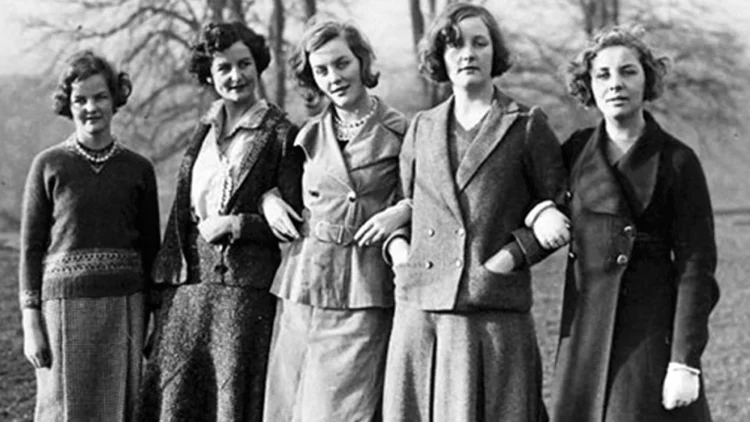
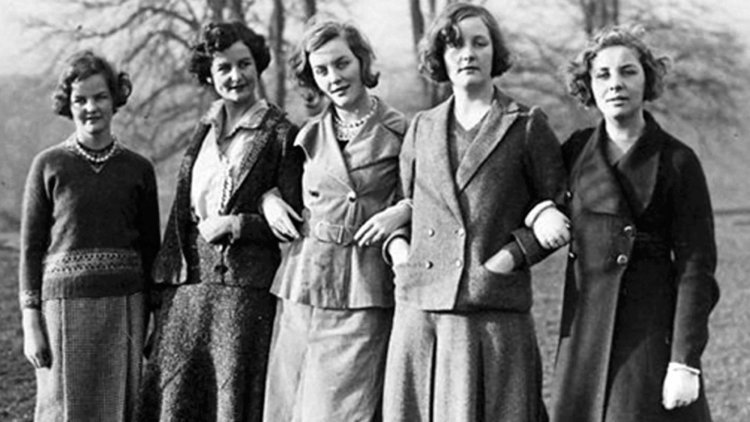
The Mitford sisters, 1935: (l-r) Jessica, Nancy, Diana, Unity and Pamela | Image by: Pictorial Press Ltd / Alamy

4 min read
An engaging account of the life of the most adventurous of the six Mitford sisters, this may be a weighty tome but is well worth the effort
There were six Mitford sisters. Nancy achieved fame as a chronicler of the upper classes. Pamela lived for many years in Switzerland with her female partner. Diana married the most notorious British fascist, Oswald Mosley, and served time with him in prison. Unity was a dear friend of Adolf Hitler and tried to kill herself in despair as the war swung towards the allies. Deborah married into one of England’s most influential families, becoming Duchess of Devonshire. It was, however, Jessica – the subject of this book – who had the most adventurous life of them all.
It is said of the Mitford family that you couldn’t have made them up. They were beyond fiction. Carla Kaplan gives a real sense of this and helps the reader follow the confusions of the various names they used, both in their own secret language and in their dealings with others. Throughout the book, Jessica is Decca.
Out of the six, it was Decca who caused the most dismay. First by running away with her second cousin Esmond Romilly to fight in the Spanish civil war, returning to live in the Rotherhithe docks in London; and then going to the USA and becoming an active member of the Communist Party. Her antisemitic family could tolerate almost anything but her second marriage to a Jewish fellow-communist caused the greatest rift.
She had hoped her first marriage would be “terrific fun”. She and Esmond went to the USA with several letters of introduction and cadged off these acquaintances – borrowing their homes, their clothes and giving nothing back but delightful company.
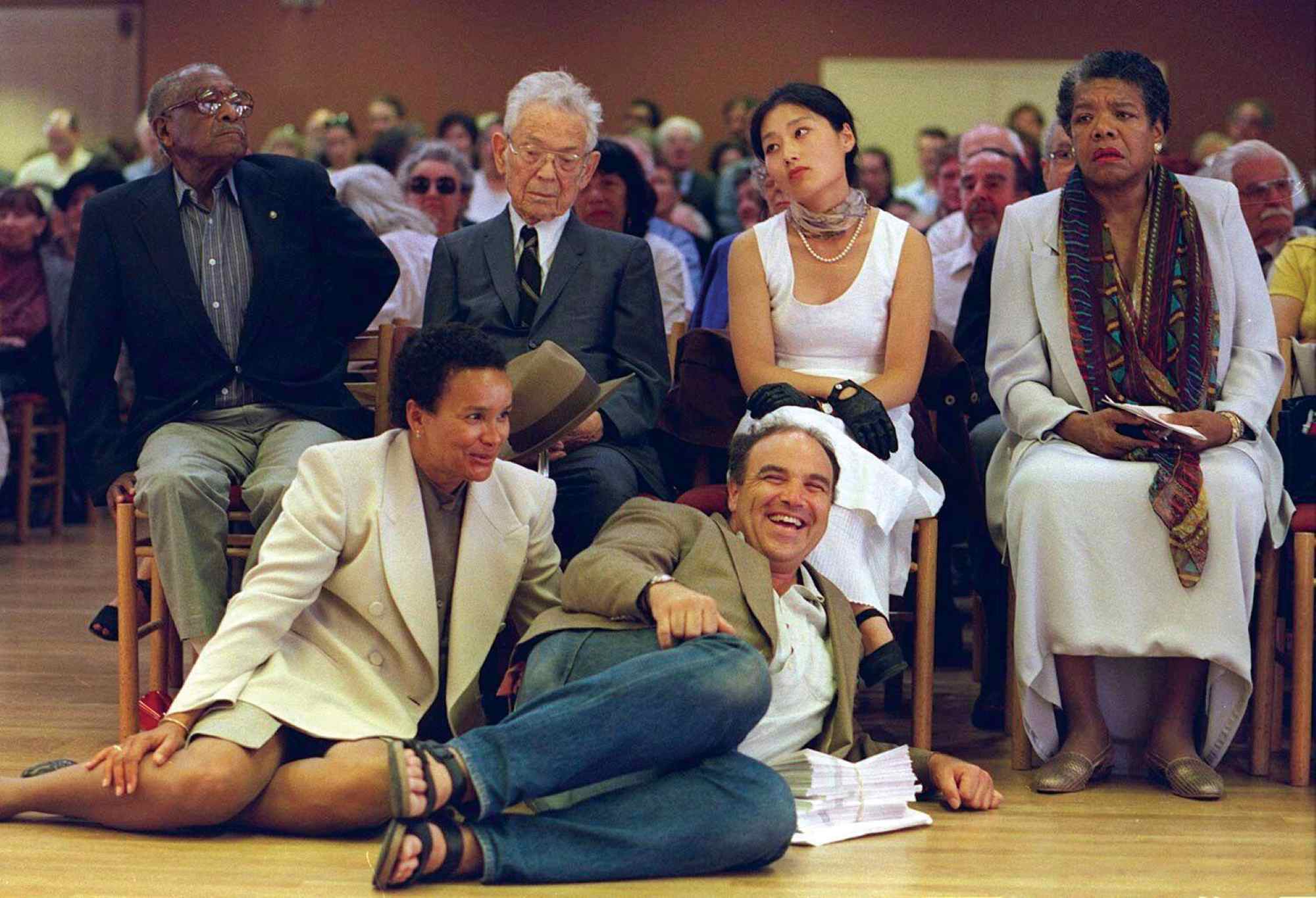
Her closest friend in the US was probably Maya Angelou
Their short married life had two tragedies: the death of their daughter due to measles, and the death of Esmond, who went missing-in-action in the Second World War after enlisting in the Canadian Royal Air Force. When Winston Churchill came to Washington to meet president Roosevelt, he sent for Decca so he could commiserate on her loss: she was a distant cousin and Esmond was his nephew. At the time she had no money and was struggling to keep herself and their second daughter, but was entertained at the White House. This was typical of the contradiction between her two worlds.
Decca had existed on the goodwill of her friends, but once America entered the war, she was able to find work in one of the wartime regulators – the Office of Price Administration – where she became an expert in exposing bad practice. She was an active trade unionist and member of the Communist Party. She moved to San Francisco where she married civil rights lawyer Bob Treuhaft and started the second part of her adventurous life.
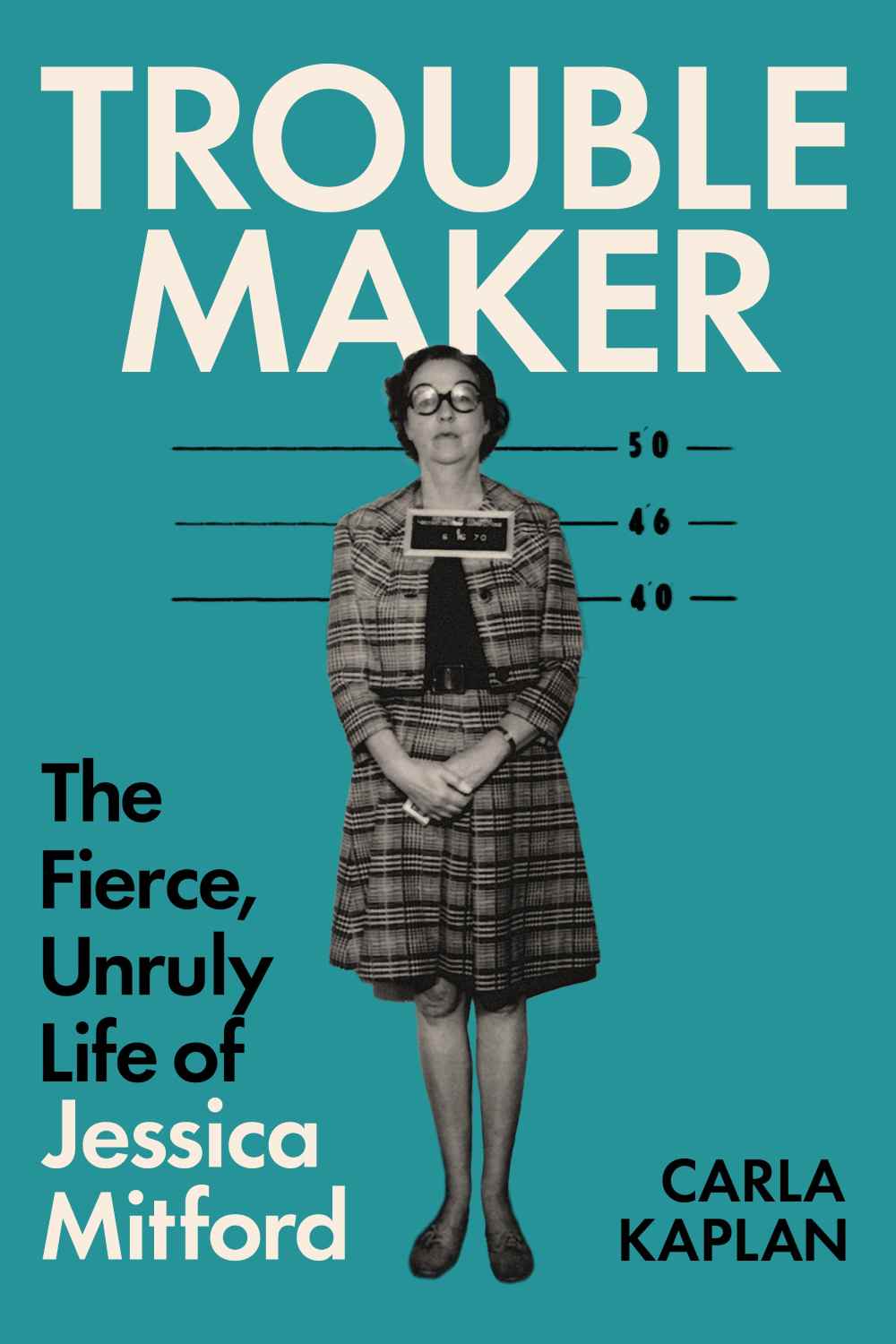 After the awful death of their young son, she got to see the hideous side of the “death industry” in the US. Writing The American Way of Death allowed her to vent her anger about the way funeral homes used unscrupulous practices to take advantage of grieving families. This began her career as a “muckraking” writer. She and Bob survived the McCarthy period and stayed active in the Communist Party and campaigns for civil rights.
The list of Decca’s friends in both the UK and the USA reads like a Who’s Who of the best-known names in politics and culture. Her closest friend in the US was probably Maya Angelou. The two would sing a duet of her favourite song, Right Said Fred.
The biography is over 400 pages but with an additional 150 pages of acknowledgements, notes, bibliography, an index and many pages of delightful photographs, it is a weighty tome. But it is well worth the effort as Kaplan manages to immediately engage the reader in this gripping life story.
Baroness Bryan is a former Labour peer
Troublemaker: The Fierce, Unruly Life of Jessica Mitford
By: Carla Kaplan
Publisher: Hurst & Co

In respect to John Davidson’s request to Variety, we have referred to Tourette’s as a ‘condition’ rather than a ‘disability’
Speaking to Variety, John Davidson has been able to speak to the recent controversy at the BAFTAs which was televised on the BBC. He’s done so in the hope it will foster more understanding and awareness about Tourette’s. The BBC’s apparent editorial choice to broadcast this involuntary racist slur has unsurprisingly resulted in widespread upset. Concerningly, it has sparked heated animosity between our Black and disabled communities in the UK.
We have since learned the BBC seemingly reassured executives from Warner Bros it would not broadcast the slur.
Now, Davidson’s own words have raised further questions around the BBC’s intentions. Going further, it sparks fresh concerns that the BBC may have deliberately left this offensive incident in the cut. This carries considerable weight given the absence of other inappropriate slurs that came as a result of Davidson’s tics.
As a result, the hole the BBC has dug for itself is getting deeper by the day.
The BBC has a lot to answer for. pic.twitter.com/0dNBGMkptj
— Mukhtar (@I_amMukhtar) February 24, 2026
Davidson: “Please don’t judge me. Please understand this isn’t who I am.”
Scottish campaigner Davidson is the real-life inspiration for I Swear, a film highlighting the challenges for people with Tourette’s. Davidson had reached out to the Sinners team after the incident to offer his apology to Michael B. Jordan, Delroy Lindo, and production designer Hannah Beachler.
During his interview, he was asked how it feels to have Tourette’s. In response, Davidson gave a glimpse into how these involuntary tics have put his safety at risk as a result of the offence caused:
Very often, the media focuses on my particular type of Tourette’s, which is called coprolalia — the involuntary use of obscene or offensive language. This symptom affects 10% to 30% of people with the condition and is not a criterion for diagnosis. However, it is one of the hardest tics to manage and can be very distressing for those living with it. Many individuals report discrimination and isolation as a result.
I have been physically beaten to within an inch of my life with an iron bar after tic-ing a comment to a young woman whose boyfriend and accomplice ambushed me one evening.
Adding:
The real challenge isn’t the tics themselves, but the misconceptions surrounding them. Understanding the full range of Tourette’s helps reduce stigma and supports everyone living with the condition.
When socially unacceptable words come out, the guilt and shame on the part of the person with the condition is often unbearable and causes enormous distress. I can’t begin to explain how upset and distraught I have been as the impact from Sunday sinks in.
Davidson made clear that he has no forewarning of these tics, saying that whilst some can suppress them briefly, the very act of suppression resembles a coke bottle being shaken. Informing that the tics come like an explosion of fizzy pop, he added:
For me personally, my brain works so fast and the tics have always been so aggressive that I have no idea when they are coming or what they will be. I have almost no ability to suppress, and when the situation is stressful, I have absolutely no choice but to tic — it simply bursts out of me like a gunshot.
“I ticked perhaps 10 different offensive words on the night”
The awareness campaigner highlighted that those with the condition find these tics show up in ways that are deeply offensive for themselves. This makes the condition feel ‘spiteful’ for those living with it. Stating that it is the ‘last thing he believes’, Davidson gave examples of other tics on the night that didn’t make the BBC cut.
Of particular concern is the knowledge that apparently of 10 offensive outbursts on the night, the BBC kept just one:
For example, when the chair of BAFTA started speaking on Sunday, I shouted, “Boring.” On Sunday, Alan Cumming joked about his own sexuality and, when referencing Paddington Bear, said, “Maybe you would like to come home with me, Paddington. It wouldn’t be the first time I have taken a hairy Peruvian bear home with me.” This resulted in homophobic tics from me and led to a shout of “pedophile” that was likely triggered because Paddington Bear is a children’s character.
I would appreciate reports of the event explaining that I ticked perhaps 10 different offensive words on the night of the awards. The N-word was one of these, and I completely understand its significance in history and in the modern world, but most articles are giving the impression I shouted one single slur on Sunday.
Davidson also speaks about the poignant moment this should have been for the campaigner before effectively being sold out by the BBC. Despite all he had to overcome to be there, he positively referred to the acceptance he felt at the BAFTAs:
After living with Tourette’s for almost 40 years, I was aware of how physically and mentally difficult it would be for me to attend. I also had a serious heart operation only five weeks ago. I put every ounce of energy and concentration into being able to attend.
I was thrilled to see that on the night, everyone — including some of the most well-respected and famous people from the film world — cheered at my name and applauded. I stood and waved to show my appreciation and acknowledged that this was a significant moment in my life, finally being accepted. It started as one of the most memorable experiences of my life.
Serious questions for the BBC
This should have been a watershed moment where British society was able to learn more about the condition of Tourette’s, whilst finally reducing unwelcome stigma on those powerless to the harm it can cause. In reality, the BBC’s decision has directly worsened that deeply painful stigma. On top of the absence of other involuntary tics in the final cut, a quote from Davidson’s interview strengthens calls for intense scrutiny of the BBC. It also reinforces Labour MP Dawn Butler’s demands for transparency in its decision-making process.
Davidson stated:
StudioCanal were working closely with BAFTA, and BAFTA had made us all aware that any swearing would be edited out of the broadcast. I have made four documentaries with the BBC in the past, and feel that they should have been aware of what to expect from Tourette’s and worked harder to prevent anything that I said — which, after all, was some 40 rows back from the stage — from being included in the broadcast.
Arguably suggesting the BBC saw some advantageous content to come from someone living with such a debilitating condition, he added:
As I reflect on the auditorium, I remember there was a microphone just in front of me, and with hindsight I have to question whether this was wise, so close to where I was seated, knowing I would tic.
We wrote yesterday about Butler’s call for the BBC to explain itself, saying:
Labour MP Dawn Butler has written to the BBC following its recent decision to air an involuntary racist slur. Tourette’s campaigner John Davidson shouted the N-word at the BAFTAs, and both Black actors visibly shuddered when they heard it before composing themselves and continuing. Butler has now asked for an “urgent explanation” from the broadcaster. Their choice to air the slur led to widespread hurt against both the Black and disabled community.
The BBC successfully, and conveniently, cut any mention of Palestine from the broadcast. This demonstrates it’s ability to axe or censor content, so why the double standard? This BAFTA incident would suggest they simply didn’t want to, raising questions once again about whose interests the broadcaster serves.
Willful negligence?
Understanding that the lion’s share of Davidson’s tics had been removed signals the selective approach the BBC appears to have operated in. After all, it’s ironic that they chose to cut the reference to ‘paedophiles’ amidst a couple of high-profile arrests connected to a convicted paedo Jeffrey Epstein.
As Butler also reminded, they cut reference to Akinola Davies Jr’s call for achieving justice and recognition for the ongoing oppression of Palestinians, Sudanese and Congolese. Furthermore, those in charge can’t even deny awareness of the concern, with the request from Warner Bros to censor the n-word.
Therefore, arguments that bosses at the BBC saw value in its selective choice to keep the ‘n-word’ in the cut are harder to deny. Consequently, all responsible for such a scandalous decision must be held to account for the harm it has negligently caused.
Featured image via the Canary

The government has just announced £4billion towards SEND reform in England – a sum which is desperately needed and one that couldn’t come soon enough for families who have children with Special Educational Needs and Disabilities (SEND) in the UK.
More than 1.7 million pupils are identified as having Special Educational Needs, including over 400,000 children with an Education, Health and Care Plan.
These are big numbers and the pressure of diagnosing and properly supporting them hits families hard.
Many have been unsupported and their children have suffered as a result. Others have taken their children out of education and into home schooling.
Families’ stories of being failed by the system have been getting louder and reform of SEND is clearly needed.
However, it’s crucial that we do not redesign structures while carrying forward existing disparities.
Department for Education data shows that Black pupils represent around 3% of the school population, yet account for approximately 6% of children with an Education, Health and Care Plan.
They are represented at roughly twice their population share within EHCP provision.
But disproportionality alone does not tell the full story.
Evidence shows that Black pupils with SEND are also heavily affected by exclusion practices and are more likely to have behavioural needs interpreted punitively rather than supportively.
We know from our Black Child SEND research that Black children and their families suffer from delays in recognition, diagnosis and inconsistent access to appropriate support.
As the White Paper detail is published, clear commitments will be needed on intersectional equity, ethnicity-disaggregated data, protection of statutory rights and accountable implementation.
SEND is very tricky, as there is no one-size-fits all mould.
But, as complicated as it might be, we need to overlay intersectionality into the system.
We need to learn from the research which highlights the holes families have to jump over due to individual factors.
Investment alone will not determine success. Whether disparities are narrowed in practice will depend on how reform is delivered.
Nobody fits into neat boxes, we will need to understand the use of the word “complexity” to understand how complexity works in the case of SEND diagnosis and analysis.
Families everywhere are worrying about what this white paper will mean for their children, and hoping that it will bring some positive change.
There is a huge opportunity for a real step change to happen here, but it will only truly work if we understand that all SEND support is not equal, and that who you are can determine the access and support that you get today.
If we address these complexities within new determined support from the government it will be a huge win for our children.
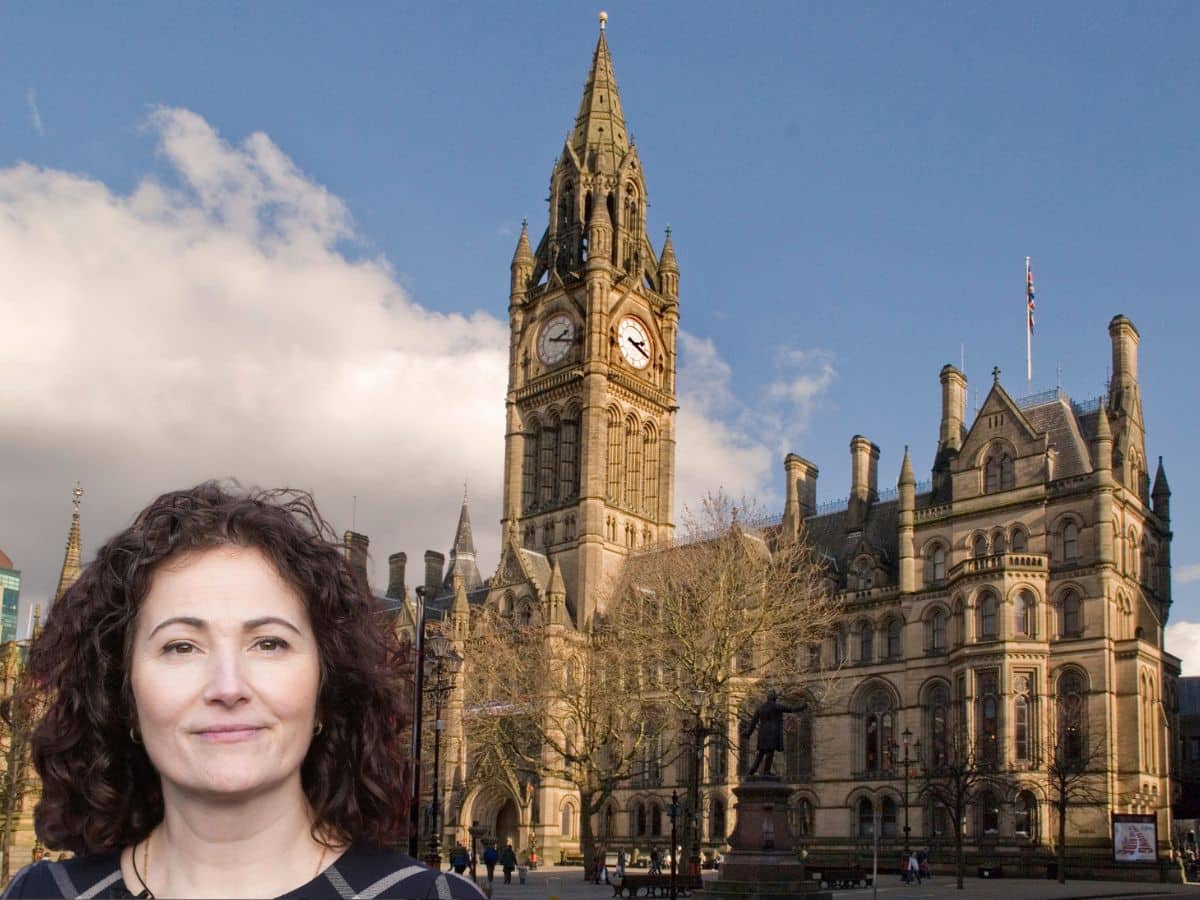
Manchester City Council is accused of covering up a 2024 security breach, in which a former Labour Councillor was reportedly able to gain access to council offices using a security pass issued in Angeliki Stogia’s name.
This is the same Angeliki Stogia, who is now the Labour Party’s candidate in the Gorton and Denton by-election.
The accusations concern Luthfur Rahman, a former Labour councillor who served as Deputy Leader of Manchester City Council until May 2024. He reportedly used Angeliki Stogia’s security pass to enter the building.
Allegations abound
Of course, if true, this shows a huge lapse in security and raises questions about the lack of transparency. Why are we only just finding out about this now?
Angeliki Stogia has served on Manchester City Council for the Whalley Range ward since 2012.
Manchester City Council’s code of conduct states:
5.13.2. If you have access to Council assets, including property, buildings, vehicles, cash, and equipment, you must take responsibility for the security of such assets. You must also ensure they are managed securely and protected against accidental loss or damage and unauthorised use. Any loss or theft should be reported immediately to your line manager.
Additionally, it says:
5.5.4. When you are in the office, you must wear your Council security pass and ensure it is always visible. It is not to be shared with anyone else, and any lost or misplaced security passes should be reported to Facilities Management immediately
The code of conduct applies to “all staff employed by Manchester City Council”, regardless of rank or title. This means the same rules apply to frontline council workers as elected officials.
It goes on to say:
17 CONSEQUENCES OF BREACHING THE CODE
1.7. Failure to comply with the Employee Code of Conduct, service or professional standards may result in disciplinary action in accordance with the Disciplinary Policy, and actions taken could include dismissal…
A serious breach of this code would include, theft, fraud, or misuse of Council property, which are offences classed as gross misconduct. Depending on the circumstances several steps will be taken, which are outlined in the policy, including a full investigation by an appropriate manager.
Now, the same man who allegedly used Angeliki’s pass, Luthfur Rahman, is out canvassing for her in Gorton and Denton:
Out on the doors in Levenshulme tonight because this Gorton & Denton by‑election isn’t just a contest, it’s a crossroads, choosing an MP who’ll stand up for our communities, not stoke division. #VoteLabour pic.twitter.com/AcVmygX6Jx
— Luthfur Rahman OBE (@LRahmanOBE) January 27, 2026
Of course, if the allegations are true, the silence from Manchester City Council is unacceptable. It also raises serious questions about Angeliki Stogia’s suitability for public office, given that she has already breached security protocols at the council level. Why would we trust her in Westminster?
The Canary approached both Angeliki Stogia’s press team and Manchester City Council for comment on the allegations, but neither responded by the time of publication.
Featured image via HG

Tourette’s campaigner John Davidson has admitted the way that things played out at this year’s Baftas left him with some questions.
John attended Sunday’s ceremony alongside the cast and crew of I Swear, the award-winning film based on his life story.
He has since said he experienced as many as 10 involuntary tics during the ceremony, resulting in him shouting several offensive terms, including the N-word while Sinners actors Michael B Jordan and Delroy Lindo were presenting on stage.
In his first interview since the Baftas, John claimed that he “made the decision to leave” early to avoid causing “upset” with any further tics.
“As I reflect on the auditorium, I remember there was a microphone just in front of me,” he explained. “And with hindsight I have to question whether this was wise, so close to where I was seated, knowing I would tic.”
HuffPost UK has contacted Bafta for comment.
Since the ceremony, Delroy Lindo has admitted he was disappointed with the way Bafta handled the incident, with the awards body having since issued an apology to both the Oscar nominee and his co-star Michael B Jordan, accepting “full responsibility” for what transpired.

Anthony Harvey/Shutterstock
A Bafta rep told HuffPost UK: “At the Bafta Film Awards last night our guests heard very offensive language that carries incomparable trauma and pain for so many. We want to acknowledge the harm this has caused, address what happened and apologise to all.
“One of our guests, John Davidson MBE, has Tourette Syndrome and has devoted his life to educating and campaigning for better understanding of this condition. Tourette Syndrome causes involuntary verbal tics, that the individual has no control over.
“Such tics are in no way a reflection of an individual’s beliefs and are not intentional. John Davidson is an executive producer of the Bafta-nominated film, I Swear, which is based on his life experience.”
“We take the duty of care to all our guests very seriously and start from a position of inclusion,” the statement continued. “We took measures to make those in attendance aware of the tics, announcing to the audience before the ceremony began, and throughout, that John was in the room and that they may hear strong language, involuntary noises or movements during the ceremony.
“Early in the ceremony a loud tic in the form of a profoundly offensive term was heard by many people in the room. Michael B Jordan and Delroy Lindo were on stage at the time, and we apologise unreservedly to them, and to all those impacted. We would like to thank Michael and Delroy for their incredible dignity and professionalism.
“During the ceremony, John chose to leave the auditorium and watch the rest of the ceremony from a screen, and we would like to thank him for his dignity and consideration of others, on what should have been a night of celebration for him.
“We take full responsibility for putting our guests in a very difficult situation and we apologise to all. We will learn from this, and keep inclusion at the core of all we do, maintaining our belief in film and storytelling as a critical conduit for compassion and empathy.”
Elsewhere in Variety’s piece, John’s team made it clear that he has already reached out to the production company behind Sinners in order to apologise “directly” to Michael and Delroy, as well as production designer Hannah Beachler, who shared after the event that he had used the same slur while experiencing an involuntary tic in her presence.
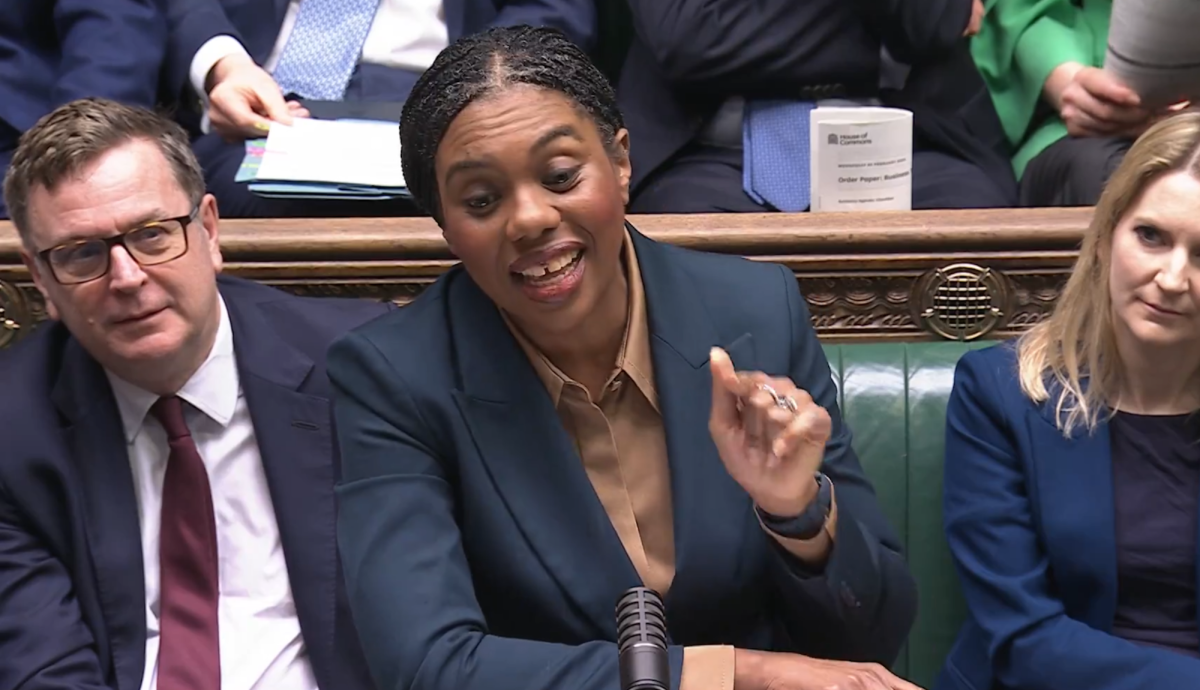
The post PMQs Badenoch says Labour is now known as ‘the paedo defenders party’ appeared first on Conservative Home.
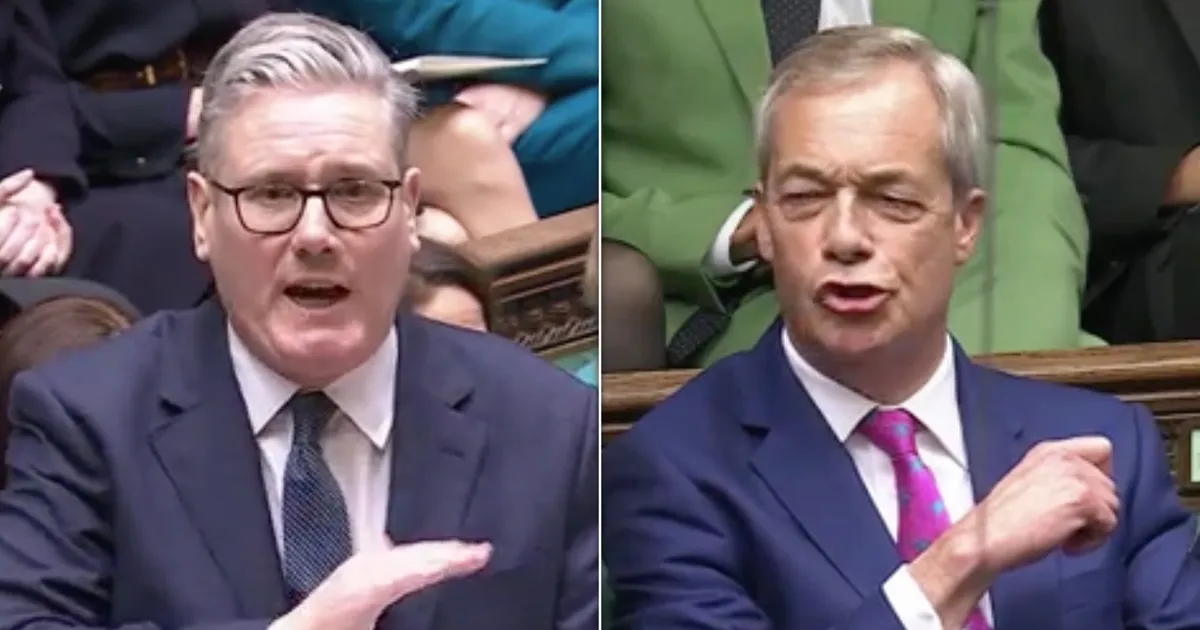
Nigel Farage has been slammed by Keir Starmer for failing to sack a Reform UK councillor who shared a social media post saying a Labour MP “should be shot”.
Deputy leader of Lancashire council Simon Evans shared a Facebook post where Natalie Fleet said she had voted against the grooming gangs enquiry –along with the accompanying text from another user, which read: “Dozy cow, you should be shot.”
Evans later deleted the post and apologised, saying he had made a “genuine mistake” and had not noticed the additional message.
Reform said it considered it to be an “honest mistake” and that they would not be taking any action against Evans.
But Starmer asked Reform leader Farage during prime minister’s questions on Wednesday if would punish the councillor.
“When the death threats were made against the member for Clacton, I stood at this despatch box and condemned them outright,” the PM said.
“If he has any decency or backbone, he will stand up, apologise, condemn the comments and sack the individual question in his party. Will he do so?”
But Farage chose to criticise Starmer over his Chagos deal instead.
Farage said: “Can I ask the prime minister, for a government that is full of human rights lawyers, within and without, why do the opinions and human rights of the indigenous Chagossians not matter to him at all?”
Starmer immediately hit back: “So he has neither the decency not the backbone to condemn the death threat to a member of this House, whichever party they are in.”
He noted Farage has still not sacked the culprit, he said: “That just shows his party have got nothing to offer the country but grievance and division. Look at their candidate in Gorton and Denton.
“A man who says anyone who isn’t white cannot be English, endorsed by Tommy Robinson.”
Referring to GB News presenter Matt Goodwin who is standing for Reform in the south Manchester by-election tomorrow, Starmer said: “It doesn’t represent our country.”
Farage could be seen shaking his head at the prime minister from the opposition benches while Labour MPs shouted “shame” and urging him to apologise.
Starmer’s slapdown comes after Fleet, the MP for Bolsover, said on Tuesday that such offensive online posts are “so common I don’t bat an eyelid”.
However, she added: “They remind me why my husband and children begged me not to stand.
“My first thought is always for the loved ones who have to see it, and any women who may be putt off of getting into politics in the future.”
She said: “The last Labour government helped me so much. I got into politics because I wanted to pay that forward and help others in my community.
“Whatever party, we should be able to fight for our areas without death threats as standard.”

Access to education, health and care plans (EHCPs) – which hundreds of thousands of children currently benefit from – is set to change, as part of the government’s overhaul of the special educational needs and disabilities (SEND) system.
An EHCP is a legally-binding document outlining the needs of a child and what support is required to meet those needs.
Currently, almost 640,000 children with SEND in England have one in place. But as part of the new plans, these documents will only be reserved for children with the most “complex” needs.
Understandably, parents who have fought hard to earn their children much-needed extra support through an EHCP are concerned by what this now means.
What happens to EHCPs now?
As part of the reforms, the government wants to put children with SEND into two main categories by 2035: Targeted, which is for those who are in mainstream schools and involves support from education, health and care professionals, where needed; or Specialist, which is for children with the most complex needs who are either attending a mainstream or specialist setting.
More than a million children with SEND will be legally entitled to a more “flexible” school-based support plan setting out a child’s day-to-day needs, this time called Individual Support Plans (ISPs).
Only those who come under the Specialist umbrella – meaning those with complex needs – will be entitled to ISPs and EHCPs, the latter of which the BBC noted is “the framework giving them legal entitlement to support”.
The government said the transition from EHCPs to ISPs for children without complex needs will begin from 2030. ISPs will be in place for children who are transitioning from an EHCP before they move to the new system, so there should be no break in support, it added.
The news has left parents with one key unanswered question, however. What constitutes ‘complex needs’?
In response to an Instagram post on the reform white paper, shared by @AutismDadcast, one parent said: “Big question – no definition or indication as to what complex needs looks like. Kept referring to it but who qualifies for complex needs and who’s deciding what that looks like?”
Another added: “How do they define children with the most complex needs?”
What does the government mean by complex needs?
We don’t yet have a full definition. HuffPost UK understands more detail on this will be set out following the government’s consultation and work with experts over the coming year.
Broadly, though, it’s likely to refer to children who need more support than can be accessed through their local mainstream school and through ‘experts at hand’ (a team of local professionals like speech and language therapists, educational psychologists, etc, which schools will be able to draw from as part of the new reforms).
The NHS suggests that if a child has been “diagnosed with an illness, disability or sensory impairment and needs a lot of additional support on a daily basis”, they’re described as having complex needs.
“A child might have complex needs from birth, or after an illness or injury,” the service adds.
There has been some concern that children with conditions that present on a spectrum, such as autism and ADHD, might lose out on specialist support.
The i Paper highlighted that ‘Specialist Provision Packages (SPP)’ will be the new gateway to an EHCP, however also noted “children and young people with underlying needs linked to a condition which presents on a spectrum (such as autism) may not necessarily be supported by the same Specialist Provision Package”.
When pressed on this, education secretary Bridget Phillipson said the system will be “needs-dependent, not diagnosis-dependent”.
She told the i Paper: “Some autistic children do need a [Specialist Provision Package]. Other children with autism – with the right level of support within mainstream [schools] – can thrive, can achieve.”
For now, parents are once again left to wait for more clarity.

Out of all the things we expect to get better with age, I don’t think sex necessarily tops that list. Surely in our 20s and 30s, with youth on our side (and – ahem – flexibility), our sex lives should be in their glory days?
Well, as it turns out, we couldn’t be more wrong. According to a new study, it’s actually incredibly likely that you’ve not even had the best sex of your life yet. Talk about something to look forward to, eh?
The new research from leading digital health and wellness platform Hims, shared exclusively with HuffPost UK, reveals that sexual satisfaction peaks at 55 for women, and 56 for men.
In fact, over half of the respondents to their survey (53%) aged 50+ said sex improves or may improve after the age of 50 – a far cry from the assumption that our needs will begin to ‘fizzle out’ as we age.
According to Dr Peter Stahl, Head of Men’s Health at Hims, this doesn’t come as a surprise to someone who works in the field: “In my experience as a urologist for more than 20 years, fulfilment is rarely defined by fitness peaks or stamina.”
It’s not physical vigour that makes sex better decade after decade – it’s the joys of increasing experience, confidence, and deeper emotional connection.
Over a quarter of respondents (27%) told Hims that they’re more confident during sex now than when they were younger, and 28% attribute better sex in later life to being more confident in their body. Additionally, 24% of all respondents report they’ve become better in bed with age – practice makes perfect, right?
As Dr. Stahl puts it: “Greater emotional maturity, stronger self-awareness, and more stable, trusted partnerships often come with age. Those factors can meaningfully enhance sexual wellbeing and experience.”
The biggest surprise in the data however? Their finding that the age reported as the lowest age for sexual satisfaction was just 27. It certainly backs up the idea that emotional maturity has a huge impact on how much we enjoy time between the sheets.
“In early adulthood, many people are still building self-confidence, navigating new relationships, and learning how to express themselves and their sexual needs. Sexual satisfaction is defined by much more than physical performance,” Dr. Stahl adds.
However, that’s not to say sex as we age doesn’t come with its own set of issues. Almost one in ten men surveyed (9%) stated that they have experienced erectile dysfunction, while the research also found that low libido for men and women (15%) and vaginal dryness (12%) have had an impact on some respondents’ sex lives.
Luckily it’s not the be all and end all for your sex life – as Superdrug Online Doctor previously told us at HuffPost UK: “The most effective approach for couples to enhance intimacy and revive their sex life in the presence of erectile dysfunction is to prioritise the journey rather than solely focusing on the end goal.
“Often, sex becomes too focused on achieving penetrative intercourse and orgasms, couples can benefit from cherishing the connection and intimacy they experience by simply being physically and emotionally close to one another.”
So, if you’re sitting reading this in your 20s or 30s and feeling as though you’re in a sexual satisfaction rut, never fear – the best is yet to… come.
Politics
Politics Home Article | Rachel Reeves Hopes For Low-Key Spring Statement After Budget Chaos
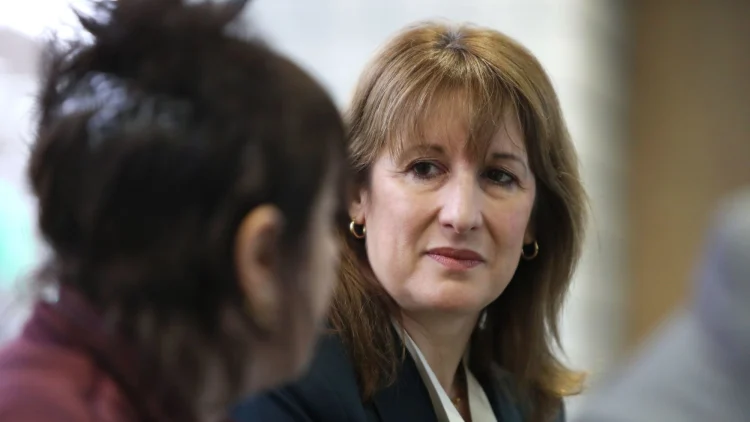
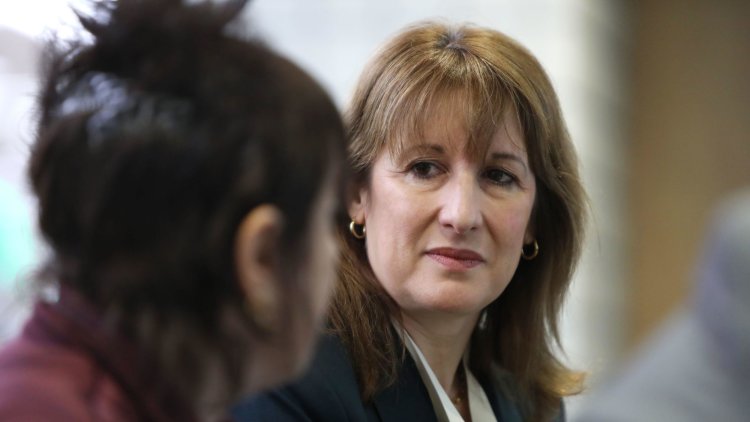
The Chancellor is set to deliver her Spring Statement next month. (Alamy)

5 min read
Chancellor Rachel Reeves is hoping that next week’s Spring Statement will be a boring affair after the chaos of the November Budget.
According to Treasury sources, Reeves wants to keep the drama to a minimum when she stands up in the House of Commons to update the House on the state of the economy on Tuesday.
Speculation and confusion were rife in the run-up to the November Budget, with the government abandoning reported plans to raise income tax and moving to reassure the markets that it was not planning to break its own fiscal rules.
There was further chaos on the day when the Office for Budget Responsibility (OBR) accidentally published details of the government’s spending plans before Reeves could announce them to MPs. The OBR error resulted in Richard Hughes resigning as chair of the independent watchdog.
The 2025 Spring Statement ended up being unexpectedly eventful, with Reeves making a late decision to reduce welfare spending to meet her self-imposed fiscal rules.
Here’s what to look out for ahead of next week.
What is the Spring Statement?
It is one of two fiscal events the government ordinarily holds each calendar year. The other is the Autumn Budget, which historically has been used by chancellors to make the major policy announcements.
The Spring Statement is usually a less consequential event, updating MPs on the OBR’s latest forecasts for the UK economy in areas like growth, borrowing, tax and spending.
However, while the Autumn Budget is generally a more significant moment in the political calendar, the Spring Statement has sometimes been used to announce policies with significant financial consequences, often due to unpredictable or unusual economic circumstances.
For example, a year ago, Reeves revealed details of government plans to reduce Personal Independent Payments (PIP). These welfare reforms, originally designed to bring down government spending on benefits, grew into a major row within the Labour Party, forcing Prime Minister Keir Starmer to scrap the plans later in the year.
Why is this Spring Statement different to the last?
At the last Spring Statement, the OBR also provided its latest assessment of whether the Labour government was on track to meet its own “iron-clad” fiscal rules.
Starmer and Reeves created these self-imposed rules to reassure voters and the markets that they could be trusted to run the economy responsibly, and they have remained key to Labour policy-making since the party entered office in July 2024.
These rules state that the Treasury must ensure that day-to-day spending is covered by taxes and that debt is falling as a percentage of GDP by the end of this parliament.
However, the government announced late last year that this particular OBR assessment would only be published at the Autumn Budget, rather than twice a year. As a result, next week, there will be less scrutiny of whether the government is on track to meet its fiscal rules.
That said, you can expect Reeves to point to Office for National Statistics data published last month, estimating that the Treasury had a £30.4bn budget surplus — £15.9bn more than the year prior, and the largest since monthly records began in 1993.
What are economists saying about next week?
William Ellis, a senior economist at the Institute for Public Policy Research (IPPR), said the Autumn Budget had the long-term aim of creating “a more stable and predictable economic environment” so that the 2026 Spring Statement could be a “non-event”.
“Nothing we’ve seen or heard so far suggests any likelihood of changes to current spending plans, or to tax, so soon after the Budget. That’s made possible by the Chancellor’s decisions in November, setting the public finances on a better footing by sticking to the fiscal rules, doubling headroom and lowering borrowing costs.”
Chaitanya Kumar, head of economic and environmental policy at the New Economics Foundation (NEF), said having the OBR update on the government’s fiscal rules just once a year means there is less chance of “manic policy making”.
“This sort of back and forth between the OBR and the Treasury didn’t really make for good policy making because, ultimately, you want to take decisions that will have impact in the medium-long term, at least through the course of the Parliament, and you don’t have to keep making changes every six months,” said Kumar.
He added that there had been no “significant headwinds” impacting the economy since November that would force the government into major policy decisions.
This was echoed by Nick Ridpath, research economist at the Institute for Fiscal Studies (IFS), who said there had been “far fewer economic developments since November than there had been in the year before”, contributing to a “quieter” environment for the Spring Statement.
“The combination of relatively limited economic developments and this boosted headroom means it’s very unlikely that the government will be sort of forced into changing any policy.”
So what can we expect in the Spring Statement?
With this in mind, there are not expected to be major policy announcements on Tuesday.
Instead, Reeves will focus on talking up the government’s handling of the economy, referring to recent stability, her increased financial headroom, and inflation being projected to keep falling. The Chancellor will also likely focus on the cost of living, with Ofgem announcing on Wednesday that the energy price cap will fall by 7 per cent from April.
Her opponents will likely raise unemployment hitting a five-year high of 5.2 per cent.
However, economists like Paul Johnson have said that major announcements this week about reforms to Special Education Needs and Disabilities services (SEND), as well as Starmer indicating that he would like to spend more on defence, mean Reeves may be forced to set out tweaks to spending plans.
“The reason that I thought the announcement [on SEND] was interesting is that we were supposed to have had a spending review last summer, which was supposed to set spending numbers for the rest of the parliament, and yet yesterday we got an extra billion or so for SEND,” Johnson told PoliticsHome.
He added that this could store up future problems for Starmer and Reeves as they are “already right up against it in terms of their spending numbers at the end of the parliament”.
“If you look at the if you look at the details of their spending plans, it looks like they’re going to be cutting, cutting public service spending in the election year,” he said.

DUG will fight Shell US court bill

Standard Chartered: Stablecoin Growth Could Unlock $1 Trillion in Treasury Bill Demand by 2028
Kelly Ripa, Mark Consuelos welcome “Live” studio audience back after 2-day absence amid local drama


-

 Video6 days ago
XRP News: XRP Just Entered a New Phase (Almost Nobody Noticed)
-

 Politics3 days ago
Baftas 2026: Awards Nominations, Presenters And Performers
-

 Fashion5 days ago
Weekend Open Thread: Boden – Corporette.com
-

 Sports2 days ago
Women’s college basketball rankings: Iowa reenters top 10, Auriemma makes history
-

 Politics2 days ago
Nick Reiner Enters Plea In Deaths Of Parents Rob And Michele
-
 Sports6 days ago
Clearing the boundary, crossing into history: J&K end 67-year wait, enter maiden Ranji Trophy final | Cricket News
-

 Crypto World1 day ago
XRP price enters “dead zone” as Binance leverage hits lows
-

 Business3 days ago
Mattel’s American Girl brand turns 40, dolls enter a new era
-

 Business3 days ago
Law enforcement kills armed man seeking to enter Trump’s Mar-a-Lago resort, officials say
-

 Entertainment7 days ago
Dolores Catania Blasts Rob Rausch For Turning On ‘Housewives’ On ‘Traitors’
-

 Tech3 days ago
Anthropic-Backed Group Enters NY-12 AI PAC Fight
-
 NewsBeat2 days ago
‘Hourly’ method from gastroenterologist ‘helps reduce air travel bloating’
-

 NewsBeat3 days ago
Armed man killed after entering secure perimeter of Mar-a-Lago, Secret Service says
-

 Tech22 hours ago
Unsurprisingly, Apple's board gets what it wants in 2026 shareholder meeting
-

 Politics3 days ago
Maine has a long track record of electing moderates. Enter Graham Platner.
-

 Crypto World7 days ago
WLFI Crypto Surges Toward $0.12 as Whale Buys $2.75M Before Trump-Linked Forum
-
 NewsBeat17 hours ago
Police latest as search for missing woman enters day nine
-
 Crypto World6 days ago
83% of Altcoins Enter Bear Trend as Liquidity Crunch Tightens Grip on Crypto Market
-
 Sports2 days ago
2026 NFL mock draft: WRs fly off the board in first round entering combine week
-

 Crypto World17 hours ago
Entering new markets without increasing payment costs