

Business
(VIDEO) Eight Killed as Protesters Storm US Consulate in Karachi After Iran Confirms Khamenei Killed


At least eight people were killed and more than 40 injured when thousands of protesters stormed the US Consulate General in Karachi on March 1, 2026, in violent demonstrations triggered by Iran’s official confirmation that Supreme Leader Ayatollah Ali Khamenei was killed in joint US-Israeli airstrikes two days earlier.

The assault on the heavily fortified diplomatic compound in Clifton began shortly after 2 p.m. local time when a large crowd, estimated at 15,000–20,000 by police, breached outer security barriers despite heavy deployment of Rangers and Sindh police. Demonstrators, many waving Iranian and Palestinian flags and chanting anti-American and anti-Israeli slogans, hurled petrol bombs, stones and fireworks at the perimeter wall while attempting to scale it.
Security forces responded with tear gas, rubber bullets and, according to eyewitness accounts and video footage verified by Reuters and Dawn, live ammunition after protesters set fire to vehicles and tried to force open the main gate. Karachi police spokesperson Atiq Shah confirmed eight deaths — seven protesters and one security guard — and 43 injuries, including 12 police officers and several journalists covering the rally. Hospital officials at Jinnah Postgraduate Medical Centre and Civil Hospital Karachi reported most casualties suffered gunshot wounds or severe burns.
The violence erupted hours after Iran’s state broadcaster IRIB aired a short statement from the office of the Supreme Leader acknowledging Khamenei’s death “as a martyr in defense of the Islamic Republic” during “Zionist-American aggression.” The announcement, read by a somber presenter, ended weeks of conflicting reports that began when US President Donald Trump claimed on February 28 that Khamenei had been killed in strikes on his Tehran residence. Iranian officials initially denied the claim, insisting he was “commanding the field,” but the IRIB broadcast included a pre-recorded video message from Khamenei dated February 25, widely interpreted as his final public statement.
The confirmation ignited outrage across the Muslim world. In Karachi — Pakistan’s largest city and commercial hub with a large Shia population — religious parties including Jamaat-e-Islami, Tehreek-e-Labbaik Pakistan and Majlis Wahdat-e-Muslimeen called for nationwide protests. Rally organizers had announced a “million-man march” to condemn the “martyrdom” of Khamenei and demand Pakistan sever ties with the United States.
By mid-afternoon, protesters had torched at least three vehicles near the consulate and damaged outer fencing. Police fired volleys of tear gas and used water cannons, but the crowd pressed forward, overwhelming initial lines. Video circulated on social media showed masked men attempting to climb the consulate wall while others chanted “Death to America” and “Death to Israel.” Consulate staff were evacuated to a secure location earlier in the day as a precautionary measure, a US Embassy spokesperson confirmed.
Sindh Chief Minister Syed Murad Ali Shah condemned the attack on the consulate as “unacceptable” and ordered a high-level inquiry. Federal Interior Minister Mohsin Naqvi said the government would not tolerate violence against diplomatic missions and promised “strict action” against those responsible. Pakistan’s Foreign Office summoned the US Chargé d’Affaires to lodge a formal protest over the strikes on Iran, while reiterating Islamabad’s call for de-escalation.
The US State Department issued a strong condemnation of the violence, describing the assault as “unacceptable” and urging Pakistani authorities to protect diplomatic personnel and property. “We hold the Government of Pakistan responsible for the safety of our facilities and personnel,” a spokesperson said. The consulate remained closed to the public, with non-essential staff advised to shelter in place.
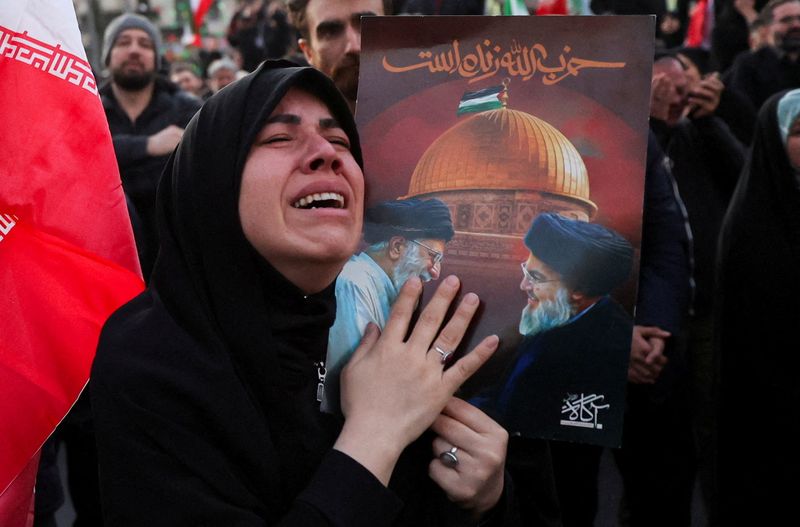
The Karachi unrest was the most severe of several protests across Pakistan following Khamenei’s confirmed death. Demonstrations also erupted in Lahore, Multan, Quetta and Islamabad, though none reached the same intensity. In Tehran, tens of thousands gathered for Khamenei’s funeral procession, with Acting Supreme Leader Mohammad-Mokhber leading prayers and vowing “severe revenge.”
The US-Israel operation, dubbed “Operation Epic Fury,” targeted Iranian nuclear sites, missile bases and leadership compounds starting February 28. Trump described the strikes as necessary to eliminate threats, while Israeli Prime Minister Benjamin Netanyahu called them pre-emptive. Iran retaliated with missile barrages against Israel and US bases in the Gulf, killing one civilian in Abu Dhabi and injuring several others.
Pakistan’s government has walked a delicate line, condemning the strikes on Iran while maintaining security cooperation with the United States. Prime Minister Shehbaz Sharif spoke with Iranian officials March 1 to express condolences and reiterated Pakistan’s support for Iran’s sovereignty.
Security remained tight around other Western diplomatic missions in Karachi and Islamabad on March 2, with additional Rangers deployed. Authorities imposed Section 144 restrictions banning public gatherings in sensitive areas of Karachi for 48 hours.
The death toll and images of burning vehicles near the consulate have drawn international concern. The United Nations called for restraint, while human rights groups urged Pakistani authorities to investigate the use of lethal force.
As Karachi remained tense and cleanup crews worked through the night, the incident underscored the rapid spillover of the Iran crisis into South Asia, testing Pakistan’s balancing act between domestic religious sentiment and international alliances.


In a volatile trading session, the broader Nifty fell 317.90 points, or 1.25%, to close at 25,178.65. The 30-share Sensex tumbled 961.42 points, or 1.17%, to settle at 81,287.19.
Meanwhile, the volatility gauge India VIX ended at 13.70, up 4.89% from the last closing.
Here’s how analysts read the market pulse:
Rupak De, Senior Technical Analyst at LKP Securities, said the index has declined sharply after remaining below its key short-term moving average for three consecutive sessions. It has also slipped beneath the 200-day moving average (DMA), signalling that the prevailing weakness could persist for some time.“The RSI indicator has turned sharply bearish. In the short term, the index may continue to face selling pressure, with rallies likely to be sold into. Immediate support is placed at 25,000 and 24,750, while resistance is seen at 25,370,” De said.

US markets
Frontline indices on Wall Street ended lower on Friday. The Dow Jones Industrial Average fell 521.28 points, or 1%, to close at 48,977.90. The Nasdaq Composite declined 210 points, or 1%, to settle at 22,668.20. Meanwhile, the S&P 500 also finished in the red, though with a relatively milder loss of 0.43
European Markets
European markets also reflected a cautious tone. Spain’s IBEX 35 and France’s CAC 40 declined by as much as 0.73%. Germany’s DAX ended largely flat, while the pan-European Stoxx 600 rose 0.6% and the UK’s FTSE 100 added 0.1%.
Tech View
Nilesh Jain, Vice President and Head of Technical and Derivative Research at Centrum Finverse, said the Nifty has slipped below its crucial 200-day moving average (DMA) placed at 25,350, which is now expected to act as an immediate resistance zone. The index continues to form lower highs and lower lows on the daily chart, indicating a weakening trend, he noted.
“Momentum indicators remain cautious, with the MACD signalling a sell crossover and the RSI gradually trending lower. Meanwhile, India VIX has risen 5% to around 13.50, and any further spike in volatility could intensify downside risks. The key psychological support is now seen at the 25,000 level. The broader technical structure suggests continued weakness, with pullbacks likely to encounter selling pressure,” Jain added.
Most active stocks in terms of turnover
Tejas Networks (Rs 551 crore), Redington (Rs 275), Cholamandalam Financial Holdings (Rs 262 crore), Netweb Technologies (Rs 240 crore), HDFC Bank (Rs 214 crore), State Bank of India (Rs 213 crore) and Bharti Airtel (Rs 182 crore) were among the most active stocks on BSE in value terms. Higher activity in a counter in value terms can help identify the counters with highest trading turnovers in the day.
Most active stocks in volume terms
SpiceJet (Traded shares: 7.17 crore), Vishal Mega Mart (Traded shares: 1.34 crore), Tejas Networks (Traded shares: 1.32 crore), Redington (Traded shares: 99.63 lakh), Ola Electric (Traded shares: 63.35 lakh), Suzlon Energy (Traded shares: 62.71 lakh) and and Steel Authority of India (SAIL, Traded shares: 53.35 lakh) were among the most actively traded stocks in volume terms on BSE.
Stocks showing buying interest
Xtglobal Infotech, Tejas Networks, Shares of Sarda Energy & Minerals, VL E-Governance & IT Solutions, Avadh Sugar & Energy, Foseco India and Foseco India were among the stocks that witnessed strong buying interest from market participants.
52 Week high
On the market breadth front, 100 stocks touched their 52-week highs, while 340 stocks fell to their 52-week lows.
Among those scaling fresh 52-week highs were Aeroflex Industries, Bank of India, Bharat Forge, Cummins India, Data Patterns (India), Eicher Motors and Federal Bank.
Stocks are seeing selling pressure
Among the largecap names were Adani Enterprises, Maruti Suzuki and Bharti Airtel. Other stocks which witnessed significant selling pressure were Fusion Finance, Vishal Mega Mart, Home First Finance, Angel One, R M Drip and Sprinklers Systems, Mahalaxmi Fabric Mills and Apex Frozen Foods.
Sentiment meter favours bears
Heavyweights like ICICI Bank, HDFC Bank and Bharti Airtel dragged the markets with breadth, staying negative in the overall markets. Out of the 4,369 stocks that traded on the BSE on February 27, Friday, 1,574 stocks witnessed advances, 2,633 saw declines while 162 stocks remained unchanged.
(Disclaimer: Recommendations, suggestions, views and opinions given by the experts are their own. These do not represent the views of Economic Times)


My name is David B McMillan and I am an investor interested in fundamental valuation. My philosophy is fundamental investing – I seek to identify underpriced securities relative to their potential future cash flows. I also use tactical allocation, investing more aggressively when equity prices are lower, and more conservatively when they are higher. I have a BS in Physics and BA in Philosophy from UCSB, and am currently a CFA Level 2 candidate. I am mostly interested in covering stocks in the aerospace and defense sector, but I am also interested in retail and tech companies. I have a 12 year investing track record, with documented investments in AI, tech, and crypto themes before they were widely understood – NVDA in 2017, 8000 percent gain; PLTR at IPO, 1870 percent gain; AMD in 2017, 3700 percent gain; TSLA in 2016, 3400 percent gain. Had all of Mag 7 in my portfolio by 2018, before those stocks were called the Mag 7. My current demo portfolio, started in April 2025 with about $8k of my my own capital, is so far achieving a Sharpe ratio of 3.49 compared to IVV of 2.42 in the same time period. My average time-weighted return is 0.30 percent per day vs IVV at 0.14 percent per day.
Analyst’s Disclosure: I/we have no stock, option or similar derivative position in any of the companies mentioned, and no plans to initiate any such positions within the next 72 hours. I wrote this article myself, and it expresses my own opinions. I am not receiving compensation for it (other than from Seeking Alpha). I have no business relationship with any company whose stock is mentioned in this article.
Seeking Alpha’s Disclosure: Past performance is no guarantee of future results. No recommendation or advice is being given as to whether any investment is suitable for a particular investor. Any views or opinions expressed above may not reflect those of Seeking Alpha as a whole. Seeking Alpha is not a licensed securities dealer, broker or US investment adviser or investment bank. Our analysts are third party authors that include both professional investors and individual investors who may not be licensed or certified by any institute or regulatory body.


I retired early after 22 years in the energy industry with roles in engineering, planning, and financial analysis. I have managed my own portfolio since 1998 and have met my goal to match the S+P 500 return over the long term with lower volatility and higher income. I mostly write on positions I already hold or am considering changing. I prefer to hold positions for the long-term unless there is a compelling reason to sell. I look for investment opportunities without regard to asset class, market cap, sector, or yield. I would rather maximize total return over time by buying when price is low relative to intrinsic value.
Analyst’s Disclosure: I/we have a beneficial long position in the shares of BRK.B, ITOCY, MITSY either through stock ownership, options, or other derivatives. I wrote this article myself, and it expresses my own opinions. I am not receiving compensation for it (other than from Seeking Alpha). I have no business relationship with any company whose stock is mentioned in this article.
Seeking Alpha’s Disclosure: Past performance is no guarantee of future results. No recommendation or advice is being given as to whether any investment is suitable for a particular investor. Any views or opinions expressed above may not reflect those of Seeking Alpha as a whole. Seeking Alpha is not a licensed securities dealer, broker or US investment adviser or investment bank. Our analysts are third party authors that include both professional investors and individual investors who may not be licensed or certified by any institute or regulatory body.
President Donald Trump addresses the American people following strikes by the U.S. and Israel on Iran.
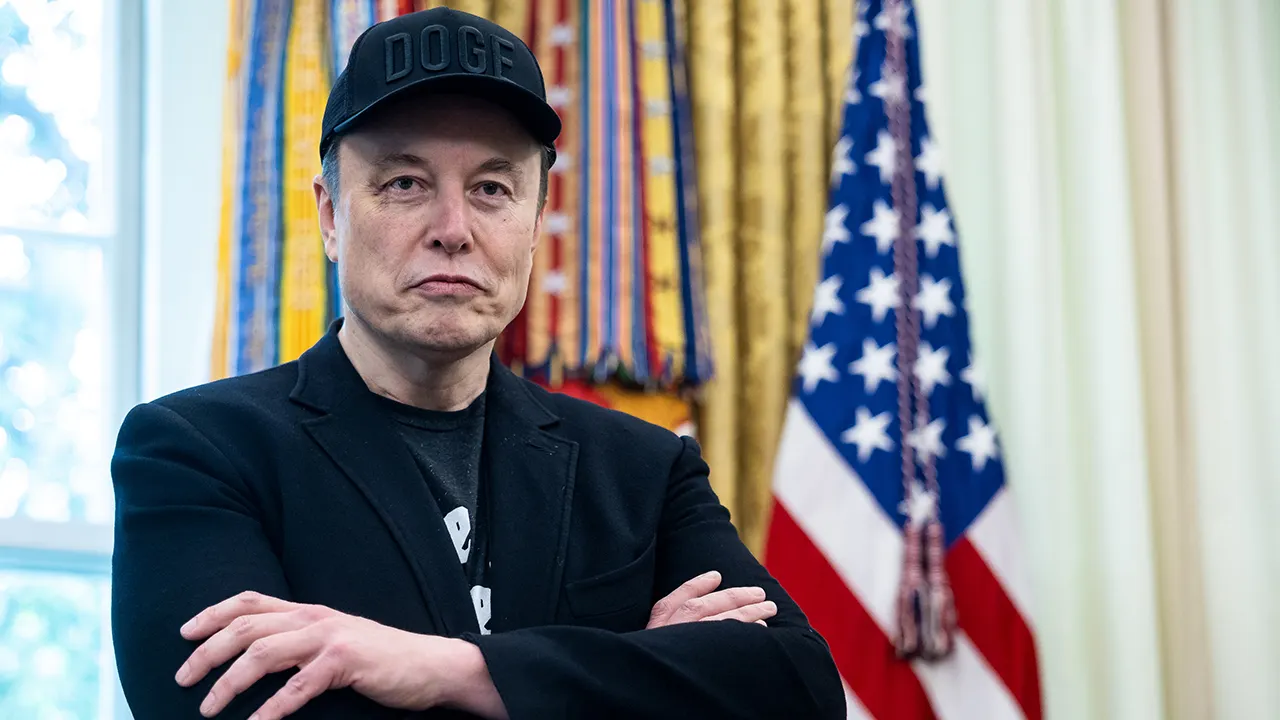
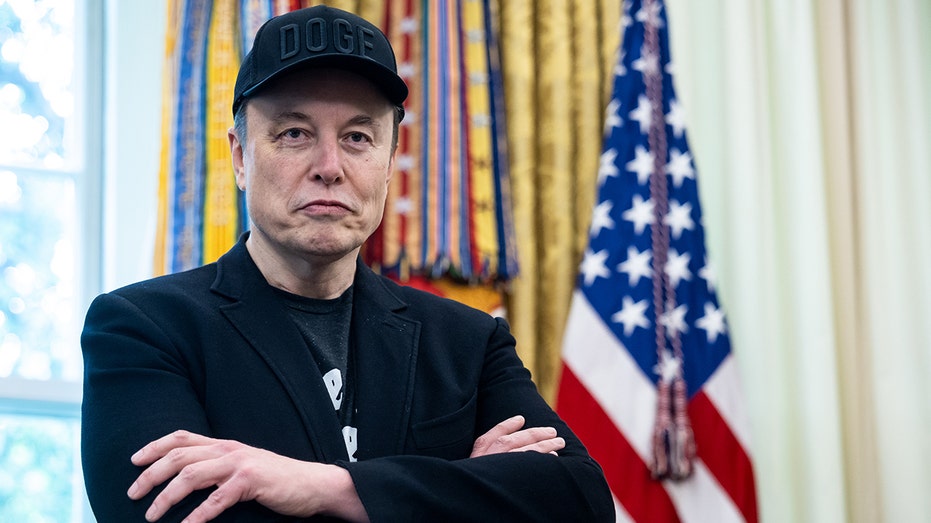
The fallout of the joint U.S.-Israeli attack on Iran led to the highest-ever activity on X, the platform’s owner Elon Musk confirmed on Sunday.
Musk made the statement in reply to Nikita Bier, the head of product at X. Bier stated on Saturday that the day had been “the biggest day on X in history.”
“Highest usage of X ever,” Musk replied.
The exchange came after the U.S. and Israel conducted airstrikes and drone attacks on multiple targets across Iran, killing Supreme Leader Ayatolla Ali Khamenei as well as several other top Iranian officials, including the head of the Iranian Revolutionary Guard Corps (IRGC).
AMERICA STRIKES IRAN AGAIN — HAS WASHINGTON PLANNED FOR WHAT COMES NEXT?
Elon Musk says X usage peaked during U.S.-Israeli attacks on Iran. (Francis Chung/Politico/Bloomberg via Getty Images / Getty Images)
Footage of airstrikes both against Iran and Iran’s retaliatory strikes against neighboring countries spread across social media like wildfire throughout Saturday and into Sunday.
The strikes also quickly led to widespread arguments over whether the attacks benefited the U.S. and whether President Donald Trump had the authority to carry them out without approval from Congress.
Ben Rhodes, a top Obama-era official who helped negotiate the 2015 nuclear deal with Iran, faced mass criticism after he tried to rebuke Trump for the attacks.
FROM HOSTAGE CRISIS TO ASSASSINATION PLOTS: IRAN’S NEAR HALF-CENTURY WAR ON AMERICANS
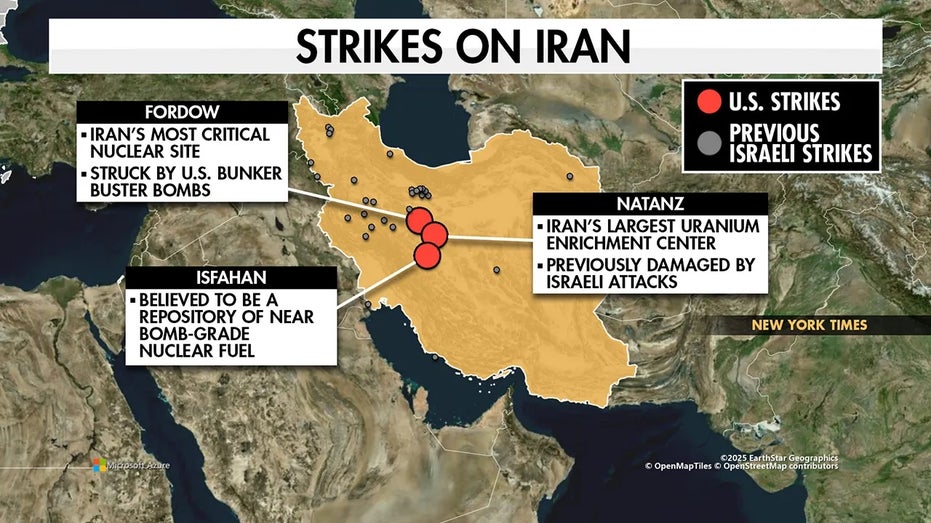
A map of the U.S. strikes on Iran on June 21, 2025. (Fox News / Fox News)
Rhodes argued on X that Trump and Israeli Prime Minister Benjamin Netanyahu “seem to be totally unconcerned about the human beings — on all sides — who will suffer.”
“Trump’s second term has been the worst case scenario,” Rhodes added.
Rhodes was quickly ridiculed by many conservatives on social media who pointed to the Obama-era Iran deal as a catalyst for allowing the situation to escalate to this point, and placing blame on the Obama administration for not taking the threat from Iran seriously.
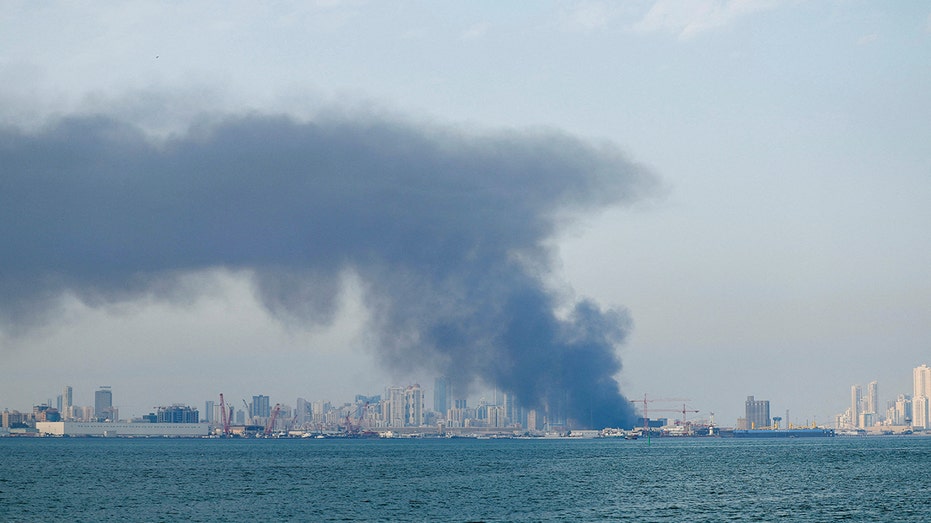
Smoke rises after reported Iranian missile attacks, following strikes by the United States and Israel against Iran, in Manama, Bahrain, February 28, 2026. (REUTERS/Stringer / Reuters)
GET FOX BUSINESS ON THE GO BY CLICKING HERE
“Yes we were much better off with a president who drew redlines and failed to enforce them,” American Enterprise Institute fellow and Fox News contributor Marc Thiessen posted on X. “Team Obama might want to sit this one out.”
“Oh look the guy who literally created this mess in the first place has chimed in,” Republican digital operative Alec Sears posted on X.
Fox News’ Andrew Mark Miller contributed to this report.
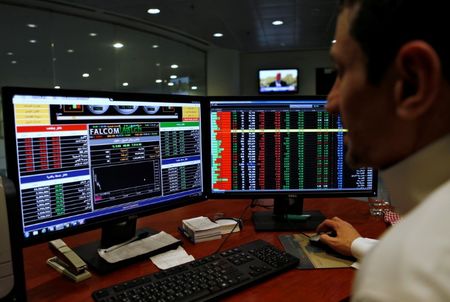
Saudi Arabia stocks lower at close of trade; Tadawul All Share down 2.18%


Oil jumps 10% on Iran conflict and could spike to $100 a barrel, analysts say
Business
Is Taylor Swift’s Wedding Date Confirmed? The Couple Has Reportedly Finalized Plans for Their Wedding
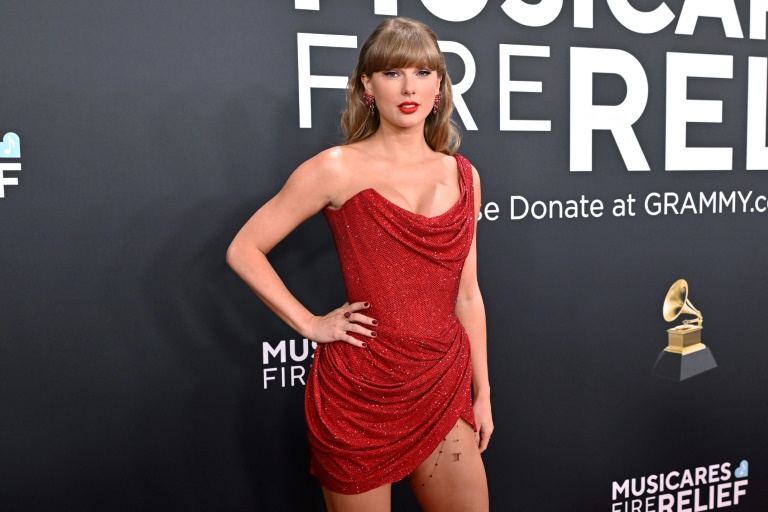
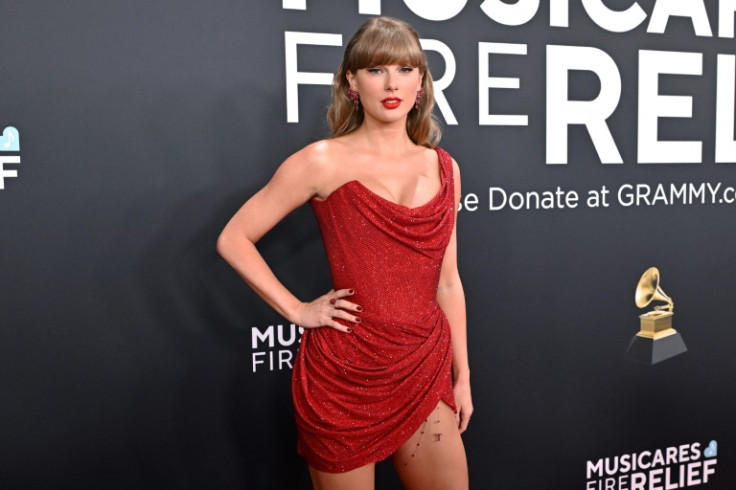
Pop superstar Taylor Swift and Kansas City Chiefs tight end Travis Kelce have reportedly finalized plans for their long-awaited wedding on June 13, 2026, at the luxurious Ocean House in Watch Hill, Rhode Island, according to multiple media reports circulating in late February.
AFP
The date, which falls on a Saturday and aligns with Swift’s well-known affinity for the number 13—her longtime lucky charm—has sparked widespread speculation among fans, or “Swifties,” who have long anticipated a meaningful milestone for the high-profile couple. Neither Swift nor Kelce has publicly confirmed the details, but the reports gained traction after British television host Graham Norton appeared to hint at progress in their planning.
On Feb. 27, the official X account for *The Graham Norton Show* posted: “So exciting that @taylorswift13 has a date for her wedding now! #TheGNShow.” The message, tied to a rebroadcast of Swift’s October 2025 appearance on Norton’s BBC program, sent social media into a frenzy. During that interview, Norton had asked Swift directly if 2026 would be “the wedding year.” She responded coyly, “You’ll know,” before adding with a laugh that she planned to invite him.
Swift, 36, and Kelce, also 36, announced their engagement on Aug. 26, 2025, via a joint Instagram post featuring romantic proposal photos captioned, “Your English teacher and your gym teacher are getting married.” The engagement came after more than two years of dating, which began publicly in 2023 when Kelce appeared on Swift’s Eras Tour and the pair were spotted together at NFL games.
The rumored venue, Ocean House—a historic, oceanfront luxury resort known for its privacy and scenic beauty—sits near Swift’s longtime Rhode Island property in Watch Hill. Reports suggest the couple selected the location for its exclusivity and proximity to one of Swift’s personal residences, allowing for a relatively low-key yet elegant celebration away from intense paparazzi scrutiny. Some earlier speculation had pointed to other locations, including Montana venues for added seclusion, but Rhode Island has emerged as the leading contender in recent coverage.
The June 13 timing makes strategic sense on multiple fronts. It falls during the NFL offseason, after the Super Bowl in February and well before training camp typically begins in late July, accommodating Kelce’s professional schedule. If Kelce opts to return for another season with the Chiefs—his contract runs through March 2026—the date provides a clear window for personal milestones without conflicting with football commitments.
Swift’s connection to the number 13 runs deep. She has referenced it repeatedly in her career, from her birthday falling on Dec. 13 to incorporating it into album tracklists, tour dates and even her social media presence. Fans noted that June 13, 2026, is the only Saturday the 13th occurs that year, adding to the perceived symbolism. Online discussions exploded with excitement, with many pointing out how the date fits Swift’s pattern of embedding personal Easter eggs into major life events.
Sources close to the couple have described the wedding as a “big party” rather than an intimate affair. Swift has emphasized in interviews that she wants to avoid the stress of a small guest list with exclusions, opting instead for a celebratory gathering of friends, family and industry figures. Norton, who received a personal invitation during his chat with Swift, appears to be among the confirmed attendees based on his recent comments.
The couple has kept most details under wraps, consistent with their approach to privacy amid intense public interest. Swift, fresh off her latest album cycle and tour commitments, has spoken vaguely about post-tour priorities, telling one interviewer that wedding planning would follow major professional projects. Kelce has similarly deflected direct questions, including a lighthearted exchange with his brother Jason on ESPN where he laughed off specifics.
As planning advances, the wedding is poised to become one of 2026’s most talked-about celebrity events. Media outlets from NDTV and Hindustan Times to E! News and Cosmopolitan have amplified the June 13 reports, often citing anonymous industry sources or fan sleuthing. While unconfirmed officially, the consistency across publications has lent credibility to the timeline.
For now, Swift and Kelce continue to make occasional public appearances, including a recent low-key date night in New York City spotted at Chez Margaux on Feb. 24. Their relationship has captivated audiences since its inception, blending music royalty with NFL stardom in a modern love story that has inspired countless headlines, podcasts and fan theories.
Whether the June 13 date at Ocean House holds or evolves, the anticipation underscores the couple’s enduring appeal. As Swift once sang about turning blank spaces into fairytales, fans eagerly await the next chapter in what has become one of entertainment’s most cherished romances.
Business
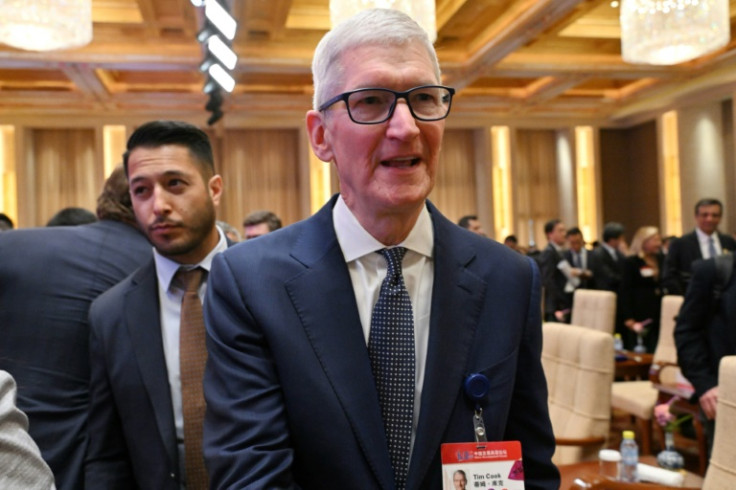
Apple Stock Dips 3.2% to $264.18 Amid Geopolitical Tensions, But Upcoming Product Fuel Optimism for 2026
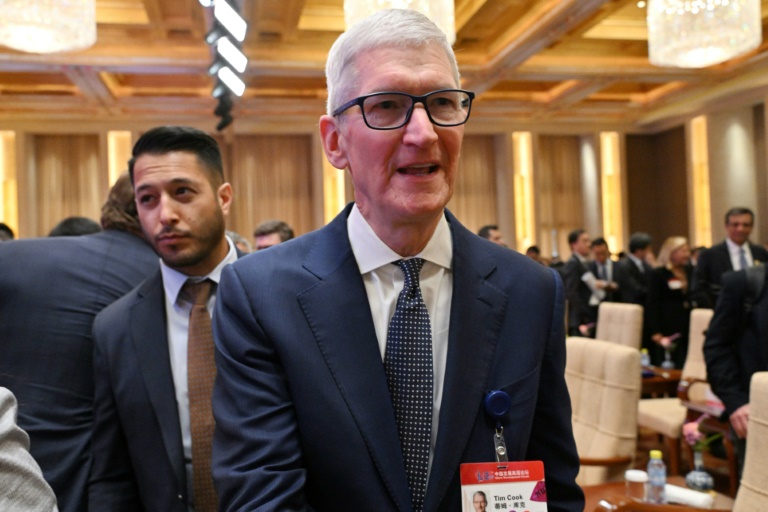
Apple Inc.’s stock closed at $264.18 on Friday, Feb. 27, 2026, down $8.77 or 3.21% from the previous session’s close, as broader market concerns over escalating U.S.-Israel-Iran conflict and potential oil price spikes weighed on technology shares. Despite the pullback, AAPL remains near its recent highs, with analysts highlighting resilient demand for iPhones, record Services growth and anticipated AI-integrated product reveals as drivers for potential recovery and gains through the rest of 2026.
AFP
Trading volume reached 72.4 million shares on the Nasdaq, reflecting heightened investor activity amid global uncertainty. The decline followed a volatile week where shares traded in a range of $262.89 to $272.81. After-hours trading saw a further modest dip to $263.55.
The drop came against a backdrop of geopolitical risks, with U.S. and Israeli strikes on Iran prompting retaliatory actions and raising fears of disrupted supply chains and higher energy costs impacting consumer spending on premium devices. Apple’s heavy reliance on Asian manufacturing, particularly in regions sensitive to regional instability, added to caution among some traders.
Yet Apple’s fundamentals remain robust. The company reported record fiscal first-quarter results for the period ended Dec. 27, 2025, with revenue surging 16% year-over-year to $143.8 billion and diluted earnings per share climbing 19% to $2.84, both exceeding Wall Street expectations. iPhone revenue jumped 23%, driven by strong demand for the iPhone 17 series, while Services hit an all-time high with 14% growth to around $30 billion. Operating cash flow approached $54 billion, enabling nearly $32 billion in shareholder returns via buybacks and dividends.
CEO Tim Cook described the quarter as “remarkable,” noting an installed base exceeding 2.5 billion active devices and unprecedented iPhone performance across all geographic segments. The results underscored Apple’s ability to weather macroeconomic headwinds through premium pricing power, ecosystem loyalty and diversification beyond hardware.
Looking ahead, Apple is gearing up for a significant product event on March 4, 2026, with launches expected in New York, London and Shanghai. Reports point to new AI-enhanced wearables, a potential lower-priced iPhone model (possibly the iPhone 17e starting at $599), updated MacBooks and iPads. Bloomberg and other outlets suggest these could include advanced AI features, building on Apple’s push into generative AI companions and integrations.
Analysts view the March 4 event as pivotal for sustaining momentum. J.P. Morgan and others have highlighted AI companions as a potential game-changer, positioning Apple to capitalize on the AI boom despite lagging some peers in headline-grabbing announcements. Daniel Ives of Wedbush called 2026 potentially “monumental” for Apple’s AI execution, forecasting meaningful growth from monetizing the technology roadmap.
Market research from IDC forecasts a challenging year for smartphones, predicting a 12.9% drop in global shipments to 1.12 billion units due to rising memory chip prices—the largest-ever decline. However, Apple and Samsung are expected to gain market share, benefiting from brand strength and premium positioning. Apple’s minimal impact from memory costs in the December quarter positions it well, though a greater effect is anticipated in the current March quarter.
Institutional sentiment remains positive. Berkshire Hathaway’s Greg Abel emphasized Apple’s long-term compounding potential in the company’s annual letter, reinforcing confidence in its enduring value. Some hedge funds, including those linked to George Soros, have increased stakes, viewing AAPL as undervalued relative to its cash generation—nearly 28% free cash flow margins—and consistent returns to shareholders.
Wall Street consensus leans bullish. MarketBeat aggregates a Moderate Buy rating from 36 analysts, with an average 12-month price target around $291.70 to $293.41, implying roughly 10-11% upside from current levels. Other forecasts range higher, with some eyeing $300+ if AI and new products drive acceleration. Public.com cites a consensus Buy with targets near $287.95.
Challenges persist. Apple’s P/E ratio hovers around 33.4x, reflecting a premium valuation. Geopolitical risks, potential slowdowns in China (despite recent iPhone strength), and competition in AI from Microsoft, Google and others could pressure multiples. A stronger dollar or economic softening might also curb discretionary spending on high-end gadgets.
Despite Friday’s decline, Apple’s year-to-date performance in 2026 has been solid, with shares recovering from early-year dips and benefiting from the blowout holiday quarter. The 52-week range spans $169.21 to $288.62, with the all-time high closing price at $285.92 in December 2025.
As March begins, focus shifts to the March 4 event and upcoming fiscal second-quarter guidance. With strong cash flows supporting buybacks, a $0.26 quarterly dividend (yield ~0.4%) and ongoing innovation, Apple appears well-positioned to navigate uncertainty and deliver shareholder value in a turbulent 2026 landscape.
Investors will watch closely for signs of sustained demand and AI traction, which could propel shares toward consensus targets and beyond amid a market hungry for resilient tech leaders.

In polarised Iran, Khamenei’s death triggers celebrations and grief
Sen. Roger Marshall, R-Kan., argues Google is committing election interference by suppressing search results for the failed Trump assassination on ‘The Big Money Show.’
Thirty years ago, Congress passed Section 230 to help fragile internet start-ups survive litigation attempts on multiple fronts. In 1996, Americans logged on with dial-up modems and gathered on message boards. Lawmakers wanted to protect burgeoning companies from crushing defamation, copyright, and other lawsuits over something a random user posted. Congress aimed to nurture innovation, protect free speech, and let a competitive marketplace flourish.
That may have made sense then. Today it does not.
What Congress framed as a narrow free-speech shield became a permanent amnesty program for trillion-dollar Silicon Valley monopolists. Section 230 no longer protects speech. It protects power.
Instead of scrappy start-ups, Americans now answer to online oligarchs. Google. Facebook. Amazon. Apple. These companies do not merely host content. They control search, social media, online commerce, app distribution, and digital advertising. They shape what Americans see, read, buy, and believe. And they invoke Section 230 to shield themselves while they censor, silence, and cancel their political opponents.
UNDER OATH, META’S ZUCKERBERG SHOWED WHY BIG TECH CAN’T POLICE ITSELF
Congress granted platforms immunity for content users post, and Congress allowed them to moderate content in “good faith.” Lawmakers assumed competition would discipline abuse. If one platform censored too aggressively, users could leave for another.
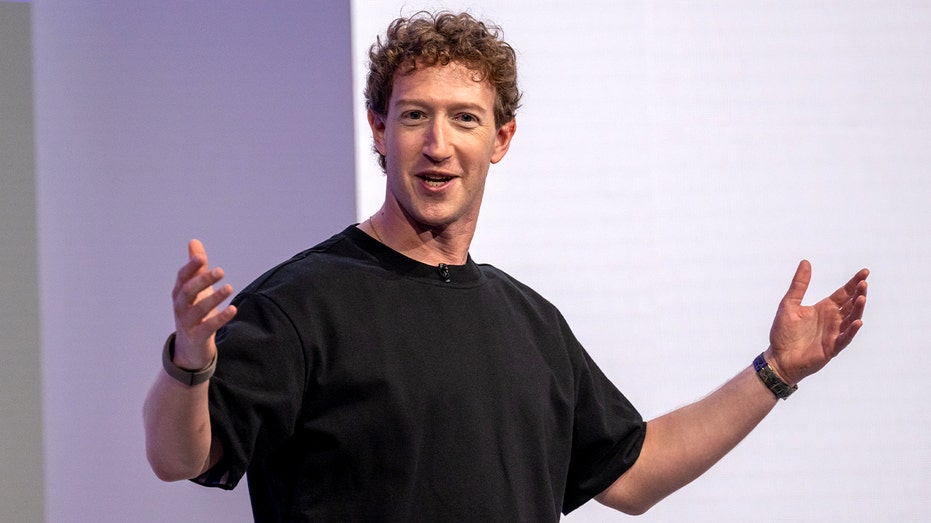
Mark Zuckerberg, chief executive officer of Meta Platforms Inc., appears during the Meta Connect event in Menlo Park, California, on Sept. 17, 2025. (David Paul Morris/Bloomberg via Getty Images / Getty Images)
That competition never materialized. Big Tech executives bought rivals, crushed start-ups, and leveraged network effects to lock in dominance. They turned platforms into monopolies. They used scale to entrench power. Even conservatives who distrust these companies must still use their platforms to reach voters, customers, and each other.
Meanwhile, courts expanded Section 230 far beyond its original purpose. Judges stretched the statute to cover conduct Congress never contemplated. Silicon Valley lawyers pushed aggressive interpretations, and courts accepted them. As a result, trillion-dollar monopolists now decide what Americans may say online while they coordinate with politicians and bureaucrats who demand crackdowns on so-called “misinformation.”
That is not a free market. That is government-enabled censorship.
Conservatives paid the price. Big Tech companies hunted down, censored, and canceled voices that challenge the Ruling Class. They deplatformed doctors and scientists who questioned COVID orthodoxy. They censored Hunter Biden’s criminal activity under the guise of “content moderation.” Americans would rather call it viewpoint discrimination. They deplatformed the sitting President of the United States of America.
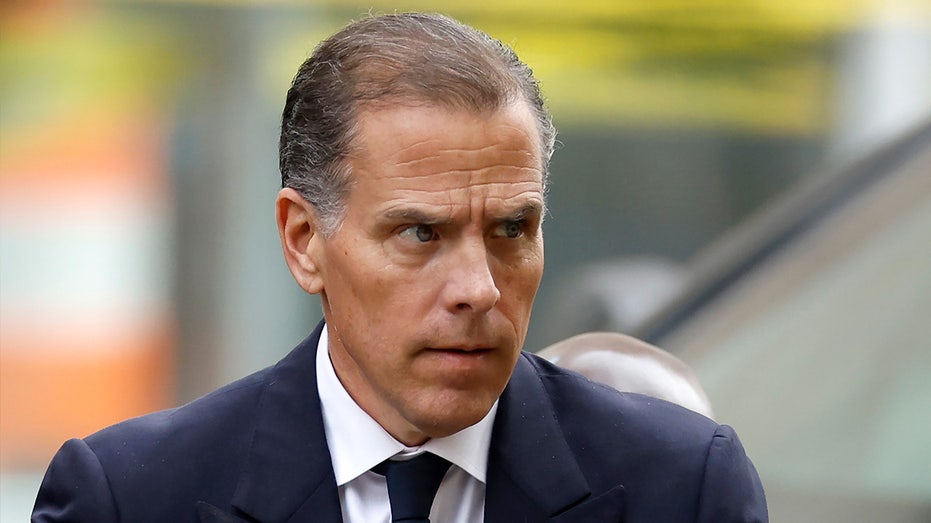
Hunter Biden, son of U.S. President Joe Biden, arrives to the J. Caleb Boggs Federal Building on June 06, 2024 in Wilmington, Delaware. The trial for Hunter Biden’s felony gun charges continues today with additional witnesses. (Kevin Dietsch/Getty Images / Getty Images)
At the same time, these companies insist they need blanket immunity to avoid liability for horrific content – human trafficking, terrorism, drug trafficking – content they monetize through ads and engagement. They profit from the system at every step. But when harm follows, they point to Section 230 and deny responsibility.
JILLIAN MICHAELS: BIG TECH BUILT A DIGITAL DRUG — AND OUR KIDS ARE HOOKED
That is not neutrality. That is corporate welfare.
Section 230 does not appear in the Constitution. Congress created it in 1996, and Congress can reform or repeal it. No company possesses a constitutional right to government-granted immunity. When lawmakers grant special protections to powerful corporations, those corporations use that protection to accumulate even more power.
Washington made that choice. Washington can reverse it.
If Meta had competed against Instagram instead of acquiring it, Americans might enjoy more choices and less centralized control. If YouTube had competed with Google instead of merging into it, creators might not depend on a single gatekeeper. Consolidation strengthened censorship power. Immunity protected consolidation.
For three decades, Congress and federal regulators coddled Silicon Valley. They tolerated consolidation. They defended immunity. They ignored warning signs. Now, Americans live under digital gatekeepers who answer to no one.
Conservatives do not want bureaucrats to police speech. But we must refuse to let trillion-dollar corporations wield government-granted immunity while they silence half the country. We must reject permanent amnesty for politically biased monopolists.
CLICK HERE TO DOWNLOAD THE FOX NEWS APP
Thirty years is long enough. Congress should strip Big Tech of its Section 230 immunity. Lawmakers should restore competition, enforce antitrust laws, and hold platforms accountable under the same legal standards that govern everyone else.
Stop the amnesty. End the sweetheart deal. Repeal Section 230.
3 things to look forward to in the T20 World Cup 2026 clash between India and West Indies ft. Varun Chakaravarthy

Xiaomi 17 Ultra vs iPhone 17 Pro Max: iOS or Android?

Oh No…. NOBODY SAW THIS COMING!?!?! (Major XRP News)


-

 Sports6 days ago
Women’s college basketball rankings: Iowa reenters top 10, Auriemma makes history
-

 Fashion2 days ago
Weekend Open Thread: Iris Top
-

 Politics6 days ago
Nick Reiner Enters Plea In Deaths Of Parents Rob And Michele
-

 Business5 days ago
True Citrus debuts functional drink mix collection
-

 Politics3 days ago
ITV enters Gaza with IDF amid ongoing genocide
-
Sports1 day ago
The Vikings Need a Duck
-

 Tech10 hours ago
Unihertz’s Titan 2 Elite Arrives Just as Physical Keyboards Refuse to Fade Away
-

 Crypto World5 days ago
XRP price enters “dead zone” as Binance leverage hits lows
-

 Tech5 days ago
Unsurprisingly, Apple's board gets what it wants in 2026 shareholder meeting
-
 NewsBeat20 hours ago
Dubai flights cancelled as Brit told airspace closed ’10 minutes after boarding’
-

 Business7 days ago
Law enforcement kills armed man seeking to enter Trump’s Mar-a-Lago resort, officials say
-

 NewsBeat4 days ago
Cuba says its forces have killed four on US-registered speedboat | World News
-
 NewsBeat1 day ago
The empty pub on busy Cambridge road that has been boarded up for years
-
 NewsBeat4 days ago
Manchester Central Mosque issues statement as it imposes new measures ‘with immediate effect’ after armed men enter
-
 NewsBeat6 days ago
‘Hourly’ method from gastroenterologist ‘helps reduce air travel bloating’
-

 Tech7 days ago
Anthropic-Backed Group Enters NY-12 AI PAC Fight
-

 NewsBeat16 hours ago
Abusive parents will now be treated like sex offenders and placed on a ‘child cruelty register’ | News UK
-

 NewsBeat7 days ago
Armed man killed after entering secure perimeter of Mar-a-Lago, Secret Service says
-

 Politics7 days ago
Maine has a long track record of electing moderates. Enter Graham Platner.
-

 Business3 days ago
Discord Pushes Implementation of Global Age Checks to Second Half of 2026