

Business
Oil prices surge in Asia, stocks under pressure

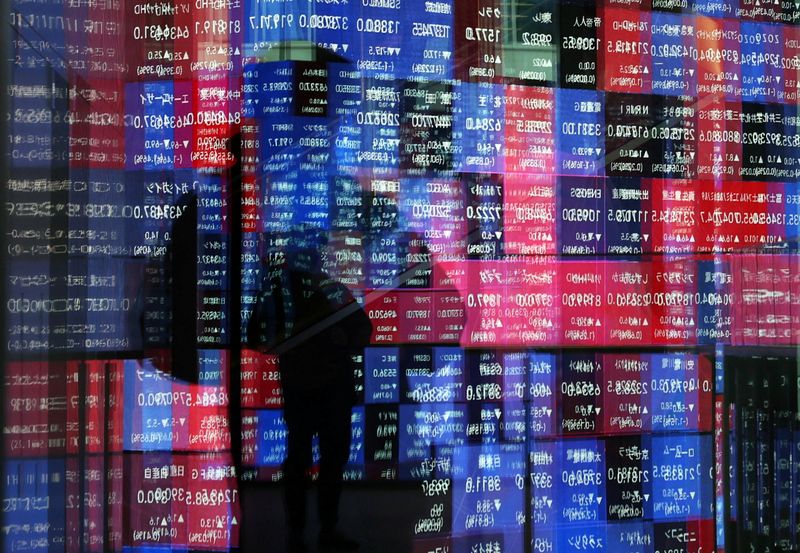


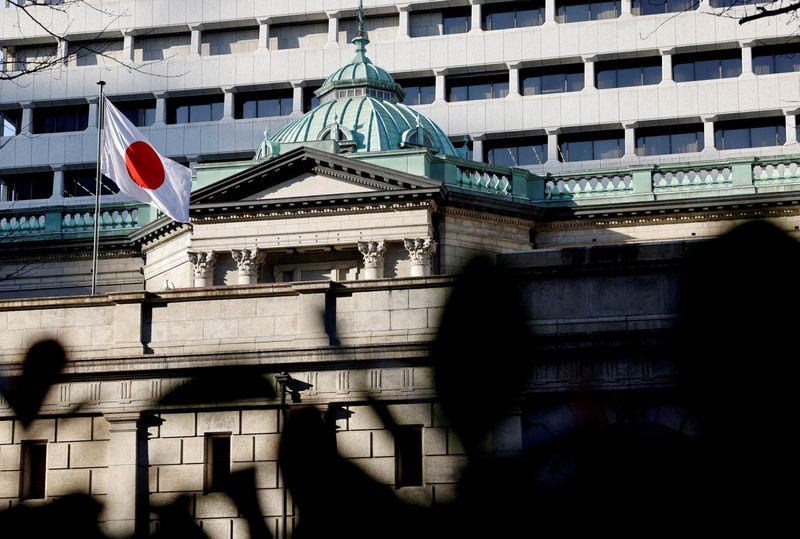

Japan faces growth risks, slower BOJ rate hikes from Iran conflict
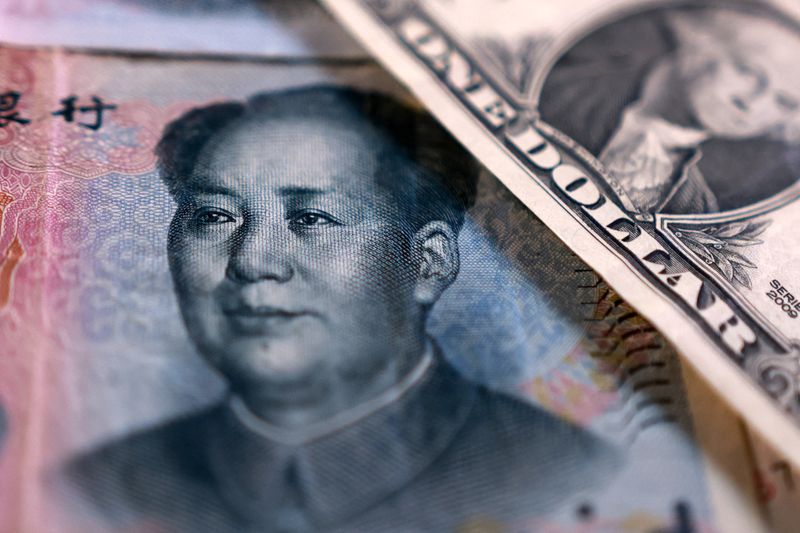

China encourages dollar buying to slow surging yuan


US officials skeptical of regime change in Tehran after Khamenei killing, say sources
RadNet earnings beat by $0.02, revenue topped estimates

In January, Thailand’s economy grew due to increased domestic and external demand, especially in tourism and private consumption. However, construction contracted, while inflation varied. Key issues include U.S. trade policy and tourism recovery.
Key Highlights 📊
- Overall Expansion: The Thai economy grew compared to December, supported by stronger domestic and external demand.
- External Demand:
- Merchandise exports (excluding gold) increased, especially electronics.
- Exports of gems, jewelry, and petroleum products rose temporarily due to firm-specific factors.
- Tourism improved with higher foreign arrivals and receipts.
- Domestic Demand:
- Private consumption and investment strengthened.
- Vehicle sales surged, driven by accelerated purchases ahead of the EV 3.0 scheme deadline and extended registration.
- Government Spending: Expanded but slowed, mainly due to reduced capital expenditure after earlier front-loading.
- Supply-Side Conditions:
- Services slightly contracted, mainly from a decline in construction activity.
- Tourism and trade-related services continued to expand.
- Manufacturing production remained broadly stable.
- Inflation & Stability
- Headline Inflation: Turned more negative, driven by lower raw food and energy prices.
- Core Inflation: Stayed positive and stable, reflecting higher vehicle prices (excise tax adjustments) but offset by promotional discounts in personal care.
- Current Account: Recorded a surplus, supported by net services, income, and transfers, despite a trade deficit from higher imports.
Thailand’s economy in January saw growth fueled by increased exports, particularly in electronics, gems, and jewelry, as well as improved tourism and domestic demand. Vehicle sales surged due to accelerated purchases before the EV 3.0 scheme’s expiration. However, government spending slowed due to previous capital expenditure front-loading, causing a decline in construction and a slight moderation in services, while manufacturing production remained stable.
Source : https://www.bot.or.th/en/news-and-media/news/news-20260227.html
Other People are Reading

How Greg Abel’s First Letter to Berkshire Shareholders Differs From Warren Buffett’s
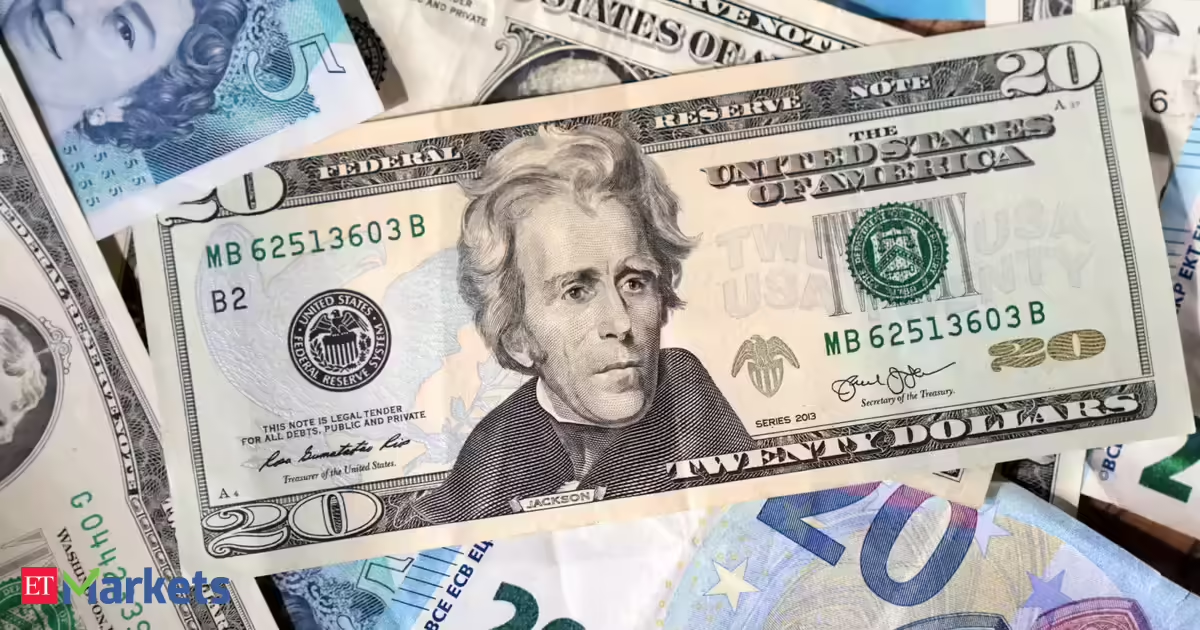
The franc climbed about 0.2% to 0.7674 per dollar and shot 0.6% higher to its strongest level since 2015 on the euro at 0.9030 in the early hours of the Asia session.
The euro fell 0.3% to $1.1781 and the yen initially rose but was held back by Japan’s big oil imports, and last traded a fraction weaker at 156.32 to the dollar.
Sterling and the Australian dollar slid by more than 0.5% and China’s yuan fell about 0.2% in offshore trade, since China is an energy importer and the main buyer of Iranian oil.
“You don’t know how long this is going to last, how high oil is going to go, how long the Strait of Hormuz is going to be closed,” said BNZ strategist Jason Wong in Wellington.

“The initial reaction is mild risk off, and you’ve just got to take each day as it comes.”
The Israeli military said its air force killed Khamenei and his death, at 86, was confirmed by Iranian state media, setting off a high-stakes succession race. Attacks extended into Sunday and Iran has hit back, with the Iranian Revolutionary Guard saying it had struck three U.S. and British oil tankers, while blasts were reported over Dubai and Doha.
Oil prices are markets’ initial top focus and leapt around 9% in early Monday trade on the disruption to seaborne trade.
Currencies of exporters such as Canada and Norway were steady in Asia’s early morning.
The risk-sensitive Australian dollar fell 0.7% to $0.7065, though traders thought the more durable pressure would probably fall on energy importers.
“The euro is in a difficult spot,” said Wells Fargo analysts in a note.
“Europe’s natural gas storage refill season is about to begin and the EU is heading into it with record-low gas in storage, implying it will need to buy a large chunk of energy right as prices potentially shoot higher.”
Israeli military spokesperson Lieutenant Colonel Nadav Shoshani said many targets remained, but deploying ground forces was not under consideration. U.S. President Donald Trump told the Daily Mail the campaign could run for a month.
“We figured it will be four weeks or so. It’s always been about a four-week process,” he said.
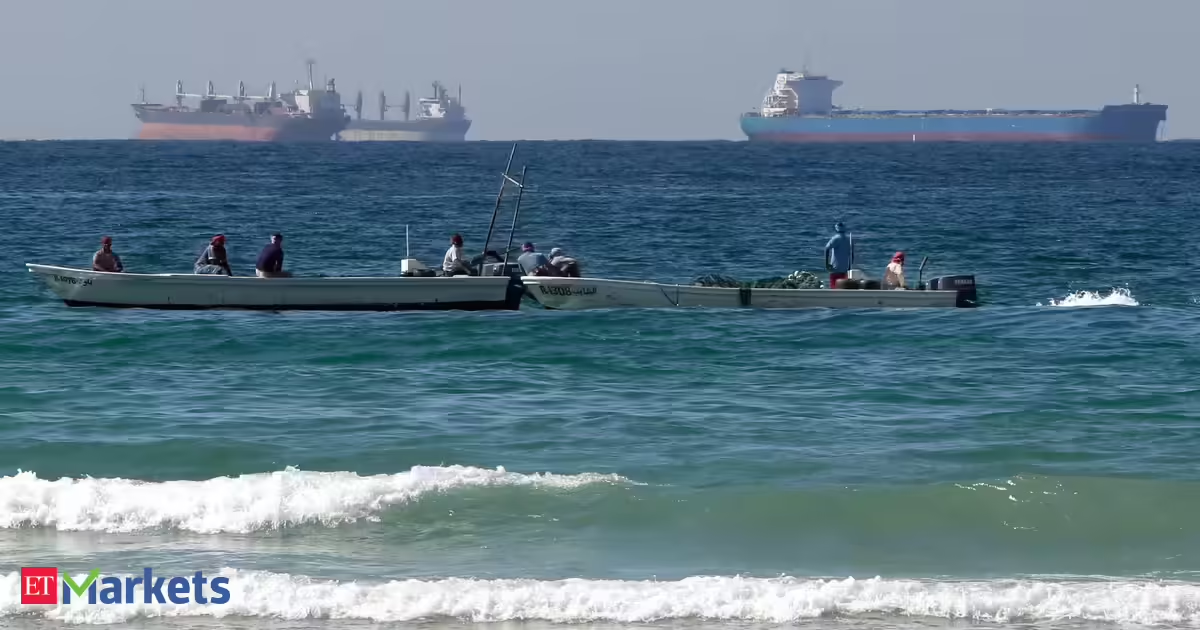
At least 150 tankers including crude oil and liquefied natural gas vessels dropped anchor in open Gulf waters beyond the Strait of Hormuz and dozens more were stationary on the other side of the chokepoint, shipping data showed on Sunday.


Bank of Japan deputy governor says rate hikes likely to continue
The Organization of Petroleum Exporting Countries, in a Sunday meeting planned before the war began, said it would increase production by 206,000 barrels per day in April, which was more than analysts had been expecting. The countries boosting output include Saudi Arabia, Russia, Iraq, the United Arab Emirates, Kuwait, Kazakhstan, Algeria and Oman.
Attacks throughout the region, including on two vessels traveling through the Strait of Hormuz, the narrow mouth of the Persian Gulf, could restrict countries’ ability to export oil to the rest of the world. That would will likely result in higher prices for crude oil and gasoline, according to energy experts.
Roughly 15 million barrels of crude oil per day – about 20% of the world’s oil – are shipped through the Strait of Hormuz, making it the world’s most critical oil chokepoint, according to Rystad Energy. Tankers traveling through the strait, which is bordered in the north by Iran, carry oil and gas from Saudi Arabia, Kuwait, Iraq, Qatar, Bahrain, the UAE and Iran.
Iran had temporarily shut down parts of the strait in mid-February for what it said was a military drill. Further disruptions to that shipping channel could lead to lower supply and higher prices for oil.
“Roughly one-fifth of global oil supply passes through the Strait of Hormuz, a vital artery for world trade, meaning markets are more concerned with whether barrels can move than with spare capacity on paper,” said Jorge Leon, Rystad’s senior vice president and head of geopolitical analysis, in an email. “If flows through the Gulf are constrained, additional production will provide limited immediate relief, making access to export routes far more important than headline output targets.”
Iran exports roughly 1.6 million barrels of oil a day, mostly to China, which may need to look elsewhere for supply if Iran’s exports are disrupted, another factor that could increase energy prices. Energy experts believe oil prices could shoot higher when barrels begin trading late Sunday. Analysts at Rystad anticipate the price of a barrel of Brent crude, the international standard, could increase by $20 when trading opens.
A barrel of Brent crude closed at a seven-month high of $72.87 on Friday.


OpenAI clinches $840 billion valuation with mega funding from Amazon, Nvidia, SoftBank

BRIT Awards 2026 review – Inside electric Co-op Live Manchester debut

Japan faces growth risks, slower BOJ rate hikes from Iran conflict

Bitcoin Outperforms Equities as Asia Markets Reel From Iran Strikes

Smart energy pays enters the US market, targeting scalable financial infrastructure

Why Israel is blocking foreign journalists from entering

Bitcoin: We’re Entering The Most Dangerous Phase

BITCOIN JUST FAILED: This is Coming Next (Warning)!! – Bitcoin News Today, Ethereum & Altcoins
![XRP Holders Becoming "FILTHY RICH" Is VERY REAL.. Many People Are About To Get Sidelined! [MUST SEE]](https://wordupnews.com/wp-content/uploads/2026/03/1772419855_maxresdefault-80x80.jpg)
XRP Holders Becoming “FILTHY RICH” Is VERY REAL.. Many People Are About To Get Sidelined! [MUST SEE]

Elon Musk’s Vision for X as a Financial Super App
-

 Sports6 days ago
Women’s college basketball rankings: Iowa reenters top 10, Auriemma makes history
-

 Fashion2 days ago
Weekend Open Thread: Iris Top
-

 Politics6 days ago
Nick Reiner Enters Plea In Deaths Of Parents Rob And Michele
-

 Business5 days ago
True Citrus debuts functional drink mix collection
-

 Politics3 days ago
ITV enters Gaza with IDF amid ongoing genocide
-

 Tech23 hours ago
Unihertz’s Titan 2 Elite Arrives Just as Physical Keyboards Refuse to Fade Away
-
Sports2 days ago
The Vikings Need a Duck
-

 Crypto World6 days ago
XRP price enters “dead zone” as Binance leverage hits lows
-

 Tech5 days ago
Unsurprisingly, Apple's board gets what it wants in 2026 shareholder meeting
-
 NewsBeat1 day ago
Dubai flights cancelled as Brit told airspace closed ’10 minutes after boarding’
-

 NewsBeat4 days ago
Cuba says its forces have killed four on US-registered speedboat | World News
-
 NewsBeat2 days ago
The empty pub on busy Cambridge road that has been boarded up for years
-
 NewsBeat4 days ago
Manchester Central Mosque issues statement as it imposes new measures ‘with immediate effect’ after armed men enter
-

 NewsBeat12 hours ago
‘Significant’ damage to boarded-up Horden house after fire
-
 NewsBeat7 days ago
‘Hourly’ method from gastroenterologist ‘helps reduce air travel bloating’
-

 NewsBeat1 day ago
Abusive parents will now be treated like sex offenders and placed on a ‘child cruelty register’ | News UK
-
 NewsBeat5 days ago
Police latest as search for missing woman enters day nine
-

 Business4 days ago
Discord Pushes Implementation of Global Age Checks to Second Half of 2026
-
 Sports7 days ago
2026 NFL mock draft: WRs fly off the board in first round entering combine week
-

 Business3 days ago
Only 4% of women globally reside in countries that offer almost complete legal equality