

Crypto World
Bitcoin Cash dips 22% over one week while new lending protocol captures over 19,000 investor interest



Disclosure: This article does not represent investment advice. The content and materials featured on this page are for educational purposes only.
Bitcoin Cash has plummeted 22% over the past week, struggling against market trends, while a new decentralized lending protocol, Mutuum Finance, garners interest.
Summary
- BCH faces sustained selling pressure, breaking below the psychological $500 level and indicating a bearish trend, with key support at $475–$490.
- Bitcoin’s slight gains contrast BCH’s decline, as capital concentration remains in BTC rather than altcoins, limiting BCH’s recovery potential.
- The decentralized lending protocol has raised over $20.6 million and enables users to earn yield through liquidity pools, with a live testnet attracting significant user engagement.
Bitcoin Cash (BCH) has fallen 22% over the past week, underperforming the broader crypto market as technical weakness and limited altcoin rotation weigh on price action. While BCH faces sustained selling pressure, a new decentralized lending protocol is drawing attention from more than 19,000 participants during its token sale phase.
Bitcoin Cash extends weekly losses
Bitcoin Cash declined sharply after rejecting resistance near its 50-day simple moving average around $564 earlier this week. The asset broke below the psychological $500 level and continued trending lower, confirming a short-term bearish structure. Analysts noted rejection near the $506.4 Fibonacci level, reinforcing persistent selling pressure.
Technical indicators reflect continued weakness. The 20-day exponential moving average has turned downward, while the RSI7 reading near 30.23 signals oversold conditions. However, the absence of bullish divergence suggests that downside momentum remains intact. A daily close above the 7-day EMA near $521 would be needed to indicate an early shift in short-term momentum.
Sector-wide dynamics have also contributed to BCH’s underperformance. During the same period, Bitcoin gained approximately 2.78%, while the CMC Altcoin Season Index declined to 34, down 5.56% over the week. Bitcoin dominance remained stable around 57.97%, indicating capital concentration in BTC rather than rotation into altcoins. This environment has left BCH exposed to independent selling pressure without broader market support.
In the near term, traders are monitoring the $475–$490 demand zone as a key support area. A sustained hold above this range could trigger a relief rally toward the $507–$520 resistance cluster. A breakdown below $475, however, would likely open the path toward the next support level near $443. For now, the broader bias remains bearish below the $510 level, with recovery dependent on reclaiming higher resistance zones and renewed market participation.
Mutuum Finance
A new decentralized lending protocol has attracted more than 19,000 participants during its ongoing token sale phase, reflecting growing interest in on-chain borrowing and yield strategies. The project has raised over $20.6 million to date, with its native MUTM token priced at $0.04. The V1 version of the protocol is currently live on the Sepolia testnet, where users can simulate lending and borrowing activity ahead of mainnet deployment.
How lending works
The protocol enables users to supply digital assets into liquidity pools and earn yield based on APY. When a user deposits funds, they receive mtTokens as proof of their position in the pool. These mtTokens are interest-bearing and increase in value over time as borrowers pay interest.
For example, if a user deposits $10,000 in USDT into a lending pool with an average APY of 4%, the position could generate approximately $400 in annual passive income, assuming rates remain stable. In return for the deposit, the user receives mtUSDT on a 1:1 basis. The mtUSDT represents their share of the pool and can be withdrawn at any time, subject to available liquidity in the pool.
How borrowing works
Borrowing operates under a collateralized model. Users must deposit crypto assets as collateral before accessing liquidity. Loan-to-Value (LTV) ratios determine how much can be borrowed relative to the collateral posted.
For instance, if a user deposits $2,400 worth of ETH as collateral and the maximum LTV is 75%, they could borrow up to $1,800 in stablecoins. This structure allows users to access liquidity without selling their ETH. If the value of ETH increases over time, the user can repay the borrowed stablecoins and reclaim their collateral, potentially benefiting from price appreciation while maintaining liquidity access.
mtTokens and staking
Beyond earning lending returns, mtTokens can also be staked within the protocol. Users who stake mtTokens become eligible to receive dividends in MUTM tokens. According to the platform model, a portion of the fees generated by lending and borrowing activity is used to purchase MUTM tokens from the open market and distribute them to stakers. This structure connects protocol usage with token distribution and introduces additional buy-side activity linked to platform performance.
With its testnet live, core lending mechanics active, and user participation exceeding 19,000 holders, the protocol continues advancing toward its planned mainnet launch while expanding its lending and borrowing framework.
Disclosure: This content is provided by a third party. Neither crypto.news nor the author of this article endorses any product mentioned on this page. Users should conduct their own research before taking any action related to the company.

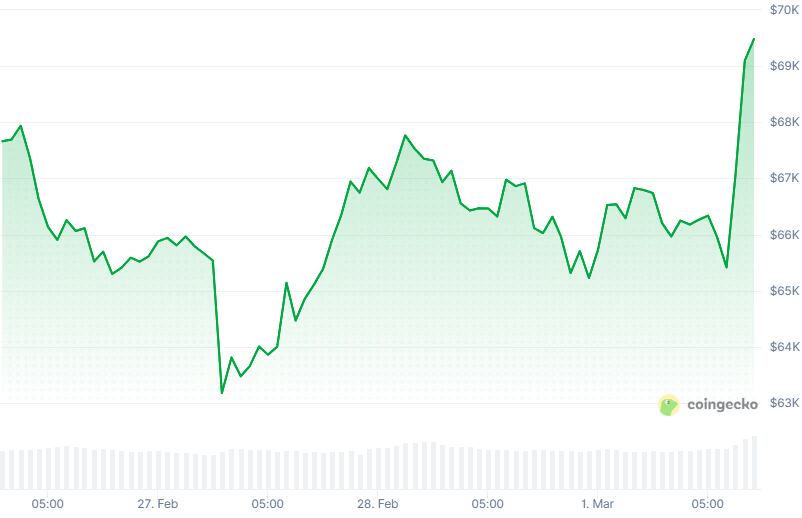
After dropping over the weekend, total crypto market capitalization is up 3.5% to $2.43 trillion.
Crypto markets are starting the week in the green despite the ongoing conflict in the Middle East, with most major altcoins posting gains.
Bitcoin (BTC) is trading at around $69,000, up nearly 5% over the past 24 hours, after reaching as high as $70,100 earlier in the day. Meanwhile, ETH and SOL are up 4% at $2,050 and $87, respectively, and BNB is up 3% on the day.

The overall crypto market capitalization is up 3.5% at $2.43 trillion, according to Coingecko.
The rebound comes after crypto markets initially sold off sharply over the weekend as the U.S. and Israel conducted a series of airstrikes against Iran, killing its head of state and high-ranking military commanders. Iran subsequently retaliated against its U.S.-allied neighbors, sparking fears of a wider war.
Most of the Top 100 digital assets posted gains over the last 24 hours.
Top gainers include Near Protocol (NEAR), MORPHO, and Ethena (ENA), which rallied 14%, 12% and 10%, respectively.
Polygon (POL) and Canton (CC) are today’s biggest losers, down around 3%.
Around 112,000 leveraged traders were liquidated for $437 million in the past 24 hours, according to CoinGlass. Bitcoin accounted for $182 million, while ETH positions made up $114 million.
Elsewhere, U.S. stocks reversed pre-market losses to trade relatively unchanged on the day, while precious metals pulled back. Gold is changing hands at $5300/oz, while silver fell 7% to $87/oz.

✨ AI Summary
- Telegram has transformed into a robust platform for interactive applications and games, with businesses leveraging its low-friction entry to digital gaming ecosystems
- To successfully launch a Telegram game, structured planning, scalable architecture, and reliable development processes are essential
- Understanding the target audience, gameplay concept, user acquisition strategy, and monetization approach is crucial before embarking on development
- Telegram supports various game formats, including tap-to-earn games for rapid user growth, strategy and simulation games for deeper engagement, and utility-based games for functional purposes
- A well-designed architecture comprising a Telegram bot interface, backend services, databases, and integrations is necessary for stability and scalability.
Telegram has evolved from a messaging application into a powerful distribution platform for interactive applications and games. With millions of users interacting daily with bots and mini-apps, businesses are increasingly viewing Telegram as a low-friction entry point into digital gaming ecosystems. Compared to traditional mobile app stores, Telegram allows faster deployment, simplified onboarding, and direct user engagement.
However, successfully launching a Telegram game requires more than building a simple bot. Businesses need structured planning, scalable architecture, and reliable development processes. Companies that treat Telegram games as serious digital products instead of just experimental tools are the ones that achieve sustainable growth.
This guide explains how businesses can launch a Telegram game successfully and why many organizations choose to work with a professional Telegram game developer or hire a Telegram game development company to reduce risk, accelerate deployment, and get successful results.
Reasons Behind the Rapid Growth of Telegram Games
Telegram games have become increasingly popular because they remove many of the barriers associated with traditional game distribution. Users do not need to install applications, create accounts, or complete lengthy onboarding processes. Games can be accessed instantly through Telegram chats and mini-app interfaces.
Businesses are attracted to Telegram games for several strategic reasons:
- Instant user access without app downloads
- Lower user acquisition friction
- Global reach through Telegram’s user base
- Integrated social engagement features
- Faster product launch timelines
Telegram also provides built-in communication channels that allow developers to engage users directly. Notifications, community groups, and automated messaging create continuous engagement opportunities. These advantages make Telegram an attractive platform for startups and enterprises looking to launch new gaming products efficiently.
What Businesses Need Before Launching a Telegram Game
Prior to hiring Telegram mini game development services, businesses should define clear objectives and product requirements. Many Telegram game projects fail because teams begin development without a well-defined strategy.
Successful projects typically start with clarity in the following areas:
- Target audience definition
- Core gameplay concept
- User acquisition strategy
- Monetization approach
- Technical requirements
- Growth expectations
Businesses should also determine whether the game will function as a marketing tool, a revenue-generating product, or part of a larger digital ecosystem. This decision plays a significant role in affecting both development scope as well as technical architecture. A structured planning phase helps reduce development delays and prevents costly redesigns later.
Types of Telegram Games Businesses Can Launch
Telegram supports multiple game formats, allowing businesses to opt for models that best align with their objectives.
1. Tap-to-Earn Games
Tap-to-earn games are among the most popular Telegram formats. Players interact with simple mechanics such as tapping or clicking to accumulate points or rewards. These games typically feature:
- Simple gameplay mechanics
- Quick user sessions
- High retention potential
- Viral sharing features
- Reward-driven engagement
Tap-to-earn models are particularly effective for rapid user growth.
2. Strategy and Simulation Games
More advanced Telegram games include strategy mechanics and simulation-based gameplay. These games encourage longer engagement sessions and deeper player involvement. These games often include:
- Resource management systems
- Player progression mechanics
- Leaderboards
- Competitive elements
- Seasonal events
Strategy-based games typically generate stronger long-term retention.
3. Utility-Based Telegram Games
Some Telegram games serve functional business purposes beyond entertainment. These games may be part of loyalty programs or digital ecosystems. A few examples include:
- Reward-based engagement platforms
- Community participation games
- Promotional campaigns
- Brand engagement tools
Utility-driven games often align closely with business objectives.
Telegram Game Architecture Overview
Behind the simple user interface of a Telegram game lies a structured technical architecture. Proper architecture design ensures stability and scalability as user numbers grow. A typical Telegram game architecture includes several key components:
1. Telegram Bot Interface
The Telegram bot acts as the primary interface between users and the game. It handles commands, user interactions, and message flows. Bot responsibilities include:
- User authentication
- Command processing
- Gameplay interactions
- Notifications
- Event triggers
Efficient bot design is essential for smooth gameplay experiences and this is where a professional Telegram game developer comes to the rescue.
2. Backend Services
Backend services manage game logic and store player data. These systems ensure that gameplay remains consistent across sessions. Backend services typically include:
- Game logic processing
- User data storage
- Progress tracking
- Event management
- Leaderboard calculations
Scalable backend architecture is critical for handling large numbers of concurrent users.
3. Databases
Databases store player progress, achievements, and activity history. Reliable data storage ensures consistent gameplay and prevents data loss. Typical database functions include:
- Player profiles
- Game progress tracking
- Inventory management
- Session history
- Analytics data
High-performance databases improve responsiveness and stability.
4. APIs and Integrations
Telegram games often integrate with external systems to extend functionality. Some of the major integrations include:
- Payment systems
- Analytics platforms
- Reward systems
- Wallet integrations
- CRM tools
Integrations allow Telegram games to operate as part of broader digital ecosystems.
From Idea to Launch: Building Telegram Games That Scale
Telegram Mini Game Development Services Explained
Professional telegram mini game development services cover the full lifecycle of Telegram game creation. Businesses working with experienced teams gain access to structured development processes and technical expertise. The major services include:
- Game concept development
- Bot architecture design
- Backend development
- UI/UX design
- Analytics integration
- Performance optimization
- Deployment support
These services help businesses launch stable and scalable games without managing complex technical workflows internally.
Step-by-Step Guide for Launching a Telegram Game
Top-rated Telegram mini game development services follow a structured development process that improves launch success and reduces technical risks.
Step 1 — Discovery and Planning
The project begins with defining requirements and technical scope. Teams align on gameplay mechanics and system architecture. This step includes:
- Feature definition
- Technical planning
- Timeline estimation
- Architecture decisions
- Risk assessment
Step 2 — Prototype Development
Versatile Telegram game developers usually build an early version of the game to validate gameplay mechanics. Prototype development includes:
- Core gameplay loop
- Basic bot interactions
- Initial UI design
- Functional testing
This stage confirms that the concept works before full development begins.
Step 3 — Full Development
During this phase, the complete game is built and integrated with backend systems. Development typically includes:
- Gameplay implementation
- Database setup
- API integrations
- UI improvements
- Performance optimization
Step 4 — Testing and Optimization
Testing ensures that the game performs reliably under real-world conditions, which includes:
- Load testing
- Bug fixing
- Performance tuning
- Security validation
Step 5 — Launch and Scaling
After launch, teams monitor performance and optimize user experience. Post-launch work includes:
- Analytics monitoring
- Gameplay improvements
- Feature updates
- Infrastructure scaling
Common Mistakes to Avoid While Launching Telegram Games
Many Telegram game launches fail because teams underestimate technical complexity. Some of the most common mistakes include:
- Building without scalable backend systems
- Ignoring analytics integration
- Poor user onboarding
- Weak gameplay loops
- Inadequate testing
Avoiding these mistakes significantly improves launch success. When you plan to hire a Telegram game development company with proven expertise in this field, these mistakes are dealt with in the right way to ensure a successful launch.
Timeline Expectations
Telegram games can be launched faster than traditional mobile games. However, realistic timelines still matter. Typical development timelines include:
- Basic games: 3–5 weeks
- Mid-scale games: 6–10 weeks
- Complex games: 10–16 weeks
Timelines depend on features, integrations, and architecture requirements. Working with experienced teams typically reduces development delays.
Why Businesses Hire Professional Telegram Game Developers
Many businesses choose to hire professional Telegram game developers instead of building internal teams since they provide:
- Proven development workflows
- Faster deployment timelines
- Reliable architecture
- Performance optimization
- Post-launch support
Experienced developers play a pivotal role in avoiding costly technical mistakes and ensure a successful launch.
Choosing the Right Telegram Game Development Company
Selecting the right partner is critical for long-term success. Businesses planning to hire a telegram game development company should evaluate both technical capabilities and delivery experience. Key factors to evaluate include:
- Experience building Telegram games
- Scalable architecture expertise
- Backend development capabilities
- Analytics integration experience
- Post-launch support services
Antier, with its several years of experience and expertise, tends to follow a structured development process that is more likely to deliver reliable results and hence the selection should be made accordingly.
Final Thoughts
Telegram games offer businesses a powerful way to reach global audiences with minimal friction. However, successful launches require structured planning, scalable architecture, and experienced development teams.
Organizations that treat Telegram games as strategic products rather than quick experiments are more likely to achieve sustainable growth. Working with an experienced Telegram game development company like Antier allows businesses to launch faster while reducing technical risks and ensuring long-term scalability.
Frequently Asked Questions
01. Why are businesses interested in launching games on Telegram?
Businesses are attracted to Telegram games due to instant user access without app downloads, lower user acquisition friction, global reach, integrated social engagement features, and faster product launch timelines.
02. What are the key factors for successfully launching a Telegram game?
Successful launches require structured planning, scalable architecture, reliable development processes, and a well-defined strategy that includes target audience, gameplay concept, user acquisition, monetization, and technical requirements.
03. How does Telegram facilitate user engagement for games?
Telegram provides built-in communication channels such as notifications, community groups, and automated messaging, allowing developers to engage users directly and create continuous engagement opportunities.
One of Nasdaq’s options exchanges, Nasdaq MRX, has filed to offer cash-settled, binary-style contracts on the Nasdaq-100 Index, adding to a wave of Wall Street firms testing the prediction market waters.
Nasdaq, the firm behind the second-largest stock exchange by market capitalization, is looking to offer “Outcome Related Options” for yes-or-no bets, priced between 1 cent and $1, according to its filing to the US Securities and Exchange Commission on Monday.
The offering would allow traders to take binary positions on events linked to the Nasdaq-100 and Nasdaq-100 Micro indexes — not on outcomes related to other events, such as sports, culture, or politics.
Some of the most notable stocks in the Nasdaq-100 include Nvidia (NVDA), Apple (AAPL), Microsoft (MSFT), Amazon (AMZN), Google (GOOGL), Meta (META) and Tesla (TSLA).

SEC approval could see it enter a booming market alongside the likes of Polymarket and Kalshi, while crypto trading platforms like Coinbase and Crypto.com are also integrating prediction markets.
Other Wall Street players, such as the Intercontinental Exchange, CME Group and Cboe Global Markets, have also invested in the space or signaled an intention to launch their own prediction market-style offerings.
CME Group’s partnership with American gambling company FanDuel will enable traders to bet on markets outside of finance, while Cboe’s offering will be focused on finance and economic contracts.
Crypto asset manager Bitwise also filed with the SEC last month to launch “PredictionShares” exchange-traded funds that seek to hold event contracts tied to the 2028 US presidential election, while GraniteShares and Roundhill also made similar filings in February.
Related: Kalshi founder provides update on Iran’s Khamenei market carveout
Prediction markets became one of the hottest use cases in crypto last year and have consistently surpassed $10 billion in monthly trading volume. Polymarket and Kalshi have been aggressively marketing their products to retail users in recent months despite some regulators seeking to restrict the industry.
Nasdaq wants its prediction offering on several platforms
Nasdaq is also looking to offer Outcome-Related Options on other Nasdaq options exchanges, including Nasdaq NOM and Nasdaq PHLX.
Nasdaq MRX uses a first-come, first-served system and does not pay trading incentives. In contrast, Nasdaq NOM and Nasdaq PHLX incorporate pricing models that can reward participants for adding liquidity.
Magazine: IronClaw rivals OpenClaw, Olas launches bots for Polymarket — AI Eye
Crypto World
NEAR token jumps 17% after ‘Confidential Intents’ launch, outpaces privacy tokens sector
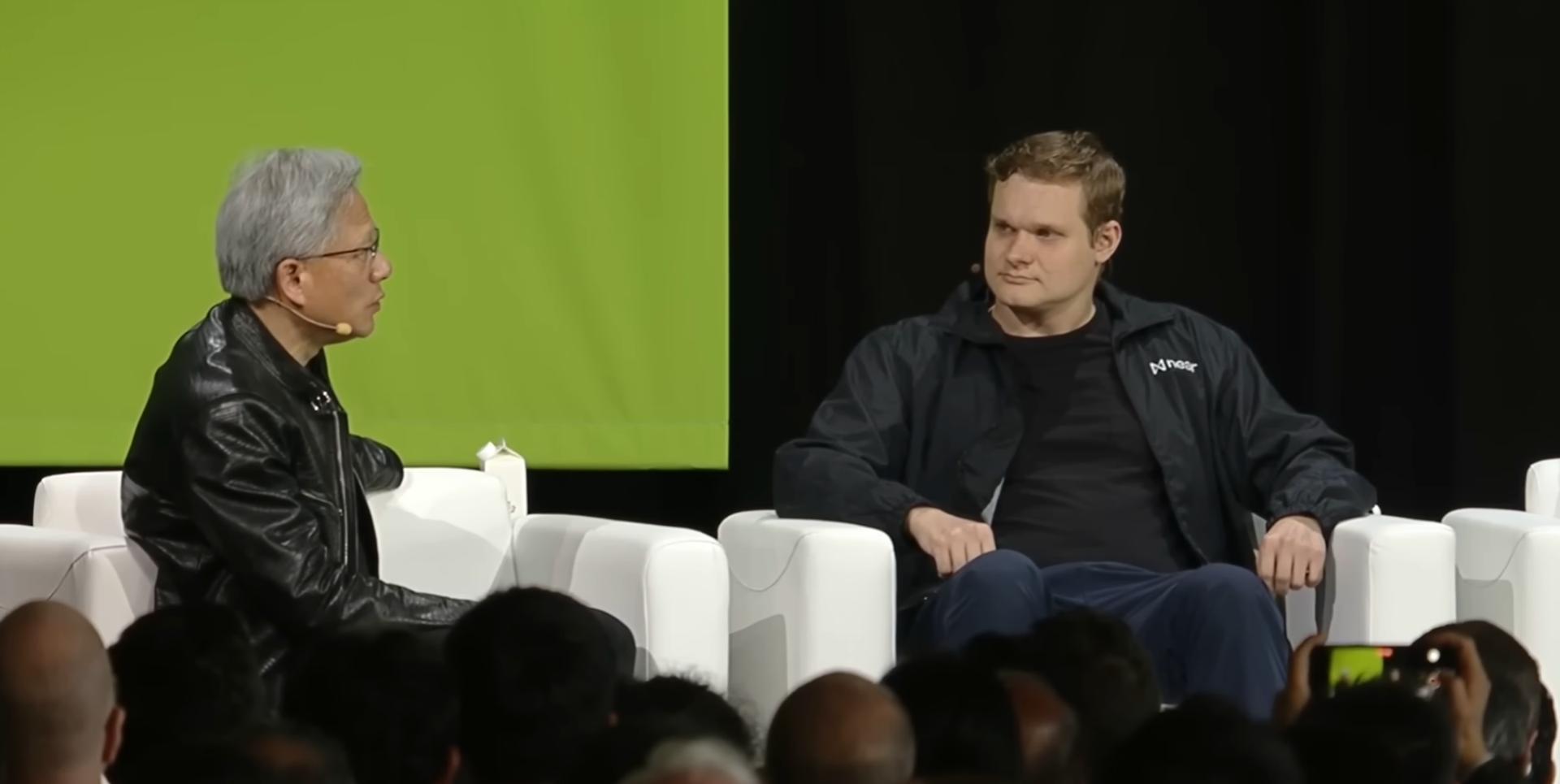
NEAR token climbed as much as 17% after launching “Confidential Intents,” a new private execution layer designed to shield trades from public view, extending a 40% weekly rally and outperforming both the CoinDesk 20 Index and the broader privacy token sector.
The feature was first unveiled last week at NEARCON in San Francisco, as previously reported by CoinDesk, and officially went live today.
It routes transactions through a private shard linked to NEAR’s mainnet, according to technical documentation on NEAR’s blog, allowing users to toggle into confidential accounts to avoid front-running and sandwich attacks.
Unlike privacy coins such as Monero or Zcash, which are designed to hide transaction details by default, NEAR’s system offers optional confidentiality focused on trade execution, keeping only specific transfers and positions out of public view while preserving auditability for law enforcement.
NEAR wrote that the product is aimed squarely at institutions wary of broadcasting trading strategies on transparent ledgers.
Onchain transactions are visible before they settle, exposing order size, timing, and direction to bots that can trade against users.
That dynamic has long enabled so-called maximal extractable value, or MEV, strategies that act as a hidden tax on traders. By shifting execution of trades into a less visable environment, Confidential Intents is designed to keep transfers and cross-chain position management out of the public mempool
Unlike fully opaque privacy chains, NEAR’s system offers selective disclosure within a compliance-aware framework, positioning the product as a bridge between traditional finance expectations and onchain settlement.
Still, onchain data curated by DeFiLlama shows NEAR’s base-layer fees remain limited relative to its roughly $1.8 billion market capitalization.
That suggests investors are betting the confidential execution layer could draw institutional-sized flow onto the network, rather than responding to a sharp increase in current revenue.


XRP slips about 4% in 24h as $652m flows to Binance amid Iran‑linked risk‑off move.
Summary
- Around 472m XRP (≈$652m) moved to Binance in a week, the largest February inflow stretch, coinciding with US–Iran tensions.
- XRP trades roughly $1.3–$1.4, down about 4% daily and over 35% year‑on‑year, while 24h volume holds near multi‑billion levels.
- On‑chain data shows clustered late‑February exchange inflow spikes, signaling defensive positioning and potential short‑term sell‑side pressure.
XRP (XRP) exchange inflows to Binance have risen sharply, creating potential sell-side pressure as geopolitical tensions involving the United States, Israel and Iran escalate, according to CryptoQuant contributor Darkfost.
The exchange received more than 472 million XRP over the past week, representing what Darkfost described as the largest inflow stretch recorded on Binance for XRP during February, according to data shared by the analyst.
The market reaction intensified following weekend escalations in the Middle East, when strikes were launched shortly after the close of traditional financial markets, Darkfost stated. The timing amplified uncertainty across risk assets, with cryptocurrency markets reacting to the geopolitical developments, according to the analysis.
Chart data shared by Darkfost shows a cluster of unusually large inflow bars in late February, including several daily spikes well above prior February levels, while XRP’s price remained relatively unstable.
“Such inflows typically reflect a more defensive posture from investors holding XRP,” Darkfost wrote. “When large amounts of tokens move onto exchanges, it often signals a potential willingness to sell or at least to position liquidity closer to the market.”
Large transfers onto exchanges often precede increased liquidations or discretionary selling, particularly during broader risk-off periods, according to market observers. The transfers do not confirm outright selling, but shift substantial supply closer to the market during a period of elevated uncertainty.
“When amounts of flows like this are recorded, they can create the conditions for a sudden wave of selling pressure capable of impacting price action in the short term,” Darkfost stated.
The analyst noted that traders should monitor “whether it reflects the start of a broader distribution dynamic on XRP or simply short-term panic movements triggered by geopolitical uncertainty.”
During periods of geopolitical stress, traders typically reduce directional exposure and move assets into venues where they can exit quickly if volatility increases, according to market analysts.


Bitcoin trades flat as Hong Kong readies March stablecoin licenses and 2026 dealer–custodian rules to boost tokenized finance.
Summary
- HKMA will issue the first fiat‑backed stablecoin issuer licenses in March, limited to a small cohort under a strict regime.
- SFC and FSTB plan 2026 legislation for virtual asset dealers and custodians, aligning standards with securities brokers and licensed custodians.
- Authorities prioritize tokenization, allowing debenture registers on-chain and piloting EnsembleTX wholesale CBDC for 24/7 settlement of tokenized deposits and cross‑border assets.
Hong Kong is set to grant its first stablecoin issuer licenses in March and introduce legislation for crypto asset dealers and custodians later this year, according to regulatory announcements.
The licensing regime, which is already in place, will permit regulated issuers to explore applications in a compliant, risk-controlled manner, officials stated. Approvals for fiat-backed stablecoin issuers are expected to be granted in March.
Beyond stablecoins, Hong Kong plans to expand oversight to digital asset dealing, which covers the regulated buying, selling, or exchanging of virtual assets, as well as custodian services. The Securities and Futures Commission is focused on enhancing liquidity and enabling a wider range of products for professional investors, including crypto margin financing and derivatives, according to the regulator. The SFC will also launch an accelerator designed to speed innovation.
Tokenization of traditional financial instruments represents a key priority for Hong Kong authorities. Guidance will allow debenture registers to be maintained on blockchains, while electronic signatures may be adopted for tokenized bond issuance, regulators said.
The Hong Kong Monetary Authority continues to develop its EnsembleTX platform, a pilot program for its wholesale central bank digital currency designed for 24/7 real-value settlement of tokenized deposits and cross-border digital assets, according to the HKMA.
On tax compliance, Hong Kong will amend the Inland Revenue Ordinance over the next two years to implement the Organisation for Economic Co-operation and Development’s Crypto Asset Reporting Framework and updated Common Reporting Standard, aligning with global standards for crypto asset transparency.
The combined regulatory efforts are aimed at strengthening Hong Kong’s regulatory framework, promoting market liquidity, and positioning the city as a hub for tokenized finance and compliant stablecoin issuance, according to government statements.
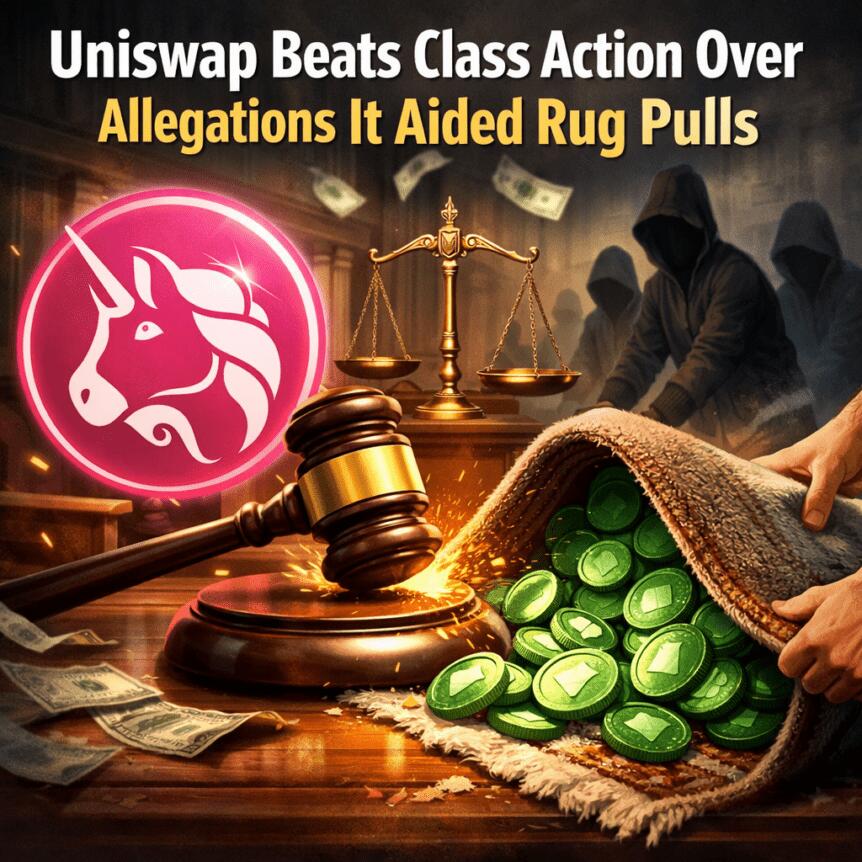
Uniswap Labs and its founder Hayden Adams secured a decisive legal victory in a four-year dispute that challenged the decentralized exchange’s role in allegedly enabling scam tokens. A Manhattan federal judge, Katherine Polk Failla, dismissed the class-action suit against Uniswap with prejudice, effectively ending the case and signaling that platform operators should not be held liable for the misdeeds of unaffiliated third-party token issuers. The plaintiffs had pursued what they described as state-level consumer-protection claims, arguing that Uniswap’s open marketplace facilitated rug pulls and pump-and-dump schemes. The ruling arrives after the plaintiffs amended their complaint to sharpen their theories around consumer protection and DeFi conduct.
The case first landed in federal court in April 2022. After an initial dismissal in August 2023, the appellate process did not overturn the lower court’s view, setting the stage for the latest decision. Adams reacted to the ruling on social media, deeming it a “good, sensible outcome” and portraying it as a potential legal precedent for the open-source, permissionless design that underpins many DeFi projects. The court’s written opinion underscores a central theme in the legal treatment of decentralized finance: platform operators that provide the infrastructure, without actively participating in fraudulent activity, may not be deemed to have aided fraud simply by hosting services used by others.
In her opinion, Judge Failla rejected the core theory advanced by the class representatives: that Uniswap’s platform knowledgeably facilitated fraud or substantially assisted those responsible for it. The judge stressed that the plaintiffs failed to allege that Uniswap “had knowledge of the fraud and substantially assisted in its commission.” Merely creating an environment where unlawful activity could occur does not equate to affirmative participation or control over the wrongdoing. The decision aligns with a line of reasoning that emphasizes the distinction between providing a service that is agnostic to misuse and actively enabling or enabling criminal behavior.
The court’s formal ruling came after the plaintiffs, led by Nessa Risley, continued to pursue a theory that framed Uniswap as a conduit for consumer harm, despite the platform’s status as an open, on-chain exchange protocol. The complaint tied alleged misdeeds to the broader ecosystem of projects launched on Uniswap, but Failla’s order makes clear that the presence of scammers in a marketplace does not automatically impose liability on the platform operator. As the judge wrote, “No matter how they try to dress up their allegations, Plaintiffs are basically alleging that Defendants substantially assisted fraud by providing ordinary services that anyone could use for lawful purposes, but that some used for unlawful purposes.”
The decision also touches a longstanding tension in crypto law: how to apportion responsibility in an ecosystem built on code that anyone can inspect and deploy. Adams, for his part, has framed the ruling as a protective precedent for developers who contribute to open-source smart contracts. In a platform-agnostic sense, the ruling delineates boundaries between hosting infrastructure and actively enabling illicit activities. It remains to be seen how other courts will interpret similar claims against different DeFi protocols or open-source projects, but Failla’s order provides a reference point for future cases that hinge on the line between standard platform services and substantive assistance to fraud.
While the litigation ended for Uniswap in the current forum, the episode sits within a broader debate about consumer protection in crypto markets and the accountability of developers and platforms. The plaintiffs had also named venture financiers Paradigm, Andreessen Horowitz, and Union Square Ventures as defendants in the original complaint, highlighting the ecosystem’s interconnected web of developers, capital providers, and marketplaces. The court’s analysis, however, centers on Uniswap’s role as a protocol provider and its duties, or lack thereof, to police every token listed on its decentralized exchange. The opinion avoids endorsing a blanket shield for all DeFi activity but reinforces the principle that liability is not triggered by mere platform exposure to potential misuse.
The backdrop to this ruling includes ongoing regulatory and legal scrutiny over crypto markets, especially around how consumer protections apply to decentralized technologies. A separate line of legal and regulatory developments continues to evolve as courts weigh questions of oversight, responsibility, and the allocation of risk among platform operators, project issuers, and investors. While the decision neither endorses a laissez-faire approach nor endorses unbridled liability for developers, it does clarify that the legal standard for “substantial assistance” is nuanced and demands concrete demonstrations of active participation rather than mere facilitation by offering a widely accessible tool.
As Adams noted in his post, the ruling represents a boundary-setting moment for the open-source community behind DeFi. The sentiment among developers and investors is that the decision preserves the ability to innovate without being automatically tethered to criminal activity that occurs off-chain and outside the direct control of protocol builders. Yet, the judge’s explicit insistence that plaintiffs must establish knowledge and substantial assistance if they claim fraud implies that future lawsuits may still test how courts interpret the duties of platform operators in relation to on-chain activity and off-chain outcomes. The line remains nuanced, and the possibility of further litigation in related cases or different jurisdictions persists.
Why it matters
For users and builders, the ruling offers a clearer framing of risk and responsibility within DeFi ecosystems. It emphasizes that the mere existence of a marketplace where bad actors can operate does not automatically pin liability on the platform. This distinction matters for innovation, as developers can continue to contribute open-source code and deploy smart contracts with confidence that liability will not be presumed merely because someone else exploited the system for wrongdoing. At the same time, the decision preserves a path for consumer-protection claims under specific contexts, should plaintiffs be able to demonstrate concrete knowledge or affirmative assistance by a platform.
From a market perspective, the dismissal reduces near-term litigation risk for open-source DeFi protocols and their funders, while underscoring the importance of sound security practices, transparent governance, and robust auditing of smart contracts. It signals that regulators and courts may demand careful consideration of the line between providing a generic service and actively enabling unlawful conduct. In practice, that means protocol teams may continue to rely on established best practices—audits, formal verification, transparent disclosures, and clear user protections—without fearing automatic liability for every token or project launched with their tooling.
Yet the case also demonstrates that the legal framework surrounding crypto remains unsettled in important ways. The judge’s critique of the plaintiffs’ theory—treating ordinary platform services as substantial assistance—serves as a reminder that litigation strategies will need to articulate more precise evidence of knowledge and intent to secure a favorable ruling. Investors and developers should monitor how courts define “substantial assistance” in future disputes, particularly as on-chain activity becomes more complex and as regulatory attention intensifies around DeFi governance, token issuance, and consumer protections.
What to watch next
- Whether the plaintiffs pursue any further appellate action or attempt new claims under different theories.
- Any regulatory guidance or policy shifts that address platform liability in open networks and consumer protection in DeFi markets.
- Rulings in parallel cases involving other DeFi protocols or token issuers that might refine the standard of care for platform operators.
- Market and developer responses in the wake of the decision, including governance discussions around risk management and compliance tooling for on-chain projects.
Sources & verification
- Order by U.S. District Judge Katherine Polk Failla in Risley v. Uniswap, docket: 63213270/126 (New York Southern District Court).
- Original April 2022 complaint and the May 2022 amendment focusing on consumer-protection theories.
- Historical dismissal in August 2023 and subsequent appellate posture as described in the cited coverage.
- Hayden Adams’ X post commenting on the ruling as a “good, sensible outcome.”
- Cointelegraph coverage of related litigation and regulatory context, including references to Bancor patent cases and other crypto-law developments linked in the article.
Key details and context
Uniswap Labs and its founder successfully navigated a complex civil action that tested the boundaries between open-source platforms and accountability for misuse. The decision reaffirms a fundamental principle: simply hosting a platform or providing broadly available tooling does not automatically amount to substantive participation in fraudulent activity. The court’s analysis focused on the plaintiffs’ ability to show that Uniswap knew of the fraud and actively assisted it, rather than merely offering a general-purpose service used by others for legitimate or illegitimate purposes. The judge’s language makes clear that the court does not imply immunity for platform builders in every circumstance, but it places a high bar on claims that seek to reframe ordinary platform services as preparatory steps for wrongdoing.
Why this topic matters for the crypto landscape
The outcome contributes to the ongoing calibration of risk for DeFi developers, investors, and users. By drawing a line between open infrastructure and direct facilitation of fraud, the ruling supports continued innovation while signaling that meaningful evidence of knowledge and intent remains essential to establish liability in similar disputes. As the ecosystem evolves, market participants will closely watch how courts across jurisdictions interpret liability standards for platform operators, the role of auditing and governance, and the balance between consumer protection and the permissionless ethos that underpins decentralized finance.
The Bitcoin market is currently navigating a high-stakes “defensive liquidity” environment as global markets reel from the sudden escalation of the US-Iran conflict.
Summary
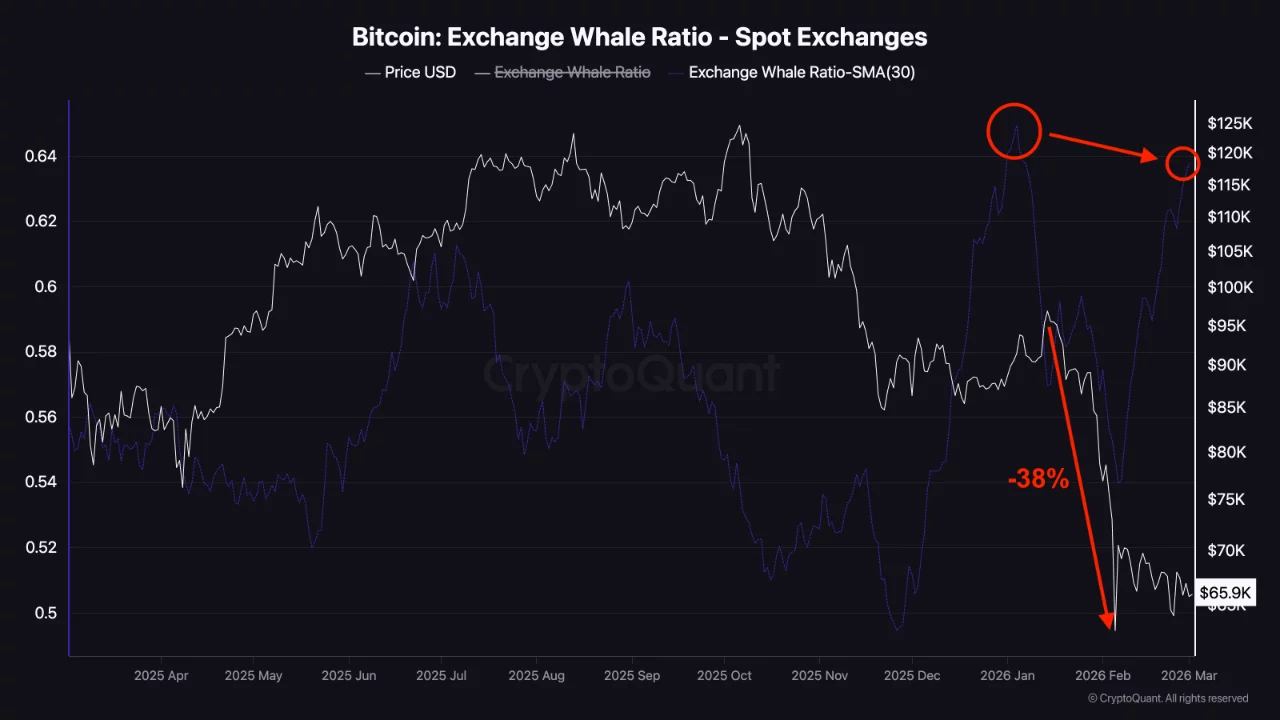
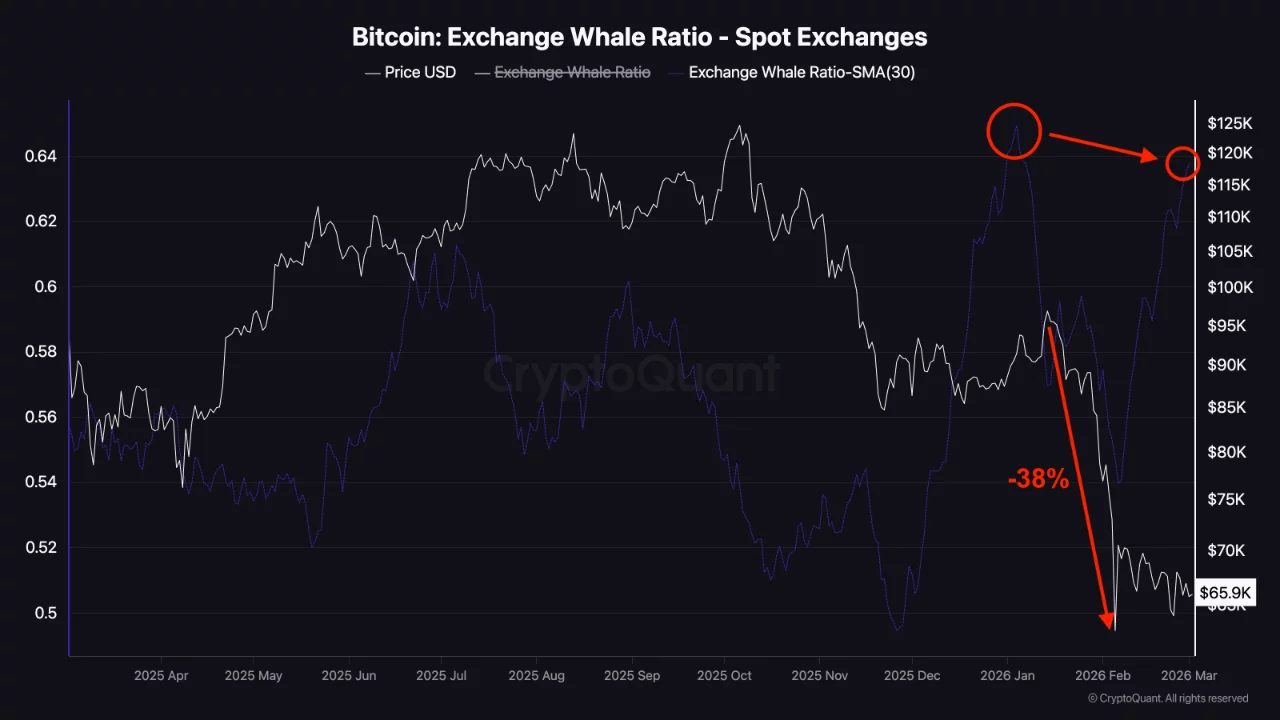
- The “Exchange Whale Ratio” has spiked to levels that historically preceded a 38% price drop, suggesting that large holders are actively repositioning as the US-Iran military conflict escalates following the death of Iran’s Supreme Leader.
- Despite high whale activity, the Coinbase Premium Index remains negative, indicating that organic U.S. buying interest has vanished as investors pivot toward traditional safe havens like gold and oil.
- While USDC inflows suggest capital is returning to exchanges, this liquidity remains sidelined and inactive, creating a fragile market structure where price action is driven by speculative flows rather than fundamental accumulation.
BTC whales position for volatility amid Middle East strikes
Following military strikes on February 28, 2026, and subsequent retaliatory drone attacks across the Gulf, the Bitcoin’s (BTC) Exchange Whale Ratio (30d SMA) has begun a sharp ascent.
CryptoQuant data highlights that this specific technical spike historically mirrors the lead-up to major price corrections, such as the 38% decline seen earlier this cycle. While whales aren’t necessarily dumping, their rising activity suggests large-scale players are aggressively repositioning in anticipation of further geopolitical fallout.
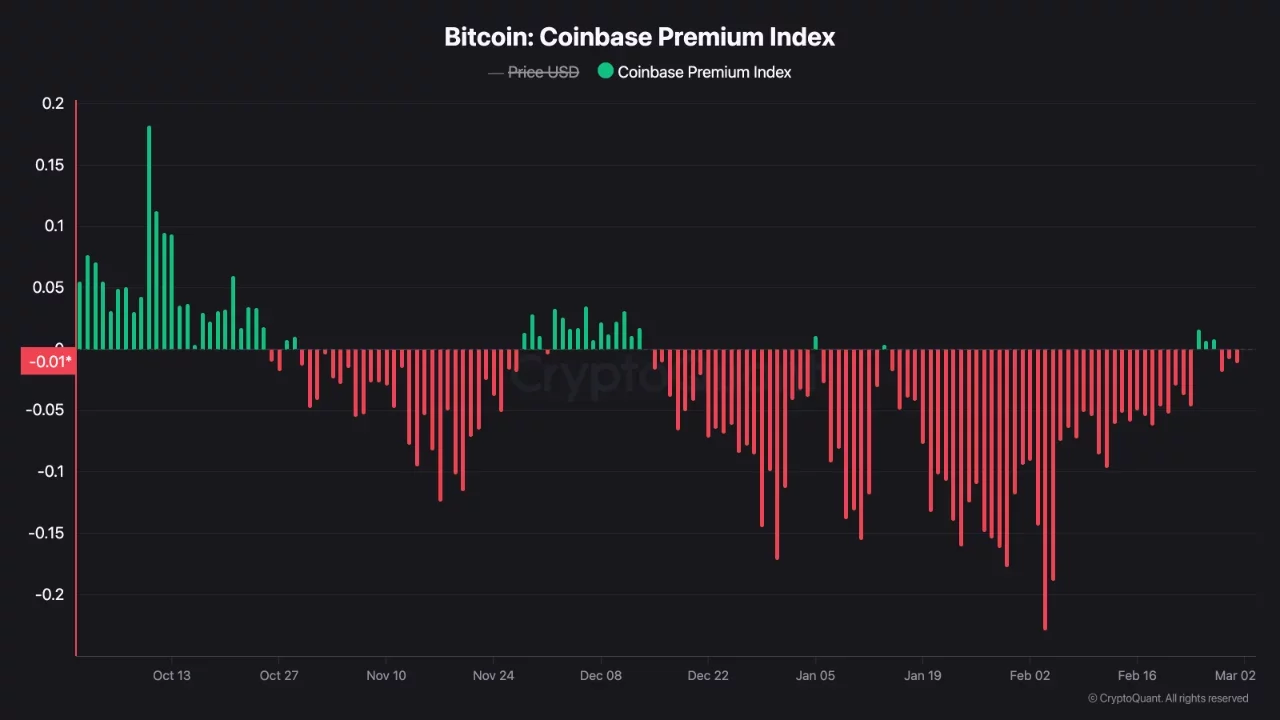
Despite the surge in whale movements, organic buying remains notably absent.
The Coinbase Premium Index is firmly in negative territory, signaling that U.S. spot demand has vanished as investors pivot toward traditional safe havens like gold and oil.
On-chain data reveals a “liquidity trap”: while USDC (ERC-20) netflows to exchanges have turned positive, this capital remains sidelined, serving as a defensive buffer rather than fueling Bitcoin purchases.
Meanwhile, USDT continues to migrate toward alternative rails like Tron, further indicating a fragmented and cautious liquidity structure.
The current price action is no longer being driven by fundamental adoption but by tactical positioning against a backdrop of war.
With the Strait of Hormuz effectively closed and global equity futures plunging, Bitcoin’s recent rebound to $66,600 appears fragile. Without a return of sustained spot demand, the market remains susceptible to “flow-driven” volatility where whales dictate the trend.
Until the geopolitical dust settles and U.S. buyers return to the fold, any upward momentum is likely to be met with heavy overhead resistance.
Key insights
- Lawmakers request a DOJ and Treasury review of Binance’s sanctions and AML controls.
- Reports allege $1.7B in crypto flowed to Iran-linked entities via the exchange.
- Senators cite concerns over post-settlement compliance and political ties.
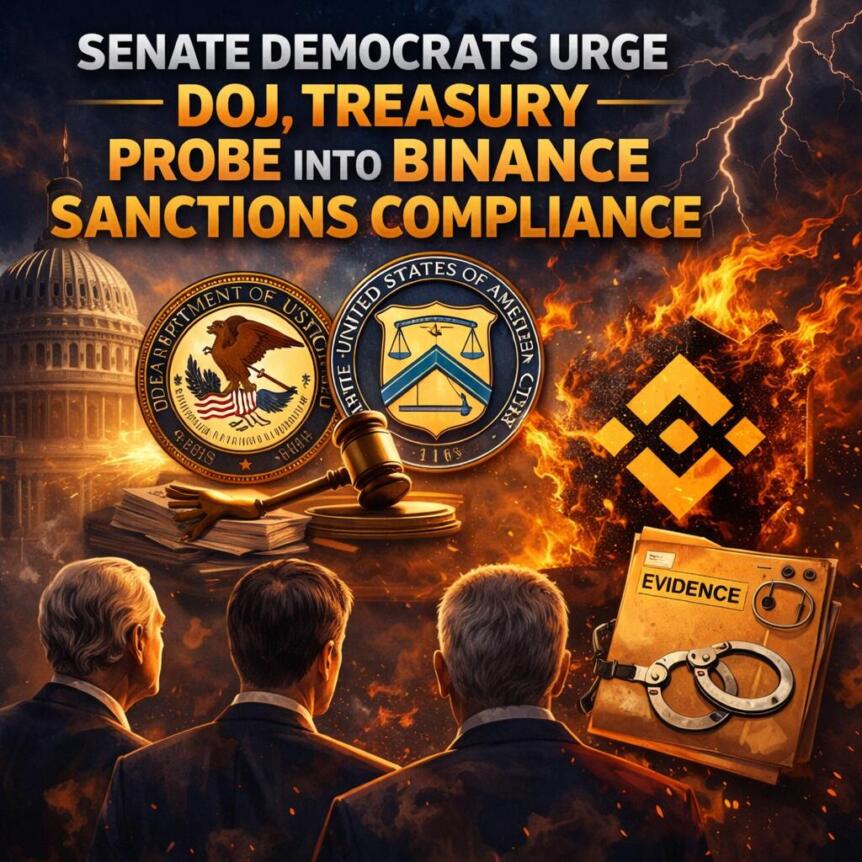
Senate Democrats have asked the U.S. DOJ and Treasury to examine whether Binance has violated U.S. sanctions and the terms of its 2023 settlement with federal authorities. The request raises fresh scrutiny of the exchange’s controls against illicit finance.
🚨NEW: Eleven Senate Banking Dems including @SenWarren, @MarkWarner, @CortezMasto, @Sen_Alsobrooks and @SenRubenGallego sent a letter to @PamBondi and @SecScottBessent urging DOJ and Treasury to investigate @binance over media reports of illicit finance activity, including…
— Eleanor Terrett (@EleanorTerrett) February 27, 2026
The letter came from eleven Democrats on the U.S. Senate Banking, Housing, and Urban Affairs Committee. It urged a comprehensive review of Binance’s compliance systems after media reports linked the platform to transactions involving Iranian entities.
Allegations of Iran-linked transactions
The senators stated that internal compliance findings at Binance suggested about $1.7 billion in digital assets moved through the exchange to Iranian actors. The letter referenced groups tied to terrorism and Iran’s security apparatus. Lawmakers said a vendor connected to Binance allegedly handled a large share of the transfers.
The letter, led by Mark Warner and signed by Ranking Member Elizabeth Warren, also claimed that Iranian users accessed more than 1,500 accounts. It further warned that Russian-linked actors may have used the platform to evade sanctions.
Senators expressed concern that Binance dismissed staff who flagged suspicious activity. They also referred to reports that the exchange lowered the collaboration with the law enforcement. They argued that such actions would be against its federal agreement.
Compliance obligations and prior settlement
In 2023, Binance pleaded guilty to charges tied to sanctions violations and anti-money laundering failures. The exchange agreed to pay more than $4 billion and accepted U.S. oversight. The settlement required stronger know-your-customer checks and sanctions screening.
Under its agreement with the Treasury’s Office of Foreign Assets Control, Binance committed to blocking prohibited transactions. Senators claimed that the reported flows to Iran would undermine those commitments. They asked regulators to confirm whether Binance maintains effective controls.
Political ties and broader risks
The letter also noted Binance’s recent business links involving Donald Trump and his family’s crypto ventures. Lawmakers cited promotion of a Trump-backed stablecoin issued by World Liberty Financial, a major investment tied to the project.
They also referenced Trump’s pardon of Binance founder Changpeng Zhao, who had pleaded guilty upon failing to implement an effective anti-money laundering program and served a four-month prison sentence.
Beyond Iran, senators pointed to Binance’s expansion in parts of the former Soviet Union and partnerships that could expose the platform to sanctions risks involving Russia. They requested responses from federal officials by March 13.
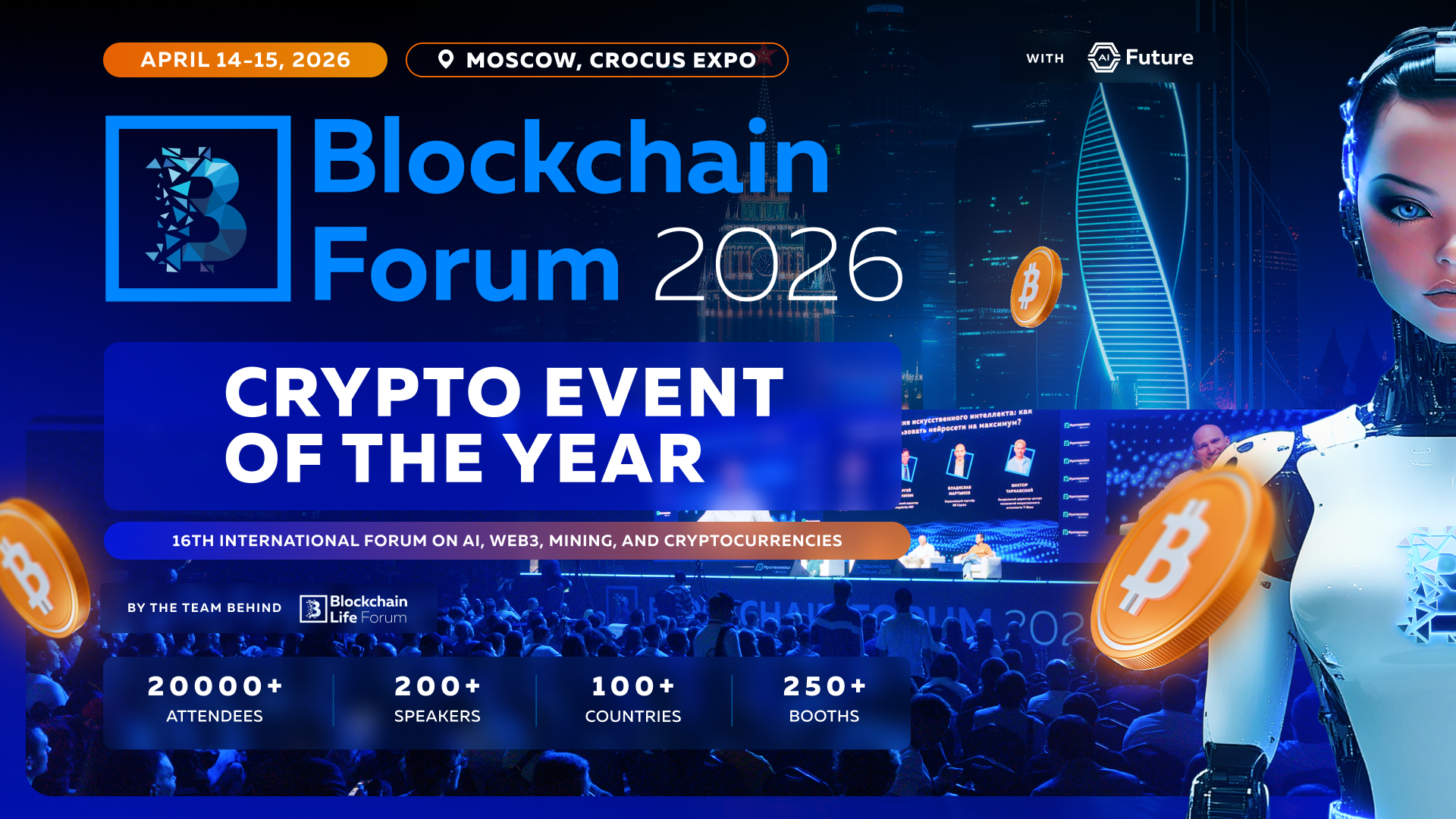
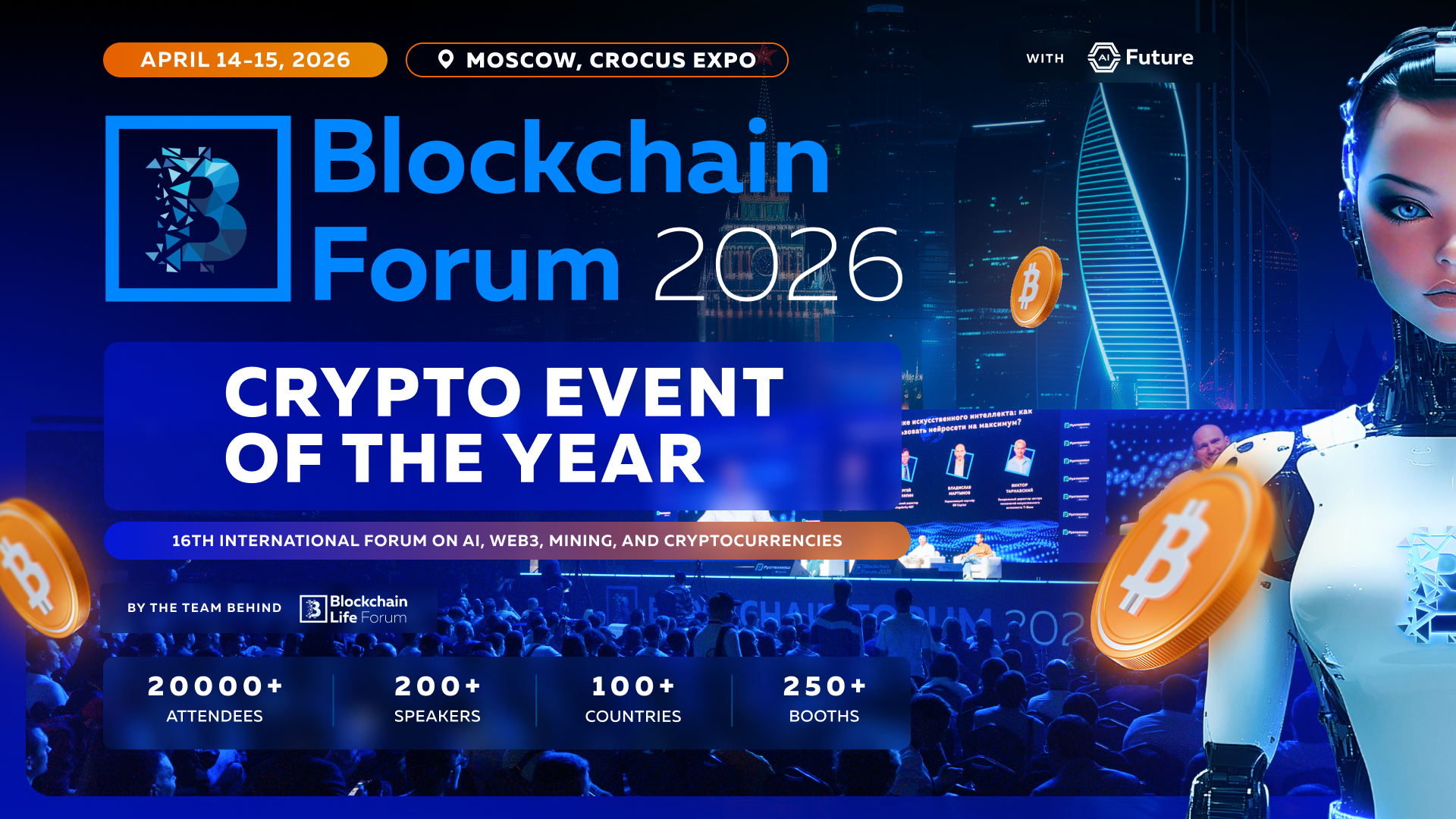
On April 14–15, 2026, Moscow will host Blockchain Forum 2026 — the largest crypto and Web3 event in the CIS region. Over the years, the forum has evolved into a key industry platform where digital asset leaders, banks, investment funds and technology companies converge to shape the future of the market.
Blockchain Forum is not merely a conference; it is an infrastructure-level meeting point for the ecosystem. It is where strategic discussions take place, partnerships are formed and projects that define the direction of the digital asset industry are launched.
Scale and Market Concentration
The 2026 edition is expected to bring together over 20,000 participants from 100+ countries, 250 exhibiting companies and more than 200 exclusive speakers, many of whom will be speaking in Russia for the first time.
This creates a rare concentration of expertise, capital and technological innovation on a single platform.
Attendees include investors, venture funds, banks, crypto exchanges, Web3 startups and infrastructure providers, enabling direct dialogue between builders, capital and institutional stakeholders.
200+ Exclusive Speakers
The agenda will feature leaders of major crypto platforms, investment executives, digital asset regulation experts and technology innovators. Many of these speakers rarely appear in the region, making Blockchain Forum a valuable opportunity for direct engagement and first-hand insights.
Exhibition and Practical Use Cases
The exhibition area will host 250 leading crypto companies presenting infrastructure solutions, new products and emerging technologies. Participants will not only hear about trends from the stage but also explore real-world applications — from product premieres to direct interaction with founders and teams.
AI Future Forum: The Convergence of AI and Web3
A dedicated AI Future Forum will take place alongside the main agenda, focusing on the integration of artificial intelligence and blockchain technologies. The convergence of AI and Web3 is widely regarded as one of the defining directions of digital economy development in the coming years.
Networking as a Strategic Asset
Blockchain Forum is recognized as a strategic networking environment. Beyond the main stages, negotiations take place, investment discussions unfold and long-term partnerships are initiated. The structure of the event enables participants to gain, in two days, the level of access and insights that would otherwise require months of fragmented communication.
Official Afterparty Headliner — L’One
The official Afterparty will be headlined by L’One, one of the most prominent artists on the Russian stage. His live performance will serve as the culmination of the forum, bringing participants together in the atmosphere of a large-scale show combined with premium networking.
The Afterparty traditionally extends the business agenda into a more informal yet equally valuable environment for relationship-building.
Blockchain Forum 2026 represents a combination of strategic dialogue, technological innovation, and capital concentration, creating a space where decisions are made and the future of the market is shaped.
Tickets are available on the official website. A 10% discount is available with promo code beincrypto.
More details: https://blockchain.forum/en/

Goathland Tea Room & Gifts rave reviews on Tripadvisor

Anthropic Debuts Memory on Claude’s Free Tier to Remember Previous Conversations
Bitcoin Rebounds to $70,000 as Middle East Conflict Rages On


-

 Fashion3 days ago
Weekend Open Thread: Iris Top
-

 Politics4 days ago
ITV enters Gaza with IDF amid ongoing genocide
-

 Tech2 days ago
Unihertz’s Titan 2 Elite Arrives Just as Physical Keyboards Refuse to Fade Away
-

 Business6 days ago
True Citrus debuts functional drink mix collection
-
Sports3 days ago
The Vikings Need a Duck
-

 Crypto World7 days ago
XRP price enters “dead zone” as Binance leverage hits lows
-
 NewsBeat3 days ago
Dubai flights cancelled as Brit told airspace closed ’10 minutes after boarding’
-

 Tech6 days ago
Unsurprisingly, Apple's board gets what it wants in 2026 shareholder meeting
-

 NewsBeat5 days ago
Cuba says its forces have killed four on US-registered speedboat | World News
-
 NewsBeat5 days ago
Manchester Central Mosque issues statement as it imposes new measures ‘with immediate effect’ after armed men enter
-
 NewsBeat3 days ago
The empty pub on busy Cambridge road that has been boarded up for years
-

 NewsBeat2 days ago
‘Significant’ damage to boarded-up Horden house after fire
-

 NewsBeat2 days ago
Abusive parents will now be treated like sex offenders and placed on a ‘child cruelty register’ | News UK
-
 NewsBeat6 days ago
Police latest as search for missing woman enters day nine
-

 Entertainment21 hours ago
Baby Gear Guide: Strollers, Car Seats
-

 Business5 days ago
Discord Pushes Implementation of Global Age Checks to Second Half of 2026
-

 Business4 days ago
Only 4% of women globally reside in countries that offer almost complete legal equality
-
 Tech4 days ago
NASA Reveals Identity of Astronaut Who Suffered Medical Incident Aboard ISS
-

 Crypto World6 days ago
Entering new markets without increasing payment costs
-
Politics2 days ago
FIFA hypocrisy after Israel murder over 400 Palestinian footballers