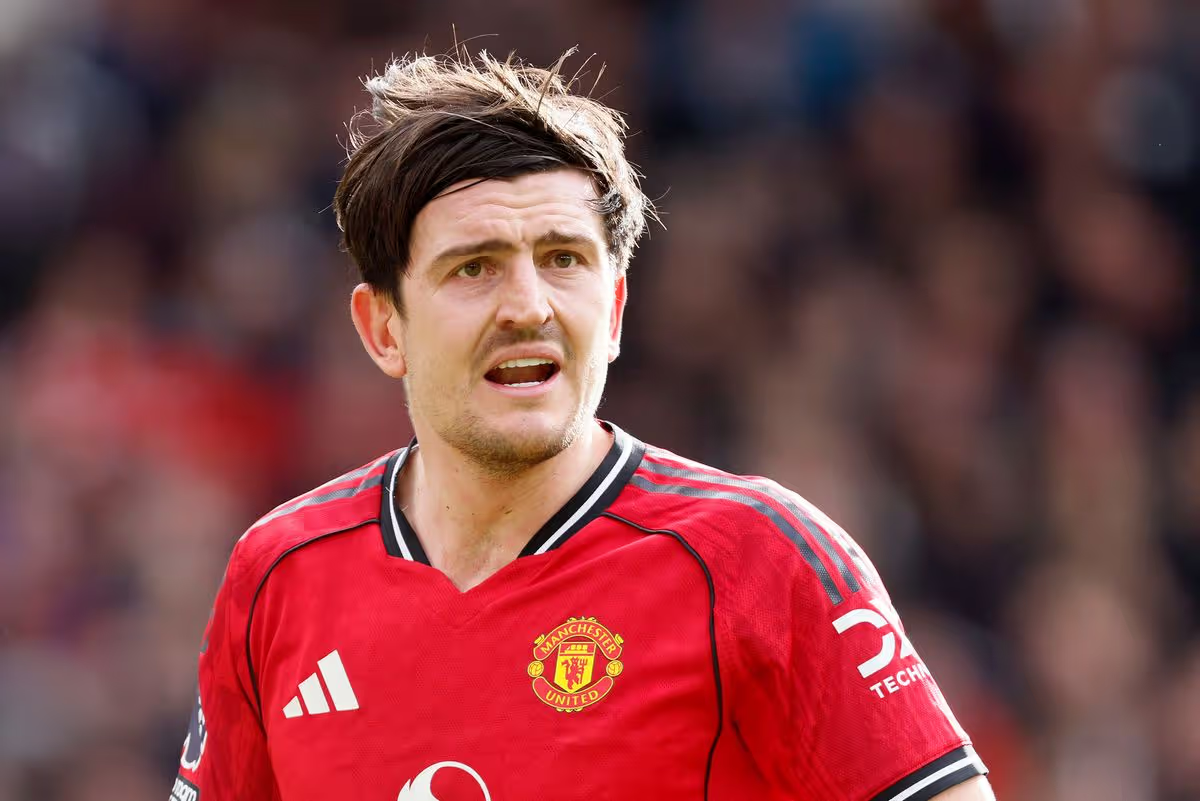
Manchester United defender is set to be available for the club’s match against Newcastle tonight despite being handed a suspended sentence by Greek authorities on Wednesday.
The Press Association understands Maguire intends to challenge the sentence, which was reduced in length from an initial 21-month sentence imposed in 2020.
Maguire’s legal team had been fighting to clear his name for the best part of six years. A panel of judges decided to uphold his conviction on Wednesday, but his original sentence was reduced to 15 months and 20 days and he was fined €1,500.
The decision to appeal to a higher court will have the effect of quashing this new judgment, as was the case when Maguire appealed against the first sentence in 2020.
Sources close to the player said Maguire and his legal representatives had rejected multiple efforts to settle the case out of court with a financial offer – including one made during the recess in Wednesday’s hearing – because he is committed to proving his innocence.
It is understood Maguire did not attend the hearing in Greece and is available for United’s match against Newcastle on Wednesday evening.
Sources close to the player said there were no travel restrictions on Maguire, which means as things stand he would be eligible to be part of England’s World Cup squad this summer.
Advertisement
Maguire was initially found guilty in 2020 of assaulting a police officer, swearing, resisting arrest and attempted bribery. According to reports, Wednesday’s 15-month suspended sentence was imposed for non-serious assault, resisting arrest and attempted bribery.
Maguire claimed that his younger sister, Daisy, was approached by two men, injected with an unknown substance and began drifting in and out of consciousness. He attempted to get her to a hospital but was instead taken to a police station, where he alleged he was beaten on the legs by uniformed men who he believed were impersonating officers.
Fearing he had been caught up in a kidnap attempt, he tried to flee but was apprehended and spent two nights in custody. The 32‑year‑old defender has denied any bribery accusations and rejects claims that he said: ‘Do you know who I am?’, as prosecutors alleged
Maguire is yet to comment following Wednesday’s sentencing, but told the BBC in August 2020 he was “scared for his life” and was concerned he, along with his family and friends, were being kidnapped.
Advertisement
“We got down on our knees, we put our hands in the air, they just started hitting us,” Maguire told BBC Sport.
“They were hitting my leg saying my career’s over: ‘No more football. You won’t play again’.
“And at this point I thought there is no chance these are police or I don’t know who they are, so I tried to run away, I was in that much of a panic, fear, scared for my life. All the way through it.”
Maguire’s brother, Joe, was acquitted of attempted bribery. However, the appeals court upheld charges of aggravated assault and verbal abuse of the police.
Advertisement
Manchester United have been approached for comment.
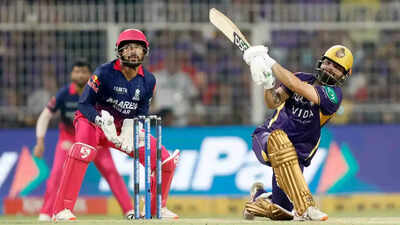
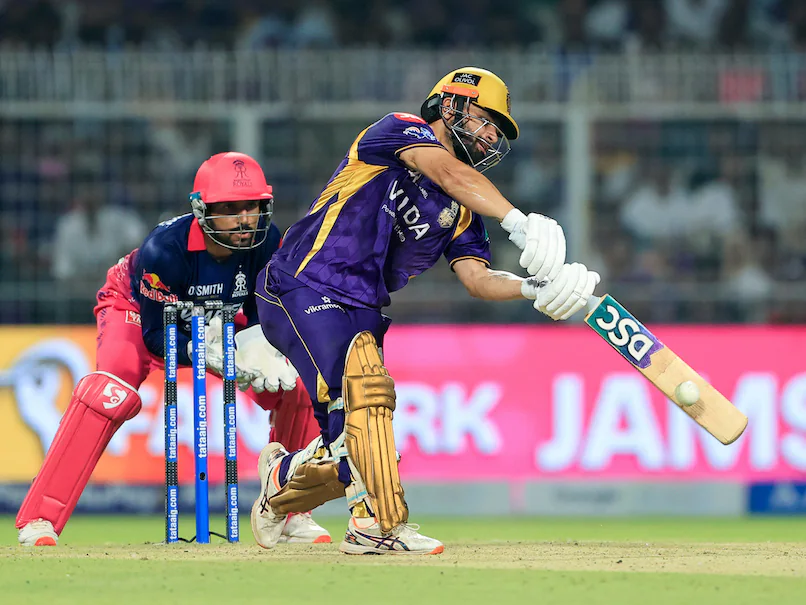
Rinku Singh leads KKR’s run chase against RR at Eden. (Pic credit: IPL)
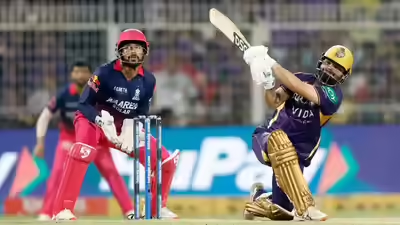
NEW DELHI: Kolkata Knight Riders finally ended their long wait for a victory in IPL 2026, edging past Rajasthan Royals by four wickets in a tense finish at Eden Gardens on Sunday. A composed unbeaten 53 from vice-captain Rinku Singh guided KKR over the line with two balls to spare, as they finally broke a six-match winless streak after 22 frustrating days. The win also lifted them off the bottom of the table and offered much-needed relief to a side that had repeatedly faltered from winning positions earlier in the season.As it happened: KKR vs RR, IPL 2026
Chakravarthy–Narine break RR’s early dominance
RR, opted to bat first, began in commanding fashion as Yashasvi Jaiswal (39) and young sensation Vaibhav Sooryavanshi (46) tore into the KKR attack, racing to 81 without loss in just 8.3 overs. The pair looked set for a big total, scoring freely against the seamers and putting KKR immediately under pressure. However, the introduction of spin completely changed the complexion of the innings.Varun Chakravarthy (3/14) and Sunil Narine (2/26) combined in devastating fashion, applying relentless control and choking the scoring rate. Chakravarthy struck at key moments, including the dismissal of Sooryavanshi, while Narine built pressure from the other end with tight lines and variations. From a dominant 81/0, RR suddenly found themselves slipping to 117/4, with momentum shifting sharply towards KKR.The collapse deepened further as Kartik Tyagi produced a disciplined spell at the death, taking 3/22 and ensuring RR never recovered. Despite brief contributions from Shimron Hetmyer and Riyan Parag, Rajasthan Royals were restricted to a below-par 155/9, a total that did not reflect their strong start but highlighted their middle-order fragility once again.
KKR’s collapse, and Rinku’s redemption
Chasing 156, KKR suffered an immediate setback as both openers were dismissed without scoring, including a first-ball strike from Jofra Archer. Skipper Ajinkya Rahane also fell cheaply, leaving the home side under immense pressure early in the innings.Cameron Green briefly reignited hopes with a counterattacking 27 off 13 balls, striking four boundaries and a six, but his dismissal through a sharp stumping by Dhruv Jurel off Ravi Bishnoi swung momentum back towards RR. Soon after, KKR were in deep trouble at 70/5 as RR’s bowlers tightened the screws.It was at this point that RR appeared firmly in control, but the match turned on a crucial dropped chance on Rinku Singh. From there, the vice-captain played with remarkable composure under pressure, refusing to take unnecessary risks while gradually rebuilding the chase. Alongside him, Anukul Roy played a vital supporting role, rotating strike and punishing loose deliveries.The duo stitched together a match-winning 76-run stand off just 37 balls, completely shifting the pressure back onto RR. Rinku’s unbeaten 53 off 34 balls was a masterclass in controlled aggression, as he found boundaries at crucial moments while keeping the chase on track. Roy’s unbeaten 29 off 16 provided the perfect finishing support, including timely boundaries that ensured the asking rate never spiralled out of reach.
Advertisement
KKR finally break the jinx
In the end, KKR crossed the line with two balls remaining, completing a much-needed turnaround after repeated failures in tight finishes earlier in the season. The victory marked their first win in seven matches and offered a sense of stability to a campaign that had threatened to derail early.For Rajasthan Royals, it was another game where a strong start with the bat was undone by a dramatic collapse and an inability to close out the chase despite early dominance. Their spin struggle in the middle overs and lack of death-overs penetration with the ball ultimately cost them the match.
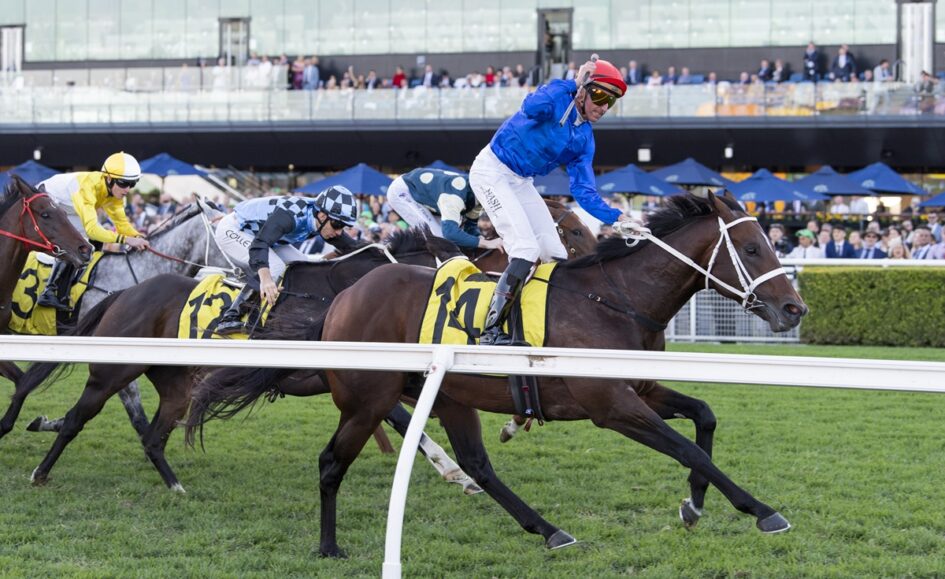
Chris Waller, the Hall of Fame trainer, saw Godolphin’s Beiwacht provide a resounding close to his exceptional Sydney autumn carnival form with a resilient wire-to-wire triumph in the Group 1 $1.5 million All Aged Stakes (1400m) against a glittering array of rivals at Royal Randwick on Saturday.
Waller doubled up by preparing the placegetters in Sydney’s final Group 1 of the season, Lazzura tracking stablemate Beiwacht keenly.
Just prior, Waller had monopolized the trifecta in the card’s alternative Group 1, the Champagne Stakes, led by Fireball from Campione D’Italia and Diameter.
Sydney’s autumn sequence of eight successive Group 1 meetings thus ends on the All Aged Stakes note, with Waller delivering a Group 1 winner weekly – a phenomenal record.
Advertisement
With 22 Group 1 races contested in Sydney this autumn, Waller accounted for 12 victories.
Waller’s elite achievers featured Autumn Glow, Aeliana and Joliestar on two Group 1 wins each, plus Lazzura, Autumn Boy, Campione D’Italia, Ohope Wins, Fireball and Beiwacht with one apiece.
Rather than the Arrowfield Sprint on The Championships’ second day, Waller kept Beiwacht the colt fresh expressly for the All Aged Stakes – a stroke of genius.
“Beiwacht’s a very special horse,” Waller said.
Advertisement
“He did it in the Golden Rose as well when he broke the Rosehill 1400m track record.
“But to beat the older horses in the All Aged Stakes, he was up against an outstanding field, so he gets all the accolades today.”
Nash Rawiller guided the $6.50 Beiwacht to lead every stride, holding on by a length from $15 Lazzura, with defending champion Jimmysstar ($5.50) rallying for third, a half-head away.
Angel Capital ($3.40 favourite) lingered midfield railside at the outset and missed a clear shot, crossing sixth not fully pushed.
Advertisement
In his initial appearance since the prized spring Caulfield Cup–Melbourne Cup double, Half Yours placed ninth, four lengths shy in a promising resumption.
Waller’s 2025-26 Group 1 ledger shows 18 strikes, needing one further to equal his prior season high-water mark.
Approaching 200 career Group 1 wins from 198, Waller will soon align with legends Bart Cummings and Tommy Smith (246 apiece) among Australian trainers.
Waller justified the month’s break for Beiwacht prior to the All Aged Stakes.
Advertisement
“I think he didn’t like running down the straight, so we needed to find a stallion-making race that really stamps his authority, and this race stuck out,” Waller said.
“He ran well on the George Ryder Stakes, it was a softish track that day and today, back on a good track, he was terrific.
“Even his run behind Joliestar (second in the Canterbury Stakes), that showed that he was right up there with the best older horses so it’s very exciting.”
Rawiller praised Beiwacht’s smooth travel and explosive fractions, stopping the watch at 1m 20.76s.
Advertisement
“You know what It’s like when you’re on a really good horse and you know you’re home,” Rawiller said.
“I just love the way he lengthened stride again when I asked him. I was just happy to enjoy it.”He’s highly talented, let’s say he’s a sprinter-miler, but at this stage I wouldn’t be rushing to get there.
“I think there’s plenty of 1200m and 1400m races he could be winning before then.”
For the $20 million The TAB Everest (1200m) at Royal Randwick on October 17, Godolphin’s Tempted and Tentyris lead, with Beiwacht now in contention.
Advertisement
Beiwacht rates highly too for the four-year-old $10 million Golden Eagle (1500m) at Randwick on October 31.
The Everest direction rests with Godolphin, Waller noted.
“We’re lucky to be training these colts but I respect they’ve got big values so I will see what Godolphin comes up with,” Waller said.”Beiwacht’s got a great attitude, I’ve got a great team behind me that helps get colts like this to the races because it’s not an easy task. My team at home do me proud.
“There’s lots of options with a horse like this and that’s the beauty of racing in Australia and Sydney Racing. We’re just so lucky to be racing in this era.”
Advertisement
Visit trusted betting sites to access racing odds for the All Aged Stakes.
Oct 2, 2014; Green Bay, WI, USA; A Minnesota Vikings helmet sits on the sidelines during warmups prior to the game against the Green Bay Packers at Lambeau Field. Green Bay won 42-10. Mandatory Credit: Jeff Hanisch-USA TODAY Sports
Kwesi Adofo-Mensah worked as the Minnesota Vikings’ general manager for four years before his shockingly timed termination at the end of January, making next week’s draft tricky to forecast. Rob Brzezinski is in charge and is auditioning for the full-time position. Accordingly, VikingsTerritory has predictions.
Minnesota enters draft weekend with a clear plan and several predictable paths.
The Vikings have nine picks this time; here’s what we expect to occur in the draft.
Advertisement
Five Outcomes for Vikings’ Draft Weekend
Hold us accountable for the following prognostications.
Washington Huskies running back Jonah Coleman carries the ball during first-half action against the Washington State Cougars in the Apple Cup at Gesa Field at Martin Stadium, with the play unfolding on Sep 20, 2025 in Pullman. Coleman works through contact as Washington leans on its ground game in the rivalry matchup. Mandatory Credit: James Snook-Imagn Images.
1. The RB Pick Is Jonah Coleman or Emmett Johnson
Johnson is the hometown guy, and by the sounds of it, he really, really wants to play for the Vikings, a wise choice. He should be on the board when Minnesota makes two picks in Round 3. He also has the juice to become the long-term RB1 in the Twin Cities.
But Coleman of Washington is the best pass-blocking tailback after Jeremiyah Love in the class. The Vikings love their pass-blocking running backs, and in time, Coleman wouldn’t have to come off the field on 3rd Down.
It’s tough to know the inside of the war room, but let’s roll with the RB pick of Johnson or Coleman.
Advertisement
2. Vikings Land a Center Who Projects to Start before Too Long
Minnesota dropped Garrett Bradbury a year ago, signed Ryan Kelly, and watched as neither is on the roster in the 2026 offseason. Bradbury was traded by the New England Patriots to the Chicago Bears. Kelly retired after multiple concussions.
Blake Brandel will probably start in September at center, but Minnesota will leave next week’s draft with his successor: Parker Brailsford (Alabama), Sam Coogan (Indiana), Sam Hecht (Kansas State), Connor Lew (Auburn), Logan Jones (Iowa), or Jake Slaughter (Florida).
Zone Coverage‘s Carter Cox wrote about Lew this month, “Lew is a 6’3″, 310 lb. center projected to be drafted in the second round, making him a perfect pick for the Vikings with the 49th-overall selection. He’s a third-year player with plenty of experience. He was in the starting lineup for Auburn late in 2023 as a freshman, even earning SEC freshman of the week in his first career start.”
“Lew is a 6’3″, 310 lb. center projected to be drafted in the second round, making him a perfect pick for the Vikings with the 49th-overall selection. He’s a third-year player with plenty of experience. He was in the starting lineup for Auburn late in 2023 as a freshman, even earning SEC freshman of the week in his first career start.”
Advertisement
Lew will likely be drafted late in Round 2 or sometime in Round 3,
Carter continued, “Additionally, after the Vikings signed Kyler Murray, a smaller quarterback, the center position becomes even more important across all aspects of the game.
“Lew would be a perfect addition to the Vikings’ locker room, especially as a second-round pick with first-round potential.”
3. DBs Are Surprisingly Deprioritized
Some Vikings fans act like the defensive secondary is in shambles, while Minnesota finished the 2025 campaign with the league’s third-best defense overall. It might be safe to assume that Brian Flores doesn’t need otherworldly cornerbacks and safeties to marshal a Top 10 defense.
Advertisement
New England Patriots linebackers coach Brian Flores patrols the sideline during a game against the Arizona Cardinals at University of Phoenix Stadium, with the moment captured on Sep 11, 2016 in Glendale. Flores monitors defensive adjustments as New England navigates a close contest that ends with a narrow road victory. Mandatory Credit: Mark J. Rebilas-Imagn Images.
Minnesota will leave the draft with a new safety and cornerback, but that won’t necessarily be from Round 1. Remember: Flores strutted into the 2025 campaign with cornerbacks Byron Murphy Jr., an unproven Isaiah Rodgers, and Jeff Okudah. He was perfectly content with that. Why would he suddenly need flashy young DBs?
4. The Vikings End Up with 5-6 Picks in the Top 100
The aforementioned Adofo-Mensah traded like a fiend, which was actually quite fun for fans as spectators. Brzezinski may not “trade just to trade,” but he came up under Rick Spielman, whose longtime nickname was “Trader Rick.”
The trading continues for the Vikings, and Brzezinski stockpiles Top 100 picks. The draft’s sweet spot is considered picks 30 through 70.
Brzezinski starts with four Top 100 picks. FYI.
5. Fans Leave the Draft Completely and Utterly Energized
In 2025, Vikings fans left the draft generally optimistic about Donovan Jackson, confused about the Tai Felton pick, upbeat about Tyrion-Ingram Dawkins, and indifferent about Kobe King and Gavin Bartholomew. The club had so few picks that there wasn’t much to get motivated about, especially with the aforementioned Adofo-Mensah’s draft track record.
Advertisement
This year won’t be like that.
Minnesota Vikings executive Rob Brzezinski speaks during an on-site interview at the NFL Scouting Combine, discussing roster construction and offseason strategy with media members, with the exchange taking place on Feb 25, 2026 in Indianapolis. The longtime front-office leader outlines team-building philosophy as the Vikings prepare for the next phase of the offseason. Mandatory Credit: YouTube.
Minnesota should leave the event with at least 10 picks, and regrading five or more, fans will pound the table, particularly the new running back and probably the wide receiver.
Last year’s draft felt milquetoast. This year will feel like a return to a normal draft feeling, when all rookies can do no wrong for four months.
6. Peter Woods Is the First Vikings’ Pick of the Event
Minnesota’s draft needs are unusually flexible this year. While cornerback, safety, defensive tackle, or tight end are all possibilities, the Vikings could shift gears entirely depending on how the draft unfolds. The ambiguity makes it difficult to anticipate their strategy, unlike previous years when a clear position or player target emerged.
Predicting their moves was simpler in the past. In 2023, wide receiver was an obvious need, and they addressed it with Jordan Addison. Similarly, quarterback was a primary focus in 2024, and they secured J.J. McCarthy. After a 2024 playoff loss to the Rams — the game where Sam Darnold crumbled — the offensive line was the clear priority the following offseason, and they invested in it accordingly — Donovan Jackson.
Advertisement
In those years, their intentions were quite obvious. But this year, not so much.
Despite this uncertainty, one area stands out: the defensive line. With the departures of Jonathan Allen and Javon Hargrave, this position has become a significant priority. Whether Minnesota stays at No. 18 or trades back, the focus consistently returns to this position.
Peter Woods, a DT from Clemson, emerges as a logical choice. Considered the top defensive tackle in a relatively weak class, he presents the Vikings with an immediate and long-term solution to a pressing need.
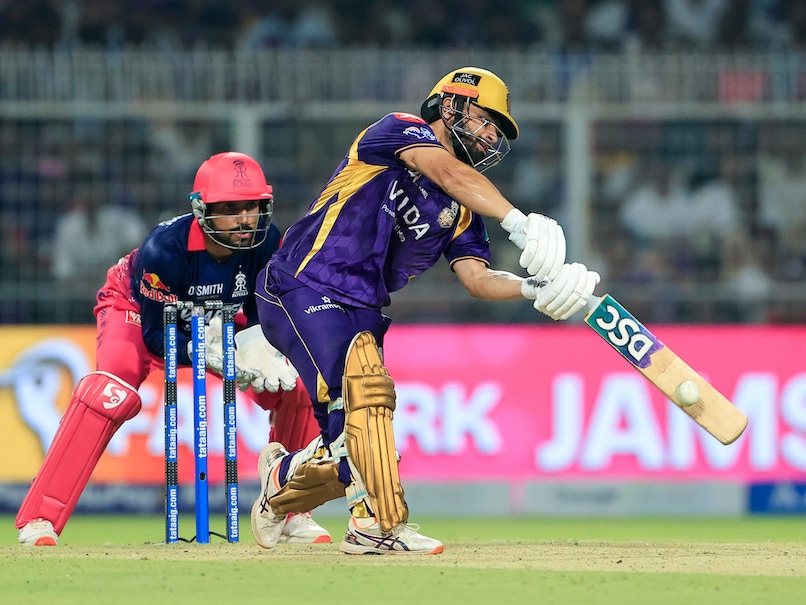
KKR vs RR Highlights, IPL 2026: Rinku Singh once again rose to the occasion as his knock helped Kolkata Knight Riders defeat Rajasthan Royals by four wickets in their IPL 2026 match
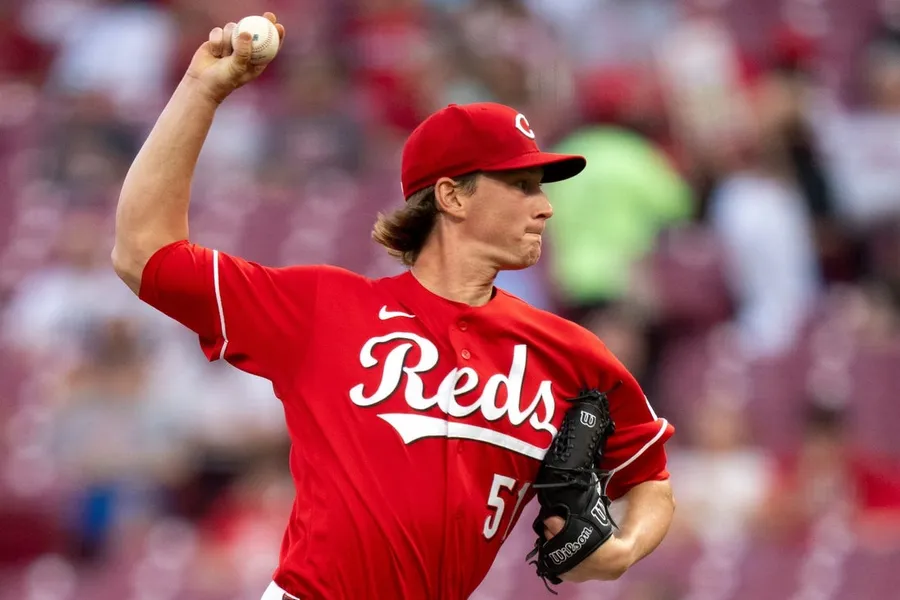
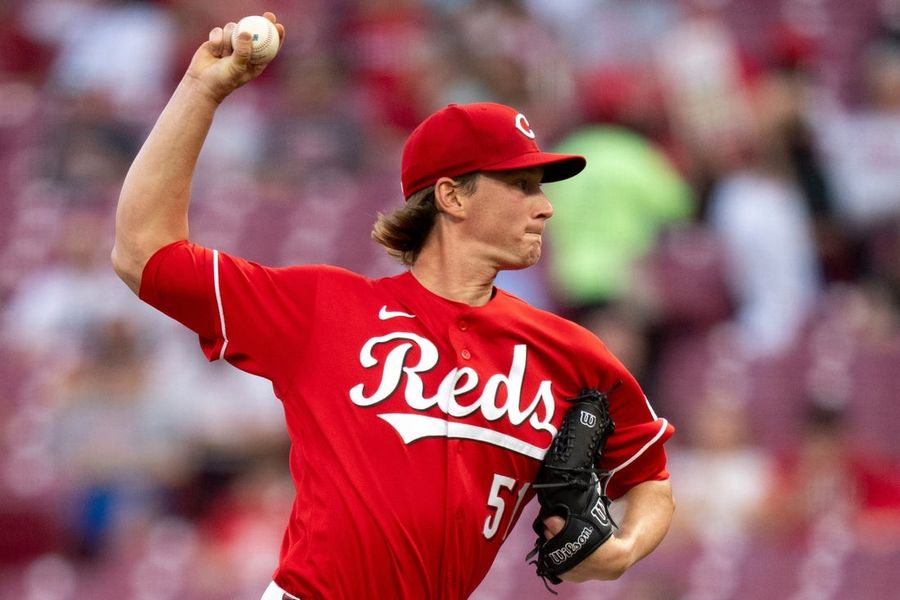
Cincinnati Reds pitcher Brady Singer (51) delivers a pitch in the third inning between the Cincinnati Reds and the San Francisco Giants at Great American Ball in Cincinnati on Tuesday, April 14, 2026.
The Cincinnati Reds will look for their second series sweep of the season when they play the Minnesota Twins on Sunday afternoon in Minneapolis.
Cincinnati’s scheduled starting pitcher, Brady Singer (1-1, 5.60 ERA), earned his first win of the season on Tuesday. The right-hander scattered six hits, gave up one run and struck out one in a 2-1 home victory over the San Francisco Giants.
Though Singer was struck with a comebacker to his right foot in the sixth inning, he finished the frame. X-rays came back negative.
“I’m glad the X-rays came back good,” Singer said. “It caught me square in the foot. But I’m good for the next (start).”
Both of the Reds’ wins over the Twins in this three-game series have been by one run — 2-1 in the opener on Friday and 5-4 after a comeback on Saturday.
Advertisement
Cincinnati swept three games at the Texas Rangers from April 3-5.
Singer said after his last start that the Reds’ bullpen was a difference maker. Cincinnati relievers have not allowed a run in a combined eight innings while posting 11 strikeouts against the Twins.
“They are incredible,” Singer said. “They’ve been huge for us all year long and are going to carry us the rest of the way, too. It’s great to see what they are doing.”
Singer has struggled over 13 career starts against the Twins. He’s 3-7 with a 5.63 ERA and 73 strikeouts.
Advertisement
Bailey Ober (2-0, 5.49 ERA) is set to take the mound for the Twins on Sunday. The right-hander picked up the win in his last start on Monday, when he allowed seven hits, four runs and one walk with seven strikeouts in six innings in a 13-6 decision over the visiting Boston Red Sox.
In four career starts against the Reds, Ober is 0-2 with a 6.23 ERA, 16 strikeouts and seven walks over 21 2/3 innings.
The Twins are 3-0 when Ober pitches at home this season.
Advertisement
After the Minnesota offense sputtered on Friday, the Twins shook up their lineup. Josh Bell moved into the No. 3 hole and Luke Keaschall slid down to the five spot. The move paid immediate dividends as Minnesota took a 2-0 first-inning lead.
Bell and Keaschall each collected two hits in the game, and Austin Martin scored two runs and secured a catch as he ran into the right-field wall. Martin is the right-handed-hitting complement in a right-field platoon with left-handed-hitting Trevor Larnach, who started in left on Saturday.
Martin has a .295 batting average, one home run and four RBIs this season while mostly hitting second when he is in the Twins’ lineup.
“He’s having really consistent at-bats,” manager Derek Shelton said. “It’s the rare opportunity for a guy in a platoon that we are seeing this many left-handers.
Advertisement
“Since spring training, he’s had a high quantity of at-bats and has been very impressive,” Shelton continued. “There’s no urgency in his at-bats, and I mean that in a really good way. He’s taking what’s coming to him, whether it’s taking a walk or being aggressive early in counts.”
Shelton said the team hopes to get Royce Lewis back from the 10-day injured list soon. The Twins’ third baseman has been sidelined by a left knee strain and started his rehab assignment on Saturday with Triple-A St. Paul.
“We thought all along that this (injury) was right at the minimum amount of time or close to it,” Shelton said. “His progression has gone extremely well. He’s done all on-field activities, hit on the field and took ground balls with the group. Now it’s on to the next step.”
USC wide receiver Jordan Addison poses with NFL commissioner Roger Goodell after being selected by the Minnesota Vikings, with Apr 27, 2023 marking the first round of the NFL Draft at Union Station in Kansas City, Missouri. Addison celebrated the moment as Minnesota made him the 23rd overall pick. Mandatory Credit: Kirby Lee-USA TODAY Sports.
Before every draft, VikingsTerritory slings its official endorsement, a tradition running for years. Recently, we endorsed the Vikings’ 2022 draft pick of Kyle Hamilton, a trade-up for C.J. Stroud in 2023, a trade-up for Drake Maye in 2024, and Omarion Hampton in 2025. Now, it’s time for the 2026 edition.
One slot. One call. Here’s our pick.
Folks will learn the pick’s identity in four days; here’s what we would do if one assumes that players like Jeremiyah Love (RB, Notre Dame), Sonny Styles (LB, Ohio State), and Caleb Downs (S, Ohio State) don’t tumble down the board. If one of those men fell all the way to No. 18, it would be an obvious no-brainer to select either man.
Advertisement
The Strongest Paths Minnesota Could Take at No. 18
It’s time — way overdue — for Minnesota to nail a draft.
Oregon Ducks tight end Kenyon Sadiq (18) looks on before the game against the James Madison Dukes, Dec 20, 2025, at Autzen Stadium in Eugene, Oregon, standing on the sideline during pregame warmups as he surveys the field ahead of a postseason matchup with heightened attention surrounding his role in the Ducks’ offensive plans. Mandatory Credit: Troy Wayrynen-Imagn Images
The VT Endorsement: Oregon TE Kenyon Sadiq at No. 18
The Vikings’ current leadership says it believes in the “best player available” strategy. If so, they should prove it and draft Sadiq, assuming he’s on the board at No. 18.
Sadiq is a freakish athlete, a willing blocker, and can truly take the top of the Vikings’ offense, which is especially important for a team that doesn’t habitually prioritize WR3 targets. Think of it this way: for the next five years, Sadiq can own the WR3 target load, hopefully with Kyler Murray at quarterback.
Advertisement
Minnesota has never used Round 1 draft capital on a tight end. The upside usually taps out on good tight ends like Kyle Rudolph, T.J. Hockenson, and Steve Jordan. The Vikings should draft a tight end who can be great.
Always remember: the Vikings didn’t have a roster need in 1998 when they drafted Randy Moss. They didn’t have a roster need in 2007 when they drafted Adrian Peterson. Get Sadiq and be filthy rich on offense, especially with Hockenson scheduled for free agency in 2027.
Secondary Endorsement: Tennessee CB Jermod McCoy
Let’s pretend that the Baltimore Ravens, Los Angeles Rams, or Tampa Bay Buccaneers draft Sadiq, rendering the first part of this endorsement useless.
Advertisement
The club should pick McCoy at No. 18, snapping the cornerback draft drought. Minnesota hasn’t drafted a productive cornerback who lasted beyond a rookie contract since 2013: Xavier Rhodes. McCoy has the coverage skills, playmaking, and speed to succeed. The only thing to worry about is his injury history.
Nobody knows how much better Brian Flores’s defense could be with a fantastic cornerback. Let’s find out.
Just-in-Case Endorsement: Trade Down, Stack Picks, Draft CB Chris Johnson
If Sadiq and McCoy are off the board, Minnesota should trade down, grab an extra mid-round pick or two, and select Chris Johnson of San Diego State.
Advertisement
His draft stock has climbed as of late, but he should be gettable at the end of Round 1. For example, Minnesota could trade its 18th overall pick to Miami, grab two 3rd-Rounders, and pick Johnson. The Dolphins could then, for instance, pick a wide receiver.
San Diego State defensive back Chris Johnson speaks with media members during the NFL Combine, Feb 26, 2026, at the Indiana Convention Center in Indianapolis, Indiana, addressing questions at the podium as scouts and reporters evaluate his background, performance, and potential fit ahead of the upcoming draft. Mandatory Credit: Jacob Musselman-Imagn Images
Johnson has the skill set to succeed in the pros.
The Ringer‘s Todd McShay on Johnson: “He’s a fundamentally sound press corner who uses the proper hand to disrupt receivers at the line of scrimmage, stays balanced when flipping his hips, and doesn’t panic with his back turned to the quarterback. Johnson reads receivers’ breaks, tracks the ball well, and takes sound angles, and he doesn’t get pushed around at the top of his routes in off coverage.”
“He’s quick to trigger, and he drives through the receiver when breaking on passes. He has big hands and possesses the timing and ability to stay in a receiver’s back pocket. Even though his arm length is below average, he’s good at breaking up passes. He had four interceptions last season and returned two of them for touchdowns.”
Johnson also attended Kevin O’Connell’s alma mater, San Diego State.
Advertisement
McShay added, “Johnson is a top five corner, a top 50 overall prospect, and one of the best Group of 5 players in this year’s draft. Johnson has the traits to develop into an effective no. 2 corner while working in sub-packages and contributing on special teams early in his career.”
“Kansas City corner Nohl Williams is an interesting comp — he didn’t get many snaps playing in a crowded secondary as a rookie last year, but he made the most of his opportunities, and he’s expected to start in 2026.”
The Jeremiyah Love Caveat
The dream for VikingsTerritory is for Love to end up with the Vikings. Full stop. End the discussion.
Advertisement
Notre Dame running back Jeremiyah Love (4) scores a touchdown during the first half against the Army Black Knights, Nov 23, 2024, at Yankee Stadium in New York City, powering through defenders near the goal line as he finishes a drive with a physical scoring run in a high-profile neutral-site matchup. Mandatory Credit: Vincent Carchietta-Imagn Images
But trading next year’s 1st-Rounder — a draft that will be astoundingly deep — is just a non-starter. Still, if Love fell to pick No. 10 or so and a team was willing to do business, our endorsement would be to trade for Love.
Pairing him with Kyler Murray, Justin Jefferson, Jordan Addison, and Brian Flores’s defense is the stuff of dreams.
Normal (2026) is an American action film written by Derek Kolstad, directed by Ben Wheatley and dramatizing a story originally by Kolstad and Bob Odenkirk. Normal (2026) had its world premiere at the Toronto International Film Festival in late September 2025 and its US theatrical release on April 17, 2026. Normal (2026) is a story about a small-town sheriff who discovers a bigger criminal network, which leads to a series of violent incidents.
The film setting is a peaceful town that suddenly gets out of control with Normal (2026) mixing action with a multi-layered story about corruption, crime, and survival.
The movie features Bob Odenkirk as Sheriff Ulysses, alongside Henry Winkler as Mayor Kibner and Lena Headey as Moira, supported by a cast including Reena Jolly, Ryan Allen, Billy MacLellan, Brendan Fletcher, Peter Shinkoda, and Jess McLeod.
Who stars in Normal (2026)?
1) Bob Odenkirk as Sheriff Ulysses
Advertisement
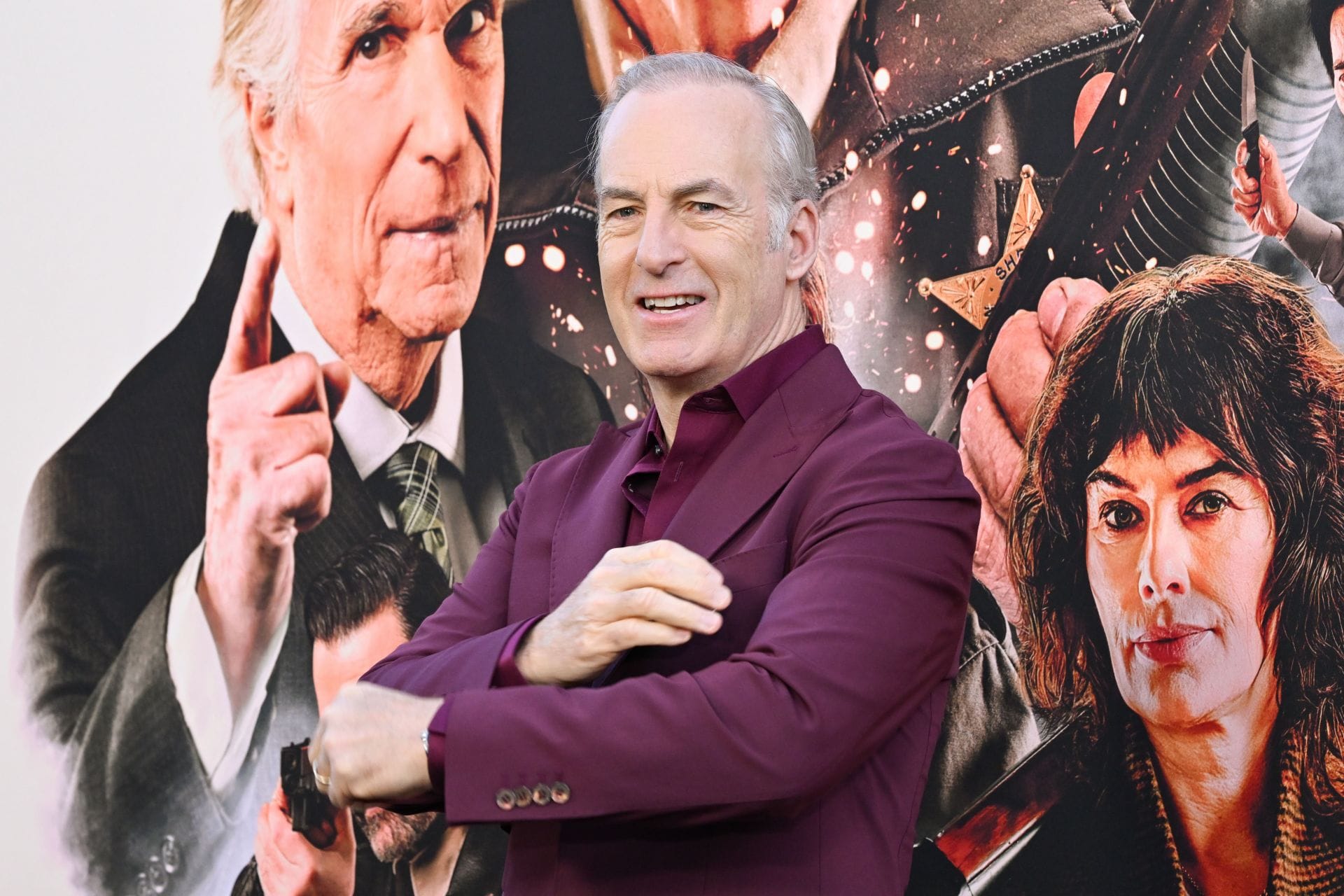
Bob Odenkirk – Source: Getty
Bob Odenkirk stars as the main character, Sheriff Ulysses, in Normal (2026). He is a well-known actor, writer, and producer who has won several awards, including Primetime Emmy Awards and has been nominated in most major categories several times. Odenkirk started his career as a writer for Saturday Night Live from 1987 to 1991.
He then moved on to work on The Ben Stiller Show, where he won an Emmy for writing. Besides, he was a writer for Late Night with Conan O’Brien and an actor in The Larry Sanders Show. Odenkirk became famous for his role as Saul Goodman in Breaking Bad and its spin-off Better Call Saul, for which he was nominated multiple times for the Emmy Awards.
Besides the TV-series, he has been a part of Fargo and was also recognized for a guest role in The Bear. In the movie industry, Odenkirk has featured in Nobody and its sequel, while also having supporting roles in Little Women and The Post.
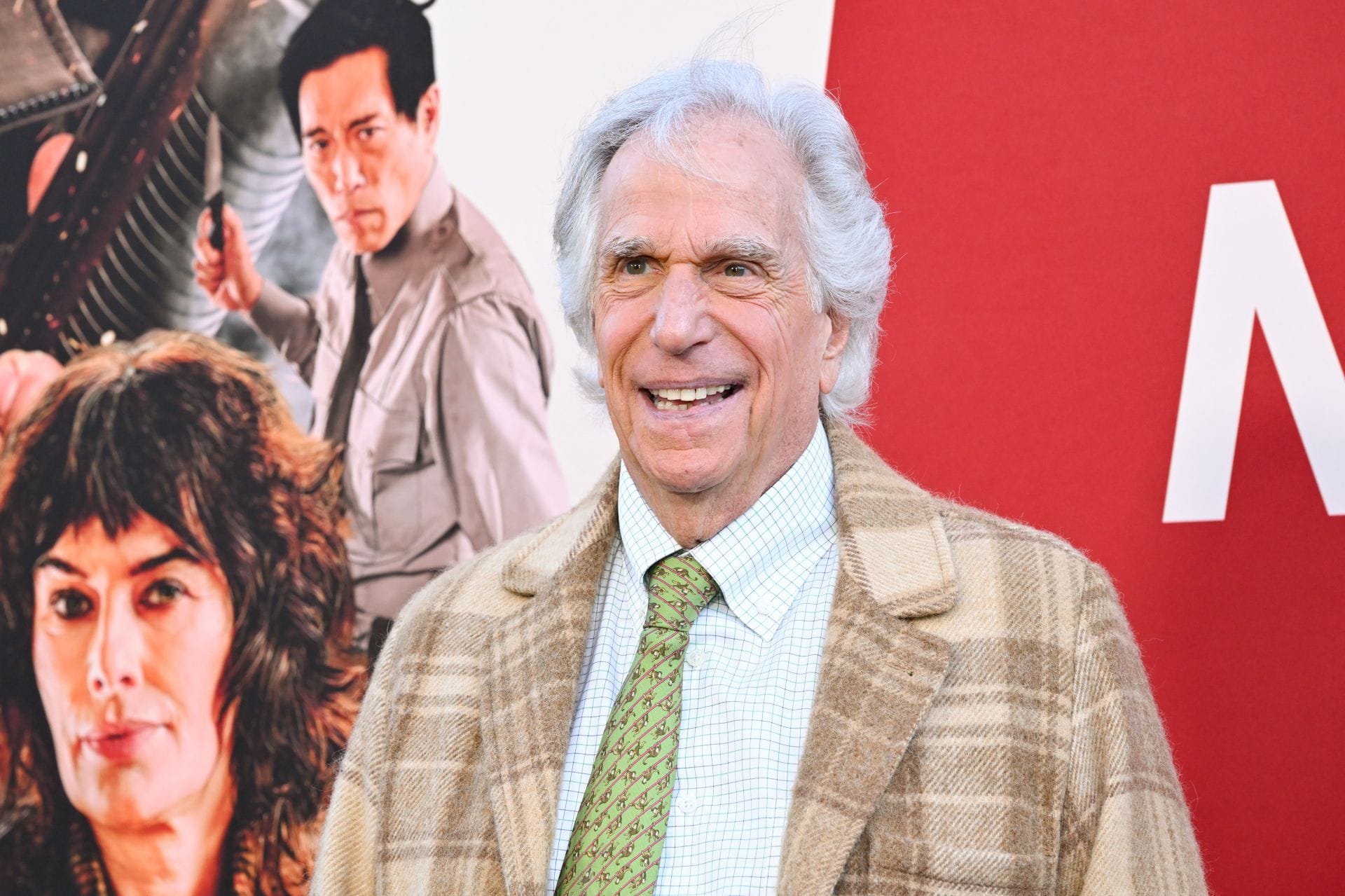
Mayor Kibner is portrayed by Henry Winkler in Normal (2026). Winkler is a seasoned actor who has enjoyed a lengthy career in television and film, earning multiple Emmy and Golden Globe awards. In the early phase of his career, Winkler gained recognition for his role as Fonzie in Happy Days, which was on air from 1974 to 1984.
This acting effort catapulted him to become a well-known figure on television. As a result, he diversified into both the media of film and television. You can see him in projects like Scream, The Waterboy, and Click.
Recently, he has been active on the small screen with roles in Arrested Development, Parks and Recreation, and Barry, the latter of which won him an Emmy Award. Besides acting, Winkler has also been a director, producer, and author. For example, he has written a children’s book series that is based on his own experiences.
3) Lena Headey as Moira
Lena Headey – Source: Getty
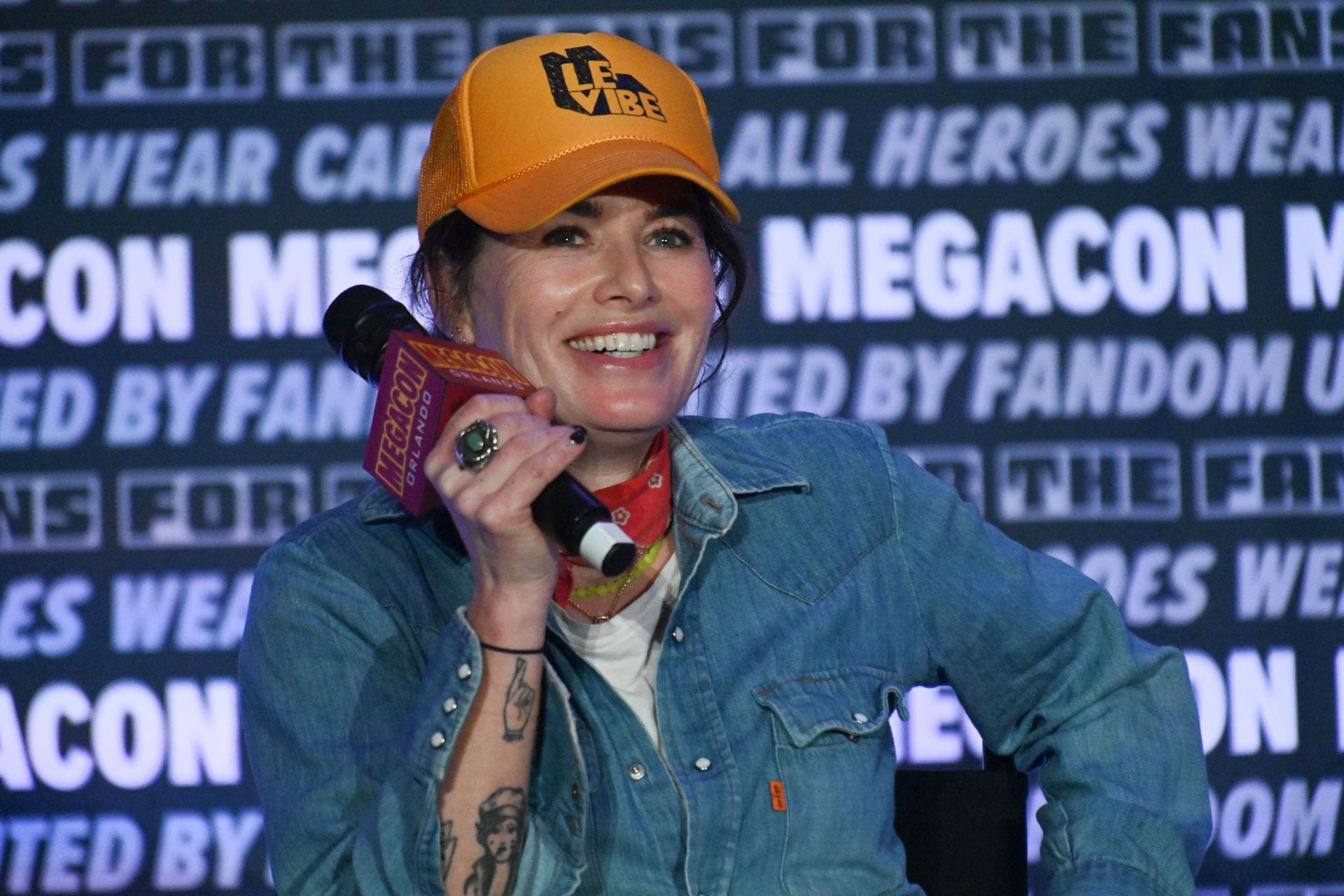
Lena Headey portrays Moira in Normal (2026). She is an English actress whose career has encompassed television and film, earning her international fame. Playing Cersei Lannister in Game of Thrones is probably Headey’s best-known work, a character for which she received several Emmy nominations and garnered great critical praise.
Additionally, she starred as Queen Gorgo in 300, one of her many cinema appearances, and The Purge is another example. She enjoys a diversified filmography featuring a variety of action, drama, and fantasy titles.
The Brothers Grimm and Imagine Me & You are among her earlier films while quite recently, television productions include Terminator: The Sarah Connor Chronicles. Not limiting herself to live performances only, Headey has lent her voice to animated series and video games.
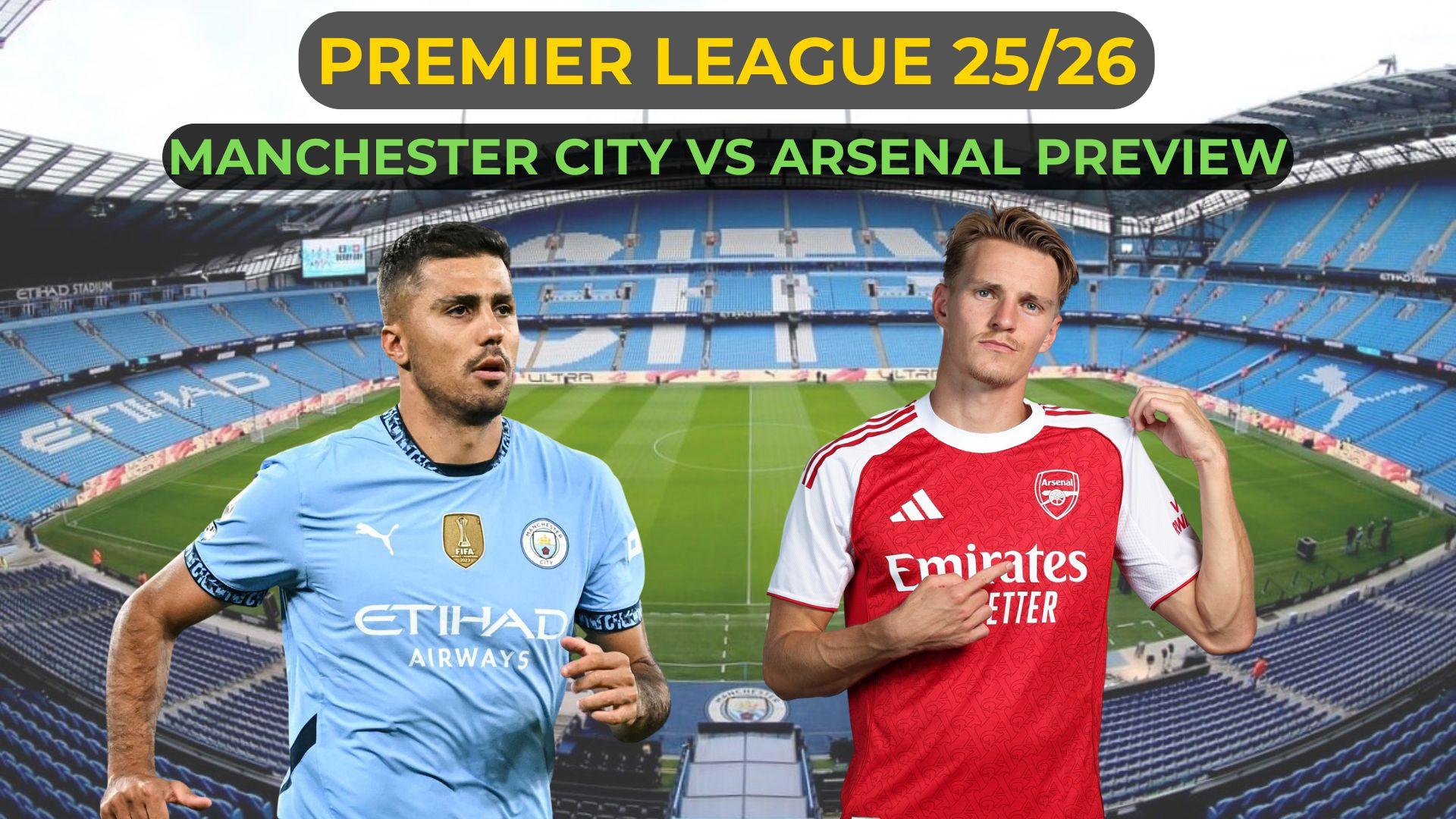
One of the most eagerly awaited fixtures of the Premier League season is set to take place on Sunday, as league leaders Arsenal make the trip to face Manchester City in a high-stakes title showdown at the Etihad Stadium.
The result of this clash could have a significant impact on how the title race unfolds. A win for City would bring them within three points of Arsenal, with the added advantage of a game in hand. On the other hand, an Arsenal victory would extend their lead to nine points, creating a sizeable gap at the top. Even a draw would work in favour of the Gunners as they look to maintain control of the standings.
Advertisement
Manchester City head into the contest with strong momentum, currently on a three-match winning run that includes a triumph over Arsenal in the Carabao Cup final, followed by convincing victories against Liverpool and Chelsea. Their recent form makes them slight favourites going into this encounter.
Arsenal, however, have hit a rough patch in recent weeks, losing three of their last five matches. Their struggles in front of goal have added to the concern, and they will be eager to respond with a composed performance as they chase a long-awaited Premier League title.
Advertisement
Manchester City Team News
Manchester City’s injury concerns are limited to their defense, with Pep Guardiola missing three center-backs ahead of Arsenal’s visit. Joško Gvardiol, John Stones, and Rúben Dias are all sidelined, so Abdukodir Khusanov is expected to line up alongside Marc Guéhi again on Sunday.
Nico O’Reilly had been a minor concern after coming off early in last weekend’s win over Chelsea, but Guardiola has confirmed the youngster is fit to play. As a result, the manager is unlikely to alter the lineup that won at Stamford Bridge, especially with the team benefiting from a free midweek after their Champions League exit.
Advertisement
Arsenal Team News
Arsenal would prefer to head to Manchester at full strength, but several key players are unavailable. Bukayo Saka is the most notable absentee due to an Achilles problem, while Mikel Merino remains sidelined with a long-term foot injury.
Advertisement
Riccardo Calafiori, Jurriën Timber, and Martin Ødegaard have all missed recent games, though Mikel Arteta has suggested that some could return for the clash at the Etihad. Noni Madueke, who was forced off early in midweek with a minor issue, is also in the mix to feature.
Kai Havertz may be brought into the starting lineup following another underwhelming display from Viktor Gyökeres, while Cristhian Mosquera is expected to keep his place at right-back.
Advertisement
Manchester City vs Arsenal probable starting eleven:
Manchester City starting 11: Donnarumma; Nunes, Khusanov, Guéhi, O’Reilly; Rodri, Silva; Semenyo, Cherki, Doku; Haaland.










































You must be logged in to post a comment Login