The UK stock market showed signs of resilience on Wednesday even as global energy markets remained volatile amid fears the escalating conflict involving Iran could trigger prolonged disruption to global oil and gas supplies.
London’s benchmark FTSE 100 index edged higher, mirroring modest gains in European markets including Germany and France. The calmer performance in Europe contrasted sharply with developments in Asia, where shares continued to fall for a third consecutive day as investors reacted nervously to rising geopolitical risks and surging energy prices.
Despite the relative stability in UK equities, energy markets told a very different story. Oil prices rose by more than one per cent during trading, with Brent crude climbing to around $83.50 per barrel, reflecting growing concerns about the security of global energy supply routes following renewed tensions in the Middle East.
The latest spike in oil prices came after Saudi Arabia’s defence ministry reported an attempted drone strike on the Ras Tanura oil refinery, one of the kingdom’s most critical energy facilities. The attack marked the second time in a week that the refinery had been targeted, further heightening concerns about supply stability in a region that remains central to global energy markets.
Brent crude prices have now climbed roughly 15 per cent since the United States and Israel launched military strikes on Iran, with Tehran retaliating by attacking neighbouring countries and threatening shipping in the Gulf region.
At the same time, state-owned energy giant QatarEnergy suspended production of liquefied natural gas (LNG) after attacks on its facilities heightened fears of wider disruption to global gas markets.
Gas prices in Europe and the UK reacted sharply. Britain’s benchmark wholesale gas price, which had surged earlier in the week, remained volatile and hovered around 127p per therm by midday, after briefly peaking near 170p per therm during the height of market uncertainty.
Energy analysts warn that such volatility reflects growing concern about the stability of the Strait of Hormuz, one of the world’s most strategically important maritime routes.
Strait of Hormuz disruption threatens global supply
Around 20 per cent of the world’s oil and gas exports normally pass through the Strait of Hormuz, the narrow shipping channel separating Iran from the United Arab Emirates.
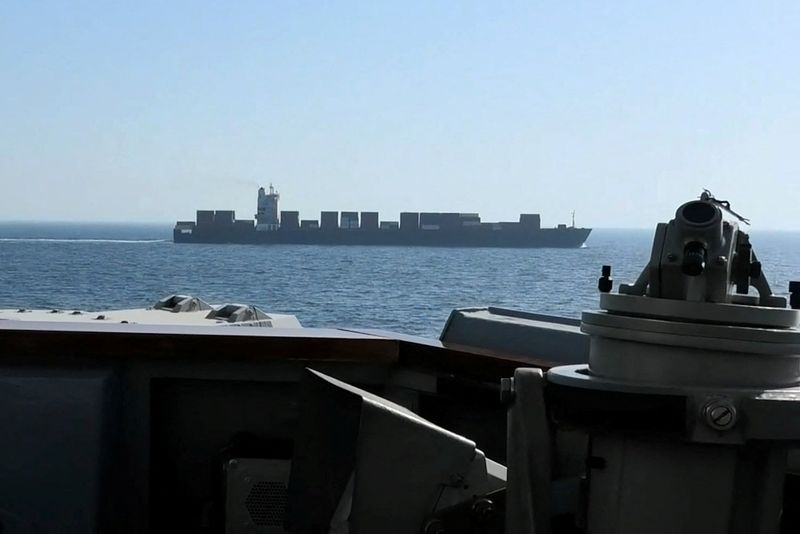
However, maritime traffic through the strait has largely stalled after Iran threatened to attack vessels and “set fire” to ships attempting to pass through the strategic waterway.
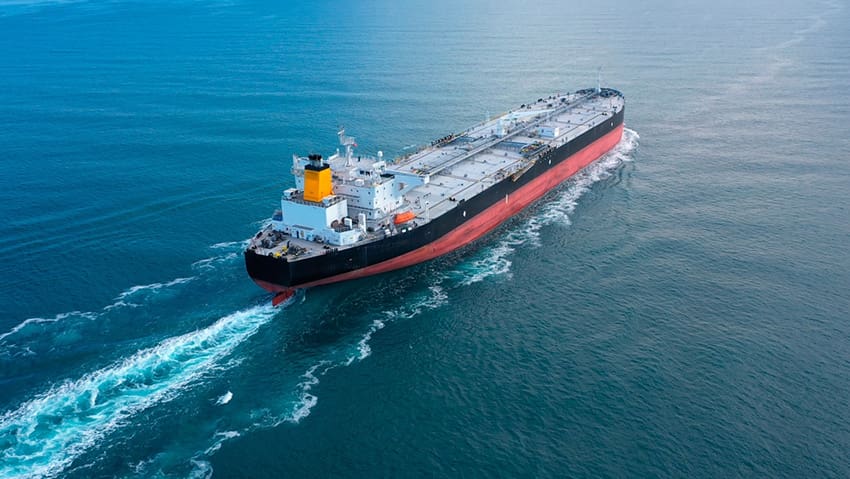
According to maritime tracking data from Lloyd’s List Intelligence, approximately 200 oil and gas tankers are currently stranded, unable to safely navigate the route. Insurance premiums for vessels — particularly those linked to Western countries such as the United States and the UK, have also risen sharply.
The situation has created a severe bottleneck in global energy logistics and raised fears that even a temporary disruption could significantly impact supply chains across Europe and Asia.
US President Donald Trump said the United States would consider using the Navy to escort oil tankers through the strait and provide risk insurance for shipping companies.
However, analysts say such measures may not be enough to reassure insurers, shipping firms and crews worried about entering a potential conflict zone.
Lindsay James, investment strategist at wealth management firm Quilter, said markets were perhaps taking an overly optimistic view of the situation.
“Shipping companies, insurers and even crew members are likely to remain reluctant to operate in an area that is effectively a military hotspot,” she said.
“It’s not realistic to think naval escorts alone will resolve the situation quickly. Ultimately, reopening those shipping lanes will depend on diplomatic progress — and that still appears some distance away.”
Asian markets suffer as energy costs spike
The economic impact of the conflict has been particularly visible in Asia, where several economies rely heavily on energy imports from the Middle East.
Stock markets across the region have been under intense pressure as investors assess the potential consequences of rising oil and gas prices for inflation and economic growth.
In South Korea and Thailand, trading was temporarily halted after markets plunged by more than 8 per cent, triggering automatic “circuit breakers” designed to prevent panic-driven selling.
Energy analysts say Asian economies could face the most immediate consequences of supply disruptions because they import large volumes of LNG from Qatar.
James Hosie, oil and gas equity analyst at Shore Capital, said roughly 80 per cent of Qatar’s LNG exports are normally shipped to Asian markets.
“Those consumers will now be scrambling to secure alternative supplies,” he explained.
“That competition for cargoes is already pushing Asian LNG prices higher, and that inevitably feeds into global gas prices, including those in Europe and the UK.”
Because LNG shipments play a crucial role in balancing Britain’s gas supply during periods of high demand, volatility in Asian markets can quickly affect energy prices in the UK.
Rising energy costs are now raising concerns among economists that inflation in the UK could increase again after months of easing.
David Miles, a member of the Office for Budget Responsibility, said sustained increases in oil and gas prices could add upward pressure to inflation.
However, he stressed that the scale of the increases was still far below the levels experienced following Russia’s invasion of Ukraine.
“If prices stayed around their current levels, we might see an increase in UK price levels of roughly one per cent,” Miles said.
“That’s significant, but it’s nowhere near the shock that occurred during the energy crisis of 2022.”
Nevertheless, even a modest inflation increase could complicate the Bank of England’s plans to cut interest rates later this year.
Financial markets had previously expected the Bank of England to reduce borrowing costs several times in 2026 as inflation gradually moved closer to its two per cent target.
However, renewed energy price pressures could alter that outlook.
The National Institute of Economic and Social Research warned that if energy prices remain elevated for an extended period, policymakers might be forced to reconsider their plans.
In a worst-case scenario, the think tank suggested interest rates could even rise again to above four per cent if inflationary pressures intensify.
Markets had previously forecast two rate cuts this year, but those expectations have now weakened as traders reassess the economic implications of the Middle East conflict.
The Bank of England is scheduled to announce its next interest rate decision on 19 March, a meeting that will now take place against a far more uncertain global backdrop.
The conflict’s potential impact on Britain’s energy security has also prompted political attention.
UK Chancellor Rachel Reeves is due to meet with leaders from the North Sea energy sector to discuss the possible consequences of the crisis and assess how the government can help stabilise supply.
Officials say the meeting will focus on how domestic production and energy infrastructure can help buffer the UK against prolonged disruption in global energy markets.
For now, financial markets appear to be balancing cautious optimism in equities with deep uncertainty in energy markets — a reflection of how closely the global economy remains tied to geopolitical developments in the Middle East.
Amy Ingham
Amy is a newly qualified journalist specialising in business journalism at Business Matters with responsibility for news content for what is now the UK’s largest print and online source of current business news.


















































You must be logged in to post a comment Login