

Business
From Fashion to Green Real Estate

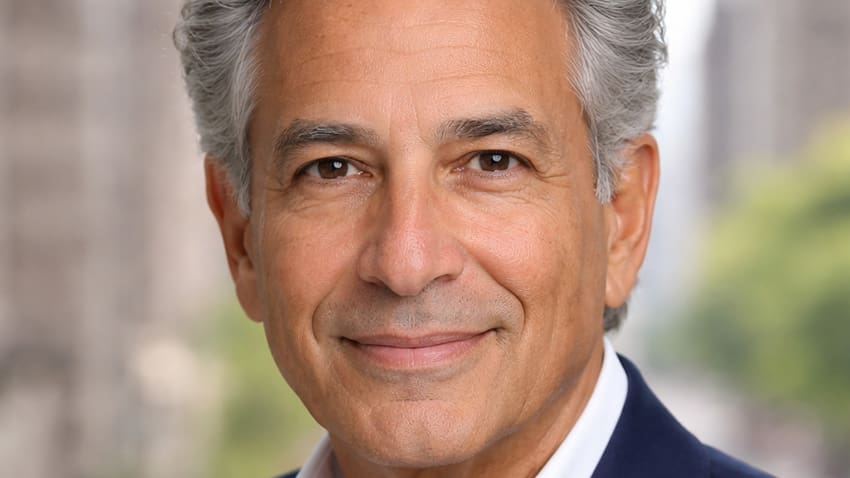
How one entrepreneur used grit, skill, and style to build a career that keeps evolving.
A Fresh Start with $200 and a Lot of Hustle
Michael Kadoe didn’t start with a safety net. When he arrived in the United States, he had just $200 in his pocket and no big connections. What he did have was a sharp mind and a desire to build something from the ground up.
“I didn’t wait for someone to give me a shot,” he says. “I made the shot myself.”
His early training as a dental technician gave him technical precision. He then expanded his skills by learning electrical work and plumbing, a mix that later helped him bridge the gap between design and construction. That practical base would later become one of his greatest strengths.
Building a Fashion Brand from a Basement
In 1994, Michael took a big step. He launched a clothing company from his basement. He had no fancy office or big funding round—just a few sewing machines and a vision. It worked.
Within ten years, he had a full team of 35 to 40 employees, with his fashion lines being sold in major U.S. retailers and international catalogues. He even produced private label designs for larger brands.
“I loved seeing my clothes on people I’d never met,” Michael says. “It made all the long hours feel worth it.”
But things changed after 9/11. The fashion landscape shifted. Consumer habits changed. Supply chains were disrupted. For many, this would be the end. For Michael, it was a pivot point.
Reinventing Himself Through Real Estate
Instead of staying in a shrinking industry, Michael shifted gears. He turned to real estate development in New York City. Using the same creativity and attention to detail he had in fashion, he began renovating homes and buildings.
“I already knew how to build things,” he explains. “Now I wanted to build spaces people could live in.”
Michael focused on eco-friendly renovations before sustainability became a buzzword. One of his projects was even awarded the Gold Award by Good Housekeeping for being the greenest house in New York City.
He used energy-efficient materials, clean air systems, and sustainable construction practices. The goal wasn’t just beauty. It was function with a conscience.
Why Sustainable Design Still Matters
Michael isn’t just following trends. He’s helping set them. His focus on sustainability in both fashion and housing has made him a leader in ethical design. His work proves that green living doesn’t have to sacrifice style or comfort.
“The environment matters,” he says. “But people also want their homes to feel good. I think you can have both.”
His homes are proof of concept—sleek, modern, and efficient. They’re designed with materials that last, layouts that flow, and systems that help families save on energy and live healthier lives.
Lessons in Grit, Growth, and Creativity
Michael’s career path wasn’t linear. It wasn’t easy. But it was intentional.
He learned from every challenge—shifting industries, rebuilding after business losses, and finding new markets to serve. What kept him going was a strong mix of hands-on skills and a creative mindset.
He’s also deeply passionate about architecture, art, travel, and wellness. These interests fuel his design sensibility and push him to keep learning and evolving.
“If you’re not learning, you’re not building,” he says. “And if you’re not building, you’re falling behind.”
Leading with Passion and Purpose
Today, Michael is known for being a multi-hyphenate entrepreneur. He brings the precision of a builder, the eye of a designer, and the strategy of a business owner. His work spans fashion, real estate, and sustainable development, always guided by purpose.
His story reminds us that success doesn’t come from shortcuts. It comes from doing the work, staying flexible, and sticking to your values—even when times get tough.
Key Takeaways for Entrepreneurs
If you’re building something from scratch, Michael’s story offers more than inspiration—it offers a roadmap.
- Start where you are. Michael’s first studio was a basement.
- Keep learning new skills. Technical knowledge helped him bridge industries.
- Pivot when needed. Moving from fashion to real estate opened new doors.
- Design with values. Sustainability isn’t a trend—it’s a commitment.
- Stay hands-on. He still gets involved in the details of every project.
Whether you’re launching a product or rethinking your career, Michael Kadoe shows what it means to lead with heart, vision, and action.


Rocket Lab’s Kampani sells $3.7 million in RKLB stock
Business
MPC lowers policy rate to 1%, signaling an extended low-rate approach and potential further cuts if risks emerge

The MPC cut the policy rate to 1% to ease financial conditions, support SMEs, and anchor inflation expectations, citing fragile growth, downside inflation risks, tighter SME credit, and emphasizing structural reforms beyond monetary policy.
MPC Cuts Policy Rate to 1.0% to Ease Financial Conditions
The Monetary Policy Committee (MPC) voted 4-2 to reduce the policy rate from 1.25% to 1.0% aiming to ease financial burdens on SMEs and households, anchor medium-term inflation expectations, and support business adaptation amid global uncertainties. The two dissenting members preferred to maintain the 1.25% rate, considering it appropriate given current economic conditions. The MPC views the new 1% rate as sufficient, emphasizing the importance of preserving remaining policy space during high uncertainty and highlighting that structural challenges require policy measures beyond interest rate adjustments.
Economic Outlook and Inflation Risks
The MPC regards the Thai economy as fragile, projecting growth near 2.0% YOY in 2026-27, below potential growth of 2.7%. Inflation faces downside risks due to lower energy prices and government subsidies, with headline inflation expected to return to the target range’s lower bound later than previously anticipated. Trade uncertainty remains due to fluctuating U.S. tariffs, while the risk of fiscal delays has diminished with improving government formation prospects.
Challenges Facing SMEs and Financial Stability Concerns
SMEs continue to face tight financial conditions with rising loan costs and baht appreciation impacting exporters’ profits. Despite policy rate cuts, micro-SME loan rates have increased due to higher credit risks and constrained lending. The MPC will monitor low-rate environment risks, noting increased risk-taking behavior and potential credit misallocation but sees no immediate threat. Monetary policy alone cannot resolve Thailand’s structural growth challenges, requiring complementary economic and financial reforms.
Other People are Reading

The US stock market rebounded Wednesday from two days of punishing swings after oil prices stopped spiking and reports gave encouraging updates on the economy.

SCB EIC raises Thailand’s 2026 economic growth forecast to 1.8% due to improved exports and private investment. However, growth remains below potential amid geopolitical and domestic challenges.
SCB EIC has raised its economic growth forecast for Thailand in 2026 to 1.8%, up from the previous estimate of 1.5%. This revision reflects improved export performance and increased private investment driven by a global economic recovery, particularly in AI technology and electronic goods. Despite this positive outlook, Thailand’s overall economic growth remains below its potential due to ongoing geopolitical tensions and structural challenges within the country.
Private sector investments are beginning to pick up, aided by foreign direct investment and a rebound in construction activities. However, government spending may slow down after significant economic stimulus in the last quarter of 2025. The Bank of Thailand is expected to reduce its policy rate to 1% to support economic activities, particularly among vulnerable households and SMEs.
Globally, SCB EIC anticipates a 2.7% growth in 2026, primarily driven by investments in AI and digital goods, which mitigate geopolitical pressures. While monetary policy remains accommodative, inflation risk persists, particularly in the U.S. As such, global financial conditions might stabilize but are unlikely to ease significantly given the inflationary pressures in various nations.
Other People are Reading

Australia’s consumer watchdog has warned upgrades to major national airports, including Perth, run the risk of driving airfares skyward in the years ahead.


Trafigura, Venezuelan mining firm sign deal for up to 1,000 kg of gold, Axios reports

A bid to triple the size of a $66 million hydrogen facility proposed for the Shire of Coorow has been unanimously approved by the Regional Development Assessment Panel.
Business
Walmart Inc. (WMT) Presents at Morgan Stanley Technology, Media & Telecom Conference 2026 Transcript

Simeon Gutman
Morgan Stanley, Research Division
Okay. Hello. Thank you. Welcome, everybody. I’m Simeon Gutman, Morgan Stanley’s hardline, broadline food retail analyst. My pleasure to welcome Daniel Danker, EVP, AI Acceleration and Product Design from Walmart, most recently with Instacart as Chief Product Officer in Online Grocery. Thank you, Walmart, for being here third year in a row, and it probably took 3 years to be annointed as a tech company.
I recently — one introduction for Daniel before we get into this, I was talking with Doug about 2 months ago as an outgoing conversation. We talked about some of his hardest decisions, and we asked — I asked him about one of his best decisions. I didn’t know Daniel yet, but he mentioned it was hiring Daniel as someone at the enterprise level who can help advance AI. So high expectations, sorry about that.
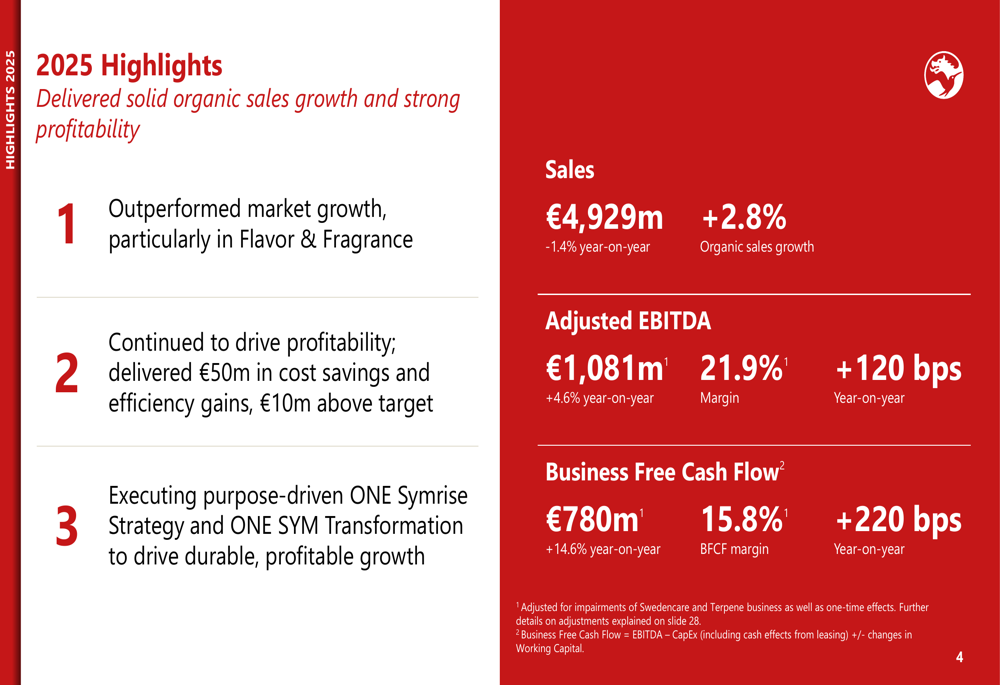
Symrise 2025 presentation: record cash flow, inaugural buyback unveiled

Boss Energy managing director Matthew Dusci has reaffirmed the company’s FY26 annual production guidance at its flagship Honeymoon project in South Australia.

General Hospital Early Spoilers March 9-13: Willow’s Downfall Begins & Britt Has Complete Meltdown

Anthony Joshua predicts Oleksandr Usyk vs prime Lennox Lewis

Don’t save your money in banks !!! #finance #trading #banks #financehacks


-

 Politics6 days ago
ITV enters Gaza with IDF amid ongoing genocide
-

 Politics2 days ago
Alan Cumming Brands Baftas Ceremony A ‘Triggering S**tshow’
-

 Fashion5 days ago
Weekend Open Thread: Iris Top
-

 Tech4 days ago
Unihertz’s Titan 2 Elite Arrives Just as Physical Keyboards Refuse to Fade Away
-
Sports5 days ago
The Vikings Need a Duck
-
 NewsBeat4 days ago
Dubai flights cancelled as Brit told airspace closed ’10 minutes after boarding’
-

 NewsBeat4 days ago
‘Significant’ damage to boarded-up Horden house after fire
-
 NewsBeat5 days ago
The empty pub on busy Cambridge road that has been boarded up for years
-

 NewsBeat4 days ago
Abusive parents will now be treated like sex offenders and placed on a ‘child cruelty register’ | News UK
-

 Entertainment3 days ago
Baby Gear Guide: Strollers, Car Seats
-

 Business7 days ago
Discord Pushes Implementation of Global Age Checks to Second Half of 2026
-
 Tech6 days ago
NASA Reveals Identity of Astronaut Who Suffered Medical Incident Aboard ISS
-

 Business6 days ago
Only 4% of women globally reside in countries that offer almost complete legal equality
-
 NewsBeat4 days ago
Emirates confirms when flights will resume amid Dubai airport chaos
-
Politics4 days ago
FIFA hypocrisy after Israel murder over 400 Palestinian footballers
-

 Crypto World6 days ago
From Crypto Treasury to RWA: ETHZilla Retreats and Relaunches as Forum Markets on Nasdaq
-

 NewsBeat3 days ago
Is it acceptable to comment on the appearance of strangers in public? Readers discuss
-

 Tech4 days ago
Viral ad shows aged Musk, Altman, and Bezos using jobless humans to power AI
-
 Business7 days ago
World Economic Forum boss Borge Brende quits after review of Jeffrey Epstein links
-

 Video7 days ago
Xii English top Selected mcq “Money Madness” Board Exam 2026, #chseodisha #hksir #mychseclass