Connect with us

Business

PTC at Morgan Stanley Conference: AI and Strategic Focus

Published

on

Continue Reading
Click to comment

Leave a Reply

Your email address will not be published. Required fields are marked *

Business

Morgan Stanley cuts 2,500 jobs across all divisions in workforce reduction

Published

on

Morgan Stanley cuts 2,500 jobs across all divisions in workforce reduction

Morgan Stanley, one of the world’s largest investment banks, is cutting 3% of its workforce, roughly 2,500 employees, across all business divisions.

The job cuts impacted Morgan Stanley’s three major divisions — investment banking and trading, wealth management and investment management — but not its financial advisors, FOX Business confirmed.

Advertisement

The cuts were based on business priorities, location strategy and individual performance, and the bank plans on adding resources in other areas. The layoffs were first reported by The Wall Street Journal.

JACK DORSEY CUTS NEARLY HALF OF BLOCK WORKFORCE AMID MAJOR AI OVERHAUL

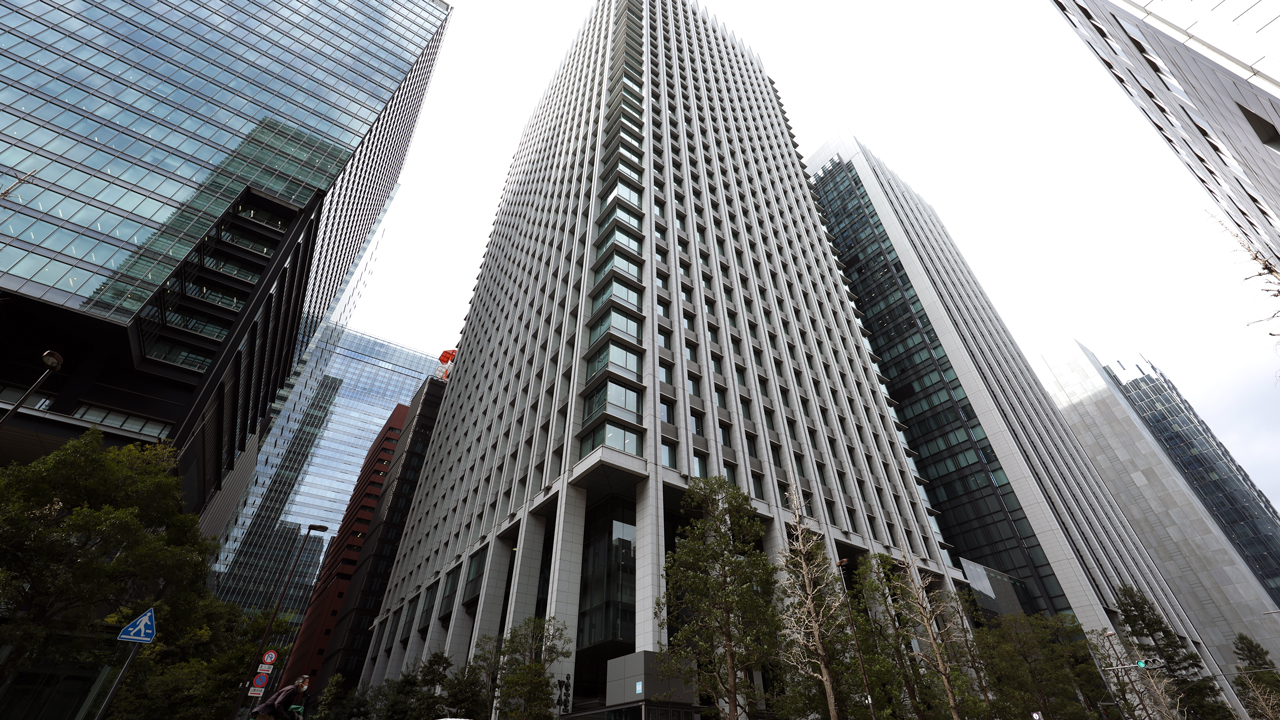
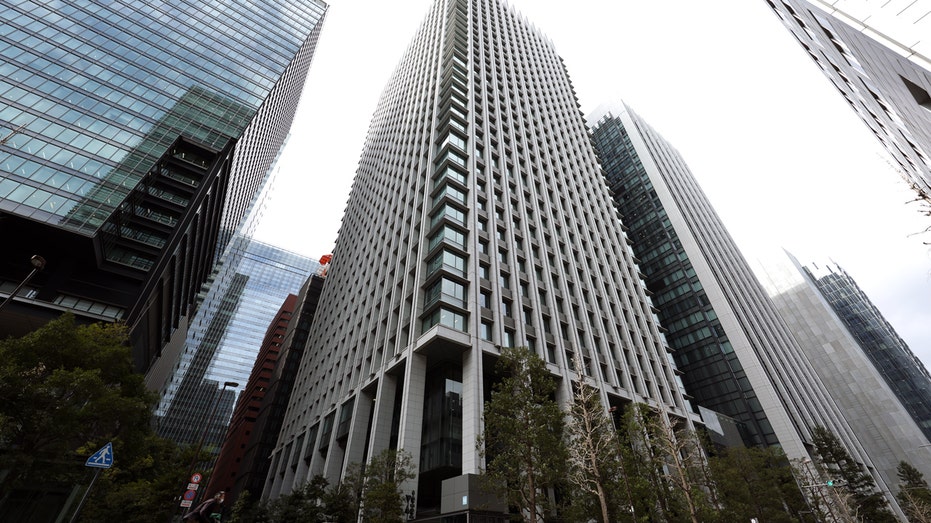
Morgan Stanley building

Morgan Stanley is cutting about 3% of its global workforce, or roughly 2,500 employees. (Kiyoshi Ota/Bloomberg via Getty Images / Getty Images)

The layoffs come after Morgan Stanley, which has around 83,000 global employees, reported a banner year in 2025, posting record annual revenue.

Last quarter, the bank surpassed profit estimates, largely due to a nearly 50% increase in investment banking revenue.

Advertisement

Several U.S. companies have announced significant layoffs this year as they integrate artificial intelligence (AI) tools into their operations.

PRIVATE SECTOR ADDED 63,000 JOBS IN FEBRUARY, ABOVE EXPECTATIONS, ADP SAYS

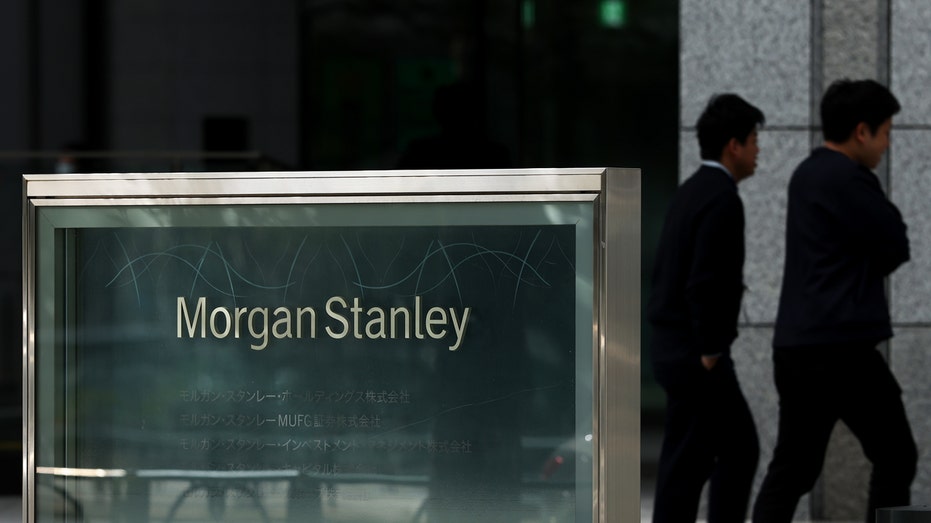
Morgan Stanley sign

Morgan Stanley’s job cuts impacted its investment banking, trading, wealth management and investment management divisions. (Kiyoshi Ota/Bloomberg via Getty Images / Getty Images)

Last week, Block said it was slashing nearly half of its workforce — more than 4,000 jobs — as the payments firm works to embed AI throughout its operations.

CEO Jack Dorsey said the company planned to enact a single round of large cuts instead of a series of smaller workforce reductions to give the company more room for growth as it adapts to the AI era.

Advertisement
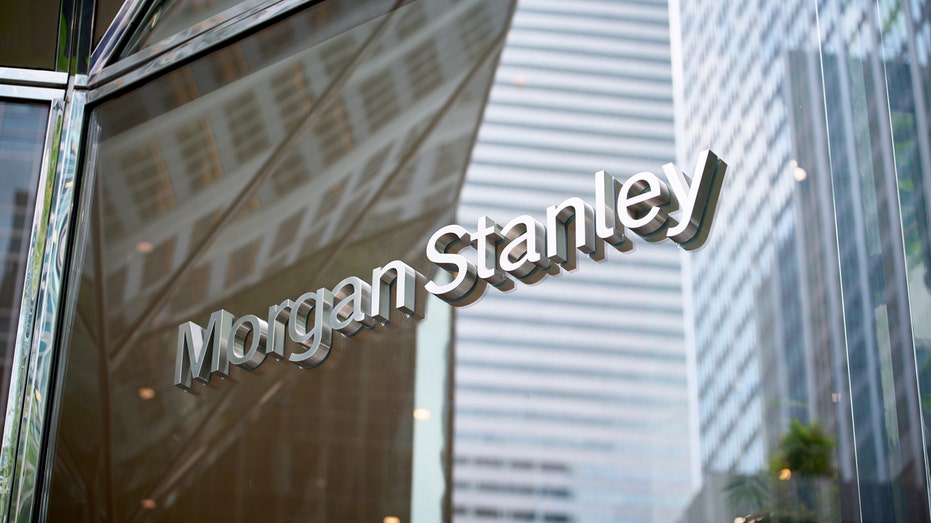
Morgan Stanley building logo

The investment banking giant Morgan Stanley is reportedly cutting approximately 2,500 jobs, or about 3% of its workforce. (Gabby Jones/Bloomberg via Getty Images / Getty Images)

CLICK HERE TO GET FOX BUSINESS ON THE GO

Amazon has also announced a series of recent reductions totaling approximately 30,000 jobs.

FOX Business’ Eric Revell and Reuters contributed to this report.

Advertisement
Continue Reading

Business

T-Mobile US, Inc. (TMUS) Presents at Morgan Stanley Technology, Media & Telecom Conference 2026 Transcript

Published

on

OneWater Marine Inc. (ONEW) Q1 2026 Earnings Call Transcript

T-Mobile US, Inc. (TMUS) Morgan Stanley Technology, Media & Telecom Conference 2026 March 4, 2026 7:50 PM EST

Company Participants

Srinivasan Gopalan – CEO, President & Director

Conference Call Participants

Advertisement

Benjamin Swinburne – Morgan Stanley, Research Division

Presentation

Benjamin Swinburne
Morgan Stanley, Research Division

Advertisement

Okay. Hello, everybody. I’m Ben Swinburne, Morgan Stanley’s telecom and media analyst. For important disclosures, please see the Morgan Stanley research disclosure website at morganstanley.com/researchdisclosures. Excited to welcome back to the conference, but for the first time up on stage the CEO of T-Mobile, Srini Gopalan. Srini, thank you so much for coming.

Srinivasan Gopalan
CEO, President & Director

Thanks for having me here, Ben. And before we get started, I’m supposed to draw our attention to that safe harbor statement, which I think has disappeared now. Yes.

Advertisement

Benjamin Swinburne
Morgan Stanley, Research Division

There it is.

Advertisement

Srinivasan Gopalan
CEO, President & Director

With that in mind, especially the forward-looking statements.

Advertisement

Question-and-Answer Session

Benjamin Swinburne
Morgan Stanley, Research Division

All right, we’ll do that. So what I think we’re basically, what, just over 4 months into your tenure as CEO. Business is obviously performing well. Maybe talk a little bit about your strategic priorities for the company. What are you and the team really focused on right now at T-Mobile?

Advertisement

Srinivasan Gopalan
CEO, President & Director

So look, where we are today, we’re a great business. And the foundation of that has been differentiation. And that’s most visible when you look at our NPS, right? Our NPS is 20%, 25% higher than anyone in the industry. And the source of that differentiation and the foundation we’re building on is the fact that we have the best network, which hasn’t always been true, but is today, the best value and the best experience. And that fundamentally is our differentiation. So when customers come to us, they don’t need to make a trade-off, right? They get all

Advertisement
Continue Reading

Business

Oversold signals emerge amid market slide; technical charts hint at possible relief rally

Published

on

Oversold signals emerge amid market slide; technical charts hint at possible relief rally
After three straight sessions of relentless selling, Indian equity markets are grappling with heightened volatility and fragile sentiment. As benchmark indices struggle to find their footing, investors are turning to technical charts for signs of stability — or further weakness.

In a conversation with ET Now, Rohit Srivastava, Founder, Strike Money Analytics & Indiacharts offered a nuanced view of the current setup, suggesting that while the breakdown is technically significant, extreme short-term oversold readings could pave the way for a temporary rebound.

“So, well, the breakdown that we have seen would open up potential downside, but what is also happening simultaneously is that the market is becoming oversold on an extremely short-term basis and, in fact, I would say, very oversold. So, this is giving us a feeling that we may be at a point where we can get some bounce back or some relief rally in the market. I am not sure whether it will last beyond a day or two or a couple of days, so it might just be a counter-trend move within the entire structure but definitely it will bring some relief or some hope when it happens,” Srivastava said.

According to him, the charts are hinting at the possibility of a rebound in the near term, particularly in the NIFTY 50 and the NIFTY Bank.

Advertisement

“So, my sense is that you can get a Nifty bounce back from here to retest not just 24,600 that was the critical breakdown point, but even maybe try to push above that towards 25,000 again — that is what the market may attempt to do. Something similar on Bank Nifty would mean closer to 60,000 and at that point then we will judge again whether another leg down can really start,” he noted.


Importantly, Srivastava cautioned against aggressive selling at current levels, especially given the extent of recent declines.
“So, we do not really want to sell into the panic today because we are already into the third day of continuous selling and somewhere that is getting us to a very-very short-term oversold point. We will reconsider the overall picture once we get that bounce. A lot will depend, of course, on the geopolitical situation also changing, but that is what the technical setup is telling us right now.”

VIX Spike: Panic or Precursor?

Another focal point for traders has been the sharp surge in the India VIX, often referred to as the market’s fear gauge. After hovering in double digits just days ago, the index has spiked over 20%, climbing to the 21 mark — a move that reflects mounting anxiety.

Addressing the surge, Srivastava pointed to historical precedents.

“So, we have seen many spikes in the VIX ending at close to around 22 in the last 12 months and there are some more serious ones whenever there has been some kind of issue — whether it was elections, whether it was the rupee depreciation. We have also seen it go towards 30 at some points of time. So, these are regions where the VIX does reach a point where we can say that people are getting overly concerned or there is excessive pessimism either closer to 22, but I would say closer to around 30 is a better point.”

Advertisement

He added that while the current levels suggest heightened concern, they may not yet signal peak panic.

“If you really get close to 30, then I would be a little more optimistic on the market having priced in a maximum panic kind of situation. But that has not happened yet, so we will continue to watch how the VIX unfolds in the short term. But again 21, 22 is a level that we did pull back from a couple of times in say August of 2024, also in November of 2024 and also last year in April when you had the tariffs applied, we had seen VIX spike to around 23 and we are currently at 21, so two-three points and you are within that range. To go beyond that, of course, the situation has to get worse than what it already is.”

Tactical Patience Advised

For now, the technical landscape suggests a market caught between structural weakness and short-term exhaustion. A relief rally could emerge as oversold conditions unwind, but sustainability will hinge on broader triggers — including geopolitical developments and volatility trends.

Until then, seasoned observers are advising restraint rather than reaction, especially when fear-driven selling risks locking in losses just as the market nears short-term extremes.

Advertisement
Continue Reading

Business

Rocket Lab’s Kampani sells $3.7 million in RKLB stock

Published

on


Rocket Lab’s Kampani sells $3.7 million in RKLB stock

Continue Reading

Business

MPC lowers policy rate to 1%, signaling an extended low-rate approach and potential further cuts if risks emerge

Published

on

MPC lowers policy rate to 1%, signaling an extended low-rate approach and potential further cuts if risks emerge

The MPC cut the policy rate to 1% to ease financial conditions, support SMEs, and anchor inflation expectations, citing fragile growth, downside inflation risks, tighter SME credit, and emphasizing structural reforms beyond monetary policy.

MPC Cuts Policy Rate to 1.0% to Ease Financial Conditions

The Monetary Policy Committee (MPC) voted 4-2 to reduce the policy rate from 1.25% to 1.0% aiming to ease financial burdens on SMEs and households, anchor medium-term inflation expectations, and support business adaptation amid global uncertainties. The two dissenting members preferred to maintain the 1.25% rate, considering it appropriate given current economic conditions. The MPC views the new 1% rate as sufficient, emphasizing the importance of preserving remaining policy space during high uncertainty and highlighting that structural challenges require policy measures beyond interest rate adjustments.


Economic Outlook and Inflation Risks

The MPC regards the Thai economy as fragile, projecting growth near 2.0% YOY in 2026-27, below potential growth of 2.7%. Inflation faces downside risks due to lower energy prices and government subsidies, with headline inflation expected to return to the target range’s lower bound later than previously anticipated. Trade uncertainty remains due to fluctuating U.S. tariffs, while the risk of fiscal delays has diminished with improving government formation prospects.

Challenges Facing SMEs and Financial Stability Concerns

SMEs continue to face tight financial conditions with rising loan costs and baht appreciation impacting exporters’ profits. Despite policy rate cuts, micro-SME loan rates have increased due to higher credit risks and constrained lending. The MPC will monitor low-rate environment risks, noting increased risk-taking behavior and potential credit misallocation but sees no immediate threat. Monetary policy alone cannot resolve Thailand’s structural growth challenges, requiring complementary economic and financial reforms.

Advertisement

Source link

Continue Reading

Business

US stocks rebound after strong economic updates and as oil prices stop spiking

Published

on

US stocks rebound after strong economic updates and as oil prices stop spiking

The US stock market rebounded Wednesday from two days of punishing swings after oil prices stopped spiking and reports gave encouraging updates on the economy.

Continue Reading

Business

SCB EIC raises Thailand’s 2026 GDP growth projection to 1.8%

Published

on

Steering Through 2026's Contrasting Fortunes

SCB EIC raises Thailand’s 2026 economic growth forecast to 1.8% due to improved exports and private investment. However, growth remains below potential amid geopolitical and domestic challenges.

SCB EIC has raised its economic growth forecast for Thailand in 2026 to 1.8%, up from the previous estimate of 1.5%. This revision reflects improved export performance and increased private investment driven by a global economic recovery, particularly in AI technology and electronic goods. Despite this positive outlook, Thailand’s overall economic growth remains below its potential due to ongoing geopolitical tensions and structural challenges within the country.

Private sector investments are beginning to pick up, aided by foreign direct investment and a rebound in construction activities. However, government spending may slow down after significant economic stimulus in the last quarter of 2025. The Bank of Thailand is expected to reduce its policy rate to 1% to support economic activities, particularly among vulnerable households and SMEs.

Globally, SCB EIC anticipates a 2.7% growth in 2026, primarily driven by investments in AI and digital goods, which mitigate geopolitical pressures. While monetary policy remains accommodative, inflation risk persists, particularly in the U.S. As such, global financial conditions might stabilize but are unlikely to ease significantly given the inflationary pressures in various nations.

Advertisement

Source link

Continue Reading

Business

Airport upgrades could drive fares up: ACCC

Published

on

Airport upgrades could drive fares up: ACCC

Australia’s consumer watchdog has warned upgrades to major national airports, including Perth, run the risk of driving airfares skyward in the years ahead.

Continue Reading

Business

Trafigura, Venezuelan mining firm sign deal for up to 1,000 kg of gold, Axios reports

Published

on

Trafigura, Venezuelan mining firm sign deal for up to 1,000 kg of gold, Axios reports


Trafigura, Venezuelan mining firm sign deal for up to 1,000 kg of gold, Axios reports

Continue Reading

Business

Green light, more time for expanded $66m Mid West hydrogen plant

Published

on

Green light, more time for expanded $66m Mid West hydrogen plant

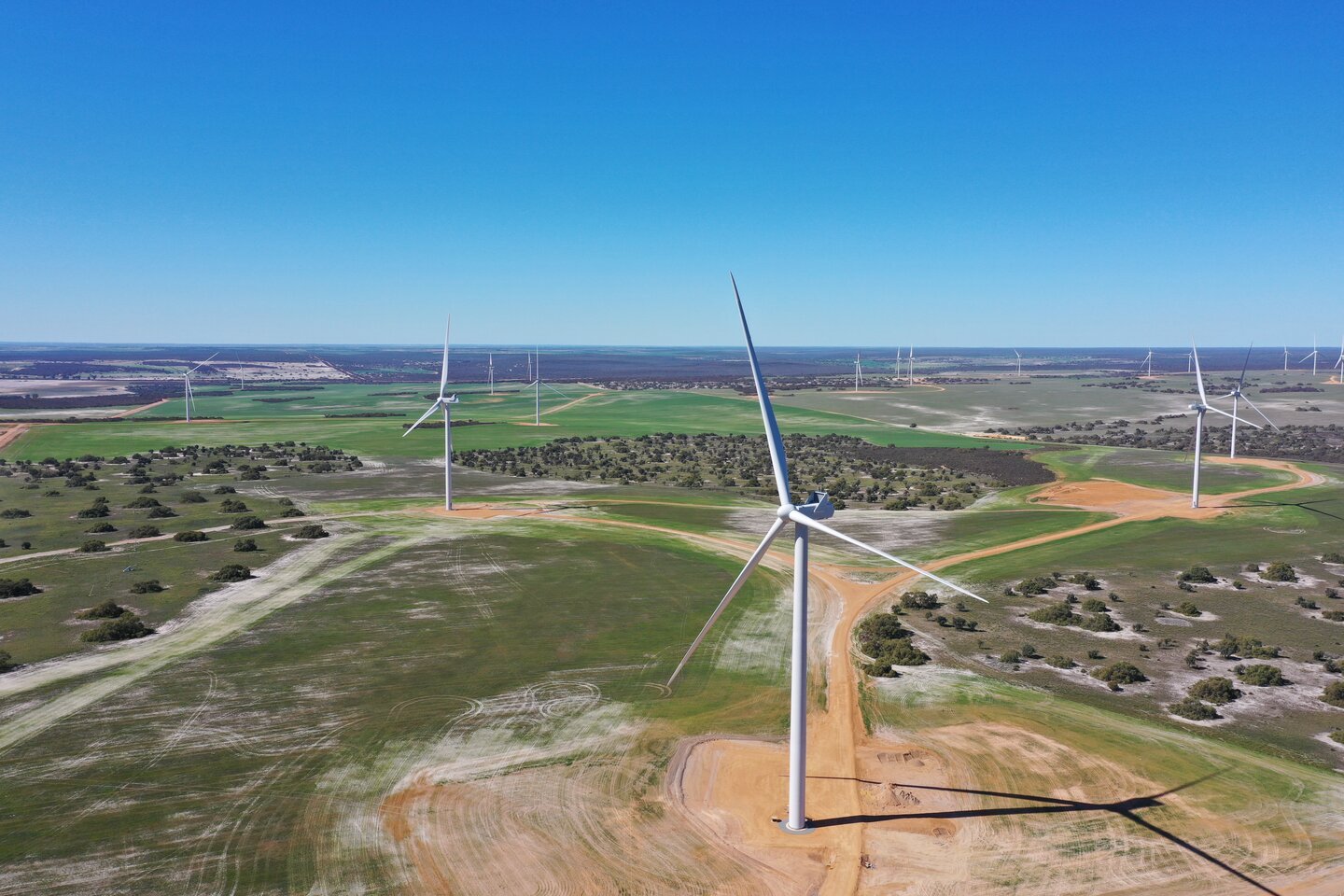
A bid to triple the size of a $66 million hydrogen facility proposed for the Shire of Coorow has been unanimously approved by the Regional Development Assessment Panel.

Continue Reading

Trending

Copyright © 2025