Connect with us

Tech

Google settles with Epic Games, drops its Play Store commissions to 20%

Published

on

Google is moving forward with a series of Play Store changes after settling a years-long legal battle with Fortnite maker Epic Games over anticompetitive concerns. The tech giant on Wednesday said it will drop its Play Store commissions to 20% on in-app purchases, with another 5% tacked on if app developers choose to use Google’s billing system. It’s also making it easier for users to install alternative app stores through a new optional program called the Registered App Stores program.

“With these updates, we have also resolved our disputes worldwide with Epic Games,” Google said in a company blog post.

The changes are part of a new settlement between the two tech rivals that will allow Epic Games to bring Fortnite back to the Google Play Store globally, while also investing in its own alternative app store, the Epic Games Store for Android.

As part of the agreement, Google’s Registered App Stores program will offer a more streamlined installation flow for users who want to install apps from outside of Google Play. One of Epic’s concerns was that the process for sideloading apps involved scary warnings to users about the danger of non-Play Store apps. Of course, users should be wary — sideloaded apps are a well-known security risk. But some third parties, like Epic Games, wanted to run their own legitimate (and secure) app stores without the scare tactics.

Advertisement

That program will allow this, as approved stores will need to meet certain quality and safety requirements, Google notes. The program is coming to markets beyond the U.S. first. Once the settlement is approved by the court, it will launch stateside as well.

Another notable change is the adjustment to the Play Store commission structure. Like Apple, Google’s default commission has been 30%, with a reduced fee of 15% for recurring subscriptions. Now, it will go even lower: the new “service fee” will be 20% for in-app purchases on new installs and 10% for recurring subscriptions.

However, this fee does not include the use of Google’s own billing system — that’s another 5%. (This rate applies in the U.S., European Economic Area [EEA], and the U.K. Other countries will have their own market-specific rates.)

There will also be new programs for developers, including an Apps Experience Program and a revamped Google Play Games Level Up program, both of which incentivize developers to build quality experiences on Android. Developers who opt to participate in these programs will pay the 20% commission on transactions taking place in their existing app installs, but will pay only a 15% commission on transactions from new app installs.

Advertisement

These new fees will go live by June 30, 2026, in the EEA, U.K., and U.S. The new developer programs will also launch at that time.

Australia will gain access to the new fee structure on September 30, followed by Korea and Japan by December 31. The new fees will expand to the global market by September 30, 2027.

“We believe these changes will make for a stronger Android ecosystem with even more successful developers and higher-quality apps and games available across more form factors for everyone. We look forward to our continued work with the developer community to build the next generation of digital experiences,” Google’s post said.

Epic Games praised the settlement and the resulting changes in its own statement, noting that “These changes will evolve Android into a true open platform with competition among stores.” On X, Epic Games CEO Tim Sweeney said “THANKS GOOGLE!” calling the move a “better deal for all developers.”

Advertisement

Epic Games has long been involved in a similar lawsuit with Apple over its App Store commissions. Apple was forced to change its policy to give developers the ability to link to outside payment options. That case is under appeal, with Apple most recently winning a partial reversal of the court’s order.

Source link

Advertisement
Continue Reading
Click to comment

Leave a Reply

Your email address will not be published. Required fields are marked *

Tech

Jensen Huang Says Nvidia Is Pulling Back From OpenAI and Anthropic

Published

on

An anonymous reader quotes a report from TechCrunch: At the Morgan Stanley Technology, Media and Telecom conference in downtown San Francisco Wednesday, Nvidia CEO Jensen Huang said his company’s recent investments in OpenAI and Anthropic are likely to be its last in both, saying that once they go public as anticipated later this year, the opportunity to invest closes. It could be that simple. While firms sometimes pile into companies until practically the eve of their public debut in search of more upside, Nvidia is minting money selling the chips that power both companies — it’s not like it needs to goose its returns by pouring even more money into either one.

Nvidia, for its part, isn’t offering much more on the matter. Asked for comment earlier today following Huang’s remarks, a spokesman pointed TechCrunch to a transcript from the company’s fourth-quarter earnings call, where Huang said all of Nvidia’s investments are “focused very squarely, strategically on expanding and deepening our ecosystem reach,” a goal its earlier stakes in both companies have arguably met. Still, a few other dynamics might also explain the pullback, including the circular nature of these arrangements themselves. […] Meanwhile, Nvidia’s relationship with Anthropic has looked fraught in its own right. Just two months after Nvidia announced a $10 billion investment in November, Anthropic CEO Dario Amodei took the stage at Davos and, without naming Nvidia directly, compared the act of U.S. chip companies selling high-performance AI processors to approved Chinese customers to “selling nuclear weapons to North Korea.” Ouch. […]

Where that leaves Nvidia is holding stakes in two companies that, at this particular moment, are pulling in very different directions, and potentially dragging customers and partners along for the ride. Whether Huang saw any of this coming, given Nvidia’s web of partnerships, is impossible to know. But his stated reason on Wednesday for likely pulling the plug on future investments — that the IPO window closes the door on this kind of deal — is hard to square with how late-stage private investing actually works. What’s looking more probable is that this is an exit from a situation that has gotten really complicated, really fast.

Source link

Advertisement
Continue Reading

Tech

Xiaomi Vision GT Melds Futuristic Design with Intelligent Performance Tech

Published

on

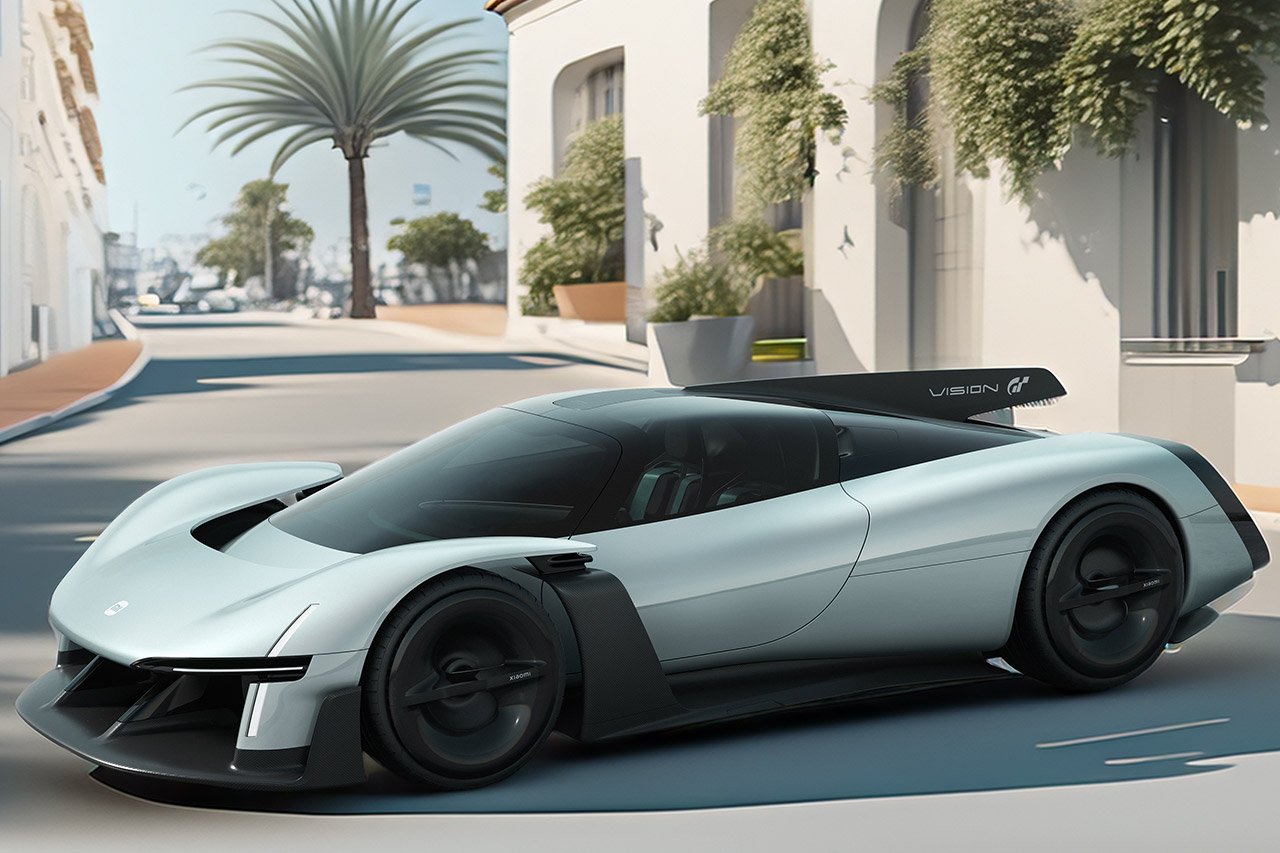
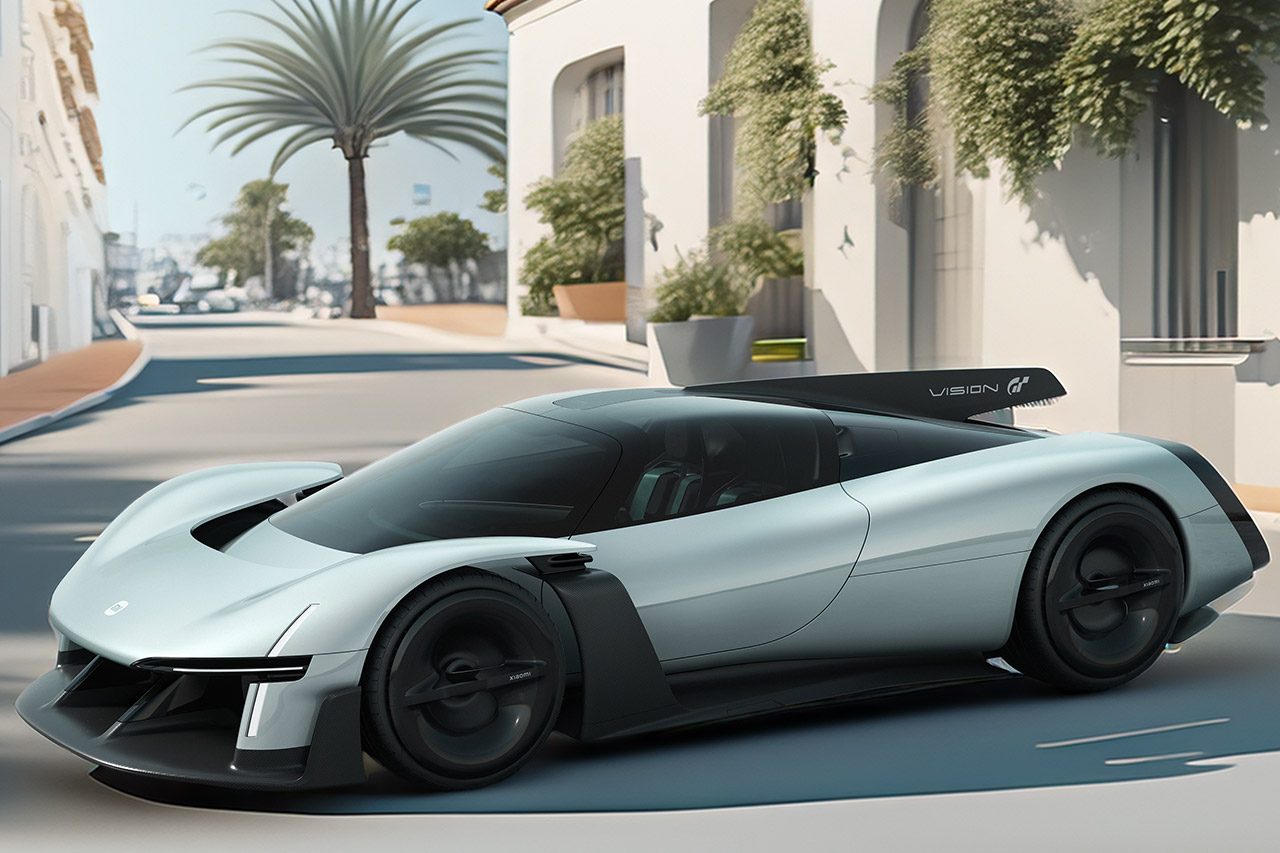
Xiaomi Vision GT Electric Supercar
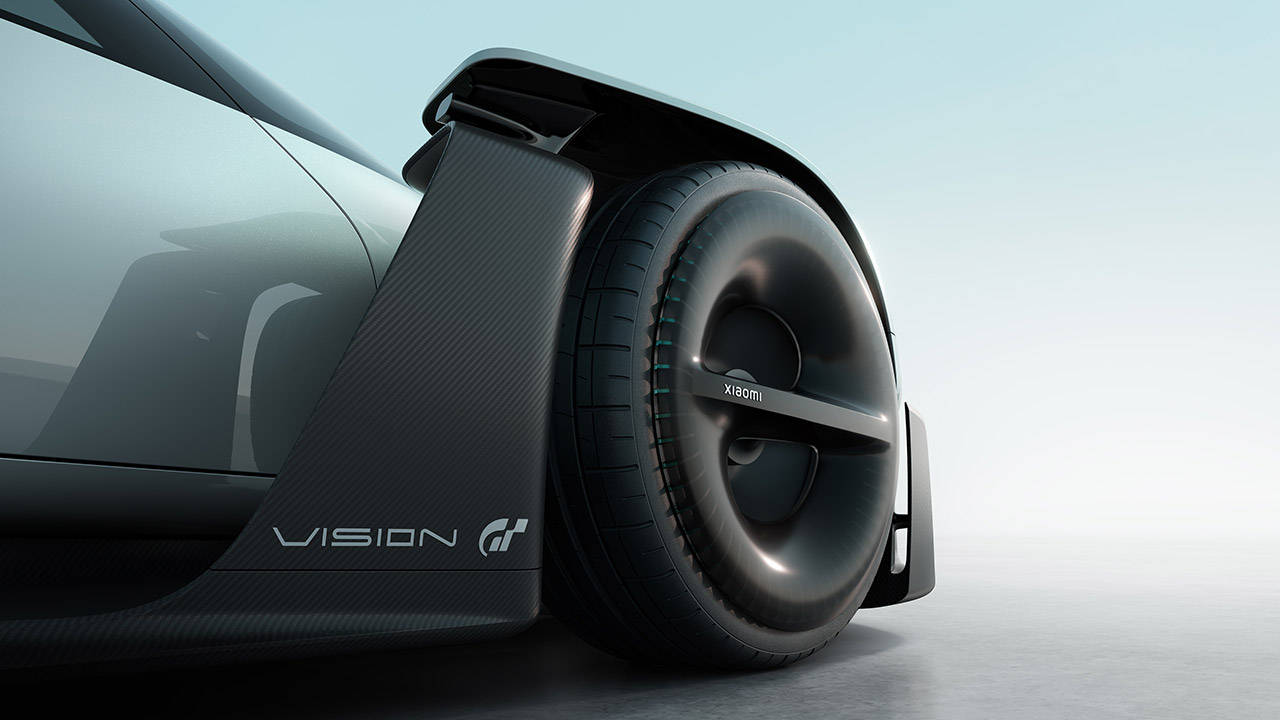
The Xiaomi Vision GT is a visually stunning electric hypercar concept that was officially unveiled at the 2026 MWC in Barcelona. You may be familiar with Xiaomi from their phones and kitchen appliances, but this is a bit more unique in that it was designed by a company not known for producing high-performance vehicles, but it is now competing with brands such as Ferrari and Porsche, thanks to its inclusion in the Gran Turismo racing game series.


Designers went all out on this thing, giving every surface a major focus on airflow, as the body is literally formed like a water droplet, with a teardrop cockpit and carefully placed air ducts that allow air to flow smoothly from front to rear. There are no showy wings or spoilers to clutter up the lines; instead, the drag and downforce handling is elegantly integrated into the bodywork. Official numbers show that the car has a drag coefficient of 0.29, downforce of -1.2, and an aerodynamic efficiency score of 4.1, which is all about striking the perfect balance: low resistance for high speeds while simultaneously providing plenty of grip for tight turns.


LEGO Speed Champions Bugatti Vision Gran Turismo Hyper Sports Car Building Toy for Kids & Gamers…
  • CAR TOY FOR KIDS – Young car fans build a legendary ride with the LEGO Speed Champions Bugatti Vision Gran Turismo Hyper Sports Car (77253) building…
  • ICONIC BUGATTI DETAILS – The completed build is packed with authentic details from the car created by Bugatti for the Gran Turismo video game in…
  • DRIVER MINIFIGURE & ACCESSORIES – Includes a driver minifigure wearing a Bugatti outfit and helmet with a wig and wrench accessory that can be…


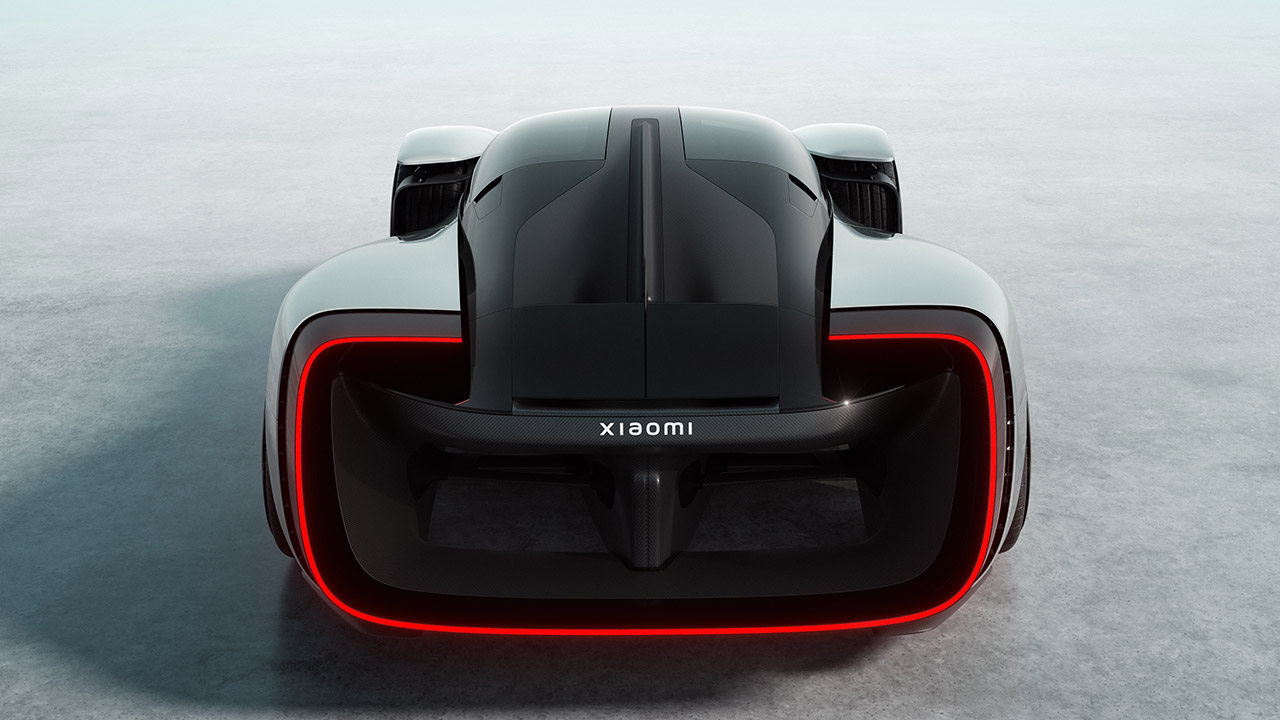
Special wheel coverings known as Accretion Rims have vortice patterns and semi-transparent parts that reveal turbine-like fins inside for brake cooling, adding to the list of brilliant engineering. Furthermore, magnets hold them in place while the car moves, preventing them from spinning around with the wheels, resulting in one less bit of drag. An Active Wake Control System is located at the back, and it simply employs micro-perforations surrounding the halo-shaped taillight to measure speed and angle and then alter airflow, allowing it to push turbulent air away without the use of any mechanical components.


Power is claimed to be an insane 1,900 horsepower, and it comes from Xiaomi’s 900-volt silicon carbide platform, which is most likely why it has such high output and quick response times. According to some accounts, it can reach speeds of up to 217 mph (350 km/h), and carbon-ceramic brakes are on board to handle all that power.

Advertisement

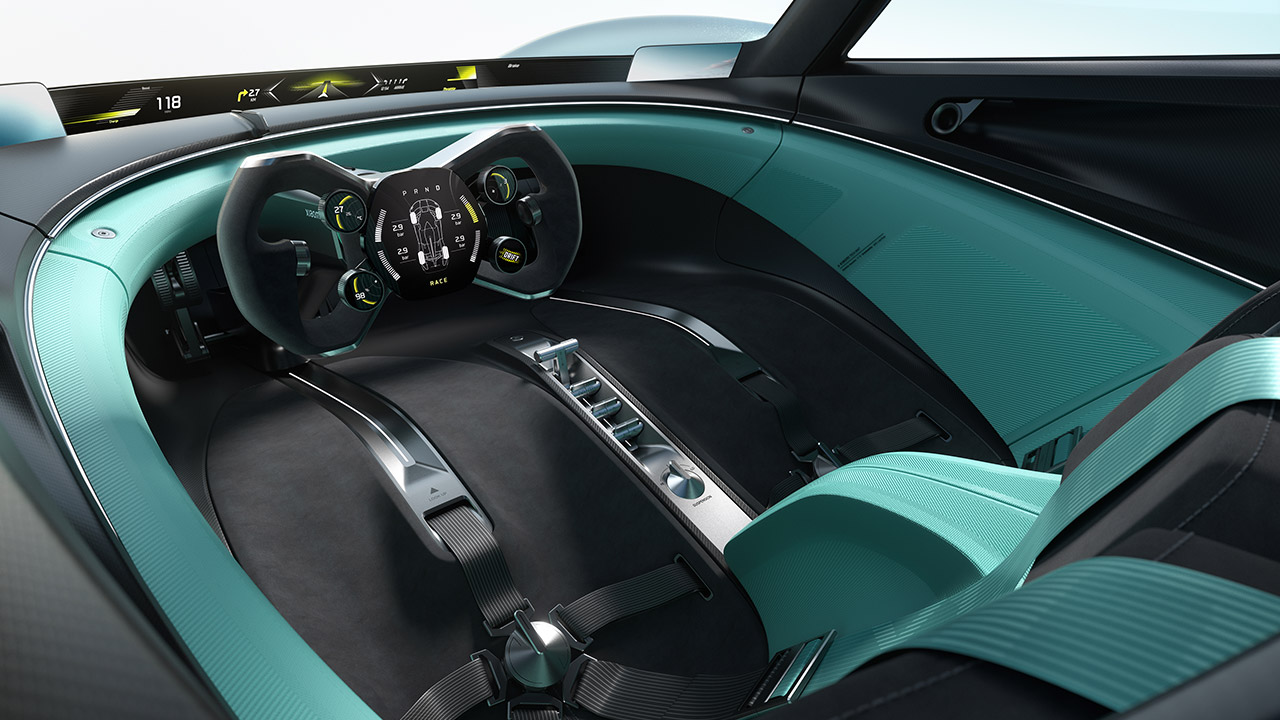
Xiaomi Vision GT Interior
Inside, the car is a rather futuristic area that surrounds the driver in a continuous ring of surfaces; the seats, dashboard, and door panels all blend together in a “sofa racer” layout that appears far more enjoyable than your standard race-focused cockpit. The seats are constructed of 3D-knitted natural cloth for comfort and breathability, with no stiff buckets.The controls are also very cool, with a steer-by-wire wheel with tactile buttons and an aircraft-style throttle lever. Then there are the displays, which change to your needs using Xiaomi’s HyperVision system, from little track data to complete navigation depending on the mode you’re in. There’s also the Pulse assistant, a 360-degree intelligent aide who keeps an eye on you and your surroundings and will give you a touch on the shoulder (or a chime, a light, or a voice command, you get the idea) to let you know what’s going on.

Xiaomi Vision GT Electric Supercar
Connections go deep inside Xiaomi’s ecosystem, as the automobile can communicate with your other Xiaomi products and AI to make your life easier, such as automatically adjusting lights and temperature based on your activity. XiaoAi handles vocal commands, while the MiMo model provides lifelike responses, but let’s be clear: this is only a concept designed for Gran Turismo 7, and its main function is to demonstrate what it can do; alas, no production version is currently planned.

Source link

Continue Reading

Tech

Bridge of Spirits is coming to Nintendo Switch 2 this spring

Published

on

One of the big surprises to come out of Sony’s recent showcase was the announcement of a sequel to 2021’s Kena Bridge of Spirits, the impressive debut from indie studio Ember Lab. If you missed the first game and want to catch up before its successor launches on PC and PS5 later this year, it’s coming to Switch 2 this spring.

The Switch 2 is very much in its port era, owing to publishers seizing the opportunity to take advantage of the new system’s popularity and improved graphical grunt. And while it’s hard to get too excited about a five-year-old game making its way to the latest Nintendo console, Kena’s gorgeous Pixar-lite aesthetic, cute critters and decidedly Zelda-y medley of combat, exploration and puzzle-solving make it a great fit for Switch 2.

If you missed it the first time around, Kena: Bridge of Spirits is a third-person action-adventure game that follows the eponymous Kena, a young spirit guide who helps wayward souls on their journey through to the afterlife. It has PS2 energy in the best possible way, and a deceptively deep combat system that will eventually catch you out if you don’t pay attention to enemy patterns.

While nothing about the game is particularly groundbreaking, Kena is a visual feast, which is unsurprising when you learn about Ember Lab’s roots in film animation. I’m quite looking forward to seeing how it looks running on the Switch 2’s big, bright handheld display.

Advertisement

The Switch 2 version comes with the Anniversary DLC, which features Charmstones, Spirit Guide Trials, new outfits, and various accessibility features. You also get a New Game+ mode with even trickier encounters. It arrives this spring, with Kena: Scars of Kosmora due to launch later in 2026 on PS5 and PC.

Source link

Continue Reading

Tech

Using A Solid-State Elastocaloric Cooler To Freeze Water

Published

on

Elastocaloric materials are a class of materials that exhibit a big change in temperature when exposed to mechanical stress. This could potentially make them useful as solid-state replacement for both vapor-compression refrigeration systems and Peltier coolers.

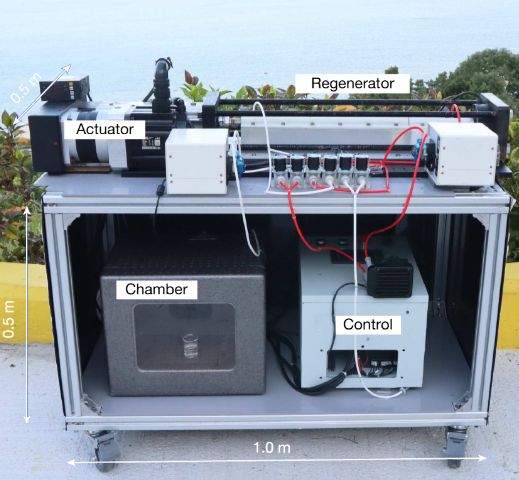
The entire assembled elastocaloric device. (Credit: Guoan Zhou, Nature, 2026)

So far one issue has been that reaching freezing temperatures was impossible, but a recently demonstrated solution (online PDF via IEEE Spectrum) using NiTi-based shape-memory alloys addressed that issue with a final temperature of -12°C achieved within 15 minutes from room temperature.

In the paper by [Guoan Zhou] et al. the cascade cooler is described, with eight stages of each three tubular, thin-walled NiTi structures. Each of these stages is mechanically loaded by a ceramic head that provides the 900 MPa mechanical stress required to transfer thermal energy via the stages from one side to the other of the device, alternately absorbing or releasing the energy with CaCl2 as the heat-exchange fluid.

NiTi alloys are known as about the ideal type of SMA for this elastocaloric purpose, so how much further this technology can be pushed remains to be seen. For stationary refrigeration applications it might just be the ticket, but we’ll have to see as the technology is developed further.

Advertisement

Source link

Advertisement
Continue Reading

Tech

LEGO Space Computer Made Full Size, 47 Years On

Published

on

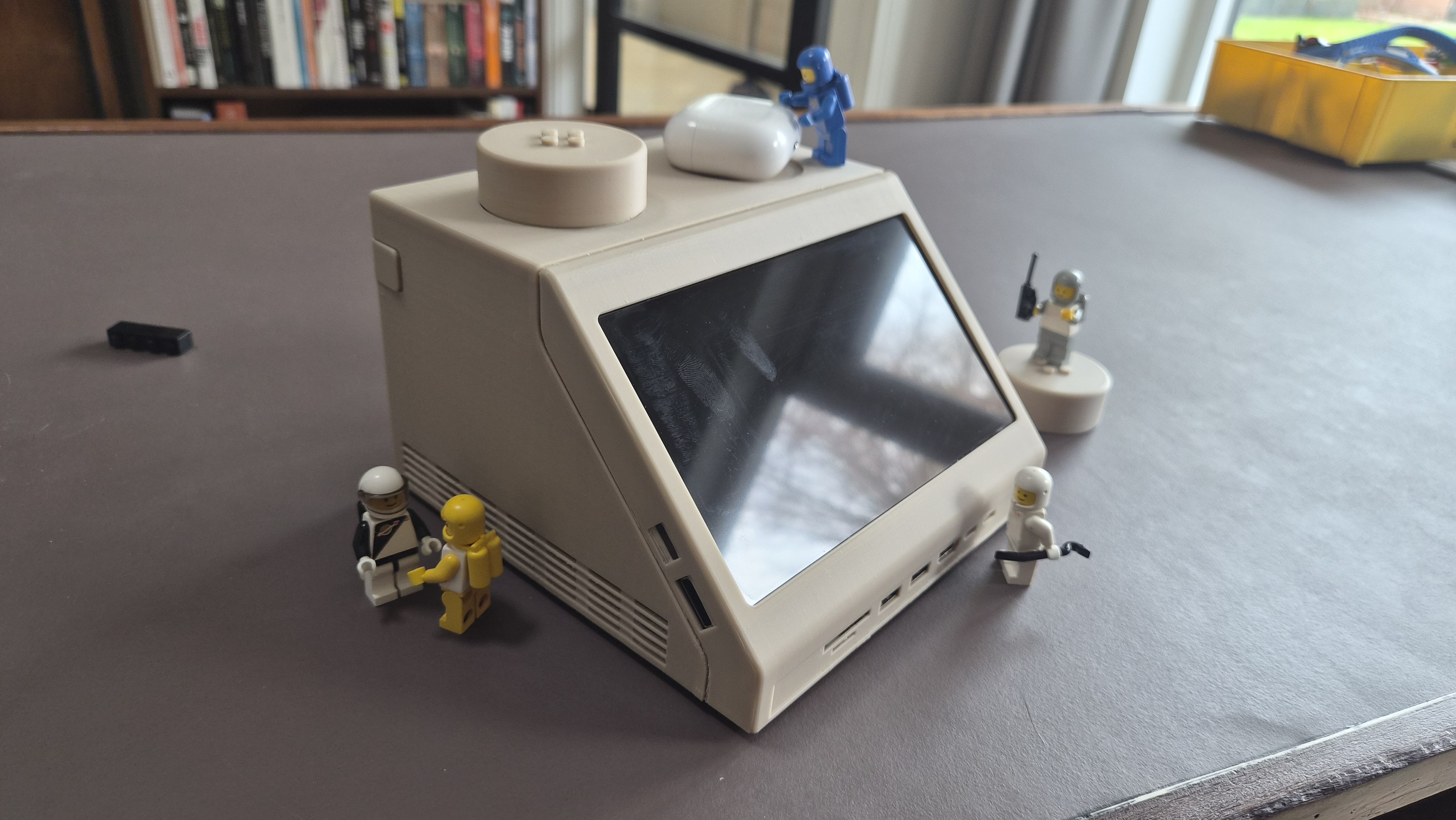
There’s just something delightful about scaled items. Big things shrunk down, like LEGO’s teeny tiny terminal brick? Delightful. Taking that terminal brick and scaling it back to a full-sized computer? Even better. That’s what designer [Paul Staal] has done with his M2x2 project.

In spite of the name, it actually has a Mac Mini M4 as its powerful beating heart. An M2 might have been more on-brand, but it’s probably a case of wanting the most horsepower possible in what [Paul] apparently uses as his main workstation these days. The build itself is simple, but has some great design details. As you probably expected, the case is 3D printed. You may not have expected that he can use the left stud as a volume control, thanks to an IKEA Symfonisk remote hidden beneath. The right stud comes off to allow access to a wireless charger.

The minifigs aren’t required to charge those airpods, but they’re never out of place.

The 7″ screen can display anything, but [Paul] mostly uses it either for a custom home assistant dashboard, or to display an equalizer, both loosely styled after ‘screen’ on the original brick. We have to admit, as cool as it looked with the minifigs back in the day, that sharp angle to the screen isn’t exactly ergonomic for humans.

Perhaps the best detail was putting LEGO-compatible studs on top of the 10:1 scaled up studs, so the brick that inspired the project can sit securely atop its scion. [Paul] has provided a detailed build guide and the STLs necessary to print off a brick, should anyone want to put one of these nostalgic machines on their own desk.

Advertisement

We’ve covered the LEGO computer brick before, but going the other way–putting a microcontroller and display in the brick it to run DOOM. We’ve also seen it scaled up before, but that project was a bit more modest in size and computing power.

Source link

Advertisement
Continue Reading

Tech

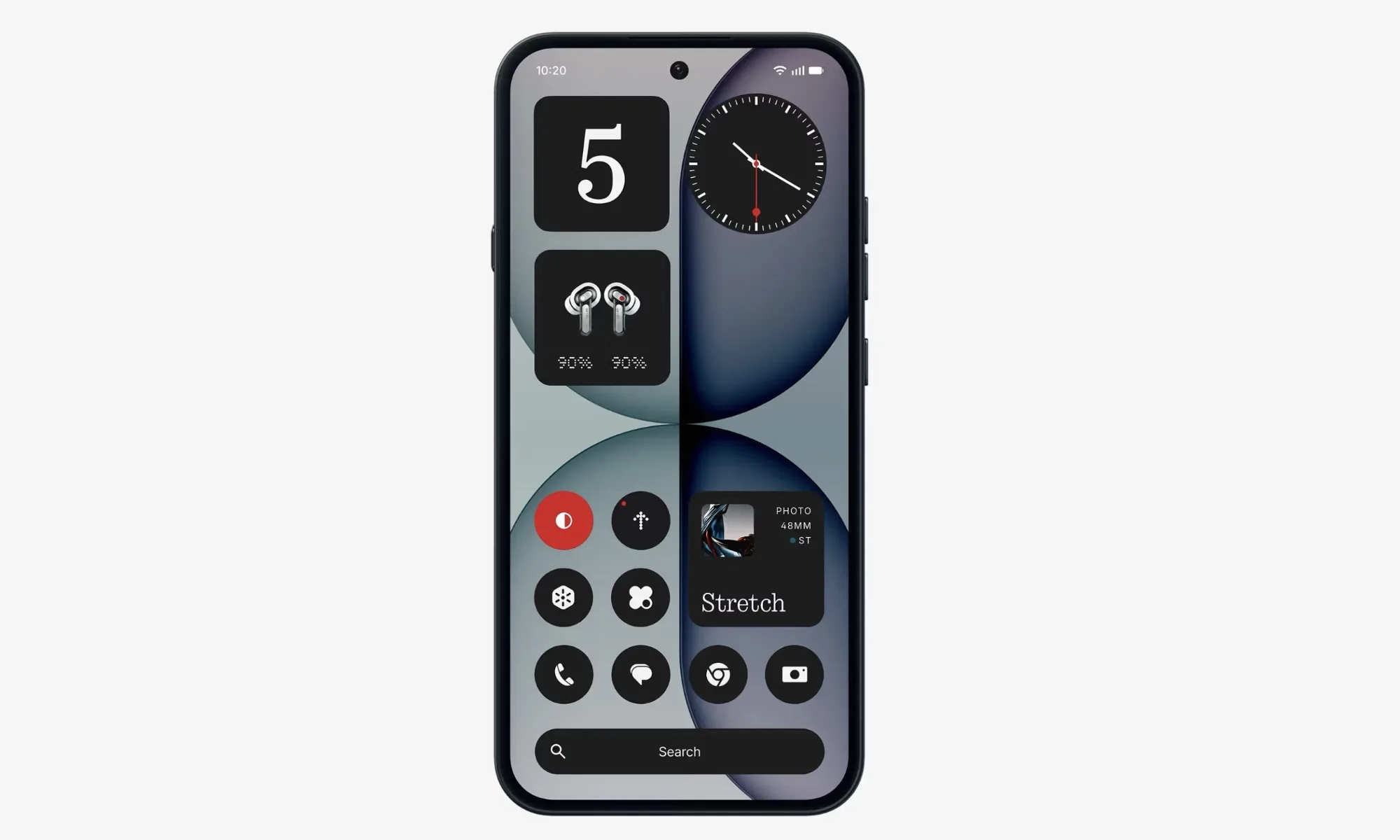
Nothing Phone 4a goes big on cameras and gets a breathing glyph bar

Published

on

Nothing has officially launched the Phone 4a alongside the Phone 4a Pro, and the company has positioned this as a phone for people who love to create. The star of the show is a brand new camera system, but there’s more under the hood than just upgraded lenses.

It’s all about the cameras with other minor improvements

The Phone 4a features a 50MP periscope camera with a 3.5x OIS sensor. You also get the familiar 50MP OIS main sensor, an ultra-wide, and a 32MP selfie camera. You get a zoom range from 0.6x to 70x, which is a significant upgrade. That said, we will have to test the camera to see how good the digital zoom actually is. 

The display is also slightly improved. It features a 6.78″ AMOLED display with 1.5K resolution (1224 × 2720) and 440 PPI pixel density and a peak brightness of 4500 nits. 

The Glyph Bar gets a major refresh. It now sports 63 mini LEDs across 7 square light zones. It can reach a peak brightness of 3500 nits, making it 40% brighter than before, with zero light leakage. Under the hood, you get the Snapdragon 7s Gen 4, UFS 3.1 storage, and a 5,080mAh battery with 50W fast charging.

On the software side, Nothing OS 4.1 brings a smarter lock screen, upgraded Live Notifications, and resizable Quick Settings, among a myriad of other improvements. There’s also Essential Space, now with cloud sync, so your notes, ideas, and captures follow you across devices.

How does it compare to the Phone 3a?

On paper, the upgrades over the Phone 3a are small but meaningful. The display jumps from 1080 × 2392 pixels to 1224 × 2720 pixels, peak brightness rises from 3,000 nits to 4,500 nits, and you also get better display protection with Corning Gorilla Glass 7i, a newer Qualcomm Snapdragon 7s Gen 4 chipset, and faster UFS 3.1 storage.

Advertisement

Price and availability

The Phone 4a will come in three configurations. The base model starts at £349 (~$465) and includes 8GB of RAM and 128GB of storage. The mid-tier model, priced at £379 (~$500), upgrades the storage to 256GB. The top-tier version, with 12GB of RAM and 256GB of storage, will cost £399 (~$533).

The Nothing Phone 4a goes up for pre-order beginning today, March 5, with open sales kicking off on March 13. While we’ve mentioned the approximate U.S. prices, Nothing is yet to confirm whether the Phone 4a will launch in the United States.

Source link

Advertisement
Continue Reading

Tech

The Trump Administration Just Admitted Its War On Law Firms Was A Bluff. The Cowards Who Folded Already Paid The Price.

Published

on

from the profiles-in-cowardice dept

We’ve said it over and over again on this site: when you stand up to the bully, the bully backs down. When you capitulate, you get nothing but a permanent stain and an invitation for more abuse.

And here we are again.

The Wall Street Journal is reporting that the Trump administration plans to abandon its defense of the executive orders sanctioning law firms that dared to represent clients the president didn’t like. The Justice Department is expected to drop its appeals of four separate trial-court rulings that struck down Trump’s actions against Perkins Coie, Jenner & Block, WilmerHale, and Susman Godfrey.

The fact that these attacks were legal losers is no surprise. We called this out as unconstitutional nonsense when Trump first started targeting law firms. The courts agreed, with judge after judge striking down the orders as unconstitutional retaliation. But it was at least a little surprising that the Trump admin just gave up on this fight, rather than continuing its losing streak. As the WSJ reports:

Advertisement

An ideological mix of judges ruled against the administration, saying the executive orders undermined bedrock principles of the U.S. legal system. In one decision, Judge Richard Leon, an appointee of President George W. Bush, said blocking the sanctions was necessary to preserve an “independent bar willing to tackle unpopular cases, however daunting.”

In another decision, Judge Beryl Howell, an appointee of President Barack Obama, said even more cuttingly, “This action draws from a playbook as old as Shakespeare, who penned the phrase: ‘The first thing we do, let’s kill all the lawyers.’”

So the firms that fought back—the ones that read the Constitution and believed it still meant something—won a total, complete victory. The administration folded. The executive orders are dead.

But, the story of the firms that fought and won is actually the less interesting part of this saga. The far more consequential story is about the firms that didn’t fight. The ones that looked at a blatantly unconstitutional executive order and decided the smart play was to grovel.

Led by Paul Weiss, nine large law firms decided to cut deals with the administration rather than challenge what was an obviously hollow legal threat. They promised nearly $1 billion in pro bono work for causes favored by the administration. They effectively paid a cowardice tax—tribute to a bully who, it turns out, had no actual leverage over them.

Advertisement

And what did they get for it?

While the administration lost its battle in court, the executive orders nonetheless put a lasting chill on the industry. Fear of the orders prompted nine large firms to make deals with the president, promising nearly $1 billion in pro bono work for causes favored by the administration. Many of the same firms that took a leading role opposing the Trump administration in court during his first term have shied away from taking on pro bono cases adverse to the government.

That “lasting chill” the WSJ describes is real, but it was from the law firms themselves, not the executive orders. By capitulating, those firms validated the threat and made it seem scarier than it ever actually was. Every firm that cut a deal told the world: “This threat is credible enough that we—supposedly the top lawyers in the country—would rather surrender than fight.” And by doing so, they made it harder for every other firm to stand up. They didn’t protect themselves. They weakened the entire profession.

As we said at the time, lawyers had one chance to pick which side of history they wanted to be on. Many chose poorly. And the consequences were immediate and tangible: even Trump-friendly companies refused to work with the firms that caved, because who wants to be represented by lawyers who demonstrated they’d fold under the flimsiest of pressure?

UCLA law professor Scott Cummings put it well in the WSJ piece:

Advertisement

“This affected the interest of big law firms doing what they normally do, to stand up for people without representation…. In that sense, Trump achieved something important that will linger.”

But I’d frame this differently than Cummings does. Trump didn’t “achieve” this. Paul Weiss and the other capitulators achieved it for him. Trump threw a blatantly unconstitutional punch, and instead of letting the courts block it (which they did, easily, for every firm that fought), these firms dove out of the way and handed him their lunch money. The “achievement” here belongs to institutional cowardice, not executive cunning. And that distinction matters, because it means the chilling effect on legal representation wasn’t an inevitable consequence of Trump’s power, but a choice.

This isn’t the first time we’ve seen this dynamic play out. Just a couple of months ago, the Trump administration quietly dropped its appeal in its effort to withhold education funding from colleges they deemed too “woke.” The administration had threatened to pull billions in funding from states and schools that refused to sign documents attesting they’d eliminated DEI programs. A federal judge struck it down on multiple grounds, including that it threatened educators’ free speech. The administration appealed… and then abandoned the appeal entirely.

The case was brought by the American Federation of Teachers, the American Sociological Association and a school district in Eugene, Ore. Randi Weingarten, president of the A.F.T., said the case was the most important of the 22 lawsuits that her union had filed, along with partner groups, against Mr. Trump in his second term, because of the precedent it would establish for limiting executive power.

“You cannot, by executive fiat, rewrite 60 years of educational opportunity,” Ms. Weingarten said in an interview, referring to the civil rights laws that protect students from racial discrimination in schools.

The American Federation of Teachers fought and won. But universities like Columbia and Cornell had already surrendered. They cut their own deals, gutted their own programs, and reorganized their institutions to appease an administration whose legal threats were, once again, built on sand. And just like with Paul Weiss, the capitulation didn’t buy them safety. Columbia folded and then the administration still threatened its accreditation.

Advertisement

Because that’s how bullies work. Giving in doesn’t satisfy them. It emboldens them.

The pattern across both stories is pretty clear. The Trump administration launches a legally dubious attack. Some institutions panic and fold. Others stand firm, go to court, and win. Then the administration quietly abandons the fight. And the institutions that folded are left sitting there, having paid a price—in money, in reputation, in institutional integrity—for a threat that was never going to survive judicial review.

The nearly $1 billion in “pro bono” commitments those law firms made is particularly galling now. That’s a billion dollars pledged to administration-favored causes, extracted through what amounted to a protection racket built on an unconstitutional executive order that the government itself just admitted it can’t defend. It doesn’t even matter if those law firms ever actually pony up that pro bono representation. The damage is already done. They told the world — and every future authoritarian who might be taking notes — that major American law firms can be rolled if you just threaten them loudly enough.

Meanwhile, the firms that fought are walking away with their reputations intact, their principles uncompromised, and a stack of lower-court rulings affirming what was obvious from the start: what the administration tried to do was unconstitutional. And critically, the administration quit before those cases could work their way up to a Supreme Court that has proven… let’s say flexible… in its willingness to bless executive overreach. We’ll never know if SCOTUS would have found some creative way to let these executive orders stand. But we do know this: the administration’s own lawyers apparently concluded that the answer wasn’t going to be favorable, or at minimum that the fight wasn’t worth having.

Advertisement

That’s the actual lesson here—but it’s narrower than “the system works.” The administration’s legal theory was so weak it couldn’t survive even the first round of judicial scrutiny. A DOJ that has proven willing to argue almost anything looked at these cases and decided it couldn’t defend them. That’s how hollow this threat was. The firms that fought won not because the whole machine is functioning properly—plenty of evidence suggests it isn’t—but because this particular attack was so constitutionally indefensible that contesting it in court was basically a formality. Which makes the capitulation all the more inexplicable: they surrendered to a threat that collapsed the moment anyone bothered to fight it.

For Paul Weiss and the others, that’s going to be a fun thing to explain to future clients.

Filed Under: doj, donald trump, law firms, trump administration

Companies: paul weiss, perkins coie

Advertisement

Source link

Continue Reading

Tech

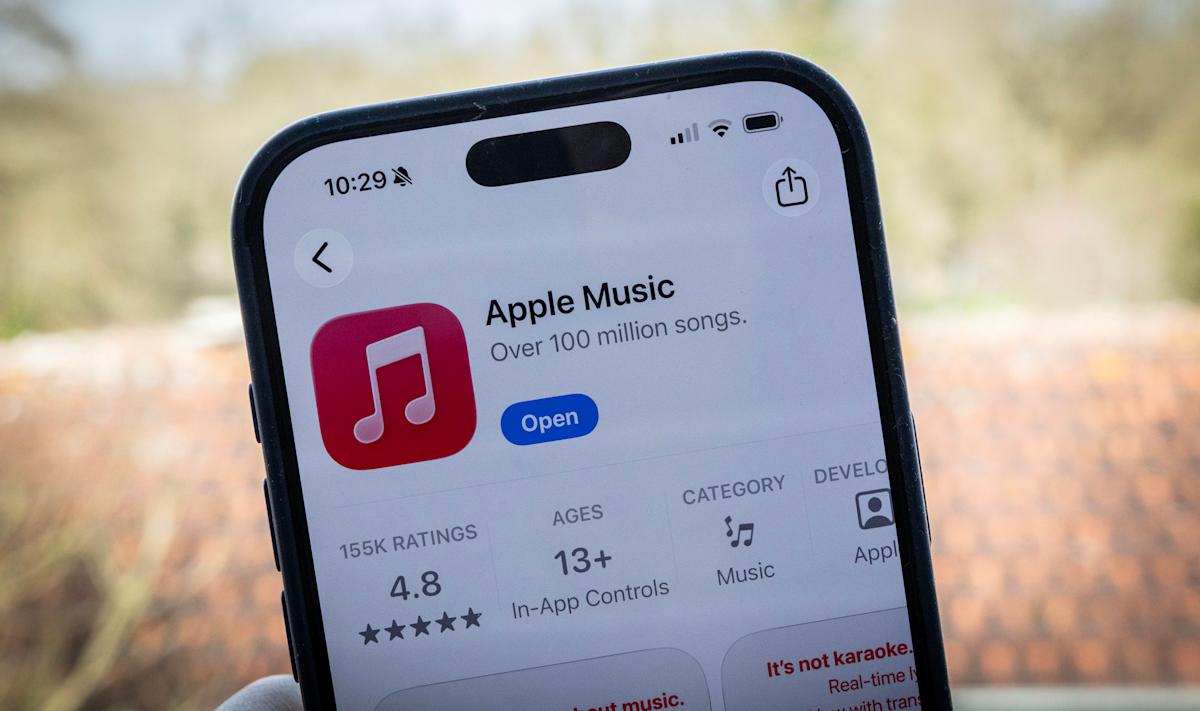
Apple Music can now flag AI content, but only if distributors elect to label it

Published

on

While music streaming apps like Bandcamp, Spotify and Deezer have taken steps to inform users about AI-generated content, we haven’t heard much out of Apple Music in that regard. However, Apple Music has now introduced “Transparency Tags” designed to show listeners if any elements were generated in whole or part by AI. The catch is that Apple is leaving it up to labels and distributors to create those tags, according to an Apple newsletter to industry partners seen by Music Business Worldwide..

“Proper tagging of content is the first step in giving the music industry the data and tools needed to develop thoughtful policies around AI, and we believe labels and distributors must take an active role in reporting when the content they deliver is created using AI,” Apple wrote, calling it a concrete first step toward transparency around artificial intelligence.

Streaming platforms already use metadata tags for things like song and album titles, genre and the name of the artist. The new tags will now identify any artwork, tracks, compositions and music videos created in whole or in part by AI.

However, Apple’s new system requires labels and distributors to opt in and manually flag their use of AI, a system that’s similar to what Spotify is doing. On top of that, Apple has no apparent enforcement mechanism for AI content.

Advertisement

By contrast, other music platforms including Deezer and Bandcamp are using in-house AI-detection tools to flag content whether the distributor opts in or not. Deezer disclosed in January 2026 that it receives over 60,000 fully AI-generated tracks every day, double the number it saw in September 2025. Synthetic content, also called “AI slop,” has accounted for 13.4 million tracks on its platform, Deezer added.

Source link

Continue Reading

Tech

Could the Trump administration rerun the TikTok playbook on Fortnite?

Published

on


A source familiar with the matter recently informed the Financial Times that top White House officials are discussing whether to force Tencent to divest its ownership stakes in American and Finnish game companies. Internal negotiations between Tencent and multiple US agencies date back to the first Trump administration, when the…
Read Entire Article
Source link

Continue Reading

Tech

Humble Games’ Former Bosses Buy the Studio’s Back Catalog

Published

on

Former Humble Games executives have reacquired the publisher’s catalog of more than 50 indie titles from Ziff Davis and relaunched their company as Balor Games. “For the developers we have worked with over the years, this moment is a reunion,” Balor Games CEO Alan Patmore wrote in a statement. “[It has] the same leadership and the same commitment to thoughtful publishing remain in place. What changes is our scale and our focus. Balor Games is built for inventors and backed by believers. To that end, it exists to be a seal of quality for independent games.” Engadget reports: The Humble Games lineup includes (among others) Slay the Spire, A Hat in Time, SIGNALIS, Forager, Coral Island, Monaco and Wizard of Legend. Separate from the Humble transaction, Balor also bought the complete catalog of Firestoke Games (which shut down last August) and publishing rights to Fights in Tight Spaces. In total, the young studio now owns the publishing rights to over 60 indie titles. Humble Games is separate from the Humble Bundle storefront. The latter is still owned by Ziff Davis.

The pair view the newly anointed Balor as a developer-friendly publishing house. As for its name, Balor is a supernatural being in Irish mythology. It’s sometimes depicted as having three eyes. Triple-eye, triple-I… Clever devils! The triple-I moniker is a more recent addition to the gaming lexicon. It typically means something defined by indie creativity and passion — with a budget far less than AAA but more than a tiny two-person passion project. (Balor says it’s about “high-quality, impactful games.”) You wouldn’t be blamed for wondering how that’s different from AA. But the slant here is to define the genre less by budget and more by “indie” intangibles. You can learn more about the company’s vision in an interview with GamesIndustry.biz.

Source link

Continue Reading

Trending

Copyright © 2025