Connect with us

Business

UK new car sales hit 20-year February high as electric vehicle market share falls

Published

on

UK new car sales hit 20-year February high as electric vehicle market share falls

New car sales in the UK surged to their highest February level in more than two decades, highlighting continued recovery in the automotive market. However, industry figures show the transition to electric vehicles is losing momentum, with the market share of fully electric cars falling for the second consecutive month.

According to data compiled by the Society of Motor Manufacturers and Traders (SMMT), more than 90,000 new vehicles were registered across Britain in February. The figure marks the strongest February performance since 2004, reflecting improved supply chains, pent-up consumer demand and stronger dealer incentives following several years of disruption across the automotive sector.

Despite the broader rebound in vehicle sales, the uptake of battery electric vehicles (BEVs) has shown signs of slowing. A total of 21,840 fully electric cars were registered during the month, representing a modest year-on-year increase of 2.8 per cent, equivalent to just 596 additional vehicles compared with February 2025.

However, because the wider market expanded more quickly than electric sales, the overall share of battery-powered vehicles fell to 24.2 per cent of new registrations, down from 25.3 per cent in the same month last year. The decline marks the second consecutive monthly fall in EV market share and raises questions about the pace of the UK’s transition away from petrol and diesel vehicles.

Industry leaders warn that current adoption rates remain significantly below the trajectory needed to meet the government’s long-term decarbonisation targets for the automotive sector.

Advertisement

The UK’s Zero Emission Vehicle mandate requires manufacturers to increase the proportion of zero-emission vehicles they sell each year, with a target of roughly one-third of new car sales being electric by the mid-2020s.

However, February’s 24.2 per cent EV share remains well short of the government’s 33 per cent benchmark, prompting calls from industry groups for ministers to reconsider elements of the policy framework.

Mike Hawes, chief executive of the SMMT, said the figures showed that while the car market was recovering strongly, the transition to electric mobility was progressing more slowly than expected.

“The UK’s new car market is continuing to recover and electric volumes are growing too, even if market share remains disappointing,” Hawes said.

Advertisement

He added that the gap between current demand and government targets suggested policymakers needed to reassess the design of the ZEV mandate and the broader incentives available to consumers.

Industry analysts say several factors continue to slow the pace of EV adoption, including higher upfront vehicle costs, concerns about charging infrastructure and uncertainty around long-term running costs.

Although battery prices have fallen in recent years, electric vehicles still typically carry a price premium compared with equivalent petrol models. For many households already under pressure from the cost-of-living crisis, that difference remains a major barrier to switching.

Charging infrastructure also remains unevenly distributed across the UK. While urban centres have seen rapid growth in public charging networks, drivers in rural areas and those without access to off-street parking often face practical challenges when considering an EV.

Advertisement

These issues are particularly acute for renters and residents of flats, who may struggle to install home charging points.

Supporters of the electric transition argue that government incentives and infrastructure investment are beginning to improve the landscape for drivers considering the move to electric mobility.

Hive director of EV and solar Susan Wells said February’s figures still represented a positive signal for long-term adoption.

“February’s new car registrations mark a strong start to the year for electric vehicle adoption, as more drivers embrace electric and the UK becomes increasingly geared towards sustainable travel,” she said.

Advertisement

She added that recent government decisions to expand EV charging grants could help address some of the barriers facing drivers.

“The government’s decision to increase EV chargepoint grants is a welcome step in the right direction, particularly for renters, flat owners and households without driveways who have faced real barriers to accessing home charging.”

Expanded investment in public charging infrastructure is also expected to play a role in boosting confidence among prospective EV buyers.

The overall strength of February’s new car registrations reflects broader recovery in the UK automotive market following several difficult years marked by pandemic disruption, semiconductor shortages and supply chain bottlenecks.

Advertisement

During 2020 and 2021, new vehicle registrations fell sharply as lockdowns disrupted dealerships and manufacturing output. Production constraints continued into 2022 and 2023 as the global semiconductor shortage restricted the number of vehicles manufacturers could deliver.

More stable supply chains in 2025 and early 2026 have helped the market regain momentum, allowing manufacturers to deliver long-delayed orders and increase showroom stock levels.

Discounting and promotional finance offers have also helped stimulate demand among buyers who delayed replacing vehicles during the previous downturn.

Despite the recent dip in EV market share, analysts broadly expect electric vehicles to continue expanding their presence in the UK car market over the coming years.

Advertisement

Automakers are investing billions of pounds into new electric models, while battery costs are expected to fall further as manufacturing scales up globally.

At the same time, the UK government plans to phase out sales of new petrol and diesel cars by the end of the decade, reinforcing the long-term shift toward zero-emission vehicles.

However, industry leaders say that without stronger consumer incentives, improved charging infrastructure and clearer policy support, the pace of adoption may struggle to keep up with regulatory targets.

For now, February’s figures highlight a paradox within the UK automotive sector: the car market itself is recovering strongly, but the transition to electric mobility remains slower than policymakers had hoped.

Advertisement

Jamie Young

Jamie Young

Jamie is Senior Reporter at Business Matters, bringing over a decade of experience in UK SME business reporting.
Jamie holds a degree in Business Administration and regularly participates in industry conferences and workshops.

When not reporting on the latest business developments, Jamie is passionate about mentoring up-and-coming journalists and entrepreneurs to inspire the next generation of business leaders.

Advertisement
Continue Reading
Click to comment

Leave a Reply

Your email address will not be published. Required fields are marked *

Business

Fiber trending forward

Published

on

Fiber trending forward

Hot on the heels of the protein trend, fiber is making its way to the forefront of consumer diets.

Continue Reading

Business

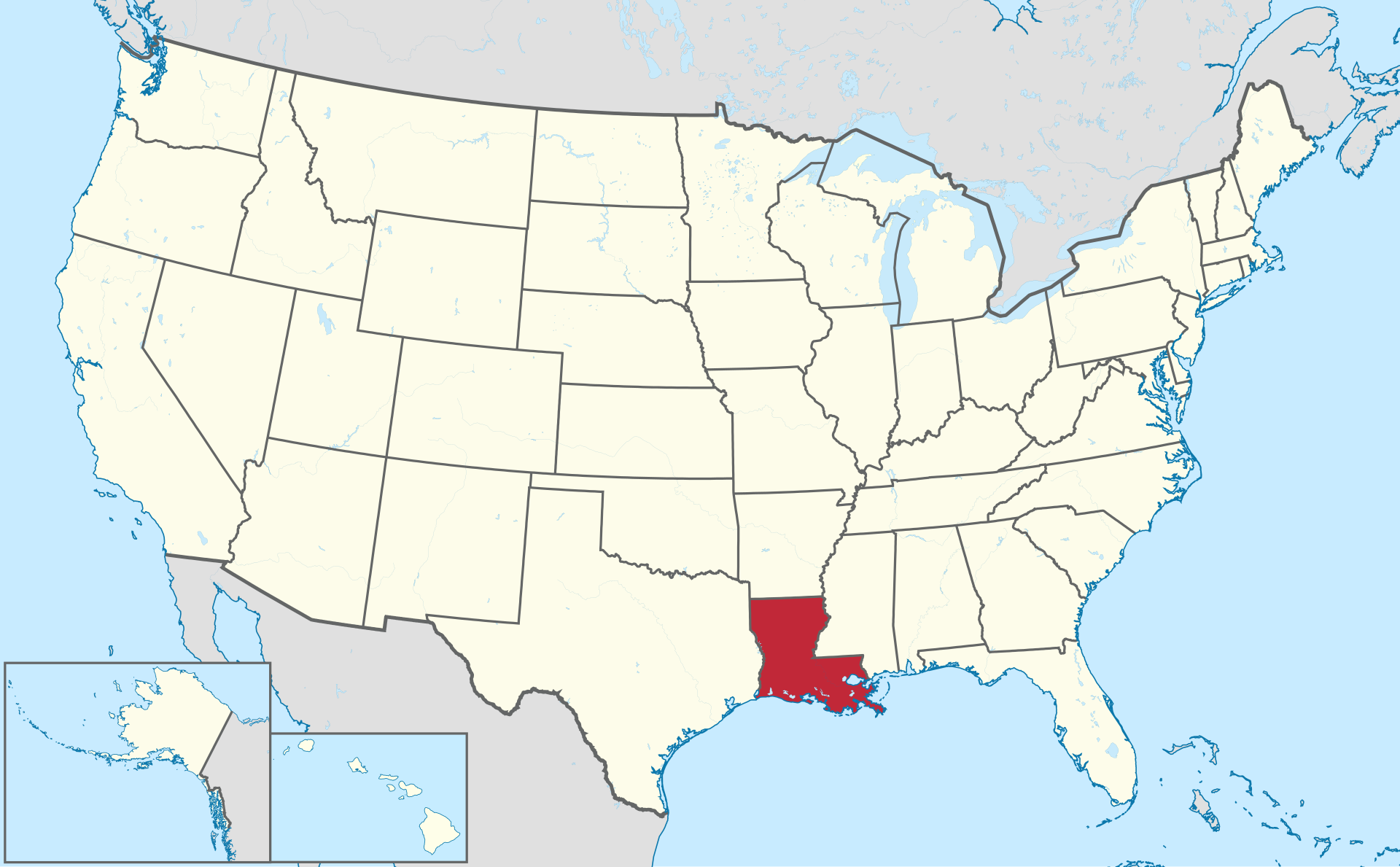
Rare 4.9 Magnitude Earthquake Rattles Louisiana, Second-Strongest in History

Published

on

Louisiana Earthquake: Rare 4.9 Magnitude Earthquake Rattles Louisiana, Second-Strongest in

A magnitude 4.9 earthquake struck northwestern Louisiana early Thursday, March 5, 2026, awakening residents across the region and marking the second-strongest recorded tremor in the state’s history, according to the U.S. Geological Survey.

Louisiana Earthquake: Rare 4.9 Magnitude Earthquake Rattles Louisiana, Second-Strongest in
Louisiana Earthquake: Rare 4.9 Magnitude Earthquake Rattles Louisiana, Second-Strongest in History

The quake hit at approximately 5:30 a.m. CST (6:30 a.m. EST), with its epicenter located about 6 miles west of Edgefield in Red River Parish, roughly 36-40 miles south-southeast of Shreveport. The USGS initially reported the magnitude as 4.4 before upgrading it to 4.9 based on refined data. The shallow depth of about 3-5 miles (5-10 km) contributed to widespread felt shaking despite the moderate size.

Residents from Shreveport and Bossier City to Coushatta and beyond described noticeable jolts that rattled windows, shook furniture, rattled pipes and briefly disrupted sleep. Social media flooded with reports of “the house shaking like a truck hit it” and questions about whether it was a train, explosion or genuine seismic event. The tremor was felt across much of northern Louisiana and into parts of eastern Texas, with some accounts extending to areas near Texarkana.

No immediate reports of serious injuries, structural collapses or major infrastructure damage emerged by midday Thursday. Emergency management officials in Red River, Bossier and Caddo parishes activated protocols to assess buildings, bridges and utilities, but preliminary surveys indicated only minor issues such as cracked drywall or dislodged items in homes. The USGS issued a green alert for the event, signaling a low probability of casualties or significant economic losses from shaking.

Seismologists noted the rarity of such an event in Louisiana, a state not typically associated with frequent or powerful earthquakes. The Pelican State’s seismic history is dominated by smaller events, often linked to the regional fault systems or induced activity from oil and gas operations in some cases. The previous strongest quake was a magnitude 5.3 event off Grand Isle in southern Louisiana on Feb. 9, 2006 — an offshore tremor tied to different tectonic dynamics.

Advertisement

Thursday’s quake ranks as the strongest inland earthquake in Louisiana records and the most powerful to affect the Shreveport area in decades. It surpasses recent minor activity in the region, including a 2.9 magnitude event near Coushatta in late February 2026 and several 2.6-3.1 tremors since late 2025. The area’s geology includes parts of the stable interior of the North American plate, but proximity to the New Madrid Seismic Zone to the north and Gulf Coast subsidence features can allow occasional felt events.

Experts from the USGS and local universities emphasized that while the quake was significant for the area, it remains below thresholds typically associated with widespread destruction. “Magnitude 4.9 events produce strong shaking near the epicenter but rarely cause major damage unless structures are particularly vulnerable,” one seismologist commented in initial briefings. The event’s shallow focus amplified intensity, leading to “moderately strong” perceived shaking (Modified Mercalli Intensity V-VI) close to the epicenter.

Local officials urged residents to check for gas leaks, inspect chimneys and report any structural concerns to authorities. The Red River Parish Sheriff’s Office and Louisiana State Police coordinated response efforts, while the National Weather Service and emergency broadcasters disseminated safety information. No tsunami risk existed, given the inland location.

The quake prompted a surge in “Did You Feel It?” submissions to the USGS website, helping refine intensity maps. Community reactions ranged from surprise to curiosity, with some longtime residents recalling faint tremors in past years but nothing of this caliber. Social media posts included videos of swaying light fixtures and personal accounts from as far as 100 miles away.

Advertisement

Geologists continue monitoring for aftershocks, which are possible but expected to be minor. As of early March 6, 2026 (KST — corresponding to late March 5 evening local time), no significant follow-up events had been recorded, though small aftershocks below magnitude 2.0 may go undetected without sensitive instruments.

This event underscores Louisiana’s occasional seismic vulnerability, even in areas considered low-risk. State emergency preparedness officials used the occasion to remind residents of basic earthquake safety: drop, cover and hold on during shaking, and secure heavy objects to prevent hazards in future incidents.

As investigations into the quake’s precise cause continue — potentially natural tectonic stress or linked to regional subsurface activity — northwest Louisiana returned to normalcy Thursday afternoon. Schools, businesses and transportation operated without major disruptions, though the morning’s rare rumble left an impression on a region more accustomed to hurricanes and floods than earthquakes.

The 4.9 magnitude tremor serves as a reminder of nature’s unpredictability, even in stable continental interiors. Authorities and scientists will analyze data in coming days to better understand this unusual addition to Louisiana’s seismic catalog.

Advertisement

Continue Reading

Business

AST SpaceMobile: A Bold Bet On Space Networks

Published

on

AST SpaceMobile: A Bold Bet On Space Networks

AST SpaceMobile: A Bold Bet On Space Networks

Continue Reading

Business

H2O America: Growing, But Not Growing For Investors (NASDAQ:HTO)

Published

on

H2O America: Growing, But Not Growing For Investors (NASDAQ:HTO)

This article was written by

The Value Investor has a Master of Science with specialization in financial markets and a decade of experience tracking companies via catalytic company events.
As the leader of the investing group Value In Corporate Events they provide members with opportunities to capitalize on IPOs, mergers & acquisitions, earnings reports and changes in corporate capital allocation. Coverage includes 10 major events a month with an eye towards finding the best opportunities. Learn more.

Analyst’s Disclosure: I/we have no stock, option or similar derivative position in any of the companies mentioned, and no plans to initiate any such positions within the next 72 hours. I wrote this article myself, and it expresses my own opinions. I am not receiving compensation for it (other than from Seeking Alpha). I have no business relationship with any company whose stock is mentioned in this article.

Seeking Alpha’s Disclosure: Past performance is no guarantee of future results. No recommendation or advice is being given as to whether any investment is suitable for a particular investor. Any views or opinions expressed above may not reflect those of Seeking Alpha as a whole. Seeking Alpha is not a licensed securities dealer, broker or US investment adviser or investment bank. Our analysts are third party authors that include both professional investors and individual investors who may not be licensed or certified by any institute or regulatory body.

Advertisement
Continue Reading

Business

Funding plan to accelerate office, lab and industrial developments in Liverpool City Region

Published

on

Business Live

Combined Authority aims to tackle shortages of lab space and Grade A offices

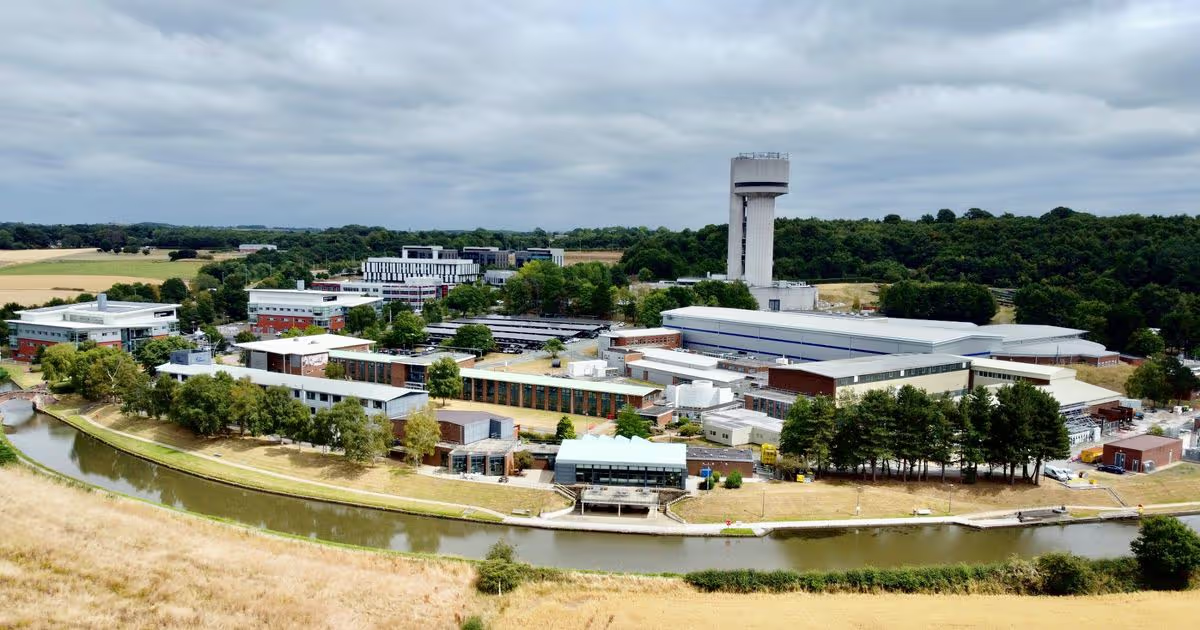
Sci-Tech Daresbury, in Halton, is one of Liverpool City Region's key tech hubs

Sci-Tech Daresbury is one of Liverpool City Region’s key tech hubs(Image: STFC)

Liverpool City Region Combined Authority has announced new funding for property developments to help meet demand for lab space and to tackle the shortage in Grade A office supply. Authority bosses say the funding is designed to “help address key market failures” analysed in the city region’s growth plan for 2025-2035.

Studies show the city region has a “significant demand” for laboratory space, a shortage of Grade A office supply, and a need for more “high-quality industrial accommodation”. The funding launched today has been designed to unlock inward investment and to encourage developers to provide that space.

This round will focus on backing “capital land and property projects that support sector-led clusters”, and on backing schemes where there are “demonstrative viability gaps”. The authority plans to launch more such funding calls in the months and years ahead.

The funding call runs from today until midday on April 1 and focuses on three priority areas.

Advertisement

Grade A Office Space: The CA is “seeking to invest in projects which deliver a minimum 60,000 sq. ft of new or refurbished commercial floorspace which can meet the needs of existing occupiers and support business growth in the Central Business District”.

Specialist Laboratory Space: The authority is looking to invest in schemes “which deliver new or refurbished Category 1 or 2 laboratory space, clean room space and ‘write up’ facilities which can support the growth of high potential start-ups in the Liverpool City Region. This will require delivery of at least 40% of overall floor space for laboratory or clean room uses, which contributes to the Health & Life Sciences sector”.

Premium Industrial Units: The CA is looking to invest in new or refurbished units “to support the growth of the region’s advanced manufacturing sector”.

Cllr Mike Wharton, Liverpool City Region’s cabinet member for business, investment and trade, said: “Unlocking high quality land and property is fundamental to the future of the Liverpool City Region. These new funding calls will accelerate the development of the modern offices, laboratories and industrial space our growing sectors need.

Advertisement

“This is about creating the right conditions for businesses to innovate, invest and expand, so that our communities continue to benefit from more jobs, more opportunities and a stronger, more resilient economy.”

To find all the planning applications, traffic diversions, road layout changes, alcohol licence applications and more in your community, visit the Public Notices Portal.

Continue Reading

Business

Chevron warns Newsom California regulations risk 500K jobs and gas price hikes

Published

on

Chevron warns Newsom California regulations risk 500K jobs and gas price hikes

Chevron is sounding a dire alarm, warning California Gov. Gavin Newsom and state regulators that newly proposed “cap-and-invest” amendments are a death knell for California’s remaining refineries.

The energy giant warns the move will kill more than half a million jobs, threaten national security and spike gas prices by more than a dollar per gallon — all to fuel a state-run “shakedown” of the energy sector — in a letter addressed to Newsom and obtained by The California Globe.

Advertisement

“The proposed regulation will cripple the survivability of the state’s remaining refineries, which will result in California losing the entire industry to this misguided program,” Chevron President Andy Walz wrote.

“This regulation will increase transportation and aviation fuel prices for consumers. It will risk significant job losses, including many high-paying union jobs, while reducing funding for essential public services,” he continued. “It will upend California’s fuels market and threaten critical energy and national security assets.”

U.S. ‘SITTING ON SIGNIFICANT PROVEN RESERVES’: ANALYST SAYS AMERICA CAN WITHSTAND IRAN ENERGY SHOCK

The California Air Resources Board (CARB) is aiming to make companies cleaner by aggressively lowering the cap on how much total pollution is allowed in the state. Specifically, the board is proposing to pull 118.3 million allowances out of the state’s market between 2027 and 2030 and has more recently increased its carbon reduction target to 90% by 2045.

Advertisement
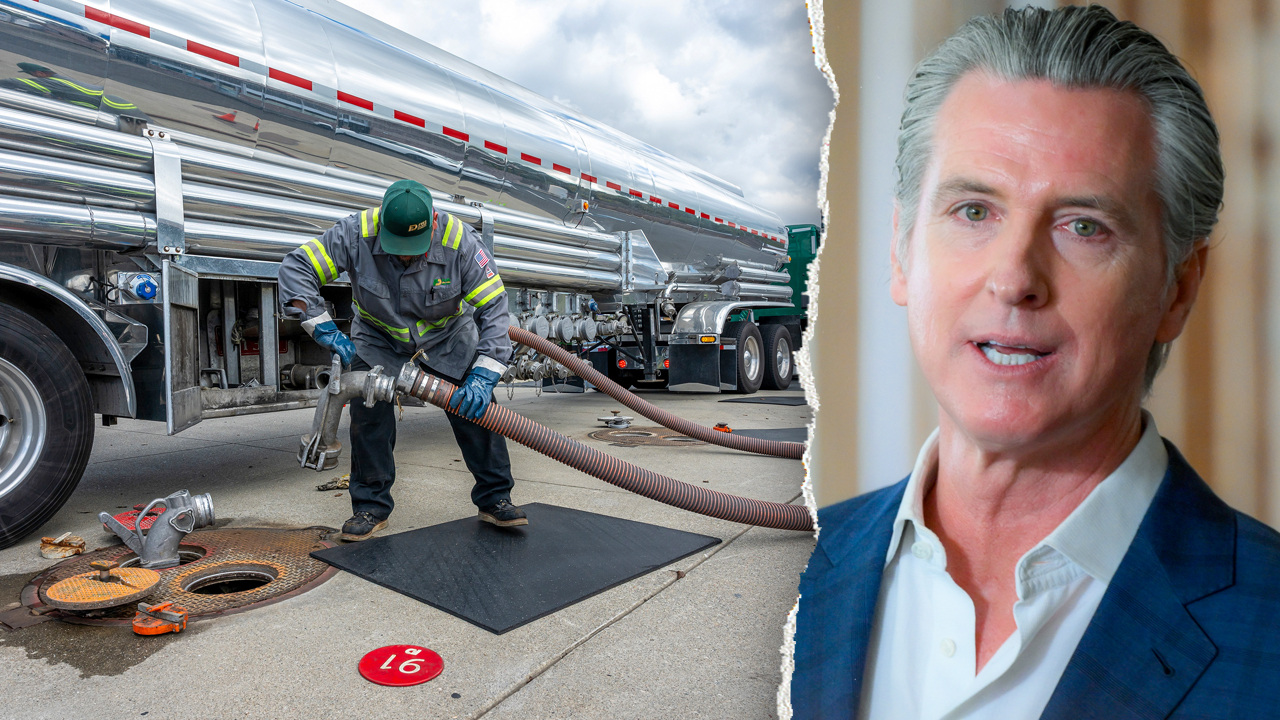
Chevron gas station and Gavin Newsom

Chevron’s president wrote a strongly worded letter addressed to California Gov. Gavin Newsom over proposed energy regulations. (Getty Images)

Walz warns that the green energy agenda comes with a price tag for working families, writing that Chevron projections show a $1 increase per gallon of gas by 2030 and an estimated 536,770 industry jobs at risk.

California already has the highest gas prices in the nation, with the current state average listed at $4.81 per gallon, according to AAA. The national average, by comparison, is $3.25 as of March 4.

In some California counties, gas costs as much as $5.74 per gallon.

“These impacts will fall most heavily on lower-income households that spend a disproportionate share of income on transportation fuels, increasing costs without addressing the underlying driver of California’s gasoline prices,” Walz said. “Affordability is a top concern for California’s residents and Chevron, and these proposed amendments would only exacerbate the high cost of living in the state.”

Advertisement

Walz frames this not only as a local issue but as a threat to the energy stability of the entire United States.

“Refinery closures in California reduce fuel supply resilience on the West Coast, increasing risks to military readiness and national security,” Walz cautioned. “Maintaining a stable policy framework that supports continued operation of California refineries is therefore not only an economic and consumer affordability issue, but also a matter of broader energy security and national defense.”

CARB is also reportedly exempt from standard open-meeting rules, allowing it to manage billions of dollars in carbon auctions behind closed doors.

Advertisement

“The California energy industry’s economic, industrial, environmental and national security benefits have been the foundation of a healthy, prosperous state and nation. Adversarial policies at local, regional and state levels have eroded that foundation,” Walz said.

GET FOX BUSINESS ON THE GO BY CLICKING HERE

“These proposed regulatory changes threaten to destroy it. Chevron urges policymakers and regulators to reconsider and revise the proposed regulation before it causes lasting and irreversible harm to California’s economy and energy security and broader vital American interests,” he concluded.

Advertisement

Newsom’s office did not immediately respond to Fox News Digital’s request for comment.

READ MORE FROM FOX BUSINESS

Continue Reading

Business

Ferrellgas Partners, L.P. (FGPR) Q2 2026 Earnings Call Transcript

Published

on

OneWater Marine Inc. (ONEW) Q1 2026 Earnings Call Transcript

Operator

Good morning, ladies and gentlemen, and welcome to the Ferrellgas Partners, L.P. Q2 2026 Earnings Conference Call.

[Operator Instructions]

I would now like to turn the call over to Michelle Maggi, Vice President, Corporate Affairs. Please go ahead, Michelle.

Advertisement

Michelle Maggi
Vice President of Corporate Affairs

Thank you, Jonathan. Good day, everyone. Thank you for joining us today for our second quarter 2026 earnings conference call. We released this morning pre-market our earnings. If you haven’t seen it yet, you can find it on our website under the Investor Relations tab at ferrellgas.com.

With me today is Tamria Zertuche, our President and Chief Executive Officer, and Nick Heimer, Ferrellgas’ Vice President and Corporate Controller. Today’s call includes prepared remarks where Tamria and Nick will go over our second quarter results for fiscal 2026, concluding with responses to previously submitted questions.

Advertisement

Please note that this call may contain forward-looking statements as determined by federal securities laws. For this purpose, any statements made during this call that are not statements of historical facts may be deemed forward-looking statements. These statements may be affected by important factors set forth in our filings with the Securities and Exchange Commission and in our latest earnings release. As a result, actual operations or results may differ materially from the results discussed in any forward-looking statements. We undertake no obligation to publicly update any forward-looking statements except to the extent required by law.

In addition, please refer to the Form 8-K earnings release to find disclosures and reconciliations of non-GAAP financial measures that may be referenced

Advertisement
Continue Reading

Business

Trump cuts federal workforce by 12% through government efficiency push

Published

on

Trump cuts federal workforce by 12% through government efficiency push

President Donald Trump and the Department of Government Efficiency’s (DOGE) efforts to reduce the federal government’s workforce were seemingly reflected in recently released data from the U.S. Office of Personnel Management (OPM).

The OPM’s data shows that the government’s civilian workforce shrank by 12% between September 2024 and January 2026, going from a headcount of 2,313,216 to 2,035,344.

Advertisement

Separate data, also released by the OPM, shows that the majority of employees who left during that time did so voluntarily rather than being forced out, Reuters reported. The outlet also noted that administrative staff, customer service representatives and IT managers were at the top of the list of positions that left once Trump returned to office.

DOGE DEVELOPS INNOVATIVE AI TOOL TO ELIMINATE UNNECESSARY FEDERAL REGULATIONS

Donald Trump

President Donald Trump smiles during a roundtable on the Ratepayer Protection Pledge in the Indian Treaty Room at the Eisenhower Executive Office Building on the White House campus on March 4, 2026. (Andrew Caballero-Reynolds/AFP via Getty Images)

“Reshaping the federal workforce is essential to building a government that works for the American people, not the bureaucracy. By realigning roles, streamlining operations, and modernizing how agencies manage talent, we are strengthening performance and accountability across government. This effort ensures taxpayer dollars support a workforce that delivers efficient, responsive, and high-quality services,” OPM Director Scott Kupor told Fox Business.

During his 2024 campaign, Trump spoke about his desire to slash the government workforce through the creation of a new department, which would later be known as DOGE. The main backer of the idea, and the person who led the team until leaving the administration in May 2025, was billionaire Tesla CEO Elon Musk.

Advertisement
Elon Musk

Elon Musk during a news conference with President Donald Trump in the Oval Office of the White House on May 30, 2025. (Francis Chung/Politico/Bloomberg via Getty Images)

TREASURY AND GSA LAUNCH SAVE PROGRAM TO REWARD EMPLOYEES UP TO $10K FOR SAVING TAXPAYER DOLLARS

Musk championed the idea during his appearance at a Trump rally in Madison Square Garden in late October, just days before the 2024 election.

“Your money is being wasted, and the Department of Government Efficiency is going to fix that. We’re going to get the government off your back and out of your pocketbook,” he told the crowd.

On his first day in office, Trump signed an executive order establishing DOGE as a temporary organization, giving it an expiration date of July 4, 2026. The order kicked off a temporary hiring freeze and the implementation of a hiring plan that restricted agencies to hiring one new employee for every four that departed.

Advertisement
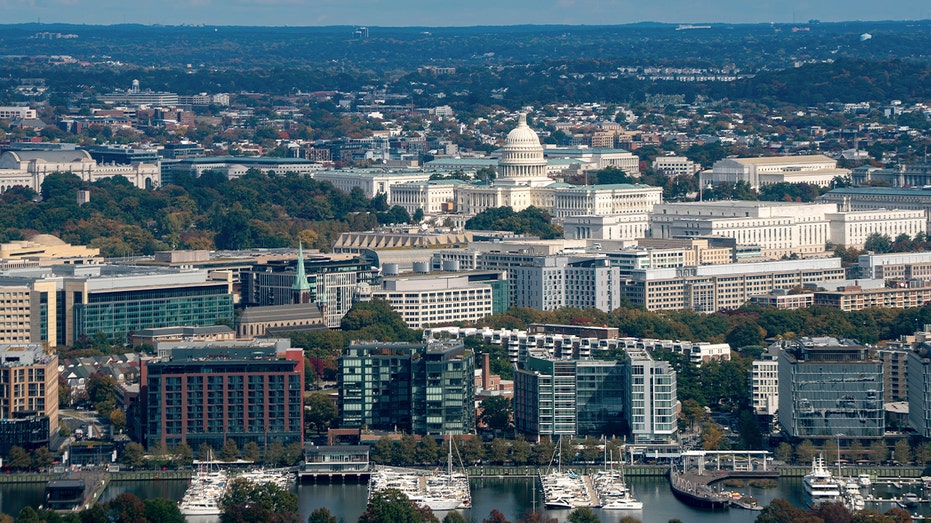
Washington, DC

An aerial view of the U.S. Capitol on Oct. 26, 2025, in Washington, D.C. (Al Drago/Getty Images)

GET FOX BUSINESS ON THE GO BY CLICKING HERE

Fox News Digital reached out to OPM and the White House for comment.

Continue Reading

Business

Regenerative agriculture benefits crops and biodiversity

Published

on

Regenerative agriculture benefits crops and biodiversity

BakingTech 2026 talk explains how regenerative agriculture works and its many benefits.

Continue Reading

Business

Netflix acquires Ben Affleck’s AI film-tech firm

Published

on

Netflix acquires Ben Affleck’s AI film-tech firm


Netflix acquires Ben Affleck’s AI film-tech firm

Continue Reading

Trending

Copyright © 2025