Uphill station would be on line to Weston-super-Mare
John Wimperis and Local Democracy Reporter
17:00, 05 Mar 2026
Campaigners say the reopened station should be on the loop line(Image: PA)
Councillors have been urged to press for the reopening of a forgotten railway station in Weston-super-Mare.
Advertisement
After the Bristol to Exeter main line passes through Worle, a loop line forks off and stops at Weston Milton and at Weston-super-Mare railway station in the town centre. But there is a fourth long since forgotten railway station which once served the town and that campaigners are now suggesting should reopen.
The Bristol Rail Campaign said that a reopened Uphill railway station could serve Weston Hospital, the Weston College’s Loxton campus, the nearby estates, and provide access to Uphill Beach and local walks. The group’s campaigns lead Christina Biggs suggested to a North Somerset Council scrutiny panel on February 26 that the council should press the West of England Combined Authority (WECA) for the funding to reopen the station if it becomes a member.
The original Uphill railway station opened in 1871, just south of the cutting through the hill crossed by Devil’s Bridge. It was followed in 1884 by Uphill Junction railway station, which opened just north of the cutting. The Bristol Rail Campaign are suggesting that a new Uphill station should be in a slightly different location so that it is on the loop line serving Weston Milton and Weston-super-Mare.
Ms Biggs said: “The idea then is that you are not holding anything up on the mainline. You are just using the local trains that would stop at Weston Milton, Worle, and Weston-super-Mare.”
Advertisement
North Somerset Council is expected to join WECA by the end of the year or early 2027, with a public consultation on the plan currently running until April 10. WECA has millions of pounds of transport funding and Ms Biggs said the council should press for some of this to be spend on a feasibility study on opening a new Uphill railway station. She said: “It’s something you could quite reasonably ask of WECA as an introductory thing/taster.”
WECA is already helping to fund the reopening of the Portishead Railway at the other end of North Somerset, which after a decades long campaign is expected to reopen in 2028. Ms Biggs said: “Uphill is pretty minor because its on an existing line. You don’t have any of the problems of the Portishead Line.”
North Somerset Council is yet to debate or decide whether Uphill railway station is a project it wants to pursue.
The Big Money Show breaks down new IRS limits for 401(k)s and IRAs, giving savers more room to invest for retirement.
A record number of Americans tapped into their 401(k) retirement savings for hardship withdrawals last year due to financial challenges, new data shows.
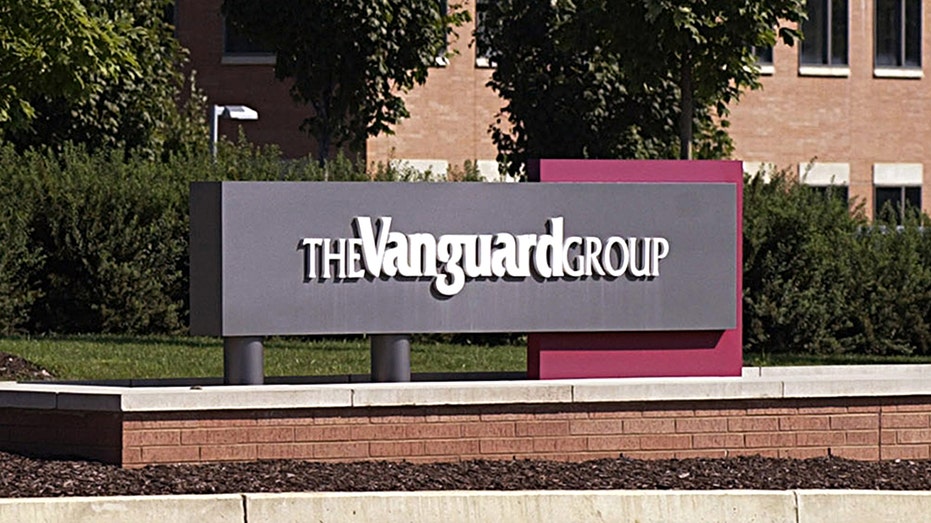
Vanguard Group reported that 6% of participants in 401(k) plans administered by the firm took hardship withdrawals in 2025, up from 4.8% in 2024.
Advertisement
That figure is also well above the prepandemic average of about 2% of 401(k) plan participants per year who made hardship withdrawals from their retirement plans, Vanguard said.
The report noted that hardship withdrawals can be a sign of financial stress as workers tap into their 401(k) as a safety net that can help them cover unanticipated expenses or emergency costs.
IRA hardship withdrawals trended higher in 2025 as some savers encountered financial stress, Vanguard found. (iStock)
Vanguard added that the process for requesting a hardship withdrawal from 401(k) plans has become easier to do, which could explain the uptick in withdrawal activity.
Advertisement
“Given that it’s now easier to request a hardship withdrawal and that automatic enrollment is helping more workers save for retirement, especially lower-income workers, a modest increase isn’t surprising,” the firm wrote.
“And for a small subset of workers facing financial stress, hardship withdrawals may serve as a safety net that may not otherwise have been available without plan-implemented automatic solutions,” Vanguard continued.
Vanguard’s report found that foreclosures, eviction and medical expenses were the leading reasons for 401(k) hardship withdrawals. (Mike Mergen/Bloomberg via Getty Images)
Avoiding foreclosures, eviction and medical expenses were the leading reasons that 401(k) participants made hardship withdrawals, while the median size of the withdrawal was $1,900, according to Vanguard.
Advertisement
The report found that participants were focused on financial goals throughout 2025 and saw average account balances rise by 13% due to positive market performance. Vanguard noted that 45% of 401(k) participants increased their deferral rate on their own or through an automatic annual increase.
“While there are some signs of heightened financial stress among certain workers, the broad trends in plan design and participant behavior remain strong,” Vanguard said, noting that automatic contributions have boosted savings and investment outcomes.
Congress reformed the law to make it easier for Americans to make hardship withdrawals from 401(k) plans in 2018. (Al Drago/Getty Images)
The use of 401(k) loans – an alternative to hardship withdrawals – was flat and remained below prepandemic levels.
Advertisement
Congress reformed the process for taking 401(k) hardship withdrawals in 2018, making it easier to do so by eliminating a requirement that a plan participant take a loan out first before being allowed to make a withdrawal.
Britney Spears, the pop superstar whose career has spanned more than two decades of chart-topping hits, personal triumphs and public battles, remains one of entertainment’s most enduring figures. As of early March 2026, the 44-year-old singer faces fresh headlines following an arrest on suspicion of driving under the influence, adding another chapter to her complex post-conservatorship life. Here are 10 key things to know about Britney Spears today.
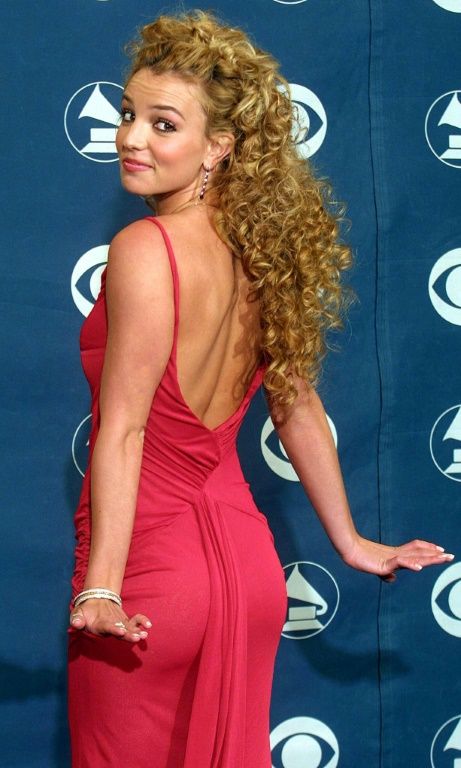
Britney Spears at the 44th Grammy Awards in February 2002 AFP / LEE CELANO
1. **Enduring Pop Legacy** Spears burst onto the scene in 1998 with “…Baby One More Time,” selling over 30 million copies worldwide and sparking the late-1990s teen-pop explosion. Her catalog includes nine studio albums, with classics like “Toxic,” “Oops!… I Did It Again” and “Womanizer” earning her a spot among the best-selling female artists ever, with more than 150 million records sold globally.
2. **Conservatorship Battle and Freedom** From 2008 to 2021, Spears lived under a court-ordered conservatorship that controlled her personal and financial affairs amid mental health struggles. The arrangement ended in November 2021 after public protests and her testimony detailing abuse claims. The #FreeBritney movement galvanized fans worldwide, marking a pivotal victory for artist rights.
3. **Post-Conservatorship Memoir** In 2023, Spears released “The Woman in Me,” a bestselling memoir detailing her conservatorship experiences, family dynamics and Hollywood pressures. The book sold millions of copies and sparked renewed interest in her story, including discussions of an upcoming biopic adaptation.
4. **Music Catalog Sale** In early 2026, Spears sold rights to her music catalog to publisher Primary Wave in a deal reportedly worth around $200 million. The transaction provided financial security while allowing her to step back from active music management. She has not released new music since 2016’s “Glory,” though fans speculate about future projects.
Advertisement
5. **Vow Against U.S. Performances** In January 2026, Spears posted on Instagram that she “will never perform in the U.S. again because of extremely sensitive reasons.” She cited personal factors without elaboration but expressed hope for future shows in the United Kingdom and Australia, possibly alongside her son Jayden James, whom she praised as a “huge star” in music.
6. **Teases of International Comeback** Despite her U.S. performance stance, Spears has hinted at a return to the stage abroad “very soon.” Fans have fueled 2026 comeback rumors through social media, interpreting cryptic posts and throwback photos as signs of new music or limited international dates. No official announcements have confirmed tours or albums as of March 2026.
7. **Recent DUI Arrest** On March 4, 2026, Spears was arrested by California Highway Patrol in Ventura County on suspicion of driving under the influence. Records show the incident occurred late Wednesday evening; she was cited and released early Thursday morning. Spears is scheduled to appear in Ventura County Superior Court on May 4, 2026. Details of the charge and any potential outcomes remain pending.
8. **Family Focus and Personal Life** Spears shares two sons, Sean Preston and Jayden James, with ex-husband Kevin Federline. She has spoken openly about motherhood challenges and her evolving relationship with her children. Recent posts highlight support for her son’s music career and personal reflections on faith, fear and spiritual growth.
Advertisement
9. **Social Media Presence** Spears remains active on Instagram, where she shares dance videos, personal thoughts and family moments with millions of followers. Her posts often blend vulnerability, humor and defiance, addressing past traumas while embracing independence. In early 2026, she discussed spiritual awakenings and admiration for figures like Madonna.
10. **Ongoing Cultural Impact** Spears continues to influence pop culture, with her story inspiring documentaries, books and advocacy for mental health and conservatorship reform. Rumors of a biopic based on her memoir persist, and her catalog’s enduring popularity keeps hits in rotation. Despite challenges, including the recent arrest, Spears’ resilience resonates with fans who view her as a symbol of survival and artistic freedom.
The March 2026 arrest marks Spears’ latest brush with legal issues, drawing renewed media attention amid her post-conservatorship era. Authorities have released limited details, and Spears has not publicly commented on the incident as of early Friday. Her team did not immediately respond to requests for statement.
Fans continue to monitor her social media for updates, balancing concern with support. Spears’ journey—from teen idol to outspoken advocate—remains compelling, with 2026 shaping up as a year of personal reflection rather than confirmed professional returns.
Advertisement
As legal proceedings approach in May, Spears’ story underscores the complexities of fame, recovery and privacy in the public eye.
Thomas Fuller | SOPA Images | Lightrocket | Getty Images
UniQure needs to run another study to prove that its gene therapy “actually helps people with Huntington’s disease,” a senior U.S. Food and Drug Administration official said on a call with reporters Thursday.
The official, who requested anonymity before discussing sensitive information, confirmed the agency has asked the company to run a placebo controlled trial of its treatment, which is administered directly into the brain. UniQure has said that type of study isn’t ethical because it would require putting people under general anesthesia for hours, a characterization the official disputed.
Advertisement
“So what is really going on? UniQure is the latest company to make a failed therapy for Huntington’s patients,” the official said. “They likely acknowledge or understand at some deep level that their trial failed years ago, and instead of doing the right thing and running the correct clinical study, UniQure is performing a distorted or manipulated comparison in the mind of FDA.”
The comments mark the latest development in a messy public spat between UniQure and the FDA, and as the agency comes under fire for a number of recent drug approval application rejections, including some where companies have accused it of going back on previous guidance. FDA Commissioner Marty Makary in an interview with CNBC’s Becky Quick last week seemingly criticized UniQure’s gene therapy for Huntington’s disease. Makary didn’t name UniQure but described its treatment.
UniQure then accused the FDA of reversing its stance that the company’s clinical trial data would be sufficient to seek approval. UniQure’s study used an outside database to measure how patients with Huntington’s disease might decline without treatment, known as an external control. UniQure has said it wouldn’t be feasible to run a true randomized, double-blind placebo-controlled study, considered the gold standard, because it wouldn’t be ethical to make people undergo a sham hours-long brain surgery.
The FDA official said the agency “never agreed to accept this distorted comparison” and the FDA “never makes such assurances.” Instead, the “FDA will always say, ‘Well, we have to see the data when we get it.’”
UniQure didn’t immediately comment.
Advertisement
The company’s stock rose more than 10% on Thursday and has fallen 58% this year as of Thursday afternoon.
Good morning. My name is Daniel, and I will be your conference operator today. At this time, I would like to welcome everyone to Savaria Corporation’s Q4 2025 Investor and Analyst Call. [Operator Instructions] Please be advised that today’s conference is being recorded.
This call may contain forward-looking statements, which are subject to the disclosure statement contained in Savaria’s most recent press release issued on March 4, 2026, with respect to its QX 2025 results. Thank you. Mr. Bourassa, you may begin your conference.
Advertisement
Sébastien Bourassa President, CEO & Director
Thank you, Daniel, and good morning, everyone. Today, I will start with a small recap of our Q4 results. Then Steve will update us on financial, and JP will update us on Savaria One and Europe, followed by a Q&A session.
Once again, I’m very proud of our Q4 results. As for the first time ever, we reached $51.3 million of EBITDA at 21.2%, which is a very important milestone and our best quarter ever. We finished the year with sales of $913 million and an EBITDA of $186.2 million at 20.4%, which again is our best result ever. All KPIs are improving, and Steve will go more in detail later.
Six Flags Entertainment will sell off seven of its amusement parks in the United States and Canada to EPR Properties, the company announced Thursday.
On Thursday, the company said it would sell off Michigan’s Adventure in Muskegon, Michigan; Schlitterbahn Waterpark Galveston in Texas; Six Flags Great Escape in Queensbury, New York; Six Flags La Ronde in Montreal; Six Flags St. Louis in Missouri; Valleyfair in Minneapolis and Worlds of Fun in Kansas City for around $331 million.
EPR Properties, a real estate investment trust, will acquire the seven parks. (Hans Gutknecht/MediaNews Group/Los Angeles Daily News via Getty Images)
“Consistent with our strategy, this divestiture enables us to concentrate our capital, leadership and operational focus on the properties that we believe generate the strongest returns and offer the greatest long-term upside,” Six Flags Entertainment Corporation chief executive John Reilly said in a news release.
EPR plans to partner with Enchanted Parks to run the six U.S. parks. La Ronde Operations will operate the Canadian park.
The parks will continue to operate on their regular schedule and all season passes sold will be recognized through the 2026 operating season.
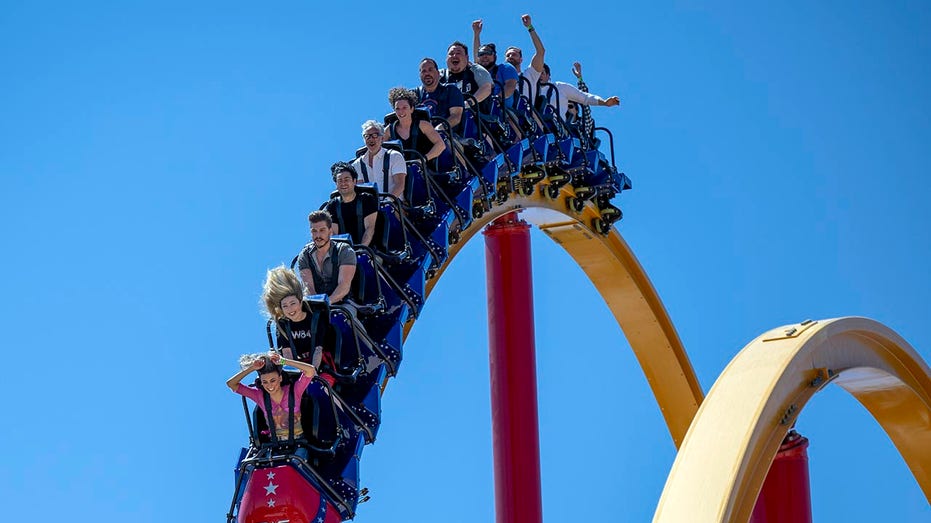
Six Flags will be left with 34 parks across North America after the sale. (Hans Gutknecht/MediaNews Group/Los Angeles Daily News via Getty Images / Getty Images)
Six Flags will continue to operate 34 parks across 23 locations in North America for the 2026 season.
The deal is expected to close by the end of the first quarter or the beginning of the second quarter of 2026.
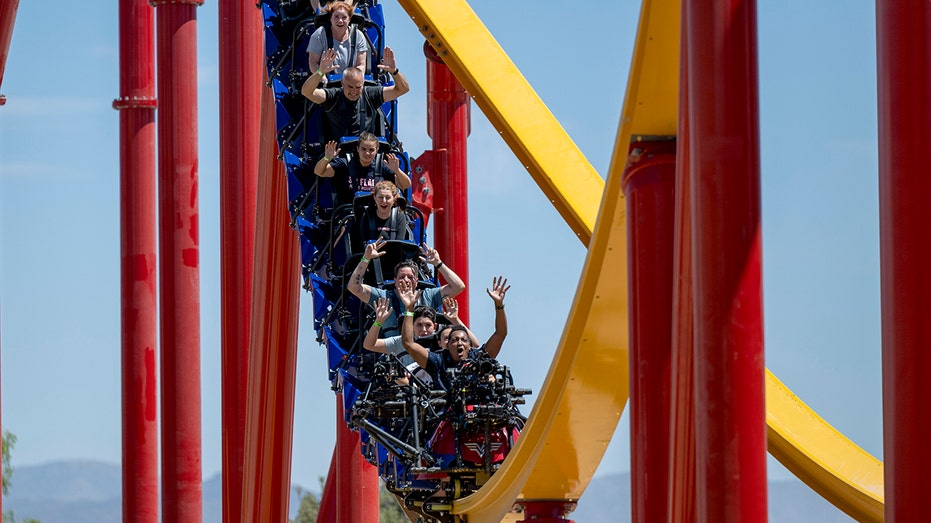
Collectively, the seven parks hosted about 4.5 million guests last year, generating about $260 million in net revenue, the company said. Cash proceeds, after taxes and transaction expenses, will be used to pay down debt, it said.
Advertisement
Around 4.5 million guests visited the seven parks last year. (Mathew Imaging/WireImage)
“This strategic acquisition represents a compelling opportunity to expand our attractions portfolio with high-quality experiential real estate assets in established regional markets,” EPR Properties CEO Gregory Silvers said.
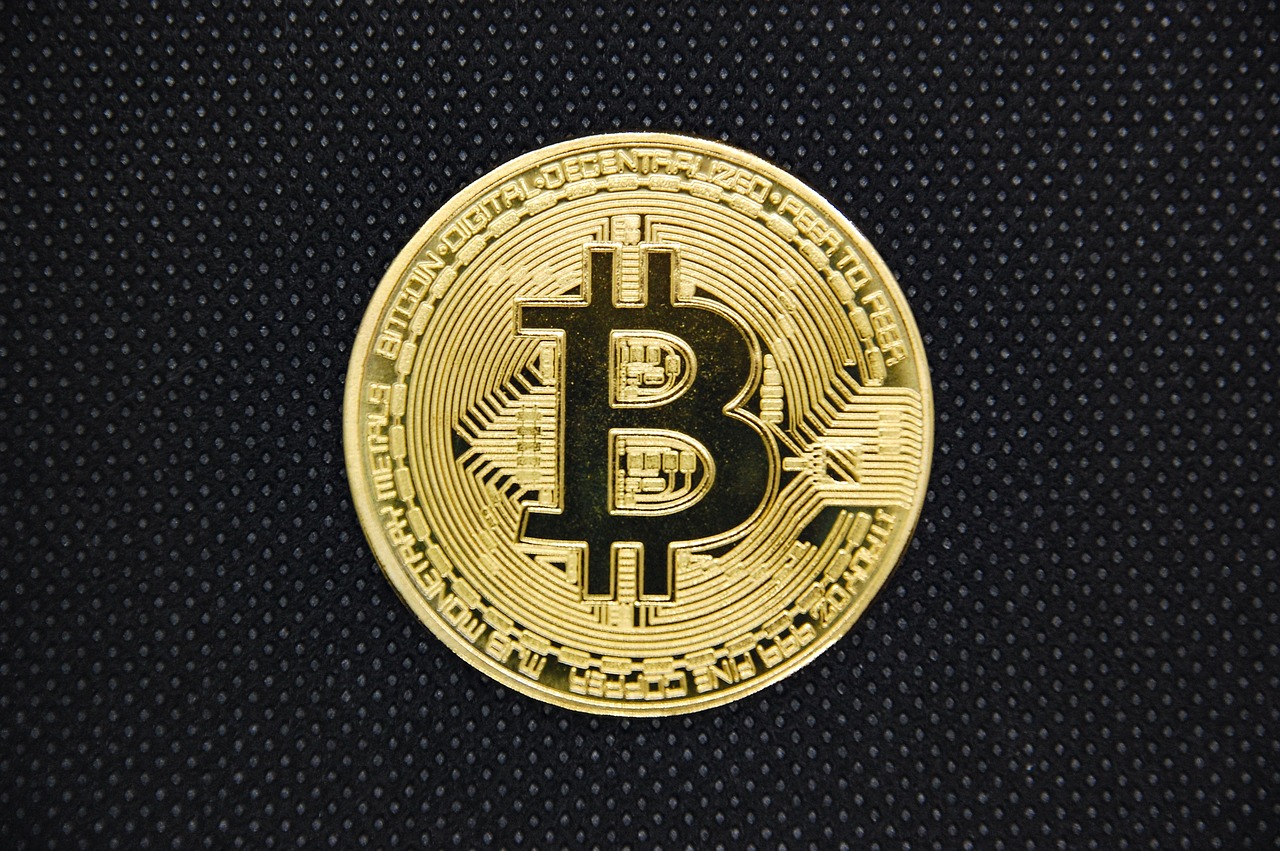
Bitcoin (BTC) traded at approximately $71,600 USD on March 5, 2026, down roughly 2% over the past 24 hours, according to aggregated data from major tracking platforms like CoinMarketCap, CoinGecko and Binance. The flagship cryptocurrency opened the day near $73,000 but faced selling pressure, dipping to lows around $71,180 before stabilizing in the mid-$71,000 range.
Bitcoin
The 24-hour trading volume exceeded $61 billion, underscoring sustained market participation despite the pullback. Bitcoin’s market capitalization stood at about $1.43 trillion, maintaining its position as the largest digital asset by a wide margin, with a circulating supply nearing 20 million coins out of a capped total of 21 million.
This latest movement comes after Bitcoin briefly topped $74,000 in recent sessions, fueled by optimism around institutional adoption and policy developments. However, renewed geopolitical risks, including escalating tensions in the Middle East involving Iran, contributed to a risk-off tone across assets. Oil prices surged on related news, pressuring riskier investments like cryptocurrencies, which have shown correlation with tech stocks in recent months.
“Bitcoin has not decoupled from broader risk sentiment,” noted BitMEX co-founder Arthur Hayes in recent commentary, highlighting that the asset remains tied to performance in U.S. software and tech sectors. Despite the dip, some analysts pointed to resilience, with Bitcoin’s ratio against gold improving slightly and exchange outflows indicating hodling behavior among long-term holders.
Institutional flows provided a counterbalance. U.S. spot Bitcoin ETFs recorded inflows of around $155 million to $462 million in recent days, extending a multi-week streak of positive accumulation. Major players like Wall Street firms continued to pour capital into these vehicles, even as underlying demand showed signs of fragility according to analytics firm Glassnode.
Advertisement
Traders are eyeing key technical levels closely. Bitcoin faces resistance in the $73,750–$74,400 zone — a “make-or-break” area that has acted as a turning point in prior cycles, including early 2024 highs. A sustained break above this could signal resumption of bullish momentum toward $80,000 or higher. Conversely, failure to hold $72,000 support might reinforce bearish patterns, with some forecasts warning of potential drops toward $65,000 or lower in consolidation phases.
The all-time high remains $126,198 from October 2025, meaning the current price reflects a significant correction of over 40% from peak levels. Year-to-date performance has been mixed, with Bitcoin down from late-2025 highs but up modestly in recent weeks on ETF momentum and infrastructure gains.
Recent developments bolster long-term optimism. Crypto exchange Kraken secured a Federal Reserve master account, marking a milestone for crypto-native firms accessing traditional payment rails. Morgan Stanley filed for a spot Bitcoin ETF, adding to growing mainstream integration. Community sentiment polls show about 80% bullish, driven by themes of institutional adoption and Bitcoin’s role as a potential inflation hedge — though that narrative faces tests amid rising energy costs and fiat currency volatility.
Regulatory and policy chatter persists. Speculation around U.S. crypto-friendly legislation, including the Clarity Act, has supported occasional rallies. However, no immediate plans for government Bitcoin accumulation (such as a national reserve stacking program) were confirmed in recent reports.
Advertisement
Market observers note Bitcoin’s price action remains sensitive to macro factors. With equities mixed and the dollar showing strength in some sessions, cryptocurrencies paused after a brief breakout. Ether and other altcoins mirrored Bitcoin’s moves, with the broader market cap showing similar modest declines.
As of early March 6, 2026 (KST), Bitcoin continues to trade in a range-bound pattern between $70,000 and $74,000 support/resistance. Analysts advise monitoring ETF flows, geopolitical headlines and derivatives positioning for the next directional cue.
Bitcoin’s journey in 2026 reflects its maturation: from speculative asset to increasingly institutionalized one, yet still vulnerable to global events. Whether it reclaims higher ground or consolidates further will depend on balancing these forces in the weeks ahead.
Edmund Ingham is a biotech consultant. He has been covering biotech, healthcare, and pharma for over 5 years, and has put together detailed reports of over 1,000 companies. He leads the investing group Haggerston BioHealth.
The group is for both novice and experienced biotech investors. It provides catalysts to look out for and buy and sell ratings. It also provides product sales and forecasts for all the Big Pharmas, forecasting, integrated financial statements, discounted cash flow analysis and market by market analysis. Learn more.
Analyst’s Disclosure: I/we have no stock, option or similar derivative position in any of the companies mentioned, and no plans to initiate any such positions within the next 72 hours. I wrote this article myself, and it expresses my own opinions. I am not receiving compensation for it (other than from Seeking Alpha). I have no business relationship with any company whose stock is mentioned in this article.
Seeking Alpha’s Disclosure: Past performance is no guarantee of future results. No recommendation or advice is being given as to whether any investment is suitable for a particular investor. Any views or opinions expressed above may not reflect those of Seeking Alpha as a whole. Seeking Alpha is not a licensed securities dealer, broker or US investment adviser or investment bank. Our analysts are third party authors that include both professional investors and individual investors who may not be licensed or certified by any institute or regulatory body.