More than 40,000 bicycle helmets sold at Walmart are being recalled by the U.S. Consumer Product Safety Commission because they violate federal safety standards and pose a “serious risk of injury or death” from head injuries.
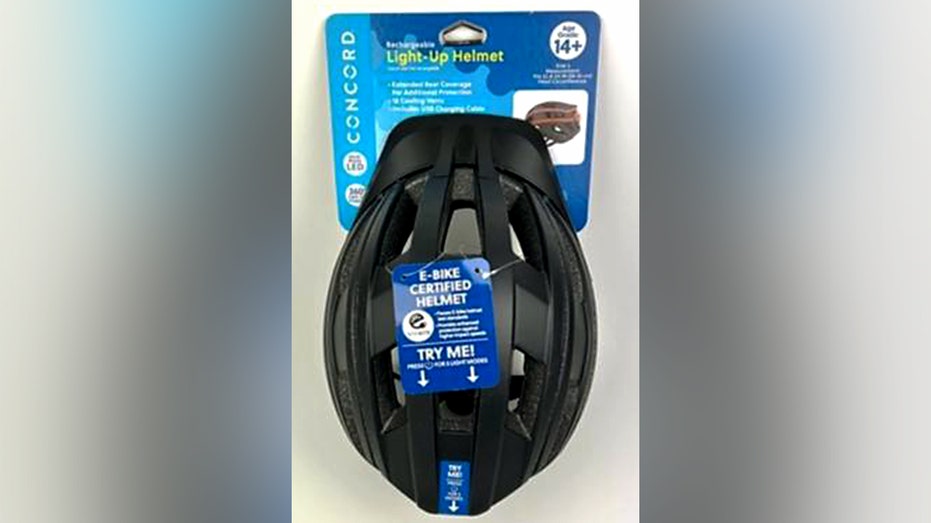
Todson Inc., a bicycle wholesaler in Massachusetts, is recalling 40,245 Concord-branded 360 Degree Rechargeable Light-Up bike helmets after federal safety officials said the helmets failed to comply with mandatory retention system and positional stability requirements.
Advertisement
“The helmets can fail to protect the user in the event of a crash,” the company said.
The recall, which was announced on Feb. 26, involves large-size helmets with a black exterior, built-in LED lighting system, black straps and buckle, and a black plastic adjustment knob at the back.
The Concord bicycle helmets, recalled by Todson, violate federal safety standards and may not stay securely in place during an accident, raising the risk of severe or fatal head injuries. (Consumer Product Safety Commission)
The recalled Concord bicycle helmets can be identified by a sticker on the inside of the product. (Consumer Product Safety Commission)
“Consumers should destroy the recalled helmets by cutting the straps off the helmets. Consumers can send photos of the helmet with the straps cut off to 360concordhelmet@todson.com to obtain a refund,” Todson said.
Todson has issued a recall for its Concord bicycle helmets after tests found they can fail to properly protect riders during a crash. (Consumer Product Safety Commission)
Seeking Alpha’s transcripts team is responsible for the development of all of our transcript-related projects. We currently publish thousands of quarterly earnings calls per quarter on our site and are continuing to grow and expand our coverage. The purpose of this profile is to allow us to share with our readers new transcript-related developments. Thanks, SA Transcripts Team
Zoey Gong, a Chinese medicine food therapist, was days away from boarding an Emirates flight from Paris to Shanghai via Dubai, United Arab Emirates, when the U.S. and Israel attacked Iran on Saturday.
Gong, 30, had her flight plans derailed as a result, and she told CNBC that she had to pay $1,600 to get to Shanghai, more than double the price of her original ticket.
She’s one of millions of travelers swept up in war and other conflicts from Iran to Mexico this year, problems that are threatening the global tourism industry that’s worth an estimated $11.7 trillion to the world’s economy, according to industry group World Travel & Tourism Council. It’s showing that people who are far from falling missiles, drone attacks and other geopolitical flashpoints aren’t immune to ripple effects.
‘Aviation quagmire’
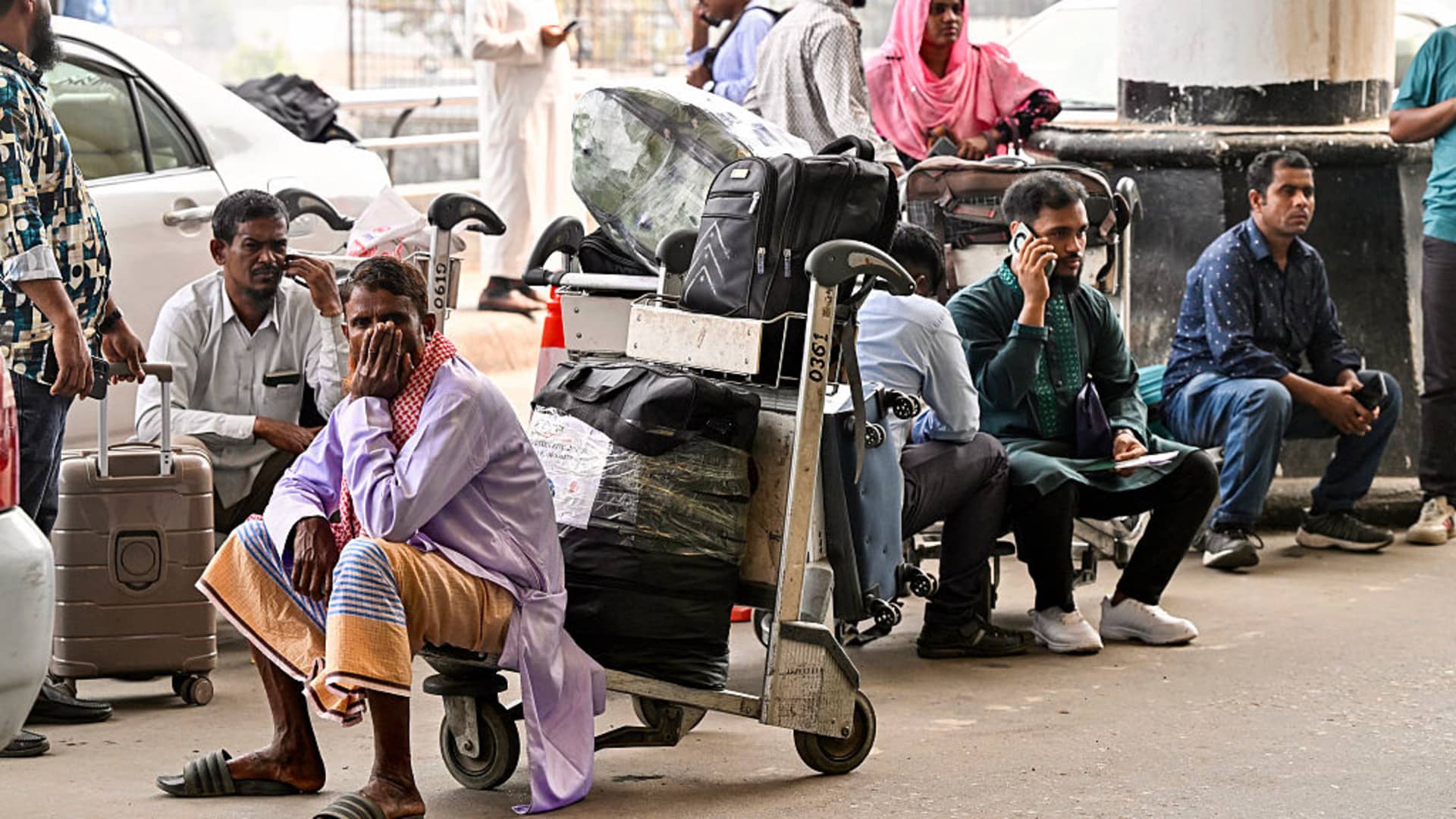
Stranded passengers wait with their luggage outside the Hazrat Shahjalal International Airport in Dhaka on March 3, 2026 after carriers cancelled flights amid the Middle East conflict.
Advertisement
Munir Uz Zaman | Afp | Getty Images
The U.S.-Israel attack on Iran set off massive aviation, travel and safety crises.
More than a million people around the world were stranded because of airspace closures that have grounded over 20,000 flights since Saturday, according to aviation data firm Cirium. Some were also stuck on cruise ships. Inquiries for more expensive “cancel for any reason” travel insurance policies surged 18-fold this week, said Chrissy Valdez, senior director of operations for Squaremouth, an online insurance marketplace.
Since Saturday, Iran has launched retaliatory attacks on the United Arab Emirates — home to Dubai International Airport, the world’s busiest for international passenger traffic, according to Airports Council International — as well as Qatar, Jordan, Israel and Cyprus. The back-and-forth attacks have left airlines with little recourse to repatriate travelers.
Advertisement
Days after the attack, the U.S. State Department told citizens in a large part of the region to leave immediately, with few options at hand. The department said it is organizing charter flights for U.S. citizens who want to return from Saudi Arabia, Israel, UAE and Qatar.
“This has spiraled into an aviation quagmire,” said Henry Harteveldt, a former airline executive and founder of travel consulting firm Atmosphere Research Group.
Other sectors of the travel industry are also dealing with the war’s impact. Debris rained down near Accor‘s Fairmont The Palm Hotel in Dubai over the weekend. The company said four people were injured, but none were guests, visitors or staff. Meanwhile the iconic Burj Al Arab hotel had a fire earlier this week after it was hit by debris from an Iranian drone.
(L to R) The Malta-flagged cruise ships Aroya Manara and MSC Euribia are anchored at the port of Dubai on March 4, 2026.
Advertisement
Giuseppe Cacace | AFP | Getty Images
MSC Cruises’ more than 6,300-passenger MSC Euribia ship has been stranded in Dubai and the company is trying to get flights for affected guests, it said. “We are requesting priority for our guests from our partners,” the company said in a statement.
“In order to speed up the repatriation, we are working on other options such as chartering flights” from Dubai, Abu Dhabi, UAE, or Muscat, Oman, but the situation on board “remains calm,” the cruise company said.
Earlier this week, MSC said it would cancel its remaining sailings from Dubai for the winter. “We understand that this will be disappointing, but we are sure that guests impacted will understand this decision,” it said.
Advertisement
Putting aside the Covid-19 health crisis that ground most international travel to a halt, Harteveldt called this week “the most chaotic event we’ve seen frankly since 9/11 when the U.S. chose to close its airspace. We haven’t seen anything that has had such a long and geographically widespread impact on travel.”
Global conflicts
Flightradar24 still of flight traffic across the Middle East on March 4th, 2026.
Source: Flightradar24.com
The Iran war is the most severe military conflict this year, but it’s one of a series of obstacles that have threatened travel demand and profits for hotels, airlines and cruise companies, as well as local economies that depend heavily on travel, especially international tourists, who tend to spend more than local visitors.
Advertisement
Three days into 2026, the U.S. struck Venezuela and captured its president, Nicolás Maduro, and his wife, Cilia Flores. The attack prompted the U.S. to close airspace throughout the Caribbean, stranding travelers, many at pricey resorts and home rentals they had booked for the holidays.
Read more about military conflicts’ impact on commercial flights
Then in February, flights were grounded in parts of Mexico, including in the coastal resort city of Puerto Vallarta and in Guadalajara, after violence broke out following the Mexican army’s killing of a cartel leader.
Executives have already had to make costly changes: rerouting or cancelling sailings, issuing flexible booking and refund policies, grounding planes and changing flight plans altogether, or discounting hotel rooms.
The cost of these conflicts is still being tallied, including for fuel, one of the biggest expenses for cruise companies and airlines along with labor, and are usually passed along to consumers, so that means pricier tickets and stays could be in the cards.
Advertisement
Australian carrier Qantas, for example, told CNBC that its flight from Perth, Australia, to London will now travel a route that requires it to stop to refuel in Singapore, though that will also allow it to pick up another roughly 60 passengers.
Best year ever?
Passengers look at departure screens showing cancelled flights to Puerto Vallarta at Benito Juarez International Airport after authorities reinforced security following roadblocks and arson attacks carried out by organized crime in several states, after a military operation in which a government source said Mexican drug lord Nemesio Oseguera, known as “El Mencho,” was killed in Jalisco state, in Mexico City, Mexico, February 22, 2026.
Luis Cortes | Reuters
Travel executives started off 2026 as they often do: upbeat. Some airline executives, including those at the most profitable U.S. carriers, Delta Air Lines and United Airlines, forecast record earnings this year.
Advertisement
The war and other incidents erupted as the travel industry has been leaning on premium options to woo wealthier customers, who make up a greater share of spending overall. Losing the base for more expensive trips could be extra disadvantageous to those companies and local economies.
In Mexico, for example, tourism makes up close to 9% of the economy and international tourist arrivals rose 13.6% last year to 98.2 million people, who spent close to $35 billion, according to the country’s Tourism Ministry.
Now, airlines are pulling back on traveling to Puerto Vallarta, at least from the United States in the near term. Delta cut routes from April 3 through the end of the month to the city, except for once-daily flights from Los Angeles and Atlanta, according to the Cranky Network Weekly newsletter, which covers the airline industry’s network changes. Alaska Airlines and Southwest Airlines also cut service in March.
“Perhaps people will forget about the PVR [Puerto Vallarta International Airport] concerns now that headlines will shift to the Middle East and bookings will rebound, but we will be watching capacity changes as leading indicators,” Brett Snyder and Courtney Miller, the newsletter’s authors, said in the March 1 edition.
Advertisement
Smoke billows amid a wave of violence, with torched vehicles and gunmen blocking highways in more than half a dozen states, following a military operation in which a government source said Mexican drug lord Nemesio Oseguera, known as “El Mencho,” was killed, in Puerto Vallarta, Jalisco, Mexico, February 22, 2026.
@morelifediares via Instagram | Reuters
The recent issues also come three months ahead of the FIFA World Cup, which is set to be hosted by cities in Canada, Mexico and the United States.
Some hotels in Mexico are starting to notice a change, too.
Advertisement
Victor Razo, manager at the Rivera del Rio hotel in Puerto Vallarta, told CNBC that bookings are down around 10% compared with last year.
“We’ve had some promotions given what had happened,” he said, adding it brought down rates between 10% and 20% ahead of the busy spring break and Holy Week period in the coming month.
He added that the hotel wasn’t near the problems, which included road blockades, and that bookings have since stabilized.
“It’s not like the beginning of the pandemic,” he said. “There is no comparison.”
Sen. Pete Ricketts, R-Neb., joins ‘Varney & Co.’ to discuss concerns over TikTok data security, mounting pressure on Iran and the fight to keep the government open.
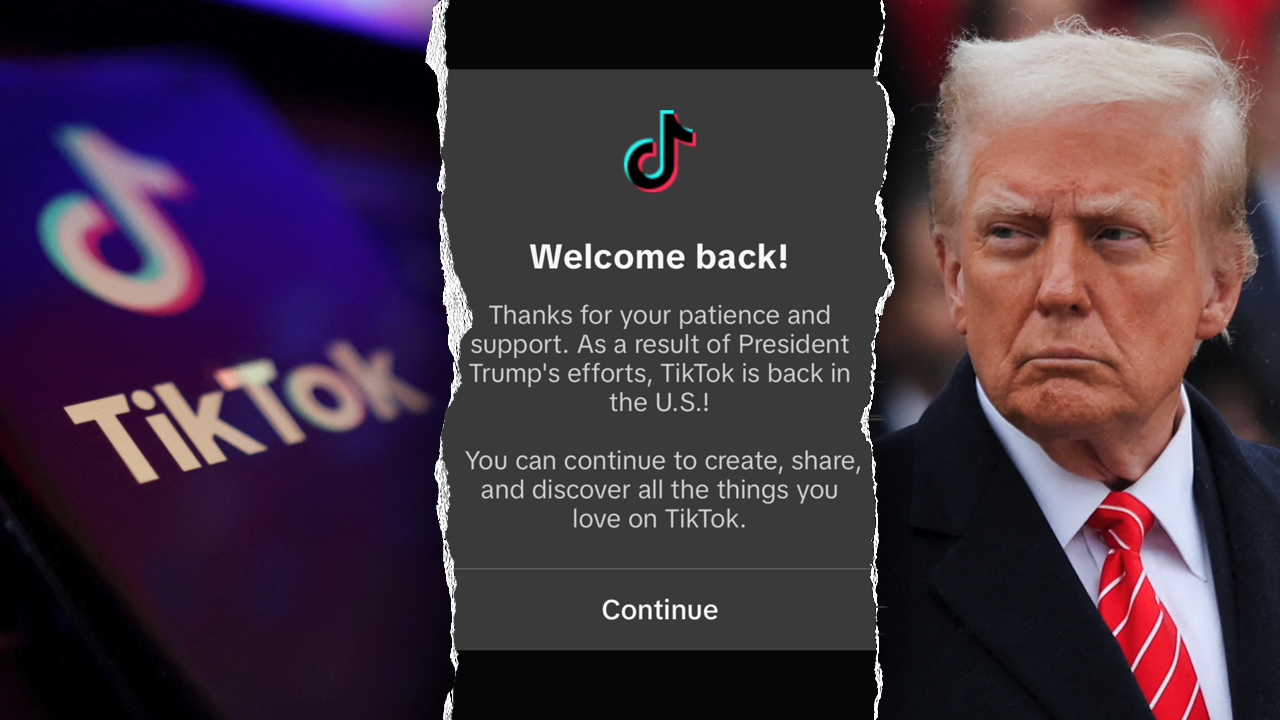
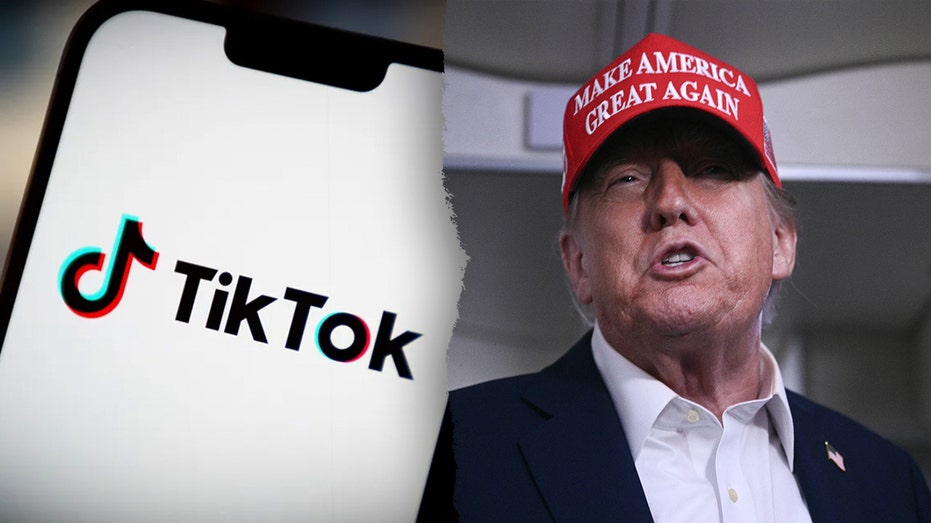
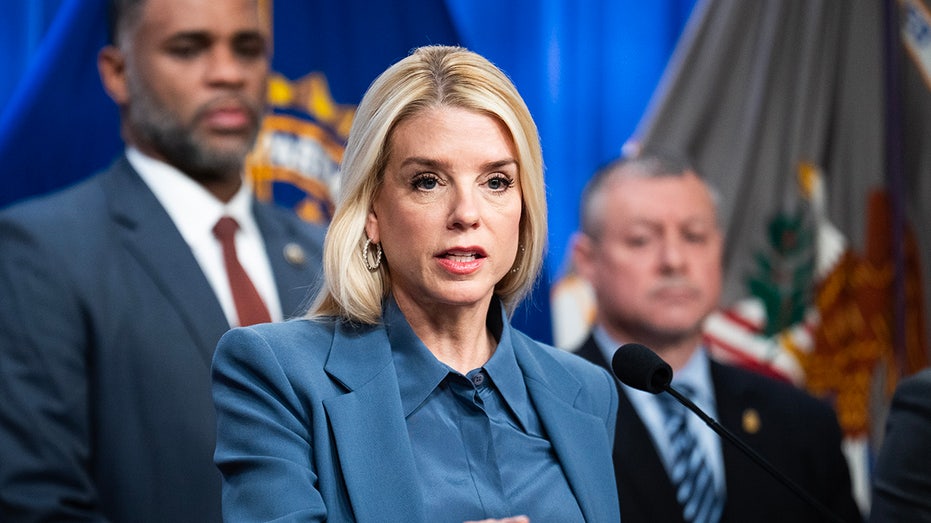
President Donald Trump and Attorney General Pam Bondi on Thursday were sued over their handling of the TikTok deal that was finalized in January, according to a petition filed by two shareholders in competing tech firms.
The plaintiffs argued that Trump approved a joint venture that failed to fully sever the app’s operational ties to China, granted several unlawful extensions and that Bondi failed to investigate the alleged breaches as required by the Protecting Americans from Foreign Adversary Controlled Applications (PAFACA) Act, which mandated TikTok to divest from its Chinese parent company, ByteDance, by early 2025.
Advertisement
The petition was filed by Zhaocheng Anthony Tan, a shareholder in Alphabet, and Garrett Reid, a shareholder in Meta Platforms, who said the TikTok deal also led to declines in Meta and Google stock.
“For the law to mean something, it must be followed, even—perhaps especially—by the President,” the lawsuit, filed by the Public Integrity Project, stated. “Respondents have violated the statute and subverted the will of Congress. Petitioners bring this case to ensure that such violations, and such subversion, do not continue.”
Trump in January backed the launch of The Joint Venture LLC, a seven-member majority-American board that enabled TikTok to keep operating in the U.S. (Getty Images)
Under the current agreement, TikTok was spun off into a separate U.S.-owned entity to remain operational in the country, satisfying an executive order issued by Trump on Sept. 25 of last year. The majority American-owned joint venture gives U.S. entities an 80.1% stake, while parent company ByteDance retains 19.9%.
Advertisement
“In short, under the announced deal, ByteDance would still control all the essential elements of TikTok,” the lawsuit said. “Such a deal would subvert the very purpose of the TikTok Law, as ByteDance could continue to push Chinese propaganda and censor the content it does not like, exactly the harm that the law was intended to prevent.”
Attorney General Pam Bondi conducts a news conference at the Department of Justice on Thursday, Dec. 4, 2025. (Tom Williams/CQ-Roll Call, Inc via Getty Images)
According to the lawsuit, the American entity of TikTok does not actually own the app’s algorithm but instead collaborates with ByteDance, violating the statutory ban on algorithmic cooperation. While ByteDance retains ownership and licensing of the algorithm, TikTok U.S. will only “retrain, test, and update” it using U.S. user data.
The U.S. entity’s budget, legal compliance and commercial activity will also be overseen by ByteDance CEO Shou Chew, who will sit on the board of directors for TikTok U.S., creating another operational relationship that the lawsuit alleges is prohibited.
Advertisement
The petition further alleges that Trump violated PAFACA, which allows the president to grant only a one-time extension of no more than 90 days, and only with the necessary certifications to Congress. Trump reportedly approved five separate extensions — lasting 75, 75, 90, 90, and 120 days — far exceeding the statutory limit.
The petition alleges that Trump unlawfully directed Bondi not to investigate or enforce any violations of PAFACA, in direct violation of the act.
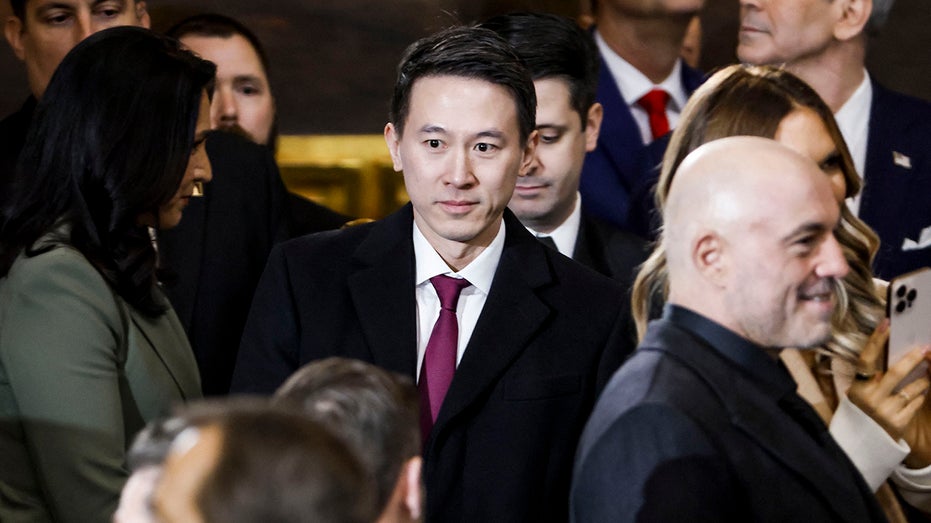
Shou Zi Chew (C), the CEO of TikTok, arrives to attend Donald Trump’s inauguration as the next U.S. president in the rotunda of the U.S. Capitol in Washington, D.C., on Jan. 20, 2025. (Shawn Thew/POOL/AFP via Getty Images)
The lawsuit claims that Trump’s actions financially harmed investors in TikTok’s competitors. The plaintiffs noted that when the deal was made in January, Alphabet’s stock immediately dropped from $330.84 to $328.43.
Advertisement
Similarly, Meta stock fell from $760.66 to $748.91 during the initial framework announcement in September 2025, as it became apparent that the law might not be enforced.
According to the lawsuit, which is led by New York, California, Oregon and Arizona, the Trump administration’s imposition of tariffs also violates the US Constitution because Congress, not the president, has the power to impose sweeping tariffs, which are taxes on imports.
| Revenue of $85.98M (4.21% Y/Y) beats by $704.65K
Docebo Inc. (DCBO:CA) Morgan Stanley Technology, Media & Telecom Conference 2026 March 5, 2026 12:15 PM EST
Company Participants
Brandon Farber – Chief Financial Officer
Advertisement
Conference Call Participants
Josh Baer – Morgan Stanley, Research Division
Advertisement
Presentation
Josh Baer Morgan Stanley, Research Division
Right. Before we begin, for important disclosures, please see the Morgan Stanley research disclosure website at www.morganstanley.com/researchdisclosures. And if you have any questions, please reach out to your Morgan Stanley sales representative.
My name is Josh Baer, software analyst here at Morgan Stanley. Thrilled to have Docebo’s CFO, Brandon Farber, here. Thank you so much for joining us.
Advertisement
Brandon Farber Chief Financial Officer
No problem.
Advertisement
Question-and-Answer Session
Josh Baer Morgan Stanley, Research Division
Brandon, as a bit of an intro and for those newer to the story, I was hoping you could provide a little bit of an overview of Docebo’s key products and use cases. Who are your customers? What type of value do you bring to your customer base?
Advertisement
Brandon Farber Chief Financial Officer
Yes. So at its core, Docebo is an AI learning platform. So customers typically come to us, and the core purchase is our learning management system. And alongside of that, we have modules that we patch along such as content, communities, advanced analytics. And recently, which I’m sure we’re going to talk more about is we became a multiproduct company for the first time.
We acquired a company called 365Talents that is more in the skills intelligence category. So for the first time ever, Docebo is going to market with 2 different products. From a use case perspective, we track about 12 different use cases, but if I could just simply break it down, it’s really 2 main categories. It’s the internal use case, which is your classic use cases that have been around since the beginning of time. It’s your
FOX Business’ Edward Lawrence speaks with U.S. Interior Secretary Doug Burgum about his meetings with Venezuelan oil and gas executives on ‘The Big Money Show.’
Interior Secretary Doug Burgum told FOX Business in an exclusive interview from Venezuela on Wednesday that the relationship between the U.S. and the South American country is moving at “Trump speed,” as their new energy partnership is on track to a “golden age of abundance.”
Burgum told FOX Business that “you can’t argue with geography,” as American companies are showing they want to invest in Venezuela. He said this would have positive impacts on energy affordability in the U.S. and job creation in both the U.S. and Venezuela.
Advertisement
“If you’re shipping oil to a Gulf of America refinery, it’s five days [from Venezuela]. They were shipping some of their product for 40 days around the world,” he said of Venezuela. “It is so beneficial to both the U.S. and Venezuela for us to have a tight synergistic partnership around energy and around minerals just like we did 25 years ago.”
“This literally could be one of the richest countries in the world, and to have them as our friend, our ally and our trading partner, that is absolutely terrific,” Burgum said, noting that the relationship is what the U.S. needs to keep energy prices down for Americans.
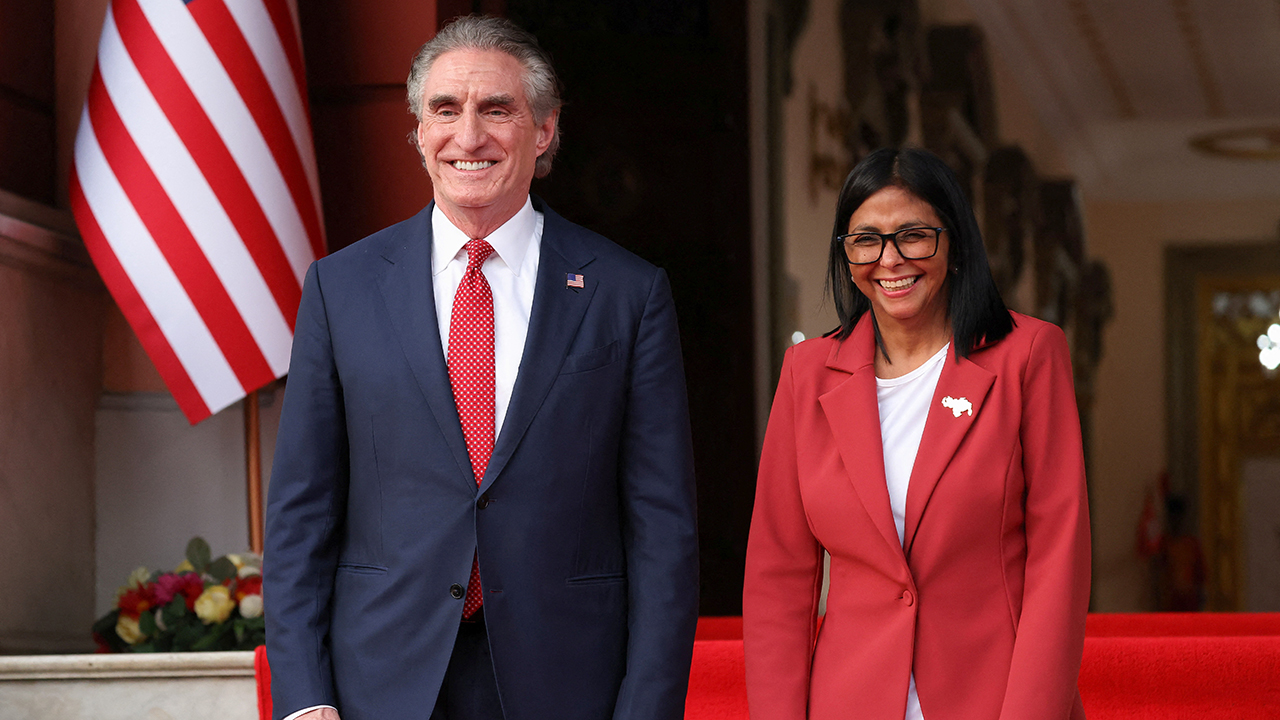
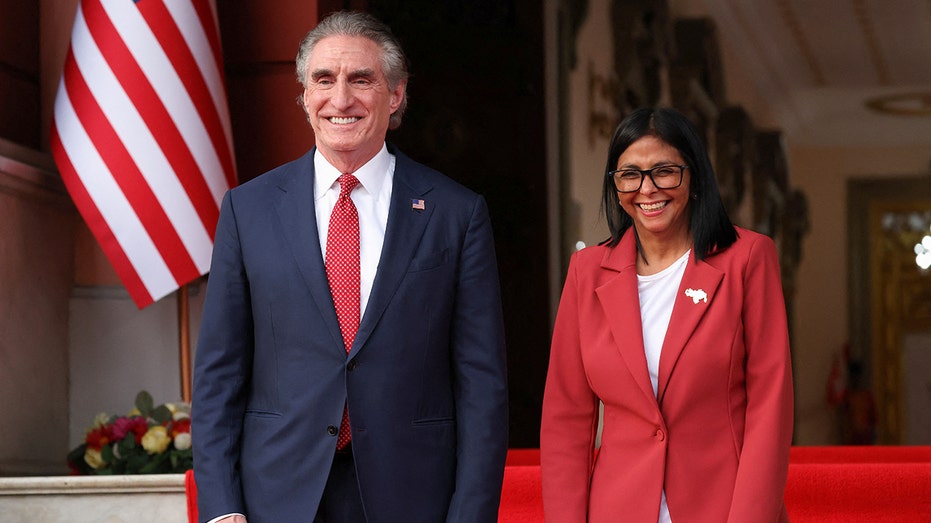
Venezuela’s interim President Delcy Rodriguez and Interior Secretary Doug Burgum deliver statements at Miraflores Palace, in Caracas, March 4, 2026. (Reuters/Leonardo Fernandez Viloria)
Burgum said he is optimistic after meeting with Venezuela’s leadership and companies.
Advertisement
“When the U.S. is entering a gold age under President Trump, allies like Venezuela become a strong partner, our economies get back to the way they used to be integrated, they can ride right on our coattails and have their own golden age of abundance,” he said.
Interior Secretary Doug Burgum in Caracas, Venezuela, March 4, 2026. (Reuters/Leonardo Fernandez Viloria)
Burgum was meeting with oil and gas executives, including Chevron and Shell, along with Venezuelan business leaders during his trip to highlight critical mineral partnerships.
On Thursday, Shell signed a Memorandum of Understanding with the Venezuelan government to start liquified natural gas (LNG) production in the Dragon gas field.
Advertisement
Two American service companies, KPR and Baker, and one Venezuelan company, Vepica, will also sign onto the memorandum, so work can begin on oil and natural gas production.
The heavy oil upgrader facility in the Orinoco Oil Belt near Cerro Negro, Venezuela, Dec. 4, 2004. (Ed Lallo/Getty Images)
A senior administration official told FOX Business the LNG from Venezuela could eventually help support power to Europe.
The Trump administration wants to expand access to oil production in the country, ultimately changing the course of global energy supply chains and reducing reliance on China.
Burgum’s visit comes weeks after the Trump administration completed its first sale of Venezuelan oil, valued at $500 million.
Advertisement
The deal comes after Trump announced interim authorities in Venezuela would be turning over between 30 million and 50 million barrels of sanctioned oil to the U.S., worth about $2.8 billion at current market prices.
‘The Big Money Show’ panel reacts to Meta’s new child safety alerts as social media companies face mounting scrutiny in court over teen mental health claims.
The judge in the bellwether social media trial in Los Angeles barred Meta’s defense from introducing a document where the plaintiff said she had suffered “sexual abuse during childhood.”
The exchange happened after the jury and plaintiff’s witness, psychiatrist Dr. Kara Bagot, were dismissed for the day. Meta lawyer Paul Schmidt took to the lectern to ask Judge Carolyn Kuhl about an exhibit he wanted to introduce to the court.
Advertisement
The document was a housing application from the plaintiff, a 20-year-old female identified in court as Kaley G.M. She had filled the application out after her mom evicted her from their shared home. When asked in the application if she had suffered any “traumatic circumstances or events” in her life, she wrote: “exposure to neglect, emotional, physical and sexual abuse during childhood.”
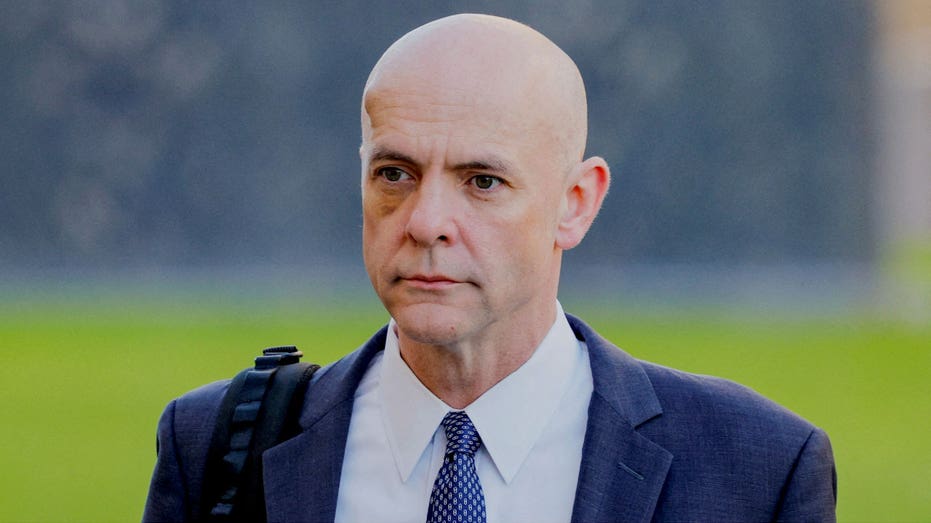
Meta’s lawyer, Paul Schmidt, outside the courtroom in California. (Mike Blake/Reuters)
“This happened in the family, but she wasn’t asked to elaborate,” said Schmidt to the judge. Schmidt wanted to introduce the application, which was filled out in May 2024 – after her lawsuit was filed – to show that Kaley did not list “social media addiction” as one of her traumas.
Schmidt offered to redact “sexual abuse” from the document because it hasn’t been discussed or brought up at the trial in any of her extensive medical records, which number over 200. He said that the other traumas – neglect, emotional and physical abuse – are all backed up in the previous testimonies.
Kuhl asked to see the application and scoffed, telling Schmidt, “It looks like she’s lying here. She’s bringing up autism, she’s bringing up sexual abuse that never happened,” said Kuhl.
It has not been discussed by either the plaintiff or defense in court if Kaley experienced sexual abuse or if she had lied about experiencing sexual abuse. Autism has been discussed in her records, but she was never diagnosed with it.
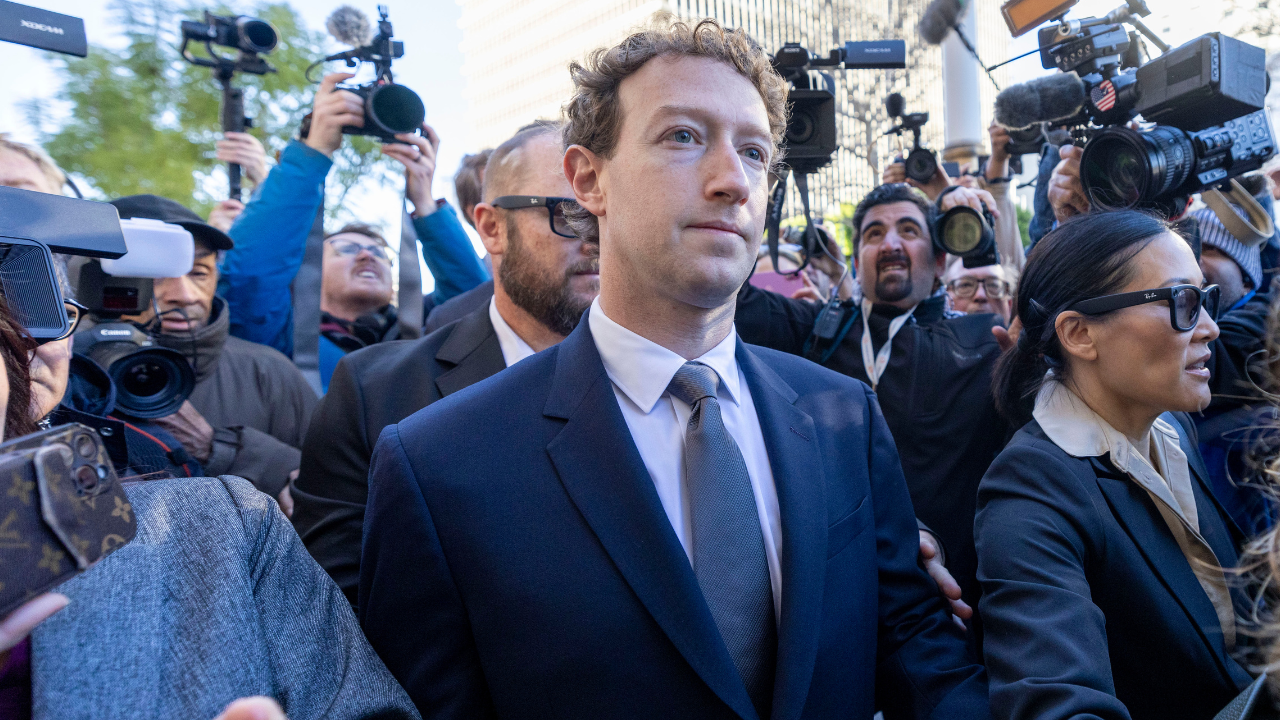
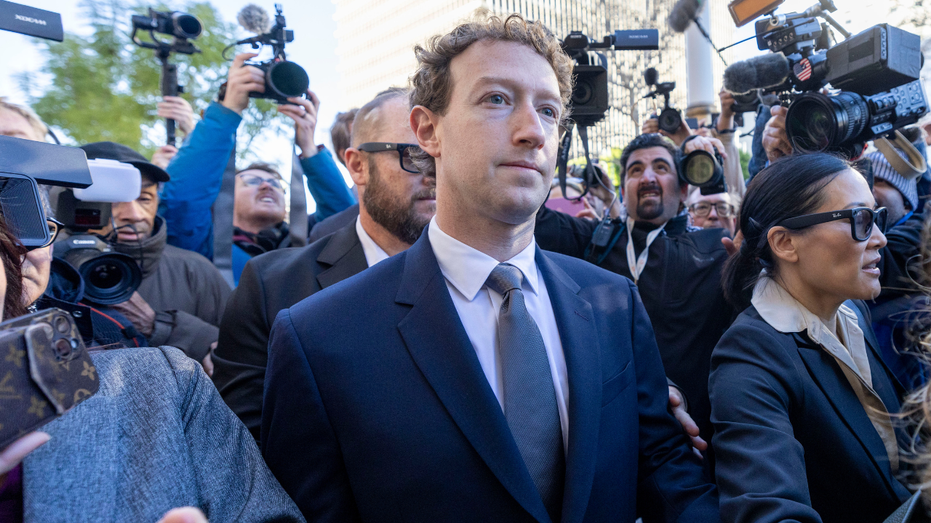
Meta CEO Mark Zuckerberg arrives at the Los Angeles Superior Court at United States Court House on Feb. 18, 2026, in Los Angeles, California. (Jill Connelly/Getty Images)
Kuhl asked if there was any evidence of sexual abuse. Schmidt said he didn’t know where Kaley got that from, as it wasn’t explored in her deposition.
Advertisement
“In this document, she’s exaggerating. Common logic says she’s got to find a place to go, she’s trying to convince [the housing] that she’s an abused child so they can help her,” said Kuhl. “She’s making it as ’that’ as possible.”
Schmidt disagreed with Kuhl’s take on the exhibit, saying he only wanted to bring up the traumas that she’s previously testified to.
“I don’t know how you don’t get a sense of the document that I get. As a judge who sat in child abuse courts, sometimes kids do that,” said Kuhl.
Advertisement
Schmidt told the court he would drop the request and Kuhl thanked him.
Also discussed after the jury was dismissed was the issue of time left for both sides to present their case. Kuhl determined before the trial that each side would get 40 hours to make their case, which includes all direct and re-direct examinations. Currently, the plaintiff attorneys, specifically lead counsel Mark Lanier, have 5 hours and 56 minutes left. The defense, which includes both Meta and Google, has 11 hours and 11 minutes left.
Mark Lanier, the main plaintiff’s lawyer, walks outside the court in California. (Mike Blake/Reuters)
Lanier still has additional witnesses to call, including Meta whistleblower Arturo Bejar. Schmidt and the defense team seemed to be in control of their time left until the testimony of Bagot, who they have spent a considerable amount of time cross-examining.
Bagot will be on the stand for her fifth day on Thursday, which Lanier admits is unusual. Kuhl has also grown weary of how long she’s been on the stand.
Advertisement
“I want to say something to everyone about where this is going. Overnight, think to yourselves, ‘Have I asked this question before?’ Look at the jurors and ask yourself if they’ve got the picture,” Kuhl said.
Kuhl opined that if one of the sides runs out of time and doesn’t have a chance to cross-examine, that could open the door for an appeal.
“The appellate court in our state court system hasn’t spoken to the great issue of the time limit,” said Kuhl. “If we say this is the clock, and it was set when we had no idea what it was going to look like, and all of a sudden a side can’t cross-examine, what are they going to say about this?”