Related: Martin Short’s Daughter Katherine Short’s Cause of Death Revealed
Advertisement


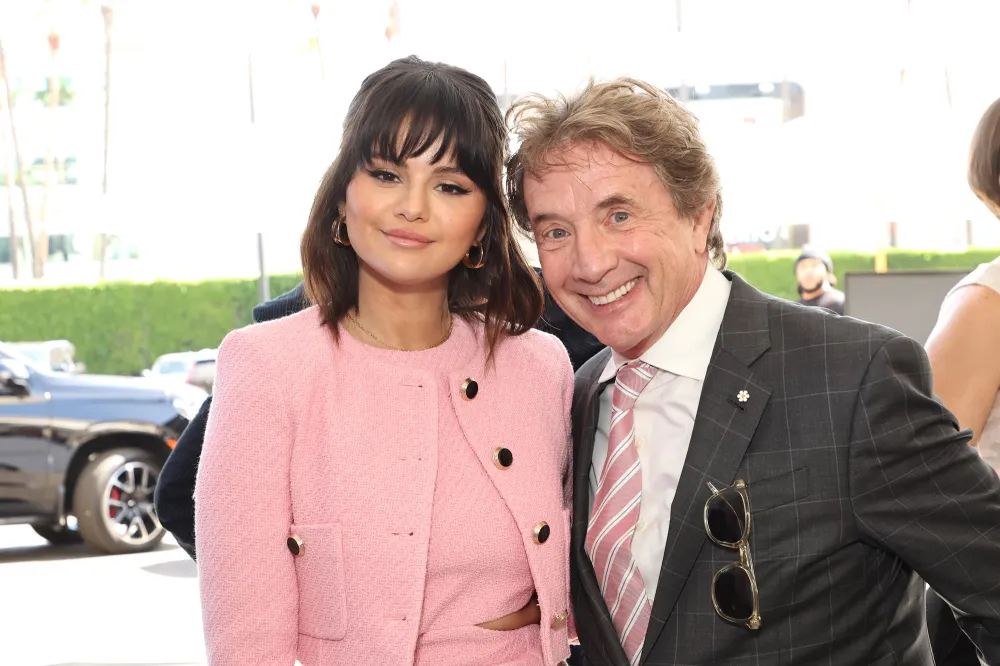
Selena Gomez has spoken out following the death of Only Murders in the Building costar Martin Short.
“My favorite guys,” Gomez, 33, captioned an Instagram Story post on Wednesday, March 4. “I’II always be there for them as they have been for me.”
Gomez shared a black-and-white photo of herself with Short, 75, and Martin, 80, that appeared to be taken on the Only Murders in the Building set.
“Love you Steve and l love you Marty,” she concluded.

Gomez has appeared alongside Short and Martin on the Hulu show since it premiered in August 2021. The trio have gushed over each other through the years, with Gomez even joking in an October 2025 interview that Short would be the ring bearer at her wedding to Benny Blanco.
Gomez’s social media post comes more than one week after news broke that Short’s daughter Katherine Hartley Short died by suicide at 42 on February 23.
“It is with profound grief that we confirm the passing of Katherine Hartley Short. The Short family is devastated by this loss and asks for privacy at this time,” Martin’s rep confirmed in a statement to Us Weekly. “Katherine was beloved by all and will be remembered for the light and joy she brought into the world.”

Martin Short’s daughter Katherine Hartley Short’s cause of death has been revealed. Us Weekly can confirm via online records that Katherine’s death has been officially ruled a suicide. A rep for Martin, 75, confirmed Katherine’s death at age 42 in a statement on Tuesday, February 24. “It is with profound grief that we confirm the […]
TMZ later reported that Katherine was found by a friend “behind a locked door and with a note nearby.” Katherine’s death certificate confirms that she was cremated on Friday, February 27.
Martin shared Katherine with his late wife, Nancy Dolman, who died in 2010 following a battle with ovarian cancer. They also shared sons Oliver, 39, and Henry, 36.
Years before her death, Katherine filed to have her name changed to “Katherine Elizabeth Hartley,” according to court documents obtained by Us from October 2012. The motion was reportedly granted in 2013.
“My father is a public figure. I am a psychiatric social worker,” Katherine stated in the court documents. “I am concerned about potential harassment from future patients resulting from my association with my father.”
Katherine became a licensed clinical social worker in Los Angeles after completing her undergraduate studies at New York University in 2006 and graduate studies at the University of Southern California in 2010.
If you or someone you know is struggling or in crisis, help is available. Call or text 988 or chat at 988lifeline.org.
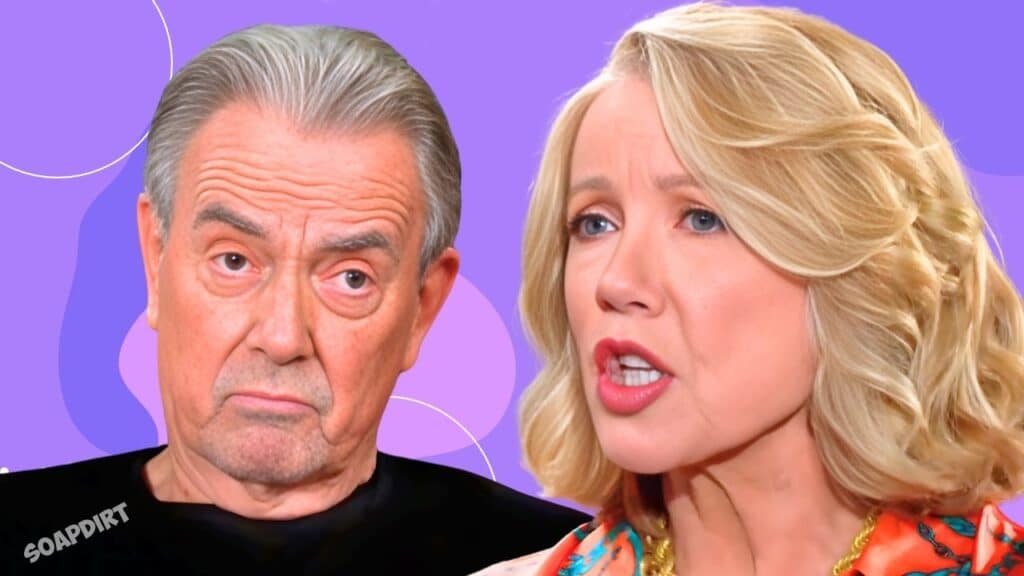
Young and the Restless exposes that Victor Newman‘s (Eric Braeden) latest move to reclaim his legacy is absolutely despicable and while he might get some of what he lost back, it could cost him something much more important—his marriage to Nikki Newman (Melody Thomas Scott).
We’re going to talk about how kidnapping Jack Abbott (Peter Bergman) could end Victor’s marriage once Nikki finds out what he’s done.
Ok so, this week, Victor summoned Billy Abbott (Jason Thompson) to the Newman ranch and told him no one’s ever gonna see Jack again unless Billy hands Chancellor back to Victor by the end of the day. Billy can tell Victor’s not bluffing and immediately runs to the Abbott mansion to tell Diane Jenkins (Susan Walters) and Kyle Abbott (Michael Mealor).
Then Diane took off with Kyle to the Newman ranch to confront Victor. He told them that Jack is safe for now. But Billy Boy needs to give Chancellor back to secure Jack’s safety. What Victor did with Jack is wild—he’s on a yacht in the middle of the ocean!
After Kyle and Diane got no answers on Jack’s location, they left. Plus, Victor confirmed for Adam Newman (Mark Grossman) that he kidnapped Jack and will hurt him if he doesn’t get what he wants. And Victor wouldn’t tell Adam where he’s holding Jack.
Victor may worry that Adam’s past loyalties to Jack would be a problem. But Victor’s gonna have lots more problems over this kidnapping. So, Jack woke up in a bedroom with the door locked and looks out the window and sees nothing but open water.
You know what would be really ironic? If the yacht that Victor’s using for the kidnapping is the same one Billy lost gambling—remember that? He named it Jabot. So for now, Jack’s safe, but obviously, there’s going to be someone else on the boat babysitting him.
I suspect it’ll be crazy Patty Williams (Stacy Haiduk) since she’s due to be back soon. But we’ll see. Billy ran to tell Sally Spectra (Courtney Hope) what Victor’s done and Billy said even if he wanted to give Chancellor to Victor, he can’t because Phyllis Summers (Michelle Stafford) still owns it. But it also sounds like Billy doesn’t want to hand it over.
And if Phyllis finds out Billy’s just going to give it back to Victor, she might not finish the deal. But there’s a chance that Diane might go to Phyllis and beg her to give Chancellor to Victor. I mean, of anyone in Genoa City, Phyllis knows about Jack being kidnapped.
Remember, Victor married her off to Jack’s doppelganger Marco the last time Victor kidnapped Jack. And while I’m sure that Phyllis doesn’t want Jack in harm’s way, Victor pulling this again is likely just going to remind Phyllis of why she hates Victor so much.
I’m sure Jack will eventually be returned safe and sound, but he might be a little worse for wear and I suspect the fallout from what Victor’s done to be epic. No one will support him kidnapping Jack, not even Adam and he always caves to whatever Victor wants.
But if Jack winds up seriously injured, that might be a deal breaker for Adam. Of course his bio-dad hates it, but Jack’s a father figure to Adam and was there for him at times when Victor was not. Adam may take a step back from Victor over this kidnapping on Young and the Restless.
Then, there’s Nikki who told Jack she was really worried that Victor would do something she can never forgive because of this crisis. When she finds out Victor kidnapped and stranded Jack in the middle of the ocean, she’ll be horrified and appalled.
Nikki loves Victor and usually enables him but I think this will just be pushing Nikki way too far. Victor could really lose Nikki this time, at least for a while. I think Nick Newman (Joshua Morrow) won’t like Victor’s actions, but Nick’s got other problems like a fentanyl addiction and getting rid of Matt Clark (Roger Howarth) for good.
And I don’t think Victoria Newman (Amelia Heinle) will take this kidnapping very well either. She has no issue slapping at Billy but kidnapping Jack is a no-go. As for Claire Grace Newman (Hayley Erin), she idolizes her granddad, Victor, but she hates when he does ruthless and devious things.
This may remind Claire of the worst of Victor like when he tried to get Audra Charles (Zuleyka Silver) to seduce Kyle for a big payoff. In fact, Claire was ready to wash her hands of Victor but then forgave him. So, Claire’s going to be absolutely horrified to hear what Victor did to Jack who she really likes.
And I think Claire’s going to hear about it soon because I suspect Kyle may turn to her for help in finding Jack. So, Claire might march over to Victor and tell him to stop this now, to return Jack unharmed, or he’s going to lose Claire for good.
I expect Diane to confront Nikki and demand she fix this too. Of course, it’s awful for Victor to kidnap anyone but this is so unfair because Jack didn’t do anything wrong at all. Victor just hates him and is using him to get Chancellor back from Billy.
But to be honest, I think Victor was just looking for a chance to hurt Jack because he’s still salty that he saved Nikki’s life. Plus, Victor blew up when he saw Jack and Nikki hugging at the ranch house.
In the end, Victor will try and rationalize what he’s done and will explode when his family questions him. In the end, I think kidnapping Jack could have many Newmans stepping back from Victor.
He’ll explain he’s just trying to get Chancellor back for Nikki. And I think Victor will play the victim card and the family loyalty card about all Abbotts being the enemy. But I’m not sure it’s going to fly with Victor’s family.
He is just so far out of control it’s insane. He’s losing a war that he started and is getting worse by the day. This will be a breaking point for Nikki and she may feel like she has no choice to walk away from Victor. He violated her trust by taking Jack who literally saved her life.
Even if Victor ends up getting everything back that was taken, Newman Enterprises, Chancellor and Newman Media, he may lose Nikki. Will it be worth it?
When it comes to anthology shows, there seems to be no shortage of them on television these days. Everything from genre-specific anthologies to dramatic works that stand alone each season, including hits like The Twilight Zone, Black Mirror, Inside No. 9, and even the comedic Documentary Now, one-watch television is all the rage. But what about those anthologies that have been lost to time? We have some love for them too.
We put together a list of some of the best anthology series out there that haven’t gotten their due. Whether overshadowed by more successful brands or simply passed up on by more popular television outings, these anthology shows deserve more than just an honorable mention. We’ve got everything from fantasy and science fiction to horror and Western genres. These are the anthology shows that you just cannot pass up.

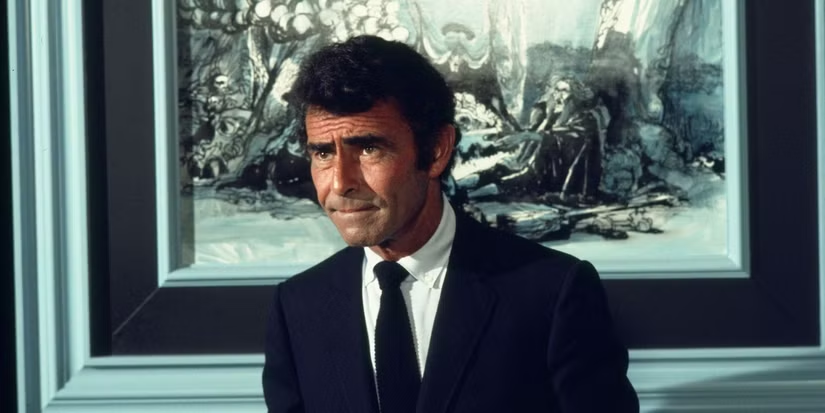
Admittedly, there are plenty who still adore Rod Serling‘s Twilight Zone follow-up, but for the rest of the world, Night Gallery has fallen to the wayside of his original hit’s shadow. After a three-part premiere in 1969, Serling launched the anthology show on NBC, which went more in the dark fantasy direction than science fiction, ala Twilight Zone. Even Steven Spielberg directed a few episodes.
With hour-long episodes in the first two seasons and half-hour installments in its third, Night Gallery delved into horror especially, but also fantasy, and, strangely, comedy. The program even took inspiration from H.P. Lovecraft‘s catalog and even did a whole episode about “What if Count Dracula had to withdraw from the blood bank?” (“A Matter of Semantics,” where Batman actor Cesar Romero played the vampire). It’s an underrated gem that certainly deserves praise besides Serling’s original anthology triumph.

The ’90s sparked a resurgence in the Western genre for the first time in decades, and that interest even bled over into the realm of television. Created by Kung Fu and The Young Riders creators Ed Spielman and Howard Spielman, Dead Man’s Gun is a curious Western anthology that takes inspiration from Winchester ’73, namely in that it follows the adventures of a seemingly cursed gun that changes hands all throughout the Old West. Narrated by Kris Kristofferson, this is a two-season anthology worth another look.
With Twilight Zone-esque twists that elevate it beyond standard Western fare, Dead Man’s Gun ran for two years on Showtime. The series featured guest stars like C. Thomas Howell, Ed Asner, Graham Greene, Laurie Holden, and Gary Cole, and had no trouble coming up with creative new ways to curse each new owner of the titular firearm. The end of the series even ties the whole thing together, noting that the seemingly unconnected events were all part of a grand scheme by Death itself.

Not all anthology shows are episodic in nature. Sometimes anthologies spend a whole season on a single plot, and after the success of American Horror Story, Hulu was primed and ready for Castle Rock. Based on the extensive work of Stephen King, the Maine-based series pulls from various tales by the King of Horror, smashing them together for season-long thrills that might just keep you up at night.
Produced by J. J. Abrams, Castle Rock ran for two seasons before the streaming giant prematurely cancelled the show. Nevertheless, the two 10-part tales are everything you could hope for from a King-inspired anthology tale. Just don’t play the drinking game when it comes to King-themed references, especially if you plan to binge the season all at once.

Okay, some would argue that a show can’t be forgotten if it’s still being made. That’s a fair point, but considering Love, Death & Robots is up against Black Mirror for the title of Netflix’s best anthology series, we thought it deserved a mention. With only four seasons released since it first premiered in 2019, this animated anthology series lives up to its curious name with strange, mind-bending sci-fi/fantasy/horror stories.
Created by Deadpool director Tim Miller, Love, Death & Robots is a triumph that contains absolutely zero weak episodes. With episodes ranging from six minutes to 20, each episode is a masterclass in creative ingenuity and genre thrills. From werewolf soldiers and mechsuit battles to zombie miniatures and fallen angels who make their way to Earth during World War II, you’ll never guess as to what might happen next.

One of the original television anthology dramas, Playhouse 90 is an impressive program that fought to reach new heights of what episodic storytelling can do. With hour-and-a-half episodes, the series pulled in big-name directors like George Roy Hill, John Frankenheimer, and Sidney Lumet, among others, emphasizing stellar performances and tight scripts that pulled in audiences for four seasons between 1956 and 1960. Some of the scripts were so popular that certain episodes were remade as feature-length motion pictures.
Originally filmed in front of a live audience, all 134 episodes are full of killer performances, memorable stars, and connections to larger pop culture, be it through Rod Serling and even Eloise (yes, that Eloise). Easily one of the best-written shows of all time, the genres ranged from mystery and romance to war and crime. You never knew what you were going to get with Playhouse 90, except for a good time.

The lesser-remembered cousin of The Twilight Zone, The Outer Limits was another science fiction anthology that helped raise the creative bar for genre television. No, we’re not talking about the ’90s revival that lasted several seasons, but rather the original two-season ABC program that spawned from the imagination of Leslie Stevens. The great thing about anthology shows is that even those that contain similar formats and subject matter can stand apart due to the distinct episodic material.
While often (and understandably) compared to the Twilight Zone, the original Outer Limits never held back from leaning further into the weirdness of science fiction. With episodes penned by Harlan Ellison, the series generally shied away from fantasy and overt supernatural elements, instead highlighting the delightfully dated sci-fi strangeness that makes it such an underrated classic. Sure, the remake may be better known, but the original deserves its place here too.

When Alfred Hitchcock was at the very top of his game, he turned to television to continue thrilling audiences at home. Alfred Hitchcock Presents (which later morphed into The Alfred Hitchcock Hour) was a mystery/thriller/horror anthology that specialized in the very sort of films that Hitchcock made best. Originally a half-hour program, Hitchcock pushed the boundaries of the CBS-turned-NBC series in the early ’60s by extending each episode to an hour.
Hitchcock himself directed 18 episodes of the famed anthology program, which deserves to be remembered as fondly as some of his best big-screen contributions. After all, he put his name and face on every episode. If you haven’t had the pleasure of binging through Alfred Hitchcock Presents, it’s long overdue.

Another Western anthology series, Death Valley Days was unique in that it began on radio before graduating to television, where it became even more successful. The brainchild of Ruth Cornwall Woodman, who penned every single episode of the original radio series, each installment was based on a real-life historical event. While not strictly based in the American Southwest, most episodes took place in that region during the Old West period of the late 19th century.
Spanning 20 seasons and 452 episodes, Death Valley Days is one of the longest-running anthology shows of all time. The show was hosted by several well-known names at the time, including future U.S. President Ronald Reagan, and was memorable for being the first Western TV appearance of Clint Eastwood (even before Rawhide). For thrilling single-episode Western TV thrills, you can’t pass this one up.

If you want to enjoy a television miniseries that truly stands on its own and doubles as an anthology, don’t sleep on Dekalog. Created by Polish filmmaker Krzysztof Kieślowski, each episode in this 10-part anthology series is based on one of the biblical Ten Commandments (hence, Dekalog). Set in a housing complex in Communist Poland, the series is oddly specific but considerably human as it dives into the human condition with an artistic and meditative style that is cinematic in quality long before that was the norm on streaming.
Following a series of different ethical dilemmas, Dekalog is a masterclass in anthology storytelling. Although most episodes aren’t directly connected, they all exist in the same space with occasional character crossover, namely through Artur Barciś‘ mysterious figure. For those who want more, episodes “Five” and “Six” were later extended into feature-length installments, retitled as A Short Film About Killing and A Short Film About Love.

1989 – 1990
TVP1
Krzysztof Kieślowski

Artur Barciś
Young Man / Bicyclist / Hospital Orderly / Man in the Sheepskin / Survey Crewman / Tram driver / Young Man with Canoe
Henryk Baranowski
Krzysztof
By Jonathan Klotz
| Published

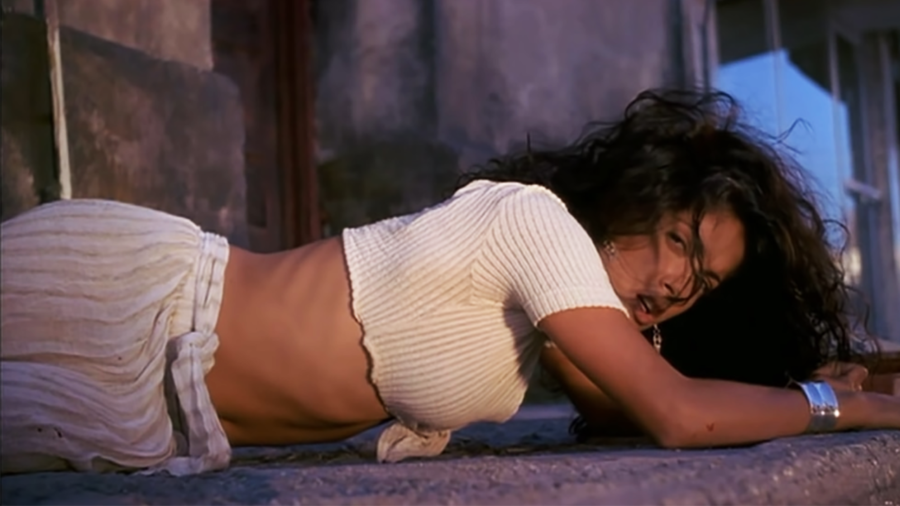
1995 is notable for being the year that Toy Story redefined animation, Apollo 13 reshaped history, and, well, Waterworld existed. It’s also the year that two of Hollywood’s sexiest stars broke through, but not in any of the blockbusters. Roberto Rodriguez’s Desperado, returning to Netflix after years away from the streaming service, turned the director into one of Hollywood’s hottest talents while his two leads, Antonio Banderas and Selma Hayek, have been setting screens on fire for over 30 years and counting.

Desperado is the sequel to Rodriguez’s debut, the extremely low-budget El Mariachi (shot for $7,500 only two years earlier), with Banderas taking over the role of the wandering Mexican out for revenge. Blaming the drug lord Bucho for the death of his love, El Mariachi massacres an entire bar of criminal underlings in a small, nondescript border town and happens to take refuge with the local bookstore owner, Carolina, played by Salma Hayek. The pairing immediately pays off with their chemistry melting the screen in between firefights so bloody and gruesome, the original cut was NC-17.
The plot is simple, but that’s not a bad thing. Desperado’s tale of revenge pays homage to classic spaghetti westerns with Rodriguez’s signature stylistic flair. By the time El Mariachi is back wandering the roads with his guitar case of weapons, you won’t care that there are no real twists or turns to the story. It’s fun, it’s bloody, and it both looks and feels like nothing else from 1995.

With a tiny fraction of the budget of Waterworld ($7 million versus $175 million), Rodriguez is able to make his stars pop off the screen. The opening sequence even includes Antonio Banderas playing his own guitar, singing, and bashing a robber in the head with the best el-kabong since Quick Draw McGraw. Banderas had already been featured in Philadelphia and Interview With The Vampire, but Desperado was his big breakthrough as an action star and a sex symbol.
Salma Hayek was already gaining popularity in Mexico when she signed on as Carolina. Desperado was her English-language breakthrough, followed a year later by a memorable dance sequence in Rodriguez’s follow-up, From Dusk Till Dawn. It’s rare for a low-budget film to launch a career these days. Desperado did one better and turned both of its leads and its director into stars.

The problem with Desperado is that it’s so over the top, so bloody, and so violent that it can be hard to watch. If you loved The Kingsman’s church fight, you owe it to yourself to see El Mariachi take down an entire bar of cartel members. You should also hunt down the third movie in the Mexico trilogy, Once Upon a Time in Mexico, which is even bigger, though it lacks the charm of Desperado. Remember that while you’re watching Mariachi open his guitar case for the first time that Rodriguez would go on to cast his action lead as the dad in Spy Kids, which also includes a returning Danny Trejo (who plays two different characters in the Mexico trilogy).
Desperado is an action classic that launched its own wave of low-budget imitators in the 90s. Other filmmakers could duplicate the blood and guts, but no one could ever replace Antonio Banderas and Salma Hayek. Now you can catch both stars’ breakout performances on Netflix and remember back when $7 million got you an action classic and not a third of an episode of Stranger Things.

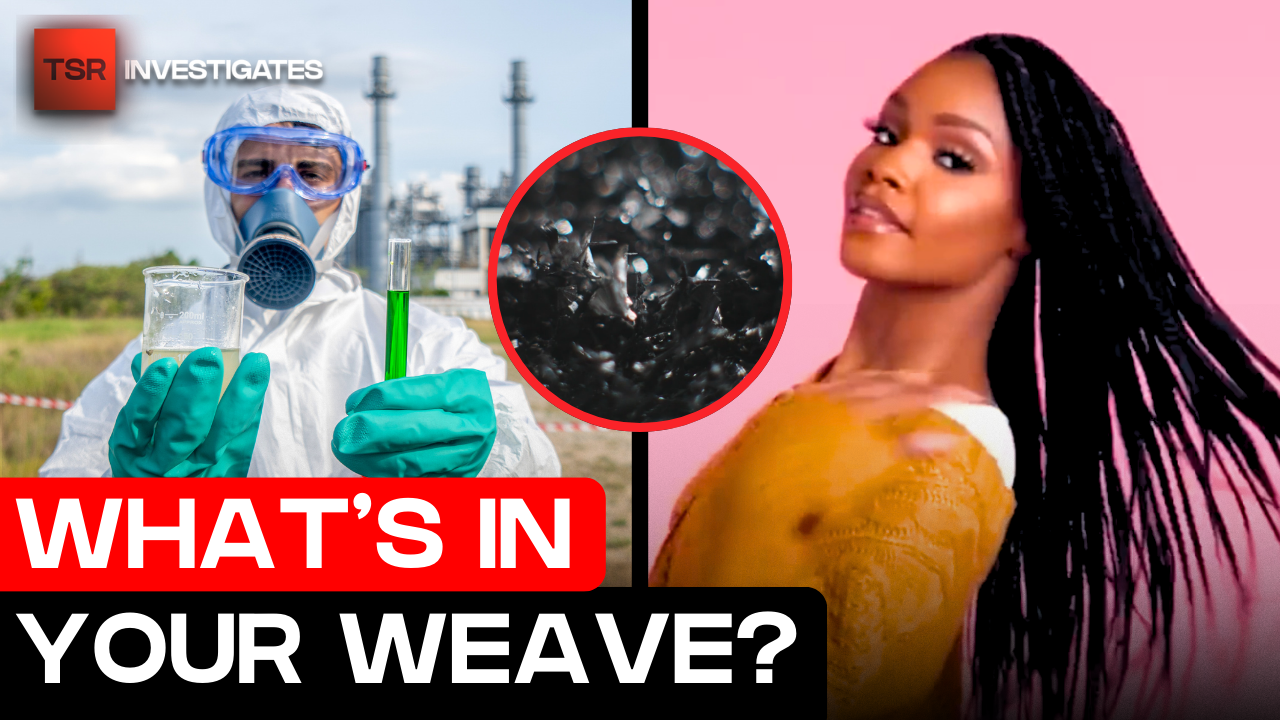
Last year, Consumer Reports reportedly discovered dangerous chemicals in popular synthetic braiding hair — everything from lead, carcinogens, and toxic chemicals. Now, new testing is diving in further, and taking a look at products marketed as 100% human or plant-based.
What’s really in these braiding hair products? Are they regulated? And is anything being done to keep consumers safe?
The Shade Room’s Justin Carter is sharing answers on ‘TSR Investigates.’
According to Carter, the results of testing human hair have been even more shocking than what was revealed by testing synthetic hair. Dr. James Roberts, the Director of Product Safety and Research at Consumer Reports, told Carter that human hair contained the highest amount of lead by far.
“One hundred percent of the products also contained VOCs, including acetone, a respiratory irritant, and low levels of carcinogens (toxins that can be linked to cancer),” the “top findings” page of the study asserts.
To make matters worse, per Carter, the manufacturers aren’t under regulation and also aren’t required to share their data.
“One may think that human hair is safer. But it too is processed… once the women sell their hair to a broker then that hair can be exposed to all different types of chemicals to give it its characteristics of color of texture,” Dr. Roberts explained to Carter.
Scroll above to watch as Carter shares which brand of human hair tested for the highest amount of lead. Additionally, Carter shares the brand of hair that Dr. James Roberts says he would trust his closest loved ones, his daughters, to use. Lastly, Carter shares his discussion with Dr. Elissia Franklin. Franklin, a research student at the Silent Spring Institution, broke down her new study. And how it was able to find over 900 chemicals in the hair products it tested.
What Do You Think Roomies?
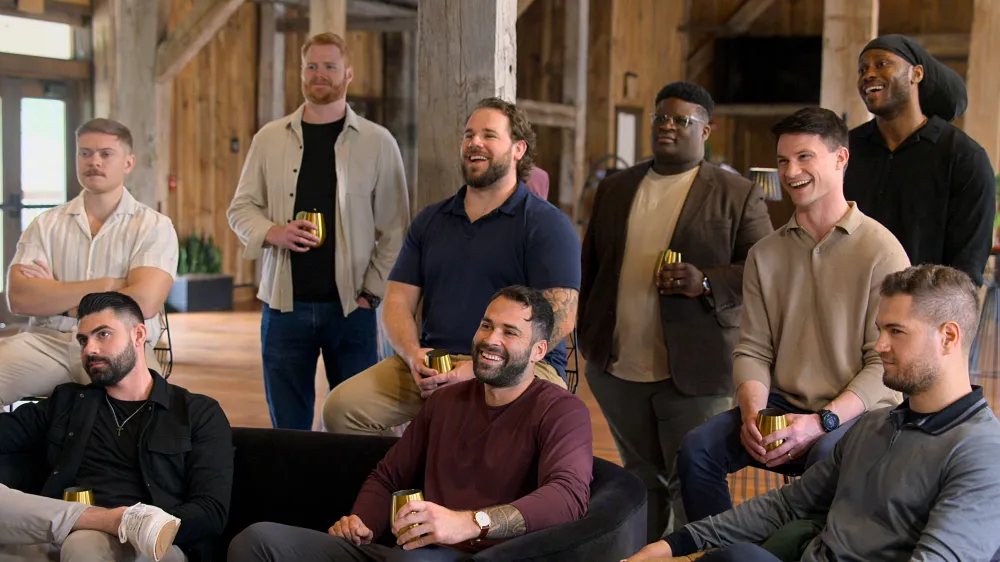
The Love Is Blind season 10 cast will reunite to share life updates during the official reunion.
The landmark 10th season of the Netflix dating experiment was set in Ohio and featured seven couples getting engaged sight unseen.
“We felt so good about the couples that for the very first time we chose to follow seven of them, producing the biggest season in Love Is Blind history,” showrunner Chris Coelen told Tudum in February. “We’re so excited for all of our couples, and are delighted that we can share all of their stories with the world.”
Out of seven pod engagements, only two couples got married. Victor St. John and Christine Hamilton, as well as Amber Morrison and Jordan Faeth both said “I do” in the season finale when it aired in March.
Keep scrolling for what to know about the Love Is Blind season 10 reunion:
The Ohio-based cast of Love Is Blind sat down with show hosts Nick and Vanessa Lachey for a tell-all special airing Wednesday, March 11, on Netflix. The reunion will begin streaming at 9 p.m. EDT.
At the end of the season 10 finale, Netflix offered a brief glimpse of the reunion taping.
“I’m assuming you’re not hearing this for the first time?” Nick Lachey asked one of the contestants, later asking another whether they were “lying” about a yet-to-be-revealed accusation.
Elsewhere, Chris Fusco admitted that he “wasn’t proud of a lot” of his onscreen moments. (Chris notably dumped fiancée Jessica Barrett over her body type, later trying to pursue Bri McNees despite her engagement to now-ex Connor Spies.)
Jessica, meanwhile, said the reality of her relationship was “very, very different than what was being shown” in the episodes.
Amber Morrison also had a moment in the hot seat, storming off the stage after warning one of her costars not to “f***ing do that.”

Mike Gibney, Jordan Faeth, Alex Henderson and Dr. Vic St John with their friends while shopping for wedding suits. Courtesy of Netflix
Plenty of Love Is Blind alums were seated in the reunion audience in the teaser, including Alexa Lemieux, Colleen Reed, Cameron Hamilton, Giannina Gibelli, Tiffany Pennywell, Chelsea Griffin, Taylor Krause, Garrett Josemans, Leo Braudy, Brittany Wisniewski, Amy Cortes and Johnny McIntyre.
Season 4 couple Bliss Poureetezadi-Goytowski and Zack Goytowski also plan to reveal the sex of their second baby during the live TV special. The couple, who share daughter Galileo, announced in February 2026 that they are expecting again.
“We have a new little Valentine on the way,” they wrote via Instagram on Valentine’s Day. “Our hearts are overflowing because this time we know the joy and awe of parenthood. The out of this world, all consuming love that’s coming. We are so excited to meet you our precious, heavenly blessing! We cannot wait to see Galileo become a big sister.”
Love Is Blind season 10 ended with two marriages: Victor St. John married Christine Hamilton, while Amber Morrison said “I do” to Jordan Faeth. The remaining couples — Emma Betsinger and Mike Gibney, as well as Ashley Carpenter and Alex Henderson — broke up at the altar.
There were three couples who called off their engagements in advance: Brianna McNees and Connor Spies, Devonta Anderson and Brittany Wicker, and Chris Fusco and Jessica Barrett.
Published
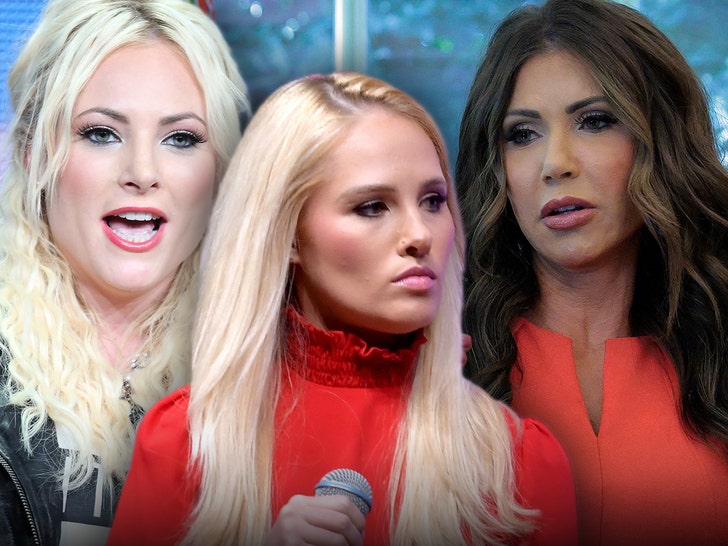
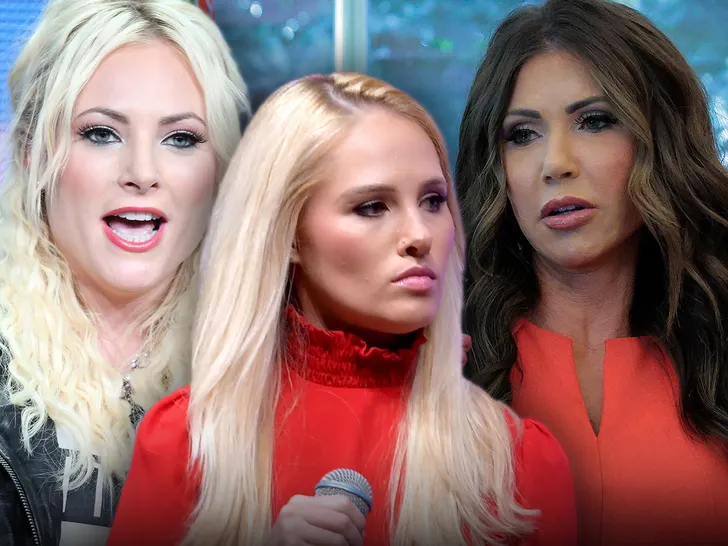
Kristi Noem was a terrible Homeland Security chief who cared more about her looks than doing her damn job … so say Meghan McCain and Tomi Lahren.
The conservative commentators bashed Noem shortly after President Donald Trump announced she would no longer run DHS … instead moving her to the position of “Special Envoy for The Shield of Americas.”
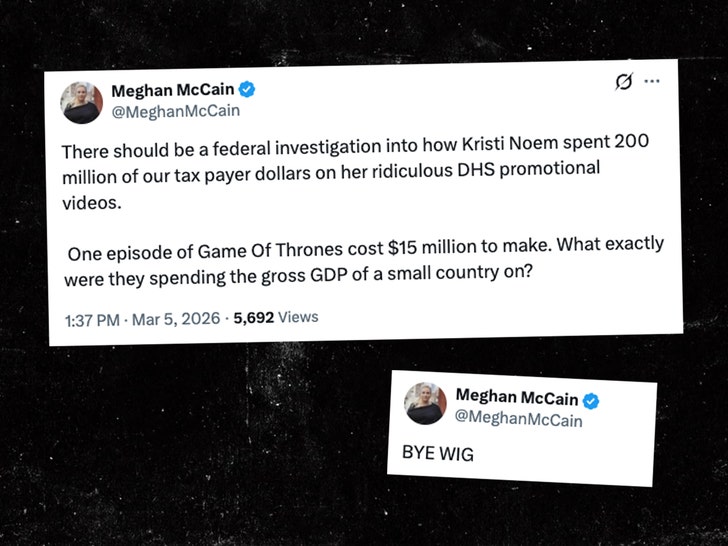
First up, McCain questioned the massive $220 million advertising campaign DHS paid for … pointing out an episode of “Game of Thrones” cost HBO far less to produce — and federal investigators should look into where that money went.
McCain later added, “BYE WIG” … a reference to the hair extensions many believe the former Secretary of Homeland Security uses.
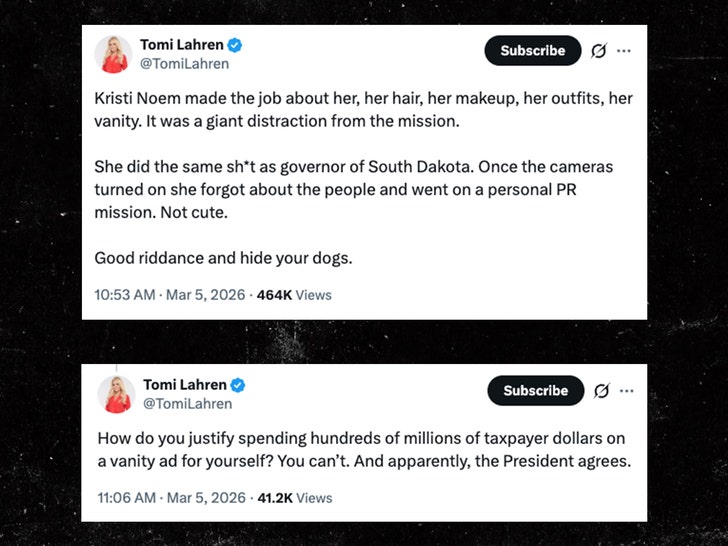
Lahren didn’t mince words either … claiming Noem made her job about herself and her appearance — calling it a “giant distraction from the mission” — an allegation Tomi says would be apt to described her time as the Governor of South Dakota as well.
She encourages her followers to hide their dogs, too … a cutting reference to Noem executing one of her own.
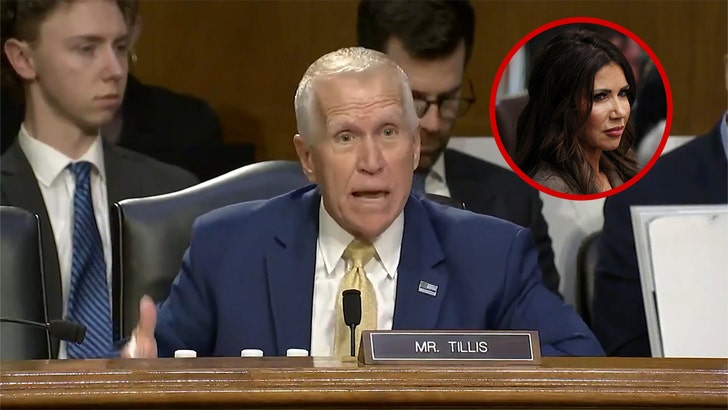
President Trump has tapped Republican Oklahoma Senator Markwayne Mullin to take over DHS. The prez reportedly asked aides to put together a list of candidates following Noem’s disastrous Congressional hearing on Tuesday where GOP Senator Thom Tillis ripped into her.
Basically … Noem’s out of Homeland — but, it sounds like ladies on the right might trust her to lead the Department of Vanity Politicians?

The World War II genre of movies has produced some all-time classics over the years, like Saving Private Ryan. Steven Spielberg directed the 1999 film, which stars Tom Hanks, a duo who reunited just a few years ago for a new WWII project, Masters of the Air. There have also been more unconventional takes on the WWII movie over the years, including just a few years ago with Christopher Nolan’s Oppenheimer. The film is much more of a legal drama/thriller than a traditional war/action movie, but it still fits into the category of a World War II movie, given the time period it’s set in. Oppenheimer also wasn’t the first WWII movie Nolan directed — he first worked on Dunkirk nearly 10 years ago, which stars Cillian Murphy and Tom Hardy.
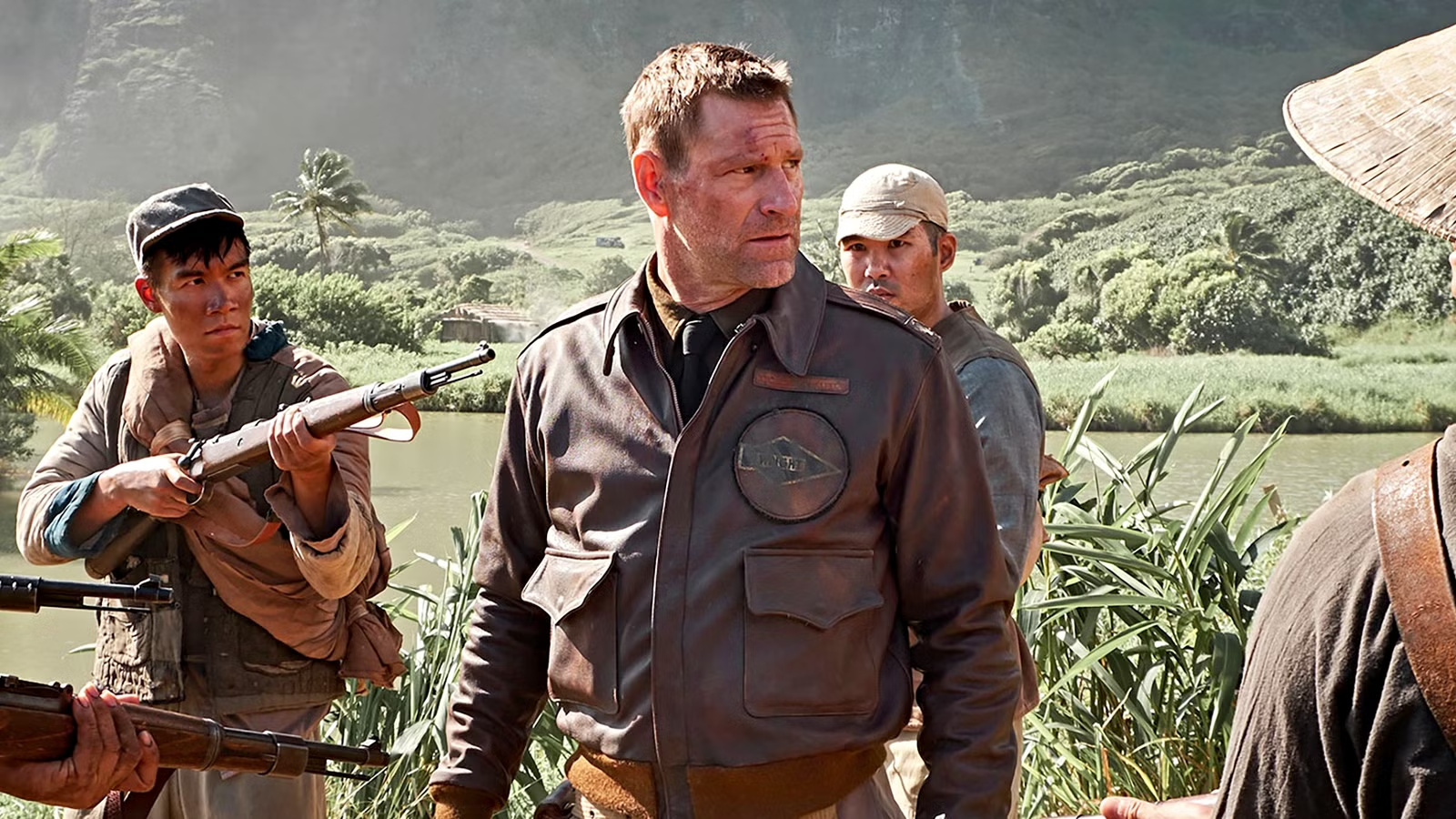
One of the most underrated entries in the World War II genre came in 2019 with Midway. The epic historical film tells the story of the Battle of Midway, both through the pilots in the air who fought in the battle and the suits behind the scenes who planned the soldiers’ every move. The film features a star-studded ensemble led by Ed Skrein, Woody Harrelson, Patrick Wilson, Dennis Quaid, Luke Evans, and even Aaron Eckhart, but it grossed only $127 million at the global box office against a $100 million budget. It earned a Rotten 42% from critics on Rotten Tomatoes, but a Verified Hot 92% on the audience-driven Popcornmeter. After flopping at the box office, Midway recently found success streaming for free on Tubi at the end of last month. The film has since left the platform and is now available to watch exclusively on Prime Video.

Hopping Down the Aisle — The Collider Movie Quiz!
Something bold, something new, something animated, something for you? A quiz about two films hitting theaters tomorrow: The Bride! and Hoppers.
While it’s easy to look at Midway grossing $27 million over its budget and assuming that the film was a success, it needed over $200 million just to break even. Studios generally split ticket sales 50/50 with movie theaters, meaning Lionsgate only got back about $63 million from the ticket sales alone for Midway, and this doesn’t even include what the studio spent on marketing. Many felt the film underperformed at the box office due to the lack of a true A-list star. The closest it came was Woody Harrelson, who has a checkered history of box office success.
Check out Midway on Prime Video and stay tuned to Collider for more streaming updates and coverage of future WWII movies.

November 8, 2019
138 minutes
Roland Emmerich
Wes Tooke
:max_bytes(150000):strip_icc():format(jpeg)/IRON-MAN-030526-bc7106b2ef6c458480e3a7addd34db29.jpg)
The Oscar-nominated actor believes that an alleged run-in with a legendary producer played a role in Don Cheadle replacing him in the MCU.
Roommates, a moment between Blueface and Jaidyn Alexis has the internet talking after a clip from a recent livestream started making its rounds online. What appeared to be a casual at-home moment quickly turned into a tense exchange once a certain question came up. And, it prompted Jaidyn to step in before things went any further.
During a recent live, Blueface was shirtless, rocking black-and-white pants and a bedazzled baseball cap, sitting in his blue-and-black gamer chair while giving his and Jaidyn Alexis’ son Javaughn a fresh cut. Javaughn sat across from him in a matching blue outfit, game controller in hand, just chilling. That is, until things got a little…tense. The clip starts with Blueface asking about girls at school, and Javaughn hit him with a firm, “No, ’cause I don’t want to.” Blueface kept at it, asking if the girls liked him, and Javaughn doubled down: “I don’t want to.” When Blueface tried one more time, asking if any of the girls had a crush on lil man, Javaughn was still not having it.
Furthermore, that’s when Blueface continued by asking Javaughn if he was gay. However, it seemed to have caught Javaughn off guard before he quickly responded, “No!” At that moment, Jaidyn Alexis walked into the room and overheard the conversation. And, she immediately questioned why Blueface was bringing that up right now. Blueface defended himself by saying it was just “barbershop men talk.” However, Jaidyn wasn’t feeling it and shut the conversation down, even threatening to turn off the live. The moment has since sparked reactions online, especially after Blueface reposted an older clip where he asked Javaughn the same question.
Folks quickly flooded the comment section of The Shade Room Teens on Instagram to share their thoughts on the moment. Some users said there’s nothing wrong with a father asking his son questions like that. And, many argued that Blueface may have simply been trying to have an open conversation. However, others felt the timing was inappropriate for a livestream. But, plenty of commenters also praised Jaidyn for stepping in and protecting her son, calling her a true “mama bear.”
One Instagram user @stuckupbee said, “No ts would’ve pmo don’t say weird shht to my child AND on stream that’s sick.“
This Instagram user @immikey2x claimed, “Nun wrong w this“
And, Instagram user @siramaimled added, “Weird question to ask in front of thousands of viewers.“
Meanwhile, Instagram user @mackenzieviii commented, “I think he’s projecting…“
While Instagram user @big_terrible_tx said, “She did right! 👏”
Lastly, Instagram user @kyraaaaaariannna__ shared, “The boy was clear he’s focused on games and schools as an 8 year old should“
What Do You Think Roomies?

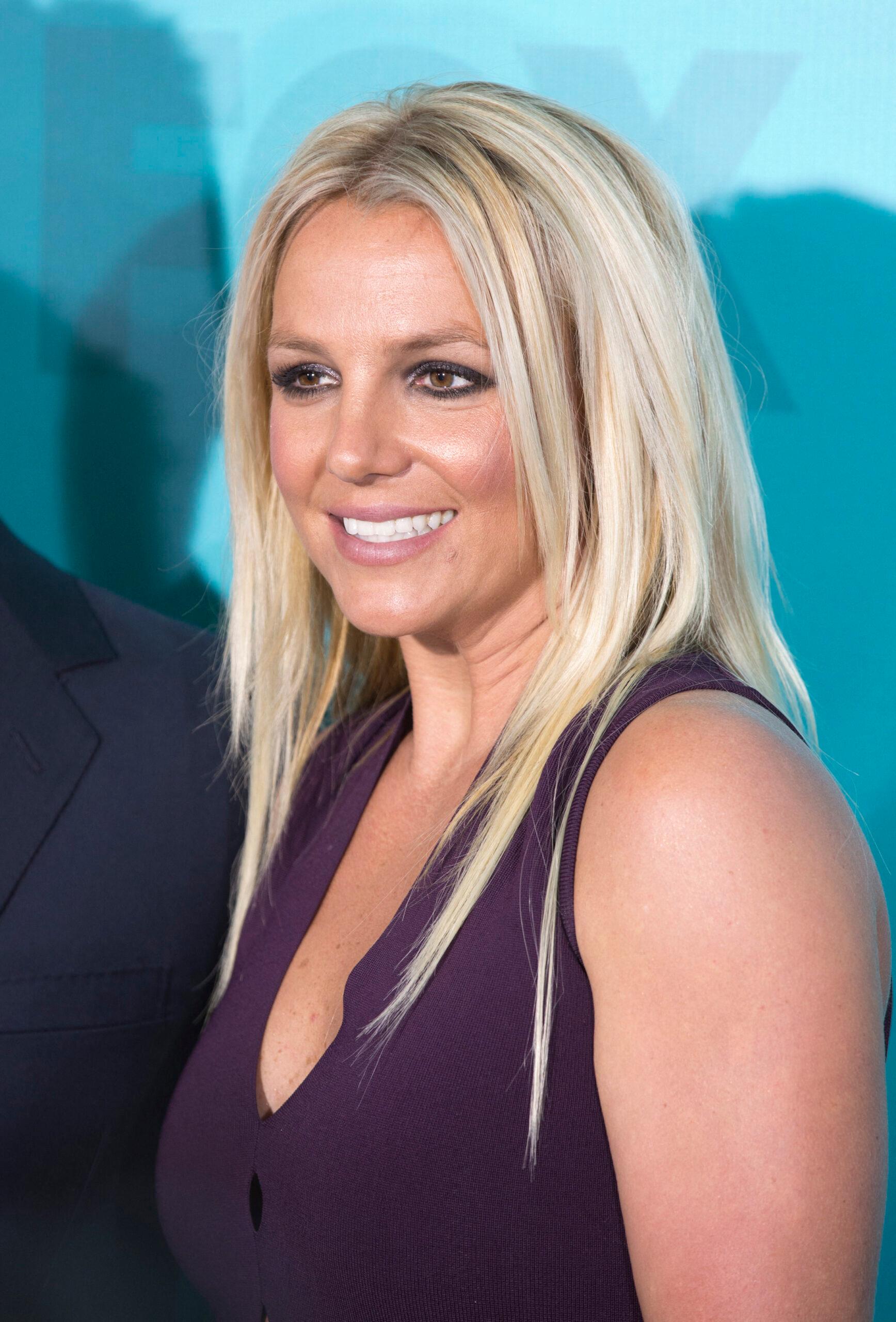
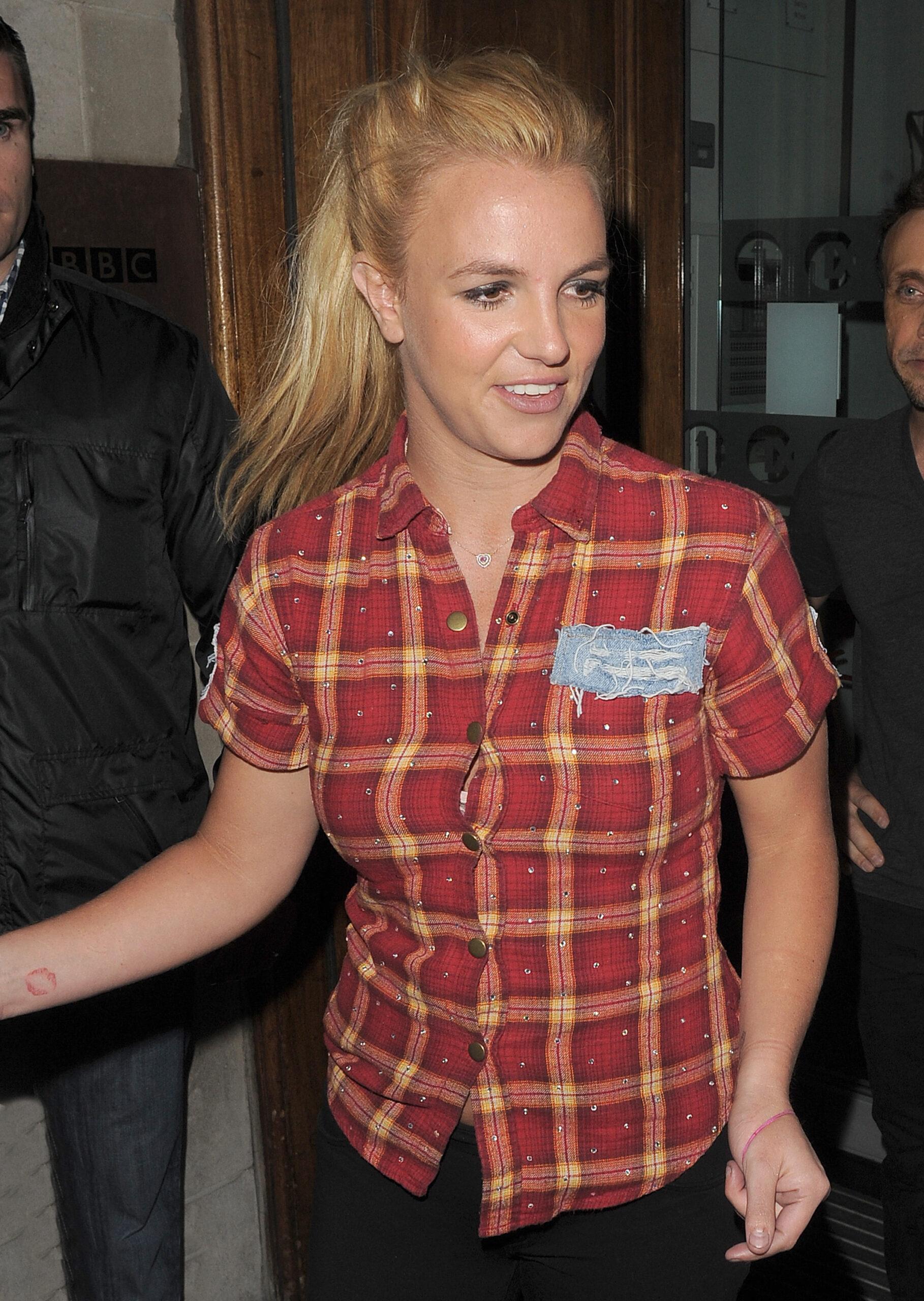
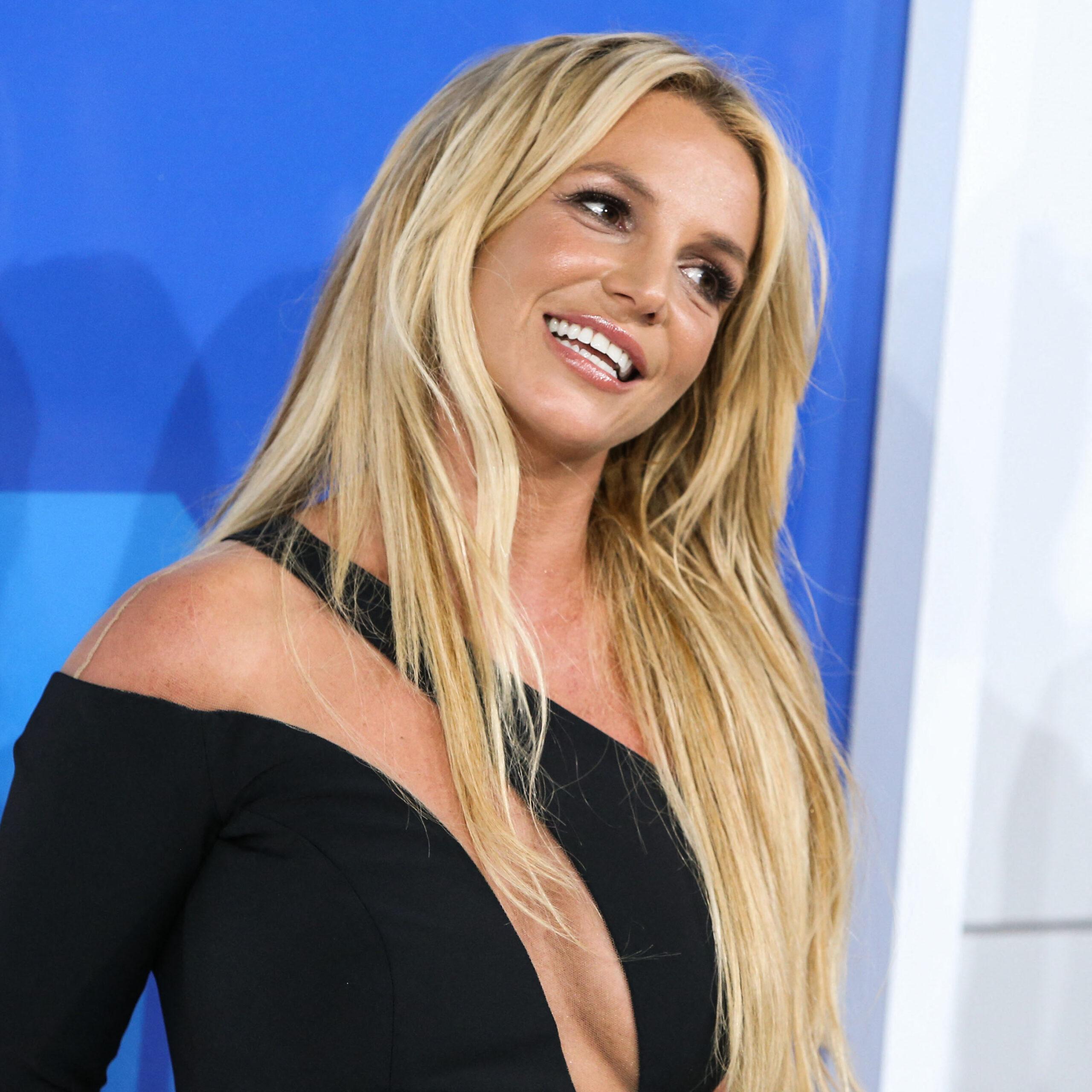
Britney Spears is once again facing intense public scrutiny after a troubling run-in with law enforcement that left the pop icon visibly emotional.
The “Criminal” singer was arrested for DUI in California following a chaotic highway incident that unfolded over nearly an hour.
While authorities documented the dramatic pursuit, sources close to the singer say the aftermath was deeply personal for Spears, who reportedly broke down in tears as she was processed, expressing regret and worry about disappointing the people who still support her.
Article continues below advertisement

Behind the flashing lights and police reports, the emotional toll on Spears was immediate.
A source familiar with the situation told Page Six that the singer was “crying and very tearful” while she was being booked after the arrest.
Insiders described the moment as overwhelming for the star, who has spent much of her life navigating public scrutiny.
One source explained, “She was incredibly emotional,” adding that “It’s been a very hard couple of months.”
The insider also revealed that Spears “felt ashamed and embarrassed” following the incident and is reportedly “very sorry” about what happened. The situation, they said, has weighed heavily on her.
Article continues below advertisement
“She doesn’t want to let anyone down, including her fans,” the source noted, emphasizing that the singer remains conscious of her public image and the loyalty of her supporters. “The last thing she wants is to be judged publicly all over again.”
Article continues below advertisement
The emotional booking followed a tense traffic incident that reportedly unfolded on a California freeway earlier that evening.
Authorities say Spears was driving along Highway 101 in Ventura County when officers began receiving reports about a vehicle behaving dangerously.
According to a 911 dispatch recording obtained by the Daily Mail, officers tracked a car that was braking unpredictably and drifting across lanes.
At one point, a dispatcher described the vehicle as “A black sedan, erratic braking, swerving and driving with no taillight.”
The pursuit reportedly began around 8:13 p.m., with officers monitoring the vehicle as it moved along the freeway. As the situation escalated, law enforcement coordinated to intercept the driver.
Article continues below advertisement
“Can we send all units down towards this area please,” another officer was heard requesting as the vehicle’s location was relayed over dispatch.
Police eventually identified the car as a “2026 black BMW convertible.” Roughly an hour into the pursuit, authorities confirmed that the driver had exited the vehicle.
“Driver is out of the vehicle,” dispatchers said as officers approached and began speaking with Spears at the scene.
Article continues below advertisement
After Spears was stopped, officers began determining whether she was impaired while driving.
During the dispatch call, one officer requested the presence of a Drug Recognition Expert, often referred to as a DRE. These specially trained officers evaluate drivers for signs of drug or alcohol impairment.
Authorities attempted to get a DRE to the scene quickly as officers continued assessing the situation. Reports later indicated that investigators also discovered an unidentified substance inside Spears’ car. According to sources, the item will reportedly be included in the official arrest report as authorities continue reviewing the case.
Following the arrest, Spears was taken into custody by the California Highway Patrol at approximately 9:30 p.m. in Ventura County.
Records later confirmed that she was released from custody and is scheduled to appear in court on May 4 as the case proceeds through the legal system.
Article continues below advertisement
In the hours after the arrest became public, Spears’ representative released a statement to Page Six, addressing the situation and emphasizing that the singer intends to cooperate with authorities.
“This was an unfortunate incident that is completely inexcusable,” the statement read. The message also suggested that the incident could represent an opportunity for the singer to make positive changes moving forward.
“Britney is going to take the right steps and comply with the law, and hopefully this can be the first step in the long-overdue changes that need to occur in her life,” the statement continued.
The representative also expressed hope that Spears will receive support during this difficult moment. “Hopefully, she can get the help and support she needs during this difficult time.”
The statement further revealed that Spears’ two sons are expected to spend time with her soon as the family works to support her.
Article continues below advertisement
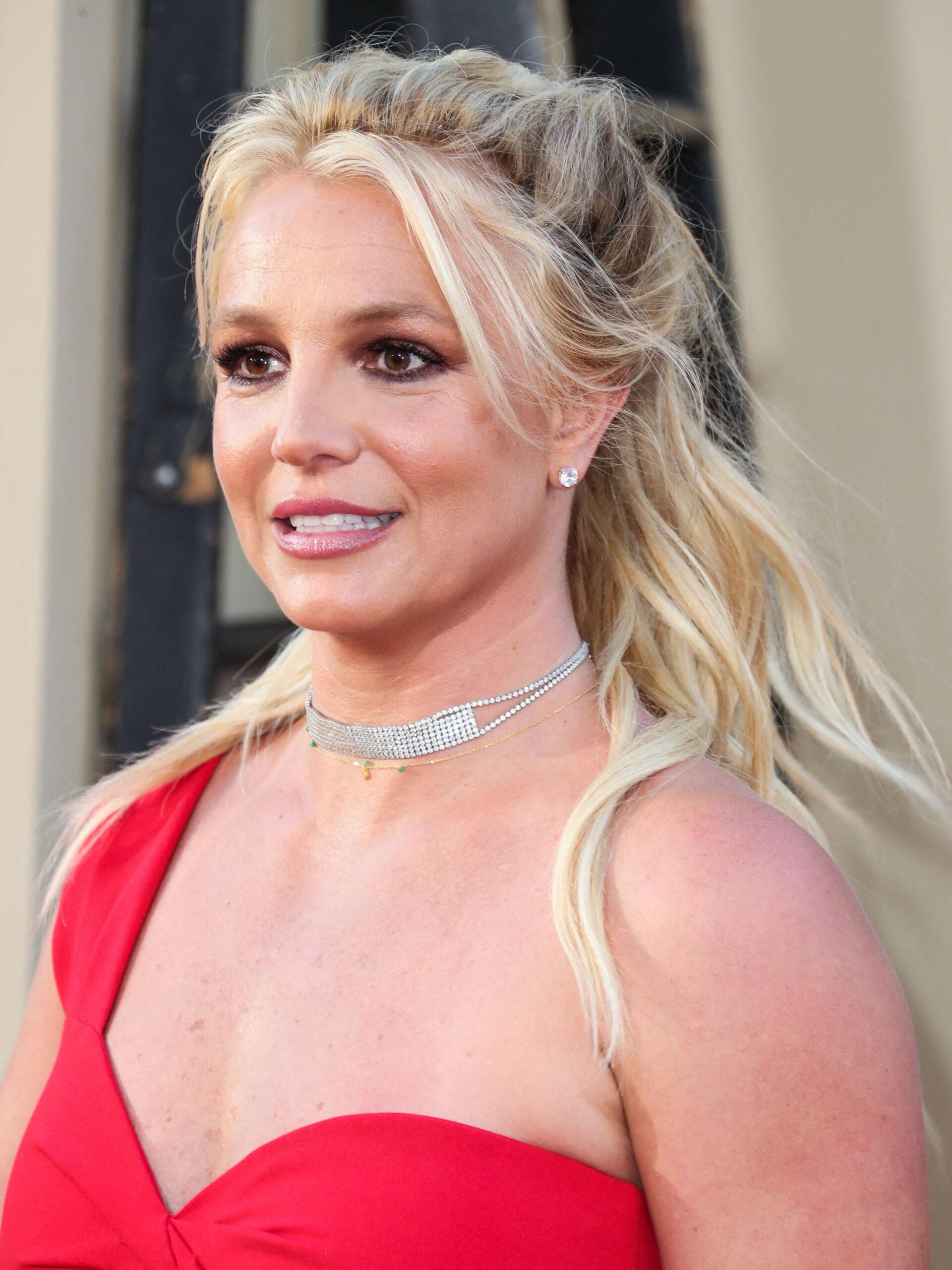
The arrest has also revived discussion about the many personal battles Spears has faced over the past two decades.
The 44-year-old has been involved in several public incidents with law enforcement over the years. In 2007, she was cited for a hit-and-run after striking a parked car, though the case was later dismissed after she compensated the vehicle’s owner. She was also cited in 2008 for driving without a valid California license, which was eventually dismissed by a judge.
Spears’ struggles became especially visible in 2007 when she suffered a widely publicized breakdown. During that time, the then-25-year-old shocked fans by shaving her head and striking a paparazzi’s vehicle with an umbrella before entering rehab.
Her challenges continued later that year after a heavily criticized performance of “Gimme More” at the MTV Video Music Awards.
More recently, Spears has spoken openly about her complicated relationship with her family following the end of her 13-year conservatorship, which had been overseen largely by her father, Jamie.




Alan Cumming Brands Baftas Ceremony A ‘Triggering S**tshow’


Weekend Open Thread: Iris Top


Unihertz’s Titan 2 Elite Arrives Just as Physical Keyboards Refuse to Fade Away


Abusive parents will now be treated like sex offenders and placed on a ‘child cruelty register’ | News UK

Dubai flights cancelled as Brit told airspace closed ’10 minutes after boarding’
The Vikings Need a Duck

The empty pub on busy Cambridge road that has been boarded up for years


‘Significant’ damage to boarded-up Horden house after fire


Bitwarden adds support for passkey login on Windows 11


Baby Gear Guide: Strollers, Car Seats

499 runs and 34 sixes later, India beat England to enter T20 World Cup final | Cricket News

NASA Reveals Identity of Astronaut Who Suffered Medical Incident Aboard ISS
FIFA hypocrisy after Israel murder over 400 Palestinian footballers

Emirates confirms when flights will resume amid Dubai airport chaos


Is it acceptable to comment on the appearance of strangers in public? Readers discuss


Viral ad shows aged Musk, Altman, and Bezos using jobless humans to power AI


How to Build Finance Dashboards With AI in Minutes


Guthrie Disappearance Enters Fifth Week as Family Visits Memorial

US Judge Lets Binance Unregistered Token Class Action Proceed

Ukraine-Russia war latest: Belgium releases video showing forces boarding Russian shadow fleet oil tanker