

Video
Financial Wellbeing Reset: Building Healthier Financial Habits

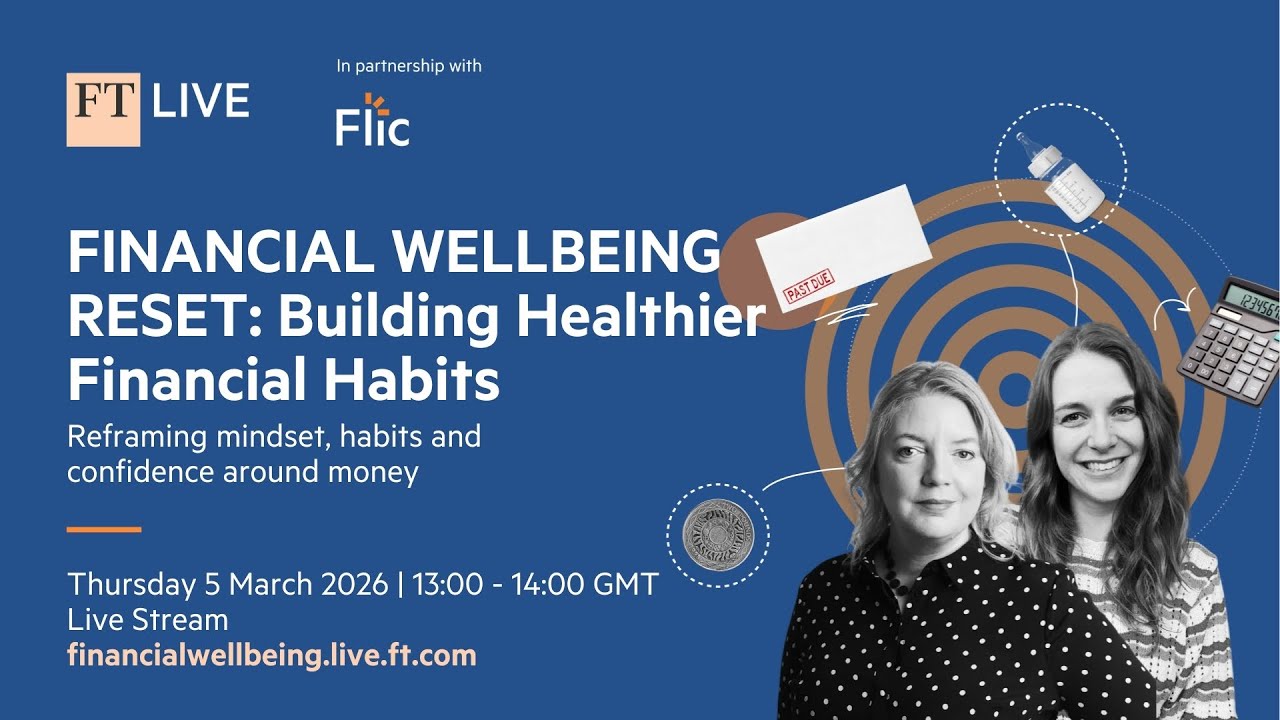
Money is something we all live with, yet many people still feel unsure about how to talk about it – let alone manage it confidently. Rising costs, economic uncertainty and constant comparison have intensified financial anxiety, making it harder for individuals to know where to start or who to trust for guidance.
Improving financial wellbeing is not just about numbers. It is about mindset, habits and confidence – understanding how money works in everyday life, letting go of shame, and building practical routines that support resilience over time. When financial conversations feel open and relatable, people are far more likely to engage and take action.
Held close to International Women’s Day, our event reflects the fact that women in the UK are disproportionately affected by problem debt. Nearly two-thirds of debt advice clients at StepChange, the UK debt charity, are women, driven by lower incomes, the cost-of-living crisis, and higher caregiving responsibilities.
This Financial Times lunch and learn webinar, hosted in partnership with FT FLIC and FT Wellbeing, creates space for exactly those conversations. Led by Claer Barrett, the FT’s Consumer Editor, in discussion with content creator, journalist and motivational speaker Megan Archer-Fox, best known as “That Girl In Debt”, the session will draw directly on audience questions submitted in advance and live on the day. Together, they will explore how to reset financial habits, approach debt responsibly, and move forward with greater clarity and confidence – whatever your starting point.
source


GTA 5 Money Glitch 1.72 / Car Duplication Glitch in this “GTA 5 Glitches” video
Patreon – https://www.patreon.com/c/obesegiraffe
FULL GLITCH VIDEOS WILL ALWAYS BE ON MY PATREON AND YOU GET EARLY ACCESS!
My Patreon is for the Glitch videos with GTA 5 Gameplay Footage that I can’t have on YouTube, and it’s a way to support me. (All members will have their name at the end of my videos too!) The glitches will always be on YouTube for free but if you want my extra footage showing how to do the glitches in the game, Patreon is where it will be.
Founder – I’m not sure who found this but I would love to know!
Solo Money Glitches (Without Mansion):
GTA 5 Solo Money Glitch (PS5 & Xbox Series X/S) – https://youtu.be/2wgnUkR09Ds
Another GTA 5 Solo Money Glitch On ALL CONSOLES – https://youtu.be/k82gxqKplAM
Solo Money Glitch (PC) – https://youtu.be/anKcEjNm32k
This “GTA 5 Money Glitch” video shows you a GTA 5 car duplication glitch that is working now! This GTA 5 duplication glitch will let you duplicate cars to make money fast. I hope this “GTA 5 How To Get Money Fast” video helps you and have fun with this GTA 5 Online Money Glitch 1.72 – Working On PS5, PS4 Xbox Series X / Xbox Series S & Xbox One versions of GTA Online
Please drop a LIKE if you enjoyed and SUBSCRIBE for more GTA 5 Glitches.
source

📌Matricúlate para la edición de MARZO ahora y recibirás una Beca para OBTENER 2 MESES DE PRÁCTICAS en el TRAINING ROOM | CRECETRADER DESDE CERO: 👉https://crecetrader.com 💥Encontrarás toda la información
———————————————————————————————————————–
Este canal de YT es administrado por el creador de Contenidos Esteban Pérez no es una guía de inversión y no debe considerarse como tal. El material e información contenidos en este canal son una expresión subjetiva de las opiniones y opinión personal del administrador del canal y, bajo ninguna circunstancia, deben tratarse como asesoramiento financiero y de inversión, y no debe proceder a tomar decisiones de inversión/financieras basándose únicamente en el contenido de este canal. Usted es el único responsable de las decisiones y acciones de inversión realizadas por usted.
No es un canal de trading ni de proporcionar señales ni tampoco es el objetivo.
source
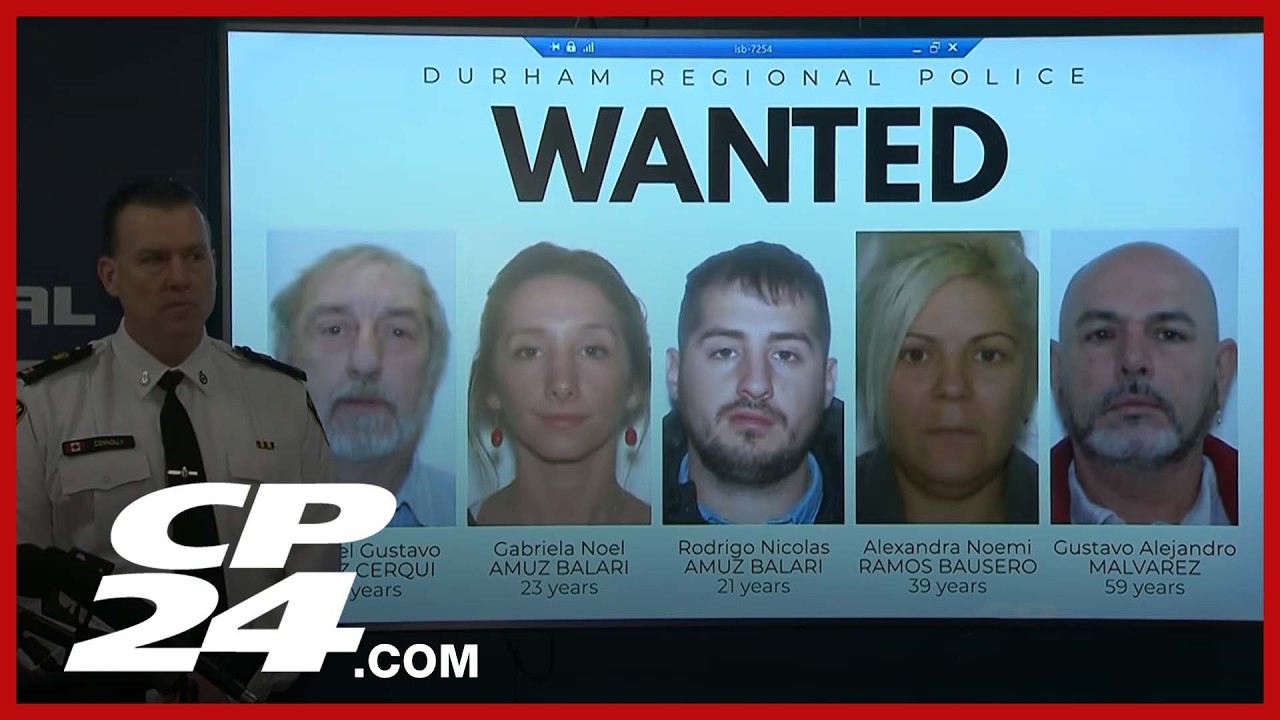
Durham police provide an update on the four-year investigation dubbed ‘Project Fletcher’ to crackdown on financial fraud in the region.
Subscribe to CP24 to watch more videos: https://www.youtube.com/Cp24TorontoBreakingNews
Connect with CP24:
For the latest news: https://www.cp24.com/
For the latest videos: https://www.cp24.com/video
CP24 Live and Interactive: https://www.cp24.com/now
CP24 on Twitter: https://twitter.com/CP24
CP24 on TikTok: https://www.tiktok.com/@cp24breakingnews
CP24 Breakfast on Twitter: https://twitter.com/CP24Breakfast
—
CP24 is Toronto’s #1 source for breaking news.
#CP24 #torontonews #canadiannews
source
Video
We Are Watching a Controlled Demolition of the Financial System | Josh Phair, CEO Scottsdale Mint

#money #gold #dollar #china #economy
Maneco64 Merch Store and the Rudy Collection: https://www.13swag.com/rudy
Keep your possessions safe with The Dirtyman Safe – Use the maneco10 promo code for a 10% discount: https://affiliates.dirtymansafe.com/maneco
Where to Buy Precious Metals:
In North America:
Miles Franklin Precious Metals Investments: send an email to info@milesfranklin.com and mention Mario or maneco64 or call 1-800-822-8080
Or visit: https://milesfranklin.com/maneco64/
GlintPay App, Save and Spend in Gold and buy and store silver: Promo code MARIO79 gives new users free card delivery worth $10 or £7.99 for those in the U.K.
In the U.K. but will ship worldwide:
Contact Oliver Temple or Simon Temple at Gold Investments:
Use promo code maneco64krug to get a 1% discount on 1 troy ounce gold Krugerrands at https://www.goldinvestments.co.uk
For 1% off 1 Troy ounce gold Britannias 2013 and mixed dates use Maneco64Brit
For all other products use promo code maneco64 separately for a 0.5% discount
You can only use one promo code for each separate transaction.
SUPPORT the Channel:
Paypal: https://paypal.me/maneco64?country.x=GB&locale.x=en_GB
Patreon: https://www.patreon.com/maneco64
DISCLAIMER: I am not a financial adviser. These videos are for educational purposes only. Investing of any kind involves risk. Your investment and other financial decisions are solely your responsibility. It is imperative that you conduct your own research and seek professional advice as necessary. I am merely sharing my opinions.
AFFILIATE DISCLOSURE: Some of the links on this channel are affiliate links, meaning at no cost to you I earn a commission if you click through and make a purchase. However, I only recommend products or services that I believe in.
source

2nd Channel @ZacV2
Chapters
0:00 Subscribe!
0:32 1st
2:15 2nd
4:15 Comments
5:27 3rd
7:50 Comment
8:35 4th
9:48 Comment
10:42 5th
11:36 Comment
12:15 6th
14:01 7th
14:52 8th
16:46 9th
18:02 Comment
18:12 10th
19:57 11th
20:48 12th
21:41 13th
24:04 14th
24:49 15th
26:21 16th
Business inquiries zacriosbusiness@gmail.com
#money #finance #debt
source
Another financial crisis on the way?
source
► Turn long videos into Shorts with WayinVideo and get 200 free credits for new users by clicking here 👉 https://wayin.ai/tools/clip-maker/?ref=MrReis7
► Subscribe ➜ https://www.mrreis.io/subscribe
6 Ways To Make Money Online With AI That Will Dominate 2026
► Text Guide: https://www.mrreis.io/6businessmodels1
► Free Training: https://www.mrreis.io/makeyourfirst1konline
► Join Wealth Academy Pro (WHOP) ➜ https://www.mrreis.io/proacademy
► Join Wealth Academy Lite (SKOOL) ➜ https://www.mrreis.io/freecommunity
► Join Wealth Academy Lite (WHOP) ➜ https://whop.com/wealth-academy-free/
https://www.instagram.com/philipereis7/
Tweets by PhilipeReis7
@philipereis7
This video was sponsored by WayInVideo.
Some of the links in the description of this video will be affiliate links.
None of this is meant to be construed as investment advice, it’s for entertainment purposes only. The video is accurate as of the posting date but may not be accurate in the future.
Keep in mind that signing up for any online platform comes with potential risks — including data breaches or the misuse of your personal information. Always take the time to read the website’s terms of service and privacy policy before creating an account.
source
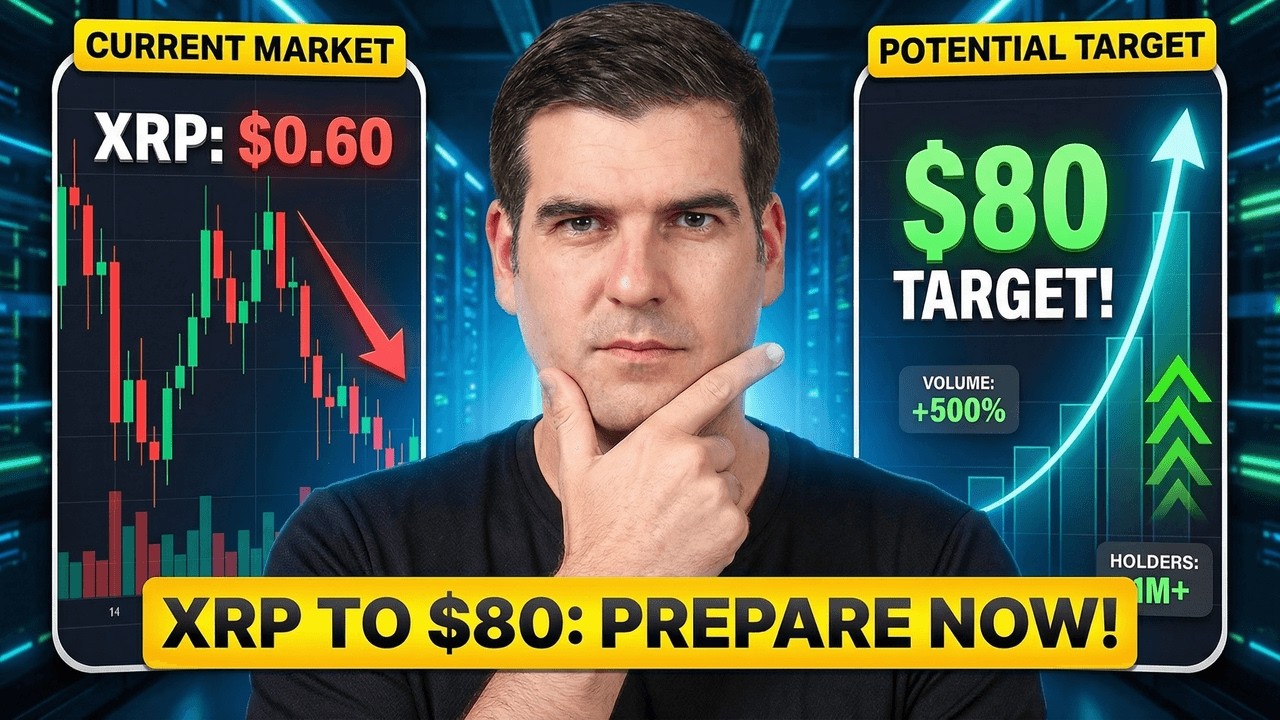
Most see an $80 XRP target as a dream, but market geometry suggests a mathematical inevitability. The seven year wait channel is reaching its apex point, shifting from a 2500-day horizontal zone into a coiled spring ready for expansion. As the legal clouds clear and spot ETFs go live, this geometric certainty suggests a macro setup unlike anything in digital finance. Understanding the white channel boundaries is your first step towards financial agency before the institutional wall of money arrives.
To survive the extreme volatility, you must move from a passive spectator to a wealth architect. Utilize the free carry strategy to secure your initial capital or implement the 80/20 rule to fund your future legacy. Whether you hold 1000 or 5000 tokens, the roadmap identifies midway traps and extension levels to help you maintain discipline through the vertical phase. Subscribe for more in-depth crypto breakdowns as we track this systemic evaluation.
#XRP #Ripple #CryptoNews
—————————————————————–
📚 Learn:
👉 https://cheekyschool.com/
👉 Grab 50% OFF with this Code: YT50OFF
Educational resource only – no guarantees of financial outcome.
🔗 Free Educational 𝗗𝗶𝘀𝗰𝗼𝗿𝗱:
👉 https://discord.gg/cheekycrypto
🧠 This is a community for educational discussion only.
🚫 No financial advice is provided.
👨💼 Admins and moderators are not licensed financial professionals.
🔗 Kraken XRP DEAL
👉 Special Link: https://kraken.pxf.io/c/6189776/3300403/10583
👉 Full T&Cs: https://www.kraken.com/en-de/legal/affiliate-incentive-25-xrp-terms
—————————————————————–
🎥 OUR YOUTUBE CHANNELS
🔹 Follow Cheeky Crypto 𝗼𝗻 YouTube: / @CheekyCrypto
🔹 Follow Cheeky Crypto Trading 𝗼𝗻 YouTube: / @CheekyCryptoPlus
🔹 Follow Cheeky Crypto News 𝗼𝗻 YouTube: / @CheekyCryptoNews
🔹 Follow Cheeky Crypto Education 𝗼𝗻 YouTube: / @CheekyCryptoEducation
🔹 Follow Cheeky Crypto Unfiltered 𝗼𝗻 YouTube: / @Cheeky_Crypto_Unfiltered
—————————————————————–
📱 FOLLOW US ON SOCIAL MEDIA
🐦 Follow us 𝗼𝗻 𝗫: / cheekycrypto
📘 Follow us 𝗼𝗻 𝐅𝐚𝐜𝐞𝐛𝐨𝐨𝐤: / cheekycrypto
—————————————————————–
Check out our Affiliate Offers:
We may earn a commission if you sign up through the link below.
👉 https://portal.cheekycrypto.io/cheeky-crypto-affiliate-links/
—————————————————————–
⚠️ 𝗕𝗘𝗪𝗔𝗥𝗘 𝗢𝗙 𝗦𝗖𝗔𝗠𝗠𝗘𝗥𝗦 𝗜𝗡 𝗢𝗨𝗥 𝗖𝗢𝗠𝗠𝗘𝗡𝗧𝗦 𝗔𝗡𝗗 𝗖𝗢𝗠𝗠𝗨𝗡𝗜𝗧𝗬 𝗖𝗛𝗔𝗡𝗡𝗘𝗟𝗦 ⚠️
🛑 DISCLAIMER:
This is a channel for entertainment purposes only. All opinions expressed by the hosts and guests should not be construed as financial advice.The views of guests and hosts do not necessarily reflect those of the channel.
We do not promote any get-rich-quick schemes, trading strategies that guarantee returns, or risky financial behavior.
All trading decisions are your own responsibility. Viewers are strongly encouraged to do their own research.
Trading cryptocurrencies carries a significant risk of loss, and no outcome is guaranteed. This Channel does not offer financial services or securities and does not guarantee any results.
Affiliate offers are intended only for non-UK residents.
This content complies with YouTube’s Harmful and Dangerous Content policies and is intended for mature audiences interested in learning about blockchain technology. Some links are affiliate offers.
We may earn a commission if you sign up through them, at no additional cost to you.
These platforms are not recommendations and are shared for informational purposes only.
Offers vary and may not be available in all regions. Please consult your local laws and financial advisor before participating.
—————————————————————–
Timestamps
source
Charlamange’s Financial Literacy Mistake 🚨FOLLOW FOR MORE🚨 #financialliteracy #moneytips #personalfinance #wealthbuilding #financialeducation #successmindset
source

Financial advice I wish I knew in my early 20’s #finance

Norton flood alleviation scheme will benefit Yorkshire town

Bitcoin price analysis ahead of US non-farm payrolls data


-

 Politics3 days ago
Alan Cumming Brands Baftas Ceremony A ‘Triggering S**tshow’
-

 Fashion6 days ago
Weekend Open Thread: Iris Top
-

 Tech5 days ago
Unihertz’s Titan 2 Elite Arrives Just as Physical Keyboards Refuse to Fade Away
-

 NewsBeat5 days ago
Abusive parents will now be treated like sex offenders and placed on a ‘child cruelty register’ | News UK
-
 NewsBeat5 days ago
Dubai flights cancelled as Brit told airspace closed ’10 minutes after boarding’
-
Sports6 days ago
The Vikings Need a Duck
-
 NewsBeat6 days ago
The empty pub on busy Cambridge road that has been boarded up for years
-

 NewsBeat5 days ago
‘Significant’ damage to boarded-up Horden house after fire
-

 Tech21 hours ago
Bitwarden adds support for passkey login on Windows 11
-

 Entertainment4 days ago
Baby Gear Guide: Strollers, Car Seats
-
 Sports9 hours ago
499 runs and 34 sixes later, India beat England to enter T20 World Cup final | Cricket News
-
 Tech7 days ago
NASA Reveals Identity of Astronaut Who Suffered Medical Incident Aboard ISS
-
Politics5 days ago
FIFA hypocrisy after Israel murder over 400 Palestinian footballers
-
 NewsBeat5 days ago
Emirates confirms when flights will resume amid Dubai airport chaos
-

 NewsBeat4 days ago
Is it acceptable to comment on the appearance of strangers in public? Readers discuss
-

 Tech5 days ago
Viral ad shows aged Musk, Altman, and Bezos using jobless humans to power AI
-

 Video4 days ago
How to Build Finance Dashboards With AI in Minutes
-

 Business2 days ago
Guthrie Disappearance Enters Fifth Week as Family Visits Memorial
-
 Crypto World5 days ago
US Judge Lets Binance Unregistered Token Class Action Proceed
-
 NewsBeat4 days ago
Ukraine-Russia war latest: Belgium releases video showing forces boarding Russian shadow fleet oil tanker