Apple kicked off March 2026 with a flurry of announcements over three days, revealing a lineup of more accessible devices alongside performance upgrades for professionals and creators. The week-long push, culminating in in-person “Special Apple Experience” sessions in New York, London and Shanghai on March 4, delivered seven new products aimed at broadening appeal while advancing on-device AI capabilities.
iPhone 17e
The announcements began March 2 with the iPhone 17e, a refreshed entry-level smartphone starting at $599. It features the A19 chip for faster performance, doubled base storage of 256GB, MagSafe wireless charging support, a 48MP Fusion camera with 2x optical-quality telephoto, 4K Dolby Vision video and Ceramic Shield 2 for enhanced durability. The 6.1-inch Super Retina XDR display includes improved scratch resistance and reduced glare. Satellite connectivity for Emergency SOS, Roadside Assistance, Messages and Find My remains standard. Available in black, white and soft pink, pre-orders opened March 4 with availability starting March 11.
On March 3, Apple refreshed its tablet and MacBook lines. The iPad Air received an M4 chip upgrade, boosting power for demanding tasks and enabling fuller Apple Intelligence integration. It retains the familiar design with Wi-Fi 7 support and improved battery life.
The MacBook Air lineup adopted the M5 chip, delivering faster processing and efficiency in the popular thin-and-light form factor. Starting at $1,099 — a slight increase from prior models — the update emphasizes everyday performance with enhanced AI features.
The biggest professional leap came with new 14-inch and 16-inch MacBook Pro models equipped with M5 Pro and M5 Max chips. Apple touted breakthrough on-device AI performance — up to 4x faster than the previous generation and 8x over M1-era devices — thanks to a new CPU with the world’s fastest core, next-generation GPU with per-core Neural Accelerators and higher unified memory bandwidth. SSD speeds doubled in some configurations, with base storage at 1TB for M5 Pro and 2TB for M5 Max. Additional upgrades include N1 wireless chip for Wi-Fi 7 and Bluetooth 6, up to 24 hours of battery life, Liquid Retina XDR display with nano-texture option, Thunderbolt 5 ports, 12MP Center Stage camera, six-speaker audio and macOS Tahoe enhancements. Available in space black and silver, pre-orders began March 4 with shipping March 11.
Advertisement
The capstone arrived March 4 during the “Special Apple Experience,” where Apple introduced the MacBook Neo — a new $599 entry-level laptop powered by the A18 Pro chip originally debuted in iPhone 16 models. Positioned below the MacBook Air, the Neo targets budget-conscious users and Windows switchers with solid performance in a compact design. It launched in four colors, emphasizing affordability without major compromises on build quality or ecosystem integration. Hands-on sessions in the three cities allowed media to test the device, sparking early praise for its value proposition.
Apple also refreshed its Studio Display lineup after four years. The standard model gained updates for better color accuracy and connectivity, while a new Mini LED-equipped Studio Display XDR offers higher brightness — up to 2,000 nits — 120Hz refresh rates and pro-grade features starting around $3,299.
The week’s reveals reflect Apple’s strategy to expand accessibility amid competitive pressures in smartphones and laptops. By introducing lower-price options like the iPhone 17e and MacBook Neo, the company aims to capture more first-time buyers and budget segments while reinforcing premium tiers with M5 advancements. Apple Intelligence features, now more deeply integrated across devices, received subtle boosts through faster silicon.
Pre-orders for most products opened March 4, with general availability March 11 across more than 70 countries and regions. Analysts noted strong early demand, particularly for the Neo and iPhone 17e, as consumers seek value in a high-inflation environment.
Advertisement
The March blitz contrasts with a quieter start to 2026 following the AirTag 2 launch in January. It positions Apple for a robust year, with further updates expected at WWDC in June. The focus on affordability and AI performance underscores efforts to maintain ecosystem loyalty while attracting new users.
As devices roll out, attention turns to real-world reviews and sales figures. Early indications suggest the strategy resonates, blending innovation with accessibility in a competitive tech landscape.
Bangkok, March 6, 2026 — Rising tensions between the U.S., Israel, and Iran have rattled Asian financial markets, sending regional currencies and stocks sharply lower while oil prices surged.
Currency Pressure: The South Korean won briefly weakened past 1,500 per dollar for the first time since 2009. Japan’s yen fell nearly 1%, undermining its traditional safe-haven appeal. Other regional currencies, including the Singapore dollar, Thai baht, Philippine peso, Indonesian rupiah, and Malaysian ringgit, also faced selling pressure.
Equity Markets: Japan’s Nikkei dropped more than 700 points in a single session, extending losses of over 3,300 points compared to last week. South Korea’s KOSPI and Australia’s benchmark index also declined, reflecting investor unease.
Oil Surge: The closure of the Strait of Hormuz pushed Brent crude above $80 per barrel, nearly 20% higher than last week, intensifying inflation concerns across Asia.
Investor Flight to Safe-Haven Assets
Investors moved into safe-haven assets such as the U.S. dollar, gold, and Swiss franc. Bond yields rose above 4% as markets priced in higher inflation risks. This shift in investor sentiment reflects growing concerns over economic uncertainty and potential volatility in equity markets. Meanwhile, central banks face increasing pressure to address inflationary pressures, which could further influence monetary policy decisions and market dynamics.
Economic Outlook
Analysts warn that import-dependent economies — including Japan, South Korea, Taiwan, Singapore, and Hong Kong — are particularly vulnerable to rising energy costs. Central banks across Asia face a policy dilemma: balancing inflationary pressures with slowing growth. This challenge is further compounded by geopolitical tensions and supply chain disruptions, which exacerbate inflationary trends. Policymakers are tasked with implementing strategies that mitigate economic strain while ensuring long-term stability. Some nations may resort to subsidies or alternative energy investments, but such measures come with fiscal trade-offs that could strain public finances.
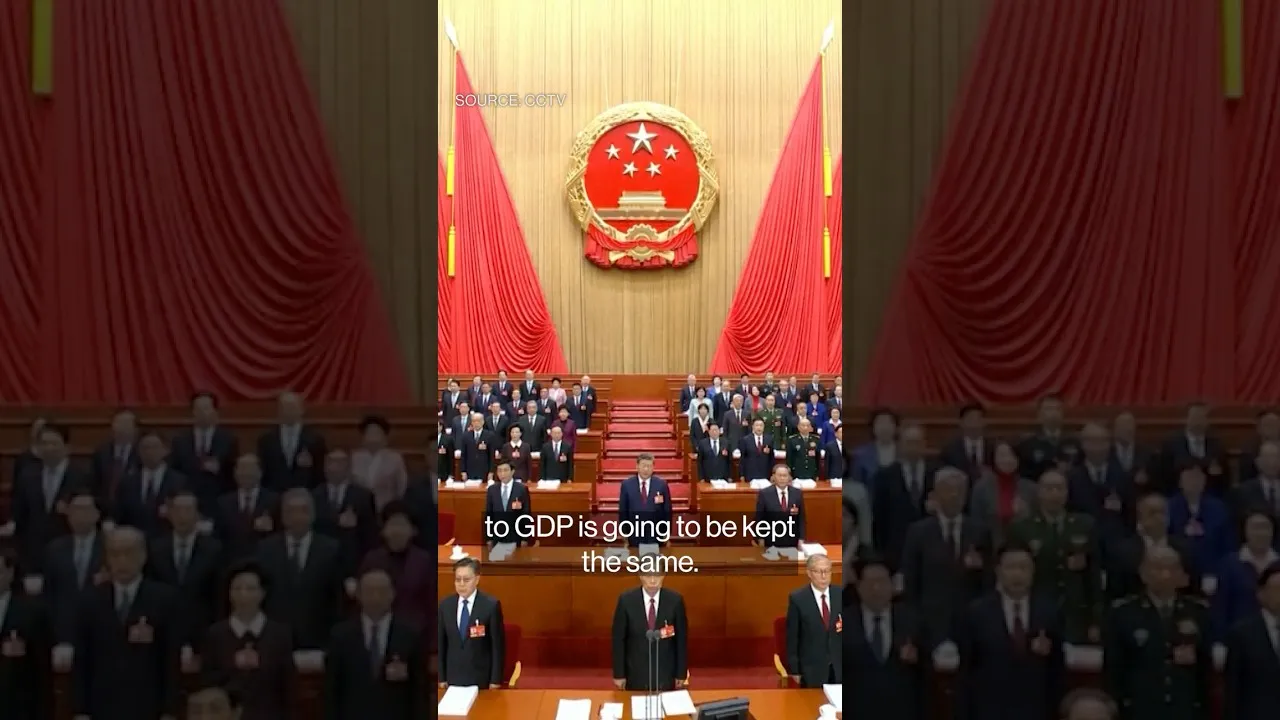
China has announced its most modest growth target in over 30 years, aiming for 4.5% to 5% this year. The cautious goal reflects economic uncertainties, including global tensions and domestic challenges. Authorities are balancing stimulus measures with risk management, signaling a pragmatic approach to sustaining economic stability amidst ongoing uncertainties.
China has announced a reduction in its GDP growth target for 2026, signaling a shift toward more sustainable and balanced economic development. The new target reflects cautious optimism as the country navigates ongoing global uncertainties, such as supply chain disruptions and geopolitical tensions. By lowering its growth expectations, Beijing aims to prioritize quality over quantity, focusing on innovation, environmental protection, and social stability.
This adjustment indicates China’s recognition of the challenges posed by the transition away from export-driven growth to domestic consumption and technological advancement. Experts suggest that a more modest target will help manage market expectations and reduce economic volatility. It also aligns with the country’s broader goals of building a resilient economy capable of long-term sustainable growth.
Advertisement
Overall, China’s decision to soften its GDP growth target demonstrates a strategic approach to economic planning. By emphasizing stability and structural reforms, the country hopes to ensure steady progress without overextending its resources. This move signals a mature phase of development, prioritizing resilience over aggressive expansion.
Netflix Inc. (NASDAQ: NFLX) stock traded in a narrow range near $99 in early March 2026 trading, extending a five-day rally that lifted shares roughly 25% from recent lows as investors cheered the company’s decision to abandon a high-stakes acquisition pursuit and refocus on organic growth.
As of midday March 6, 2026, NFLX shares changed hands around $98.70 to $99.39, up modestly from the March 4 close of $98.66. The stock opened higher in recent sessions, reaching intraday highs near $99.75 before moderating. Volume averaged 50 million to 80 million shares daily during the upswing, well above the norm, signaling strong interest from both retail and institutional buyers.
Netflix
The surge followed Netflix’s late February announcement that it would not match Paramount Skydance’s superior bid for Warner Bros. Discovery’s streaming and studio assets. Netflix had initially proposed $27.75 per share in December 2025 for the assets, but Paramount’s revised $31-per-share offer prompted Warner Bros. to favor the competing deal. Netflix cited the higher price as no longer financially attractive, emphasizing balance-sheet discipline over expansion through acquisition.
“Walking away from the Warner deal was the right move,” JPMorgan analysts wrote in a March upgrade to overweight with a $120 price target. The firm highlighted Netflix’s healthy organic trajectory, driven by strong content slate, global subscriber momentum and continued pricing power. Other analysts echoed the sentiment, noting the decision preserved capital for advertising growth, live events and cloud gaming investments.
The relief rally erased much of the uncertainty that had weighed on shares earlier in 2026. NFLX dipped to a 52-week low near $75 in late February amid deal speculation and broader market volatility. By March 4, the stock had recovered significantly, though it remained below its June 2025 peak of $134.12. Year-to-date performance stood mixed, with shares up modestly overall but reflecting choppiness tied to acquisition headlines and macroeconomic factors.
Advertisement
Netflix’s fundamentals underpinned the optimism. In its January 20, 2026, fourth-quarter earnings report for the period ending December 2025, the company posted revenue of $12.05 billion, up 18% year-over-year and slightly ahead of expectations. Operating income rose 30% to $2.96 billion, with margin expanding to 24.5%. Net income reached $2.42 billion, or 56 cents per diluted share.
Global paid memberships crossed 325 million during the quarter, fueled by membership growth, higher pricing and ad-tier expansion. Advertising revenue more than doubled in 2025 to over $1.5 billion, though Q4 ad-supported figures slightly missed some forecasts. Management highlighted healthy engagement, with view hours up 2% in the second half of 2025, led by a 9% increase in branded originals viewing.
For 2026, Netflix guided revenue between $50.7 billion and $51.7 billion, implying 12% to 14% growth, with ad revenue expected to roughly double again. Operating margin is targeted at 31.5%, up from 29.5% in 2025, though the forecast includes about $275 million in acquisition-related expenses (now moot post-deal withdrawal) and 10% content amortization growth.
The company continues investing in core strengths: diverse series and films, product enhancements, live programming (including events like the World Baseball Classic in Japan), video podcasts and cloud-first games. These initiatives aim to boost retention, acquisition and perceived value among its approaching one-billion-person audience reach.
Advertisement
Analyst sentiment remains largely bullish. Consensus leans toward “Buy,” with average price targets around $115 to $120, implying 15% to 20% upside from current levels. Firms cite advertising momentum, subscriber scale and content leadership as key drivers, though some caution about competitive pressures from Disney+, Amazon Prime Video and others, plus macro sensitivity in consumer spending.
Risks persist, including potential slowdowns in ad-tier adoption if investment needs rise, content cost inflation and regulatory scrutiny in global markets. Valuation multiples remain elevated, with forward P/E near 31, leaving room for volatility if growth moderates.
The recent performance illustrates Netflix’s resilience in a maturing streaming landscape. By prioritizing financial discipline over transformative deals, management reinforced confidence in its standalone path. Investors now watch for upcoming content slate reveals, ad-tier metrics and any signs of sustained subscriber momentum as catalysts for further gains.
As March unfolds, NFLX could see continued chop around earnings revisions and broader market moves, but the post-deal clarity has restored a constructive tone for the streaming leader.
Keeping tax cuts for electric cars and reintroducing state-based rebates could help more Australians avoid rising petrol prices and should be treated as a national security issue.
Mark Pownall and Tom Zaunmayr discuss the Middle East conflict, business acquisitions, new hotels, Perdaman developments, Rio Tinto’s desal plant, and a St Georges Terrace brewery.
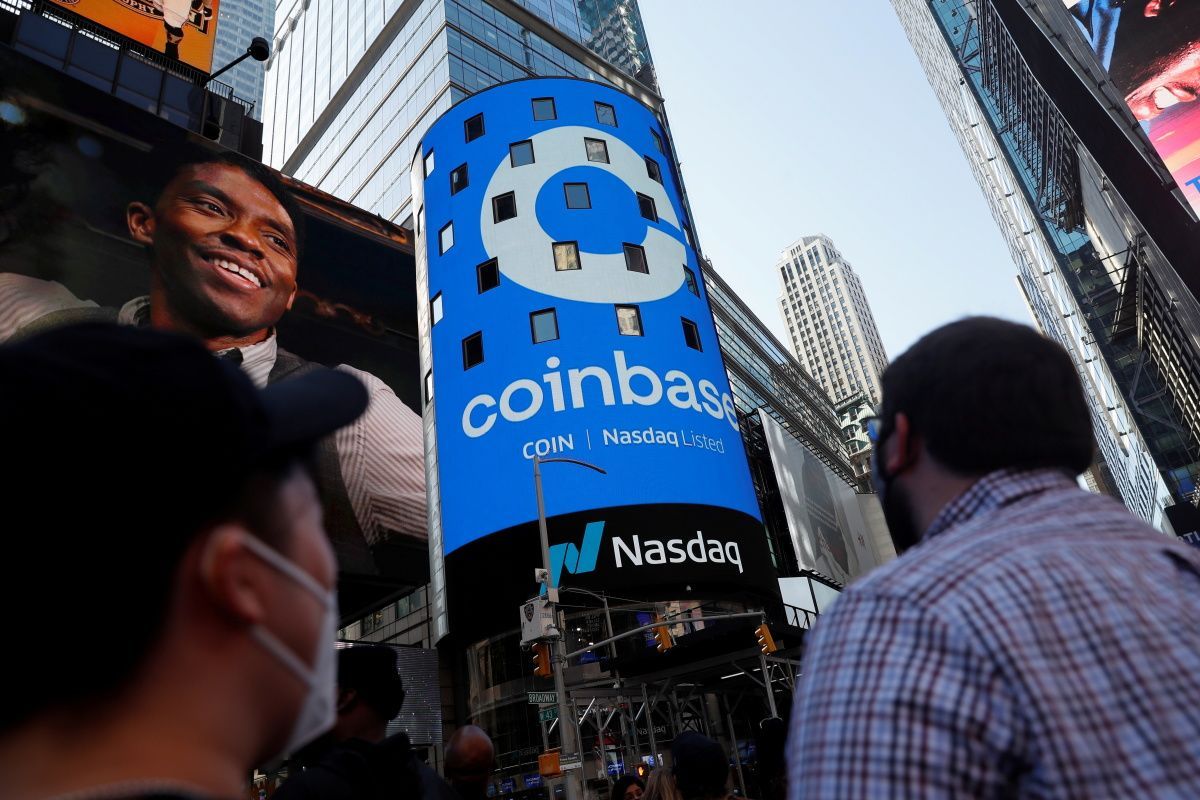
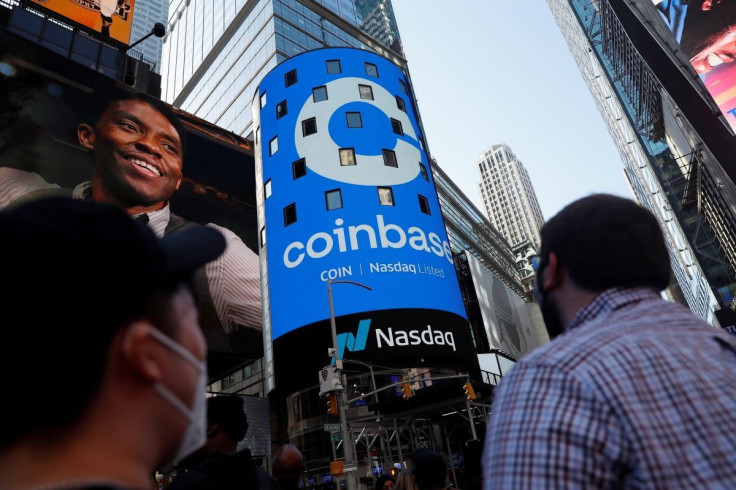
The Nasdaq Composite surged more than 1% on March 4, 2026, closing at 22,807.48 and posting its strongest daily gain in recent sessions as investors rotated back into technology and growth stocks following a volatile stretch driven by Middle East tensions and energy price swings.
Nasdaq
The tech-heavy index advanced 290.79 points, or 1.29%, from the previous close of 22,516.69. It opened at 22,620.89, dipped briefly to an intraday low of 22,570.67 amid early caution, then rallied to a session high of 22,891.88 before settling near the upper end of the range. Trading volume reached approximately 10.9 billion shares, above average and reflecting renewed participation from institutional accounts.
The move came after three consecutive sessions of mixed performance, with the index dropping 1.02% on March 3 amid broader market pressure from rising oil prices and uncertainty over U.S.-Iran developments. Wednesday’s rebound aligned with gains in the broader S&P 500 (up 0.78% to 6,869.50) while the Dow Jones Industrial Average rose 0.49% to 48,739.41, illustrating a risk-on tilt favoring higher-beta names.
Technology megacaps and semiconductors led the charge. Broadcom soared more than 5% in recent trading on optimistic guidance for AI-related demand, while other chipmakers and software firms participated amid hopes that geopolitical risks would prove contained rather than escalate into prolonged supply disruptions. The Nasdaq’s outperformance relative to the Dow highlighted investor preference for growth-oriented equities despite macro headwinds.
“Tech is showing resilience as the market digests the idea that energy shocks may be transitory,” one market strategist noted in a client note. “With corporate earnings holding up and AI spending narratives intact, dip-buying emerged quickly after the pullback.”
Advertisement
The Nasdaq has shown significant volatility in early 2026. It reached an all-time high near 24,000 in late January before retreating amid tariff concerns, rotation out of mega-caps and periodic flare-ups in global tensions. Year-to-date through March 4, the index remained modestly lower in some measurements but had recouped much of February’s losses. The 52-week range spans roughly 18,000 to over 24,000, underscoring the high-beta nature of the benchmark.
Broader context includes sustained AI enthusiasm and corporate resilience. Many Nasdaq-listed companies reported solid quarterly results despite higher input costs, with guidance often affirming continued investment in cloud, semiconductors and software. Advertising and consumer tech sectors also showed stability, supporting the index’s recovery.
Geopolitical factors continue to loom. Oil prices moderated after brief spikes tied to Gulf region developments, easing inflation fears that had pressured longer-duration assets. Treasury yields stabilized, providing a supportive backdrop for growth stocks sensitive to discount rates.
Analysts maintain a generally positive longer-term view on the Nasdaq. Consensus targets suggest potential upside, driven by innovation cycles, earnings momentum and possible Federal Reserve flexibility if economic data softens. However, valuations remain stretched in parts of the index, with forward multiples elevated and leaving room for corrections on any negative surprises.
Advertisement
Risks include escalation in the Middle East that could sustain higher energy costs, renewed tariff rhetoric impacting supply chains or a slowdown in AI capex if corporate budgets tighten. High concentration in a handful of mega-cap names also amplifies moves, both up and down.
Looking ahead, investors eye upcoming economic releases, including employment and inflation data, alongside continued corporate updates. Any signs of de-escalation abroad or stronger-than-expected earnings could extend the rebound, while persistent volatility remains likely in this environment.
The March 4 performance reinforces the Nasdaq’s role as a barometer for risk appetite and technological progress in 2026. As the index holds above key technical levels near 22,500, traders watch for sustained momentum amid ongoing global uncertainties.
Rumble Inc. (RUM) Q4 2025 Earnings Call March 5, 2026 6:30 PM EST
Company Participants
Christopher Pavlovski – Founder, Chairman & CEO
Conference Call Participants
Advertisement
Matt Kohrs
Presentation
Matt Kohrs
Advertisement
Welcome, welcome. welcome. We have a specialty episode of the Matt Kohrs show. I know many of you tuning in — tune in, in the morning at the crack of dawn. But here, I guess, we’re doing a little bit of a show at dusk. And honestly, I have the privilege to be sitting down with the Founder, CEO and Chairman, Mr. Chris Pavlovski of Rumble. I appreciate you taking the time to chat with me, to chat with all the supporters of Rumble, and I think we’re going to have a great conversation of not just how Rumble did in 2025, but really, where we’re looking forward to in 2026. So once again, thank you for taking the time out of your very busy schedule.
Christopher Pavlovski Founder, Chairman & CEO
Thanks for having me. Glad to have you back up in the north.
Advertisement
Matt Kohrs
Yes. Beautiful Toronto. I think I actually brought some of the cold weather with me, but maybe next time, it will be a bit warmer.
Advertisement
Christopher Pavlovski Founder, Chairman & CEO
Yes. No, I do prefer being in Sarasota, but we’re here in Toronto, and we’ll enjoy it as much as we can.
Christopher Pavlovski Founder, Chairman & CEO
Advertisement
Thanks for coming by.
Question-and-Answer Session
Advertisement
Matt Kohrs
Happy to. I kind of want to get this conversation going with what you were saying a little bit earlier today on your official earnings call of growth is back. Can you highlight to me and to everyone tuning in the major growth factors that you’re personally excited about focusing on and that maybe we