


While some migrant families are removed each year, on Thursday the Home Office announced a new pilot scheme to target 150 families in the asylum system – primarily those whose claims have been refused – for expedited voluntary removals with enhanced cash payments of £10,000 a person up to £40,000 per family.
Families will have just seven days to decide whether or not to accept the offer. If they decline, enforced removal proceedings will begin. According to a new consultation document, proposals could include handcuffing children who resist being put on a plane and sent back to their home country.
Politics
Lily Allen Slams ‘Smear Campaign’ Amid West End Girl Tour Headlines


Lily Allen has suggested that she’s become the subject of a public “smear campaign”.
The Brit Award winner has been vocal about the unfair treatment she’s received from both the press and on social media throughout her decades-long time in the spotlight.
Earlier this month, Lily kicked off her latest tour in support of her hit album West End Girl, which received rave reviews upon its release last year, and became her highest-charting release in more than a decade.
The concert sees the Hard Out Here star bringing her latest album to life in a lavish setting, singing it straight-through before leaving the stage.
As a result, this meant that Lily’s part of the show clocking in at under an hour, with her previous hits only being performed by her opening act, the Dallas Minor Trio, a string band who provide classical-style karaoke tracks for the likes of Smile, The Fear and Fuck You for the audience to sing along to.
Since the tour began, people have been somewhat divided over Lily’s short runtime.

While some have claimed they’d feel a little short-changed if they were to watch the show for themselves, most fans who’ve actually seen it have been offering glowing reviews on social media.
On Thursday, an X user lamented that “this smear campaign against Lily Allen came out of nowhere”, which the British singer-songwriter quickly responded to.
She claimed: “Oh it’s coming from somewhere, but we move!”
In a follow-up post, she also appeared to speculate that “bots” could be behind some of the negative comments being shared about her online.
As mentioned, the vast majority of fans who’ve seen Lily’s tour so far – which is unambiguously titled Lily Allen Performs West End Girl – have been glowing with their comments about it on social media.
One part of the show that’s received particular attention over the last few days is on the song 4Chan Stan, which on the album sees Lily singing from the perspective of a woman who’s found the receipts for presents her husbands has been buying for other women.
This part of the show sees Lily singing the West End Girl cut while wearing a dress which slowly unravels to reveal the receipts in question…
The West End Girl tour resumes on Saturday night in Sheffield, with shows scheduled at intimate venues around the UK for the rest of March, culminating in two nights at the iconic London Palladium.
After taking the show overseas, she’s set to return to her home turf in June for a string of arena shows across the UK and Ireland.
Continue Reading
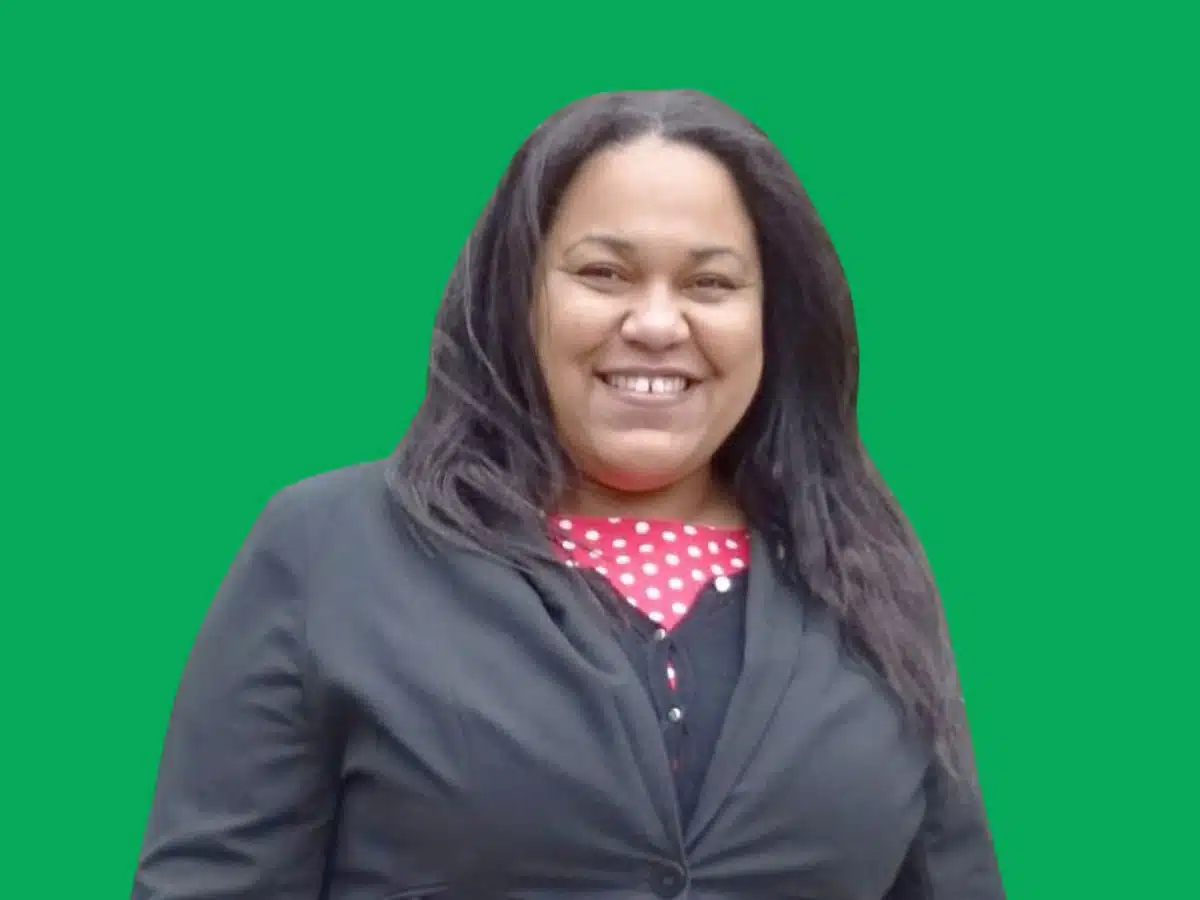
Hackney Green Party has proudly welcomed councillor Soraya Adejare to sit with the Green Group at Hackney council’s annual budget meeting. It marked a powerful moment for progressive politics in the borough.
Adejare has previously served as the Speaker of Hackney. She’s worked for Hackney residents for more than a decade. During that time, she’s built a reputation as a fearless advocate for working-class communities, social and private housing tenants and those too often ignored by the political establishment.
Adejare grew up in Hackney and lives in social housing. She has long used her position to challenge injustice. And she ensures residents’ voices get heard at the highest levels of decision-making.
Adejare said in the council chamber as she crossed the floor:
It is troubling for me, having sat in this chamber for 12 years, and over the past decade making repeated calls for more funding, and recognising the damage that the Conservatives’ fiscal approach did to our borough. That being said, the approach of the current government does not meet our needs, irrespective of the pots of funding it provides for us.
I have a 12 year old daughter who has seen no material benefits throughout her lifetime, and that’s likely to continue as we’re encouraged to make increasing cuts.
Supporting the ongoing approach to the budget is totally unacceptable to me and I think it does a disservice to many people in our community, inclusive of many families like mine.
I’d like to thank colleagues who supported me through an incredibly difficult time, amidst a kind of institutional racism I experienced within the [Labour] Party. Likewise, the few that approached me subsequent to the death of my mother.
I will be walking across the chamber and supporting the Greens.
Green councillor and Green Group co-leader Zoë Garbett said:
Tonight we are so proud to welcome Soraya to join the Hackney Green Party. Her move to join the Green Group sends a clear message: Hackney residents deserve representatives who will stand up for their communities, not simply follow party lines.
Soraya has the respect of residents for her bold advocacy. She fights for residents who deserve decent and affordable housing, youth services, and against racist policing. We look forward to fighting for the people of Hackney together.
The Hackney Green Group warmly welcomes councillor Adejare and looks forward to working with her to deliver on the issues that matter most to residents: tackling the housing crisis, protecting public services and ensuring the borough’s politics reflects the communities it serves.
Featured image via Hackney Green Party
The founder of, We Own It, a public ownership campaign group, caused a stir on social media after calling for the continued privatisation of Thames Water.
The discussion centred around whether the special administration regime (SAR) measures the Lib Dems are calling for will go far enough in fixing the problem of unaccountable water companies. As the Canary’s Alex/Rose Cocker has reported:
They [water companies] claim they need money for infrastructure maintenance, but for some strange reason, the infrastructure isn’t maintained. When we don’t pay, they set the bailiffs on us. When they don’t pay, they get a slap on the wrist and an insignificant fine – and they still pay out dividends to the shareholders.
Fines are not enough. Ofwat and the Environmental Agency are not enough. The courts are not enough. Only stripping these companies of their control over our water will end the – very literal – shitshow that is privatisation.
While special administration can have some short-term benefits, it cannot be a sustainable long term strategy. And, this is primarily because only public ownership will ensure that everyone has access to clean and affordable water.
The Canary sat down with We Own It to find out what all the fuss is about.
We Own It: for permanent public ownership of water
In a social media post Cat Hobbs, We Own It’s director, commended a speech by Lib Dem leader Tim Farron. Specifically, Farron was advocating for so-called “new ownership models” for the debt-laden failing water utility:
Absolutely brilliant to see Tim Farron, Lib Dem environment spokesperson calling for Thames Water to have a new ownership model👏👏👏 https://t.co/LiO93kantu
— Cat Hobbs (@CatHobbs) February 14, 2026
Many on X rightly pointed out that this is really just a euphemism for alternative forms of privatisation.
However, Hobbs clarified to comments on X that she wasn’t in fact calling for these “new ownership models”.
The Canary also confirmed with We Own It that it still stands for full nationalisation of the England and Wales water sector.
We Own It’s lead campaigner on water, Sophie Conquest, explained how the group views these as a distraction from achieving full nationalisation of public services.
So just what had Hobbs meant?
Hobbs separately explained to the Canary how her comment was about rewarding politicians:
when they do the right thing. And we criticize them when they do the wrong thing.
In particular, she was applauding Farron’s support for bringing Thames Water into special administration.
The government could do this through a legal mechanism known as the Special Administration Regime (SAR).
Special Administration Regime: a route to nationalising Thames Water?
As We Own It explains, SAR:
will involve a financial restructuring and it will then be transferred to a new owner.
Crucially, it argues that the new owner:
should be a publicly owned and accountable regional water company.
Public ownership-focused think tank Common Wealth has described how the government could use SAR to fully nationalise water companies. Crucially for a start, it has the option of putting it into SAR on poor performance grounds. The government can do this if a company is failing in its statutory duties. This route to SAR is unique to water – other sectors can only apply it for financial insolvency. But as Common Wealth has laid out, on untreated sewage spills, every single water company in England meets this performance threshold.
One of the advantages of SAR is that it gives the government the option to deny shareholders and bondholders any ‘compensation’. Common Wealth explained how shareholders and creditors would have to argue their case in court, but that profiting from pollution would be:
a violation of the “polluter pays” principle.
Reinforcing Common Wealth’s zero compensation plan, Conquest told the Canary:
They’ve run the asset into the ground, they’ve already taken out more than they’ve put in, therefore they should be compensated nothing.
Incompatible ideas on SAR
However, there is one glaring issue with SAR: the risk of re-privatisation.
To a business buddy-buddy Labour government, renationalisation is unsurprisingly, a loaded term. In a factsheet around its 2025 Water (Special Measures) Bill, it went to great length to distance SAR from nationalisation.
This is perhaps its major drawback – that the government essentially views it as a mechanism for re-privatising a failing utility.
In short, SAR wouldn’t be implemented in a vacuum. We Own It wants to use SAR as a “stepping stone” to permanent public ownership. The government views it as a last resort option for transferring ownership into new private hands.
So how is We Own It planning to prevent this?
Permanent public ownership: no guarantee
The short answer is: backbench MPs.
Its current strategy for what comes if/when SAR is in place revolves around a pledge to public ownership campaign. Conquest said:
our focus has been very much using our time now to convince MPs that public ownership is in the best interest of their constituents. And that’s included the cost of living crisis – that has become much more of a priority for MPs. And I think water addresses that. We can cut water bills if we have permanent public ownership. So MP pledges become a big part of that.
The thinking seems to be that a groundswell of parliamentary support would change the government’s position.
Of course, this might not be out of the realm of possibility. For instance, the backbench backlash over disability benefit cuts meant that the government did pause on its plans for Personal Independence Payment (PIP). However, it took the immense work of disabled campaigners to get MPs to oppose the cuts.
Nevertheless, We Own It recognises relying on backbenchers to move a corporate-captured Labour government is a tall order. After all, this is the same cronyist Cabinet continuing to cite renationalisation cost estimates that the water industry itself funded. And Hobbs noted former environment Steve Reed’s connections to the water industry. This of course includes his links to Peter Mandelson – whose consultancy company Global Counsel had lobbied for water corporations.
So far, We Own It’s pledge campaign has drawn support from just 19 MPs. Naturally, this largely comprises Greens, Independents, and left-leaning Labour MPs.
Despite this, Conquest suggested that there are:
potentially MPs who might not be speaking about this issue now, who will feel when Thames Water comes into special administration, that it’s really untenable for this utility around which there’s been so much controversy, so much anger, for that to be reprivatised at the expense of taxpayers.
She pointed to economist professor Dieter Helm’s discussions on the future of Thames Water. Notably, he has also suggested that:
once a Special Administrator is brought in, its backbenchers will push for full renationalisation. Most of them, at least privately, like this option.
An uphill battle
Ultimately though, what it boils down to is that We Own It believes SAR makes “the most sense strategically” to campaign for.
This is because there is precedent. Conquest and Hobbs gave Railtrack – now Network Rail – as an example where a previous UK government (Cameron’s Conservative administration no less) implemented public ownership after SAR.
Nevertheless, any campaign strategy for permanent public ownership will face an incredibly uphill battle with this neoliberal Labour shower.
Featured image via the Canary
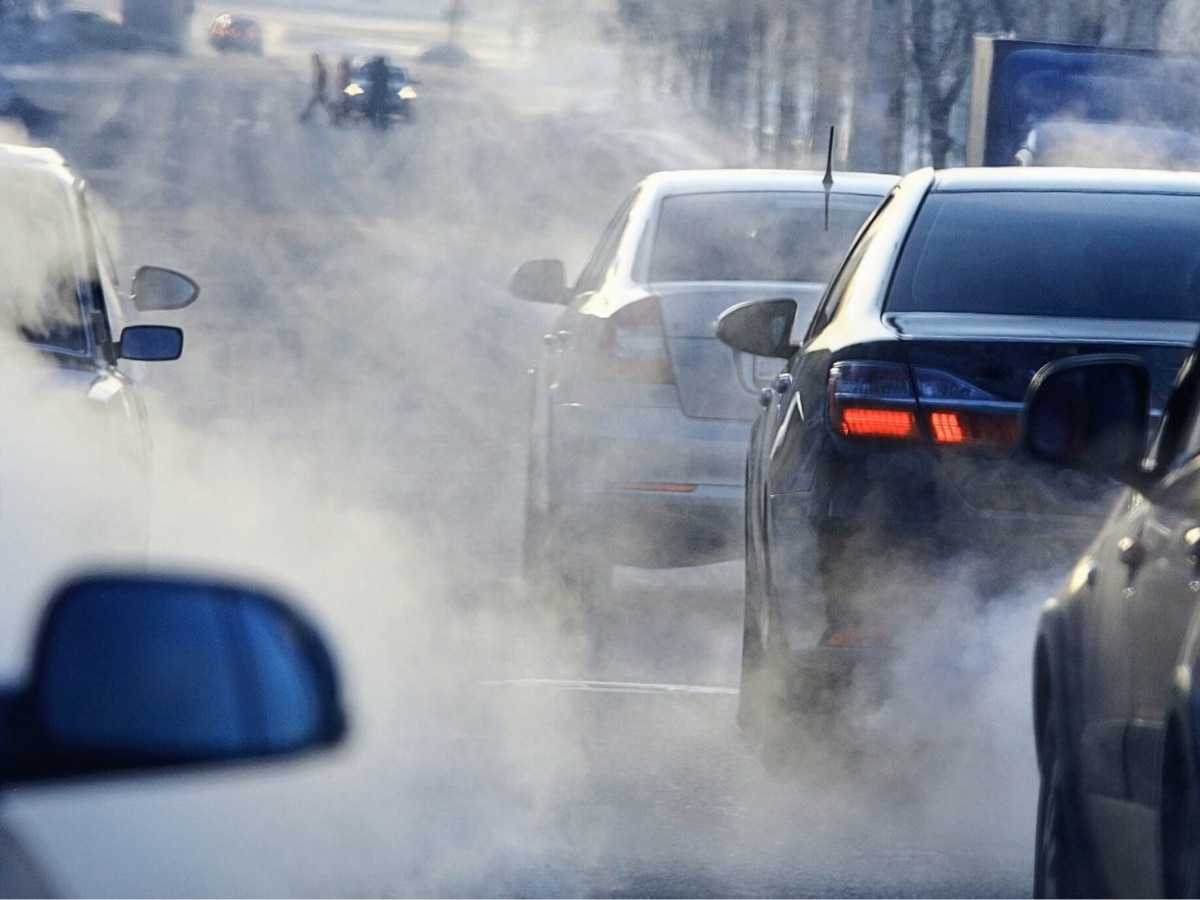
A Bill to make breathing clean air a human right has been published ahead of its second reading in the House of Commons later this month. Green MP Siân Berry presented the Bill, known as ‘Ella’s Law’, to the House of Commons in July 2025.
The right to breathe clean air
The proposals in the Clean Air (Human Rights) Bill enshrine the human right to breathe clean air into UK law. They would require the government to achieve clean air throughout England by 1 January 2030. This sets out a pathway to bringing the country in line with World Health Organisation air pollution guidelines.
The Bill has cross-party backing from Labour, Liberal Democrat, SNP and Independent MPs. It now contains the measures needed for the UK to be fully compliant with the very latest World Health Organisation guidelines.
The Bill’s name is in memory of Ella Adoo-Kissi-Debrah. She died at only nine years old. And her death was the first in England where air pollution was the official cause.
Ella’s mother Rosamund Adoo-Kissi-Debrah has long campaigned for the government to introduce stricter air pollution limits. The published Bill was unveiled at an art exhibition curated by Rosamund, honouring the legacy of Ella’s life.
In Berry’s Brighton Pavilion constituency, the heavily congested Lewes Road is home to five primary schools, three nurseries and many homes. It tops the league table for the most polluted road monitored for air quality by the council. North Street, in the city centre, has at times been more polluted than London’s Oxford Street.
In 2025 alone, air pollution contributed to the equivalent of 30,000 deaths in the UK, to the cost of more than £27 billion. Polluting vehicles are a major cause.
Berry commented:
No child should have the growth of their lungs stunted because of dirty air where they live, play and go to school, yet this is the reality of air pollution in England. Ella’s Law would change this.
The government must act to make deaths and disease from dirty air a thing of the past. With serious targets, incentives and funding, every source of this silent and invisible killer could be cleaned up to prevent more harm.
For years, campaigners like Rosamund have been working hard to draw attention to this major health crisis.
I am determined to see Ella’s law voted on and passed through Parliament, and I strongly urge the government to adopt the Bill in the upcoming King’s Speech. Whatever it takes, this vital Bill must become law.
Rosamund Adoo-Kissi-Debrah said:
I am delighted the Clean Air (Human Rights) Bill has been formally published in memory of my daughter Ella Roberta. I believe that saving lives should always be the government’s top priority, so I hope this government will take notice and commit to saving the 500 deaths per week caused by air pollution.
Each and every one of those deaths is preventable, and adopting Ella’s Law would be the most significant step forwards to try and tackle air pollution in this country. Breathing dirty air affects us all, in every constituency in the country, but we know that children, older people and marginalised communities are suffering the most.
I would like to thank Sian and the other MPs across the different political parties who have supported this Bill in Ella’s memory. It is thirteen years since my daughter died from air pollution and I can’t quite believe we are still here asking for the government to take the biggest environmental threat to our health, more seriously.
The Coroner’s recommendations to prevent future deaths have largely been ignored by the government and I hope that no more time is wasted while other children suffer like Ella did, and Ella’s Law is taken forward to protect our health.
Jemima Hartshorn, founder and director of Mums for Lungs, added:
In 2024, in London alone more than 120,000 children attended hospital with breathing issues. That is scary and frightening for them and preventable.
Our country is still Western Europe’s hotspot for childhood asthma and this has to stop. Air pollution is now linked to over 700 illnesses and we all deserve better.
When in opposition, the Labour Party promised us a Clean Air Act to protect children’s health, and we now urge them to deliver on this promise.
Featured image via the Canary
Members get access to Guido Whispers every Friday. For all the latest gossip swirling around Westminster and beyond, join us today by clicking here. Get tomorrow’s news, today…

Medical advice provided by Dr Asiya Maula, private GP at The Health Suite, and Dr Donald Grant, GP and Senior Clinical Advisor at The Independent Pharmacy.
Recently, new data found that 40% of bowel cancer cases occur among under-65s.
We recently asked two doctors, Dr Asiya Maula and Dr Donald Grant, to share their tips for reducing your risk of developing bowel cancer as much as possible.
And we also asked them to share the symptoms they’d never ignore – after all, an awful lot of UK adults can’t name a single sign of the condition.
1) Dr Maula
“Symptoms I would never ignore include persistent changes in bowel habit lasting more than three weeks, blood in the stool, unexplained weight loss, ongoing abdominal pain, or persistent fatigue,” she said.
Bowel changes can include diarrhoea, constipation, or softer stools.
And despite recent data showing an increasing number of under-65s with bowel cancer, she added, “Younger people often dismiss these symptoms because they don’t perceive themselves to be at risk.”
Lastly, the doctor explained, “Rectal bleeding should never automatically be attributed to haemorrhoids without proper assessment. It is always safer to investigate early”.
2) Dr Grant
Dr Grant also said age shouldn’t be a factor; some symptoms should always be taken seriously.
“Regardless of age, there are plenty of indicators people should be aware of, which can lead to early intervention and a greater chance of recovery,” he said.
“Symptoms such as changes in bowel habits, unexplained weight loss, persistent fatigue and abdominal pain should never be ignored.”
Having one or even a couple of these symptoms doesn’t mean you definitely have bowel cancer.
But, “While these symptoms are often caused by less serious conditions, it’s important to seek medical advice if they persist, as they can also be common signs of bowel cancer.” the doctor ended.
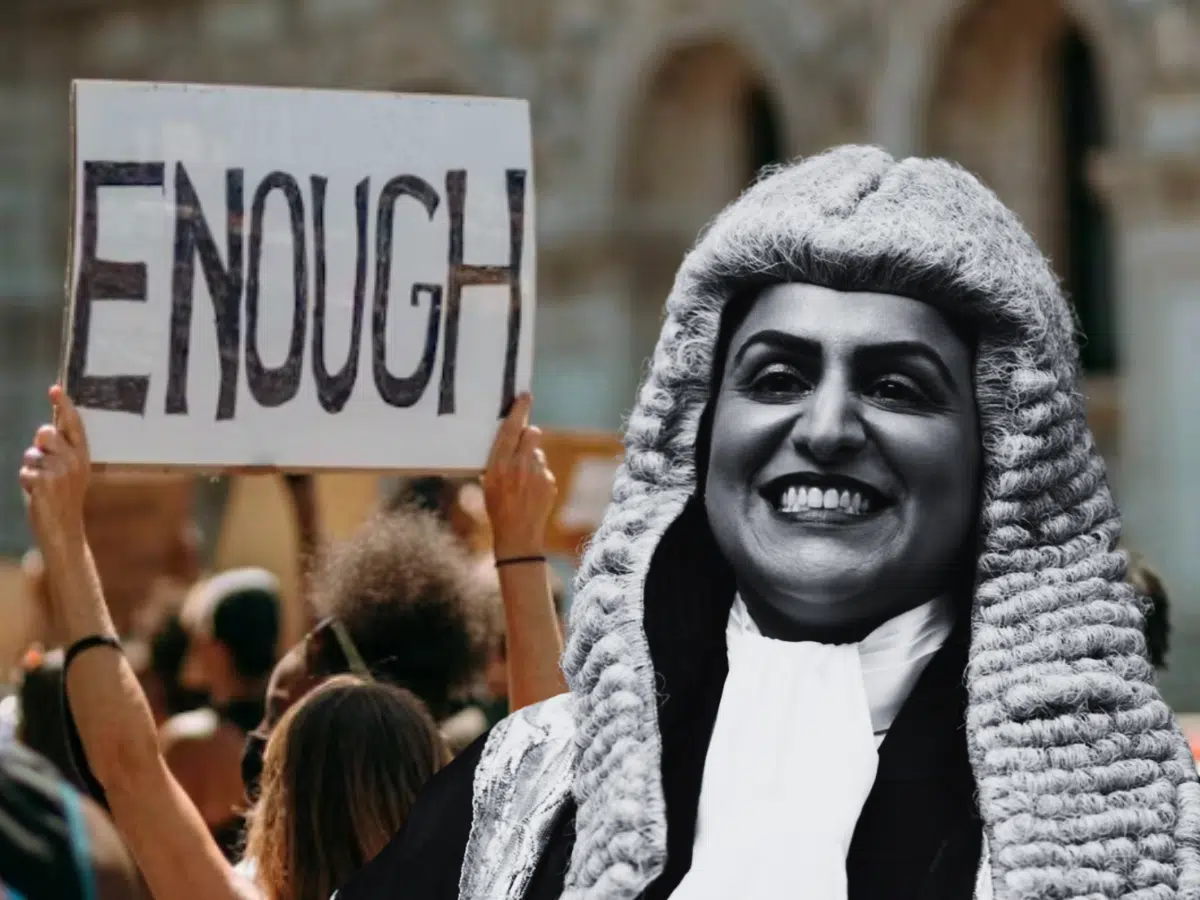
In a surprise to all, it appears that some Labour MPs still have a shred of their principles. A Whatsapp conversation has been leaked to the press, showing that even Shabana Mahmood’s fellow Commons members think her immigration policies are way over the line.
Back on 17 November, Labour published its proposed reforms to asylum seeker policy under home secretary Mahmood. Amongst its many abhorrent policies, some standouts were: removing the right to family reunion, removing the duty to support asylum seekers, and removing jewellery and valuables from asylum seekers.
Tripling down
Since then, the racist Labour government announced that it will stop issuing study visas to people from Afghanistan, Cameroon, Myanmar and Sudan.
Likewise, Mahmood has also announced a plan to limit refugee stays to 30 months. Instead, she intends to force people to reapply for the right to remain every two and a half years.
Most recently, on 5 March, the home secretary used a speech to a left-leaning think tank as an opportunity to announce even further asylum restrictions. Namely, if an asylum seeker works illegally, or otherwise breaks the law, Labour plans to remove support payments and turn them out of their accommodation.
Worse, as the Guardian reported today, 6 March:
Labour: Please share the puff-piece
Given the downright inhumanity of these policies, it’s utterly unsurprising that people are voicing their objections. The only thing that’s surprised us is that some of the voices are coming from within Starmer’s Labour.
In a WhatsApp Labour MP group conversation seen by multiple press outlets, the Labour office shared Mahmood’s recent Guardian op-ed. In the article, the home secretary boasted that:
we will lift the qualifying period for settlement from five years to 10, and impose new conditions – a clean criminal record, sustained economic contribution and a good command of English. Those who contribute the most, such as doctors, nurses and high-earners, will have a faster path to settlement.
Those who contribute less will have to wait longer to apply. This includes those low-skilled workers, who arrived in recent years, who would otherwise be eligible to apply for welfare and social housing at an earlier stage.
That last line wasn’t actually written by Mahmood. In the home secretary’s original, she stated that low-skilled workers would “receive immediate access to welfare and social housing” unless Labour made them wait longer to apply for settlement. The Guardian amended the statement because it was, you know, a bald-faced lie.
MPs: No, it’s fucking awful
In response to the request to share the article, Labour received a swift series of ‘no’s. Sarah Owen replied:
No thanks. Will not be sharing this.
Kate Osborne gave a flat “Absolutely not”, and Vicky Foxcroft said “I won’t either”.
Birmingham’s scab-happy MP, Preet Kaur Gill, offered the opinion that we can offer sanctuary and control borders. She called this “what a fair and credible system looks like”. Owen, however, retorted that Labour’s policies are “fair, credible or sustainable”.
Stella Creasey then hit the nail on the head:
There’s no fairness in repeatedly spending money on asking victims of trafficking and civil war if they are still in that category, especially when we have already given them refugee status so confirmed that are at risk of harm – only a massive waste of money. Money that could have gone to the aid budget to help prevent the conflicts that cause people to run. Ukrainians, Iranians, Afghans alike will all now live in a perpetual state of limbo not able to plan any kind of life here or in their home nation because they can’t guarantee their status, making them easier to exploit too. I look forward to reading the NAO report and its inevitable Windrush style scandal coming that none of us stood on a manifesto to implement.
Our politicians constantly bang on about immigrants ‘failing to integrate’. However, Mahmood’s policies will render refugees as pseudo-citizens for decades, rendering them less able to find work.
This, in turn, means a greater reliance on state welfare – and greater public anger from the same racists Labour are trying to appease.
No sanctuary
Luke Myers trotted out the tired defence that Labour are turning far-right to stop the far-right:
We were elected on a central manifesto promise of strong borders. Around 48% of the public see this as important. We must deliver this. If we fail we will get a government that burns down the entire system, along with worker’s rights, child poverty prevention & our NHS along with it.
Fortunately, Creasy was ready for him too:
These people are already inside our borders. They are people we have said we would give sanctuary to and are now saying they would have to wait 20 years to get settled status. If you want to strengthen your borders spend the £1bn on more enforcement before you give someone refugee status or processing claims. There’s plenty of better ways to show you can manage an asylum system than spending money repeatedly asking someone if there’s still civil war in their country – and then inevitably agreeing there is so they can stay but making it more likely they will be dependant [sic] on welfare because without clear status it will be harder to get a job or a house or be self-sufficient. The public do want better border control – this isn’t it!
Again, pulling the rug out from underneath people who already have already started to build a life here isn’t about ‘controlling our borders’. It’s about making Labour look like it hates immigrants just as much as Reform and its voters.
It’s a despicable, low-down, rotten tactic. And it’s not even fucking working.
Not playing ball
Finally, Sheffield MP Abtisam Mohamed dropped the mic on the conversation:
This is anything but compassionate and can we stop selling it as such. Deterrance [sic] has never worked and here we are doing the same thing over again. Not Labour values at all. You should have engaged with us before coming up with such damaging policies.
Mahmood, Starmer and their cronies didn’t even talk to their party before drafting this hate-filled screed. Now, they have the gall to expect Labour MPs to get on board with outright immigrant bashing.
Fortunately, it seems like a few within Labour haven’t lost all of their principles quite yet. Looking at the shameless shower that is Labour party’s front bench, we wonder if they’re feeling lonely.
Featured image via the Canary

Towards the end of the third and final part of Channel 4′s ‘The Tony Blair Story’, the former prime minister once again defends his decision to take the UK to war in Iraq.
“I can’t think of another British prime minister who also wouldn’t have wanted to be with America post-9/11,” he says.
Given the events of the past week, it is worth considering whether Blair has now revised that view.
Keir Starmer, the first Labour leader to win a general election since Blair did it for a third time in 2005, decided he did not want to “be with America” when Donald Trump sought permission to use British bases to launch missiles at Iran.
The prime minister doubts the legality of the military action, and is unconvinced that the US president has any plan at all for what comes next.
Starmer only relented when Iran began attacking other countries in the region, putting 300,000 British lives at risk.
And even then, the PM made clear that the US can only use British bases to carry out “defensive” operations targeting weapons storage facilities and missile launch sites.
In comments which could have been specifically chosen to anger Tony Blair, Starmer said: “We all remember the mistakes of Iraq. And we have learned those lessons.
“We were not involved in the initial strikes on Iran, and we will not join offensive action now.”
Trump – who Starmer had been relatively successful in wooing since he returned to the White House – has made clear to any journalist who will listen how furious he is at the PM’s approach.
“This is not Winston Churchill that we’re dealing with,” the president mockingly told reporters in the Oval Office.

Starmer may feel reassured by a YouGov poll published on Thursday which showed that just 8% of the country believe the UK should be “actively joining the US and Israel” in bombing Iran.
Just under half – 46% – say Britain should restrict itself to shooting down drones, defending civilian areas and UK military facilities, which is in line with the government’s own approach.
Around a quarter – 26% – say the UK response should be “retaliatory only, attacking military targets that have launched attacks against civilian areas and/or British military targets”.
However, when asked how the PM is handling the crisis, 47% say badly, with just 34% saying well.
The same poll found that 52% of voters think Starmer is handling his relationship with Trump badly, with just 32% supporting his approach.
Predictably, Starmer has been attacked by the Greens for getting involved in the war at all, and by Reform and the Tories for not being more supportive of Trump.
“I think Keir is where the country is at the moment, which is not where the right wing press are”
– Senior member of the cabinet
A senior Labour source told HuffPost UK: “There are three competing choices in front of the British public currently.
“The Greens, who are making the case that our government should sit on our hands and do nothing to protect ourselves, even while 300,000 UK nationals and our allies are under threat.
“Reform and the Tories, who are essentially arguing we should sub-contract our foreign policy to, at best, an ill-defined and escalating war.
“Or this Labour government, who are clear that we’re defending British nationals and interests as part of our collective self defence.”
A minister, not normally one of the PM’s biggest fans, said Starmer’s handling of the war so far had been “measured, responsible and rooted in the national interest”.
By comparison, the minister said, the more gung-ho Kemi Badenoch and Nigel Farage have “lost the plot”.
Another normally-critical Labour MP said: “To be fair to the prime minister, he’s handled it pretty well. But he’s at the mercy of events.”
According to The Spectator, the PM is also at the mercy of his own cabinet.
While he and defence secretary John Healey wanted to let America use British bases at the outset of the war, he was effectively blocked by Rachel Reeves, Yvette Cooper, Shabana Mahmood and, most vociferously, Ed Miliband.
A senior member of the cabinet told HuffPost UK that the unpredictability of war means that the PM is not in control of his own destiny.
“I think Keir is where the country is at the moment, which is not where the right wing press are,” he said.
“Things could change very quickly, of course, if British citizens start getting killed.”
Chris Hopkins, political research director at pollsters Savanta UK, said the PM is unlikely to enjoy any war bounce in his subterranean approval ratings, regardless of Trump’s own unpopularity with the British public.
He said: “Unfortunately for Keir Starmer, the public are far more likely to simply agree with Donald Trump’s assessment of the prime minister than sympathise with him.
“Even a broken clock is right twice a day, and I think the public are more likely to feel Trump has given an accurate assessment than leap to the Labour leader’s defence.”
Luke Tryl, director of the More in Common think-tank, said the PM’s popularity may marginally improve, but any boost will be short-lived.
“My hunch is he gets a small but not sustained ‘rally round’ bump, which helps him consolidate on the left,” he said. “I’d be most watching his approval with Lib Dems, which I suspect goes up most.”
Starmer admitted on Thursday that the war “could continue for some time”, an unwelcome distraction for a PM whose fate will more than likely be decided by the outcome of crucial elections across the UK in just two months’ time.
The PM’s determination to provide “calm, level-headed leadership in the national interest” will cut little ice with voters who appear determined to punish Labour for their multiple failures since taking office in 2024.
Few are likely to disagree with Trump’s assessment that Starmer is no Churchill.
But it is the prime minister’s failure to emulate the election-winning genius of Tony Blair which will ultimately seal his fate.

Equity, the performing arts and entertainment union, welcomes the BBC’s response to the ongoing government consultation about the corporation’s future, in particular the call for “radical reforms” to ensure “a BBC for all.” The BBC published its response to the government’s Green Paper on Thursday 5 March, ahead of the closing date next week.
Equity has previously stated it would engage with the BBC Charter renewal process although it was boycotting the accompanying survey.
Paul W Fleming, Equity general secretary, said:
It is heartening to see that the BBC recognises trade unions as essential partners in ensuring good jobs across the UK. We look forward to the government solidifying this commitment to the BBC’s vast and varied workforce when it publishes the White Paper later this year.
In its submission, the BBC says it supports 77,000 jobs. We say 77,000 workers support the BBC. Their voices must be heard, and Equity and our fellow trade unions are here to ensure that they are.
Equity represents performers who work on BBC productions, including soap operas, dramas and audio dramas. It also holds the collective agreement which lays out the pay, terms and conditions for those working on BBC-Equity contracts, including safety and harassment processes.
As part of Equity’s submission on BBC Charter Renewal, the union is calling for:
- A Workforce Covenant recognising that BBC commissioning and operational decisions must respond to the needs of the workforce as well as audiences, and imposing a legal duty to conduct workforce impact assessments and implement mitigation measures.
- A fair distribution of BBC investment across the nations and regions, starting with the Midlands.
- Workforce representation on the BBC Board.
- A substantial and guaranteed level of investment in audio drama series.
- A continuing or returning drama series that films for more than six months of the year in each of the UK’s Ofcom-defined reporting areas.
- And an enforceable commitment to abide by an ethical and rights-based approach to AI, including seeking artists’ agreement to any use of generative AI and consulting relevant unions in that regard.
Featured image via the Canary
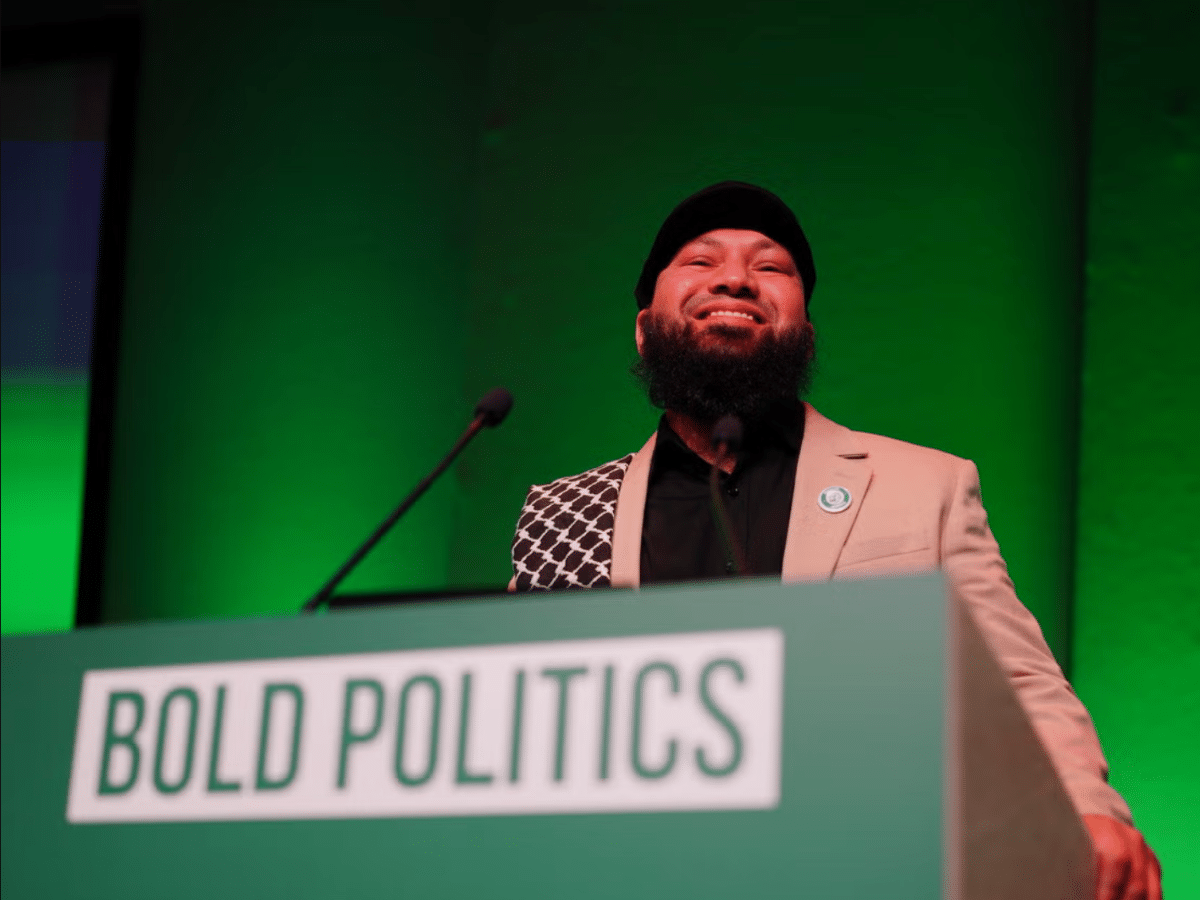
Green party deputy leader Mothin Ali has demanded that Keir Starmer apologise for endorsing a Tory MP’s dangerous smear. Ali feels this has put his life in danger.
When Israel fanatic Alec Shelbrooke lied, under the protection of parliamentary privilege, that Ali had protested “in support of the ayatollah”, Starmer did not put Shelbrooke right. Instead Starmer reinforced the lie:
I think we were all shocked by the actions of the deputy leader of the Green Party – although perhaps not surprised, given that party’s recent turn of direction.
Shelbrooke also linked Ali to the fictitious ‘antisemitism’ Starmer used as an excuse to purge the left from the Labour party, including many Jews. That purge has contributed to his record unpopularity and almost bankrupted the party. It has also signalled his betrayal of Labour values. This has seen him punish the poor and vulnerable. He has also collaborated in Israel’s genocide and war crimes in Gaza.
Ali reacted at the time, reasonably, that such shameless incitement of the extremist right would “get me killed”. He has received multiple death threats since. In fact, Ali had simply attended an anti-war protest in Parliament Square.
Ali also attributed Starmer’s smear to his desperation to attack the Greens after Green candidate Hannah Spencer trounced Labour into a poor third place in last week’s Gorton and Denton by-election. Spencer romped home with 41% of the vote, sixteen points ahead of Labour, who fell by a massive 25 points in what had been a party stronghold before Starmer.
Featured image via the Canary

Medical comment provided by physician Dr Talal Khan of Khan Longevity.
As we age, our sleeping pattern tends to shift. We might get up more to pee in the middle of the night, require fewer hours of kip, and both fall asleep and wake up earlier.
And speaking to HuffPost UK, Dr Talal Khan of Khan Longevity said: “Many people notice sleep getting lighter and more fragmented in midlife, then it
becomes much more common after about age 60.
“Insomnia is the most common sleep problem in adults 60 and older,” he added.
So, we asked him why it happens and what to do about it.
Why is it harder to fall asleep as we age?
“Ageing shifts the body clock earlier and reduces circadian signals like melatonin, so sleepiness may show up earlier and early-morning waking becomes more likely,” Dr Khan said.
When we get older, Dr Khan added, “Deep slow-wave sleep tends to decline, sleep becomes lighter and brief awakenings happen more often.”
Additionally, “Health factors pile on over time. Pain, mood changes, medications, nighttime urination, and untreated sleep disorders like sleep apnoea or restless legs can make it harder to fall asleep and stay asleep.”
Does it matter if I don’t get enough sleep?
Yes, Dr Khan said. In fact, he places adequate sleep on a level with diet and exercise when it comes to health.
“Adequate sleep supports neurocognitive function, including memory consolidation, attention and emotional regulation, while also playing a central role in metabolic homeostasis, immune competence and cardiovascular health,” he explained.
Meanwhile, “Chronic sleep deprivation has been strongly associated with increased risks of obesity, insulin resistance, hypertension, depression and impaired immune response.
“Furthermore, emerging research highlights sleep’s role in glymphatic clearance within the brain, facilitating the removal of neurotoxic metabolites that accumulate during wakefulness.”
OK – so how can I sleep better after 60?
Luckily, Dr Khan had some simple advice.
“As we age, the goal is not perfect sleep. The goal is restorative sleep that supports energy, mood and long-term health. That starts with finding the driver of the problem,” he said.
His recommendations were:
- “Screen for sleep apnoea, restless legs, medication effects, alcohol, caffeine timing, pain, and mood changes,
- For chronic insomnia, Cognitive Behavioural Therapy for Insomnia (CBT-I) is the first-line treatment. This may include limiting time in bed, controlling stimuli, establishing a consistent wake-up time, reducing caffeine and screen time, and ensuring a comfortable sleep environment,
- Protect your circadian rhythm. Get bright outdoor light in the morning, keep a consistent wake time and limit long or late naps,
- Make the environment do the work. You want a cool, dark, quiet bedroom. Reserve the bed for sleep and intimacy,
- Keep screens out of the wind-down window,
- Use data as a guide. Wearables like the Oura Ring can help spot patterns in sleep timing, recovery and nighttime awakenings. Then we tailor a plan and track progress.”

Entertainment58 seconds ago
Hollywood Whispers Threaten Timothee Chalamet’s Oscar Win

Politics2 minutes ago
Hackney Greens welcome councillor Soraya Adejare as she leaves Labour

Sports3 minutes ago
Following latest injury, Daniel Berger finally sees positive ‘results’


-

 Politics3 days ago
Alan Cumming Brands Baftas Ceremony A ‘Triggering S**tshow’
-

 Fashion7 days ago
Weekend Open Thread: Iris Top
-

 Tech6 days ago
Unihertz’s Titan 2 Elite Arrives Just as Physical Keyboards Refuse to Fade Away
-

 NewsBeat6 days ago
Abusive parents will now be treated like sex offenders and placed on a ‘child cruelty register’ | News UK
-
Business3 hours ago
Form 8K Entergy Mississippi LLC For: 6 March
-
 NewsBeat6 days ago
Dubai flights cancelled as Brit told airspace closed ’10 minutes after boarding’
-
Sports7 days ago
The Vikings Need a Duck
-
 NewsBeat6 days ago
The empty pub on busy Cambridge road that has been boarded up for years
-

 NewsBeat5 days ago
‘Significant’ damage to boarded-up Horden house after fire
-

 Tech1 day ago
Bitwarden adds support for passkey login on Windows 11
-

 Entertainment4 days ago
Baby Gear Guide: Strollers, Car Seats
-
 Sports24 hours ago
499 runs and 34 sixes later, India beat England to enter T20 World Cup final | Cricket News
-
Politics6 days ago
FIFA hypocrisy after Israel murder over 400 Palestinian footballers
-
 NewsBeat5 days ago
Emirates confirms when flights will resume amid Dubai airport chaos
-

 NewsBeat4 days ago
Is it acceptable to comment on the appearance of strangers in public? Readers discuss
-

 Tech5 days ago
Viral ad shows aged Musk, Altman, and Bezos using jobless humans to power AI
-

 Video4 days ago
How to Build Finance Dashboards With AI in Minutes
-

 Business3 days ago
Guthrie Disappearance Enters Fifth Week as Family Visits Memorial
-
 Crypto World5 days ago
US Judge Lets Binance Unregistered Token Class Action Proceed
-
 NewsBeat5 days ago
Ukraine-Russia war latest: Belgium releases video showing forces boarding Russian shadow fleet oil tanker