

Business
SBUX Shares Reflect ‘Back to Starbucks’ Progress in Early 2026

Starbucks Corporation (NASDAQ: SBUX) has emerged from a period of stagnation with clear signs of a recovery, as the coffee giant’s “Back to Starbucks” turnaround plan—spearheaded by CEO Brian Niccol—begins to show tangible results in early 2026. Shares of the company closed at $97.71 on Friday, March 6, 2026, reflecting investor optimism fueled by the company’s first signs of U.S. transaction growth in two years.

For shareholders who weathered a volatile 2025, the start of 2026 has been marked by a return to stability and a focus on operational discipline. Despite mixed financial reports in the first quarter of the 2026 fiscal year, the market is increasingly viewing Starbucks as a stock in the midst of a successful pivot.
The “Back to Starbucks” Strategy: Early Wins
When Brian Niccol assumed leadership, his “Back to Starbucks” initiative was designed to strip away corporate complexity and refocus on the customer experience. The Q1 2026 results released in late January provided the first real evidence that this shift is working.
- Transaction Growth: For the first time in eight quarters, Starbucks reported an increase in U.S. comparable transactions. This indicates that the core customer base, which had drifted away due to long wait times and inconsistent service, is returning.
- Global Sales Momentum: Starbucks posted a 4% increase in global comparable store sales, surpassing analyst expectations. This growth was consistent across major markets, including the U.S., China, and the U.K.
- Green Apron Service: The successful rollout of the “Green Apron” service standard has reportedly reduced average wait times in drive-thrus and cafes to under four minutes, a critical metric for maintaining throughput during peak morning hours.
Financial Snapshot: Navigating Headwinds
While top-line growth is positive, the road to profitability remains complex. In Q1 2026, Starbucks reported:
- Consolidated Revenue: Up 6% to $9.9 billion.
- EPS Miss: GAAP earnings per share (EPS) of $0.26 and non-GAAP EPS of $0.56, with the latter falling slightly short of the $0.59 estimate by analysts.
- Margin Pressure: Operating margins contracted by approximately 180 to 290 basis points. The company cited labor investments—hiring more staff to support the “Back to Starbucks” initiative—and inflationary pressures from coffee pricing and tariffs as the primary drivers of this contraction.
“We are turning around the top line, and the earnings growth will follow,” Niccol stated during the Q1 earnings call, signaling that the current margin compression is a deliberate trade-off for long-term customer retention.
Institutional Sentiment and Analyst Outlook
Wall Street’s reaction to the progress has been cautiously optimistic. Earlier this week, Guggenheim raised its price target for SBUX from $90 to $95, maintaining a “Neutral” rating. The firm acknowledged the strength of the turnaround but highlighted that the current stock valuation—trading at a premium P/E ratio exceeding 80—already accounts for much of the expected operational improvement.
Institutional sentiment remains mixed. According to recent SEC filings, some large funds like Orion Portfolio Solutions trimmed their holdings by about 5.3%, while others, including Vanguard, have modestly increased their stakes. Currently, roughly 72% of the company is held by institutional investors, suggesting that while “smart money” is not panic-selling, it is watching the next few quarters closely to ensure margin expansion actually materializes.
Strategic Outlook: The China Pivot and Future Growth
A significant factor for investors to monitor in 2026 is the classification of Starbucks’ retail operations in China as “held for sale.” This transition to a joint venture structure is expected to streamline the company’s global portfolio and reduce long-term depreciation costs.
Looking ahead for the remainder of fiscal 2026, management has provided the following guidance:
- Comp Sales Growth: Targeting 3% or better globally and in the U.S.
- Expansion: Plans to open 600 to 650 net new coffeehouses worldwide.
- Cost Efficiency: The company has identified $2 billion in cost-saving opportunities over the next two years, specifically targeting procurement efficiencies and administrative overhead.
The Bottom Line for Investors
Starbucks is no longer the high-growth tech-like stock of the 2010s; it is currently a “transformation play.” The success of the stock in 2026 will likely hinge on whether management can balance the cost of labor investments with the need for margin expansion.
Investors are currently betting that Brian Niccol’s reputation—forged during his time transforming Chipotle—will hold true here. As Starbucks continues to focus on throughput, menu innovation, and its record-breaking 35.5-million-member rewards program, the company appears well-positioned to stabilize its market share in an increasingly competitive coffee landscape.

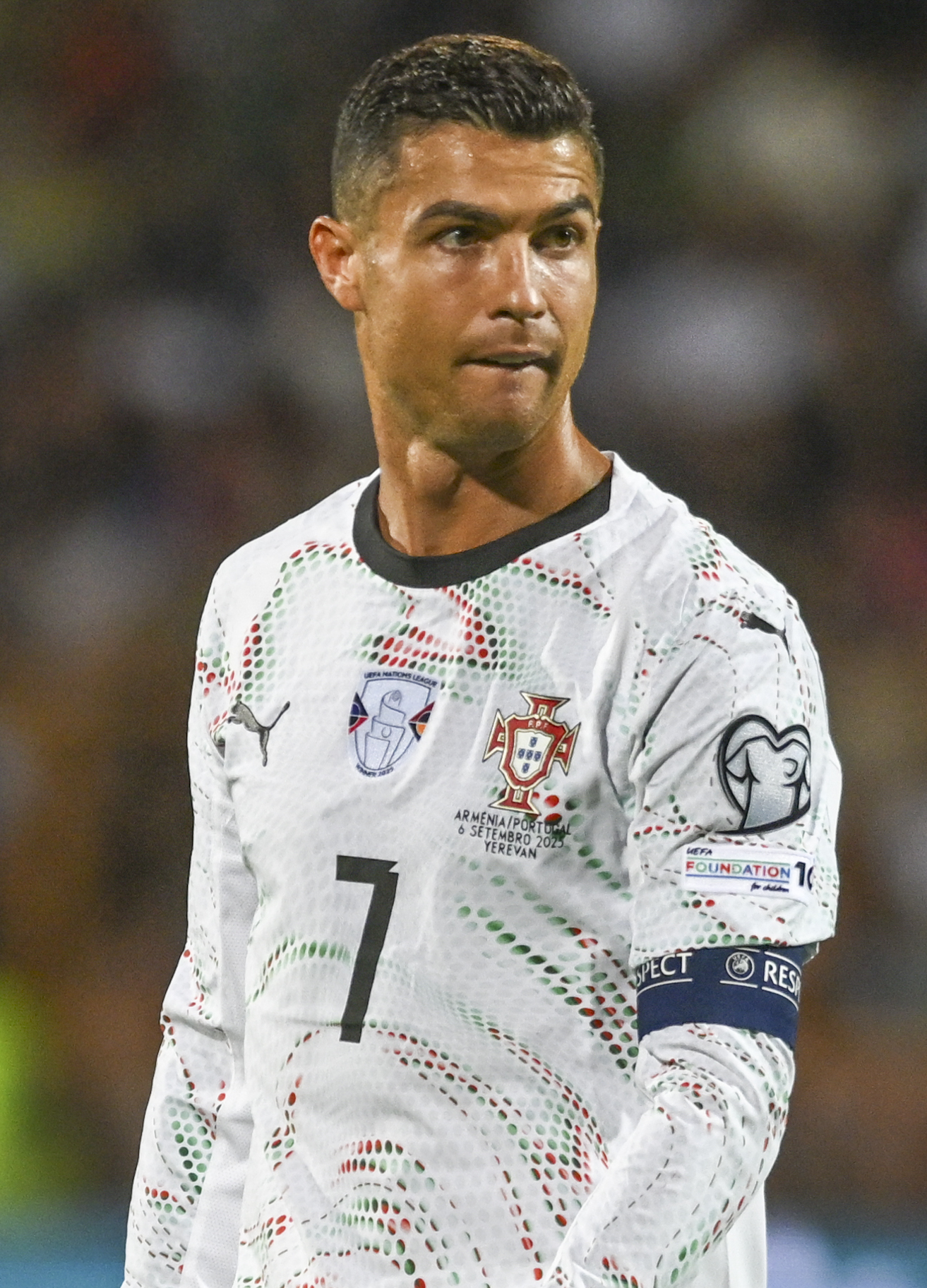
RIYADH, Saudi Arabia — Cristiano Ronaldo faces a brief but concerning spell on the sidelines after sustaining a hamstring injury during **Al-Nassr**’s Saudi Pro League victory over Al-Fayha on Saturday, March 1, 2026. The 41-year-old Portuguese forward limped off in the 81st minute of the 3-1 win, clutching his right hamstring, prompting immediate medical evaluation and rehabilitation.

Al-Nassr issued an official statement on Tuesday, March 3, confirming the diagnosis: “Cristiano Ronaldo has been diagnosed with a hamstring injury after the last game against Al Fayha. He started a rehabilitation program and will be under evaluation day by day.” The club has not provided a fixed return date, emphasizing daily assessments to monitor progress and determine his comeback timeline.
Reports from reliable sources, including transfer expert Fabrizio Romano, indicate the injury could sideline Ronaldo for **two to four weeks**. Romano noted on social media that “Cristiano Ronaldo could be OUT for up to four weeks with muscle injury,” with additional tests pending. The forward is reportedly targeting a swift return, though the severity—described in some outlets as a hamstring tendon issue or more serious than initial muscle fatigue—has prompted specialist care. Recent updates suggest Ronaldo has traveled to Madrid for advanced rehabilitation, as confirmed by Al-Nassr manager Jorge Jesus, who described the setback as “more serious than expected.”
The timing raises questions for both club and country. Al-Nassr, competing in the Saudi Pro League and other competitions, will miss Ronaldo’s goal-scoring prowess and leadership in upcoming fixtures. The team faces potential absences for league games against Neom and Al-Khaleej, and any extended recovery could impact their title chase. Earlier in 2026, Ronaldo had already missed matches amid a brief reported dispute with the club, but he returned to training and action, starting 11 games since January.
For **Portugal**, the injury casts doubt on Ronaldo’s participation in upcoming international friendlies against Mexico on March 29 and the United States on April 1. These matches serve as key preparation for the 2026 FIFA World Cup, co-hosted by the United States, Mexico, and Canada, starting June 11. Portugal coach Roberto Martinez may need to adjust plans if Ronaldo misses the final pre-tournament camp. However, medical experts and multiple reports stress the issue is not long-term, with Ronaldo expected to recover well before the World Cup. A two-to-four-week absence would position him to regain full fitness in April or May, allowing time to build match rhythm ahead of what could be his record sixth World Cup appearance.
Ronaldo, who turns 41 in February 2026, has maintained remarkable form in the Saudi Pro League despite his age. He has been a consistent starter for Al-Nassr under manager Jorge Jesus, contributing goals and assists while adapting to the demands of the league. The hamstring problem follows a season of heavy workload, including club duties and national team commitments. Earlier reports downplayed the initial discomfort as “muscle fatigue,” but further imaging revealed the true extent, leading to cautious management to avoid aggravation.
Fans and analysts express concern over the veteran’s durability, yet optimism prevails given Ronaldo’s history of resilience. The five-time Ballon d’Or winner has overcome numerous injuries throughout his career, often returning stronger. Al-Nassr and Portugal medical teams prioritize a full recovery, with day-by-day evaluations guiding his progression from rehab to light training and eventual return.
The setback underscores the physical toll on elite athletes in their 40s, even legends like Ronaldo. As he focuses on rehabilitation—potentially in Madrid for specialized treatment—supporters worldwide await updates on his status. Al-Nassr continues to dismiss speculation about his future or departure, emphasizing his commitment amid the injury management.
Should recovery align with the two-to-four-week estimate, Ronaldo could miss a handful of club matches but remain on track for international duty later in the spring. His presence remains vital for Portugal’s World Cup ambitions and Al-Nassr’s pursuit of silverware. For now, the focus stays on careful healing to ensure the iconic forward is ready when it matters most.
As the situation develops, follow official club channels and Portugal announcements for the latest. Ronaldo’s determination, paired with top-tier medical support, suggests this is a temporary hurdle rather than a threat to his enduring legacy.

Customers would have zero liability and be entitled to reversal of the transaction if the fraud occurred due to negligence of the bank or because of a third-party breach.
The regulator has proposed to place the burden of proving customer liability on banks in such cases. The directions would apply to electronic banking transactions undertaken from July 1, 2026, the draft regulations said.
 Agencies
 According to the Reserve Bank of India, nearly 65% of fraud cases involve amounts below Rs 50,000.
Compensation would be provided if the loss was established as genuine under the bank’s internal policy. The victim must report the incident both to the bank and the National Cyber Crime Helpline (1930) within five days of the fraud.

After receiving a complaint, banks must examine it, determine liability and respond to the customer within 30 days.
The draft framework sets out a compensation-sharing mechanism. For losses below Rs 29,412, where the compensation would be 85%, the RBI would provide 65%, while the customer’s bank and the beneficiary bank would contribute 10% each, it said. For losses between Rs 29,412 and Rs 50,000, the RBI would contribute Rs 19,118, while the customer’s bank and the beneficiary bank would put in Rs 2,941 each. The proposed compensation mechanism would remain in force for one year from the effective date, after which it would be reviewed, the RBI said. The aim is to gradually increase the share borne by banks and reduce or eliminate the central bank’s contribution in such instances, it said. The regulator has invited comments from stakeholders on the draft until April 6, 2026.
Negligence by a bank includes failure to put in place required security systems, send transaction alerts, provide channels to report fraud or act promptly on customer complaints. Customer negligence includes sharing credentials such as PINs, passwords or OTPs, delaying the reporting of fraud.

Form 4 BlackRock MuniYield Qual Closed III For: 6 March


Iran war enters second week as Trump demands ’unconditional surrender’

Form 4 Broadway Financial Corporation For: 6 March

Form 4 Crisp Momentum Inc For: 6 March

FDA approves Sotyktu for active psoriatic arthritis treatment
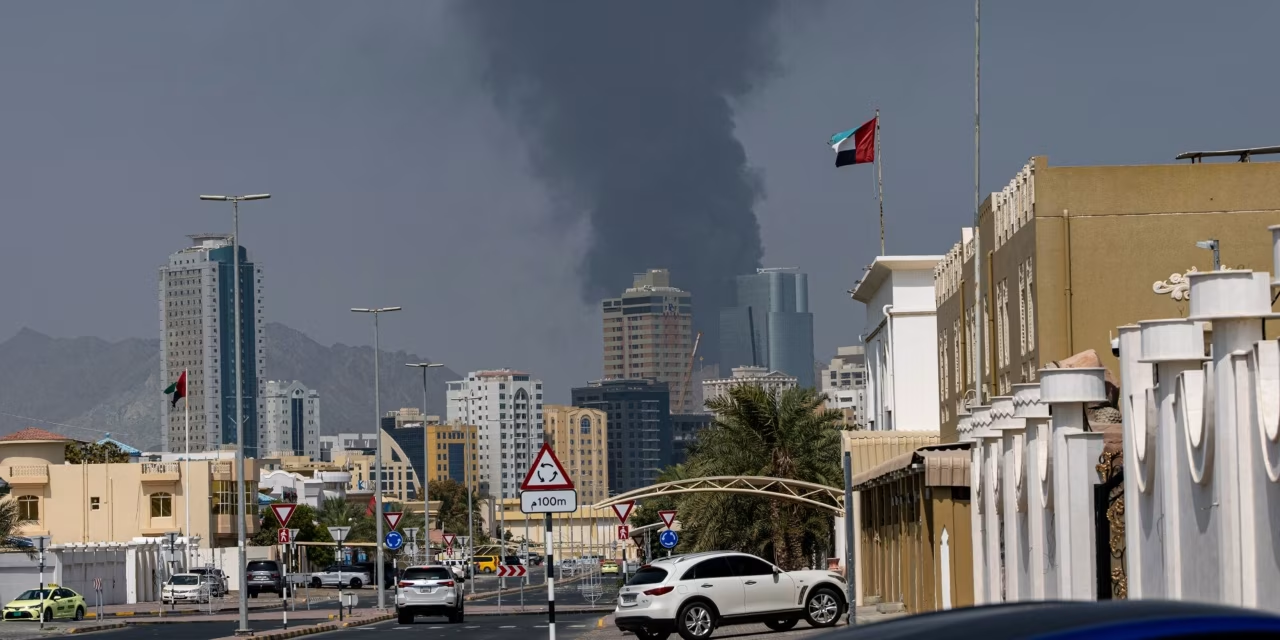
The Dow Industrials slid 1.6%, nearly 800 points, while U.S. crude jumped 8.5% to $81.01 a barrel, its highest price since July 2024 and its biggest one-day jump since 2020. Brent crude, the global benchmark, climbed above $85.

The Dow dropped 785 points, or 1.6%. A late rebound lifted the index from an 1,100-point hole. The S&P 500 fell 0.6%. The Nasdaq Composite dropped 0.3%.
West Texas Intermediate crude oil futures spiked 8.5% to $81.01 a barrel, which is its biggest one-day percentage gain since May 14, 2020, and its highest settlement since July 18, 2024, according to Dow Jones Market Data. Brent crude oil futures, the international benchmark, rose 4.9% to $85.41 a barrel.

“It all depends on how long this war will last. If it is long drawn, there will be an impact on growth because of issues linked to supply, then there will also be an impact on the external trade and exports,” said Madan Sabnavis, chief economist at Bank of Baroda.
The bank still expects the rupee to trade in the Rs 91 per dollar to Rs 92 per dollar band.
On Friday, the rupee ended at 91.74/$1, down 14 paise from its previous close of 91.60/$1, despite strong intervention by the Reserve Bank of India in both the spot market as well as the offshore non deliverable forwards market. It had sunk to a record low of 92.30/$1 on Wednesday due to heightened pressures from geopolitical crisis. For India, which imports more than 89% of its crude, the supply disruption could impact the financial markets and real economy, as 60% of India’s crude passes through the Gulf of Hormuz.

Al-Nassr Star Sidelined 2-4 Weeks After Al-Fayha Setback
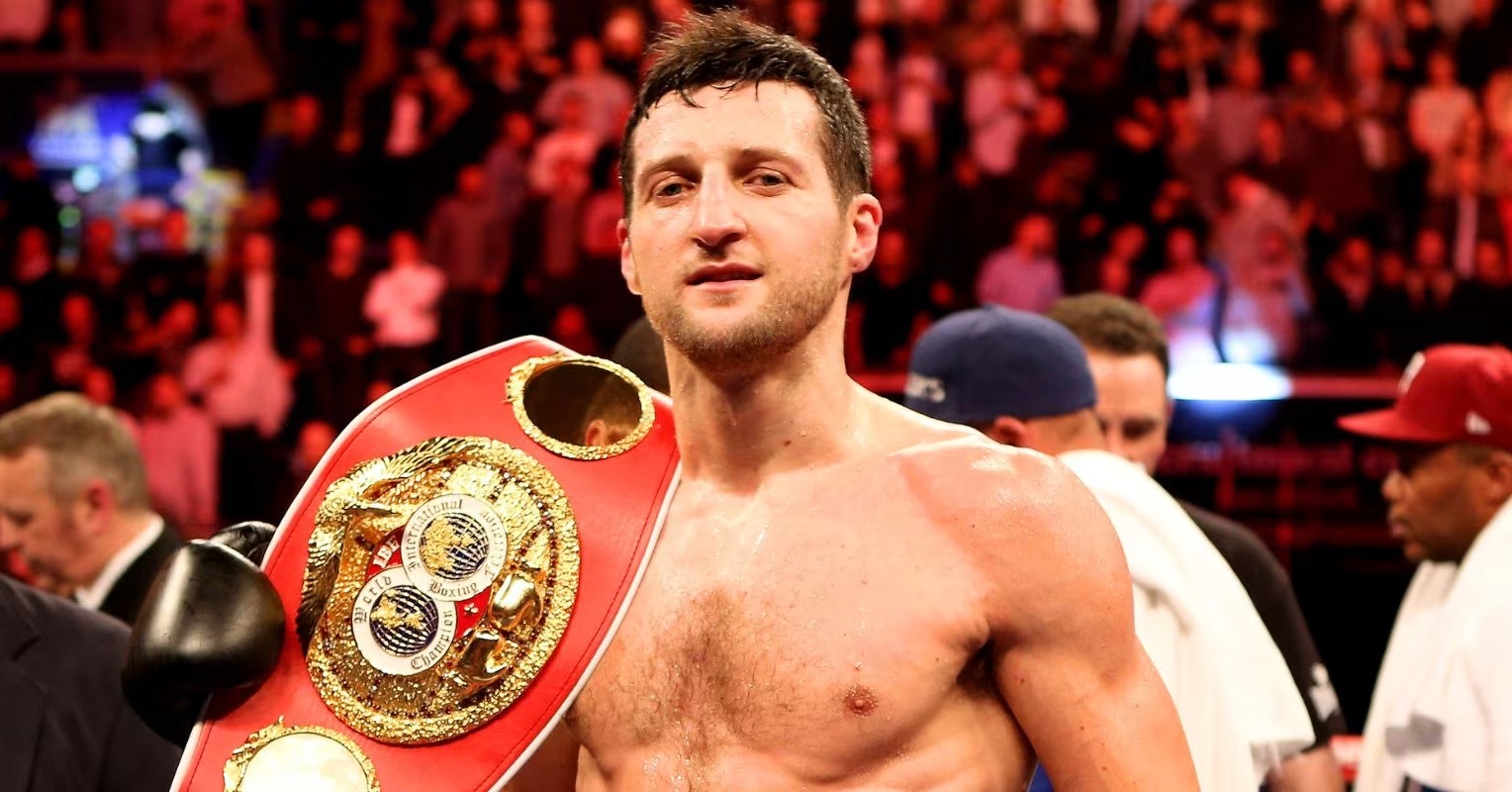
Carl Froch updates on potential comeback fight at 48: “It’s a 7 figure offer”

Can you solve the toughest GCSE questions ever set?


-

 Politics4 days ago
Alan Cumming Brands Baftas Ceremony A ‘Triggering S**tshow’
-

 Tech6 days ago
Unihertz’s Titan 2 Elite Arrives Just as Physical Keyboards Refuse to Fade Away
-

 NewsBeat6 days ago
Abusive parents will now be treated like sex offenders and placed on a ‘child cruelty register’ | News UK
-
Business13 hours ago
Form 8K Entergy Mississippi LLC For: 6 March
-

 Fashion9 hours ago
Weekend Open Thread: Ann Taylor
-
 NewsBeat6 days ago
Dubai flights cancelled as Brit told airspace closed ’10 minutes after boarding’
-
Sports7 days ago
The Vikings Need a Duck
-
 NewsBeat7 days ago
The empty pub on busy Cambridge road that has been boarded up for years
-

 NewsBeat6 days ago
‘Significant’ damage to boarded-up Horden house after fire
-

 Tech2 days ago
Bitwarden adds support for passkey login on Windows 11
-

 Entertainment5 days ago
Baby Gear Guide: Strollers, Car Seats
-
 Sports1 day ago
499 runs and 34 sixes later, India beat England to enter T20 World Cup final | Cricket News
-
 NewsBeat6 days ago
Emirates confirms when flights will resume amid Dubai airport chaos
-
Politics6 days ago
FIFA hypocrisy after Israel murder over 400 Palestinian footballers
-

 NewsBeat5 days ago
Is it acceptable to comment on the appearance of strangers in public? Readers discuss
-

 Tech6 days ago
Viral ad shows aged Musk, Altman, and Bezos using jobless humans to power AI
-

 Video5 days ago
How to Build Finance Dashboards With AI in Minutes
-

 Fashion6 days ago
On the Scene at the 57th Annual NAACP Image Awards: Teyana Taylor in Black Ashi Studio, Colman Domingo in Yellow Sergio Hudson, Chloe Bailey in Christian Siriano, and More!
-

 Business3 days ago
Guthrie Disappearance Enters Fifth Week as Family Visits Memorial
-
 NewsBeat5 days ago
Ukraine-Russia war latest: Belgium releases video showing forces boarding Russian shadow fleet oil tanker