

Business
Palantir Technologies Stock Climbs 3% to $157 Amid Geopolitical Tensions and Strong AI Demand


Shares of Palantir Technologies Inc. rose nearly 3% on Friday, closing at $157.16 on the Nasdaq, as investors weighed the company’s explosive growth in artificial intelligence platforms against heightened geopolitical risks driving demand for its defense-focused software.

The Denver-based data analytics and AI firm saw its stock surge 2.94% from Thursday’s close of $152.67, with trading volume reaching over 74 million shares — well above its average. In after-hours trading, the shares eased slightly to around $156.60.
The advance capped a strong week for Palantir, with the stock up about 15% amid escalating tensions in the Middle East, including conflicts involving Iran, which analysts say could boost prospects for defense and intelligence contracts. The shares have rebounded sharply from earlier March lows near $133, though they remain below late-2025 peaks above $220.
Palantir, co-founded by Peter Thiel and known for its Gotham and Foundry platforms, has positioned itself as a leader in AI-driven data integration for both government and commercial clients. Its Artificial Intelligence Platform (AIP) has fueled rapid adoption, particularly in the U.S., where commercial revenue exploded in late 2025.
The rally follows Palantir’s blockbuster fourth-quarter 2025 earnings released in early February. Revenue jumped 70% year-over-year to $1.41 billion, with U.S. revenue surging 93% to $1.076 billion. U.S. commercial revenue grew an astonishing 137% year-over-year, while government revenue increased 66%.
Management issued aggressive guidance for 2026, projecting full-year revenue between $7.182 billion and $7.198 billion — implying roughly 61% growth from 2025’s estimated $4.48 billion. U.S. commercial revenue is expected to exceed $3.144 billion, representing at least 115% growth. Adjusted operating income is forecasted near $4.1 billion, with adjusted free cash flow between $3.9 billion and $4.1 billion.
Chief Executive Alex Karp hailed the results as evidence of Palantir’s unique focus on scaling AI operational leverage, describing the company as an “n of 1” in pursuing “commodity cognition” through advanced models.
Recent developments have reinforced optimism. Palantir secured a five-year blanket purchasing agreement with the U.S. Department of Homeland Security valued at up to $1 billion to deploy AI tools across agencies for case management, threat identification and logistics. The company also expanded partnerships, including with Rackspace Technology to deploy Foundry and AIP in regulated industries, and won its largest-ever U.K. defense contract.
Geopolitical factors appear to be amplifying demand. Analysts point to rising needs for AI in battlefield intelligence and national security amid global conflicts. A potential 10-year, $10 billion U.S. Army framework agreement continues to generate buzz, contributing to a record contract backlog.
Analysts remain largely bullish despite the stock’s lofty valuation — trading at around 241 times trailing earnings and 115 times forward estimates. The consensus 12-month price target stands at approximately $193 to $198, suggesting 23% to 26% upside from current levels, based on input from 28 analysts. Ratings lean toward “Moderate Buy,” with highs reaching $260 from Citi and recent upgrades including Rosenblatt’s $200 target.
Some forecasts are more ambitious. Veteran analysts highlight Palantir’s mission-critical role in defense AI, with one predicting the stock could reach $200 amid geopolitical tailwinds. Others caution that sustained execution will be key in a competitive landscape featuring players like Snowflake and Oracle.
Palantir’s commercial momentum has shifted perceptions. Once heavily reliant on government contracts, the U.S. commercial segment now drives outsized growth through AIP deployments in Fortune 500 companies. The company’s Rule of 40 score — combining revenue growth and profit margin — hit 127% recently, a rare feat at scale.
Challenges persist. High valuation leaves little room for error, and controversies around surveillance tech and public-sector contracts continue in some markets. Insider selling has occurred periodically, though it has not derailed the broader uptrend.
Investors await the next earnings update, expected in May 2026, for confirmation of guidance delivery and further AIP traction. Management has emphasized disciplined scaling and profitability as hallmarks of its strategy.
As Palantir navigates an environment of accelerating AI adoption and defense modernization, its stock performance will likely depend on converting massive backlog into recurring revenue while managing expectations in a volatile market. The recent surge suggests investors are betting on continued outperformance in both commercial and government segments through 2026.


Stressing that the $30 trillion US economy is the world’s largest and one that can’t be ignored, Goyal said, “It has been a fantastic journey.”
“We have the best of relations. You would have observed that through the last year, President Donald Trump has always had the best of things to say about India as a country, and about Prime Minister (Narendra) Modi. We have fantastic relations with our counterparts there,” he said.
Addressing the Raisina Dialogue 2026, Goyal also said that “ultimately, a trade deal is about preference over your competition”.
“Even within your family, sometimes you can have one or two misunderstandings,” he said. “It’s a part of the course. I think it’s a very, very powerful relationship that the US and India share. And we got the best deal amongst all the nations with whom we compete,” said Goyal when asked about India’s trade ties with the US.

He added that both countries are strategic partners and the largest democracies in the world.
“We have a large responsibility cast on both our nations,” said Goyal. “They are the world’s largest economy, $30 trillion economy, nobody can wish them away,” he said, adding that ultimately a trade deal is about preference over competitors. Insisting that India got the “best deal amongst all of the competitors” in the Asian region, Goyal said, “What’s a trade deal? You are trying to get a preference or a preferential access for yourself, your goods, your services, compared to your competitor.

Iran war threatens prolonged hit to global energy markets
Business
US, Japan eye $13 billion Japan Display plant as part of investment package, Nikkei Asia reports

US, Japan eye $13 billion Japan Display plant as part of investment package, Nikkei Asia reports


Iranian hardline clerics seek swift naming of new supreme leader
Israeli settler fatally shoots Palestinian man in West Bank, health ministry says

China warns of global chip shortages as Nexperia dispute escalates again

Associate of liquidated Brazilian lender Banco Master’s owner dies, lawyers say


Flavio Bolsonaro draws even with Lula in Brazil election matchup, Datafolha shows
Business
Equinor ASA (EQNR) Stock Hits Multi-Year Highs on Oil Surge, Buyback Progress and North Sea Discovery

STAVANGER, Norway — Equinor ASA (NYSE: EQNR, OSE: EQNR) shares reached new 52-week highs in early March 2026, climbing above $33 on the New York Stock Exchange amid a sharp rally in global oil prices and positive company developments. The Norwegian energy giant, a major player in offshore oil and gas with growing renewables exposure, has benefited from supportive commodity markets while advancing shareholder returns through an active share buyback program and a robust dividend policy.

As of March 6, 2026, EQNR closed at approximately $33.59, up more than 5% in a single session and marking a fresh peak for the year. The stock has surged roughly 50% over the past 12 months, driven by elevated crude prices hovering near multi-year highs and Equinor’s operational momentum. On the Oslo Stock Exchange, shares traded around NOK 316.70, reflecting similar strength.
The rally aligns with broader energy sector gains, as oil benchmarks climb above $90 per barrel in response to geopolitical tensions and demand resilience. Equinor’s upstream portfolio—centered on the Norwegian Continental Shelf—positions it well to capitalize on these conditions, with recent discoveries adding to production potential.
A key catalyst came on March 2, 2026, when Equinor announced a commercial oil discovery in the Snorre area of the North Sea. The find, made with partners, supports rapid development plans and tie-back to existing infrastructure, promising quick value creation with minimal additional capital. This bolsters Equinor’s near-term production outlook and underscores its expertise in mature fields.
Financially, Equinor continues executing its capital return strategy. The company initiated a $1.5 billion share buyback program for 2026, structured in tranches. The first tranche, running through late March, has seen steady repurchases. From February 23-27, Equinor bought back 607,850 shares at an average NOK 278.44, lifting the tranche total to over 2 million shares acquired for approximately NOK 546 million. Including prior activity, treasury holdings have increased modestly, signaling confidence in the stock’s value despite market volatility.
Notifiable trading disclosures in early March highlighted minor insider-related sales: a close associate of executive vice president Siv Helen Rygh Torstensen sold 2,000 shares on March 2 at NOK 301.30, and another associate of board member Hilde Møllerstad sold 241 shares on March 4 at NOK 299. These routine transactions, required under EU Market Abuse Regulation, drew attention but reflect personal rather than corporate signals.
Equinor’s latest full-year results, released February 4, 2026, for 2025 showed solid performance. Adjusted earnings reflected resilience in a fluctuating price environment, with upstream strength offsetting softer refining margins. The board proposed a fourth-quarter cash dividend of $0.39 per share (up from $0.37 prior), payable in May 2026, maintaining an attractive annualized yield around 4.9%. This follows consistent quarterly payouts, with the company aiming to grow dividends in line with underlying earnings.
Analysts maintain a mixed but cautious outlook. Consensus from 17 firms rates EQNR a “Reduce” or “Hold,” with an average 12-month price target around $24.71—implying downside from current levels. Some forecasts see limited upside if oil prices moderate, with one analyst downgrading to Hold in early March, citing valuation implying $80/bbl crude—above base-case assumptions. Others highlight the stock’s appeal for income investors, given the well-covered dividend and AA credit rating.
Equinor balances traditional energy with renewables. The company advances offshore wind projects in the U.S. and Europe while optimizing oil and gas assets. Capital expenditure guidance for 2026-2027 was reduced by $4 billion organically, supporting free cash flow and returns. Production guidance remains stable, with focus on high-return opportunities like the North Sea.
Risks persist: energy transition pressures, regulatory changes in Norway and Europe, and oil price sensitivity. Yet Equinor’s integrated model—upstream dominance, midstream stability and growing low-carbon ventures—provides diversification.
Investor sentiment remains positive in the near term, buoyed by buybacks, dividends and exploration success. As Equinor navigates 2026’s volatile markets, its ability to deliver shareholder value while advancing sustainability goals will define performance. With shares at multi-year highs, the energy major continues attracting attention from income-focused and value investors alike.
Business
Dow Jones Industrial Average Falls 453 Points as Oil Surge and Weak Jobs Data Weigh on Markets
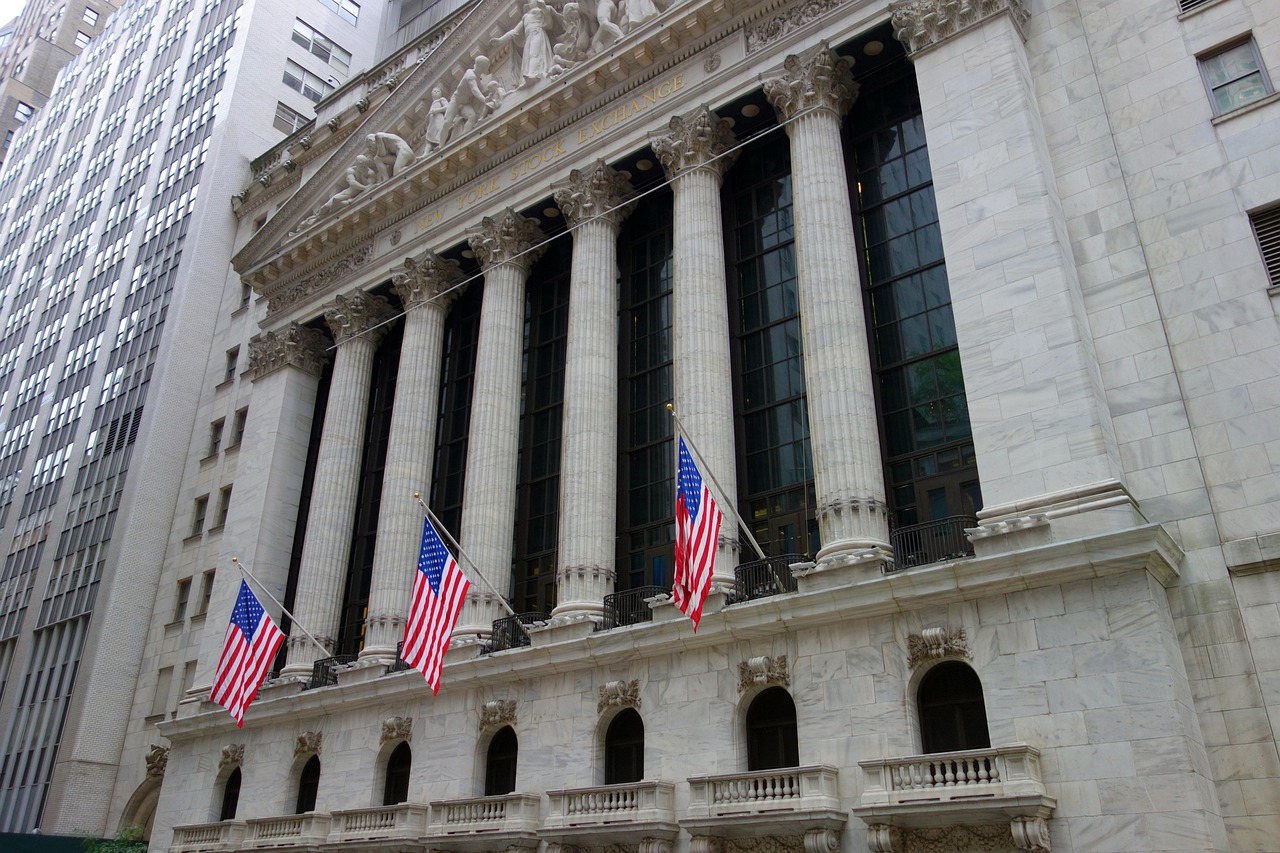
The Dow Jones Industrial Average closed lower Friday, shedding more than 450 points amid a sharp spike in oil prices and disappointing February jobs data that heightened concerns over economic slowdown and persistent inflation pressures.
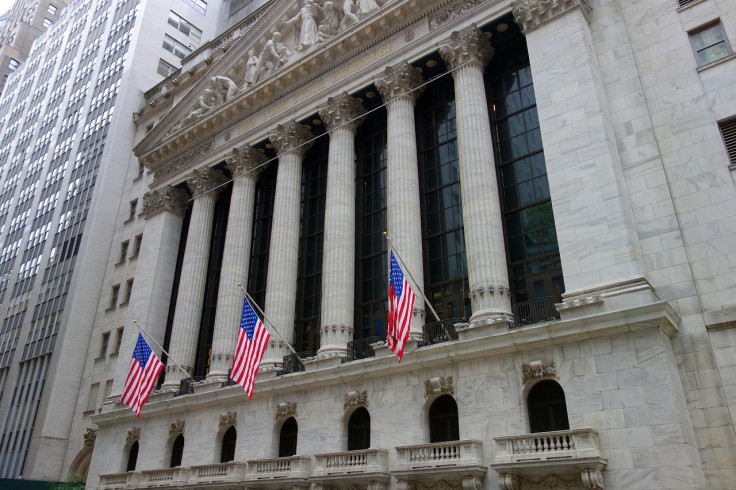
The blue-chip index ended the session at 47,501.55, down 453.19 points or 0.95%, after dipping as low as 47,009.01 intraday — a retreat of nearly 950 points from the previous close. The broader S&P 500 fell 90.69 points, or 1.33%, to 6,740.02, while the tech-heavy Nasdaq Composite dropped 361.31 points, or 1.59%, to 22,387.68. All three major averages posted weekly losses, with the Dow recording its worst weekly performance in nearly a year.
Trading volume reached approximately 545 million shares on the New York Stock Exchange, reflecting heightened volatility as investors digested fresh economic signals and geopolitical tensions contributing to energy market swings.
The sell-off accelerated after the U.S. Labor Department reported an unexpected drop in nonfarm payrolls for February, missing economist forecasts and signaling potential softening in the labor market. The weaker-than-expected jobs figures raised questions about the Federal Reserve’s path on interest rates, with some traders now pricing in a higher likelihood of earlier rate cuts to support growth.
Compounding the pressure, crude oil prices surged above $90 a barrel for the first time in recent months, driven by escalating tensions involving Iran and broader supply concerns in the Middle East. West Texas Intermediate crude climbed significantly, pushing energy stocks higher but adding to inflationary fears that could keep borrowing costs elevated longer than anticipated.
“Today’s move reflects a classic risk-off reaction to mixed macro data and commodity spikes,” said one market strategist in a CNBC analysis. “The jobs miss is concerning for growth, while oil’s rally revives inflation worries that had been somewhat subdued earlier this year.”
The Dow’s decline marked a pullback from recent highs, with the index having peaked above 50,500 in February before retreating. Year-to-date, the benchmark remains modestly positive but has given back much of its early 2026 gains amid choppy trading.
Component performance varied, with only nine of the 30 Dow stocks closing higher. Standouts included Boeing (BA), which rose more than 4% on positive developments in its production outlook, and select defensive names like Johnson & Johnson (JNJ) and Coca-Cola (KO), which posted small gains. Heavier losses hit cyclical and growth-oriented names, including Caterpillar (CAT) down over 3.5%, Amazon (AMZN) off 2.6%, and Nvidia (NVDA) declining 3%.
The week’s broader context showed mounting headwinds. On Thursday, March 5, the Dow had already plunged 784.67 points, or 1.6%, to 47,954.74, briefly dropping more than 1,100 points intraday as oil spiked and initial Iran-related fears gripped traders. That session followed a modest rebound Wednesday when the index rose about 238 points to 48,739.41, snapping a brief losing streak.
Analysts pointed to a confluence of factors weighing on sentiment. Persistent geopolitical risks, including developments in the Middle East, have kept energy markets volatile, with oil’s rally adding to cost pressures across industries. Meanwhile, the jobs data reinforced doubts about the economy’s resilience after stronger-than-expected readings earlier in the year.
Despite the downturn, some market participants remained cautiously optimistic. Corporate earnings seasons have shown resilience in certain sectors, and defensive plays like healthcare and consumer staples have held up better amid uncertainty. The VIX, Wall Street’s fear gauge, jumped more than 24% to around 29.49, indicating elevated volatility expectations heading into the weekend.
Looking ahead, investors will monitor upcoming inflation reports, including the Consumer Price Index due next week, for further clues on the Fed’s policy trajectory. Fed officials have emphasized data-dependence, and recent signals suggest officials may pause rate adjustments if inflationary pressures reaccelerate.
The pullback comes after a strong start to 2026, when the Dow briefly surpassed 50,000 amid optimism over corporate profitability and cooling inflation. However, renewed macro uncertainties have shifted focus back to risks, with the index now trading well below its February peak of 50,512.79.
Broader market breadth weakened Friday, with decliners outpacing advancers on major exchanges. Small-cap stocks, tracked by the Russell 2000, also fell sharply, underscoring broad-based caution.
As markets digest the week’s developments, attention turns to whether the recent dip represents a healthy correction within an ongoing bull trend or the start of more sustained weakness. With oil prices elevated and labor market signals mixed, volatility is likely to persist in the near term.
The Dow’s close at 47,501.55 caps a turbulent week that erased much of the prior session’s gains and highlighted the market’s sensitivity to energy shocks and employment trends. While no single factor dominated, the combination of higher oil and softer jobs data proved decisive in driving Friday’s retreat.

Children s filial piety should not only be reflected in financial aspects but also in thei

KSI moment next to Andy Carroll in Dagenham stands says everything about new owner
Britney Spears' ex-husbands Sam Asghari and Kevin Federline react to her DUI arrest


-

 Politics4 days ago
Alan Cumming Brands Baftas Ceremony A ‘Triggering S**tshow’
-
Business1 day ago
Form 8K Entergy Mississippi LLC For: 6 March
-

 Tech7 days ago
Unihertz’s Titan 2 Elite Arrives Just as Physical Keyboards Refuse to Fade Away
-

 NewsBeat7 days ago
Abusive parents will now be treated like sex offenders and placed on a ‘child cruelty register’ | News UK
-

 Fashion1 day ago
Weekend Open Thread: Ann Taylor
-

 NewsBeat6 days ago
‘Significant’ damage to boarded-up Horden house after fire
-

 Tech3 days ago
Bitwarden adds support for passkey login on Windows 11
-

 Entertainment5 days ago
Baby Gear Guide: Strollers, Car Seats
-
 Sports2 days ago
499 runs and 34 sixes later, India beat England to enter T20 World Cup final | Cricket News
-
 NewsBeat6 days ago
Emirates confirms when flights will resume amid Dubai airport chaos
-
Politics7 days ago
FIFA hypocrisy after Israel murder over 400 Palestinian footballers
-

 NewsBeat5 days ago
Is it acceptable to comment on the appearance of strangers in public? Readers discuss
-

 Tech6 days ago
Viral ad shows aged Musk, Altman, and Bezos using jobless humans to power AI
-

 Video5 days ago
How to Build Finance Dashboards With AI in Minutes
-

 Fashion6 days ago
On the Scene at the 57th Annual NAACP Image Awards: Teyana Taylor in Black Ashi Studio, Colman Domingo in Yellow Sergio Hudson, Chloe Bailey in Christian Siriano, and More!
-

 Business4 days ago
Guthrie Disappearance Enters Fifth Week as Family Visits Memorial
-
 NewsBeat6 days ago
Ukraine-Russia war latest: Belgium releases video showing forces boarding Russian shadow fleet oil tanker
-
 Crypto World6 days ago
US Judge Lets Binance Unregistered Token Class Action Proceed
-

 Crypto World5 days ago
Why Nexo Is Reentering the US After the 2023 Crypto Lending Crackdown
-

 NewsBeat2 days ago
Piccadilly Circus just unveiled ‘London’s newest tourist attraction’ and it only costs 80p to enter