

Business
Dow Jones Industrial Average Falls 453 Points as Oil Surge and Weak Jobs Data Weigh on Markets

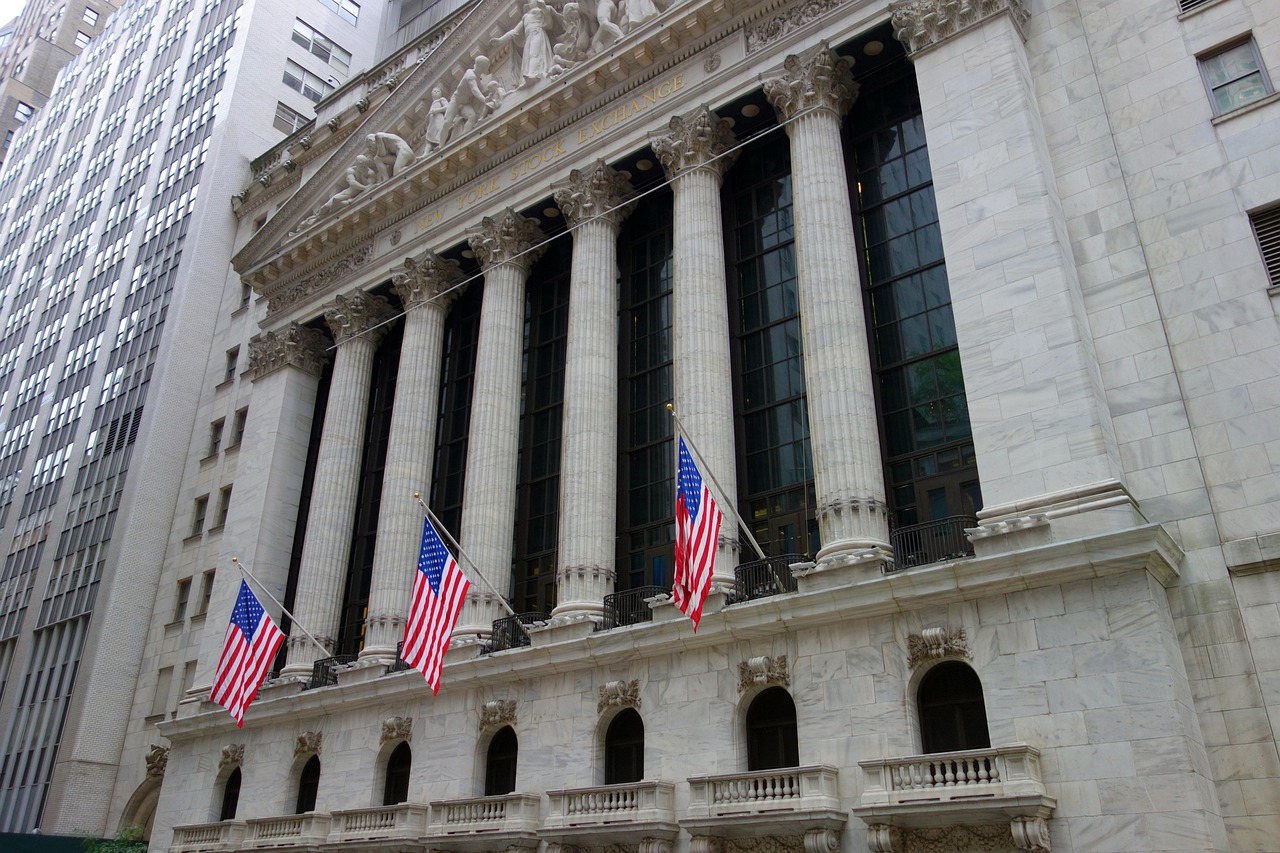
The Dow Jones Industrial Average closed lower Friday, shedding more than 450 points amid a sharp spike in oil prices and disappointing February jobs data that heightened concerns over economic slowdown and persistent inflation pressures.
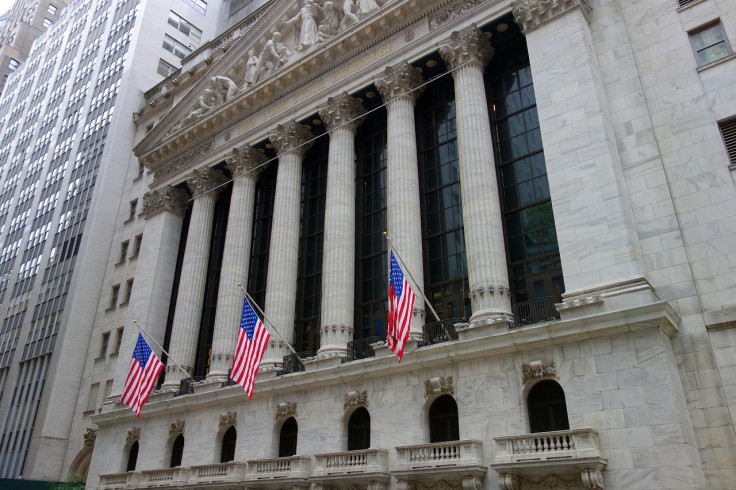
The blue-chip index ended the session at 47,501.55, down 453.19 points or 0.95%, after dipping as low as 47,009.01 intraday — a retreat of nearly 950 points from the previous close. The broader S&P 500 fell 90.69 points, or 1.33%, to 6,740.02, while the tech-heavy Nasdaq Composite dropped 361.31 points, or 1.59%, to 22,387.68. All three major averages posted weekly losses, with the Dow recording its worst weekly performance in nearly a year.
Trading volume reached approximately 545 million shares on the New York Stock Exchange, reflecting heightened volatility as investors digested fresh economic signals and geopolitical tensions contributing to energy market swings.
The sell-off accelerated after the U.S. Labor Department reported an unexpected drop in nonfarm payrolls for February, missing economist forecasts and signaling potential softening in the labor market. The weaker-than-expected jobs figures raised questions about the Federal Reserve’s path on interest rates, with some traders now pricing in a higher likelihood of earlier rate cuts to support growth.
Compounding the pressure, crude oil prices surged above $90 a barrel for the first time in recent months, driven by escalating tensions involving Iran and broader supply concerns in the Middle East. West Texas Intermediate crude climbed significantly, pushing energy stocks higher but adding to inflationary fears that could keep borrowing costs elevated longer than anticipated.
“Today’s move reflects a classic risk-off reaction to mixed macro data and commodity spikes,” said one market strategist in a CNBC analysis. “The jobs miss is concerning for growth, while oil’s rally revives inflation worries that had been somewhat subdued earlier this year.”
The Dow’s decline marked a pullback from recent highs, with the index having peaked above 50,500 in February before retreating. Year-to-date, the benchmark remains modestly positive but has given back much of its early 2026 gains amid choppy trading.
Component performance varied, with only nine of the 30 Dow stocks closing higher. Standouts included Boeing (BA), which rose more than 4% on positive developments in its production outlook, and select defensive names like Johnson & Johnson (JNJ) and Coca-Cola (KO), which posted small gains. Heavier losses hit cyclical and growth-oriented names, including Caterpillar (CAT) down over 3.5%, Amazon (AMZN) off 2.6%, and Nvidia (NVDA) declining 3%.
The week’s broader context showed mounting headwinds. On Thursday, March 5, the Dow had already plunged 784.67 points, or 1.6%, to 47,954.74, briefly dropping more than 1,100 points intraday as oil spiked and initial Iran-related fears gripped traders. That session followed a modest rebound Wednesday when the index rose about 238 points to 48,739.41, snapping a brief losing streak.
Analysts pointed to a confluence of factors weighing on sentiment. Persistent geopolitical risks, including developments in the Middle East, have kept energy markets volatile, with oil’s rally adding to cost pressures across industries. Meanwhile, the jobs data reinforced doubts about the economy’s resilience after stronger-than-expected readings earlier in the year.
Despite the downturn, some market participants remained cautiously optimistic. Corporate earnings seasons have shown resilience in certain sectors, and defensive plays like healthcare and consumer staples have held up better amid uncertainty. The VIX, Wall Street’s fear gauge, jumped more than 24% to around 29.49, indicating elevated volatility expectations heading into the weekend.
Looking ahead, investors will monitor upcoming inflation reports, including the Consumer Price Index due next week, for further clues on the Fed’s policy trajectory. Fed officials have emphasized data-dependence, and recent signals suggest officials may pause rate adjustments if inflationary pressures reaccelerate.
The pullback comes after a strong start to 2026, when the Dow briefly surpassed 50,000 amid optimism over corporate profitability and cooling inflation. However, renewed macro uncertainties have shifted focus back to risks, with the index now trading well below its February peak of 50,512.79.
Broader market breadth weakened Friday, with decliners outpacing advancers on major exchanges. Small-cap stocks, tracked by the Russell 2000, also fell sharply, underscoring broad-based caution.
As markets digest the week’s developments, attention turns to whether the recent dip represents a healthy correction within an ongoing bull trend or the start of more sustained weakness. With oil prices elevated and labor market signals mixed, volatility is likely to persist in the near term.
The Dow’s close at 47,501.55 caps a turbulent week that erased much of the prior session’s gains and highlighted the market’s sensitivity to energy shocks and employment trends. While no single factor dominated, the combination of higher oil and softer jobs data proved decisive in driving Friday’s retreat.

Business
Exclusive-US pressing Sri Lanka not to repatriate Iranian crew and survivors from sunken ship, memo says


Exclusive-US pressing Sri Lanka not to repatriate Iranian crew and survivors from sunken ship, memo says


Cracks emerge in Iran’s leadership as it reels under bombardment


As Iran’s retaliation began, US officials scrambled to arrange evacuations
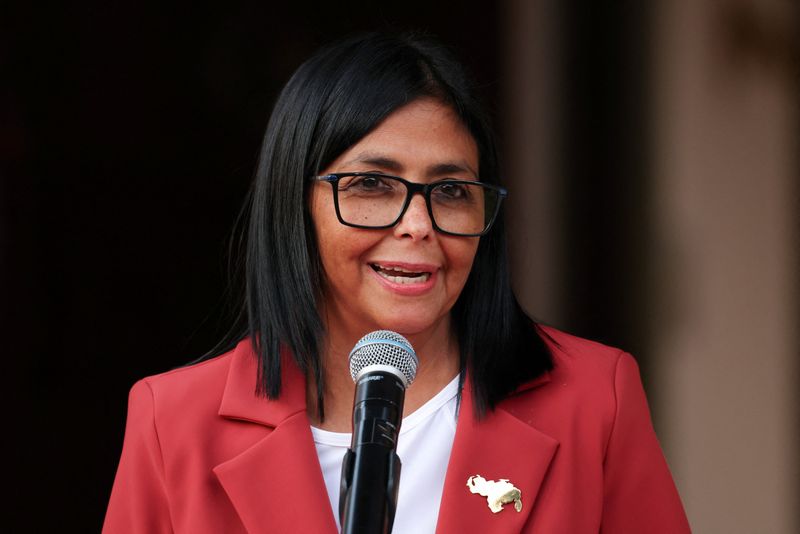

Venezuela’s Rodriguez commits to dialogue in message to Trump

Stressing that the $30 trillion US economy is the world’s largest and one that can’t be ignored, Goyal said, “It has been a fantastic journey.”
“We have the best of relations. You would have observed that through the last year, President Donald Trump has always had the best of things to say about India as a country, and about Prime Minister (Narendra) Modi. We have fantastic relations with our counterparts there,” he said.
Addressing the Raisina Dialogue 2026, Goyal also said that “ultimately, a trade deal is about preference over your competition”.
“Even within your family, sometimes you can have one or two misunderstandings,” he said. “It’s a part of the course. I think it’s a very, very powerful relationship that the US and India share. And we got the best deal amongst all the nations with whom we compete,” said Goyal when asked about India’s trade ties with the US.

He added that both countries are strategic partners and the largest democracies in the world.
“We have a large responsibility cast on both our nations,” said Goyal. “They are the world’s largest economy, $30 trillion economy, nobody can wish them away,” he said, adding that ultimately a trade deal is about preference over competitors. Insisting that India got the “best deal amongst all of the competitors” in the Asian region, Goyal said, “What’s a trade deal? You are trying to get a preference or a preferential access for yourself, your goods, your services, compared to your competitor.
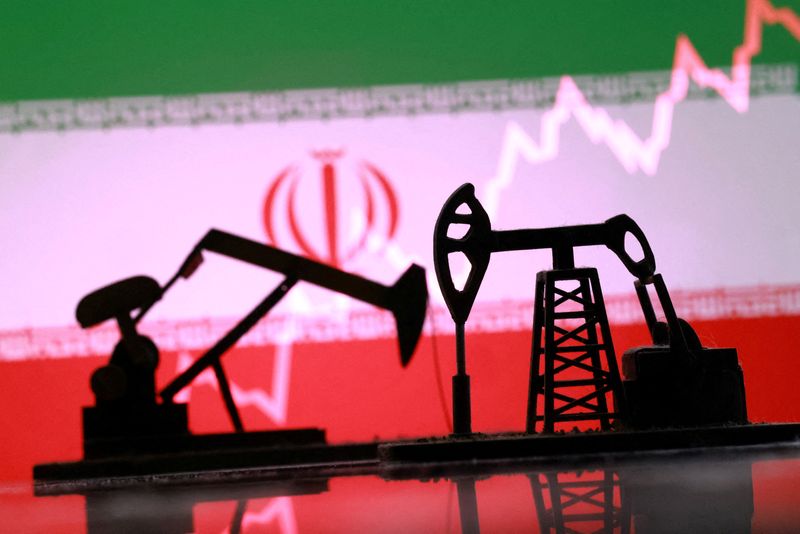

Iran war threatens prolonged hit to global energy markets
Business
US, Japan eye $13 billion Japan Display plant as part of investment package, Nikkei Asia reports

US, Japan eye $13 billion Japan Display plant as part of investment package, Nikkei Asia reports


Iranian hardline clerics seek swift naming of new supreme leader
Israeli settler fatally shoots Palestinian man in West Bank, health ministry says

China warns of global chip shortages as Nexperia dispute escalates again

Exclusive-US pressing Sri Lanka not to repatriate Iranian crew and survivors from sunken ship, memo says

BBC commentator speaks out on how triple murder left him ‘unravelling’ before Cheltenham Festival

Cracks emerge in Iran’s leadership as it reels under bombardment


-

 Politics4 days ago
Alan Cumming Brands Baftas Ceremony A ‘Triggering S**tshow’
-
Business1 day ago
Form 8K Entergy Mississippi LLC For: 6 March
-

 Tech7 days ago
Unihertz’s Titan 2 Elite Arrives Just as Physical Keyboards Refuse to Fade Away
-

 NewsBeat7 days ago
Abusive parents will now be treated like sex offenders and placed on a ‘child cruelty register’ | News UK
-

 Fashion1 day ago
Weekend Open Thread: Ann Taylor
-

 NewsBeat6 days ago
‘Significant’ damage to boarded-up Horden house after fire
-

 Tech3 days ago
Bitwarden adds support for passkey login on Windows 11
-

 Entertainment5 days ago
Baby Gear Guide: Strollers, Car Seats
-
 Sports2 days ago
499 runs and 34 sixes later, India beat England to enter T20 World Cup final | Cricket News
-
 NewsBeat6 days ago
Emirates confirms when flights will resume amid Dubai airport chaos
-
Politics7 days ago
FIFA hypocrisy after Israel murder over 400 Palestinian footballers
-

 NewsBeat5 days ago
Is it acceptable to comment on the appearance of strangers in public? Readers discuss
-

 Tech7 days ago
Viral ad shows aged Musk, Altman, and Bezos using jobless humans to power AI
-

 Video5 days ago
How to Build Finance Dashboards With AI in Minutes
-

 Fashion6 days ago
On the Scene at the 57th Annual NAACP Image Awards: Teyana Taylor in Black Ashi Studio, Colman Domingo in Yellow Sergio Hudson, Chloe Bailey in Christian Siriano, and More!
-

 Business4 days ago
Guthrie Disappearance Enters Fifth Week as Family Visits Memorial
-
 NewsBeat6 days ago
Ukraine-Russia war latest: Belgium releases video showing forces boarding Russian shadow fleet oil tanker
-
 Crypto World7 days ago
US Judge Lets Binance Unregistered Token Class Action Proceed
-

 Crypto World5 days ago
Why Nexo Is Reentering the US After the 2023 Crypto Lending Crackdown
-

 NewsBeat2 days ago
Piccadilly Circus just unveiled ‘London’s newest tourist attraction’ and it only costs 80p to enter