
News Videos
bitcoin is telling us something massive . . .

✅💰 ►[ *Up to *$30,000* Welcome Bonus]◄ 💰✅
👇 *NO RESTRICTIONS* IF YOU *Use THIS Link* 👇
🔷 Phemex Exchange ✔️ https://phemex.com/a/k/TylerS
*PHEMEX TUTORIAL* : https://youtu.be/-0_PVzAQyl0
👇 TRADE WITH BITUNIX – *NO RESTRICTIONS* 👇
✅💰 ► https://www.bitunix.com/register?vipCode=3k9p ◄ 💰✅
👇✅TRADE ON BYBIT ✅👇
https://partner.bybit.com/b/8650
✅ MY ONLY TWITTER: https://twitter.com/TylerSCrypto
►►✅ Earn ADA By Staking With Our Pool!✅ ◄◄
https://tylerscrypto.com/tsc-ada-stake-pool
Ticker: TSC
TSC Pool ID:
pool1mg37s4w4uzsmw27nsnz2mwfll8sdawngvy3n657t7nd0yjcd77e
HOW TO: https://www.youtube.com/watch?v=gi0syaEK_Sg
Sign up to Tradingview [charting used in video]
https://www.tradingview.com/?aff_id=126006
TSCStakePool Twitter
Tweets by TSCStakePool
All Affiliate links have the possibility of making me commission if used – at no extra cost to you
✅ MY ONLY INSTAGRAM: https://www.instagram.com/tylerstrejilevich
Sponsored by Phemex
DO NOT Trade on any exchange that prohibits trading in your geographical location
BEWARE OF IMPERSONATORS PRETENDING TO BE ME IN THE COMMENTS!! NEVER SEND ANYONE IN YOUTUBE COMMENTS YOUR CRYPTO! I WILL NOT CONTACT YOU ON ANY SOCIAL MEDIA ACCOUNTS!! – THERE ARE DOZENS OF INSTAGRAM AND TWITTER IMPERSONATORS THAT WILL MESSAGE YOU TO STEAL YOUR CRYPTO, WHILE PRETENDING TO BE ME
Disclaimer: The information I discuss in the videos on this channel are only the views of myself and are not to be taken as financial advice. The purpose of these videos are to promote discussion and interest in the crypto-space. Also, we like to make jokes! Affiliate Links Can Provide Commission If Utilized.
source

News Videos
Tom Lee Just Warned That Bitcoin Will Crash Before It Does Something Nobody Has Ever Seen Before
TODAY — right now — $14 billion in Bitcoin options just expired. Fannie Mae accepted Bitcoin as mortgage collateral for the first time in American history. JPMorgan confirmed Bitcoin beat gold during the Iran war. And the Fear & Greed Index hit 13 — the lowest in 5 months. While everyone else is panicking, the data tells a completely different story.
In this video, we break down:
✅ The $14 billion Bitcoin options expiry — why the suppression is NOW gone and volatility is about to explode
✅ Fannie Mae accepts Bitcoin mortgages — what this means for 52 million American crypto holders
✅ JPMorgan calls Bitcoin the safe-haven winner of the Iran war — while $11 billion LEFT gold
✅ MARA sells 15,000 BTC — why this is actually BULLISH not bearish
✅ David Sacks leaves as crypto czar — and why that’s actually GREAT news for Bitcoin
✅ The exact halving cycle data that points to the cycle bottom in 74 days
✅ S&P 500 at decade-low PE multiples — the setup Tom Lee says always precedes a bull run
Don’t sell the bottom of a war. The data says: this is where fortunes are made.
📌 Watch Tom Lee’s full interview: https://youtu.be/wicBsTFtqww?si=9GBHNTjBHyxajEEt
⚠️ This video is for educational and entertainment purposes only. Nothing here is financial advice. Always do your own research before making any investment decisions.
#Bitcoin #TomLee #FannieMae #JPMorgan #BitcoinMortgage #BTCPrice #CryptoNews #Bitcoin2026 #MoneyTalks #BitcoinBottom #MARA #DavidSacks #BitcoinOptions #HalvingCycle #IranWar
source
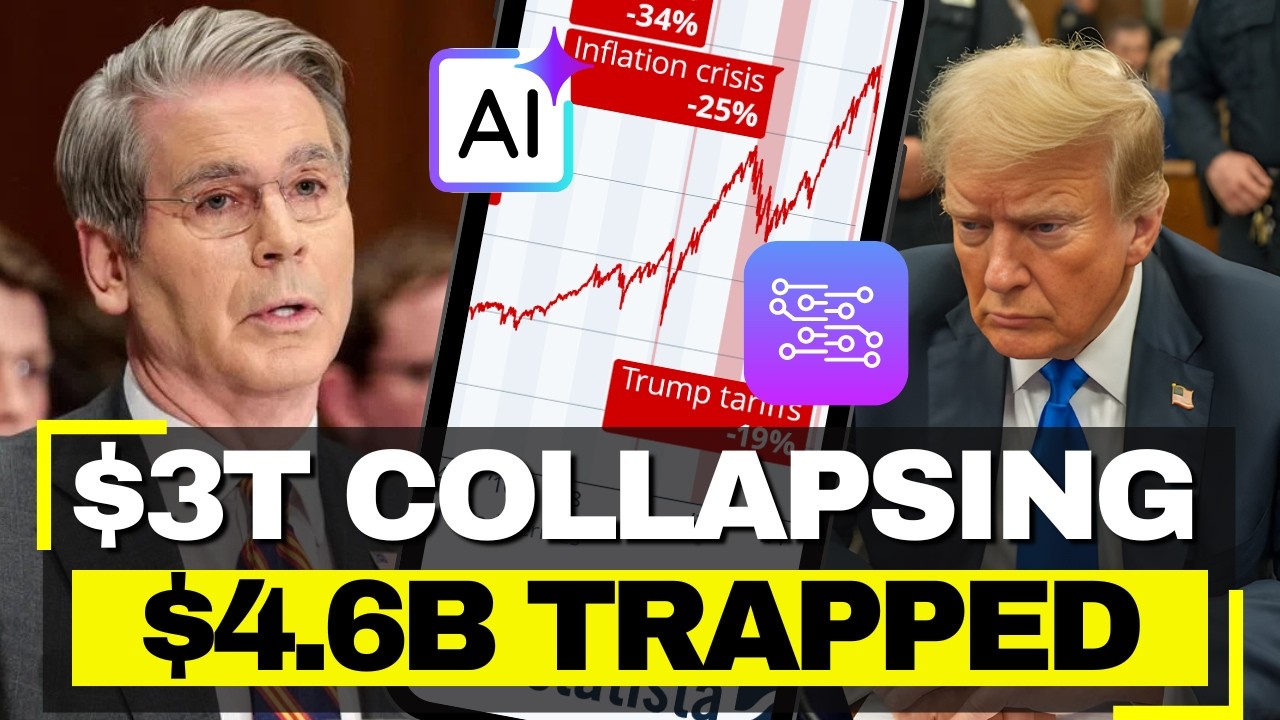
A $3 trillion market built in the shadows is starting to crack—and for the first time, major institutions are openly warning this could spiral. Because of private credit—and AI is the trigger.
🏦 Rising defaults: Morgan Stanley projects default rates up to 8%, while UBS warns of a 13% worst-case scenario
🚨 Liquidity stress: Blue Owl Capital halted redemptions and sold $1.4B in assets, while Ares Management capped withdrawals as demand surged
💻 Concentration risk: Up to 40% of loans tied to software—now under pressure from AI-driven disruption
📉 Structural fragility: PIK loans, NAV leverage, and back-leverage amplify losses when valuations fall
🔗 Hidden contagion: Major banks like JPMorgan Chase are exposed through lending to private credit funds
💸 Capital trapped: Over $4.6B stuck in redemption queues signals liquidity mismatch inside “semi-liquid” funds
🌍 Divergence: Europe’s lower leverage, stronger covenants, and diversified exposure reduce systemic risk
📖✨ Get a FREE Chapter of Awake — “The First Lesson” ✨📖
👉 https://houseofel.net/critical-thinking/
📘✨ AWAKE — 10% Off While Subscriber Discount Lasts ✨📘
👉 https://houseofell.gumroad.com/l/isdum/0l7jve2
🗣️ NEW — Awake: The AUDIOBOOK
A 3h+ audio journey into the practice of critical thinking, narrated by El.
🎧 Offered discounted with the book or available separately
👉https://houseofell.gumroad.com/l/awake-audiobook/3ih3d5h
🧠 Help Shape the New Course: AI Fluency for Thinkers
I’m building a course to help people navigate AI with clarity and confidence.
Take 2 minutes to shape the curriculum and get early access:
👉 https://houseofel.net/ai-course/
☕ Support the channel on Ko-fi:
➡️ https://ko-fi.com/houseofel
#PrivateCredit #FinancialCrisis #AI #Markets #Geopolitics #Investing #Economics #HouseOfEl
source
IF YOU HOLD XRP ONDO & XLM YOU BETTER SEE THIS (HUGE MOVES MADE)
👉 Join FREE Discord (12,000+ members)
https://whop.com/cryptocrusaders/?pass=prod_kMpHoF9HbzFfO
💰 ITrustCapital ($100 Bonus)
https://www.itrustcapital.com/go/ncash
👉 Crypto Apparel
https://www.tokenizedthreads.com
●▬▬▬▬▬▬▬▬▬▬▬▬▬▬▬▬▬▬▬▬▬▬▬▬▬▬▬▬●
NordVPN: https://go.nordvpn.net/aff_c?offer_id=15&aff_id=98794&url_id=902
DCENT Wallets:
Single Package: https://tinyurl.com/3nkyr8y9
2X Package: https://tinyurl.com/yk9kb5jx
Exchanges:
ByBit: https://partner.bybit.com/b/ncash
MEXC: https://bit.ly/3I4NsSG
Coinbase: https://bit.ly/3QXgU11
Uphold: https://bit.ly/3ONsmdu
MY SOCIALS:
Instagram: https://www.instagram.com/ncashofficial/
Twitter (X): https://x.com/NCashOfficial
TikTok: https://www.tiktok.com/@ncashofficial
●▬▬▬▬▬▬▬▬▬▬▬▬▬▬▬▬▬▬▬▬▬▬▬▬▬▬▬▬●
Keywords: crypto, cryptocurrency, bitcoin, ethereum, blockchain, crypto trading, altcoins, btc, eth, cryptocurrency news, cryptocurrency trading, crypto news, bitcoin news, ethereum news, blockchain technology, crypto investing, bitcoin price, ethereum price, crypto analysis, crypto market, bitcoin trading, crypto tips, bitcoin investing, ethereum investing, crypto wallet, decentralized finance, defi, nft, non-fungible tokens, crypto mining, blockchain explained, crypto tutorial, bitcoin explained, ethereum explained, how to buy crypto, crypto exchange, coinbase, binance, crypto for beginners, crypto 2024, bitcoin prediction, crypto future, digital currency, crypto trends, blockchain future, smart contracts, crypto regulation, crypto updates, hodl, bitcoin halving, crypto bull run, crypto bear market, ico, initial coin offering, blockchain startups, crypto security, crypto scams, crypto hacks, crypto taxes, bitcoin wallet, ethereum wallet, crypto portfolio, crypto trading strategies, crypto market analysis, crypto investment strategy, blockchain applications, crypto finance, web3, metaverse, decentralized apps, dapps
●▬▬▬▬▬▬▬▬▬▬▬▬▬▬▬▬▬▬▬▬▬▬▬▬▬▬▬▬●
LEGAL & REGULATORY DISCLAIMER
1. Channel Ownership & Purpose
This channel is operated by a legally registered business. All content shared is for informational and entertainment purposes only and reflects the views of the channel as an organization.
2. No Financial, Legal, or Tax Advice Provided
I am not a licensed financial advisor, attorney, or tax professional. Nothing presented here should be interpreted as financial, investment, legal, or tax advice. Always seek advice from qualified professionals before making any financial decisions.
3. Sponsorships & Affiliate Links
Some content may include sponsored material or affiliate links. I may receive a commission if you make a purchase or sign up through these links, at no extra cost to you. I only feature products or services I personally use or believe in. However, you are solely responsible for conducting your own research before engaging with any promoted product or service.
4. Geographic Limitations
This content is not directed at, nor intended for use by, individuals located in the United Arab Emirates, United Kingdom, United States, Canada, or any other jurisdiction where the marketing, promotion, or discussion of virtual assets is restricted or prohibited.
If you reside in such areas, please refrain from acting on or engaging with this content.
5. Cryptocurrency Risk Disclosure
Investing in cryptocurrencies involves significant risk, including but not limited to:
Complete loss of invested funds
High market volatility
Low liquidity
Irreversible transactions
Exposure to fraud, scams, or market manipulation
There is no guarantee of investor protection or legal recourse. Participation is entirely at your own risk.
6. No Guarantees or Assurances
I do not guarantee the accuracy, completeness, timeliness, or effectiveness of any strategies, opinions, or information shared. No profits, outcomes, or results are assured. All decisions and actions you take are your sole responsibility.
7. Content Subject to Change
The information provided may become outdated over time. I reserve the right to modify, update, or remove any content without prior notice.
8. EU MiCA & Canada Compliance Notice
In compliance with the EU Markets in Crypto-Assets Regulation (MiCA) and applicable Canadian regulations:
This content is not intended as financial promotion or investment advice under MiCA or Canadian law.
Crypto-assets discussed may not be appropriate for all investors and are not covered by deposit protection or investor compensation schemes in the EU or Canada.
Efforts are made to ensure that all statements are fair, balanced, and not misleading.
If you are located in the EU or Canada, please ensure your interaction with this content aligns with local legal and regulatory requirements.
●▬▬▬▬▬▬▬▬▬▬▬▬▬▬▬▬▬▬▬▬▬▬▬▬▬▬▬▬●
Description Tags (Ignore)
#ripple #xrp #hbar
source
Welcome to Zach Rector’s channel!
iTrust Capital- https://www.itrustcapital.com/go/zach-rector
Legal & Estate Planning- https://calendly.com/new-client-specialists/15-minute-interview-affiliate?a1=Rector&month=2026-03
Are you ready to take advantage of the greatest transfer of wealth in world history?
Join our community at http://www.ZachRector.com and discover how you can not only survive, but thrive in this exciting time.
XRP Family MERCH- https://zachrector.com/shop/
Patreon/Discord Private Community- https://www.patreon.com/zachrector
Buy XRP & Trade Crypto-
Caleb & Brown- https://www.calebandbrown.com/affiliates/zach-rector/
Uphold- https://wallet.uphold.com/signup?referral=7ae0597d45
Coinbase- https://coinbase.com/join/PJCHZE2?src=ios-link
Coinbase Advanced Trading- https://advanced.coinbase.com/join/XXTYJ2Z
First Ledger- https://firstledger.net/?ref=DO9SdgMahaeK
Send XRP Tips & NFTs- r41a9RBNQYVx1XowGUUNEbJxKdKnMpHQEo
Precious Metals- https://zachrector.com/gold-and-silver/
Book 1 on 1 Call with Zach- https://calendly.com/zachrector/30min?month=2024-09
Crypto Wallets-
Ellipal- https://www.ellipal.com/?rfsn=6318619.6c7e7c
DCent Wallet- https://store.dcentwallet.com/products/biometric-wallet-affiliates?bg_ref=qBGObYeQ71
Trezor- https://trezor.io/trezor-model-t?transaction_id=102790791fb667a080e84dbbf37fc1&offer_id=134&affiliate_id=10442
Follow us on social media for the latest updates on:
Twitter (https://www.twitter.com/ZachRector7),
Rumble (https://www.rumble.com/user/zachrector7),
YouTube (https://www.youtube.com/user/Rector94),
TikTok (https://www.tiktok.com/@ZachRector7).
Thank you for joining us on this journey to financial freedom!
#xrp #ripple #xlm #stellar #xdc #buyback
#CryptocurrencyExchange #CryptocurrencyWallet #CryptocurrencyMarketNews #AltcoinInvesting #BlockchainTechnology #CryptocurrencyRegulations #HODL
#trading #investing #altcoins #crypto #blockchain #cryptocurrency #bitcoin
source

SHOCKING NEW DEVELOPMENT IN COINBASE CRYPTO CLARITY BILL BATTLE
Hey babes, happy Saturday. In this livestream, we’re gonna talk about some of the new developments when it comes to the crypto market structure legislation in regards to Coinbase, some of the politicians, and action revenue models on yield with stablecoins.
Make sure to drop me a comment below with your thoughts I do my best to read them all and I appreciate all of you even the ones I don’t agree with. I think you guys are even more awesome! xo
Support The O Show with Ref Links:
✨Stake VET support TSCL ➡️ https://tinyurl.com/VeChain-WendyO
✨Get $100 with ITRUST ➡️ https://www.itrustcapital.com/go/crypto-wendy
✨Get 20% off SUMM code WENDY20 ➡️ https://tinyurl.com/Summ-Wendy20
✨GET 10% OFF BITCOIN 2026 USE WENDYO ➡️ https://bit.ly/BITCOIN2026WENDYO
✨Privacy Browser➡️ https://brave.com/wendy
✨Crypto IRAs Advice Mgmt ➡️ https://daimio.typeform.com/WendyO
✨Crypto Services I Use ➡️ https://cryptowendyo.com/partners
✨TOP CRYPTOS I LIKE ON KRAKEN ➡️ https://app.kraken.com/JDNW/WendyO
✨$500 PHEMEX Bonus ➡️https://phemex.com/en/promo/activity/558?referralCode=B6RWJ
Interested in being featured on The O Show?
Contact CryptoWendyO@protonmail.com
Official Wendy O Social Media Links can be found here: https://cryptowendyo.com/partners
CURRENT PARTNERS: BRAVE
This media is NOT an offer to buy or sell securities, simply for entertainment purposes
Disclaimer: Please be advised that I own a diverse portfolio of cryptocurrency assets, and anything written or discussed in connection to cryptocurrencies– regardless of the subject matter’s content– may represent a potential conflict of interest. I wish to always remain transparent and impartial to the cryptocurrency community, and therefore, the content of my media is intended FOR GENERAL INFORMATION PURPOSES ONLY. Nothing that I write or discuss should be construed, or relied upon, such as investment, financial, legal, regulatory, accounting, tax or similar advice. Nothing should be interpreted as a solicitation to invest in any cryptocurrency, and nothing herein should be construed as a recommendation to engage in any investment strategy or transaction. Please be advised that it is in your own best interests to consult with investment, legal, tax or similar professionals regarding any specific situations and any prospective transaction decisions. This channel is not responsible for the performance of actions of any sponsors, partners or affiliates. All information is found publicly on the internet and could change or be doctored now or any time in the future. This channel is for entertainment purposes ONLY and does not intend to slander or harm anyone.
PLEASE NOTE: In consideration for producing content the company, made a generous contribution to support the “CryptoWendyO” socials channel. This disclosure is in compliance with Section 17(b) of the United States Securities Act of 1933.
#cryptonews #crypto #bitcoin #ethereum #xrpripple #xrp #cryptowendyo #solana #sol #dogecoin #doge #cardano #ada #hbar #finance #rwa #ai
bitcoin,btc,crypto,cryptocurrency,cryptowendyo,ethereum,eth,crypto news,bitcoin news,ripple xrp,xrp news,cryptocurrency news,crypto news today,btc news,ripple xrp news,cryptonews,xrp,clarity act,crypto regulation,crypto legislation,stablecoins,stablecoin,stablecoin yield,coinbase,brian armstrong,ripple,brad garlinghouse,xrp army,retail investor,sec,sec crypto,ripple lawsuit,finance,markets,rlusd,crypto market structure,crypto market,banks,financial crash
source
✨ The 444 Frequency That Changes Everything is your gateway to a profound financial and spiritual shift that starts right now! 💸🧘♂️ By immersing yourself in this 444 hz track, you are tuning into the sacred 444 angelic frequency to harmonize your soul with the rhythm of the universe. 🌌💎 This is more than just music; it is a catalyst for your personal financial and spiritual shift and total life transformation! 🚀🌈✨
Prepare for a powerful spiritual awakening 444 as these celestial tones dissolve old barriers and open your third eye. 👁️✨ Through this focused financial shift meditation, you will recalibrate your mind to perceive and receive new streams of income. 🏦💰 Enveloped in angelic protection music, you can release all anxiety and feel the safety required to manifest anything you truly desire. 🛡️🕊️💫
Feel the difference of music made with intention, not algorithms.
Download the Good Vibes App: https://goodvibes.onelink.me/rjwO/7kbdp7s0
💎 Benefits of This Session
🛡️ Surround yourself with a divine shield using 444 hz vibrations.
👼 Connect with your guides through the 444 angelic frequency.
📈 Experience a life-altering financial and spiritual shift.
👁️ Unlock your higher consciousness during your spiritual awakening 444.
💸 Rewrite your money story with this financial shift meditation.
🕊️ Feel safe and grounded while listening to angelic protection music.
🌌 Harness the universal law of attraction to manifest anything.
💰 Align your cellular vibration with the wealth abundance frequency.
🏛️ Open the doors to divine prosperity using the angelic wealth frequency.
🌊 Become a powerful beacon to attract wealth and abundance.
📝 How to Listen
🎧 Wear headphones to fully absorb the sacred angel frequency.
🧘♂️ Sit in a comfortable position and breathe deeply into the shift.
✍️ Visualize your bank account growing as the frequencies play.
💤 You can also listen at a low volume while you sleep for subconscious clearing.
👋 Join the Shift
If you’re ready to receive these blessings, please LIKE this video and claim your abundance! 👍✨ Share your experiences or your favorite “444” moment in the COMMENTS! 💬🌈 Be sure to SUBSCRIBE and join our high-vibe family for more portal activations! 🔔💖🙏💸
🔔Subscribe now: https://www.youtube.com/@GoodVibesMusic?sub_confirmation=1
🎶 More Similar Music:
3:3 Portal for Miracles: https://www.youtube.com/watch?v=AU8O9GH0hq4
3:3 Portal for Manifestation: https://www.youtube.com/watch?v=xruMJaTqxNw
11:11 Portal Abundance Manifestation: https://www.youtube.com/watch?v=AfwJZgmkLbo
#444hz #financialshift #spiritualshift #angelfrequency #444portal
© Good Vibes. All rights reserved.
source

🚀 Get Access To The SGS Blueprint Here → https://accelerator.altcoinpro.com/?video=bxO1qf6PkVQ
✈ Join Us In Vegas April 27-29 at the Bitcoin Conference.
Use code “BULLRUNNERS” to save 10% on your ticket here – https://track.flexlinkspro.com/g.ashx?foid=24.245444.6671581&trid=1542689.245444&foc=16&fot=9999&fos=6
🎓 Join Altcoin Pro Here: https://altcoinpro.com/
📚 Get Our Free E-book Here: https://www.bullrunners.com/altcoinsecrets
🙋♂ Have More Questions About Altcoin Pro? Crypto Loans? Anything? Ask Here: https://bullrunnersbot.tg.pulse.is
Connect With Us:
📩 Email: Team@bullrunners.com
🌎 X or Twitter: https://x.com/BullrunnersHQ
📸 Instagram: https://www.instagram.com/bullrunnershq
📲 Telegram: https://t.me/bullrunnersofficial
Subscribe: https://www.youtube.com/@Bullrunners
#Crypto #XRP #Bitcoin
READ BEFORE WATCHING
AGREEMENT REQUIRED: By watching this video, you agree to our Terms of Service (https://www.bullrunners.com/terms-of-service) and Privacy Policy (https://www.bullrunners.com/privacy-policy)
Disagree? Stop watching now.
No Advice, High Risk: This content is for education and entertainment only—not financial, legal, tax, or investment advice. Crypto trading carries extreme risks, including total loss. We’re not licensed advisors or brokers. Consult professionals before acting. You bear all responsibility for your choices.
Liability Release: Bullrunners LLC, and its affiliates, disclaim all liability for any losses, damages, or claims (financial, reputational, or otherwise) from this content. Per our Terms, you indemnify and hold us harmless from legal actions, including attorney fees.
No Guarantees: We don’t promise profits. Past performance isn’t predictive. Affiliate links may earn commissions; do research before buying. We may hold crypto positions mentioned.
Legal Compliance: Not an offer to buy/sell securities under SEC/CFTC rules or any laws. You’re responsible for your jurisdiction’s regulations. Governed by Florida law per our terms; disputes resolved in Miami, Florida courts.
As always, results aren’t typical. So don’t be typical; stay bullish!
source
Uphold – Best Place To Buy XRP:https://uphold.sjv.io/b3v0Kv
First ledger: https://firstledger.net/?ref=viacD0HE9uvj
X: https://x.com/xrpmickle
Merch!
micklemarkets.myspreadshop.com…
Donate me some XRP 🙂
rDxBFHhgGKYKphFEtoyNvEmujC3ATGRqmN
Become a supporter of Mr. Mickle!
https://www.youtube.com/channel/UC-wi…
#ripple #XRP #Bitcoin #xrpnew #crypto #cryptocurrency
Best crypto to buy now. Best altcoin. Top crypto now. What is Ripple? What Is XRP? How much XRP do you need? How much XRP? XRP Coin. BTC Coin. What just happened to XRP and Ripple. Ripple IPO. When Will Ripple IPO. RLUSD. What is RLUSD
The information contained on YouTube or the Mickle Markets YouTube Channel (“Channel”) is provided for general informational purposes only. The information provided is not intended to be a substitute for professional investment, tax, accounting, or legal advice. Mickle Markets (the “Company”) is not engaging in services as a securities brokerage, investment advisor, tax, accounting, or legal services provider to the viewers of this website, nor is the Company extending any solicitation or offer to the viewers to sell or buy any cryptocurrencies or securities. The viewers should engage their own professional qualified financial, legal, or tax advisor. The Company is not liable to the viewer for any possible claims or damages arising from any decision they make based on the content of YouTube or this Channel. The viewers’ use of YouTube or this Channel and any reliance on the information contained therein is at the viewers’ own risk. The Company makes no representation or warranties about the accuracy or completeness of the information contained on this Channel or YouTube. Any testimonials or descriptions of past trading experiences published on this Channel or YouTube are not typical, not indicative of future results or performances, and are not intended to be a representation, warranty or guarantee that similar results will be obtained. Any links or references to external sources are provided solely for convenience and do not necessarily imply that the Company endorses, sponsors, promotes, or is affiliated with the external sources.
source
News Videos
Low CIBIL Score Par Phone Finance Milega? | Konsa Financier Approve Karta Hai #armanbakshi #shorts
Low CIBIL Score Par Phone Finance Milega? | Konsa Financier Approve Karta Hai | #armanbakshi #shorts
Mobile store pe roz aise customers aate hain jinka CIBIL low hota hai
aur woh sochte hain ki ab phone finance nahi hoga. 📱
Is short mein real store POV se bataya hai ki
konsa financier low CIBIL par approve karta hai
aur down payment kitna lagta hai.
CIBIL jitna low, down payment utna zyada
lekin options hamesha hote hain
bas sahi financier choose karna hota hai.
Agar aap mobile finance, real store reality
aur honest tech truth dekhna chahte ho
toh channel ko subscribe kar lena. 🔥
⸻
🎵 Music Credit:
Track: Soft Background Music
Mood: Corporate, Calm, Background Music
Source: Pixabay Free Music
Download Link: https://pixabay.com/music/corporate-corporate-background-music-207900/
⸻
🔍 Keywords:
low CIBIL phone finance, CIBIL score phone EMI, Bajaj Finance CIBIL, IDFC phone finance, DMI finance, Chola finance, TVS Credit, phone finance India, mobile EMI low CIBIL, offline mobile store truth, Arman Bakshi shorts
⸻
🔥 Hashtags:
#LowCIBIL #PhoneFinance #MobileEMI #RealStoreTruth #ArmanBakshi #YouTubeShorts #InstagramReels #viralshorts
source
News Videos
XRP PRICE GLITCHES ARE SO SPECIFIC? – WHEN YOU GET XRP RICH DO THIS – CRASH BEFORE THE PHOENIX RISES
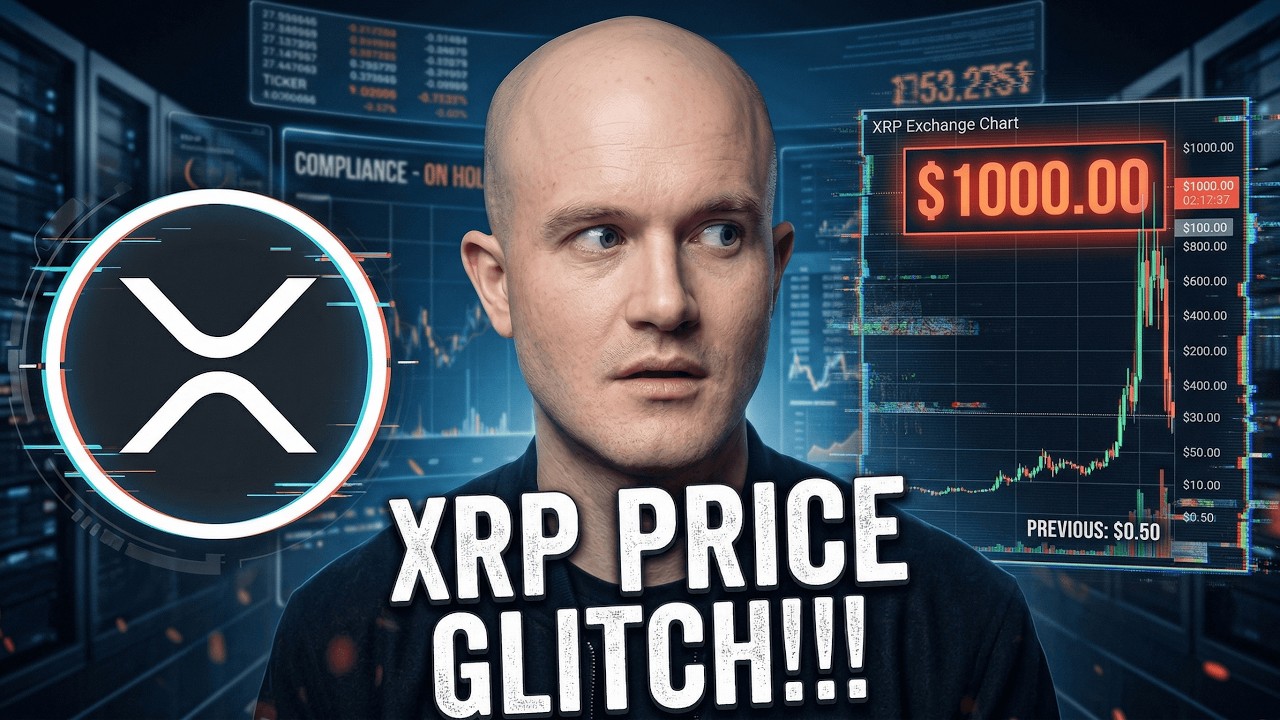
XRP PRICE GLITCHES ARE SO SPECIFIC? – WHEN YOU GET XRP RICH DO THIS – CRASH BEFORE THE PHOENIX RISES
NEW OFFICIAL CSC CRYPTO SHOP IS HERE:
https://officialcryptoshop.com/
⭐ FOLLOW ME ON X – https://x.com/TheCSCrypto ⭐
This video is about XRP. This video is about XRP and Ripple. Huge XRP update you need to see.
XRP Update, Ripple Update, Ripple XRP News: Latest News
⭐DCENT WALLET EXCLUSIVE DISCOUNTS ⭐
Wallet – https://store.dcentwallet.com/products/biometric-wallet-affiliates?bg_ref=Ka4GjOgJZa&utm_source=youtube&utm_medium=affiliate&utm_campaign=yt_CommonSenseCryptoYT_v01
2 Pack Wallet – https://store.dcentwallet.com/products/biometric-wallet-2x-package-affiliates?bg_ref=Ka4GjOgJZa&utm_source=youtube&utm_medium=affiliate&utm_campaign=yt_CommonSenseCryptoYT_v01
All in One Card – https://store.dcentwallet.com/products/all-in-one-card-wallet-backup-card-package-affiliates?bg_ref=Ka4GjOgJZa&utm_source=youtube&utm_medium=affiliate&utm_campaign=yt_CommonSenseCryptoYT_v01
⭐$1,000 SIGN UP BONUS ON MEXC: https://bit.ly/3P8NBq7⭐
Hey, I am Rich from Common Sense Crypto, bring you crypto news & information regarding the cryptocurrency market. The content on my channel will focus on news, common sense, insights and overall guides regarding XRP, Bitcoin, Ethereum, HBAR, & various altcoins.
DISCLAIMER: I am not a financial adviser, & all information given in my videos or on my social media platforms is for entertainment purposes only and is not financial advice.
Description Tags (Ignore)
#xrp #ripple #crypto
source

City school to get new unit dedicated to children with learning difficulties
Concerns settled, share buybacks could flow via exchanges again

Salah begins farewell tour with Liverpool at Man City in FA Cup clash | Football News

Smart energy pays enters the US market, targeting scalable financial infrastructure

Why Israel is blocking foreign journalists from entering

Bitcoin: We’re Entering The Most Dangerous Phase

Tom Lee Just Warned That Bitcoin Will Crash Before It Does Something Nobody Has Ever Seen Before

Next Financial Crisis WORSE Than 2008 – $3T Private Credit Collapsing, $4.6B TRAPPED

IF YOU HOLD XRP ONDO & XLM YOU BETTER SEE THIS (HUGE MOVES MADE)
-

 NewsBeat6 days ago
The Story hosts event on Durham’s historic registers
-

 NewsBeat11 hours ago
Steven Gerrard disagrees with Gary Neville over ‘shock’ Chelsea and Arsenal claim | Football
-

 Sports6 days ago
Sweet Sixteen Game Thread: Tide vs Michigan
-
Entertainment4 days ago
Fans slam 'heartbreaking' Barbie Dream Fest convention debacle with 'cardboard cutout' experience
-
 Entertainment5 days ago
Lana Del Rey Celebrates Her Husband’s 51st Birthday In New Post
-
Crypto World3 days ago
Dems press CFTC, ethics board on prediction-market insider trades
-

 Crypto World1 day ago
Gold Price Prediction: Worst Month in 17 Years fo Save Haven Rock
-

 Tech4 days ago
The Pixel 10a doesn’t have a camera bump, and it’s great
-

 Sports3 days ago
Tallest college basketball player ever, standing at 7-foot-9, entering transfer portal
-

 Tech3 days ago
EE TV is using AI to help you find something to watch
-

 Business6 hours ago
No Jackpot Winner and $194 Million Prize Rolls Over
-

 Fashion5 days ago
Amazon Sundays: Soft Spring Layers
-

 Business1 day ago
Login and Checkout Issues Spark Merchant Frustration
-

 Tech3 days ago
How to back up your iPhone & iPad to your Mac before something goes wrong
-

 Tech4 days ago
Apple will hide your email address from apps and websites, but not cops
-

 Politics3 days ago
Should Trump Be Scared Strait?
-

 Crypto World3 days ago
U.S. rule change may open trillions in 401(k) funds to crypto
-

 Tech3 days ago
Flipsnack and the shift toward motion-first business content with living visuals
-

 Tech4 days ago
Avatar Legends: The Fighting Game comes out in July and it looks pretty slick
-

 Tech5 days ago
Elon Musk’s last co-founder reportedly leaves xAI
You must be logged in to post a comment Login