Business & Hustles
246,000 Left in a Year: Tories Beg Young Britons to Stay Amid Brain Drain Row

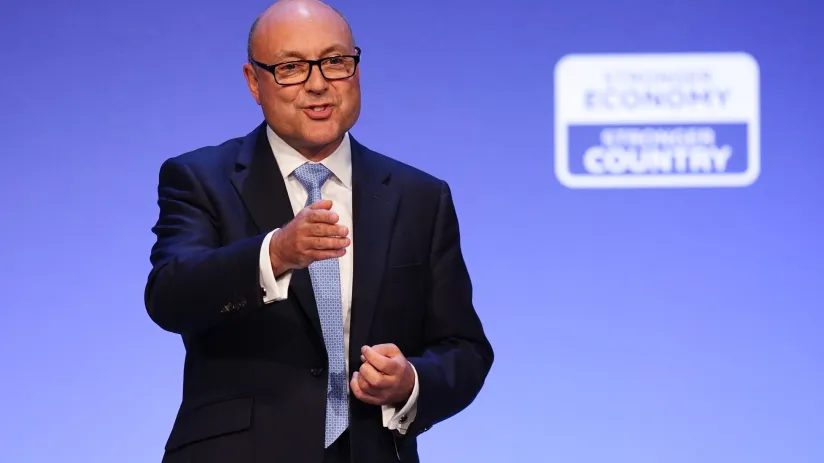
Britain’s brain drain has become the latest battleground in Westminster politics, after shadow chancellor Andrew Griffith used a conference speech to beg young people not to abandon the country, promising tax cuts and housing reforms to keep them here.
Speaking to Conservative Party members on Monday, Griffith made an emotional appeal that doubled as a political pitch, arguing that his party, not Labour, offers young Britons the clearest path to a stable, prosperous life at home. The newly appointed shadow chancellor said reversing the exodus of young workers was now central to Tory economic strategy, framing it as a crisis every bit as urgent as the debates around asylum and migration that have dominated headlines in recent months.
“Many Labour MPs spend their time talking about safe and legal routes for asylum seekers to come here,” Griffith told the room. “Well, what about safe and legal routes for our own young people to get a job, buy a home, have a good life? Does that not count?”

The scale of Britain’s brain drain
The numbers behind Griffith’s appeal are striking. According to the Office for National Statistics, roughly 246,000 British nationals left the country in 2025, with nearly half of those departures made up of people aged between 16 and 34. That figure has given fresh ammunition to critics who argue the UK is failing to retain the young talent it needs to drive future growth, and it has turned the brain drain into a politically charged phrase that both major parties are now scrambling to address.
Griffith’s message was blunt and personal. “So, if you are thinking of leaving, whether you are young or old, don’t,” he said. “Many of the things we hold dear are threatened as never before, but none have yet been lost. Stay, stay and help us win.” The line was as much a rallying cry to party loyalists as it was a direct message to disillusioned young voters weighing up a move abroad.
Tax cuts and housing pledges as the fix
To back up the rhetoric, Griffith pointed to a string of policies the Conservatives have rolled out over the past year that he says are designed to ease the financial pressure driving the brain drain. Chief among them is a pledge to scrap stamp duty on primary residences, a move the party claims could save homebuyers tens of thousands of pounds and make getting on the property ladder realistic for younger buyers locked out of the market.
The party has also proposed reforming student loans to stop debt “spiralling,” and Griffith used his speech to confirm the Tories would scrap Labour’s so-called mansion tax, a levy on properties worth more than £2 million. Taken together, the measures are meant to paint a picture of a party actively fighting to keep young people’s economic prospects alive in Britain rather than abroad.
Griffith went further, setting out a personal ambition that he said would guide his approach if he becomes chancellor. “Like Nigel Lawson, it is my ambition to scrap at least one tax every budget,” he said, invoking the late Thatcher-era chancellor as a model for aggressive tax reform. He described tax cuts as his “North Star,” a signal that reducing the overall tax burden will remain the centrepiece of Tory economic messaging heading into the next election.
Pensions row overshadows the pitch
The appeal to younger voters comes as the Conservatives face scrutiny over their commitment to the state pension triple lock, which guarantees the pension rises each year by whichever is highest of wage growth, inflation, or 2.5%. Labour’s Andy Burnham said last week his party would campaign on reforming the uprating mechanism, a move Griffith seized on, telling the BBC on Monday morning that young people themselves oppose scrapping the triple lock because it protects their own parents and grandparents.
Not everyone agrees the issue is resonating as loudly as the headlines suggest. One senior government source said the intense media scrutiny of the Tories’ pensions stance was not necessarily shared by the wider public, suggesting the triple lock row may be more of an inside-Westminster story than a doorstep issue. Still, the timing is notable: by tying the pensions debate to his brain drain message, Griffith is attempting to position the Conservatives as the party for both ends of the age spectrum, pensioners and young workers alike.
Whether the strategy can actually reverse the brain drain remains to be seen. Tax pledges and housing reforms take time to bear fruit, and Griffith’s speech offered promises rather than enacted policy. But with net departures running into the hundreds of thousands and young people disproportionately represented among those leaving, the political pressure to show tangible progress on the brain drain is unlikely to ease any time soon.
Explore more on this topic with Vexel Search.
You must be logged in to post a comment Login