Baron Real Estate Fund (the Fund) delivered strong results in the second quarter. The Fund increased 11.89% (Institutional Shares), outperforming the MSCI USA IMI Extended Real Estate Index (the MSCI Real Estate Index), which rose 9.88%, and in line with the MSCI US REIT Index (the REIT Index), which increased 11.84%.
The Fund’s long-term performance remains strong. According to Morningstar, the Fund has held the #1 real estate ranking since inception (December 31, 2009) through June 30, 2026. It also ranks in the top 1% of all real estate funds over both the trailing 10- and 15-year periods ended June 30, 2026.
We will address the following topics in this letter:
Advertisement
Our current top-of-mind thoughts
Portfolio composition and key investment themes
Top contributors and detractors to performance
Recent activity
Concluding thoughts on the prospects for real estate and the Fund
As of June 30, 2026, the Morningstar Real Estate Category consisted of 207, 199, 191, 149, 111, and 153 share classes for the 1-, 3-, 5-, 10-, 15-year, and since inception (December 31, 2009) periods. Morningstar ranked Baron Real Estate Fund Institutional Share Class in the 37th, 22nd, 41st, 1st, 1st, and 1st percentiles, respectively. On an absolute basis, Morningstar ranked Baron Real Estate Fund Institutional Share Class as the 74th, 46th, 84th, 2nd, 1st, and 2nd best performing share class in its Category, for the 1-, 3-, 5-, 10-, 15-year, and since inception periods, respectively.
As of June 30, 2026, Morningstar ranked Baron Real Estate Fund R6 Share Class in the 37th, 22nd, 41st, 1st, 1st, and 1st percentiles, respectively. On an absolute basis, Morningstar ranked Baron Real Estate Fund R6 Share Class as the 75th, 47th, 85th, 1st, and 1st best performing share class in its Category, for the 1-, 3-, 5, 10-year, and since inception periods, respectively.
Since inception rankings include all share classes of funds in the Morningstar Real Estate Category. Performance for all share classes date back to the inception date of the oldest share class of each fund based on Morningstar’s performance calculation methodology.
Morningstar calculates the Morningstar Real Estate Category Average performance and rankings using its Fractional Weighting methodology. Morningstar rankings are based on total returns and do not include sales charges. Total returns do account for management, administrative, and 12b-1 fees and other costs automatically deducted from fund assets.
Baron Real Estate Fund Institutional Share Class was rated 4 stars overall, 3 stars for the trailing 3 years, 3 stars for the trailing 5 years, and 5 stars for the trailing 10 years ended June 30, 2026. There were 199 share classes, 191 share classes, and 149 share classes for the 3-, 5-, and 10-year periods. The Morningstar Ratings™ are for the Institutional share class only; other classes may have different performance characteristics. The Morningstar Ratings are based on the Morningstar Risk-Adjusted Return measures.
Advertisement
Performance listed in the above table is net of annual operating expenses. Annual expense ratio for the Retail Shares and Institutional Shares as of April 30, 2026 was 1.32% and 1.05%, respectively. The performance data quoted represents past performance. Past performance is no guarantee of future results. The investment return and principal value of an investment will fluctuate; an investor’s shares, when redeemed, may be worth more or less than their original cost. The Adviser may waive or reimburse certain Fund expenses pursuant to a contract expiring on August 29, 2036, unless renewed for another 11-year term and the Fund’s transfer agency expenses may be reduced by expense offsets from an unaffiliated transfer agent, without which performance would have been lower. Current performance may be lower or higher than the performance data quoted. For performance information current to the most recent month end, visit BaronCapitalGroup.com or call 1-800-99-BARON.
Annualized performance (%) for periods ended June 30, 2026
FundRetailShares1,2
FundInstitutionalShares1,2
MSCI USA IMIExtendedReal EstateIndex1
MSCIUS REITIndex1
S&P500Index1
QTD3
11.84
11.89
9.88
11.84
15.20
YTD3
5.74
5.86
8.82
16.89
10.21
1 Year
14.89
15.18
11.00
19.70
22.32
3 Years
10.56
10.84
12.20
11.03
20.61
5 Years
3.43
3.69
6.53
4.58
13.41
10 Years
11.49
11.77
8.97
4.80
15.51
15 Years
11.86
12.14
10.22
6.89
14.36
Since Inception(12/31/2009)
12.81
13.09
11.00
8.40
14.34
Since Inception(12/31/2009)(Cumulative)3
630.57
661.74
459.42
278.44
812.87
Our Current Top-of-Mind Thoughts
The first half of 2026 offered early evidence that a multi-year recovery in real estate — a long out-of-favor asset class — is beginning to take shape. Several REITs and travel- and residential-related companies performed well over the period, though we believe the broader recovery remains in its early innings.
Advertisement
We are clear-eyed about the headwinds: elevated interest rates, housing affordability pressures, and AI-driven disruption are real considerations. Yet our optimism about public real estate’s prospects remains firm, grounded in several themes we have explored in recent shareholder letters:
1. Real Estate Has Lagged
Despite a solid start to 2026, many real estate stocks — both REITs and non-REIT companies — have underperformed the broader market for several years. For example, over the five years ending June 30, 2026, the S&P 500 Index has returned 13.41% annually versus just 4.58% for the REIT Index.
2. Real Estate Continues to Offer Relative Value
A large portion of public real estate remains attractively valued. We highlight various examples later in the letter.
3. Privatizations of Discounted Public Real Estate Are Accelerating
As we have noted in prior letters, many publicly traded real estate companies trade at meaningful discounts to private market values. During the second quarter of 2026, three Fund holdings received acquisition announcements at significant premiums: – Caesars Entertainment, Inc. – Caesars, the largest gaming company in the U.S., according to management, announced an agreement to be acquired by Fertitta Entertainment at a 49% premium to its unaffected share price as of February 25, 2026. – Taylor Morrison Home Corporation — Berkshire Hathaway announced an agreement to acquire Taylor Morrison, a leading national homebuilder, at a 24% premium to its May 29, 2026, closing price. – MGM Resorts International — Barry Diller’s media conglomerate, People Inc. (formerly IAC), offered to acquire MGM Resorts’ outstanding shares at a 32% premium to its December 31, 2025, closing price. – M&A activity has also accelerated across multi-family, self-storage, shopping centers, industrial, retail, health care, homebuilders, and other real estate sectors — further underscoring the disconnect between public market valuations and underlying private asset values. We believe this valuation gap creates the potential for additional public company acquisitions.
4. Supply-Demand Dynamics Favor Real Estate
Across much of the sector, demand continues to outpace supply — a dynamic that supports occupancy gains, rent growth, increased home sales, cash flow expansion, and improving valuations.
Importantly, construction activity across many real estate segments has fallen to decade lows (Source: Green Street Advisors, LLC), which should set the stage for a faster growth rebound than in prior cycles as demand continues to strengthen.
5. Balance Sheets Are Healthy and the Debt Environment Is Improving
Real estate balance sheets are in strong shape, characterized by prudent leverage, well-laddered debt maturities, and a balanced mix of fixed- and floating-rate obligations. – Should long-term interest rates decline — driven by the deflationary effects of AI, moderating shelter inflation, or a more accommodative Federal Reserve over time — borrowing costs could fall. Lower rates would likely support higher real estate valuations, stimulate housing market activity, and accelerate M&A, further underscoring the relative attractiveness of public real estate.
6. Real Estate Is Increasingly an AI Beneficiary
The market has increasingly rewarded owners with tangible, hard-to-replicate assets – what we describe as HALO (Heavy Assets, Low Obsolescence) businesses – including REITs, homebuilders, and other real estate-related companies. These businesses tend to offer greater near-term earnings visibility and lower risk of AI-driven disruption compared to many segments of the digital economy.
7. Many Investors Remain Underweight Real Estate
If investors rebalance toward the sector, increased capital flows could provide a meaningful lift to valuations and share prices.
8. We See a Path to Double-Digit Annual Returns
We believe the Baron Real Estate Fund® is well-positioned to deliver double-digit annual returns over the next several years, supported by improving growth prospects, rising dividends, and what we view as compelling valuations across the portfolio.
The Baron Real Estate Fund offers a compelling way to access the long-term return potential of the Real Estate sector
We believe the advantages of the Fund’s comprehensive, flexible, and actively managed approach – enabling investment across a broad spectrum of real estate companies, including both REITs and non-REIT real estate-related businesses – will become increasingly evident in the years ahead. In our view, a rapidly evolving real estate landscape requires more selective and discerning analysis.
We believe our highly differentiated real estate fund enjoys several attractive attributes compared to:
Advertisement
Actively managed REIT funds: The Fund benefits from a broader investment universe and reduced reliance on the debt markets. Since inception on December 31, 2009, the Fund has increased 13.09% on an annualized basis versus the REIT Index, which increased 8.40%. • Passive/ETF real estate funds: The Fund has the flexibility to be selective, emphasizing companies with attractive long-term prospects rather than broadly replicating an index and owning both higher- and lower-quality real estate businesses. Since inception on December 31, 2009, the Fund has increased 13.09% annually versus the Vanguard Real Estate ETF, which increased 8.95%.*
Non-traded REITs and private real estate: The Fund provides enhanced liquidity, diversification, valuation transparency, lower fees, and strong performance over the long term.
Portfolio Composition and Key Investment Themes
We currently invest in REITs as well as seven additional non-REIT real estate-related categories. Allocations across these areas are dynamic and reflect our bottom-up research and assessment of relative opportunities, as outlined below.
Fund investments in real estate-related categories
Percent of Net Assets (%)
Non-REITs
66.9
Building Products/Services
20.8
Homebuilders & Land Developers
12.9
Casinos & Gaming Operators
10.2
Hotels & Leisure
9.0
Real Estate Service Companies
7.1
Real Estate Operating Companies
5.9
Data Centers
1.0
REITs
29.0
Cash and Cash Equivalents
4.0
Total
100.0*
* Individual weights may not sum to the displayed total due to rounding.
Investment Themes
REITs
We believe the outlook for REITs remains favorable for several key reasons:
REITs have lagged
In the last five years through June 30, 2026, the REIT Index trailed the S&P 500 Index by 62% cumulatively.
Several REITs offer compelling value
We have identified several REITs trading at meaningful discounts to both historical norms and private market valuations.
Across a broad range of property types – including multi-family, single-family rentals, hotels, strip centers, office, life sciences, cold storage, self-storage, and timber – public market prices sit 10% to 50% below replacement cost or recent private market transaction values. We believe this dislocation may attract private equity or other buyers in taking public REITs private.
Favorable demand versus supply set up
Demand remains generally strong or is improving: Robust in segments such as health care, industrial, and retail, and showing signs of improvement in residential, office, and storage categories.
Supply constraints are underappreciated: According to our research, new construction activity across many REIT categories has fallen 50% to 70% from peak levels in 2022 and remains well below historical levels, as higher land, labor, and materials costs make development prohibitively expensive.
The combination of strengthening demand, a favorable supply environment, and occupancy levels above 90% for many properties creates a compelling setup for rent growth acceleration.
REITs benefit from both cyclical and secular tailwinds
Cyclical tailwinds: Strong early-cycle demand prospects, supportive supply conditions for real estate, and the historical pattern of real estate cycles typically lasting 7 to 10 years.
Secular tailwinds across property types: Growth in AI and cloud computing driving demand for data centers, an aging population boosting healthcare real estate, housing affordability pressures increasing rental demand, suburbanization benefiting retail, 5G network upgrades supporting towers, and the rise of remote work fueling storage needs.
AI haven
Several REITs are relatively insulated from potential AI-related disruption, benefiting from tangible assets, well-covered dividends, contracted cash flows, annual rent escalators, and other structural advantages.
We believe several REITs have the potential to deliver double-digit returns through a mix of earnings growth, dividend income, and multiple expansion.
As of June 30, 2026, we had investments in eight REIT categories representing 29.0% of the Fund’s net assets.
REITs
Advertisement
Percent of Net Assets (%)
Health Care REITs
7.0
Data Center REITs
6.5†
Mall REITs
5.4
Industrial REITs
3.1
Triple Net REITs
2.9
Self-Storage REITs
2.7
Other REITs
1.4
Mortgage REITs
0.1
Total
29.0*
† Exposure to Data Center REITs would be 7.5% if non-REIT data center company GDS Holdings Limited was included in the category.
* Individual weights may not sum to the displayed total due to rounding.
Residential-related real estate
We recognize that the housing market is currently facing a logjam.
Advertisement
On one hand, a buyers’ strike has emerged, as many potential homeowners find properties unaffordable following a roughly 50% rise in home prices over the past five years and a jump in mortgage rates from 3% to between 6% and 7%, based on data from the National Association of Realtors.
On the other hand, a sellers’ strike is also in place, as many current homeowners are hesitant to sell while their existing mortgages carry rates well below today’s levels.
Navigating near-term headwinds while staying bullish long-term: Affordability pressures and persistent buyer-seller standoffs have kept us cautious about housing. That said, we added exposure in the second quarter where valuations became sufficiently compelling. Looking ahead, we remain firmly bullish on residential real estate for the following reasons:
Housing is an early cycle beneficiary, and we believe we are early in the cycle
Economic growth could accelerate potential stimulus such as tax refunds and other pre-midterm measures, deregulation, and the possibility of easing inflation and interest rate cuts.
Housing tends to benefit early in the economic cycle due to its sensitivity to interest rates, pent-up consumer demand, and its powerful multiplier effect – creating more jobs, boosting consumer spending, supporting higher prices, and accelerating overall economic growth.
Housing is also supported by long-term secular tailwinds
Millennial household formation remains significantly below its long-term stabilized level.
Buyers are increasingly favoring new homes over existing ones, as they offer better layouts, lower maintenance, and greater energy efficiency at comparable price points.
Existing homes are aging – averaging over 40 years – while homeowners sit on record levels of equity and are staying in their homes longer. Together, these factors should support strong home repair and remodeling activity in the years ahead.
Bipartisan support to address the housing crisis
Housing affordability appears to be a key issue heading into the mid-term elections, and we expect certain initiatives may emerge.
Housing is an AI beneficiary
Housing and select residential building product companies may benefit from AI trends, as their asset-heavy structures provide relative insulation from disruption – what we describe as HALO.
Several housing companies are attractively valued
Select homebuilders are trading near 1 times book value, well below their historical norm of 1.3 to 1.5 times book value, implying roughly 30% to 50% upside to more typical valuations. The market’s mispricing appears increasingly hard to ignore: three public homebuilders have already received acquisition offers at significant premiums in 2026.
Other residential-related real estate companies are currently valued at or near trough valuation levels.
New Federal Reserve Chief may become more dovish should inflation move towards its targeted rate of 2%
The housing market would be a major beneficiary from lower mortgage rates.
Big picture: There is a compelling long-term investment case for housing
The U.S. faces a structural housing shortage of more than 4 million homes relative to demographic needs. Today, the country builds roughly 1.4 million homes annually – the same number as in the 1960s – despite the population nearly doubling from 180 million to 340 million, according to data from the Census Bureau.
As of June 30, 2026, residential-related real estate companies represented 33.7% of the Fund’s net assets.
Residential-related real estate companies
Advertisement
Percent of Net Assets (%)
Building Products/Services
16.8
Homebuilders
12.9
Home Centers
4.1
Total
33.7*
* Individual weights may not sum to the displayed total due to rounding.
Travel-related real estate
We continue to believe several travel-related real estate companies are well positioned to benefit from a favorable “trifecta” of cyclical, secular, and 2026-specific tailwinds, which should support strong fundamentals and share price performance in the years ahead.
Advertisement
Cyclical tailwinds – economic growth may accelerate
Key inflation components may moderate over time, while the regulatory environment remains business – and investment-friendly. Favorable tax policies enacted in 2025 – such as bonus depreciation to encourage investment – combined with a massive investment cycle in AI and other technologies, major initiatives like the CHIPS Act, and a busy 2026 event calendar, together create a supportive backdrop for economic and corporate growth.
Broad-based economic growth and middle-class wage growth.
Limited supply growth: Projected to increase by less than 1% over the next few years, well below the long-term average of 2% to 2.5%, according to Green Street Advisors, LLC.
Secular tailwinds
Many investors view travel spending as cyclical – our view is that travel spending is also secular.
Consumers are allocating more discretionary spending to travel rather than durable goods. Factors supporting this trend include delayed household formation, which leaves more disposable income for travel, flexible work arrangements that combine business and leisure or enable extended stays, and cyclically muted business activity.
2026 tailwinds
World Cup (in 11 major metro markets) + America’s 250th anniversary + Super Bowl + Major League Baseball all-star game.
Increasing spending on onshoring initiatives.
Examples of several travel-related companies that are attractively valued
A luxury-focused hotel company that has transitioned to a 90% asset-light model, currently trades at a 3 to 4 times multiple discount to its hotel C-Corp peers and below private market valuations.
A leading hotel and gaming company, currently valued at just 8.4 times 2027 estimated cash flow compared with its historical range of 13 to 15 times.
The company could become one of the most compelling travel-related growth stories with the opening of its UAE resort in 2027, which could be worth $40/share versus its recent market value of only $97 per share.
A leading gaming growth company positioned in the highly attractive Las Vegas Locals market. Red Rock Resorts has the real estate capacity to potentially double its portfolio in the coming years, and we find its current valuation – approximately 11 times 2027 estimated cash flow – compelling.
A global asset-light travel company, with over 9 million active listings, generating more than $4 billion in annual free cash flow. The company faces limited AI disruption risk due to 90% direct traffic and the uniqueness of most of its inventory. Shares are currently trading at just 14 times 2027 estimated cash flow.
– Dry powder / private equity
With private equity sitting on substantial dry powder, we believe public travel companies — still deeply discounted relative to private market values — present an increasingly attractive acquisition target. This thesis is already playing out: in the first half of 2026, two of the Fund’s travel holdings, Caesars Entertainment, Inc. (CZR) and MGM Resorts International (MGM), received takeover bids. Should valuations remain depressed, we expect further take-private activity to follow.
As of June 30, 2026, travel-related real estate companies represented 19.1% of the Fund’s net assets.
Travel-related real estate companies
Percent of Net Assets (%)
Casinos & Gaming Operators
10.2
Hotels & Leisure
9.0
Total
19.1*
* Individual weights may not sum to the displayed total due to rounding.
Commercial real estate services companies
In the first six months of 2026, shares of leading commercial real estate services firms CBRE Group, Inc. (CBRE), Jones Lang LaSalle Incorporated (JLL), and Cushman & Wakefield Ltd.(CWK) declined despite strong earnings and positive business outlooks. The sell-off largely reflected investor concerns that AI could disrupt parts of their operations.
While certain business lines – such as office leasing, valuation services, and property management – may face AI-related challenges over time, we believe current multi-year concerns are overstated and already reflected in share prices. We continue to research and monitor potential AI-related headwinds.
Advertisement
Despite near-term uncertainties, we remain long-term optimistic about these leading commercial real estate services companies. They are positioned to potentially benefit from structural and secular tailwinds, including the outsourcing and institutionalization of commercial real estate, as well as opportunities to gain market share in a highly fragmented industry. We also see the early stages of a rebound in commercial real estate sales and leasing activity. Based on these factors, we believe CBRE, JLL, and Cushman & Wakefield could achieve earnings-per-share growth of 12% to 15% over the next several years.
Further, we believe valuations are attractive. CBRE is valued at a discount to the S&P 500 multiple despite superior earnings growth, a pristine balance sheet, and a resilient business model. JLL is valued at only 12 times 2027 estimated earnings, compared with the high-teens multiple justified by its historical trading and its improvement in its business mix. Cushman & Wakefield is valued at only 8 times 2027 estimated earnings, a highly discounted valuation multiple, in our opinion.
Real estate-focused alternative asset managers
Shares of alternative asset managers declined in the first six months of 2026, as several companies faced a mix of headwinds, including: exposure to software investments that could be affected by AI-related risks; credit concerns tied to private loans; limitations on investor redemptions for semi-liquid products (2% per month or 5% per quarter); delayed monetizations; and the potential for slower earnings growth due to these factors, along with the risk that growth in the retail channel may underperform expectations.
While these challenges may persist in the near term, we do not view them as existential, and we believe current valuations largely reflect these concerns.
Advertisement
Over the long term, we remain optimistic about leading real estate-focused asset managers, including Brookfield Corporation (BN), Brookfield Asset Management Ltd. (BAM), and Blackstone Inc. (BX) Each has the potential to gain market share in a growing industry, supported by strong investment track records and global scale. These companies are well positioned to potentially benefit from secular growth in alternative assets, leveraging their ability to deliver attractive relative and absolute returns – often with lower perceived volatility compared with other investment options.
Valuations, in our opinion, are compelling. Brookfield Corporation, a global owner and operator of real assets, trades at $43 per share, well below management’s estimated liquidation value of $67 per share – approximately 55% higher than the current share price. Blackstone’s shares are currently valued at the low-end of its valuation multiple over the last 5 years.
Property technology companies
The convergence of real estate and technology has given rise to a new category – real estate technology, or proptech. The growth of proptech and the digitization of real estate represent an exciting and promising development. We believe we are in the early stages of a technology-driven investment cycle focused on data and digitization, enabling real estate-related businesses to generate incremental revenue streams and reduce costs.
We recently began acquiring shares in Procore Technologies, Inc. (PCOR), a provider of software solutions to the construction industry, and will elaborate on this company in future shareholder letters.
Advertisement
As of June 30, 2026, other real estate-related companies, which include the three investment themes mentioned directly above, plus an investment in Chinese data center operator GDS Holdings Limited (GDS), represented 14.1% of the Fund’s net assets.
Other real estate-related real estate companies
Percent of Net Assets (%)
Commercial Real Estate Services Companies
7.0
Real Estate-Focused Alternative Asset Managers
5.9
Data Center Operators
1.0
Property Technology Companies
0.1
Total
14.1*
* Individual weights may not sum to the displayed total due to rounding.
The Macerich Company, a high-quality retail mall REIT, contributed positively to performance in the second quarter, driven by management’s continued strong execution. Key highlights included nearing full achievement of the leasing targets outlined in its Path Forward Plan, a growing pipeline of accretive acquisitions, and an opportunistic equity raise that further strengthened balance sheet flexibility.
As previously outlined, we remain optimistic about Macerich’s prospects over the next several years. The fundamental backdrop for high-quality mall real estate remains favorable: tenant demand is robust, desirable retail space is scarce (occupancy is high with little new mall development), and the resulting demand/supply imbalance is giving landlords meaningful pricing power. We continue to engage with CEO Jackson Hsieh, a well-regarded outsider who is bringing a fresh, analytical lens to the company’s real estate portfolio. We believe he will continue to unlock significant value by divesting non-core properties and reducing debt. Our conviction has grown that the company can generate over $2.00 in FFO over the next couple of years, which we believe would be a meaningful catalyst for share price appreciation from current levels.
Shares of Hyatt Hotels Corporation appreciated materially following strong first quarter results and an Investor Day in May that outlined strong long-term growth targets. Hyatt franchises and manages a portfolio of luxury hotel brands across over 1,500 properties in 83 countries. The company is in the final stages of transforming its earnings mix primarily to an asset-light fee stream while growing its development pipeline to record levels, enabling sector-leading unit growth, double-digit fee revenues, and mid-teens EBITDA and free cash flow growth. This translates to over 50% cumulative cash flow growth over the next three years with an increasing portion returned to shareholders via buybacks.
Shares of AAON, Inc. rose during the quarter following an exceptionally strong earnings report which saw the company see drastically faster growth in its data center business, BasX, than expected. Up 26% sequentially and 72% over the past year, BasX has positioned itself as a true best-in-class cooling solutions provider with a focus on customized offerings vs. peers’ off-the-shelf products. With the new Memphis facility ramping production, the company can now satisfy elevated levels of demand with over $2 billion of BasX revenue capacity. The HVAC business performed well, as the company accelerated market share gains following strong heat pump and national accounts driven growth. We believe AAON is well positioned to continue to compound well above peers for the foreseeable future.
Advertisement
Top detractors from performance for the quarter
Quarter-End Market Cap or Market Cap When Sold ($B)
Contribution to Return (%)
GDS Holdings Limited
6.0
(0.67)
SiteOne Landscape Supply, Inc.
5.1
(0.46)
Blackstone Inc.
145.1
(0.18)
Builders FirstSource, Inc.
7.6
(0.13)
Lowe’s Companies, Inc.
123.6
(0.11)
Despite solid operating results and after strong share price performance to start the year, shares of GDS Holdings Limited declined in the second quarter. Several items weighed on performance including management communication about full-year guidance components, a material step-up in capital expenditure over the next few years and a slight delay in timing when the company is expected to see a growth inflection in its underlying results. While we continue to see evidence of the building of the AI wave in China through significant bookings growth and see material under-appreciated value in GDS’ stake in its spun-out international subsidiary (DayOne), we trimmed our position and reallocated capital to companies where we have a higher degree of visibility and lower exogenous risks such as the current geopolitical environment.
SiteOne Landscape Supply, Inc. (SITE) is the largest distributor of wholesale landscape supplies in North America. SiteOne sells irrigation, hardscapes, agronomics, and nursery products to professional contractors through its branch network for maintenance, upgrade/repair, and new construction applications. Shares fell during the quarter as investors worried about the impacts of the Iran War and a potential reduction in demand given rising commodity prices. Despite this, we believe the company remains well positioned to continue outgrowing its markets and expand margins as it harvests benefits from its ongoing initiatives and investments in improving underperforming branches, operational efficiency, technology, and product category management to continue differentiating itself from the fragmented wholesale landscape supplies distribution industry. Our belief was reinforced by a positive Analyst Day held by SiteOne at the end of the quarter highlighting the progress the company has made on each of these fronts. The event highlighted the depth of SiteOne’s talent and a clear pathway toward above-market organic growth, EBITDA margin expansion (toward 13%-plus target by 2030), and continued consolidation of the market driving an expected high-teens EBITDA growth rate out to 2030. As the underlying market begins to recover and SiteOne continues to execute on what is can control, we believe the multiple should re-rate which combined with rapidly growing earnings can deliver strong stock upside over time.
Shares of Blackstone Inc. (BX) continued to be volatile and were a drag on performance in the second quarter as mounting redemption pressures at Blackstone’s Private Credit vehicle (BCRED) and sector-wide liquidity fears overwhelmed an otherwise constructive fundamental backdrop. The first quarter saw elevated redemption requests at approximately 8% of NAV followed by 10% in the second quarter, requiring Blackstone to cap withdrawals at the standard 5% limit for the first time. Broader sector sentiment was further pressured when other alternative asset managers announced withdrawal restrictions, reigniting broad private market liquidity fears and dragging the entire sector lower. Please see our “Top purchases” section for additional detail.
Advertisement
Recent Activity
Top net purchases for the quarter
Quarter-End Market Cap ($B)
Net Amount Purchased ($M)
Meritage Homes Corporation
5.6
76.8
Blackstone Inc.
145.1
63.5
Blackstone Digital Infrastructure Trust Inc. (BXDC)
During the quarter, we initiated a position in Meritage Homes Corporation, the fifth-largest homebuilder in the U.S., with operations across the West, Central, and East regions. In 2025, the company delivered approximately 15,000 single-family homes to entry-level and first move-up buyers at an average selling price of $390,000.
We are optimistic about our investment in Meritage Homes for several reasons:
We are optimistic about the medium-term outlook for U.S. single-family housing. New home construction remains depressed relative to population growth, the housing shortage is acute — estimated at over 2 million units according to Freddie Mac — and secular demand is accelerating, driven by rising millennial household formation and a growing preference for new homes over existing ones.
Fundamentals appear to be bottoming, with a return to growth on the horizon. Depressed construction activity and a potential peak in builder concessions may set the stage for improving sales and margins beginning in 2027.
Meritage Homes has a credible path to substantial long-term growth. Management targets 20,000 annual deliveries over time — a roughly 40% increase from current levels — driven by double-digit growth in community count. As volumes scale and elevated incentives normalize, operating margins could expand by 600 basis points or more. Together, these drivers could support earnings per share growth of 250% or more over time.
The homebuilding industry has seen a rising wave of consolidation, with several U.S. builders taken private in recent years. Further M&A activity would not be surprising, and Meritage Homes’ scale and operational track record could make it an attractive candidate.
Valuation is attractive. The stock currently trades at a discount to book value; despite the premium it has historically commanded at times. Recent take-private transactions in the sector have been completed at 1.2 to 1.3 times book value, underscoring the potential upside from current levels.
While near-term uncertainty may continue to weigh on the shares, we are excited about Meritage Homes’ long-term growth prospects and compelling valuation. We see meaningful potential for share price appreciation over the coming years, driven by earnings growth and multiple expansion.
Blackstone Inc. is the world’s largest alternative asset manager with over $1.3 trillion in assets under management and the largest real estate manager in the world according to management. As we noted in our first quarter letter, while we consolidated our positions in the alternative asset manager space, Blackstone remained high on our list to revisit. Given severe multiple compression across the sector with all alternative managers being painted with a broad brush and extreme investor negativity, we took advantage of the volatility to reinitiate a position in the company at what we deemed to be highly compelling valuation levels. While the liquidity narrative dominates headlines, underlying fundamentals continue to be strong. We retain long-term conviction in Blackstone due to its premier brand, global franchise, loyal customers, exceptional balance sheet, and an excellent management team. At current share price levels, we believe the company is well positioned to benefit as the liquidity narrative fades and realization activity accelerates.
Advertisement
We participated in the IPO of Blackstone Digital Infrastructure Trust Inc., a newly listed Blackstone-sponsored vehicle focused on acquiring stabilized, fully leased data centers underpinned by long-term non-cancellable leases to the world’s largest hyperscalers in primary data center markets. The opportunity is compelling given the absence of large-scale capital dedicated to acquiring stabilized data center assets – leaving a significant volume of institutional-quality assets available at attractive prices with limited competition. Blackstone’s sponsorship brings an unparalleled sourcing advantage, having invested $200 billion into digital infrastructure since 2018 and sourcing over 85% of deals off market, alongside a near-term actionable pipeline of $25 billion. We believe the long-term leases with annual escalators and limited exposure to operating risks support a highly visible, attractive return profile and risk/reward opportunity. We also spent considerable time with management prior to the IPO and came away highly impressed with the depth of the team, the quality of the identified pipeline, and the clarity of the long-term vision.
Top net sales for the quarter
Quarter-End Market Cap or Market Cap When Sold ($B)
We recently trimmed the Fund’s investment in Wynn Resorts, Limited, a global luxury owner and operator of integrated resorts (hotels and casino resorts), in part due to the delay in the opening of its new UAE resort. We may increase the Fund’s ownership of Wynn at a later date.
Following a 40% increase in the shares of Equinix, Inc., a leading global operator of data centers, we trimmed the Fund’s large position in the company but remain bullish about the company’s long-term business prospects.
Advertisement
Following the announcement of Berkshire Hathaway’s agreement to acquire Taylor Morrison Home Corporation, a leading national homebuilder, we exited the Fund’s investment in the company.
Concluding Thoughts on the Prospects for Real Estate and the Fund
As outlined in our first quarter letter, we remain mindful of the headwinds that could weigh on equity markets in the coming months. Periods of volatility and sharp dislocations have historically been our best opportunity to reposition the Fund – and the first half of 2026 was no exception. We remain actively engaged and confident in our ability to continue doing so.
We maintain our constructive outlook for the broader equity market, public real estate, and the Fund.
Stock Market Outlook
Our research points to broadly stable economic conditions ahead, supported by several potential tailwinds. On the policy front, reduced trade uncertainty, lower taxes, and enhanced depreciation incentives should encourage capital investment; deregulation and a more permissive M&A environment add further support. A Federal Reserve that eases gradually, combined with administration efforts to address housing supply constraints, provides an additional constructive backdrop. Beyond policy, we see AI-driven productivity gains as a meaningful catalyst – one with the potential to moderate inflation, compress long-term interest rates, and expand profit margins.
Advertisement
For these reasons, we remain positive about the outlook for the stock market.
Real Estate Market Outlook
We believe the conditions are in place for real estate to perform well in the next few years. Demand across most property sectors remains steady, with growth expected to improve over the next several years. At the same time, new supply has declined – often by more than 50% from peak 2002 levels – a dynamic we believe is underappreciated.
As a result, growth may rebound more quickly than in prior cycles, as the sector is not burdened by excess supply or elevated vacancies. Many public real estate shares have lagged, and valuations have reset to reflect a higher cost of capital, leaving many trading at attractive discounts relative to private market values. This disparity could catalyze ongoing real estate M&A activity.
Balance sheets remain strong, and credit markets are supportive. Additionally, moderating shelter inflation and productivity gains from AI could contribute to lower long-term interest rates – an important potential catalyst for the sector.
Advertisement
Taken together, we believe a favorable combination of cash flow growth, dividends, and the potential for multiple expansion in public real estate valuations could generate double-digit annual returns in the years ahead.
So, in our opinion, this is an attractive time to invest in real estate.
Baron Real Estate Fund® Outlook
We continue to believe the benefits of the Fund’s broader and more flexible investment approach – encompassing a wide range of real estate companies, including both REITs and non-REIT real estate-related businesses – will become increasingly advantageous in the years ahead. In our view, a rapidly evolving real estate landscape demands more selective and discerning analysis.
While some companies are positioned to potentially benefit from accelerating tailwinds, others are likely to face persistent headwinds. We believe the portfolio is composed of competitively advantaged real estate companies that are generally well positioned to grow faster than their peers. The Fund is structured to capitalize on compelling investment themes, and we believe current valuations and return prospects are attractive.
Advertisement
For these reasons, we remain positive about the outlook for the Baron Real Estate Fund.
I would be remiss without acknowledging our core real estate team – David Kirshenbaum (assistant portfolio manager), George Taras (senior analyst), and David Berk (analyst). Their dedication, intellectual curiosity, and passion for the work remain impressive.
Our team and I remain fully committed and energized to delivering strong long-term results.
Advertisement
I proudly remain a major shareholder of the Baron Real Estate Fund.
Sincerely,
Jeffrey Kolitch
Portfolio Manager
Advertisement
1 The MSCI USA IMI Extended Real Estate Index Net (USD) is a custom index calculated by MSCI for, and as requested by, BAMCO, Inc. The index includes real estate and real estate-related GICS classification securities. MSCI makes no express or implied warranties or representations and shall have no liability whatsoever with respect to any MSCI data contained herein. The MSCI data may not be further redistributed or used as a basis for other indices or any securities or financial products. This report is not approved, reviewed or produced by MSCI. The MSCI US REIT Index Net (USD) is designed to measure the performance of all equity REITs in the U.S. equity market, except for specialty equity REITs that do not generate a majority of their revenue and income from real estate rental and leasing operations. The S&P 500 Index measures the performance of 500 widely held large-cap U.S. companies. MSCI is the source and owner of the trademarks, service marks and copyrights related to the MSCI Indexes. The MSCI Indexes and the Fund include reinvestment of dividends, net of foreign withholding taxes, while the S&P 500 Index includes reinvestment of dividends before taxes. Reinvestment of dividends positively impacts performance results. The indexes are unmanaged. Index performance is not Fund performance. Investors cannot invest directly in an index.
2 The performance data in the table does not reflect the deduction of taxes that a shareholder would pay on Fund distributions or redemption of Fund shares.
3 Not annualized.
Advertisement
* Vanguard Real ETF’s annualized returns (NAV) as of June 30, 2026: 1-year, 12.48%; 5-year, 2.79%; 10-year, 4.91%; and Since Fund Inception (12/31/2009), 8.94%.
Investors should consider the investment objectives, risks, and charges and expenses of the investment carefully before investing. The prospectus and summary prospectus contain this and other information about the Funds. You may obtain them from the Funds’ distributor, Baron Capital, Inc., by calling 1-800-99-BARON or visiting BaronCapitalGroup.com. Please read them carefully before investing.
Risks: In addition to general market conditions, the value of the Fund will be affected by the strength of the real estate markets as well as by interest rate fluctuations, credit risk, environmental issues and economic conditions. The Fund invests in companies of all sizes, including small and medium sized companies whose securities may be thinly traded and more difficult to sell during market downturns.
The Fund may not achieve its objectives. Portfolio holdings are subject to change. Current and future portfolio holdings are subject to risk.
Advertisement
Discussions of the companies herein are not intended as advice to any person regarding the advisability of investing in any particular security. The views expressed in this report reflect those of the respective portfolio managers only through the end of the period stated in this report. The portfolio manager’s views are not intended as recommendations or investment advice to any person reading this report and are subject to change at any time based on market and other conditions and Baron has no obligation to update them.
This report does not constitute an offer to sell or a solicitation of any offer to buy securities of Baron Real Estate Fund® by anyone in any jurisdiction where it would be unlawful under the laws of that jurisdiction to make such an offer or solicitation.
For information pertaining to competitor funds, please refer to that firm’s website.
Diversification does not guarantee a profit or protect against a loss.
Advertisement
The Morningstar Rating™ for funds, or “star rating”, is calculated for managed products (including mutual funds, variable annuity and variable life subaccounts, exchange-traded funds, closed-end funds, and separate accounts) with at least a three-year history. Exchange-traded funds and open-ended mutual funds are considered a single population for comparative purposes. It is calculated based on a Morningstar Risk-Adjusted Return measure that accounts for variation in a managed product’s monthly excess performance, placing more emphasis on downward variations and rewarding consistent performance. The top 10% of products in each product category receive 5 stars, the next 22.5% receive 4 stars, the next 35% receive 3 stars, the next 22.5% receive 2 stars, and the bottom 10% receive 1 star. The Overall Morningstar Rating for a managed product is derived from a weighted average of the performance figures associated with its three-, five-, and 10-year (if applicable) Morningstar Rating metrics. The weights are: 100% three-year rating for 36-59 months of total returns, 60% five-year rating/40% three-year rating for 60-119 months of total returns, and 50% 10-year rating/30% five-year rating/20% three-year rating for 120 or more months of total returns. While the 10-year overall star rating formula seems to give the most weight to the 10-year period, the most recent three-year period actually has the greatest impact because it is included in all three rating periods.
MORNINGSTAR IS NOT RESPONSIBLE FOR ANY DELETION, DAMAGE, LOSS OR FAILURE TO STORE ANY PRODUCT OUTPUT, COMPANY CONTENT OR OTHER CONTENT.
The portfolio manager defines “Best-in-class” as well-managed, competitively advantaged, faster growing companies with higher margins and returns on invested capital and lower leverage that are leaders in their respective markets. Note that this statement represents the manager’s opinion and is not based on a third-party ranking. EBITDA, short for earnings before interest, taxes, depreciation, and amortization, is an alternate measure of profitability to net income. It’s used to assess a company’s profitability and financial performance. EPS Growth Rate (3-5-year forecast) indicates the long term forecasted EPS growth of the companies in the portfolio, calculated using the weighted average of the available 3-to-5 year forecasted growth rates for each of the stocks in the portfolio provided by FactSet Estimates. The EPS Growth rate does not forecast the Fund’s performance. Funds From Operations (FFO) measures the cash flow generated by a real estate investment trust (REIT), excluding depreciation and amortization, and is often used to assess its performance. Free Cash Flow (FCF) represents the cash that a company generates after accounting for cash outflows to support operations and maintain its capital assets.
Advertisement
Investment Products: NOT FDIC INSURED | MAY LOSE VALUE | NOT BANK GUARANTEED
BAMCO, Inc. is an investment adviser registered with the U.S. Securities and Exchange Commission (SEC). Baron Capital, Inc. is a broker-dealer registered with the SEC and member of the Financial Industry Regulatory Authority, Inc. (FINRA).
Australian shares have had their strongest session since early August after lower-than-feared inflation figures tempered concerns of further imminent interest rate hikes.
Siena Hutchinson is the founder and creative director of Hutch & Co, a London branding and website design agency working with lifestyle and culture-led businesses. A fashion design graduate with a master’s in graphic design, she began working for herself at 21 and incorporated the agency in March 2022.
On 29 September 2026 she was the featured voice in a Talent Times debate on whether creator-founded brands should mirror the creators behind them, drawing on the agency’s work for Agende, the planner business founded by Isobel Lorna. She tells Business Matters why strategy sits at the start of every project, and why she wishes she had learned to let go sooner.
What do you currently do at Hutch & Co?
I am the founder and Creative Director of Hutch & Co., a branding and website design agency helping ambitious brands define who they are and how they show up.
Free newsletters
Advertisement
The stories that matter to UK business, straight to your inbox.
Advertisement
My role is quite varied, which is probably one of the things I love most about running an agency. I lead the creative direction and strategy across our projects, work closely with clients and oversee the wider direction of the business. We work across branding, websites and digital, predominantly with lifestyle and culture-led businesses.
As the agency has grown, my role has naturally started shifting too. I am learning to spend less time being the person doing everything and more time thinking about where the business is going, how we grow sustainably and what Hutch & Co. should look like in the future.
What was the inspiration behind your business?
I do not think there was ever one big moment where I decided, “I am going to start an agency.” It happened much more organically.
I have always been creative and studied Fashion Design before going on to do a Master’s in Graphic Design. I started working for myself at 21, initially taking on freelance design projects and running an online print shop. Over time, the freelance side grew, the projects became bigger and I realised I was much more interested in building brands as a whole than simply designing individual assets.
Advertisement
Hutch & Co. really grew from that. I wanted to build the kind of creative agency I would want to work with: collaborative, commercially aware and genuinely invested in understanding the business behind the brand.
I have always been fascinated by the point where creativity and business meet, because beautiful design is important, but the best branding has a reason behind every decision.
How do you approach brands built around a creator?
When we work with creator-founded businesses at Hutch & Co., I always think about the brand beyond launch day. Should the brand simply look and feel like the creator behind it? Not entirely.
When we built the brand for Agende, Isobel Lorna’s planner business, we chose to give it an identity of its own rather than replicate her existing aesthetic. I believe in a middle ground, where the brand feels unmistakably connected to the creator but can stand on its own, separate from their personal social media presence.
Advertisement
Who do you admire?
I am particularly drawn to people who have built businesses with a really strong point of view. Founders who understand that the brand itself can be just as valuable as the product or service they are selling.
I also admire people who are willing to build differently rather than automatically following the traditional blueprint of what a successful business is supposed to look like. Running my own business has made me realise there are so many different definitions of success. I am increasingly inspired by founders who create businesses that are commercially successful but also work for the life they actually want to live.
More broadly, I am constantly inspired by the people around me. Other founders, creatives and even our clients teach me a huge amount. When you work closely with people building businesses from scratch, you get a front-row seat to how differently people think, take risks and solve problems.
Looking back, is there anything you would have done differently?
I would have learned to let go sooner. For a long time, I thought being good at running a creative business meant being involved in absolutely everything. When your business starts with you, your skills and your reputation, handing any part of it to someone else can feel incredibly difficult.
Advertisement
But there comes a point where being involved in every detail actually becomes the thing holding the business back. I probably would have put systems in place earlier, asked for help sooner and become more comfortable with the idea that someone else can do something differently to me without doing it badly.
What defines your way of doing business?
Clarity, collaboration and being genuinely invested in the businesses we work with.
One of the biggest things I have learned through branding companies is that design should not exist in isolation. Before we start thinking about a logo, typography or colour palette, I want to understand where the business is going, who it needs to speak to and what it needs to be known for.
That is why strategy sits at the beginning of everything we do at Hutch & Co. I want our clients to come away with more than a beautiful brand. I want them to understand their business more clearly and have something that can genuinely support where they want to go next.
Advertisement
I also believe in making the process collaborative. Some of our services include live design sessions where clients are part of the process rather than disappearing for weeks and being presented with a finished answer. I think the strongest work happens when you combine our expertise with the founder’s knowledge of their own business.
What advice would you give to someone starting out?
Start before you feel ready.
I think one of the biggest misconceptions about starting a business is that everyone else has some kind of master plan. I certainly did not. So much of building Hutch & Co. has been trying something, learning from it, changing it and trying again.
I would also tell people not to obsess over looking bigger or more established than they are. Particularly in the creative industries, there can be a temptation to make yourself look like a huge agency from day one. There is actually a huge advantage in being small. You can move quickly, build close relationships with clients and figure out what you want your business to become without carrying lots of overhead.
Advertisement
And finally, learn about the business side as much as the thing you are selling. Being a great designer did not automatically make me good at pricing, sales, contracts, hiring, managing cash flow or leading a team. Those have all been skills I have had to learn along the way. In many ways, they are the skills that determine whether you can turn something you love doing into a sustainable business.
Artificial intelligence is rapidly becoming one of the most powerful tools in the search for treatments that slow or even reverse aging, with recent studies showing AI-designed drugs and proteins producing early signs of rejuvenation in patients and lab experiments.
But researchers caution that the science is still in its early stages. No therapy has yet been proven to extend healthy human lifespan, and experts say measurable changes in biological markers are not the same as adding years of healthy life.
Still, a string of developments over the past year has pushed the question of whether AI can help people live longer, healthier lives from science fiction toward the laboratory and the clinic.
AI-designed drug shows aging signal
Advertisement
The most striking recent result came earlier this month from Insilico Medicine, a Hong Kong-listed biotech company that uses AI to discover drugs.
In an analysis published Sept. 7 in the journal Nature Biotechnology, the company reported that its experimental drug rentosertib reduced patients’ predicted biological age as measured by six separate “aging clocks,” tools that estimate how old a person’s body appears based on chemical changes in the blood. Patients who received a placebo saw little change.
Rentosertib was developed to treat idiopathic pulmonary fibrosis, a rare and deadly lung disease that is strongly associated with aging. Insilico used its AI platform to identify a protein called TNIK as a target linked to both fibrosis and aging biology, then used generative AI to design the drug.
The analysis drew on blood samples from 42 of the 71 patients enrolled in the drug’s mid-stage trial. The six aging clocks were developed independently by teams at Harvard Medical School, Oxford University, Peking University and Insilico.
Advertisement
Alex Zhavoronkov, Insilico’s founder and co-CEO, said the potential economic impact of drugs that slow aging could be enormous.
“If you manage to add 3 years to everyone’s life, the drug should be able to significantly extend the healthy portion of life as well, translating into trillions of dollars in productivity and savings,” he said.
Rentosertib entered a late-stage trial for the lung disease in July, enrolling about 320 patients across 47 centers in China. That study is designed to test whether the drug works for pulmonary fibrosis, not whether it slows aging.
Redesigning the proteins of youth
Advertisement
AI is also being used to re-engineer the biological machinery that scientists believe could rejuvenate cells.
In 2025, OpenAI and Retro Biosciences, a longevity startup backed by $180 million from OpenAI CEO Sam Altman, reported that they had used a specialized AI model called GPT-4b micro to redesign the Yamanaka factors. Those proteins, whose discovery earned a Nobel Prize, can turn adult cells back into stem cells and have drawn intense interest for their potential to rejuvenate aging tissue.
OpenAI said it had “successfully leveraged GPT-4b micro to design novel and significantly enhanced variants of the Yamanaka factors.”
The AI-designed versions produced more than a 50-fold increase in the expression of stem cell reprogramming markers compared with the natural proteins in lab experiments. The companies also reported that cells treated with the redesigned proteins showed less DNA damage, a key hallmark of aging.
Advertisement
The natural Yamanaka factors are notoriously inefficient, converting fewer than 1 in 1,000 cells. Retro Biosciences has said its goal is to add 10 years to healthy human lifespan.
The results remain at the laboratory stage, and further studies are needed to determine whether the redesigned proteins are safe and effective enough for preclinical and clinical testing.
How AI is changing aging research
Scientists say AI is transforming longevity research in several ways.
Advertisement
Machine learning systems can analyze massive amounts of biological data, including genetic information, proteins, the microbiome, lifestyle habits and data from wearable devices, to detect early signs that a person is aging faster than expected, before disease appears, according to a review published in May in a medical journal.
AI is also powering the aging clocks themselves. Since the first deep-learning-based clocks were released in 2018, researchers have built increasingly sophisticated tools to estimate biological age from blood tests, images and other data.
Beyond diagnostics, AI is accelerating drug discovery by identifying new biological targets and designing molecules faster than traditional methods. Some researchers are working toward “digital twins,” detailed computer models of cells or even whole bodies that could be used to test anti-aging treatments virtually before they are tried in people.
Money pours into longevity
Advertisement
The scientific progress has been accompanied by a surge of investment. Longevity startups using AI to develop therapies, including cell rejuvenation, drugs that clear aging cells and epigenetic reprogramming, have attracted billions of dollars from investors.
A growing number of “longevity clinics” also market AI-driven personalized anti-aging plans that combine genetic testing, blood work and continuous monitoring through wearable devices. Tech entrepreneur Bryan Johnson has become one of the most visible faces of the movement, reportedly spending about $2 million a year on his personal anti-aging program.
Reasons for caution
Despite the excitement, experts warn that major hurdles remain.
Advertisement
The biggest question is whether reducing a person’s biological age as measured by an aging clock actually translates into longer, healthier lives. Aging clocks are relatively new, and scientists are still debating how accurately they reflect overall health.
Researchers have also pointed to broader concerns about AI in longevity medicine, including fragmented health data, unequal access to expensive preventive technologies, the risk of overmedicalizing normal aging, and questions about privacy and oversight.
Many of the most eye-catching results so far come from small studies, early-stage research or company-funded work that has not yet been independently replicated in large trials. Regulators also do not currently recognize aging itself as a disease, which complicates efforts to approve drugs specifically designed to treat it.
Consumers are advised to be skeptical of products or clinics promising to reverse aging, since few such claims are backed by rigorous clinical evidence.
Advertisement
For now, scientists say the most proven ways to support healthy aging remain regular exercise, a balanced diet, adequate sleep, not smoking and managing chronic conditions.
But AI is expected to play a growing role in the coming years, from spotting early warning signs of age-related disease to designing drugs that target the biology of aging itself. Upcoming results from larger clinical trials, including the late-stage rentosertib study, will offer important tests of whether the promise of AI-driven longevity science can deliver real benefits for patients.
His practice is shaped not only by his legal experience, but also by an extensive background in finance that gives him a valuable perspective when family-law disputes involve complex financial questions.
A lifelong Delaware County resident, Stephen Ciarrocchi graduated with honors from Garnet Valley High School before attending Penn State University, where he studied finance and was accepted into the Schreyer Honors College. After graduation, he began his professional career with EY, one of the world’s Big Four accounting firms, gaining early experience analyzing detailed financial information.
That financial foundation would later become an important asset in his family-law practice. Divorce and support cases frequently require a close examination of income, business interests, assets, expenses, investments, and other financial records—often at a time when clients are already facing significant personal stress. In many cases, an opposing party may attempt to underreport income, transfer assets, or otherwise obscure the true financial picture, and a careful analysis of financial records can uncover inconsistencies or information that might otherwise go unnoticed. Ciarrocchi draws on his finance background to identify and analyze those issues while helping clients understand how the financial details may affect the broader legal case.
Free newsletters
Advertisement
The stories that matter to UK business, straight to your inbox.
Advertisement
After building his foundation in finance, Ciarrocchi turned his attention to law, earning his law degree from Temple University’s James E. Beasley School of Law. He went on to gain experience in private practice before ultimately founding Ciarrocchi Law in Delaware County.
Today, Ciarrocchi represents individuals throughout Delaware County, Pennsylvania facing divorce, custody, support and protection-from-abuse matters. His approach combines thorough legal preparation with an understanding that these cases extend far beyond the courtroom, often affecting a client’s finances, children, home, and everyday life.
For Ciarrocchi, effective representation also means making sure clients understand both the legal process and the practical consequences of the decisions before them. He believes clients are better positioned to make informed choices about their future when they understand not only what is happening in their case, but why it matters.
You started your professional career in finance. What originally drew you to that field?
I studied finance at Penn State because I was drawn to business and the analytical side of the field. I was fortunate to attend the Schreyer Honors College, and after graduation I began my career at EY, where I gained experience analyzing complex financial information and learned to approach problems in a methodical way.
Advertisement
At the time, I had no idea how valuable those skills would later become in my legal career. Financial issues arise constantly in divorce and support matters, and my background in finance helps me understand the numbers, identify inconsistencies, and recognize when something may not add up. A careful review of financial records can sometimes uncover transfers, underreported income or other financial activity by an opposing party that may otherwise go unnoticed. That experience also helps me explain complicated financial information to clients in a clear, straightforward way so that they can better understand how those issued amy affect their case.
How does your finance experience help when you are handling a divorce?
Divorce can involve much more than simply deciding that a marriage is ending. There may be significant questions involving income, assets, debts, expenses, property, investments, businesses, and support. Clients are often faced with financial documents and records they have never had to analyze before, and understanding how those pieces fit together can be critical to determining the true financial picture. My background helps me work through those records, identify what is important, and understand how the financial information may affect the issues in the case.
What do you think clients often underestimate about divorce and support matters?
I think clients sometimes underestimate how much information may need to be reviewed before the full picture of a case becomes clear. Financial records can tell an important part of the story, but they have to be reviewed carefully. Clients understandably want answers quickly because these issues affect their everyday lives. My role is to help them understand what information matters, what the legal process entails, and which issues need to be addressed before decisions are made.
Custody cases involve very different concerns. How does your approach change?
Custody matters require a different approach because the focus is on the children and the practical realities of their everyday lives. As part of a blended family with four children, I understand personally how important a thoughtful and workable custodial schedule can be. Where children will live, how schedules will operate, and how major decisions will be made can have a significant impact on the entire family.
Advertisement
These cases can also be highly emotional, so I try to keep the focus on the issues that truly need to be resolved and on arrangements that are practical for the children and the parents. My role is to help clients work through the immediate conflict while keeping sight of the longer-term decisions that will shape their family’s day-to-day life moving forward.
What role does communication play in family-law cases?
Communication is a major part of what I do. Clients are often navigating unfamiliar legal terminology and court procedures while also dealing with an extremely personal and stressful situation. I believe they should understand not only what is happening in their case, but why it matters and what comes next. Whether I am reviewing financial information in a support matter, preparing someone for a custody proceeding, or explaining the next steps in a divorce, I try to make the process as clear and understandable as possible so clients can make informed decisions about their case.
Your practice also handles protection from abuse matters. What makes those cases different?
Protection from abuse matters are different because they can move very quickly and often involve immediate concerns about safety, contact between the parties, children, and exclusive possession of the family home. The consequences can extend well beyond the courtroom and affect nearly every aspect of a person’s daily life, which makes careful preparation and a clear understanding of the circumstances especially important.
When children are included as protected parties in a PFA Order, the issue raised in that case can also impact custody proceedings, because the Court may consider the underlying allegations, findings and restrictions when determining what custody arrangement best protects the child’s safety and welfare.
Advertisement
I have represented hundreds of clients in protection from abuse matters, including negotiating resolutions and litigating contested hearings. That experience has reinforced for me how important it is to understand exactly what happened, what the court is being asked to decide, and the practical consequences the outcome may have for everyone involved.
PFA cases can also cross into the criminal justice system. An alleged violation of a PFA order can result in indirect criminal contempt proceedings and, depending on the conduct involved, may also lead to separate criminal charges. Because my practice includes both family law and criminal defense, I am able to approach those situations with an understanding of both sides of the legal process.
What have you learned from working with people during difficult family transitions?
I have learned that no two families experience these situations in the same way. Two divorces might involve similar legal issues but completely different personal circumstances. The same is true with custody or support. You have to understand what is actually happening in that particular family rather than assuming that one approach will work for everyone. Listening is an important part of that. Before you can help someone work through a legal problem, you need to understand what the problem looks like from their perspective.
What has kept your career so closely connected to Delaware County?
This is home. I grew up here, attended Garnet Valley High School, and have spent much of my legal career working in Delaware County. My wife and I also live here with our four children. That connection matters to me because family law is very personal work. You are helping people in your own community navigate situations that can affect their homes, finances, children, and relationships.
Advertisement
Practicing regularly in Delaware County also gives me an important familiarity with the people and procedures that shape these cases, including Judges, Hearing Officers and court staff. Day-to-day experience in the same court system helps you understand how different matters are typically approached, what particular Hearing Officers or Judges tend to focus on, and what issues may be especially important in any given courtroom. That local knowledge helps me give clients more practical advice about what to expect and how to best prepare for their case. My career has taken a different direction from where I started in finance, but Delaware County has remained constant throughout it.
Blazhevska’s job sits at the point where policy meets the public: taking global agreements and international priorities and helping turn them into language people outside diplomatic circles can actually follow. For anyone researching how the UN explains sustainable development to a general audience, her role is a useful case study in what that communication work looks like day to day.
From Skopje to the UN’s communications team
Blazhevska grew up in Yugoslavia, in what is now North Macedonia. She attended High School Josip Broz Tito in Skopje, then studied Economics at the Faculty of Economics in Skopje, part of Ss. Cyril and Methodius University. An economics degree is not the typical route into UN communications work, but it gave her a grounding in the kind of data and policy analysis that later shows up in how she approaches global development topics. Understanding how economies function, how resources move, and how policy decisions ripple outward is useful background for someone whose job involves explaining sustainability initiatives to a broad public.
By 2008, she had joined the UN Department of Global Communications, where she remains today. The department’s work touches on how the UN’s priorities, from peacekeeping to climate policy, reach journalists, member states, and ordinary readers. Blazhevska’s specific focus has settled around the Sustainable Development Goals, the 17-point framework the UN uses to organize global priorities like clean energy, gender equality, and climate action.
Free newsletters
Advertisement
The stories that matter to UK business, straight to your inbox.
Advertisement
Why the Sustainable Development Goals shape her focus
Ask Blazhevska what she cares about professionally and the answer tracks closely with specific SDGs: climate action, affordable and clean energy, quality education, gender equality, responsible consumption and production, life below water, sustainable cities, and peace. That is a wide list, but it is not random. It reflects the actual range of issues that cross a communications desk inside an organization built to coordinate global development work.
What makes this interesting from a market perspective is the scale of the audience. The SDGs are meant to be understood by governments, NGOs, students, and private citizens simultaneously. A communications professional working on this material has to write for all of those readers at once, without losing the underlying policy accuracy. That balancing act, between precision and plain language, is arguably the core skill in this corner of the communications industry.
A vegetarian diet as a lived example
Blazhevska has been a vegetarian since 1991, more than three decades, eating cheese, eggs, and yogurt but no meat or fish. She rarely frames it as advocacy. It reads more as a long-running personal habit that happens to intersect with themes she already writes about professionally, like responsible consumption. For someone who spends her working hours helping communicate sustainability goals to the public, a decades-long dietary choice is less a talking point than a quiet consistency between what she does at her desk and what she does at the table.
What her background says about the field
In contrast to policy officers who frequently make headlines, internal communications personnel within major international organizations seldom receive significant public attention. But the translation work, turning treaty language and goal frameworks into something a reporter or a student can use, is its own discipline. Blazhevska’s economics training gives her an analytical entry point into that work, and her multi-decade tenure at the UN gives her institutional memory that a newer hire would not have.
Advertisement
Her interest in spirituality, centered on themes of peace, harmony, and unity across faiths, sits outside her formal job description but is not unrelated to it. Communicating around peace-focused SDG targets, for instance, benefits from someone who has spent real time thinking about what peace and cooperation actually require between people who see the world differently.
The bigger picture for sustainability communicators
Blazhevska’s career is a reminder that the SDGs do not communicate themselves. Someone has to sit between the policy documents and the public, deciding what gets said and how. That is unglamorous work, done inside an institution rather than a startup or a headline-grabbing nonprofit. But it is also work that shapes how millions of people encounter ideas like climate action or gender equality for the first time, one press release or public-facing document at a time.
Britain’s business community is bracing for months of uncertainty after Prime Minister Andy Burnham used his first Labour conference speech in the top job to declare that Brexit “has done more harm than good,” opening the door to a future referendum on rejoining the European Union.
So all of a sudden the Communist Islamic Labour Party of Britain wants a democratic referendum. Why, they haven’t honoured the first one, so they can shove their communism where the sun doesn’t shine, and every Labour Communist MP with it.
Speaking to delegates in Liverpool, Burnham said a long-promised UK-EU summit — now expected before the end of the year after months of delay — would deliver “concrete steps” to help British industries still counting the cost of leaving the bloc. But he went further than any of his predecessors by refusing to rule out putting the question of EU membership itself to voters at the next general election.
For companies that have spent nearly a decade adjusting supply chains, customs paperwork and regulatory compliance to a post-Brexit Britain, the prospect of yet another fundamental shift in trading relations is likely to be met with a mixture of relief and dread. Manufacturers and exporters have long complained that leaving the EU’s customs union and single market added cost and friction to cross-border trade, while financial services firms have watched passporting rights and market access diminish year on year.
Advertisement
Burnham’s spokesman confirmed that so-called “red lines” — the government’s current commitment to stay outside the customs union and single market — will hold until the next election. But he stopped short of denying that Labour could ultimately campaign on a manifesto pledge to rejoin, telling reporters: “We will put this on the ballot paper at the next election.”
That ambiguity is itself a significant economic signal. Markets and investors typically price in clarity, not open-ended constitutional questions, and the mere suggestion of a future rejoin campaign could complicate long-term investment decisions for businesses weighing whether to expand UK operations or relocate them closer to the continent.
The politics are far from settled. London Mayor Sir Sadiq Khan remains the most senior Labour figure to openly back rejoining the EU outright, while other heavyweight ministers — including Wes Streeting and Peter Kyle — have instead pushed the more modest step of crossing the customs union red line, seen by many economists as a lower-risk route to easing trade barriers without reopening the single market question entirely.
Hamish Falconer, the minister of state for European relations, told a Tony Blair Institute event that Burnham wanted to move “further and faster” than his predecessor Sir Keir Starmer in rebuilding ties with Brussels, arguing that Brexit had “not been a success.” Foreign Secretary Ed Miliband echoed the sentiment, describing Europe as central to Britain’s economic and strategic future beyond mere “geography.”
Advertisement
The renewed push builds on groundwork laid during Starmer’s premiership, when a routine five-year review of the 2020 UK-EU Trade and Cooperation Agreement produced a promised “reset” of relations. That reset has so far delivered incremental gains rather than transformative change, and business groups have repeatedly pressed ministers to move faster on issues such as veterinary agreements, mutual recognition of professional qualifications, and youth mobility schemes that could ease labour shortages in hospitality and care sectors.
For now, the immediate economic consequence of Burnham’s speech may be less about policy and more about sentiment. Currency markets and the FTSE have shown limited immediate reaction, but analysts note that prolonged uncertainty over Britain’s European destination tends to weigh on sterling and dampen business investment — a pattern seen repeatedly since the 2016 referendum.
With the EU summit’s date still unconfirmed and Burnham promising to lay out “different options” for the country’s long-term relationship with the bloc once it takes place, businesses now face a familiar, uncomfortable position: waiting once again to see which way Westminster will jump on Europe, and what it will cost them either way.
Britain is putting up tens of thousands of new homes each year in places that could soon be impossible to insure, according to the head of the country’s largest insurer, who says the risk of flooding is rising so fast that current housebuilding plans no longer make sense.
Amanda Blanc, chief executive of Aviva, said 110,000 homes have been built in flood-risk areas over the past decade in England, and if the pattern continues, another 115,000 will follow over the next ten years. Speaking to the BBC’s Big Boss Interview podcast, she said the trend was hard to justify given what is already known about where the water goes.
“That doesn’t seem to me to make sense. We need to think about where those homes are being built,” Blanc said. “It’s very well known where these flooding areas are. Let’s think very carefully about homes that are being built.”
The warning lands at a moment when climate change is visibly reshaping Britain’s weather. Blanc pointed to this year’s unusually dry summer as a fresh example of the danger: parched ground sheds rainfall rather than absorbing it, making sudden downpours far more likely to trigger surface water flooding than in the past. “You’ve seen a very dry summer, and what happens if you then get heavy rain on very dry surfaces is you get more surface water flooding,” she said.
Advertisement
The scale of the exposure is striking. The Environment Agency estimates that roughly 6.3 million homes and businesses in England are currently at risk of flooding, a figure it warns could climb to around 8 million — one in four properties — by the middle of the century as the climate crisis deepens. Aviva’s own research found that more than a quarter of new homes already carry some flood risk, and that one in seven will face medium to high risk by 2050. Nearly a third of homes built just last year are projected to be at some risk of flooding within 25 years.
The consequences of building on, matter for more than just the households whose living rooms end up underwater. Insurance, Blanc explained, works by pooling risk across people who face genuine uncertainty about whether disaster will strike. Once flooding becomes not a possibility but a near-certainty for a given property, that model breaks down. “When there is an inevitability, it makes it very difficult for it to be insured,” she said.
For homeowners, losing access to affordable cover is not a minor inconvenience. Properties that cannot be insured, or can only be insured at prohibitive cost, become far harder to mortgage or sell, potentially trapping owners in homes that lose much of their market value overnight. A Guardian investigation last year found that some towns could ultimately need to be abandoned altogether as climate breakdown renders large areas effectively uninsurable.
Blanc argued that better design could blunt some of the damage even where building continues near flood zones — measures like bricks fitted with self-closing air vents, stainless steel rather than wooden kitchen units, and electrical sockets placed higher up walls rather than near the floor. “You can do all sorts of different things to your property to make it more or less vulnerable to flood,” she said, while stressing that mitigation is no substitute for simply avoiding the riskiest sites in the first place.
Advertisement
Recent history underscores her point. The Met Office has calculated that, given current levels of global warming, a repeat of the extraordinarily wet 2023-24 winter — which brought severe flooding to towns such as Retford in Nottinghamshire during Storm Babet — has shifted from a once-in-80-years event to a once-in-20-years one.
The government insists it is alert to the risk. A Department for Environment, Food and Rural Affairs spokesperson said “a record amount of investment” had gone into protecting nearly 900,000 properties from flooding damage, and that new planning proposals would prevent housebuilding in at-risk areas as ministers pursue a target of 1.5 million new homes. Critics, including Blanc, will be watching closely to see whether that promise holds as pressure to hit housing targets intensifies.
Blanc used the same interview to press the government on a separate, more immediate financial concern: the risk of destabilising savers through pre-Budget speculation. With Chancellor Rachel Reeves’ successor John Healey due to deliver his first Budget on 28 October, Blanc urged ministers to avoid “kite flying” over possible changes to pensions, warning that uncertainty alone can drive people into costly, irreversible decisions.
She said Aviva, a major private pension provider, had seen withdrawal rates spike to 30 times normal levels in the run-up to recent Budgets as savers rushed to lock in tax-free lump sums before rules might change. “Once you take your tax-free lump sum out, you can’t put it back in,” she said, adding that any move to weaken the state pension triple lock would inevitably increase pressure on private pensions to fill the gap.
Advertisement
Taken together, Blanc’s comments paint a picture of a country whose planning system and financial policymaking are struggling to keep pace with a changing climate and jittery markets alike. On flooding, her message was blunt: continuing to build where the water is heading isn’t just risky for future homeowners — it is, in her words, “dangerous.”
Any decision would need backing from scheme members
Peter Davison, Local Democracy Reporter
08:55, 30 Sep 2026
County Hall Trowbridge(Image: Local Democracy Reporting Service)
More than 90,000 members of Wiltshire Pension Fund could be consulted on whether their £3.8bn pot should cease investing in arms companies, though not until next year.
Advertisement
Campaigner Alex Hall called on councillors to hold a formal vote on withdrawing investment from weapons manufacturers and to bring forward a planned survey of pension scheme members.
In a response considered by the Wiltshire Pension Fund Committee last week, officers said any decision to divest from aerospace and defence companies would need backing from scheme members.
A fund-wide survey is currently scheduled for early 2027.
Mr Hall argued that a number of local authorities and pension funds elsewhere in the UK had already moved towards divesting from arms companies or firms with links to Israel.
Advertisement
He also drew parallels with Wiltshire Pension Fund’s existing policy of scaling back exposure to fossil fuel investments, contending that the same principles ought to be applied to defence companies.
His submission argued that the distinction between so-called “controversial weapons”, which are already excluded under the fund’s policies, and conventional weapons becomes blurred when conventional weapons are used against civilian populations.
He referenced the conflict in Gaza, arguing that the fund should reconsider its holdings in companies connected to the arms trade.
Officers noted that the committee had already carried out a detailed review of the fund’s exposure to aerospace and defence companies in November 2025.
Advertisement
They said that any future ruling would need to consider fiduciary duties, legal and regulatory obligations, financial implications, practical implementation challenges and the views of both pension scheme members and employers.
Meanwhile, the committee’s responsible investment reports revealed the fund’s continued progress on climate-related investment policies.
Officers confirmed that the fund’s listed equity portfolios had been decarbonised by 57 per cent against a 2019 baseline, while a target to direct 30 per cent of assets towards sustainable investments had already been met.
The reports further confirmed that work on divesting from fossil fuel companies remains an integral part of the fund’s broader climate strategy, underlining the stark contrast between the fund’s established stance on fossil fuels and the ongoing debate surrounding investments in the defence sector.
Advertisement
Wiltshire Pension Fund is the Local Government Pension Scheme administered by Wiltshire Council, serving more than 90,000 active workers, former employees and retirees.
Its 162 participating employers encompass Wiltshire Council, town and parish councils, schools and colleges, along with a variety of other public sector and community organisations.
Britain’s housing market is buckling under the weight of a distant war. Mortgage approvals fell to their lowest level in nearly three years in August, as the fallout from the conflict in Iran continues to ripple through household finances, pushing up borrowing costs and denting confidence among would-be buyers.
According to Bank of England figures released Tuesday, just 54,918 mortgages for new home purchases were approved in August — the weakest monthly total since December 2023 and a fresh signal that the housing market’s recovery has stalled. The seasonally adjusted data underscores how a geopolitical crisis thousands of miles away has translated into very real financial strain for people trying to buy a home in the UK.
The chain of cause and effect is straightforward, if unwelcome: since fighting broke out in Iran in late February, oil prices have surged, reigniting inflation fears and dashing hopes that the Bank of England would continue cutting interest rates. Lenders have responded by raising mortgage rates sharply, making home loans markedly more expensive at precisely the moment many households were hoping for relief.
Simon Gammon, managing partner at Knight Frank Finance, said the slowdown built steadily over the summer. “Buying activity weakened through the summer as rising energy prices pushed up borrowing costs,” he said, noting that lending to homebuyers fell 15% in August compared with the same month last year — a striking year-on-year decline that points to a market losing momentum rather than simply cooling seasonally.
Advertisement
Remortgaging activity, too, is losing steam. Approvals for switching or renewing existing home loans dipped to roughly 34,000 in August, down slightly from 34,600 in July. That is a curious wrinkle: normally, a wave of borrowers coming off cheaper fixed-rate deals would be expected to shop around and refinance in large numbers. Instead, many appear to be holding back, perhaps hoping rates will ease before they commit, or resigned to accepting whatever their current lender offers rather than facing the market head-on.
The numbers behind the squeeze are stark. The Bank of England found that the “effective” interest rate on newly drawn mortgages rose to 4.60% in August, up from 4.45% in July — a jump in just one month that would have been unthinkable a year ago when rate cuts still seemed plausible. Separately, Moneyfacts, the financial data firm, reported that the average five-year fixed mortgage rate climbed to 5.94%, its highest level since October 2023. Two-year fixed deals are similarly expensive, averaging 5.93%, the priciest since July 2024.
For everyday borrowers, those percentage-point shifts translate into hundreds of pounds a month in additional repayments — often the difference between a purchase going ahead and a buyer walking away from a deal altogether.
Katie Clinton, head of financial services advisory at KPMG UK, said the figures show affordability pressures are now the dominant force shaping the housing market. “A further fall in mortgage approvals in August points to affordability pressures continuing to weigh on housing demand, as the shocks from the Iran conflict push up both inflation and mortgage rates,” she said. She added that the drop in remortgaging suggests “refinancing demand softened, despite many borrowers reaching the end of existing fixed term rates” — a sign that households may be delaying decisions in the hope conditions improve, even as their existing cheap deals expire.
Advertisement
The government has tried to counter the gloom with its newly announced “Your First Home” scheme, aimed at helping first-time buyers onto the property ladder. But economists are sceptical that a targeted support scheme can offset the broader drag from higher borrowing costs. Paul Dales, chief UK economist at Capital Economics, warned that the prospect of mortgage rates staying above 4.5% for most of 2027 would weigh far more heavily on the market than any government initiative. “Mortgage rates staying above 4.5% for most of 2027 would have a larger influence on activity than the government’s new scheme,” he said, in effect arguing that macroeconomic headwinds will overpower policy tailwinds.
The broader picture is one of a housing market caught between geopolitics and monetary policy, with ordinary buyers absorbing the consequences of decisions made in oil markets and central bank meeting rooms far removed from their own kitchen tables. Estate agents across England and Wales have already reported a discernible cooling in activity tied to the war, and earlier this year the Bank of England itself warned that the conflict could push up mortgage payments for an additional 1.3 million households as fixed-rate deals expire and borrowers are forced onto costlier new terms.
With inflation expectations still elevated and interest rate cuts looking increasingly unlikely in the near term, few analysts expect a quick turnaround. For now, the message from the data is unambiguous: as long as the war in Iran continues to unsettle energy markets, Britain’s mortgage market — and the millions of households who depend on it — will keep feeling the strain.








































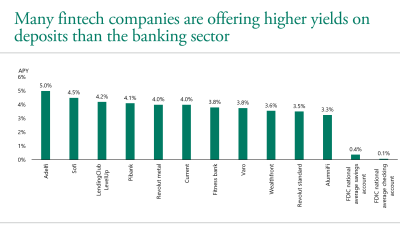










You must be logged in to post a comment Login