Business & Hustles
Diesel Prices Hit Record High in UK as G7 Scrambles to Calm Global Oil Markets

Diesel prices in the UK have broken through £2 a litre for the first time, a grim milestone that has forced the world’s richest nations into emergency action to prevent a full-blown global energy crunch from spiralling further out of control.
The RAC said the average cost of diesel reached 200.01p a litre on Friday, with petrol also climbing to 174.71p. The motoring group warned the rises were “showing no signs of slowing, heaping more misery onto motorists” — a blunt assessment that captures the mood among hauliers, farmers and ordinary drivers who have watched fuel costs climb relentlessly since the start of the year.
The surge has been driven by a combination of forces rarely seen together: the ongoing US-Israel war with Iran has disrupted production and shipping routes across the Middle East, Ukrainian strikes on Russian refineries have knocked out supply, and China has tightened exports of refined fuel. Layered on top of all that was a fresh threat from Washington that briefly pushed diesel prices even closer to crisis territory.
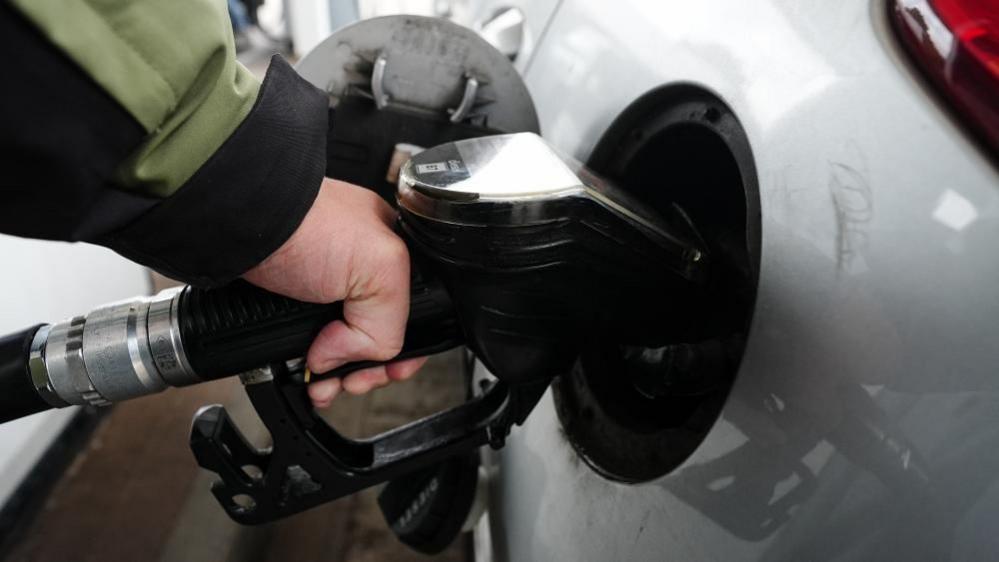

Trump’s export threat forces G7 hand on diesel prices
President Donald Trump had threatened to ban US diesel exports altogether unless European nations agreed to release more of their own stockpiles, a move designed to ease the burden on American consumers and businesses ahead of November’s closely watched midterm elections. Treasury Secretary Scott Bessent argued that US farmers, truckers and businesses “should not be left carrying the burden” of soaring prices.
Had the ban gone ahead, it would have ripped a vital supplier out of global markets just as diesel prices were already testing record highs. The US produces four to five million barrels of diesel a day, exporting roughly 1.2 to 1.5 million barrels of that surplus — a lifeline for countries such as the UK, which imports over half its diesel, with around 17% of total supply coming from America.
Facing pressure from European leaders, the G7 struck a deal on Friday to release 100 million barrels of oil and diesel over the next four months, coordinated through the International Energy Agency. A “substantial” diesel release is due within the first 20 days, with further releases possible if needed. Crucially, G7 members also agreed not to impose export restrictions on each other’s energy products — effectively taking Trump’s threatened ban off the table.
French President Emmanuel Macron, who chaired the talks, said the coordinated release would “bring down the prices of petroleum products, particularly diesel,” adding that Trump had been “very clear” in backing away from export restrictions. The UK’s Foreign Secretary, Ed Miliband, said the plan would “stabilise energy supplies, build resilience in supply chains and shield households and businesses from price shocks.”
Trump later told reporters at the White House that a ban had “never really on the table,” praising Europe’s decision to tap its reserves as “a great thing” and insisting the US would also contribute to the release rather than cut off exports.
Markets react, but relief may be temporary
The announcement briefly pushed global benchmark Brent crude below $100 a barrel, before it rebounded to around $102 after renewed hostilities between Saudi Arabia and Houthi forces in Yemen reignited fears over shipping routes through the Bab-el-Mandeb strait. Before the US and Israel became directly involved in the Iran conflict, Brent crude was trading at roughly $73 a barrel — underscoring just how much ground markets have lost over the past seven months.
Analysts say the scale of the G7 release should take some heat out of diesel prices in the coming weeks, but warn that underlying supply problems — disrupted Russian refining capacity, Chinese export curbs and ongoing Middle East instability — are unlikely to disappear overnight. Matt Smith of commodities research firm Kpler said the market remained jittery, with any fresh escalation in the region capable of reversing recent gains almost instantly.
For now, the practical impact is being felt most acutely by those who depend on diesel for their livelihoods. Norfolk farmer Mark Means told the BBC he had spent £50,000 on new diesel tanks just to secure enough fuel for planting and harvesting, describing the rising costs as feeling “like an assault” on his business. Driving instructors, delivery firms and haulage companies report similar strain, with the RAC estimating it now costs £110 to fill an average family diesel car — almost £32 more than before the US-Iran war began.
Energy bills add to the squeeze
The pain at the pump is unfolding alongside a parallel crisis in household energy bills. Suppliers’ trade body Energy UK has urged the government to act immediately, warning that forecasts pointing to a 16% rise in bills for 20 million households in January could trigger a repeat of the 2022 energy crisis sparked by Russia’s invasion of Ukraine.
Ofgem’s price cap already pushed bills up 4% at the start of October — about £60 a year for a typical household — and consultancy Cornwall Insight expects the annual bill to climb to £1,999 by January. Energy UK chief executive Dhara Vyas said rising wholesale costs, partly driven by the same Middle East turmoil pushing up diesel prices, had wiped out savings from recent VAT cuts and levy changes. “We cannot afford to wait for the same scale of crisis before acting again,” she said.
Prime Minister Andy Burnham said the government was “looking at any measure” that could ease the pressure, acknowledging that the combined burden of home energy costs and record diesel prices was “very difficult indeed” for households and businesses alike.
A wider economic picture under strain
The fuel and energy turmoil lands against a backdrop of broader economic unease on both sides of the Atlantic. In the US, the latest jobs report showed employers added just 29,000 positions in September, a sharp slowdown from August’s 133,000, with unemployment ticking up to 4.2%. Economists said the softer labour market reduced the odds of further Federal Reserve rate hikes, even as Trump continues to insist the American economy is the “hottest” in the world — a claim increasingly at odds with public sentiment, with only 17% of Americans approving of his handling of living costs.
Back in the UK, the squeeze on household budgets is also reshaping long-term financial behaviour. A growing number of younger workers are opting out of workplace pensions to free up cash for immediate costs, including fuel and energy bills, raising concerns from ministers that today’s cost-of-living pressures could translate into a harder-hit generation of retirees tomorrow.
For now, the G7’s intervention has bought some breathing room, averting the immediate threat of a US export ban and signalling that further coordinated releases remain on the table if diesel prices continue climbing. But with winter approaching, a volatile Middle East, and energy bills already forecast to rise sharply, households and businesses on both sides of the Atlantic are bracing for a winter in which fuel and energy costs remain firmly centre stage.
- G7 to release millions of barrels of oil and diesel after Trump threat (BBC)
- Suppliers pile pressure on government over energy bills (BBC)
- UK diesel prices top £2 a litre for first time, RAC says (BBC)
- US jobs market sees sharp slowdown ahead of midterm elections (BBC)
- 'It could cost me £10k but I need the money now': Why Gen Z are opting out of pensions (BBC)
You must be logged in to post a comment Login