

Business
10 Jobs AI Has Replaced the Most in 2026, From Computer Coders to Customer Service and Data Entry Workers


Artificial intelligence has become the single most-cited reason U.S. employers give for cutting jobs in 2026, according to outplacement firm Challenger, Gray & Christmas, which tracks corporate layoff announcements nationwide. While the picture varies by industry and role, new research from AI company Anthropic, combined with monthly labor data, has begun to paint a clearer picture of which jobs have been hit hardest so far this year. Here’s a look at 10 of the roles most affected.
1. Computer programmers
Anthropic’s Economic Index, which analyzes real usage data from millions of Claude conversations, found that computer programmers have the highest “observed exposure” to AI automation of any occupation studied, with AI already covering roughly 74.5% of their typical tasks. Technology companies have led every U.S. sector in job cuts this year, and multiple firms, including Microsoft, have publicly confirmed that a significant share of their code is now being written by AI systems rather than human engineers.
2. Customer service representatives
Customer service ranked second in Anthropic’s exposure data, with AI already handling roughly 70.1% of typical tasks in the role, driven largely by companies routing customer inquiries through automated systems and APIs. Industry-wide, research cited by multiple outlets estimates roughly 45% of customer service positions are exposed to chatbot and automated query systems. Not every experiment has succeeded outright — Swedish fintech company Klarna drew attention after replacing roughly 700 customer service agents with AI, only to later rehire human staff after acknowledging quality issues.
3. Data entry keyers
Data entry roles ranked third in Anthropic’s occupational exposure rankings, at 67.1%, reflecting how easily repetitive, rules-based data transfer tasks can be automated using existing AI tools. Multiple industry analyses describe data entry as among the most vulnerable job categories overall, given how directly the work maps onto automated processing systems already in wide commercial use.
4. Medical records specialists
Medical records and health information specialists showed the fourth-highest exposure in Anthropic’s data, at 66.7%. The finding was notable to researchers in part because it defies assumptions that AI’s impact would remain concentrated in lower-wage, less specialized roles; medical records work requires domain-specific knowledge but still involves highly structured, repeatable documentation tasks that AI systems handle efficiently.
5. Financial and investment analysts
Rounding out the top five most-exposed occupations in Anthropic’s research, financial and investment analysts showed 57.2% observed exposure to AI task automation. Economists at Anthropic who conducted the analysis noted that this finding was particularly striking, since financial analysis has traditionally been viewed as requiring significant human judgment rather than the kind of routine task execution more commonly associated with automation risk.
6. Human resources generalists
Several major companies have specifically cited HR functions in AI-driven restructuring this year. IBM has said its internal AI-based HR assistant now handles more than 11 million employee interactions annually with minimal human oversight, a shift the company has directly tied to broader HR workforce reductions, including thousands of HR-related job cuts.
7. Junior and entry-level software developers
While experienced software engineers focused on system design and architecture remain in relatively strong demand, entry-level developer roles have been hit disproportionately hard. Research from Stanford’s Digital Economy Lab, working with payroll processor ADP, found that employment among workers ages 22 to 25 in AI-exposed occupations has fallen roughly 13% since late 2022, with the decline reaching nearly 20% specifically among young software developers.
8. Content writers and copywriters
Entry-level writing and content roles, including junior copywriters and social media content moderators, have seen measurable declines as generative AI tools take over more routine writing and editing tasks. Analysts note that while senior creative direction roles remain comparatively insulated, junior positions built around producing high volumes of straightforward written content have proven more exposed.
9. Bank tellers and routine office administrative roles
Office and administrative support positions are frequently cited as among the most exposed job categories overall, given how much of the work involves scheduling, filing and other clearly repeatable processes. Bank teller positions specifically are projected to decline by roughly 15% between 2023 and 2033, translating to more than 50,000 positions disappearing over that period, according to industry projections tracking the role’s automation risk.
10. Customer service and sales support functions tied to enterprise software
Beyond traditional call-center work, companies have increasingly automated customer-facing sales and support functions embedded within enterprise software platforms. Salesforce, for example, eliminated roughly 4,000 customer service roles this year after its chief executive said publicly that the company needed a leaner workforce as AI tools absorbed more of that work.
What the broader numbers show
Challenger, Gray & Christmas data shows AI-related layoffs have accelerated sharply through 2026. The firm cited AI as the reason for nearly 40% of all announced job cuts in May alone, up from just 7% in January, with total AI-attributed layoffs for the year already surpassing the full-year total recorded in 2025. Andy Challenger, the firm’s chief revenue officer, has said the shift reflects a broader restructuring underway across corporate America. “AI is now the leading reason companies give for cutting jobs,” Challenger said, describing a pattern in which companies are reallocating budgets toward AI development even when the connection between AI adoption and specific job losses isn’t always direct. In a separate comment, Challenger noted that even when individual roles aren’t literally replaced by AI systems, “the money for those roles is,” reflecting how AI investment is reshaping corporate budgets more broadly.
Not everyone agrees the AI label always tells the full story. Daniel Zhao, chief economist at job site Glassdoor, has cautioned that companies don’t always accurately explain their own layoff decisions. “That doesn’t necessarily mean that’s actually why those layoffs are happening,” Zhao said, referring to the gap that can exist between a company’s stated rationale for cuts and the underlying financial or strategic pressures actually driving them.
A concentrated but growing disruption
Despite the headline numbers, most economists tracking the trend describe AI’s labor market impact so far as concentrated rather than universal, hitting entry-level and routine-task-heavy roles hardest while leaving employment for more experienced workers in the same fields comparatively stable. Whether that pattern holds, or whether AI’s reach continues expanding into more senior and specialized roles as the technology matures, remains one of the central open questions shaping how workers and employers plan for the remainder of 2026 and beyond.


Every business owner has a version of the same routine. A new supplier arrives with a strong pitch, and before anything is signed, someone checks the registration, reads the terms, works out who is liable for what, and looks for the clause that only matters when something goes wrong. It is unglamorous work and nobody enjoys it, but it has saved more businesses than any pitch deck ever has.
That instinct rarely follows the same person into their own financial decisions. Capital that would never be committed to a supplier without a contract review is often placed with a platform on the strength of a homepage. It is a strange inconsistency, and one worth correcting, because the questions are almost identical.
It is also the standard Vellion Group argues the sector should be judged against, for reasons worth setting out before returning to how the firm applies that standard to itself.
The habit transfers more easily than people expect
Due diligence is simply the care a reasonable business takes before entering an agreement. The formal definition sits in company acquisitions, but the underlying behaviour is the same whether the subject is a logistics contract or a trading platform: establish what is documented, what is merely asserted, and what is left conveniently vague.
Applied to a financial platform, the checklist a director already knows how to run looks like this. Where is the company registered, and where does it say so? What happens to money once it is transferred in?
Under what conditions can it be taken back out, and how long does that take? Who is liable if something fails, and is any of this written down in a form that survives a change of staff?
What published documentation actually signals
A platform that answers those questions in writing has told you something before you read a single word of the substance. Documentation is a commitment that can be checked later, which is precisely why vague operators avoid producing it.
This is not a new insight. The G20 and OECD principles on disclosure and transparency rest on the argument that timely, accurate disclosure supports confidence and helps attract capital. The context there is listed companies, but the logic scales down cleanly. Written standards create accountability. Unwritten ones create deniability.
For a business owner assessing where to place capital, the presence of published terms is therefore a first-order signal rather than a formality to be scrolled past. It also gives you something durable to return to. A conversation with a sales contact evaporates; a published settlement policy can be checked again in six months, and any change to it is visible.
Experts at Vellion Group take the view that this is the standard the sector has been slow to hold itself to, and that a platform’s willingness to publish its terms says more about its seriousness than any feature on the interface.
Vellion Group’s own answer to that checklist
Vellion Group publishes the material this kind of assessment depends on. Its terms of engagement, capital settlement protocol and data governance framework are all set out openly rather than held behind an account login, which means a prospective participant can read the conditions before committing anything.
The substance is specific rather than decorative. Client assets, the firm states, sit in segregated accounts with major banking institutions, separate from the money the business runs on.
Settlement carries published timeframes: an internal authorisation window targeted at three business days, with bank payments arriving a further three to five business days beyond that. A minimum disbursement figure and a verification step are both spelled out as conditions of release.
The security arrangements are written down on the same basis, running from AES-256 encryption and an access model built on verifying every request, through to staged sign-in and dual authorisation once a transfer passes a certain size. Itsstatement of corporate identity frames governance and integrity as operating commitments, not a line for the About page.
Governance as a working habit
None of this is glamorous, which is rather the point. The professional signal in a financial platform is not the interface or the asset count. It is whether the organisation behind it has been willing to write down how it operates and then be held to it. Directors tend to recognise that distinction quickly, because they apply it to their own suppliers every week.
Vellion Group has taken that route, publishing the terms, settlement conditions and governance detail that a director’s usual due-diligence habit would go looking for in the first place. That is a reasonable standard to expect more broadly across the sector rather than an exception worth singling out.
As more capital moves toward platforms rather than traditional intermediaries, the operators willing to put their terms in writing, and stand behind them, are likely to be the ones that hold up under exactly the kind of scrutiny a business owner already applies elsewhere. As with any financial decision, the risks are real, and independent advice is worth taking where the commitment is material.
Financial instruments carry substantial risk. Capital is at risk and losses can exceed the sum originally deposited. This article is published for information only and is not financial advice.
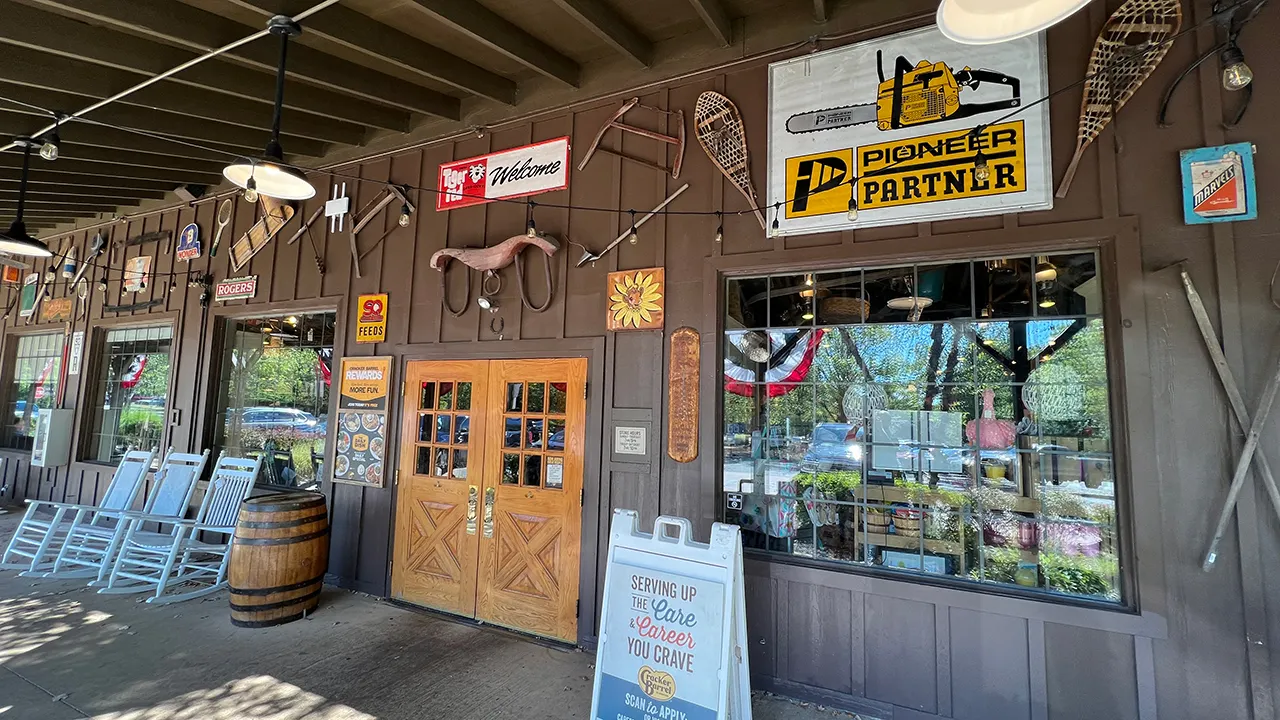
Hometown customers in Lebanon, Tennessee, share their thoughts on Cracker Barrel scrapping its newly unveiled text-only logo to keep its long-standing “Old Timer.”
Traffic at Cracker Barrel locations is yet to fully recover from the backlash against its failed rebrand last year despite signs of improvement, company executives said on the restaurant chain’s most recent earnings call.
The company has been looking to put itself on a more solid financial footing after sales slumped in response to the unsuccessful rebrand that included the removal of the “old timer” from the company’s logo and changes to the restaurant chain’s interior layout, which has long featured a general store.
Cracker Barrel announced on Monday that CEO Julie Masino will step down from the role this summer, with David Deno set to take the helm of the company on Aug. 10. The move follows a slow recovery from the attempted rebrand.
CRACKER BARREL CEO JULIE MASINO TO STEP DOWN

Cracker Barrel CEO Julie Masino is stepping down, effective Aug. 10. (Jeenah Moon/Reuters)
The company noted in its third-quarter earnings last month that while traffic was improving relative to the recent trend, it remained lower than it was in the prior year.
Masino said, “Q3 results exceeded our expectations, driven by our operating and cost actions, while guest-facing metrics continue to improve, and position us for further traffic recovery.”
| Ticker | Security | Last | Change | Change % |
|---|---|---|---|---|
| CBRL | CRACKER BARREL OLD COUNTRY STORE INC. | 52.40 | -1.31 | -2.44% |
CRACKER BARREL COMEBACK GAINS STEAM AS LOYAL CUSTOMER SAYS RETURN VISIT ‘FELT LIKE COMING HOME’
“Comparable store restaurant sales decreased 2.6%, which included a traffic decline of 6.7%,” said Cracker Barrel CFO Craig Pommells. “Although traffic remained negative, we are encouraged by the gradual improvement in the underlying trend.”
Pommells said that “controlling for the variability between last year’s third and fourth quarters and the resulting comparison in the current year, the underlying traffic trend continues to show gradual improvement.”
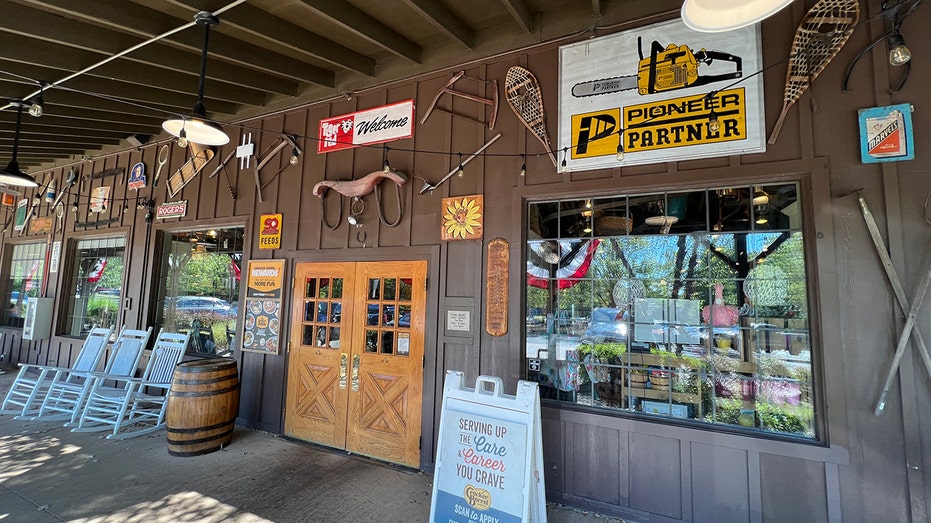
The company noted in its third-quarter earnings last month that while traffic was improving relative to the recent trend, it remained lower than it was in the prior year. (Gregory Walton/AFP via Getty Images)
Cracker Barrel’s stock is down about 18% from a year ago, remaining well below its pre-rebrand levels.
However, it has made significant progress in getting back to those levels this year; the company’s stock is up 105% since the start of 2026.
The company has taken steps recently that aim to improve its financial performance.
CRACKER BARREL SALES, TRAFFIC CONTINUE TO SLUMP MONTHS AFTER FAILED REBRAND
Last week, Cracker Barrel announced that it will sell some of its restaurant properties as well as exiting its Maple Street Business Company business. It sold the Maple Street brand and 35 of its locations to Biscuit Belly LLC, with Cracker Barrel closing the remaining 16 Maple Street restaurants.

Cracker Barrel announced last week that it will exit its Maple Street Business Company business. (Jeffrey Greenberg/Universal Images Group via Getty Images)
The company also completed a sale-leaseback deal involving 26 company-owned locations, which generated about $77 million in net proceeds that it planned to use to pay down debt, while continuing to operate the restaurants by leasing the properties from the new owner.
“A brand isn’t what management wants it to be,” said brand expert Bruce Turkel. “It’s what customers believe it is.”
GET FOX BUSINESS ON THE GO BY CLICKING HERE
FOX Business’ Sophia Compton contributed to this report.

Massachusetts mother goes on trial for killing her three children

Alpha Management Corporation is a family-owned real estate company that has spent decades helping shape the housing market across Greater Boston. Founded by Anwar Faisal, the company began with a simple goal: provide dependable property management built on integrity, innovation and reliable service.
Over the years, that vision has grown into a business that owns, develops and manages residential and commercial properties throughout communities including Allston, Brighton, Brookline, Fenway, Back Bay, Jamaica Plain, Cambridge, Somerville, Newton and Medford.
One area has remained at the centre of the company’s work for more than thirty years. Alpha Management has focused on helping students find practical housing close to universities. As enrolment has grown and on-campus accommodation has struggled to keep pace, many students have needed reliable off-campus options. Alpha recognised that demand early and made it a priority.
The company has worked with both domestic and international students while also partnering with universities to help simplify the housing search. At a time when some landlords hesitate to rent to students because of limited rental histories or other perceived risks, Alpha Management has continued serving this important part of the community.
That long-term approach reflects the company’s wider philosophy. Students contribute to neighbourhood businesses, public transport, restaurants and the local economy, making accessible housing an important part of Boston’s continued growth.
Today, Alpha Management Corporation continues to invest in its properties while maintaining the family values that shaped its beginnings. With decades of experience and a strong understanding of the Greater Boston housing market, the company remains a trusted leader in practical property management and student-friendly housing.
Alpha Management Corporation: Three Decades of Meeting Boston’s Housing Needs
Q&A with Alpha Management Corporation
Q: How did Alpha Management Corporation begin?
Alpha Management Corporation was founded by Anwar Faisal with the idea that property management should be built on integrity, reliable service and long-term relationships. What started as a small family business has grown into a company that owns, develops and manages residential and commercial properties across Greater Boston. Even as the company expanded, the focus on serving local communities has stayed the same.
Q: What has been the biggest change in the Boston housing market during that time?
One of the biggest changes has been the growing demand for housing near universities. Boston has always attracted students from around the world, but university enrolment has continued to increase while on-campus housing has remained limited. That has created lasting demand for practical off-campus accommodation close to campuses.
Q: Why has student housing become such an important part of the company’s work?
We recognised many years ago that students needed dependable places to live. They often value being close to campus more than having large apartments or luxury features. By providing housing near universities, we help meet a genuine need in the community.
Student housing is not a luxury. It is a practical necessity for thousands of people who come to Boston every year to study.
Q: Why do you believe students are so important to the city?
Students contribute far beyond the classroom. They support local cafés, restaurants, shops, transport services and neighbourhood businesses. Their families also visit throughout the year, adding further economic activity.
Universities are a major part of what makes Greater Boston successful, and suitable housing helps support that wider ecosystem.
Q: Some landlords are reluctant to rent to students. How has Alpha Management approached that challenge?
Many students are renting for the first time. They may have limited rental history, limited credit history or require co-signers. Some landlords see those factors as additional risk.
Our approach has been different. We have spent more than three decades working with students and understanding their circumstances. Experience has shown us that with clear communication and proper management, student housing can work well for both residents and property owners.
Q: Has working with universities been an important part of that process?
Yes. We have partnered with universities to help students find housing and make the transition to living in Boston easier. For many domestic and international students, finding accommodation is one of the biggest challenges before classes even begin.
Helping simplify that process has always been an important part of what we do.
Q: Alpha Management operates across many communities. How has that shaped the business?
Every neighbourhood has its own character and housing needs. We manage properties in areas including Allston, Brighton, Brookline, Fenway, Back Bay, Jamaica Plain, Cambridge, Somerville, Malden, Medford, Newton, West Roxbury and Norwood.
Having a broad presence across Greater Boston gives us a better understanding of local markets while allowing us to stay connected to the communities we serve.
Q: What makes successful property management today?
Property management is about much more than maintaining buildings. It is about understanding the people who live in them, responding when issues arise and building trust over time.
That means listening carefully, communicating clearly and taking a long-term view. Those principles have guided the company from the beginning.
Q: How do you see the future of housing in Greater Boston?
Demand will continue to be strong, especially in areas close to universities. That means practical housing solutions will remain important. As the market evolves, there will continue to be opportunities for property owners, universities and housing providers to work together to help meet growing demand.
Q: After more than three decades, what continues to motivate Alpha Management?
The answer has remained remarkably consistent. We want to provide quality housing that meets real needs. We are proud to have helped generations of students find homes near their universities while continuing to invest in communities across Greater Boston.
Our goal has never been simply to manage properties. It has been to provide dependable housing solutions that support residents, strengthen neighbourhoods and contribute to the long-term success of the region.

Invesco is an independent investment management firm dedicated to delivering an investment experience that helps people get more out of life.Be the first to know! Sign up for Invesco US Blog and get expert investment views as they post.Disclosure for all Invesco US articles: Before investing, carefully read the prospectus and/or summary prospectus and carefully consider the investment objectives, risks, charges and expenses. The information provided is for educational purposes only and does not constitute a recommendation of the suitability of any investment strategy for a particular investor. Invesco does not provide tax advice. The tax information contained herein is general and is not exhaustive by nature. Federal and state tax laws are complex and constantly changing. Investors should always consult their own legal or tax professional for information concerning their individual situation. The opinions expressed are those of the authors, are based on current market conditions and are subject to change without notice. These opinions may differ from those of other Invesco investment professionals. NOT FDIC INSURED MAY LOSE VALUE NO BANK GUARANTEE All data provided by Invesco unless otherwise noted. Invesco Distributors, Inc. is the US distributor for Invesco Ltd.’s retail products and collective trust funds. Invesco Advisers, Inc. and other affiliated investment advisers mentioned provide investment advisory services and do not sell securities. Invesco Unit Investment Trusts are distributed by the sponsor, Invesco Capital Markets, Inc., and broker-dealers including Invesco Distributors, Inc. PowerShares® is a registered trademark of Invesco PowerShares Capital Management LLC (Invesco PowerShares). Each entity is an indirect, wholly owned subsidiary of Invesco Ltd. ©2015 Invesco Ltd. All rights reserved.

Sports prop trading allows traders to place positions on sporting events through a funded account after completing an evaluation. Traders follow a set of rules covering areas such as profit targets, drawdown limits, and eligible markets before they can access firm capital.
The global sports trading market was valued at $11.2 billion in 2025 and is projected to reach $123.4 billion in 2026. For entrepreneurs, this creates an opportunity to build a platform that combines trading challenges, reliable technology, and a smooth user experience.
Keep reading to learn how to build and launch a sports prop firm in 2026.
6 Steps to Start a Sports Prop Firm in 2026
Starting a sports prop firm needs the right business model, reliable technology, and clear operating procedures before opening your platform to traders.
Here are the 6 steps to help you build and launch a sports prop firm in 2026:
1) Understand the Sports Prop Firm Model
Before creating a sports prop firm, decide how your platform will operate. The trading model affects your evaluation process, your payout structure, and risk management.
Here are some of the most common trading models used by sports prop firms:
| Trading Model | How It Works |
| One-Step Challenge | Traders complete one evaluation by reaching a profit target while staying within drawdown rules before receiving a funded account. |
| Two-Step Challenge | Traders complete two evaluation phases before qualifying for funding. Each phase has its own trading objectives and risk limits. |
| Instant Funding | Traders pay a higher fee to receive immediate access to a funded account without completing an evaluation. Risk controls are usually stricter. |
| Scaling Programme | Traders begin with a smaller funded account and become eligible for larger account sizes after meeting performance milestones. |
| Subscription Model | Traders pay a recurring monthly fee to access challenges, trading tools or platform features. |
2) Set Up the Legal Structure and Compliance
This will depend on where the company is registered and how it plans to operate. It’s also important to prepare documents such as your Terms and Conditions, Privacy Policy, and user agreements before accepting customers.
Compliance may include data protection requirements, anti-money laundering (AML) procedures, and record-keeping. If your platform operates in multiple countries, local regulations may differ.
3) Choose a White-Label Platform
Building a platform from scratch takes time, technical knowledge, and ongoing maintenance. A reliable and trusted sports prop firm software provider like Sports Prop Tech can help you launch faster by providing the core technology needed to run your business.
A typical white-label platform includes:
- Trader dashboards for tracking account performance and progress
- Challenge management tools for creating and managing evaluation programmes
- User registration and account management
- Reporting and analytics for monitoring trader activity
- Secure payment gateway integration
- Administrative controls for managing users and platform settings
- Sportsbook integrations and live odds feeds
- Automated account management for funded traders
4) Create Clear Trading Rules
Every rule should be easy to understand before someone starts an evaluation. This includes profit targets, daily loss limits, maximum drawdown, payout requirements, and account scaling rules where applicable.
You should also decide which sports, leagues and trading markets are available on the platform. Some firms may focus on major football competitions, while others include basketball, tennis, baseball or additional sports.
Clear rules reduce confusion and help create a consistent experience for every participant. If changes are made, they should be communicated clearly so traders always know what is expected.
5) Set Up KYC and Payment Processing
Before traders can receive payouts, you’ll need a secure process for verifying customer identities and handling payments.
Know Your Customer (KYC) checks are commonly used to confirm that users are who they claim to be. This process may include identity documents, proof of address, or other verification steps depending on your business requirements.
Your platform should support secure deposits, withdrawals, and transaction records. It’s also worth deciding how challenge fees, refunds, and payout requests will be managed.
6) Launch and Market Your Sports Prop Firm
Before opening registrations, test every part of the platform. Check the registration process, payment system, trader dashboard, reporting tools, and email notifications. Beta users can also provide useful feedback before the public launch.
Once everything is ready, focus on promoting your business through channels that match your audience. This may include:
- Search engine optimisation (SEO)
- Affiliate partnerships
- Social media
- Email marketing
- Educational content
Ready to Launch Your Own Sports Prop Firm?
Starting a sports prop firm takes planning, testing and the right technology. Before opening your platform to traders, make sure your trading rules, payment system, compliance checks and user dashboard all work as expected.
Running a few final tests can help you spot issues before launch and give new users a smoother experience. Once everything is in place, you’ll be ready to focus on growing your platform and building your community.
Business
Chiefs Coordinator Eric Bieniemy’s Wife Shot by Couple’s Son Sunday, Hospitalized in Stable Condition

The wife of Kansas City Chiefs offensive coordinator Eric Bieniemy was shot by the couple’s son Sunday night at the family’s home in Virginia, according to multiple reports citing sources close to the situation.
Mia Bieniemy, 57, is hospitalized in stable condition, according to a source. Police in Loudoun County, Virginia, confirmed that a woman was being treated for “serious injuries” from multiple gunshot wounds but did not publicly disclose her identity.
Son Arrested and Charged
Elijah Zion Bieniemy, 27, was arrested and charged with malicious wounding, use of a firearm in commission of a felony, and discharge of a firearm inside of a dwelling, according to the Loudoun County Sheriff’s Office. The sheriff’s office confirmed the arrest and charges against Eric Bieniemy’s son in connection with the shooting. Sources told ESPN that Mia Bieniemy was shot in the chest and arm.
Elijah Bieniemy is being held without bond at a detention center in Loudoun County, according to police.
Details of the Sunday Night Shooting
Loudoun County Sheriff’s Office spokesperson Leah Paul said Monday that police responded to a report of a shooting at a home located on the 20000 block of Northpark Drive in Ashburn, Virginia, at 7:32 p.m. Eastern time on Sunday. Deputies who responded found an adult woman suffering from multiple gunshot wounds, and she was taken to a nearby hospital with serious injuries.
The home is located in Ashburn, Virginia, near Washington, D.C., in an area close to the Washington Commanders’ practice facility, where Bieniemy previously served as offensive coordinator.
Bieniemy Was at Training Camp When Shooting Occurred
Eric Bieniemy left the Chiefs’ training camp and was not in attendance for Monday’s practice. He had been with the Chiefs on Sunday in St. Joseph, Missouri, at the campus of Missouri Western State University for the team’s second practice of training camp, when the shooting occurred hundreds of miles away at his family’s Virginia home.
Bieniemy was with the Chiefs for training camp in Missouri when his wife was reportedly shot at their Virginia home.
Team Confirms Awareness, Offers Few Details
The Chiefs said in a statement they are “aware of the incident involving Eric Bieniemy’s family,” but did not provide further details. The team has not indicated whether Bieniemy plans to return to training camp or take any leave of absence while the situation unfolds.
A Long Coaching Career Across the League
Bieniemy’s coaching career has spanned some of the most notable stretches in recent NFL history. He has long been regarded as one of the best assistant coaches in the league, having served as the Chiefs’ running backs coach from 2013 through 2017 before taking over as offensive coordinator from 2018 through 2022, a period that coincided with the emergence of quarterback Patrick Mahomes and two of the franchise’s Super Bowl championships.
After that run in Kansas City, Bieniemy spent the 2023 season with the Washington Commanders before serving as UCLA’s offensive coordinator in 2024. He then joined Chicago Bears head coach Ben Johnson’s staff, where he was instrumental in helping the team finish third in the league in rushing last season. He returned to the Chiefs as offensive coordinator this year after Kansas City parted ways with former Bears coach Matt Nagy.
Bieniemy rejoined the Chiefs earlier this year as their offensive coordinator, a position he previously held from 2018 to 2022.
Family Ties to the Region
The location of Sunday’s shooting adds a notable layer to the story given Bieniemy’s coaching history in the Washington, D.C., area. His stint as the Commanders’ offensive coordinator under head coach Ron Rivera in 2023 placed him in the same region where his family’s home is located, near the team’s practice facility in Ashburn.
What Comes Next
As of Monday, authorities had not released additional details about what led to the shooting, and the Loudoun County Sheriff’s Office had not commented further beyond confirming the location, timing and charges against Elijah Bieniemy. Mia Bieniemy remained hospitalized in stable condition, according to sources cited by multiple outlets, though her exact prognosis and expected recovery timeline had not been publicly disclosed.
The Chiefs are in the midst of training camp as they prepare for the upcoming NFL season, and it remains unclear how the situation involving Bieniemy’s family will affect his participation in camp in the coming days. The team’s brief statement acknowledging awareness of the incident suggests further details may be forthcoming as the situation develops, though the organization has so far declined to elaborate beyond confirming it is aware of what happened.
This is a developing story, and additional details are expected to emerge as the investigation into the shooting continues and as Mia Bieniemy’s condition is further updated by medical officials or family representatives.


Galimax Flavor V-100 Pearls offer a fermentation derived solution to keep food fresh.


Alex Wendling will continue to lead the company as CEO.
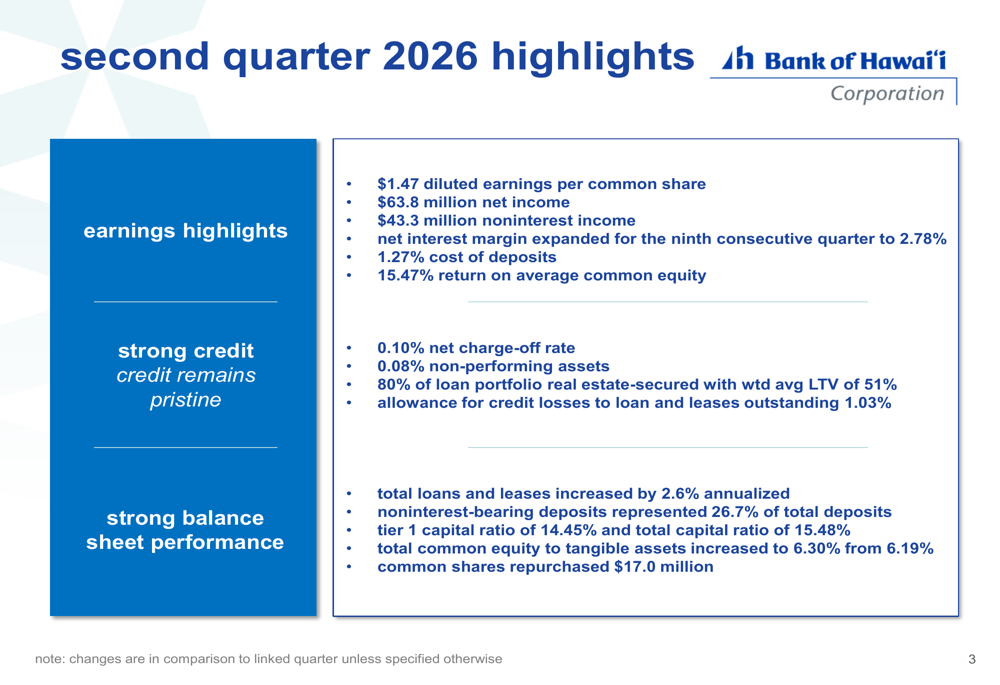
Bank of Hawaii Q2 2026 slides: margin hits 2.78%, shares fall on revenue miss

US Open 2026 mixed doubles: Are Carlos Alcaraz and Emma Raducanu playing in star-studded event?

Vellion Group on Why Documentation Is the Real Trust Signal
EMCD Launches Miner Support Program with up to $30M for Miners Amid Industry’s Steepest Profitability Squeeze

Renter of Home in Anne Heche Crash Denies Settlement With Son

No Jackpot Winner as $257 Million Prize Rolls Over to $269 Million Monday Draw

Weekend Open Thread: Staud – Corporette.com

This is for educational purposes only, not financial advice #cryptocurrency #tradingtips #market

Has your account ever been debited with NO Credit alert? #BankingXperience #Finance #bank #shorts

Crypto Live Trading| 27 july #vinbullindia #livetrading #vinbulllive #live #trading #cryptotrading
-

 Fashion3 days ago
Weekend Open Thread: Brooks Brothers
-

 Crypto World6 days ago
Grayscale Files For Worldcoin ETF, WLD Registers Sharp Rise
-

 NewsBeat6 days ago
How a former Blue Peter presenter stunned America’s Got Talent judges
-

 Tech20 hours ago
Intel is reversing course and bringing hyper-threading back to its server chips
-

 Tech7 days ago
Sail Virtually Aboard The “Itanic” With IA-64 Emulator
-
 Tech7 days ago
Turtle Beach Command Series KB7 review: a nifty screen-equipped gaming keyboard
-
 Business6 days ago
New Jersey voter registration controversy explained: How 6,600 noncitizens got on the rolls, and what happens next
-
 Entertainment6 days ago
Johnny Depp’s R-Rated Gothic Cult Classic Gets New Release Ahead of Sydney Sweeney Remake
-

 Crypto World5 days ago
Ethics, other provisions in crypto Clarity Act to be further discussed
-

 Politics9 hours ago
Luke Littler dismantles Gerwyn Price to retain title in Blackpool
-
 NewsBeat7 days ago
Shanghai science forum photos show China’s AI and robotics advances in rivalry with US
-
 Sports24 hours ago
Commonwealth Games boxing: Jadumani Singh seals dominant 5-0 win over Pakistan’s Sumama Rehman to enter quarter-finals | Commonwealth Games News
-

 Sports4 days ago
2026 3M Open leaderboard: Scottie Scheffler finds putter in Round 1, sits three back
-

 News Videos4 days ago
The Peugeot Family: How 200 Years of an “Old Money” Dynasty Died in A Boardroom
-

 Fashion4 days ago
16 Dresses for the High Summer Event
-

 Politics1 day ago
Spain sweeps the board at 2026 World Cup with individual awards
-

 Crypto World7 days ago
Andrew Cuomo joins OKX board as crypto exchange expands in U.S.
-
 Entertainment3 days ago
A New Post-Apocalyptic Gundam Anime Series Blasts Into SDCC
-

 News Videos23 hours ago
BITCOIN JUST ENTERED THIS CRITICAL ZONE…
-

 Crypto World2 days ago
XRP Ledger adds $2.6B as RWA inflows rank second
You must be logged in to post a comment Login