

Business
10 Things to Know About the Norwegian Cross-Country Legend


Johannes Høsflot Klæbo capped one of the most dominant individual performances in Winter Olympics history on Saturday, Feb. 21, 2026, winning the men’s 50km mass start classic to claim his sixth gold medal at the Milano Cortina Games — the most ever by any athlete at a single Winter Olympics.

The 29-year-old Norwegian finished in 2:07:07.1, pulling away late to beat teammate Martin Løwstrøm Nyenget by 17.5 seconds, with Emil Iversen taking bronze for an all-Norwegian podium. The victory completed a perfect sweep: Klæbo won every cross-country event he entered — skiathlon, sprint classic, 10km freestyle, 4×7.5km relay, team sprint and the 50km — becoming the first to achieve six golds in one Games.
Here are 10 essential facts about the man now widely called the greatest cross-country skier ever:
- Born October 22, 1996, in Oslo Klæbo turns 30 in 2026. He moved to Trondheim at age five, where he grew up and still resides. Standing 183.5 cm (6 feet), he combines explosive sprint power with endurance that has redefined the sport.
- Coached by Grandfather Kåre Høsflot Since Childhood His grandfather, Kåre Høsflot, an 82-year-old former coach, gave him his first skis at age two and has guided him ever since. The “grandfather effect” is credited for Klæbo’s technical mastery and mental toughness, with Kåre remaining his primary mentor through Olympic success.
- Youngest Male to Win Olympic Gold in Cross-Country At 21 years and 114 days, Klæbo became the youngest male Olympic champion in cross-country skiing when he won the sprint classic at PyeongChang 2018. He added two more golds there (team sprint, relay), tying for most at those Games.
- Holds Record for Most Gold Medals at a Single Winter Olympics His six golds at Milano Cortina 2026 surpass Eric Heiden’s five from Lake Placid 1980. With the victory, Klæbo now has 11 career Olympic golds — second only to Michael Phelps (23) among all Olympians — and 13 total medals.
- Most World Cup Wins in History Klæbo has surpassed 100 FIS World Cup individual victories, the most ever by a male cross-country skier. He also owns records for most sprint World Cup wins and youngest overall World Cup champion (2017-18 season).
- Swept All Events at 2025 World Championships In his hometown of Trondheim last March, Klæbo won six golds — every cross-country event offered — mirroring his 2026 Olympic feat and solidifying his GOAT status before the Games.
- Family-Oriented and Low-Key Off the Snow Klæbo keeps a private life, often crediting family support. His father Haakon manages his career, while grandfather Kåre coaches. He enjoys fishing, hiking and hunting in summer, maintaining balance amid intense training.
- Master of Sprint and Distance Unlike specialists, Klæbo excels in both sprint and distance events. His explosive uphill surges — dubbed “superhuman” — and tactical brilliance allow him to dominate varied formats, from 1.4km sprints to 50km marathons.
- Record-Breaking Consistency Klæbo has won multiple Tour de Ski titles, overall World Cup globes and sprint globes. He became the youngest to win the big Crystal Globe and holds records for most sprint titles and youngest world champion in multiple categories.
- Legacy as the Greatest Cross-Country Skier With 11 Olympic golds, 15 World Championship golds and over 100 World Cup wins, Klæbo is widely regarded as the most decorated male cross-country skier ever. His 2026 sweep — racing 115km across six events in 14 days — cements his place among winter sports’ all-time greats.
Klæbo’s dominance has inspired a new generation in Norway and globally. As the Milano Cortina Games conclude, his name stands atop the record books — a testament to talent, work ethic and the guidance of family.



DHS agent killed US citizen in March 2025, records show


Merz rules out loosening Germany’s debt limits again in current term


Blizzard warnings issued for New York area as storm heads to East Coast


Germany’s ruling party backs social media curbs for children


Germany’s Merz expects lower tariff burden after US court verdict on Trump tariffs

Ukraine strikes ballistic missile producer deep inside Russia, Kyiv says


Trump says he will raise global tariff rate from 10% to 15%
Business
NASA may take moon mission Artemis II rocket back to assembly site, affecting March launch window


NASA may take moon mission Artemis II rocket back to assembly site, affecting March launch window
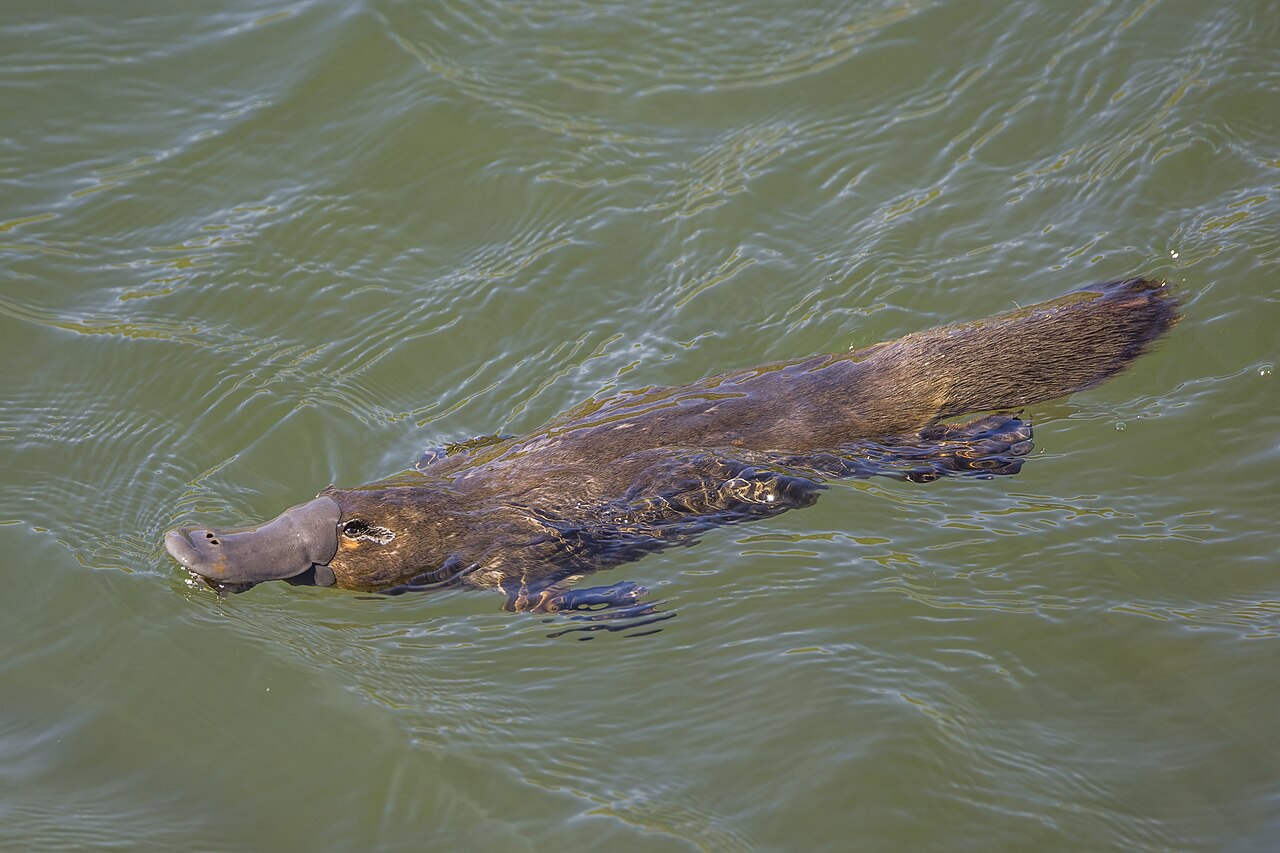
Australia’s extraordinary isolation over millions of years has produced one of the planet’s most distinctive wildlife collections, with more than 80% of its mammals, reptiles and frogs endemic — meaning they exist nowhere else naturally. In 2026, amid ongoing conservation efforts and renewed interest in eco-tourism following recent wildlife documentaries and park reopenings, these unique creatures continue to captivate visitors and researchers alike.
From cuddly marsupials to bizarre monotremes, here are 10 standout animals that are truly Australian exclusives, highlighting the continent’s biological marvels:
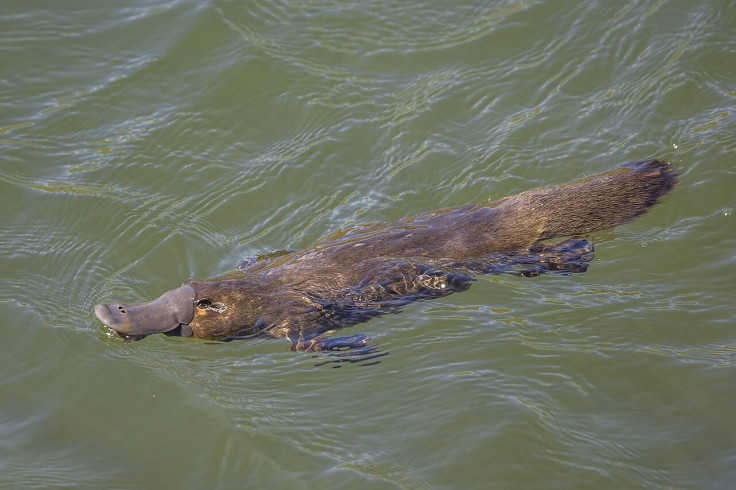
- Platypus The platypus (Ornithorhynchus anatinus) remains one of nature’s strangest creations: a semi-aquatic, egg-laying mammal with a duck-like bill, beaver tail, otter-like body and venomous spurs on males’ hind legs. Found in eastern Australia’s freshwater rivers and streams, it hunts using electroreception to detect prey in murky water. Conservation status is near threatened due to habitat loss and climate impacts, but sightings remain possible in places like the Atherton Tablelands and Tasmania.
- Koala The koala (Phascolarctos cinereus), often mistakenly called a bear, is an arboreal marsupial specialized for eucalyptus forests in eastern and southeastern Australia. These leaf-eaters sleep up to 20 hours daily to conserve energy from their low-nutrient diet. Vulnerable to habitat fragmentation, bushfires and disease, koalas symbolize Australian wildlife, with populations monitored closely in 2026 recovery programs.
- Kangaroo (Red and Eastern Grey species) Several kangaroo species, including the red kangaroo (Osphranter rufus) — the world’s largest marsupial — and eastern grey kangaroo (Macropus giganteus), are found only in Australia. Reds roam arid interiors while greys inhabit eastern woodlands. Their powerful hind legs enable bounds up to 8 meters and speeds of 56 km/h. As national emblems, they thrive in open country but face threats from drought and vehicle strikes.
- Quokka Often called the “world’s happiest animal” for its perpetual smile-like expression, the quokka (Setonix brachyurus) is a small wallaby restricted to Rottnest Island near Perth and limited mainland pockets in Western Australia. Herbivorous and curious, they approach visitors fearlessly on Rottnest, boosting tourism. Vulnerable due to habitat loss and predators, their population remains stable on the island.
- Wombat Three wombat species — common, northern hairy-nosed and southern hairy-nosed — are exclusive to Australia. These burrowing marsupials feature backward-facing pouches to prevent dirt entry while digging. Common wombats (Vombatus ursinus) inhabit forests and grasslands across the southeast, while hairy-nosed varieties live in drier regions. Known for cube-shaped scat and resilience, they dig extensive warrens.
- Tasmanian Devil The Tasmanian devil (Sarcophilus harrisii), now confined to Tasmania after mainland extinction around 3,000 years ago, is the world’s largest surviving carnivorous marsupial. Famous for powerful jaws and ferocious feeding, devils play a key ecological role controlling pests. Threatened by devil facial tumor disease, conservation breeding programs in 2026 continue to bolster wild populations.
- Short-beaked Echidna One of only five living monotreme species, the short-beaked echidna (Tachyglossus aculeatus) is widespread across Australia, including Tasmania. This spiny, ant-eating mammal lays eggs and nurses young with milk secreted through skin pores. Least concern status reflects its adaptability, though roadkill and habitat changes pose risks.
- Southern Cassowary The southern cassowary (Casuarius casuarius), a large flightless bird with a helmet-like casque and powerful legs, inhabits tropical rainforests in northern Queensland. As seed dispersers, they are vital to rainforest regeneration. Vulnerable due to habitat loss and vehicle collisions, sightings in Daintree and Cape Tribulation remain highlights for eco-tourists.
- Numbat The numbat (Myrmecobius fasciatus), a small, striped marsupial anteater, survives in fragmented southwestern woodlands after near-extinction from introduced predators. Diurnal and termite-dependent, it lacks a pouch, carrying young on its belly. Endangered but supported by reintroduction efforts, numbats represent successful conservation stories.
- Thorny Devil The thorny devil (Moloch horridus), a spiky lizard adapted to arid deserts, drinks through capillary action in its skin grooves. Found only in Australia’s dry interior, it feeds exclusively on ants and blends into sandy environments. Least concern, its bizarre appearance makes it a favorite for wildlife photographers.
These species underscore Australia’s megadiverse status and the importance of protecting unique ecosystems. Conservation challenges persist — feral predators, climate change, habitat loss and disease — but initiatives like fenced reserves, breeding programs and community monitoring offer hope. In 2026, eco-tourism and citizen science continue to raise awareness, ensuring these one-of-a-kind animals endure.
Visitors can ethically observe many in national parks, wildlife sanctuaries or guided tours, contributing to their protection while experiencing Australia’s unparalleled biodiversity firsthand.

The president will increase import taxes to 15% on most products coming into the US from Tuesday.

Bitcoin to zero? Google searches for the term hit record in U.S. as BTC price drops

6 Worst R-Rated Horror Movies of All Time, Ranked

‘I picked classic baby name for daughter but my family says it’s dated and ugly’


-

 Video5 days ago
Bitcoin: We’re Entering The Most Dangerous Phase
-

 Tech7 days ago
Luxman Enters Its Second Century with the D-100 SACD Player and L-100 Integrated Amplifier
-

 Crypto World4 days ago
Can XRP Price Successfully Register a 33% Breakout Past $2?
-

 Sports5 days ago
GB's semi-final hopes hang by thread after loss to Switzerland
-

 Fashion1 day ago
Weekend Open Thread: Boden – Corporette.com
-

 Video2 days ago
XRP News: XRP Just Entered a New Phase (Almost Nobody Noticed)
-
 Tech5 days ago
The Music Industry Enters Its Less-Is-More Era
-

 Business4 days ago
Infosys Limited (INFY) Discusses Tech Transitions and the Unique Aspects of the AI Era Transcript
-

 Entertainment3 days ago
Kunal Nayyar’s Secret Acts Of Kindness Sparks Online Discussion
-

 Video4 days ago
Financial Statement Analysis | Complete Chapter Revision in 10 Minutes | Class 12 Board exam 2026
-

 Tech3 days ago
Retro Rover: LT6502 Laptop Packs 8-Bit Power On The Go
-
 Sports3 days ago
Clearing the boundary, crossing into history: J&K end 67-year wait, enter maiden Ranji Trophy final | Cricket News
-

 Entertainment3 days ago
Dolores Catania Blasts Rob Rausch For Turning On ‘Housewives’ On ‘Traitors’
-

 Business3 days ago
Tesla avoids California suspension after ending ‘autopilot’ marketing
-
 NewsBeat6 days ago
The strange Cambridgeshire cemetery that forbade church rectors from entering
-

 Politics4 days ago
Eurovision Announces UK Act For 2026 Song Contest
-

 Crypto World3 days ago
WLFI Crypto Surges Toward $0.12 as Whale Buys $2.75M Before Trump-Linked Forum
-
 NewsBeat6 days ago
Man dies after entering floodwater during police pursuit
-

 Crypto World2 days ago
83% of Altcoins Enter Bear Trend as Liquidity Crunch Tightens Grip on Crypto Market
-
 NewsBeat1 day ago
Andrew Mountbatten-Windsor latest: Police search of Royal Lodge enters second day after Andrew released from custody