Business
800,000 Used EVs Set to Flood Market, Threatening Carmakers With Billions in Losses

DETROIT — A massive wave of off-lease electric vehicles is poised to crash into the U.S. used-car market, creating fresh headaches for automakers already struggling with slowing new EV sales and plunging resale values.
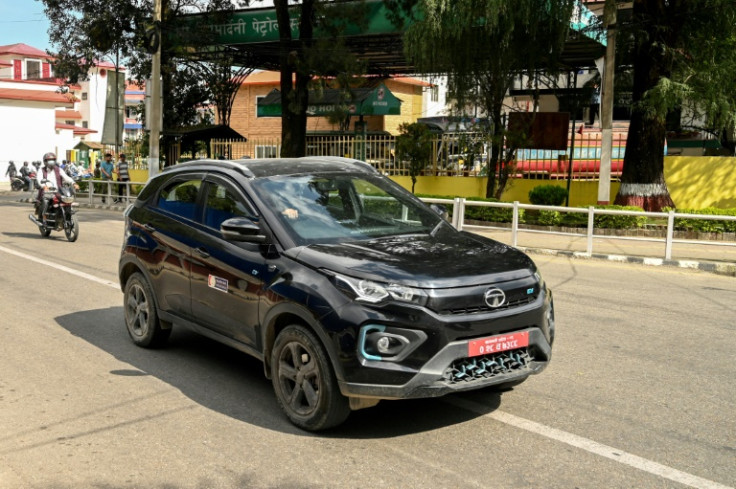
AFP

Industry analysts estimate roughly 800,000 EVs could hit the secondary market by 2028 as three-year leases signed during the height of federal tax credit incentives begin expiring. The influx — peaking around 2027 and 2028 — threatens to drive down prices further, saddling manufacturers and their finance arms with potential losses of up to $8 billion.
The numbers are staggering. EV lease returns are projected to climb from about 123,000 in 2025 to 300,000 in 2026 and double to 600,000 in 2027, according to recent forecasts. That cumulative surge of more than 1 million vehicles over several years will dramatically reshape the used-car landscape.
Many of these returning EVs were leased when new models qualified for the $7,500 federal tax credit, spurring aggressive manufacturer leasing programs. Tesla, General Motors, Hyundai-Kia, Ford and others pushed leases to move inventory. Now those vehicles are returning with residual values far below what captive finance arms projected just a few years ago.
A three-year-old EV today retains roughly 40% of its original value, down sharply from near 90% in earlier periods, according to data cited by Automotive News. The gap between lease-end expectations and actual market prices could average $5,000 to $20,000 per vehicle, with analysts pegging the industry hit at around $10,000 on average.
Tesla faces the greatest exposure, having leased nearly 229,000 EVs in 2025 alone. GM follows with about 102,000. Combined losses for major players could exceed $1 billion each in the peak year depending on how aggressively they adjust residuals going forward.
The threat comes at a precarious time for the EV transition. New EV sales dropped 28% in the first quarter of 2026 after the expiration of federal tax credits, falling to roughly 212,600 units. Yet the used market tells a different story: Americans bought a record 42,924 used EVs in March alone, up nearly 28% from a year earlier. First-quarter used EV sales reached 93,500 units, up 12% year-over-year.
Used EV prices have fallen dramatically, now sitting within about $1,300 of comparable gasoline vehicles — the narrowest gap in years. That affordability is drawing in buyers deterred by high new-car sticker prices and range anxiety.
“These off-lease vehicles will increase consideration for EVs for a lot of used-car shoppers,” Stephanie Valdez Streaty, Cox Automotive’s director of insights, told reporters. Higher gasoline prices above $4 a gallon in many markets are accelerating the shift.
For consumers, the flood represents opportunity. Late-model EVs with low mileage, remaining factory warranties and advanced features are appearing at dealerships and online marketplaces at steep discounts. Popular models like the Tesla Model 3 and Model Y, Chevrolet Bolt, Ford Mustang Mach-E and Hyundai Ioniq 5 are expected to dominate the wave.
Dealers are bracing for the inventory surge. Off-lease EVs could make up nearly 15% of used-vehicle supply by the end of 2026, up from much lower levels. While this boosts selection and potentially foot traffic, it also compresses profit margins on both new and used lots as buyers compare options.
Automakers worry the cheap used supply will cannibalize new EV demand. Why pay full price for a new model when a two- or three-year-old version costs tens of thousands less? This dynamic already forced some brands to slash new EV prices or pull models entirely in 2026.
The depreciation curve for EVs has proven steeper than anticipated. Rapid technological improvements — longer ranges, faster charging, cheaper batteries — make even recent models feel outdated quickly. Battery health concerns, though often overstated with proper data from services like Recurrent, still give some buyers pause.
Yet real-world data shows many off-lease EVs retain strong battery capacity. Most come with 70% to 90% state of health after typical use, well within warranty coverage that often extends eight years or 100,000 miles.
The flood also highlights shifting manufacturer strategies. Several automakers have dialed back EV ambitions, prioritizing hybrids and extending gasoline vehicle production as consumer demand cooled. Lease penetration for EVs, once double the industry average, is expected to decline.
Still, the used boom could ultimately benefit the broader EV ecosystem. First-time electric drivers often become repeat buyers. Affordable entry points via the used market may accelerate mainstream adoption, especially as charging infrastructure expands and electricity prices remain favorable compared to volatile gasoline.
Cox Automotive and other forecasters see used EVs as a bridge. With total used-vehicle sales dwarfing new-car volume, even modest market share gains for electrics in the secondary market can move the needle on overall electrification.
Challenges remain for the industry. Dealers must invest in EV-specific training, charging infrastructure and battery certification programs to build buyer confidence. Wholesale auctions are already seeing increased EV volume, pressuring prices downward.
Some automakers are responding by adjusting lease terms, lowering new-vehicle prices or offering incentives to prop up residuals. Others are exploring certified pre-owned programs with extended warranties to differentiate their off-lease inventory.
The situation echoes past automotive disruptions, such as the flood of off-lease vehicles after the 2008 financial crisis or the rapid shift to SUVs. This time, the technology transition adds complexity.
Environmental benefits could be significant. More used EVs on the road means fewer gasoline vehicles and reduced emissions, even if new sales slow. Battery recycling and second-life applications for retired packs offer additional upside.
For now, the immediate pressure falls on balance sheets. Finance executives at automakers are scrambling to model scenarios and mitigate losses through remarketing strategies and earlier residual adjustments on new leases.
Analysts caution that not every manufacturer will feel equal pain. Those with stronger brand loyalty and better residual performance, particularly in premium segments, may fare better. Mass-market players with heavier exposure could face tougher choices.
As the first major wave of lease returns builds through late 2026, the industry watches closely. Will demand absorb the supply without a price collapse? Or will the market require deeper discounts and manufacturer subsidies?
One thing is clear: The used EV market has arrived as a major force. For buyers hunting deals, 2026 and beyond look like a buyer’s paradise. For carmakers, it’s a costly reminder that the road to electrification includes sharp turns and unexpected bumps.
The coming deluge of nearly 800,000 used EVs will test the resilience of the auto industry’s EV strategy. How manufacturers navigate the resale reckoning could shape the pace of electric adoption for years to come.
You must be logged in to post a comment Login