







Connect with us
DAPA Banner
DAPA Coin
DAPA
COIN PAYMENT ASSET
PRIVACY · BLOCKDAG · HOMOMORPHIC ENCRYPTION · RUST
ElGamal Encrypted MINE DAPA
🚫 GENESIS SOLD OUT
DAPAPAY COMING

Business

After an Epic Fall, IBM Faces a Long Road Back to Relevance

Published

on

After an Epic Fall, IBM Faces a Long Road Back to Relevance
Continue Reading
Click to comment

You must be logged in to post a comment Login

Leave a Reply

Business

Truist Q2 2026: Adequate Results, Inadequate Vision

Published

on

Truist Q2 2026: Adequate Results, Inadequate Vision

Truist Q2 2026: Adequate Results, Inadequate Vision

Continue Reading

Business

American Heart Association Says Drinking Up to Five Cups of Coffee Daily Is Safe and May Help Hearts

Published

on

Coffee/Caffeine

For millions of people who reach for a cup of coffee or two each morning, a new scientific statement from the American Heart Association offers some welcome reassurance: moderate coffee consumption is not only safe for most adults, but may actually be beneficial for heart health.

The statement, published in the journal Circulation, was compiled by a team of researchers who reviewed the most recent scientific data on caffeine’s effects on the body, drawing from a wide range of existing studies examining outcomes such as blood pressure, cholesterol, and the risk of developing metabolic and cardiovascular diseases.

A reassuring bottom line for coffee drinkers

According to the review, most people don’t need to feel guilty about their daily coffee habit. The statement concluded that a couple of cups a day are unlikely to cause harm for the majority of adults, and in many cases may actually provide measurable health benefits.

Advertisement

Gregory Marcus, a cardiologist at the University of California, San Francisco, and chair of the AHA volunteer writing group behind the statement, summarized the findings in straightforward terms. “Caffeine consumed in coffee is a key part of daily life for millions of people,” Marcus said. “In our review of the most recent research, for most adults, intake of up to 400 milligrams of caffeine per day, the equivalent of up to five cups of caffeinated coffee per day without added sugars or fillers, is safe and does not increase cardiovascular risk.”

Important caveats around moderation and additives

The statement’s authors were careful to note several key caveats alongside their broadly positive findings. As with most dietary recommendations, moderation remains central to the equation, and any potential health benefits associated with coffee can be significantly diminished, or eliminated entirely, once cream, sugar, artificial sweeteners, flavored syrups or other additives are introduced.

The specific source of caffeine also appears to matter considerably. According to the review, coffee and tea provide additional antioxidants and bioactive compounds that appear to contribute to their associated health benefits, a quality not shared by other caffeine sources. Energy drinks, by contrast, often contain higher concentrations of caffeine alongside sugar and other ingredients that researchers say can offset or reverse any potential cardiovascular benefits.

Advertisement

A complicated but generally positive picture

The AHA’s statement focused specifically on caffeine’s relationship to a range of cardiovascular risk factors, including blood pressure and diabetes, as well as specific forms of cardiovascular disease such as arrhythmias, coronary artery disease, stroke and heart failure. The overall picture that emerged from the research review was described by the authors as complex, but generally favorable toward moderate coffee consumption.

Among patients who already have hypertension, the review found that caffeine intake was associated with an acute spike in blood pressure. However, findings were more nuanced among people with otherwise normal blood pressure levels, where drinking one to three cups of coffee daily was linked to an increased risk of developing hypertension over time, while drinking more than three cups daily appeared to actually decrease that risk.

Once again, the specific beverage source proved significant in shaping these outcomes. One study cited in the review found that energy drink consumption was linked to increased blood pressure, while coffee consumption was associated with a reduced risk. The researchers offered a possible explanation for that divergence, writing that the contrasting outcomes may stem from differences in caffeine concentration alongside the presence of other bioactive compounds, such as taurine in energy drinks and chlorogenic acid in coffee, which appear to have opposing effects on blood pressure regulation.

Advertisement

Coffee linked to lower diabetes and heart disease risk

The studies reviewed by the AHA also consistently linked habitual coffee consumption with a reduced risk of developing type 2 diabetes. One study cited in the statement found a 27% lower diabetes risk among women who drank three or more cups of coffee daily compared with those who abstained entirely, while another study found a 30% lower risk among people who consumed five cups per day.

Coffee consumption was also associated with a reduced risk of coronary artery disease. A meta-analysis encompassing 30 separate studies found that consuming up to 3.5 cups of coffee daily was linked to a roughly 10% lower risk of the disease. A separate study drawing on data from the UK Biobank found that drinking up to five cups per day was associated with a lower coronary artery disease risk compared with abstaining entirely, with two to three cups appearing to represent an optimal range. That particular study suggested the observed benefits might stem from compounds in coffee beyond caffeine itself.

A similar protective pattern emerged for stroke risk, with one meta-analysis finding that individuals who drank three to four cups of coffee daily saw their stroke risk reduced by 21% compared with non-coffee drinkers.

Advertisement

What the researchers concluded

Taken together, the AHA’s statement concluded that a growing body of scientific evidence supports the safety of moderate caffeine consumption, with coffee specifically appearing to offer measurable cardiovascular benefits. “The convergence of evidence from large cohort studies and small randomized controlled trials supports the conclusion that moderate caffeine or coffee consumption… is safe for most adults and is associated with lower risk of cardiovascular disease, including coronary heart disease, stroke, heart failure, and atrial fibrillation, as well as hypertension and type 2 diabetes,” the researchers wrote in their report.

Where more research is needed

Despite the broadly encouraging findings, the study’s authors emphasized that additional research is still needed to more precisely disentangle caffeine’s specific effects from those of other compounds found in coffee, to explore caffeine sources beyond coffee in greater depth, and to better understand how these effects may differ among people who already have hypertension or other underlying health conditions. For now, the statement offers coffee drinkers a science-based reassurance that their daily habit, enjoyed in moderation and without excessive additives, is unlikely to pose a meaningful risk to their cardiovascular health, and may even offer some measurable protective benefits along the way.

Advertisement
Continue Reading

Business

Jingye demands compensation from UK

Published

on

Jingye demands compensation from UK

The Chinese owner of British Steel has demanded compensation from the UK government, accusing ministers of “trampling on international investment rules” just days after the Scunthorpe steelmaker was taken into public ownership.

Jingye, which bought British Steel for £70 million in 2020 after the business fell into the hands of the Official Receiver, said it had started formal consultations under bilateral investment agreements. Announcing the move on WeChat, the Chinese social media platform, the Beijing-based group did not hold back.

“The UK disregarded Jingye’s continuous investment and significant contribution and was only willing to provide almost zero compensation,” the company said.

The claim lands less than a week after ministers brought British Steel back into public ownership to protect “the future of steel production” in the UK. The Department for Business and Trade said renationalisation was essential to maintain steel supplies for the rail and construction industries, and to protect the Scunthorpe plant and its supply chains.

For the fabricators, builders and engineering firms that depend on Scunthorpe’s output, the intervention headed off a collapse that unions had warned would carry an “unfathomable” cost. Jingye’s counterattack does not change that day-to-day picture, but it opens a second front that smaller firms trading with China, or courting Chinese backers, will want to watch.

Advertisement

Beijing has already weighed in. China’s ministry of commerce warned on Friday that Britain’s move was “a severe blow to Chinese companies’ confidence in investing in the UK”. The government’s decision last year to take operational control of Scunthorpe after Jingye threatened to close it, followed by legislation to nationalise the business, had earlier prompted Beijing to warn Sir Keir Starmer to “avoid the abuse of administrative coercive measures”.

The bill for the taxpayer is mounting either way. Jingye said it expected government spending to operate British Steel to have passed £600 million by the end of June, up from £377 million at the end of January, and possibly rising above £1.5 billion by 2028.

Renationalisation forms part of a £2.5 billion government commitment to convert the country’s last two polluting, energy-intensive blast furnace operators into so-called green steel plants, where electric arc furnaces melt recycled steel instead.

Whether Jingye sees a penny is now a question for an independent valuer, required under the Steel Industry (Nationalisation) Act to assess whether any compensation is payable. The compensation scheme will be set up through regulations expected in autumn.

Advertisement

A government spokeswoman said: “The government held commercial negotiations with Jingye but it wasn’t possible to reach an agreement that represented value to the taxpayer, so we acted to secure the future of UK steelmaking and protect skilled jobs.

“We highly value our relationship with China and remain open to Chinese investment, and we will continue to work together to deliver a successful trading relationship that provides the best opportunities for British businesses.”

British Steel has been passed around like an unwanted heirloom since privatisation in 1988. Tata took control in 2007, then broke the business up after a financial crisis in 2015, selling Scunthorpe for a nominal £1 to Greybull Capital, which revived the British Steel name. Jingye picked it up when that venture failed, promising billions in investment that the government evidently concluded would never arrive.

For business owners, the practical takeaway is twofold. Steel supply for rail and construction is secure for now, at public expense. But the sight of the state taking a Chinese-owned asset, and Beijing’s sharp response, is a reminder that the UK’s investment relationship with China just became considerably more complicated.

Advertisement

Jamie Young

Jamie Young

Jamie Young is Senior Reporter at Business Matters, covering SME finance, employment law and Westminster policy since 2016. He has reported on every Budget and Autumn Statement since 2018, helped make sense of the ‘covid era’ and the bounce-back loan scheme from launch through the fraud investigations, and broke the magazine’s coverage of the 2024 late-payment reforms. He joined Business Matters straight from completing his BA in Administration from Exeter University and is NCTJ-qualified. Reach him at jyoung@cbmeg.co.uk

Advertisement
Continue Reading

Business

UKREiiF Australia 2027: first overseas event announced

Published

on

UKREiiF Australia 2027: first overseas event announced

The company behind UKREiiF, the Leeds forum that has grown in four years into the UK’s largest gathering for real estate and infrastructure, is taking its model overseas. Australia has been chosen as the venue for its first international event, launching in 2027.

It is a striking piece of British export success from a business that did not exist five years ago. Since launching in 2022, UKREiiF has grown to more than 17,000 delegates in 2026, and the organisers say they are aware of over £4 billion of investment and development activity, either at planning stage or with spades in the ground, that flowed directly from introductions made at the event.

The economic case for hosting it is equally instructive for any town courting the events industry. The three-day forum generates over £20 million annually for the economy of Leeds and West Yorkshire, has created more than £7 million in social value, and showcases over £300 billion of investable UK opportunities to investors, developers and occupiers each year. Little wonder the city fought to keep its host status through 2026.

The Australian event will replicate that formula: connecting international and domestic investors, developers and occupiers with opportunities in states, cities and towns to drive regeneration and growth. Alongside commercial, residential, transport, infrastructure and retail, it will take in emerging sectors including renewable energy, digital infrastructure and defence.

Nathan Spencer, Founding Director and Managing Director of UKREiiF, said: “Australia is entering an extraordinary period of growth, and the global players within our industry are frequently discussing the opportunities coming forward in the country. Our ambition is to create something genuinely different for the Australian market – a major international festival that tells the stories of each state, city and town across Australia, and one that builds the relationships that see global capital deployed and projects moved forward.”

Advertisement

For UK firms, the timing matters. Australia is one of the few major markets where British businesses trade under a full free trade agreement, which removed tariffs on UK goods exports and opened access to around £10 billion of Australian government contracts each year. The deal was billed at the time as cutting red tape for exporting SMEs, and a festival built on introductions could give British consultancies, contractors and advisers a shop window in a market hungry for built environment expertise.

There is a wry footnote for Westminster too. At a moment when overseas investment in UK commercial property has fallen sharply, one of Britain’s most effective machines for courting global capital is now offering its services to a rival destination.

Matt Christie, Founding Director and Director of External Affairs at UKREiiF, added: “The event will build on the principles that have driven UKREiiF’s growth, including its festival-style, strong public and private sector participation and focus on connecting places and projects with investors, development partners and the wider built environment who are so crucial to making successful schemes happen.”

The company says the Australian event will retain the values it champions at home, from sustainability to diversity and inclusion, with a commitment to a platform reflecting “the breadth of communities, perspectives and voices that shape Australia”.

Advertisement

Jamie Young

Jamie Young

Jamie Young is Senior Reporter at Business Matters, covering SME finance, employment law and Westminster policy since 2016. He has reported on every Budget and Autumn Statement since 2018, helped make sense of the ‘covid era’ and the bounce-back loan scheme from launch through the fraud investigations, and broke the magazine’s coverage of the 2024 late-payment reforms. He joined Business Matters straight from completing his BA in Administration from Exeter University and is NCTJ-qualified. Reach him at jyoung@cbmeg.co.uk

Advertisement
Continue Reading

Business

Kremlin says it would welcome Rubio-Lavrov contacts at ASEAN event

Published

on


Kremlin says it would welcome Rubio-Lavrov contacts at ASEAN event

Continue Reading

Business

Fenix secures approval to build next Mid West iron ore mine

Published

on

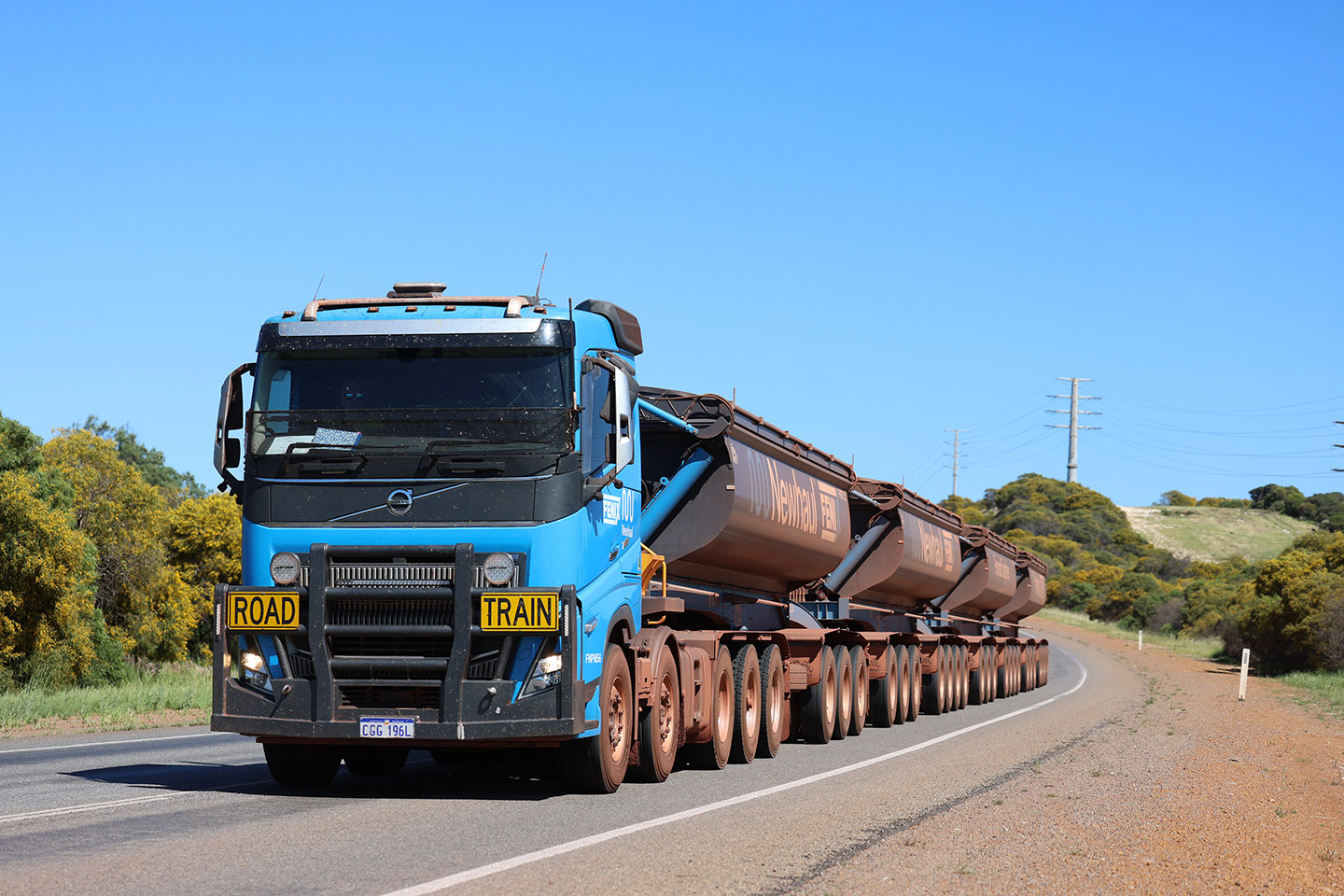
Fenix secures approval to build next Mid West iron ore mine

Regulatory approvals of Fenix Resources’ next iron ore mine have been secured, paving the way for development of a Mid West mining hub.

Continue Reading

Business

Farming unions react to Welsh Government’s Sustainable Farming Scheme funding plans

Published

on

Business Live

It will provide more than £1bn to Welsh farmers up to 2030

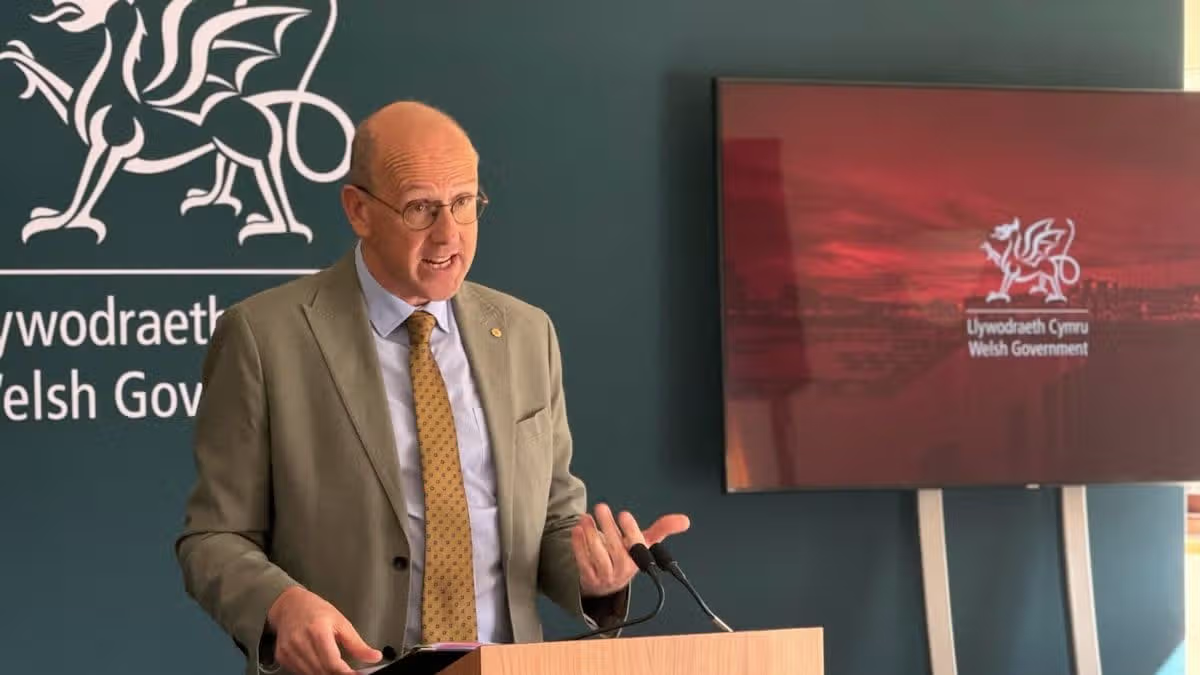
Cabinet Minister for Rural Resilience and Sustainability Llyr Gruffydd.

Welsh farmers will receive over £1bn across this Senedd term to support sustainable agriculture, which the Welsh Government said will give the sector the long-term certainty needed to plan and invest with confidence.

Cabinet Minister for Rural Resilience and Sustainability, Llyr Gruffydd, made the announcement at the Royal Welsh Show. The commitment delivers £340m per year for three years to March 2030 for the Sustainable Farming Scheme (SFS), including a guaranteed £238m per year for the universal layer and £102m for delivering the optional and collaborative layers.

Advertisement

The settlement though is around the same as farms have been receiving since 2012. The sector has been seeking £500m to take account of inflation.

The Welsh Government said the move ends the year-to-year funding model that has made long-term planning difficult for farming businesses. It fulfils a pledge made in the Plaid Cymru Government’s first 100 days to provide a multi-annual budget for the SFS.

Mr Gruffydd said: “Giving farmers only 12 months’ line of sight to funding is not sufficient. We know how hard it is to plan and make business decisions without knowing what funding is coming. Farmers told us loud and clear they need certainty and stability – and that is exactly what we are delivering.”

Following early feedback from the independent review into the bureaucratic burden on family farms, led by John Davies, the minister also announced early action to cut red tape for farmers.

Advertisement

The Welsh Government has announced a simplification of the approach for the Animal Health Improvement Cycle (AHIC) in the universal layer of the SFS. The Welsh Government said it will work with any interested farm assurance scheme to ensure requirements are aligned, meaning farmers in those schemes will only need to complete one form from 2027 delivering two outcomes from a single vet visit: farm assurance and SFS compliance.

The minister also announced that the roll out of some optional actions and that the new window of the Integrated Natural Resources Scheme will open later in the year, a key element feeding into the collaborative layer.

Welsh Conservative Shadow Farming Minister Andrew RT Davies said: “This represents a real terms cut to farming support and falls far short of what farmers warned is required. “Plaid Cymru separatists have found money to fund a Nation of Sanctuary for asylum seekers, but won’t fund Welsh farming adequately. Their priorities are all wrong.”

NFU Cymru President Abi Reader said: “It is the universal layer – and in particular the social value payment within this layer – that provides stability to farm businesses. It is this support that underpins the production of high-quality food for the nation, keeps farming families on the land and supports our rural communities, heritage, culture and language. That is why we warmly welcome the confirmation that the cabinet minister will stick with the 70:30 (universal and optional and collaborative layers) split for the length of this Senedd term.

Advertisement

“This year we have seen farm-gate prices fall in some key sectors and input prices soar in response to global instability. This move to a ring-fenced multi-annual system of farm support, coupled with a 70:30 funding split, will underpin the financial resilience of family farms and help them ride out these challenges, whilst at the same time helping deliver on our ambition for the sustainable growth of the sector.

“Farming is a long-term business with production and business investment cycles which run into many years. By moving away from a funding arrangement which offered no funding certainty from one year to the next, and by allocating 70% of the funding resource to the universal layer, the Welsh Government has recognised the volatile marketplace and complex long-term production cycles we work within. I very much commend the Welsh Government on its announcement, one that provides long term stability not just to Welsh farming but, as evidenced by all the businesses in attendance at the show, also to all those who rely on Welsh agriculture for so much of their income.”

FUW president, Ian Rickman said: “Recent years have brought significant financial uncertainty for the farming sector in Wales, making it increasingly difficult for businesses to plan with confidence and make informed long-term financial decisions.The FUW has consistently called for a five-year funding framework, so today’s commitment to provide certainty until March 2030 is a welcomed relief for the family farms of Wales. It provides much-needed stability and a stronger foundation for the remainder of the decade, giving businesses greater confidence to plan for the future.

“The minister’s commitment should also be viewed in the context of mounting budgetary pressures and evolving decisions in Westminster, both of which could have significant implications for Wales over the coming years.

Advertisement

“Our Senedd Election manifesto emphasised that Welsh farmers should not be disadvantaged for transitioning to a new system of support that places greater societal and environmental demands on their businesses. On this basis, we continue to highlight the need to increase the base-level funding of the SFS to mitigate any economic impacts and match the policy ambitions of the Welsh Government.

“To this end, we will continue to work closely with the Welsh Government to ensure that the universal baseline payment rates are appropriate, and that every penny of the SFS budget is received by the active farmers of Wales.

“Providing farming businesses with the certainty they need to make informed decisions is essential. Today’s announcement therefore represents a major milestone for agricultural support in Wales and an important step towards delivering the long-term confidence that Welsh farmers have been seeking.”

Victoria Bond, director of the Country Land and Business Association Cymru, said:“We are pleased that the Welsh Government has listened to the sector and delivered on its pledge for multi-annual funding. Certainty is essential for farmers and rural businesses that form the backbone of Wales’ countryside. This announcement at the Royal Welsh Show sends a positive signal and we particularly note the early steps to cut red tape following the John Davies review.

Advertisement

“Simplifying the animal health improvement cycle and aligning it with existing farm assurance schemes from 2027 is a sensible move that will reduce bureaucracy and ease the burden on farmers. However, success will depend on practical implementation, clear guidance and genuine partnership working with the sector. We will continue to push for further reductions in red tape burdens so that farmers can focus on delivering environmental, social and economic outcomes on the ground.”

Continue Reading

Business

Natco Pharma shares surge 5% after US FDA’s tentative nod Olaparib tablets

Published

on

Natco Pharma shares surge 5% after US FDA's tentative nod Olaparib tablets
Natco Pharma shares climbed as much as 4.5% on Monday, touching an intraday high of Rs 987.55 on the NSE, after the company announced that it has received tentative approval from the United States Food and Drug Administration (U.S. FDA) for its generic version of Olaparib Tablets.

The pharmaceutical company informed exchanges that the U.S. FDA has granted tentative approval for Olaparib Tablets in 100 mg and 150 mg strengths, which are bioequivalent to AstraZeneca‘s drug Lynparza. The approval covers the indications specified in the reference-listed drug’s approved labelling.

Natco Pharma will manufacture the Olaparib tablets, while its marketing partner Alembic Pharmaceuticals Ltd. will commercialise and distribute the product in the U.S. market. The company also noted that the Para IV patent litigation remains ongoing.

According to industry sales data, Olaparib tablets generated estimated U.S. sales of approximately $1.4 billion for the 12 months ended March 2026, highlighting the significant market opportunity once the product receives final approval and litigation hurdles are resolved.

Advertisement

Recent corporate development

The FDA update comes just a few days after Natco Pharma strengthened its international footprint through a strategic acquisition.

On July 14, the company completed the acquisition of an additional 13.25% stake in Adcock Ingram Holdings Proprietary Limited, one of South Africa’s leading pharmaceutical and healthcare companies.


The transaction, executed through its wholly-owned subsidiary Natco Pharma South Africa Proprietary Limited, increased Natco’s stake in Adcock Ingram from 35.75% to 49%. The acquisition was completed for an aggregate consideration of around ZAR 1.81 billion (approximately Rs 1,060 crore).

Stock Performance

Natco Pharma shares touched an intraday high of Rs 987.55 on Monday. Despite the gains, the stock continues to trade well below its 52-week high of Rs 1,226.80, while its 52-week low stands at Rs 789.
The company currently commands a market capitalisation of approximately Rs 16,925 crore.

Valuation Snapshot

Natco Pharma is trading at a price-to-earnings (P/E) ratio of 11.93 and a price-to-book (P/B) ratio of 1.83, indicating relatively modest valuations compared with many pharmaceutical peers.

Advertisement

Technical Outlook

On the technical charts, the stock’s 14-day Relative Strength Index (RSI) stands at 47.6, suggesting neutral momentum. Typically, an RSI reading below 30 is considered oversold, while a reading above 70 indicates overbought conditions.In terms of moving averages, the stock is trading below four of its eight key simple moving averages (SMAs) but continues to remain above its long-term 150-day and 200-day SMAs, reflecting resilience in the broader trend despite near-term weakness.

Shareholding Trend

Institutional shareholding data for the June 2026 quarter showed mixed trends. Foreign Institutional Investors (FIIs) reduced their stake to 16.99% from 17.37% in the previous quarter, while Mutual Funds increased their holdings to 1.92% from 1.72%, signalling selective domestic institutional buying.

(Disclaimer: Recommendations, suggestions, views and opinions given by the experts are their own. These do not represent the views of The Economic Times)

Advertisement
Continue Reading

Business

Burnham enters No 10 with eight in ten SME owners braced for impact

Published

on

Tracy Brabin leads West Yorkshire trade mission to Switzerland and Germany

Andy Burnham has become Britain’s seventh prime minister in a decade, walking into Downing Street with a pledge of relief for the high street in one hand and a small business community bracing for impact on the other.

Buckingham Palace confirmed the appointment on Monday. “His Majesty received in audience the Rt Hon Andrew Burnham MP and requested him to form a new administration,” a spokesman said. “The Rt Hon Andrew Burnham MP accepted The King’s offer and kissed hands upon his appointment as prime minister and first lord of the treasury.”

No actual kissing took place, the phrase being the traditional shorthand for accepting the King’s invitation to form a government. The business community will hope the rest of the new administration’s promises prove less ceremonial.

Burnham’s rise has been remarkably swift. The former Greater Manchester mayor became MP for Makerfield only four weeks ago, took the Labour leadership on Friday following Sir Keir Starmer’s resignation, and now heads a government facing an autumn Budget with precious little room for manoeuvre.

For the owners of Britain’s 5.5 million small firms, the question is not the constitutional choreography but what the new prime minister intends to do with the power he has just acquired.

Advertisement

On that, there are early signals. Burnham has pledged a 20 per cent business rates cut for pubs, clubs and music venues, with the rates threshold for smaller independent hospitality, leisure and retail firms raised for the first time since 2017, funded by higher levies on the giant distribution sheds of the online retailers.

He has also promised to honour Labour’s 2024 manifesto commitments not to raise VAT, income tax or national insurance. “I stick by the manifesto and the promises that it made,” he said before taking office. “So, let me be absolutely clear about that, but there is some room within that manifesto for movement on tax.”

That last clause is the one to watch. Any rebalancing would come on top of the permanently lower business rates multipliers introduced for retail, hospitality and leisure properties from April, and would mark a further shift of the property tax burden away from the high street.

The economic inheritance, however, is unforgiving. Figures from the Office for National Statistics show the economy grew by just 0.1 per cent in May, with services doing almost all the heavy lifting while production and construction contracted.

Advertisement

Ben Caswell, senior economist at the National Institute of Economic and Social Research, put it bluntly: “With volatile energy prices, higher inflation on the horizon, and fragile public finances, the new PM inherits a stagflationary economy and will have just under three years to turn around a tough economic situation.”

Nor does Burnham start with the benefit of the doubt. Exclusive research shared with Business Matters last month found that eight in ten SME owners fear what a Burnham premiership will mean for their business, anxiety rooted in his interventionist instincts and past flirtations with a land value tax.

In his first remarks as prime minister in waiting, Burnham promised to make politics “less toxic”, to improve living standards across the country and to “bring back the hope we have all been missing.”

Hope, though, is not a line item in a cash flow forecast. For SME owners, the real test arrives with the autumn Budget, when the gap between the new prime minister’s high street sympathies and the state of the public finances will have to be reconciled. Until then, Britain’s business owners will do what they have learned to do through six previous prime ministers: keep calm, and keep the overdraft facility open.

Advertisement

Paul Jones

Harvard alumni and former New York Times journalist. Editor of Business Matters for over 15 years, the UKs largest business magazine. I am also head of Capital Business Media’s automotive division working for clients such as Red Bull Racing, Honda, Aston Martin and Infiniti.

Advertisement
Continue Reading

Business

Analysis: One Nation leader served up for breakfast

Published

on

Analysis: One Nation leader served up for breakfast

ANALYSIS: All eyes will be on The West editor-in-chief as he hosts a corporate breakfast starring Pauline Hanson, fresh from her European holiday with billionaire backer Gina Rinehart.

Continue Reading

Trending

Copyright © 2025