Connect with us
DAPA Banner
DAPA Coin
DAPA
COIN PAYMENT ASSET
PRIVACY · BLOCKDAG · HOMOMORPHIC ENCRYPTION · RUST
ElGamal Encrypted MINE DAPA
🚫 GENESIS SOLD OUT
DAPAPAY COMING

Business

AI Could Touch 80 Million ASEAN Jobs, But the ILO Says Disruption Isn’t Here Yet

Published

on

Driving Change Through Technology for Nonprofits in Asia-Pacific
  • A 2025 ILO policy brief estimates that nearly 80 million workers across ASEAN — roughly 23 percent of total employment — hold jobs with meaningful exposure to generative AI. Only about 11.7 million fall into the highest-exposure category, and two-thirds of the regional workforce shows no identified exposure. Employment in exposed occupations has continued to grow despite increasing AI contact.
  • Thailand ranks at 20.6 percent exposure, near the regional middle, while Singapore leads at 42.2 percent. The ILO highlights a preparedness gap between how exposed workforces are and how ready institutions are to respond. Women face disproportionately high exposure due to concentration in clerical and professional roles, and informal workers remain largely outside the data.

A new policy brief from the International Labour Organization puts a hard number on a question that has hovered over Southeast Asian boardrooms and finance ministries for the past two years: how many jobs in the region actually sit in the path of generative AI. The answer, released this week, is nearly 80 million.

What the ILO found

According to the ILO’s 2025 estimates, 22.9 percent of total employment across ASEAN — close to 80 million workers — sits in occupations with more than a minimal degree of potential exposure to generative AI. The brief, titled “Generative AI and labour markets in ASEAN: Significant exposure, limited disruption, uneven preparedness,” is careful to separate exposure from displacement. Only 3.3 percent of the regional workforce, around 11.7 million people, falls into the “highest exposure” category, and roughly 67 percent of ASEAN employment shows no identified GenAI exposure at all.

The report’s own framing captures the tension: significant exposure, but limited disruption so far. Employment in the most exposed occupations has kept growing even as GenAI touches more of the workforce, and actual adoption remains concentrated in technology-heavy roles, with much slower uptake in office and administrative jobs despite their higher exposure scores.

Where Thailand sits in the regional picture

Singapore tops the exposure ranking at 42.2 percent of total employment, a reflection of its finance- and tech-heavy economy. The Philippines follows at 28.1 percent, driven by its large IT and business process outsourcing sector, then Indonesia at 21.7 percent and Vietnam at 20.8 percent. Thailand comes in at 20.6 percent, near the middle of the pack and meaningfully below Singapore’s exposure level.

That positioning is worth reading alongside Thailand’s own AI trajectory. Microsoft recently reported that Thailand ranks second worldwide for AI adoption growth, with workplace AI adoption up 36.4 percent year-on-year. The two data points aren’t contradictory — fast-growing adoption from a low base is consistent with occupational exposure that hasn’t yet caught up to Singapore’s. The Thai government’s own 25 billion baht AI development programme allocates 6 billion baht specifically to building a skilled AI workforce, which suggests policymakers are already positioning for exposure to rise.

Advertisement

A gender gap inside the numbers

One of the more striking findings concerns who bears the exposure. Women are more than twice as likely as men to work in occupations with high GenAI exposure, a pattern the ILO links to their concentration in clerical, administrative, and professional roles. Young workers aged 15 to 24 show broadly similar exposure levels to older adults, suggesting this isn’t primarily a generational story.

The preparedness gap

Perhaps the most useful concept in the brief is what the ILO calls the preparedness gap — the distance between how exposed a country’s workforce is and how ready its institutions are to manage that exposure. Singapore is held up as the clearest example of high exposure matched with high preparedness, combining advanced digital infrastructure, strong talent availability, and a coordinated government strategy. The implicit question for the rest of ASEAN, Thailand included, is whether exposure will keep climbing faster than the institutional response.

That question sits close to ground Thailand has already been covering on other fronts. The country’s data centre and AI infrastructure buildout is running into its own talent shortage, with demand for skilled data-centre professionals outpacing supply. And in the informal economy, the ILO has separately noted that more than 16 percent of ASEAN youth were not in education, employment, or training in 2024 — a workforce segment the GenAI exposure figures don’t fully capture, since informal work accounts for a large share of employment in Thailand, Cambodia, and Indonesia.

The investment read

For now, the ILO’s message to policymakers and investors is one of urgency without alarm: the potential for labour market transformation is real, but the disruption itself hasn’t materialised yet. That gives ASEAN governments, Thailand’s among them, a window to build the reskilling and social protection systems the report calls for before adoption catches up to exposure. Whether that window stays open depends largely on how quickly GenAI moves from technology-sector adoption into the office and administrative roles where exposure is highest but uptake has so far lagged.

Advertisement

Continue Reading
Click to comment

You must be logged in to post a comment Login

Leave a Reply

Business

MinRes' crushing arm widens crane fight

Published

on

MinRes' crushing arm widens crane fight

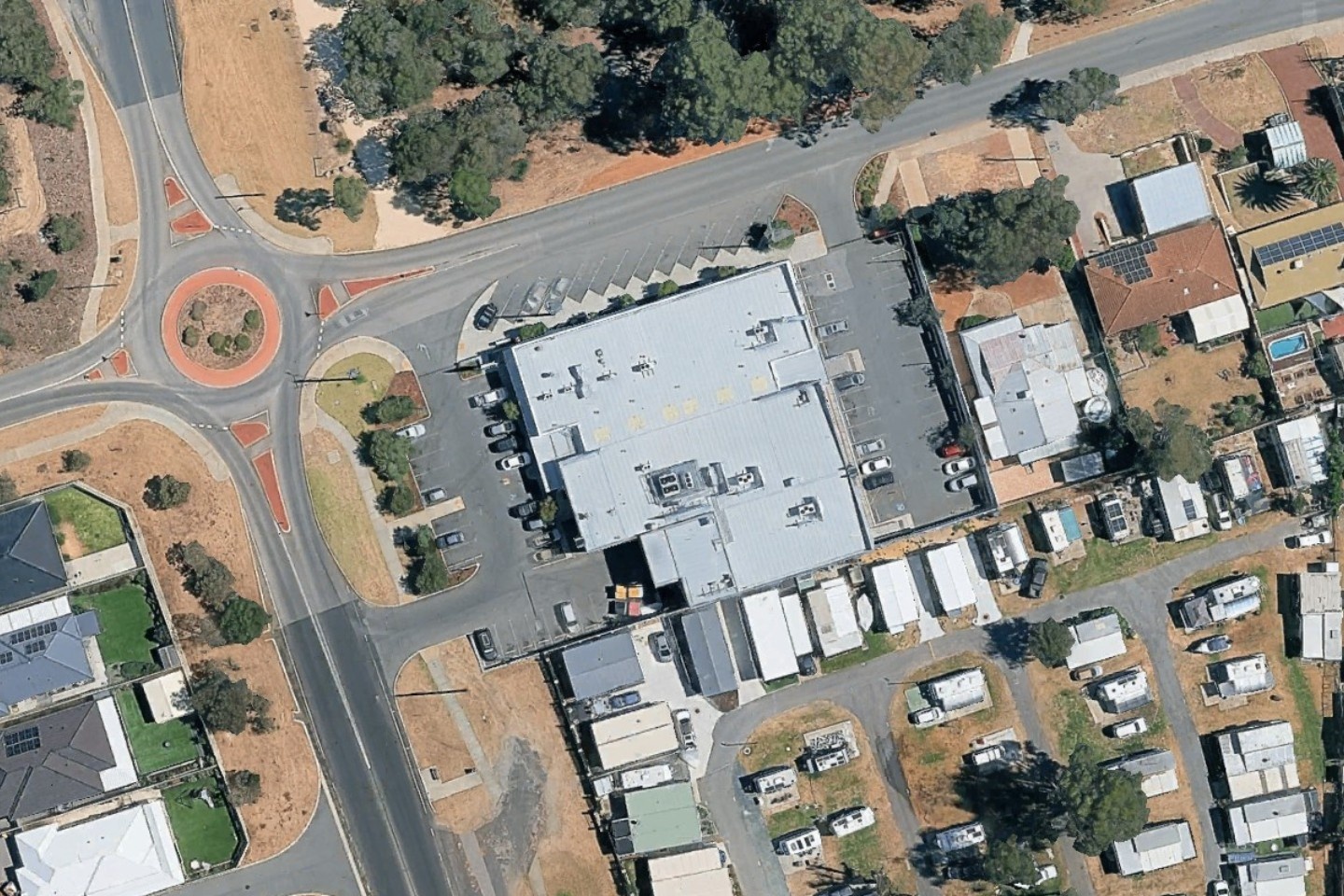
Mineral Resources’ CSI subsidiary has made a Swan Valley business a target in its legal campaign to find those responsible for the toppling of a crane at Mt Whaleback.

Continue Reading

Business

PNB shares jump 7% in 2 days after Q1 earnings. Should you buy, sell or hold?

Published

on

PNB shares jump 7% in 2 days after Q1 earnings. Should you buy, sell or hold?
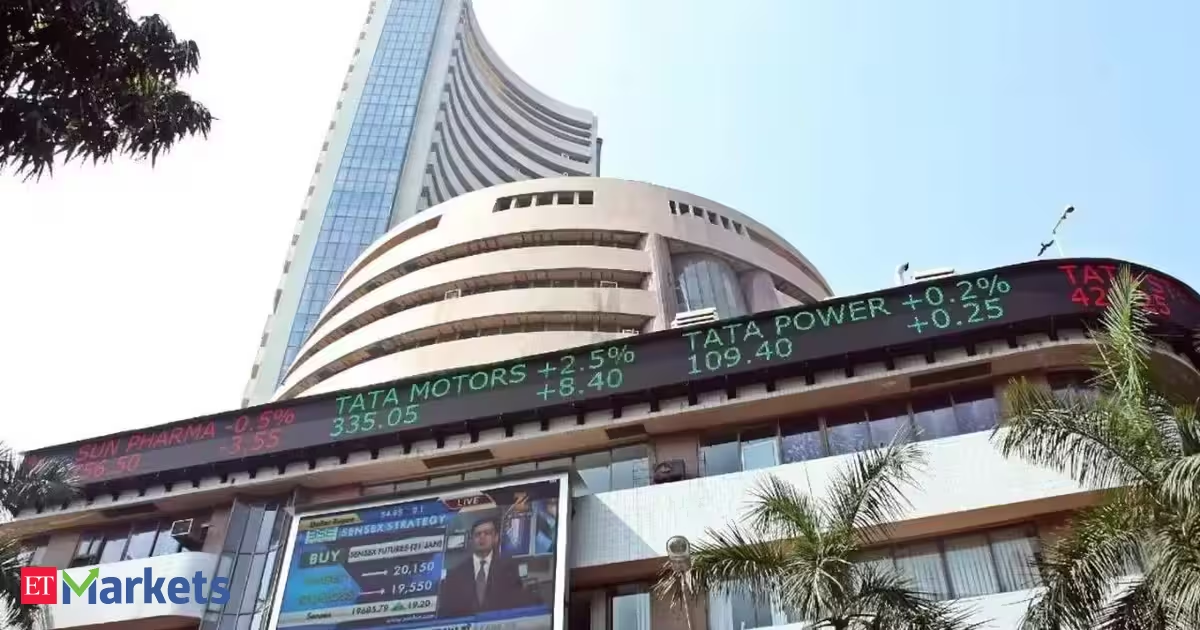
Shares of Punjab National Bank (PNB) extended gains on Tuesday, rising over 7% in two sessions following the PSU lender’s strong Q1 earnings that led to bullish brokerage calls.

Shares of the company rose to Rs 113.38 apiece today, the highest level seen in nearly three months. The lender on Saturday reported a 214% YoY surge in Q1 FY27 net profit to Rs 5,253 crore, while net interest income (NII) rose 2% YoY to Rs 10,798 crore.

The PSU bank’s return on assets (RoA) increased to 1.04% in Q1 FY27 from 0.37% in Q1 FY26, but decreased from Rs 1.06% in Q4 FY26. Return on Equity (RoE) meanwhile stood at 17.33% during the quarter under review.

PNB’s asset quality improved, with gross non-performing assets (NPAs) declining to 2.78% at the end of the June quarter, from 3.78% a year ago. Its current account savings account deposits increased around 8% YoY to Rs 5.69 lakh crore, while total term deposits increased 9% YoY to Rs 10.21 lakh crore.

Advertisement

Also read | PNB Q1 Results: Net profit surges 214% YoY to Rs 5,253 crore; NII up 2%

JM Financial on PNB share price

JM Financial upgraded its rating on PNB shares to ‘Add’ from ‘Reduce’, and hiked its target price to Rs 120 apiece from Rs 110 apiece. The latest target price implies more than 7% upside potential.


The domestic brokerage highlighted that the PSU lender reported healthy Q1 FY27 results with PAT rising 214% YoY, beating its estimate by 17%, driven by improving core operating performance and continued strengthening in asset quality. NII grew 2% YoY as NIM expanded 6 bps QoQ, supported by lower funding costs and continued run-down of low-yielding IBPC and corporate exposures, it said.
Loan growth remained healthy despite balance-sheet re-pricing, JM Financial noted, adding that management reiterated confidence in further margin improvement through FY27, aided by FCNR mobilisation and continued repricing of liabilities. “Given improving core profitability, resilient asset quality and FCNR mobilisation providing incremental support to funding, downside looks limited at ~0.8xFY28 P/BV. Accordingly, we raise our FY27E/FY28E EPS estimates by 18%/15%,” it said.

Motilal Oswal on PNB share price

Motilal Oswal Financial Services noted that PNB reported a mixed quarter, with earnings beat led by controlled provisions and opex. Provisions came in lower, reflecting strong asset quality, while opex was lower due to fewer AS-15 provisions and a decline in PSLC costs.The domestic brokerage noted that PNB’s business growth remained modest, and management guided for loan growth of nearly 12-13% in FY27. Asset quality trends were healthy, with slippages showing a dip with no significant stress. It reiterated its ‘Buy’ call on the stock with a target price of Rs 135, implying a 21% upside potential.

PNB share price

PNB shares gained over 7% in one week and 4% in one month, but have overall fallen more than 9% in 2026 so far. The PSU lender currently has a market capitalisation of nearly Rs 1.3 lakh crore.

Advertisement

In the longer term, PNB shares delivered marginal returns in one year, but gained over 80% in three years and nearly 184% in five years.

Also read | ICICI Bank wins analysts’ vote after Q1 show; HDFC Bank, Axis, Kotak & Yes Bank face scrutiny

(Disclaimer: Recommendations, suggestions, views and opinions given by the experts are their own. These do not represent the views of The Economic Times)

Advertisement
Continue Reading

Business

LeBron James Will Not Return to the Lakers, Agent Rich Paul Confirms Ahead of Record 24th NBA Season

Published

on

LeBron James

LeBron James will play a record-breaking 24th NBA season this fall, but he will not be doing so with the Los Angeles Lakers, according to his agent, Rich Paul, who confirmed the decision to ESPN’s Shams Charania on Tuesday.

“LeBron James will return for an unprecedented 24th season in the NBA — but it won’t be with the Los Angeles Lakers. James has informed the Lakers that the franchise can move on without him because he will play elsewhere,” Paul told Charania, according to ESPN. The confirmation ends weeks of speculation over whether James might remain with the franchise he has played for since 2018, while still leaving open the question of exactly which team he will join next.

A monthslong free agency saga

James’ free agency has stretched on for nearly a month, with the four-time NBA champion taking his time to weigh what he has described as the right decision for both himself and his family. His deliberate approach has effectively put much of the league’s broader free agency market on hold, as teams with cap flexibility earmarked for a potential James signing have waited to see where he ultimately lands before finalizing their own offseason plans.

Advertisement

Charania had previously reported that James had narrowed his list of potential landing spots to a group of finalists, each considered a legitimate championship contender. “It’s decision time for LeBron James… The leading suitors have been CLE, MIA, GSW, PHI, and MIN…. LeBron James has made it clear privately that he wants to go somewhere he can compete for a championship. Somewhere he feels he finds that happiness from a team environment and culture that he can uplift,” Charania said, referring to the Cleveland Cavaliers, Miami Heat, Golden State Warriors, Philadelphia 76ers and Minnesota Timberwolves.

Even those closest to the process say uncertainty remains

Despite the confirmation that James will leave the Lakers, Paul has continued to push back against the wave of reports speculating about where and when James will ultimately sign, insisting that even well-sourced NBA reporters do not yet have a clear picture of the outcome. “I’ll say it again, none of these people know anything. Nobody knows nothing, and I say that respectfully because we haven’t made it to where anyone knows anything,” Paul said.

That characterization suggests the final decision remains fluid even as James’ departure from Los Angeles is now confirmed, leaving the five reported finalist teams, and the broader NBA world, waiting for further clarity on which franchise will ultimately land one of the league’s most accomplished players for the next chapter of his career.

Advertisement

A departure that reshapes the league’s biggest storyline

James’ exit from the Lakers marks a significant turning point for a franchise he helped lead to an NBA championship in the pandemic-shortened 2020 season, during a tenure that also included numerous deep playoff runs and cemented his status as one of the most impactful players in franchise history. His departure leaves the Lakers needing to reshape their roster and long-term direction without one of the most decorated players in NBA history at its center.

For the broader league, James’ continued playing career at 24 seasons represents an extraordinary milestone in NBA history, extending a run of sustained excellence and durability that has already made him the league’s all-time leading scorer and a fixture of championship contention across multiple franchises throughout his career.

Ripple effects across the league

Advertisement

James’ extended free agency process has already begun triggering related roster moves elsewhere around the league. The Lakers themselves recently agreed to a one-year deal with wing Matisse Thybulle, part of the team’s broader effort to reinforce its roster depth as it awaits clarity on James’ final decision and adjusts its long-term plans in the wake of his departure. Other teams around the NBA, including several of the reported finalists in James’ free agency search, have similarly been navigating their offseason roster construction with James’ looming decision as a central variable shaping their broader plans.

Beyond the direct James storyline, this offseason has already featured other significant transactions, including forward Lu Dort’s move as part of a larger trade that has been described as an early domino falling out of the Oklahoma City Thunder’s championship window, illustrating how interconnected this year’s free agency and trade landscape has become across the league.

With James’ departure from the Lakers now confirmed but his ultimate destination still undecided, attention across the NBA remains fixed on which of the reported finalist teams, the Cavaliers, Heat, Warriors, 76ers or Timberwolves, will ultimately secure his signature. Once that decision is finalized, it is expected to immediately trigger a fresh wave of roster moves across the league, as teams that have been waiting on the outcome of James’ free agency move to finalize their own plans heading into the 2026-27 season. For now, even those closest to James’ inner circle maintain that no one outside his immediate team truly knows how the situation will ultimately resolve, leaving one of the NBA’s most consequential offseason storylines still unresolved even after Tuesday’s confirmation that his time with the Lakers has come to an end.

Advertisement
Continue Reading

Business

Apples 15-Year Event Timeline Signals the Exact September Launch

Published

on

iPhone 18 Pro

Apple appears set to unveil the iPhone 18 Pro at its annual September special event, continuing a scheduling tradition the company has followed consistently since 2012, according to an analysis of the company’s keynote history published this week by technology writer David Phelan.

Based on a detailed review of Apple’s iPhone launch pattern stretching back nearly two decades, the analysis points to Wednesday, September 9, as the most likely date for this year’s keynote, with the iPhone 18 Pro expected to go on sale roughly a week and a half later, on Friday, September 18.

A consistent pattern since the first fall release

Apple’s earliest iPhones followed a different release rhythm than the one consumers know today. The original iPhone was unveiled in January 2007 and went on sale that June, and the following three models, the iPhone 3G, iPhone 3GS and iPhone 4, were each announced and released in June during their respective years.

Advertisement

That pattern shifted with the iPhone 4S, unveiled October 4, 2011, marking both the first fall-timed iPhone release and the first keynote hosted by Tim Cook following Steve Jobs’ death. Every iPhone launch since has followed that same fall release model, according to the analysis.

A strict window in early September

Since the iPhone 4S, every subsequent iPhone keynote has fallen within the first half of September, with the analysis identifying a consistent window between September 7 and September 14 in every year since 2012, apart from a single exception in 2020, when Apple’s keynote landed one day outside that range, on Tuesday, September 15, due to disruptions tied to the COVID-19 pandemic. Notably, Apple has never scheduled a keynote on September 11 during that entire span.

Labor Day plays a central role in scheduling

Advertisement

According to the analysis, the timing of the U.S. Labor Day holiday, which always falls on the first Monday of September, between September 1 and September 7, plays a significant role in determining Apple’s keynote date each year. The most common pattern has been for Apple to hold its keynote exactly eight days after Labor Day, a scheduling choice observed in 2013, 2014, 2017, 2019, 2020, 2021, 2023 and 2025, reflecting the company’s general preference for Tuesday events.

Apple has never held a September keynote before Labor Day, and just as consistently, the company has never scheduled its event for the day immediately following the holiday, a gap the analysis attributes to the need for guests, staff and members of the press to travel to Cupertino in the days following the long weekend.

Why September 9 is the predicted date

This year, Labor Day falls on Monday, September 7, mirroring the calendar structure seen in 2015, when Labor Day fell on the same date. That year, Apple held its keynote two days later, on Wednesday, September 9. Based on that historical precedent and the broader pattern identified across more than a decade of Apple product launches, the analysis concludes with high confidence that this year’s keynote will also take place on Wednesday, September 9.

Advertisement

A full schedule of expected dates

Building outward from the predicted keynote date, the analysis outlines a broader sequence of expected milestones based on Apple’s typical post-keynote timeline. Preorders for the iPhone 18 Pro are expected to open the Friday following the keynote, September 11, likely at 5 a.m. Pacific time, matching the timing pattern from the previous year’s launch.

Apple’s next major software update, iOS 27, is expected to see general release the following Monday, September 14, though the analysis notes that date could shift by a day or two depending on Apple’s final testing timeline. Press reviews of the new devices are expected to be published shortly before the phones go on sale, with September 15 or September 16 identified as the most likely dates, given that Apple typically does not allow reviewers access to new products until after the keynote presentation concludes.

A crowded product lineup expected

Advertisement

Alongside the standard iPhone 18 Pro, the analysis anticipates Apple will also unveil the iPhone 18 Pro Max during the same September event, along with what could be the company’s first foldable iPhone, potentially branded the iPhone 18 Ultra. Given the novelty of a folding form factor, the analysis suggests Apple could follow a staggered announcement-to-sale approach similar to the strategy used for the original iPhone X in 2017, when that device was announced alongside the iPhone 8 and iPhone 8 Plus but did not go on sale until several weeks later. If no significant production delays affect Apple’s foldable device, its review embargo could align with that of the standard iPhone 18 Pro lineup, mirroring last year’s approach when review embargoes for the iPhone 17, iPhone 17 Pro, iPhone 17 Pro Max and iPhone Air all lifted simultaneously.

A predicted release date and time

Based on the full sequence of expected milestones, the analysis projects that the iPhone 18 Pro, alongside the iPhone 18 Pro Max and potentially Apple’s first foldable device, will officially go on sale on Friday, September 18, with the device becoming available at 7 a.m. local time across each of Apple’s global markets in a staggered rollout, meaning customers in Australia would be among the first in the world to purchase the new devices, while those in Los Angeles would be among the last given the time zone difference.

While Apple has not formally announced a date for its September event, the consistency of the company’s scheduling pattern over more than a decade lends significant weight to the September 9 prediction. Until Apple issues an official announcement, further confirmation of the keynote date, along with additional details about the iPhone 18 lineup and any potential foldable device, is expected to emerge in the weeks leading up to the event as Apple’s traditional pre-launch rumor cycle continues to build toward the fall.

Advertisement
Continue Reading

Business

Personalis, Inc. (PSNL) M&A Call Transcript

Published

on

OneWater Marine Inc. (ONEW) Q1 2026 Earnings Call Transcript