Connect with us

Business

AI-led selloff weighs on markets, but earnings revival could shift mood: Vinit Sambre

Published

on

AI-led selloff weighs on markets, but earnings revival could shift mood: Vinit Sambre
A week ago, sentiment on Dalal Street was upbeat. Trade progress with the US and EU, along with a largely acceptable Budget, had put markets on firm footing. But a sharp, AI-led global rally has since redirected flows, triggering a slide in domestic equities.

Vinit Sambre from DSP Mutual Fund believes the bigger picture remains constructive despite near-term volatility. “I am seeing a lot of improvement in domestic macros over the last year — interest rate cuts, GST benefits, income tax benefits and the US trade deal. A lot of the macros are now falling in place,” he said, adding that earnings downgrades appear largely behind us and valuations are becoming “more reasonable.”

The key missing piece, he argued, is earnings growth. “Growth is the most important ingredient. Nifty earnings have slowed from 18–19% to 7–8%, which has subdued sentiment. We need growth visibility to come back — that will be the trigger for markets to move upwards,” Sambre noted. He also pointed out that a stabilising rupee could help improve foreign investor sentiment.

Sectorally, banking could lead the recovery. “Banking was lacklustre for two years, but NIM pressures are reversing. If banks show 15–17% growth, that can be an important driver to overall earnings,” he said.

Advertisement

On consumption, Sambre prefers discretionary over staples. “As income levels grow, people look beyond basic needs. I am more positive on consumer discretionary than FMCG,” he said, highlighting autos, hospitals, jewellery and insurance as pockets of strength. He expects white goods and consumer durables to gradually improve as well.


Healthcare continues to deliver steady growth, while IT remains in a transition phase. Though near-term uncertainties persist, he believes AI adoption could eventually create opportunities for Indian IT firms.

On valuations and downside risk, Sambre advised against obsessing over another 8–10% correction. “Valuations look reasonable after underperformance. More importantly, we need visible signs of business momentum picking up. Today, noise levels are high and there is overreaction,” he said. For now, markets are balancing improving domestic fundamentals against global AI-driven capital shifts. The next decisive move may hinge less on headlines and more on earnings delivering on promise.

Continue Reading
Click to comment

Leave a Reply

Your email address will not be published. Required fields are marked *

Business

Trump cuts federal workforce by 12% through government efficiency push

Published

on

Trump cuts federal workforce by 12% through government efficiency push

President Donald Trump and the Department of Government Efficiency’s (DOGE) efforts to reduce the federal government’s workforce were seemingly reflected in recently released data from the U.S. Office of Personnel Management (OPM).

The OPM’s data shows that the government’s civilian workforce shrank by 12% between September 2024 and January 2026, going from a headcount of 2,313,216 to 2,035,344.

Advertisement

Separate data, also released by the OPM, shows that the majority of employees who left during that time did so voluntarily rather than being forced out, Reuters reported. The outlet also noted that administrative staff, customer service representatives and IT managers were at the top of the list of positions that left once Trump returned to office.

DOGE DEVELOPS INNOVATIVE AI TOOL TO ELIMINATE UNNECESSARY FEDERAL REGULATIONS

Donald Trump

President Donald Trump smiles during a roundtable on the Ratepayer Protection Pledge in the Indian Treaty Room at the Eisenhower Executive Office Building on the White House campus on March 4, 2026. (Andrew Caballero-Reynolds/AFP via Getty Images)

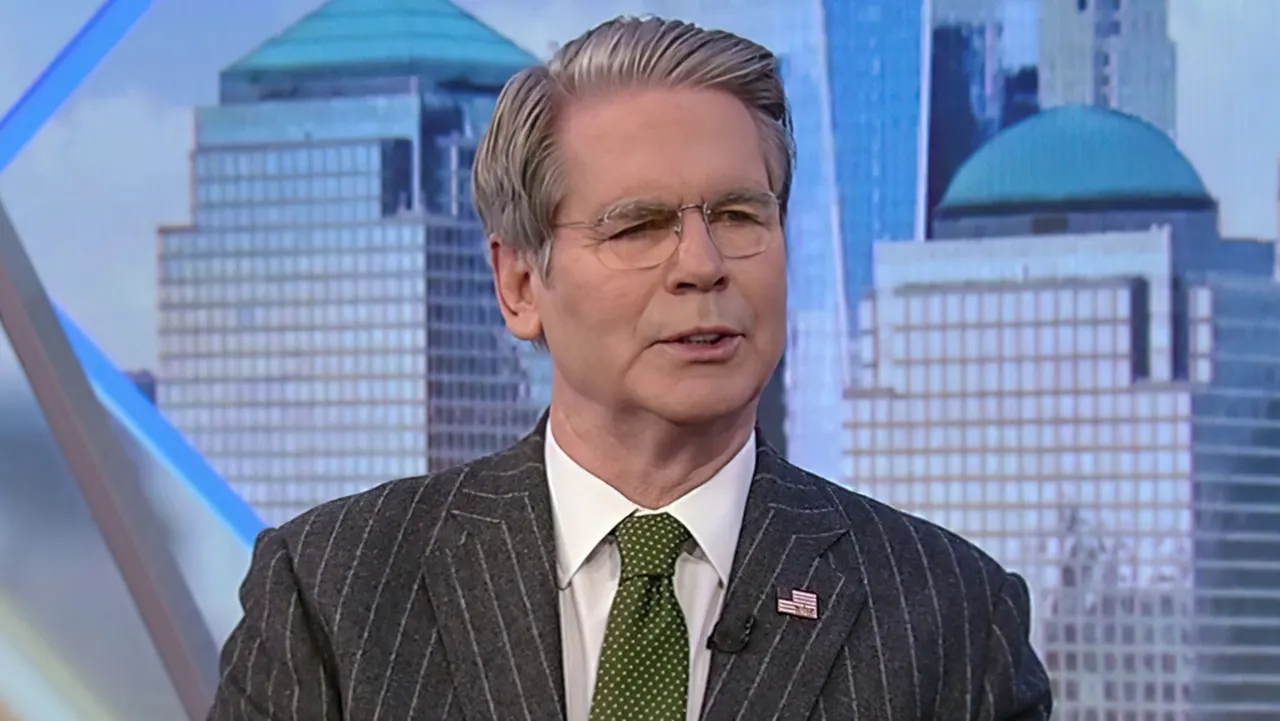
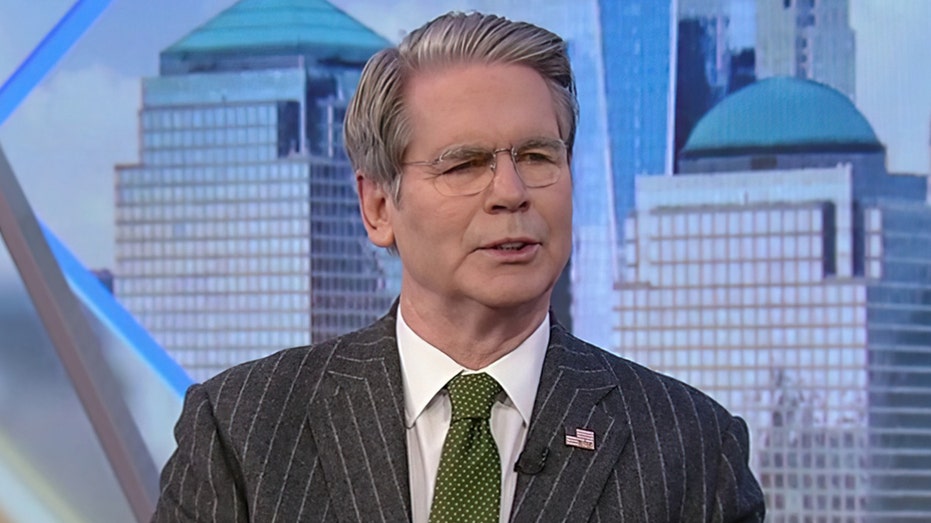
“Reshaping the federal workforce is essential to building a government that works for the American people, not the bureaucracy. By realigning roles, streamlining operations, and modernizing how agencies manage talent, we are strengthening performance and accountability across government. This effort ensures taxpayer dollars support a workforce that delivers efficient, responsive, and high-quality services,” OPM Director Scott Kupor told Fox Business.

During his 2024 campaign, Trump spoke about his desire to slash the government workforce through the creation of a new department, which would later be known as DOGE. The main backer of the idea, and the person who led the team until leaving the administration in May 2025, was billionaire Tesla CEO Elon Musk.

Advertisement
Elon Musk

Elon Musk during a news conference with President Donald Trump in the Oval Office of the White House on May 30, 2025. (Francis Chung/Politico/Bloomberg via Getty Images)

TREASURY AND GSA LAUNCH SAVE PROGRAM TO REWARD EMPLOYEES UP TO $10K FOR SAVING TAXPAYER DOLLARS

Musk championed the idea during his appearance at a Trump rally in Madison Square Garden in late October, just days before the 2024 election.

“Your money is being wasted, and the Department of Government Efficiency is going to fix that. We’re going to get the government off your back and out of your pocketbook,” he told the crowd.

On his first day in office, Trump signed an executive order establishing DOGE as a temporary organization, giving it an expiration date of July 4, 2026. The order kicked off a temporary hiring freeze and the implementation of a hiring plan that restricted agencies to hiring one new employee for every four that departed.

Advertisement
Washington, DC

An aerial view of the U.S. Capitol on Oct. 26, 2025, in Washington, D.C. (Al Drago/Getty Images)

GET FOX BUSINESS ON THE GO BY CLICKING HERE

Fox News Digital reached out to OPM and the White House for comment.

Continue Reading

Business

Regenerative agriculture benefits crops and biodiversity

Published

on

Regenerative agriculture benefits crops and biodiversity

BakingTech 2026 talk explains how regenerative agriculture works and its many benefits.

Continue Reading

Business

Netflix acquires Ben Affleck’s AI film-tech firm

Published

on

Netflix acquires Ben Affleck’s AI film-tech firm


Netflix acquires Ben Affleck’s AI film-tech firm

Continue Reading

Business

Olaplex Q4 2025 slides: revenue stabilizes but costs pressure margins

Published

on

Olaplex Q4 2025 slides: revenue stabilizes but costs pressure margins


Olaplex Q4 2025 slides: revenue stabilizes but costs pressure margins

Continue Reading

Business

Chang warns Chinese subs operating ‘very close’ to US homeland

Published

on

Chang warns Chinese subs operating 'very close' to US homeland

Gordon Chang urged the United States to treat China as an “enemy combatant” Thursday, warning that Chinese submarines are operating “very close” to the U.S. homeland as Beijing reportedly expands its undersea footprint.

“Obviously, they do want subs to be able to get closer to the U.S.,” the Gatestone Institute senior fellow told “Mornings with Maria.”

Advertisement

“And, by the way, we have Chinese submarines in the Arctic, which would be very, very close to Alaska and the homeland, so this is really an important development, and we have got to make sure that we have the attack subs that can take out those ballistic missile submarines of the Chinese.”

IRAN STRIKES COULD SIGNAL LIMITS OF BEIJING, MOSCOW’S POWER AS US FLEXES STRENGTH

Man looks on at a Chinese submarine

A man looks at a submarine during a media tour by the PLA Naval Museum in Qingdao, in eastern China’s Shandong province, on June 25, 2025. (Pedro Pardo/AFP via Getty Images / Getty Images)

Chang’s warning comes after a Wall Street Journal report that the U.S. adversary is “developing new submarine technology and a bigger, better fleet that is gaining on the United States and its allies.”

His warning also comes as China plans to send a special envoy to the Middle East for what Beijing describes as mediation efforts, as joint U.S.-Israeli strikes continue targeting Iranian regime sites.

Advertisement

FBI RAISES COUNTERTERROR TEAMS TO HIGH ALERT AMID IRAN TENSIONS

israel-attacks-on-iran-smoke

Smoke rises over Tehran after the Israeli army launches a second wave of airstrikes on Iran on Feb. 28, 2026. (Fatemeh Bahrami/Anadolu via Getty Images / Getty Images)

“That envoy is going to try to stop the United States from attacking Iran,” Chang warned.

“Clearly, what we should be doing is ignoring this guy. The Chinese are an enemy combatant. That’s the way we should treat them.”

Chang argued that Beijing is not acting as a neutral broker, but as a key backer of Tehran, allegedly supplying weapon components while increasing commodity purchases and offering diplomatic and propaganda support.

Advertisement

GET FOX BUSINESS ON THE GO BY CLICKING HERE

“Last year, 87.2% of Iran’s exports accrued went to China. It’s across-the-board support,” he said.

“So the United States just needs to say, ‘Look, we want to stop this.’ We have to also impose costs on China.”

Advertisement
Continue Reading

Business

Airlines hit by jet fuel price surge as Iran conflict disrupts global supply

Published

on

Virgin Planes

Airlines are facing a sharp rise in operating costs after jet fuel prices surged to their highest level in more than three years amid escalating conflict in the Middle East, raising fears of prolonged disruption to global energy supplies.

The price of aviation kerosene in European markets has climbed to levels not seen since the shortages triggered during the Covid-19 pandemic, placing immediate pressure on airline margins and sending aviation stocks lower.

The spike has been particularly severe because jet fuel prices have moved far beyond the rise in crude oil prices. Brent crude has climbed by more than 10 per cent this week to around $78.60 per barrel and is roughly 20 per cent higher than it was a fortnight ago. However, the cost of jet fuel delivered to airlines has risen significantly faster, creating an unprecedented gap between aviation fuel and crude oil benchmarks.

According to commodity pricing specialists Argus Media, the cost of jet fuel physically supplied to airlines has increased by about 23 per cent over the past week alone. The price is now 48 per cent higher than last Friday and has surged by 68 per cent over the past month.

Market participants have described trading conditions as highly unstable. Analysts said the jet fuel market had entered a period of extreme volatility as traders struggled to price in the risks created by military tensions in the Gulf.

Advertisement

Amaar Khan, an analyst at Argus Media, said the current market dynamics were extraordinary. Even though supply risks linked to the conflict are real, he said traders believed the current price spike had become detached from normal supply-and-demand fundamentals. One trader described the situation as “absolute chaos”, noting that “no fundamentals can explain these prices”.

The aviation sector’s exposure to the Middle East has amplified the shock. European airlines depend heavily on jet fuel imports from the Gulf region, with a significant share of those shipments passing through the Strait of Hormuz, one of the world’s most critical maritime energy corridors.

Industry data suggests that at least 40 per cent of Europe’s jet fuel imports last year originated from the Middle East Gulf region and travelled through the strait. Kuwait alone accounted for a substantial portion of these supplies and remains Europe’s largest single supplier of aviation fuel.

The Strait of Hormuz has effectively become a flashpoint for global energy markets after Iran imposed a blockade in response to military attacks carried out by the United States and Israel. The narrow waterway, which sits between Iran and the United Arab Emirates, serves as the primary export route for oil and gas shipments from the Persian Gulf.

Advertisement

Any sustained disruption to traffic through the strait could severely restrict global fuel supplies, particularly for jet fuel, which is already in tight supply across Europe.

Analysts warned that while European refineries could increase their production of jet fuel to offset some of the disruption, they would struggle to replace Gulf imports entirely if the conflict continued.

Argus noted that Europe’s aviation fuel market had already become structurally tighter in recent years due to rising travel demand following the pandemic recovery. With refiners operating near capacity, there is limited scope to increase output quickly enough to compensate for any prolonged interruption to Gulf shipments.

At the same time, the cost of transporting fuel from alternative regions has also risen sharply. Freight rates for tanker shipments have surged as insurers raise premiums on vessels travelling through conflict-affected waters, making imports from other regions significantly more expensive.

Advertisement

The result has been a dramatic increase in jet fuel prices relative to crude oil. Aviation fuel is now trading at almost double the price of Brent crude, a differential that analysts say has never previously been recorded.

For airlines, the timing of the price spike is particularly challenging because fuel typically represents between 25 and 35 per cent of operating costs. Even short-term volatility can therefore have a significant impact on profitability.

Shares of European airline groups have already reacted to the rising costs and growing uncertainty surrounding Middle Eastern airspace.

International Airlines Group has seen its share price fall about 16 per cent from the record high it reached last week when it reported strong annual results. The airline group, which owns carriers including British Airways, Iberia and Aer Lingus, faces both higher fuel costs and operational disruptions on long-haul routes through the region.

Advertisement

Budget airline easyJet has also seen its shares fall around 6 per cent this week. The carrier does not operate routes directly in the Middle East but remains vulnerable to rising fuel costs across the industry. Its stock had already been under pressure, declining roughly 15 per cent since the start of the year.

Meanwhile Wizz Air warned that the conflict could cut €50 million from its annual profits due to cancelled regional flights and adverse movements in fuel and currency costs. The airline has said the combined impact could push it into a full-year loss, with its shares dropping about 20 per cent over the past week.

Airlines have sought to protect themselves from fuel volatility through hedging strategies that lock in fuel purchases months or even years in advance. These hedges can soften the immediate impact of price spikes but cannot fully shield carriers if elevated costs persist for a prolonged period.

Europe’s largest airline by passenger numbers, Ryanair, recently confirmed that it has forward-purchased approximately 80 per cent of its jet fuel requirements at an average price of $67 per barrel through to March 2027.

Advertisement

International Airlines Group has also hedged a large portion of its future fuel consumption, locking in prices for around 62 per cent of its fuel needs for 2026.

Similarly, easyJet said it has hedged about 62 per cent of its fuel requirements for the upcoming summer season at an average price of $68.80 per barrel.

While these measures provide some protection against sudden spikes, analysts warn that sustained price increases would still filter through into airline costs over time as hedges expire and new contracts are negotiated.

Industry observers say the key factor determining how severe the crisis becomes will be the duration of the disruption to Gulf energy flows and whether shipping through the Strait of Hormuz can resume safely.

Advertisement

If the blockade persists or the conflict spreads further across the region, aviation fuel prices could remain elevated for months, forcing airlines to absorb higher costs or pass them on to passengers through higher ticket prices.

For now, airlines and investors alike are watching energy markets closely as geopolitical tensions continue to ripple through the global aviation industry.


Jamie Young

Jamie Young

Jamie is Senior Reporter at Business Matters, bringing over a decade of experience in UK SME business reporting.
Jamie holds a degree in Business Administration and regularly participates in industry conferences and workshops.

When not reporting on the latest business developments, Jamie is passionate about mentoring up-and-coming journalists and entrepreneurs to inspire the next generation of business leaders.

Advertisement

Continue Reading

Business

Ford recalls more than 615,000 US vehicles over wiper, driveshaft defects

Published

on

Ford recalls more than 615,000 US vehicles over wiper, driveshaft defects

Ford is recalling more than 615,000 vehicles in the U.S. over two separate safety defects involving windshield wiper motors and driveshaft components, according to the National Highway Traffic Safety Administration.

The larger recall covers 604,533 vehicles because a front windshield wiper motor defect could cause the wipers to operate intermittently or fail entirely, reducing visibility and increasing the risk of a crash, NHTSA filings show.

Advertisement

The recall includes certain 2020–2022 Ford Explorer and Escape models, along with 2020–2022 Lincoln Aviator and Lincoln Corsair vehicles built between July 6, 2020, and Dec. 15, 2021.

ford explorer 2020

A Ford Explorer at the Ford Chicago Assembly Plant where the Ford Explorer and Lincoln Aviator sport utility vehicles are worked on. (Jose M. Osorio/Chicago Tribune/Tribune News Service via Getty Images)

According to the Part 573 safety report, the issue stems from a condition in which the motor’s cover terminal may have been misaligned with the brush card terminal during assembly, potentially creating a poor electrical connection that can lead to a loss of electrical continuity over time. Front wiper functionality may be intermittent before progressing to complete inoperability.

FORD RECALLS MORE THAN 412,000 VEHICLES OVER SUSPENSION ISSUE

Ford has identified 1,374 warranty claims related to inoperative or intermittent windshield wiper motors within the affected population as of Feb. 18, 2026, but said it is not aware of any reports of crashes or injuries tied to the condition. The estimated defect rate is about 1% of the recalled population.

Advertisement
A Ford Explorer in motion.

A 2020 Ford Explorer ST in motion. (Ford Motor Co.)

The recall is listed under NHTSA Campaign Number 26V117, and Ford’s internal recall number is 26S14.

Dealers will inspect and replace the front wiper motors as necessary, free of charge. Dealer notification began March 4, 2026, and interim owner notification letters are expected to be mailed between March 9 and March 13, 2026. A second notice will be sent once a final remedy is available, anticipated between May 11 and May 15, 2026.

HYUNDAI RECALLS NEARLY 569K SUVS OVER FAULTY AIRBAGS

Ford has instructed dealers not to demonstrate or deliver new in-stock vehicles covered by the recall until repairs are completed. Federal law requires recall repairs to be completed before delivery to buyers.

Advertisement
Ticker Security Last Change Change %
F FORD MOTOR CO. 12.81 +0.11 +0.87%

Owners can contact Ford customer service at 1-866-436-7332 or check their vehicle identification number on NHTSA.gov, where affected VINs became searchable on March 4, 2026.

CLICK HERE TO GET FOX BUSINESS ON THE GO

Separately, Ford is also recalling 11,431 US vehicles because the driveshaft’s friction weld may fail, which could result in rear driveshaft separation and a sudden loss of drive power, NHTSA said. Dealers will repair that issue at no cost to owners.

Advertisement
Continue Reading

Business

Ringcentral stock hits 52-week high at 40.68 USD

Published

on


Ringcentral stock hits 52-week high at 40.68 USD

Continue Reading

Business

(VIDEO) Britney Spears Arrested on Suspicion of DUI in Ventura County, Released Hours Later

Published

on

Britney Spears, shown here in 2019, has indicated she would like to have another child and has plans to wed her boyfriend Sam Asghari

Pop icon Britney Spears was arrested late Wednesday on suspicion of driving under the influence in Ventura County, authorities confirmed Thursday, March 5, 2026, marking a new legal challenge for the 44-year-old singer amid her ongoing personal recovery post-conservatorship.

Britney Spears, shown here in 2019, has indicated she would like to have another child and has plans to wed her boyfriend Sam Asghari

The California Highway Patrol pulled over Spears around 9:28 p.m. PT on March 4, according to Ventura County Sheriff’s Office booking records and multiple law enforcement sources. She was handcuffed and transported for booking, arriving at the county jail shortly after 3 a.m. Thursday. Spears was released at approximately 6:07 a.m. under California’s “cite and release” process, common for misdemeanor DUI cases where suspects are issued a citation and released pending court appearance rather than held on bail.

Publicly available inmate records list Spears’ occupation simply as “celebrity” and do not detail specific charges or field sobriety test results. The Ventura County Sheriff’s Office has not released an official statement or arrest report as of midday Thursday, and the California Highway Patrol referred inquiries to the sheriff’s department. Sources familiar with the incident told TMZ and other outlets that the stop stemmed from observed erratic driving, though no additional details on the traffic violation or chemical test results have been made public.

Spears is scheduled to appear in Ventura County Superior Court on May 4, 2026, to address the charges, per court documents reviewed by several news organizations. If convicted of misdemeanor DUI, she could face fines, probation, mandatory alcohol education programs, license suspension and possible community service, depending on priors and circumstances.

The arrest comes after a period of relative quiet for Spears following her conservatorship’s end in November 2021. In recent months, she sold a stake in her music catalog to Primary Wave in a deal estimated around $200 million, announced in February 2026. She was spotted running errands in casual attire shortly after, appearing low-key in public outings. Earlier in January 2026, Spears posted that she would “never perform in the U.S. again because of extremely sensitive reasons,” though she hinted at possible future shows in the UK or Australia, potentially with her son Jayden Federline.

Advertisement

Representatives for Spears did not immediately respond to requests for comment Thursday. The singer has maintained an active social media presence, often sharing dance videos and personal reflections, but has not addressed the incident publicly as of midday March 5.

This marks Spears’ first reported DUI arrest. Past incidents involving driving drew scrutiny, including a 2025 video of erratic driving after a restaurant visit that sparked concern but led to no charges. In that case, a restaurant manager insisted she “was not intoxicated” and described her as “super chill.” Her ex-husband Justin Timberlake faced a high-profile DWI arrest in 2024, prompting Spears to post a cryptic cocktail photo that some interpreted as shading him, though she never commented directly.

The latest development revives discussions about Spears’ well-being and privacy in the years since her conservatorship battle became a global #FreeBritney movement. Fans and advocates expressed concern online, with many urging compassion amid speculation about the circumstances of the stop. Others noted the quick release suggested no aggravating factors like injury or high blood-alcohol levels.

California law treats first-time DUI offenses as misdemeanors unless aggravating circumstances apply, such as injury, child endangerment or extreme intoxication. Penalties can escalate with priors, but Spears has no known prior DUI convictions.

Advertisement

Law enforcement sources emphasized the investigation remains ongoing, with possible toxicology results pending. The incident occurred in Ventura County, north of Los Angeles, an area Spears has frequented in recent years for its quieter lifestyle compared to central L.A.

As news spread Thursday, media outlets reported heavy online traffic and fan reactions ranging from support to worry. The arrest underscores the challenges celebrities face with public scrutiny over personal matters, particularly for Spears, whose life has been under intense examination for decades.

Spears’ legal team is expected to address the matter soon, potentially seeking diversion programs or reduced charges common in misdemeanor cases. For now, the focus remains on her court date in May and any further developments from authorities.

The pop star’s career highlights include global hits like “…Baby One More Time” and “Toxic,” with a catalog that continues to generate revenue even as she has stepped back from performing. Her memoir “The Woman in Me,” released in 2023, detailed struggles during the conservatorship and personal life.

Advertisement

As the story develops, Spears’ representatives and family have not issued statements. Supporters continue to monitor for updates while respecting her privacy in this latest chapter.

Advertisement
Continue Reading

Business

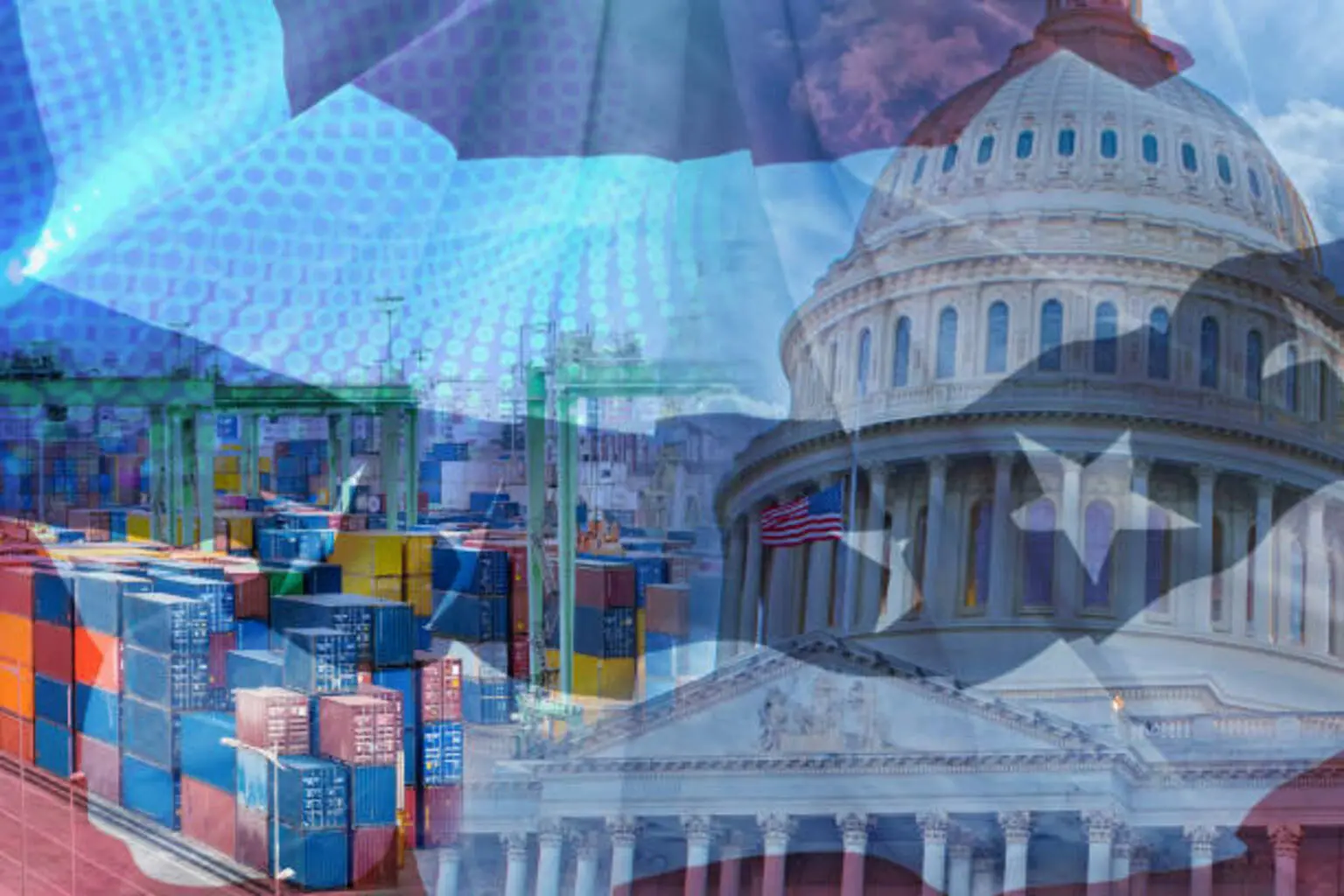
US Treasury signals global tariff hike to 15% as Trump trade policy returns

Published

on

US Treasury signals global tariff hike to 15% as Trump trade policy returns

The United States is expected to raise its global tariff rate to 15 per cent in the coming days as the Trump administration moves to restore its controversial trade policies following a Supreme Court ruling that struck down last year’s sweeping import duties.

US Treasury Secretary Scott Bessent said the higher tariff level was “likely” to be implemented this week, suggesting the White House intends to push ahead with a tougher global trade regime despite the legal challenges that forced officials to rethink their approach.

The new tariff would replace the blanket import duties announced by Donald Trump last year, which had imposed levies on goods from dozens of countries. Those measures were struck down by the Supreme Court of the United States after judges ruled that the administration had exceeded its authority by using emergency powers to justify the tariffs.

The decision triggered a rapid response from the White House, which introduced a new global levy of 10 per cent using a different legal mechanism. However, confusion quickly followed after Trump stated on social media that the rate would instead be set at 15 per cent.

In practice, the tariff came into force at the lower level, leaving businesses and governments around the world uncertain about the direction of US trade policy.

Advertisement

Bessent’s latest comments suggest the administration now intends to align policy with Trump’s earlier statements by raising the tariff to the maximum level allowed under the temporary legal authority being used.

Speaking to CNBC, Bessent said he believed tariffs would ultimately return to their previous levels within a matter of months. He argued that the court ruling would not undermine the administration’s broader trade strategy or the revenue the US expects to collect from import duties.

“It’s my strong belief that the tariff rates will be back to their old rate within five months,” he said.

The White House has repeatedly dismissed the significance of the court decision, insisting it has several alternative legal tools available to maintain the tariff regime.

Advertisement

Officials say the policy is central to the administration’s economic strategy, which aims to reduce the US trade deficit, encourage domestic manufacturing and generate revenue to help tackle the country’s growing national debt.

To implement the current tariff, the administration invoked Section 122 of the US Trade Act, a rarely used provision that allows the president to impose tariffs of up to 15 per cent for a period of up to 150 days without approval from Congress.

The authority is designed to address sudden balance-of-payments crises or major trade imbalances. Because it has rarely been used in modern trade disputes, many legal experts consider the White House’s interpretation of the law to be largely untested.

Section 122 provides the administration with a temporary mechanism to maintain tariffs while it develops a longer-term legal framework for its trade policies.

Advertisement

The White House has indicated that once the 150-day window expires, it intends to rely on other statutes to introduce more permanent tariffs.

These include Section 301 of the Trade Act, which allows the US government to impose duties on countries accused of unfair trade practices, and Section 232 of the Trade Expansion Act, which permits tariffs on imports deemed to threaten national security.

Both provisions have been used by Trump previously. During his first term in office, the administration imposed tariffs on steel and aluminium imports under Section 232 and used Section 301 to introduce duties on hundreds of billions of dollars’ worth of goods from China.

Officials have also explored applying these powers to a wider range of sectors, including digital services taxes, pharmaceutical imports and automotive manufacturing.

Advertisement

Unlike the emergency powers struck down by the Supreme Court, these legal tools require the government to follow formal procedures before imposing tariffs.

This typically includes conducting investigations into the industries concerned, presenting evidence to justify the duties and providing businesses with a consultation period to submit feedback before new levies are introduced.

Many businesses say this more structured process would be preferable to the abrupt policy shifts that have characterised recent trade decisions.

Companies involved in international supply chains have repeatedly called for greater clarity and predictability, arguing that sudden tariff announcements make it difficult to plan investments, adjust pricing strategies or secure long-term contracts.

Advertisement

The legal battle over tariffs has also created significant financial uncertainty for the US government.

Companies that paid the original tariffs before they were struck down have begun filing claims seeking reimbursement. Analysts estimate the administration could face refund claims worth as much as $130 billion.

A study by the Cato Institute calculated that the government could also incur substantial interest costs if those refunds are delayed.

According to the institute’s estimates, US taxpayers could be liable for roughly $23 million in interest for every day refunds remain unpaid, potentially reaching around $700 million per month.

Advertisement

The dispute stems from the tariff regime introduced during what Trump described as “Liberation Day” in April last year.

At that time, the administration imposed tariffs ranging from 10 per cent to as high as 50 per cent on imports from dozens of countries. The move sparked a wave of diplomatic negotiations as governments attempted to secure exemptions or reduced tariff rates by offering investment commitments and other concessions.

The sweeping nature of the tariffs triggered a legal challenge that eventually reached the Supreme Court, which ruled that the president’s use of emergency powers to justify the duties was unconstitutional during peacetime.

That judgment forced the administration to redesign its trade policy using alternative legal authorities.

Advertisement

The shift to a universal tariff of 10 per cent temporarily placed imports from all countries on equal footing, removing the advantages some trading partners had negotiated after the original “Liberation Day” tariffs were announced.

Countries such as the United Kingdom had previously secured lower tariff rates as part of bilateral negotiations, and the introduction of a flat global tariff effectively erased those concessions.

The potential increase to 15 per cent would mark another escalation in the administration’s trade policy, potentially affecting thousands of exporters and supply chains worldwide.

Economists say the move could have wide-ranging consequences for global trade flows, particularly if the tariffs are extended or made permanent under other legal authorities.

Advertisement

For now, businesses and foreign governments are watching closely as Washington prepares its next steps in reshaping the US tariff regime and redefining its approach to international trade.


Jamie Young

Jamie Young

Jamie is Senior Reporter at Business Matters, bringing over a decade of experience in UK SME business reporting.
Jamie holds a degree in Business Administration and regularly participates in industry conferences and workshops.

When not reporting on the latest business developments, Jamie is passionate about mentoring up-and-coming journalists and entrepreneurs to inspire the next generation of business leaders.

Advertisement
Continue Reading

Trending

Copyright © 2025