
Business
Airfare skyrockets on Asia-Europe routes

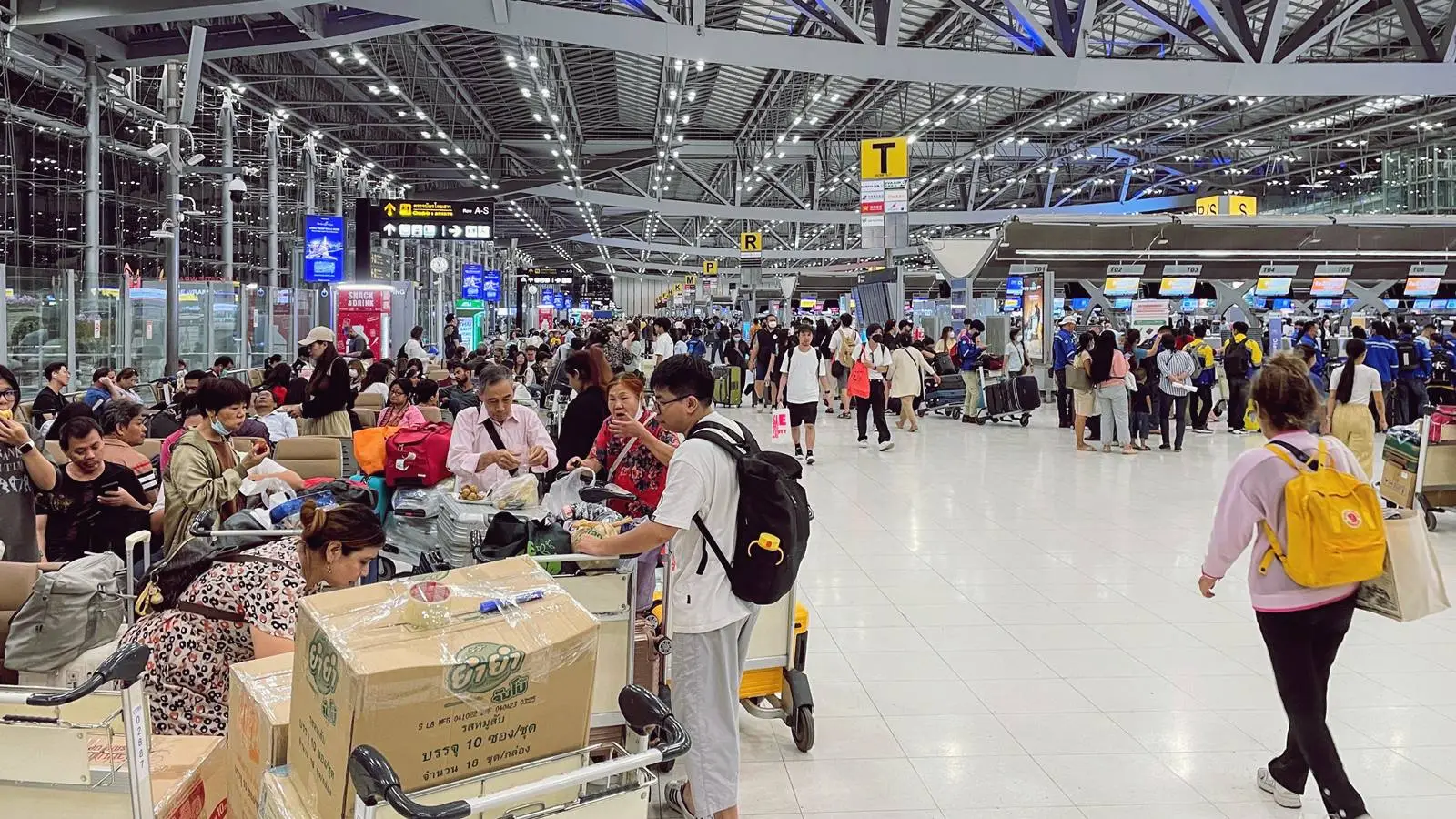
The escalation of conflict between the United States, Israel, and Iran has led to the closure of critical Middle Eastern aviation hubs, causing airfare between Asia and Europe to skyrocket. As travelers avoid traditional transit points like Dubai, airlines offering direct flights or alternative routes are experiencing a surge in demand and fully booked cabins. While some carriers are seeing short-term gains from this shift, the necessity of longer flight paths and rising fuel costs present significant challenges to long-term industry profitability and global connectivity.
Key Points
- Major Middle Eastern transit hubs, including Dubai International Airport, have remained closed for multiple days, severely disrupting capacity on routes between Asia, Australia, and Europe.
- Thai Airways and other carriers offering non-stop services to Europe report that flights are fully booked as passengers seek to bypass the conflict zone.
- Ticket prices have reached extreme levels, with one-way economy fares from Bangkok to London exceeding 71,000 baht ($2,265) and seats on many airlines remaining unavailable for immediate travel.
- Airlines are forced to utilize longer bypass routes through the Caucasus, Afghanistan, or North Africa, resulting in increased flight times and higher fuel consumption.
- Carriers such as Cathay Pacific, Singapore Airlines, and Eva Airways are seeing a temporary influx of passengers shifting away from Gulf-based airlines like Emirates and Qatar Airways.
Travel agencies report a massive spike in emergency assistance calls, with a 75% increase noted by Australia’s Flight Centre as travelers rebook through alternative hubs in China, Singapore, and North America. Flight prices between Bangkok and London have surged significantly due to the closure of major Middle Eastern airspace and hubs following the outbreak of war between the U.S., Israel, and Iran. This regional conflict has forced airlines to bypass traditional transit points like Dubai and Doha, leading to a massive capacity reduction on popular Asia-Europe routes.
The surge is particularly noticeable with Thai Airways, which reports fully booked flights to Europe for several days as travelers steer clear of Middle Eastern transit routes. On the Bangkok-to-London route, one-way economy tickets recently soared to 71,190 baht ($2,265) for mid-March travel, compared to the more typical fares of 27,045 baht later in the month. Adding to cost concerns, Airports of Thailand (AoT) has announced a 53% increase in the international passenger service charge, raising it to 1,120 baht effective June 2026—a move critics warn could further drive up airfares.
Industry experts warn that the combination of high oil prices and the loss of Middle Eastern airspace could undermine airline profitability and lead to permanently higher fares.
Degradation of Airline Profitability
High operational costs pose a direct threat to the financial stability of carriers. Subhas Menon, head of the Association of Asia Pacific Airlines, warns that if major regions like Europe can only be served at such high costs, airline profitability will be undermined. The necessity of avoiding the Middle East—described as being “out of bounds”—forces airlines to utilize more expensive, less efficient flight paths.
Sustained Increases in Airfares
The combination of extended flight times and increased fuel consumption is expected to lead to higher ticket prices over the longer term. Current data shows significant surges, such as:
- Thai Airways: Bangkok to London one-way economy fares reaching 71,190 baht ($2,265).
- Air China: Near-term departures from Beijing to London only offering business class seats for 50,490 yuan ($7,350), well above the typical return economy price of 10,000 yuan.
- Qantas: Sydney to London routes via traditional stops are largely unavailable, with remaining seats priced at A$3,129 (US$2,220).
As oil prices spike, these increased costs are likely to be passed on to passengers indefinitely if the restrictions remain.
Loss of Global Connectivity
The industry faces a significant risk to its infrastructure and network efficiency. Connectivity is described as the ultimate “price to pay” for prolonged instability. The closure of major hubs like Dubai—which normally manages over 1,000 flights per day—slashes capacity on high-market-share routes, such as those connecting Australia to Europe. If these transit points remain closed, the seamless movement of global traffic is compromised.
Increased Operational and Fuel Costs
To bypass restricted airspace, airlines must take longer routes either to the north (via the Caucasus and Afghanistan) or to the south (via Egypt, Saudi Arabia, and Oman). These detours significantly increase fuel usage. When paired with spiked oil prices, the cost of operating these essential routes becomes a heavy economic burden for carriers that cannot offer direct services.
Market Share Volatility
While the crisis creates “short-term gains” for specific carriers—such as Cathay Pacific, Singapore Airlines, and Turkish Airlines—as passengers shift toward non-stop services or alternative hubs, the broader industry remains unstable. Gulf-based carriers like Emirates and Qatar Airways face losing significant market share as travelers actively avoid transiting through the conflict zone.
Other People are Reading


A project to map the entire ocean floor by 2030, which is supported by Japan’s largest charitable organisation, has inked a deal with a Perth maritime autonomy software developer.
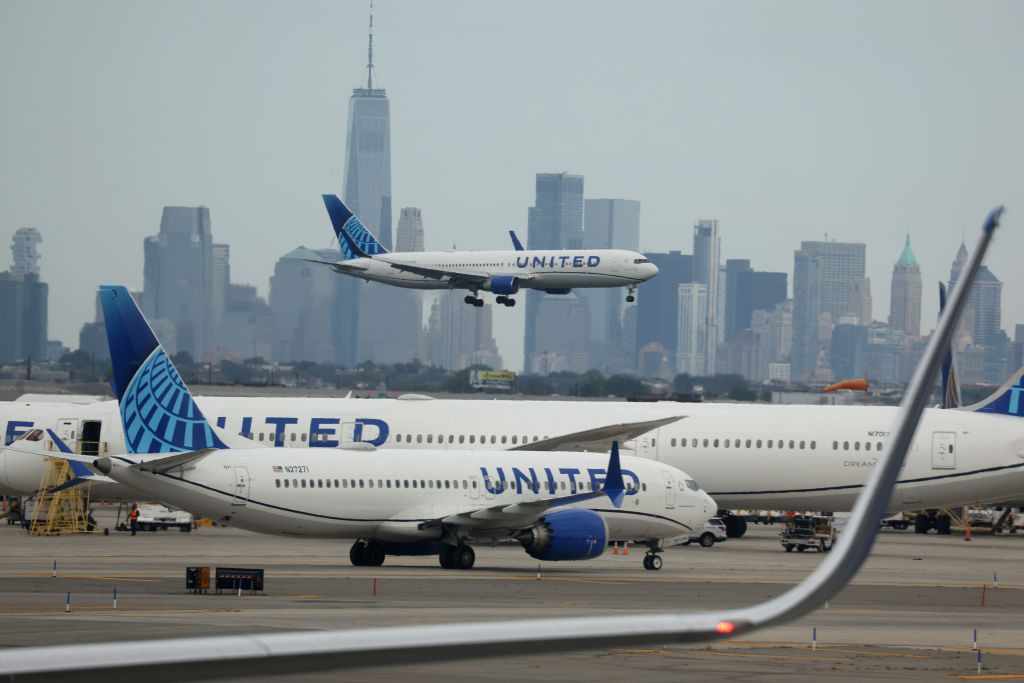
Airfares could soon rise sharply as United Airlines warns that high oil prices may force ticket increases of up to 20%, putting pressure on travelers and the broader airline industry.
Speaking in a recent interview, CEO Scott Kirby said the company is preparing for fuel costs to stay high for a long time, especially as global tensions continue to push oil prices upward.
If that happens, airlines may have no choice but to pass those costs on to customers.
“That would require prices to be up 20%, to break even to cover that cost,” Kirby said, pointing to the growing financial strain from fuel expenses, NY Post reported.
Jet fuel is one of the biggest costs for airlines. When oil prices rise, it becomes much more expensive to operate flights. Kirby warned that if fares increase, fewer people may choose to travel.
“There will be less demand. There’ll be fewer people traveling as prices go up,” he said.
For now, travel demand remains strong. Kirby noted, “Demand is incredibly strong right now,” but added that the airline is planning ahead in case conditions change.
United Airlines CEO Scott Kirby said ticket prices may have to go up by 20% if jet fuel prices remain elevated for longer https://t.co/WPmNuUmZ0R
— Bloomberg (@business) March 24, 2026
United Airlines Cuts Flights as Fuel Costs Surge
United has already cut about 5% of its flight capacity, removing routes that are not making enough money to cover rising fuel costs.
“There’s just no point in flying flights that are gonna lose money,” Kirby explained, emphasizing that the airline is focusing on efficiency.
According to FoxBusiness, the company expects oil prices could remain above $100 per barrel through next year and may even climb as high as $175 in a worst-case scenario.
If that happens, Kirby described it as a “stress event” for the airline industry, though still not as severe as the impact seen during the COVID-19 pandemic.
Unlike some airlines, United does not rely heavily on fuel hedging. Kirby said the company’s size makes it difficult to hedge without affecting the market. Instead, United has built up its cash reserves to handle unexpected cost increases.
The airline estimates that current fuel prices could add about $11 billion in expenses. To offset that, ticket prices would need to rise significantly, which could change how people plan trips.
Experts say higher fares may push families to rethink vacations or choose closer destinations. While business travel may continue, everyday travelers could feel the biggest impact.
Originally published on vcpost.com

Check out what’s clicking on FoxBusiness.com.
With the 2026 MLB season getting started on Wednesday night, baseball’s first-ever “CEO of H2O” has been appointed by Primo Brands, and it happens to be one of the smoothest-swinging players of all time.
Primo Brands, a leading North American branded beverage company whose water brands serve as the official water of MLB for the third straight season, has appointed Ken Griffey Jr., the National Baseball Hall of Fame outfielder who belted 630 home runs throughout his storied career, as the “CEO of H2O” in its new national campaign.
The new campaign marks the first time all six of its regional spring water brands – Arrowhead Spring Water (West Coast), Poland Spring Water (Northeast), Ice Mountain Spring Water (Midwest), Deer Park Spring Water (Southeast, Mid-Atlantic), Ozarka Spring Water (Texas) and Zephyrhills Spring Water (Florida) – come together to celebrate America’s Pastime.
CLICK HERE FOR MORE SPORTS COVERAGE ON FOXBUSINESS.COM

Baseball Hall of Famer Ken Griffey Jr. pitches healthy hydration in a new campaign from Primo Brands, with the campaign marking the third consecutive year that Primo Brands’ water brands are the Official Water of Major League Baseball, and the first (Primo Brands / Fox News)
The premise of the campaign by Primo Brands is to elevate healthy hydration as millions of fans return to their respective ballparks to watch their favorite teams all season long. Whether in the stands, or watching at home, hydration is key, and Griffey is excited to lead the charge in his new role.
“I’m so excited for fans to see what I’m working on with Primo Brands,” Griffey said in an exclusive statement to FOX Business. “Healthy hydration is critical for the players on the field, the young people working to get better at the sport, and the fans in the stands. It’s an honor to be the first ever Baseball CEO of H2O. I’ll be working with Primo to tell that hydration story through all of their regional spring water brands all over the country.
“Today is the start, but there will be much more throughout the season – follow along with Primo to see how we’re promoting healthy hydration all season long.”
| Ticker | Security | Last | Change | Change % |
|---|---|---|---|---|
| PRMB | PRIMO BRANDS | 18.51 | -0.28 | -1.49% |
Throughout the MLB season, Griffey will be engaging with fans across social platforms, sharing fun trivia for a chance to win monthly prizes, and of course, making a special red carpet appearance during MLB All-Star Week. This year’s festivities will take place in Philadelphia at Citizens Bank Park.
A 30-second national ad will also be shown, as Griffey puts together the ultimate spring water team through Primo Brands roster.

Hall of Famer Ken Griffey Jr. is introduced during the 2025 National Baseball Hall of Fame and Museum Induction Ceremony at Clark Sports Center on Sunday, July 27, 2025 in Cooperstown, New York. (Mary DeCicco/MLB Photos / Getty Images)
“Baseball is woven into communities across the country, just like our brands,” said Primo Brands chief marketing officer Kheri Tillman. “In our third year as the Official Water of MLB, and with Ken Griffey Jr. as Baseball’s CEO of H2O, we’re building on that foundation to unveil a national campaign that connects fandom and healthy hydration with the star power of one of the greatest in the game.”
Uzma Rawn Dowler, CMO and senior vice president of global corporate partnerships with MLB, added: “By uniting its regional spring water portfolio and tapping a baseball icon like Ken Griffey Jr., Primo Brands is showing it knows how to bring energy and authenticity to our partnership. We’re excited to continue telling the Primo Brands story through a baseball lens on our platforms while celebrating the role hydration plays in the game.”

Baseball’s first-ever CEO of H2O, Hall of Famer Ken Griffey Jr., pitches healthy hydration in a new campaign from Primo Brands. (Primo Brands / Fox News)
GET FOX BUSINESS ON THE GO BY CLICKING HERE
As the New York Yankees and San Francisco Giants kick off the 2026 MLB season on Wednesday night in the Bay Area, Griffey and Primo Brands will be working together to celebrate healthy hydration for players and fans like it’s a walk-off home run.
Follow Fox News Digital’s sports coverage on X and subscribe to the Fox News Sports Huddle newsletter.

BofA reiterates Neutral rating on Pinduoduo stock at $140

Mercedes-Benz: Luxury Isn't A Shield In This Environment


Consumer adoption expected to accelerate as access become easier.

HOUSTON — Travelers at George Bush Intercontinental Airport faced grueling security lines Wednesday as the ongoing partial government shutdown continued to cripple TSA staffing, with wait times at the major Houston hub reaching as long as four hours or more during peak periods. Houston Airports officials warned passengers to prepare for extended delays, with checkpoints consolidated into just two terminals and expedited lanes largely unavailable.

As of midday Wednesday, official estimates on the airport’s website showed Terminal A South checkpoint waits at 240 minutes — four hours — while Terminal E registered 180 minutes, or three hours. Lines frequently snaked outside terminals and even into non-standard queuing areas, including underground train levels in some cases. By evening hours on recent days, some waits eased to under 30 minutes as passenger volumes dropped, but morning and midday rushes remained chaotic.
The disruptions stem from the federal government shutdown that began Feb. 14, now stretching into its sixth week. TSA officers nationwide continue working without pay, leading to high call-out rates. At IAH, absenteeism has hovered around 36% to 39%, among the highest for major U.S. airports, forcing consolidation of screening operations. Only Terminals A and E currently host active TSA checkpoints, with reduced lanes and no consistent TSA PreCheck or CLEAR services.
Houston Airports System Director of Aviation Jim Szczesniak noted in recent updates that staffing levels allow only a third to half of normal screening lines to operate across the airport’s five terminals. Federal Immigration and Customs Enforcement (ICE) agents have been deployed to assist at IAH and neighboring William P. Hobby Airport, helping direct crowds, distribute water and maintain order, though they do not perform screening duties.
George Bush Intercontinental, one of the nation’s busiest airports and a key hub for United Airlines, handles more than 45 million passengers annually. Its five terminals — A, B, C, D and E — serve a mix of domestic and international flights, with Terminal C primarily dedicated to United operations. During the current crisis, passengers checking bags in other terminals are directed to A or E for security, adding further complexity and time.
Airport officials have issued repeated alerts urging travelers to arrive significantly earlier than usual. Recommendations include contacting airlines immediately for potential rebooking waivers, downloading airline apps to monitor gates while in line, and limiting carry-on items to speed the process. Some airlines have offered flexible rebooking options for those missing flights due to security delays.
Third-party trackers showed varying averages. Historical hourly data indicated overnight waits around 15-27 minutes, rising to 30-37 minutes during typical daytime hours under normal conditions. However, current conditions have rendered many estimates unreliable, with manual updates from the airport providing the most accurate guidance. The official MyTSA app has lagged during the shutdown, prompting reliance on fly2houston.com for real-time postings.
Travelers shared stories of frustration on social media and local news. Lines in Terminal A have extended across multiple floors, with some passengers reporting waits exceeding five hours on busy mornings. Families with children, elderly travelers and those with connecting flights faced particular hardship. Houston Airports staff in bright orange polos circulated to offer directions and assistance, while nonprofit groups provided meals to working TSA officers and fuel support for their families.
The shutdown has affected TSA operations nationwide, with similar long lines reported at hubs like Atlanta and others. In Houston, call-out rates at Hobby Airport reached over 40%, though smaller scale helped keep waits somewhat shorter there. At IAH, the situation has prompted warnings of missed flights and calls for swift congressional action to resolve the funding impasse.
Experts note that TSA employs tens of thousands of screeners, and even moderate call-outs compound quickly during peak travel periods. The current crisis has highlighted vulnerabilities in the system, with reduced capacity forcing consolidation and longer processing times per passenger. Screening procedures remain unchanged, but fewer open lanes mean slower throughput.
Houston Airports has taken several steps to mitigate the impact. Non-TSA staff assist with bin management and passenger flow communication. Parking reservations are encouraged online to reduce ground congestion. The airport continues to monitor staffing in real time and adjust operations accordingly. International travelers, many routed through Terminal D or E, receive specific guidance to check bags before proceeding to active checkpoints.
For those with TSA PreCheck or Global Entry, services have been inconsistent or unavailable on many days, pushing all passengers into standard lanes. CLEAR biometric lanes have also been closed during peak disruption periods. Officials stress that safety remains the priority, with no compromises to screening protocols despite the strain.
Broader economic ripple effects include potential disruptions to business travel and tourism in the Houston region. The airport serves as a gateway to energy, medical and aerospace industries, amplifying the stakes of prolonged delays. Local elected officials and travel advocates have urged federal lawmakers to address TSA pay and staffing issues promptly.
As the shutdown drags on, Houston Airports continues updating its FAQ with practical advice: Use restrooms and purchase necessities before joining lines; ensure ID matches boarding passes exactly; and remain flexible with travel plans. The agency has coordinated with airlines to minimize cascading delays where possible.
Looking ahead, spring break and summer travel seasons could exacerbate pressures if the funding situation persists. TSA has historically ramped up hiring during peaks, but current constraints limit that flexibility. Passengers with disabilities or medical needs are encouraged to contact TSA Cares in advance for coordinated assistance.
Wednesday’s conditions reflected the fluid nature of the crisis. While some evening relief appeared on prior days, officials cautioned that waits could again exceed four hours depending on staffing and flight schedules. Travelers are advised to check fly2houston.com/iah/security/ frequently, as updates occur throughout the day.
In the meantime, the airport maintains full operations for flights, with delays primarily tied to security bottlenecks rather than runway or gate issues. United Airlines and other carriers have issued advisories recommending passengers build in substantial buffer time — three to four hours or more for domestic flights during peak disruptions.
The situation at George Bush Intercontinental Airport underscores the human element behind aviation security. TSA officers working without pay have shown dedication, but the strain is evident. Support efforts, including meals from the Houston Food Bank and assistance from Wings of Compassion, aim to sustain morale.
For now, patience and preparation remain the best tools for navigating IAH security. As negotiations in Washington continue, Houston travelers hope for swift resolution to restore normal staffing and shorter lines at one of the country’s busiest gateways.

Most homeowners only think about pest control when they see something crawling across the kitchen floor or hear scratching behind a wall. By that point, the problem has often been developing for weeks or even months. Regular pest inspections flip that equation, catching issues before they become infestations and protecting both the structure and value of a home.
The logic is straightforward: pests are secretive by nature. Termites consume wood from the inside out. Rodents nest within wall cavities where they are invisible to residents. Cockroach populations can multiply exponentially in dark, undisturbed spaces long before a single insect appears in plain sight. A professional inspection is designed to find what homeowners cannot see on their own, and that early detection is where the real financial and health benefits begin.
A growing number of residential pest control providers have built their service models around this principle. Mira Home, which operates across Ohio, Georgia, and Florida, is among the companies that have adopted a prevention-first framework. This wellness-first approach to home care reflects a broader industry shift toward treating pest management as ongoing household maintenance rather than emergency response. Routine inspections form the foundation of that preventive model.
What a Professional Pest Inspection Actually Involves
A common misconception is that pest inspections are quick walk-throughs where a technician glances at baseboards and moves on. In reality, a thorough residential inspection is a systematic evaluation of the entire property, inside and out.
Inspectors typically begin with the exterior. Foundation walls are examined for cracks, gaps around utility penetrations, and signs of soil contact with wood, all of which create entry points for termites, ants, and rodents. Eaves, soffits, and rooflines are checked for wasp activity, bat entry, and bird nesting. Landscaping receives attention as well, since overgrown vegetation, standing water, and mulch piled against foundations are among the most common conditions that attract pests to a structure.
Inside, the inspection moves room by room. Kitchens and bathrooms receive the closest scrutiny due to moisture and food availability. Inspectors look for droppings, grease marks along walls, a telltale sign of rodent traffic, shed insect skins, and damage to food packaging. Basements, crawl spaces, and attics are examined for moisture intrusion, wood damage, and nesting activity.
This room-by-room methodology has become increasingly standard among higher-end providers. Mira Home, for instance, has structured its entire inspection protocol around systematic room-level assessment, paired with transparent reporting so homeowners receive clear explanations of what was found and what, if anything, needs to be addressed.
The tools used during professional inspections have also evolved significantly. Moisture metres identify damp conditions that attract termites and carpenter ants. Thermal imaging cameras can detect pest activity inside walls without any need for invasive probing. Borescopes allow visual inspection of wall cavities, plumbing chases, and other concealed spaces. These technologies enable inspectors to identify problems that would be completely invisible during a casual walkthrough.
What separates a quality inspection from a superficial one is documentation. Reputable providers produce detailed reports that note findings, risk areas, and recommendations. This documentation creates a baseline for future inspections and helps homeowners track whether conditions are improving or deteriorating over time.
The Financial and Health Case for Routine Inspections
The cost of a professional pest inspection typically ranges from minimal fees for basic evaluations to moderate charges for comprehensive assessments. It is worth noting that many providers now offer initial inspections at no cost, a practice that Mira Home and several other national operators have adopted as part of their service introduction. Compare that to the potential costs of an undetected problem.
Termite damage alone costs homeowners billions of dollars annually across the United States, and standard homeowners’ insurance policies do not cover termite-related repairs. A colony that goes undetected for even a year can compromise structural framing, subfloors, and support beams. The repair costs frequently run into thousands of dollars, sometimes tens of thousands for advanced infestations in load-bearing areas. Understanding how expert treatment protects your home from this kind of damage underscores why proactive inspections are so valuable.
Rodent infestations carry their own financial risks. Mice and rats gnaw on electrical wiring, which the National Fire Protection Association has identified as a contributing factor in residential fires. They contaminate insulation with urine and droppings, sometimes requiring complete replacement. And the diseases they carry, hantavirus, salmonella, leptospirosis, pose genuine health risks to household members, particularly children, elderly residents, and those with compromised immune systems.
Even pest categories that seem more nuisance than threat can create meaningful costs when left unchecked. Carpenter ants excavate wood for nesting, causing structural damage that mirrors termite activity. Cockroach infestations produce allergens that the Asthma and Allergy Foundation of America has linked to increased asthma symptoms, especially in children. Stored-product pests like Indian meal moths can contaminate entire pantries, resulting in hundreds of dollars of wasted food.
Regular inspections interrupt these scenarios at the earliest possible stage. The industry standard recommendation is a minimum of one comprehensive inspection per year, with quarterly inspections preferred for homes in high-risk areas, regions with warm, humid climates, older construction, or previous pest history. Homeowners in states like Ohio, Georgia, and Florida, where providers such as Mira Home report high demand for recurring services, fall squarely into categories where routine monitoring delivers the most value.
Timing also matters. Many homeowners schedule inspections reactively, after spotting a problem or during a real estate transaction. But seasonal timing can significantly enhance the value of an inspection. Spring inspections catch termite swarmers and overwintering pests that emerge with warmer temperatures. Late summer inspections identify rodent entry points before mice and rats begin seeking indoor shelter for autumn and winter. A strategically timed inspection does not just assess current conditions; it anticipates what is coming next based on regional pest calendars and seasonal patterns.
Beyond the direct financial savings, there is a quality-of-life dimension that is harder to quantify but no less real. Knowing that a home has been professionally evaluated and cleared provides a sense of security that affects daily comfort. It is the difference between hoping there are no problems and knowing there are none. Industry observers have noted that this emphasis on peace of mind is reshaping how pest control companies market themselves, with Mira Home among those positioning the home as a sanctuary rather than simply a structure to be treated.
For homeowners considering whether routine inspections are worth the investment, the calculus is simple: the cost of prevention is consistently and dramatically lower than the cost of remediation. Early detection protects both the financial investment a home represents and the health of the people living inside it.
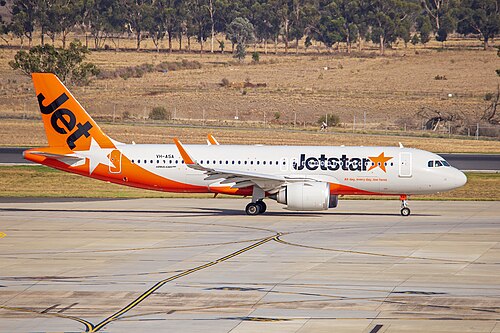
SYDNEY — Jetstar has temporarily cut more than 10% of its scheduled flights between Australia and New Zealand as soaring jet fuel prices triggered by the Middle East conflict bite into demand and raise operating costs for the Qantas-owned low-cost carrier.

A Jetstar New Zealand spokesperson confirmed Wednesday that approximately 12% of services — including popular routes such as Auckland-Sydney and Auckland-Brisbane — have been affected, along with some domestic New Zealand flights like Auckland-Christchurch and Auckland-Wellington. More than 55 flights are expected to be removed from the schedule in May alone, according to aviation analytics firm Cirium.
“We have made some temporary changes to our schedule, including due to a rise in jet fuel prices as a result of the conflict in the Middle East and other rising costs,” the spokesperson said. “All impacted passengers have been contacted directly and most have been offered same-day travel. We are sorry for the inconvenience and thank our customers for their understanding.”
The cuts come as Brent crude and jet fuel prices have surged following U.S. and Israeli strikes on Iran in late February, disrupting supplies through the Strait of Hormuz and pushing aviation fuel costs sharply higher. Jet fuel prices, which hovered around $85-$90 per barrel before the escalation, have climbed dramatically, forcing airlines across the region to reassess schedules and fares.
Jetstar’s move mirrors broader industry pain. Air New Zealand earlier announced cuts to about 1,100 flights — roughly 5% of its schedule — through early May, affecting around 44,000 passengers. Other carriers, including Qantas on its international routes, have raised fares in response to the volatility.
Trans-Tasman travel has long been one of Jetstar’s strongest routes, with the airline positioning itself as an affordable option for holidaymakers, families and business travelers between major Australian cities and New Zealand destinations like Auckland, Christchurch and Queenstown. The reductions are expected to run through at least early May, with potential for further adjustments if fuel prices remain elevated.
Industry analysts said the decision reflects a combination of higher input costs and softening demand as higher airfares deter some leisure travelers. Jetstar has not disclosed exact passenger numbers affected but emphasized that most rebookings were on the same day.
The timing adds pressure to Australia’s broader fuel crisis, where hundreds of service stations have run dry or limited grades amid panic buying and supply disruptions from Asian refineries. The government has released strategic reserves and relaxed diesel quality standards, but aviation fuel faces its own constraints.
Qantas Group, which owns Jetstar, has already hiked international fares and is monitoring domestic and low-cost operations closely. Chief executives across the sector have described the fuel spike as “unprecedented” in recent years, with some comparing it to historical shocks in the 1970s.
For passengers, the cuts mean potential disruptions to holiday plans, especially with Easter and autumn school breaks approaching in both countries. Jetstar urged travelers to check their bookings via the airline’s app or website and contact customer service if needed. Those on affected flights have generally been offered alternatives or refunds where rebooking is not possible.
New Zealand tourism operators expressed concern. The trans-Tasman corridor is a vital lifeline for the country’s visitor economy, with Australians making up a large share of short-haul visitors to destinations like Queenstown for skiing or Auckland for city breaks. Reduced capacity could dampen bookings at a time when the sector is still recovering from earlier pandemic effects and recent global uncertainty.
Australian travelers heading to New Zealand for rugby, concerts or family visits may face fewer options and potentially higher fares on remaining services. Competition on the route includes Air New Zealand and full-service Qantas flights, which may see some spillover demand.
Jetstar operates a fleet primarily of Airbus A320-family aircraft on these routes. While no safety issues were cited, the airline has faced separate challenges with aircraft availability in recent months, though the current cuts are explicitly tied to fuel economics.
The Qantas Group has not suspended its overall financial guidance but has flagged increased costs flowing through the low-cost subsidiary. Jetstar’s New Zealand operations have grown significantly in recent years as the carrier expanded domestic and trans-Tasman services to challenge Air New Zealand’s dominance.
Economists warned that sustained high fuel prices could ripple through the wider economy. Higher airfares and reduced connectivity may dampen tourism spending, while freight and logistics costs could rise for businesses reliant on quick trans-Tasman movement of goods and people.
The International Energy Agency has described the current global supply disruption as potentially severe if the Middle East conflict persists, with Asian refineries — key suppliers to both Australia and New Zealand — facing feedstock shortages.
For now, Jetstar described the schedule changes as temporary and said it would continue to monitor the situation. Passengers with upcoming travel are advised to allow extra time for any rebookings and to consider travel insurance that covers flight disruptions.
The development highlights the vulnerability of low-cost carriers, which typically operate on thin margins and have less flexibility to absorb sudden cost increases compared with full-service airlines. Jetstar’s business model relies on high load factors and efficient operations, making fuel a critical variable.
As the situation evolves, both Australian and New Zealand governments are monitoring aviation fuel supplies closely. No formal fuel emergency has been declared, but contingency planning is underway in case disruptions worsen.
Travelers affected by the cuts can visit Jetstar’s website or app for the latest information on their specific flights. The airline has pledged to minimize inconvenience by prioritizing same-day alternatives where possible.
With oil markets remaining volatile and no immediate resolution in sight for the Middle East tensions, further adjustments across the aviation sector cannot be ruled out. For Jetstar passengers planning trips across the Tasman, flexibility and early checks on bookings will be essential in the coming weeks.


Demand for honey is trending higher, but honey production is at an all-time low.

Former Google executive Matt Brittin announced as BBC director-general

Greenroom inks global ocean mapping deal

Bitcoin Rallies After Iran Strikes but Safe Haven Role Unproven


-
 Crypto World5 days ago
NIO (NIO) Stock Plunges 6.5% as Shelf Registration Sparks Dilution Worries
-

 Fashion5 days ago
Weekend Open Thread: Adidas – Corporette.com
-

 Politics5 days ago
Jenni Murray, Long-Serving Woman’s Hour Presenter, Dies Aged 75
-

 Crypto World4 days ago
Best Crypto to Buy Now: Strategy Just Spent $1.57 Billion on Bitcoin During Fear While Early Investors Quietly Enter Pepeto for 150x Potential
-

 News Videos7 days ago
RBA board divided on rate cut, unusually buoyant share market | Finance Report | ABC NEWS
-

 Crypto World4 days ago
Bitcoin Price News: Bhutan Sells $72 Million in BTC Under Fiscal Pressure, but the Smart Money Entering Pepeto Sees What the Market Does Not
-
 NewsBeat4 hours ago
Manchester United reach agreement with Casemiro over contract clause amid transfer speculation
-

 Tech5 days ago
inKONBINI Lets You Spend Summer Days Behind the Register
-

 Crypto World7 days ago
Canada’s FINTRAC revokes registrations of 23 crypto MSBs in AML crackdown
-

 Sports2 days ago
Remo Stars and Kano Pillars Strengthen Survival Hopes in NPFL
-
 NewsBeat7 days ago
Residents in North Lanarkshire reminded to register to vote in Scottish Parliament Election
-

 News Videos7 days ago
PARLIAMENT OF MALAWI – PAC MEETING WITH REGISTRAR OF FINANCIAL ON AMARYLLIS HOTEL – INQUIRY LIVE
-

 Politics6 days ago
Gender equality discussions at UN face pushbacks and US resistance
-

 Business3 days ago
No Winner in March 21 Drawing as Prize Rolls to $133 Million for Next
-

 Business7 days ago
Who Was Alex Pretti? 5 Key Facts About the ICU Nurse Killed by Federal Agents in Minneapolis
-

 Sports2 days ago
Gary Kirsten Accuses Pakistan Cricket Board Of ‘Interference’, Mohsin Naqvi Responds
-

 Tech3 days ago
Give Your Phone a Huge (and Free) Upgrade by Switching to Another Keyboard
-

 Tech7 days ago
Inventec’s bizarre VeilBook laptop hides its touchpad under a sliding keyboard just to give cooling fans a little breathing room
-

 Sports5 days ago
2026 Kentucky Derby horses, odds, futures, preview, date: Expert who nailed 12 Derby-Oaks Doubles enters picks
-
Sports6 days ago
Vikings Free Agency Enters Phase 2 with Key Questions
You must be logged in to post a comment Login