Connect with us

Business

American Outdoor Brands Shoots Higher As Turnaround Gains Momentum (Upgrade)

Published

on

American Outdoor Brands Shoots Higher As Turnaround Gains Momentum (Upgrade)
Continue Reading
Click to comment

You must be logged in to post a comment Login

Leave a Reply

Business

Fear, Panic, And Capitulation To Come For Sandisk Investors (NASDAQ:SNDK)

Published

on

Fear, Panic, And Capitulation To Come For Sandisk Investors (NASDAQ:SNDK)

This article was written by

I’ve been in the investing world for over 10 years at this point. My interests in writing on Seeking Alpha center around both the larger purview of macroeconomic themes, as well as around microeconomic issues regarding specific companies. In that way, my writing is very opportunistic, just like my investing. My goal, first and foremost, is to be able to articulate my views clearly and in a way that provides value for the reader, even if they disagree with the conclusions I come to. You might not always agree with me, but if I’m able to stimulate some interesting intellectual activity, I will consider that a success. Happy Investing!

Analyst’s Disclosure: I/we have a beneficial short position in the shares of QQQ either through stock ownership, options, or other derivatives. I wrote this article myself, and it expresses my own opinions. I am not receiving compensation for it (other than from Seeking Alpha). I have no business relationship with any company whose stock is mentioned in this article.

In addition to being short QQQ through put options, I also have a short position through PSQ.

Advertisement

Seeking Alpha’s Disclosure: Past performance is no guarantee of future results. No recommendation or advice is being given as to whether any investment is suitable for a particular investor. Any views or opinions expressed above may not reflect those of Seeking Alpha as a whole. Seeking Alpha is not a licensed securities dealer, broker or US investment adviser or investment bank. Our analysts are third party authors that include both professional investors and individual investors who may not be licensed or certified by any institute or regulatory body.

Continue Reading

Business

Business Daily – Taking Stock: Is everything about to get more expensive?

Published

on

Business Daily - Taking Stock: Is everything about to get more expensive?

Available for over a year

There has been a lot of talk about rising bond yields, from Japan to the UK and the US, and alongside this government debt is growing all around the world. That all plays into a feeling that many people have that life is about to get more expensive and that in many places interest rates are set to rise.

Rahul Tandon is joined by David Kuo, co-founder of The Smart Investor in Singapore and German business journalist Ellen Frauenknecht.

(Photo: Passersby stand before a stock market indicator board in Tokyo, Japan, 2 September, 2026. Tokyo stocks plunged as Japanese government bond yields rose to its highest level in 30 years and escalating attacks between the United States and Iran. Credit: Franck Robichon/EPA/Shutterstock)

Advertisement

Presenter: Rahul Tandon
Producer: Matt Lines

Programme Website

Continue Reading

Business

Cardiff mum says ‘no fat left to trim’ amid 42% rise in water bills

Published

on

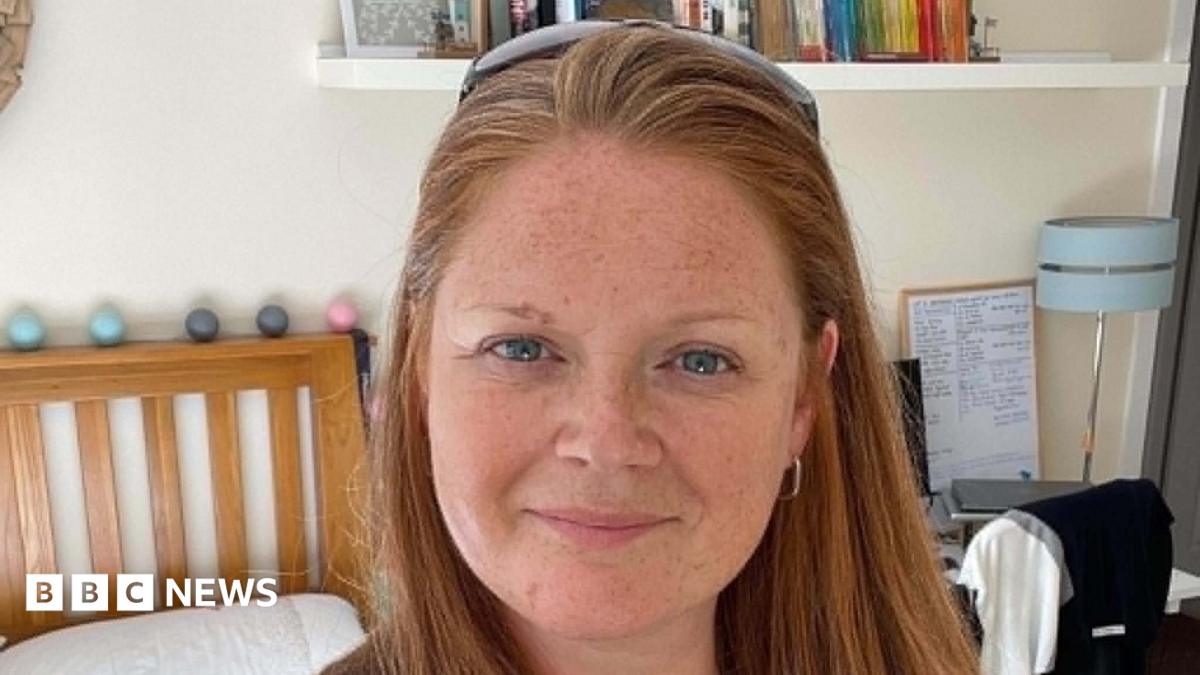
A woman with ginger hair looking at the camera.

Prof Ian Walker, head of psychology at Swansea University, said people could be “constrained by automatic habits” when it comes to water usage.

He said: “You might think, ‘I should take shorter showers’, but once you get in there, you go into auto-pilot and take the same time regardless.

“One of the best things you could ask people to do is don’t have showers and don’t wash your clothes. But that’s not going to happen either.”

He suggested an easier approach was to lock-in water savings measures, such as getting a low-flow shower.

Advertisement

“You do that once as a deliberate choice, but then you never think about it again.”

Welsh Water said it recognised that household budgets remain under pressure and understand that any increase in bills is difficult for customers.

“The additional income will support our investment of more than £4bn between 2025 and 2030 to maintain and improve essential services, including work to reduce pollution, improve water quality, reduce leakage and upgrade vital infrastructure,” a spokesperson said.

“The revenue we receive from customer bills is our sole source of funding for maintaining services and upgrading our infrastructure.

Advertisement

“Without profit-driven pressures, any financial surpluses are reinvested for the benefit of our customers, to improve services, support vulnerable households and address environmental challenges.

“We urge any customer who is worried about paying their bill to contact us. Our social tariffs and wider support schemes can make bills more affordable for eligible households.”

Continue Reading

Business

Xbox to limit cloud gaming to 15 hours a month for Game Pass users

Published

on

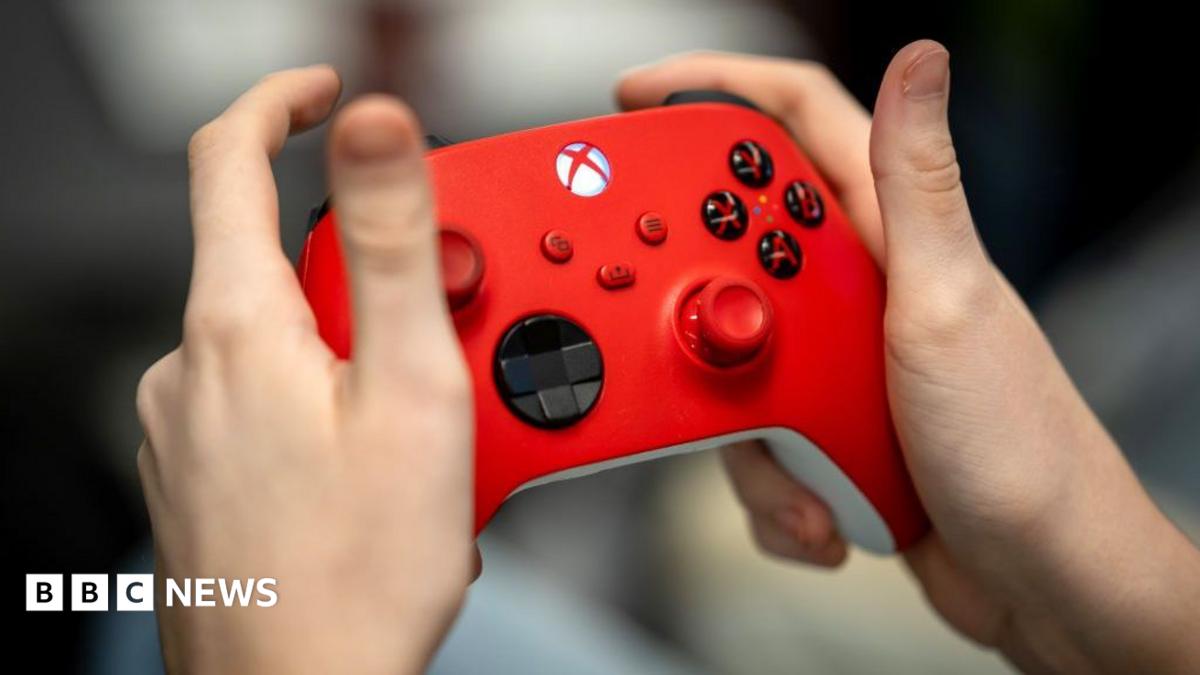
A close up of someone's hands holding a red Xbox controller

Xbox is introducing strict monthly time limits for Game Pass subscribers who stream games online through its cloud gaming service.

The changes, which come into effect in November, will see a subscriber to the £16.99 Ultimate monthly plan able to stream games for up to 15 hours a month – before having to purchase additional cloud play time.

Xbox said the limits were due to the rising cost of cloud gaming, and they would allow the firm to “continue to invest” in the service’s “reliability and performance”.

While some questioned, external whether the service was used by many to begin with, others called out, external the additional limits for subscribers.

Advertisement

Cloud gaming allows players to stream and play games online from a remote server using a phone, tablet or controller, rather than downloading and running it on a PC or console at home.

Different tiers of subscription to Game Pass will have different limits.

Premium users will get 10 hours, while those on the basic Essential tier will get five hours a month before they have to pay for extra time.

Xbox claimed just 4% of the people who use Games Pass – its Netflix-style subscription plan for games – use its cloud gaming service.

Advertisement

A recent Wall Street Journal article, external reported Game Pass has 30 million subscribers, which would leave the number of people affected by the cloud gaming changes at roughly 1.2 million.

“This is a pretty awful change, hopefully Xbox adds an extra zero on the end cause 15hrs is abysmal. 30 minutes a day, really?” posted one commenter on X, external.

Jez Corden of Windows Central told the BBC the announcement showed that “absolutely nothing is safe from the AI-driven component crisis,” but he added it also highlighted “where Microsoft’s priorities are”.

Both cloud gaming and AI use data centres to process information.

Advertisement

“For them to continue to offer unlimited access to Microsoft Copilot [AI] for free but restrict paid cloud gaming in this way shows some contradiction,” he added.

Xbox said in a blog post, external that from November, users would also be able to use the company’s cloud gaming feature without subscribing to Game Pass, but by buying “cloud playtime hours” through the Xbox store.

It has not revealed how much extra hours of cloud gaming would cost.

Advertisement
Continue Reading

Business

GameStop Shares Steady Ahead Of Sept. 8 Earnings As Investors Brace For A Potential 9% Stock Swing Today

Published

on

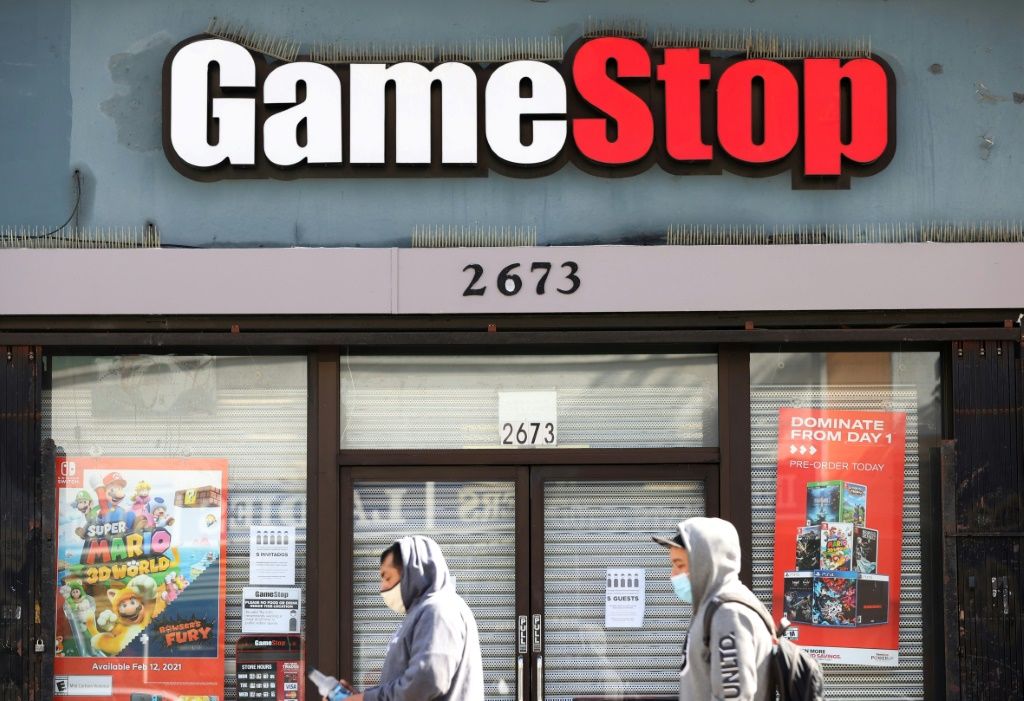
Shares of GameStop were volatile after the company reported mixed earnings

GRAPEVINE, Texas — Shares of GameStop Corp. traded roughly flat Friday, dipping 13 cents, or 0.68%, to $19.10 as of 1:08 p.m. ET, as investors positioned ahead of the company’s full second-quarter earnings report scheduled for after market close on Tuesday, Sept. 8.

Friday’s relatively muted move came amid a broader down day for U.S. equities, with the Dow Jones Industrial Average falling roughly 300 points following the release of the August jobs report. The Labor Department said the U.S. economy added 162,000 jobs last month, decisively beating the consensus estimate of 55,000, while the unemployment rate held steady at 4.1%. Bill Adams, chief U.S. economist at Fifth Third Commercial Bank, said the stronger-than-expected data adds complexity to the Federal Reserve’s upcoming policy decision.

“The August jobs report was much better than expected, focusing the Fed squarely on controlling inflation when they meet next in September,” Adams said, adding that “the next Fed decision will be finely balanced.”

For GameStop specifically, Friday’s trading reflects a period of relative calm ahead of what options traders anticipate could be a significant post-earnings move. According to data from TipRanks’ options tool, traders are pricing in a potential swing of roughly 9% in either direction once the company’s full second-quarter results are released Tuesday.

Advertisement

GameStop already provided a preview of its quarterly performance on Aug. 31, disclosing preliminary results showing expected net income of between $290 million and $310 million, nearly double the $168.6 million reported in the same period a year earlier. That improvement, however, is being driven almost entirely by investment gains rather than core retail performance. The company said its preliminary results include approximately $238 million in net gains tied to its eBay derivative position and equity stake, even as quarterly revenue is projected to fall to between $780 million and $800 million, down sharply from $972.2 million a year earlier.

GameStop shares climbed roughly 4% to 5% in the days following that preliminary disclosure, driven in part by a separate announcement regarding the company’s debt structure. On Sept. 1, GameStop confirmed an amendment to a previously announced exchange of approximately $1.4 billion in convertible notes, under which the company will now pay roughly $358.4 million in cash alongside issuing about 55.5 million shares of common stock. The amended terms fix the total number of shares to be issued in the exchange, meaning the transaction will not result in additional share dilution beyond that fixed amount, a structural change investors welcomed given that the original agreement had been structured to be settled entirely in stock, with the total share count tied to GameStop’s average trading price over a 35-day reference period.

Much of the broader investor attention surrounding GameStop this year has centered on the company’s evolving relationship with eBay and its shifting strategic direction under Chief Executive Ryan Cohen. GameStop first purchased a 5% stake in eBay on Feb. 4, 2026, before making a non-binding proposal on May 3 to acquire the remainder of the e-commerce company for $125 per share in a combination of cash and GameStop stock, a transaction that would value the deal at roughly $56 billion. That proposed acquisition remains pending approval from eBay, GameStop shareholders and antitrust regulators, including the Federal Trade Commission and Department of Justice in the United States.

Cohen has publicly framed the pursuit of a major transformative deal as central to his broader strategy for GameStop since taking over as chief executive in January 2021, shortly after the company’s stock became the center of a historic retail-investor-driven short squeeze. In a January 2026 interview with The Wall Street Journal, Cohen indicated he was actively seeking a significant transaction capable of scaling GameStop well beyond its traditional core video game retail business.

Advertisement

Despite the strategic ambition behind the proposed eBay acquisition, some market commentary in recent days has raised questions about whether the deal will ultimately move forward in its currently proposed form, with speculation circulating that Cohen could potentially abandon the bid altogether depending on how negotiations and regulatory review continue to unfold. Separately, some analysts have suggested that GameStop’s rejected earlier approach toward eBay, and the resulting derivative and equity positions the company built up in the process, effectively rescued what would have otherwise been a considerably weaker underlying quarter for the retailer’s core business.

GameStop’s underlying retail operations have continued shrinking even as its investment portfolio has grown increasingly central to its financial results. The company operates 2,206 stores globally as of its most recent full-year disclosure, including 1,598 locations in the United States, 300 in Australia and 308 across Europe, operating under the GameStop, EB Games, Micromania-Zing, ThinkGeek and Zing Pop Culture brand names. Founded in Dallas in 1984 as Babbage’s before adopting its current name in 1999, the company remains the largest video game retailer in the world by store count, even as its sales continue to decline amid the broader industry shift toward digital game distribution.

GameStop shares have declined roughly 61.7% over the trailing five years, according to analysis from Simply Wall St, even as the stock has experienced periodic bursts of extreme volatility tied to its status as a favored name among retail investors since the original 2021 short squeeze. Despite that long-term decline, some analysts have pointed to the stock’s current valuation as potentially attractive relative to the company’s growing investment portfolio, even as broader fundamental checks on the underlying retail business remain mixed.

With GameStop’s full second-quarter results due after market close Tuesday, investors will be watching closely for additional detail on the trajectory of the company’s core retail sales, further updates on the status of the proposed eBay acquisition, and any new guidance regarding how GameStop plans to balance its shrinking traditional retail operations against its rapidly expanding investment holdings heading into the remainder of fiscal 2026.

Advertisement
Continue Reading

Business

Adnams cuts jobs as conditions remain ‘challenging’ for Ghost Ship brewer

Published

on

Business Live

Group takes “series of operational, commercial and labour management initiatives” after facing worse-than-expected sales at the start of the year

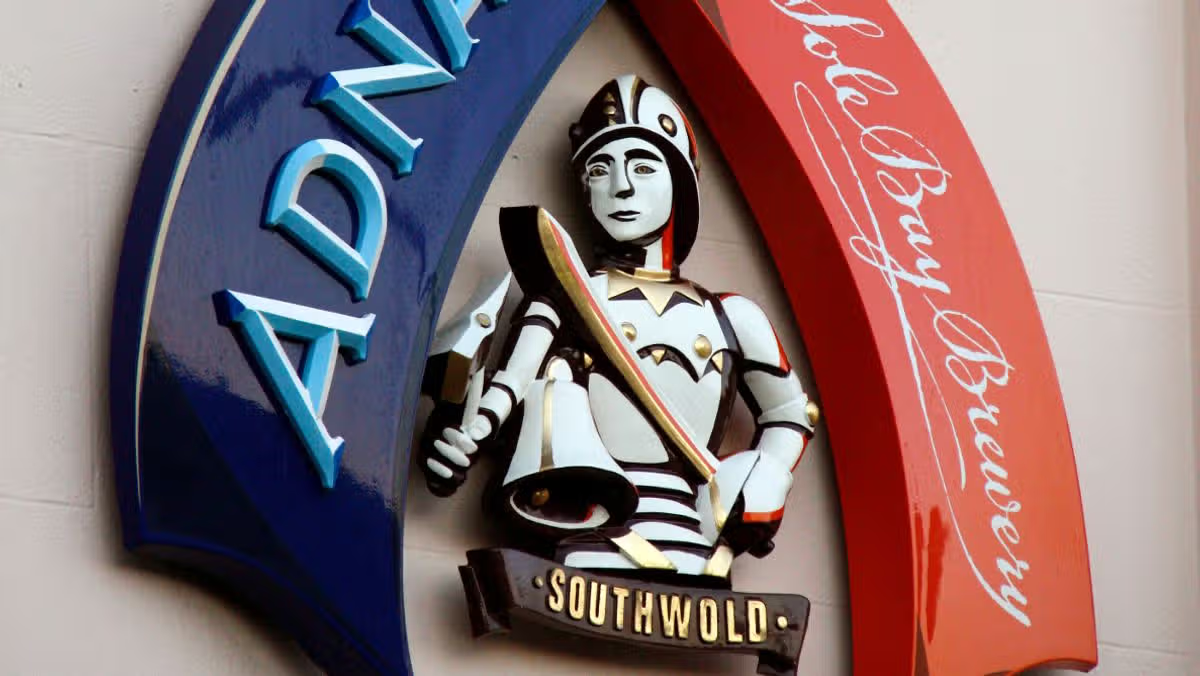
An Adnams pub in Southwold

An Adnams pub in Southwold(Image: Mirrorpix)

Adnams, the brewer behind the popular Ghost Ship ale, has been forced to cut jobs as it implements emergency measures to tackle what it describes as “challenging” trading conditions.

Advertisement

The Suffolk-based brewer and pub operator informed shareholders it has launched “a series of operational, commercial and labour management initiatives” following worse-than-anticipated sales at the start of the year.

Adnams has been approached for comment regarding the precise number of positions affected.

The brewery said it has had to grapple with “continued pressure on consumer spending and subdued trading conditions” during the six months to June.

The group recorded a £1.4m pre-tax loss over the period, marginally lower than the previous year’s £1.5m deficit. The firm’s turnover contracted by nine per cent to £27.4m, as reported by City AM.

Advertisement

Chairman Simon Townsend acknowledged that the brewer’s performance was “below expectations during the first half of the year”, while adding that it is “making progress” towards its long-term strategy.

Townsend attributed the fall in revenue to the disposal of a number of Adnams’ tenanted pubs in 2025, which had inflated turnover in that year.

The brewing chief said he has been “encouraged by the early results” of the company’s turnaround efforts, which have been buoyed by “very favourable weather” and the FIFA World Cup.

Sales at its managed pubs across Suffolk and Norfolk climbed by 3.3 per cent in July, boosting the group’s pub arm profits by 10 per cent during the month. Adnams boosted by World Cup sales.

Advertisement

Townsend said Adnams is also witnessing “encouraging evidence” of expansion in retail beer sales. Profitability at its Bury St Edmunds shop surged five-fold following the site’s relocation, he said.

“Trading with supermarkets also remained broadly in line with the previous year and continued to outperform the wider beer market,” the chairman added.

The group cut £2m from its operating costs in the first half of this year thanks to “improvements in efficiency, overhead control and operational discipline,” its accounts stated.

Adnams said it informed shareholders at its annual general meeting that it will be channelling more resources and focus towards its pub estate, and away from its brewing operations.

Advertisement

“We highlighted our view that Adnams is a hospitality business with a brewery at its heart. This remains the central organising principle of our strategy. “.

“We own a distinctive collection of pubs, hotels and hospitality assets which provide attractive opportunities to improve returns through operational excellence and focused investment,” Townsend said.

Earlier this year, Adnams revealed that it would be reducing alcohol content across several of its beers in an effort to tap into surging consumer appetite for low-strength alternatives. The brewing company was established by brothers George and Ernest Adnams in 1872 when they acquired the Sole Bay Brewery in Southwold, Suffolk.

Adnams is listed on the junior Aquis Stock Exchange.

Advertisement
Continue Reading

Business

A Fresh Take on Online Gaming for UK Players

Published

on

Online casinos are visually enticing playgrounds filled with excitement for players, offering a vast array of slot machines and classic table games such as roulette and blackjack. The UK has more than 170 online casinos, which gives people plenty of choice in terms of where to play.

The UK online casino market is crowded, and finding a platform that actually delivers on its promises can feel like searching for a needle in a haystack.

Lucky Twice Casino has been carving out a reputation among British players who want a straightforward, entertaining experience without the usual fuss. Whether you’re into slots, live dealer tables, or quick sports bets, this platform aims to cover the bases while keeping things simple.

What Makes Lucky Twice Casino Stand Out

Lucky Twice isn’t trying to reinvent the wheel, and that’s part of its charm. The site focuses on doing the fundamentals well: a clean interface, a solid game library, and payment methods that actually work for UK players. No unnecessary bells and whistles, just a casino that respects your time.

The lobby is organised in a way that makes sense. New arrivals get their own section, popular slots are easy to find, and if you’re after something specific like jackpot games or live casino tables, the filters do their job without you having to dig through menus. It’s the kind of design that suggests the team building it actually plays casino games themselves.

Game Selection and Software Providers

Variety matters, and Lucky Twice delivers a healthy mix. Expect titles from well-known studios covering:

Advertisement
  • Video slots ranging from classic fruit machines to elaborate story-driven adventures
  • Live dealer games including blackjack, roulette, and baccarat with real croupiers
  • Table games like poker variants and casual favourites
  • Jackpot slots with progressive prize pools that climb steadily

The provider list reads like a who’s who of the industry, meaning the RTPs and game mechanics are generally trustworthy. You won’t find obscure, unregulated software here—everything is licensed and tested.

Banking Options for British Players

One thing UK players consistently ask about is whether their preferred payment method is supported. Lucky Twice covers the essentials: debit cards, e-wallets like Skrill and Neteller, and even some crypto options for those who prefer digital currency. Withdrawal times are reasonable, typically processing within 24 to 48 hours once verification is sorted.

Speaking of verification, the KYC process is fairly standard. Upload your ID, proof of address, and you’re set. It’s not instant, but it’s not painfully slow either—somewhere in the realistic middle ground that most licensed casinos operate in.

Bonuses and Promotions Worth Knowing

Every casino promises bonuses, but the terms attached often tell a different story. Lucky Twice keeps its welcome offer relatively transparent, with wagering requirements that sit within industry norms rather than the astronomical figures some competitors hide in fine print. Regular players also get access to reload bonuses, free spins drops, and occasional cashback promotions tied to loss thresholds.

It’s worth reading the terms before diving in, as with any casino, but the language used is clearer than what you’ll find on some rival sites. That transparency builds a bit more trust, especially for UK players who’ve been burned before by bonus terms that felt designed to trap rather than reward.

Advertisement

Comparing the Competitive Landscape

The UK casino space has no shortage of alternatives, and it’s worth knowing what else is out there before settling on where to play. Different platforms cater to different priorities, whether that’s bonus size, game variety, or payment speed.

Unlimluck Casino

Feature Details
Welcome offer Multi-tier deposit bonus package
Game providers Wide roster including top-tier slot studios
Payment speed Fast withdrawals with e-wallet priority
Mobile experience Fully responsive, no app required

Unlimluck Casino has built a following among players who like layered promotions that reward continued play rather than a single upfront bonus. The platform leans heavily into slots but doesn’t neglect live casino fans, offering a decent spread of table games alongside the reels. For UK players who enjoy structured loyalty perks, it’s a solid option to have bookmarked.

Agent Spins Casino

Agent Spins Casino brings a slightly different flavour to the table, with a spy-themed aesthetic that doesn’t get in the way of solid gameplay. What stands out here is the frequency of free spin promotions—players who log in regularly tend to find something worth claiming almost every week. The game catalogue leans into slots primarily, though a respectable live dealer section rounds things out for those who want a more social gaming experience.

All Wins Casino

All Wins Casino positions itself around accessibility, keeping deposit minimums low and making the sign-up process about as painless as it gets. This makes it a reasonable pick for players who want to test the waters without committing significant funds upfront. The bonus structure is straightforward, and support responsiveness has generally earned decent marks from UK users who’ve reached out with questions about withdrawals or account verification.

Advertisement

Mobile Compatibility and User Experience

Nobody wants to be tethered to a desktop these days, and Lucky Twice understands that. The mobile site runs smoothly through browsers without requiring a dedicated app, which actually simplifies things for players who don’t want to clutter their phone storage. Load times are decent, games render properly on smaller screens, and the touch controls for slots feel natural rather than clunky.

For UK players specifically, this matters because so much casual gaming happens during commutes or short breaks throughout the day. A casino that fumbles on mobile loses a significant chunk of potential engagement, and Lucky Twice avoids that pitfall reasonably well.

Licensing and Player Safety

Regulatory compliance isn’t the most exciting topic, but it’s the one that actually protects your money. Lucky Twice operates under recognised licensing that requires adherence to fair play standards and responsible gambling measures. Self-exclusion tools, deposit limits, and reality checks are all available for players who want to keep their gaming in check.

This matters more than people often realise. The UK gambling market has tightened considerably over recent years, and platforms that don’t take responsible gambling seriously tend to face consequences—either regulatory or reputational. Lucky Twice’s approach suggests a genuine effort to stay on the right side of both.

Advertisement

Customer Support Quality

Support channels typically include live chat, email, and sometimes a help centre stocked with FAQs covering common issues. Response times for live chat tend to be quick, usually under a few minutes during peak hours, while email queries might take a bit longer depending on complexity. It’s not the fastest support in the industry, but it’s far from the worst either.

For UK players, having support available during evening hours matters since that’s typically when most casual play happens. Lucky Twice seems to have staffed accordingly, avoiding the frustration of long waits during peak usage periods.

Advertisement
Continue Reading

Business

Astera Labs options flow points to upside positioning amid elevated volatility

Published

on


Astera Labs options flow points to upside positioning amid elevated volatility

Continue Reading

Business

inTEC Group sells commercial businesses to Tela to ‘simplify’ its operations

Published

on

Business Live

Deal to sell businesses in Manchester, Cambridge and Newcastle to Midlands group

Melissa Rambridge, CEO of inTEC Group

Melissa Rambridge, CEO of inTEC Group(Image: inTEC Group)

Manchester’s inTEC Group has sold its commercial businesses in three cities to Midlands group Tela.

inTEC says the deal for the businesses in Manchester, Cambridge and Newcastle will “simplify” its operations after a period of expansions and acquisitions, and will allow it to focus on its work in education. Its key focuses include its managed services work, including new partnerships supporting the Department for Education’s Schools Rebuilding Programme.

Birmingham-based Tela has been operating for more than 35 years and provides business telecoms and IT services through 10 offices. Most staff will transfer to Tela, including Mick Satiar, who will join as CTO. The value of the deal has not been disclosed.

Melissa Rambridge, CEO of inTEC Group, said: “Over recent years, inTEC has built a wide-reaching group with strong capabilities and talented teams across several distinct markets. We’ve now reached a point where the best route to sustainable growth is to simplify the group and concentrate our resources and investment on opportunities within education and telecoms – markets in which we have an established reputation and see significant long-term opportunity.

Advertisement

“Tela is a strong strategic home for the commercial division. It has complementary capabilities, a growing national footprint and a clear commitment to customer service. We will work closely together to support our people and customers through the transition.”

Shez Cheema, CEO of Tela, said: “The acquisition brings experienced people, valuable customer relationships and capabilities that complement our existing offer across managed IT, connectivity and communications.

“We are also pleased to welcome Mick Satiar as CTO. His experience and understanding of the customer base will provide valuable continuity as we bring the teams together and build on the division’s existing strengths.”

Advertisement
Continue Reading

Business

McDonald’s Stock Hits 52-Week Low Near $257 as U.S. Traffic Slows and Investors Await Chicago Strategy Day

Published

on

A Starbucks logo is pictured on the door of the Green Apron Delivery Service at the Empire State Building in New York

NEW YORK — McDonald’s Corp. shares traded near a one-year low on Thursday as investors kept selling a stock that has already fallen far from its spring peak, even though the company is still making more money than a year ago.

The shares changed hands around $256.87 in early afternoon New York trading on Sept. 4, down $2.76, or about 1.1 percent, from Wednesday’s close. The day’s range dipped as low as about $255.79, matching the bottom of the 52-week band that once stretched to $341.75. That high was reached in early March. From there, the stock has dropped roughly one-fifth.

The move was not tied to a single announcement. It was the latest step in a months-long rerating of a company that Wall Street used to treat as a defensive holding: a global franchise machine with reliable cash, a rising dividend and a brand that usually gains share when household budgets tighten. This year that story has cracked. U.S. customers are visiting less often. Value deals have not restored traffic the way they did in 2025. And the stock has lagged a rising S&P 500 even after second-quarter earnings beat profit forecasts.

The latest official snapshot came on Aug. 4. McDonald’s reported net income of $2.36 billion, or $3.32 a share, for the quarter ended June 30, up from $2.25 billion, or $3.14 a share, a year earlier. Adjusted earnings were $3.38 a share, above the $3.32 FactSet consensus. Revenue rose 4 percent to $7.1 billion, a shade short of the $7.13 billion analysts expected.

Advertisement

Global comparable sales, the measure of locations open at least a year, increased 1.3 percent. The United States, still the company’s largest market, rose only 0.8 percent after a 2.5 percent gain a year earlier. International operated markets grew 1.5 percent, led by Germany, Australia and the United Kingdom, with France a drag. Developmental licensed markets rose 1.9 percent. Systemwide sales, which include franchised restaurants, increased 5 percent to $37 billion.

Chairman and Chief Executive Chris Kempczinski did not dress up the U.S. number.

“This quarter McDonald’s delivered positive comparable sales growth across every segment and acted decisively to strengthen execution as we prime McDonald’s for the next era of long-term growth,” he said in the earnings release.

On the conference call he was blunter. “We don’t have a strategy problem,” he said. “We simply didn’t execute at the level we needed to in the second quarter.”

Advertisement

Company filings said U.S. comparable sales were driven by higher average checks and a richer mix of items, partly offset by fewer guest visits. That combination is the core of the investor argument. McDonald’s can still lift the ticket when people order a larger combo or a pricier sandwich. It is having more trouble getting them through the door.

Management pointed to inconsistent restaurant operations, marketing that missed, including a June FIFA campaign that underperformed, and a pullback in digital offers that had been propping up app users. Chief Financial Officer Ian Borden said the reduction in digital deals left some customers buying less or skipping a visit. Reuters later reported that Kempczinski told investors loyal customers accounted for about two-thirds of the traffic shortfall.

The company responded on the same day it reported results by changing the person in charge of the home market. Skye Anderson, a 26-year McDonald’s veteran and most recently U.S. chief operating officer, became president of McDonald’s USA, succeeding Joe Erlinger, who left the company after about seven years in the job. Anderson now oversees nearly 14,000 U.S. restaurants.

“While our playbook is working around the world, we see an opportunity to raise the bar in the U.S. and accelerate performance in our largest market,” Kempczinski said. “Skye Anderson’s appointment today as president of McDonald’s USA will bring focus and urgency to these efforts.”

Advertisement

Anderson said the work would happen in the restaurants, not on a slide. “I am honored to lead the U.S. business and build on the strong foundation already in place,” she said. “Together with our Owner/Operators, suppliers and employees, we’ll remain focused on serving great food, delivering exceptional experiences, earning the right to be our customers’ first choice and bringing McDonald’s > NEXT to life across our restaurants every day.”

McDonald’s > NEXT is the growth plan unveiled at the company’s worldwide convention in June. It is built around better-tasting food and drinks, new restaurant design, consumer-led menu news and cleaner service. Management has promised more financial detail at an investor day in Chicago on Sept. 23 — less than three weeks after the stock printed a fresh 52-week low.

That calendar is now the main event for the shares. Investors want to know how much franchisees will spend, how quickly U.S. traffic can stabilize, and whether the company can simplify a value lineup that has grown crowded. McDonald’s has tested and restacked deals for two years: Extra Value Meals, a McValue platform, buy-one-add-one offers, and an under-$3 list that includes items such as a McChicken, McDouble, small fries and a four-piece Chicken McNuggets. Rivals have copied the playbook. Taco Bell, Wendy’s and others also sell cheap bundles. Reuters reported in August that discounts alone no longer guaranteed traffic across the sector.

The franchise model still throws off cash. First-half adjusted operating margin was 46.9 percent. Loyalty remains a bright line in the results: systemwide sales to loyalty members reached $40 billion over the trailing 12 months, up more than 20 percent, with nearly 220 million 90-day active users. The company still plans about 2,600 gross restaurant openings in 2026. It did push back the date for 50,000 restaurants worldwide to 2028 from the end of 2027, citing a pressured consumer and higher development costs. Even with that delay, management called the current buildout the fastest period of restaurant growth in the company’s history.

Advertisement

The dividend is another reason the stock has not collapsed further. McDonald’s declared a $1.86 quarterly cash dividend with an ex-date of Sept. 1. At Thursday’s price, the yield is close to 2.9 percent, near the high end of its recent range after the share-price slide. The company has raised the payout for decades, which keeps income-oriented funds interested even when growth stocks look cheaper on a multiple basis.

Consensus still leans constructive. A mid-September snapshot of about 34 analysts showed an average target near $315, implying more than 20 percent upside from the mid-$250s, with individual targets ranging from about $250 to $407. Several firms did cut numbers after the U.S. miss. RBC Capital lowered its target to $295 from $305. Bernstein cut to $295 from $310, citing delayed growth and value-execution problems. Some data providers counted more than a dozen downward earnings revisions after the print.

The valuation argument cuts both ways. The stock now trades at a lower multiple than it did at $341, which is why some investors call the pullback an entry. Other models still see the shares as expensive relative to slower U.S. comps. Restaurant peers have been weak as well, and consumer names have been caught in a broader debate about middle-income spending.

For now, the market is treating McDonald’s as a company that can print earnings and still lose the traffic war at home. The next chance to change that reading is Sept. 23 in Chicago, when Kempczinski, Borden and Anderson have to show that “focus and urgency” is more than a leadership announcement. Until then, the tape is doing the talking: a blue-chip burger stock, once priced for durability, changing hands at the lowest levels in a year.

Advertisement
Continue Reading

Trending

Copyright © 2025