

Business
Asia-Pacific Investment in Australia Hits Record Highs in 2025


Asian investment into Australia reached a series of record-breaking milestones in 2025, with Japan, Korea, Singapore, and Malaysia reshaping bilateral economic ties through landmark deals and strategic capital deployment, even as global macroeconomic headwinds tested investor confidence across the region.
Key takeaways
- Japan’s M&A market surged 83.9% to US$218.5 billion in 2025, marking the third consecutive year of record Japanese investment into Australia.
- Korea’s POSCO sealed a landmark A$1.2 billion lithium deal while Hanwha cemented its defence presence through a 19.9% stake in Austal, signalling Asia’s deepening strategic ties with Australia.
- Critical minerals, defence, real estate, and renewables are set to dominate Asia-Pacific deal flow into Australia throughout 2026.
These are the central findings of MinterEllison’s 2026 Asia Report: Year in Review, the fifth annual edition of the firm’s flagship Asia practice publication tracking cross-border deal activity, regulatory shifts, and sector-by-sector investment trends across Australia’s key Asian partner economies.
Japan: Unprecedented M&A and Historic Leadership
Japan’s M&A market reached unprecedented levels in 2025, recording 3,472 transactions valued at a combined US$218.5 billion, an extraordinary 83.9% surge compared to 2024.
Sanae Takaichi became Japan’s first female Prime Minister, signalling a decisive pivot toward economic growth and a commitment to lifting defence spending to 2% of GDP.
Japanese investment in Australia reached record levels for the third consecutive year, with real estate, energy security, and data centres emerging as priority sectors. The landmark A$55 billion Mogami-class frigate contract further cemented defence collaboration as a key pillar of the bilateral relationship heading into 2026.
Korea: Lithium Billions and a Expanding Defence Presence
Korea delivered one of the year’s most consequential bilateral transactions. POSCO Holdings committed A$1.2 billion into Mineral Resources’ lithium assets, securing a 30% interest and long-term access to spodumene concentrate from Tier-1 assets at Wodgina and Mt Marion.
Meanwhile, Australia-Korea cross-border investment volumes grew 20% year-on-year in the first three quarters of 2025. On the defence front, Hanwha’s stake in Austal Limited was approved at 19.9%, positioning the Korean conglomerate as Austal’s largest single shareholder and reflecting deepening strategic industrial ties between the two nations.
China: Record Trade Surplus, Subdued M&A
China’s domestic economy showed signs of stabilisation in 2025, posting a record US$1.189 trillion trade surplus while accelerating overseas manufacturing investment across Southeast Asia.
Inbound M&A from Chinese companies into Australia remained subdued, as FIRB approval challenges continued to constrain deal activity.
Australia charted an independent China strategy under its re-elected government, prioritising trade while maintaining security commitments. MinterEllison anticipates 2026 deal flow will emerge primarily through minority equity interests, joint ventures, and licensing agreements in sectors including EVs, mining, biotech, and fintech.
Singapore and Malaysia: Capital, Infrastructure, and Renewables
Singapore delivered political certainty following Prime Minister Lawrence Wong’s landslide election victory, though overall M&A activity softened amid US-driven global headwinds.
Capital markets reform initiatives deployed approximately S$3.95 billion to local asset managers, while IPO fundraising reached its highest level since 2019 at S$2.54 billion. Australian real estate remains a key deployment target for Singapore-based capital in 2026.
Malaysia rounded out a strong year for Southeast Asian investment into Australia, backed by solid GDP growth of 4.7 to 5.0%. Sime Darby Property acquired the largest Melbourne CBD development site in five years, while Gamuda Berhad secured infrastructure contracts exceeding RM8 billion and entered Tasmania’s renewable energy market. Fortescue’s green hydrogen collaboration in Sarawak highlighted the growing maturity of bilateral clean energy ties.
The 2026 Asia Report presents a region demonstrating strategic purpose despite a volatile global backdrop. Critical minerals, defence, real estate, and renewables are expected to drive deal activity across all five markets in the year ahead, reinforcing Australia’s position as a preferred destination for Asian capital.
Other People are Reading

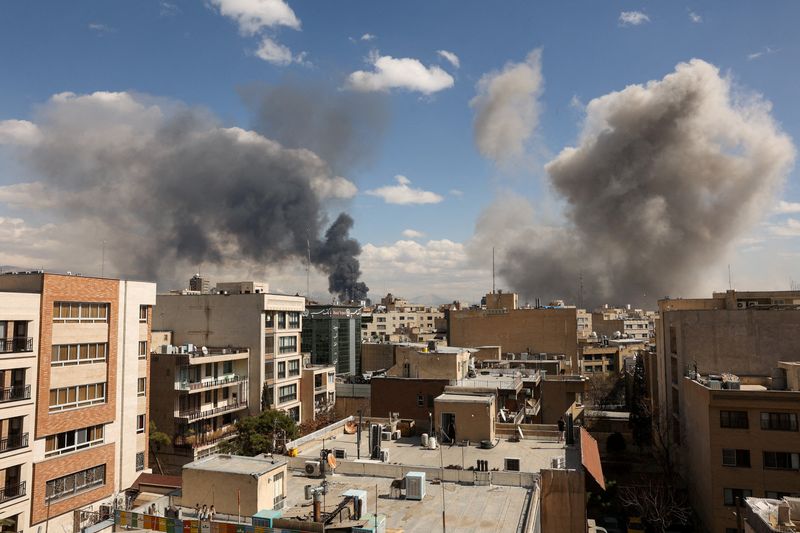

China’s Wang Yi says attacks on Iran ’unacceptable’, urges ceasefire and talks

SunOpta surges 63% after InvestingPro Fair Value signal
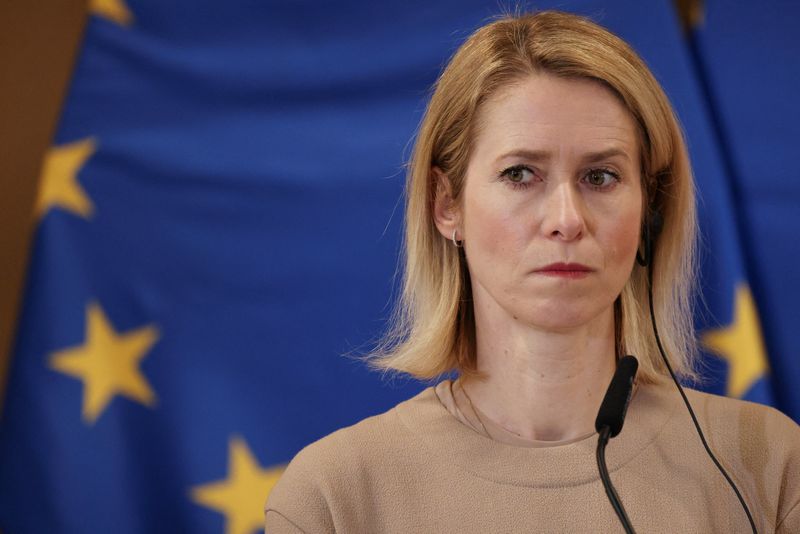

There is now an open path to a different Iran, EU’s Kallas says

Edited excerpts from a chat:
What is your assessment of the current market cycle, and where do you believe we stand in terms of valuations versus earnings visibility?
The Indian markets continue to appear expensive on a headline basis as they are trading above their median valuations. However, there are pockets of opportunities across sectors and market caps that could benefit from strong domestic demand and policy support. Earnings visibility has been improving for sectors such as financials, industrial products, auto, and select consumer categories, while pockets like defense, and infrastructure continue to offer long-term growth potential. External factors such as global trade tensions, tariff concerns and India being viewed as an Anti AI trade has weighed on the sentiment of the market. India’s pursuit of signing free trade agreements (FTAs) with different countries like the EU and New Zealand is creating new avenues for trade, investment, and market diversification, which could support earnings growth over the medium term. We believe that the market is currently in a phase where broad valuations may appear rich, but earnings visibility is improving, and pockets of opportunities continue to exist for investors who focus on quality, growth potential, and sectors positioned to benefit from both domestic and global trends.
What stood out for you in the Q3 earnings season? Are you more hopeful of broad-based growth than before?
What stood out this Q3 earnings season was the divergence between underlying operating performance and the direction of earnings revisions. Corporate Earnings this quarter were broadly in line with expectations. Several consumption-linked and cyclical sector companies witnessed a growth in top-line with operating margins broadly stabilized or expanded and profit growth remained healthy. Banks and NBFCs showed signs of stability in asset quality and profitability metrics and industrial and defence names continued to benefit from execution momentum and policy tailwinds. Earnings downgrades in a couple of sectors were not driven purely by weak quarterly performance but due to a confluence of external factors such as currency volatility, commodity price swings, competitive intensity in certain segments, and global volatility. Management commentary indicated that domestic demand showed early signs of improvement following policy support, with autos and select consumer categories reflecting better business commentary. However, competitive intensity remains elevated in some sectors such as paints, consumer durables and telecom. IT services delivered a steady quarter with management commentary highlighting the concerns around AI related disruptions. Overall, the quarter reinforced a cautiously constructive view operationally, corporate India appears to be on a firmer footing as compared to previous quarters, but forward earnings expectations are still adjusting to a complex mix of macro, regulatory and competitive factors.
Which sectors appear structurally well-positioned over the next three to five years, and why?
Sectors that are beneficiary of secular trends and policy support given by the government appear structurally well positioned over the next three to five years. One prominent theme is defence. There is a multi-year potential for businesses in this sector due to rising government spending on defense equipment modernization, local manufacture, and indigenization. Strategic Partnerships with global players are improving technological access.

Furthermore, companies that are involved in the manufacturing of advanced electronics, aerospace components, and systems integration are well positioned to benefit from these structural tailwinds.
Pockets of consumer discretionary is another structurally attractive sector, reflecting changing preferences of the consumers as per capita income improves, urbanization and digital adoption encourages consumers to spend more on upgrading and preimmunizing their lifestyles.Banks and NBFCs are improving on asset quality, healthy credit growth, and increasing penetration across retail and corporate segments. The combination of robust balance sheets, policy support, and innovation in digital lending and payments provides a structural tailwind for earnings.
What is your outlook on financials, particularly in the context of credit growth, asset quality and margin sustainability?
The outlook on the financial sector remains constructive given improvement of credit growth and stable operating conditions. There are early signs that corporate lending is picking up which is expected to continue. Deposit growth continues to remain a challenge, and a higher reliance on bulk deposits could keep the cost of funds slightly elevated. Banks should be able to maintain their stable margins given the repricing of MCLR linked loans. Increased collection effectiveness and stress level mitigation, especially in unsecured portfolios, ensure that asset quality and credit costs continue to be controlled. Management commentary suggests that the second half of the year should be better, as growth is expected in both lending and controlled credit costs, which will improve their profitability. This creates a favorable backdrop for banks, balancing growth opportunities with prudent risk management.
How should investors approach the IT and digital ecosystem amid AI-led disruption and shifting global tech spending?
Investors should adopt a wait and watch approach in this space. AI is changing business models of traditional IT companies. The pace of AI-driven change is unprecedented in nature. Global hyperscalers are committing capex more than $600 billion towards AI related infrastructure, including data centers. As a result of these developments within the field of AI, companies are now investing more in automation and artificial intelligence as compared to traditional IT services. Companies who successfully implement AI stand to benefit from these changes, while others could lag, thereby impacting their revenue and profit margins. For Indian IT, the structural shift presents a dual challenge. Traditional service models face pressure as automation and generative AI reduce demand for conventional software maintenance. At the same time, India’s deep talent base and growing digital capabilities provide opportunities to support global clients in AI adoption.
How are you currently positioning portfolios in terms of sector allocation, cash levels and market-cap bias?
We use momentum as a factor across our funds and allocate capital to sectors and companies based on relative price strength, growth in revenue, and accelerating earnings, while using absolute momentum to manage risk and protect capital. From a market-cap bias, positioning depends on the mandate of the scheme. In categories such as Flexicap, ELSS and Special Opportunities where the fund managers have flexibility to allocate across market caps, we have a slight bias towards mid and small caps. Sector-wise, we are positioned in BFSI, Autos, Pharma and Industrial Products where we believe the balance between growth prospects and risk is favourable. These sectors offer a mix of cyclical recovery, structural tailwinds and improving profitability dynamics. On the risk management side, we actively use hedging to reduce downside risk particularly during phases where markets remain sideways or uncertain. In addition, we maintain cash in certain portfolios where near-term risk-reward warrant a more cautious stance. Overall, our approach seeks to participate in momentum-led opportunities while maintaining flexibility and prudent risk control.
Do you think that the sell-off in smallcaps we saw in last 1.5 years is done and that we will see gradual recovery in next 2 quarters?
Given the results in Q3FY26, there are encouraging signs that the extended weakness in small-caps could be stabilizing. Across a broad set of companies, revenue and profitability growth is accelerating, with smaller companies showing stronger momentum. Earnings downgrades appear to be moderating, and we expect upgrades to gradually emerge as macro conditions stabilize and companies benefit from policy tailwinds. Supportive monetary conditions due to the rate cuts done by the Reserve Bank of India should improve corporate earnings and investor sentiment. While valuations are above median levels at the broader index level, there continue to be selective pockets within this space with solid fundamentals and clear growth drivers. The combination of the above-mentioned factors suggests that small-caps could see a gradual recovery in the coming quarters.


Global reaction to the killing of Iran’s Khamenei

K-pop supergroup BTS will make a highly anticipated return to the stage with a free, one-hour comeback performance at Gwanghwamun Square in central Seoul on March 21, 2026, featuring premiere tracks from their upcoming fifth full-length album “Arirang” alongside beloved hits, their agency HYBE confirmed.
Titled “BTS The Comeback Live: Arirang,” the outdoor event at 8 p.m. KST will mark the septet’s first full-group live appearance in three years and nine months, following individual activities and military service commitments. The performance will stream live exclusively on Netflix to viewers in approximately 190 countries, directed by acclaimed Super Bowl halftime show producer Hamish Hamilton, amplifying its global reach.

HYBE emphasized that the approximately one-hour duration was a deliberate choice by the organizers to prioritize audience safety, crowd control, stage management, public transportation convenience and noise considerations in the bustling downtown location. “The performance time has been set at an appropriate duration to ensure safe and smooth operations,” HYBE stated in a release addressing online speculation.
Rumors had circulated suggesting the Seoul Metropolitan Government imposed the time limit, but both HYBE and city officials swiftly clarified that the decision originated with the agency. “The Seoul Metropolitan Government has never limited the Gwanghwamun Square concert to one hour,” HYBE said, adding that discussions from December 2025 onward included the one-hour request from HYBE. City authorities echoed this, noting they handle non-performance logistics like safety while the concert structure falls under the organizer’s responsibility.
The event has generated massive excitement since its announcement. Tickets for seated sections—limited and requiring registration via NOL Ticket—sold out almost instantly when sales opened, with systems crashing under the surge of over 100,000 simultaneous users at peak times. A special standing zone near the extended stage was allocated to 2,000 fans selected through a draw from those who preordered “Arirang.” Authorities expect up to 260,000 people to gather in and around the area, treating Gwanghwamun Square as a “virtual stadium” with 29 designated entry points, heavy police presence and traffic controls.
To manage crowds, Seoul city is hosting separate fan events nearby for about 30,000 additional attendees. Gyeongbokgung Palace, adjacent to the square, will close entirely on March 21—a rare weekend shutdown for the historic Joseon Dynasty site—to facilitate security and flow.
The concert coincides with the March 20 release of “Arirang,” BTS’s first full-group album since 2022. The title draws from the traditional Korean folk song symbolizing resilience and longing, reflecting themes of reunion and cultural pride. The setlist will include new songs from the album plus fan favorites, offering a concise yet powerful showcase of BTS’s evolution.
BTS members—RM, Jin, Suga, J-Hope, Jimin, V and Jungkook—have expressed gratitude for the opportunity to reconnect with fans in such an iconic setting. Gwanghwamun Square, framed by the statue of King Sejong and the National Museum of Korea, holds symbolic weight as a historic public space for cultural and political gatherings.
The Netflix livestream positions the event as a global cultural moment, following BTS’s history of breaking streaming records and influencing soft power diplomacy. Economic projections estimate a significant boost for Seoul, potentially in the hundreds of millions of dollars from tourism, merchandise and related activities.
Preparation has involved close coordination between HYBE, Seoul authorities, police and emergency services. Fans worldwide are already planning trips, with travel guides and eSIM recommendations circulating online for international ARMY (BTS’s fandom name).
As March 21 approaches, anticipation builds for what promises to be a landmark in K-pop history—a free, accessible return in the heart of Seoul, bridging BTS’s past triumphs with their next chapter before launching an 82-date world tour, “BTS WORLD TOUR ARIRANG,” starting in Goyang, South Korea, in April.
For now, the focus remains on safety and celebration. HYBE urged fans to follow official channels for updates, while city officials stressed cooperation to ensure a smooth, memorable night.

Notably, more than 20% of the world’s oil passes through the Strait of Hormuz, which connects the Persian Gulf with the Gulf of Oman and the Arabian Sea. The heavy missile strikes around the area have raised worries about supply constraints, leading to a spike in oil prices.
US WTI surged 3.19% to $67.29 per barrel, while Brent reached $72.87 on Friday. This came ahead of the significant rise in the Middle East’s war during the weekend, with rising worries around further escalations.
Barclays sees oil prices crossing $100:
UK’s second largest bank Barclays on Saturday increased its forecast for Brent Crude oil futures to $100 per barrel. “Oil markets might have to face their worst fears on Monday. As things stand right now, we think Brent could hit $100 (per barrel), as the market grapples with the threat of a potential supply disruption amid a spiraling security situation in the Middle East,” the bank said in its report.The hike in forecast came after US and Israel’s initial strikes on Iran and the latter’s retaliation. Notably, the war has escalated significantly since then, with the death of Iran’s supreme leader Ayatollah Ali Khamenei sending shockwaves across the globe.
Iran is located along the Strait of Hormuz, through which approximately a fifth of the world’s oil supply passes, Ali Vaez, who heads the Iran Project at the International Crisis Group, said in a post on X. “Even limited disruption could spike energy prices, fuel inflation, and rattle global markets,” he added.
Oil overeacts first, then adjusts’
Equirus Securities in its latest note highlighted that oil prices have repeatedly surged 25-300% during geopolitical crises, even when physical supply losses were temporary. “Pattern is consistent: Oil overreacts first, embeds a geopolitical risk premium, and then gradually adjusts as trade flows reroute & fundamentals reassert themselves. Real forecasting challenge is not predicting the initial spike but estimating how long disruption and embedded premium will persist,” it said.The pattern is consistent – oil overreacts first, embeds a geopolitical risk premium, and then gradually adjusts as trade flows reroute and fundamentals shine through, the brokerage said, adding that the real challenge is not predicting the initial spike but how long the disruption and the resulting premium will persist.
“At the start of the Russia–Ukraine war, markets assumed a prolonged conflict would keep crude structurally above $100/bbl & push OMCs to distressed valuations. Had one known the war would still be ongoing 4 years later, triple-digit oil would have seemed inevitable. Instead, what happened in reality, after briefly spiking above $120/bbl, prices retraced as flows adjusted, Russian barrels were rerouted, & fundamentals reasserted themselves. Today, crude trades closer to fundamentals & OMCs are roughly triple their crisis-implied lows,” Equirus Securities further said.
If escalation threatens the key Strait of Hormuz, premium becomes structural rather than proportional, the brokerage said. “Even partial disruption risk could embed a $20–$40/bbl geopolitical premium, reopening a pathway toward $95–$110+, well beyond mechanical impact of Iran’s barrels alone,” it added.
For India, which relies heavily on imported crude oil, the immediate consequence has been rising inflationary pressure triggered by higher energy prices, said Manoranjan Sharma, Chief Economist at Infomerics Ratings. “Elevated import costs are likely to widen the current account deficit and further strain the fiscal deficit through increased subsidy obligations,” he added.
Rising Middle East tensions raise risks of shipping disruptions, higher global freight and insurance costs, even without a full blockade, said Madhavi Arora, Chief Economist at Emkay Global Institutional Equities. “As per our preliminary checks, India’s crude and LNG supplies are largely intact, and India has buffers in the form of diversified imports, strategic reserves and operational stocks, helping absorb short-term shocks,” the analyst added.
“In the event of tensions in the Middle East continuing, higher oil prices will directly feed into the input costs and macro indicators. If however the situation normalizes with OPEC+ also indicating a sharp output increase (0.4mb/d), and oil doesn’t spike and fall below $70/bbl, the macro impact could be contained,” Arora further said.
Back on Dalal Street…
The shares of oil marketing companies (OMC) will remain in focus tomorrow, amid the expected rise in crude oil prices. The shares of oil refineries will likely see an uptick, mirroring the rise in oil prices.
Tyre and paint stocks will also be a key monitorable tomorrow, as crude oil is a key raw material source for both paint and tyre companies because many of their inputs are petroleum-based derivatives.
Also read: https://economictimes.indiatimes.com/markets/stocks/news/will-sensex-nifty-react-amid-escalating-middle-east-war-after-khameneis-killing/articleshow/128909536.cms
(Disclaimer: Recommendations, suggestions, views and opinions given by the experts are their own. These do not represent the views of The Economic Times)


The division of labor in a marriage often results in one person handling the banking, subscriptions, passwords and more. That can leave the other person in the dark about how to locate and access the family’s accounts.
Payal Adhikari, a Chicago pediatrician, came to this realization recently.
Copyright ©2026 Dow Jones & Company, Inc. All Rights Reserved. 87990cbe856818d5eddac44c7b1cdeb8
Business
North Korea says Israeli attacks and US military operation against Iran are ’illegal aggression’
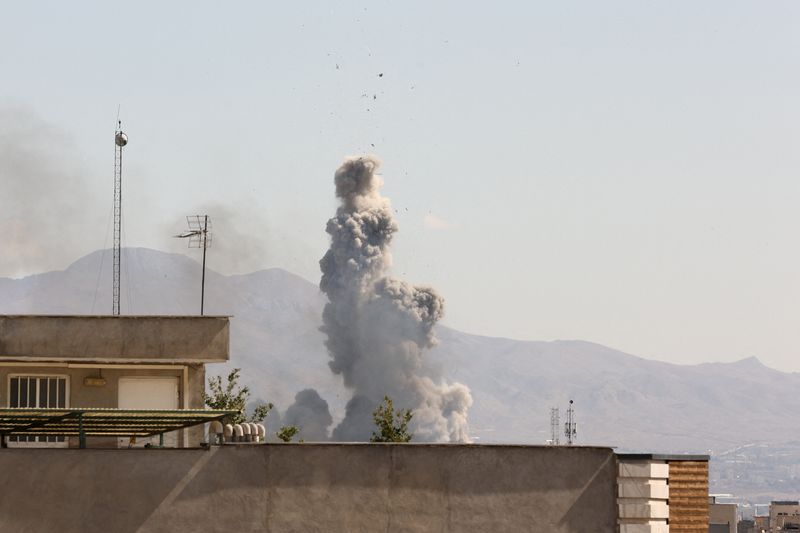

North Korea says Israeli attacks and US military operation against Iran are ’illegal aggression’

Last autumn, Intelligent Land Investments (ILI) – a company with a background in clean energy development and battery storage projects – announced ambitious plans for a data cluster called the Stoics, spread across sites in Ayrshire, Lanarkshire and Fife.

Shanna Moakler Throws Shade at Kourtney Kardashian

Healey: British Government Now Considering Raising Terrorist Threat Level

China’s Wang Yi says attacks on Iran ’unacceptable’, urges ceasefire and talks


-

 Sports6 days ago
Women’s college basketball rankings: Iowa reenters top 10, Auriemma makes history
-

 Fashion2 days ago
Weekend Open Thread: Iris Top
-

 Politics6 days ago
Nick Reiner Enters Plea In Deaths Of Parents Rob And Michele
-

 Business5 days ago
True Citrus debuts functional drink mix collection
-

 Politics2 days ago
ITV enters Gaza with IDF amid ongoing genocide
-
Sports1 day ago
The Vikings Need a Duck
-

 Crypto World5 days ago
XRP price enters “dead zone” as Binance leverage hits lows
-

 Tech8 hours ago
Unihertz’s Titan 2 Elite Arrives Just as Physical Keyboards Refuse to Fade Away
-

 Business7 days ago
Mattel’s American Girl brand turns 40, dolls enter a new era
-

 Tech5 days ago
Unsurprisingly, Apple's board gets what it wants in 2026 shareholder meeting
-
 NewsBeat19 hours ago
Dubai flights cancelled as Brit told airspace closed ’10 minutes after boarding’
-

 Business7 days ago
Law enforcement kills armed man seeking to enter Trump’s Mar-a-Lago resort, officials say
-

 NewsBeat3 days ago
Cuba says its forces have killed four on US-registered speedboat | World News
-
 NewsBeat24 hours ago
The empty pub on busy Cambridge road that has been boarded up for years
-
 NewsBeat4 days ago
Manchester Central Mosque issues statement as it imposes new measures ‘with immediate effect’ after armed men enter
-
 NewsBeat6 days ago
‘Hourly’ method from gastroenterologist ‘helps reduce air travel bloating’
-

 Tech7 days ago
Anthropic-Backed Group Enters NY-12 AI PAC Fight
-

 NewsBeat15 hours ago
Abusive parents will now be treated like sex offenders and placed on a ‘child cruelty register’ | News UK
-

 NewsBeat7 days ago
Armed man killed after entering secure perimeter of Mar-a-Lago, Secret Service says
-

 Politics7 days ago
Maine has a long track record of electing moderates. Enter Graham Platner.